Antistatic Straight and Curved ESD Tweezers Suppliers and Manufacturers
Source Antistatic Straight and Curved ESD Tweezers from 23 verified suppliers in China. Compare key dimensions including location, response time, lead time, MOQ, and certifications to identify the right partner for your procurement needs; review the available evidence before requesting comparable quotations from suitable candidates.
Suppliers List

- Verified by BV
- Manufacturer/Factory
- China Guangdong
- Lead time15 days
- Avg. response≤ 2h
Main productsESD Products, Cleanroom Products, Reliability Test Equipment, ESD Consumables, Purification Equipment, Hardwares, Electronic Compenents, Tools, Filtering Parts
Main marketsSouth America,Eastern Europe,Mid East,North America,Southeast Asia,Eastern Asia,Oceania,Western Europe,Africa

Suzhou Jiekon Puri-Tech Co., Ltd.
- Verified by TUVRHEINLAND
- Trading Company
- China Jiangsu
- Lead time15 days
- Avg. response≤ 25h
Main productsMicrofiber Cleanroom Wiper, Cleanroom Wiper, Sticky Mat, Finger Cot, Anti Static Clothes, Anti Static Fabric
Main marketsDomestic

Xiamen Qianyu Technology Co., Ltd.
- Trading Company
- China Fujian
- Lead time15 days
- Avg. response≤ 5h
Main productsCleanroom Wipes, 100% Polyester Wipes, Cleanroom Double-Knit Polyester Wipes, SMT Roll Wipes, Microfiber Cloth, 2ply Cleanroom Wipes, SMT Stencil Wipes, Nonwoven Cleaning Paper, Industrial Cleaning Cloth, Cleanroom Swabs
Main marketsAfrica,Southeast Asia/ Mideast,Europe

Suzhou Quanjuda Purification Technology Co., Ltd
- Trading Company,Manufacturer/Factory
- China Jiangsu
- Lead time0 days
- Avg. response≤ 8h
Main productsESD Fabric, ESD Garment, ESD Uniform, Sticky Mat, ESD Shoes, ESD Wrist Strap, ESD Glove, Disposable Facemask, Cleanroom Wipers, ESD Finger Cots


Factory Sale Electronics Tool Woking Industrial Use ESD Anti Static Tweezers
$0.10 - $0.30
MOQ: 100 Pieces
Shenzhen Jinliyang Technology Co., Ltd.
- Manufacturer, Trading Company
- Guangdong, China
- Lead time8 days
- Avg. response≤ 4h
Main productsSoldering Station/Hot Air Rework Station/DC Power Supply/Test Leads/Screwdriver Set
Main marketsNorth America(15.00%), Western Europe(15.00%), South America(10.00%), Eastern Asia(8.00%), Domestic Market(8.00%), Eastern Europe(7.00%), Mid East(7.00%), Southeast Asia(6.00%), South Asia(5.00%), Southern Europe(5.00%), Central America(5.00%), Northern Europe(5.00%), Oceania(2.00%), Africa(2.00%)
Shenzhen Fairtech Electronics Co.,LTD
- Manufacturer
- Guangdong, China
- Lead time7 days
- Avg. response≤ 9h
Main productsESD garment,ESD Magazine Rack,ESD box,ESD Fabric,ESD Bag
Main marketsNorthern Europe(17.00%), Western Europe(15.00%), North America(15.00%), Central America(15.00%), Eastern Europe(14.00%), South America(14.00%), Southern Europe(10.00%)
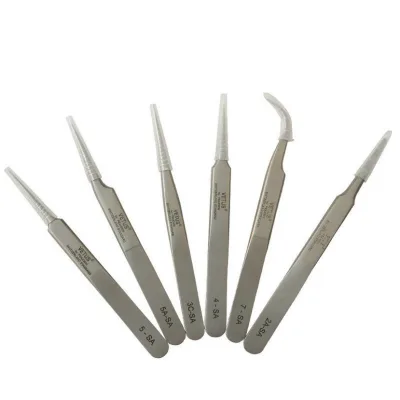
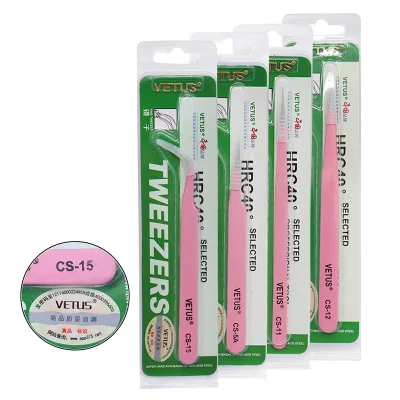
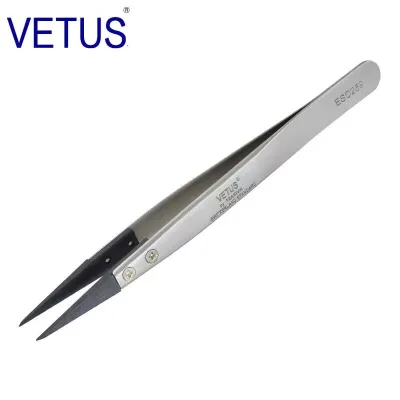
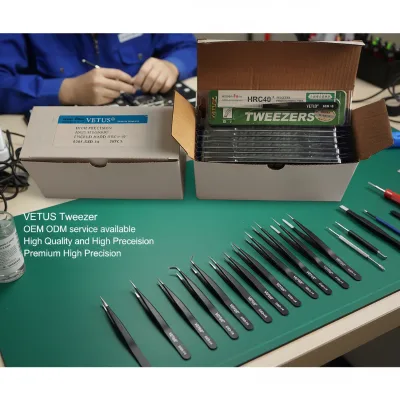
Custom Original ESD Antistatic Tweezer Vetus Tweezer Assembly for Electronic Use
$0.61 - $6.12
MOQ: 10 Minimum
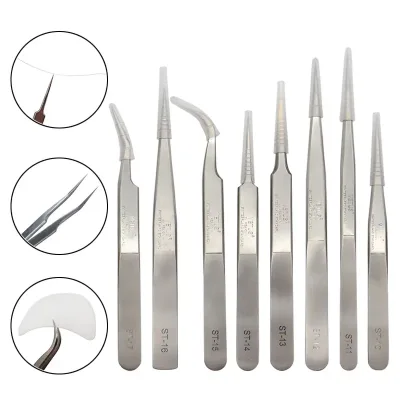
High Quality Black Anti-static ESD Plastic Tweezers Set Pointed Flat Curved Tips Tweezers
$0.61 - $6.12
MOQ: 10 Minimum
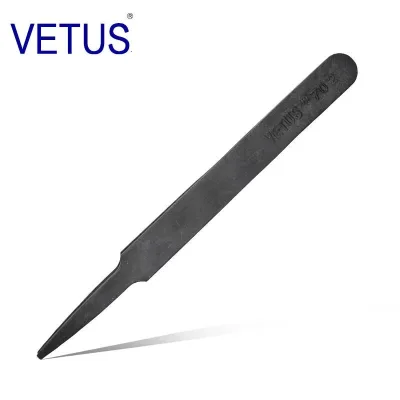
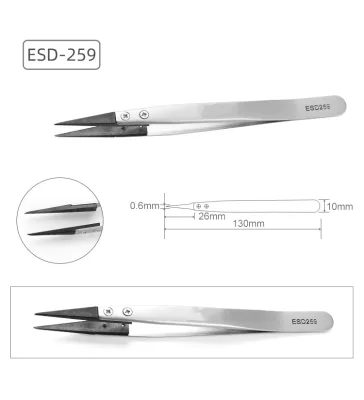
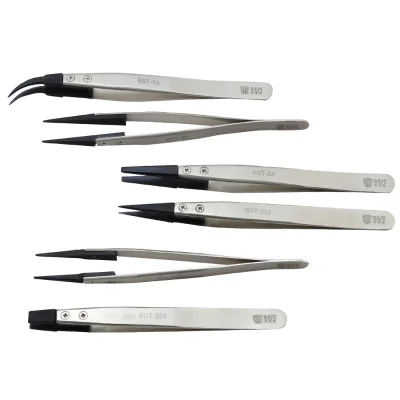
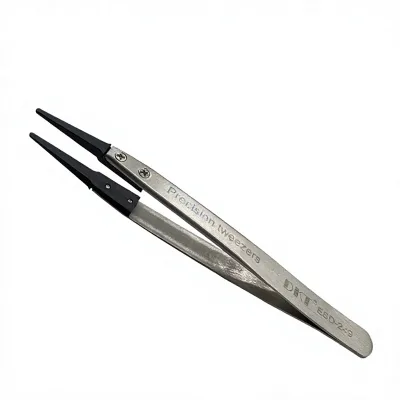
Wholesale ESD Heat-resistance Replaceable Ceramic Pointed Tip Stainless Steel Anti-static Tweezers
$0.61 - $6.14
MOQ: 10 Minimum
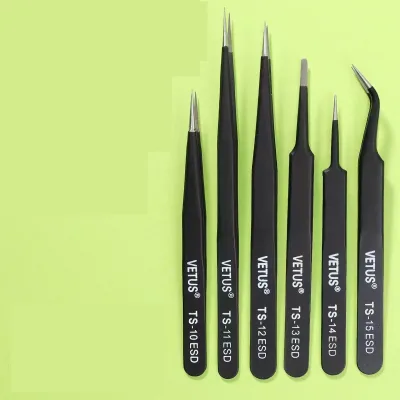
$0.61 - $6.12
MOQ: 10 Minimum

Shanghai Leenol Industrial Co., Ltd.
- Verified by SGS
- Trading Company,Manufacturer/Factory
- China Shanghai
- Lead time15 days
- Avg. response≤ 9h
Main productsSMT PCB Magazine Rack, ESD Workbench, ESD Box/Tray/Trolley, ESD Packing Bags, Cleanroom Products, ESD Testers, ESD PCB Trolley, Sticky Mat, ESD PVC Flooring/Tile, ESD Chairs
Main marketsSouth America,Eastern Europe,Mid East,North America,Southeast Asia,Eastern Asia,Oceania,Western Europe,Africa
Shenzhen Dinggong Electronic Tool Instrument Co., Ltd.
- Manufacturer
- Guangdong, China
- Lead time0 days
- Avg. response≤ 5h
Main productsCharger,Soldering station,Hot air gun,Repair pad,Maintenance power supply
Main marketsDomestic Market(30.00%), Southeast Asia(25.00%), Eastern Asia(10.00%), North America(9.00%), South Asia(9.00%), South America(8.00%), Africa(8.00%)
Dongguan Shangda Purification Products Co., Ltd.
- Manufacturer, Trading Company
- Guangdong, China
- Lead time0 days
- Avg. response≤ 2h
Main productsAntistatic slippers,anti-static clothing,Dust-free paper,finger cot,antistatic gloves
Main marketsSouth Asia(10.00%), Northern Europe(10.00%), Central America(10.00%), Western Europe(10.00%), Eastern Asia(10.00%), Mid East(10.00%), Africa(10.00%), Southeast Asia(10.00%), South America(10.00%), North America(10.00%)

Shanghai Herzesd Industrial Co., Ltd.
- Trading Company
- Shanghai, China
- Lead time3 days
- Avg. response≤ 3h
Main productsESD PCB Magazine Rack,ESD PCB cart,ESD Box,ESD Acrylic,ESD Rubber Mat
Main marketsSouth America(30.00%), Southeast Asia(20.00%), Eastern Europe(20.00%), North America(20.00%), Northern Europe(1.00%)
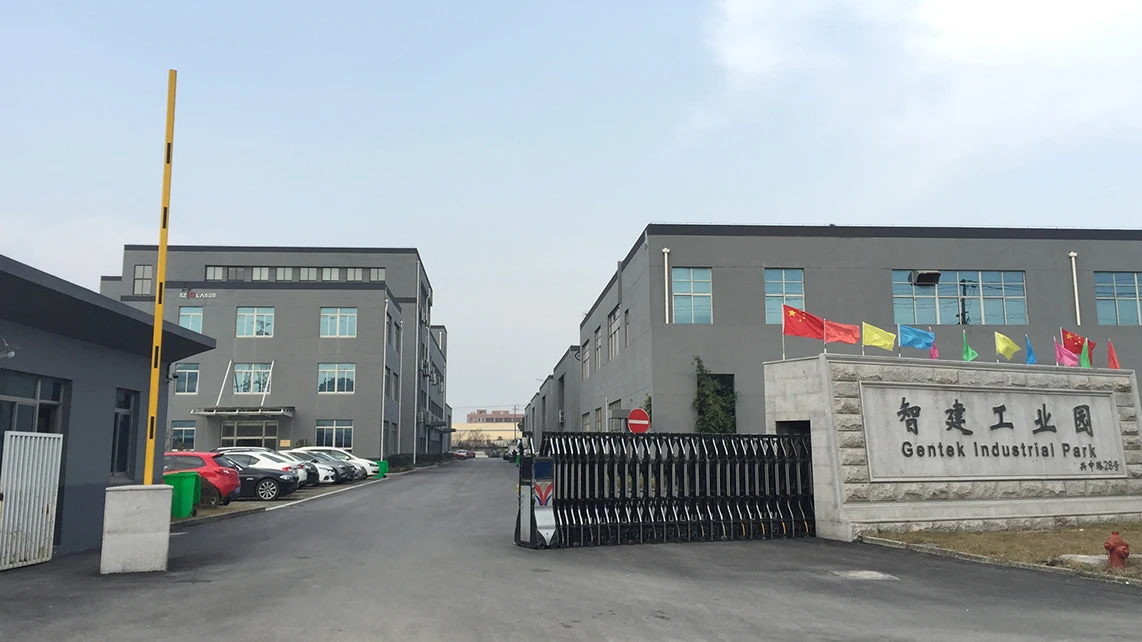
Suzhou GI Technology Co., Ltd.
- Manufacturer, Trading Company
- jiangsu, China
- Lead time3 days
- Avg. response≤ 5h
Main productsSticky Mat,Cleanroom Wiper,Cleanroom Wipe,Cleanroom Swab,Artificial turf
Main marketsAfrica(100.00%), Central America(100.00%), South Asia(20.00%), North America(20.00%), Domestic Market(10.00%), South America(10.00%), Oceania(5.00%), Southeast Asia(5.00%), Southern Europe(5.00%), Northern Europe(5.00%), Eastern Europe(5.00%), Western Europe(5.00%), Eastern Asia(5.00%), Mid East(5.00%)
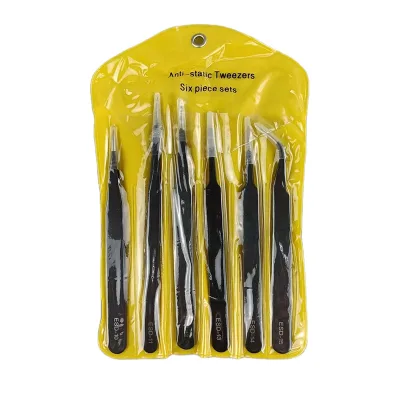
$0.28 - $0.37
MOQ: 10 pieces
Shenzhen Eles Technology Co., Ltd.
- Verified by TüVRheinland
- Trading Company
- Lead time7 days
- Avg. response≤ 2h
Main productsESD Antistatic And Cleanroom Products, ESD Rubber Mat, ESD Bag, Sticky Mats, ESD Chair
Main marketsSoutheast Asia(20%), Domestic Market(20%), North America(15%)
Shenzhen Gemisky Technology Co., Ltd.
- Trading Company
- Guangdong, China
- Lead time5 days
- Avg. response≤ 4h
Main productsCleanroom Wiper Roll,ESD Magazine Rack,ESD Box,ESD Gloves,ESD Bag
Main marketsNorth America(36.00%), Southeast Asia(18.00%), Eastern Europe(12.00%), Western Europe(10.00%), South America(9.00%), Domestic Market(8.00%), Eastern Asia(7.00%)
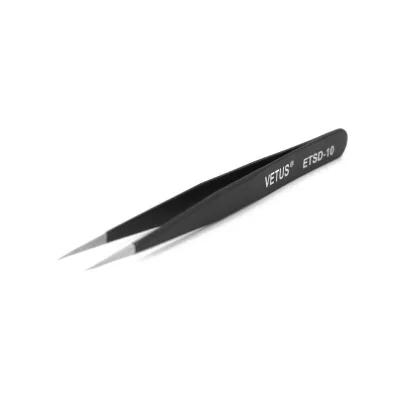
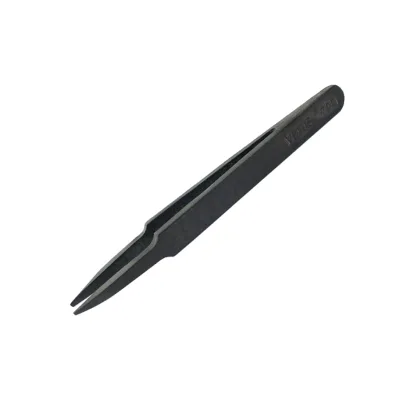
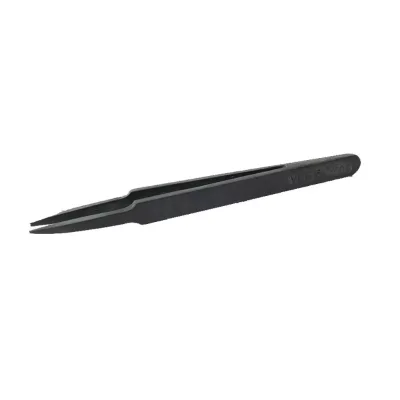
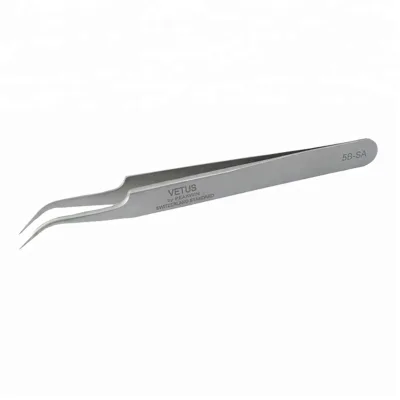
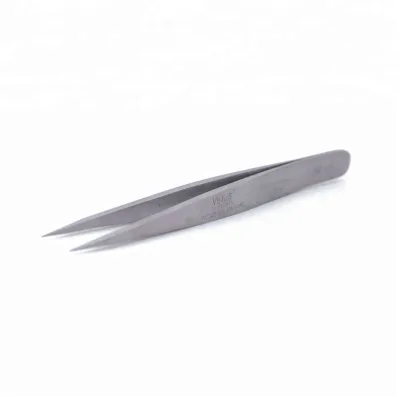
Manufacturers Wholesale Multifunction Black Anti-static Stainless Esd Tweezer for Industrial
$1.53 - $2.34
MOQ: 20 pieces

FUZHOU LIWANG ELECTRONIC TECHNOLOGY CO., LTD.
- Combined
- China Fujian
- Lead time15 days
- Avg. response≤ 19h
Main productsMicromotor, Nail Drill, Jewelry Tools, Nail Drill Bits
Main marketsSouth America,Africa,Southeast Asia/ Mideast,East Asia(Japan/ South Korea),Europe,Australia,North America

$1.00 - $2.00
MOQ: 1999 Pieces

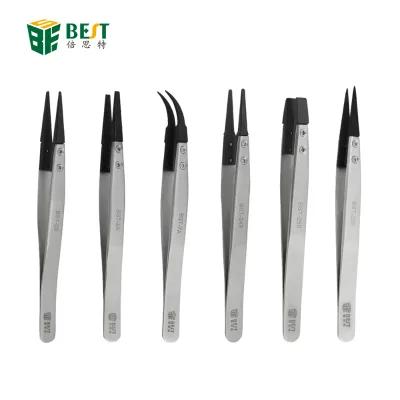
Best Price Factory Anti Static PPS Head Changeable Stainless Steel ESD Tweezers
$1.00 - $2.00
MOQ: 10 Sets

Stainless Steel Black Precision Metal ESD Tweezers for Multifunctional Electronic Industry
$1.00 - $2.00
MOQ: 1999 Pieces
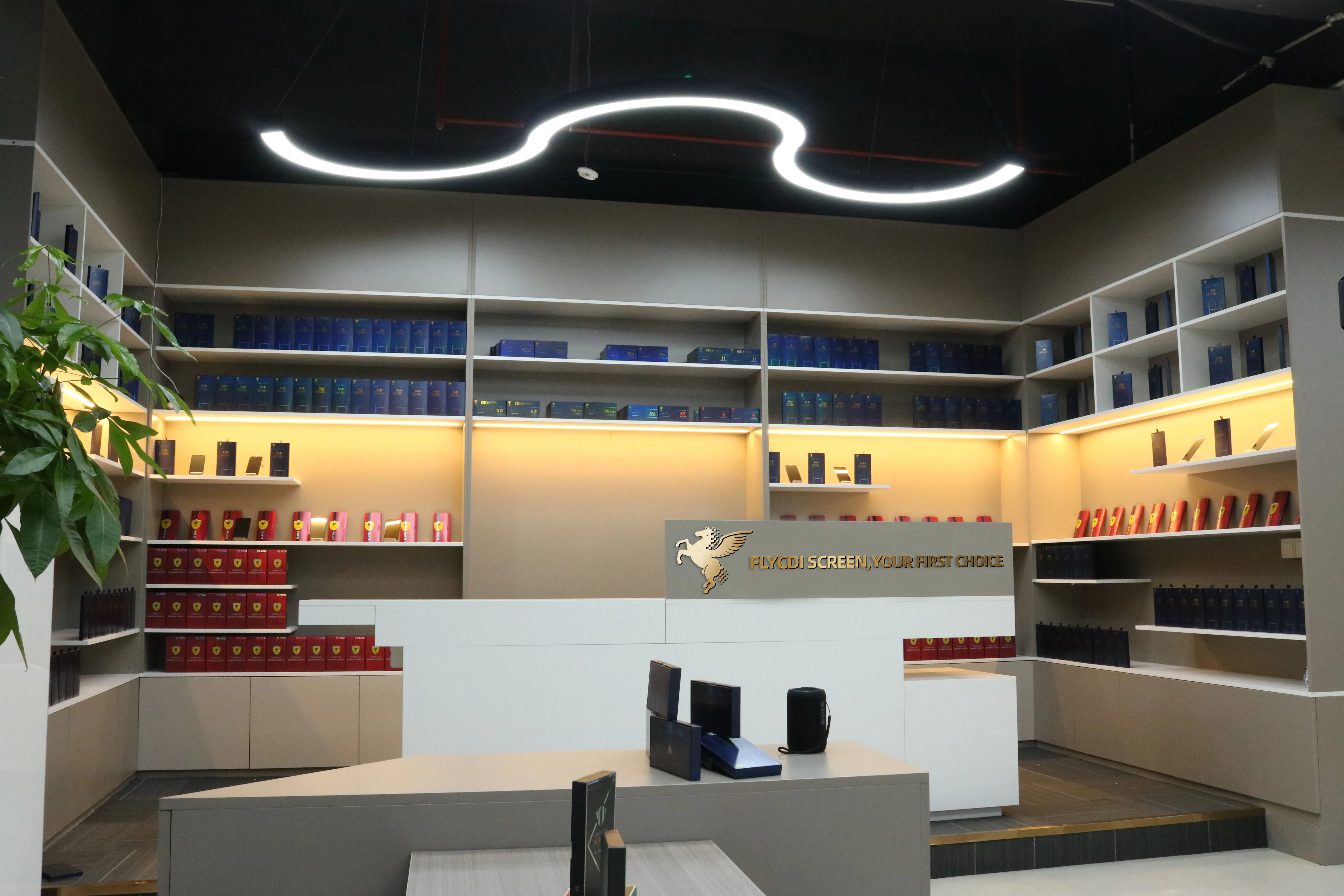
- Manufacturer, Trading Company
- Guangdong, China
- Lead time7 days
- Avg. response≤ 5h
Main productsMobile Phone Screen, Mobile Phone Battery, Mobile Phone Accessories, Mobile Phone Charger, Repair Tools
Main marketsDomestic Market(50.00%), Southeast Asia(25.00%), Oceania(10.00%), North America(5.00%), South America(5.00%), Africa(5.00%)
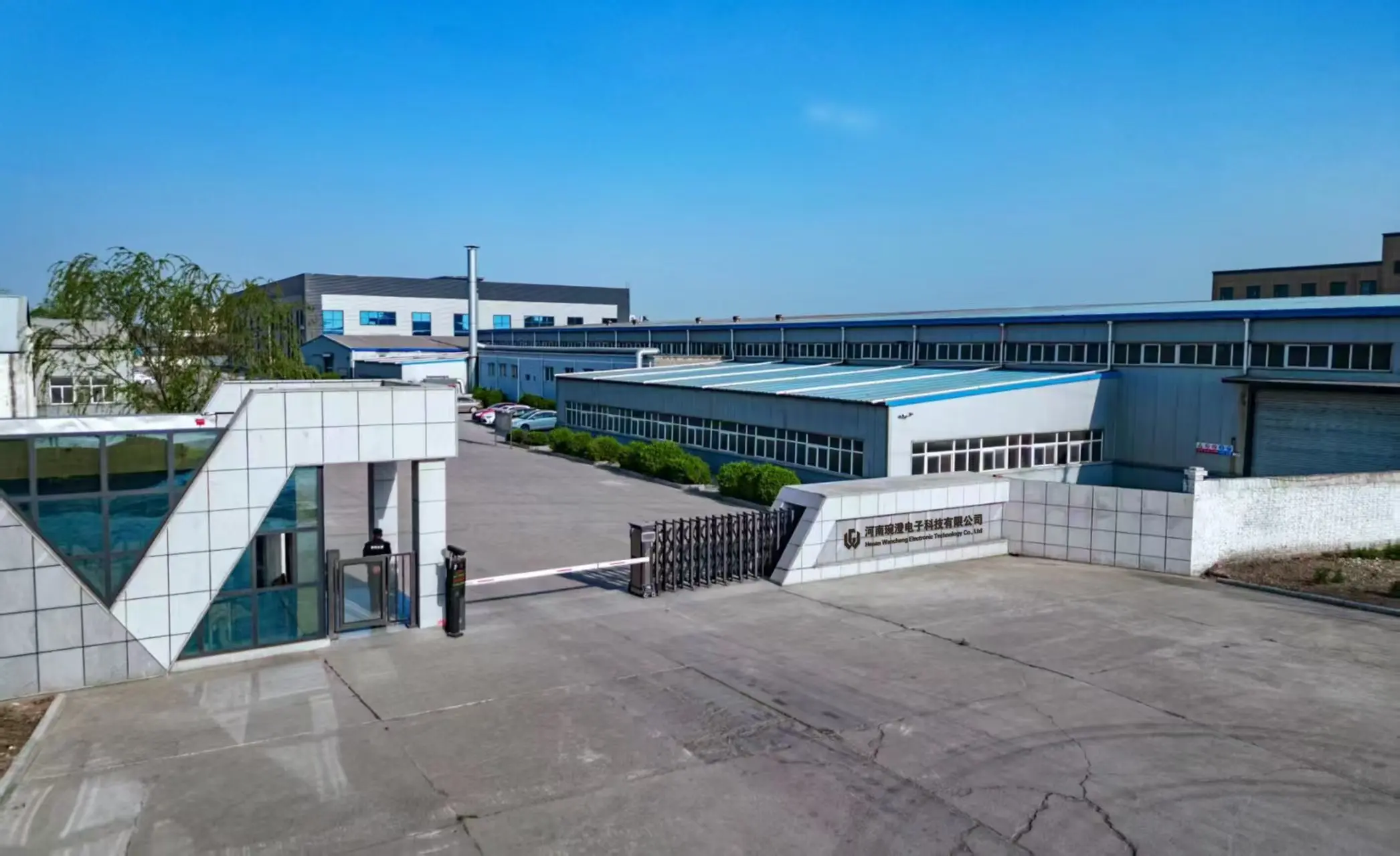
Henan Wancheng Electronic Technology Co., Ltd.
- Trading Company
- Henan, China
- Lead time0 days
- Avg. response≤ 1h
Main productsESD Antistatic And Cleanroom Products,ESD Rubber Mat,SMT Stencil roll wipe,Clean Swabs,Cleanroom Wipers
Main marketsSouth America(90.00%)
$0.90 - $1.20
MOQ: 100 pieces

DONGGUAN ANTISK ELECTRONIC CO., LTD
- Verified by SGS
- Trading Company
- China Guangdong
- Lead time15 days
- Avg. response≤ 2h
Main productsESD Mat, Grounding Mat, Grounding Bed Sheet, Grounding Fitted Sheet, ESD Waste Bin, ESD Chairs, ESD Magazine Rack, ESD Brush, Cleanroom Wiper, ESD Box
Main marketsEast Asia(Japan/ South Korea),Europe,North America


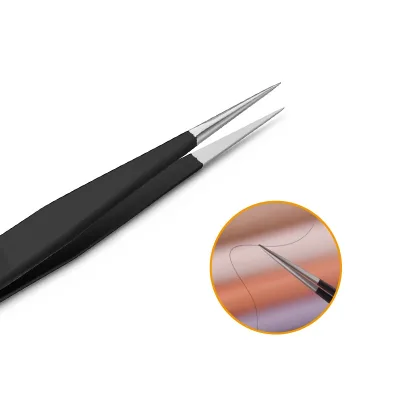
93301 ESD Safe Plastic Tweezer, Tips; Angled, Squared, Flat, Trapezoid, 11.6 Cm
$0.07 - $0.15
MOQ: 50 Pieces

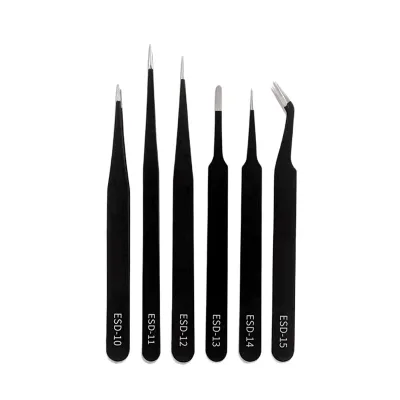
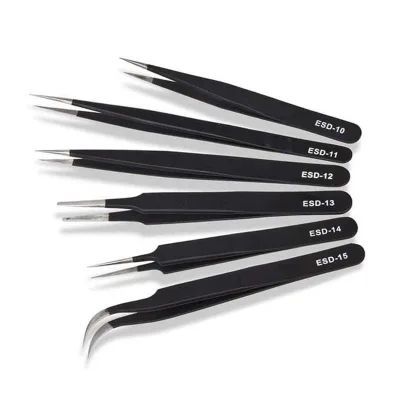
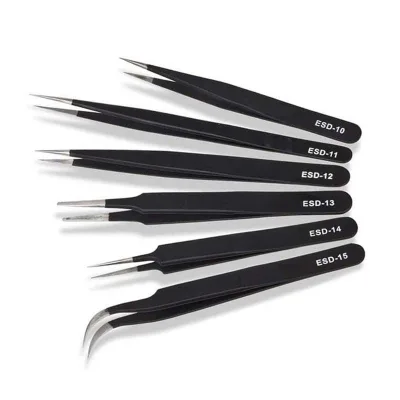
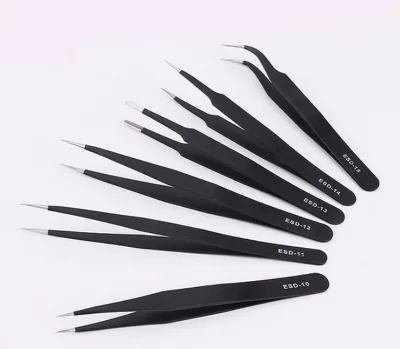
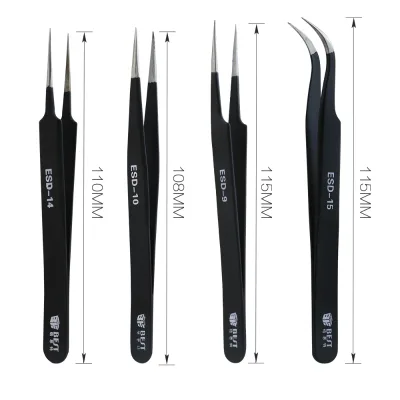
ESD-11 Electronic Industrial Black Stainless Steel ESD Tweezer Antistatic Tweezer for Mobile
$0.50 - $0.75
MOQ: 1 Pieces

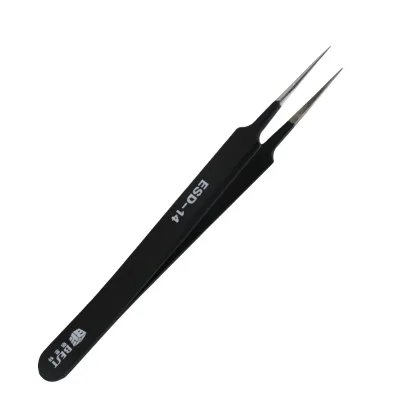
ESD-15 High Quality Black Non Magnetic Fine-Tip Stainless Steel Anti-Static ESD Tweezers
$0.50 - $0.75
MOQ: 1 Pieces

Shenzhen Alisi Electronic Technology Co., Ltd.
- Trading Company, Distributor/Wholesaler
- Guangdong, China
- Lead time3 days
- Avg. response≤ 2h
Main productselectron component,temperature controller,Auto parts,sensor,Wireless Controller
Main marketsSouth America(20.00%), Eastern Europe(20.00%), North America(15.00%), Western Europe(5.00%), Domestic Market(5.00%), South Asia(5.00%), Southern Europe(5.00%), Northern Europe(5.00%), Central America(5.00%), Eastern Asia(3.00%), Mid East(3.00%), Oceania(3.00%), Africa(3.00%), Southeast Asia(3.00%)

Tonglu Wanhe Medical Instrument Co., Ltd.
- Combined
- China Zhejiang
- Lead time15 days
- Avg. response≤ 24h
Main productsEndoscope, Endoscopy Instrument, Surgical Instrument, Surgical Supplies, Surgical Equipment, 3mm/5mm/10mm Forceps, Trocar/Needle Holder/Clip Applier, Gynecology Instruments/Morcellator, Cystoscopy Instruments, Arthroscopy Instruments
Main marketsSoutheast Asia/ Mideast,North America

Suzhou Shenglong Precision Plastic Hardware Co., Ltd.
- Verified by SGS
- Trading Company
- China Jiangsu
- Lead time0 days
- Avg. response≤ 7h
Main productsDispensing Machine, Dispensing Valve, Dispensing Needle, Metal Joint, Fixed Bracket
Main marketsSouth America,Eastern Europe,North America,Oceania,Western Europe
Shenzhen Jiulingsheng Technology Co., Ltd.
- Trading Company
- Guangdong, China
- Lead time0 days
- Avg. response≤ 4h
Main productsScrewdriver,Scraper,Suction Cup,Screwdriver Set,Tweezers
Main marketsSouth America(100.00%), Africa(100.00%), Domestic Market(50.00%), South Asia(20.00%), North America(10.00%), Mid East(4.00%), Southern Europe(2.00%), Eastern Europe(2.00%), Northern Europe(2.00%), Central America(2.00%), Western Europe(2.00%), Eastern Asia(2.00%), Oceania(2.00%), Southeast Asia(2.00%)

Ningbo DH Textile Industry&Trade Co., Ltd.
- Verified by TUVRHEINLAND
- Trading Company
- China Zhejiang
- Lead time15 days
- Avg. response≤ 13h
Main productsLace, Interlining, Embroidery Thread, Poplin, Hook and Loop, Satin Ribbon, Sewing Thread, Button, Zipper, Lace Fabric
Main marketsAfrica,Southeast Asia/ Mideast,North America
Atrih Ningbo Import & Export Co., Ltd.
- Verified by SGS Group
- Trading Company
- Lead time30 days
- Avg. response≤ 2h
Main productsGifts & Promotion, Home and Garden Products, Personal Care and Household Cleaning Products, Package Printing Products
Main marketsNorth America(40%), South America(30%), Eastern Europe(5%)









Comprehensive Sourcing Guide
Antistatic Straight and Curved ESD Tweezers Supplier Concentration and Factory Types
The available data indicates a concentration of manufacturing activity within China, specifically highlighting Guangdong and Jiangsu provinces as key operational hubs for this category. In Guangdong, suppliers are identified as manufacturers or factories capable of producing a broad range of ESD products, including anti-static tweezers, cleanroom equipment, and reliability test instruments. These entities often possess OEM capabilities and maintain their own brands, suggesting a robust internal production capacity for specialized tools like carbon fiber and stainless steel variants. The presence of specific product models such as T-001 and ST-11 within this region reinforces the existence of established industrial clusters focused on electronic component maintenance and SMT production line requirements.
In contrast, the Jiangsu region features suppliers classified as trading companies rather than direct manufacturers. These entities focus on distributing items like microfiber cleanroom wipers and anti-static clothing alongside precision tools. While they may not own the production lines for the tweezers themselves, they serve as critical nodes in the supply chain, aggregating products from various factories to offer a consolidated catalog. The distinction between manufacturer and trading company is vital for buyers, as it dictates the level of customization available and the directness of communication regarding technical specifications. Buyers must recognize that while manufacturers in Guangdong offer direct production control, trading companies in Jiangsu provide a different logistical model that may suit specific sourcing strategies.
How to Verify Antistatic Straight and Curved ESD Tweezers Suppliers
Verification of supplier credibility relies heavily on third-party audit results and system certifications rather than self-reported claims. The current data shows that some suppliers hold BV verification status, while others have been verified by TÜV Rheinland, indicating a baseline of operational legitimacy. Additionally, system certifications such as ISO 9001 are present for certain manufacturers, providing evidence of quality management systems in place for their production processes. Buyers should prioritize suppliers displaying these specific verification badges and certification numbers, as they serve as objective proof of compliance with international standards. The absence of such certifications, or a status listed as NIL, requires immediate further inquiry to ensure the supplier meets the necessary quality thresholds for sensitive electronic assembly work.
Beyond external audits, buyers must scrutinize the specific product attributes and certifications listed for individual items to ensure they match the intended application environment. For instance, some tweezers are certified under RoHS, ISO, CE, and CCC standards, which is critical for compliance in various global markets. The material composition, such as stainless steel or plastic, and hardness ratings like HRC 40, must be explicitly stated in the product evidence to confirm suitability for high-precision tasks. Buyers should verify that the listed certifications apply to the specific model being ordered, as a supplier may hold general company certifications that do not automatically extend to every product in their catalog. This granular verification prevents the risk of receiving non-compliant tools that could damage sensitive electronic components during assembly.
What to Compare Across Antistatic Straight and Curved ESD Tweezers Suppliers
When evaluating potential partners, the response time metric offers a significant indicator of operational efficiency and customer service readiness. The observed data reveals a wide variance in response speeds, ranging from approximately 1.73 hours to 25 hours. A supplier with a response time under two hours likely maintains a dedicated sales team capable of addressing urgent technical queries or order modifications quickly, which is essential for time-sensitive production schedules. Conversely, a response time of 25 hours suggests a slower communication loop that could delay project timelines. Buyers should compare these figures directly to determine which suppliers can meet their specific urgency requirements, ensuring that the chosen partner can provide timely support throughout the procurement lifecycle.
Lead times and minimum order quantities (MOQ) are equally critical dimensions for comparison, as they directly impact inventory planning and cash flow. The data indicates lead times of around 15 days for certain manufacturers, while MOQs vary significantly, with some suppliers requiring 1000 units and others accepting orders as low as 50 units. This variation allows buyers to select partners based on their volume needs; high-volume buyers may prefer suppliers with lower per-unit costs despite higher MOQs, while those testing new designs might prioritize suppliers with flexible low-MOQ policies. Additionally, the main products offered by each supplier should be reviewed to ensure they align with the buyer's broader sourcing strategy, as a factory specializing in ESD consumables might offer better integration than a trading company with a fragmented product line.
Common Antistatic Straight and Curved ESD Tweezers Sourcing Risks
One primary risk involves the discrepancy between the claimed material properties and the actual product specifications delivered. The product evidence lists materials ranging from plastic to stainless steel, with specific hardness ratings like HRC 40 for metal variants. If a supplier fails to adhere to these stated attributes, the resulting tools may lack the necessary anti-static properties or mechanical strength required for SMT production lines. Buyers must ensure that the product evidence explicitly details the material composition and hardness to avoid receiving substandard items that could compromise the integrity of electronic assemblies. This risk is particularly acute when dealing with trading companies that may not have direct oversight over the manufacturing process of the items they distribute.
Another significant risk relates to the customization capabilities and standardization of the products. While some suppliers list customization as available, others may only offer standard models with fixed dimensions and packing methods. The product evidence shows specific packing formats like paper cartons or individual bags, which can affect logistics and storage efficiency. If a buyer requires custom branding or specific packaging configurations, relying on a supplier without clear customization options could lead to additional costs or delays. Furthermore, the absence of detailed certification data for certain products, such as the lack of specific standard references in some listings, creates uncertainty regarding the product's compliance with industry safety and performance standards. Buyers must verify these details before committing to large orders to mitigate the risk of non-compliance.
Antistatic Straight and Curved ESD Tweezers Regional Sourcing and Logistics
Geographic location plays a pivotal role in determining logistics costs and delivery speed for this category of industrial tools. The data confirms that suppliers are located in specific Chinese provinces, including Guangdong and Jiangsu, which are major manufacturing hubs. Sourcing from Guangdong may offer advantages in terms of proximity to major ports and established supply chains for electronic components, potentially reducing transit times for international orders. However, the specific logistics implications depend on the buyer's location and the shipping methods available from these regions. Buyers should assess the distance between the supplier's facility and their own distribution centers to estimate freight costs accurately, as regional differences can significantly impact the total landed cost of the goods.
Logistics planning must also account for the packaging standards and product dimensions provided in the supplier data. The evidence indicates various packing methods, such as paper cartons, individual bags, and boxes, which influence how efficiently products can be stacked and shipped. For instance, a product packed in a box may require different handling compared to one packed in a simple bag, affecting the number of units per container and overall shipping volume. Buyers should request detailed packing lists and dimensions to optimize container utilization and minimize shipping expenses. Additionally, understanding the origin of the products, confirmed as China in the provided data, helps in navigating import regulations and customs procedures specific to the destination country, ensuring a smoother supply chain flow.
Antistatic Straight and Curved ESD Tweezers Commercial Terms and Order Planning
Pricing structures for antistatic tweezers vary based on material, model, and order volume, with observed price points ranging from $0.05 to $2.00 per unit. The data shows specific price ranges for different models, such as the T-001 at $0.05 and the ST-11 ranging from $1.00 to $2.00. These variations highlight the importance of aligning order quantities with the most cost-effective price tiers. Buyers should analyze the price-to-MOQ ratio to determine the optimal order size that balances unit cost savings with inventory holding costs. Understanding these price dynamics allows for more accurate budgeting and financial planning, ensuring that the procurement strategy maximizes value without overstocking low-demand items.
Order planning must also integrate the lead times and response times observed in the supplier data to create a realistic procurement schedule. With lead times around 15 days and response times varying from under two hours to 25 hours, buyers need to factor in these durations when setting production deadlines. A supplier with a longer lead time may require earlier order placement to avoid production bottlenecks, while a fast-response supplier can accommodate last-minute changes or urgent replenishment needs. By combining these logistical factors with the commercial terms, buyers can develop a robust order plan that mitigates the risk of delays and ensures a steady supply of high-quality ESD tools for their manufacturing operations.
FAQs
What is the minimum order quantity for anti-static tweezers?
Minimum order quantities vary by product model and material. Some plastic models require 1000 units, while stainless steel options may start at 200 units. Buyers should check specific product pages for exact thresholds before placing orders to ensure compliance with supplier requirements.
How long does it take to receive these ESD tools?
Lead times for delivery typically range around 15 days for standard orders. Some suppliers may offer faster response times, but the general production window remains consistent. Buyers should confirm specific shipping schedules with the vendor to plan their inventory replenishment effectively.
Are these tweezers certified for safety and quality standards?
Many products carry certifications such as RoHS, ISO, CE, and CCC. Some manufacturers also hold ISO 9001 system certifications. Buyers should verify specific certification documents for each model to ensure the tools meet the required safety and quality standards for their production environment.
What materials are used to make these anti-static tweezers?
Materials include plastic, stainless steel, and carbon fiber depending on the model. Stainless steel options often feature hardness ratings like 40HRC. Plastic variants are designed for specific cleanroom applications. Buyers should select the material that best suits their static control and durability needs.
Where are these ESD tweezers manufactured?
Manufacturing locations include China Guangdong, China Jiangsu, and China Fujian. These regions host various manufacturers and trading companies specializing in ESD products. Buyers can filter results by location to find suppliers that align with their logistical preferences or regional sourcing strategies.
Can these tweezers be customized for specific needs?
Customization is available for many models to meet specific production requirements. Buyers can request tailored specifications for usage scenarios like SMT lines or explosive areas. It is advisable to discuss customization details directly with the supplier to confirm feasibility and any associated costs.
What is the price range for these anti-static tools?
Prices vary significantly based on material and specifications. Plastic models may start around 0.05 USD, while stainless steel options can range up to 2.00 USD. Buyers should compare unit costs against their budget and order volume to determine the most cost-effective solution for their operations.