Apothecary Essential Oil Bottle with Wooden Cover Suppliers and Manufacturers
Compare 26 verified suppliers offering Apothecary Essential Oil Bottle with Wooden Cover options from Jiangsu and Zhejiang. Review response times, lead times, and product specifications to select the right partner for your needs; review the available evidence before requesting comparable quotations from suitable candidates.
Suppliers List
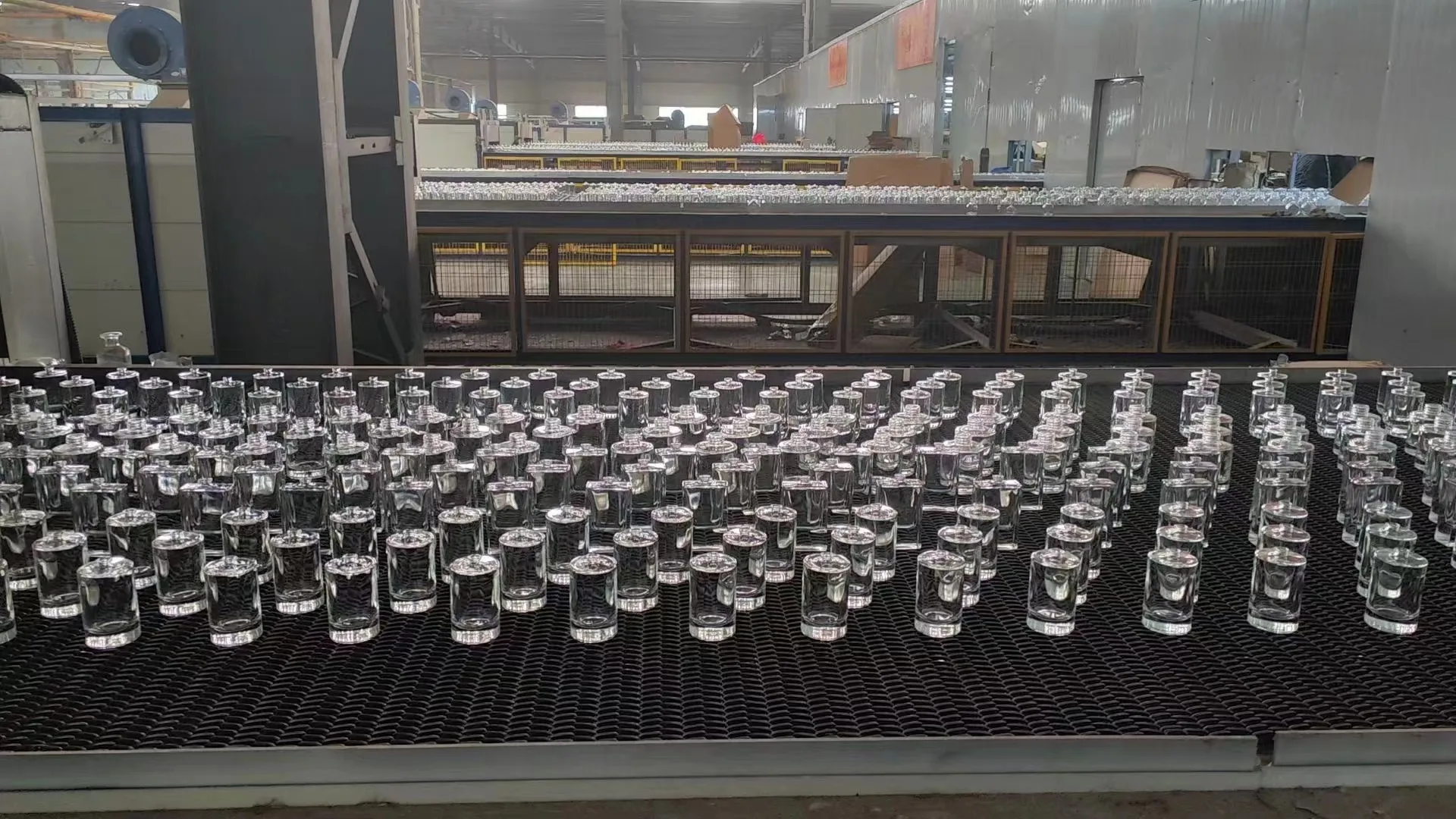
Xuzhou Huiju Glass Products Co., Ltd.
- Manufacturer, Trading Company
- Jiangsu, China
- Lead time20 days
- Avg. response≤ 3h
Main productsSupplement Bottle,Unishell Cap,Oud Oil Bottles,Candle Jars,Amber Jars
Main marketsNorth America(40.0%), Mid East(20.0%), Oceania(10.0%), Southeast Asia(7.000000000000001%), South America(5.0%), Southern Europe(3.0%), Northern Europe(3.0%), Western Europe(3.0%), South Asia(2.0%), Africa(2.0%), Central America(2.0%), Eastern Europe(2.0%), Eastern Asia(1.0%)

Ningbo Langyi Plastic Industry Co., Ltd.
- Verified by TUVRHEINLAND
- Combined
- China Zhejiang
- Lead time23 days
- Avg. response≤ 5h
Main productsCosmetic Packaging, Trigger Sprayer, Mist Sprayer, Lotion Pump, Cream Pump, Cosmetic Bottle, Acrylic Bottle, Airless Bottle, Cream Jar, Packaging Bottles
Main marketsSouth America,Southeast Asia/ Mideast,Europe
Lianyungang China-Mex Trade Co., Ltd.
- Verified by TUVRHEINLAND
- Manufacturer/Factory
- China Jiangsu
- Lead time38 days
- Avg. response≤ 5h
Main productsGlass Bottle, Glass Jar, Glass Cap
Main marketsSouth America,Eastern Europe,Mid East,North America,Southeast Asia,Eastern Asia,Oceania,Western Europe,Africa


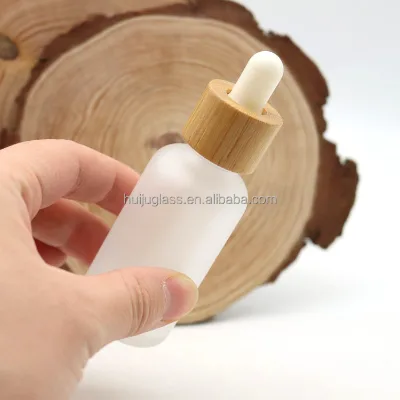
Frosted Green Glass Essential Oil Dropper Bottle Lotion Glass Bottle with Wood Lid
$0.20 - $0.50
Moq: 5000


Skin Care Essence Glass Bottle Empty Essential Oil Bottle with Bamboo Wood Cap
$0.20 - $0.50
Moq: 5000

Essential Oil Dropper Bottle Frosted Green Glass Cosmetic Bottle with Wooden Cap
$0.20 - $0.50
Moq: 5000


Shandong Yihua Pharma Pack Co., Ltd.
- Verified by BV
- Manufacturer/Factory
- China Shandong
- Lead time23 days
- Avg. response≤ 7h
Main productsGlass Vial, Vial Cap, Rubber Stopper, Glass Tube, Prefilled Syringe, Test Tube, Glass Ampoule, Glass Bottle, Injection Vial, Plastic Cap
Main marketsSouth America,Eastern Europe,Mid East,North America,Southeast Asia,Eastern Asia,Oceania,Western Europe,Africa

Jinhua Allies Import and Export Co., Ltd.
- Verified by SGS
- Manufacturer/Factory
- China Zhejiang
- Lead time23 days
- Avg. response≤ 5h
Main productsCanister, Container, Bottle, Cosmetic, Make up, Plastic Packaging, Eyeshadow, Palette, Box, Compact Case
Main marketsSouth America,Mid East

Xuzhou Boklan Import & Export Trade Co., Ltd.
- Verified by TUVRHEINLAND
- Trading Company,Manufacturer/Factory
- China Jiangsu
- Lead time38 days
- Avg. response≤ 9h
Main productsGlass Jar, Glass Bottle, Liquor Glass Bottle, Lids Caps Corks, Cosmetic Jar, Essential Oil Bottle, Glass Tube, Sauce Bottle, Mason Jar, Plastic Bottle
Main marketsSouth America,Eastern Europe,Mid East,North America,Southeast Asia,Eastern Asia,Oceania,Western Europe,Africa


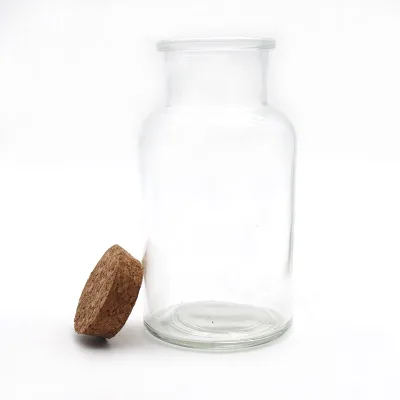
Amber 60ml 125ml 250ml 500ml 1000ml Glass Bottle with Glass Lid for Apothecary
$0.61 - $0.82
Moq: 5000


Jinan Jotop Import and Export Trade Co., Ltd.
- Verified by TUVRHEINLAND
- Trading Company
- China Shandong
- Lead time15 days
- Avg. response≤ 2h
Main productsGlass Vial, Rubber Stopper, Flip off Cap, Glass Dropper Bottle, Euro Dropper Cap, Screw Aluminum Cap, Pilfer Proof Aluminum Cap, Glass Pipette, Sprayer Pump, Glass Dropper Cap
Main marketsSouth America,Africa,Europe,Australia,North America

Qingdao H-Quality Industries Co., Ltd.
- Trading Company,Manufacturer/Factory
- China Shandong
- Lead time23 days
- Avg. response≤ 3h
Main productsSleeve, Chain, Wire Rope, Forging, Glass Bottle, Hooks, Rigging Hardware, Shackle, Turnbuckle, Wire Rope Sling
Main marketsSouth America,Eastern Europe,Mid East,North America,Southeast Asia,Eastern Asia,Oceania,Western Europe,Africa

- Verified by CTI
- Trading Company
- China Zhejiang
- Lead time30 days
- Avg. response≤ 3h
Main productsAirless Bottle, Glass Bottle, Comb, Cosmetic Packaging, Food Packaging, Sprayer, Lotion Pump Machine, Gift, Roll on Ball
Main marketsAfrica,Southeast Asia/ Mideast

15ml 30ml 60ml Brown Glass Bottle for Essential Oil Dropper with Wooden Dropper Cap
$0.25 - $0.32
Moq: 10000


Shijiazhuang Fanbao Packaging Products Co., Ltd.
- Verified by BV
- Trading Company
- China Hebei
- Lead time15 days
- Avg. response≤ 5h
Main productsCosmetics Package, Cosmetic Jar, Glass Dropper Bottle, Essential Oil Bottle, Airless Bottle, Glass Perfume Bottles, Glass Jar, Plastic Jar, Packaging Box, Cosmetic Packaging
Main marketsSouth America,Africa,Southeast Asia/ Mideast,East Asia(Japan/ South Korea),Europe,Australia,North America
OLILA (GUANGZHOU) COSMETIC PACKAGE CO., LTD.
- Verified by TUVRHEINLAND
- Trading Company
- China Guangdong
- Lead time23 days
- Avg. response≤ 5h
Main productsPerfume Bottles, Diffuser Bottle, Perfume Bottle Caps, Cosmetic Packaging, Essential Oil Bottle
Main marketsSoutheast Asia/ Mideast

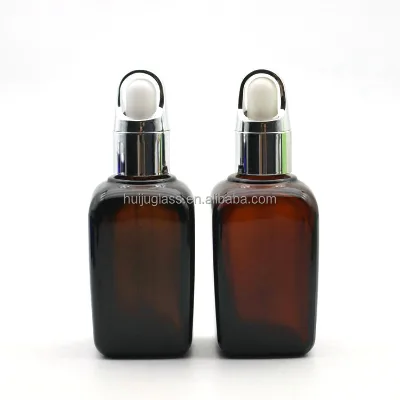
Essential Oil Dropper Bottle Amber Glass Bottle with Dropper Lid 15ml 30ml 50ml
$0.08 - $0.28
Moq: 10000

Factory Deep Amber Glass Dropper Bottles Blue Amber Bottle for Filling Essential Oils
$0.08 - $0.28
Moq: 10000


- Verified by SGS
- Manufacturer/Factory
- China Shanghai
- Lead time30 days
- Avg. response≤ 3h
Main productsCosmetic Packaging, Glass Dropper Bottle, Cosmetic Jar, Essential Oil Bottle, Glass Jar, Glass Bottle, Roll on Glass Bottle, Plastic Bottle, Airless Bottle and Jar, Personal Care
Main marketsSouth America,Eastern Europe,Mid East,North America,Southeast Asia,Eastern Asia,Oceania,Western Europe,Africa

Xuzhou Selead Packaging Material Co., Ltd.
- Verified by SGS
- Trading Company
- China Jiangsu
- Lead time15 days
- Avg. response≤ 7h
Main productsGlass Bottle, Plastic Bottle, Water Bottle, Glass Jar, Mason Jar, Wine Bottle, Cosmetic Bottle, Beverage Bottle, Glass, Candle Holder
Main marketsAfrica,Southeast Asia/ Mideast,Europe,North America

Xuzhou Crystal Glass Products Co., Ltd.
- Verified by SGS
- Trading Company
- China Jiangsu
- Lead time30 days
- Avg. response≤ 5h
Main productsGlass Bottle, Beverage Bottle, Wine Bottle, Mason Jar, Food Storage Jar, Spice Bottle, Spice Grinder, Table Glassware, Cosmetic Bottle, Cup
Main marketsOthers(foreignTradeCapacity.exportBusinessCapacityMarketOther),Europe
Ninghai Baodefa International Trade Co., Ltd.
- Verified by SGS Group
- Trading Company
- Lead time20 days
- Avg. response≤ 3h
Main productsGlass bottle
Main marketsNorth America(50%), Oceania(40%), Western Europe(10%)

OLILA (GUANGZHOU) COSMETIC PACKAGE CO., LTD.
- Trading Company,Manufacturer/Factory
- China Guangdong
- Lead time45 days
- Avg. response≤ 8h
Main productsCosmetic Packaging, Perfume Bottles, Perfume Cap, Spray Cap, Aerosol Can, Aerosol Valve, Cream Jars, Cosmetic Packages, Perfume Bottle Caps, Olila Cosmetic Containers
Main marketsSouth America,Eastern Europe,Mid East,North America,Southeast Asia,Eastern Asia,Oceania,Western Europe,Africa
Xuzhou Huajing Glass Products Co., Ltd.
- Verified by BV
- Combined
- China Jiangsu
- Lead time23 days
- Avg. response≤ 9h
Main productsGlass Bottle, Glass Jar, Water Bottle, Perfume Bottle, Mason Jars, Candle Jar, Plastic Bottles, Lids Bottle Caps Closures, Wine Bottle, Juice Bottle
Main marketsSouth America,Africa,Southeast Asia/ Mideast,East Asia(Japan/ South Korea),Domestic,Europe,Australia,North America

ANHUI IDEA TECHNOLOGY CO., LTD
- Verified by TUVRHEINLAND
- Trading Company
- China Anhui
- Lead time23 days
- Avg. response≤ 5h
Main productsGlass Jar, Glass Bottle, Pet Preform, Aluminum Cans, Glass Cup, Bottle Caps Jar Lids, Candle Jars, Perfume Bottle, Cosmetic Bottle
Main marketsSouth America,Africa,Southeast Asia/ Mideast,East Asia(Japan/ South Korea),Europe,Australia,North America

Shandong Well Pack Industry Co., Ltd
- Verified by TUVRHEINLAND
- Trading Company
- China Shandong
- Lead time30 days
- Avg. response≤ 6h
Main productsLiquor Bottle, Beer Bottle, Glass Jar, Nail Polish Bottle, Water Bottle, Spirits Bottle, Wine Bottle
Main marketsEurope,North America
Ningbo Kylin Packaging Solutions Co., Ltd.
- Verified by TUVRHEINLAND
- Manufacturer/Factory
- China Zhejiang
- Lead time23 days
- Avg. response≤ 13h
Main productsTrigger Sprayer, Lotion Pump, Fine Mist Sprayer, Plastic Cap, Dropper, Cream Pump, Airless, Glass Bottle, Alum. Bottle, Mini Trigger
Main marketsSouth America,Eastern Europe,North America,Oceania,Western Europe
Anhui Creative Packaging Technology Co., Ltd.
- Verified by BV
- Trading Company,Manufacturer/Factory
- China Anhui
- Lead time23 days
- Avg. response≤ 5h
Main productsGlass Jars, Glass Bottles, Glass Liquor/Beer/Oil Bottles, Glass Cosmetic/Perfume Bottles, Glass Cup, Candle Jar, Preform, Lids/Cap, Aluminum Cans, Wine Glass
Main marketsSouth America,Eastern Europe,Mid East,North America,Southeast Asia,Eastern Asia,Oceania,Western Europe,Africa

Fuzhou Tengchuan International Trading Co., Ltd.
- Verified by BV
- Trading Company
- China Fujian
- Lead time23 days
- Avg. response≤ 6h
Main productsBikini, Baseball Cap, Can Cooler, Perfume Bottle, Car Air Freshener, Lazy Bag, Umbrella, T-Shirt, Scarf, Beach Towel
Main marketsSouth America,Africa,Southeast Asia/ Mideast,East Asia(Japan/ South Korea),Europe,Australia,North America

Zibo Chuangxinzhe International Trade Co., Ltd
- Verified by TUVRHEINLAND
- Trading Company
- China Shandong
- Lead time15 days
- Avg. response≤ 3h
Main productsGlass Bottle, Glass Jar, Bottle, Glass Storage Jar, Glass Tube, Mason Jar, Food Jar, Dropper Bottle, Empty Candle Jars, Perfume Bottle
Main marketsSouth America


30ml Essential Oil Bottle Crystal Essential Oil Bottle Stopper Amber Glass Bottle.
$0.05 - $0.70
Moq: 30000

LIANYUNGANG KAESHING INTERNATIONAL TRADING CO., LTD.
- Verified by TUVRHEINLAND
- Trading Company
- China Jiangsu
- Lead time15 days
- Avg. response≤ 6h
Main productsGlass Bottle, Glass Jar, Glass Cup, Glassware, High Borosilicate Glass Jar Bottle Mug, Glass Perfume Bottle, Glass Mug, Glass Decanter, Storage Jar, Fused Silica
Main marketsNorth America
NOVA PACKAGING TECHNOLOGY(SHANDONG) Co., LTD
- Verified by CTI
- Manufacturer/Factory
- China Shandong
- Lead time45 days
- Avg. response≤ 6h
Main productsPerfume Bottle, Glass Bottle, Dropper Bottle, Essential Oil Bottle, Perfume Cap, Custom Perfume Bottle, Perfume Pump Sprayer, Car Perfume Bottle, Diffuser Bottle, Mini Perfume Bottle
Main marketsSouth America,Eastern Europe,Mid East,North America,Southeast Asia,Eastern Asia,Oceania,Western Europe,Africa


Ideal for Home Apothecary Travelsturdy 250ml Amber Medicine Bottle with Screw Cap
$0.21 - $0.36
Moq: 2000

Suzhou Glass Point Packaging Co., Ltd.
- Manufacturer/Factory
- China Jiangsu
- Lead time23 days
- Avg. response≤ 5h
Main productsGlass Bottle, Glass Jar, Perfume Bottle, Bottle, Olive Oil Bottle, Medicine Bottle, Mason Jar, Roller Bottle, Glass Dropper, Caps
Main marketsSouth America,Eastern Europe,Mid East,North America,Southeast Asia,Eastern Asia,Oceania,Western Europe,Africa




Comprehensive Sourcing Guide
Apothecary Essential Oil Bottle with Wooden Cover Supplier Concentration and Factory Types
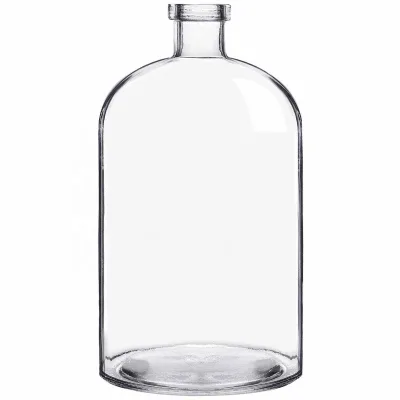
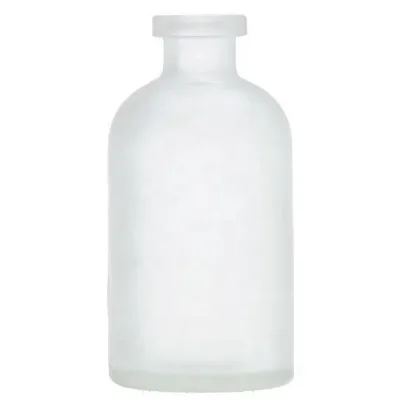
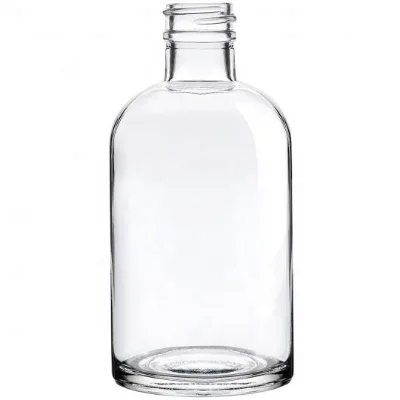
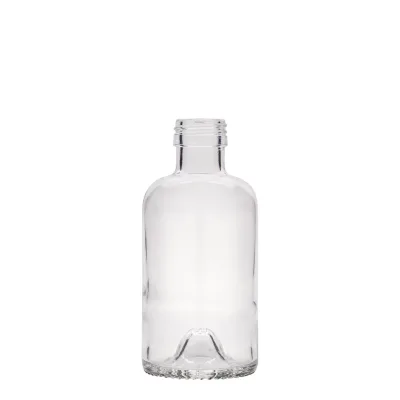
Suppliers offering apothecary-style essential oil bottles with wooden covers in these results are concentrated in eastern China, with several listings tied to Jiangsu and one to Zhejiang. Jiangsu appears repeatedly in both product attribute data and supplier location fields, and the product ranges there include apothecary jars with wood lids, amber dropper bottles, and bamboo-capped essential oil containers. This suggests a regional cluster serving glass packaging and cosmetic container buyers. When results do not confirm a location, buyers should identify clusters themselves by checking place-of-origin fields, port of dispatch entries, and product attribute data on listings, then favor regions where several complementary packaging suppliers operate.
Factory types vary across the category. Some suppliers describe themselves as manufacturers or factories, while others are combined manufacturer-and-trading operations, and some pair manufacturing with trading company status on a single profile. Main product lines are a useful signal of specialization: certain listings focus on glass bottles, jars, and caps, while others center on cosmetic packaging components such as trigger sprayers, lotion pumps, and acrylic or airless bottles. A supplier whose catalog is dominated by glass containers is generally better positioned for apothecary bottles with wooden covers than one whose core business is plastic closures and pumps, even if the latter offers matching dropper tops. Review the product mix carefully before shortlisting, because category breadth does not always equal depth in glass-and-wood combinations.
How to Verify Apothecary Essential Oil Bottle with Wooden Cover Suppliers
Verification should start with the profile fields displayed in search results, treating each one as a claim to confirm rather than a settled fact. Some suppliers in this category carry a third-party verification mark, while at least one shows no system certification listed at all, so certification status is not uniform and must be checked per supplier. Look for verified status, company type, and stated research-and-development capabilities such as OEM and ODM support. A supplier offering customization on its product pages, including logo customization and sample availability, is signaling capability that you should still confirm in writing before committing funds.
Beyond profile labels, request evidence directly from the supplier. Ask for business license details, photographs or videos of the glass production lines and wooden cap workshop, and physical samples of the exact bottle-and-cover combination you intend to order. Because wooden covers involve a natural material, ask how lids are matched to glass necks and what tolerance controls exist, since this is a common failure point that generic glass suppliers may not have documented. Confirm that the supplier's stated response speed, such as the three-hour to five-hour response times shown in these results, is sustained through your inquiry process rather than only in the listing. Keep a written record of every claim, and reconcile it against sample quality and documentation before moving to a paid order.
What to Compare Across Apothecary Essential Oil Bottle with Wooden Cover Suppliers
Build a comparison sheet using the attributes that are actually displayed on supplier profiles, since not every supplier exposes every field. Useful dimensions include location, company type, response time, lead time, main products, and capacity indicators such as OEM and ODM support. In this result set, stated lead times range from around twenty days to nearly forty days, and response times span roughly three hours to under five hours. Those differences matter when you are coordinating a launch: a five-day lead-time gap compounds across reorder cycles, and slow responses often predict slow problem resolution during production.
Also compare product-level evidence rather than company-level labels alone. Listings in this category show different MOQ structures: some products can be ordered in single-unit quantities, others start at one hundred pieces, and component suppliers may require ten thousand pieces or more. Unit prices likewise vary widely, from a few cents for dropper components to tens of cents for finished apothecary jars, so compare price only against matched specifications, volumes, and closure types. Check whether suppliers offer samples, customization, the specific sizes you need, and the wood, bamboo, or frosted finishes relevant to your brief. A supplier with a narrow but exact match to your bottle specification often outperforms one with a broad catalog, so weight specification fit as heavily as headline metrics when ranking candidates.
Common Apothecary Essential Oil Bottle with Wooden Cover Sourcing Risks
The most category-specific risk is the wooden cover itself. Natural wood and bamboo expand and contract with humidity, and a lid that fits during sampling can loosen or seize after ocean freight to a different climate. Because many suppliers in this category list glass products as their core business and add wooden caps as an accessory, they may not control lid production in-house. Ask whether caps are manufactured internally or sourced from a third party, and insist on retention samples from the actual production batch rather than pre-production samples, since batch-to-batch dimensional drift is common in turned or molded wood components.
General sourcing risks compound these product risks. Certification fields can be empty or absent, and a lack of displayed certification is not proof of poor quality, but it does shift the burden of verification onto the buyer. Verified profile status should not be confused with product-level quality assurance. Low MOQs and low unit prices can tempt buyers into orders with suppliers whose production capacity or lead times are untested, and mismatched expectations about sealing type, finish, or coating can surface only when goods arrive. Mitigate by specifying materials, dimensions, tolerances, and finishes in a written specification sheet, requiring pre-shipment inspection against that sheet, and phasing initial orders so that a first delivery tests the supplier before larger commitments follow.
Apothecary Essential Oil Bottle with Wooden Cover Regional Sourcing and Logistics
The confirmed sourcing regions in these results are Jiangsu and Zhejiang in eastern China, both established export zones for glass and cosmetic packaging. Jiangsu listings in this category include ports of dispatch at Shanghai, Ningbo, and Qingdao, which gives buyers multiple routing options from a single supply base. Proximity to major ports reduces inland freight cost and shortens the gap between production completion and vessel departure. When comparing suppliers, note the stated port of dispatch alongside the lead time, because a shorter factory lead time paired with a distant or congested port can result in a longer total delivery timeline than a competitor's offer.
Plan logistics around the fragility and weight of glass combined with wood packaging. Listings here reference carton and pallet packing, and some suppliers offer customized packaging arrangements, which is worth requesting for glass-heavy orders to reduce breakage claims. Sea freight suits bulk replenishment, while air freight is rarely economical for glass due to weight. Factor the stated lead times in this category, roughly twenty to thirty-eight days, into your inventory planning, and add a buffer for wooden lid humidity conditioning before packing if you ship to a markedly different climate. Ask each shortlisted supplier to confirm incoterms, carton specifications, and palletization in writing, and request that moisture-sensitive wooden components be packed with desiccants to limit transit-related swelling or mold.
Apothecary Essential Oil Bottle with Wooden Cover Commercial Terms and Order Planning
Commercial terms should be negotiated against the data visible on listings rather than assumptions. Stated prices in this category range from under ten cents for dropper and sprayer components to around sixty cents for finished glass apothecary jars, with MOQs spanning from single units to ten thousand pieces depending on the product. Use these ranges to structure a quote request: ask each supplier to price your exact bottle size, closure material, finish, and decoration method at two or three volume tiers, so you can see where the real quantity breaks fall. Always confirm whether quoted prices include the wooden cover, decoration, and packaging, since bundled assumptions are a frequent source of disputes.
Order planning should reflect the lead times and supplier structures in this category. With production lead times of roughly twenty to nearly forty days, plan purchase orders a full season ahead and schedule reorders from consumption data rather than stock-outs. If escrow or platform-protected payment is a requirement, verify that the specific supplier offers it, since such protections are not uniformly displayed across profiles. For first orders, consider splitting volumes between two shortlisted suppliers to compare delivered quality under identical specifications. Document agreed lead times, penalty clauses for late delivery, sample retention terms, and inspection rights in the contract, and tie the final balance payment to passing a pre-shipment inspection against your written specification sheet.
(Article word count: approximately 1,390 words across the six sections.)
FAQs
What is the price range for apothecary essential oil bottles with wooden covers?
Prices for these bottles typically range from $0.10 to $0.60 per unit depending on volume and customization. Clear glass options start around $0.15, while frosted or amber variants may cost between $0.19 and $0.38. Final pricing depends on order quantity and specific design requirements.
What is the minimum order quantity for these glass bottles?
Minimum order quantities vary by supplier and product type. Some manufacturers accept orders as low as one piece for samples, while others require a minimum of 100 units for standard glass dropper bottles. Plastic pump sprayers often have higher MOQs, such as 10,000 pieces.
How long does production take for custom essential oil bottles?
Lead times generally range from 20 to 38 days after order confirmation. Suppliers in Jiangsu and Zhejiang provinces typically offer these timeframes. Expedited production may be available for smaller orders, but bulk manufacturing usually requires at least three weeks to ensure quality control.
Can I get samples before placing a bulk order?
Yes, many suppliers provide samples for evaluation before committing to large purchases. Samples are available for glass dropper bottles and plastic pump sprayers. Buyers should verify sample availability and any associated costs directly with the manufacturer to ensure the product meets their specific quality standards.
What materials are used for the wooden covers on these bottles?
Wooden covers are often made from bamboo or wood grain materials, paired with glass or plastic bottle bodies. Some suppliers offer bamboo wood rings for frosted glass containers. These materials provide an eco-friendly aesthetic suitable for essential oils, cosmetics, and apothecary products.
Are these bottles suitable for cosmetic and essential oil use?
Yes, these bottles are designed for industrial use in cosmetics and essential oils. They feature dropper seals or outer caps to prevent leakage. Available in amber, clear, and frosted finishes, they protect light-sensitive contents while offering customizable branding options like screen printing or hot stamping.