API Wireline Fishing Tools Suppliers and Manufacturers
Explore 27 verified suppliers offering API Wireline Fishing Tools from China Jiangsu. Compare response times, lead times, certifications like ISO 9001, and pricing ranges to find the right partner. Contact suppliers directly to request quotes and verify product specifications; review the available evidence before requesting comparable quotations from suitable candidates.
Suppliers List

Wise Channel Industries Limited
- Verified by TUVRHEINLAND
- Trading Company
- China Jiangsu
- Lead time30 days
- Avg. response≤ 2h
Main productsDrill Rig Main Parts, High Pressure Valves, Wellhead Equipment, Christmas Tree, Hydraulic Power Tong, Manifold, Bucking Unit, Downhole Tools, Blowout Preventer, Fittings
Main marketsSouth America,Domestic,Europe,North America


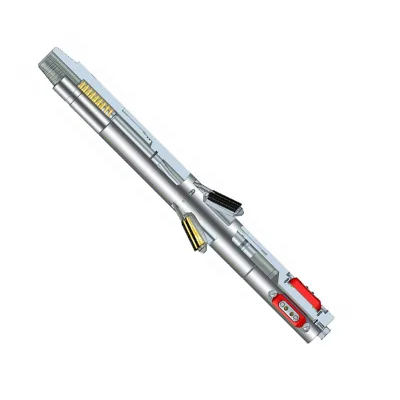
Best Sale API Q1 Downhole Fishing Tools Slickline Wireline Wire Finder
$200.00 - $680.00
MOQ: 1 Pieces


Best Drilling Equipment(Wuxi) Co., Ltd.
- Verified by CTI
- Manufacturer/Factory
- China Jiangsu
- Lead time15 days
- Avg. response≤ 10h
Main productsDrill Pipe, Drill Rod, Diamond Bit, Drill Tool, Core Bit
Main marketsSouth America,Eastern Europe,Mid East,North America,Southeast Asia,Eastern Asia,Oceania,Africa


$50.00 - $150.00
MOQ: 10 Pieces

Shandong Xilong Machinery Equipment Co., Ltd.
- Verified by SGS
- Manufacturer/Factory,Group Corporation
- China Shandong
- Lead time38 days
- Avg. response≤ 4h
Main productsAPI Elevator, API Fishing Tool, Power Tongs, Wellhead & Well Control System, Drilling Rig Accessories, Swivel/Hook Block, Downhole Tools, Cementing Tools, Kelly Pipe Hexagonal Pipe Drilling Pipe, Non-Magnetic Drill Collar
Main marketsSouth America,Eastern Europe,Mid East,North America,Southeast Asia,Eastern Asia,Oceania,Western Europe,Africa

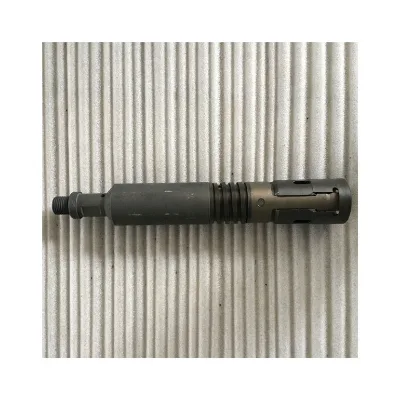
API Wireline Fishing Tools Standard Releasing and Circulating Overshots
$100.00 - $130.00
MOQ: 1 Pieces

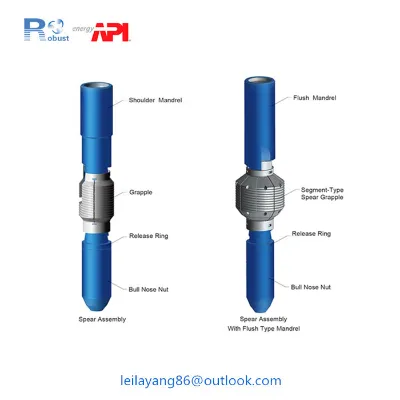
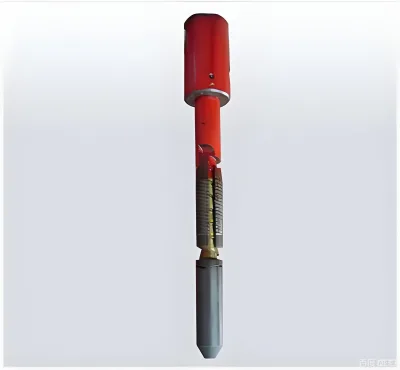
Fishing Tool High Quality Drilling API Releasable/ Releasable Reversing Fishing Spear
$520.00 - $550.00
MOQ: 1 Pieces

Dongying Kenli Jinxiu Petroleum Machinery Co., Ltd
- Combined
- China Shandong
- Lead time30 days
- Avg. response≤ 3h
Main productsSucker Rod Drive Rod Pony Rod Polish Rod, Drill & Workover Rid and Accessories, Well Control Equipment, Well Head Equipment, Handling Tools, Mud Pump & Spare Parts, Bottom Hole Products, Downhole Tools, Flow Line Products
Main marketsDomestic

API Wireline Fishing Tools Standard Releasing and Circulating Overshots
$200.00 - $1000.00
MOQ: 1 Pieces


Fishing Tool High Quality Drilling API Releasable/ Releasable Reversing Fishing Spear
$500.00 - $1000.00
MOQ: 1 Pieces

Cge Group Wuxi Drilling Tools Co., Ltd.
- Verified by TUVRHEINLAND
- Combined
- China Jiangsu
- Lead time15 days
- Avg. response≤ 16h
Main marketsAfrica,Domestic

Tianhe Oil Technology Co., Ltd.
- Verified by SGS
- Combined
- China Heilongjiang
- Lead time15 days
- Avg. response≤ 14h
Main productsPetroleum Machinery, Drilling Stem Tools Casing Scraper, Drill Collar Hwdp Kelly, Fishing Tool, Stabilizers Hole Opener, Roller Reamer Drilling Jar
Main marketsOthers(foreignTradeCapacity.exportBusinessCapacityMarketOther),Europe


Oil Fishing Tools L Lifting-Lower and Releasing Overshot API Fishing Tool
$500.00 - $2800.00
MOQ: 1 Pieces

Oil Fishing Tool API Fishing Tool Lifting-Lower and Releasing Overshot
$500.00 - $2800.00
MOQ: 1 Pieces


Shanghai Sizhen Trading Co., Ltd
- Manufacturer/Factory
- China Shanghai
- Lead time30 days
- Avg. response≤ 12h
Main productsFishing Tackle, Outdoor Sports Products, Vehicle, Children Toys
Main marketsEastern Europe,North America,Eastern Asia,Oceania,Western Europe


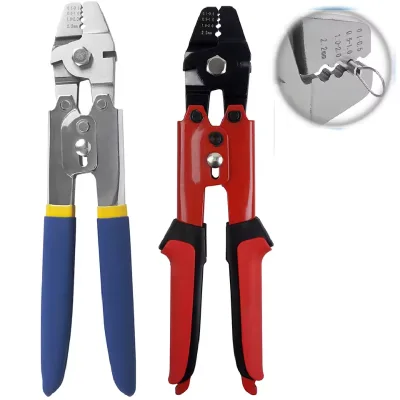
Wholesale Stainless Steel Fish Control Tool Fishing Pliers Fishing Tackle
$0.71 - $4.43
MOQ: 100 Pieces
Dongying Robust Petroleum Equipment Co., Ltd.
- Trading Company
- Shandong, China
- Lead time0 days
- Avg. response≤ 4h
Main productscementing tools,drilling tools,API pipes,Mining equipment,petroleum equipment
Main marketsSouth America(30.00%), Mid East(30.00%), Africa(10.00%), Southeast Asia(10.00%), North America(10.00%), Central America(5.00%), Eastern Europe(5.00%)
Suqian Blue Sea Sports Goods Co., Ltd.
- Verified by TüVRheinland
- Trading Company
- Lead time0 days
- Avg. response≤ 5h
Main productsFishing Lure, Fishing Hook, Fishing Rig, Fishing Line, Fishing Accessories
Main marketsNorth America(30%), Western Europe(16%), Eastern Europe(10%)

Shandong Seaco Machinery Equipment Co., Ltd.
- Verified by TUVRHEINLAND
- Trading Company
- China Shandong
- Lead time15 days
- Avg. response≤ 4h
Main productsOil Equipment, Drilling Tool, Rig, Wellhead Equipment, Steel Tubing Casing, Drill Pipe, Oil Extraction Machinery and Accessories, Valves and Fittings, Marine Spare Parts
Main marketsEurope

Sinotai Petroleum Equipment Co., Ltd
- Verified by SGS
- Trading Company
- China Shandong
- Lead time30 days
- Avg. response≤ 5h
Main marketsSouth America,Africa,Others(foreignTradeCapacity.exportBusinessCapacityMarketOther),Southeast Asia/ Mideast,Europe,Australia


API Fishing Tools Grapple Releasing Spear Type Lm-T
MOQ: 1 Pieces
Dongguan Dubai Technology Co., Ltd.
- Manufacturer, Trading Company
- Guangdong, China
- Lead time20 days
- Avg. response≤ 5h
Main productsFishing Pliers,Fishing scissors,Fishing tool,Badge reel,Carabiner
Main marketsWestern Europe(26.00%), North America(24.00%), South Asia(12.00%), Eastern Asia(8.00%), Southeast Asia(8.00%), South America(6.00%), Northern Europe(5.00%), Southern Europe(5.00%), Eastern Europe(3.00%), Mid East(3.00%)

Jiangmen Haohai Fishing Tackle Company
- Combined
- China Guangdong
- Lead time30 days
- Avg. response≤ 3h
Main productsFishing, Fishing Line, PE Fishing Line, Braided Fishing Line, Fishing Tool, Fishing Equipment, Nylon Fishing Line, Monofilament Fishing Line, Fishing Tackle
Main marketsSoutheast Asia/ Mideast,Europe,North America

Wholesale Fishing Rod Blank 100m 9 Strands Fishing Product PE Braided Fishing Line Tools
$1.49 - $1.79
MOQ: 100 Pieces

$0.70 - $0.84
MOQ: 100 Pieces

Super Smooth Nylon Fishing Tackle Abrasion Resistance Fishing Wires Fishing Tools and Rod
$0.76 - $0.91
MOQ: 100 Pieces


Wholesale Sea Fishing Accessories Low Stretch PE Fishing Tool for Sea Fishing
$6.27 - $7.52
MOQ: 100 Pieces

Wuxi Geotec Geological Equipment Co., Ltd.
- Verified by TUVRHEINLAND
- Combined
- China Jiangsu
- Lead time15 days
- Avg. response≤ 11h
Main productsNq Nrq Hq Hrq Hwt Drill Rod, Nw Hw Hwt Pw Pwt Casing, Nq3 Nqtt Hq3 Hqtt Pq3 Pqtt Diamond Bits, Nq Nq3 Hq Hq3 Pq Pq3 Nqu Hqu Core Barrel, Nq Hq Pq Nqu Hqu Overshot, Ltk48 Ltk60 Btw Ntw Htw Core Barrel, HDD Drill Pipe, HDD Drilling Tools, PDC Bits, Drill Rigs
Main marketsAustralia

Shandong Yacheng Petroleum Technology Co., Ltd.
- Verified by BV
- Trading Company
- China Shandong
- Lead time23 days
- Avg. response≤ 3h
Main productsWellhead Tools, Cementing Tools, Downhole Tools, Top Drive Spares, Rig Spares, Mud Pump& Spares
Main marketsSouth America,Africa,Southeast Asia/ Mideast,East Asia(Japan/ South Korea),Europe,North America

WEIHAI ECOODA OUTDOOR PRODUCTS CO., LTD.
- Verified by SGS
- Trading Company
- China Shandong
- Lead time15 days
- Avg. response≤ 14h
Main productsFishing Reel, Fishing Rod, Fishing Lure, Fishing Tool, Fishing Line, Fishing Hook, Fishing Clothes
Main marketsAfrica,Southeast Asia/ Mideast,Australia,North America

Mudanjiang Kaidi Petroleum Machinery Co., Ltd.
- Verified by SGS
- Combined
- China Heilongjiang
- Lead time15 days
- Avg. response≤ 6h
Main productsAPI Oilfield Drilling Tools Fishing Tools Downho, Non-Standard OEM Products, Downhole Tools API, Kelly Valve Stabilizer Non-Magnetic Drill Collar, Nickel Based Alloy 925/25cr Offshore Oil Field, Cnooc Products
Main marketsSoutheast Asia/ Mideast,Europe
Jiyuan City East Heavy Industry Co., Ltd.
- Verified by TUVRHEINLAND
- Combined
- China Henan
- Lead time30 days
- Avg. response≤ 5h
Main productsdrilling equipment
Main marketsDomestic

- Verified by CTI
- Manufacturer/Factory
- China Shandong
- Lead time0 days
- Avg. response≤ 1h
Main productsOilfield Products, Drill Rig, Petroleum Equipment, Drilling Service, Oilfield Tools, Bop, API Blowout Preventer, API Tubing Coupling, Drill Pipe, Pipe Power Tong
Main marketsSouth America,Eastern Europe,Mid East,North America,Southeast Asia,Eastern Asia,Oceania,Western Europe,Africa


API Standard Fishing Tool Taper Tap & Die Collar Fishing Tool with High Manganese Steel
$450.00 - $500.00
MOQ: 2 sets

Shandong Zhoutai Outdoor Products Co., Ltd.
- Verified by SGS
- Trading Company
- China Shandong
- Lead time60 days
- Avg. response≤ 5h
Main productsFishing Rod, Fishing Line, Fishhook, Fish Reel, Fishing Lure
Main marketsSouth America,Southeast Asia/ Mideast,Europe
Nanjing Jiashanmei Import And Export Trade Co., Ltd.
- Trading Company
- Jingsu, China
- Lead time30 days
- Avg. response≤ 6h
Main productsFish Hook, Fishing Lure, Fishing Reels, Fishing Line, Fishing Supplies
Main marketsNorth America(50.00%), Eastern Asia(10.00%), Western Europe(10.00%), Southeast Asia(10.00%), South America(5.00%), Oceania(5.00%), Africa(5.00%), Eastern Europe(5.00%), South Asia(0.00%), Southern Europe(0.00%), Central America(0.00%), Northern Europe(0.00%), Domestic Market(0.00%), Mid East(0.00%)
Dongying Great Petroleum Equipment Co., Ltd.
- Trading Company
- Shandong, China
- Lead time20 days
- Avg. response≤ 1h
Main productsBOP,Casing Centralizer,Thread protector,API Tools,Oilfield Tools
Main marketsSouth Asia(40.00%), North America(25.00%), South America(25.00%), Mid East(10.00%)

Forsun Ultra-hard Material Industry Co., Ltd.
- Verified by SGS
- Combined
- China Hunan
- Lead time15 days
- Avg. response≤ 12h
Main productsCore Bit, Core Barrel, Drill Rod, Drilling Accessories, Drilling Tools, Casing Pipe, Spt, Drill Rig, Reaming Shell, Diamond Core Bit
Main marketsSouth America,Africa,Southeast Asia/ Mideast,East Asia(Japan/ South Korea),Domestic,Europe,Australia,North America
DONGYING LIANHUI PETROLEUM TECHNOLOGY CO.,LTD
- Verified by TUVRHEINLAND
- Trading Company
- China Shandong
- Lead time15 days
- Avg. response≤ 4h
Main productsMud Pump Liner, Drilling Mud, Mud Pump Piston, Mud Pump Valve Assembly, Bi-Metal Liner, Bi-Metal Cylinder Liner, Bimetal Liner, Cylinder Sleeve, Ceramic Bushing, Mud Pump Cylinder
Main marketsSoutheast Asia/ Mideast,Europe

Dongying Tianrui Petroleum Technology Co., Ltd.
- Verified by SGS
- Combined
- China Shandong
- Lead time30 days
- Avg. response≤ 2h
Main productsCentraliser, Cementing Tool, Casing Shoe, Casing, Slip, Kelly Saver Sub, Drill Pipe, Kelly, Workover Tool, Sucker Rod
Main marketsDomestic

API Standard Downhole Drilling Fishing Cement Tool Hydraulic Multi-String Casing Cutter
$3500.00 - $3800.00
MOQ: 1 Pieces

- Trading Company
- Anhui, China
- Lead time30 days
- Avg. response≤ 3h
Main productsArtificial Lures,Carbon Rod,Spinning Casting Reel,Fishing Net,Carp Fishing
Main marketsWestern Europe(20.00%), North America(20.00%), Eastern Europe(15.00%), Southern Europe(10.00%), South Asia(5.00%), Southeast Asia(5.00%), Northern Europe(5.00%), South America(5.00%), Eastern Asia(5.00%), Mid East(5.00%), Oceania(5.00%)

Shenzhen Dokind Fishing Tackle Co., Ltd.
- Trading Company,Manufacturer/Factory
- China Guangdong
- Lead time150 days
- Avg. response≤ 10h
Main productsFishing Tackle, Fishing Hooks, Hard Lures, Soft Lures, Fishing Accessory, Fishing Rigs, Swivels, Metal Lures, Baits, Fishing Baits
Main marketsSouth America,Eastern Europe,North America,Southeast Asia,Oceania,Western Europe










Comprehensive Sourcing Guide
API Wireline Fishing Tools Supplier Concentration and Factory Types
The current search results indicate a specific concentration of suppliers located in Jiangsu, China, which serves as a primary manufacturing cluster for this equipment category. This region hosts a mix of company types, including both trading companies and manufacturers or factories, each offering distinct advantages for buyers seeking API Wireline Fishing Tools. Trading companies often aggregate products from various sources, providing a broader catalog that may include items like drill rig main parts, high-pressure valves, and wellhead equipment alongside the core fishing tools. In contrast, manufacturer entities typically focus on direct production capabilities, often listing main products such as drill pipes, drill rods, diamond bits, and core bits, which suggests a deeper integration into the drilling supply chain.
Buyers should verify the specific company type before engaging, as this distinction impacts the supply chain structure and potential for customization. The data shows that some suppliers offer OEM and ODM capabilities, indicating they can adapt designs for specific operational needs, while others may primarily resell standard inventory. When evaluating the Jiangsu cluster, it is essential to confirm whether the entity is the actual producer or an intermediary, as this affects lead times and communication efficiency. The presence of both types in the same geographic area allows for competitive pricing but requires careful due diligence to ensure the buyer is dealing with the source of the product rather than a middleman who might obscure quality control processes or origin details.
How to Verify API Wireline Fishing Tools Suppliers
Verification of API Wireline Fishing Tools suppliers relies heavily on third-party audit reports and specific certification claims found in the supplier profile. The available data highlights that some suppliers hold verification from entities like TUVRHEINLAND and CTI, which serve as critical indicators of operational legitimacy and adherence to international standards. Buyers must cross-reference these verification badges with the specific certifications listed, such as ISO 9001 or ISO 14001, to ensure the quality management systems are current and relevant to the manufacturing of downhole tools. It is crucial to note that while some suppliers display machinery test reports and specific material certifications like Cast Steel or Carbon Steel, these claims must be validated against the actual product specifications provided in the listing.
Response time and verification status are also key metrics for assessing supplier reliability during the initial engagement phase. The observed response times vary significantly, with some suppliers showing a response time of approximately 1.55 hours, while others may take nearly 9.5 hours, indicating differences in operational readiness and customer service capacity. A faster response time often correlates with a more active sales team and potentially quicker turnaround on technical inquiries regarding thread types, wire sizes, or pressure ratings. Buyers should prioritize suppliers who provide clear evidence of their verification status and demonstrate a commitment to transparency through detailed product attributes, such as specific thread types like 15/16un or 1-9/16-10un, and clear material compositions, rather than relying solely on generic marketing claims.
What to Compare Across API Wireline Fishing Tools Suppliers
When comparing suppliers for API Wireline Fishing Tools, the primary dimensions to evaluate include lead time, minimum order quantity (MOQ), and price ranges, as these factors directly influence procurement planning and budget allocation. The data reveals a wide variance in lead times, with some suppliers offering a 15-day turnaround while others require up to 30 days, a difference that can significantly impact project schedules in oil and gas operations. Similarly, MOQs range from as low as one unit to higher thresholds like two units, allowing flexibility for small-scale testing or larger bulk orders. Price points also fluctuate considerably, with some products listed between $200 and $680, while others range from $350 to $500 or even up to $1,500, necessitating a detailed cost-benefit analysis based on the specific tool type required.
Beyond pricing and logistics, buyers must compare the technical specifications and customization options available across different supplier catalogs. The product evidence shows variations in attributes such as power source, with some tools being hydraulic, and structural differences like vertical configurations. Customization availability is another critical differentiator, as some suppliers explicitly state that customization is available, whereas others may only offer standard models. Additionally, the main products listed by each supplier provide insight into their core competency; a supplier focusing on drill rods and diamond bits may offer superior quality in those specific areas compared to a trading company with a broader but less specialized inventory. Buyers should align their technical requirements with the supplier's specific product strengths to ensure compatibility and performance in demanding downhole environments.
Common API Wireline Fishing Tools Sourcing Risks
One significant risk in sourcing API Wireline Fishing Tools is the potential mismatch between product categorization and actual industrial application, which can lead to the procurement of unsuitable equipment. The search results contain instances where products are categorized under unrelated sectors, such as "Sports & Entertainment" or "Fishing Tackle," despite being described with technical keywords like "Downhole Tools" or "Petroleum Equipment." This misclassification can obscure the true nature of the product, making it difficult for buyers to verify if the item meets the rigorous standards required for well drilling and oil field operations. Buyers must carefully scrutinize the product keywords and attributes to ensure the item is genuinely designed for industrial use, such as verifying the presence of specific thread types and pressure ratings rather than relying on the provided category name.
Another critical risk involves the ambiguity of material specifications and certification claims, which can compromise the safety and durability of the tools in high-pressure environments. While some listings provide detailed material information, such as Cast Steel or Cr-Mo Steel, and mention certifications like ISO 9001, others may lack this depth, leaving the buyer to assume compliance without concrete evidence. The operation pressure listed as "Vacuum" for some tools is particularly concerning for downhole applications where high pressure is the norm, suggesting a potential data error or a product intended for a different, less demanding context. Buyers must demand clear documentation regarding the machinery test reports and material certifications to mitigate the risk of receiving substandard equipment that could fail during critical drilling operations, potentially causing costly delays or safety incidents.
API Wireline Fishing Tools Regional Sourcing and Logistics
Sourcing API Wireline Fishing Tools from the identified cluster in Jiangsu, China, offers logistical advantages but also presents specific challenges regarding shipping and packaging. The region is known for its manufacturing capabilities, and the data indicates that products are often packed in wooden cases, cartons, or iron bundles, depending on the specific item and supplier preference. For heavy equipment like drill rods or fishing tools, the choice of packaging is vital to prevent damage during transit, and buyers should confirm that the packing method aligns with the weight and dimensions of the order. The origin is consistently listed as Jiangsu or China, which simplifies the identification of the supply chain origin but requires buyers to be aware of potential import duties and customs regulations in their destination country.
Logistics planning must also account for the varying lead times and the specific transport methods recommended by suppliers. Some suppliers suggest an iron bundle for transport, while others opt for wooden cases or cartons, which affects the overall shipping volume and cost. Buyers should verify the exact dimensions and weight of the packaged goods to calculate freight charges accurately, especially for large orders where shipping costs can become a significant portion of the total expenditure. Additionally, the response time of the supplier can impact the speed of logistics coordination, as a slower response may delay the finalization of shipping documents and the dispatch of goods. It is advisable to establish clear communication channels early in the process to ensure that the logistics team can coordinate effectively with the supplier to meet project deadlines.
API Wireline Fishing Tools Commercial Terms and Order Planning
Commercial terms for API Wireline Fishing Tools vary significantly based on the supplier type and the specific product configuration, requiring careful negotiation to align with budget and timeline constraints. The minimum order quantities observed range from single units to small batches, offering flexibility for initial trials or urgent replacements. However, buyers must be prepared to negotiate pricing tiers, as the listed price ranges can be broad, with some items starting at $50 and others reaching $1,500. Understanding the price structure is essential for accurate budgeting, and buyers should request detailed quotes that include all potential costs, such as packaging, testing reports, and any customization fees, to avoid unexpected expenses later in the order process.
Order planning should also consider the customization options and the specific technical requirements of the project, as these factors can extend lead times and affect the final cost. Suppliers that offer customization, such as specific thread types or material compositions, may require additional time for production and quality assurance, which should be factored into the project schedule. The availability of machinery test reports and certifications like ISO 9001 is a critical component of the commercial agreement, as these documents are often required for regulatory compliance and safety audits. Buyers should ensure that the commercial terms explicitly state the delivery of these documents and the timeline for their provision, ensuring that the order is not delayed by administrative or compliance issues once the goods are ready for shipment.
FAQs
What is the price range for API Wireline Fishing Tools?
Prices for these tools typically range from $50 to $1500 depending on the specific type and specifications. For instance, wireline stem sections are priced between $800 and $1200, while wireline overshots range from $120 to $160. Pulling tools generally cost between $350 and $500. Buyers should verify exact quotes based on quantity and customization needs.
What certifications are available for these drilling tools?
Manufacturers often provide ISO 9001 certification for quality management systems. Some suppliers also hold ISO 14001 for environmental management. Machinery test reports are provided to verify performance standards. Buyers should request specific certification documents to ensure compliance with international drilling and petroleum equipment standards before placing orders.
What is the typical lead time for manufacturing?
Lead times vary by supplier type and product complexity. Trading companies may require up to 30 days for production and shipping. Manufacturers often offer faster turnaround times of around 15 days. Buyers should confirm specific delivery schedules with suppliers to align with project timelines and avoid delays in drilling operations.
What is the minimum order quantity for these tools?
Minimum order quantities are generally low, starting at just one piece for many items. Some specific components may require a minimum of two units. This flexibility allows buyers to test quality or order small replacements without significant inventory commitment. Always check the specific MOQ for the exact tool model required.
Where are these wireline tools manufactured?
Most suppliers are located in Jiangsu, China. This region is a hub for drilling equipment and petroleum machinery manufacturing. Buyers can verify supplier locations to assess logistics costs and shipping times. Sourcing from this area often provides access to a wide variety of downhole tools and fittings.
What materials are used in these fishing tools?
Common materials include cast steel, carbon steel, and Cr-Mo steel 4130. These materials are chosen for durability and resistance to harsh downhole conditions. Some tools undergo heat treatment for enhanced surface finish. Buyers should specify material requirements to ensure compatibility with their drilling applications and wireline sizes.