Applique Suppliers and Manufacturers for Custom Designs
Explore 21 verified suppliers offering Applique products with varying lead times, MOQs, and certifications. Compare dimensions like response time, location, and material types to find the right partner. Contact suppliers directly to request samples or custom quotes; review the available evidence before requesting comparable quotations from suitable candidates.
Suppliers List
Guangzhou JingPin Garment Accessory Co., Ltd.
- Verified by BV
- Trading Company
- China Guangdong
- Lead time15 days
- Avg. response≤ 3h
Main productsHot Fix Rhinestone Iron on Crystal, Hot Fix Rhinestuds Octagon Studs, Heat Transfer Motifs Iron on Motifs, Strass Motifs Heat Transfer Motifs, Iron on Studs Dome Studs Metallic Stud, Cup Chain Rhinestone Mesh Trimming Stone, Point Back Rhinestones DMC Rhinestones, Lead Free Rhinestones, DMC Rhinestone Epoxy Stone Hot Fix Epoxy, Nailheads Hotfix Hot Fix Nailheads
Main marketsSouth America,Africa,Southeast Asia/ Mideast,East Asia(Japan/ South Korea),Europe,Australia,North America


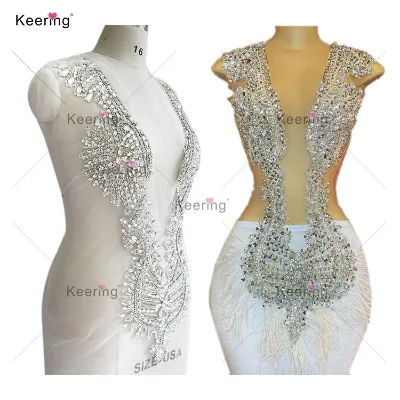
Jp Fashion Custom Applique Shiny Flower Design Hot Fix for Dancing Dress and Evening Dress
$6.21 - $7.99
MOQ: 10 Pieces

Shenzhen Awells Gift Co., Ltd.
- Verified by SGS Group
- Manufacturer, Trading Company
- Lead time10 days
- Avg. response≤ 2h
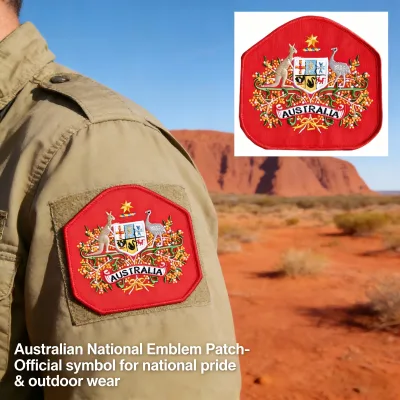
Main productsEmbroidery Patch, Soft PVC Patch, Woven Patch, Sublimation Printing Patch, Embroidery Key Chain
Main marketsNorth America(50%), Western Europe(38%), Eastern Europe(2%)
Guangzhou Keering Imp.& Exp. Co., Ltd.
- Manufacturer, Trading Company
- Guangdong, China
- Lead time15 days
- Avg. response≤ 3h
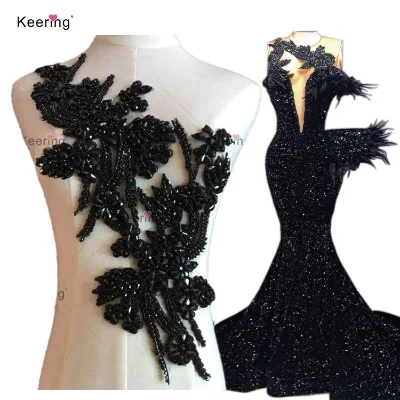
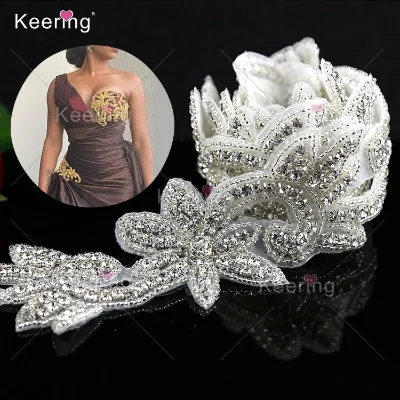
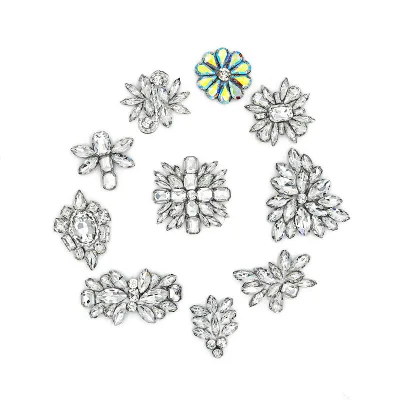
Main productsGarment Accessories (Handmade Beaded Neckline & Trim,Rhinestone Applique,Fashion Brooch,Shoes Clips,Lace)
Main marketsNorth America(43.00%), Domestic Market(10.00%), South America(10.00%), South Asia(8.00%), Southeast Asia(5.00%), Oceania(5.00%), Western Europe(5.00%), Eastern Europe(4.00%), Eastern Asia(3.00%), Africa(3.00%), Central America(1.00%), Mid East(1.00%), Southern Europe(1.00%), Northern Europe(1.00%)
Guangzhou Diandian Jewelry Co., Ltd.
- Verified by TüVRheinland
- Trading Company
- Lead time15 days
- Avg. response≤ 2h
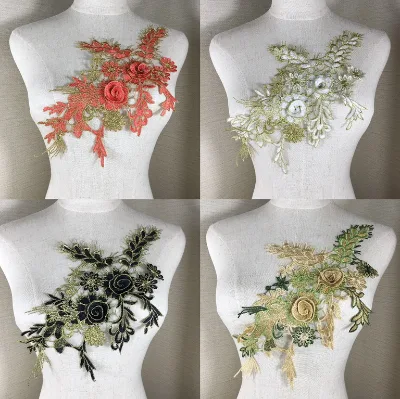
Main products3D Three-dimensional Flowers, Lace, Zhangzi Embroidery, Lace Barcode, Heat Transfer Printing
Main marketsNorth America(15%), Mid East(15%), Eastern Asia(15%)
Zhongshan Yingying Textile Co., Ltd.
- Verified by SGS
- Manufacturer
- China Guangdong
- Lead time15 days
- Avg. response≤ 2h
Main productsPatch, Keychain, Sequin Patch, Towel Embroidery Patch, Embroidery Patch, Embroidery Keychain, Woven Label Patch, Woven Patch, Woven Keychain, Lanyard
Phoenix Flame Holdings Limited
- Verified by BV
- Manufacturer/Factory,Group Corporation
- China Guangdong
- Lead time15 days
- Avg. response≤ 11h
Main productsWebbing Cords Buttons Zipper Drawcord & Shoelace, Label Lace Lanyard Wristband, Embroidery Patches Beaded Applique Belt, Underwear Accessories TPU Rubber Tape
Main marketsSouth America,Eastern Europe,North America,Southeast Asia,Oceania,Western Europe,Africa

Acceptable Customization Body Applique Design Sequin Beaded Appliques Motifs for Clothing
$0.20 - $0.56
MOQ: 100 Pieces

Abpf Free Design Custom Logo Sequin Applique Embroidery Patches for Dress
$0.20 - $0.56
MOQ: 100 Pieces
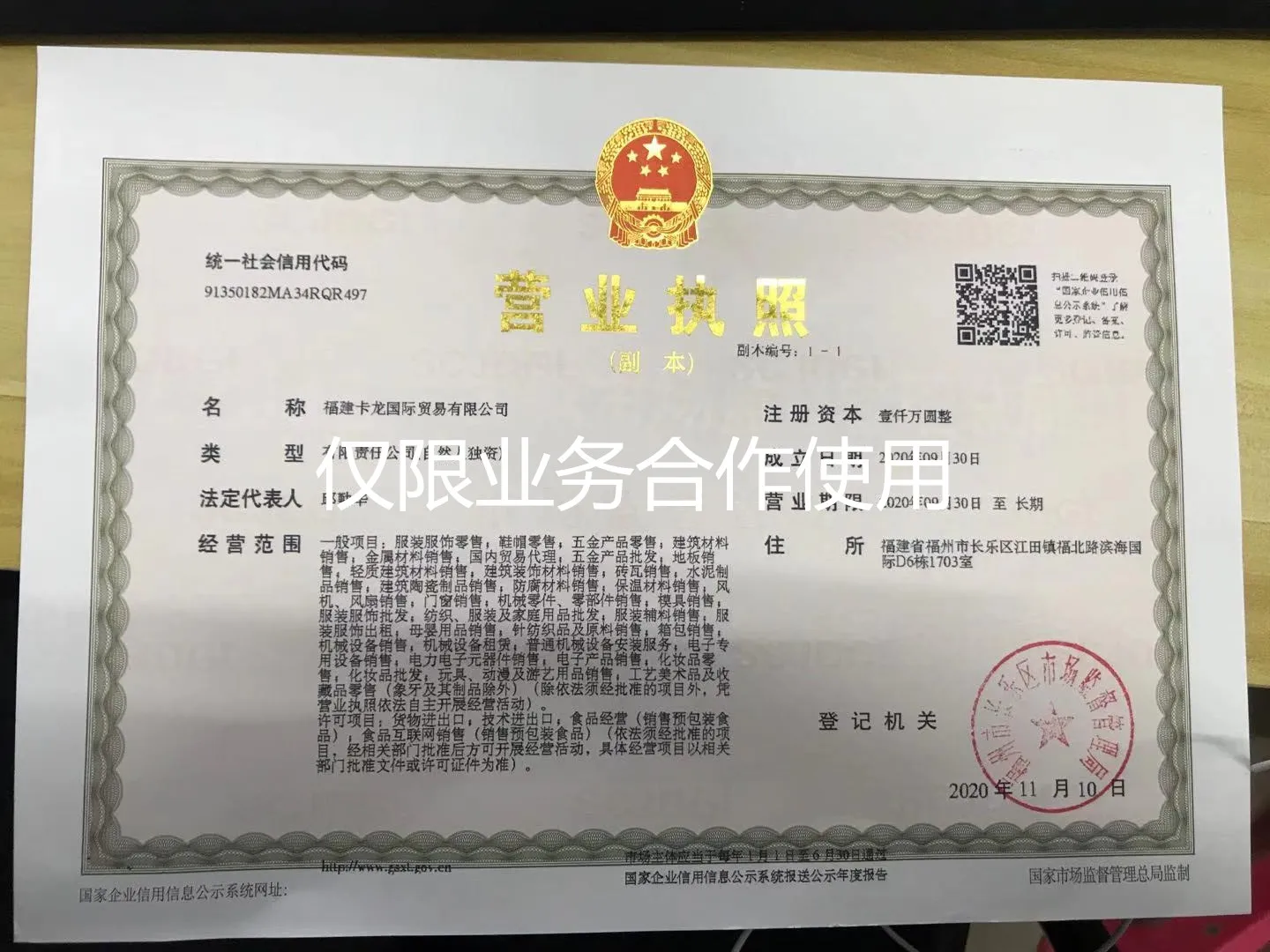
Fujian Kalong International Trading Co., Ltd.
- Trading Company
- Fujian, China
- Lead time1 days
- Avg. response≤ 2h
Main productslace,fabric,ribbon,tassel fringe,feathers
Main marketsWestern Europe(30.00%), North America(30.00%), Domestic Market(10.00%), Northern Europe(10.00%), Africa(10.00%), Mid East(10.00%)

- Verified by TUVRHEINLAND
- Combined
- China Guangdong
- Lead time15 days
- Avg. response≤ 4h
Main productsPatches, Badges, Woven Labels, Hang Tag, Lanyard, Gift Pouch, Promotional Caps, Promotonal Bracelet, Keychain, Bracelet
Main marketsSoutheast Asia/ Mideast,East Asia(Japan/ South Korea),North America
Kingswick Technology Group Limited
- Trading Company,Manufacturer/Factory,Group Corporation,Other
- China Guangdong
- Lead time15 days
- Avg. response≤ 18h
Main productsHotfix Rhinestones, Nail Rhinestones, Flat Back Rhinestones, Sew on Rhinestones, Hot Fix Rhinestone Machines, Rhinestone Appliques, Glass Crystal Beads, Rhinestone Ribbons, Jewelry Beads, Pearl Beads
Main marketsSouth America,Eastern Europe,Mid East,North America,Southeast Asia,Eastern Asia,Oceania,Western Europe,Africa

$2.50 - $5.50
MOQ: 30 Pieces

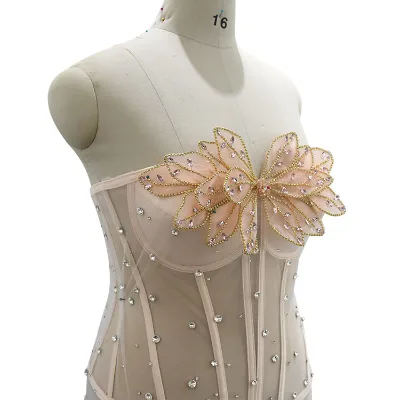
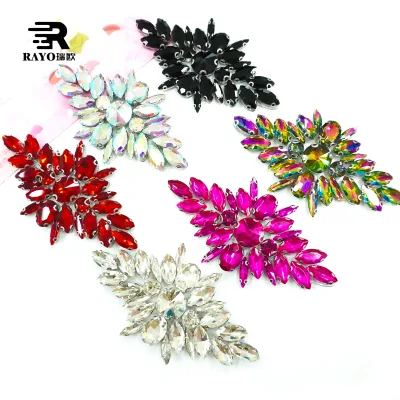
High Quality Rhinestones Applique Patch Hot Fix Flower Applique Handmade
$2.25 - $6.50
MOQ: 100 Pieces

Handmade Rhinestone Applique Iron on Patches for Wedding Bridal Dress Belt Motif
$1.85 - $1.95
MOQ: 100 Pieces

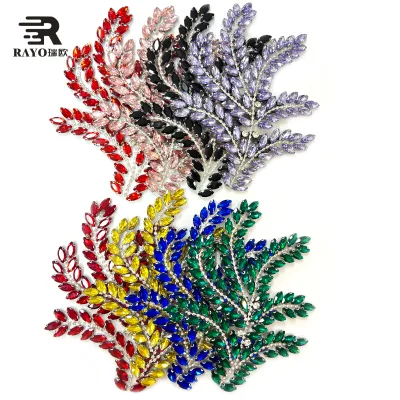
Crystal Ab Rhinestone Wings Applique Glass Strass Patch Sew on Shoulder Decoration
$2.90 - $3.50
MOQ: 100 Pieces

Wenzhou Quanfeng Garment Accessories Co., Ltd.
- Trading Company,Manufacturer/Factory
- China Zhejiang
- Lead time23 days
- Avg. response≤ 8h
Main productsLabel Printing Material, Polyester Satin, Seal Tag, Rubber Label, Plastic Seal Tag, Woven Label, Label Ribbon, TTR Ribbon, Woven Edge Satin Ribbon, Cotton Tape
Main marketsSouth America,Eastern Europe,Mid East,North America,Southeast Asia,Eastern Asia,Oceania,Western Europe,Africa

Ningbo Yuena Import & Export Co., Ltd.
- Verified by TUVRHEINLAND
- Trading Company
- China Zhejiang
- Lead time23 days
- Avg. response≤ 3h
Main productsLace, Thread, Button, Ribbon, Zipper, Tailors Materials, Fabric, Reflective Materials, Sewing Machine Part, Bra Parts
Main marketsSouth America,Africa,Southeast Asia/ Mideast,Europe,North America

Most Popular on Amazon Embroidered Applique Garment Applique Fabric Patches
$0.15 - $0.29
MOQ: 500 Pieces


Suzhou Welljoy Textile Co., Ltd.
- Manufacturer/Factory
- China Jiangsu
- Lead time23 days
- Avg. response≤ 16h
Main productsHigh Visibility Fabric, Functional Fabric, Uniform Fabrics, Textile Fabric, Oxford Fabric, Conductive Fabric, Fluorescent Fabrics, Stripe Fabric, Coated Fabric, Woven Fabric
Main marketsSouth America,Eastern Europe,Mid East,North America,Southeast Asia,Eastern Asia,Oceania,Western Europe,Africa

MOQ: 2000 Meters

MOQ: 2000
Guangzhou Jingpin Garment Accessory Co., Ltd.
- Verified by SGS Group
- Manufacturer, Trading Company
- Lead time3 days
- Avg. response≤ 1h
Main productsCrystal Rhinestone, Sew On Stone, Rhinestone Trimming, Customized Stone Transfer Design, Rhinestone Applique
Main marketsNorth America(30%), Oceania(15%), Eastern Europe(10%)

Quanzhou Fengming Textile Co., Ltd.
- Verified by TUVRHEINLAND
- Combined
- China Fujian
- Lead time15 days
- Avg. response≤ 3h
Main productsTear Away Embroidery Backing, Chemical Bond Non Woven, PVA Water Solulbe Paper Nonwoven and Film, Woven Fusible Interlining Tricot Interlining, Spray Adhesive, Nonwoven Interlining, OPP Packing Tape and Double Side Tape, Polyester Embroidery Thread, Metallic Yarn, Body Bag
Main marketsDomestic

Two Side Tear Away Embroidery Backing, Polyester Embroidery Backing, Chemical Bond Nonwoven
$0.08 - $0.12
MOQ: 50000 Square Meters


Guangzhou MPC Power International Co., Ltd.
- Verified by BV
- Combined
- China Guangdong
- Lead time30 days
- Avg. response≤ 13h
Main productsInsulator
Main marketsSouth America,Africa,Southeast Asia/ Mideast,Europe,North America
Zhangjiagang Vella International Co., Ltd.
- Verified by TUVRHEINLAND
- Trading Company
- China Jiangsu
- Lead time30 days
- Avg. response≤ 9h
Main productsFlooring, Underlay, Nonwoven, WPC Decking, Painter Felt, WPC, Wood-Plastic Composites
Main marketsEast Asia(Japan/ South Korea),Europe,Australia

Qingdao Qihang Fishing Cage Co., Ltd.
- Verified by BV
- Trading Company,Manufacturer/Factory,Other
- China Shandong
- Lead time23 days
- Avg. response≤ 3h
Main productsFish Cage, Fishing Cage, Sea Cage, Aquaculture Cage, HDPE Fish Cage, Tilapia Net Cage, Floating Cage, Fishing Net, Fish Farm Cage, PE Net Cage
Main marketsSouth America,Eastern Europe,Mid East,North America,Southeast Asia,Eastern Asia,Oceania,Western Europe,Africa


MOQ: 10 Pieces
Foshan Shensheng Building Material Technology Co., Ltd.
- Verified by BV
- Combined
- China Guangdong
- Lead time15 days
- Avg. response≤ 2h
Main productsTile Trims, Decorative Profile, Skirting, LED Aluminum Profile
Main marketsSouth America,Africa,Southeast Asia/ Mideast,East Asia(Japan/ South Korea),Europe,Australia,North America

Rizhao Fenghua Scaffoldings Co., Ltd.
- Verified by BV
- Combined
- China Shandong
- Lead time45 days
- Avg. response≤ 14h
Main productsScaffolding, Scaffold, Forging, Formwork, Scaffold Couplers, Swivel Coupler, Frame System, Hand Tools, Scaffold Plank
Main marketsSouth America,East Asia(Japan/ South Korea),Europe,North America

MOQ: 100 Pieces

MOQ: 100 Pieces
Guangzhou Huimei Trading Co., Ltd.
- Manufacturer, Buying Office, Distributor/Wholesaler
- Guangdong, China
- Lead time0 days
- Avg. response≤ 9h
Main productsMen's polo shirts,Men's T-shirts,SPORTY POLO SHIRT,Sports T-shirts
Main marketsSouth America(20.00%), North America(20.00%), Eastern Europe(15.00%), Southeast Asia(10.00%), Domestic Market(5.00%), Southern Europe(5.00%), Oceania(5.00%), Western Europe(5.00%), South Asia(3.00%), Mid East(3.00%), Central America(3.00%), Eastern Asia(2.00%), Northern Europe(2.00%), Africa(2.00%)
- Verified by TUVRHEINLAND
- Manufacturer
- China Fujian
- Lead time15 days
- Avg. response≤ 22h
Main productsJacket, Waterproof Jacket, Ski Jacket, Work Wear, Work Jacket, Ski Wear, Padded Jacket, Winter Jacket, Ski Pants, Outdoor











Comprehensive Sourcing Guide
Applique Supplier Concentration and Factory Types
The sourcing landscape for Applique products reveals a distinct concentration of manufacturing and trading entities within specific industrial hubs, with China Guangdong emerging as a primary location for these specialized garment accessories. Buyers evaluating this market will encounter a mix of company types, ranging from pure trading companies to integrated manufacturers that also operate trading divisions. This dual structure is significant because it influences how orders are managed, how communication flows, and how pricing is structured. Trading companies often provide a broader catalog of designs, including hot fix rhinestones, iron-on motifs, and sew-on patches, leveraging their network to aggregate products from multiple factories. In contrast, manufacturers may offer deeper customization capabilities for specific materials like glass or crystal, allowing for more precise control over the final aesthetic of the Applique. Understanding this distinction is crucial for buyers who need to determine whether they require the flexibility of a trading company’s diverse inventory or the direct production control of a manufacturer.
When assessing the factory types available, buyers should look for indicators of production capability alongside trading volume. Some suppliers list themselves as both manufacturers and trading companies, which can offer the best of both worlds but requires careful verification of their actual production lines. The main products listed by these entities often include embroidery patches, soft PVC patches, woven patches, and sublimation printing patches, indicating a versatile production environment. Buyers should verify if the supplier’s primary focus aligns with their specific Applique needs, such as hot fix rhinestones versus sew-on crystal designs. The presence of a trading company label does not necessarily mean the supplier lacks manufacturing expertise, but it does suggest a business model built on aggregation and distribution. Therefore, buyers must dig deeper into the supplier’s profile to understand their core competencies, ensuring that the chosen partner can handle the specific technical requirements of the Applique, whether it involves stick-on techniques, sewing, or ironing applications.
How to Verify Applique Suppliers
Verification is a critical step in mitigating risk when sourcing Applique products, as the market contains a variety of suppliers with different levels of credibility and operational maturity. Buyers should prioritize suppliers who have undergone third-party verification processes, such as those conducted by BV or SGS Group, as these audits provide an independent assessment of the supplier’s business legitimacy and operational capabilities. The presence of a verification badge is a strong initial signal, but it should be complemented by an examination of the supplier’s system certifications. Certifications like Oeko-Tex 100, GRS, and REACH are particularly relevant for Applique suppliers, as they indicate compliance with international standards for textile safety, recycled content, and chemical restrictions. These certifications are not merely decorative; they reflect a supplier’s commitment to quality control and regulatory compliance, which is essential for buyers targeting markets with strict environmental and safety regulations.
Beyond certifications, buyers should assess the supplier’s responsiveness and track record as indicators of reliability. A quick response time, such as the 2.48 hours observed in some supplier profiles, suggests an active and engaged sales team that can address inquiries and resolve issues promptly. This responsiveness is vital in the fast-paced fashion industry, where delays in communication can lead to missed production windows. Additionally, buyers should look for evidence of consistent product quality and design innovation. Suppliers offering a wide range of Applique styles, from flower designs to leaf motifs, demonstrate a capacity for continuous product development. Buyers should also verify the supplier’s ability to provide samples, as many suppliers support seven-day sample order lead times, allowing for quick evaluation of material quality and craftsmanship. By combining verification badges, relevant certifications, and responsiveness metrics, buyers can build a comprehensive picture of a supplier’s reliability and suitability for their specific sourcing needs.
What to Compare Across Applique Suppliers
When comparing suppliers, buyers must evaluate a range of operational and commercial metrics to identify the best fit for their specific requirements. Key dimensions to compare include lead times, minimum order quantities (MOQs), and response speeds, as these factors directly impact production planning and inventory management. For instance, some suppliers offer a lead time of 15 days for bulk orders, while others may provide faster turnaround times for sample orders or smaller batches. MOQs can vary significantly, with some suppliers requiring as few as 10 pieces for certain designs, while others may set higher thresholds, such as 50 or 30 pieces per lot. Understanding these variations allows buyers to align their orders with their production schedules and budget constraints. Additionally, comparing the range of main products offered by each supplier can help identify those with the most relevant expertise, whether it be hot fix rhinestones, embroidered patches, or custom crystal designs.
Price and payment terms are also critical factors in supplier comparison, as they influence the overall cost of goods and financial risk. Buyers should examine the price ranges for different Applique types, noting that costs can vary based on material, complexity, and customization options. For example, glass-based rhinestone appliques may have different pricing structures compared to crystal or embroidered options. Payment terms, such as the acceptance of PayPal, T/T, or Western Union, offer flexibility and security for both parties. Buyers should also consider the supplier’s shipping options, as the availability of carriers like DHL, UPS, FedEx, and TNT can affect delivery speed and cost. By systematically comparing these metrics, buyers can create a weighted scoring system to objectively evaluate suppliers, ensuring that the final selection balances cost, quality, and operational efficiency. This data-driven approach minimizes subjective bias and leads to more informed sourcing decisions.
Common Applique Sourcing Risks
Sourcing Applique products involves several inherent risks that buyers must proactively manage to ensure a smooth procurement process. One significant risk is the variability in product quality, particularly when dealing with intricate designs involving rhinestones, crystals, or embroidery. Without proper quality control measures, buyers may receive items with loose stones, uneven stitching, or color mismatches, which can lead to customer dissatisfaction and returns. This risk is exacerbated when working with suppliers who have high MOQs or long lead times, as errors discovered late in the production cycle can be costly to rectify. To mitigate this, buyers should insist on pre-production samples and clear quality specifications, ensuring that the final product meets their exact standards. Additionally, buyers should verify the supplier’s ability to maintain consistency across large orders, as batch-to-batch variations can disrupt production lines and delay shipments.
Another common risk is the potential for communication breakdowns and logistical delays, which can stem from language barriers, time zone differences, or inefficient supply chain management. Buyers may encounter difficulties in conveying specific design requirements or resolving issues that arise during production, leading to misunderstandings and project delays. This risk is particularly relevant when working with trading companies that act as intermediaries between buyers and factories, as information can be distorted or delayed as it passes through multiple layers. To address this, buyers should establish clear communication protocols and maintain regular contact with their suppliers throughout the production process. Additionally, buyers should verify the supplier’s shipping capabilities and track record, ensuring that they can deliver products on time and in good condition. By identifying and addressing these risks early, buyers can build a more resilient sourcing strategy and minimize the potential for costly disruptions.
Applique Regional Sourcing and Logistics
The regional concentration of Applique suppliers, particularly in China Guangdong, offers buyers access to a robust ecosystem of manufacturers, traders, and logistics providers. This clustering effect facilitates efficient sourcing by reducing the distance between suppliers and key shipping hubs, thereby lowering transportation costs and lead times. Buyers sourcing from this region can benefit from the availability of specialized packaging materials, such as packing bags designed to protect delicate rhinestone and crystal appliques during transit. The proximity to major ports and airports in Guangdong also enhances the efficiency of international shipping, allowing for faster delivery via carriers like DHL, UPS, FedEx, and TNT. However, buyers must also consider the logistical complexities of importing from this region, including customs clearance, import duties, and potential regulatory requirements in their home markets.
Logistics planning is crucial for ensuring that Applique products arrive on time and in optimal condition. Buyers should work closely with their suppliers to determine the most cost-effective and reliable shipping methods, balancing speed with budget constraints. For urgent orders, air freight may be necessary, while bulk shipments can often be sent via sea freight to reduce costs. Additionally, buyers should verify the supplier’s packaging standards to ensure that products are adequately protected against damage during transit. The use of sturdy packaging materials and clear labeling can help prevent loss or damage, ensuring that the appliques arrive ready for use. By understanding the logistical landscape of the sourcing region, buyers can optimize their supply chain, reduce lead times, and enhance the overall efficiency of their procurement operations. This strategic approach to logistics is essential for maintaining a competitive edge in the fast-paced fashion industry.
Applique Commercial Terms and Order Planning
Effective order planning for Applique products requires a thorough understanding of commercial terms, including pricing, payment methods, and delivery schedules. Buyers should negotiate clear terms that align with their production cycles and financial capabilities, ensuring that they have the flexibility to adjust orders as needed. The availability of various payment options, such as PayPal, T/T, and Western Union, provides buyers with choices that can enhance security and convenience. Additionally, buyers should clarify the supplier’s return and refund policies, as well as their procedures for handling defective or non-conforming products. These terms are essential for protecting the buyer’s interests and ensuring a fair resolution in case of disputes. By establishing a solid foundation of commercial terms, buyers can build a more transparent and trustworthy relationship with their suppliers, reducing the potential for misunderstandings and conflicts.
Order planning also involves managing lead times and production schedules to ensure timely delivery. Buyers should work with their suppliers to establish realistic timelines, accounting for factors such as material sourcing, production capacity, and shipping logistics. For custom designs, buyers should allow additional time for design approval and sample production, as these steps can significantly impact the overall lead time. Additionally, buyers should consider the impact of seasonal demand and market trends on production schedules, adjusting their orders accordingly to avoid stockouts or excess inventory. By integrating commercial terms and order planning into a cohesive strategy, buyers can optimize their supply chain, reduce costs, and enhance their ability to respond to market changes. This proactive approach to order management is key to maintaining a competitive advantage and ensuring customer satisfaction in the dynamic Applique market.
FAQs
What is the minimum order quantity for rhinestone appliques?
Minimum order quantities vary by product, ranging from 10 pieces to 50 pieces per lot. Some suppliers accept orders as low as 10 pieces for specific designs, while others require 30 or 50 pieces. Buyers should check individual product listings to confirm the exact MOQ before placing an order.
How long does delivery take for these Applique products?
Delivery times typically range from 1 to 9 working days depending on the specific item and shipping method. Some products offer fast delivery within 1 to 4 working days, while others may take 7 to 9 working days. Shipping options include DHL, UPS, FedEx, and TNT for expedited service.
Are these appliques available in custom designs and colors?
Yes, customization is available for many rhinestone Applique products. Buyers can request custom designs, and suppliers offer various colors including red, white, silver, pink, and multi-color options. Customized designs are welcomed, allowing for tailored solutions for dresses, bags, and shoes.
What materials are used to make these rhinestone appliques?
The primary materials used are glass and crystal for the rhinestones. Some products specify glass material, while others use crystal for a different finish. The appliques are designed with flatback styles and come in round shapes, suitable for stick-on or sew-on application methods.
What payment methods do these suppliers accept for orders?
Suppliers accept multiple payment methods including PayPal, T/T, and Western Union. These options provide flexibility for international buyers. Specific payment terms may vary by product, so buyers should verify the accepted methods on the product page before completing their transaction.
Do these suppliers offer sample orders for new designs?
Yes, sample orders are supported with a lead time of 7 days for some products. This allows buyers to test quality before committing to larger orders. Suppliers facilitate this process to ensure the appliques meet specific design and quality requirements for garments and accessories.
Where are these Applique manufacturers and suppliers located?
The suppliers are located in Guangdong, China. This region is known for its manufacturing capabilities in garment accessories. Buyers can source products directly from these verified locations, ensuring access to a wide range of rhinestone and crystal Applique designs.