AR Coating Photography ND Filter Suppliers and Manufacturers
Explore 21 verified suppliers offering AR Coating Photography ND Filter with ISO9001:2015 certification and ODM capabilities. Compare lead times ranging from 7 to 30 days, MOQs from 1 to 10 units, and prices between $1 and $26. Contact suppliers directly to request custom specifications.
Suppliers List

Tianjin Tengteng Optoelectronic Technology Co., Ltd.
- Verified by TUVRHEINLAND
- Combined
- China Tianjin
- Lead time30 days
Main productsOptical Lens, Lens, Laser Lensese, Aspherical Lens
Main marketsOthers(foreignTradeCapacity.exportBusinessCapacityMarketOther),Domestic,Europe


Optical Hard Coating 200nm-1200nm Vis/IR Wavelengths Od4.0 50nm Bandpass Filters
$5.00 - $20.00
MOQ: 1 Pieces
- Manufacturer, Trading Company
- Guangdong, China
- Lead time7 days
- Avg. response≤ 6h
Main productsCamera Filter,Optical Lens
Main marketsDomestic Market(90.00%), North America(5.00%), Southeast Asia(2.00%), Mid East(1.00%), Western Europe(1.00%), Eastern Asia(1.00%)
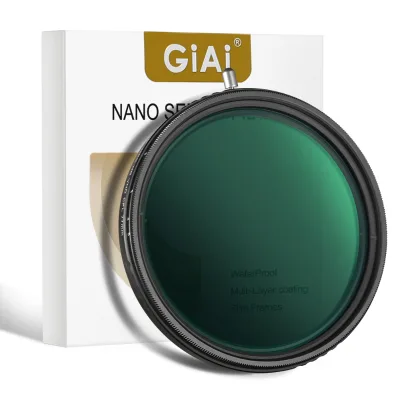
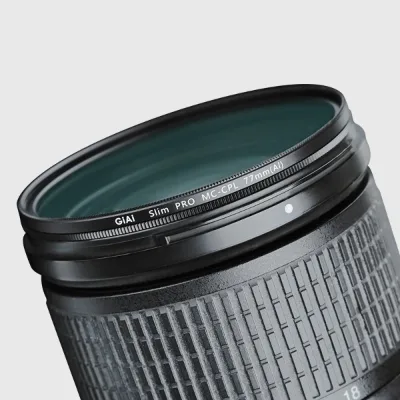
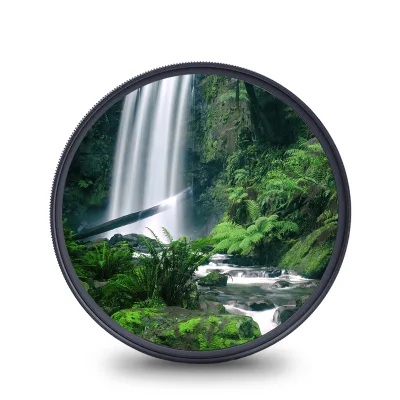
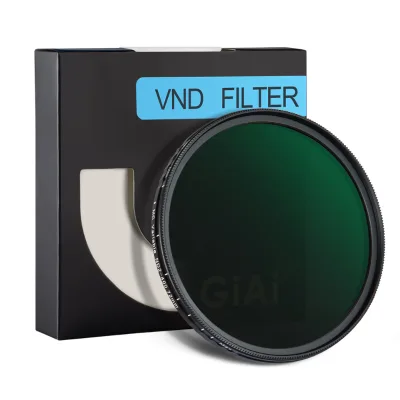
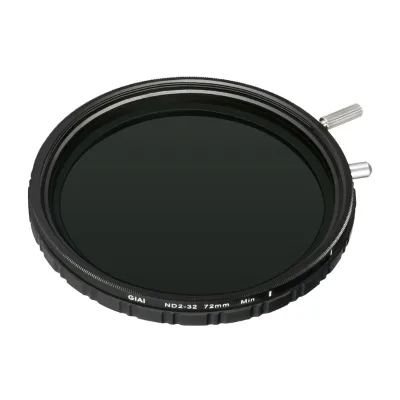
Factory Wholesale Professional High Definition Landscape Camera Lens Circular Polarizing Filter
$2.83 - $19.46
MOQ: 5 pieces
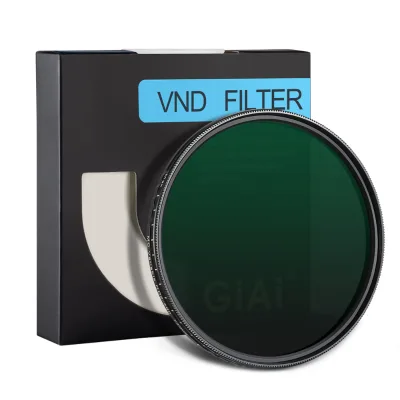
- Verified by Intertek
- Manufacturer, Trading Company
- Lead time7 days
- Avg. response≤ 3h
Main productsCamera Filter , Phone Filter, Phone Lens, Sport Camera Filter , Optical Lens
Main marketsDomestic Market(85%), South America(4%), Eastern Europe(3%)

Nantong Fowo Trading Co., Ltd.
- Trading Company
- Jiangsu, China
- Lead time0 days
- Avg. response≤ 2h
Main productsoptical lens,optical prism,color filter,coating optical glass,optics window
Main marketsSouth Asia(40.00%), Northern Europe(30.00%), North America(20.00%), Eastern Europe(10.00%)
Ningbo Evertop Metal Products Co., Ltd.
- Manufacturer, Trading Company
- Lead time旺季: "1 - 5000":30,"> 5000":"To be negotiated", 淡季: "1 - 5000":30,"> 5000":"To be negotiated"
- Avg. response≤ 1h
Main productsTablet Kiosk Stand,Tablet Stand,Tripod,Photographic accessories,iPad Stand

Shanghai Jingsheng Optoelectronics Technology Co., Ltd
- Verified by SGS
- Combined
- China Shanghai
- Lead time15 days
Main productsOptical Lens, Optical Window, Prism, Optical Filter, Optical Mirror, Field Lens, Reticle, Powell Lens, IPL Filter, Fresnel Lenses
Main marketsEurope

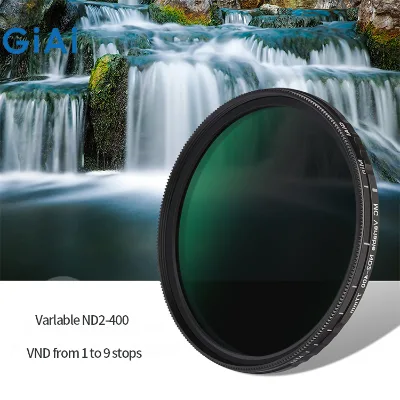
Optical Glass Filter ND2-ND400 Neutral Density Filter ND Filter for Camera Lenses
$5.00 - $15.00
MOQ: 10 Pieces

OEM Adjustable ND Filter ND2/ND4/ND16 Neutral Density Filter for Camera Lens
$5.00 - $15.00
MOQ: 10 Pieces

77mm Circular Soft Edge Graduated Neutral Density Filters ND Camera Filter
$5.00 - $15.00
MOQ: 10 Pieces

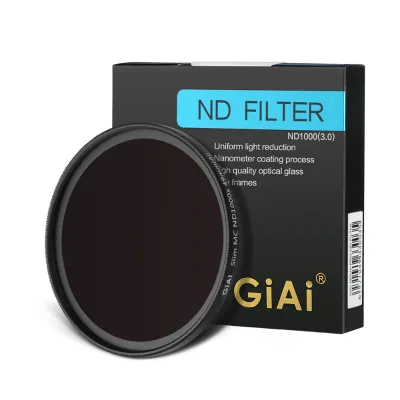
Customized ND1000 Lens Filter ND 77mm Neutral Density Filter Lens Camera Filter
$5.00 - $15.00
MOQ: 10 Pieces

Customized Optical Glass ND Filter UV Optical Filter Neutral Density Camera Filter
$5.00 - $15.00
MOQ: 10 Pieces

Customized 5% Transmittance ND Filter Neutral Density Filter for Camera Lens
$5.00 - $15.00
MOQ: 10 Pieces

- Verified by SGS
- Combined
- China Jiangsu
- Lead time30 days
Main productsOptical Window, Optical Lens, Optical Filter, Optical Prism, Optical Mirror, Beam Splitter Cube, off-Axis Parabolic Metal Mirrors, Optical Reticle, Collimator
Main marketsSoutheast Asia/ Mideast,East Asia(Japan/ South Korea),Domestic,Europe,Australia,North America
Shaoxing Kefengte Photographic Equipment Co., Ltd.
- Manufacturer, Trading Company
- Zhejiang, China
- Lead time45 days
- Avg. response≤ 3h
Main products18 Inch Ring Light, LED Photography Light, Camera Filter, Camera Cleaning Tool, Camera Accessories
Main marketsSoutheast Asia(70.00%), North America(5.00%), South America(5.00%), Western Europe(5.00%), Southern Europe(5.00%), Northern Europe(5.00%), Eastern Europe(5.00%)
Danyang Alice Photographic Equipment Co., Ltd.
- Manufacturer
- Jiangsu, China
- Lead time3 days
- Avg. response≤ 9h
Main productscamera filters,UV filter,CPL filter,ND filter,MC UV filter
Main marketsNorth America(35.00%), Domestic Market(11.00%), Mid East(10.00%), Western Europe(8.00%), Southeast Asia(6.00%), Southern Europe(6.00%), South America(5.00%), Eastern Europe(5.00%), Eastern Asia(4.00%), South Asia(3.00%), Central America(2.00%), Africa(2.00%), Northern Europe(2.00%), Oceania(1.00%)
- Verified by TüVRheinland
- Trading Company
- Lead time15 days
- Avg. response≤ 6h
Main productsPhotographic Flash, Continuous Light, LED Panel Light, Light Stand, Photography Accessories
Main marketsNorth America(15%), South America(15%), Southeast Asia(10%)

C-Laser (Taicang) Material Technology Co., Ltd.
- Verified by BV
- Combined
- China Jiangsu
- Lead time15 days
Main productsOptical Lens, Fused Silica, Laser, Squartz Glass, Fused Quartz, Optical Glass, Fused Silica Rod, Fused Quartz Rod, Quartz Tube, Quartz Rod
Main marketsDomestic


Custom Optical Filter UV Mirror Multi-Layer Coating Optical Filter for Cameras
$6.00 - $10.00
MOQ: 50 Pieces


Double Ar Anti-Reflection Coating Filter Quartz Material Windows Instrument Optics Product
$6.00 - $10.00
MOQ: 50 Pieces

Changchun Yutai Optics Co., Ltd.
- Combined
- China Jilin
- Lead time45 days
Main productsOptical Lens, Optical Windows, Optical Mirrors, Optical Filters, Optical Prisms, Optical Wafers, Optical Blanks, Optical Coating, Optical Beamsplitter, IR Optics
Main marketsDomestic,Europe,North America

$2.00 - $100.00
MOQ: 10 Pieces

Shenzhen Apexel Technology Co., Ltd.
- Verified by SGS Group
- Manufacturer, Trading Company
- Lead time15 days
- Avg. response≤ 9h
Main productsCamera Lenses, Tripod, Photographic Lighting, Telescope & Binoculars
Main marketsNorth America(25%), Eastern Europe(10%), Eastern Asia(10%)

Shanghai Rui Tai Photoelectric Technology Co., Ltd.
- Verified by TUVRHEINLAND
- Trading Company
- China Shanghai
- Lead time15 days
Main productsOptical Lens, Optical Windows, Laser Windows, Fused Silica, Optical Prism, Optical Glass, Sapphire Window, Aspheric Lens, Spheric Lens, Optical Mirror
Main marketsSouth America,Domestic,Europe

- Verified by TUVRHEINLAND
- Combined
- China Yunnan
- Lead time23 days
Main productsAstronomy Filters, Fluorescence Filters, IR Bandpass Filter, Dichroic Filter, Long Wave Pass Flter, Short Wave Pass Filter, Beamsplitter, Vis Bandpass Filter, Reflection Filter, OEM Filter
Main marketsSouth America,Others(foreignTradeCapacity.exportBusinessCapacityMarketOther),Europe,Australia,North America

Shenzhen Xinyuan Huiyu Optoelectronic Technology Co., Ltd.
- Manufacturer/Factory
- China Guangdong
- Lead time0 days
Main productsLaser Crystals, Optical Filters, Optical Coating Components, Optical Lenses & Prisms, Optical Windows, Photodetectors & Infrared Components, Customized Optical Solutions
Nanyang Jingliang Photoelectric Co., Ltd.
- Verified by TüVRheinland
- Manufacturer, Trading Company
- Lead time20 days
- Avg. response≤ 1h
Main productsLens, Prisms, Mirros, Filters, Windows
Main marketsNorth America(31%), Western Europe(31%), Eastern Asia(29%)
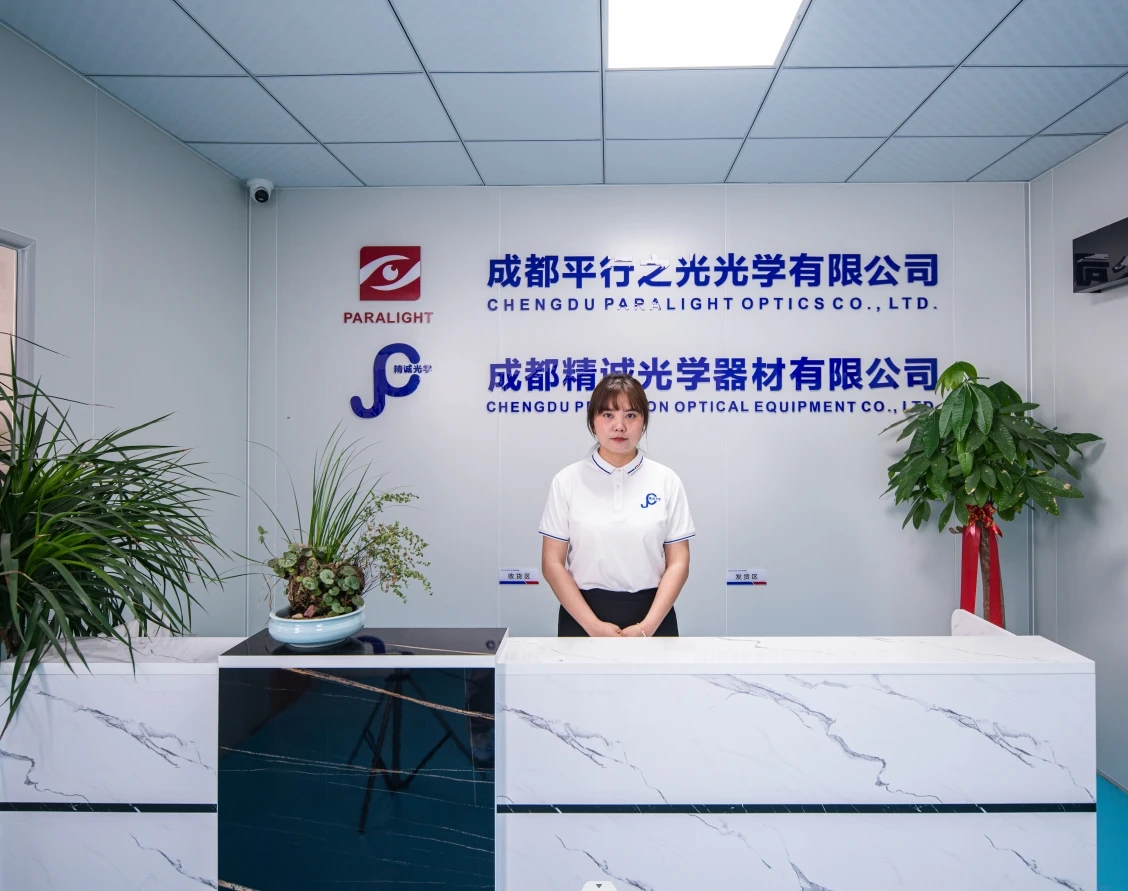
Chengdu Paralight Optics Co., Ltd.
- Manufacturer, Trading Company
- Sichuan, China
- Lead time25 days
- Avg. response≤ 4h
Main productsInfrared Optics,Laser Optics,Prism Optics,Reflective Mirror,Large Aperture Lens
Main marketsSouth America(15.00%), Eastern Europe(15.00%), Domestic Market(10.00%), North America(10.00%), Northern Europe(8.00%), Southeast Asia(6.00%), Southern Europe(5.00%), Africa(5.00%), Central America(5.00%), South Asia(5.00%), Eastern Asia(5.00%), Mid East(5.00%), Oceania(3.00%), Western Europe(3.00%)
Fujian Allwin Technology Co., Ltd.
- Trading Company,Manufacturer/Factory
- China Fujian
- Lead time0 days
Main productsOptics, Optical Components, Optical Lenses, Prism, Laser Optics, Infrared Optic Lenses, Photonics, Imaging Optics, Biomedical Optic Components, Endoscopic Lenses
Main marketsSouth America,Eastern Europe,Mid East,North America,Southeast Asia,Eastern Asia,Western Europe

Custom Gold-Coated Optial Filter for Industrial & Infrated Applications
$25.00 - $1000.00
MOQ: 1 Pieces

Beijing Bodian Optical Technology Co., Ltd.
- Manufacturer, Trading Company
- Beijing, China
- Lead time15 days
- Avg. response≤ 11h
Main productsNarrow Band Pass Interference Filters, CCD Gel Image System Filters, Solar Simulator Filters, Fluorescence Microscope Filters, IPL Beauty Machine Filters
Main marketsDomestic Market(74.00%), North America(10.00%), Mid East(7.00%), Western Europe(6.00%), Southeast Asia(3.00%)

Shanghai Anttrans Technology Co., Ltd
- Verified by CTI
- Trading Company
- China Shanghai
- Lead time30 days
Main productsOptical Fiber Equipments, Optical Fiber Production Line, Optical Fibers, Laser Cutting Machine, Polishing Machines, Grinding Machine, Silicon Wafers, Sic Wafers, Optical Lens, Optical Mirrors
Main marketsDomestic
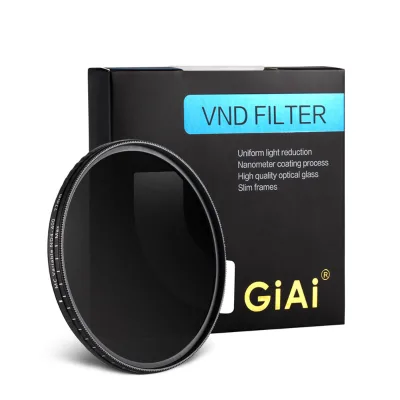
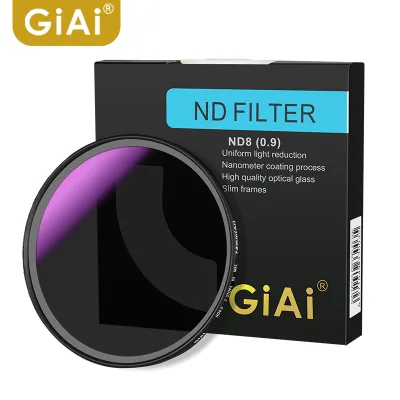
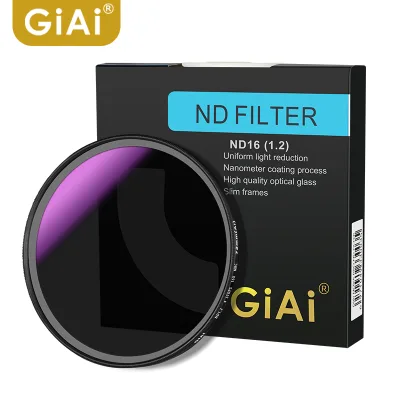


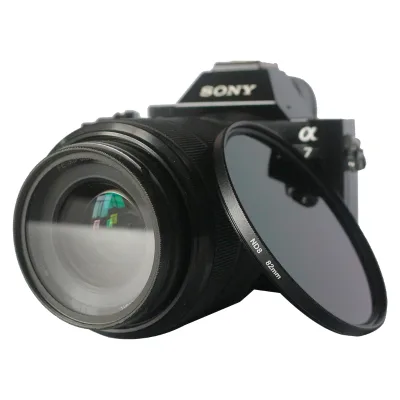
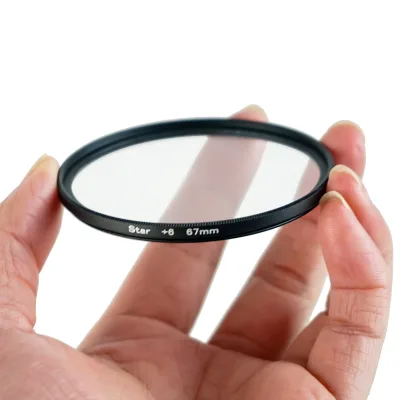
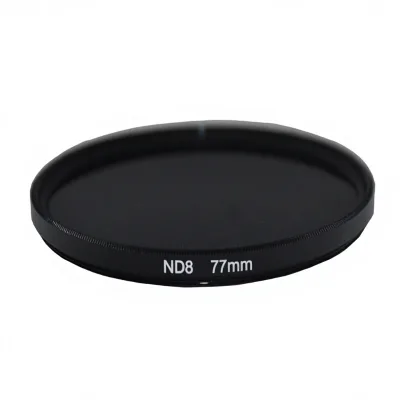
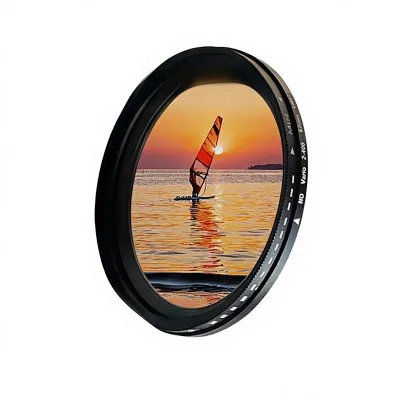

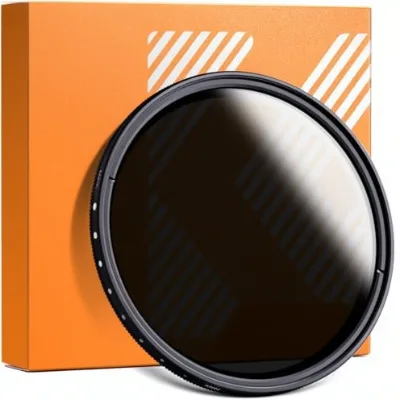
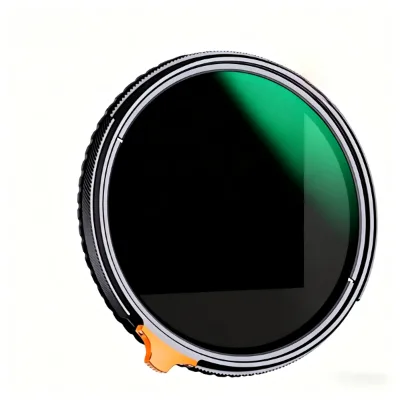
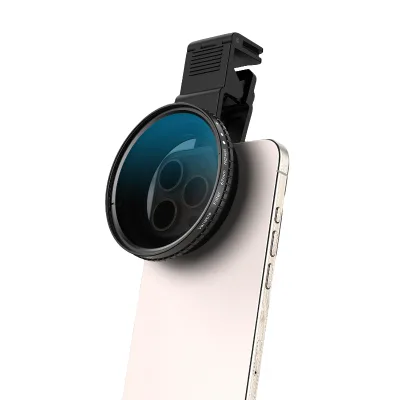
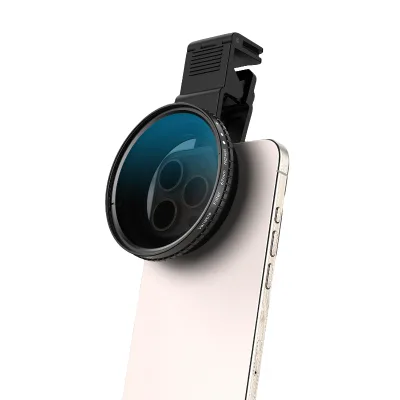

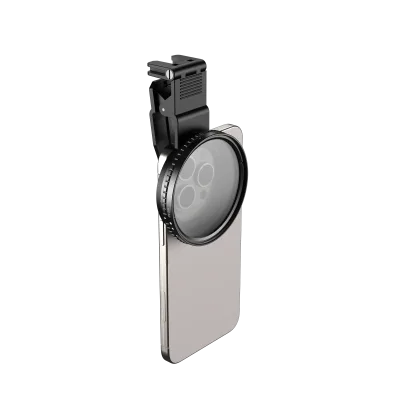
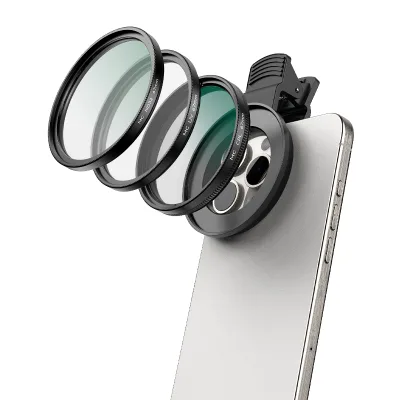




Comprehensive Sourcing Guide
AR Coating Photography ND Filter Supplier Concentration and Factory Types
The current supplier landscape for Ar coating photography Nd filters reveals a distinct geographic concentration in China, specifically within the Tianjin and Guangdong regions. Fact-based observations confirm that manufacturers in Tianjin specialize in optical lenses and aspherical lenses, often operating as combined entities capable of both manufacturing and trading. These facilities frequently list ISO9001:2015 certification and hold verification status from bodies like TÜV Rheinland, indicating a baseline of quality management systems. In contrast, suppliers located in Guangdong and Chongqing present a mix of manufacturer and trading company profiles, with some explicitly offering OEM and ODM services for camera filters. This regional split suggests that buyers seeking high-volume optical glass production may find specific capabilities in Tianjin, while those requiring rapid response times or diverse camera accessory lines might find more options in the Guangdong cluster.
Factory types vary significantly across the available results, ranging from pure manufacturers to combined entities that blend production with trading functions. Some suppliers explicitly state their capacity for ODM and OEM work, allowing for customized filter shapes, thicknesses, and coating specifications. The presence of "Combined" company types in Tianjin suggests a hybrid model where internal production lines support direct sales, potentially streamlining communication for custom orders. Meanwhile, other entries in Guangdong list themselves as both manufacturers and trading companies, which can offer flexibility in sourcing different filter sizes or materials like K9 glass or sapphire. Buyers must distinguish between these models, as a combined entity might offer broader product ranges, whereas a dedicated manufacturer might provide deeper technical expertise in optical coating processes. Understanding these structural differences is essential for aligning supplier capabilities with specific project requirements.
How to Verify AR Coating Photography ND Filter Suppliers
Verification of suppliers for Ar coating photography Nd filters requires a rigorous check of documented credentials rather than relying on general claims. The available data highlights specific certifications such as ISO9001:2015 and TÜV Rheinland verification, which serve as concrete indicators of a supplier's adherence to quality standards. Buyers should prioritize suppliers who display these specific third-party validations, as they provide evidence of a managed production environment. Additionally, the presence of RoHS certification in some product attributes suggests compliance with environmental standards, which is increasingly critical for international trade. It is vital to confirm that these certifications are current and directly linked to the specific facility producing the filters, rather than being generic corporate claims.
Beyond certifications, buyers must verify the supplier's response time and lead time capabilities to ensure operational reliability. Observed response times of six hours and lead times as short as seven days indicate a high level of operational efficiency in certain Guangdong-based suppliers. In contrast, other suppliers may have lead times extending to thirty days, which could impact project timelines significantly. Buyers should request proof of these metrics, such as recent order completion records or communication logs, to validate the claimed speeds. Furthermore, checking the "is_verified" status provided by the platform offers an additional layer of security, confirming that the supplier has undergone a background check. This multi-faceted approach to verification ensures that the selected partner possesses both the technical qualifications and the logistical capacity to deliver high-quality optical filters on schedule.
What to Compare Across AR Coating Photography ND Filter Suppliers
When evaluating suppliers, buyers must compare specific operational dimensions such as minimum order quantities, lead times, and pricing structures to find the best fit. The data shows a wide range in MOQs, with some suppliers accepting orders as low as one unit, while others require a minimum of ten pieces or more. This variation is crucial for buyers with different volume needs, as a low MOQ supplier may be ideal for prototyping, whereas a high-volume supplier might offer better economies of scale. Pricing also varies significantly, with some products listed between one and ten dollars, while others range from five to twenty dollars, and specialized camera filters can reach twenty-four to twenty-six dollars. Buyers should analyze these price points in the context of the included features, such as multi-coated nano coatings or specific mount thicknesses, to determine true value.
Another critical comparison point is the customization capability and material specifications offered by different suppliers. Some manufacturers provide fully customized shapes, thicknesses ranging from one to two millimeters, and specific coating types like Ar or Bbar coatings. Others may offer standard sizes with limited customization options. The material composition is also a key differentiator, with options including glass, optical glass, and aviation aluminum alloy. Buyers should compare the "Customization" attribute across suppliers to ensure the vendor can meet specific design requirements, such as angle of incidence or specific color filters. Additionally, comparing the supply ability, such as ten thousand pieces per week, helps assess whether a supplier can handle large-scale production demands. A thorough comparison of these attributes ensures the selected supplier aligns with both technical and commercial expectations.
Common AR Coating Photography ND Filter Sourcing Risks
One significant risk in sourcing Ar coating photography Nd filters is the potential mismatch between claimed specifications and actual product performance. While suppliers list attributes like "Neutral-type Filter" principles and specific thickness ranges, the actual optical density or coating durability may vary if not rigorously tested. Buyers face the risk of receiving filters that do not meet the required optical standards, such as the specified angle of incidence or light transmittance levels. This discrepancy can lead to product failures in end-use applications, particularly in professional photography or machine vision where precision is paramount. To mitigate this, buyers should request detailed test reports or samples that verify the coating quality and optical properties before committing to large orders.
Another major risk involves supply chain disruptions and inconsistent lead times, which can delay project timelines. Although some suppliers advertise lead times of seven days, others may require thirty days, creating uncertainty in production planning. Variations in response times, ranging from six hours to potentially longer periods, can also hinder effective communication and issue resolution. If a supplier fails to meet the agreed-upon delivery schedule, it can disrupt the entire supply chain, especially for time-sensitive projects. Buyers should assess the supplier's historical performance and capacity to handle fluctuations in demand. Establishing clear contractual terms regarding penalties for delays and maintaining open communication channels can help manage these risks effectively.
AR Coating Photography ND Filter Regional Sourcing and Logistics
Regional sourcing strategies for Ar coating photography Nd filters are heavily influenced by the geographic location of the manufacturing hubs. The data indicates a strong concentration of suppliers in Tianjin and Guangdong, China, each offering distinct logistical advantages. Tianjin-based suppliers often focus on optical lenses and aspherical lenses, potentially offering specialized expertise in high-precision optical manufacturing. In contrast, Guangdong suppliers may provide faster response times and more diverse product lines, including camera filters and accessories. Buyers should consider the proximity of these regions to major shipping ports, such as Shenzhen Port, which can significantly impact shipping costs and transit times. Understanding the regional strengths allows buyers to optimize their sourcing strategy based on specific product needs and logistical requirements.
Logistics planning must also account for the specific packaging and dispatch details provided by suppliers. Some suppliers offer customized packaging options, including cartons, blisters, or plastic cases, which can affect the protection of delicate optical filters during transit. The port of dispatch, such as Shenzhen Port, is a critical factor in determining shipping routes and costs. Buyers should verify the packaging details to ensure that the filters are adequately protected against damage during international shipping. Additionally, the supply ability of the supplier, such as ten thousand pieces per week, influences the frequency and volume of shipments. By carefully evaluating these regional and logistical factors, buyers can develop a robust sourcing strategy that minimizes risks and ensures timely delivery of high-quality Ar coating photography Nd filters.
AR Coating Photography ND Filter Commercial Terms and Order Planning
Commercial terms for Ar coating photography Nd filters vary widely, with payment options including L/C, T/T, D/P, Western Union, Paypal, and Money Gram. Buyers must carefully evaluate these terms to ensure they align with their financial policies and risk tolerance. Some suppliers may require a deposit before production begins, while others might offer more flexible payment schedules. The minimum order quantity (MOQ) is another critical commercial term, ranging from one unit to ten pieces or more. Buyers should negotiate MOQs that match their inventory needs, balancing the cost of holding stock against the benefits of bulk purchasing. Understanding these terms is essential for effective order planning and financial management.
Order planning also requires a clear understanding of the supplier's production capacity and lead times. With lead times ranging from seven to thirty days, buyers must plan their orders well in advance to avoid delays. The supply ability, such as ten thousand pieces per week, indicates the maximum volume a supplier can handle, which is crucial for large-scale projects. Buyers should also consider the customization options available, such as specific thicknesses or coatings, and ensure these are clearly defined in the order specifications. By carefully planning orders based on these commercial terms and production capabilities, buyers can ensure a smooth procurement process and timely delivery of high-quality Ar coating photography Nd filters.
FAQs
What is the lead time for optical filters from Tianjin suppliers?
Suppliers in Tianjin typically require 30 days to complete orders for optical filters. This timeline applies to standard production runs for items like ND filters and lenses. Buyers should confirm specific schedules based on order volume and customization needs before finalizing purchases.
What is the minimum order quantity for camera filters in Guangdong?
The minimum order quantity for camera filters from Guangdong suppliers is 10 pieces. This applies to specific models like the 67mm ND CPL filters. Some other products may allow orders starting from just one unit, so checking individual product listings is necessary for accurate planning.
Do suppliers offer ISO certification for their optical filter products?
Yes, many suppliers provide ISO9001:2015 certification for their optical filter products. Some listings also mention RoHS compliance alongside ISO standards. Buyers should verify the specific certificate details for each product to ensure they meet required quality and safety standards for their projects.
What is the price range for premium ND filters with AR coating?
Premium ND filters with AR coating generally range from 1 to 26 dollars per unit. Specific prices depend on the model, size, and coating type. For example, basic filters start at 1 dollar, while specialized 67mm filters can cost up to 26 dollars depending on the supplier.
How quickly do Guangdong suppliers respond to buyer inquiries?
Suppliers located in Guangdong typically respond to buyer inquiries within 6 hours. This fast response time helps facilitate quick communication regarding product specifications and order details. Buyers can expect timely updates on their sourcing requests from these verified manufacturers and trading companies.
What materials are used for high-quality photography ND filters?
High-quality photography ND filters are commonly made from optical glass or K9 glass. Some premium options utilize sapphire materials for enhanced durability. The choice of material affects the filter's optical clarity and resistance to scratches, which is critical for professional photography applications.
Are custom shapes and sizes available for optical filters?
Custom shapes and sizes are available for optical filters from multiple suppliers. Buyers can request specific thicknesses ranging from 1mm to 2mm and customized angles of incidence. This flexibility allows for tailored solutions for machine vision, medical, and lighting applications beyond standard photography needs.