Articulated Cherry Picker Lift Suppliers and Manufacturers
Explore 27 verified suppliers offering Articulated Cherry Picker Lift options from China Shandong and Henan. Compare ISO certifications, response times, lead times, and product specifications like lift height and power types before requesting quotes; review the available evidence before requesting comparable quotations from suitable candidates.
Updated
Suppliers List

- Verified by BV
- Trading Company
- China Shandong
- Lead time15 days
- Avg. response≤ 4h
Main productsScissor Lift, Boom Lift, Mobile Ramp, Dock Leveler, Car Lift, Man Lift, Home Lift, Mast Lift, Goods Lift, Cargo Lift
Main marketsSouth America,Eastern Europe,Mid East,North America,Southeast Asia,Eastern Asia,Oceania,Western Europe,Africa

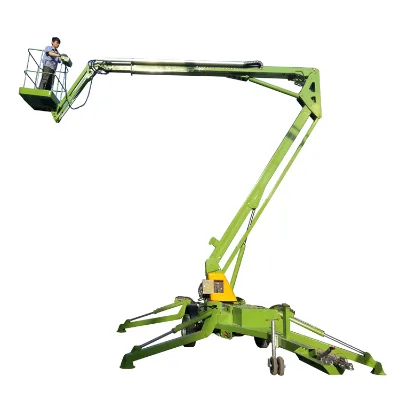
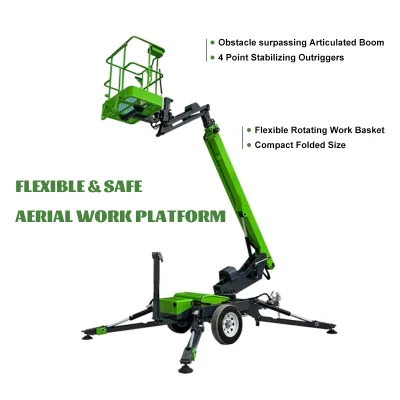
10m Articulated Trailer Spider Boom Lift Cherry Picker Folding Arm Lift
$8800.00 - $10000.00
MOQ: 1 Pieces


Shandong Cathay Machinery Co., Ltd.
- Verified by SGS
- Trading Company
- China Shandong
- Lead time15 days
- Avg. response≤ 6h
Main productsLift Platform, Boom Lift, Scissor Lift, Mast Lift, Hydraulic Lift, Cargo Lift, Home Lift, Vacuum Lifter, Spider Crane, Lift Table
Main marketsSouth America,Africa,Southeast Asia/ Mideast,East Asia(Japan/ South Korea),Domestic,Europe,Australia,North America

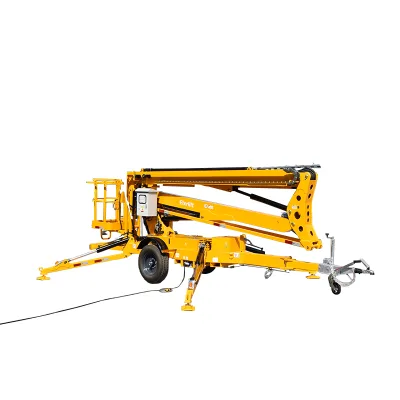
Aerial Boom Lift Cherry Picker Towable Articulated Manlift Boom Lift
$8500.00 - $9000.00
MOQ: 1 Pieces

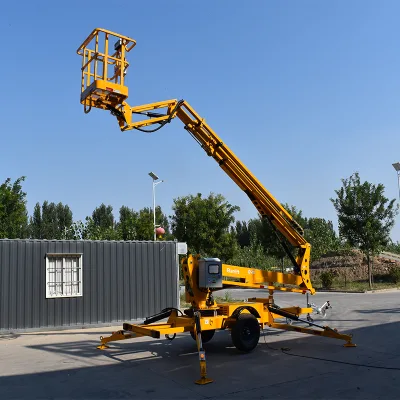
Cherry Picker Machine Portable Cherry Picker Lift with Trailer Mounted Boom
$8500.00 - $9000.00
MOQ: 1 Pieces

Aerial Work Towable Articulated Telescopic Boom Lift Cherry Picker Hydraulic Lift
$8500.00 - $9000.00
MOQ: 1 Pieces


Trailer Mounted Telescopic Articulated Cherry Picker Spider Lift Towable Boom Lift
$8500.00 - $9000.00
MOQ: 1 Pieces

HENAN ETERNALWIN MACHINERY EQUIPMENT CO., LTD.
- Verified by BV
- Trading Company,Manufacturer/Factory
- China Henan
- Lead time23 days
- Avg. response≤ 3h
Main productsOverhead Crane, Gantry Crane, Jib Crane, Spider Crane with Sucker, Rtg Crane, Sts Crane, Straddle Carrier, Vacuum Lifter Equipment, Portable Gantry Crane, Marine Hydraulic Winch Anchor
Main marketsSouth America,Eastern Europe,Mid East,North America,Southeast Asia,Eastern Asia,Oceania,Western Europe,Africa

Articulated Towable Cherry Picker Trailer Mounted Boom Lift for Aerial Work
$12000.00 - $35000.00
MOQ: 1 Pieces


Good Price Telescopic Boom Lift Articulated Boom Lift Cherry Picker Towable Boom Lifter
$5000.00 - $20000.00
MOQ: 1 Pieces

Xuzhou Hengxing Jinqiao Machinery Technology Co., Ltd.
- Verified by TUVRHEINLAND
- Combined
- China Jiangsu
- Lead time15 days
- Avg. response≤ 8h
Main productsPile Driver, Drilling Machine, Kelly Bar, Drilling Tools
Main marketsSouth America,Africa,Southeast Asia/ Mideast,Europe


Factory Outlet Mobile Towable Boom Lift Cherry Picker Boom Spider Lift
$6000.00 - $20000.00
MOQ: 1 Pieces


$5999.00 - $12999.00
MOQ: 1 Pieces
Jining Huida Construction Machinery Co., Ltd.
- Trading Company
- Lead time旺季: "1 - 1":15,"2 - 10":25,"11 - 20":35,"> 20":"To be negotiated", 淡季: "1 - 1":15,"2 - 10":25,"11 - 20":35,"> 20":"To be negotiated"
- Avg. response≤ 2h
Main productsSpider Crane, Scissor Lift, Electric Forklifts
Henan Eternalwin Machinery Equipment Co., Ltd.
- Verified by SGS Group
- Trading Company
- Lead time5 days
- Avg. response≤ 1h
Main productsOverhead Crane, Gantry Crane, Vacuum Lifting Equipment, Spider Crane, Marine Equipment
Main marketsSoutheast Asia(15%), Eastern Europe(15%), Oceania(15%)
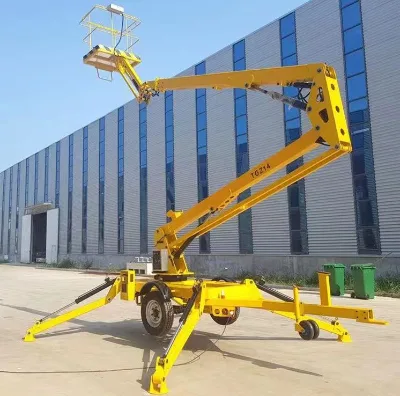
$7500.00 - $8000.00
MOQ: 1 sets
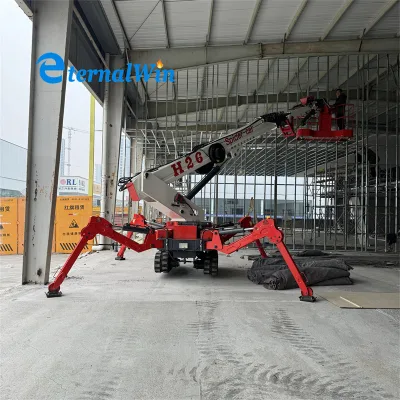
$18532.0876 - $33975.4939
MOQ: 1 Minimum
Jinan Zunhui Hydraulic Machinery Co., Ltd.
- Verified by SGS Group
- Manufacturer, Trading Company
- Lead time7 days
- Avg. response≤ 1h
Main productsHome Elevator, Goods Elevator, Lift Platform, Boarding Bridge, Delivery Elevator
Main marketsDomestic Market(20%), Eastern Asia(11%), North America(10%)

Qingdao Sinofirst Machinery Co., Ltd.
- Verified by TUVRHEINLAND
- Manufacturer/Factory,Group Corporation
- China Shandong
- Lead time15 days
- Avg. response≤ 4h
Main productsArticulated Boom Lift, Towable Boom Lift, Lifting Platform, Scissor Lift, Hydraulic Lift, Lift Table, Man Lift, Lifting Equipment, Glass Lifter, Vacuum Lifter
Main marketsEastern Europe,Mid East,North America,Western Europe,Africa


10m-22m Lifting Mechanism Hydrolic Lift with 200kg Load Capacity Cherry Picker
$3200.00 - $7800.00
MOQ: 1 Pieces

Costeffective Boom Lift for Global Customers China Origin Highaltitude Solutions
$3200.00 - $7800.00
MOQ: 1 Pieces

Jinan Tuhe Heavy Industry Machinery Co., Ltd.
- Verified by SGS
- Manufacturer
- China Shandong
- Lead time23 days
- Avg. response≤ 3h
Main productsScissor Lift, Lift Table, Boom Lift, Mast Lift, Load Ramp, Home Lift, Wheelchair Lift
Main marketsOthers(foreignTradeCapacity.exportBusinessCapacityMarketOther),Southeast Asia/ Mideast,North America


Trailer Mounted Cherry Picker Articulating Spider Boom Lift for Sale
$6800.00 - $22300.00
MOQ: 1 Pieces
Jinan Hontylift Machinery Co., Ltd.
- Verified by Intertek
- Manufacturer, Trading Company
- Lead time7 days
- Avg. response≤ 2h
Main productsScissor Lift, Boom Lift, Vertical Platform Lift, Stair Lift
Main marketsDomestic Market(40%), Africa(8%), Southern Europe(7%)

Jinan Three Points Intelligent Equipment Co., Ltd.
- Verified by TUVRHEINLAND
- Combined
- China Shandong
- Lead time15 days
- Avg. response≤ 3h
Main productsMobile Scissor Lift, Self-Propelled Scissors Lift Table, Crawler Scissor Lift, Fixed Boarding Bridge, Mobile Dock Ramp, Towable Boom Lift, Tracked Boom Lift, Fixed Scissors Lifting Platform, Cargo Lift, Aluminum Alloy Lift
Main marketsSoutheast Asia/ Mideast


Factory Outlet 18m Arm Lifting Platform Cherry Picker Towable Boom Lift
$500.00 - $1800.00
MOQ: 1 piece


- Manufacturer
- China Shandong
- Lead time15 days
- Avg. response≤ 6h
Main productsScissor Lift
Main marketsSoutheast Asia/ Mideast,Europe,Australia
Jinan Zhongtian International Trading Co., Ltd.
- Trading Company
- Shandong, China
- Lead time7 days
- Avg. response≤ 3h
Main productsscissor lift,aluminum lift,mobile yard ramp,boom lift,fixed dock leveller
Main marketsWestern Europe(15.00%), Southeast Asia(10.00%), Mid East(10.00%), North America(10.00%), South America(10.00%), Southern Europe(8.00%), Central America(6.00%), South Asia(6.00%), Africa(5.00%), Northern Europe(5.00%), Eastern Asia(5.00%), Eastern Europe(5.00%), Oceania(3.00%), Domestic Market(2.00%)
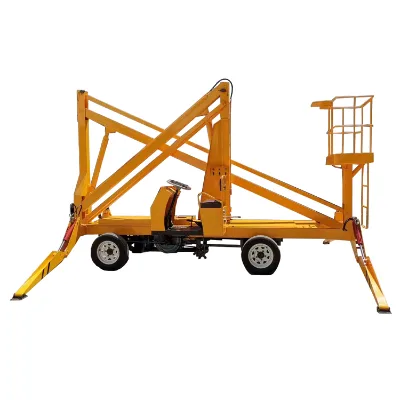
One Man Drive Cherry Picker Boom Lifter Hoist Product
$4000.00 - $4280.00
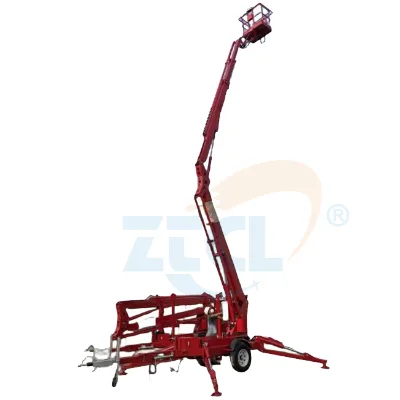
ZTTM-14 16m Telescopic Cherry Picker Diesel Engine Ac Power Towable Boom Lifts
$6211.5169 - $8282.0226
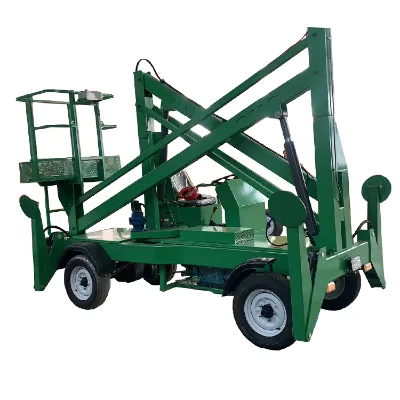
Hydraulic Man Lift Platform Articulated Two Man Crane Platform
$4000.00 - $4280.00
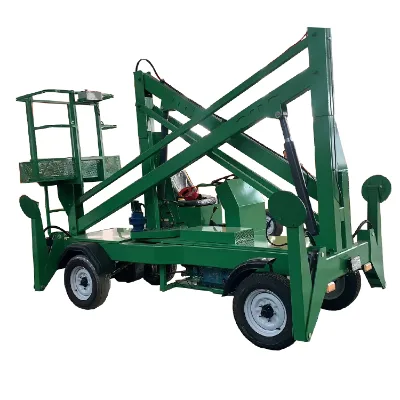
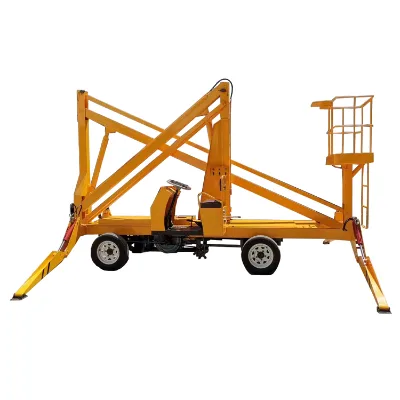
Diesel Engine Battery Power Gasoline Power Boom Lifting Equipment
$4000.00 - $4280.00
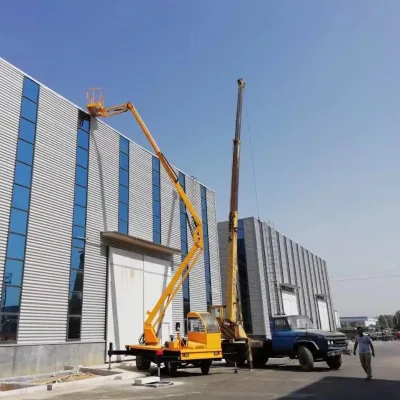
10m 12m 14m Height diesel Engine Power Battery Power Self Driven Boom Lift Table Sky Lifter
$4141.0113 - $4430.8833
MOQ: 1 sets

Wuhan Kudat Industry & Trade Co., Ltd.
- Verified by BV
- Trading Company,Manufacturer/Factory
- China Hubei
- Lead time23 days
- Avg. response≤ 8h
Main productsEngineering Machinery, Construction Machinery, Agriculture Machinery, Forklift, Excavator, Wheel Loader, Horizontal Directional Drilling Machine, Special Vehicles, Bulldozer, Dump Truck
Main marketsSouth America,Eastern Europe,Mid East,North America,Southeast Asia,Eastern Asia,Oceania,Western Europe,Africa


Articulated Aerial Work Platform/Boom Lift 18m Cherry Picker (GTZZ18)
$30000.00 - $54500.00
MOQ: 1 Pieces

Jining Jiubang Construction Machinery Equipment Co., Ltd.
- Verified by Intertek
- Manufacturer, Trading Company
- Lead time0 days
- Avg. response≤ 2h
Main productsAerial Work Vehicle, Telescopic arm forklift, Vehicle Mounted Fully Folding Crane, Self-propelled Aerial Work Platform, Laser Leveling Machine
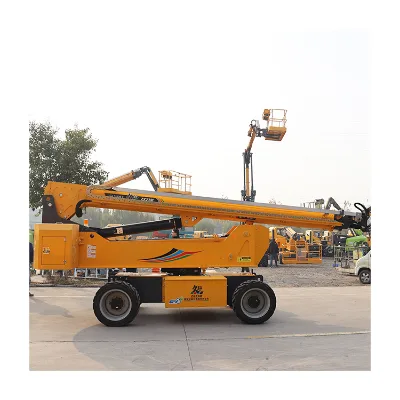
Factory Selling 23 Meters 28 Meters Articulated Cherry Picker Spider Arm Lift Aerial Work Platform
$4138.1351 - $8276.2702
MOQ: 1 pieces
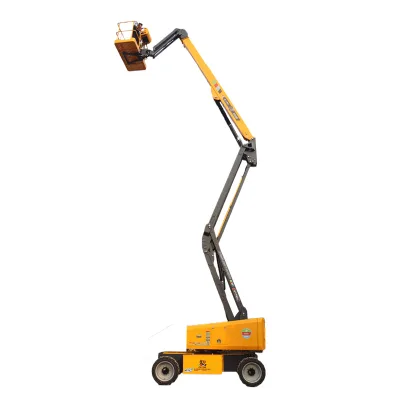
$4166.8967 - $8333.7934
MOQ: 1 pieces
Deans Join Heavy Industry Co., Ltd.
- Manufacturer, Trading Company
- Henan, China
- Lead time0 days
- Avg. response≤ 1h
Main productsGantry Crane,Single/Double Beam Crane,Electric Lifting Scaffold Platform,Electric Hoist,Crane Accessories
Main marketsDomestic Market(85.00%), Eastern Europe(5.00%), Mid East(5.00%), Southeast Asia(5.00%)
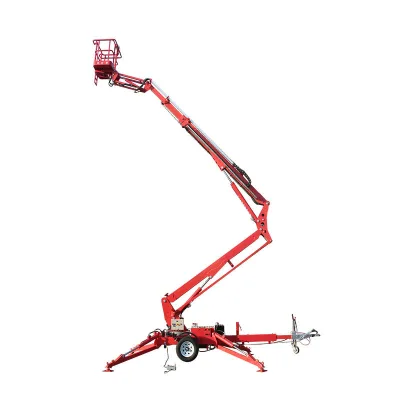
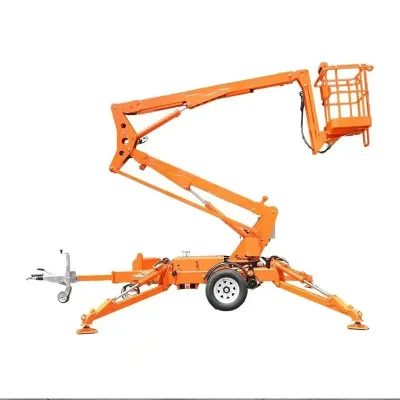
$6642.2009 - $6858.2574
MOQ: 1 pieces
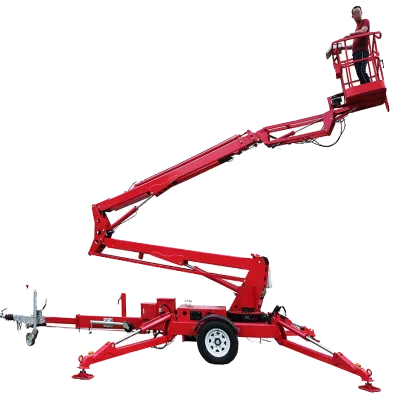
Gemini Equipment And Engineering Co., Ltd.
- Verified by SGS Group
- Trading Company
- Lead time20 days
- Avg. response≤ 5h
Main productsLift Platform, Forklift, Crane , Concrete pump truck, Excavator
Main marketsNorth America(30%), Southeast Asia(30%), Mid East(30%)

Henan Shengmiao Instrument Co., Ltd.
- Verified by BV
- Trading Company
- China Henan
- Lead time15 days
- Avg. response≤ 2h
Main productsWood Chipper, Wood Crusher, Wood Shredder, Plastic Shredder, Combine Harvester, Olive Harvester, Spider Crane, Boom Lift, Diesel Generator, Robotic Lawn Mower
Main marketsSoutheast Asia/ Mideast,Europe,Australia,North America

10m 14m 16m China Trailed Articulated Boom Lift Cherry Picker Price
$8000.00 - $15000.00
MOQ: 1 Pieces

Aerial Cherry Picker Manlift Articulated Towable Boom Man Lift for Sale
$5000.00 - $10000.00
MOQ: 1 Pieces

Jinan Xyztech Machinery Co., Ltd
- Verified by TUVRHEINLAND
- Combined
- China Shandong
- Lead time23 days
- Avg. response≤ 5h
Main productsHome Lift, Car Lift, Goods Lift, Scissor Lift, Dumbwaiter, Towable Boom Lift, Wheelchair Lift, Aerial Work Platform, Dock Leveler, Car Turntable
Main marketsSoutheast Asia/ Mideast,Europe,Australia,North America

12m 14m 16m 18m 20m Articulated Towable Boom Cherry Picker Man Lift
$10400.00 - $11000.00
MOQ: 1 Pieces

CE Approved 10-20m Articulated Cherry Picker Spider Lift Hydraulic Towable Boom Lift
$11050.00 - $11160.00
MOQ: 1 Pieces
Jinan Zhuozhong Construction Machinery Co., Ltd.
- Trading Company
- Shandong, China
- Lead time7 days
- Avg. response≤ 5h
Main productsScissor Lift Tables,Rough Terrain Scissor,Boom lift,Track scissor lifts,Genie JLG Accessories
Main marketsWestern Europe(20.00%), Mid East(15.00%), Africa(15.00%), North America(10.00%), Domestic Market(10.00%), Central America(10.00%), Eastern Europe(10.00%), Southeast Asia(5.00%), Oceania(5.00%)
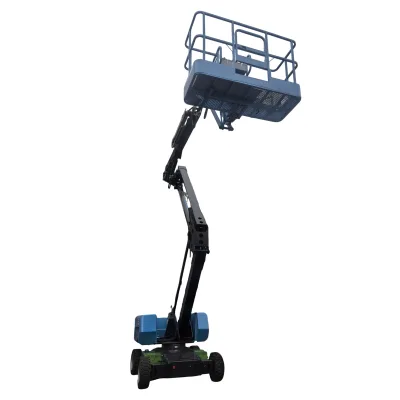
Electric Cherry Picker 16m-18m Towable Articulating Spider Boom Lift Used Articulated Lift for Sale
$2700.00 - $3700.00
MOQ: 1 sets
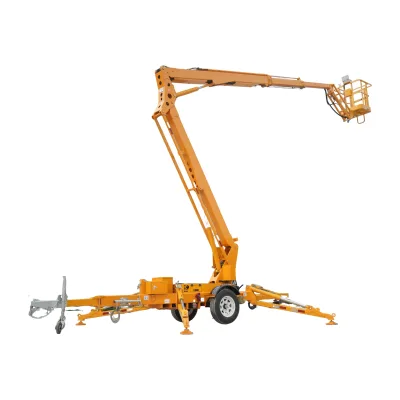
Top Selling Cheaper 10m Diesel Telescopic Boom Lift Cherry Pick
$2500.00 - $3500.00
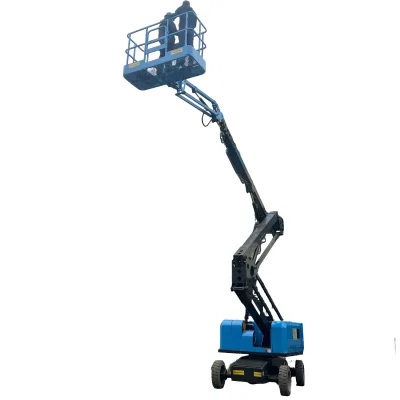
14m Reach Towable Cherry Pickers Articulating Boom Self Propelled High Altitude Lifting Platform
$4000.00 - $4500.00
MOQ: 1 sets
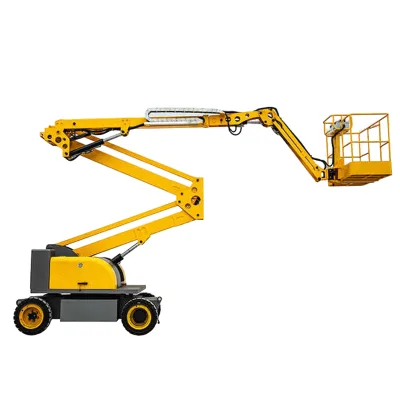
Jining Jiubang Construction Machinery Equipment Co., Ltd.
- Manufacturer, Trading Company
- Lead time旺季: "1 - 1":7,"2 - 3":15,"4 - 5":25,"> 5":"To be negotiated", 淡季: "1 - 1":7,"2 - 3":15,"4 - 5":25,"> 5":"To be negotiated"
- Avg. response≤ 2h
Main productsTruck Mounted Crane, Aerial Working Platform, Vehicle Mounted Fully Folding Crane, Self-propelled Aerial Work Platform, Laser Leveling Machine
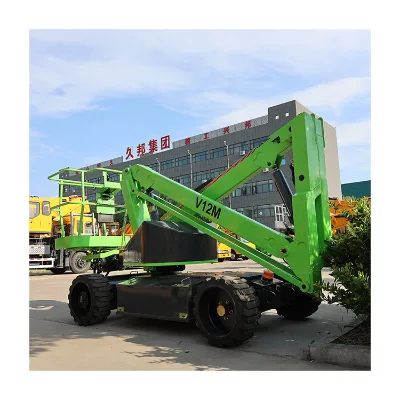
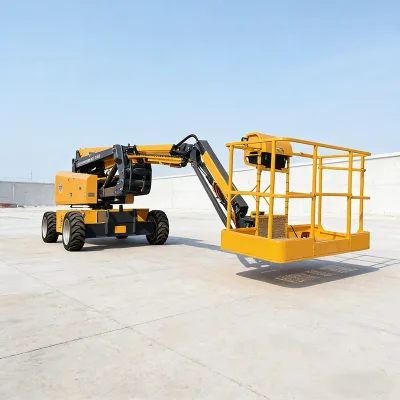
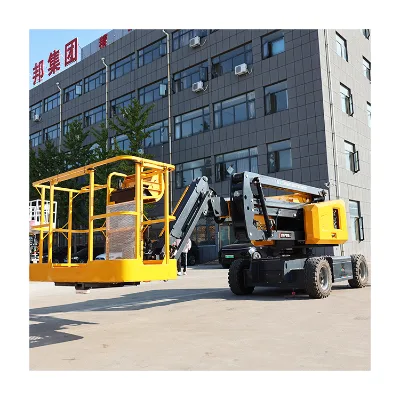
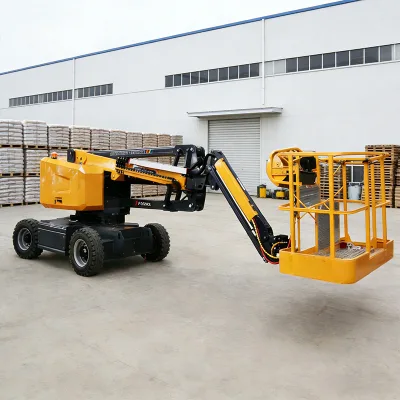
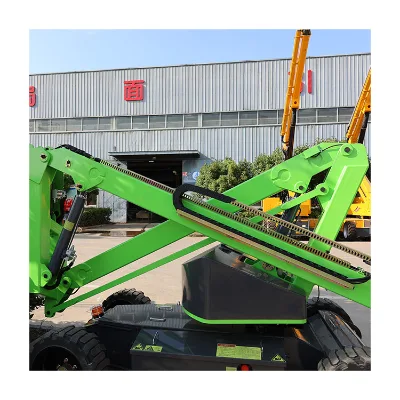
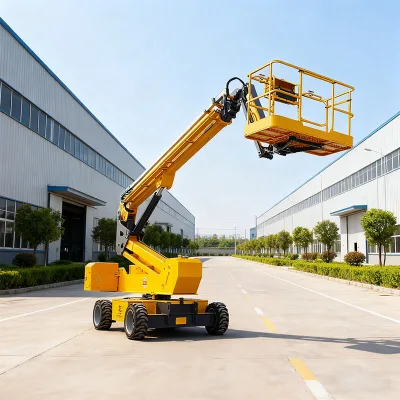
Wholesale Sales Cherry Picker 13M Spider Lifting Aerial Work Platform Is Cheap
$8000.00 - $15000.00
Shandong Faster Machinery Co., Ltd.
- Verified by Intertek
- Manufacturer, Trading Company
- Lead time7 days
- Avg. response≤ 2h
Main productsLift Platform, Boom Lift, Scissor Lift, Vacuum Lifter, Spider Crane
Main marketsNorth America(13%), South America(10%), Eastern Europe(10%)
Shandong Jinchen CNC Protech Co., Ltd.
- Verified by Intertek
- Trading Company
- Lead time10 days
- Avg. response≤ 1h
Main productsScissor Lift , Boom Lift, Mast Lift , Vacuum Lifter, Spider Crane
Main marketsSouthern Europe(20%), South America(15%), North America(10%)

SHANDONG BELIFT MACHINERY CO., LTD.
- Verified by SGS
- Manufacturer/Factory
- China Shandong
- Lead time23 days
- Avg. response≤ 4h
Main productsSelf Propelled Scissor Lift, Mobile Scissor Lift, Self Propelled Low Level Access Lift, Towable Boom Lift, Simple Aluminum Aerial Work Platform, High End Auminum Aerial Work Platform, Self Propelled Aluminum Work Paltform, Heavy Duty Customized Lift Tables
Main marketsSouth America,Eastern Europe,Mid East,North America,Southeast Asia,Eastern Asia,Oceania,Western Europe,Africa


Affordable Height Work Articulating Man Lifting Machine Cherry Picker
$1500.00 - $3500.00
MOQ: 1 Pieces

Diesel or Electric Articulating Tower Lift Cherry Picker Mini Boom Lift
$7900.00 - $10500.00
MOQ: 1 Pieces
Jinan Gradin Machinery Co., Ltd.
- Verified by SGS Group
- Manufacturer, Trading Company
- Lead time15 days
- Avg. response≤ 2h
Main productsCargo Lift, Vertical reciprocating conveyors, Scissor Lift, Articulated boom lift, Tilters & Upenders
Main marketsNorth America(19%), Central America(16%), South America(13%)
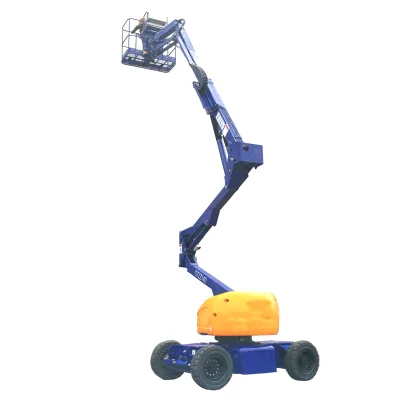
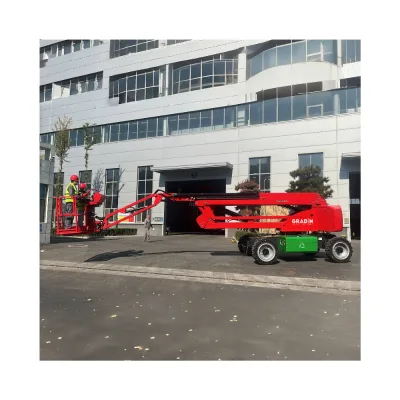
16m Compact Electric Articulating Lift
$12920.00 - $35710.00
Jiangsu Everstar International Trade Co., Ltd.
- Verified by TüVRheinland
- Manufacturer, Trading Company
- Lead time15 days
- Avg. response≤ 2h
Main productsScissor Lift, Boom Lift, Bucket Trucks, Ladder Lift Truck, Pile Driver
Main marketsNorth America(20%), Africa(20%), Mid East(20%)
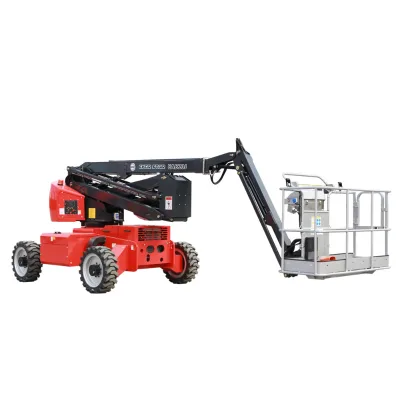
12m 18m Mini Small Hydraulic Articulated Boom Lift Electric Mobile Cherry Picker for Construction
$14513.4629 - $28508.5878
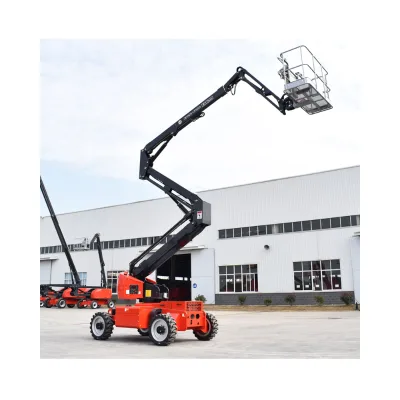
$19500.00 - $27500.00
MOQ: 1 pieces
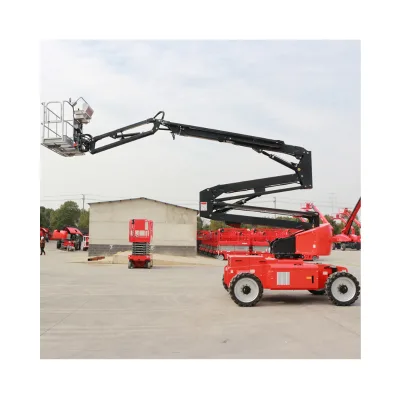
China Boom Lifts Self-Propelled Hydraulic Articulating Lifters for CherryPickers
$6000.00 - $7999.00
MOQ: 1 sets
Qingdao Eterlift Machinery Co., Ltd.
- Verified by Intertek
- Manufacturer, Trading Company
- Lead time10 days
- Avg. response≤ 1h
Main productsScissor Lift, Home Lift, Boom Lift
Main marketsWestern Europe(45%), Oceania(30%), North America(25%)
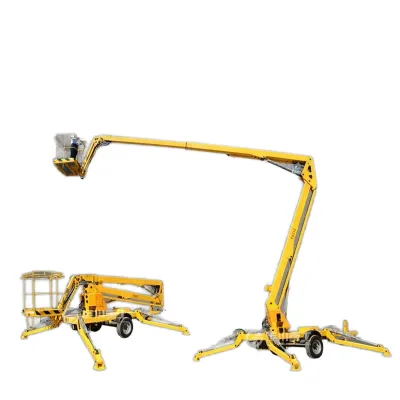
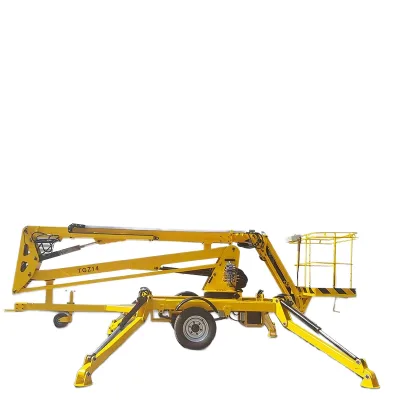
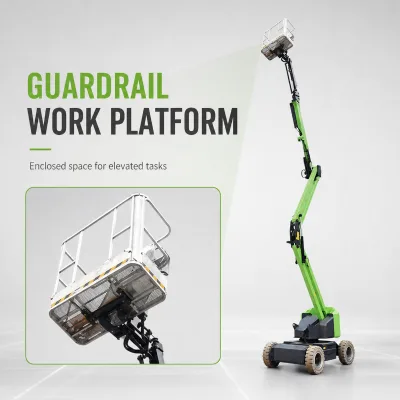
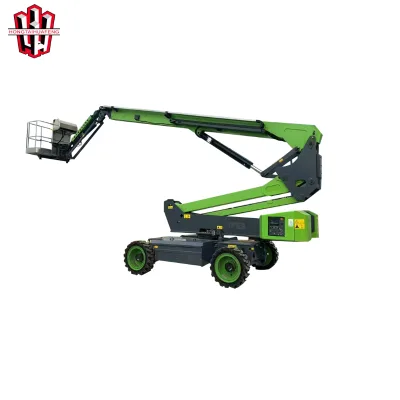


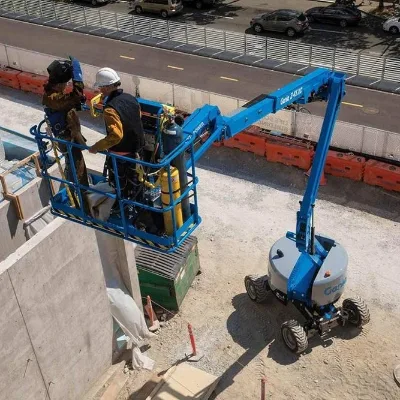
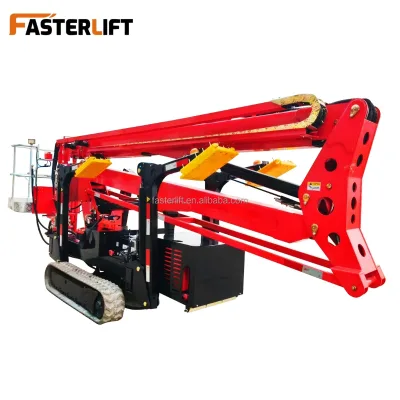
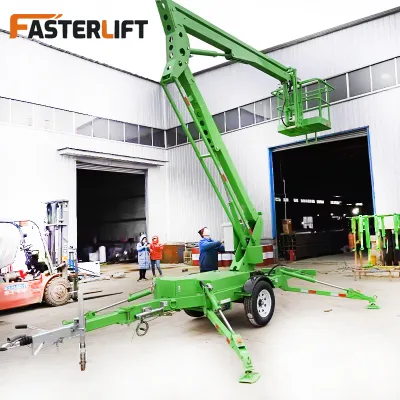
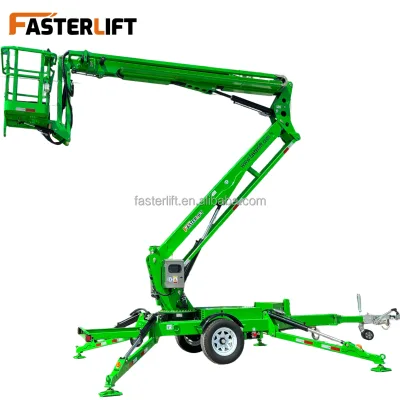
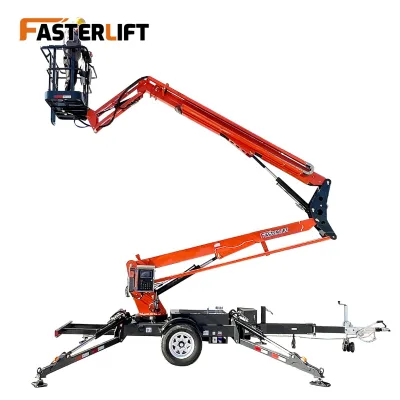
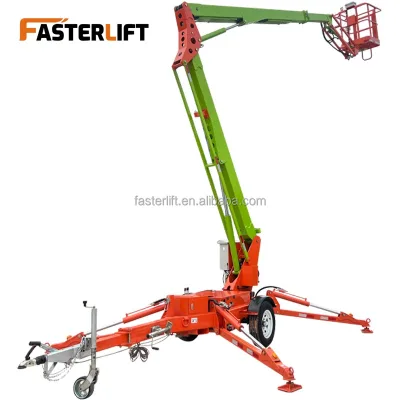
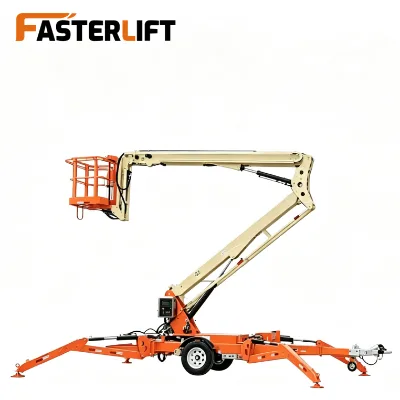
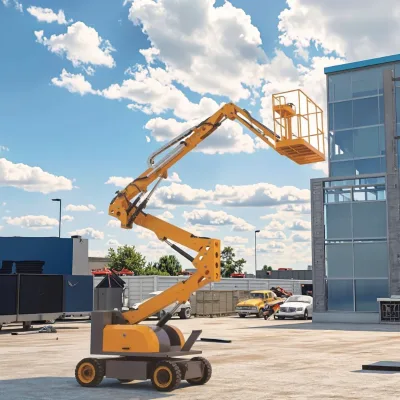
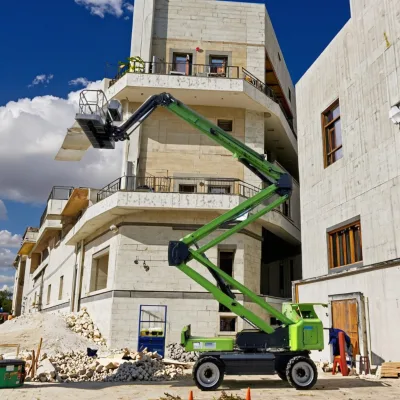
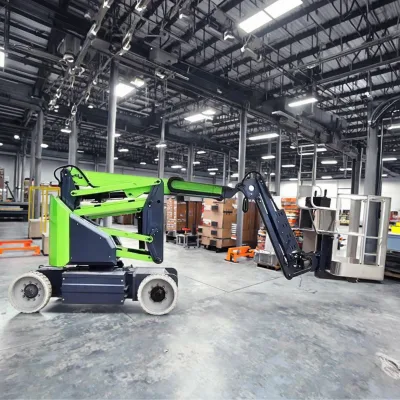
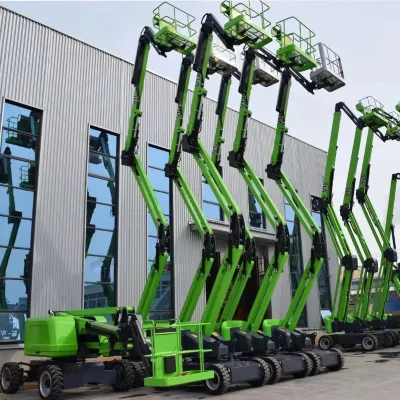
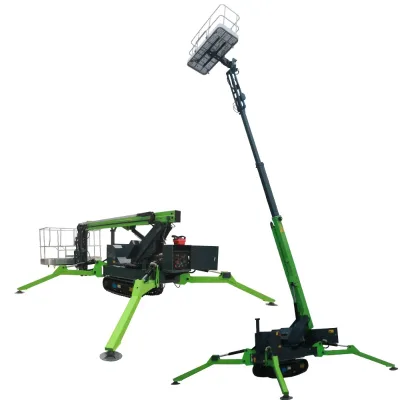
Comprehensive Sourcing Guide
Articulated Cherry Picker Lift Supplier Concentration and Factory Types
The current supplier landscape for articulated cherry picker lifts reveals a distinct geographic and structural concentration that buyers must navigate carefully. Evidence indicates that a significant portion of available suppliers are located in China, with specific clusters identified in Shandong and Henan provinces. Shandong appears to be a primary hub for manufacturers and trading companies specializing in lifting equipment, including scissor lifts, boom lifts, and mobile ramps. This regional concentration suggests a mature supply chain ecosystem where raw materials, component sourcing, and assembly capabilities are localized, potentially offering logistical advantages for bulk orders. However, buyers should not assume that all suppliers in these regions are direct manufacturers. The data shows a mix of company types, including both Trading Companies and Manufacturer/Factory entities. Understanding this distinction is critical because trading companies may offer broader product ranges but lack direct control over production quality, whereas factories provide OEM and ODM capabilities but might have higher minimum order quantities.
When evaluating the types of suppliers available, it is essential to look beyond the location and assess the operational model. Many suppliers in the Shandong region list main products that include a wide variety of lifting solutions, from home lifts to heavy-duty cargo lifts. This diversification can indicate a large-scale operation with significant manufacturing capacity, but it also raises questions about specialization. A supplier focusing exclusively on aerial work platforms might offer deeper technical expertise in articulated mechanisms compared to a generalist lifting equipment manufacturer. Additionally, the presence of both trading companies and factories in the same geographic area creates a competitive environment. Buyers should verify whether a supplier is a factory by checking for specific manufacturing certifications and production facility details, or if they are a trading company that sources from multiple factories. This verification step helps in determining the true source of the product and the level of support available during the manufacturing process.
How to Verify Articulated Cherry Picker Lift Suppliers
Verifying the legitimacy and capability of Articulated Cherry Picker Lift suppliers requires a multi-layered approach that goes beyond simple profile reviews. One of the most immediate indicators of supplier reliability is the verification status provided by third-party inspection agencies. In the current market, some suppliers display BV (Bureau Veritas) verification, while others may have SGS verification. These badges indicate that an independent party has audited the supplier’s business license, factory premises, or trading capabilities. However, the absence of a visible verification badge does not necessarily mean a supplier is untrustworthy; it may simply mean they have not undergone that specific audit recently. Buyers should actively request recent audit reports or conduct their own due diligence by asking for video tours of the production line. This is particularly important when dealing with trading companies, as the physical factory may be located elsewhere or operated by a different entity.
Beyond verification badges, buyers must scrutinize the certifications listed for the products themselves. The data shows that many articulated cherry picker lifts carry ISO, CE, and GS certifications, with some also listing RoHS compliance. These certifications are crucial for ensuring that the equipment meets international safety and environmental standards, especially if the lift will be used in regulated markets like Europe or North America. Buyers should verify the validity of these certificates by checking the issuing body and the certificate number. Additionally, the presence of ISO 9001 system certification for the company indicates a standardized quality management system, which is a positive sign for consistent production quality. However, buyers should be cautious if a supplier claims ISO 9001 certification but the product-specific certifications are missing or vague. It is also important to check if the supplier offers OEM or ODM services, as this can indicate a higher level of manufacturing capability and flexibility in meeting specific buyer requirements.
What to Compare Across Articulated Cherry Picker Lift Suppliers
When comparing suppliers, buyers should focus on key operational metrics that directly impact the procurement process and total cost of ownership. One of the most critical factors is the response time, which indicates the supplier’s efficiency in communication. Data shows that response times can vary significantly, with some suppliers responding within 3.51 hours and others taking up to 5.72 hours. A faster response time often correlates with better customer service and quicker resolution of technical queries, which is vital when dealing with complex machinery like articulated cherry picker lifts. Buyers should prioritize suppliers who demonstrate prompt communication, as this can prevent delays in the ordering process and ensure that any technical specifications are clarified early on. Additionally, the lead time for production is a crucial metric. Some suppliers offer a lead time of 15 days, while others may take up to 23 days. This difference can impact project timelines, especially for urgent orders, so buyers should align their procurement schedule with the supplier’s stated lead times.
Another important aspect of comparison is the minimum order quantity (MOQ) and pricing structure. The current market data indicates that some suppliers have an MOQ of just 1 unit, which is ideal for small businesses or trial orders. However, buyers should also consider the price range, which can vary from $8,500 to $10,000 depending on the model and specifications. It is essential to compare not just the unit price but also the total cost, including shipping, insurance, and any customization fees. Suppliers offering OEM or ODM services may have different pricing structures compared to those selling standard models. Additionally, buyers should look at the main products offered by each supplier. A supplier specializing in boom lifts and cherry pickers may offer better value and technical support than a generalist supplier who also sells scissor lifts and home lifts. By comparing these factors, buyers can identify the supplier that best fits their specific needs in terms of cost, speed, and product specialization.
Common Articulated Cherry Picker Lift Sourcing Risks
Sourcing articulated cherry picker lifts from international suppliers, particularly those in China, comes with inherent risks that buyers must proactively manage. One significant risk is the discrepancy between the advertised product specifications and the actual delivered goods. While suppliers may list certifications like ISO, CE, and GS, there is a possibility that the equipment does not meet the exact standards required in the buyer’s local market. This risk is heightened when dealing with trading companies that may source from multiple factories with varying quality levels. Buyers should mitigate this risk by requesting detailed technical drawings, material specifications, and third-party test reports before placing an order. Additionally, the complexity of articulated mechanisms means that any manufacturing defect can lead to serious safety issues. Therefore, it is crucial to verify the supplier’s quality control processes and ask for references from previous buyers who have purchased similar equipment.
Another common risk is the potential for hidden costs and logistical challenges. While the listed prices for articulated cherry picker lifts may seem competitive, buyers must account for additional expenses such as freight, customs duties, and insurance. The data shows that products are often packed in containers, which can affect shipping costs and handling requirements. Buyers should clarify who is responsible for export documentation and customs clearance to avoid unexpected delays or fees. Furthermore, the lead time stated by the supplier may not always be accurate, especially during peak seasons or if there are supply chain disruptions. Buyers should build buffer time into their project schedules and maintain regular communication with the supplier to track production progress. Finally, after-sales support is a critical area where risks often materialize. Buyers should ensure that the supplier provides adequate warranty terms, spare parts availability, and technical support to address any issues that may arise after the equipment is deployed.
Articulated Cherry Picker Lift Regional Sourcing and Logistics
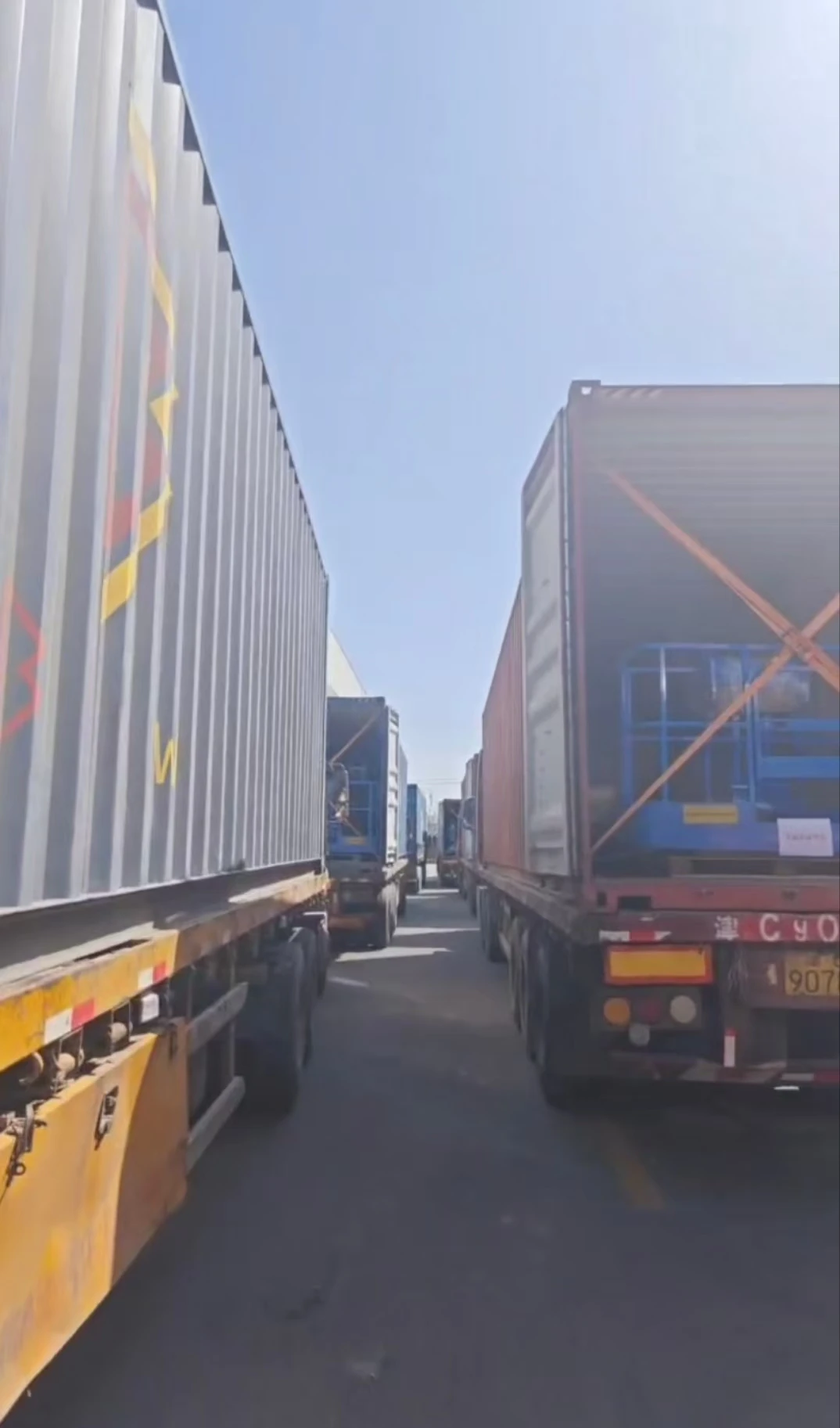
The geographic location of suppliers plays a pivotal role in determining the logistics and shipping strategy for articulated cherry picker lifts. With a significant concentration of suppliers in Shandong and Henan provinces in China, buyers can leverage these regional hubs to streamline their procurement process. Shandong, in particular, is known for its robust manufacturing infrastructure for lifting equipment, which can offer advantages in terms of component availability and assembly efficiency. However, buyers must also consider the proximity of these suppliers to major ports, as this can impact shipping costs and transit times. Suppliers located near coastal ports may offer more competitive freight rates and faster shipping options compared to those in inland regions. Additionally, the type of packaging used by the supplier can affect logistics. Data indicates that products are often fixed in containers, which is a standard practice for protecting heavy machinery during transit. Buyers should verify the packaging specifications to ensure that the equipment is adequately protected and that the container loading efficiency is optimized.
Logistics planning also involves understanding the import regulations and requirements in the buyer’s destination country. Articulated cherry picker lifts are subject to various safety and environmental standards, and buyers must ensure that the equipment complies with local regulations. This may require additional certifications or modifications to the equipment, which can impact the lead time and cost. Buyers should work closely with their freight forwarders to navigate customs clearance and ensure that all necessary documentation is in order. Furthermore, the size and weight of the Articulated Cherry Picker Lift can affect shipping options. Some models may require special handling or oversized cargo permits, which can add complexity to the logistics process. By understanding the regional sourcing landscape and planning logistics carefully, buyers can minimize risks and ensure a smooth delivery of their articulated cherry picker lifts.
Articulated Cherry Picker Lift Commercial Terms and Order Planning
Effective order planning for articulated cherry picker lifts requires a thorough understanding of commercial terms and payment structures. Buyers should negotiate clear terms regarding payment methods, such as Telegraphic Transfer (TT) or Letter of Credit (LC), and ensure that the payment schedule aligns with production milestones. Some suppliers may offer escrow services, which provide an additional layer of security for buyers by holding funds until the goods are confirmed to meet the agreed specifications. It is also important to clarify the Incoterms, such as FOB (Free on Board) or CIF (Cost, Insurance, and Freight), as this determines who is responsible for shipping costs and risks. Buyers should compare these terms across different suppliers to identify the most cost-effective and risk-managed option. Additionally, the MOQ and pricing structure should be clearly defined in the contract to avoid any disputes later on.
Order planning should also include a detailed timeline for production, shipping, and installation. Buyers should work with the supplier to establish a realistic production schedule, taking into account the lead time and any potential delays. Regular communication with the supplier is essential to track progress and address any issues that may arise. Buyers should also plan for the installation and commissioning of the Articulated Cherry Picker Lift, ensuring that they have the necessary technical expertise and resources in place. Furthermore, buyers should consider the long-term maintenance and support requirements of the equipment. Negotiating a comprehensive warranty and after-sales support package can help mitigate the risk of unexpected repair costs and downtime. By carefully planning the commercial terms and order process, buyers can ensure a successful procurement experience and maximize the value of their investment in articulated cherry picker lifts.
FAQs
What is the price range for articulated cherry picker lifts?
Prices typically range from $8,500 to $10,000 per unit. This cost covers standard models with hydraulic driven types and ISO CE certifications. Buyers should verify specific pricing based on customization needs and container loading configurations for accurate budgeting.
What certifications are available for these lifts?
Common certifications include ISO 9001, ISO CE, GS, and RoHS. These standards ensure quality management and safety compliance for international markets. Some models also feature explosion-proof and insulating features, catering to specialized industrial applications and warehouse environments.
What is the typical lead time for orders?
Lead times generally range from 15 to 23 days depending on the supplier and order volume. Manufacturers in China Shandong and Henan offer these timelines for standard configurations. Buyers should confirm exact delivery schedules with suppliers to align with project deadlines.
What is the minimum order quantity (MOQ)?
The minimum order quantity is often just one unit, allowing for flexible purchasing. This low MOQ supports trial orders or specific project needs without requiring bulk commitments. Buyers can source single units or larger quantities based on their operational requirements.
Where are these lifts manufactured?
Manufacturing locations primarily include China Shandong and China Henan. Suppliers in these regions offer both trading company and manufacturer options. Buyers can select based on proximity to ports or specific regional supply chain advantages for efficient logistics and shipping.
What power options are available for these lifts?
Power options include AC electricity, DC battery, diesel, gasoline, and hybrid systems. Buyers can choose based on site availability and environmental requirements. Customized input voltages like 110V, 220V, or 380V are also available to match local electrical standards.