Trailer Mounted Articulated Boom Lift Suppliers and Manufacturers
Compare 23 verified suppliers of Trailer Mounted Articulated Boom Lift from China based on location, lead time, certifications, and response time. Review product specs like lifting height and capacity, then request quotes directly from factories offering OEM services; review the available evidence before requesting comparable quotations from suitable candidates.
Updated
Suppliers List

HENAN ETERNALWIN MACHINERY EQUIPMENT CO., LTD.
- Verified by BV
- Trading Company,Manufacturer/Factory
- China Henan
- Lead time23 days
- Avg. response≤ 3h
Main productsOverhead Crane, Gantry Crane, Jib Crane, Spider Crane with Sucker, Rtg Crane, Sts Crane, Straddle Carrier, Vacuum Lifter Equipment, Portable Gantry Crane, Marine Hydraulic Winch Anchor
Main marketsSouth America,Eastern Europe,Mid East,North America,Southeast Asia,Eastern Asia,Oceania,Western Europe,Africa

Lift Articulated Boom Mobile Hydraulic Lifter Trailer Mounted Boom Lifter
$5000.00 - $20000.00
MOQ: 1 Pieces

Articulated Towable Cherry Picker Trailer Mounted Boom Lift for Aerial Work
$12000.00 - $35000.00
MOQ: 1 Pieces

Jinan Moral International Co., Ltd.
- Verified by BV
- Trading Company
- China Shandong
- Lead time23 days
- Avg. response≤ 4h
Main productsDisabled Wheelchair Lift, Parking Equipment, Scissor Lift, Cargo Lift, Work Platform, Transfer Cart, Car Turntable, Dock Lift, Flatcar, Dock Ramp
Main marketsSouth America,Africa,Southeast Asia/ Mideast,Europe,Australia,North America

Shandong Unid Intelligent Technology Co., Ltd.
- Verified by BV
- Manufacturer/Factory,Group Corporation
- China Shandong
- Lead time23 days
- Avg. response≤ 4h
Main productsVacuum Glass Lifter, Small Suction Cups, Vacuum Panel Lifter, Metal Sheet Vacuum Lifter, Spider Crane, Electric Floor Crane, Towable Boom Lift, Scissor Lift, Other Hydraulic Lift Platform
Main marketsSouth America,Eastern Europe,Mid East,North America,Southeast Asia,Eastern Asia,Oceania,Western Europe,Africa


Compact Easy to Load Trailer Mounted Articulated Telescopic Boom Lift
$2500.00 - $3500.00
MOQ: 1 Pieces


SHANDONG BELIFT MACHINERY CO., LTD.
- Verified by SGS
- Manufacturer/Factory
- China Shandong
- Lead time23 days
- Avg. response≤ 4h
Main productsSelf Propelled Scissor Lift, Mobile Scissor Lift, Self Propelled Low Level Access Lift, Towable Boom Lift, Simple Aluminum Aerial Work Platform, High End Auminum Aerial Work Platform, Self Propelled Aluminum Work Paltform, Heavy Duty Customized Lift Tables
Main marketsSouth America,Eastern Europe,Mid East,North America,Southeast Asia,Eastern Asia,Oceania,Western Europe,Africa

Removable Brakes Traction Trailer Mounted Telescopic Boom Lift Articulated Boom Lift
$3500.00 - $8900.00
MOQ: 1 Pieces

CE Certified 12m 22m Electric Articulated Lifting Platform Towable Trailer Boom Lift
$1990.00 - $4999.00
MOQ: 1 Pieces

- Verified by BV
- Trading Company
- China Shandong
- Lead time15 days
- Avg. response≤ 4h
Main productsScissor Lift, Boom Lift, Mobile Ramp, Dock Leveler, Car Lift, Man Lift, Home Lift, Mast Lift, Goods Lift, Cargo Lift
Main marketsSouth America,Eastern Europe,Mid East,North America,Southeast Asia,Eastern Asia,Oceania,Western Europe,Africa

Manufacture 14m 16m Working Articulated Aerial Trailer Mounted Boom Lift
$8000.00 - $9000.00
MOQ: 1 Pieces

14m 16m Trailer Trailer Diesel Powered Articulated Hydraulic Boom Lift
$10000.00 - $15000.00
MOQ: 1 Pieces

Trailer Towable Electric Articulated Boom Lift for Outdoor Tree Building
$8800.00 - $9800.00
MOQ: 1 Pieces


Shandong Cathay Machinery Co., Ltd.
- Verified by SGS
- Trading Company
- China Shandong
- Lead time15 days
- Avg. response≤ 6h
Main productsLift Platform, Boom Lift, Scissor Lift, Mast Lift, Hydraulic Lift, Cargo Lift, Home Lift, Vacuum Lifter, Spider Crane, Lift Table
Main marketsSouth America,Africa,Southeast Asia/ Mideast,East Asia(Japan/ South Korea),Domestic,Europe,Australia,North America


Trailer Mounted Track Boom Lift Towable Articulated Telescoping Lift
$8500.00 - $9000.00
MOQ: 1 Pieces


Jinan Zunhui Hydraulic Machinery Co., Ltd.
- Verified by SGS Group
- Manufacturer, Trading Company
- Lead time7 days
- Avg. response≤ 1h
Main productsHome Elevator, Goods Elevator, Lift Platform, Boarding Bridge, Delivery Elevator
Main marketsDomestic Market(20%), Eastern Asia(11%), North America(10%)
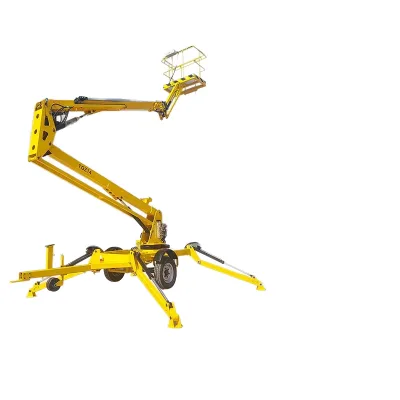
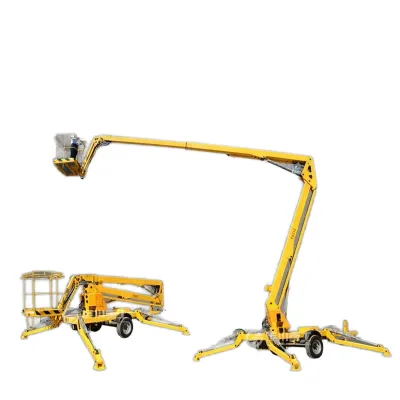
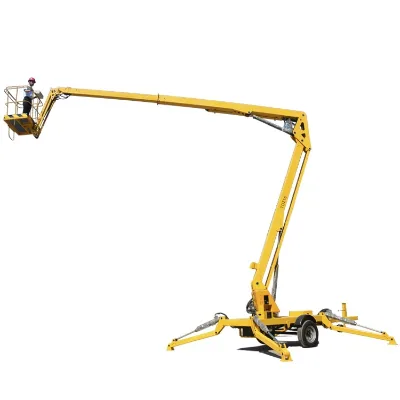
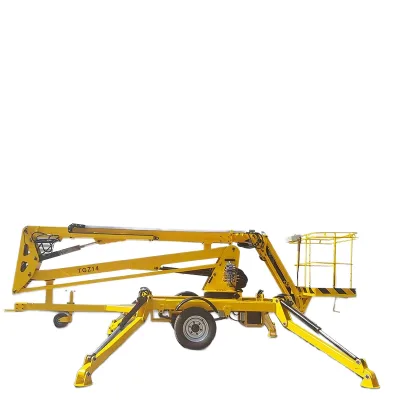
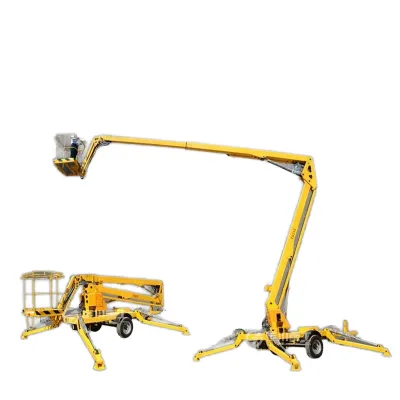
8-16m Towable Diesel Engine Trailer Spider Boom Lift for Sale
$450.00 - $500.00
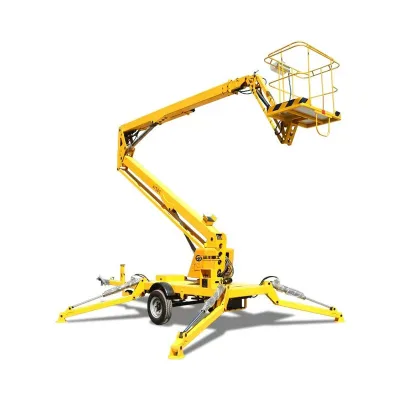

Jinan Tuhe Heavy Industry Machinery Co., Ltd.
- Verified by SGS
- Manufacturer
- China Shandong
- Lead time23 days
- Avg. response≤ 3h
Main productsScissor Lift, Lift Table, Boom Lift, Mast Lift, Load Ramp, Home Lift, Wheelchair Lift
Main marketsOthers(foreignTradeCapacity.exportBusinessCapacityMarketOther),Southeast Asia/ Mideast,North America

Shandong Guanyun Heavy Industry Co., Ltd.
- Verified by SGS
- Trading Company
- China Shandong
- Lead time15 days
- Avg. response≤ 1h
Main productsScissor Lift, Articulating Boom Lift, Boom Lift, Loading Ramp, Aerial Work Platform, Forklift Ramp, Hydraulic Lift, Cargo Lift, Chain Lift, Dock Leveler
Main marketsSouth America,Eastern Europe,Mid East,North America,Southeast Asia,Eastern Asia,Oceania,Western Europe,Africa
Jinan Gradin Electromechanical Co,. Ltd.
- Manufacturer, Trading Company
- Shandong Province, China
- Lead time15 days
- Avg. response≤ 2h
Main productsCargo Lifts,Scissor Lift Platform,AGV/AMR,Rotating Platform/Tilter & Upender,Unloading & Container & Machinery
Main marketsSouthern Europe(25.00%), North America(8.00%), Southeast Asia(8.00%), Eastern Europe(7.00%), Western Europe(7.00%), South America(7.00%), South Asia(5.00%), Domestic Market(5.00%), Oceania(5.00%), Northern Europe(5.00%), Africa(5.00%), Eastern Asia(5.00%), Mid East(5.00%), Central America(3.00%)
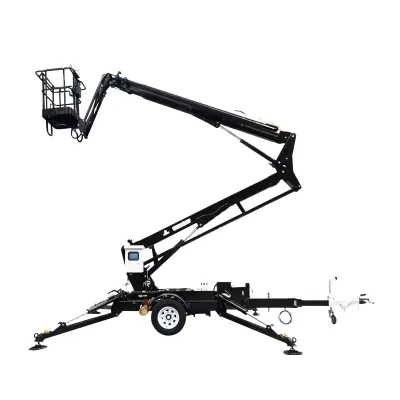
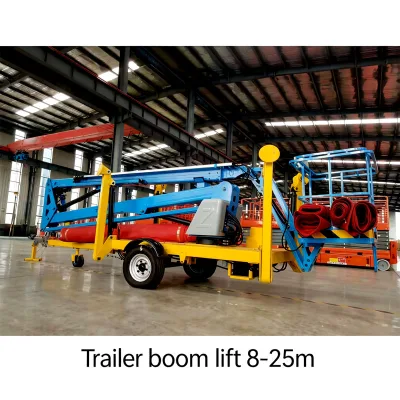
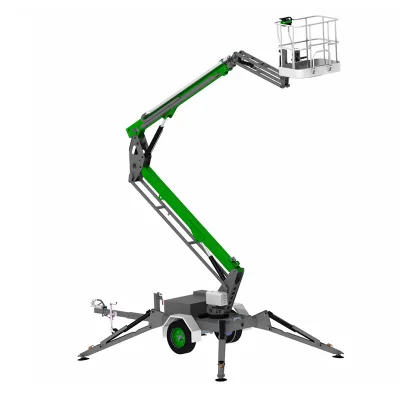
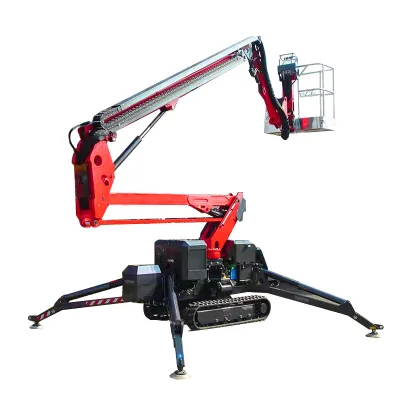
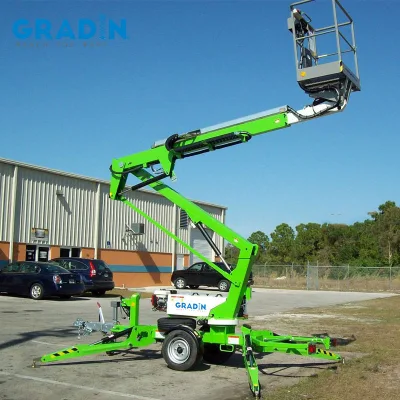
8m10m12m14m16m18m20m25m All Terrain Walking Trailer Articulated Boom Lift
$7800.00 - $11000.00
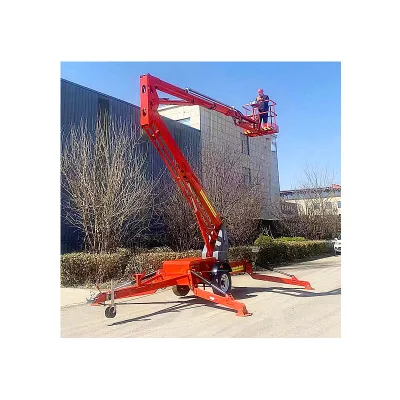
Shandong Bowete Heavy Industry Machinery Co., Ltd.
- Verified by Intertek
- Manufacturer, Trading Company
- Lead time30 days
- Avg. response≤ 1h
Main productsHome elevator, Scissor Lift, Stage Scissor Lift
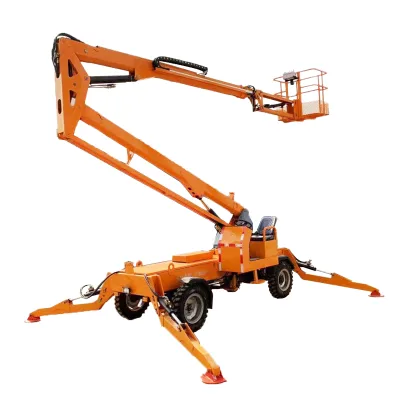
$3095.0627 - $4642.5941
MOQ: 1 sets
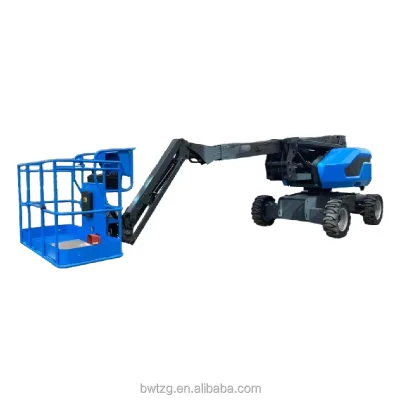
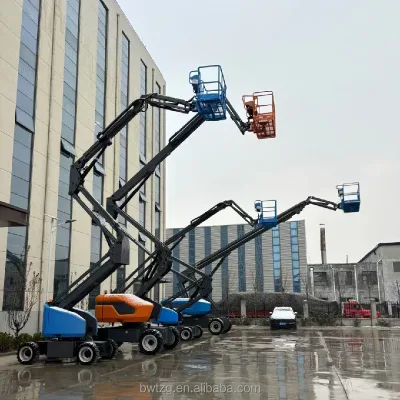
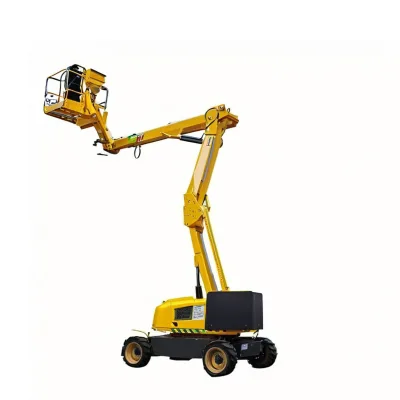
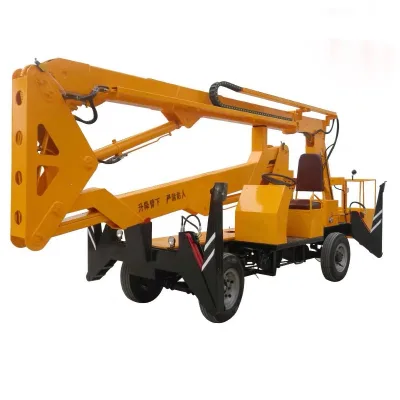
Hot Sell Trailer Mounted Boom Lift Made in China Trailer Folding Arm Lifting Operation Platform
$2900.00 - $3800.00
MOQ: 1

Qingdao Daxin Machinery Co., Ltd.
- Verified by TUVRHEINLAND
- Trading Company,Manufacturer/Factory
- China Shandong
- Lead time23 days
- Avg. response≤ 4h
Main productsScissor Lift, Lift Table, Aluminum Aerial Work Platform, Vacuum Lifter, Vertical Cargo Lift, Villa Elevator, Boom Lift, Wheelchair Lift, Dock Ramp, Car Lift
Main marketsSouth America,Eastern Europe,Mid East,North America,Southeast Asia,Eastern Asia,Oceania,Western Europe,Africa


China Supplier 230kg Towable Trailer Mounted Articulated Hydraulic Boom Lift
$1999.00 - $3899.00
MOQ: 1 Pieces

Qingdao Sinofirst Machinery Co., Ltd.
- Verified by TUVRHEINLAND
- Manufacturer/Factory,Group Corporation
- China Shandong
- Lead time15 days
- Avg. response≤ 4h
Main productsArticulated Boom Lift, Towable Boom Lift, Lifting Platform, Scissor Lift, Hydraulic Lift, Lift Table, Man Lift, Lifting Equipment, Glass Lifter, Vacuum Lifter
Main marketsEastern Europe,Mid East,North America,Western Europe,Africa


Aerial Work Platform Trailer Mounted Towable Boom Lift with 10m-22m Working Height
$3200.00 - $7800.00
MOQ: 1 Pieces
Jinan Willing International Trading Co., Ltd.
- Trading Company
- Shandong, China
- Lead time7 days
- Avg. response≤ 4h
Main productsscissor lift,hydraulic lift,Aluminium alloy Lift,yard ramp,Wheelchair lift
Main marketsEastern Asia(15.00%), Western Europe(15.00%), Southeast Asia(10.00%), Eastern Europe(10.00%), Southern Europe(9.00%), Mid East(8.00%), North America(8.00%), South America(7.00%), Africa(4.00%), Domestic Market(3.00%), Oceania(3.00%), Northern Europe(3.00%), Central America(3.00%), South Asia(2.00%)
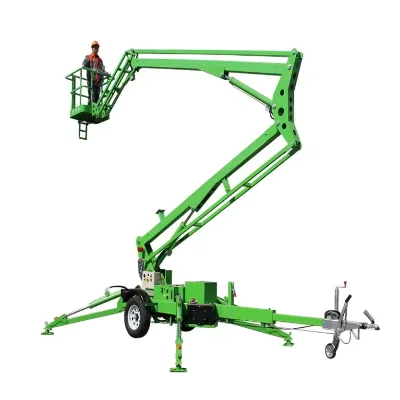
$29087.3251 - $31164.9912
MOQ: 1 sets
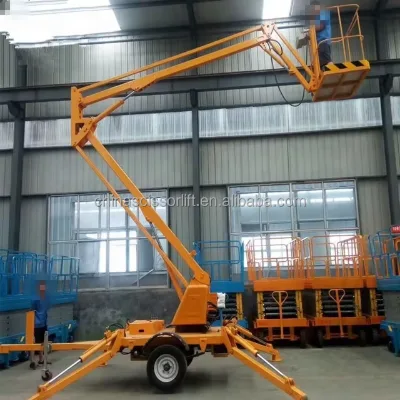
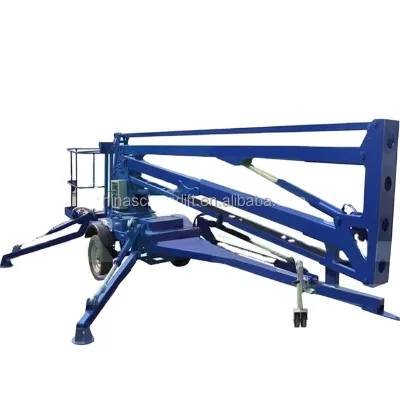
Reloading Articulated Boom Lift with Extending Supporting with Extended Handling
$5400.00 - $5800.00
MOQ: 1 sets
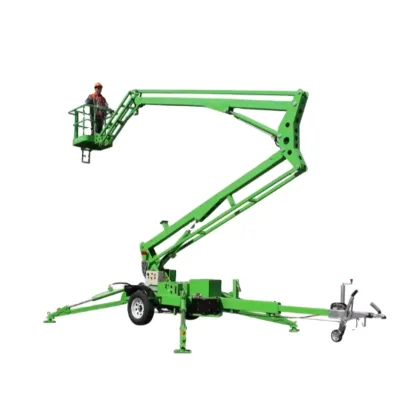
Articulated Boom Lift with Powerful Leveling Ability for Extending Repairing
$5400.00 - $5800.00
MOQ: 1 sets
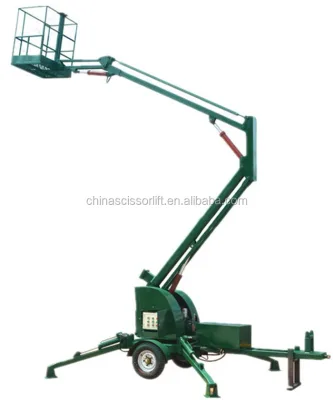
Jinan Hontylift Machinery Co., Ltd.
- Verified by Intertek
- Manufacturer, Trading Company
- Lead time7 days
- Avg. response≤ 2h
Main productsScissor Lift, Boom Lift, Vertical Platform Lift, Stair Lift
Main marketsDomestic Market(40%), Africa(8%), Southern Europe(7%)
Henan Eternalwin Machinery Equipment Co., Ltd.
- Verified by SGS Group
- Trading Company
- Lead time5 days
- Avg. response≤ 1h
Main productsOverhead Crane, Gantry Crane, Vacuum Lifting Equipment, Spider Crane, Marine Equipment
Main marketsSoutheast Asia(15%), Eastern Europe(15%), Oceania(15%)

Zhengzhou Elephant Machinery Co., Ltd.
- Verified by SGS
- Trading Company
- China Henan
- Lead time23 days
- Avg. response≤ 1h
Main productsDrilling Machine, Paper Cup Machine, Pump, Excavator, Egg Tray Machine, Fog Cannon, Shot Blasting Machine, Rock Splitter, Underwater Dredging Robot, Curb Paver Machine
Main marketsSouth America,Africa,Others(foreignTradeCapacity.exportBusinessCapacityMarketOther),Southeast Asia/ Mideast,East Asia(Japan/ South Korea),Europe,Australia,North America

Easy Self Propelled Articulated Boom Lift Diesel Trailer Mounted Telescopic Boom Lift
$19999.00 - $37880.00
MOQ: 1 Pieces

Jinan Beigong Kechuang Co., Ltd.
- Verified by Intertek
- Manufacturer, Trading Company
- Lead time20 days
- Avg. response≤ 3h
Main productsScissor Lift, Boom Lift, Home Elevator, Cargo Lift, Mast Lift
Main marketsNorth America(30%), Eastern Europe(30%), Southeast Asia(30%)

East Intelligent Technology (Jinan) Co., Ltd.
- Verified by SGS
- Trading Company
- China Shandong
- Lead time15 days
- Avg. response≤ 2h
Main productsScissor Lift, Car Lift, Forklift, Boom Lift, Lifting Equipment, Manual Hydraulic Stacker, Dock Leveler, Electric Stacker, Motorcycle Lift Table, Hydraulic Lift Table
Main marketsSoutheast Asia/ Mideast


10m12m14m16m18m20m Boom Lift Towable Boom Lift Articulated Boom Lift Trailer-Mounted Boom Lift
$2270.00 - $2776.00
MOQ: 1 piece


10m12m14m16m18m20m Articulated Boom Lift Hydraulic Boom Lift Trailer Boom Lift Platform
$1100.00 - $1280.00
MOQ: 1 piece

Wemet Lift Machinery Co., Ltd.
- Verified by BV
- Combined
- China Shandong
- Lead time23 days
- Avg. response≤ 8h
Main productsScissor Lift, Mobile Scissor Lift, Hydraulic Lift, Aerial Work Platform, Cargo Lift, Aluminium Lift, Home Elevator Lift, Boom Lift, Car Post Hydraulic Lift, Aerial Work Platform Lift
Main marketsAfrica,Southeast Asia/ Mideast,Australia,North America


Aerial Work Lift Platform Boom Lift Trailer Articulated Boom Lift Portable Man
$14614.00 - $19000.00
MOQ: 1 Pieces

18m Height Trailer Mounted Articulated Boom Lift of High Quality Durable in Use
$14614.00 - $19000.00
MOQ: 1 Pieces

Jinan Zhongtian International Trading Co., Ltd.
- Trading Company
- Shandong, China
- Lead time7 days
- Avg. response≤ 3h
Main productsscissor lift,aluminum lift,mobile yard ramp,boom lift,fixed dock leveller
Main marketsWestern Europe(15.00%), Southeast Asia(10.00%), Mid East(10.00%), North America(10.00%), South America(10.00%), Southern Europe(8.00%), Central America(6.00%), South Asia(6.00%), Africa(5.00%), Northern Europe(5.00%), Eastern Asia(5.00%), Eastern Europe(5.00%), Oceania(3.00%), Domestic Market(2.00%)

- Trading Company
- Shandong, China
- Lead time15 days
- Avg. response≤ 6h
Main productsScissor Lift,Home Lift,Articulating Boom Lift,solar energy system,Cargo Lift
Main marketsCentral America(15.00%), Mid East(12.00%), Southeast Asia(11.00%), North America(10.00%), Western Europe(10.00%), Africa(9.00%), Eastern Europe(8.00%), Eastern Asia(6.00%), Oceania(5.00%), South America(5.00%), South Asia(3.00%), Domestic Market(2.00%), Northern Europe(2.00%), Southern Europe(2.00%)
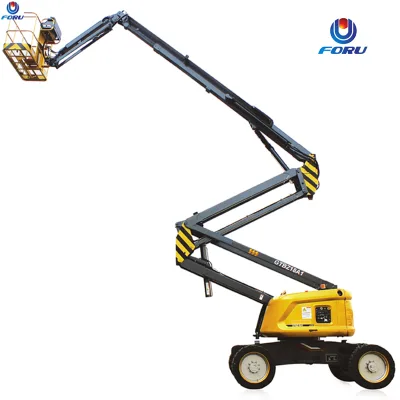
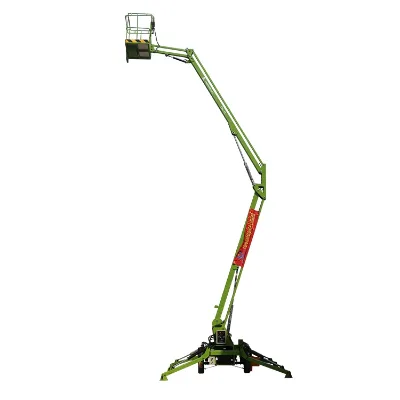
Diesel Trailer Manual Boom Lift of Elevating Aerial Working Platform
$7500.00 - $14000.00
MOQ: 1 Minimum
Jinan Zhuozhong Construction Machinery Co., Ltd.
- Trading Company
- Shandong, China
- Lead time7 days
- Avg. response≤ 5h
Main productsScissor Lift Tables,Rough Terrain Scissor,Boom lift,Track scissor lifts,Genie JLG Accessories
Main marketsWestern Europe(20.00%), Mid East(15.00%), Africa(15.00%), North America(10.00%), Domestic Market(10.00%), Central America(10.00%), Eastern Europe(10.00%), Southeast Asia(5.00%), Oceania(5.00%)
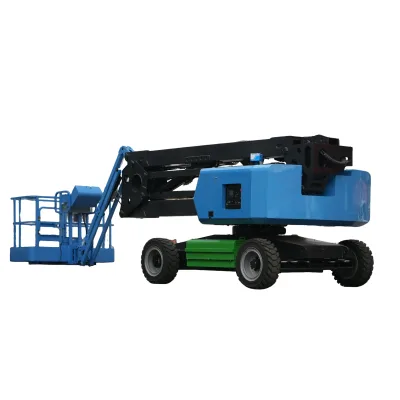
Self Propelled Articulated Boom Load High-end Sky Trailer Towable Boom Lift for Tree Work
$5999.00 - $6900.00
MOQ: 1 sets
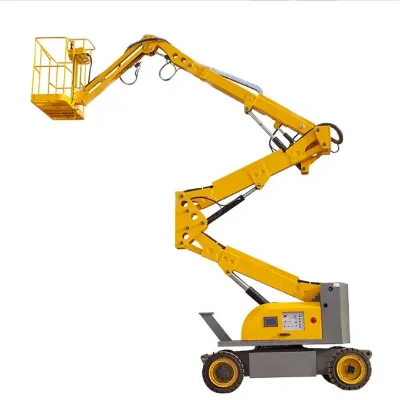
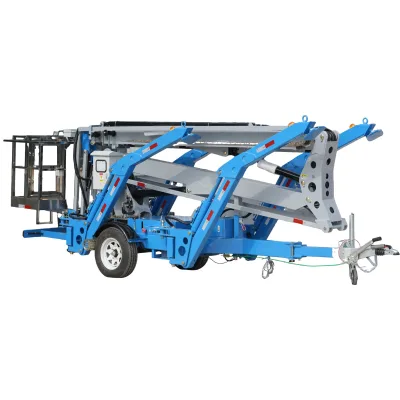
Factory Hydraulic diesel Towable 16m Skylift Trailer Mounted Boom Lift Transport Platform
$3500.00 - $4500.00
MOQ: 1 sets
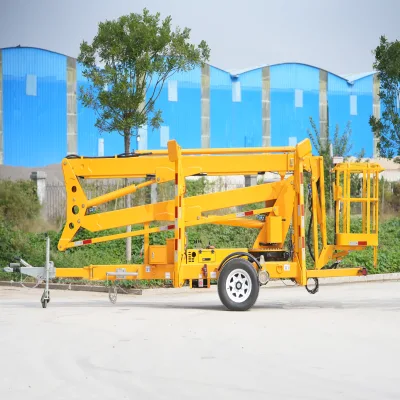
16m Portable Lifter Telescoping Trailer Towable Aerial Manlift Boom Lift Supply Cargo Platform
$2500.00 - $2700.00
MOQ: 1 sets
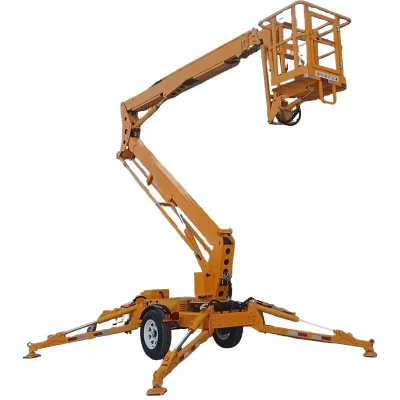
Uneven Road Self14m Diesel Trailer Boom Lift Articulada Plataforma for Building
$3000.00 - $3999.00
MOQ: 1 sets


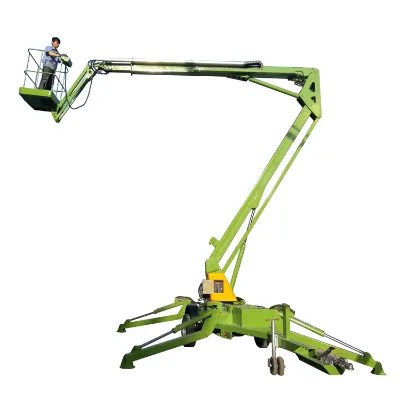
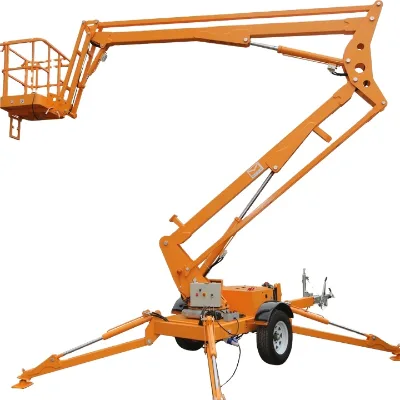
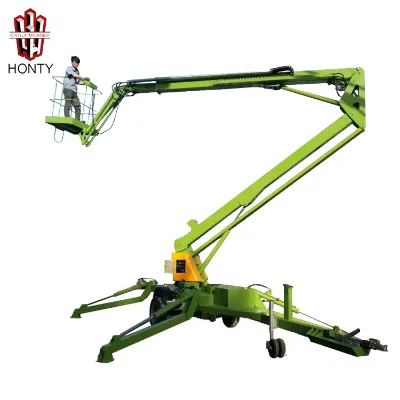
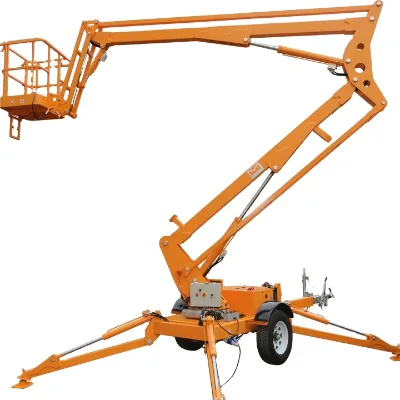
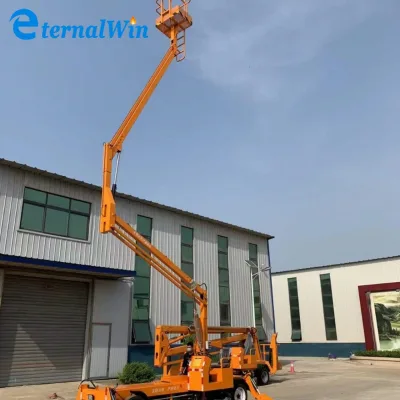
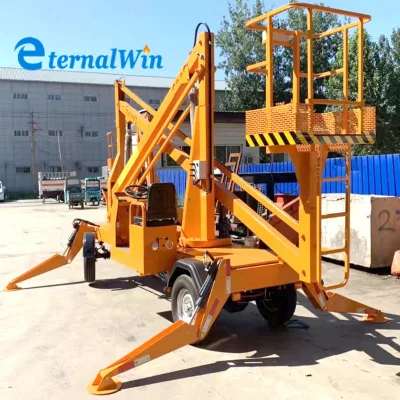
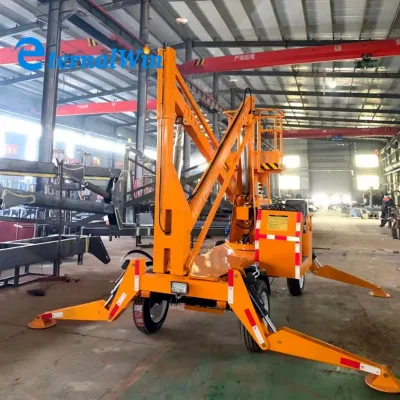
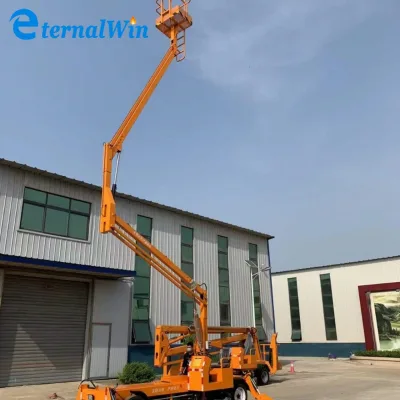
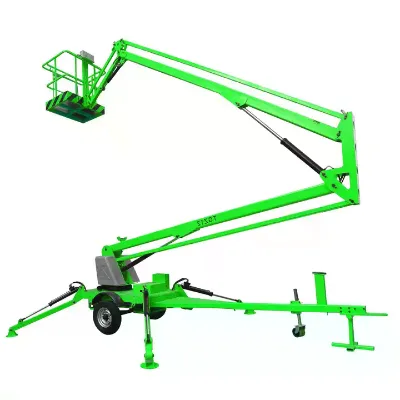
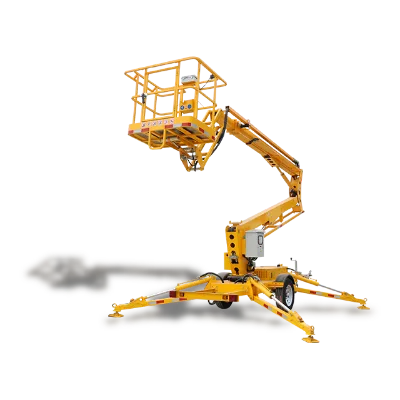
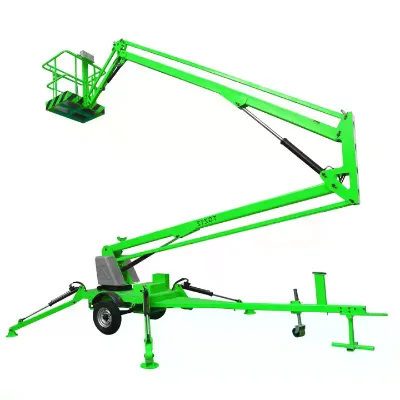
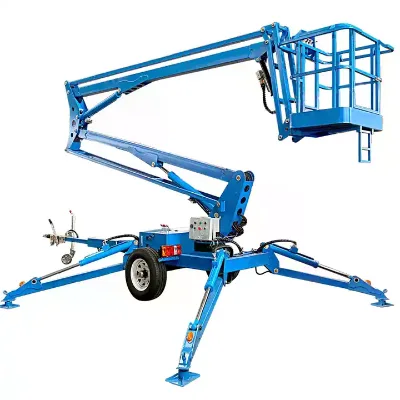
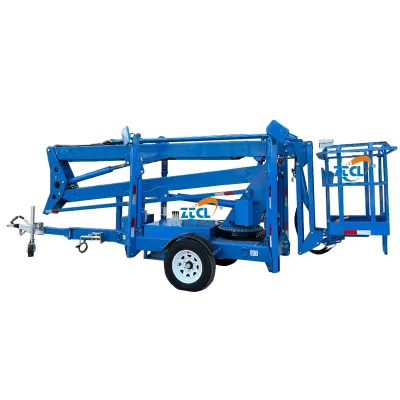
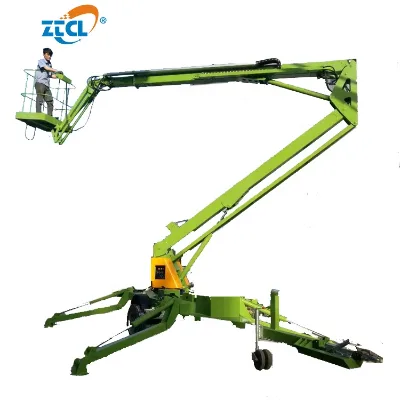
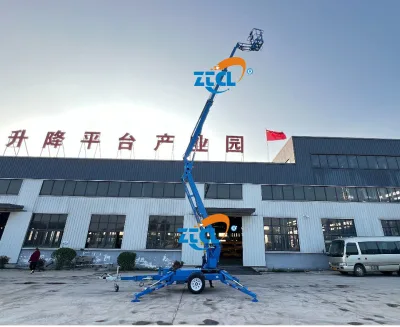
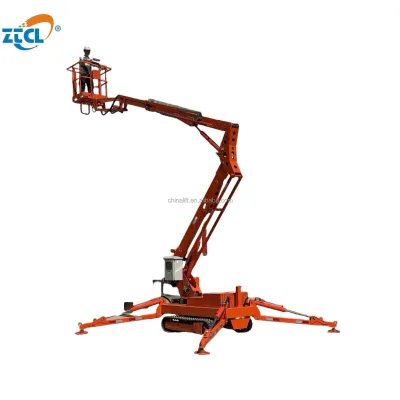
Comprehensive Sourcing Guide
Trailer Mounted Articulated Boom Lift Supplier Concentration and Factory Types
The current supplier landscape for trailer mounted articulated boom lifts reveals a distinct geographic concentration in China, with specific manufacturing hubs identified in Henan and Shandong provinces. These regions serve as primary centers for the production of heavy machinery and material handling equipment, including the specialized aerial work platforms required for this category. Suppliers located in Henan often operate as a combination of trading companies and manufacturer factories, indicating a mixed supply chain structure where direct production capabilities may coexist with distribution networks. This dual nature allows for flexibility in sourcing, as buyers can potentially access both factory-direct pricing and the logistical support of established trading entities. The presence of these specific locations provides a concrete basis for evaluating the origin of goods, allowing procurement teams to trace the supply chain back to known industrial clusters rather than relying on vague regional descriptors. Understanding this geographic distribution is crucial for assessing the authenticity of manufacturing claims and verifying the proximity of the facility to raw material sources or shipping ports.
In terms of company structure, the available data indicates that suppliers range from pure trading companies to those with significant manufacturing capabilities. Some entities are explicitly labeled as manufacturer factories, suggesting they possess the internal resources to produce the hydraulic systems, structural steel components, and articulated mechanisms integral to these lifts. Others operate primarily as trading companies, which may source from multiple factories and consolidate shipments for international buyers. This distinction is vital for buyers who prioritize direct communication with engineers or those who prefer the simplified procurement process offered by traders. The mix of company types also influences the range of main products offered, with some suppliers diversifying into related equipment such as gantry cranes, scissor lifts, and cargo lifts. This diversification can indicate a broader industrial expertise, potentially offering buyers a one-stop solution for various material handling needs. However, it also requires careful verification to ensure that the specific Trailer Mounted Articulated Boom Lift models are produced in-house rather than simply resold, which impacts quality control and after-sales support capabilities.
How to Verify Trailer Mounted Articulated Boom Lift Suppliers
Verification of suppliers requires a multi-layered approach that combines digital credential checks with physical evidence assessment. One critical step is examining the verification status provided by third-party inspection agencies, such as Bureau Veritas (BV), which offers an independent confirmation of the supplier’s business legitimacy and operational capacity. Buyers should prioritize suppliers who have undergone such rigorous audits, as this reduces the risk of engaging with fraudulent entities or shell companies. Additionally, the presence of system certifications like ISO 9001, ISO 14001, and TS 16949 serves as a strong indicator of standardized quality management and environmental practices. These certifications are not merely decorative; they reflect a supplier’s commitment to consistent production processes and regulatory compliance. Buyers must verify the validity of these certificates by checking their expiration dates and the scope of certification to ensure they cover the specific manufacturing activities for boom lifts. Cross-referencing these credentials with the supplier’s stated location and company type helps build a comprehensive profile of their operational reliability.
Beyond digital credentials, buyers should scrutinize the technical specifications and product evidence provided by the supplier to assess their engineering competence. Detailed product attributes, such as lifting height, load capacity, and drive type, should be compared against industry standards and the buyer’s specific operational requirements. For instance, verifying that a supplier offers models with appropriate safety features, such as emergency decline systems and explosion-proof options, demonstrates a deeper understanding of the application environment. Buyers should also request detailed documentation, including hydraulic schematics, structural calculations, and test reports, to validate the supplier’s technical claims. The ability to provide customized solutions, as indicated by available OEM and ODM capabilities, further suggests a mature manufacturing process. However, buyers must remain cautious of generic product descriptions and insist on specific, verifiable data points. Engaging in direct technical discussions with the supplier’s engineering team can reveal the depth of their expertise and their ability to troubleshoot complex issues, providing a final layer of verification before committing to a partnership.
What to Compare Across Trailer Mounted Articulated Boom Lift Suppliers
When evaluating multiple suppliers, buyers must systematically compare key operational metrics to identify the most suitable partner for their needs. Lead time is a critical factor, with some suppliers indicating a production cycle of approximately 23 days, which impacts project scheduling and inventory management. Buyers should clarify whether this lead time includes material procurement, manufacturing, and testing phases, and whether it can be expedited for urgent orders. Response time is another vital metric, with some suppliers demonstrating an average response time of around 2.18 hours, indicating a high level of customer service engagement. Faster response times often correlate with better communication throughout the procurement process, reducing the risk of misunderstandings and delays. Additionally, the minimum order quantity (MOQ) should be assessed, with some suppliers offering an MOQ of just one unit, which is ideal for small-scale projects or trial orders. Buyers should also compare the range of main products offered, as suppliers with a broader portfolio may offer better value through bundled shipping or integrated solutions.
Price and customization options are equally important dimensions for comparison. The price range for trailer mounted articulated boom lifts can vary significantly, with some models starting at $5,000 and others reaching up to $35,000, depending on specifications and features. Buyers should request detailed quotations that break down costs for the base unit, optional accessories, and shipping fees to ensure transparency. Customization availability is another key differentiator, with some suppliers offering tailored solutions for specific applications, such as building cranes, warehouse operations, or shipboard use. Buyers should evaluate the extent of customization allowed, including platform size, lifting height, and color options, to ensure the equipment meets their unique requirements. Furthermore, the type of certification provided, such as ISO CE or standalone CE marks, should be compared to ensure compliance with local regulations in the buyer’s destination market. By systematically comparing these factors, buyers can make informed decisions that balance cost, quality, and service levels.
Common Trailer Mounted Articulated Boom Lift Sourcing Risks
Sourcing trailer mounted articulated boom lifts from international suppliers introduces several risks that require proactive mitigation strategies. One significant risk is the potential discrepancy between advertised specifications and actual product performance. Suppliers may list impressive technical attributes, such as high lifting heights or load capacities, without providing independent test results or third-party validation. This can lead to equipment failures or safety hazards in the field. Buyers must insist on comprehensive testing documentation and, if possible, arrange for pre-shipment inspections by independent agencies to verify that the equipment meets the agreed-upon standards. Another risk is the variability in build quality, particularly when dealing with trading companies that may source from multiple factories with inconsistent quality control processes. Buyers should prioritize suppliers with established manufacturing facilities and robust quality assurance systems to minimize this risk. Additionally, the complexity of hydraulic systems and articulated mechanisms requires specialized maintenance expertise, which may not be readily available in the buyer’s local market.
Logistical and compliance risks also pose significant challenges in international sourcing. The heavy and bulky nature of trailer mounted boom lifts can result in high shipping costs and potential damage during transit if not packaged correctly. Buyers should verify that suppliers use appropriate packaging, such as wooden crates or plywood packages, to protect the equipment during transport. Furthermore, regulatory compliance is a critical concern, as different countries have varying standards for aerial work platforms. Buyers must ensure that the equipment meets all local safety and environmental regulations, including noise levels and emission standards for diesel-powered models. The lack of standardized certifications in some cases, such as NIL system certifications for certain suppliers, raises concerns about the supplier’s adherence to international quality and safety norms. Buyers should conduct thorough due diligence to verify the supplier’s compliance history and avoid engaging with entities that lack proper regulatory approvals. By identifying and addressing these risks early in the sourcing process, buyers can protect their investments and ensure the safe and effective operation of the equipment.
Trailer Mounted Articulated Boom Lift Regional Sourcing and Logistics
Regional sourcing decisions are heavily influenced by the geographic location of suppliers and the associated logistical implications. Suppliers located in China, particularly in provinces like Henan and Shandong, offer access to well-established industrial clusters with efficient supply chains for raw materials and components. This proximity to manufacturing hubs can reduce lead times and lower production costs, making these regions attractive for bulk orders. However, buyers must also consider the distance to major shipping ports, as this impacts transit times and freight costs. Suppliers in Shandong, for instance, may have easier access to coastal ports, facilitating faster export processes. Buyers should evaluate the supplier’s logistics capabilities, including their experience with international shipping and their ability to handle complex documentation requirements. Additionally, the choice of supplier location can affect the availability of local support and spare parts, which is crucial for long-term maintenance and operational continuity.
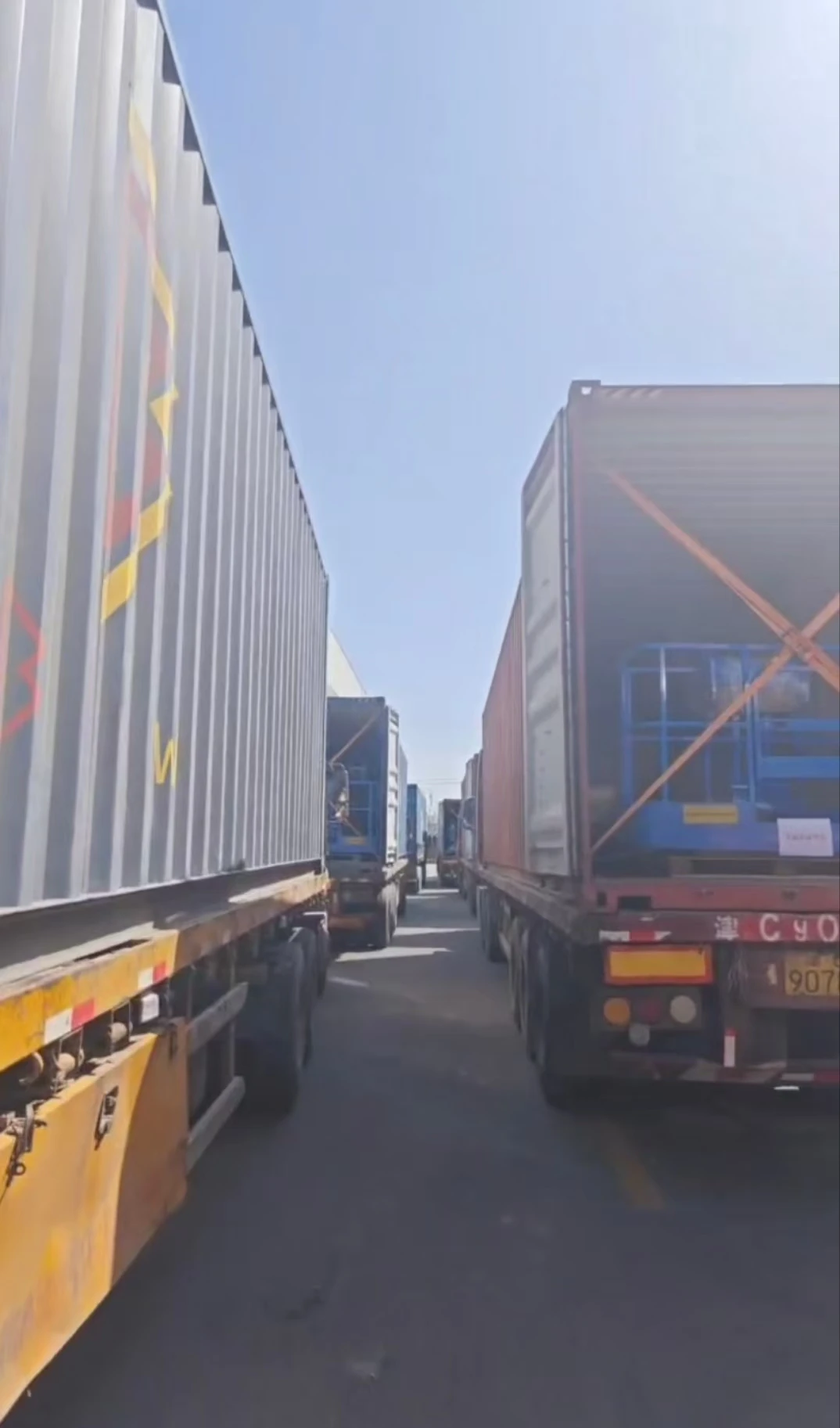
Logistics planning must also account for the specific dimensions and weight of the trailer mounted boom lifts, which can influence container loading and transportation methods. Some suppliers provide detailed packing information, such as wooden packaging or bulk packing, which helps buyers estimate the volume and weight of the shipment. Buyers should work closely with their freight forwarders to optimize container utilization and minimize shipping costs. The choice of Incoterms, such as FOB or CIF, will determine who is responsible for various aspects of the logistics process, including insurance and customs clearance. Buyers should clearly define these responsibilities in the contract to avoid unexpected costs or delays. Furthermore, buyers should consider the impact of regional trade policies and tariffs on the final landed cost of the equipment. By carefully analyzing the logistical implications of sourcing from different regions, buyers can develop a robust supply chain strategy that balances cost efficiency with reliability and speed.
Trailer Mounted Articulated Boom Lift Commercial Terms and Order Planning
Commercial terms and order planning are essential components of a successful procurement strategy for trailer mounted articulated boom lifts. Buyers should negotiate clear payment terms that protect their interests, such as using escrow services or letter of credit arrangements to ensure secure transactions. The lead time of approximately 23 days should be factored into the project schedule, with buffer periods added to account for potential delays in production or shipping. Buyers should also clarify the warranty terms, with some suppliers offering five years for the main structure and one year for parts, which provides a baseline for after-sales support. Understanding the scope of the warranty and the process for claiming repairs or replacements is crucial for minimizing downtime in the event of equipment failure. Additionally, buyers should discuss the availability of training and technical support, as proper operation and maintenance are key to extending the lifespan of the equipment.
Order planning should also consider the scalability of the purchase, with some suppliers offering flexible MOQs that allow for incremental ordering based on project needs. Buyers should evaluate the supplier’s capacity to handle larger orders if their requirements expand, ensuring that production capabilities can meet increased demand without compromising quality. The customization options available, such as specific platform sizes or hydraulic configurations, should be finalized early in the planning process to avoid delays in production. Buyers should also plan for the installation and commissioning of the equipment, coordinating with local technicians or supplier representatives to ensure a smooth startup. By carefully managing commercial terms and order planning, buyers can mitigate risks, optimize costs, and ensure that the trailer mounted articulated boom lifts meet their operational requirements effectively. This proactive approach fosters a strong partnership with the supplier and supports long-term business success.
FAQs
What lifting heights do trailer mounted articulated boom lifts offer?
Trailer mounted articulated boom lifts commonly offer working heights from around 10 to 24 meters, with some models covering 14 to 18 meter ranges. Buyers should confirm whether stated height refers to platform height or working height, since working height adds roughly two meters of body reach. Customized heights are often available on request.
How much weight can an articulated towable boom lift platform carry?
Most listed models carry between 150 and 200 kilograms, which typically supports one or two workers plus tools. Light-level units are rated at 200 kg with a platform around 1200 by 800 millimeters. Always verify load rating against your crew size, equipment weight, and any materials that will be lifted on the platform.
What is the typical minimum order quantity and price range?
Listed trailer mounted articulated boom lifts generally have a minimum order quantity of one unit, making sample or trial orders practical. Pricing commonly spans from about 5,000 to 35,000 US dollars depending on lifting height, load capacity, and power type. Request quotes for your exact configuration since customization and options affect the final price.
How long does production and delivery usually take?
Verified suppliers in this category list an average lead time of about 23 days from order confirmation. Actual timing can vary with customization level, certification requirements, and destination shipping schedules. Confirm the lead time in writing before placing an order, and clarify whether it covers production only or also port delivery and documentation.
Which certifications should I verify before importing these lifts?
Product listings commonly show ISO and CE certifications, and some suppliers also hold ISO 9001, ISO 14001, and OHSAS management systems. Ask for certificate copies covering the specific model, not just the company, and confirm the issuing body. Buyers in regulated markets should also check any additional local requirements such as structural or electrical standards.
Where are most trailer mounted boom lift suppliers located in China?
The suppliers featured here are concentrated in Henan and Shandong provinces, which are established hubs for lifting and material handling equipment. Shandong suppliers cluster around Jinan, while Henan suppliers often combine factory and trading operations. Location affects freight cost and factory visit planning, so ask about the nearest port and loading arrangements early.
Are customization options available for towable boom lifts?
Yes, customization is broadly available across listed models, including customized color, adjusted platform sizes, and modified working heights. Several suppliers offer OEM and ODM services alongside their own brands. Provide your required lifting height, horizontal reach, load rating, and power source in writing so the factory can confirm feasibility and quote accurately.
What safety features should these boom lifts include?
Look for a full set of hydraulic outriggers, an emergency lowering system, 360-degree rotation with automatic turning, and wind resistance rated to at least grade 6. Control options such as button and remote operation improve positioning safety. Also confirm the platform uses non-skid steel flooring and ask for load test documentation before shipment.