Automatic Handheld Fiber Laser Welder Suppliers and Manufacturers
Compare 31 verified suppliers of Automatic Handheld Fiber Laser Welder across locations like Jiangsu, Hubei, and Guangdong. Review lead times, certifications, and pricing before contacting factories for quotes. Check response times and customization options to find the right partner for your manufacturing needs today.
Updated
Suppliers List

Jiangsu Aolong Electric Technology Co., Ltd.
- Verified by BV
- Manufacturer/Factory
- China Jiangsu
- Lead time30 days
- Avg. response≤ 1h
Main productsWelding Machine, Plasma Cutting Machine, MIG/Mag Gas Shielded Welder, TIG Argon Arc Welder, MMA Manual Metal-Arc Welder, Stud Welding Machine, Saw Submerged Arc Welder, Welding Robot, Portable Welder, Industrial Welder
Main marketsSouth America,Eastern Europe,North America,Southeast Asia,Western Europe

Wuhan Swanti Technology Co. Ltd.
- Verified by BV
- Manufacturer/Factory
- China Hubei
- Lead time15 days
- Avg. response≤ 5h
Main productsLaser Cleaning Machine, Laser Welding Machine, Laser Cutting Machine, Laser Marking Machine, UV Wall Printer, Other Laser Product, Laser System, Robot Welding Cutting
Main marketsSouth America,Eastern Europe,Mid East,North America,Southeast Asia,Eastern Asia,Oceania,Western Europe,Africa


2kw 4 in 1 Handheld Laser Welding Machine Fiber Laser Welder for Aluminum
$3500.00 - $4150.00
MOQ: 1 Pieces


Dongguan Hengxin Laser Equipment Co., Ltd
- Verified by SGS
- Manufacturer
- China Guangdong
- Lead time15 days
- Avg. response≤ 1h
Main marketsSoutheast Asia/ Mideast,Domestic,Europe

- Verified by CTI
- Manufacturer/Factory
- China Shandong
- Lead time15 days
- Avg. response≤ 3h
Main productsCNC Router, Laser Welding Machine, Laser Cleaning Machine, Laser Cutting Machine, Fiber Marker, CO2 Laser Machine
Main marketsSouth America,Eastern Europe,Mid East,North America,Southeast Asia,Eastern Asia,Oceania,Western Europe

Automatic Fiber Laser Metal Welders 3000W Handheld 4 in 1 Fiber Laser Welder
$1000.00 - $1400.00
MOQ: 1 Pieces

New Design 1500W/2000W Handheld Laser Welder Fiber Laser Welding Machine
$1600.00 - $5000.00
MOQ: 1 Sets

Handheld 1500W 2000W 3000W Laser Welder Fiber Laser Welding Machine 5in1
$1800.00 - $3600.00
MOQ: 1 Sets

Cheap Price Laser Welder 4 in 1 Handheld Laser Welding Machine 3000W Fibre Laser Welder
$1399.00 - $5000.00
MOQ: 1 Sets

Shanghai Trintfar Intelligent Equipment Co., Ltd.
- Manufacturer/Factory
- China Guangdong
- Lead time30 days
- Avg. response≤ 14h
Main productsSpot Welding Machine, Butt Welding Machine, Laser Welding Machine, Seam Welding Machine, Robot Arm, Welding Equipment Production Line, Energy Storage Welding Machine, Diffusion Welding Machine, Steel Drum Production Line, Transformer Steel Plate Radiator Production Line
Main marketsMid East,North America,Southeast Asia


Fiber Laser Welding Machine Handheld Laser Welder Stainless Steel Welding Machine
$5000.00 - $10000.00
MOQ: 1 Pieces

Handheld Fiber Laser Welding Machine Factory Direct Laser Welders Price
$5000.00 - $10000.00
MOQ: 1 Pieces

Good and Reasonably Priced Laser Welding Machine Handheld Laser Welding Machine
$5000.00 - $10000.00
MOQ: 1 Pieces
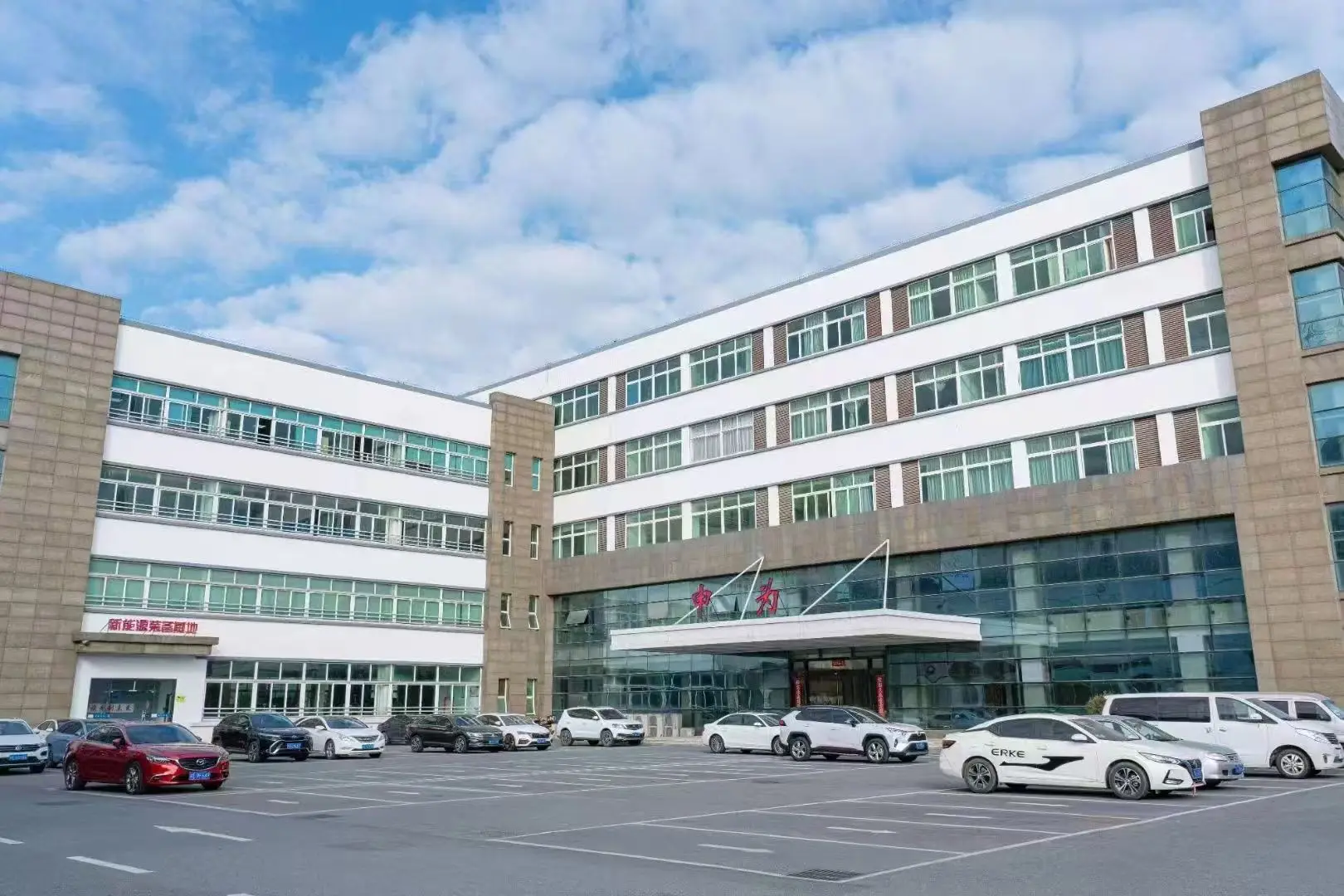
Kunshan SW Laser Technology Co., Ltd.
- Manufacturer, Trading Company
- Jiangsu, China
- Lead time3 days
- Avg. response≤ 1h
Main productsLaser marking machines,Laser welding machines,Laser cutting machines,laser engraving machine
Main marketsDomestic Market(40.00%), North America(20.00%), Eastern Europe(10.00%), South Asia(10.00%), Northern Europe(10.00%), Western Europe(10.00%)

Wuhan Raylas Technology Co., Ltd
- Verified by BV
- Trading Company,Manufacturer/Factory
- China Hubei
- Lead time38 days
- Avg. response≤ 1h
Main productsLaser Cutting Machine, Laser Welding Cleaning Cladding Machine, SLA Slm Fdm 3D Printer, Raycus Max Ipg Rece Laser Source, Precitec Boci Raytools Wsx Cqwy Laser Head, Focus Lens Calibration Lens Ceramic Ring Nozzles, Spare Parts Consumabler Parts for Laser Machines, Metal Sheet Metal Tube Laser Cutting Machine, Retrofit Amada CO2 Laser to Fiber Laser, Technical Service for Laser Machines
Main marketsSouth America,Eastern Europe,Mid East,North America,Southeast Asia,Eastern Asia,Oceania,Western Europe,Africa

High Efficiency Hand-Held Fiber Laser Welding Machine Portable Handheld Laser Welder
$5299.00 - $5799.00
MOQ: 1 Sets

Hand Held and 1500W 2000W 3000W Handheld Fiber Laser Welding Machine Handheld Fiber Laser Welder
$5000.00 - $10000.00
MOQ: 1 Sets


Hand Held Mild Steel Fiber Laser Welding Machine Portable Fiber Laser Welder
$5000.00 - $10000.00
MOQ: 1 Sets

Hand Held Fast Speed Fiber Laser Welding Machine Alloy Fiber Laser Welder
$2899.00 - $3899.00
MOQ: 1 Sets

Fiber Laser Welding Machine Hand Held 1500W 2000W 3000W Fiber Laser Welder
$5000.00 - $10000.00
MOQ: 1 Sets

TIANJIN HEYONLI TECHNOLOGY CO., LTD.
- Verified by BV
- Trading Company,Manufacturer/Factory
- China Tianjin
- Lead time120 days
- Avg. response≤ 21h
Main productsCNC Cutting Machine, Welding Machine, Plasma Cutting Machine, Gas Cutting Machine, Chain Link Fence Machine, Nail Making Machine, Stud Welding Machine, Rubber Bladder, Induction Heating Machine, MGO Board
Main marketsSouth America,Eastern Europe,Mid East,North America,Southeast Asia,Eastern Asia,Oceania,Western Europe,Africa

Jinan Zhongke CNC Equipment Co., Ltd.
- Verified by BV
- Combined
- China Shandong
- Lead time30 days
- Avg. response≤ 11h
Main productsCNC Router, Wood Engraving Machine, Plasma Cutting Machine, Laser Engraving Machine, Metal Die Milling Machine, Laser Cutting Machine, Wood Carving Machine, Aluminum Board Cutting Machine, Laser Marking Machine, CNC Cutting Machine
Main marketsSouth America,Africa,Southeast Asia/ Mideast,East Asia(Japan/ South Korea),Domestic,Europe
Shandong Songli Machinery Co., Ltd.
- Manufacturer
- Shandong, China
- Lead time10 days
- Avg. response≤ 2h
Main productsLaser Marking Machine,CNC Engraving Machine,CNC Cutting Machine,Laser Engraving Machine,Fiber Laser Cutting Machine
Main marketsDomestic Market(62.00%), North America(18.00%), Western Europe(6.00%), South America(6.00%), Eastern Europe(5.00%), Northern Europe(3.00%)
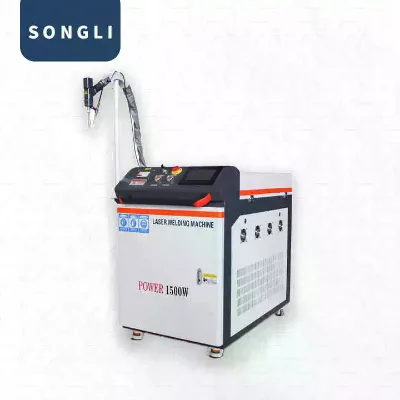
Handheld Laser Welding Machine
$3100.00 - $3299.00
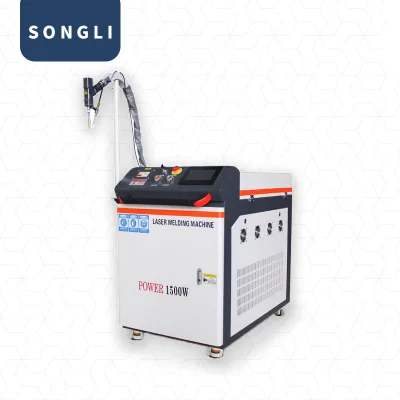
Laser Welder Small Welder Welding Equipment Stainless Steel Metal Hand-held Optical Fiber Welder
$4600.00 - $5850.00
MOQ: 1 sets
Shenyang Yihuishen Technology Co., Ltd.
- Verified by TüVRheinland
- Trading Company
- Lead time14 days
- Avg. response≤ 2h
Main productsLaser Engraving Machine, Laser Marking Machine, Fiber Optic Cutting Machine, Handheld Laser Welding Machine
Main marketsSoutheast Asia(30%), Mid East(30%), North America(20%)

JUGAO CNC MACHINE JIANGSU CO LTD
- Combined
- China Jiangsu
- Lead time30 days
- Avg. response≤ 3h
Main productsPress Brake
Main marketsSouth America,Africa,Southeast Asia/ Mideast,Europe,North America
Jinan Gold Mark Cnc Machinery Co., Ltd.
- Verified by TUVRHEINLAND
- Combined
- China Shandong
- Lead time15 days
- Avg. response≤ 9h
Main productsFiber Laser Cutting Machine, Fiber Laser Cleaning Machine, Fiber Laser Welding Machine, Laser Engraving Machine, Jewelry Welding Machine, Laser Marking Machine
Main marketsSouth America,Southeast Asia/ Mideast,East Asia(Japan/ South Korea),Europe,Australia

handheld welding machine fiber laser welder for carbon steel aluminium
$2500.00 - $9000.00
MOQ: 1 units


Factory direct sales 3000W 1500W 2000W welding machine aluminium handheld fiber laser welder
$2900.00 - $5100.00
MOQ: 1 units


portable hand held laser welding machine laser welder 3000w / handled laser welding machine
$2500.00 - $9000.00
MOQ: 1 units

Dongguan Glory Star Laser Technology Co., Ltd.
- Verified by TUVRHEINLAND
- Combined
- China Guangdong
- Lead time30 days
- Avg. response≤ 1h
Main productsFiber Laser Cutting  Machine, Metal Laser  Cutting  Machine, Tube Laser Cutting  Machine, Laser Welding Machine, Sheet Metal Fiber Laser Cutting Machine, Bending Machine
Main marketsDomestic


1500W Handheld Laser Welding Machine Fiber Laser Welder with Auto Wire Feeder System
$15000.00 - $40000.00
MOQ: 1 SET

2000W Handheld Laser Welding Machine Fiber Laser Welder with Auto Wire Feeder System
$15000.00 - $40000.00
MOQ: 1 Pieces


Maven Laser Automation Co., Ltd.
- Manufacturer, Trading Company
- Guangdong, China
- Lead time10 days
- Avg. response≤ 2h
Main productsRobot welding machine,Platform laser welding machine,Chain fiber welding machine,YAG laser welding machine,Laser cutting machine
Main marketsSouth Asia(20.00%), Western Europe(10.00%), Eastern Asia(10.00%), Southeast Asia(10.00%), Eastern Europe(10.00%), South America(10.00%), Southern Europe(5.00%), Northern Europe(5.00%), North America(5.00%), Domestic Market(5.00%), Mid East(5.00%), Oceania(4.00%), Africa(1.00%)

Guangdong Huazhuo Laser Technology Co., Ltd.
- Verified by SGS
- Combined
- China Guangdong
- Lead time30 days
- Avg. response≤ 3h
Main productsLaser Welding Machine, Laser Marking Machine, Laser Cutting Machine, Plastic Laser Welding Machine, Metal Welding Machine, Laser Cleaning Machine
Main marketsSoutheast Asia/ Mideast


Energy Saving Low Consumption Fiber Laser Handheld Welding Machine
$2478.00 - $5430.00
MOQ: 1 A machine

High Strength Permanent Weld Fiber Laser Handheld Welding Machine
$2478.00 - $5430.00
MOQ: 1 A machine
Suzhou Fang Shiheng Precision Machinery Co., Ltd.
- Manufacturer
- Jiangsu Province, China
- Lead time0 days
- Avg. response≤ 2h
Main productsHandheld Laser Marking Machine, Handheld Laser Cleaning Machine, Handheld Laser Welding Machine, Laser Cutting Machine
Main marketsNorth America(20.00%), Western Europe(15.00%), Eastern Europe(15.00%), Domestic Market(10.00%), Mid East(10.00%), Southeast Asia(10.00%), South America(5.00%), Oceania(5.00%), Eastern Asia(5.00%), Africa(5.00%)
Shenzhen Lonwill Technology Co., Ltd.
- Verified by TüVRheinland
- Manufacturer, Trading Company
- Lead time15 days
- Avg. response≤ 2h
Main productsLaser Cutting Machine, Laser Tube Cutting Machine, Laser Welding Machine
Main marketsNorth America(35%), Western Europe(30%), Eastern Europe(10%)

Jinan Start Cnc Technology Co., Ltd
- Verified by TUVRHEINLAND
- Manufacturer/Factory
- China Shandong
- Lead time23 days
- Avg. response≤ 1h
Main productsCNC Router Machine, Fiber Laser Cutting Machine, CO2 Laser, Plasma Cutting Machine, Fiber Laser Marking Machine, CNC Plasma Cutting Machine, Stone CNC Router, Wood Router, Laser Welding Machine, Laser Engraving Machine
Main marketsSouth America,Eastern Europe,Mid East,North America,Southeast Asia,Eastern Asia,Oceania,Western Europe,Africa
- Verified by SGS Group
- Trading Company
- Lead time15 days
- Avg. response≤ 2h
Main productsFiber Laser Cutting Machine, Sheet Metal Laser Cutting Machine, Pipe Laser Cutting Machine, Laser Welding Machine, Industrial Robot
Main marketsEastern Europe(50%), Southern Europe(15%), North America(6%)

Wuhan HJZ Laser Technology Co., Ltd.
- Combined
- China Hubei
- Lead time15 days
- Avg. response≤ 7h
Main productsLaser Marking Machine, Laser Welding Machine, Laser Cutting Machine, Laser Cleaning Machine, Industrial Inkjet Printers, 3D Wall Inkjet Printer, CO2 Laser Engravers, UV Flat Printer, Dtf Flat Printer, Other Laser Equipment
Main marketsSouth America,Africa,Southeast Asia/ Mideast,East Asia(Japan/ South Korea),Domestic,Europe,Australia,North America

1500W 2000W 3000W Handheld Laser Welding Machine Optical Fiber Laser Welder
$2800.00 - $5500.00
MOQ: 1 Pieces

Laser Welding Machine Handheld Laser Fiber Welder 2000W 3000W 1.5kw for Aluminum Welding
$1150.00 - $4950.00
MOQ: 1 Pieces
Wuhan Hongmeng Laser Technology Co., Ltd.
- Trading Company
- Hubei, China
- Lead time0 days
- Avg. response≤ 9h
Main productsLaser Marking Machine,Laser Wedling Machine,Laser Cleaning Machine,Wall machine,Laser wall machine
Main marketsSouthern Europe(10.00%), Western Europe(10.00%), Mid East(10.00%), Northern Europe(10.00%), Africa(10.00%), Southeast Asia(10.00%), Eastern Europe(10.00%), South America(10.00%), North America(10.00%), Central America(5.00%), Oceania(5.00%)

SHANDONG IGOLDEN CNC TECHNOLOGY CO., LTD.
- Verified by SGS
- Combined
- China Shandong
- Lead time30 days
- Avg. response≤ 2h
Main productsCNC Router, Woodworking Machinery, Plasma Cutting Machine, Laser Cutting Machine, Laser Engraving Machine, Laser Marking Machine, Stone Carving Machine, 4 Axis CNC Router, 5 Axis CNC Router
Main marketsSouth America,Europe

Henan Kempson Laser Technology Co., Ltd
- Verified by BV
- Combined
- China Henan
- Lead time15 days
- Avg. response≤ 4h
Main productsLaser Welding Machine, Laser Cleaning Machine, Laser Pipe Cutting Machine
Main marketsDomestic,Australia
Zhengzhou Allraise Company Ltd.
- Verified by TüVRheinland
- Manufacturer, Trading Company
- Lead time19 days
- Avg. response≤ 2h
Main productsPaper Cup Machine, Paper Cutting Machine, Book Sewing Machine, Lunch Box Making Machines, Paper Tube Making Machines
Main marketsEastern Europe(15%), Southeast Asia(15%), Mid East(15%)
Jinan Huaxia Machinery Equipment Co., Ltd.
- Verified by TüVRheinland
- Manufacturer, Trading Company
- Lead time10 days
- Avg. response≤ 1h
Main productsFiber Laser Cutting Machine, Plasma Cutting Machine, Robot Welding Machine, Laser Welding Machine, CNC Bending Machine
Main marketsSouth America(25%), Western Europe(20%), North America(18%)
Zhongcan Laser Technology (Jinan) Co., Ltd.
- Verified by Intertek
- Manufacturer, Trading Company
- Lead time1 days
- Avg. response≤ 1h
Main productsLaser Cleaning Machine, Laser Cutting Machine, Laser Engraving Machine, Laser Marking Machine, Laser Welding Machine
Main marketsNorth America(10%), Northern Europe(10%), Southern Europe(10%)

Jinan Allwin CNC Machinery Co., Ltd.
- Combined
- China Shandong
- Lead time15 days
- Avg. response≤ 4h
Main productsCNC Plasma Cutting Machine, Laser Cutting Machine, Laser Welding Machine, Laser Cleaning Machine, CNC Router, CNC Metal Cutting Machine, Laser Pipe Cutting Machine, Plasma Pipe Cutting Machine, CNC Plasma Head Cutting Machine
Main marketsSouth America,Europe,Australia,North America
Absolute Cnc Machine Co., Ltd.
- Trading Company
- Jiangsu, China
- Lead time30 days
- Avg. response≤ 1h
Main productspress brake,shearing machine,punching machine,hydraulic ironworker,rolling machine
Main marketsDomestic Market(25.00%), Mid East(15.00%), Southeast Asia(10.00%), Eastern Europe(10.00%), South America(9.00%), Africa(8.00%), Eastern Asia(5.00%), Oceania(5.00%), South Asia(4.00%), Southern Europe(3.00%), Western Europe(3.00%), North America(2.00%), Northern Europe(1.00%)
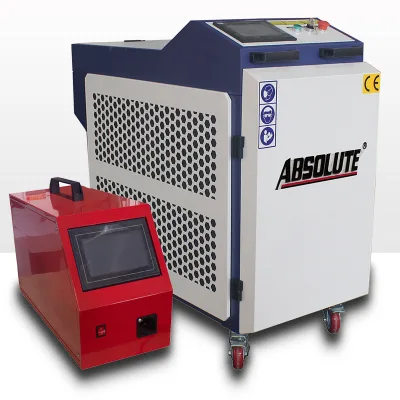
$1828.00 - $2400.00
MOQ: 1 sets
$1828.00 - $2400.00
MOQ: 1 sets
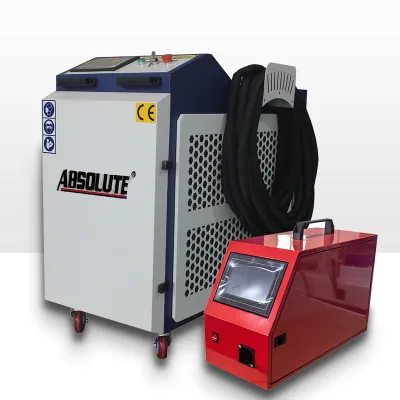
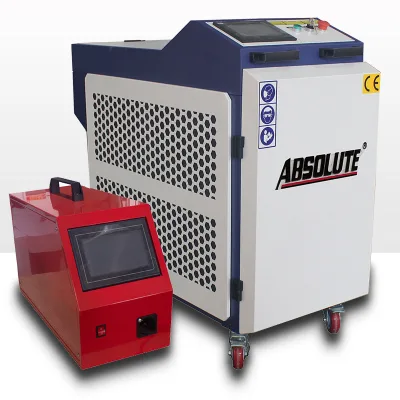
3000W Industrial Handheld Laser Welder for Thick Metal - High Penetration, Robust, Factory Direct
$1828.00 - $2400.00
MOQ: 1 sets
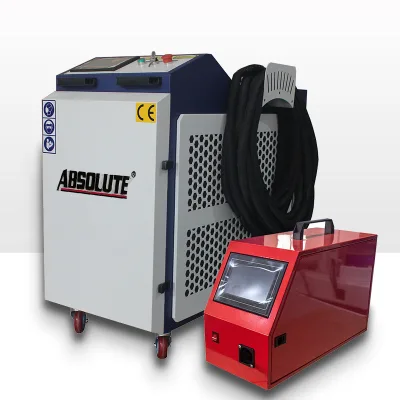
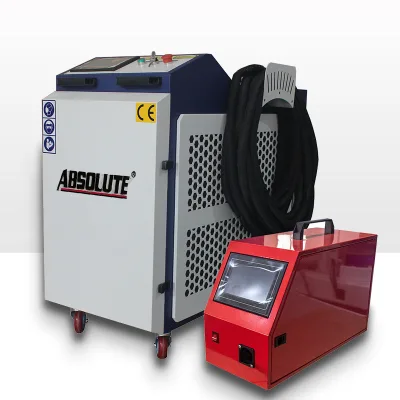
2000W Handheld Laser Welding Machine for Stainless Steel - 4-in-1 Multi-purpose, Easy to Use, CE
$1828.00 - $2400.00
MOQ: 1 sets
Liaocheng Shuangjing Technology Co., Ltd.
- Verified by SGS Group
- Manufacturer, Trading Company
- Lead time7 days
- Avg. response≤ 2h
Main productsLaser marking machine, Laser engraving machine, Laser welding machine, Laser cutting machine, CNC Router
Main marketsSouth America(35%), Southeast Asia(35%), Eastern Europe(15%)

Jinan Jobon Laser Technology Co., Ltd.
- Verified by SGS
- Combined
- China Shandong
- Lead time15 days
- Avg. response≤ 3h
Main productsLaser Welding Machine, Laser Cleaning Machine, Laser Marking Machine, Laser Cutting Machine
Main marketsSouth America,Africa,Others(foreignTradeCapacity.exportBusinessCapacityMarketOther),Southeast Asia/ Mideast,East Asia(Japan/ South Korea),Europe,Australia,North America

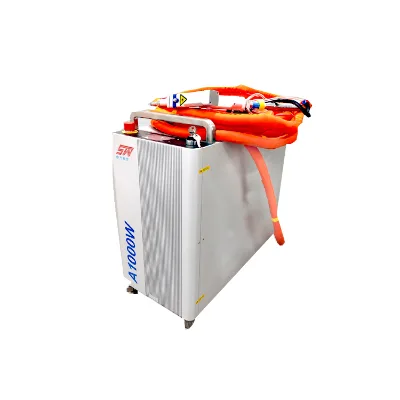
2000W Laser Welder Handheld Fiber Laser Welding Machine for Metal Laser Welding Machine
$1999.00 - $2199.00
MOQ: 1 set

Handheld Fiber Laser Welder Advanced Air-Cooled Laser Welding Machine Precise Control
$3099.00 - $3271.00
MOQ: 1 set








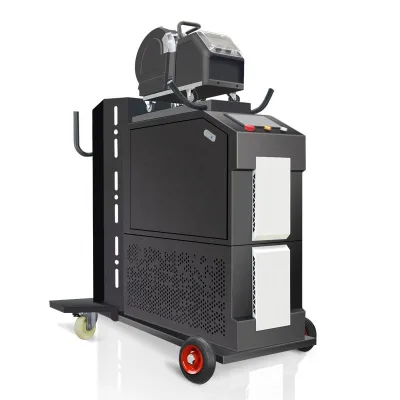


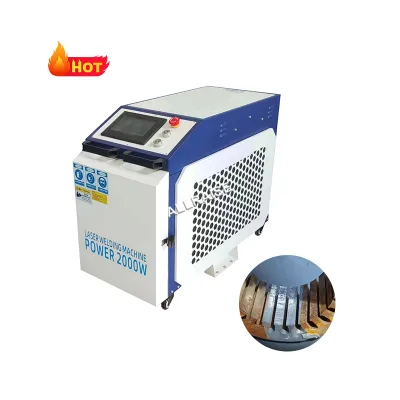
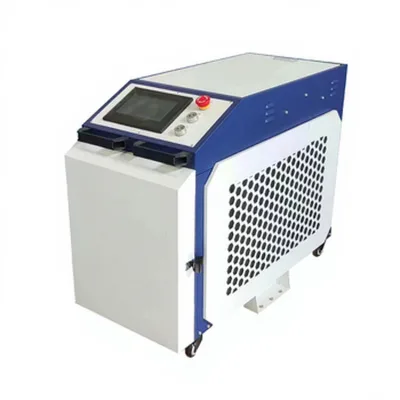
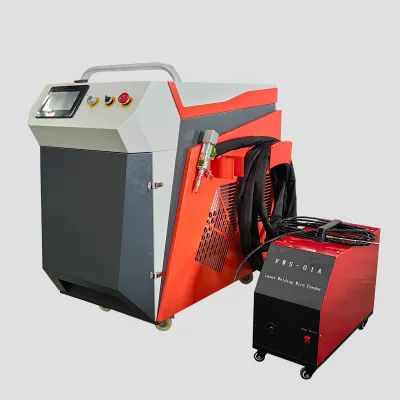


Comprehensive Sourcing Guide
Automatic Handheld Fiber Laser Welder Supplier Concentration and Factory Types
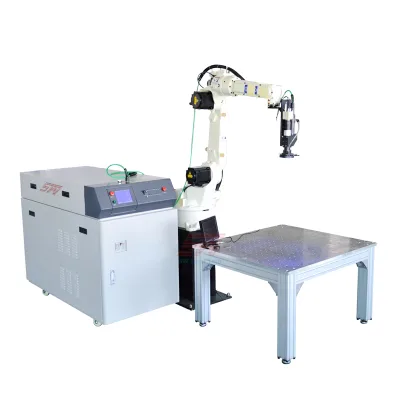
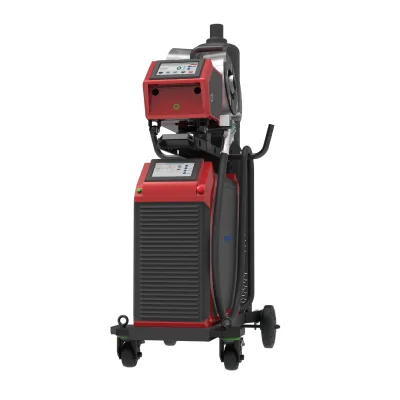
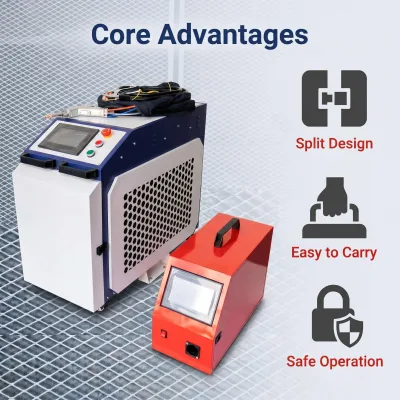
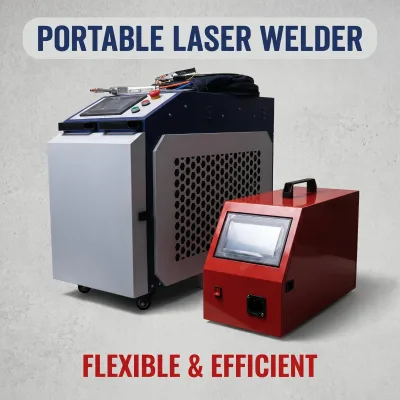
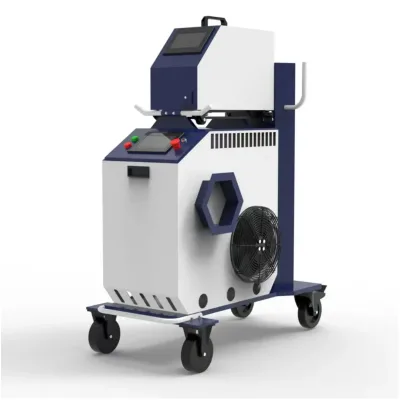
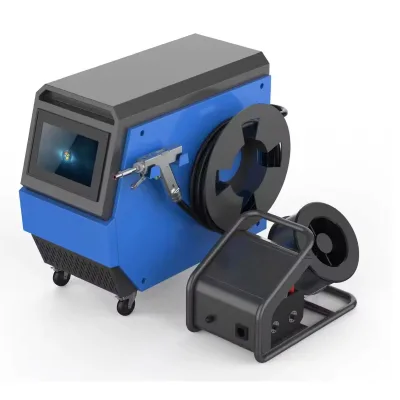
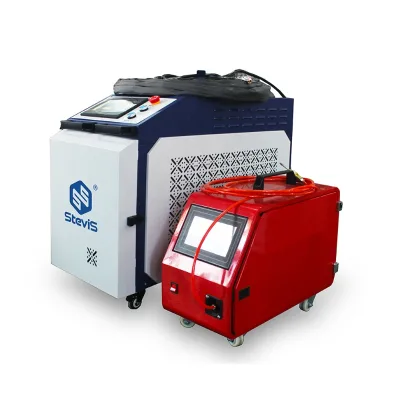
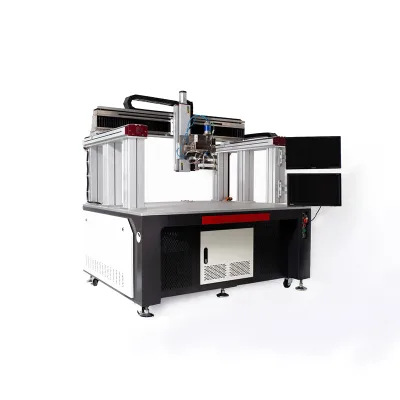
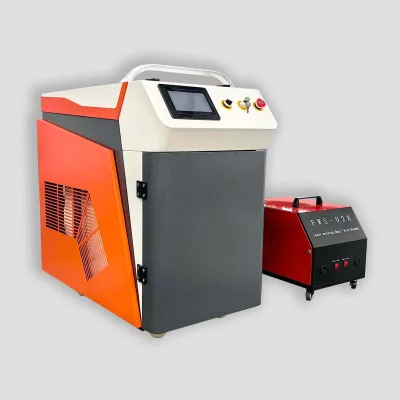
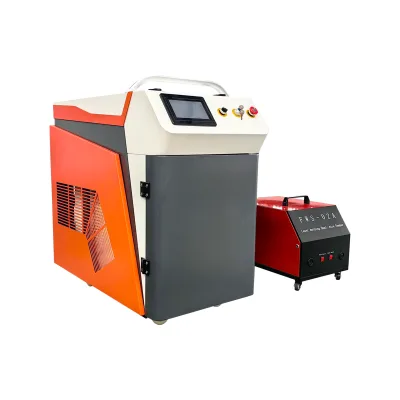
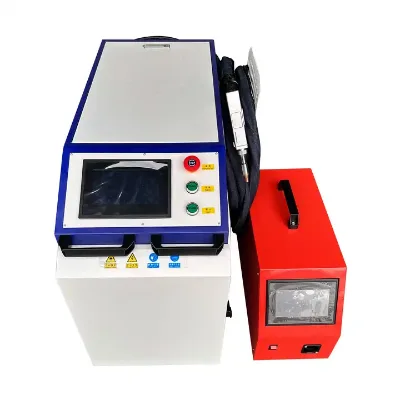
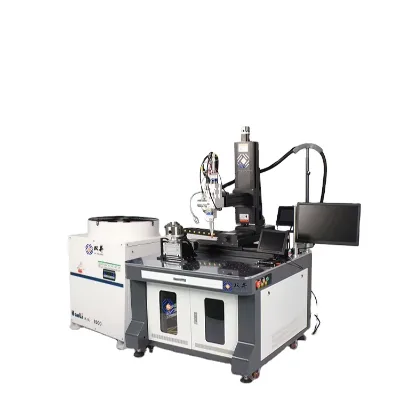
The current supplier landscape for automatic handheld fiber laser welders is heavily concentrated in specific Chinese manufacturing hubs, with Jiangsu, Hubei, and Guangdong emerging as primary production centers. These regions host a mix of manufacturer-factories and pure manufacturing entities that specialize in industrial welding equipment. In Jiangsu, suppliers often operate as comprehensive factories producing a wide array of welding technologies, including plasma cutters, MIG/MAG welders, and robotic welding systems, indicating a broad industrial base capable of supporting laser welding production. This diversity suggests that these facilities have established supply chains for metal fabrication components, which can be leveraged for laser welding machine assembly. The presence of such varied product lines implies that these factories are not niche players but rather established industrial manufacturers with the capacity to handle complex electromechanical assemblies required for high-power laser systems.
In contrast, suppliers in Hubei and Guangdong often focus more narrowly on laser-specific applications, such as laser cleaning, marking, and cutting, alongside handheld welding solutions. The Guangdong-based manufacturers frequently highlight their capability for OEM and ODM services, suggesting a flexibility in design and branding that appeals to buyers seeking customized solutions. These factories often emphasize their ability to produce various power outputs, ranging from 1500W to 3000W, catering to different industrial needs. The concentration of these manufacturers in these specific provinces allows buyers to potentially consolidate sourcing efforts or compare suppliers within a similar logistical framework. Understanding the factory type is crucial, as manufacturer-factories typically offer more direct control over production quality and lead times compared to trading companies, although the current data primarily reflects direct manufacturing entities with verified production capabilities.
How to Verify Automatic Handheld Fiber Laser Welder Suppliers
Verifying the legitimacy and capability of Automatic Handheld Fiber Laser Welder suppliers requires a multi-layered approach that goes beyond basic company profiles. Buyers should prioritize suppliers who have undergone third-party verification processes, such as BV or SGS audits, which provide an external validation of their business operations and manufacturing facilities. These verification badges serve as a critical first step in establishing trust, as they confirm that the entity is a real, operating business rather than a shell company. Additionally, examining the system certifications held by the supplier is essential for assessing their adherence to international quality and safety standards. While some suppliers display ISO 9001 certification, others may hold a broader range of certifications including ISO 14001, CE, SGS, FDA, and RoHS, which indicate compliance with environmental, health, and safety regulations. These certifications are particularly important for laser equipment, as they ensure that the machines meet specific electrical and optical safety standards required for industrial use.
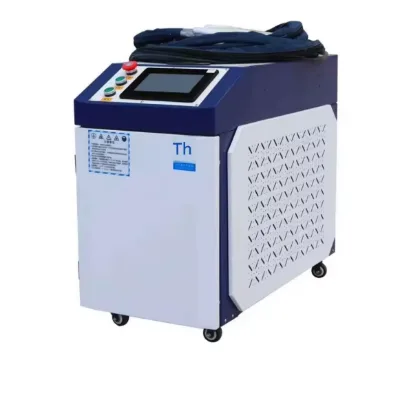
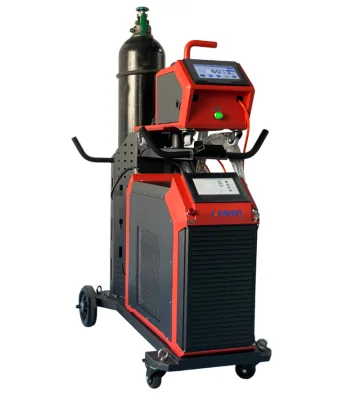
Beyond certifications, buyers must scrutinize the technical specifications and product attributes listed in the supplier’s catalog to ensure alignment with their specific operational requirements. Key verification points include the laser classification, such as optical fiber lasers, and the technical class, which should be continuous wave lasers for consistent welding performance. Buyers should also verify the control systems, distinguishing between automatic and manual controls, as this impacts the ease of use and precision of the welding process. Furthermore, checking the cooling system type, whether water-cooled or air-cooled, is vital for determining the machine’s suitability for different environmental conditions and maintenance capabilities. The presence of detailed product attributes, such as welding thickness ranges, material compatibility, and power density types like heat conduct or deep fusion welding, provides concrete evidence of the supplier’s technical depth. Buyers should request detailed datasheets and test reports to validate these claims, ensuring that the supplier’s stated capabilities match the actual performance of their equipment.
What to Compare Across Automatic Handheld Fiber Laser Welder Suppliers
When evaluating multiple suppliers for automatic handheld fiber laser welders, buyers must compare several key operational metrics to determine the best fit for their procurement needs. One of the most critical factors is the lead time, which can vary significantly between suppliers. For instance, some suppliers may offer a lead time of 15 days, while others might require up to 30 days for production and delivery. This difference can impact project timelines and inventory management, making it essential for buyers to align supplier lead times with their production schedules. Additionally, the response time of the supplier is a crucial indicator of their customer service quality and operational efficiency. Suppliers with faster response times, such as those under one day, are often more responsive to inquiries and potential issues, which can be beneficial during the negotiation and post-sales support phases. Comparing these time-based metrics helps buyers identify suppliers who are not only capable of producing the equipment but also efficient in their business operations.
Another vital aspect of comparison is the pricing structure and minimum order quantity (MOQ) requirements. While some suppliers may have an MOQ of just one unit, making them accessible for small-scale or trial orders, others might have higher thresholds. Pricing can also vary based on the power output and features of the laser welder, with prices ranging from approximately $2990 to $8550 depending on the model and specifications. Buyers should also compare the customization options available, such as the ability to tailor the machine for specific applications in the automotive, electronic, or biomedical industries. The availability of OEM and ODM services is another differentiator, allowing buyers to brand the equipment or modify it to their specific needs. Additionally, comparing the main products offered by each supplier can reveal their specialization; some may focus exclusively on laser equipment, while others offer a broader range of welding and cutting machinery. This holistic comparison ensures that buyers select a supplier who offers the best balance of cost, speed, and technical capability.
Common Automatic Handheld Fiber Laser Welder Sourcing Risks
Sourcing automatic handheld fiber laser welders from international suppliers introduces several risks that buyers must proactively manage to ensure a successful procurement process. One significant risk is the variability in product quality and performance, which can be exacerbated by differences in manufacturing standards and component sourcing. While suppliers may claim compliance with international standards, the actual quality of the laser source, optical fibers, and control systems can vary. Buyers must be cautious of suppliers who do not provide detailed technical specifications or who lack third-party verification of their manufacturing processes. Another risk is the potential for miscommunication regarding technical requirements, such as the specific laser power, cooling system type, or control mode. If these details are not clearly defined and verified, the delivered equipment may not meet the buyer’s operational needs, leading to costly modifications or delays.
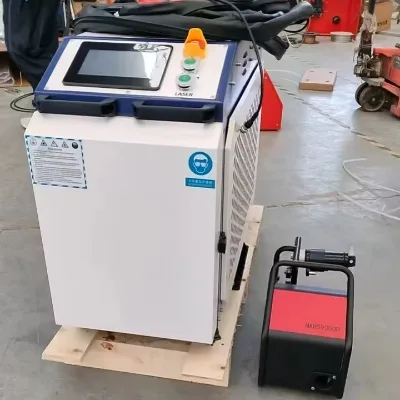
Logistical and compliance risks are also prevalent in international sourcing. Buyers must ensure that the equipment meets the regulatory requirements of their destination country, including electrical standards and safety certifications. Suppliers may list certifications such as CE or RoHS, but buyers should verify that these certifications are valid and applicable to the specific model being purchased. Additionally, the packaging and shipping of delicate laser equipment require careful handling to prevent damage during transit. Buyers should inquire about the packing methods, such as wooden cases, and ensure that the supplier has experience in exporting such sensitive machinery. Another risk is the lack of after-sales support and technical assistance, which can be critical for maintaining and troubleshooting complex laser welding systems. Buyers should assess the supplier’s support infrastructure, including the availability of spare parts and technical training, to mitigate the risk of prolonged downtime in the event of equipment failure.
Automatic Handheld Fiber Laser Welder Regional Sourcing and Logistics
The regional concentration of Automatic Handheld Fiber Laser Welder manufacturers in China, particularly in Jiangsu, Hubei, and Guangdong, offers buyers distinct logistical advantages and challenges. Sourcing from these hubs allows buyers to benefit from established industrial clusters where supply chains for components like laser sources, optics, and metal casings are well-developed. This proximity to component suppliers can lead to more competitive pricing and faster production cycles. However, buyers must also consider the logistical implications of shipping heavy and sensitive industrial equipment from these regions. The weight and dimensions of the laser welders, which can range from 29kg to 165kg depending on the model and cooling system, impact shipping costs and handling requirements. Buyers should work with suppliers who have experience in international logistics to ensure that the equipment is packed securely, often in wooden cases, to withstand the rigors of ocean or air freight.
Furthermore, the choice of sourcing region can influence the overall lead time and delivery schedule. Suppliers in different provinces may have varying relationships with local ports and logistics providers, which can affect the speed of shipment. Buyers should coordinate with their suppliers to determine the most efficient shipping routes and methods, considering factors such as customs clearance procedures and import regulations in their home country. Additionally, buyers should be aware of the potential for currency fluctuations and trade policies that may impact the final cost of the equipment. By understanding the logistical landscape of these manufacturing regions, buyers can make informed decisions about their sourcing strategy, balancing cost, speed, and reliability to ensure a smooth procurement process. Collaborating with suppliers who offer comprehensive logistics support can help mitigate these risks and streamline the delivery of the automatic handheld fiber laser welders.
Automatic Handheld Fiber Laser Welder Commercial Terms and Order Planning
Effective order planning for automatic handheld fiber laser welders requires careful attention to commercial terms, payment structures, and long-term support agreements. Buyers should negotiate clear terms regarding the minimum order quantity, pricing tiers, and payment methods to align with their budget and cash flow requirements. While some suppliers may offer flexible MOQs, others might require larger orders to achieve competitive pricing. It is also crucial to establish clear expectations regarding the lead time and delivery schedule, ensuring that the supplier can meet the buyer’s production deadlines. Buyers should also inquire about the warranty terms and after-sales support policies, as these are critical for maintaining the equipment’s performance over time. Understanding the supplier’s commitment to technical support, including the availability of spare parts and remote troubleshooting services, can help mitigate the risk of operational disruptions.
Additionally, buyers should consider the customization options and intellectual property rights when planning their orders. If the buyer requires specific branding or modifications to the laser welder, they should ensure that the supplier has the capability to deliver these changes without compromising the quality or safety of the equipment. Clear communication regarding the technical specifications, such as the laser power, control system, and cooling method, is essential to avoid misunderstandings and ensure that the delivered product meets the buyer’s needs. Buyers should also document all agreed-upon terms in a formal contract, including details on packaging, shipping, and insurance. By taking a proactive approach to commercial terms and order planning, buyers can build a strong partnership with their suppliers, ensuring a smooth and successful procurement process for their automatic handheld fiber laser welders.
FAQs
What is the typical minimum order quantity for a handheld fiber laser welder?
The minimum order quantity is typically one unit, since these machines are capital equipment purchased individually or in small batches. A single-unit MOQ lets buyers test performance before scaling up. Confirm the exact MOQ in writing with each supplier, as custom configurations or optional accessories may have different order requirements.
How long does production and delivery usually take?
Lead times among listed suppliers range from about 15 to 30 days depending on the factory and order specifics. Standard configurations usually ship faster than customized units with special laser heads or power options. Always confirm the current lead time before ordering, since production schedules change with demand and component availability.
What power options are available for handheld fiber laser welders?
Listed machines commonly offer 1000W, 1500W, 2000W, and 3000W fiber laser sources. Lower power suits thin sheet metal under one millimeter, while higher power handles thicker sections up to around ten millimeters on some models. Choose power based on your typical material thickness, and verify stated welding thickness ranges with the supplier.
Which materials can these welders handle?
Handheld fiber laser welders generally work with carbon steel, stainless steel, copper, aluminum, and alloy metals. Material thickness capability depends on laser power, ranging roughly from 0.3 to 10 millimeters depending on the machine. Copper and aluminum reflect laser light differently than steel, so request test welds on your actual materials before committing.
Are air-cooled or water-cooled handheld laser welders better?
Air-cooled models are lighter, often around 29 kilograms, and easier to move between workstations, but they suit lower power and shorter duty cycles. Water-cooled units support higher continuous power and heavier production use but weigh more and need deionized or distilled water maintenance. Match the cooling type to your duty cycle and mobility needs.
What certifications should I check before buying?
Look for CE marking as a baseline, and ask whether the machine also carries SGS, FDA, RoHS, or ISO documentation. Some listed suppliers hold ISO 9001 quality management certification at the factory level. Certification alone does not guarantee quality, so also request test videos, material certificates for the laser source, and references from similar buyers.
Can I get a handheld laser welder customized for my application?
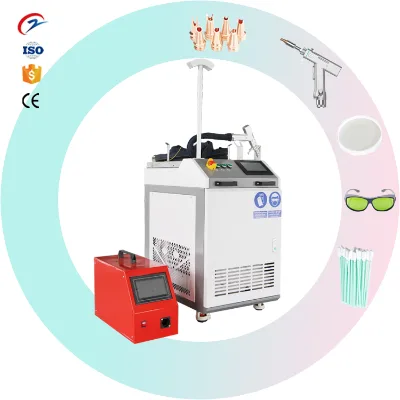
Yes, customization is generally available across listed models, including OEM and ODM support from several manufacturers. Common options include 4-in-1 or 5-in-1 laser heads combining welding, cutting, and cleaning functions, different fiber lengths, and branding. Provide your material types, thickness range, and production volume so the supplier can propose a suitable configuration.
What does a handheld fiber laser welder typically cost?
Listed machines span roughly from 2,990 to 8,550 US dollars depending on power rating, cooling system, and multi-function features. A 1500W water-cooled unit sits at the lower end, while 2000W and 3000W multi-function models cost more. Prices vary with configuration, shipping terms, and accessories, so request detailed quotations rather than comparing base prices alone.