Automatic Gas Heating Peanut Roaster Suppliers and Manufacturers
Source 26 verified suppliers for Automatic Gas Heating Peanut Roaster machines. Compare key dimensions including ISO certifications, response times, and production capacities. Review product specifications and request quotes directly from factories in China; review the available evidence before requesting comparable quotations from suitable candidates.
Updated
Suppliers List

Zhengzhou Shuliy Machinery Co., Ltd.
- Verified by SGS
- Trading Company,Manufacturer/Factory
- China Henan
- Lead time0 days
- Avg. response≤ 5h
Main productsPacking Machinery, Food Processing Machinery, Agriculture Processing Machinery, Wood Processing Machinery, Plastic Processing Machinery, Charcoal Processing Machinery, Baler Machinery, Recycling Machinery, Metal Processing Machinery

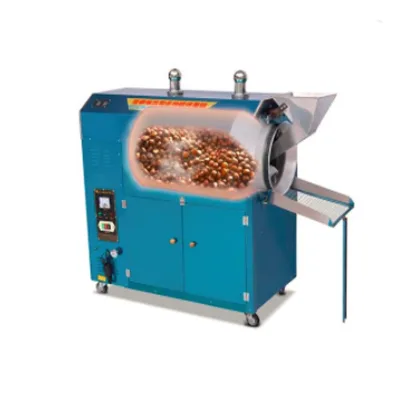
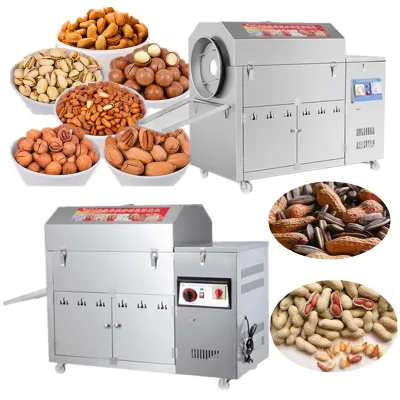
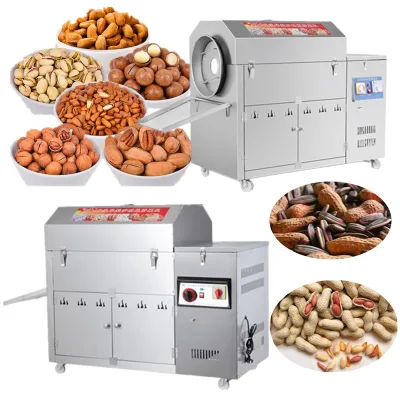
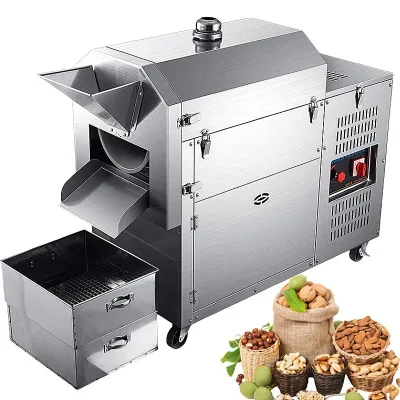
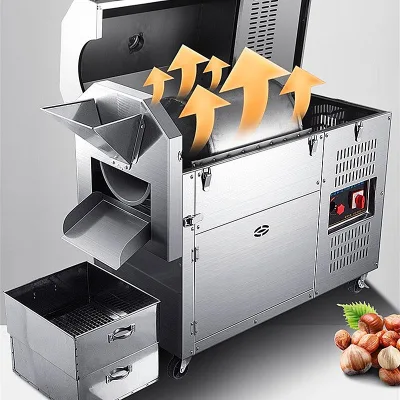
Automatic Gas Roasting Cooling Flavoring Groundnut Peanut Roasting Machine
$3500.00 - $15000.00
MOQ: 1 Sets


Electric Gas Heating Sunflower Seeds Almonds Roaster Peanut Sesame Roasting Machine
$3500.00 - $15000.00
MOQ: 1 Sets

Gelgoog Intelligent Technology Co., Ltd.
- Verified by TUVRHEINLAND
- Manufacturer/Factory
- China Henan
- Lead time23 days
- Avg. response≤ 5h
Main productsBiscuit Making Machine, Ice Cream Cone Machine, French Fries Machine, Snack Frying Machine, Vegetable Washing Machine, Cellophane Wrapping Machine, Peanut Butter Machine, Garlic Processing Machine, Cocoa Procssting Machine, Nut Roasting Machine
Main marketsSouth America,Eastern Europe,Mid East,North America,Southeast Asia,Eastern Asia,Oceania,Western Europe,Africa

Automatic Belt Type Gas Peanut Roasting Machine Groundnut Roaster Machine
$10000.00 - $20000.00
MOQ: 1 Sets

Automatic Gas Heating Groundnut Roaster Peanut Roasting Machine with Cooling
$3999.00 - $69999.00
MOQ: 1 Sets


Henan Chanda Machinery Co., Ltd
- Verified by TUVRHEINLAND
- Trading Company,Manufacturer/Factory
- China Henan
- Lead time15 days
- Avg. response≤ 4h
Main productsFood Machine, Vegetable Cutting Machine, Bun Making Machine, Roti Making Machine, Samosa Making Machine, Skin Vacuum Packing Machine, Peeling Machine, Tablet Press Machine, Noodle Boiler, Meat Cutting Machine
Main marketsSouth America,Eastern Europe,Mid East,North America,Southeast Asia,Eastern Asia,Oceania,Western Europe,Africa


Electric Gas Peanut Roasting Machine Rice Roaster Automatic Seeds Baking Machine
$330.00
MOQ: 1 Pieces


ZHE CHENG HONGXIN MACHINRERY FACTORY
- Verified by TüVRheinland
- Manufacturer, Trading Company
- Lead time15 days
- Avg. response≤ 3h
Main productsIntestine Case Cleaning Machine, Sesame Peeling Machine, Cardboard Expanding Shredder Machine, Flax Brake, Grain Thresher Machine
Main marketsNorth America(20%), Southeast Asia(20%), Africa(20%)
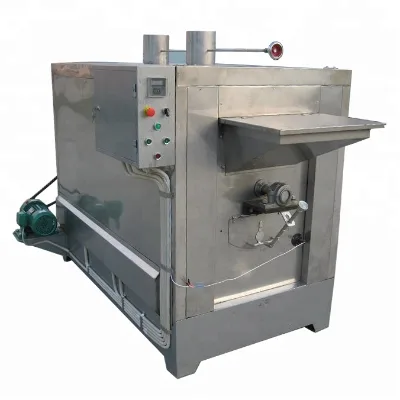
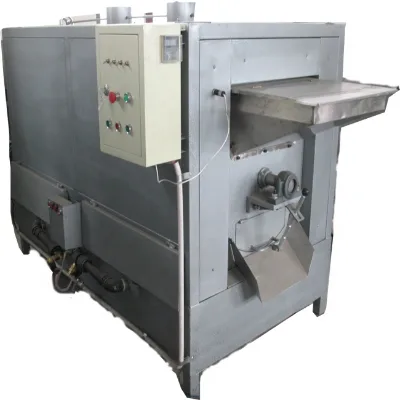
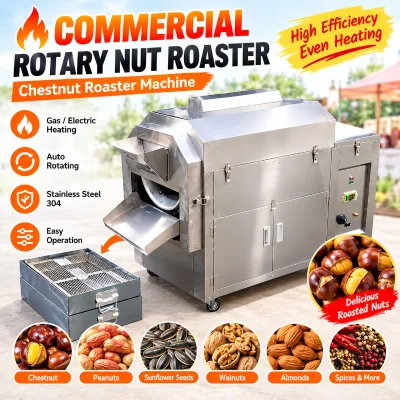
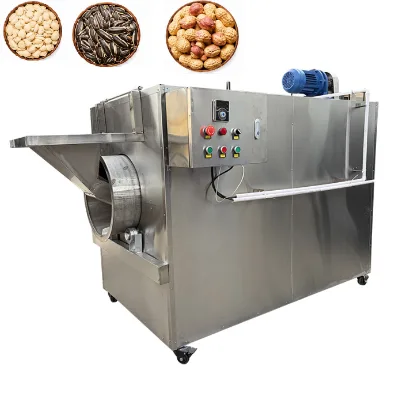
Electric Gas Industrial Rotary Peanut Sunflower Seed Roasting Machine Automatic Grain Seed Roaster
$1950.00 - $2500.00
MOQ: 1

Shanghai Genyond Technology Co., Ltd.
- Verified by CTI
- Combined
- China Shanghai
- Lead time30 days
- Avg. response≤ 9h
Main productsEssential Oil Machine, Drying Machine, Fruit Juice Machine, Fruit Jam Machine, Milk Machine, Fruit Chips Machine, Filling Packing Machine, Evaporator, Yogurt Machine, Ice Cream Machine
Main marketsSouth America,Africa,Others(foreignTradeCapacity.exportBusinessCapacityMarketOther),Southeast Asia/ Mideast,East Asia(Japan/ South Korea),Domestic,Europe,Australia,North America

HENAN SHULIY MACHINERY CO., LTD.
- Verified by TUVRHEINLAND
- Trading Company
- China Henan
- Lead time30 days
- Avg. response≤ 6h
Main productsPacking Machinery, Food Processing Machinery, Agriculture Processing Machinery, Wood Processing Machinery, Charcoal Processing Machinery, Plastic Processing Machinery, Waste Recycling Machinery, Metal Processing Machinery, Paper Processing Machinery
Main marketsAfrica,Southeast Asia/ Mideast,Europe,North America
Jiaozuo Zhoufeng Machinery Co., Ltd.
- Trading Company
- Henan, China
- Lead time5 days
- Avg. response≤ 9h
Main productsFood machine,Farm machine,environmental protection machine,Home use machine,Biomass briquette production line
Main marketsMid East(10.00%), South Asia(10.00%), Africa(10.00%), Southeast Asia(10.00%), Domestic Market(10.00%), Central America(10.00%), North America(10.00%), South America(8.00%), Eastern Asia(7.00%), Northern Europe(5.00%), Western Europe(5.00%), Oceania(2.00%), Eastern Europe(2.00%), Southern Europe(1.00%)
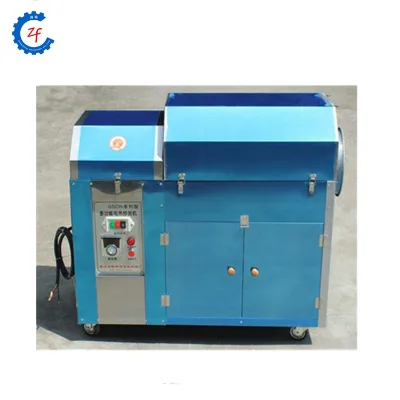
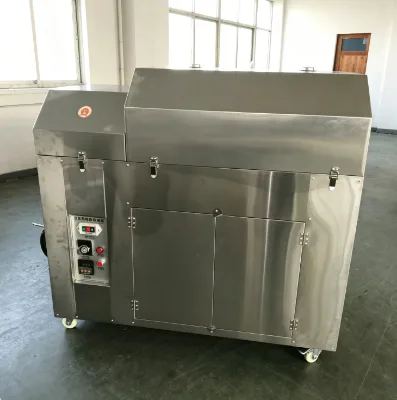
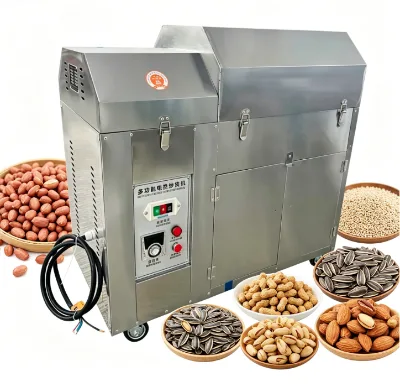
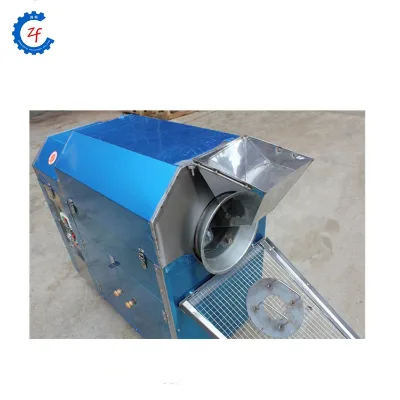
Industrial Peanut Roasting Machine small Nut sesame Roaster walnut melon seeds Roasted equipment
$414.9784 - $477.2255
MOQ: 1 sets
Weifang City Lehao Peanut Machinery Co., Ltd.
- Verified by TüVRheinland
- Manufacturer, Trading Company
- Lead time10 days
- Avg. response≤ 4h
Main productsPeanut Butter Making Machine, Peanut Roasting Machine, Peanut Frying Machine, Peanut Peeling Machine, Cashew Nut Processing Production Line
Main marketsSouth Asia(24%), Southeast Asia(20%), Eastern Asia(20%)
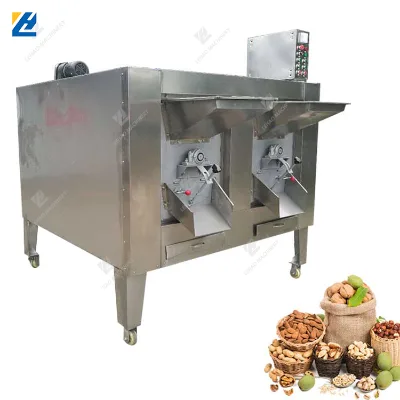
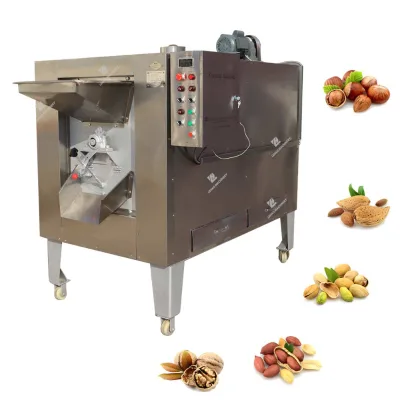
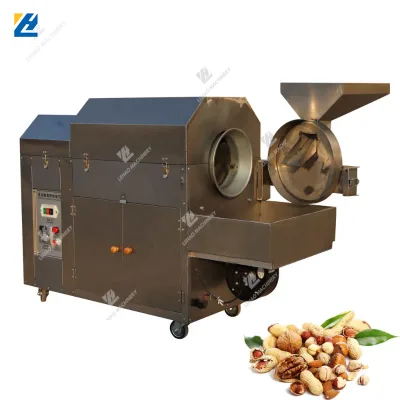
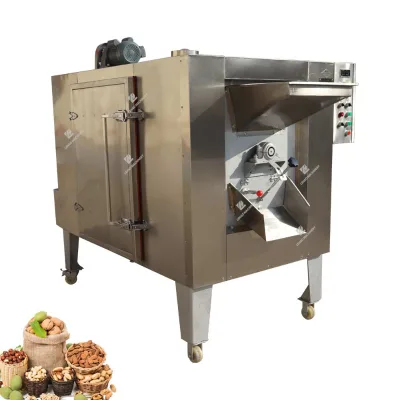
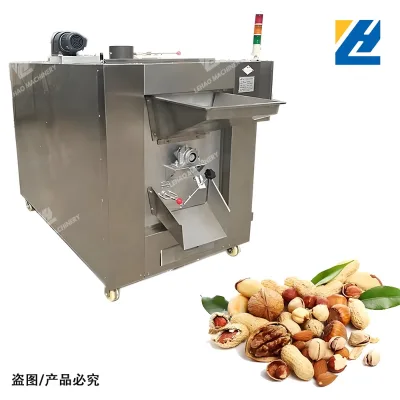
Stainless Steel Automatic Nuts Roaster Drum Pumpkin Seed Peanut Roasting Machine
$2500.00 - $3200.00
MOQ: 1 quarts
Zhengzhou Inber Machinery Co., Ltd.
- Trading Company
- Henan, China
- Lead time5 days
- Avg. response≤ 9h
Main productsfarm machinery,food machinery
Main marketsDomestic Market(10.00%), South Asia(10.00%), Northern Europe(10.00%), Central America(10.00%), Eastern Asia(10.00%), Mid East(10.00%), Africa(10.00%), Southeast Asia(10.00%), South America(10.00%), North America(10.00%)

- Verified by BV
- Trading Company,Manufacturer/Factory
- China Henan
- Lead time15 days
- Avg. response≤ 5h
Main productsOil Expeller, Oil Press Machine, Oil Refinery, Pellet Machine, Food Processing Machine, Animal Feed Machine, Packing Machine, Filling Machine, Briquette Machine, Brick Machine
Main marketsSouth America,Eastern Europe,Mid East,North America,Southeast Asia,Eastern Asia,Oceania,Western Europe,Africa


$1200.00 - $1300.00
MOQ: 1 Sets

$799.00 - $899.00
MOQ: 1 Sets


Zhengzhou Honest Machinery Co., Ltd.
- Trading Company,Manufacturer/Factory
- China Henan
- Lead time15 days
- Avg. response≤ 5h
Main productsFood Machinery, Packing Machines, Microwave Equipment, Drying Machines, Grain Product Making Machines, Commodity Making Machines, Texitle Machines, Construction Machinery
Main marketsSouth America,Eastern Europe,Mid East,North America,Southeast Asia,Eastern Asia,Oceania,Western Europe,Africa

Gas Peanut Roaster / Nut Roasting Machine / Coffee Bean Roaster / Peanut Roasting Machine
$1089.00 - $1489.00
MOQ: 1 set

Nut Roaster / Gas Peanut Roasting Machine / Soybean Roaster / Peanut Roasting Machine Price
$1089.00 - $1489.00
MOQ: 1 set

Automatic Peanut Roaster / Chestnut Roasting Machine / Cocoa Bean Roasting Machine / Nut Roaster
$989.00 - $1589.00
MOQ: 1 SET

Large Capacity Roaster / Nut Roasting Machine / Peanut Roasting Machine / Peanut Roaster
$989.00 - $1589.00
MOQ: 1 SET

Stainless Steel Peanut Roaster Machine / Peanut Roasting Machine / Electric Nut Roaster
$1299.00 - $1799.00
MOQ: 1 set

Hot Sale Peanut Roasting Machine / Roasting Machine / Soybean Roaster / Chestnut Roaster
$339.00 - $489.00
MOQ: 1 Sets
Zhengzhou Taizy Trading Co., Ltd.
- Verified by TüVRheinland
- Trading Company
- Lead time7 days
- Avg. response≤ 3h
Main productsSnack Frying Machine, Fruit Vegetable Washing Line, Nuts Roasting Seasoning Line, Grain Product Making Machine, Multifunction Packing Machine
Main marketsSoutheast Asia(17%), Domestic Market(14%), North America(11%)
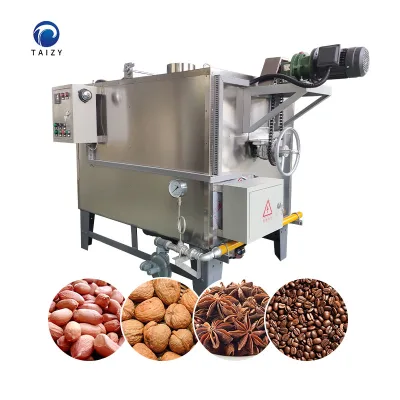
Stainless Steel Walnut Nuts Roaster Peanut Roasting Machine
$1900.00 - $2800.00


Zhengzhou Jawo Machinery Co., Ltd.
- Verified by TUVRHEINLAND
- Manufacturer/Factory
- China Henan
- Lead time15 days
- Avg. response≤ 6h
Main productsSausage Making Machine, Dumpling Machine, Frozen Meat Cutter, French Fries Production Line, Garlic Separator, Egg Grading Machine, Sand Blasting Machine, Metal Detector, Embroidery Machine, Spray Dryer
Main marketsSouth America,Eastern Europe,Mid East,North America,Southeast Asia,Eastern Asia,Oceania,Western Europe,Africa
Henan Share M&E Equipment Co.,Ltd
- Verified by SGS Group
- Trading Company
- Lead time7 days
- Avg. response≤ 3h
Main productsTextile Machinery, Printing Machinery, Construction Machinery, Wood Machinery
Main marketsNorth America(20%), South America(20%), Eastern Europe(10%)

ZHENGZHOU HONGLE MACHINERY EQUIPMENT CO., LTD.
- Trading Company,Manufacturer/Factory
- China Henan
- Lead time0 days
- Avg. response≤ 9h
Main productsVegetable Fruit Production Machine, Meat Processing Machines, Nuts Processing Machine, Water Treatment System, Snack Processing Machine
Main marketsSouth America,Eastern Europe,Mid East,North America,Southeast Asia,Eastern Asia,Oceania,Western Europe,Africa


Hot Electric or Gas Peanut Sesame Roaster Groundnut Nuts Nut Roasting Machine
$800.00 - $3500.00
MOQ: 1 Pieces

Electric Nut Peanut Roasting Machine Small Gas Nut Peanut Roaster Machine
$3000.00 - $10000.00
MOQ: 1 Pieces

High Quality Automatic Electric or Gas Peanut Nuts Sesame Roaster Nut Roasting Machine
$800.00 - $3500.00
MOQ: 1 Pieces

Automatic Electric or Gas Sesame Roaster Peanut Roasting Nuts Machine with Good Service
$800.00 - $3500.00
MOQ: 1 Pieces

Nanyang Dongyi Machinery Equipment Co., Ltd.
- Verified by BV
- Manufacturer/Factory
- China Henan
- Lead time23 days
- Avg. response≤ 4h
Main productsCoffee Roaster, Electric Roasting Machine, Peanut Roasting Machine, Gas Roasting Machine, Coffee Grinder, Grain Drying Machine, Coffee Roasting Machine, Roasting Machine, Small Coffee Roaster, Coffee Roasting Processing Line
Main marketsSouth America,Eastern Europe,Mid East,North America,Southeast Asia,Eastern Asia,Oceania,Western Europe,Africa

Gas Electric Heating Chestnut Roasting Machine Commercial Nut Peanut Roaster for Sale
$2499.00 - $2899.00
MOQ: 1 Pieces


High Quality New Type Ce Certified Industrial Hazelnuts Peanut Roaster for Sale
$5000.00 - $5450.00
MOQ: 1 set
Henan Growing Mechanical Equipment Co.,ltd
- Trading Company
- Henan, China
- Lead time0 days
- Avg. response≤ 2h
Main productsagricultural machinery,food machinery,stockbreeding machinery,garden machinery,oil press machinery
Main marketsNorth America(25.00%), Africa(15.00%), Southeast Asia(12.00%), Northern Europe(5.00%), Central America(5.00%), South Asia(5.00%), Mid East(5.00%), South America(5.00%), Domestic Market(1.00%), Eastern Asia(1.00%)
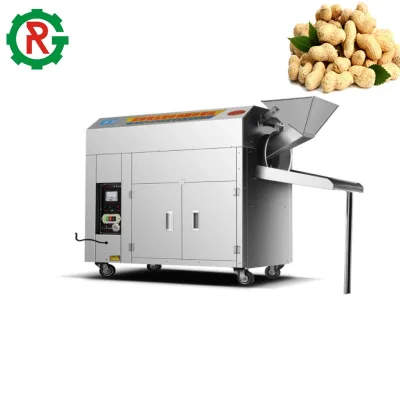
Nuts Roaster Cashew Nut Roasting Machine
$668.00 - $698.00
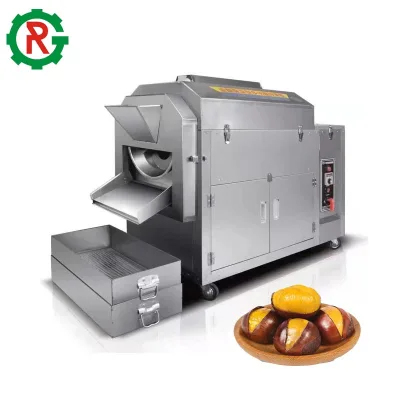
Gas Electric Soybean Peanut Roasting Machine
$668.00 - $698.00
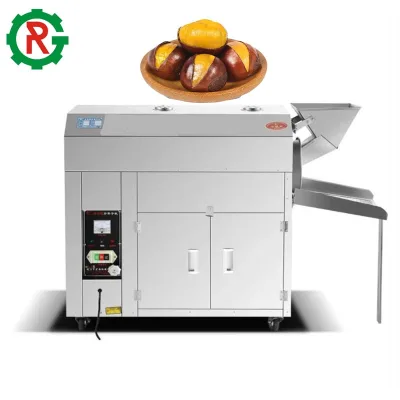
Electric Electric Chestnut Roaster Peanut Nut Roaster
$668.00 - $698.00

Luohe Juyou Commercial & Trading Co., Ltd.
- Verified by BV
- Trading Company,Manufacturer/Factory
- China Henan
- Lead time15 days
- Avg. response≤ 6h
Main productsDumpling Machine, Tortilla Pita Bread Machine, Meat Cutting Machine, Dough Divider Machine, Dough Mixer Machine, Meat Dicing Machine, Potato Chips Machine, Frying Machine, Packing Machine, Juice Machine
Main marketsSouth America,Eastern Europe,North America,Southeast Asia,Eastern Asia,Western Europe,Africa

$1750.00 - $1890.00
MOQ: 1 Pieces

High Quality Grain Cocoa Bean Almond Nut Roaster Peanut Roasting Machine
$1750.00 - $1890.00
MOQ: 1 Pieces

Zhengzhou Xifu Machinery Equipment Co., Ltd.
- Verified by CTI
- Manufacturer/Factory
- China Henan
- Lead time15 days
- Avg. response≤ 6h
Main productsHarvester Machine, Animal Feed Pellet Machine, Grinding Milling Machine, Chopper Machine, Baler Corn Silage Wrapping Machine, Chaff Cutter Machine, Oil Press Machine, Threser Machine, Cursher Machine, Milking Machine
Main marketsMid East,Southeast Asia,Africa


Commercial Automatic Peanut Walnut Roaster Cocoa Bean Roasting Machine
$3300.00 - $9000.00
MOQ: 1 Pieces

Drum Rotary Peanut Roasting Machine Peanut Roaster Nut Roasting Machinery
$3300.00 - $9000.00
MOQ: 1 Pieces

Shandong Chenxiang Machinery Equipment Co., Ltd.
- Manufacturer, Trading Company
- Shandong, China
- Lead time7 days
- Avg. response≤ 2h
Main productsFood Trucks,Commercial Equipment and Machinery,Packaging Supplies,Cargo Bundling Services,Transportation Services
Main marketsNorth America(36.00%), Central America(16.00%), South America(15.00%), Northern Europe(13.00%), Western Europe(10.00%), Oceania(10.00%)
Zhengzhou Longer Machinery Co., Ltd.
- Manufacturer, Trading Company
- Lead time旺季: "1 - 1":35,"> 1":"To be negotiated", 淡季: "1 - 1":35,"> 1":"To be negotiated"
- Avg. response≤ 9h
Main productsPeanut Butter Production Line,Cashew Processing Machine,Cocoa Powder Processing Machine,Nuts Roasting Machine
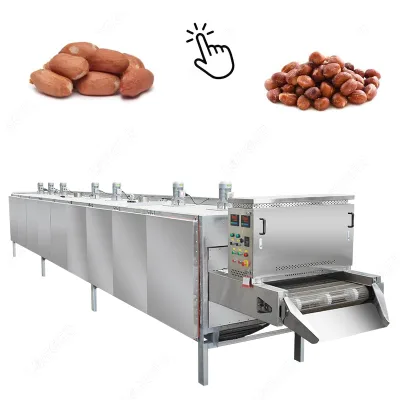
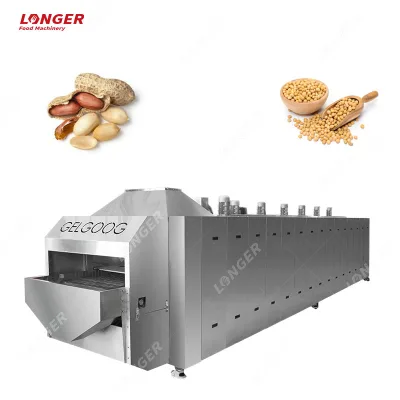
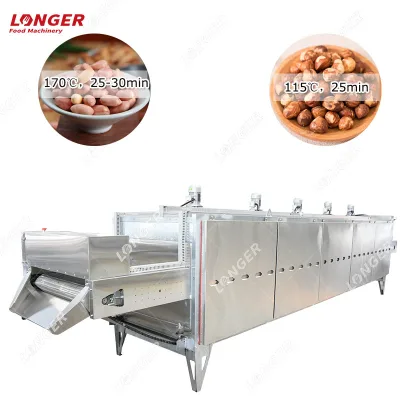
Gas and Electric India Nuts Peanuts Roaster Hazelnut Nut Roasting Machine
$14699.00 - $16899.00
Zhengzhou Hongle Machinery Equipment Co., Ltd.
- Verified by SGS Group
- Manufacturer, Trading Company
- Lead time15 days
- Avg. response≤ 4h
Main productsFruit and Vegetables Production Line, Chicken Feet Production Line, Packing Machine Production Line, Nut Processing Line, Frying Production Line
Main marketsCentral America(20%), Africa(15%), Southern Europe(10%)

Zhengzhou Faithin Machinery Equipment Co., Ltd
- Verified by SGS
- Manufacturer/Factory
- China Henan
- Lead time15 days
- Avg. response≤ 3h
Main productsChaff Cutter, Pellet Machine, Mixing Machine, Rice Mill Machine, Oil Press Machine, Disc Mill Machine, Hammer Mill Machine, Hammer Crusher, Jaw Crusher
Main marketsSouth America,Eastern Europe,Mid East,North America,Southeast Asia,Eastern Asia,Oceania,Western Europe,Africa

Gas Heating Type Roasting Machine Sunflower Seed Roaster Machine Peanut Sesame Nut Roasted Machine
$500.00 - $700.00
MOQ: 1 Pieces

Professional Peanut Roaster Machine Frying Machine Nut Roaster Machine for Sale
$500.00 - $700.00
MOQ: 1 Pieces

Zheng Zhou Taizy Trading Co., LTD
- Verified by BV
- Trading Company
- China Henan
- Lead time15 days
- Avg. response≤ 5h
Main productsWood Processing Machine, Plastic Processing Machine, Charcoal Processing Machine, Food Processing Machine, Waste Recycling Machine, Packing Machine, Agricultural Machine, Egg Tray Machine, Metal Processing Machine
Main marketsSouth America,Others(foreignTradeCapacity.exportBusinessCapacityMarketOther),Southeast Asia/ Mideast,Europe

Zhengzhou Share Machinery Co., Ltd.
- Trading Company
- Henan, China
- Lead time7 days
- Avg. response≤ 3h
Main productsConstruction Machinery/Industrial Machinery/Printing Machinery
Main marketsSouth America(20.00%), North America(20.00%), Africa(10.00%), Southeast Asia(10.00%), Eastern Europe(10.00%), Oceania(7.00%), South Asia(5.00%), Southern Europe(5.00%), Central America(5.00%), Western Europe(2.00%), Eastern Asia(2.00%), Northern Europe(2.00%), Mid East(2.00%)
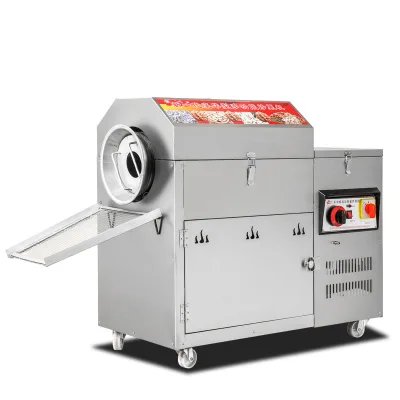
Stainless Steel Roaster Nuts Machine Peanut Cashew Nut Groundnut Nuts Roaster Machine
$499.00 - $599.00
MOQ: 1 boxes
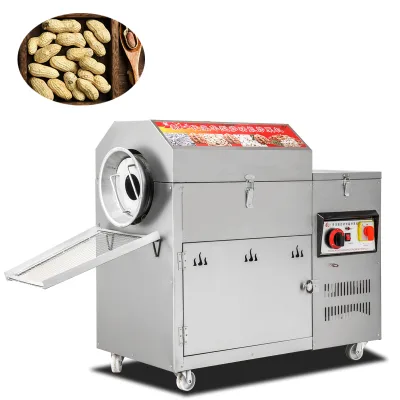
Home Use Commercial Nuts Roaster Machine Cashew Coated Peanut Chestnut Roaster Machine Automation
$499.00 - $599.00
MOQ: 1 boxes

Henan Baixin Machinery Equipment Co., Ltd.
- Verified by SGS
- Combined
- China Henan
- Lead time15 days
- Avg. response≤ 2h
Main productsMesh Belt Continuous Dryer, Heat Pump Dryer, Microwave Dryer, French Fries Production Line
Main marketsSouth America,Africa,Southeast Asia/ Mideast,Europe

Roasted and Salted Peanut Machine Peanuts Roasting Machine Peanuts Roaster
$2000.00 - $2200.00
MOQ: 1 Pieces

Hot Sale Multifunctional Commercial Peanut Roasting Machine Chestnut Roaster
$2000.00 - $2200.00
MOQ: 1 Pieces

Peanut Roast Machine High Quality Automatic Peanut Roaster Drying Processing Machine
$2000.00 - $2200.00
MOQ: 1 Pieces

Electric Two Heating Style Peanut Roasting Machine Grain Nuts Roaster Machine
$2000.00 - $2200.00
MOQ: 1 Pieces

Small Nut Peanut Roaster/Electric Nut Peanut Roasting Machine/Nut Peanut Roaster Machine
$2000.00 - $2200.00
MOQ: 1 Pieces






Comprehensive Sourcing Guide
Automatic Gas Heating Peanut Roaster Supplier Concentration and Factory Types
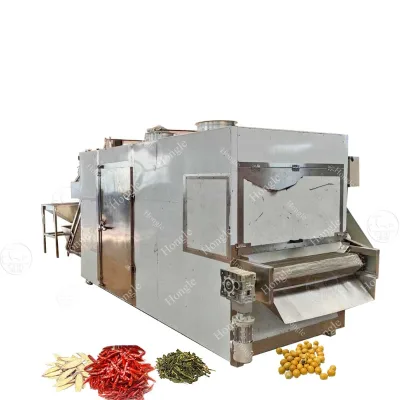
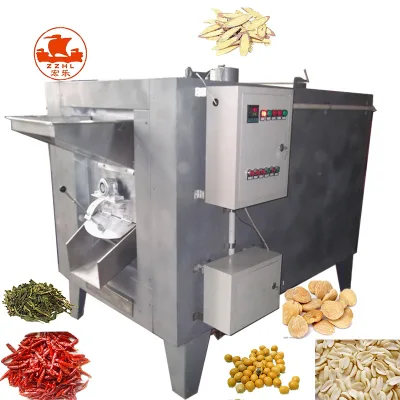
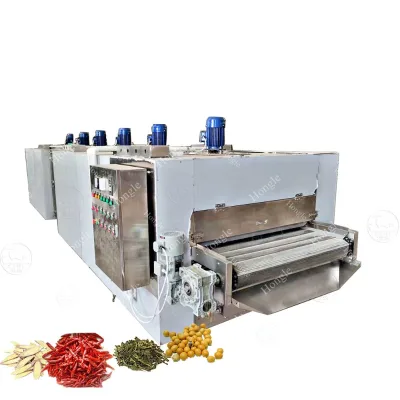
The current supplier landscape for automatic gas heating peanut roasters reveals a distinct concentration of manufacturing activity within China, specifically in the Henan region. This geographic clustering suggests a mature industrial ecosystem where specialized machinery components, skilled labor, and supply chain logistics are optimized for food processing equipment production. Buyers evaluating these suppliers will find that the majority of entities operating in this space are classified as either Trading Companies or Manufacturer/Factory entities. This dual classification is critical for procurement strategy, as it dictates the level of direct control a buyer has over production quality, customization capabilities, and pricing structures. Understanding this distribution allows buyers to prioritize suppliers based on their operational model rather than assuming all listed entities have identical capabilities or overhead structures.
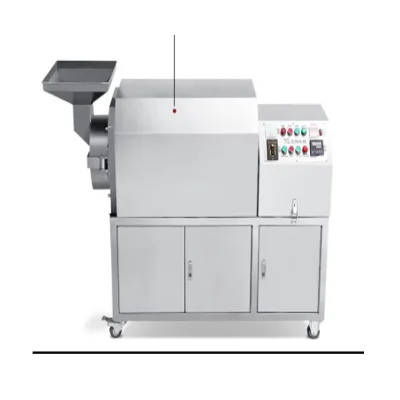
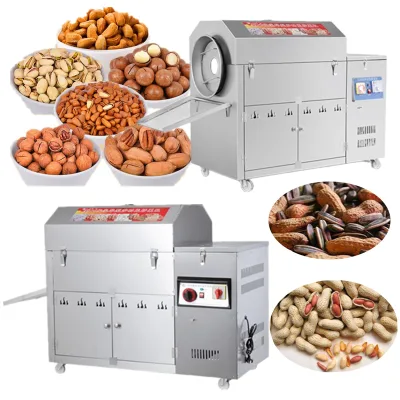
Within this concentrated market, the product offerings vary significantly in terms of technical specifications and application scope. Suppliers list main products that include a broad range of industrial machinery, such as packing machinery, food processing equipment, and specific nut processing machines like the automatic gas roasting cooling flavoring groundnut peanut roasting machine. The presence of diverse product lines indicates that many factories are not niche specialists but rather generalist machinery producers with dedicated lines for roasting equipment. This generalist approach can offer buyers the advantage of consolidated shipping and unified technical support, but it also requires careful vetting to ensure that the specific gas heating technology is a core competency rather than an ancillary offering. Buyers must distinguish between suppliers who primarily trade these machines and those who actually engineer and assemble them in their own facilities.
How to Verify Automatic Gas Heating Peanut Roaster Suppliers
Verification of suppliers in this sector requires a multi-layered approach that goes beyond basic company registration checks. Buyers should prioritize suppliers who hold recognized system certifications, as these serve as a baseline indicator of operational discipline and quality management. In the current results, certifications such as ISO 9001, ISO 14001, ISO 20000, ISO 13485, and GMP are present across different entities. While ISO 9001 is common for quality management, the presence of ISO 14001 suggests environmental management compliance, which is increasingly important for industrial machinery manufacturing. Additionally, third-party verification badges like SGS and TÜV Rheinland provide an external layer of trust, confirming that the supplier’s claims about their manufacturing capabilities and product standards have been independently assessed. Buyers should request copies of these certificates and verify their validity through the issuing bodies to ensure they are current and applicable to the specific product lines being purchased.
Beyond certifications, the verification process must include an assessment of the supplier’s response capabilities and technical transparency. The response time metric, which appears in the data with values such as 4.97 and 4.47, offers a quantitative measure of how quickly a supplier engages with potential buyers. A faster response time often correlates with better customer service infrastructure and more agile communication channels, which are vital when negotiating custom specifications for gas heating systems. Furthermore, buyers should scrutinize the detailed product attributes provided, such as voltage requirements (e.g., 380V), power sources (Gas/Electric), and specific model numbers like SL, TZM-1, or GG-HLG-11. These details indicate a level of product maturity and standardization. Suppliers who provide comprehensive technical data, including dimensions, power consumption, and material specifications like stainless steel construction, are generally more reliable than those offering vague descriptions. Buyers should also verify the customization options available, ensuring that the supplier can accommodate specific production needs rather than forcing a one-size-fits-all solution.
What to Compare Across Automatic Gas Heating Peanut Roaster Suppliers
When comparing suppliers, the most critical differentiators are production capacity, lead times, and pricing structures. The data indicates a wide range in lead times, with some suppliers listing zero days while others specify 23 or 15 days. This discrepancy likely reflects differences between stock availability, custom manufacturing cycles, and internal production scheduling. Buyers must clarify whether the quoted lead time includes manufacturing, testing, and packaging, or if it is an estimate from order confirmation to shipment. Similarly, production capacity metrics, such as the 100kg/H or 500-1000 Kg/H outputs listed for various roaster models, are essential for matching supplier capabilities to the buyer’s volume requirements. A supplier offering a 100kg/H machine may be suitable for small-scale operations, while those providing 500-1000 Kg/H units are better suited for industrial-scale production. Comparing these capacity figures against the supplier’s main product focus helps identify whether the roaster is a primary offering or a secondary product line.
Pricing and minimum order quantities (MOQ) are also key comparison points that vary significantly across the supplier base. Price ranges for automatic gas heating peanut roasters span from as low as $330 for smaller, direct-fire units to over $20,000 for larger, automated systems with cooling functions. This broad spectrum reflects differences in automation levels, material quality, and included features such as timing devices or automatic grading. Buyers should not simply select the lowest price but rather evaluate the cost against the specified features, such as the inclusion of a cooling function or the use of stainless steel materials. Additionally, the MOQ is consistently listed as 1, indicating a flexible purchasing environment that accommodates both trial orders and bulk procurement. However, buyers should verify if volume discounts are available for larger orders, as this can significantly impact the total cost of ownership. Comparing the price-to-feature ratio across different suppliers will help identify the best value proposition for specific operational needs.
Common Automatic Gas Heating Peanut Roaster Sourcing Risks
One of the primary risks in sourcing automatic gas heating peanut roasters is the potential mismatch between advertised specifications and actual performance. Suppliers may list generic attributes such as "Customized" or "Available" without providing detailed engineering drawings or performance guarantees. This ambiguity can lead to discrepancies in critical parameters like voltage compatibility, gas consumption rates, or heating uniformity. For instance, while some products list a power source of "Gas," others specify "Electric/Gas," and the actual gas consumption metrics, such as 2-3kg/H, are not always prominently displayed. Buyers must ensure that the technical specifications provided are precise and verifiable, as incorrect assumptions about energy efficiency or output consistency can result in significant operational inefficiencies. It is crucial to request detailed technical datasheets and, if possible, video demonstrations of the roasting process to validate the supplier’s claims about machine performance.
Another significant risk involves the reliability of after-sales support and spare parts availability. The sourcing process often focuses heavily on the initial purchase price and lead time, neglecting the long-term maintenance requirements of industrial machinery. Automatic gas heating systems involve complex components such as burners, control panels, and timing devices that may require specialized servicing. Buyers should assess the supplier’s commitment to post-sale support by inquiring about warranty terms, availability of spare parts, and technical support channels. The presence of certifications like CE or ISO standards can indicate a level of regulatory compliance, but they do not guarantee ongoing support. Additionally, the risk of intellectual property infringement or quality control lapses is higher when dealing with trading companies that may not have direct oversight of the manufacturing process. Buyers should prioritize suppliers who demonstrate transparency in their supply chain and provide clear documentation of their quality control procedures to mitigate these risks.
Automatic Gas Heating Peanut Roaster Regional Sourcing and Logistics
The geographic concentration of suppliers in China, particularly in Henan, has profound implications for logistics and shipping costs. Buyers sourcing from this region must account for the distance between the manufacturing hub and their final destination, as this directly impacts freight charges and transit times. The standard packing method for these machines is typically a wooden box or wooden packing as export standard, which provides robust protection during transit but adds to the overall volume and weight of the shipment. Buyers should verify the exact dimensions of the packaging, such as the 300022001700mm standard size listed for some models, to ensure compatibility with their shipping containers and warehouse storage capabilities. Understanding the logistics chain is essential for accurate cost estimation, as freight costs can vary significantly depending on the shipping method, whether by sea, air, or rail, and the specific port of entry.
Furthermore, regional sourcing considerations include compliance with local import regulations and safety standards in the buyer’s country. Machinery exported from China must often meet specific international standards, such as CE certification, which is listed for some products. Buyers must ensure that the supplier can provide the necessary documentation to clear customs in their destination country, including certificates of origin, commercial invoices, and packing lists. The lead time for production, which varies from zero to 23 days, must be factored into the overall delivery schedule, along with the time required for customs clearance and inland transportation. Buyers should also consider the potential for currency fluctuations and payment terms, as these can affect the final landed cost of the equipment. By carefully planning the logistics and regulatory compliance aspects, buyers can avoid unexpected delays and additional costs that can erode the benefits of sourcing from this concentrated manufacturing region.
Automatic Gas Heating Peanut Roaster Commercial Terms and Order Planning
Effective order planning for automatic gas heating peanut roasters requires a clear understanding of the commercial terms and payment structures offered by suppliers. The presence of various company types, including trading companies and manufacturers, influences the flexibility of payment terms and the negotiation process. Buyers should inquire about standard payment methods, such as Telegraphic Transfer (T/T) or Letters of Credit (L/C), and determine if escrow services are available to protect their interests during the transaction. The availability of OEM and ODM capabilities, as indicated in the supplier data, suggests that many suppliers are open to custom branding and design modifications. Buyers should clarify the minimum requirements for customization, including any additional costs or extended lead times associated with these services. Understanding these commercial nuances is essential for establishing a smooth transaction process and avoiding misunderstandings regarding intellectual property rights and product ownership.
Additionally, buyers must plan for the integration of the roasting machine into their existing production line. The technical specifications, such as the 380V voltage requirement and the specific power consumption of the gas heating system, must align with the buyer’s facility infrastructure. Buyers should conduct a thorough site assessment to ensure that their electrical and gas supply systems can support the new equipment. The inclusion of features like timing devices and automatic grading can enhance operational efficiency but may require additional training for staff. Buyers should request comprehensive user manuals and training materials from the supplier to ensure that their team can operate and maintain the machine effectively. By carefully planning the commercial and technical aspects of the order, buyers can minimize downtime and maximize the return on investment from their new Automatic Gas Heating Peanut Roaster. This proactive approach ensures a seamless transition from procurement to full-scale production.
FAQs
What is the price range for automatic gas heating peanut roasters?
Prices for automatic gas heating peanut roasters typically range from $3,000 to $20,000 depending on capacity and features. Basic models start around $3,000, while high-capacity industrial units with cooling functions can reach up to $20,000. Buyers should verify specific pricing with suppliers based on their required output volume and customization needs.
What is the typical production capacity of these machines?
Standard automatic gas heating peanut roasters generally offer a capacity of 100kg per hour for smaller drum-type units. Larger industrial models with cooling functions can achieve outputs between 500kg and 1000kg per hour. Smaller direct-fire roasters may process 5-8kg per pot. Capacity varies significantly by model, so confirm specifications with the supplier.
Are these machines customizable for specific business needs?
Yes, most automatic gas heating peanut roasters are fully customizable. Suppliers offer OEM and ODM services to tailor voltage, dimensions, and heating sources to your requirements. Customization is available for power sources, timing devices, and material construction. Buyers should discuss specific operational constraints with manufacturers to ensure the machine fits their facility layout.
What certifications do these roasting machines usually have?
Many automatic gas heating peanut roasters come with ISO 9001 quality management certification. Some models also hold CE certification for safety standards. Additional certifications like ISO 14001 or GMP may be available depending on the manufacturer. Buyers should request valid certification documents to ensure compliance with local regulatory requirements before placing an order.
What is the minimum order quantity for these machines?
The minimum order quantity for automatic gas heating peanut roasters is typically one unit. Suppliers often allow single-unit purchases for testing or small-scale operations. This low MOQ makes it easier for buyers to acquire machinery without large initial commitments. Always confirm the specific MOQ policy with the supplier, as terms may vary by model.
How long does delivery usually take for these machines?
Lead times for automatic gas heating peanut roasters vary by manufacturer. Some suppliers report lead times of 15 to 23 days for production and shipping. Others may list zero days for ready stock, though this is less common. Buyers should verify current lead times with suppliers, as production schedules and shipping logistics can affect delivery dates.