3000w 4-in-1 laser welding machine Suppliers and Manufacturers
Explore 28 verified options for the 3000w 4-in-1 laser welding machine from China. Compare lead times, response rates, certifications, and pricing to find suitable factories. Review product specifications and request quotes directly; review the available evidence before requesting comparable quotations from suitable candidates.
Updated
Suppliers List

HENAN SHENGHE MACHINERY EQUIPMENT CO.,LTD
- Verified by SGS
- Trading Company
- China Henan
- Lead time30 days
- Avg. response≤ 7h
Main productsLaser Cutting Machine, Handheld Laser Welding Machine, Laser Cleaning Machine, Bending Machine, Laser Marking Machine
Main marketsAustralia

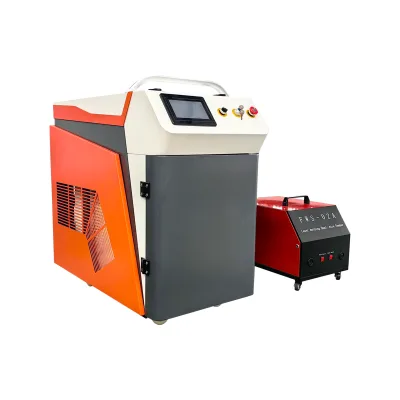
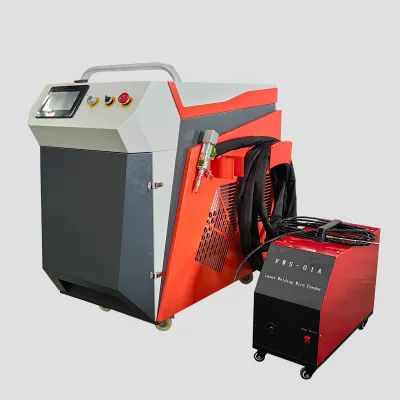
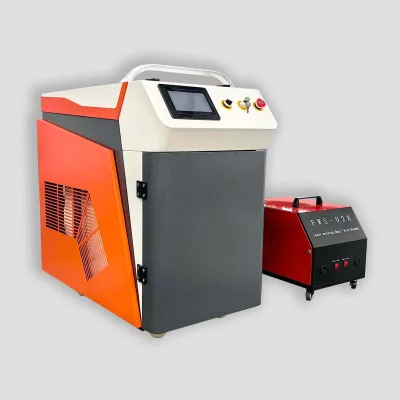
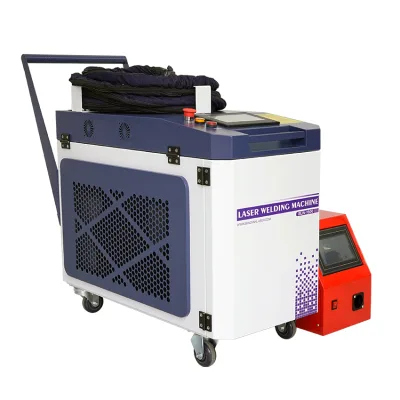
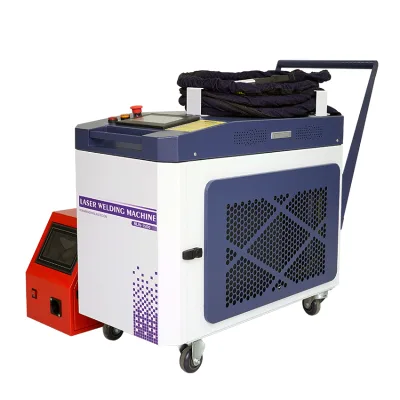
Laser Welding Machine for Metal 4 in 1 Laser Welder 3000W Laser Welding Machine
$2040.00 - $7102.00
MOQ: 1 Pieces

Hand Laser Welding Machine Laser Welding Machine 4 in 1 3000W Automatic Laser Welding Machine
$2040.00 - $7102.00
MOQ: 1 Pieces

Handheld Laser Welding Machine 1500W Laser Welding Machine 3 in 1for Steel
$2040.00 - $7102.00
MOQ: 1 Pieces

Shandong Hoysook Laser Technology Co., Ltd.
- Verified by SGS Group
- Manufacturer, Trading Company
- Lead time15 days
- Avg. response≤ 2h
Main productsLaser Cutting Machine, Laser Welding Machine, Laser Marking Machine, Bending Machine
Main marketsSoutheast Asia(25%), South America(25%), North America(10%)
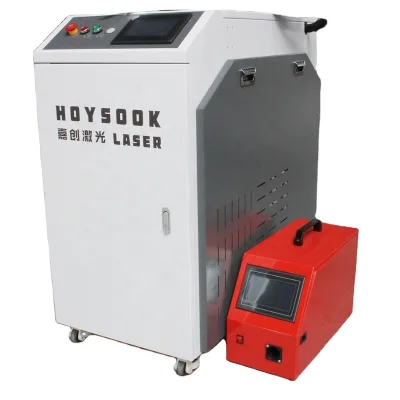
Easy Operate 1500w 2000w 3000w Max Laser Source 4 in 1 Laser Welding Machine
$4790.00 - $4800.00
MOQ: 1 sets
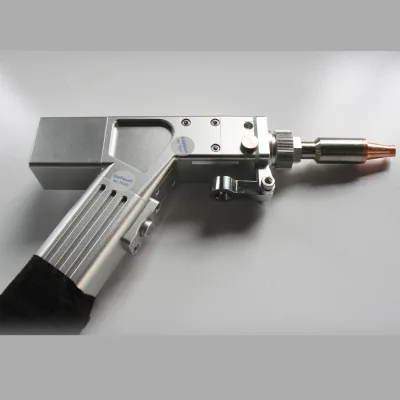
$2500.00 - $3200.00
MOQ: 1 sets

Jinan Goodcut Cnc Machinery Co., Ltd.
- Manufacturer, Trading Company
- Shandong, China
- Lead time7 days
- Avg. response≤ 2h
Main productsCNC ROUTER,LASER ENGRAVING CUTTING CUTTING MACHINE,3D SCANNER,METAL FIBER CUTTING MACHINE,METAL PLASMA CUTTING MACHINE
Main marketsDomestic Market(10.00%), South Asia(10.00%), Southern Europe(10.00%), Northern Europe(10.00%), Central America(10.00%), Western Europe(10.00%), Eastern Asia(10.00%), Mid East(10.00%), Oceania(10.00%), Africa(10.00%), Southeast Asia(10.00%), Eastern Europe(10.00%), South America(10.00%), North America(10.00%)
Jinan Gold Mark Cnc Machinery Co., Ltd.
- Verified by TUVRHEINLAND
- Combined
- China Shandong
- Lead time15 days
- Avg. response≤ 9h
Main productsFiber Laser Cutting Machine, Fiber Laser Cleaning Machine, Fiber Laser Welding Machine, Laser Engraving Machine, Jewelry Welding Machine, Laser Marking Machine
Main marketsSouth America,Southeast Asia/ Mideast,East Asia(Japan/ South Korea),Europe,Australia


Professional High Speed Laser Welding Machine 3000W 4 in 1 / Laser Cleaning
$3300.00 - $3850.00
MOQ: 1 Sets


Wuhan Swanti Technology Co. Ltd.
- Verified by BV
- Manufacturer/Factory
- China Hubei
- Lead time15 days
- Avg. response≤ 5h
Main productsLaser Cleaning Machine, Laser Welding Machine, Laser Cutting Machine, Laser Marking Machine, UV Wall Printer, Other Laser Product, Laser System, Robot Welding Cutting
Main marketsSouth America,Eastern Europe,Mid East,North America,Southeast Asia,Eastern Asia,Oceania,Western Europe,Africa

- Verified by CTI
- Manufacturer/Factory
- China Shandong
- Lead time15 days
- Avg. response≤ 3h
Main productsCNC Router, Laser Welding Machine, Laser Cleaning Machine, Laser Cutting Machine, Fiber Marker, CO2 Laser Machine
Main marketsSouth America,Eastern Europe,Mid East,North America,Southeast Asia,Eastern Asia,Oceania,Western Europe

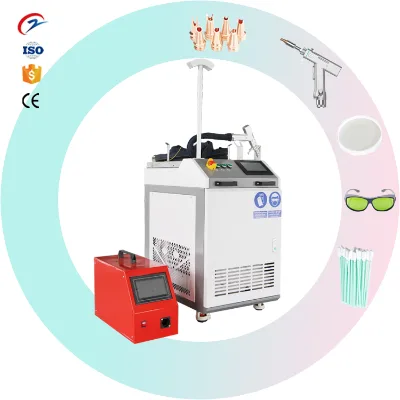
High Quality 4 in 1 Fiber Laser Welding Cleaning 2000W 3000W Laser Welding Machine with Good Price
$1300.00 - $4900.00
MOQ: 1 Sets

5-in-1 Laser Welding Machine for Aluminum Battery 1500W Laser Welding Machine
$1500.00 - $4550.00
MOQ: 1 Pieces

Laser Welding Machine for Metal 4in1 Laser Welding Machine for Metal 3000W with CE Certification
$1800.00 - $4050.00
MOQ: 1 Pieces

4in1 Laser Welding Machine Fiber laser Welding Machine 3000W From Factory Hot Sale Price
$1800.00 - $4050.00
MOQ: 1 Pieces

Laser Welders 3000W 4in1 Laser Welding Machine Laser Rust Removal Machine for Metal
$1800.00 - $3600.00
MOQ: 1 Sets

High Performance High Efficiency Fiber Laser Welding Machine for Metal 3000W
$1800.00 - $4050.00
MOQ: 1 Pieces

Wuhan Raylas Technology Co., Ltd
- Verified by BV
- Trading Company,Manufacturer/Factory
- China Hubei
- Lead time38 days
- Avg. response≤ 1h
Main productsLaser Cutting Machine, Laser Welding Cleaning Cladding Machine, SLA Slm Fdm 3D Printer, Raycus Max Ipg Rece Laser Source, Precitec Boci Raytools Wsx Cqwy Laser Head, Focus Lens Calibration Lens Ceramic Ring Nozzles, Spare Parts Consumabler Parts for Laser Machines, Metal Sheet Metal Tube Laser Cutting Machine, Retrofit Amada CO2 Laser to Fiber Laser, Technical Service for Laser Machines
Main marketsSouth America,Eastern Europe,Mid East,North America,Southeast Asia,Eastern Asia,Oceania,Western Europe,Africa

Shandong Pengwo Laser Technology Co., Ltd.
- Verified by SGS
- Combined
- China Shandong
- Lead time23 days
- Avg. response≤ 4h
Main productsLaser Cutting Machine, Fiber Laser Cutting Machine, CNC Laser Cutting Machine, CNC Laser Cutter, Cutting Machine, Machine, Laser Machine, Plasma Cutting Machine
Main marketsSouth America,Southeast Asia/ Mideast,Domestic


1500W, 2000W, 3000W Multi-Functionality 3-in-1 Laser Welding & Cleaning Machine
$1880.00 - $2480.00
MOQ: 1 Pieces

1500W, 2000W, 3000W Energy Efficient 3-in-1 Laser Welding & Cleaning Machine
$1880.00 - $2480.00
MOQ: 1 Pieces

Guohong Laser Technology (jiangsu) Co., Ltd.
- Manufacturer, Trading Company
- Jiangsu, China
- Lead time20 days
- Avg. response≤ 1h
Main productsLaser Cutting Machine; Tube Laser Cutting Machine; Sheet & Tube Fiber Laser Cutting Machine, Handheld Laser Welding Machine
Main marketsDomestic Market(30.00%), Eastern Europe(15.00%), South America(10.00%), South Asia(5.00%), North America(5.00%), Western Europe(5.00%), Southern Europe(5.00%), Eastern Asia(5.00%), Northern Europe(5.00%), Africa(5.00%), Mid East(5.00%), Southeast Asia(5.00%)
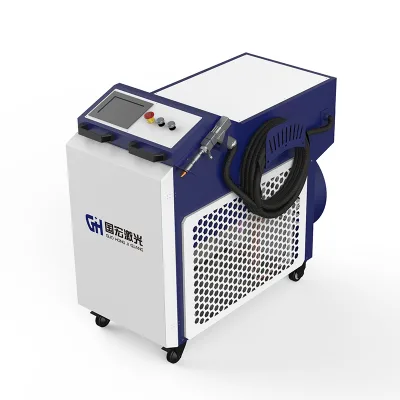
3 in 1 Laser Welding Machine/portable Laser Welding Machine
$3900.00 - $4800.00
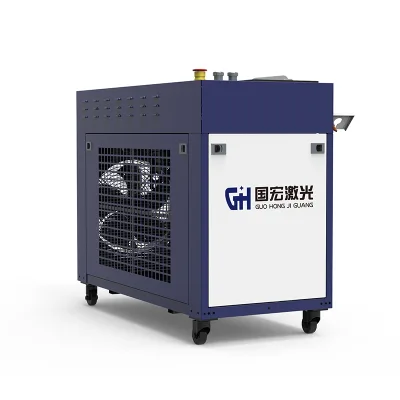
Jinan Hanteng Laser Technology Co., Ltd.
- Verified by SGS Group
- Manufacturer, Trading Company
- Lead time3 days
- Avg. response≤ 1h
Main productsLaser Cleaning Machine, Laser Marking Machine, Laser Welding Machine, UV Printer, CO2 Engraving Machine
Main marketsSouth America(18%), North America(17%), Western Europe(14%)
Best Laser Technology (Jinan) Co., Ltd.
- Verified by TüVRheinland
- Manufacturer, Trading Company
- Lead time5 days
- Avg. response≤ 2h
Main productsLaser Welding Machine, Laser Cleaning Machine, Laser Marking Machine
Main marketsNorth America(35%), Western Europe(30%), Southeast Asia(10%)
Liaocheng Jingwei Laser Equipment Co., Ltd.
- Verified by TüVRheinland
- Manufacturer, Trading Company
- Lead time7 days
- Avg. response≤ 5h
Main productsFiber Laser Marking Machine, Laser Engraving Machine, Laser Welding Machine
Main marketsDomestic Market(40%), South America(30%), North America(5%)
Zibo Jinxin Laser Technology Co., Ltd.
- Verified by Intertek
- Manufacturer, Trading Company
- Lead time7 days
- Avg. response≤ 1h
Main productsLaser Cutting Machine, Laser Welding Machine, Laser Engraving Machine, Laser Cleaning Machine, Laser Marking Machine
Main marketsNorth America(15%), Northern Europe(15%), Central America(10%)
Guangzhou Ledio Equipment Co., Ltd.
- Verified by Intertek
- Manufacturer, Trading Company
- Lead time10 days
- Avg. response≤ 3h
Main productsRhinestone Shaking Machine, Co2 Laser Machine, Laser Marking Machine, CNC Router, Laser Cutting Plotter
Main marketsMid East(40%), Southeast Asia(15%), North America(5%)

- Verified by SGS
- Combined
- China Shandong
- Lead time15 days
- Avg. response≤ 1h
Main productsLaser Welding Machine, Laser Cutting Machine, Laser Cleaning Machine, Laser Marking Machine
Main marketsSoutheast Asia/ Mideast,Domestic,Europe,North America

Jinan Allwin CNC Machinery Co., Ltd.
- Combined
- China Shandong
- Lead time15 days
- Avg. response≤ 4h
Main productsCNC Plasma Cutting Machine, Laser Cutting Machine, Laser Welding Machine, Laser Cleaning Machine, CNC Router, CNC Metal Cutting Machine, Laser Pipe Cutting Machine, Plasma Pipe Cutting Machine, CNC Plasma Head Cutting Machine
Main marketsSouth America,Europe,Australia,North America
- Verified by Intertek
- Trading Company
- Lead time0 days
- Avg. response≤ 2h
Main productsLaser Source, Laser Marking Machine, Laser Cleaning Machine, Laser Welding Machine, Laser Parts
Main marketsEastern Europe(50%), North America(20%), Eastern Asia(20%)
Jinan Changtai Cnc Technology Co., Ltd.
- Verified by SGS Group
- Trading Company
- Lead time5 days
- Avg. response≤ 2h
Main productsLaser Cutting Machine, Laser Cleaning Machine, Laser Welding Machine, Laser Marking Machine
Main marketsSouth America(20%), Southeast Asia(15%), North America(10%)
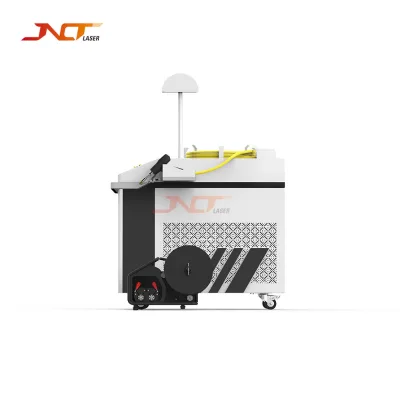
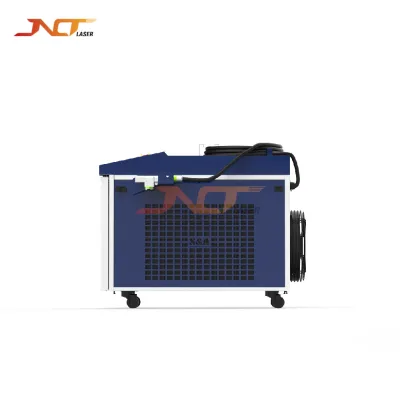
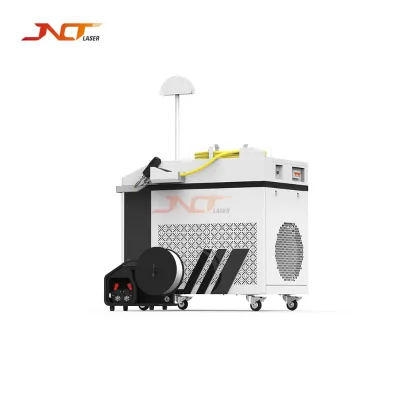
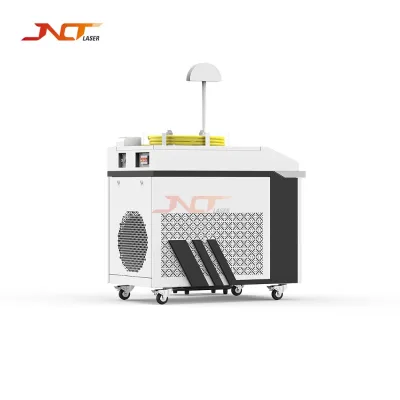
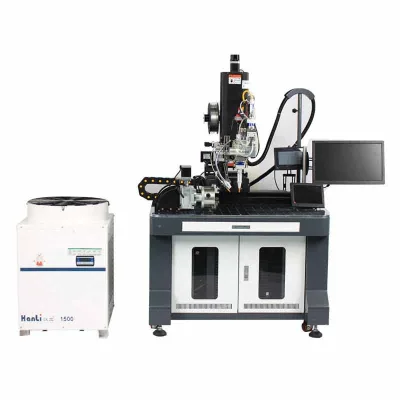
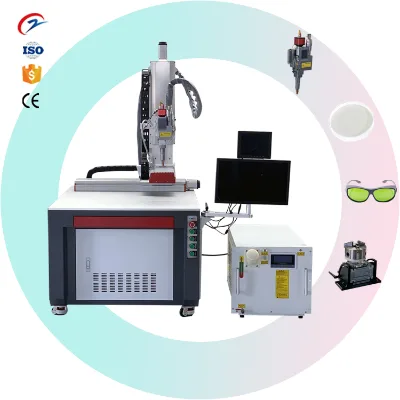
Fiber Laser Welding Fiber Laser Welding Machine 3000w Platform Fiber Laser Weld
$6400.00 - $6600.00
MOQ: 1 sets
Jinan Huaxia Machinery Equipment Co., Ltd.
- Verified by TüVRheinland
- Manufacturer, Trading Company
- Lead time10 days
- Avg. response≤ 1h
Main productsFiber Laser Cutting Machine, Plasma Cutting Machine, Robot Welding Machine, Laser Welding Machine, CNC Bending Machine
Main marketsSouth America(25%), Western Europe(20%), North America(18%)
Shandong Hongniu Laser Equipment Co., Ltd.
- Verified by TüVRheinland
- Manufacturer, Trading Company
- Lead time15 days
- Avg. response≤ 2h
Main productsFiber Laser Cutting Machine, Fiber Laser Welding Machine, Fiber Laser Cleaning Machine, Plasma Cutting Machine
Main marketsSoutheast Asia(35%), North America(18%), Africa(15%)
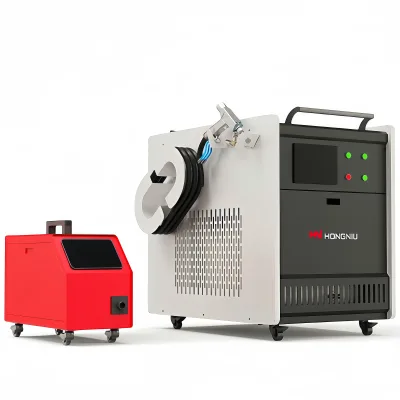
3-in-1 Laser Welding Cleaning Cutting Machine Ideal for Automotive, Pipe & Mold Repair
$2667.76 - $2872.9723
MOQ: 1 sets
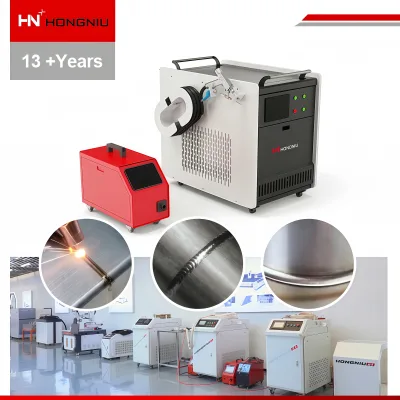
$2565.1538 - $2852.4516
MOQ: 1 sets

Henan Kempson Laser Technology Co., Ltd
- Verified by BV
- Combined
- China Henan
- Lead time15 days
- Avg. response≤ 4h
Main productsLaser Welding Machine, Laser Cleaning Machine, Laser Pipe Cutting Machine
Main marketsDomestic,Australia
Liaocheng Shuangjing Technology Co., Ltd.
- Verified by SGS Group
- Manufacturer, Trading Company
- Lead time7 days
- Avg. response≤ 2h
Main productsLaser marking machine, Laser engraving machine, Laser welding machine, Laser cutting machine, CNC Router
Main marketsSouth America(35%), Southeast Asia(35%), Eastern Europe(15%)

TIANJIN HEYONLI TECHNOLOGY CO., LTD.
- Verified by BV
- Trading Company,Manufacturer/Factory
- China Tianjin
- Lead time120 days
- Avg. response≤ 20h
Main productsCNC Cutting Machine, Welding Machine, Plasma Cutting Machine, Gas Cutting Machine, Chain Link Fence Machine, Nail Making Machine, Stud Welding Machine, Rubber Bladder, Induction Heating Machine, MGO Board
Main marketsSouth America,Eastern Europe,Mid East,North America,Southeast Asia,Eastern Asia,Oceania,Western Europe,Africa

1500W Three in One Laser Welding Machine Laser Welding Cleaning and Cutting Machine
$3000.00 - $7000.00
MOQ: 1 Pieces

1000W Three in One Laser Welding Machine Laser Welding Cleaning and Cutting Machine
$3000.00 - $7000.00
MOQ: 1 Pieces

- Verified by TUVRHEINLAND
- Manufacturer/Factory
- China Jiangsu
- Lead time15 days
- Avg. response≤ 1h
Main productsLaser Welding Machine, Laser Cutting Machine, Laser Cleaning Machine, Laser Marking Machine, CNC Machine, Laser Engraving Machine, CNC Cutting Machine, CNC Metal Cutting Machine, Tube Laser Cutting Machine, Laser Machine
Main marketsSouth America,Eastern Europe,Mid East,North America,Southeast Asia,Eastern Asia,Oceania,Western Europe,Africa
Shenzhen Lonwill Technology Co., Ltd.
- Verified by TüVRheinland
- Manufacturer, Trading Company
- Lead time15 days
- Avg. response≤ 2h
Main productsLaser Cutting Machine, Laser Tube Cutting Machine, Laser Welding Machine
Main marketsNorth America(35%), Western Europe(30%), Eastern Europe(10%)
Meto Laser Technology (henan) Co., Ltd.
- Verified by SGS Group
- Trading Company
- Lead time10 days
- Avg. response≤ 3h
Main productsLed Display Screen, LED Dance Floor, Mirror Photo Booth, Magazine Photo Booth Box, Overhead 360 Photo Booth
Main marketsNorth America(70%), Western Europe(10%), Eastern Europe(5%)

Dongguan Glory Star Laser Technology Co., Ltd.
- Verified by TUVRHEINLAND
- Combined
- China Guangdong
- Lead time30 days
- Avg. response≤ 1h
Main productsFiber Laser Cutting  Machine, Metal Laser  Cutting  Machine, Tube Laser Cutting  Machine, Laser Welding Machine, Sheet Metal Fiber Laser Cutting Machine, Bending Machine
Main marketsDomestic
Zhongcan Laser Technology (Jinan) Co., Ltd.
- Verified by Intertek
- Manufacturer, Trading Company
- Lead time1 days
- Avg. response≤ 1h
Main productsLaser Cleaning Machine, Laser Cutting Machine, Laser Engraving Machine, Laser Marking Machine, Laser Welding Machine
Main marketsNorth America(10%), Northern Europe(10%), Southern Europe(10%)


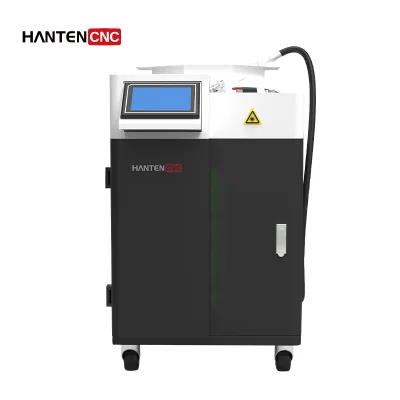
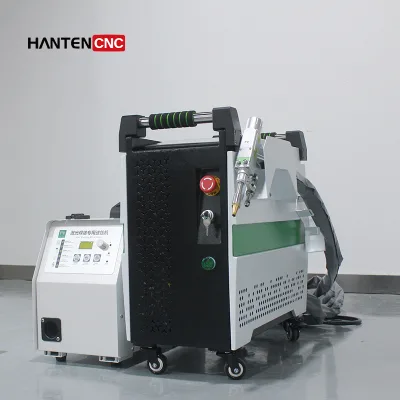
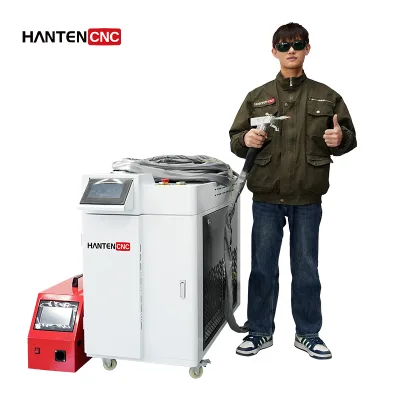
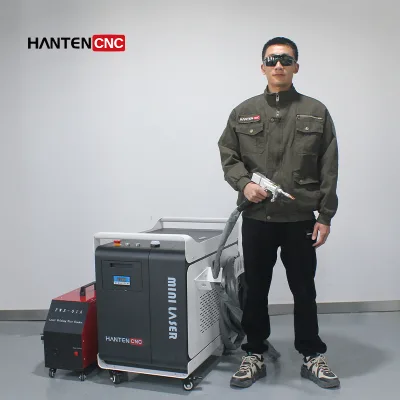
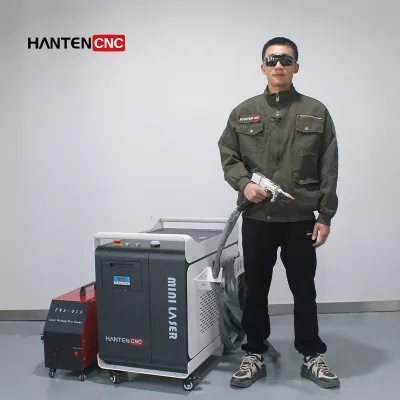
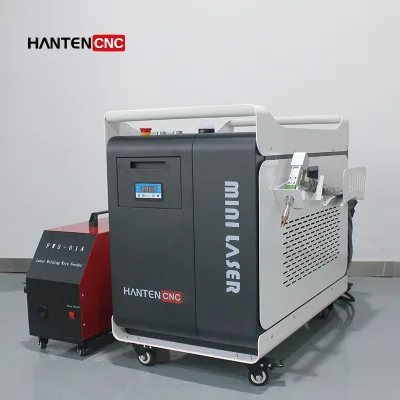
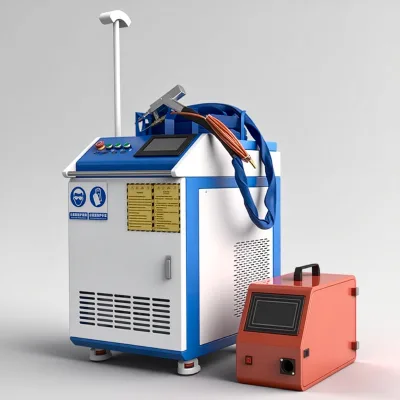
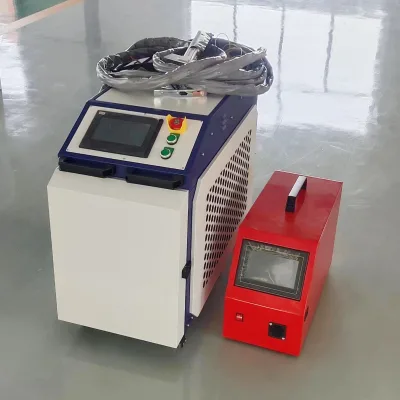
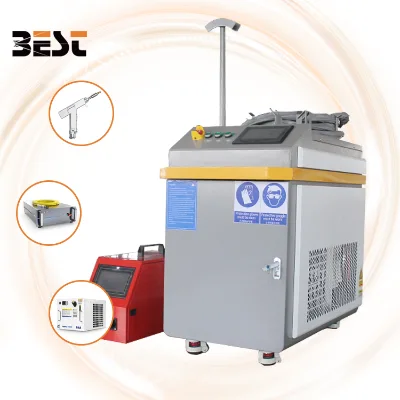
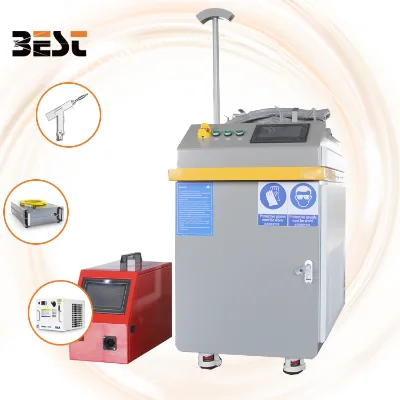
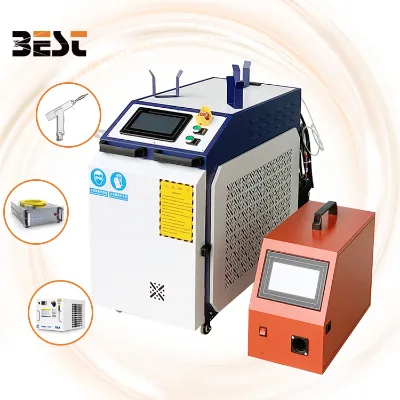
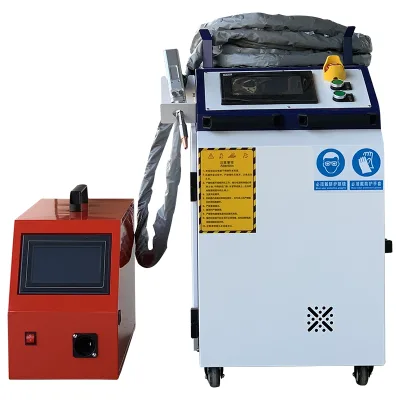
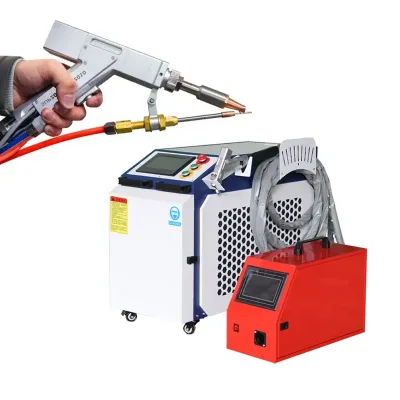
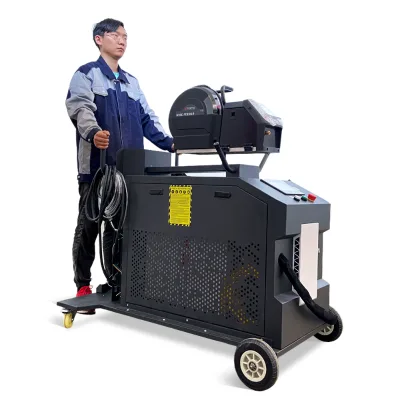
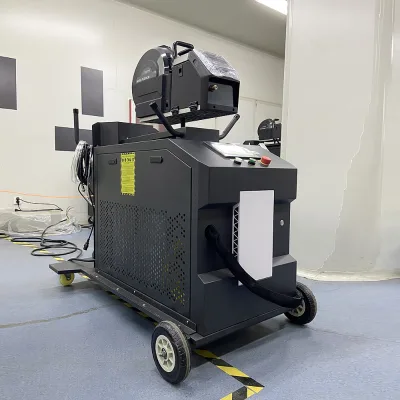
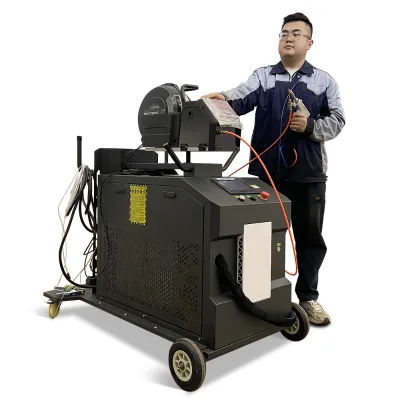
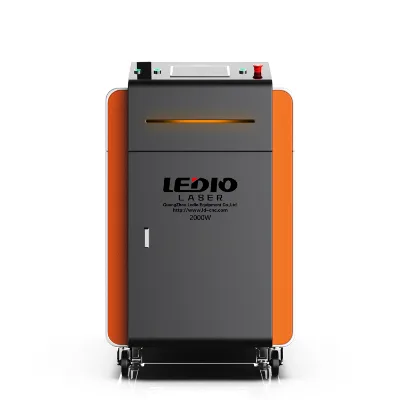
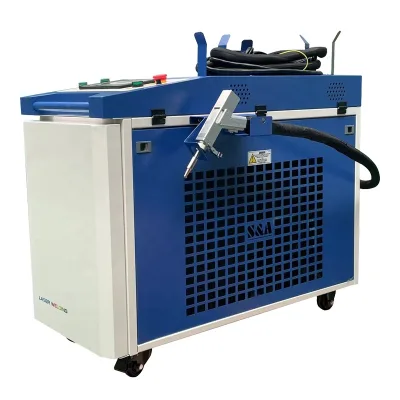


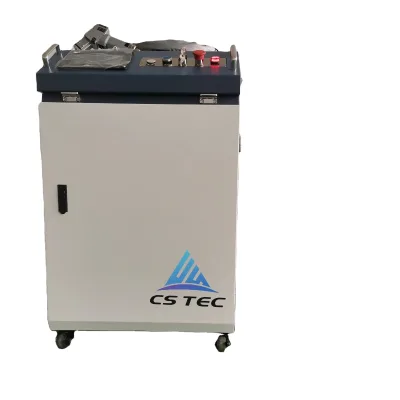
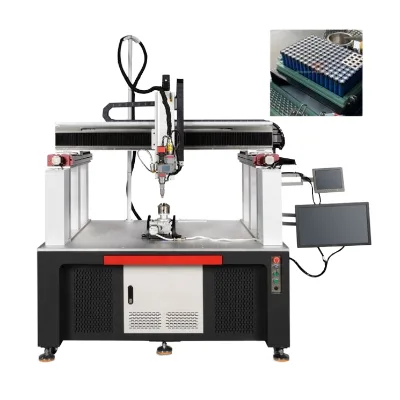






Comprehensive Sourcing Guide
3000W 4-In-1 Laser Welding Machine Supplier Concentration and Factory Types
The current supplier landscape for 3000W 4-in-1 laser welding machines reveals a distinct concentration of manufacturing and trading entities within specific Chinese industrial hubs. Evidence indicates that suppliers are located in regions such as Henan and Shandong, which serve as key production centers for this specialized equipment. These locations are not arbitrary; they represent established clusters where the supply chain for laser components, such as fiber sources and control systems, is mature. Buyers evaluating these suppliers should recognize that the geographic concentration often correlates with the availability of skilled labor and specialized testing facilities required for high-power laser integration. The presence of suppliers in these specific provinces suggests a localized ecosystem that supports the complex assembly of multi-functional laser units, which combine welding, cleaning, and potentially cutting capabilities into a single portable or semi-portable device.
Company types in this sector vary between pure manufacturers and trading companies, with many entities operating as hybrid models that claim both roles. This dual identity can impact how buyers assess production capacity and quality control processes. Suppliers identified as trading companies may offer broader product ranges, including laser cutting machines, marking machines, and bending machines, indicating a diversified portfolio rather than a singular focus on welding technology. Conversely, suppliers emphasizing their manufacturer status often highlight specific technical capabilities, such as customized RD capacity, sample processing, and graphic processing services. Understanding this distinction is crucial for buyers, as it influences the level of direct technical support and customization flexibility available during the sourcing process. The mix of company types reflects a market that caters to both direct industrial procurement and broader commercial equipment distribution needs.
How to Verify 3000W 4-In-1 Laser Welding Machine Suppliers
Verification of suppliers for 3000W 4-in-1 laser welding machines requires a rigorous examination of third-party credentials and operational metrics. Current data shows that several suppliers hold SGS verification, which serves as a baseline indicator of business legitimacy and operational transparency. Buyers should prioritize suppliers with such independent verification status, as it provides an additional layer of confidence beyond self-reported claims. The verification process should extend beyond basic company registration to include checks on system certifications, such as CE and EMC compliance, which are critical for laser equipment operating in international markets. These certifications ensure that the electrical and electromagnetic emissions of the high-power laser systems meet safety and regulatory standards, reducing the risk of non-compliance upon importation.
Response time and lead time are also critical verification metrics that reflect a supplier’s operational efficiency and reliability. Data indicates that response times can vary significantly, with some suppliers responding within two hours while others may take over six hours. A faster response time often correlates with better customer service infrastructure and quicker resolution of technical queries, which is vital when dealing with complex machinery like 3000W laser welders. Similarly, lead times range from as short as seven days to thirty days, depending on the supplier’s production schedule and inventory levels. Buyers should use these metrics to gauge the supplier’s ability to meet urgent project deadlines. Additionally, verifying the authenticity of warranty claims, such as the two-year warranties offered by some manufacturers, is essential to ensure long-term support and maintenance capabilities are genuinely available.
What to Compare Across 3000W 4-In-1 Laser Welding Machine Suppliers
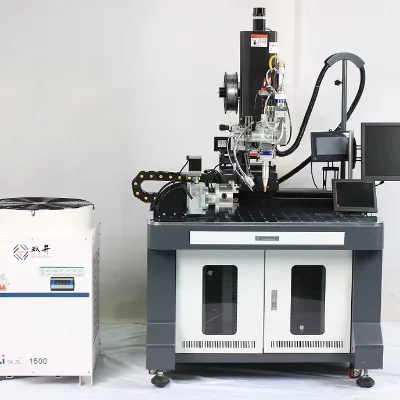
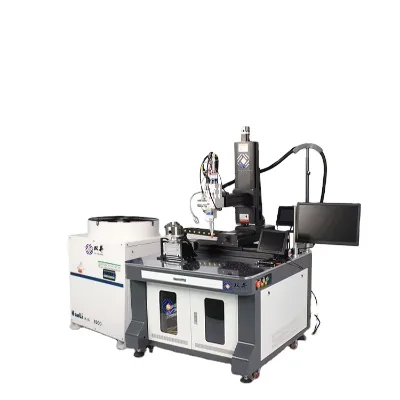
When comparing suppliers, buyers must evaluate a wide array of technical specifications and commercial terms to ensure the selected machine meets their specific industrial requirements. Key technical attributes include the laser source brand, such as Raycus, Reci, or Max, and the control system brand, like Cypcut or Empower, which directly impact performance and reliability. The focal spot diameter, often cited as 1.8mm, and the wavelength, typically around 1080nm or 1084nm, are critical for determining weld quality and penetration depth. Buyers should also compare the cooling system type, with water cooling being a common standard, and the welding mode, which may be handheld or continuous. These technical details vary across suppliers and must be matched against the buyer’s material thickness requirements, which can range from 0.3mm to 10mm for various metals including stainless steel, aluminum, and carbon steel.
Commercial comparisons should focus on pricing structures, minimum order quantities, and customization options. Price ranges for these machines can vary from approximately $2,040 to $7,102, reflecting differences in component quality, brand reputation, and included accessories. The minimum order quantity is often low, with some suppliers accepting orders for a single unit, which facilitates trial purchases for small businesses. Customization availability is another key differentiator, with some suppliers offering tailored solutions for specific industrial applications such as automotive, electronics, or biomedical manufacturing. Buyers should also compare the physical dimensions and weight of the units, as portability may be a constraint for certain workflows. Additionally, the inclusion of additional functions, such as laser cleaning or cutting, within the 4-in-1 package should be verified to ensure the machine delivers the promised multifunctional utility.
Common 3000W 4-In-1 Laser Welding Machine Sourcing Risks
Sourcing 3000W 4-in-1 laser welding machines carries inherent risks related to technical performance and after-sales support. One significant risk is the discrepancy between advertised power output and actual performance, particularly when dealing with lower-cost suppliers. Buyers must verify that the 3000W rating is consistent across all functions, including welding, cleaning, and marking, as some suppliers may only achieve peak power in welding mode. Another risk involves the quality of critical components, such as the laser head and servo motors, which may vary between brands like Raytools, Delta, or Yaskawa. Inconsistent component quality can lead to premature failure or suboptimal weld quality, necessitating rigorous pre-shipment inspections or third-party testing to validate performance claims.
Logistical and compliance risks are also prevalent, especially when importing from regions with varying regulatory standards. Buyers must ensure that the equipment meets local safety and electromagnetic compatibility standards, as non-compliant units can face customs delays or rejection. The complexity of multi-functional machines also increases the risk of inadequate technical documentation or training, which can hinder effective operation and maintenance. Furthermore, the warranty terms, often stated as two years, may have limitations regarding specific components or labor costs, which buyers need to clarify before purchase. Supply chain disruptions can also affect lead times, with some suppliers experiencing delays beyond the advertised seven to thirty-day window, impacting production schedules. Buyers should mitigate these risks by establishing clear communication channels and verifying support infrastructure.
3000W 4-In-1 Laser Welding Machine Regional Sourcing and Logistics
Regional sourcing from China, particularly from hubs like Henan and Shandong, offers logistical advantages due to established export infrastructure and competitive freight rates. Suppliers in these regions are accustomed to international shipping requirements, which simplifies the process of exporting heavy machinery like 3000W laser welders. The packaging dimensions, often around 110x66x110 cm or similar large formats, require careful planning for container loading to maximize space and minimize damage during transit. Buyers should consider the weight of the units, which can exceed 100kg, when calculating freight costs and selecting appropriate shipping methods, such as sea freight for bulk orders or air freight for urgent, smaller shipments.
Customs clearance and import duties are additional logistical factors that vary by destination country. Buyers must ensure that the supplier provides accurate documentation, including commercial invoices, packing lists, and certificates of origin, to facilitate smooth customs processing. The origin of the components, such as laser sources and control systems, may also impact tariff classifications and duty rates. Additionally, buyers should consider the availability of local service partners in their region, as on-site maintenance and repair services are crucial for minimizing downtime. Establishing a clear logistics plan that accounts for transit times, insurance, and potential delays is essential for ensuring the timely delivery and operational readiness of the laser welding equipment.
3000W 4-In-1 Laser Welding Machine Commercial Terms and Order Planning
Commercial terms for 3000W 4-in-1 laser welding machines typically include flexible payment options and structured warranty agreements. Buyers should negotiate clear payment terms, such as deposits and balance payments upon shipment, to manage cash flow and risk. The warranty period, often two years, should be detailed in the contract, specifying coverage for parts, labor, and response times for technical support. Buyers must also clarify the scope of customization services, including any additional costs for tailored specifications or branding. Understanding the return and refund policies is equally important, especially for international transactions where returning defective machinery can be costly and complex.
Order planning should account for the supplier’s production capacity and lead times to align with project timelines. Buyers should request detailed production schedules and regular updates to monitor progress, especially for customized orders. The availability of spare parts and consumables, such as nozzles and lenses, should be confirmed to ensure long-term operational sustainability. Additionally, buyers should consider the total cost of ownership, including energy consumption and maintenance requirements, when evaluating the economic viability of the investment. Establishing a strong relationship with the supplier through clear communication and mutual expectations can facilitate smoother transactions and better support throughout the lifecycle of the equipment.
FAQs
What is the price range for a 3000W 4-in-1 laser welding machine?
Prices typically range from $2,040 to $7,102 depending on configuration and power source. Some specialized models are listed between $4,790 and $4,800, while multifunctional units may cost between $2,500 and $3,200. Buyers should verify specific pricing with suppliers for accurate quotes.
What is the minimum order quantity for these machines?
The minimum order quantity is generally one unit, allowing buyers to purchase single machines for testing or immediate operational needs. This low MOQ facilitates easier entry for small businesses or workshops looking to integrate laser welding technology without committing to large bulk orders.
How long does delivery take for a 3000W laser welder?
Lead times vary significantly, ranging from seven days to thirty days based on the supplier and customization requirements. Some manufacturers offer faster turnaround times of fifteen days, while others may require up to thirty days for production and shipping. Buyers should confirm specific timelines before ordering.
Are these machines certified for international safety standards?
Many suppliers provide machines with CE and EMC certifications, ensuring compliance with European safety and electromagnetic compatibility standards. Verification services like SGS are also available for certain suppliers. Buyers should request valid certification documents to ensure the equipment meets their local regulatory requirements.
What materials can a 3000W handheld laser welder process?
These machines are designed to weld stainless steel, aluminum, carbon steel, and various other metals. They support applications in manufacturing, automotive, electronics, and biomedical industries. The deep fusion welding capability allows for efficient processing of different metal thicknesses, typically ranging from 0.3mm to 10mm.
What is the typical response time from suppliers?
Supplier response times vary, with some responding within two hours and others taking up to six hours. Faster response times indicate higher availability and potentially quicker communication regarding technical queries or order status. Buyers should prioritize suppliers with quicker response rates for efficient sourcing.