Automatic Remote Monitoring Packaging Machine Suppliers and Manufacturers
Explore 28 verified options for Automatic Remote Monitoring Packaging Machine solutions from Henan, Fujian, and Jiangsu. Compare response times, lead times, certifications, and pricing to find the right fit. Contact suppliers directly to request detailed specifications; review the available evidence before requesting comparable quotations from suitable candidates.
Updated
Suppliers List
Henan Foodline Machinery Co., Ltd.
- Trading Company
- Henan, China
- Lead time10 days
- Avg. response≤ 4h
Main productsFried production line,Fruit and vegetable processing machinery,Vending machine,Food trailer,Puffed snack food processing line
Main marketsNorth America(22.00%), Eastern Europe(12.00%), Western Europe(12.00%), Domestic Market(8.00%), Southeast Asia(7.00%), Mid East(6.00%), Central America(6.00%), Oceania(5.00%), Northern Europe(5.00%), Southern Europe(5.00%), South America(4.00%), Africa(3.00%), Eastern Asia(3.00%), South Asia(2.00%)
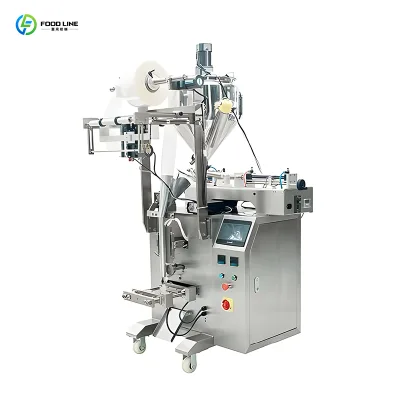
Parameter Automatic Adjustment Packaging Machine Remote Monitoring Function Packaging Machine
$4700.00 - $7900.00
MOQ: 1 units
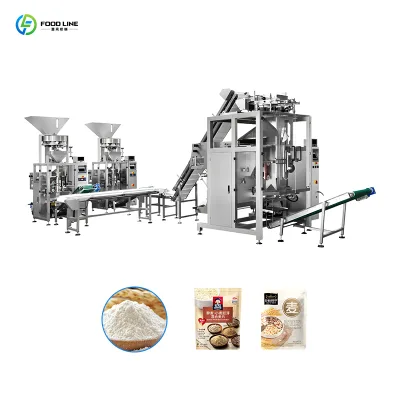
Adaptive Adjustment Packaging Machine Sealing Temperature Stable Packaging Machine
$4700.00 - $7900.00
MOQ: 1 units
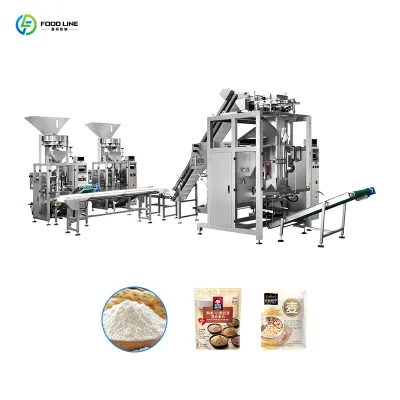
Fault Warning Function Packaging Machine Capacity Statistics Packaging Machine
$4700.00 - $7900.00
MOQ: 1 units
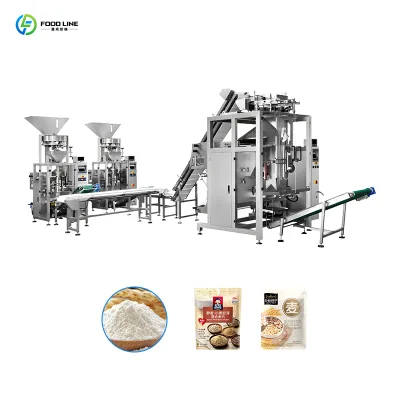
Strong Linkage Function Packaging Machine Adaptive Adjustment Function Packaging Machine
$4700.00 - $7900.00
MOQ: 1 units
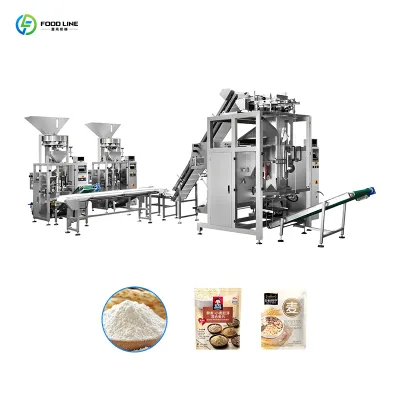
Stable Operation of Packaging Machine Wear Resistant Component Packaging Machine
$4700.00 - $7900.00
MOQ: 1 units
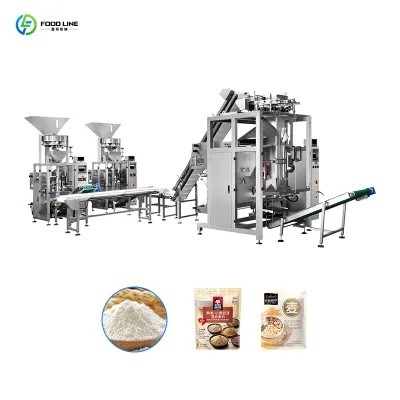
High Precision Measuring Packaging Machine Intelligent Fault Diagnosis Packaging Machine
$4700.00 - $7900.00
MOQ: 1 units

Xiamen Brother Machinery Technology Co., Ltd.
- Verified by CTI
- Combined
- China Fujian
- Lead time30 days
- Avg. response≤ 25h
Main productsSanitary Napkin Packaging Machine, Automatic Cartoning Machine, Diaper Packaging Machine, Vertical Packing Machine for Tea Cofffee, Horizontal Packaging Machine, Premade Bag Packing Machine, Automatic Labeling Machine, Conveyor System, Multi Head Weigher, Vertical Auger
Main marketsDomestic

Intelligent-Control Packaging Machine System Automatic Packaging Machine
$140000.00 - $170000.00
MOQ: 1 Pieces

Advanced-Sensor Packaging Machine Controlled Automatic Packaging Machine
$140000.00 - $170000.00
MOQ: 1 Pieces

High-Performance Packaging Machine China-Manufactured Fully Automatic Packaging Machine
$140000.00 - $170000.00
MOQ: 1 Pieces

Zhang Jia Gang Stone Mechanical Equipment Co., Ltd.
- Manufacturer/Factory
- China Jiangsu
- Lead time45 days
- Avg. response≤ 18h
Main productsPlastic Machinery, Blow Moulding Machine, Plastic Molding Machine, Plastic Mould, Beverage Filling Machine, Package Machine, Filling Line, Extrusion Line, Plastic Auxliary Equipment
Main marketsSouth America,Eastern Europe,Mid East,Southeast Asia,Eastern Asia,Oceania,Western Europe,Africa

Wenzhou Mingdu Machinery Co., Ltd.
- Manufacturer/Factory
- China Zhejiang
- Lead time45 days
- Avg. response≤ 7h
Main productsPlastic Lid Forming Machine, Plastic Thermoforming Machine, Plastic Tray Forming Machine, Plastic Coffee Lid Machine, Cup Lid Thermforming Machine, Plastic Cup Curling Machine, Cup Rolling Machine, Lid Forming Machine, Plastic Cup Bending Machine, Food Container Thermoforming Machine
Main marketsSouth America,Eastern Europe,Mid East,North America,Southeast Asia,Eastern Asia,Oceania,Western Europe

WENZHOU KEDE MACHINERY TECHNOLOGY CO., LTD.
- Verified by CTI
- Combined
- China Zhejiang
- Lead time30 days
- Avg. response≤ 1h
Main productsBox Packing Machine, Cartoning Machine, Box Packaging Machine, Carton Erecting Machine, Folder Gluer, Paper Box Machine, Packing Machine, Strapping Machine, Paper Bag Machine, Printing Machine
Main marketsDomestic,Europe
Foshan City Excellent Guan Can Electromechanical Co., Ltd.
- Manufacturer
- Guangdong, China
- Lead time15 days
- Avg. response≤ 7h
Main productsIndustrial weighing equipment,Batching and weighing equipment,Automatic packaging and weighing equipment,Robot palletizer,Large bag ton bag packaging equipment
Main marketsSouthern Europe(15.00%), Domestic Market(10.00%), Northern Europe(10.00%), Western Europe(10.00%), Oceania(10.00%), Africa(5.00%), South Asia(5.00%), North America(5.00%), Central America(5.00%), Southeast Asia(5.00%), Eastern Europe(5.00%), Eastern Asia(5.00%), Mid East(5.00%), South America(5.00%)
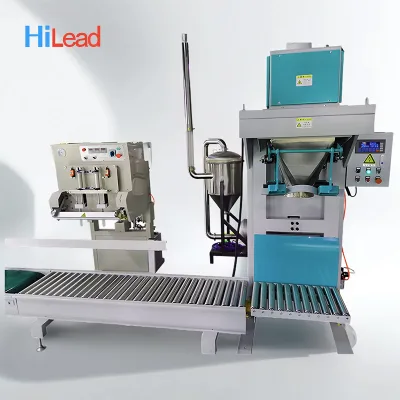
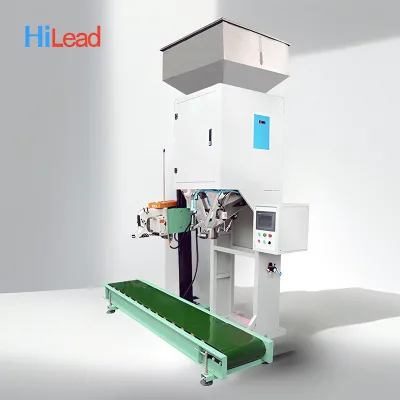
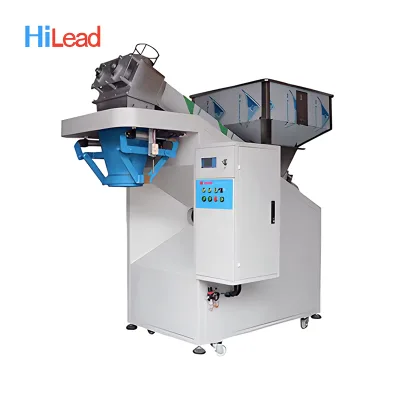
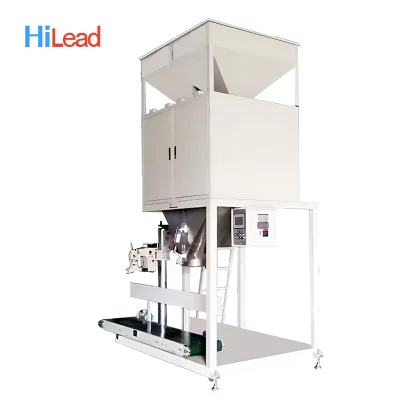
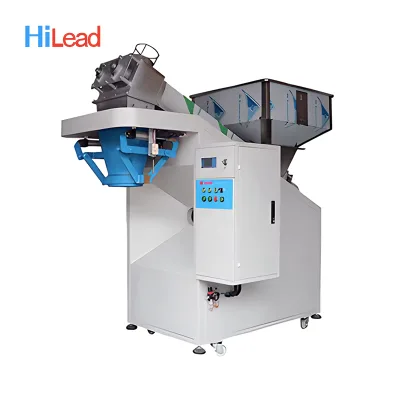
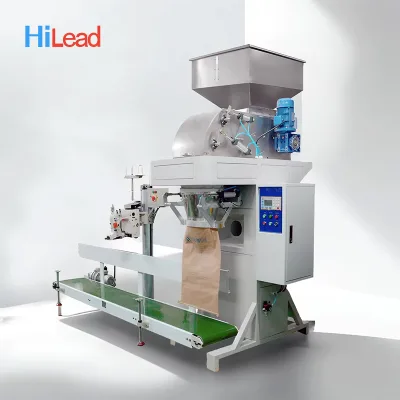
One Click Cleaning and Maintenance of Semi-automatic Packaging Machine Is More Convenient
$4962.5791
MOQ: 1 Minimum

Wenzhou Trustar Machinery Technology Co., Ltd.
- Verified by TUVRHEINLAND
- Trading Company,Manufacturer/Factory
- China Zhejiang
- Lead time30 days
- Avg. response≤ 6h
Main productsPacking Machinery, Blister Packing Machine, Cartoning Machine, Capsule Filling Machine, Coating Machine, Tube Filling Machine, Packaging Machine, Packing Machine, Cream Tube Fill and Seal Machine, Pharmaceutical Machines
Main marketsSouth America,Eastern Europe,Mid East,North America,Southeast Asia,Eastern Asia,Oceania,Western Europe,Africa

Automatic Packaging Machine and Box Packing Line Production Packaging Machine
$20000.00 - $23000.00
MOQ: 1 Pieces

Automatic Secondary Packing Machine Opening Loading and Sealing Boxes All-in-One Machine
$20000.00 - $23000.00
MOQ: 1 Pieces

Hefei Hopdevice Intelligence Technology Co., Ltd.
- Verified by TUVRHEINLAND
- Combined
- China Anhui
- Lead time45 days
- Avg. response≤ 1h
Main productsPacking Machine, Palletizing Robot, Conveyor
Main marketsSoutheast Asia/ Mideast,Domestic

High-Speed Automatic Packaging Machine for Efficient Production Lines
$30200.00 - $32380.00
MOQ: 1 Sets

Automated Granule Packaging with Remote Monitoring Heavy-Duty Granule Packaging Machine
$33680.00 - $37868.00
MOQ: 1 Sets

Dongguan Ming Xin Intelligent Equipment Co., Ltd.
- Verified by BV
- Combined
- China Guangdong
- Lead time23 days
- Avg. response≤ 5h
Main productsVibrating Bowl, Bowl Feeder, Automatic Feeder, Full-Automatic Packaging Machine, Full-Automatic Filling Machine, Full-Automatic Optical Sorting Machine, Full-Automatic Tapping, Automatic Assembly Machine, Automatic Screw Packing Machine, Automatic Feed Bin
Main marketsAfrica,Southeast Asia/ Mideast,Europe


Automatic Packaging Machine Particle Count Packaging Automatic Counting and Feeding
$2800.00 - $10000.00
MOQ: 1 Pieces

Suzhou Kiande Electric Co., Ltd.
- Trading Company,Manufacturer/Factory
- China Jiangsu
- Lead time23 days
- Avg. response≤ 4h
Main productsBusbar Fabrication Machine, Busbar Assembly Machine, Busbar Inspection Machine, Busbar Riveting Machine, Busduct Manufacturing Line, Busbar Packaging Machine, Busbar Punching Machine, Busbar Joint, Busbar Insulator, Busbar Tap off Unit
Main marketsSouth America,Mid East,Southeast Asia,Africa

Qingdao Huangang Equipment Technology Co., Ltd
- Verified by SGS
- Combined
- China Shandong
- Lead time60 days
- Avg. response≤ 1h
Main marketsSoutheast Asia/ Mideast

Guangdong Coretamp Packaging Technology Co., Ltd
- Verified by TUVRHEINLAND
- Combined
- China Guangdong
- Lead time23 days
- Avg. response≤ 5h
Main productsMulti Lane Sachet Packaging Machine, Sachet Packaging Machine, Vertical Form Fill Seal Machine, Premade Doypack Packing Machine, Cartoning. Case Packing & Palletizing Lines
Main marketsSoutheast Asia/ Mideast,North America

Remote Control Customization Guaranteed Smart Packaging Machine for Concentrated Fruit Juice
$16000.00
MOQ: 10 Pieces

Remote Control High Performance Robust Secure Multi-Row Packaging Machine for Protein Drinks
$16000.00
MOQ: 10 Pieces


- Verified by BV
- Trading Company,Manufacturer/Factory
- China Henan
- Lead time15 days
- Avg. response≤ 5h
Main productsOil Expeller, Oil Press Machine, Oil Refinery, Pellet Machine, Food Processing Machine, Animal Feed Machine, Packing Machine, Filling Machine, Briquette Machine, Brick Machine
Main marketsSouth America,Eastern Europe,Mid East,North America,Southeast Asia,Eastern Asia,Oceania,Western Europe,Africa

Intelligent packaging sealer machinery for automatic sealing and efficient packaging
$230.00 - $245.00
MOQ: 1 Sets

Automated packaging sealer for intelligent sealing and fast delivery options
$230.00 - $245.00
MOQ: 1 Sets
Cixi Dingke Machinery & Equipment Co., Ltd.
- Verified by TüVRheinland
- Manufacturer, Trading Company
- Lead time30 days
- Avg. response≤ 2h
Main productsMechanical Equipment
Main marketsDomestic Market(50%), North America(13%), Eastern Europe(10%)

Anchor Automation Equipment (Shanghai) Co., Ltd
- Verified by SGS
- Combined
- China Shanghai
- Lead time60 days
- Avg. response≤ 4h
Main productsLabeling Machine, Sleeve Labeling Machine, Filling Machine, Heat Shrink Packaging Machine, Carton Packing Machine, Capping Machine, Automatic Bottles Unscrambler Machine
Main marketsSoutheast Asia/ Mideast

Anhui Peiyu Packaging Technology Co.,Ltd.
- Verified by TUVRHEINLAND
- Combined
- China Anhui
- Lead time60 days
- Avg. response≤ 3h
Main productsWrap Around Case Packer, Label Shrink Sleeve Machine, PE Film Shrink Wrapping Machine, Pet Food Machine, Sleeve Labeling Machine, Retort, Palletizer, OPP Labeller, Air Conveyor, Robot Palletizer
Main marketsSoutheast Asia/ Mideast,Domestic
Dongguan Anxiang Intelligence Packing Equipment Co., Ltd.
- Manufacturer
- Guangdong, China
- Lead time30 days
- Avg. response≤ 2h
Main productsPacking Machine,Visual Counting Packing Machine,Weighing Packing Machine,Inspection Machine
Main marketsDomestic Market(70.00%), Southeast Asia(5.00%), Eastern Europe(5.00%), South America(5.00%), North America(4.00%), Mid East(3.00%), Southern Europe(3.00%), Eastern Asia(3.00%), Western Europe(2.00%)

Ganar Technology Hebei Co., Ltd.
- Verified by TUVRHEINLAND
- Trading Company
- China Hebei
- Lead time30 days
- Avg. response≤ 1h
Main productsPackaging Machine, Cartoning Machine, Case Packer, Labelling Machine, Conveyor System, Cosmetic/Food/Pharmaceuticals Equipment, Vertical Lift, Processing Machine, Filling and Sealing Machine, Robot Palletizer
Main marketsSoutheast Asia/ Mideast,Europe

High-Speed Automatic Bagging Machine for Efficient Packaging Solutions
$15000.00 - $20000.00
MOQ: 1 Pieces

Advanced Automatic Bagging Machine for Efficient Packaging Solutions
$15000.00 - $20000.00
MOQ: 1 Pieces

Intelligent High-Speed Bagging Machine for Smart Packaging Solutions
$15000.00 - $20000.00
MOQ: 1 Pieces


Zhuhai Ruichuang Technology Development Co., Ltd
- Verified by SGS
- Combined
- China Guangdong
- Lead time30 days
- Avg. response≤ 3h
Main productsAutomatic Packing for Granule, Automatic Packing Machine for Powder, Automatic Packing Machine for Liquid, Automatic Packing Machine for, Power Filling Machine, Printer/Laser Marking Machine, Check Weigher, Automatic Production Line
Main marketsSoutheast Asia/ Mideast,Domestic

High-Efficiency Smart Packaging Machine with Film Control Features
$68000.00 - $74000.00
MOQ: 1 Pieces


Advanced Modular Packing Machine for Efficient Maintenance Solutions
$68000.00 - $74000.00
MOQ: 1 Pieces

Advanced Durable Back-Sealing Packing Machine with Easy Maintenance
$68000.00 - $74000.00
MOQ: 1 Pieces

Shanghai Universal Pharmaceutical Machinery Co., Ltd.
- Trading Company,Manufacturer/Factory
- China Shanghai
- Lead time23 days
- Avg. response≤ 3h
Main productsPharmaceutical Machinery, Tablet Press, Tablet Coating Machine, Capsule Filling Machine, Blister Packing Machine, Pharmaceutical Machine, Horizontal Packing Machine, Drying Equipment, Packing Machine, Cartoning Machine
Main marketsSouth America,Eastern Europe,Mid East,North America,Southeast Asia,Eastern Asia,Oceania,Western Europe,Africa

Suzhou Deedo Machinery Co., Ltd.
- Manufacturer
- China Jiangsu
- Lead time15 days
- Avg. response≤ 4h
Main productsPaper Straw Making Machine, Paper Straw Machine, Slitter Machine, Drinking Straw Wrapping Machine, PP PE Recycling Washing Line, Plastic Pipe Belling Machine, Plastic Mixer Machine, Plastic Crusher Machine, Plastic Shredder Machine, Plastic Recycling Pelletizer Machine
Main marketsSouth America,Africa,Southeast Asia/ Mideast,Domestic,Europe,North America
Ly Sinobiz Machinery Co., Ltd.
- Verified by TüVRheinland
- Trading Company
- Lead time15 days
- Avg. response≤ 4h
Main productsClean Room, Packing Machine, Liquid Filling Machine, Counting Machine, Cartoning Machine
Main marketsNorth America(40%), Western Europe(40%), Eastern Europe(5%)
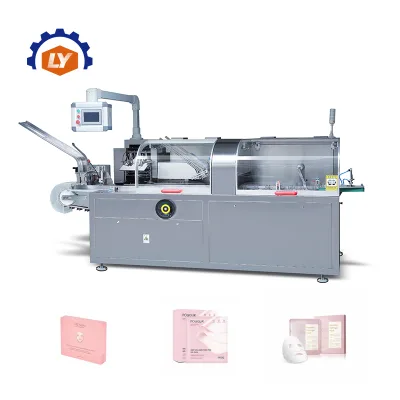
Automatic Horizontal Customized Cartoning Packaging Machine for Carton Box Packing
$28275.1106 - $28686.3849
MOQ: 1 sets
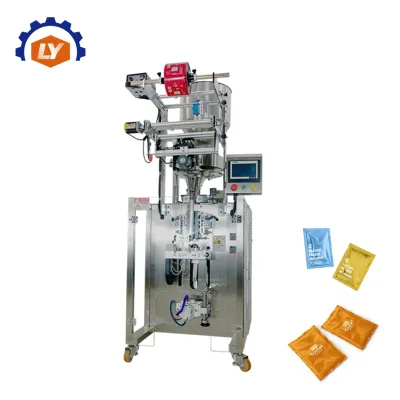
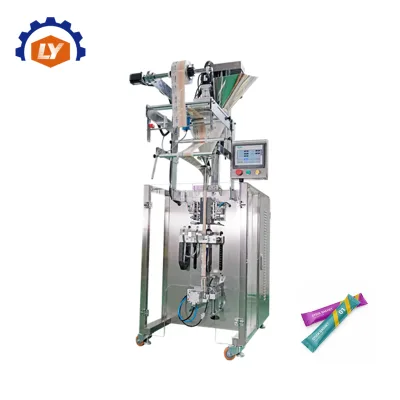
$5551.1758 - $5756.813
MOQ: 1 sets
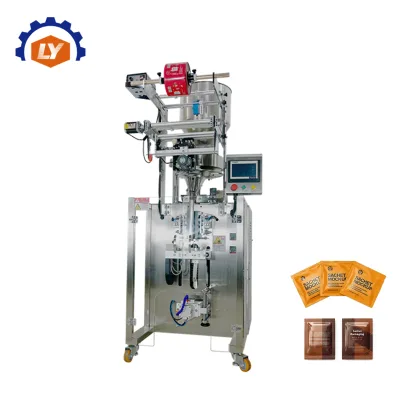
$5345.5386 - $5756.813
MOQ: 1 sets
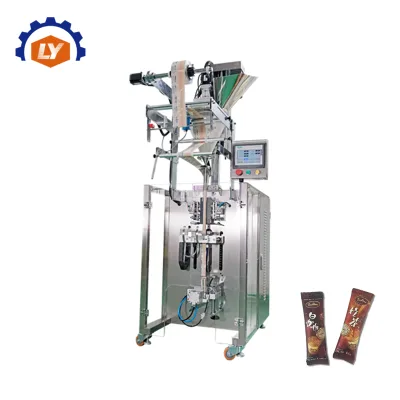
$5524.523 - $5729.1729
MOQ: 1 sets
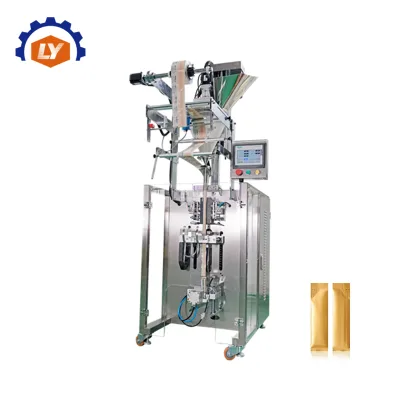
$5577.9916 - $5784.6221
MOQ: 1 sets

FOSHAN TEFUDE AUTOMATION SCIENCE & TECHNOLOGY CO., LTD.
- Verified by BV
- Combined
- China Guangdong
- Lead time30 days
- Avg. response≤ 3h
Main productsAutomatic Packing Machine, Packing Machine, Flow Wrapper, Full Automatic Packing Line, Automatic Counting Machine, Plastic Tray Automatic Machine, Robot Machine, Food Packing Machine
Main marketsSouth America,Southeast Asia/ Mideast,Europe,North America
Henan Cyril Machinery Equipment Co., Ltd
- Trading Company
- He'nan, China
- Lead time10 days
- Avg. response≤ 4h
Main productsFilling Machine, Labeling Machine, Capping Machine, Packaging Machine, Coding Machine
Main marketsDomestic Market(40.00%), South America(15.00%), Mid East(10.00%), North America(5.00%), Western Europe(5.00%), Central America(5.00%), Southeast Asia(5.00%), South Asia(3.00%), Eastern Asia(2.00%), Oceania(2.00%), Southern Europe(2.00%), Northern Europe(2.00%), Africa(2.00%), Eastern Europe(2.00%)

Foshan Ruipuhua Machinery Equipment Co., Ltd.
- Verified by BV
- Combined
- China Guangdong
- Lead time30 days
- Avg. response≤ 5h
Main productsPacking Machine, Flow Wrapper, Automatic Package Machine Line, Pillow Packing Machine, Horizontal Flow Packing Machine, Wrapper Package Machine, High Speed Packing Machine, Package Machine, Automatic Package Machine, Automatic High Speed Package Machinery
Main marketsOthers(foreignTradeCapacity.exportBusinessCapacityMarketOther),Southeast Asia/ Mideast,East Asia(Japan/ South Korea),Europe,Australia,North America

Kaifeng Lecheng Machinery Co., Ltd.
- Verified by BV
- Trading Company,Manufacturer/Factory
- China Henan
- Lead time23 days
- Avg. response≤ 5h
Main productsSeed Cleaner, Vibration Cleaner, Gravity Separator, Gravity Table, Seed Treater, Packing Scale, Air Screen Seed Cleaner, De-Stoner, Soybean Cleaner, Bucket Elevator
Main marketsSouth America,Eastern Europe,Mid East,North America,Southeast Asia,Eastern Asia,Oceania,Western Europe,Africa
Shanghai Lilan Packaging Technology Co., Ltd.
- Verified by SGS Group
- Manufacturer, Trading Company
- Lead time65 days
- Avg. response≤ 2h
Main productsCase Packer, Palletizer, Depalletizer, Robot Unscrambler, Retort loading and unloading system
Main marketsDomestic Market(45%), Western Europe(25%), Southeast Asia(15%)
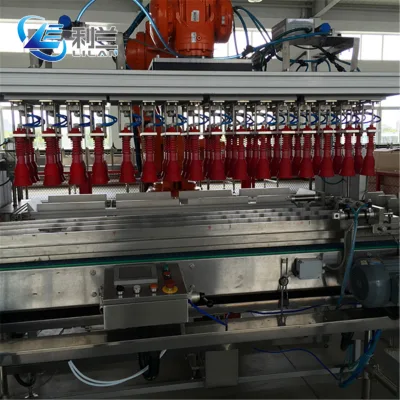
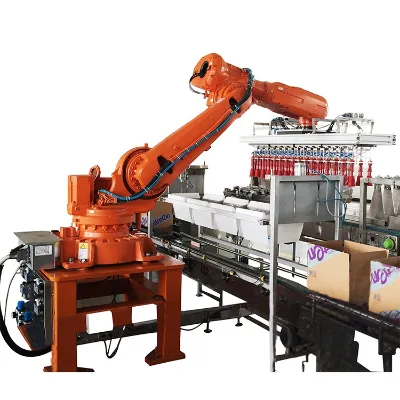
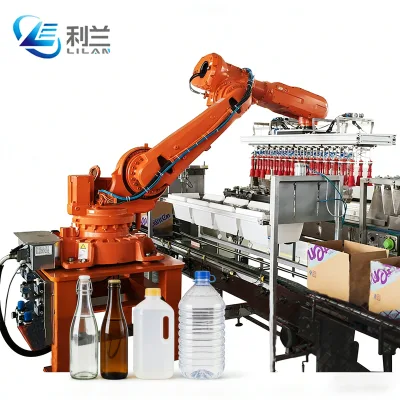
Factory Price Automatic Grab Packing Machine Bag Packing Robotic Case Packing Line
$77500.00 - $80000.00
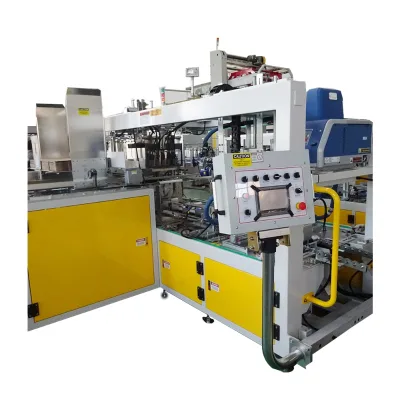
Hot Selling High Quality Automatic Industrial Carton Box Packing Machine
$55000.00 - $65000.00
Shandong Guanjia Intelligent Equipment Co., Ltd.
- Verified by Intertek
- Manufacturer, Trading Company
- Lead time10 days
Main productsPackaging Machine, Palletizer, Robot Arm
Main marketsNorth America(40%), Africa(30%), South America(20%)
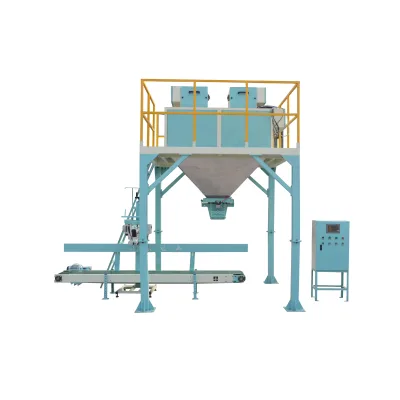
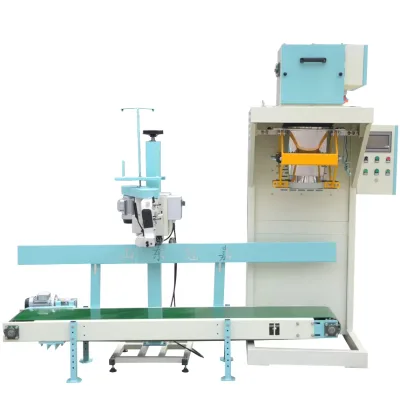
Packing Machine for Plastic Granule Pellets China Manufacturer Direct Sales
$2399.00 - $2699.00
MOQ: 1


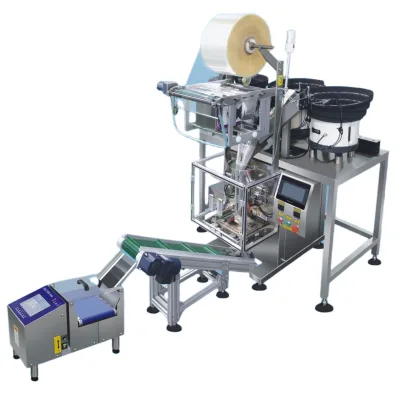


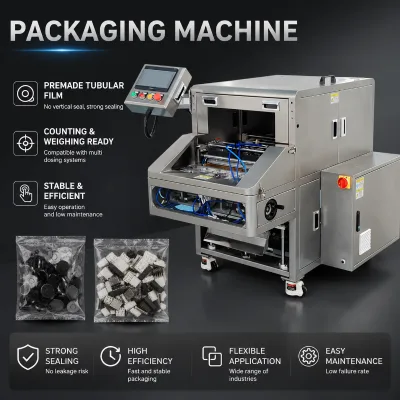
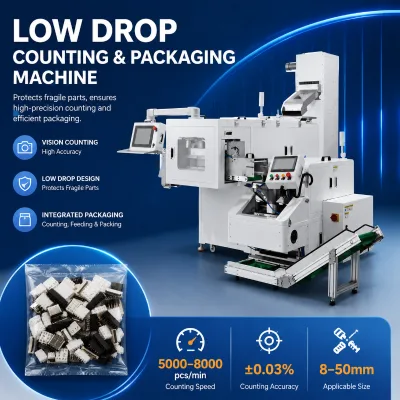
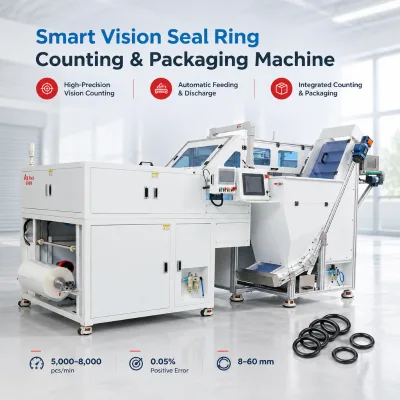




Comprehensive Sourcing Guide
Automatic Remote Monitoring Packaging Machine Supplier Concentration and Factory Types
The current supplier landscape for automatic remote monitoring packaging machines reveals a diverse mix of company types and geographic origins, primarily centered in China. Evidence indicates the presence of trading companies, manufacturers, and combined entities operating from key industrial provinces. For instance, suppliers located in Henan are identified as trading companies, which often serve as intermediaries connecting buyers with various factory capabilities. These entities may offer a broader range of auxiliary products, such as food trailers or vending machines, alongside their core packaging machinery offerings. In contrast, suppliers in Fujian are classified as combined entities, suggesting a hybrid business model that might integrate trading services with direct manufacturing or assembly capabilities. This distinction is crucial for buyers, as trading companies may provide more flexible sourcing options but potentially less direct control over production quality compared to pure manufacturers.
Further analysis shows that suppliers in Jiangsu operate explicitly as manufacturers or factories, focusing on plastic machinery and packaging lines. This concentration in specific provinces like Henan, Fujian, and Jiangsu highlights regional industrial clusters where expertise in packaging automation is developed. Buyers should recognize that the location of a supplier often correlates with the type of machinery they specialize in. For example, Jiangsu-based manufacturers might have deeper expertise in plastic-related packaging applications, while Henan-based traders might offer more generalized food processing solutions. Understanding these structural differences helps buyers align their procurement strategy with the appropriate supplier type. Whether seeking a direct factory relationship for custom OEM work or a trading partner for quick access to standard models, identifying the correct company type is the first step in narrowing down the field. The diversity in supplier types ensures that buyers have options, but it also requires careful vetting to ensure the supplier’s actual capabilities match their stated business model.
How to Verify Automatic Remote Monitoring Packaging Machine Suppliers
Verifying the legitimacy and capability of suppliers requires a multi-layered approach that goes beyond simple profile reviews. One critical step is checking for third-party verification badges, such as CTI, which indicate that an independent inspection agency has validated the supplier’s business credentials. This verification adds a layer of trust, confirming that the entity is a registered and operational business. Additionally, buyers should scrutinize the system certifications listed by suppliers. For example, some manufacturers hold ISO 20000, QSR, and HSE certifications, which demonstrate adherence to international standards for quality management, safety, and environmental responsibility. These certifications are particularly important for automatic remote monitoring packaging machines, as they involve complex electrical and software systems that must meet rigorous safety and performance criteria. Buyers should request copies of these certificates and verify their validity through the issuing bodies.
Another essential verification method is examining the product evidence and technical specifications provided in the supplier’s catalog. Look for details such as video outgoing inspections and machinery test reports, which serve as proof of quality control processes. Suppliers that provide these documents are likely more transparent and confident in their manufacturing standards. Furthermore, buyers should assess the supplier’s response time and lead time as indicators of operational efficiency. A supplier with a response time of four hours and a lead time of ten days may offer faster service than one with a twenty-five-hour response time and a thirty-day lead time. However, faster times do not always equate to better quality, so buyers must balance speed with technical competence. It is also advisable to ask for references or case studies from previous clients, especially those who have purchased similar automatic packaging solutions. This due diligence helps mitigate the risk of engaging with unreliable partners and ensures that the supplier can deliver on their promises.
What to Compare Across Automatic Remote Monitoring Packaging Machine Suppliers
When evaluating multiple suppliers, buyers must compare key commercial and technical dimensions to find the best fit for their specific needs. One of the most significant factors is the price range, which can vary widely depending on the machine’s complexity and features. For instance, some automatic packaging machines are priced between $4,700 and $7,900, while more advanced systems with intelligent control and high precision may cost between $140,000 and $170,000. Buyers should align their budget with the required functionality, such as remote monitoring capabilities, automatic grade, and specific packaging materials like films, bags, or cartons. Additionally, the minimum order quantity (MOQ) is a critical consideration. Some suppliers offer an MOQ of just one unit, which is ideal for small businesses or trial orders, while others may have higher thresholds. Understanding these financial parameters helps buyers plan their capital expenditure more effectively.
Beyond pricing and MOQ, buyers should compare the technical specifications and after-sales support offered by each supplier. Key selling points such as remote monitoring, easy operation, and fault warning functions are vital for modern packaging lines. Buyers should verify if the machine supports the specific filling materials they use, whether solid, liquid, or granule. Warranty terms also vary, with some suppliers offering a one-year warranty, which is standard but should be clearly defined in the contract. Furthermore, the supplier’s main products and customization capabilities should be assessed. Suppliers offering OEM and ODM services can tailor machines to specific production needs, whereas those with standard models may offer quicker delivery. Buyers should also consider the voltage requirements, such as 220V 50/60Hz, to ensure compatibility with their local power infrastructure. By systematically comparing these attributes, buyers can make informed decisions that balance cost, performance, and support.
Common Automatic Remote Monitoring Packaging Machine Sourcing Risks
Sourcing automatic remote monitoring packaging machines from international suppliers involves several inherent risks that buyers must proactively manage. One major risk is the discrepancy between advertised specifications and actual machine performance. Suppliers may highlight features like remote monitoring and intelligent fault diagnosis, but without proper verification, these functions may not operate as expected in real-world conditions. Buyers should insist on detailed technical documentation and, if possible, conduct factory audits or request live demonstrations of the machine’s capabilities. Another risk is the variability in build quality and component durability. Machines with wear-resistant components and stable sealing temperatures are marketed as high-performance, but the actual longevity depends on the quality of raw materials and assembly precision. Buyers should review machinery test reports and video outgoing inspections to gauge the supplier’s quality control rigor.
Logistical and compliance risks are also significant, particularly when importing heavy machinery. The total weight and dimensions of the equipment, such as a net weight of 6500kg and dimensions of 6500 x 5000 x 2380 mm, impact shipping costs and handling requirements. Buyers must ensure that the supplier provides adequate packaging, such as wooden crates or sea-worthy containers, to prevent damage during transit. Additionally, there is a risk of non-compliance with local safety and electrical standards. While suppliers may list certifications like 2006/42/EC, buyers must verify that these certifications are valid in their target market. Failure to do so can result in customs delays or operational hazards. Furthermore, language barriers and time zone differences can complicate communication, leading to misunderstandings about technical requirements or after-sales support. Buyers should establish clear communication protocols and consider using escrow services to protect their payments until the machine is delivered and inspected.
Automatic Remote Monitoring Packaging Machine Regional Sourcing and Logistics
The geographic location of suppliers significantly influences logistics planning and supply chain resilience. Suppliers located in China, particularly in provinces like Henan, Fujian, and Jiangsu, offer access to well-established manufacturing hubs with robust infrastructure. Henan-based trading companies may have convenient access to major rail and road networks, facilitating efficient inland transportation. Fujian-based combined entities, often situated in coastal areas, may benefit from proximity to major ports, which can reduce shipping times and costs for international buyers. Jiangsu-based manufacturers, known for their plastic machinery expertise, are also located in a region with strong industrial support and logistics networks. Buyers should consider the specific location of their chosen supplier when calculating total landed costs, including freight, insurance, and customs duties.
Logistics planning must also account for the size and weight of the packaging machines. Large automatic packaging systems, such as those with a total power of approximately 40kw and significant dimensions, require specialized shipping arrangements. Buyers should work with suppliers who have experience in exporting heavy machinery and can provide accurate packing lists and loading diagrams. The choice of shipping method, whether by sea or air, will depend on the urgency of the order and the budget constraints. Sea freight is generally more cost-effective for large, heavy equipment, while air freight may be suitable for smaller components or urgent spare parts. Additionally, buyers should consider the supplier’s lead time, which can range from ten to forty-five days depending on the complexity of the order and the supplier’s current production schedule. Planning for these variables ensures a smoother import process and minimizes disruptions to the buyer’s production timeline.
Automatic Remote Monitoring Packaging Machine Commercial Terms and Order Planning
Effective order planning for automatic remote monitoring packaging machines requires careful attention to commercial terms and payment structures. Buyers should negotiate clear terms regarding delivery, such as FOB or CIF, to define responsibility for shipping and insurance. The lead time, which can vary from ten to forty-five days, should be explicitly stated in the contract to avoid delays. Additionally, buyers should inquire about the supplier’s response time, as a quicker response can indicate better customer service and problem-solving capabilities. For example, a supplier with a four-hour response time may be more responsive to technical queries than one with a twenty-five-hour response time. These factors contribute to a smoother procurement experience and help build a reliable supplier relationship.
Payment terms are another critical aspect of commercial planning. Buyers should explore options such as escrow services, which provide security by holding funds until the goods are received and inspected. This protects buyers from fraud and ensures that the supplier fulfills their obligations. It is also important to clarify the warranty terms, which typically cover one year for major components. Buyers should understand what is included in the warranty, such as remote monitoring support or on-site service, and how to claim it if issues arise. Furthermore, buyers should plan for the installation and commissioning of the machine, which may require technical support from the supplier. Some suppliers offer video outgoing inspections and machinery test reports, which can help verify the machine’s condition before shipment. By meticulously planning these commercial terms, buyers can mitigate financial risks and ensure a successful procurement outcome.
FAQs
What is the price range for automatic remote monitoring packaging machines?
Prices for these machines typically range from $4,700 to $170,000 depending on specifications. Basic models with remote monitoring start around $4,700, while advanced intelligent systems can exceed $140,000. Buyers should verify exact costs based on capacity and customization needs.
What certifications do these packaging machines have?
Suppliers offer various certifications including 2006/42/EC, ISO 20000, QSR, and HSE. These standards ensure compliance with safety and quality regulations. Buyers should request specific certification documents to verify that the machinery meets their regional operational requirements before purchasing.
What is the typical lead time for these machines?
Lead times generally range from 10 to 45 days depending on the supplier and machine complexity. Some manufacturers provide faster turnaround times, while others require longer periods for production. Buyers should confirm specific delivery schedules with suppliers to align with their production planning.
What is the minimum order quantity for these machines?
The minimum order quantity is often just one unit, allowing for single-machine purchases. This flexibility supports small businesses and testing phases. Buyers should confirm MOQ policies with specific suppliers, as some may have different requirements for customized or high-capacity models.
Where are these packaging machines manufactured?
Manufacturers are located in Henan, Fujian, and Jiangsu provinces in China. These regions specialize in industrial machinery and packaging equipment. Buyers can source from multiple locations to compare pricing, lead times, and supplier capabilities for their specific packaging needs.
What functions do these machines perform?
These machines handle filling, sealing, capping, wrapping, and labeling. They support various packaging materials including films, bags, cartons, and bottles. Remote monitoring allows for real-time operational oversight, enhancing efficiency and reducing downtime during continuous production runs.