Source Automatic Bopp Slitting Rewinder Machine for Apparel, Food, Medical
Compare 30 Automatic Bopp Slitting Rewinder Machine listings from verified suppliers. Evaluate specifications like slitting speed, web width, and driven type for applications in apparel, food, and medical industries; compare the available evidence and request quotations based on your requirements.
Updated
Key considerations
Products List

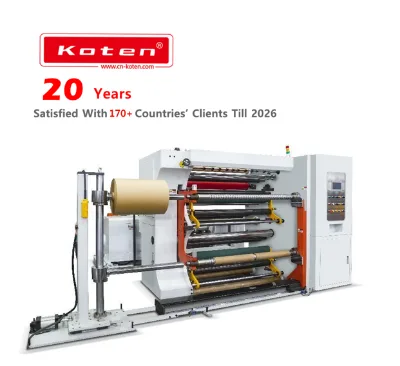

High Quality Slitting Rewinding Machine BOPP Slitting Rewinding Machine BOPP Slitter Rewinder
$8000.00 - $15000.00
MOQ: 1 Pieces


Automatic Paper Roll Slitter Rewinder Machine Paper Slitting Rewinding Machine
$13000.00 - $17000.00
MOQ: 1 Sets


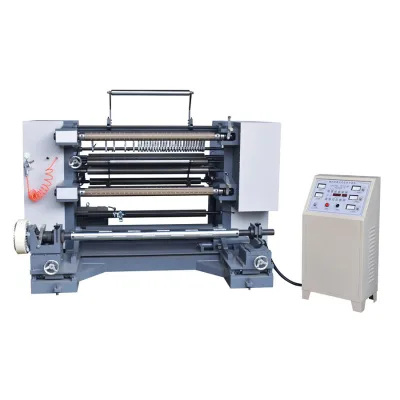
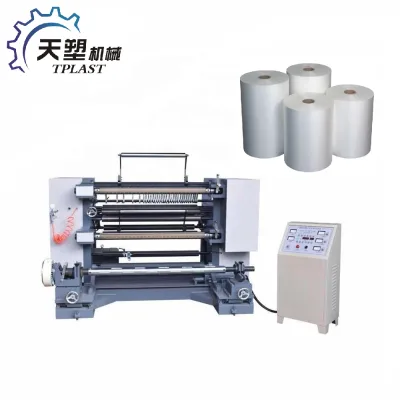
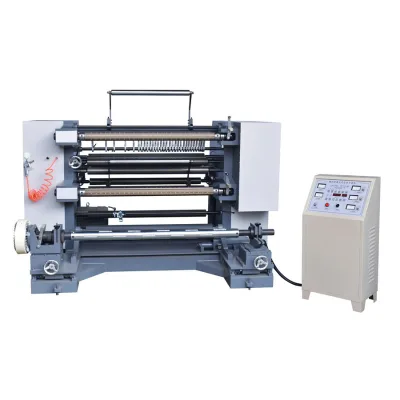
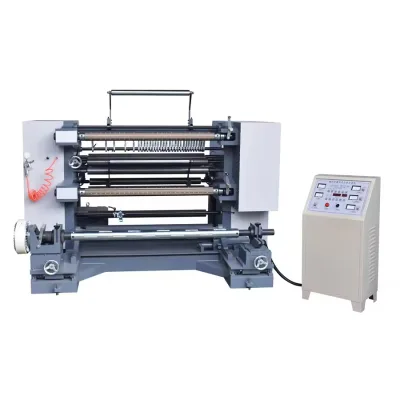

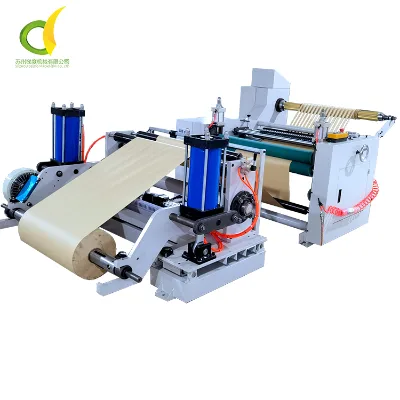
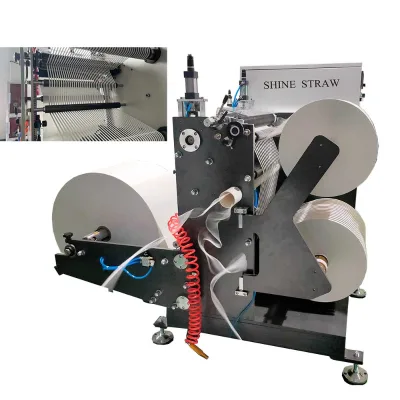
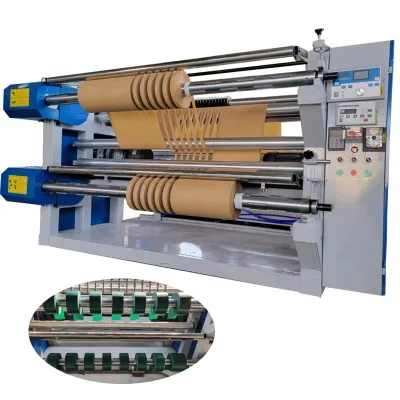
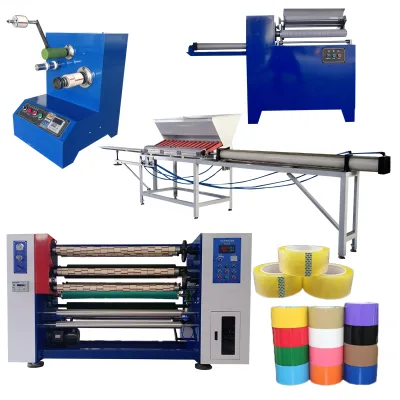


BOPP Film Slitting Steel Coil Slitter Machine Paper Slitting Machine Slitter Rewinder
$7300.00 - $7500.00
MOQ: 1 Pieces


Comprehensive Sourcing Guide
Automatic Bopp Slitting Rewinder Machine Sourcing Guide
Procuring an Automatic Bopp Slitting Rewinder Machine requires a precise understanding of the equipment’s operational parameters and the specific capabilities of the manufacturing base. Buyers must evaluate machines based on their ability to handle high-speed unwinding and rewinding processes while maintaining tension control across various substrate widths. The observed market data indicates a wide range of specifications, from smaller units with a maximum web width of 320mm to larger industrial models capable of handling widths up to 1600mm. Understanding these dimensional constraints is critical for ensuring the selected machine fits within existing facility layouts and production workflows.
The sourcing landscape includes manufacturers from regions such as Anhui, China, offering diverse configurations including electric and hydraulic driven types. Key performance indicators such as slitting speeds up to 70m/min and rewinding speeds reaching 450m/min suggest that buyers should prioritize machines that align with their throughput requirements. Additionally, the availability of customization options allows for tailored solutions, but buyers must verify that these customizations do not compromise the structural integrity or operational safety of the equipment. Evaluating the balance between speed, precision, and adaptability is essential for making an informed procurement decision.
Product Scope and Observed Listing Signals
The current market listings reveal a diverse array of automatic slitting and rewinding equipment, with prices ranging from $1 to $55,000 USD. This significant variance suggests differences in machine complexity, automation levels, and included features. Buyers should note that the minimum order quantity (MOQ) is consistently observed at one unit, indicating that suppliers are willing to accommodate single-unit purchases, which is beneficial for pilot projects or small-scale production lines. The selling units are typically listed as single items, simplifying the procurement process by eliminating bulk purchase requirements.
Product attributes vary widely, with some machines featuring wheel gluing modes and others utilizing flat knife slitting techniques. The observed models include specific identifiers such as ZX-970V6 and GD-212, which may correspond to different structural designs or functional capabilities. Packaging materials range from paper and cartons to wooden cases and plastic films, reflecting the need for robust protection during transit. Buyers must carefully review these listing signals to ensure that the selected machine meets their specific operational needs and that the packaging provided is sufficient to prevent damage during shipping.
Technical Specifications to Verify
When evaluating technical specifications, buyers must verify the maximum web width, unwinding diameter, and rewinding diameter to ensure compatibility with their raw material rolls. Observed data shows maximum web widths of 320mm for some models, while others support cutting widths of 1000mm, 1300mm, or 1600mm. The maximum unwinding diameter is listed as 500mm, and the rewinding diameter as 480mm for certain units, but buyers should confirm these limits for their specific machine selection. Additionally, the paper core diameter range of 25-76mm is a critical parameter that must match the core sizes used in their production process.
Speed capabilities are another vital aspect, with slitting speeds observed at 70m/min and rewinding speeds up to 450m/min for some models. Buyers should also consider the driven type, whether electric or hydraulic, as this affects maintenance requirements and operational costs. The voltage specification of 380V is common, but buyers must ensure their facility’s power supply matches the machine’s requirements. Verifying these technical details with the supplier is essential to avoid mismatches that could lead to operational inefficiencies or equipment damage.
Compliance and Safety Documentation
Compliance and safety are paramount when sourcing industrial machinery, and buyers must request comprehensive documentation from suppliers. This includes electrical safety certificates, mechanical safety guards, and operational manuals that detail emergency stop procedures and maintenance protocols. Buyers should verify that the machine meets relevant international safety standards, such as CE or ISO certifications, although specific certification status should be confirmed with the supplier. The absence of such documentation can pose significant risks, including potential accidents and regulatory non-compliance.
Additionally, buyers should inquire about the machine’s noise levels, vibration dampening features, and ergonomic design to ensure a safe working environment for operators. The video outgoing-inspection provided by some suppliers offers a valuable opportunity to visually assess the machine’s build quality and safety features before purchase. Buyers must also ensure that the supplier provides clear instructions for installing safety guards and conducting regular safety checks. Proper documentation and adherence to safety standards are crucial for protecting both personnel and equipment.
Cost Drivers and Commercial Terms
Cost drivers for automatic BOPP slitting rewinder machines include the machine’s automation level, speed capabilities, and customization options. Buyers should expect higher prices for machines with advanced features such as automatic tension control, high-speed rewinding, and customizable slitting configurations. The observed price range of $1 to $55,000 USD reflects these variations, with more complex machines commanding higher prices. Buyers must carefully evaluate the cost against the expected return on investment, considering factors such as increased production efficiency and reduced labor costs.
Commercial terms, including payment methods, shipping arrangements, and warranty coverage, also significantly impact the total cost of ownership. Buyers should negotiate favorable terms, such as extended warranty periods or included training sessions, to mitigate potential risks. The observed warranty period of one year is standard, but buyers may be able to secure longer coverage through negotiation. Additionally, understanding the supplier’s return policy and after-sales service provisions is essential for managing long-term operational costs and ensuring continuous machine performance.
Supplier Qualification and Quality Control
Supplier qualification is a critical step in the sourcing process, and buyers must assess the manufacturer’s production capabilities, quality control systems, and after-sales support. Buyers should request evidence of the supplier’s manufacturing experience, including case studies or references from previous clients. The observed data indicates that some suppliers provide video outgoing-inspections, which can help buyers verify the machine’s quality before shipment. Buyers must also evaluate the supplier’s ability to provide technical support and spare parts, as these factors are crucial for maintaining machine uptime.
Quality control measures, such as pre-shipment inspections and testing protocols, should be clearly defined in the purchase agreement. Buyers should insist on witnessing these inspections or requesting detailed reports to ensure that the machine meets specified performance criteria. The observed key selling points, such as easy operation and high rigidity, should be verified through independent testing or third-party inspections. By thoroughly evaluating supplier qualifications and quality control practices, buyers can minimize the risk of receiving substandard equipment and ensure a successful procurement outcome.
Long-Term Procurement Checks
Long-term procurement checks involve monitoring the machine’s performance, maintenance requirements, and supplier reliability over time. Buyers should establish a regular maintenance schedule and track key performance indicators, such as slitting accuracy, rewinding tension stability, and overall production efficiency. Any deviations from expected performance should be investigated promptly to identify potential issues and implement corrective actions. Buyers must also maintain open communication with the supplier to address any technical challenges or operational concerns that arise during the machine’s lifecycle.
Additionally, buyers should periodically review the supplier’s after-sales service quality, including response times, technical support availability, and spare parts pricing. The observed after-sales service provision of video technical support is a valuable resource, but buyers should ensure that this support is accessible and effective. By conducting regular long-term procurement checks, buyers can optimize machine performance, extend equipment lifespan, and maximize the return on their investment. Continuous evaluation and proactive management are essential for sustaining operational efficiency and achieving long-term procurement success.
FAQs
What is the slitting speed of the ZX-970V6 Automatic Bopp Slitting Rewinder Machine?
The ZX-970V6 model features a slitting speed of 70 meters per minute. This electric-driven unit utilizes a wheel gluing mode and white glue for efficient processing. It supports a maximum web width of 320mm and unwinding diameters up to 500mm, ensuring stable performance for various industrial applications.
Can the Automatic Bopp Slitting Rewinder Machine handle mica tape substrates?
Yes, the machine is suitable for processing mica tape substrates using a flat knife slitting work method. It is designed as a roll slitter for process materials, allowing for precise cutting widths ranging from 10mm to 1600mm depending on the specific model configuration and operational requirements.
What are the key selling points of the KOTEN Automatic Bopp Slitting Rewinder Machine?
The KOTEN brand machine offers easy operation, high rigidity, and a competitive price. It includes video technical support for after-sales service and provides video outgoing-inspection to ensure quality. The unit weighs 4800kg and comes with a one-year warranty, making it a reliable choice for industrial buyers.
What is the maximum rewinding speed for the Automatic Bopp Slitting Rewinder Machine?
The maximum rewinding speed reaches 450 meters per minute. This high-speed capability is supported by a hydraulic driven type and a frame part structure. The machine accommodates paper core diameters between 25mm and 76mm, ensuring efficient rewinding operations for various material widths and thicknesses.
What are the packaging dimensions and weight for the Automatic Bopp Slitting Rewinder Machine?
The machine is packed in a wooden case or wooden box with plastic film protection. The standard product dimensions are 6000x2900x1800mm, while the unit weight is 4800kg. Some models may have different packing standards, such as 12cbms, ensuring safe transport from the Anhui origin in China.
What voltage and power requirements does the Automatic Bopp Slitting Rewinder Machine need?
The machine operates on a 380V voltage supply. It is an electric-driven unit designed for industrial environments. The power requirements are integrated into the frame part structure, ensuring stable performance during high-speed slitting and rewinding processes. Buyers should verify local electrical compatibility before installation.