Source PLC Servo Cream Filling Machine for Ice Cream, Chocolate, and Cheese
Find 30 PLC Servo Cream Filling Machine options for Ice Cream, Chocolate, and Cheese production. Compare electric models with CE and ISO certifications, automatic grades, and 1-year warranties from China suppliers to streamline your dairy and snack food processing; compare the available evidence and request quotations based on your requirements.
Updated
Key considerations
Products List


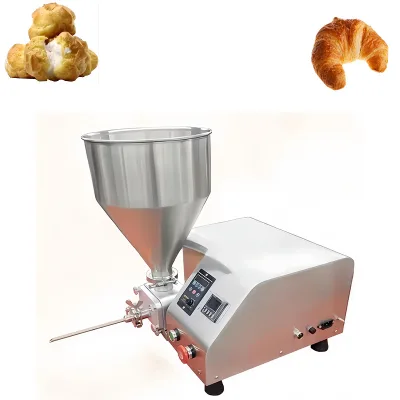
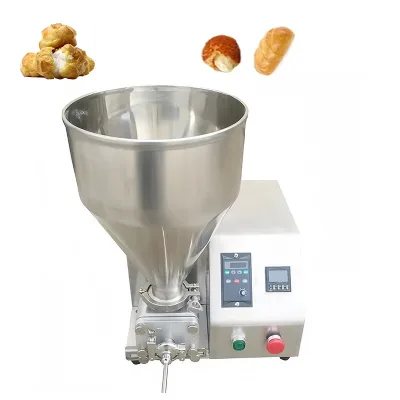
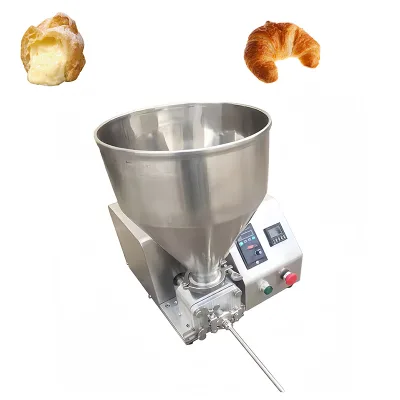
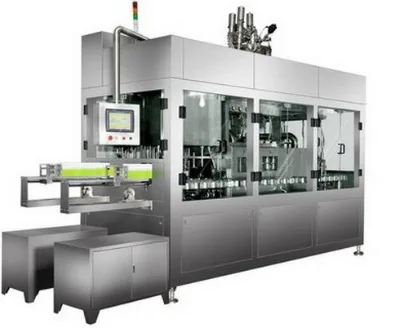
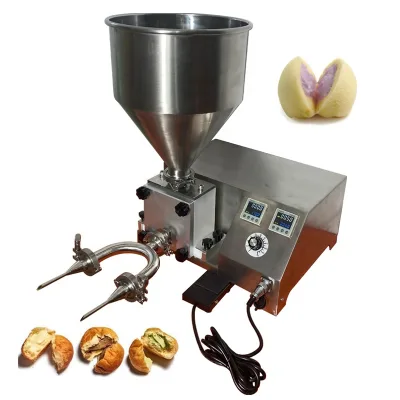
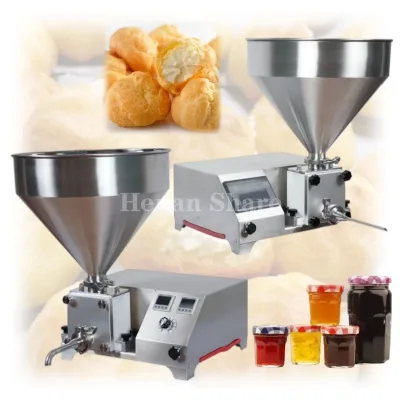

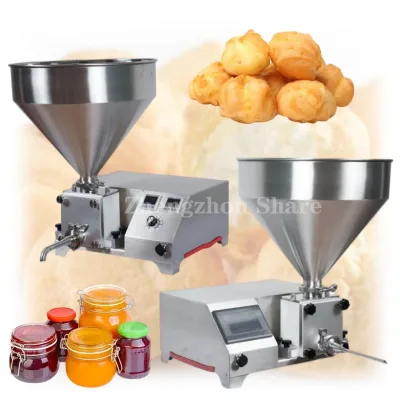
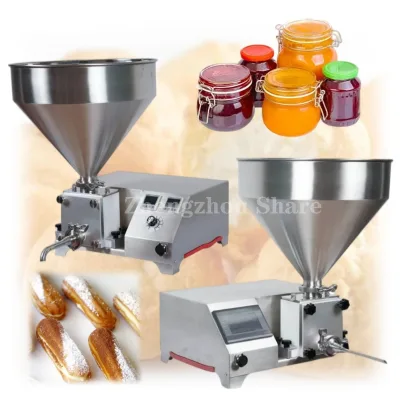
Easy Operation Cake Cream Filling Machine / Bread Cream Filling Machine
$3469.00 - $4509.00
MOQ: 1 Sets

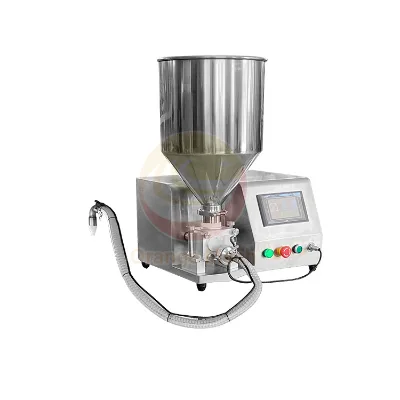
High Efficiency Bread Cream Injection Machine / Cake Cream Filling Machine
$3469.00 - $4509.00
MOQ: 1 Sets





Comprehensive Sourcing Guide
PLC Servo Cream Filling Machine Sourcing Guide
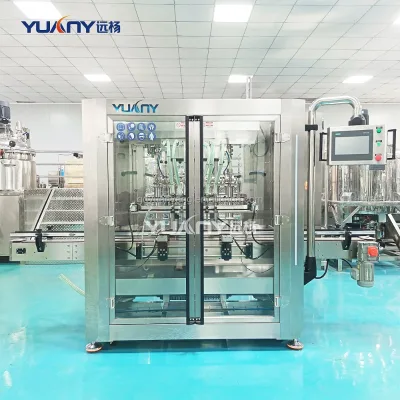
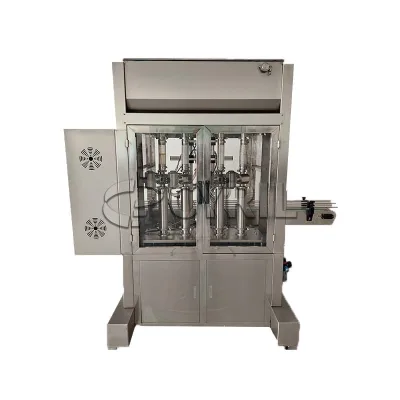
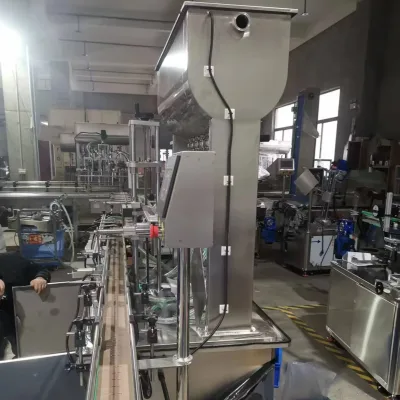
Sourcing a PLC Servo Cream Filling Machine requires careful evaluation of automation levels and control precision. Modern units often feature automatic grades with electric power sources, ensuring consistent output for high-volume production lines. Buyers should prioritize machines that offer customization options to fit specific container geometries, whether for ice cream, chocolate, or dairy products like yogurt and cheese. The presence of a servo motor is critical for accurate volumetric control, reducing product waste and ensuring fill consistency across varying viscosities.
The observed market includes models with distinct specifications, such as the MCW02 and WIP2 series, which cater to different operational needs. Some units are designed for frozen and chilled processes, indicating robust construction suitable for temperature-sensitive applications. When evaluating listings, verify the voltage requirements, as observed ranges include 220-240V and 110V variants, which must match your facility’s electrical infrastructure. Understanding these technical distinctions helps in selecting a machine that aligns with your specific production throughput and product type requirements.
Product Scope and Observed Listing Signals
The current market landscape for cream filling machines reveals a diverse range of capabilities, with observed prices spanning from $100 to $22,000 USD. This wide variance suggests that buyers can find entry-level semi-automatic units or high-end fully automated systems depending on their budget and scale. The minimum order quantity (MOQ) is consistently observed at one unit, indicating that suppliers are flexible and willing to accommodate single-unit purchases for pilot testing or small-scale operations. This accessibility allows businesses to trial technology without committing to large industrial orders immediately.
Product attributes indicate a strong focus on versatility, with applications covering snack food factories, bakery operations, and dairy processing. Specific models like the LP-09 and those branded by SHARE highlight features such as easy operation and automatic cream filling functions. Buyers should note that while some listings describe products as "non-customized," others explicitly offer customization, allowing for tailored solutions. The presence of video outgoing-inspection services in some listings provides an additional layer of confidence, enabling remote verification of machine condition before shipment.
Technical Specifications to Verify
Verifying technical specifications is paramount to ensuring the machine meets your production demands. Key parameters to check include the barrel volume, which has been observed at 9L in certain models, and the overall dimensions, such as 350x350x550mm or 600x400x350mm. These physical constraints must align with your factory floor layout and available space. Additionally, the power consumption, noted as 400W in some instances, should be evaluated against your energy costs and electrical capacity. The weight of the machinery, ranging from 22kg to 30kg, also impacts installation logistics and stability requirements.
The core components, particularly the motor, are central to the machine’s performance and longevity. Buyers should confirm the type and quality of the motor, as it drives the servo mechanism for precise filling. Voltage compatibility is another critical factor, with observed specifications including 220-240V and 110V options. Ensure that the selected model matches your local power standards to avoid the need for expensive transformers or electrical modifications. Furthermore, check the single package size and gross weight to accurately calculate shipping costs and handling requirements during delivery.
Compliance and Safety Documentation
Compliance with international standards is essential for safe and legal operation in global markets. Many observed listings highlight CE certification, indicating adherence to European health, safety, and environmental protection standards. This certification is a strong indicator of basic machine quality and safety features, such as emergency stops and guarded moving parts. Buyers should request valid CE certificates and verify their authenticity with the issuing body to ensure they are not expired or forged. This step is crucial for avoiding customs delays and ensuring regulatory compliance in your target market.
ISO certification is also mentioned in some contexts, suggesting a broader commitment to quality management systems. While specific ISO standards are not always detailed, the presence of such claims implies a structured approach to manufacturing and quality control. Buyers should ask for detailed documentation regarding machinery test reports, although some listings indicate these are "Not Available." In such cases, request third-party inspection reports or factory audit results to verify the machine’s reliability and safety performance before finalizing the purchase.
Cost Drivers and Commercial Terms
Understanding the cost drivers helps in negotiating better commercial terms and avoiding hidden expenses. The price range of $100 to $22,000 USD reflects differences in automation level, material quality, and brand reputation. Higher-priced units likely offer advanced PLC controls, higher precision servo motors, and durable stainless steel construction. Buyers should analyze the total cost of ownership, including energy consumption, maintenance requirements, and potential downtime. A cheaper machine may incur higher operational costs due to inefficiency or frequent repairs.
Warranty terms are a significant component of the commercial agreement, with observed warranties typically lasting one year. This coverage should include parts and labor for core components like the motor and PLC system. Buyers should clarify the scope of the warranty, including response times for technical support and availability of spare parts. Additionally, consider the packaging method, such as wooden cases, which protects the machine during transit but may add to shipping costs. Clear communication on these terms ensures that both parties have aligned expectations regarding post-purchase support and liability.
Supplier Qualification and Quality Control
Supplier qualification is critical to mitigating risks associated with international procurement. Buyers should verify the supplier’s place of origin, with many listings indicating origins in China, including specific provinces like Jiangsu and Henan. This geographic information can help assess the supplier’s industrial ecosystem and supply chain maturity. Request business licenses and export records to confirm the supplier’s legitimacy and experience in the global market. A reputable supplier will provide transparent information about their manufacturing capabilities and quality control processes.
Quality control measures should be rigorously evaluated before placing an order. Look for suppliers who offer video outgoing-inspections, allowing you to witness the machine’s operation and finish quality in real-time. This visual verification can reveal potential defects or operational issues that might not be apparent from static images. Additionally, inquire about the supplier’s internal testing procedures and whether they conduct pre-shipment inspections. Establishing a clear communication channel for addressing any discrepancies during the inspection phase is essential for ensuring that the delivered machine meets your specified requirements.
Long-Term Procurement Checks
Long-term procurement success depends on establishing a sustainable relationship with your supplier and ensuring ongoing machine performance. Buyers should plan for regular maintenance and spare parts availability, as these are critical for minimizing downtime. Inquire about the supplier’s inventory of common wear parts, such as seals, nozzles, and motor components, and negotiate bulk pricing for these items. A reliable supplier will maintain a stock of spare parts and provide technical guidance for routine maintenance tasks, extending the machine’s operational lifespan.
Continuous improvement and feedback loops are also important for long-term procurement. Monitor the machine’s performance in your production environment and provide feedback to the supplier regarding any operational challenges or desired upgrades. This collaboration can lead to customized solutions or firmware updates that enhance efficiency. Additionally, stay informed about industry trends and technological advancements in filling machinery, as this knowledge can inform future procurement decisions and help you stay competitive in your market. Regularly reviewing your supplier’s performance against agreed-upon metrics ensures that the partnership remains beneficial and productive.
FAQs
What certifications are available for these filling machines?
CE and ISOCE certifications are available for the supplied filling machines. These credentials indicate compliance with specific safety and quality standards required for industrial food processing equipment. Buyers should verify the exact certification documents provided by the manufacturer before finalizing procurement to ensure regulatory alignment in their target markets.
Can the machines be customized for specific production needs?
Customization is available for these electric filling machines to suit specific production requirements. The equipment supports both customized and non-customized configurations depending on the buyer's operational needs. This flexibility allows businesses to adapt the machinery to their unique workflow constraints while maintaining the core automatic filling functionality for consistent output.
What is the typical voltage requirement for these units?
The typical voltage requirement ranges from 110V to 240V across different models. Specific units operate at 220V or 220-240V, ensuring compatibility with various industrial power standards. Buyers must confirm the exact voltage specification for their selected model to prevent electrical incompatibility issues during installation and ensure safe, efficient operation in their facility.
Which applications are supported by these filling machines?
These machines support applications including ice cream, chocolate, milk, yogurt, milk powder, and cheese production. They are also suitable for snack food factories and cake filling operations. The versatile design allows for processing various viscous products, making them ideal for diverse food manufacturing environments requiring precise and automated filling solutions for different product types.
What is the warranty period for the equipment?
The standard warranty period for these filling machines is one year. This coverage provides buyers with assurance regarding the equipment's reliability and performance during the initial operational phase. The warranty typically covers core components and manufacturing defects, offering peace of mind for businesses investing in automated food processing solutions for their production lines.