Source Continuous Automatic Heat Sealing Machine for Food, Beverage, Chemical
Find 30 Continuous Automatic Heat Sealing Machine options for food, beverage, and chemical packaging. Compare specifications like speed, power, and sealing type to select the right equipment for your production line; compare the available evidence and request quotations based on your requirements.
Updated
Key considerations
Products List

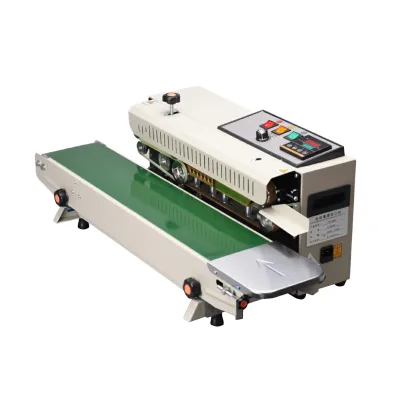
$130.00 - $160.00
MOQ: 1 Minimum
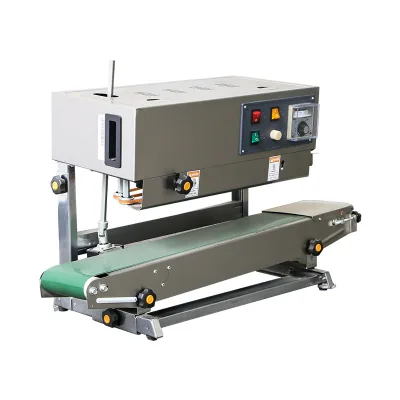


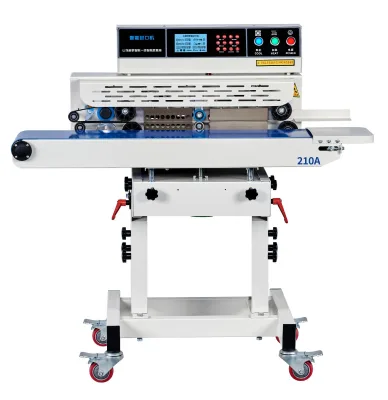


Automatic Sealing Machine Automatic Heat Sealing Machine Packing and Sealing Machine
$15896.00 - $19635.00
MOQ: 1 Pieces

Automatic Heat Sealing Machine Filling and Sealing Machine Plastic Tube Sealing Machines
$17528.00 - $23698.00
MOQ: 1 Pieces


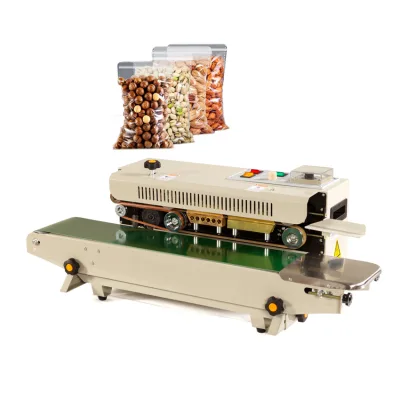
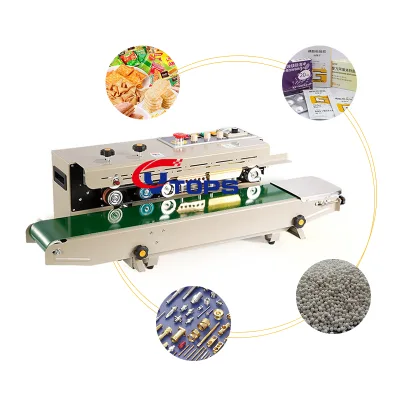
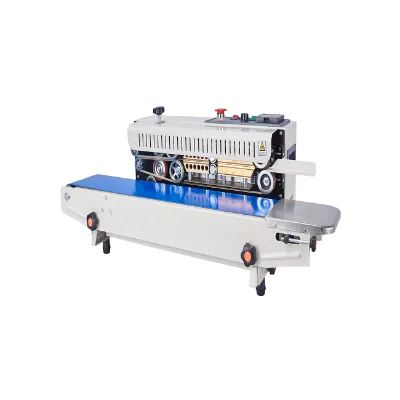
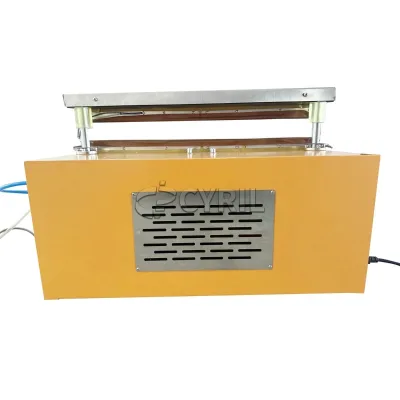
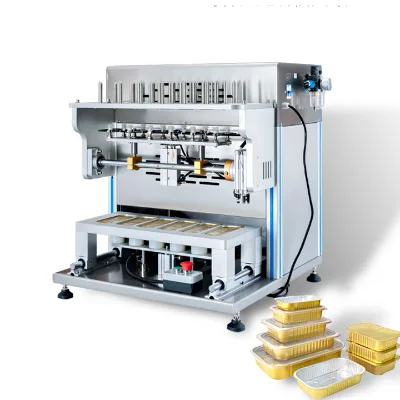
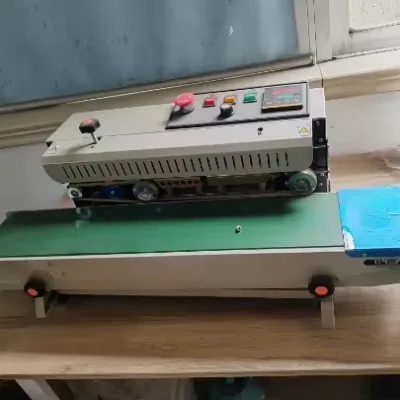

High Efficiency Automatic High Frequency Plastic Heat Sealing Machine
$3900.00 - $4400.00
MOQ: 1 Pieces

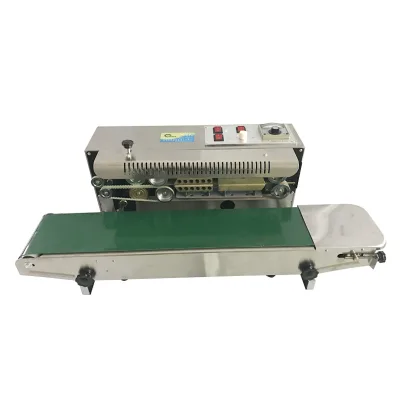


Comprehensive Sourcing Guide
Continuous Automatic Heat Sealing Machine Sourcing Guide
Sourcing a Continuous Automatic Heat Sealing Machine requires buyers to balance throughput requirements, bag compatibility, and after-sales support before committing to a purchase. These machines are widely used to seal plastic pouches for food, beverages, commodities, chemicals, machinery hardware, apparel, and textiles, so the first step is defining which product categories and bag formats your line will actually handle. Because listings in this category range from compact 20 kg bench units to heavier 120 kg machines suited for 10 kg thick stand-up pouches, matching machine class to duty cycle is the single most important early decision.
This guide organizes the procurement process around seven decision points: product scope, technical specifications, compliance documentation, cost drivers, supplier qualification, and long-term checks. All observations below are drawn from actual product-page listings, including models such as the WY-M01 and 700/900 series from origins in Shantou and Hunan, China. Treat every listed attribute as a data point to verify rather than a guarantee, since individual listings vary in automatic grade, voltage, and warranty terms.
Product Scope and Observed Listing Signals
Listed products in this category include full automatic filling and sealing machines, semi-automatic sealing units, and continuous band sealers described as plastic pouch bag heat coding printing sealing machines. Application fields cited across listings span food, seasoning, rice, flour, snacks, fish, meat, vegetables, fruit, tea, drinks, dairy, hair care, skin care, cosmetics, oil, and cleaning detergent products. Packaging type is consistently bags, with usage listed as outpacking or combined inner and outpacking, and material type described as bulk solid.
Observed listing signals help buyers segment the market. Automatic grade varies between full automatic and semi-automatic, so confirm which classification a listing actually carries before comparing prices. Model identifiers such as WY-M01 and 700/900 appear without standardized naming conventions, making cross-supplier comparison dependent on specifications rather than model numbers. Key selling points repeated across listings include easy operation, low noise level, long service life, and energy saving—claims that should be validated through demonstrations or machinery test reports rather than accepted from listing copy alone.
Technical Specifications to Verify
Voltage is a frequent source of confusion: listings show 220 V, which suits many Asian markets but may require a transformer or different configuration elsewhere. Confirm the destination market's electrical standard before ordering. Power ratings observed range from 150 W to 450 W, and maximum speed claims range from 10 m/min to 55 pcs/min—note that these units are not directly comparable, so ask suppliers to express throughput in the metric relevant to your production planning.
Weight varies from 20 kg to 120 kg across listings, affecting installation, bench loading, and shipping cost. Sealing type is heat sealing across observed listings, but seal width, film thickness limits, and compatibility with stand-up pouches or thick 10 kg bags are not uniformly stated and must be confirmed. Driven type is listed as electric, and core components such as gears, gearboxes, motors, and bearings determine durability. Request the component brand list and ask whether spare parts for these components are stocked or available as free spare parts under the warranty.
Compliance and Safety Documentation
Machinery test reports are explicitly marked as provided on some listings, which is a meaningful signal in this category. Buyers should request the actual test report for the specific model and serial configuration being purchased, not a generic document, and should verify that it covers electrical safety and sealing performance relevant to the intended product. Since these machines contact packaging destined for food, beverages, dairy, and cosmetics, ask what documentation supports material safety for parts that touch the product side of the film.
Custom standards are indicated by the prod_standard value "CUSTOM," which means the buyer must specify which standard the machine should meet at order time rather than assuming a default. Origin locations cited are Shantou and Hunan, China; buyers importing into regulated markets should independently confirm which export documentation, electrical conformity declarations, and food-contact material statements the supplier can issue. Do not assume certification status from listing keywords—request certificate copies with validity dates and scope matching the exact machine model.
Cost Drivers and Commercial Terms
The observed listing price range spans from 20 to 23,698 USD, an unusually wide spread that reflects differences in machine class, automation level, sealing width, and whether the listing represents a single unit or a configured production line. Buyers should normalize quotations by specifying identical requirements—bag type, target speed in one agreed unit, voltage, and customization scope—so that price comparisons reflect capability differences rather than specification ambiguity.
MOQ values in observed listings range from 1 to 10, and selling units are single items, which favors low-volume buyers and pilot-line purchases. Customization is listed as available, but customized configurations typically affect price, lead time, and warranty coverage; confirm in writing whether customized machines retain the standard 1-year warranty. Packaging is carton or cartons, which is adequate for compact units but may warrant reinforced crating for 120 kg machines. Clarify Incoterms, who arranges freight insurance, and whether video technical support or online support is included in the quoted price.
Supplier Qualification and Quality Control
Brand names observed include LX and Lixing, but brand identity alone is insufficient for qualification. Evaluate suppliers on whether they provide a machinery test report, whether after-sales service includes video technical support, online support, and free spare parts, and whether they demonstrate the machine running with your actual bag material and product before shipment. A live demonstration—remote or in person—remains the most reliable verification for sealing quality on thick pouches and specific film structures.
Quality control should extend to pre-shipment inspection: verify sealing consistency at the contracted speed, confirm that low-noise and energy-saving claims are observable in practice, and inspect core components such as the gearbox, motor, and bearings for build quality. For semi-automatic versus fully automatic listings, confirm that the control interface matches operator skill levels. Ask how the supplier documents customization requests, since the "available" customization flag implies engineering changes that need drawings, agreed acceptance criteria, and a signed specification sheet to prevent disputes.
Long-Term Procurement Checks
Plan for the full ownership cycle, not just commissioning. The 1-year warranty observed on listings is a starting point; negotiate what happens after year one, including paid spare parts availability, response times for online or video support, and whether consumable sealing components—heating elements, Teflon belts, and pressure rollers—are catalogued with part numbers. Machines rated at 10 m/min or 55 pcs/min experience wear at different rates, so establish a preventive maintenance schedule matched to your duty cycle.
Build redundancy into procurement strategy. Because core components include gears, gearboxes, motors, and bearings, keep critical spares on site for high-volume lines to avoid downtime waiting on international shipments. Document the as-built configuration, including voltage, power rating, and any custom standards applied, so future reorder or replacement inquiries can be matched precisely. Finally, track supplier responsiveness during the warranty period as evidence for whether to consolidate future orders with the same source or qualify a second supplier for continuity.
FAQs
What is the voltage requirement for these sealing machines?
The machines operate on a standard 220 V power supply. This electrical specification ensures compatibility with common industrial outlets in many regions. Users should verify local voltage standards before installation to prevent equipment damage. The electric driven type provides consistent performance for continuous sealing operations in various packaging environments.
Can the machine handle different packaging materials like plastic?
Yes, the equipment is designed for plastic packaging materials. It supports flexible container sealing and is suitable for various bag types including stand-up pouches. The heat sealing mechanism ensures secure closure for bulk solids and liquids. This versatility allows users to package diverse products such as food, chemicals, and cosmetics effectively.
What after-sales services are provided for the sealing machine?
Providers offer online support and video technical assistance to resolve operational issues. Free spare parts are included to maintain machine functionality over time. This comprehensive service package ensures minimal downtime for users. Buyers can rely on remote troubleshooting and part replacement to keep their packaging lines running smoothly without extensive on-site maintenance.
What is the warranty period for the automatic sealing unit?
The product comes with a one-year warranty covering manufacturing defects. This coverage provides assurance for the gear, gearbox, motor, and bearing components. Buyers receive protection against early failures during the initial operational year. The warranty supports long-term reliability and reduces the risk of unexpected repair costs for industrial packaging applications.
Which applications are suitable for this heat sealing machine?
The machine is suitable for food, beverage, chemical, and commodity packaging. It handles items like rice, flour, snacks, and cosmetics efficiently. The versatile design supports both inner and outer packing requirements. Users in the apparel, textile, and machinery sectors can also utilize this equipment for diverse product sealing needs in a commercial setting.
What are the key selling points of this sealing machine?
Key features include easy operation, low noise levels, and energy saving. The design emphasizes a long service life for continuous use. These attributes reduce operational costs and improve workplace comfort. Buyers benefit from a user-friendly interface and efficient power consumption, making it ideal for high-volume production environments requiring reliable and quiet sealing performance.