Automobile Traffic Reflective Triangle Suppliers and Manufacturers
Compare 28 verified suppliers of Automobile Traffic Reflective Triangle based on location, response time, lead time, and certifications. Review product specs like EMARK and CE standards, then request quotes for models such as RT007 or S-1626; review the available evidence before requesting comparable quotations from suitable candidates.
Updated
Suppliers List

Ningbo Autocare Car Accessory Co., Ltd.
- Trading Company
- China Zhejiang
- Lead time30 days
- Avg. response≤ 18h
Main productsAuto Accessories, Car Accessories, Car Steering Wheel Cover, Steering Wheel Cover, Seat Cushion, Sun Shade
Main marketsSouth America,Africa,Southeast Asia/ Mideast,East Asia(Japan/ South Korea),Europe,Australia,North America

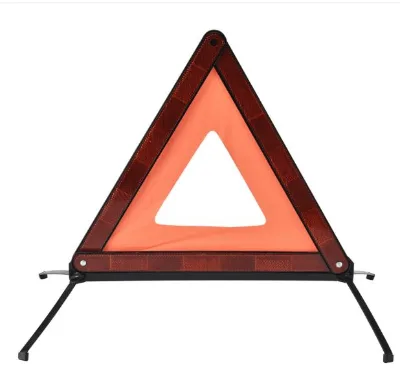
Reflective Red Traffic Warning Triangle Sign Car Safety Warning Triangle
$0.95 - $1.10
MOQ: 1000 Pieces


Safety High Way Triangle Car Emergency Reflective Warning Triangle Safety Signs
$0.93 - $1.10
MOQ: 1000 Pieces

Hangzhou Safer Traffic Facilities Co., Ltd.
- Combined
- China Zhejiang
- Lead time30 days
- Avg. response≤ 6h
Main productsWarning Light, Traffic Cone/PVC Cone, Road Warning Lamp, Cable Speed Hump, Cable Protector, Crowd Barrier, Road Barrier, Barricade Lamp, Solar Arrow Trailer, Solar Trailer
Main marketsSouth America,Africa,Southeast Asia/ Mideast,East Asia(Japan/ South Korea),Europe,Australia,North America

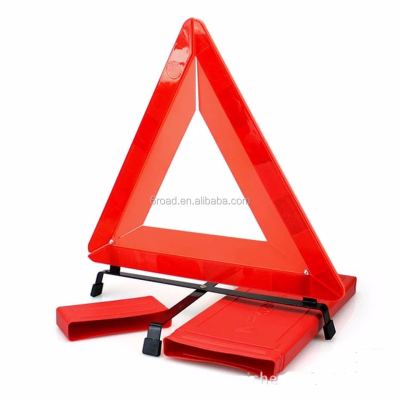
Road Traffic Safety Car Emergency Reflective Foldable Packing Warning Triangle
$1.00 - $2.00
MOQ: 1000 Pieces

Traffic Road Safety Sign Reflective Warning Triangle for Truck Car Meet
$1.00 - $2.00
MOQ: 1000 Pieces


Road Safety Tools Reflective Red Traffic Signs Emergency Way Warning Triangle
$1.00 - $2.00
MOQ: 1000 Pieces

Roadway Reflector Emergency Warning Sign Triangle for Traffic Safety Car
$1.00 - $2.00
MOQ: 1000 Pieces

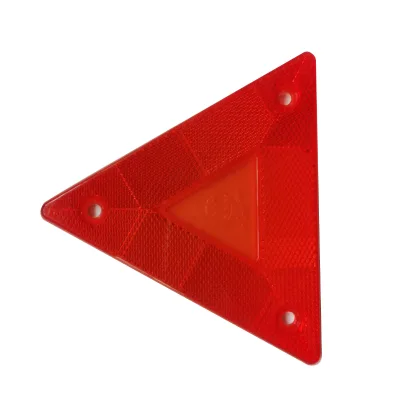
Traffic Safety Vehicle Reflector Plastic Red Car Warning Triangle for Emergency Road Sign
$1.00 - $2.00
MOQ: 1000 Pieces
Wenzhou Xiangying Reflective Materials Science Technolgy Co., Ltd.
- Verified by SGS Group
- Manufacturer, Trading Company
- Lead time15 days
- Avg. response≤ 8h
Main productsReflective Sheeting, Photoluminescent Sheeting, Anti-Slip Tape, Warning Tape, Aluminum Board
Main marketsNorth America(35%), Southern Europe(20%), Mid East(10%)

Hangzhou Eaglerd Traffic Industry & Trade Co., Ltd.
- Verified by SGS
- Trading Company,Manufacturer/Factory
- China Zhejiang
- Lead time23 days
- Avg. response≤ 3h
Main productsRoad Marking Machine, Guardrail, Traffic Cone, Traffic Light, Road Paint, Traffic Sign, Road Stud, Convex Mirror, Speed Bump, LED Street Light
Main marketsSouth America,Eastern Europe,Mid East,North America,Southeast Asia,Eastern Asia,Oceania,Western Europe,Africa

Beijing Roadsafe Technology Co., Ltd.
- Verified by TUVRHEINLAND
- Trading Company,Manufacturer/Factory
- China Beijing
- Lead time23 days
- Avg. response≤ 6h
Main productsRoad Stud, Delineator Post, Traffic Paint, Road Marking Machine, Traffic Cone, Warning Post, Speed Hump, Road Maring Tape, Highway Guardrail, Highway Roller Guardrail
Main marketsSouth America,Eastern Europe,Mid East,North America,Southeast Asia,Eastern Asia,Oceania,Western Europe,Africa

Hot Sale Traffic Reflectors Warning Road Center Emergency Strong Reflective Car Triangle
$0.50 - $0.90
MOQ: 100 Pieces


Wholesale Hot Sale Traffic Safety High Reflective Safety Car Warning Triangle Sign
$0.98 - $1.10
MOQ: 200 Pieces
Sanmen Aroad Traffic Facility Factory
- Verified by TüVRheinland
- Manufacturer, Trading Company
- Lead time5 days
- Avg. response≤ 6h
Main productsCable protector, Rubber speed hump, Traffic cone, Anti-impacted block, Rubber wheel stopper
Main marketsSoutheast Asia(30%), Domestic Market(30%), South America(15%)

Shanghai Autobuy Industry (Group) Co., Ltd
- Verified by BV
- Trading Company
- China Shanghai
- Lead time30 days
- Avg. response≤ 25h
Main productsCar Acccessories, Car Seat Cover, Wheel Caps, Car Cover, Racing Seats, Modified Seats, Wiper Blades, Car Mats, Car Seat Cushion, Auto Parts
Main marketsSoutheast Asia/ Mideast

Hebei Shangze Rubber and Plastic Products Co., Ltd.
- Manufacturer/Factory
- China Hebei
- Lead time15 days
- Avg. response≤ 4h
Main productsSteel Fiber for Concrete, Bridge Bearing Pad, Expansion Joint, Rubber Waterstop & Sealing Products, Viscous Fluid Damper, Steel Fiber Production Mach, Traffic Safety Products, Building Decoration Materials
Main marketsSouth America,Mid East,Southeast Asia,Eastern Asia,Africa

Traffic Road Safety Warning Triangle Warning Sign Safety Reflective Warning Triangle
$1.00 - $2.00
MOQ: 100 Pieces


Warning Triangle Safety Sign Reflective Emergency Roadside Triangles for Cars/Trucks
$1.00 - $2.00
MOQ: 100 Pieces


High Visibility Reflective Safety Triangle Roadside Warning Triangle for Road Safety
$0.90 - $1.30
MOQ: 100 Pieces

Emergency Breakdown Warning Triangle Foldable Reflective Warning Triangle Road Safety Triangles
$1.00 - $2.00
MOQ: 100 Pieces

Taizhou Allroads Safety Co., Ltd.
- Verified by BV
- Manufacturer/Factory
- China Zhejiang
- Lead time23 days
- Avg. response≤ 13h
Main productsTraffic Cone, Speed Bump, Barrier Fencing Net, Wheel Stopper, Traffic Delineator Post, Plastic Chain, Corner Guard, Traffic Barricade & Barrel, Road Construction & Maintenance Equipment, Building Materials
Main marketsSouth America,Eastern Europe,Mid East,North America,Southeast Asia,Eastern Asia,Oceania,Western Europe,Africa

Road Traffic Emergency Reflective Foldable Car Safety Warning Caution Triangle
$1.00 - $2.20
MOQ: 300 Pieces


$0.75 - $1.85
MOQ: 300 Pieces


Henan Winall Traffic Facilities Co., Ltd.
- Verified by SGS Group
- Manufacturer, Trading Company
- Henan, China
- Lead time7 days
- Avg. response≤ 1h
Main productsSolar flashing light, Traffic Sign, Traffic Baton, Solar Road Stud, LED warning light
Main marketsNorth America(30%), Southeast Asia(30%), South Asia(20%)
Zhejiang Lanbei Industry&Trade Co., Ltd.
- Verified by Intertek
- Manufacturer, Trading Company
- Lead time30 days
- Avg. response≤ 5h
Main productsSafety Vest, Reflective Jacket, Reflective Shirt
Main marketsNorth America(38%), Oceania(25%), Southern Europe(12%)
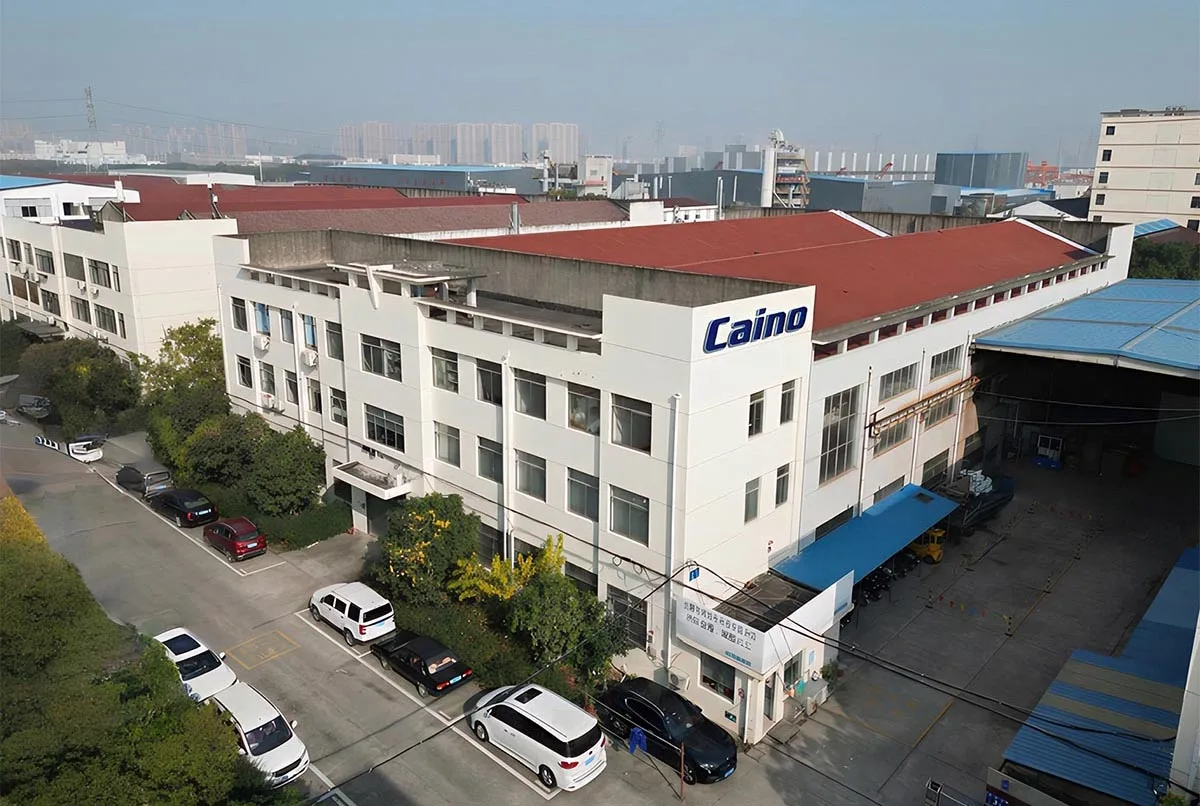
Wuxi Caino Auto Accessories Co., Ltd.
- Manufacturer, Trading Company
- Jiangsu, China
- Lead time45 days
- Avg. response≤ 5h
Main productscar accessories,cargo control,12V accessories,heavy duty,safety flag
Main marketsNorth America(60.00%), Western Europe(40.00%)
Henan Jiexun Photoelectric Technology Co., Ltd.
- Verified by SGS Group
- Manufacturer, Trading Company
- Lead time7 days
- Avg. response≤ 1h
Main productsLED Traffic Warning Light, Traffic Baton, Traffic Signal Light, Solar Beacon Light, Solar Road Stud
Main marketsSoutheast Asia(27%), Mid East(15%), North America(10%)
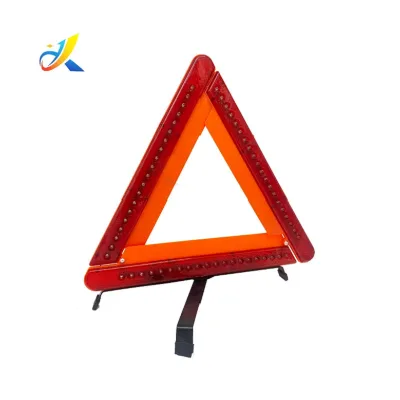
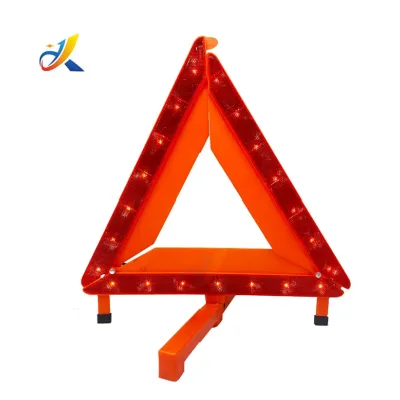
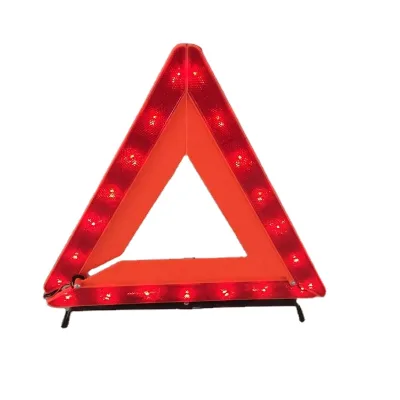
Road Safety Led Traffic Warning Triangle Light Car Triangle Traffic Warning Sign
$3.55 - $4.20
MOQ: 100 pieces
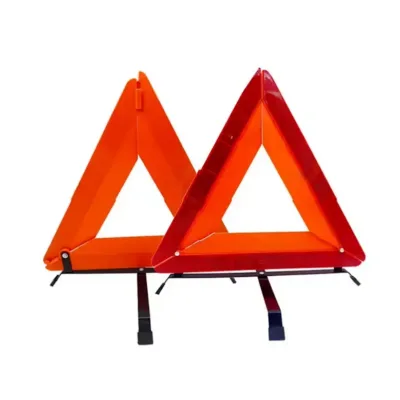
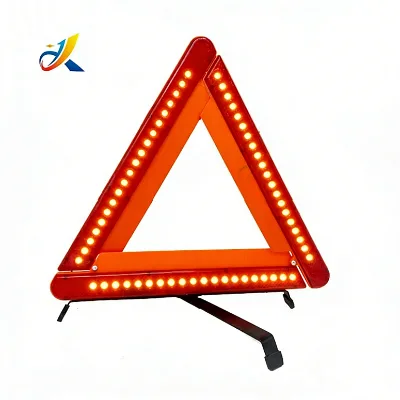

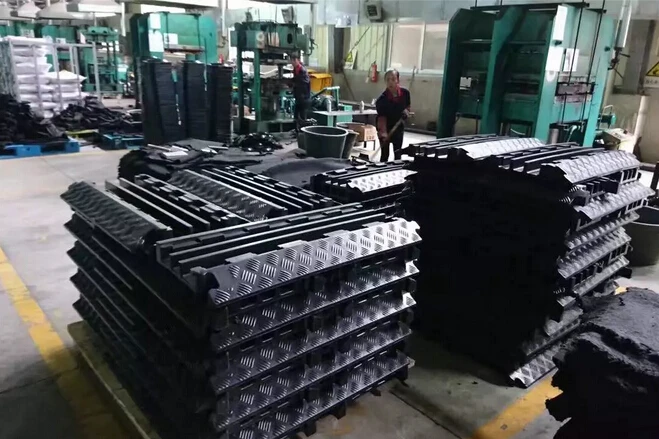
Sanmen Aroad Traffic Facility Factory
- Combined
- China Zhejiang
- Lead time15 days
- Avg. response≤ 9h
Main productsTraffic Cone, Speed Hump, Anti-Impacted Block, Warning Post, Convex Mirror, Road Stud, Reflective Vest, Road Barrier, Traffic Sign, Cable Protector
Main marketsSouth America,Africa,Southeast Asia/ Mideast,East Asia(Japan/ South Korea),Europe,Australia,North America
Quzhou Leon Traffic Equipment Co., Ltd.
- Trading Company
- Zhejiang, China
- Lead time20 days
- Avg. response≤ 3h
Main productscable protector,pvc cone,convex mirror,speed bump,delineator
Main marketsSouth America(30.00%), South Asia(20.00%), North America(20.00%), Western Europe(10.00%), Southern Europe(10.00%), Northern Europe(10.00%)

Guangzhou 247 International Co., Ltd.
- Trading Company,Manufacturer/Factory
- China Guangdong
- Lead time15 days
- Avg. response≤ 10h
Main productsSafety Cloth, Safety Boot, Safety Mask, Safety Rain Boot, Rain Boot, Rain Coat, Safety Helmet, Safety Vest, Face Mask, Safety Glasses
Main marketsSouth America,Eastern Europe,Mid East,North America,Southeast Asia,Eastern Asia,Oceania,Western Europe,Africa
Cixi Haoxing Autoparts Co., Ltd.
- Manufacturer
- Zhejiang, China
- Lead time10 days
- Avg. response≤ 1h
Main productswarning triangle,DIN13164 kits,safety vest,life hammer,emergency kit
Main marketsCentral America(8.00%), South America(8.00%), Africa(8.00%), Eastern Europe(6.00%), Western Europe(6.00%), Eastern Asia(6.00%), Domestic Market(6.00%), Oceania(6.00%), Southern Europe(6.00%), Northern Europe(6.00%), Mid East(5.00%), South Asia(5.00%), North America(5.00%), Southeast Asia(5.00%)

Shanghai Anma Industry Co., Ltd.
- Trading Company
- China Shanghai
- Lead time30 days
- Avg. response≤ 6h
Main productsCar Accessories, Car Spare Parts, Car Tools, Car Interior Accessories, Car Exterior Accessories, Car Electrical Accessories, Car Lights, Car Mirror, Car Emergency Kits, Car Care Products
Main marketsSouth America,Others(foreignTradeCapacity.exportBusinessCapacityMarketOther),Southeast Asia/ Mideast,Europe,North America
Guangxi Guizhida Transportation Facilities Co., Ltd.
- Verified by TüVRheinland
- Manufacturer, Trading Company
- Lead time3 days
- Avg. response≤ 2h
Main productsReflective Film, Traffic Signs, Speed Bumps, Balustrades & Handrails
Main marketsNorth America(25%), Southeast Asia(25%), Western Europe(25%)
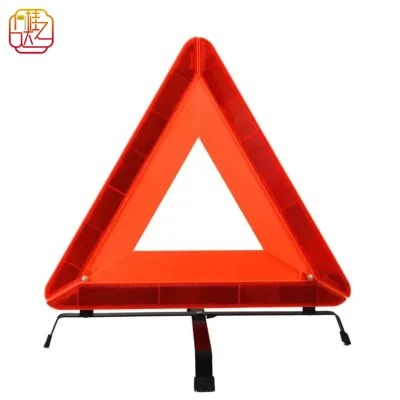
Road Safety Emergency Traffic Warning Triangle Light Car Triangle Traffic Warning Sign
$1.4362 - $1.9119
MOQ: 30 pieces

- Verified by CTI
- Trading Company
- China Zhejiang
- Lead time15 days
- Avg. response≤ 3h
Main productsWarning Vests, Safety Glasses, Welding Mask, Rain Coat, Work Wear, Gloves, Safety Shoes, Respirator
Main marketsSoutheast Asia/ Mideast,Europe,North America

Car Triangle Highway Roadside Warning Signal Flash Safety Reflective Triangle
$0.52 - $0.75
MOQ: 500 Pieces

Car Triangle Warning Sign Flashing Light Safety Reflector Warning Triangle
$1.75 - $2.25
MOQ: 500 Pieces

Safety Reflective Triangle Car Triangle Warning Signal Flash Warning Light
$2.12 - $2.75
MOQ: 500 Pieces

Ningbo Fuding Industrial & Trading Co., Ltd.
- Manufacturer, Trading Company
- Zhejiang, China
- Lead time45 days
- Avg. response≤ 1h
Main productsWarning Triangle,Safety Vest,Strobe warning light
Main marketsEastern Europe(50.00%), Africa(10.00%), Mid East(10.00%), Southern Europe(8.00%), Eastern Asia(8.00%), Southeast Asia(5.00%), Western Europe(5.00%), North America(2.00%), South America(2.00%)
Bestreat (hubei) Safety First Aid Solution Co., Ltd.
- Verified by TüVRheinland
- Manufacturer, Trading Company
- Lead time0 days
- Avg. response≤ 2h
Main productsFirst Aid Kit
Main marketsWestern Europe(40%), North America(30%), Eastern Europe(10%)
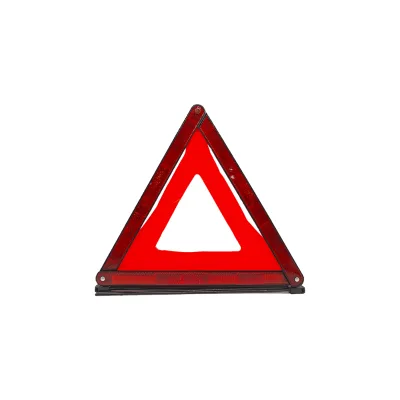
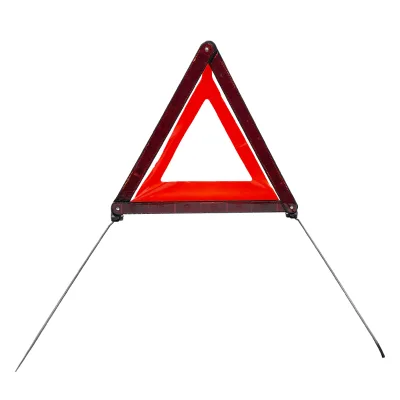
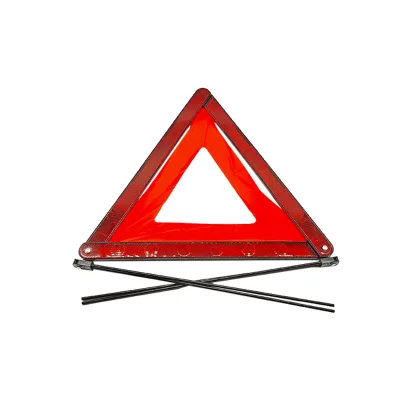
Car Roadside Portable Foldable Safety Triangle Waterproof Reflective Warning Triangle
$1.40 - $1.80
MOQ: 10 pieces

Shanghai Huaqi Industrial Co., Ltd.
- Verified by TUVRHEINLAND
- Trading Company
- China Shanghai
- Lead time15 days
- Avg. response≤ 5h
Main productsCar Mats, Seat Cover, Car Cover, Wiper Blade, Air Compressor, Steering Wheel Cover, Car Lock, Baby Mirror, Car Jack, Racing Seat
Main marketsSouth America,Africa,Southeast Asia/ Mideast,Europe,Australia,North America
- Verified by SGS Group
- Trading Company
- Lead time30 days
- Avg. response≤ 2h
Main productsSMC Products, FRP Products, BMC Products, Polymer Concrete Drainage Channels, Municipal Water Treatment Products
Main marketsWestern Europe(20%), South Asia(20%), Africa(15%)
Henan Dongjun Intelligent Transportation Facilities Co., Ltd.
- Trading Company
- Henan, China
- Lead time15 days
- Avg. response≤ 5h
Main productsRoad Stud,Solar Road Stud,Reflective Road Stud,Road Marking Machine,Camping lights
Main marketsSoutheast Asia(30.00%), Eastern Asia(20.00%), Western Europe(10.00%), Eastern Europe(10.00%), Central America(10.00%), South America(10.00%), South Asia(5.00%), Mid East(5.00%)
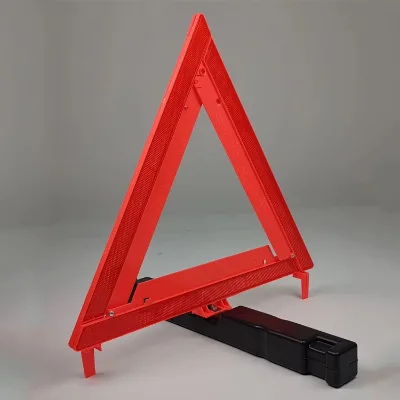
High Reflective Emergency Safety Reflective Folding Car Warning Led Light Triflash Sign Triangle
$2.057 - $4.6271
MOQ: 500 pieces
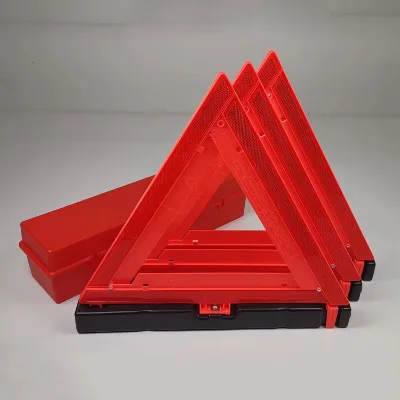
High Quality Roadside Safety Reflective Warning Triangle Approved with Weighted Base and Case
$2.00 - $4.50
MOQ: 500 pieces
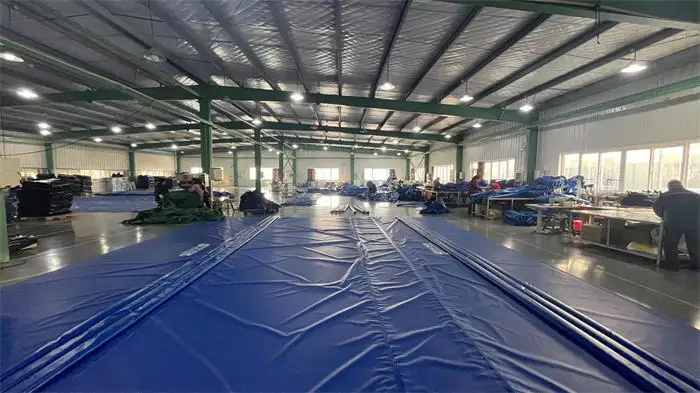
Yangzhou Dandelion Logistics Equipment Co., Ltd.
- Manufacturer, Trading Company
- Jiangsu, China
- Lead time25 days
- Avg. response≤ 4h
Main productsTarps,Tarping System,Headache Rack,Cargo Equipment,Hardware Kit
Main marketsNorth America(45.00%), Western Europe(30.00%), Southern Europe(5.00%), Northern Europe(5.00%), South America(5.00%), Oceania(5.00%), Eastern Europe(5.00%)
Hangzhou Eaglerd Traffic Industry And Trade Co., Ltd.
- Verified by TüVRheinland
- Trading Company
- Lead time15 days
- Avg. response≤ 3h
Main productsRoad Marking Machine, Guardrail, Road Stud, Traffic Cone, Traffic Light
Main marketsSoutheast Asia(30%), North America(10%), Africa(10%)
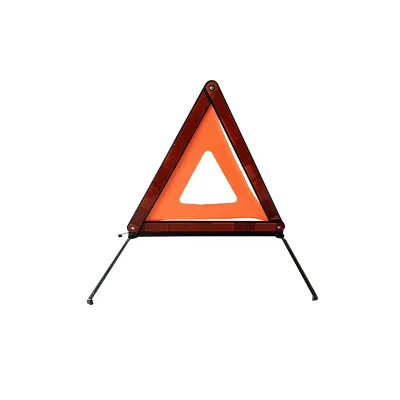
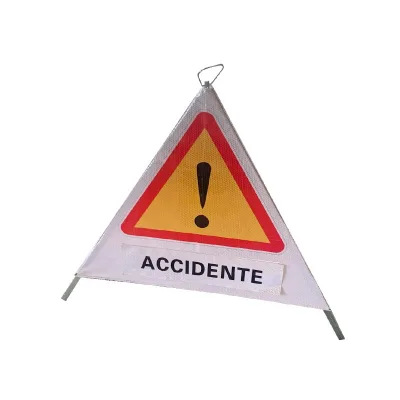
Reflective Tripod Triangle Road Warning Sign
$27.80 - $35.00
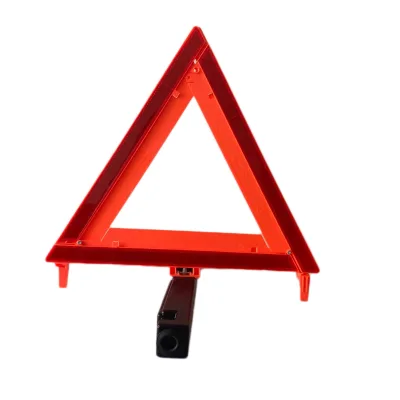

Ningbo Jingli Machinery Manufacturing Co., Ltd.
- Verified by SGS
- Manufacturer
- China Zhejiang
- Lead time30 days
- Avg. response≤ 9h


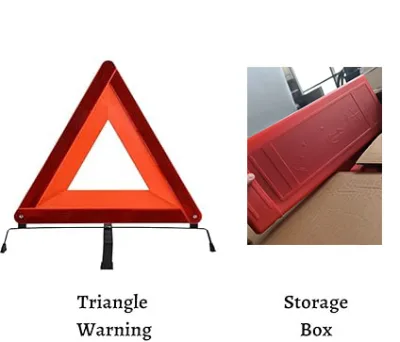
Emergency Breakdown Warning Triangle Foldable Reflective Warning Triangle Road Safety Triangles
$7.30 - $7.50
MOQ: 100 Pieces

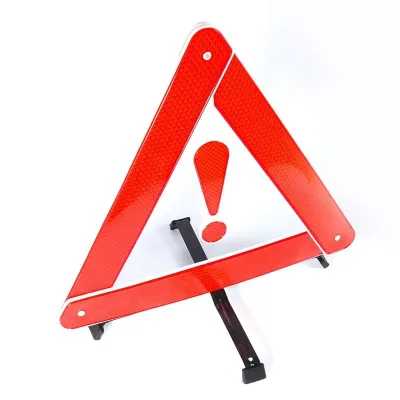
$7.30 - $7.50
MOQ: 100 Pieces




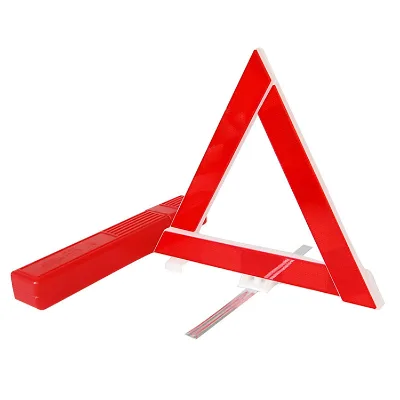
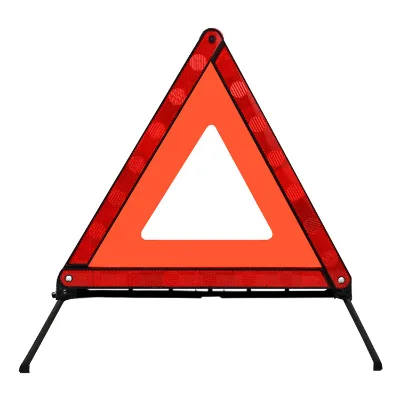
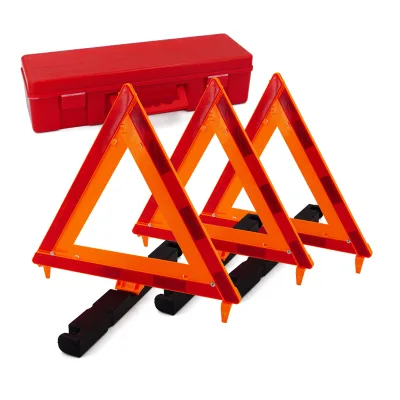
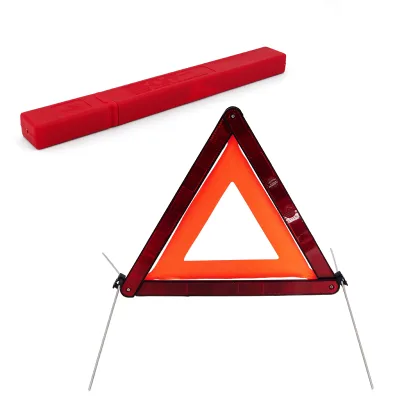








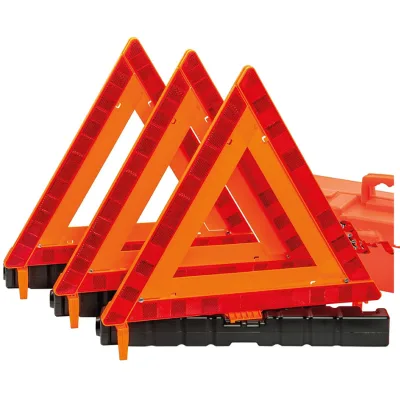
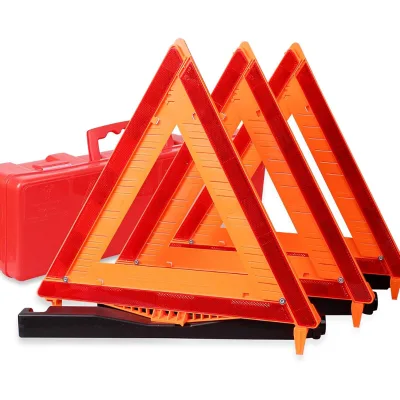
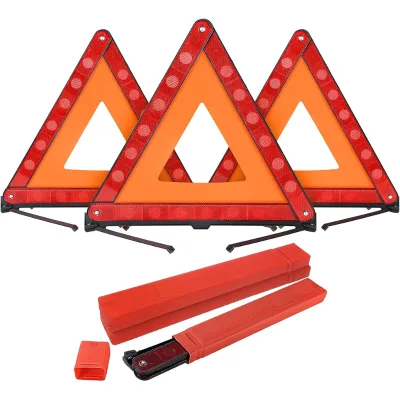
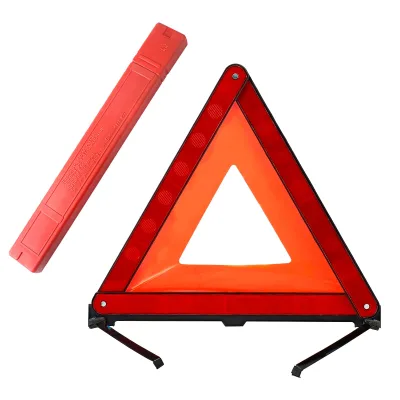
Comprehensive Sourcing Guide
Automobile Traffic Reflective Triangle Supplier Concentration and Factory Types
The available data indicates a significant concentration of suppliers operating from Zhejiang, China, specifically within the automotive accessories and roadway safety sectors. This region hosts a mix of company types, including trading companies, manufacturers, and combined entities that handle both production and sales. Many of these suppliers list core products such as car steering wheel covers, seat cushions, and sun shades alongside their primary focus on safety equipment like reflective warning triangles. The presence of both pure trading firms and combined manufacturer-traders suggests a diverse supply chain where some entities manage their own production lines while others aggregate goods from various factories.
When evaluating the factory types, buyers should note that some suppliers possess their own brands and offer ODM and OEM capabilities, indicating in-house design and manufacturing capacity. Others operate strictly as trading companies, relying on external partners for production. The distinction is critical because combined entities may offer more flexibility in customization and quality control compared to pure traders. However, without specific establishment years or detailed factory audits in the current results, buyers must verify the actual manufacturing depth of each supplier. The concentration in Zhejiang provides a logistical advantage for sourcing, but the buyer must confirm whether the supplier is the direct producer or an intermediary to ensure accurate pricing and quality assurance.
How to Verify Automobile Traffic Reflective Triangle Suppliers
Verification begins with checking for recognized system certifications that align with international safety standards. The observed data includes suppliers holding ISO9001:2015 certificates, which indicate a commitment to quality management systems. Additionally, product-specific certifications such as E-MARK and CE are frequently listed for reflective warning triangles, ensuring compliance with European and global safety regulations. Some suppliers also display broader environmental and safety standards like ISO14001 and EN ISO 20471, which are relevant for high-visibility safety gear. Buyers should request valid certificates and cross-reference them with the issuing bodies to confirm authenticity, as these documents are essential for importing safety-critical automotive equipment.
Beyond certifications, verifying the supplier's response time and verification status provides insight into their operational reliability. The data shows response times ranging from approximately 5.84 hours to 17.16 hours, with some suppliers marked as verified by third-party groups like SGS. A faster response time often correlates with better communication channels and more active account management, which is vital for resolving technical queries about product specifications. Buyers should also look for evidence of third-party verification badges on the supplier profile. If a supplier lacks a clear verification status or has a notably slow response time, it may indicate a higher risk of communication breakdowns or delayed order processing. Always ask for proof of these credentials before proceeding with any transaction.
What to Compare Across Automobile Traffic Reflective Triangle Suppliers
Comparing suppliers requires a detailed analysis of product specifications, pricing structures, and minimum order quantities. The data reveals a price range for reflective triangles from $0.40 to $2.00 per unit, depending on the model and features. Some models are priced as low as $0.40, while others with specific attributes like high view distances or specialized materials cost up to $2.00. Buyers must compare these prices against the stated Minimum Order Quantity (MOQ), which is observed at 1000 units for certain models. It is essential to calculate the total landed cost, including shipping, rather than focusing solely on the unit price, as lower unit costs often come with higher volume requirements that may not suit all buyers.
Lead times and customization options are equally critical factors in the comparison process. Observed lead times vary, with some suppliers offering a 15-day turnaround while others require 30 days. Customization is widely available, with many suppliers accepting custom logos and specific packaging requirements. However, the extent of customization, such as the ability to alter the reflective material or the folding mechanism, varies by supplier. Buyers should also compare the physical attributes of the products, such as weight, dimensions, and material composition like ABS plastic or iron brackets. A supplier offering a lighter, more compact triangle might be preferable for certain logistics needs, even if the price is slightly higher.
Common Automobile Traffic Reflective Triangle Sourcing Risks
One significant risk involves the discrepancy between claimed certifications and actual product compliance. While many listings display E-MARK or CE certifications, buyers must ensure these apply to the specific model being ordered, as certifications can be generic or outdated. There is a risk that a supplier might list a certification for one product line but fail to apply it to the specific batch being shipped. Additionally, the variation in product models, such as RT007 versus S-1626, suggests that specifications can differ significantly even within the same supplier's catalog. Buyers must verify that the exact model number ordered matches the certified specifications to avoid customs issues or safety violations in the destination market.
Another risk relates to the reliability of lead times and the potential for production delays. The data shows lead times ranging from 15 to 30 days, but these are estimates that can fluctuate based on raw material availability or factory capacity. If a supplier is a trading company rather than a manufacturer, they may face delays in coordinating with their upstream factories. Furthermore, the lack of specific establishment years in the data makes it difficult to assess the long-term stability of the supplier. Buyers should be cautious of suppliers who promise unrealistic delivery schedules or who cannot provide a clear production timeline. Always include buffer time in your planning to account for potential delays in manufacturing or shipping.
Automobile Traffic Reflective Triangle Regional Sourcing and Logistics
The primary sourcing hub identified in the data is Zhejiang, China, which serves as a central location for many automotive safety product manufacturers. This region offers a dense network of suppliers specializing in traffic safety equipment, making it a convenient destination for bulk sourcing. The concentration of factories in this area facilitates efficient logistics and potentially lower shipping costs due to the proximity of ports and transportation infrastructure. However, buyers should verify the specific port of loading for each supplier, as shipping terms can vary significantly depending on whether the goods are shipped from Ningbo, Shanghai, or other nearby ports.
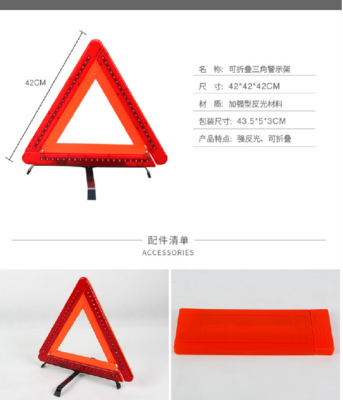
Logistics planning must also account for the packaging specifications provided by suppliers. The data indicates various packing standards, such as carton boxes with dimensions like 43x43x43cm or 46.5x33x20cm, and some suppliers specify the number of pieces per carton, such as 40 pieces. These details are crucial for calculating container load efficiency and estimating freight costs. Buyers should request detailed packing lists to ensure that the packaging is robust enough to protect the reflective triangles during transit. Additionally, the weight of the products, ranging from 325g to 340g per unit, impacts the total shipping weight and volume. Accurate logistics planning requires a clear understanding of these packaging and weight parameters to avoid unexpected costs or damage during shipment.
Automobile Traffic Reflective Triangle Commercial Terms and Order Planning
Commercial terms for these products often include specific requirements for customization and payment security. Many suppliers offer customization services, including custom logos and specific packaging, which can be a key differentiator for buyers looking to brand their products. However, the availability of these services may depend on meeting the Minimum Order Quantity, which is typically set at 1000 units. Buyers should clarify the cost implications of customization, as some suppliers may charge extra for mold fees or design changes. It is also important to confirm whether the supplier accepts escrow services or other secure payment methods to protect the buyer's financial interests during the transaction.
Order planning should be guided by the observed response times and lead times to ensure timely delivery. With response times ranging from under 6 hours to over 17 hours, buyers can gauge the supplier's responsiveness and plan their communication schedule accordingly. Lead times of 15 to 30 days require careful scheduling to align with market demand and inventory needs. Buyers should also consider the product's intended application, such as highways or parking lots, to ensure the selected model meets the necessary safety standards. By aligning commercial terms with realistic production timelines and verifying all specifications, buyers can mitigate risks and ensure a smooth procurement process for automobile traffic reflective triangles.
FAQs
What certifications do the reflective warning triangles have?
Many models carry EMARK or CE certifications for road safety compliance. Some products also meet export standards and specific regional requirements. Buyers should verify the exact certification listed for each model number before placing an order to ensure legal use in their target market.
What is the typical lead time for these safety triangles?
Lead times vary between 15 and 30 days depending on the supplier and order volume. Some manufacturers offer faster turnaround for standard items, while custom orders may require the full duration. Confirm the specific delivery schedule with the supplier before finalizing the purchase agreement.
What is the minimum order quantity for these warning signs?
The minimum order quantity is typically 1000 pieces for standard reflective warning triangles. Some suppliers may have different thresholds based on customization needs or specific product models. Always check the specific MOQ listed for the desired model to ensure it fits your procurement requirements.
How fast do suppliers usually respond to inquiries?
Response times generally range from 5.84 to 17.16 hours for most listed suppliers. Faster response rates are often associated with trading companies or manufacturers with dedicated sales teams. Expect quicker replies during business hours and slightly longer wait times for complex technical questions.
Are these warning triangles foldable and portable?
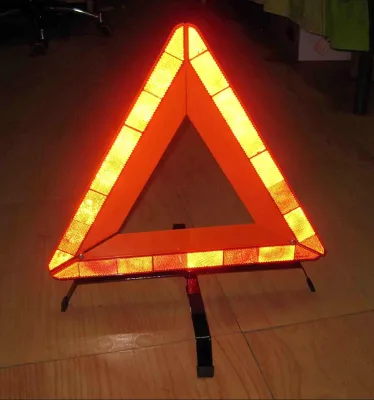
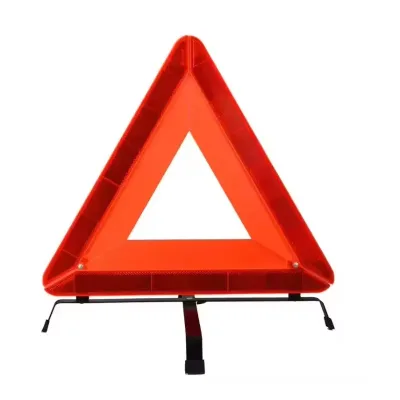
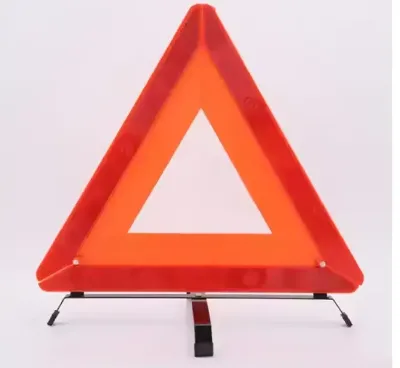
Yes, most models are designed to be foldable for easy storage and transport in vehicles. They typically feature ABS material and compact packing sizes like 43x43x43cm. This design ensures they fit in car trunks while remaining durable enough for emergency roadside use.
What materials are used to make these safety triangles?
The primary materials include ABS plastic, PMMA, and iron brackets for structural support. Reflective surfaces are applied to ensure visibility in low-light conditions. These materials provide durability and weather resistance, making them suitable for various road safety applications and emergency situations.
Where are these products manufactured?
All listed products originate from Zhejiang, China, a major hub for automotive accessories. Suppliers in this region offer both manufacturing and trading services for these safety items. Buyers can expect consistent quality standards and competitive pricing due to the concentration of specialized factories in this area.