Automotive Engine Repair Cylinder Head Suppliers and Manufacturers
Compare 23 verified suppliers offering automotive engine repair cylinder heads with varying lead times, certifications, and locations. Review response times, MOQs, and material specs to select the right partner for your diesel or gasoline engine needs; review the available evidence before requesting comparable quotations from suitable candidates.
Updated
Suppliers List

Luoyang Diron Parts Trading Co., Ltd.
- Combined
- China Henan
- Lead time30 days
- Avg. response≤ 6h
Main productsCylinder Head, Cylinder Block, Crankshaft, Pumps, Turbo, Friction, Shaft and Cartridge, Bushing and Pin/ Bolt and Nut, Universal Joints, Liner
Main marketsSouth America,Africa,Southeast Asia/ Mideast,East Asia(Japan/ South Korea),Domestic,Europe

- Verified by SGS
- Combined
- China Jiangsu
- Lead time15 days
- Avg. response≤ 2h
Main productsCastings, Valve, Investment Casting, Sand Casting, Pump Castings, Auto Part Castings, Pipe Fitting Castings, Hardware Castings, Flanges
Main marketsDomestic,North America

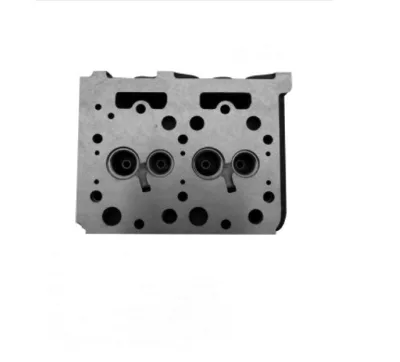
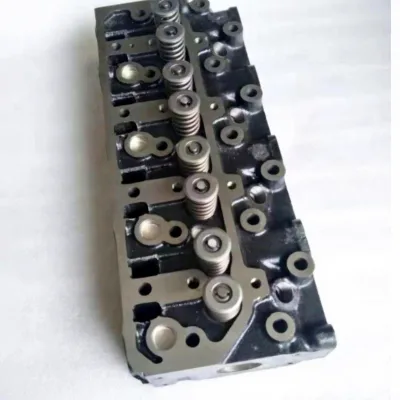
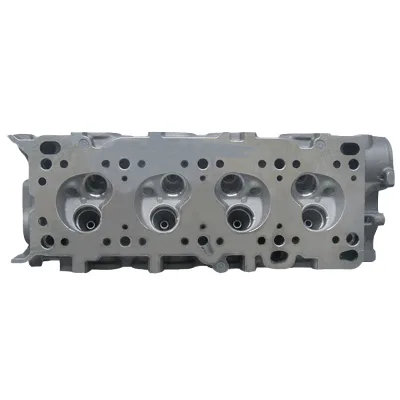
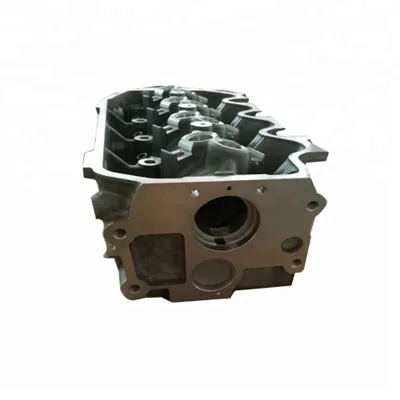
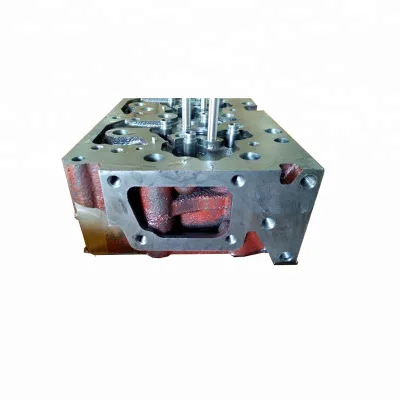
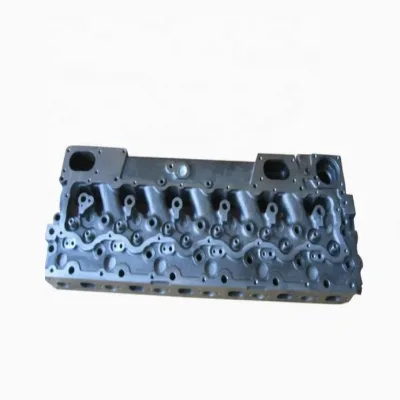
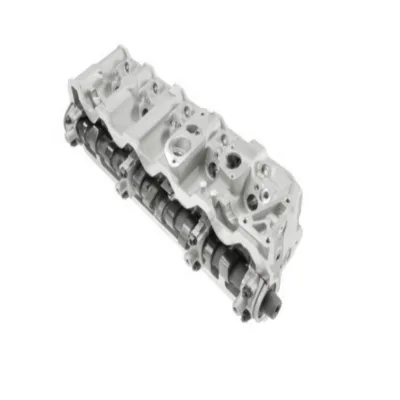
Aluminum Engine Cylinder Head for Automotive & Motorcycle Engine Parts
$80.00 - $120.00
MOQ: 100 Pieces

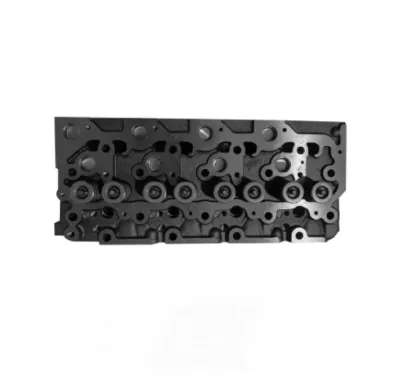
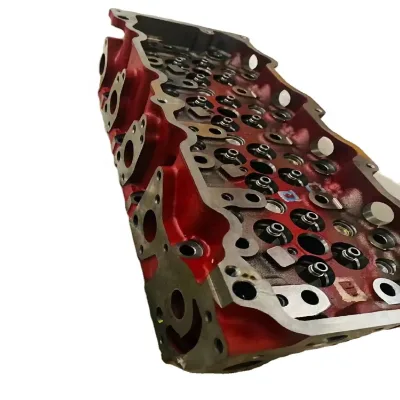
Complete Cylinder Head Assembly for Diesel Gasoline Automotive Engine
$85.00 - $850.00
MOQ: 200 Pieces
Xingtai Guangji Machinery Technology Co., Ltd.
- Verified by TüVRheinland
- Manufacturer, Trading Company
- Lead time20 days
- Avg. response≤ 4h
Main productsTruck Parts, Tractor Parts, Generator Parts, Construction Machines Parts, Engine Filters
Main marketsEastern Europe(45%), North America(15%), Southeast Asia(15%)
Jinan Carman International Trade Co., Ltd.
- Trading Company
- Lead time旺季: "1 - 10":5,"11 - 30":10,"31 - 50":15,"> 50":"To be negotiated", 淡季: "1 - 10":5,"11 - 30":10,"31 - 50":15,"> 50":"To be negotiated"
- Avg. response≤ 2h
Main productsFilter, Supercharger, Clutch Disc, Clutch Cover, Oil Cooler
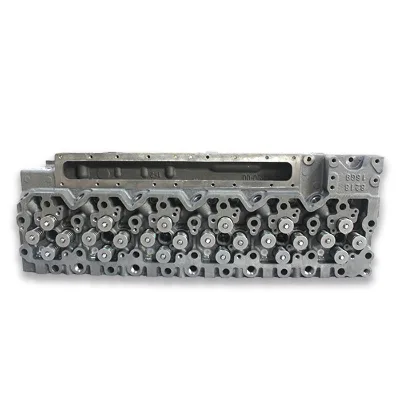
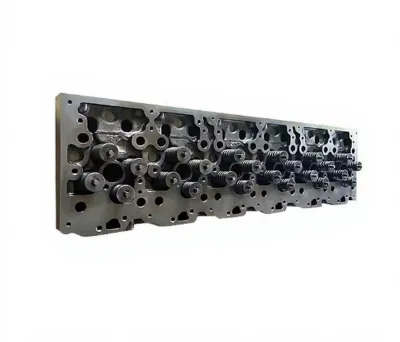
4929518 Engine Cylinder Heads Engines Parts for Cummins 6L Engine Cylinder Heads
$300.00 - $320.00
MOQ: 1
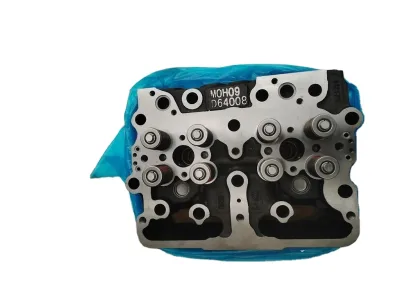
4915442 High Quality Cylinder Head with Valves Truck Spare Parts Engine Parts
$540.00 - $550.00
MOQ: 1

Guangzhou Disong Machinery Equipment Co., Ltd.
- Trading Company,Manufacturer/Factory
- China Guangdong
- Lead time15 days
- Avg. response≤ 11h
Main productsExcavator Part, Machinery Engine Part, Wheel Loader Part, Bulldozer Parts, Dump Truck Parts, Generator Set Parts, Heavy Truck Parts, Hydraulic Parts, Electronic Parts, Seal and Gasket
Main marketsSouth America,Eastern Europe,Mid East,North America,Southeast Asia,Eastern Asia,Oceania,Western Europe,Africa
Beijing Rongxin Yuanda Trading Co., Ltd.
- Verified by TüVRheinland
- Trading Company
- Lead time60 days
- Avg. response≤ 4h
Main productsEngine, Air Conditioning System, Clutch, Oil Filter, Car Headlights
Main marketsDomestic Market(50%), Southeast Asia(10%), Africa(10%)
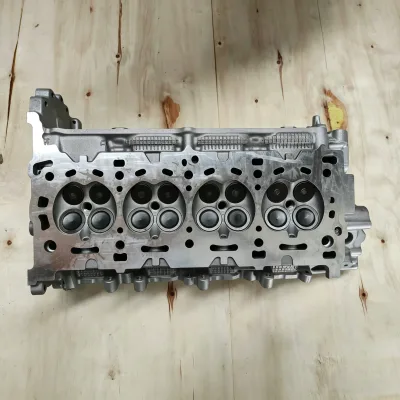
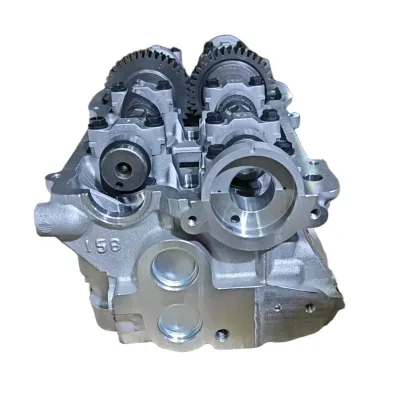
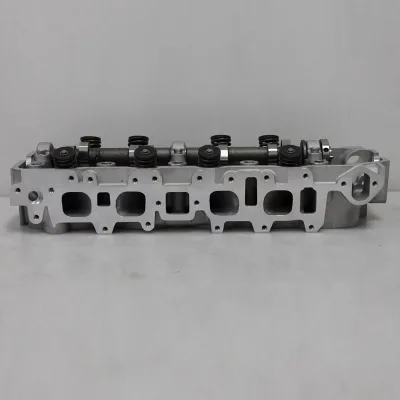
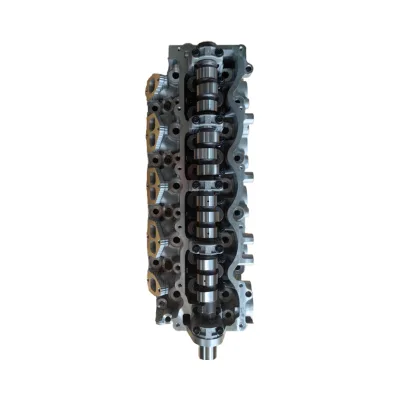
Factory Directly 5VZ 5VZ-FE Complete Cylinder Head L Left 11101-69135 11101-69136 for Toyota
$320.79 - $332.89
MOQ: 1

Huangshan Legoal Locomotive Parts Co., Ltd.
- Manufacturer
- Anhui, China
- Lead time0 days
- Avg. response≤ 19h
Main productscylinder head,piston,oil pan,control arm,camshaft
Main marketsSoutheast Asia(20.00%), Eastern Europe(15.00%), South America(15.00%), Africa(10.00%), Mid East(10.00%), South Asia(5.00%), Central America(5.00%), Western Europe(5.00%), Eastern Asia(5.00%), North America(5.00%), Oceania(5.00%)
Guangzhou Honour Time Machinery Limited
- Verified by SGS Group
- Trading Company
- Lead time3 days
- Avg. response≤ 2h
Main productsDiesel Engine Liner Kit, Machinery Engine Parts, Diesel Engine Assy, Diesel Engine Repair Kit, Excavator Parts
Main marketsSouth America(30%), Southeast Asia(30%), Africa(20%)
$230.00 - $240.00
MOQ: 1 pieces
Chongqing Hengguan Trading Co., Ltd.
- Manufacturer, Trading Company
- Chongqing, China
- Lead time10 days
- Avg. response≤ 9h
Main productsEngine,Engine Parts,Light Truck Parts,Lubrication
Main marketsDomestic Market(100.00%)
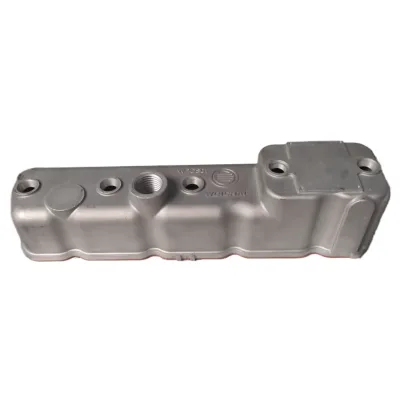
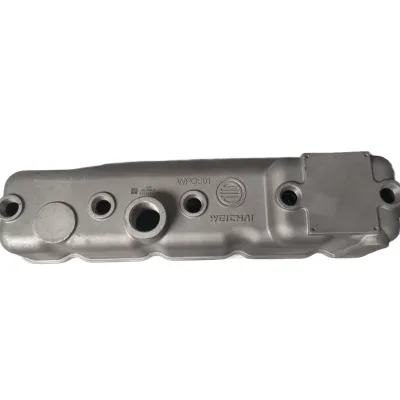
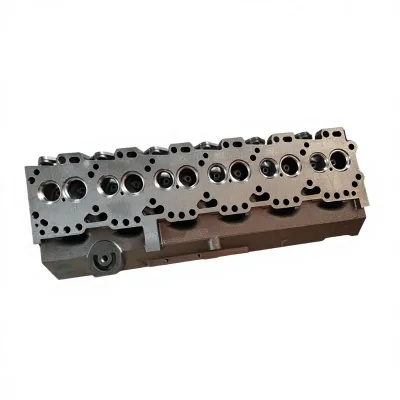
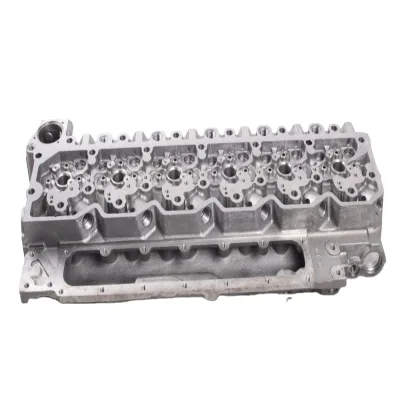
Direct Sale Cummins Original Cylinder Head 3973493 for 6CT Engine, High Quality and Reliable
$723.1775 - $739.7079
MOQ: 1 units

Chengdu Jinding Precision Casting Co., Ltd
- Verified by TUVRHEINLAND
- Combined
- China Sichuan
- Lead time45 days
- Avg. response≤ 6h
Main productsCamshaft, Balancer Shaft, Cylinder Head, Crankshaft, Exhaust Manifold, Differential Housing, Connecting Rod, Engine Parts, Diesel Engine Spare Parts, Customised Casting Parts
Main marketsEast Asia(Japan/ South Korea),Domestic


Premium Quality Engine Cylinder Head for Critical Power System Repairs
$1599.00 - $1799.00
MOQ: 5 Pieces


Premium Replacement Cylinder Head for Restoring K38 Engine Compression
$1122.00 - $1200.00
MOQ: 5 Pieces
Zhengzhou Kadejie Import And Export Trade Co., Ltd.
- Trading Company
- Henan, China
- Lead time7 days
- Avg. response≤ 3h
Main productscylinder head,camshaft,crankshaft,turbocharger,gasket sets
Main marketsMid East(50.00%), Southeast Asia(30.00%), South America(6.00%), North America(5.00%), Africa(5.00%), Oceania(4.00%)

- Verified by SGS
- Trading Company
- China Guizhou
- Lead time23 days
- Avg. response≤ 18h
Main productsMachine Tool, Auto Spare Parts, Crankshaft, Camshaft, Packing Machine, Labeling Machine, Filling Machine, Crown Wheel and Pinion, Connecting Rod, Piston Ring
Main marketsAfrica
Chongqing Xuancheng Import & Export Co., Ltd.
- Trading Company
- Lead time旺季: "1 - 500":31,"> 500":"To be negotiated", 淡季: "1 - 500":31,"> 500":"To be negotiated"
- Avg. response≤ 4h
Main productsAuto Engine, Cylinder Block, Cylinder Head Assembly, Crankshaft, Camshaft
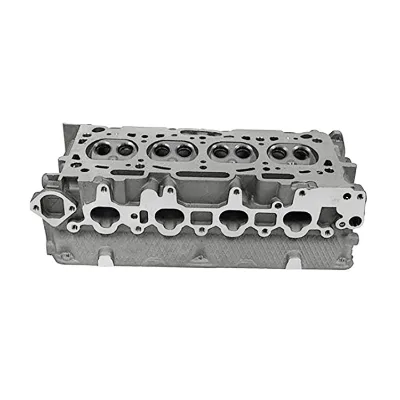
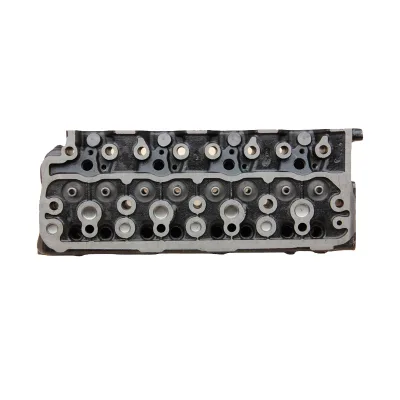
Hot Sales 4G13 Diesel 16Valve Engine Aluminum Cylinder Heads Md344160 for Mitsubishi
$220.00 - $260.00
MOQ: 1 pieces
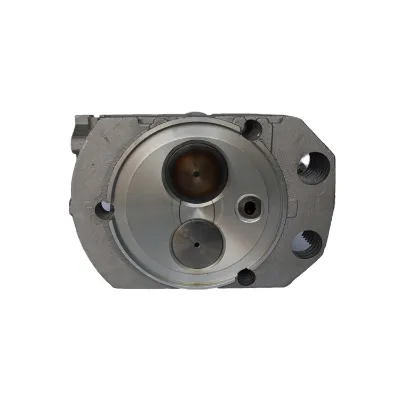
Hot Sales FL413 Buy diesel Valve Engine Cylinder Heads Cost-effectivest for Deutz
$49.00 - $86.00
MOQ: 1 pieces
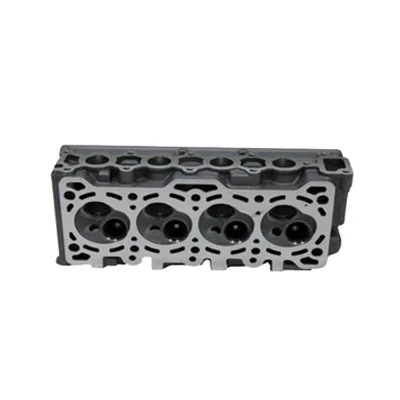
Hot Sales 6.3542 ZZ80046 Buy diesel Valve Engine Cylinder Heads Cost-effectivest for Perkins
$265.00 - $305.00
MOQ: 1 pieces
Chongqing Wholesea Commercial Co., Ltd.
- Verified by SGS Group
- Trading Company
- Lead time20 days
- Avg. response≤ 5h
Main productsCylinder Head, Crankshaft, Camshaft, Block, Connecting Rod
Main marketsSouth America(30%), Southern Europe(20%), Central America(10%)

Shanghai Chenyan Machinery Co., Ltd
- Verified by SGS
- Trading Company
- China Shanghai
- Lead time15 days
- Avg. response≤ 13h
Main productsEngine Parts Diesel Engine Gas Engine
Main marketsDomestic

Cylinder Head Replacement Part for Automotive Engine Repair and Maintenance 20r0503
$5816.00
MOQ: 1 Pieces

Basic Engine Cylinder Head Replacement Part for Automotive Engine Assembly 3590936
$16255.00
MOQ: 1 Pieces
Huangshan Benma Group Co., Ltd.
- Verified by TüVRheinland
- Manufacturer, Trading Company
- Lead time20 days
- Avg. response≤ 6h
Main productsPower Steering Rack, Brake Pad, Brake Caliper, Air Condition Compressor, Clutch
Main marketsNorth America(20%), South America(20%), Mid East(20%)
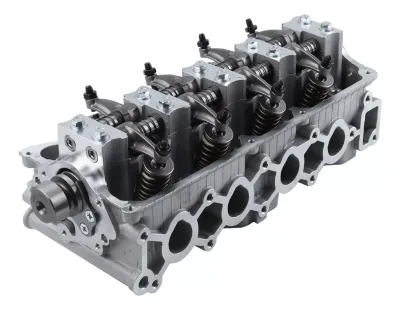
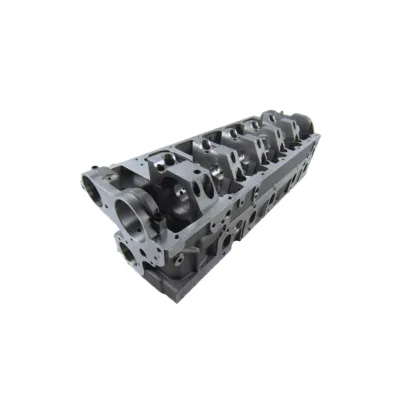
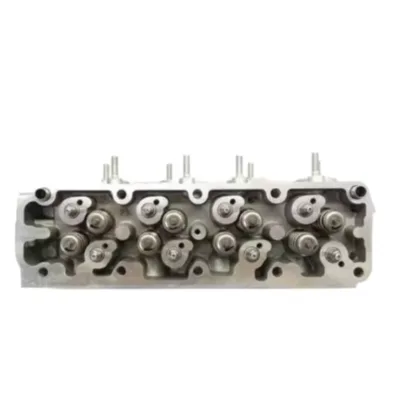
Factory Price Auto Parts Cylinder Head Assembly Cylinder Head 1.8L 8v 93399244 93376337 for Fiat
$110.00 - $156.00
MOQ: 1 units
Hunan Goway Auto Parts Co., Ltd.
- Verified by TüVRheinland
- Manufacturer, Trading Company
- Lead time15 days
- Avg. response≤ 1h
Main productsCylinder Head, Cylinder Block, Auto Parts
Main marketsNorth America(30%), Western Europe(30%), Oceania(25%)
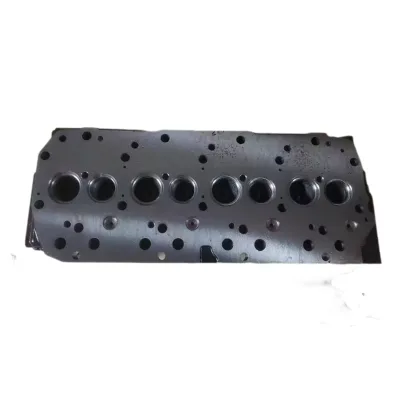
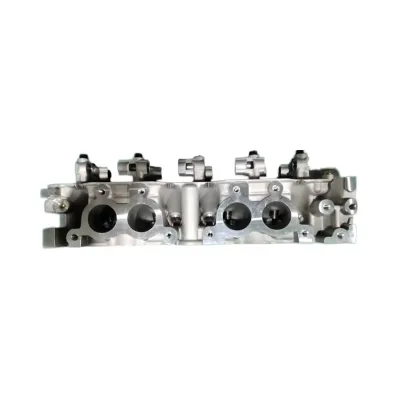
Hot Product 4G64-8V Empty Cylinder Head Made in China
$125.00 - $135.00
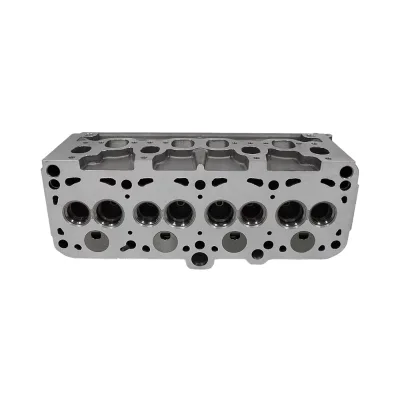
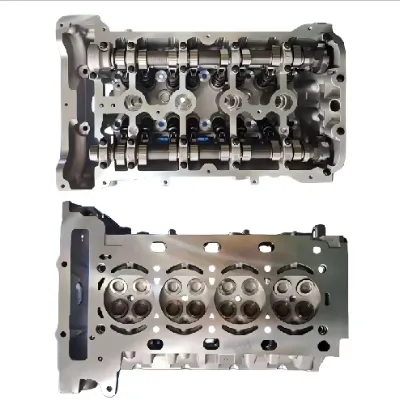
Auto Parts Y1 Cylinder Head OE 028103351D Volkswagen with Good Price
$130.00 - $140.00

Yantai Wistar Automobile Parts Co., Ltd
- Verified by SGS
- Trading Company
- China Shandong
- Lead time23 days
- Avg. response≤ 7h
Main productsEngine, Auto Parts, Engine Parts, Cylinder Block, Cylinder Head
Main marketsNorth America
Zhejiang De Erwei Engineering Machinery Equipmeht Co., Ltd.
- Trading Company
- Zhejiang, China
- Lead time0 days
- Avg. response≤ 9h
Main productsGear,Engine Parts,Radiator,Hyd Oil Cooler,Running Parts
Main marketsMid East(40.00%), Domestic Market(20.00%), Africa(20.00%), North America(10.00%), South Asia(10.00%)

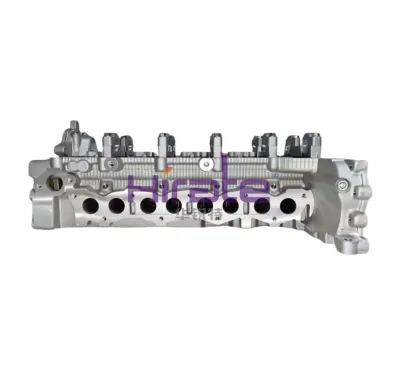
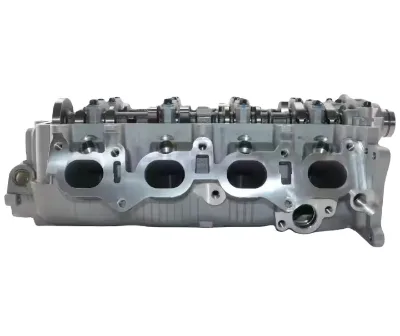
Jinan Hirate Auto Parts Co., Ltd.
- Manufacturer, Trading Company
- Shandong, China
- Lead time0 days
- Avg. response≤ 17h
Main productsEngine,Intake and exhaust valve,cylinder liner,hydraulic tappet,Piston
Main marketsAfrica(30.00%), Domestic Market(10.00%), South Asia(10.00%), Southern Europe(10.00%), Eastern Asia(10.00%), Mid East(10.00%), Oceania(10.00%), Southeast Asia(10.00%)
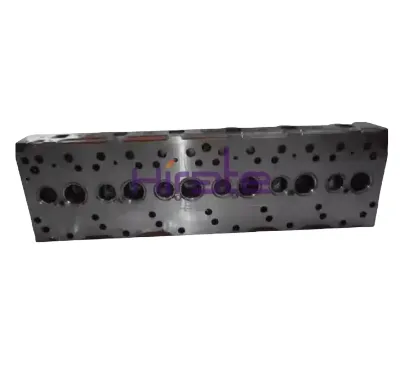
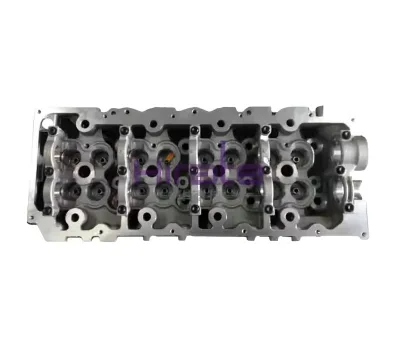
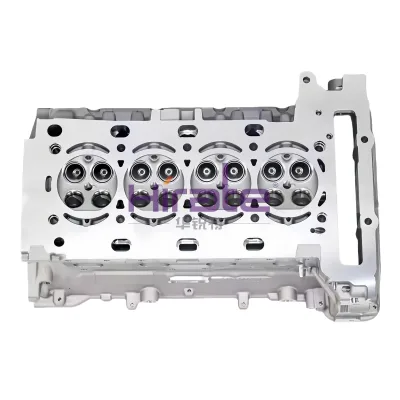
Suitable for Citroen N14B16A High-quality Hot-selling Standard Displacement Cylinder Heads
$353.7362 - $358.8624
MOQ: 1 sets
- Manufacturer, Trading Company
- Lead time旺季: "1 - 1":5,"2 - 20":25,"> 20":"To be negotiated", 淡季: "1 - 1":5,"2 - 20":25,"> 20":"To be negotiated"
- Avg. response≤ 1h
Main productsDiesel Engine,Cylinder Head,Cylinder Block,Crankshaft,Gas Engine
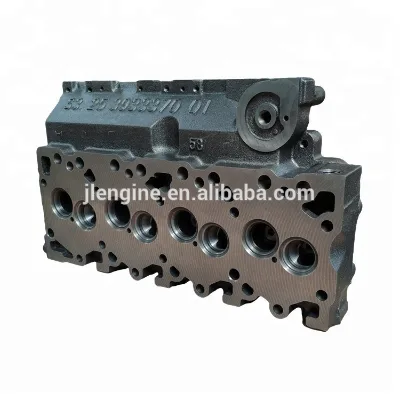
4BT Engine Cylinder Head 3933419
$171.00 - $186.00
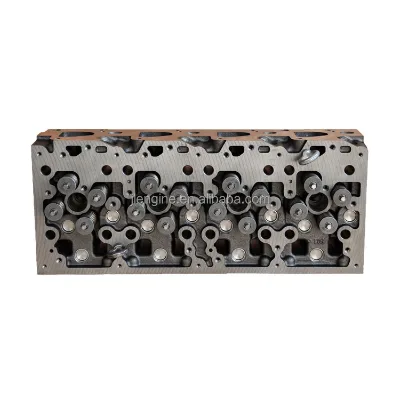
MAN D0834 Engine Cylinder Head with Valve Seats and Guides, Valves 07W103351D
$780.00 - $810.00
MOQ: 1
Shanghai Anpar Auto Parts Co., Ltd.
- Verified by SGS Group
- Trading Company
- Lead time15 days
- Avg. response≤ 3h
Main productsTransmisson System, Engine System, Electrical System, Suspenstion System, Auto Steering System
Main marketsSouth America(60%), North America(30%), Mid East(5%)

Ningbo Fausto Industry CO., Ltd.
- Manufacturer/Factory,Group Corporation
- China Zhejiang
- Lead time23 days
- Avg. response≤ 25h
Main productsDie Casting Parts, Telecommunication Equipments and Parts, Aluminum Die Casting, Mould, Mould Tooling, Mold, Auto Parts, Transmission, Oil Pan, Car Parts
Main marketsSouth America,Eastern Europe,North America,Eastern Asia,Oceania,Western Europe




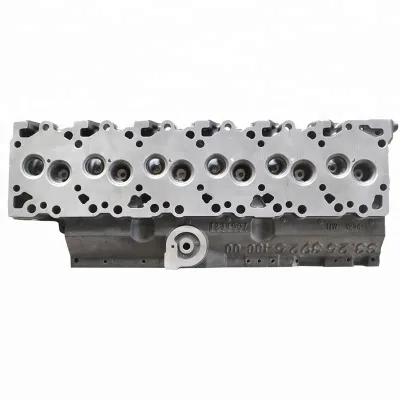
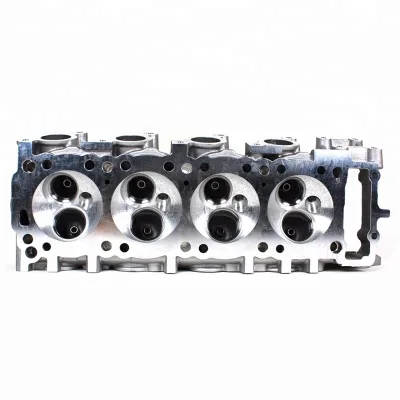
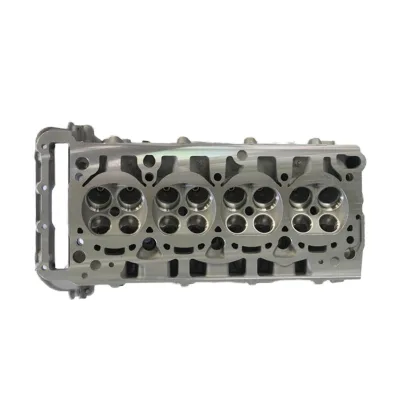
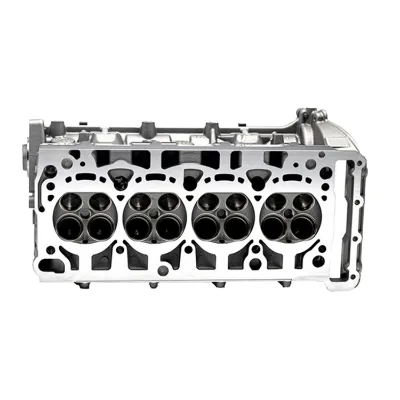


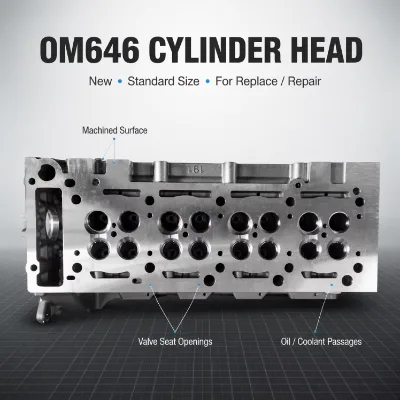
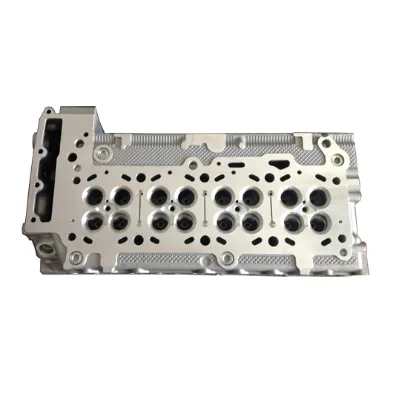


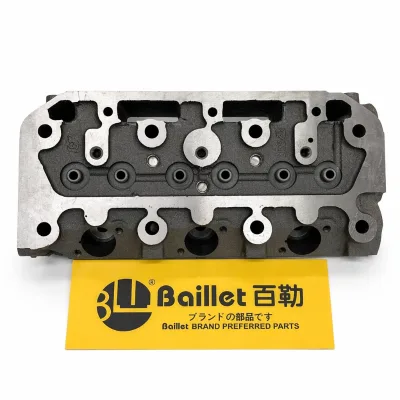
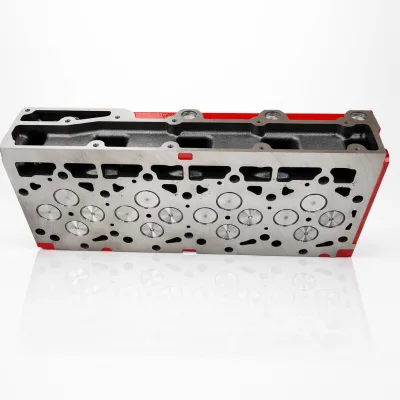


Comprehensive Sourcing Guide
Automotive Engine Repair Cylinder Head Supplier Concentration and Factory Types
The current supplier landscape for automotive engine repair cylinder heads reveals a distinct geographic concentration in China, with specific manufacturing hubs identified in Henan and Jiangsu provinces. These regions serve as primary centers for producing both cast iron and aluminum alloy cylinder heads, catering to diverse engine requirements ranging from heavy-duty diesel applications to standard automotive gasoline engines. Suppliers in Henan often focus on combined manufacturing capabilities, offering a broad range of components including cylinder blocks, crankshafts, and various friction materials alongside the core cylinder head units. This concentration allows buyers to access a dense network of factories that specialize in casting techniques such as sand casting and investment casting, which are critical for producing durable engine components. The presence of these specific locations indicates that sourcing strategies should prioritize suppliers located in these established industrial zones to ensure access to mature supply chains and specialized labor forces experienced in engine part production.
Factory types in this sector vary significantly, encompassing combined enterprises, pure manufacturers, and trading companies that facilitate international trade. Many suppliers operate as combined entities capable of handling both Original Equipment Manufacturer (OEM) and Original Design Manufacturer (ODM) orders, providing flexibility for buyers seeking custom specifications or standard replacement parts. Some facilities specialize in specific materials, such as aluminum alloy A356/A357 for lightweight performance applications, while others focus on gray cast iron or ductile iron for heavy-duty truck and construction machinery engines. The diversity in company types means buyers must carefully evaluate whether a supplier’s primary business model aligns with their volume needs and customization requirements. Understanding whether a supplier is a direct manufacturer or a trading company is essential for assessing pricing structures, communication efficiency, and the ability to provide technical support during the engineering and prototyping phases of the sourcing process.
How to Verify Automotive Engine Repair Cylinder Head Suppliers
Verifying the credibility and operational capacity of cylinder head suppliers requires a multi-layered approach that goes beyond basic company profiles. Buyers should prioritize suppliers who hold recognized international certifications, such as ISO 9001:2015 for quality management and ISO 14001:2015 for environmental management, which indicate a structured approach to production consistency and regulatory compliance. Additionally, third-party verification badges from reputable agencies like SGS or TÜV Rheinland provide an independent layer of assurance regarding the supplier’s business legitimacy and manufacturing capabilities. These verifications are particularly important when dealing with suppliers who claim to offer complex customization services or high-volume production runs, as they serve as a proxy for the supplier’s operational maturity and financial stability. Buyers should actively request copies of these certificates and verify their validity through the issuing bodies to ensure they are current and applicable to the specific products being sourced.
Beyond certifications, technical verification involves assessing the supplier’s ability to meet precise engineering specifications and quality control standards. Buyers should inquire about the supplier’s inspection methods, such as 100% visual and dimensional inspection, as well as Non-Destructive Testing (NDT) techniques like Magnetic Particle Inspection (MPI) or Ultrasonic Testing (UT). These methods are crucial for detecting internal defects in castings that could lead to engine failure in the field. Furthermore, evaluating the supplier’s response time and communication efficiency can provide insights into their operational responsiveness. A quick response time, such as under two hours, often correlates with a more agile and customer-centric organization. Buyers should also verify the supplier’s capacity for secondary machining, such as 5-axis CNC machining, which is essential for achieving the tight dimensional tolerances required for modern engine cylinder heads. This technical due diligence ensures that the supplier can deliver parts that meet the rigorous performance standards of the automotive industry.
What to Compare Across Automotive Engine Repair Cylinder Head Suppliers
When evaluating multiple suppliers for cylinder head procurement, buyers must systematically compare key operational metrics to identify the most suitable partner for their specific needs. Lead time is a critical factor, with some suppliers offering production cycles as short as 15 to 20 days for standard items, while others may require 30 to 60 days for custom or complex orders. This variance can significantly impact inventory management and project timelines, making it essential to align supplier lead times with production schedules. Minimum Order Quantity (MOQ) requirements also vary widely, ranging from single-unit samples for testing purposes to bulk orders of 100 to 500 pieces for commercial production. Buyers should assess whether the supplier’s MOQ aligns with their initial order volume and scalability plans, as high MOQs may pose a barrier for small-batch or specialized projects. Comparing these logistical parameters helps in selecting a supplier that offers the right balance of speed, flexibility, and volume capability.
Price and customization options are equally important dimensions for comparison, as they directly influence the total cost of ownership and product fit. While some suppliers offer fixed pricing for standard components, others provide flexible pricing structures based on order volume and material specifications. Buyers should compare price ranges, noting that costs can vary from $80 to over $850 depending on the complexity, material, and machining requirements of the cylinder head. Additionally, the availability of customization services, such as ODM/OEM support and specific surface treatments like shot blasting or anti-corrosion coating, should be evaluated. Suppliers that offer comprehensive customization capabilities can better accommodate unique engine designs or performance enhancements. By systematically comparing lead times, MOQs, pricing, and customization options, buyers can make informed decisions that optimize both cost efficiency and product quality, ensuring that the selected supplier meets their technical and commercial requirements.
Common Automotive Engine Repair Cylinder Head Sourcing Risks
Sourcing cylinder heads from international suppliers introduces several risks that buyers must proactively manage to ensure successful procurement outcomes. One significant risk is the potential for quality inconsistencies, particularly when dealing with cast components that are susceptible to internal defects such as porosity or cracks. Without rigorous quality control measures, these defects can lead to engine failures in the field, resulting in costly recalls and reputational damage. Buyers must mitigate this risk by demanding detailed quality assurance protocols, including 100% inspection reports and NDT results, before approving shipments. Additionally, the risk of intellectual property infringement is heightened when working with suppliers who offer extensive customization services. Buyers should ensure that robust Non-Disclosure Agreements (NDAs) and intellectual property protections are in place to safeguard their proprietary engine designs and specifications.
Another common risk is the discrepancy between sample quality and bulk production quality, which can occur if the supplier lacks consistent manufacturing processes. This risk is particularly relevant when sourcing from suppliers with varying levels of technological maturity, such as those using different casting techniques or machining capabilities. Buyers should conduct factory audits or request video tours to verify the supplier’s production environment and quality control infrastructure. Furthermore, logistical risks, including delays in shipping and damage during transit, can disrupt supply chains. Proper packaging, such as wooden cases or pallets, is essential to protect the cylinder heads from damage during transportation. Buyers should also consider the impact of currency fluctuations and trade regulations on pricing and delivery timelines. By identifying and addressing these risks through thorough due diligence and contractual safeguards, buyers can minimize disruptions and ensure a stable supply of high-quality cylinder heads.
Automotive Engine Repair Cylinder Head Regional Sourcing and Logistics
Regional sourcing strategies play a crucial role in optimizing the procurement of automotive engine repair cylinder heads, particularly when dealing with suppliers located in specific manufacturing hubs like Henan and Jiangsu in China. These regions offer established infrastructure for heavy industry and casting, which can lead to cost efficiencies and faster production cycles. However, buyers must also consider the logistical implications of sourcing from these locations, including shipping distances, transit times, and customs procedures. Efficient logistics planning is essential to ensure that cylinder heads arrive at the destination in good condition and within the required timeframe. Buyers should work with experienced freight forwarders who specialize in industrial machinery parts to navigate the complexities of international shipping and ensure proper handling of heavy and fragile components.
Packaging and protection are critical aspects of regional sourcing logistics, as cylinder heads are often large, heavy, and sensitive to damage. Suppliers typically use wooden boxes or cases to protect the parts during transit, but buyers should verify that the packaging meets international shipping standards to prevent damage from moisture, impact, or vibration. Additionally, buyers should consider the environmental impact of packaging materials and explore sustainable options if required by their corporate policies. The choice of shipping method, whether by sea or air, will also impact lead times and costs. Sea freight is generally more cost-effective for bulk orders, while air freight may be necessary for urgent replacements or small batches. By carefully planning regional sourcing and logistics, buyers can optimize their supply chain, reduce costs, and ensure the timely delivery of high-quality cylinder heads to their operations.
Automotive Engine Repair Cylinder Head Commercial Terms and Order Planning
Effective order planning and negotiation of commercial terms are vital for securing favorable conditions when sourcing automotive engine repair cylinder heads. Buyers should clearly define their order requirements, including specifications, quantities, and delivery schedules, to facilitate accurate quoting and production planning. Understanding the supplier’s payment terms, such as deposits and balance payments, is essential for managing cash flow and mitigating financial risk. Buyers should also inquire about the supplier’s warranty policies and after-sales support, as these factors can significantly impact the long-term value of the procurement. Clear communication of expectations regarding quality standards and delivery timelines helps prevent misunderstandings and ensures that both parties are aligned on the project goals.
Negotiating commercial terms should also include discussions about pricing structures, volume discounts, and penalties for late delivery or quality failures. Buyers should leverage their order volume and long-term partnership potential to secure better pricing and favorable terms. Additionally, buyers should consider the supplier’s capacity for handling rush orders or changes in specifications, as flexibility in these areas can be crucial for responding to market demands. Establishing a clear communication protocol and regular progress updates helps maintain transparency and trust throughout the procurement process. By carefully planning orders and negotiating robust commercial terms, buyers can build a reliable and cost-effective supply chain for automotive engine repair cylinder heads, ensuring consistent quality and timely delivery to support their business operations.
FAQs
What is the typical lead time for cylinder head orders?
Manufacturers generally require 15 to 30 days for production. Some suppliers offer faster turnaround times of 15 days, while others may need up to 30 days for standard orders. Bulk production cycles can extend to 40 days depending on complexity and material availability.
What materials are used for automotive cylinder heads?
Common materials include cast iron, aluminum alloy, and ductile iron. Aluminum alloy parts often utilize A356 or A357 grades for lightweight performance. Cast iron options provide durability for heavy-duty applications. Buyers should verify specific material grades to ensure compatibility with their engine requirements.
What is the minimum order quantity for cylinder heads?
Minimum order quantities vary significantly by supplier. Some manufacturers accept orders as low as one piece for samples or testing. Others require a minimum of 50 to 200 pieces for standard production runs. Buyers should confirm specific MOQs with suppliers before placing orders.
What certifications do cylinder head suppliers typically hold?
Reputable suppliers often hold ISO 9001:2015 and ISO 14001:2015 certifications. Some also possess TS16949 or CE marks for quality assurance. These certifications indicate adherence to international standards for manufacturing processes and quality management systems. Buyers should verify current certification status directly with suppliers.
What is the price range for cylinder heads?
Prices typically range from $80 to $850 per unit. Basic cast iron or aluminum heads may start around $80 to $100. Complete assemblies or specialized heavy-duty units can cost up to $850. Final pricing depends on material, customization, and order volume.
What response times can buyers expect from suppliers?
Supplier response times generally range from 1.83 to 5.25 hours. Faster responses indicate active sales teams ready to assist with inquiries. Buyers should expect replies within a few hours during business days. Quick responses often correlate with better overall customer service and order handling efficiency.