Dark Gray Ceramic Butter Dish Suppliers and Manufacturers
Explore 32 verified options for Dark Gray Ceramic Butter Dish from China Fujian. Compare response times, lead times, certifications like CE and FDA, and pricing ranges to find suitable factories. Contact suppliers directly to request samples and confirm customization details.
Suppliers List

Xiamen Starlights Trading Co., Ltd.
- Verified by TUVRHEINLAND
- Trading Company
- China Fujian
- Lead time30 days
- Avg. response≤ 12h
Main productsCeramic Products, Polyresin Products, Iron Crafts, Wooden Furniture, Ceramic Mugs, Photo Frame, Mirror Furniture, Glass Artware, Festival Products, Gifts Premiums
Main marketsNorth America

Dark Green Covered Butter Keeper Container Ceramic Butter Dish Minimalist Rectangle Plate Dish
$4.20 - $6.00
MOQ: 500 Pieces

Porcelain Butter Container Nordic Style Rectangle Ceramic Butter Dish with Knife and Lid
$4.20 - $6.00
MOQ: 500 Pieces

High Quality Porcelain Butter Box Container Large Ceramic Butter Dish with Lid
$4.20 - $6.00
MOQ: 500 Pieces

$4.20 - $6.00
MOQ: 500 Pieces


Modern Style Ceramic Butter Dish with Lid for Countertop Handmade Porcelain
$4.20 - $6.00
MOQ: 500 Pieces

Xiamen Yoyo Ceramic Trading Co., Ltd.
- Verified by BV
- Combined
- China Fujian
- Lead time23 days
- Avg. response≤ 10h
Main productsCeramic Mugs, Ceramic Plates, Teawares, Ceramic Canisters, Ceramic Vases, Ceramic Flower Planters, Ceramic Coin Bank, Flowerpot, Canisters, Resin Crafts
Main marketsSouth America,Africa,Southeast Asia/ Mideast,East Asia(Japan/ South Korea),Europe,Australia,North America


White Porcelain Keeper Container Ceramic Butter Dish with Bamboo Wooden Lid
$2.50 - $3.50
MOQ: 1000 Pieces

Embossed Ceramic Butter Dish with Bamboo Lid, Large Butter Container for Countertop
$0.80 - $2.98
MOQ: 1000 Pieces
- Verified by TüVRheinland
- Trading Company
- Fujian, China
- Lead time60 days
- Avg. response≤ 2h
Main productsCeramic & Cement Craft Products
Main marketsNorth America(45%), Oceania(14%), Eastern Asia(10%)
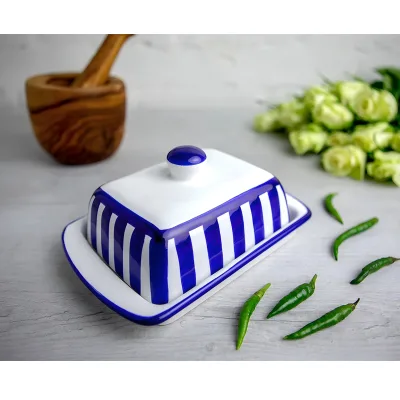
Dark Navy Blue Striped Handmade Hand Painted Ceramic Butter Dish With Lid
$2.18 - $2.38
MOQ: 1000 pieces
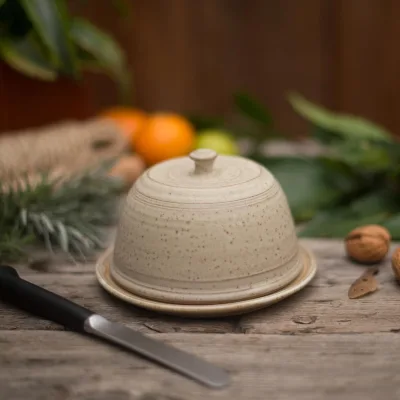
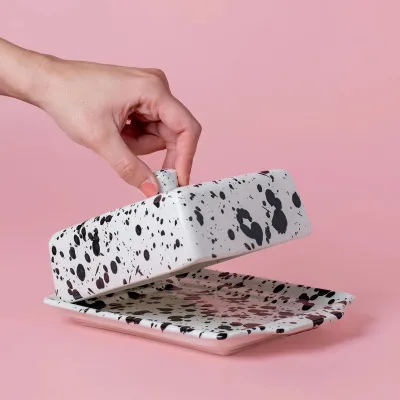
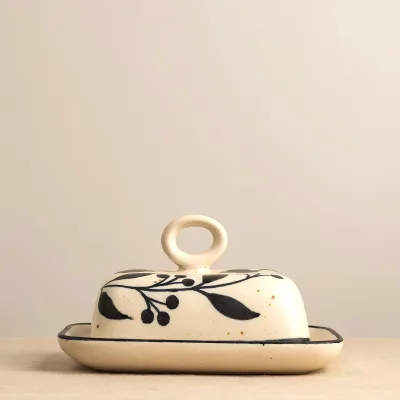
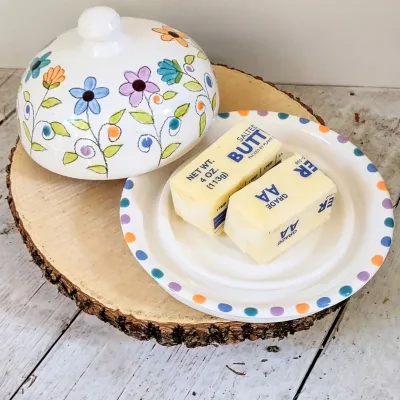
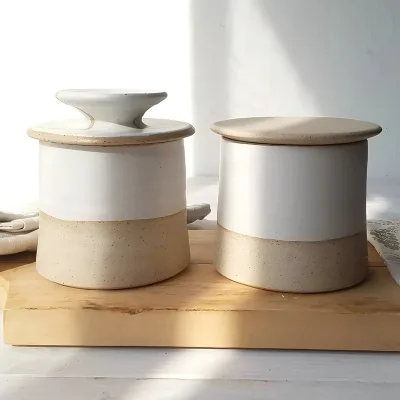
Handmade Ceramic Butter Dish Speckled Ceramic Butter Keeper Artisan Butter Dish for Kitchen Decor
$2.18 - $2.38
MOQ: 1000 pieces
Chaozhou Sanjin Porcelain Factory
- Manufacturer
- Guangdong, China
- Lead time45 days
- Avg. response≤ 3h
Main productsceramic plate,ceramic bowl,ceramic cup,ceramic dinnerware,Customized porcelain
Main marketsEastern Asia(25.00%), Western Europe(21.00%), Southeast Asia(12.00%), North America(11.00%), Domestic Market(10.00%), South America(9.00%), Eastern Europe(8.00%), Oceania(4.00%)
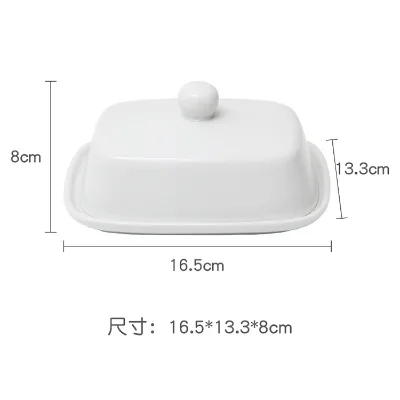
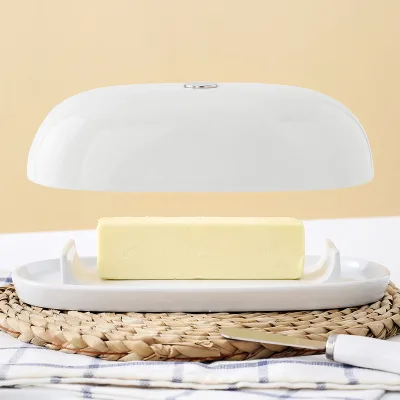
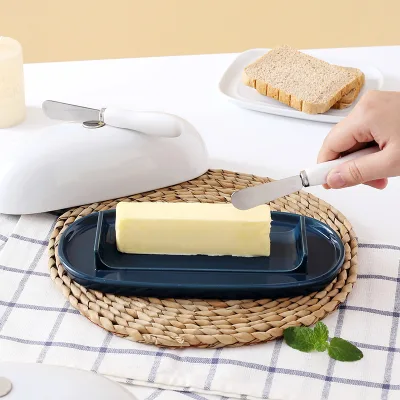
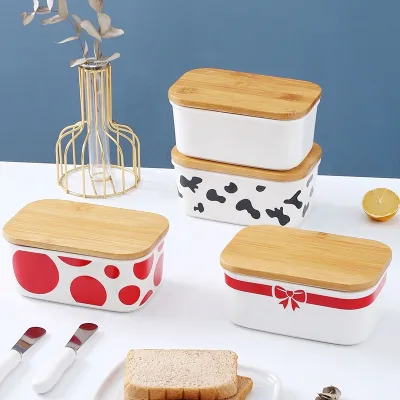
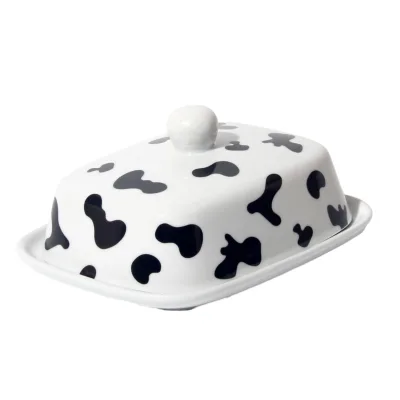
Wholesale Ceramic Butter dish container with Magnetic to hold the butter-covered knife
$3.30 - $3.40
MOQ: 180 sets

Rollin Porcelain Industrial Co., Ltd.
- Verified by BV
- Manufacturer/Factory
- China Guangdong
- Lead time45 days
- Avg. response≤ 7h
Main productsPorcelain Dinnerware, Tableware, Dinner Set, Dinner Plate, Hotel and Restaurant Tableware, Bone China, Cutlery, Glassware, Ceramic Plate, Porcelain
Main marketsEastern Europe,Mid East,North America,Southeast Asia,Eastern Asia,Oceania,Western Europe
Shenzhen Sanbo Home And Garden Manufacturing Co., Ltd.
- Manufacturer, Trading Company
- Gaungdong, China
- Lead time15 days
- Avg. response≤ 2h
Main productsstainless steel dinnerware,metal cake holder,glass cake holder,cake tools,ceramic dinnerware
Main marketsAfrica(20.00%), Southeast Asia(10.00%), Eastern Europe(10.00%), Oceania(10.00%), Southern Europe(9.00%), Central America(8.00%), Northern Europe(8.00%), South Asia(6.00%), South America(4.00%), Western Europe(4.00%), Eastern Asia(3.00%), Mid East(3.00%), North America(3.00%), Domestic Market(2.00%)

- Verified by CTI
- Combined
- China Guangdong
- Lead time45 days
- Avg. response≤ 4h
Main productsCasserole, Dish, Bowl, Mug
Main marketsEast Asia(Japan/ South Korea),Domestic,Europe,North America

Butter Container Nordic Style Rectangle Ceramic Stoneware Butter Dish with and Lid
$2.87 - $3.09
MOQ: 500 Pieces

Rectangular Ceramic Dessert Butter Dish with Cover Cheese Butter Keeper Storage Box
$2.87 - $3.09
MOQ: 500 Pieces

Large Ceramic Butter Dish Butter Keeper Holds Porcelain Container with Lid
$2.87 - $3.09
MOQ: 500 Pieces

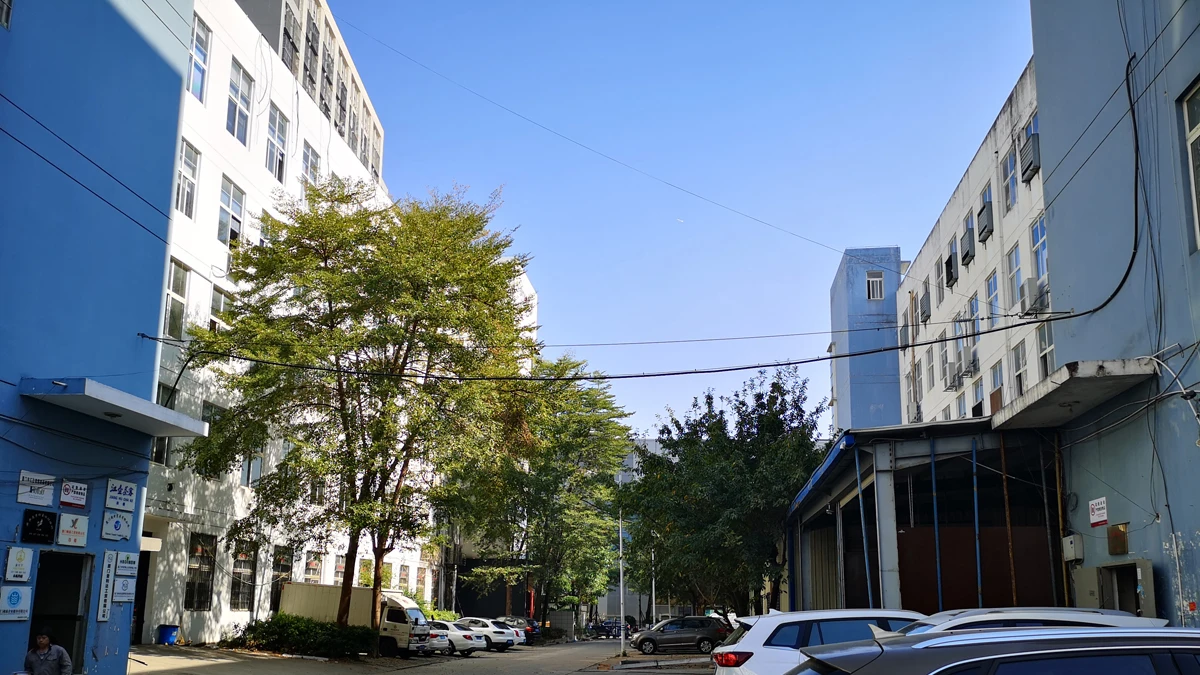
Xiamen Ehang Household Products Co., Ltd.
- Trading Company
- zhejiang, China
- Lead time37 days
- Avg. response≤ 7h
Main productsKitchenware,bamboo and wooden products,Houseware,Kitchen gadgets,Garden
Main marketsSoutheast Asia(20.00%), North America(20.00%), Southern Europe(10.00%), Northern Europe(10.00%), Western Europe(10.00%), South America(10.00%), Eastern Europe(10.00%), Central America(5.00%), Domestic Market(1.00%), Mid East(1.00%), Oceania(1.00%), Eastern Asia(1.00%), Africa(1.00%)
Dehua Kinghorse Arts & Crafts Co., Ltd.
- Manufacturer
- Fujian, China
- Lead time45 days
- Avg. response≤ 3h
Main productsCeramic,Polyresin,Metal,Candle,Xmas Decoration
Main marketsNorth America(80.00%), Western Europe(6.00%), Southeast Asia(5.00%), Oceania(5.00%), South America(2.00%), Eastern Europe(2.00%)
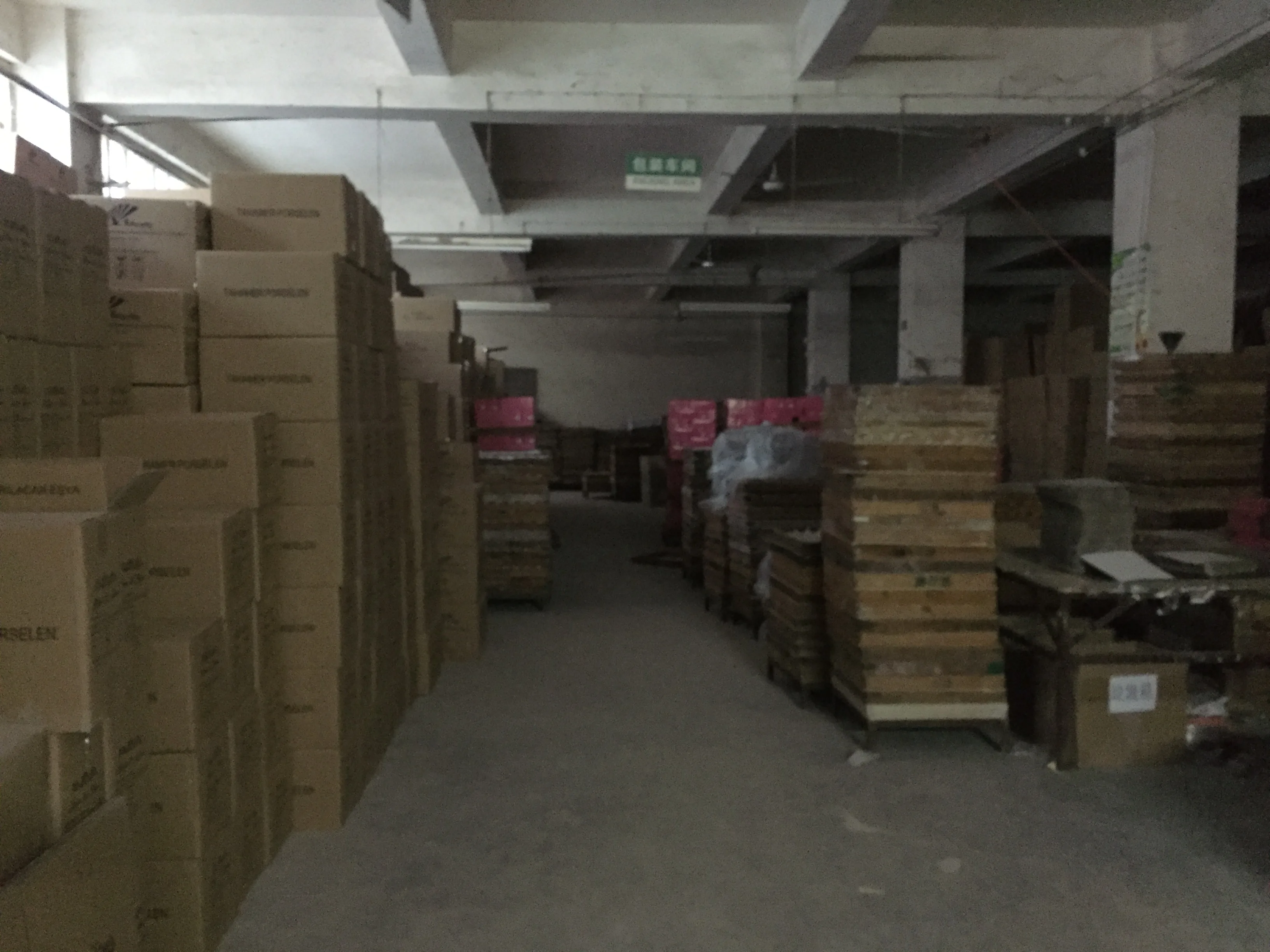
Fujian Dehua Best Ceramic Co., Ltd.
- Manufacturer
- Fujian, China
- Lead time40 days
- Avg. response≤ 6h
Main productsceramic mug porcelain mug,ceramic oil burner ceramic neti pot,ceramic follow pot,ceramic jar canister,ceramic cup and saucers
Main marketsSouth America(30.00%), Western Europe(20.00%), North America(20.00%), Northern Europe(15.00%), Southern Europe(5.00%), Southeast Asia(5.00%), Eastern Europe(5.00%)
Fujian Dehua Besder Ceramic Co., Ltd.
- Manufacturer, Trading Company
- Fujian, China
- Lead time0 days
- Avg. response≤ 11h
Main productsCERAMIC HOME DECORATION,CERAMIC KITCHENWARE,HOLIDAY DECORATION,CERAMIC PET SUPPLIES,RESIN PRODUCTS
Main marketsNorth America(45.00%), Western Europe(16.00%), South America(11.00%), Mid East(7.00%), Eastern Europe(7.00%), Southern Europe(6.00%), Northern Europe(2.00%), Central America(2.00%), Oceania(1.00%), South Asia(1.00%), Africa(1.00%), Eastern Asia(1.00%)

- Verified by TUVRHEINLAND
- Trading Company
- China Hunan
- Lead time45 days
- Avg. response≤ 1h
Main productsCeramic Mug, Vacuum Flask, Dinner Set, Cup, Mug, Thermal Bottle, Ceramic Dinner Set, Glass Jar, Glass Cup, Wine Cup
Main marketsSoutheast Asia/ Mideast

Jinjiang Jiaxing Import and Export Co., Ltd.
- Verified by CTI
- Manufacturer/Factory
- China Fujian
- Lead time120 days
- Avg. response≤ 1h
Main productsShoes, Slipper, Clothes, Promotion Gifts, Silicone Products, Outdoor Sports Products, Bags, Fashion Accessories, Consumer Electronics
Main marketsSouth America,Eastern Europe,Mid East,North America,Southeast Asia,Eastern Asia,Oceania,Western Europe,Africa

- Trading Company
- China Zhejiang
- Lead time30 days
- Avg. response≤ 11h
Main productsHome Appliance, Cookware Set, Thermos, Home Storage, Furniture, Pet Supplies, Garden Tools, Outdoor Supplies, Baby Supplies, Houesehold Items
Main marketsSouth America,Africa,Southeast Asia/ Mideast,East Asia(Japan/ South Korea),Domestic,Europe,Australia,North America
Chaozhou Fengxi Dongyang Porcelain Factory
- Verified by SGS Group
- Manufacturer, Trading Company
- Lead time35 days
- Avg. response≤ 4h
Main productsCeramic Cup, Ceramic Plate, Ceramic Pot & Kettle, Ceramic Bowl, Custom Porcelain
Main marketsNorth America(25%), Domestic Market(20%), South America(15%)
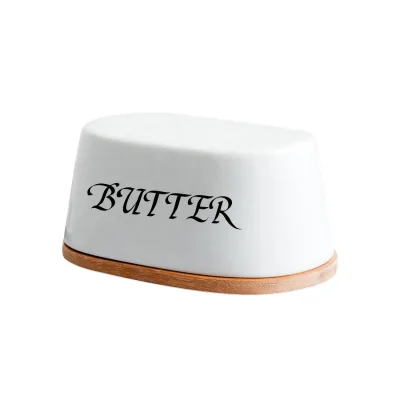
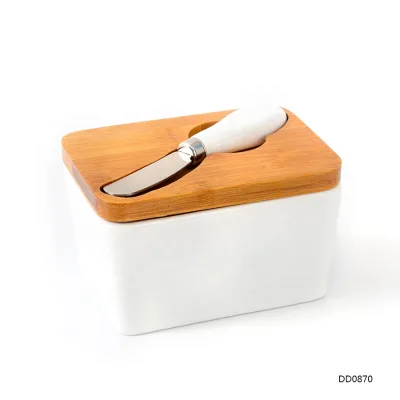
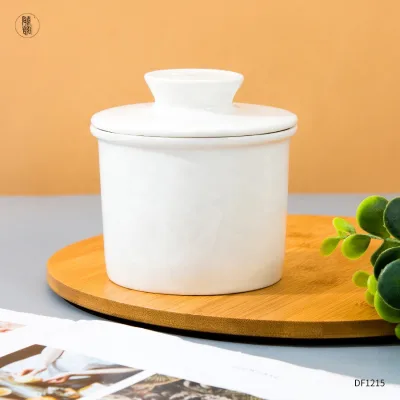
Custom Porcelain Butter Keeper Crock Butter Cheese Ceramic Butter Dish with Lid
$1.95 - $2.95
MOQ: 500
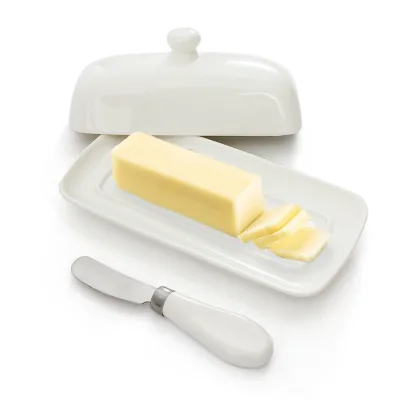

Shanxi Midas Industrial Co., Ltd.
- Verified by TUVRHEINLAND
- Trading Company
- China Shanxi
- Lead time15 days
- Avg. response≤ 10h
Main productsWine Glass, Glass Plate, Wooden Tray, Scented Candle, Plastic Water Bottle, Stainless Steel Water Bottle, Dinnerware Set, Beer Glass
Main marketsEurope,North America

Large Ceramic Airtight Butter Container Dish Knife Holder Porcelain Butter Dish with Bamboo Lid
$1.76 - $3.23
MOQ: 500 Pieces

Ceramic Kitchen Storage Ceramic Butter Sealed Jar Keeper Porcelain Butter Dish Knife with Lid
$3.65 - $4.13
MOQ: 50 Pieces

Modern Design Baking Dishes Stoneware Baking Tray Frosted Black Ceramic Bakeware
$3.14 - $4.48
MOQ: 200 Pieces

- Verified by BV
- Trading Company
- China Zhejiang
- Lead time30 days
- Avg. response≤ 12h
Main marketsSouth America,Africa,Southeast Asia/ Mideast,East Asia(Japan/ South Korea),Europe,Australia,North America
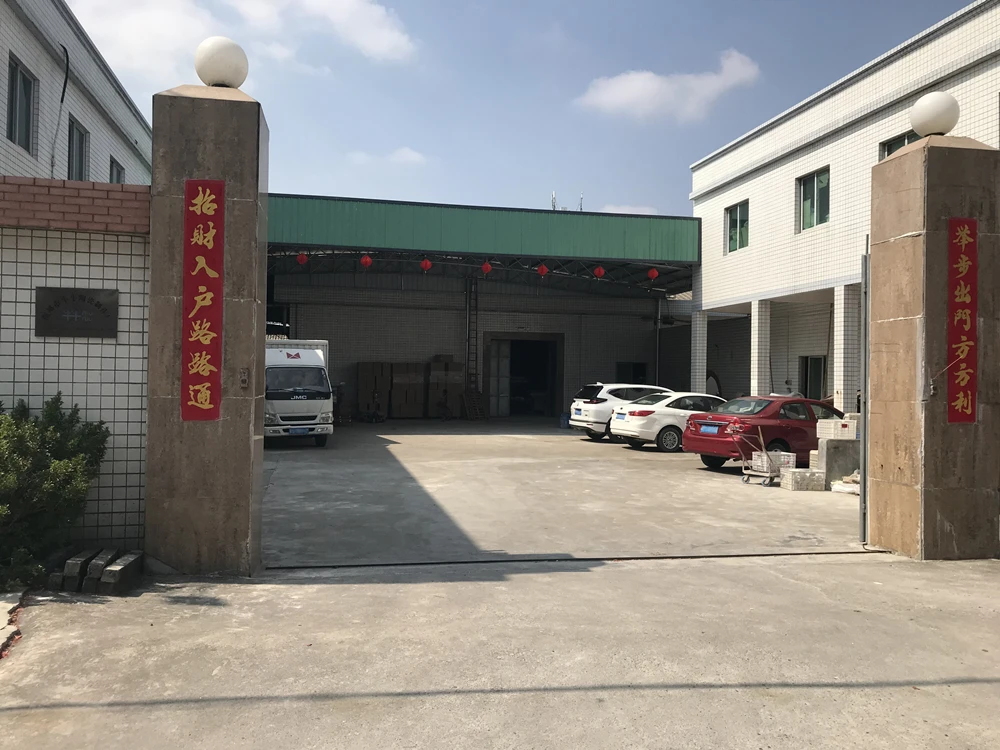
Chaozhou Chao'an Fengtang Shimaier Ceramics Factory
- Manufacturer, Trading Company
- Guangdong, China
- Lead time50 days
- Avg. response≤ 3h
Main productsCeramic mug,Ceramic candle jar,ceramic plate,ceramic decor,ceramic cup
Main marketsNorth America(45.00%), Northern Europe(10.00%), Eastern Europe(10.00%), Western Europe(10.00%), South America(5.00%), Southeast Asia(3.00%), Central America(3.00%), Africa(3.00%), Eastern Asia(3.00%), Mid East(3.00%), Oceania(3.00%), South Asia(1.00%), Southern Europe(1.00%)
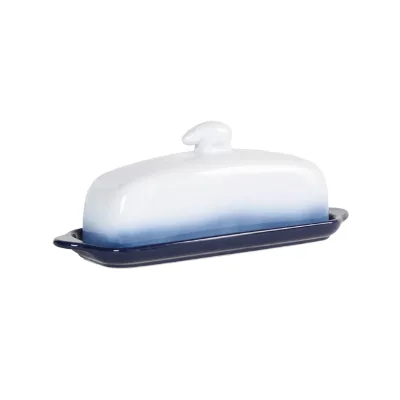
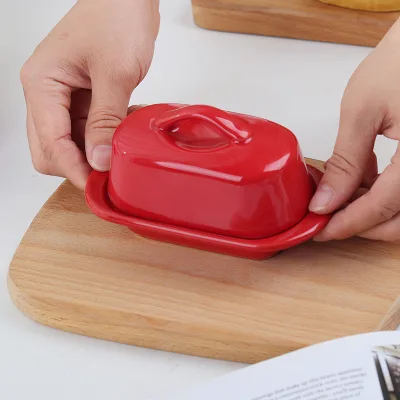
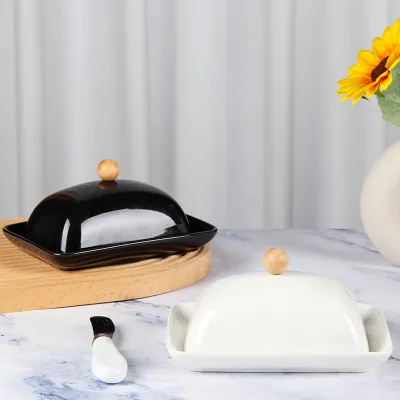
$2.56 - $3.58
MOQ: 500 pieces
Xiamen Yihang Industrial Co., Ltd.
- Verified by SGS Group
- Manufacturer, Trading Company
- Lead time45 days
- Avg. response≤ 3h
Main productsCeramic Ware, Drinkware, Resin Ware, Dinnerware, Bar & Wine
Main marketsNorth America(45%), Northern Europe(13%), Eastern Europe(10%)
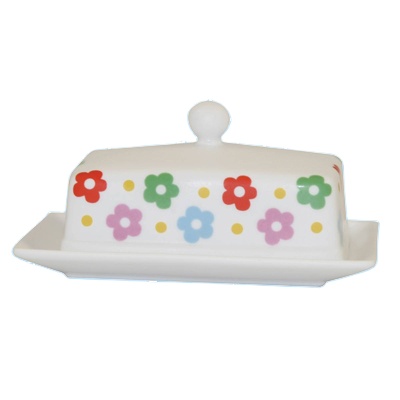
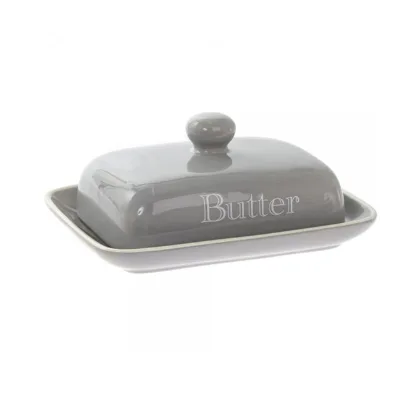
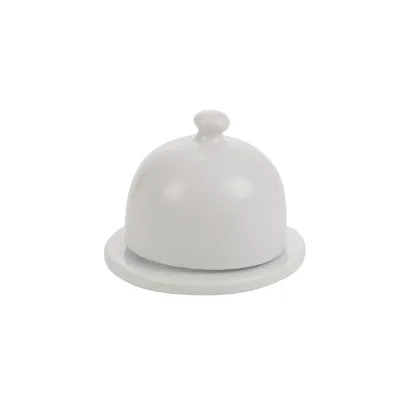
Wholesale Ceramic Vintage Grey Butter Dish with Lid Storage Container for Kitchen
$1.10 - $5.42
MOQ: 720
Xiamen Bestcera Technology Co., Ltd.
- Verified by TüVRheinland
- Trading Company
- Lead time60 days
- Avg. response≤ 4h
Main productsCeramic Pet Bowl, Ceramic Treat Jar, Ceramic Candle Jar, Ceramic Vase, Ceramic Home Decoration
Main marketsNorth America(60%), Eastern Europe(10%), Southeast Asia(10%)
Quanzhou Deerli Arts & Crafts Co., Ltd.
- Manufacturer, Trading Company
- Fujian, China
- Lead time15 days
- Avg. response≤ 8h
Main productsresin craft gift,ceramic product,home decoration,outdoor garden decoration,ceramic craft
Main marketsCentral America(20.00%), North America(15.00%), Domestic Market(12.00%), Northern Europe(11.00%), Southern Europe(10.00%), South America(10.00%), Eastern Europe(5.00%), Mid East(5.00%), Eastern Asia(5.00%), South Asia(4.00%), Western Europe(3.00%)

- Manufacturer, Trading Company
- Guangdong, China
- Lead time45 days
- Avg. response≤ 1h
Main productsFondue Set,Cup & Saucer,Dinnerware,Kitchenware,Bathroom Set
Main marketsWestern Europe(36.00%), Oceania(10.00%), Southern Europe(8.00%), North America(8.00%), Eastern Europe(6.25%), Mid East(5.00%), Central America(5.00%), Northern Europe(4.52%), South Asia(4.50%), South America(3.65%), Southeast Asia(3.48%), Domestic Market(2.43%), Africa(1.82%), Eastern Asia(1.35%)
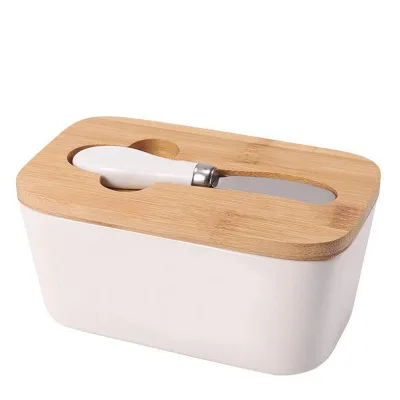
Customized logo Modern Restaurant Rectangle Ceramic Butter Dishes With Bamboo Lid and Butter Cutter
$2.30 - $3.50
MOQ: 1200 Minimum
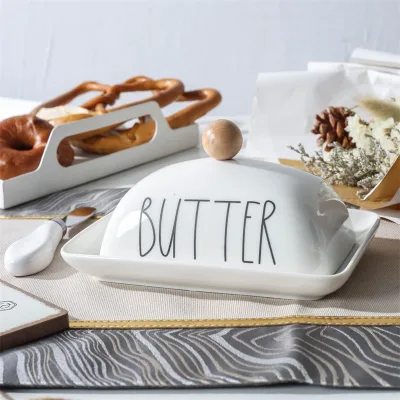
Best Quality Hotel White Rectangle Butter Holder Custom Pattern Ceramic Butter Dish With Lid
$2.67 - $4.20
MOQ: 1000 Minimum

Changsha Happy Go Products Developing Co., Ltd.
- Trading Company
- China Hunan
- Lead time45 days
- Avg. response≤ 7h
Main productsCoffee Mug, Dinner Set, Bowl, Mug, Dinnerware, Tableware, Plate, Porcelain, Crockery, Coffee Cup
Main marketsSouth America,Africa,Southeast Asia/ Mideast,East Asia(Japan/ South Korea),Europe,Australia,North America

Customized Rectangular Butter Container White Ceramic Porcelain Dessert Butter Dish with Cover Lid
$1.90 - $3.00
MOQ: 2000 Pieces


Foshan Ciray Household Products Co., Ltd.
- Trading Company,Manufacturer/Factory
- China Guangdong
- Lead time45 days
- Avg. response≤ 17h
Main productsCeramic Plate, Ceramic Bowl, Ceramic Tray, Stainless Steel Tray, Stainless Steel Cutlery, Stainless Steel Plate, Coffee-Related Products, Ceramic Ornaments, Ceramic Tableware, Glass Tableware
Main marketsSouth America,Eastern Europe,North America,Oceania,Western Europe

Stone Pattern Ceramic Butter Dish with Cover Porcelain Butter Box with Knife
$5.60 - $6.20
MOQ: 100 Pieces

Cross-Border Rectangular Ceramic Cheese Box French Butter Dish with Bamboo Lid and Knife
$5.50 - $6.00
MOQ: 100 Pieces
- Verified by SGS Group
- Trading Company
- Lead time20 days
- Avg. response≤ 10h
Main productsKitchenware, Coffee French Maker, Plastic Bento Box, Bamboo Wooden Kitchen Items, Ceramic & Glass Products
Main marketsNorthern Europe(20%), South Asia(20%), North America(10%)
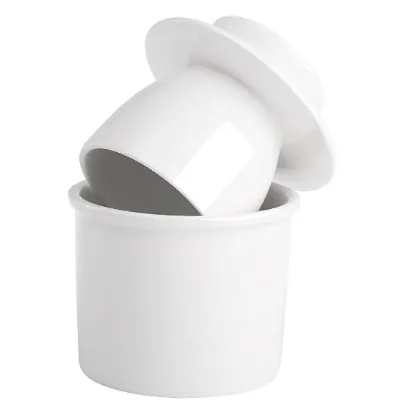
2026 Ceramic Butter Keep Dish for Fresh Bell Shape Kitchen Container With Lid
$1.88 - $2.98
MOQ: 1000 pieces
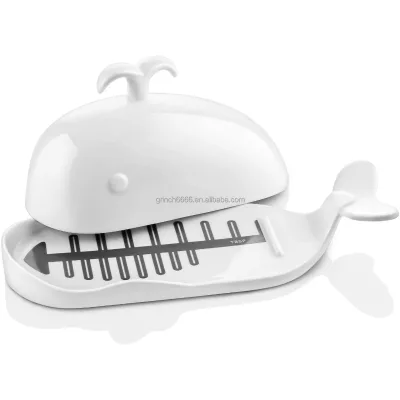
$1.00 - $8.00
MOQ: 2000 Minimum
Kindest Xiamen Trading Co., Ltd.
- Verified by SGS Group
- Trading Company
- Lead time35 days
- Avg. response≤ 8h
Main productsCeramic Tableware, Ceramic Kitchen Ware, Ceramic Home Decoration
Main marketsNorth America(60%), Oceania(20%), Southeast Asia(10%)
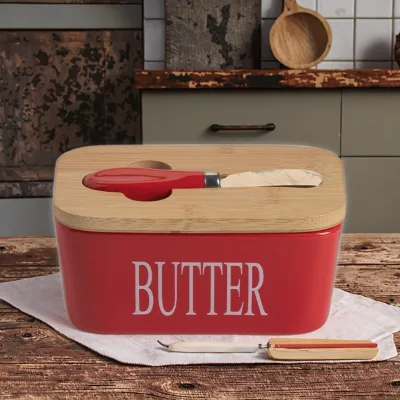
Ceramic Butter Box Handcrafted Dishes & Plates for Fresh and Ready Butter
$2.44 - $2.85
MOQ: 499 pieces
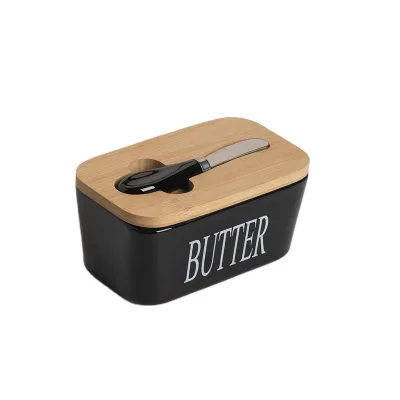

Chaozhou Fengxi District Warm Home Products Ceramic Factory
- Verified by SGS
- Combined
- China Guangdong
- Lead time30 days
- Avg. response≤ 15h
Main productsCeramic Tableware
Main marketsDomestic

Contemporary Curved Sauce Dish - Hand-Friendly Thickened Ceramic DIP Bowls
$1.00 - $1.25
MOQ: 100 Pieces


Ergonomic Rounded-Corner Sauce Dish - Premium Cream Style Ceramic Small Plates
$1.00 - $1.25
MOQ: 100 Pieces

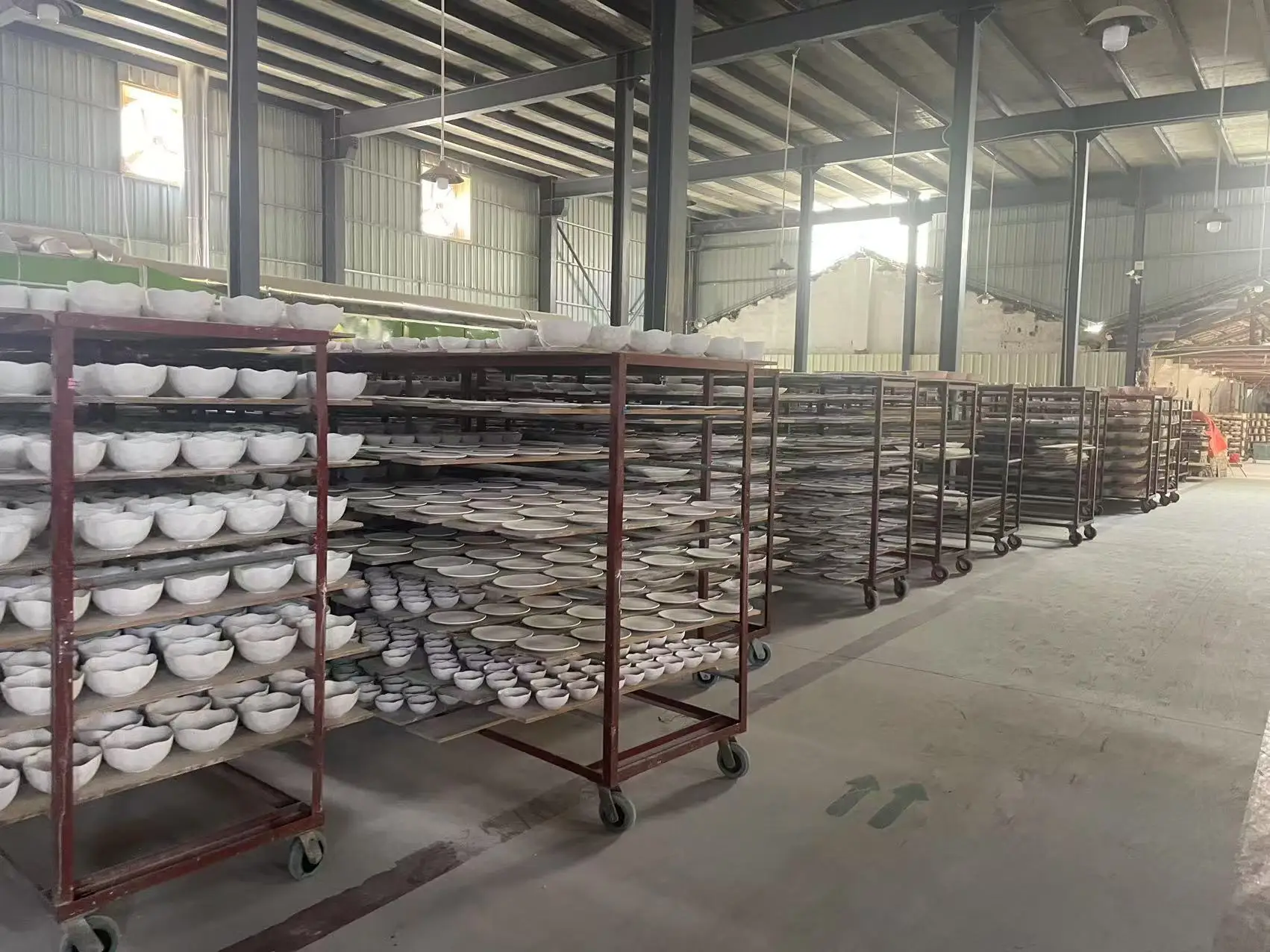
Xiamen Design In Source Trading Co., Ltd.
- Manufacturer, Trading Company, Distributor/Wholesaler
- Fujian, China
- Lead time45 days
- Avg. response≤ 2h
Main productsvase,ceramic mugs,piggy bank,coffee cup,candle jar
Main marketsNorth America(48.00%), Western Europe(21.00%), Oceania(10.00%), Eastern Asia(5.00%), Southeast Asia(4.00%), South America(3.00%), Eastern Europe(2.00%), Northern Europe(2.00%), Southern Europe(2.00%), Mid East(1.00%), Central America(1.00%), South Asia(1.00%)
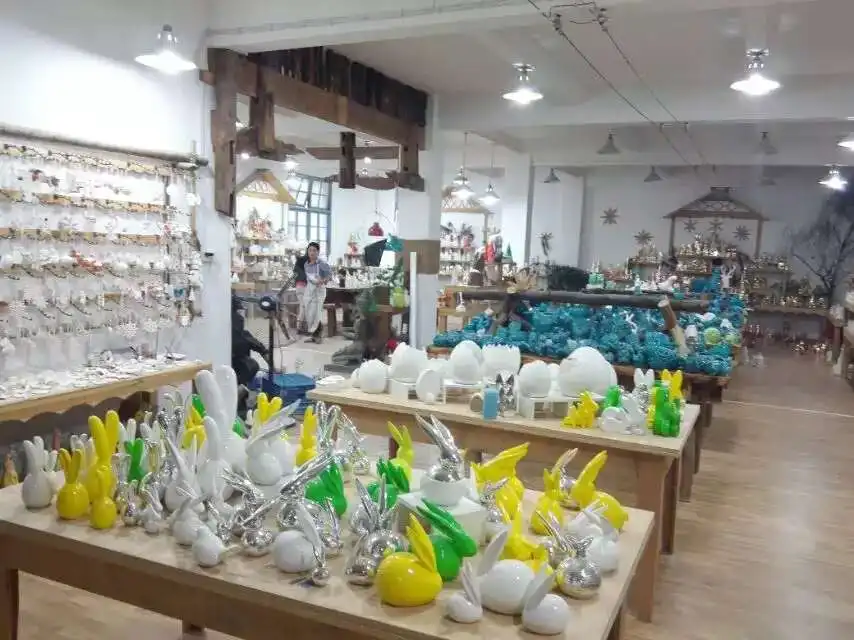
Dehua Beauty Rich Arts & Crafts Co., Ltd.
- Manufacturer, Trading Company
- Fujian, China
- Lead time30 days
- Avg. response≤ 9h
Main productsPolyresin crafts,Ceramic crafts,PVC crafts,Home decoration,Garden decoration
Main marketsEastern Europe(15.00%), North America(15.00%), South America(12.00%), Mid East(5.00%), Oceania(5.00%), South Asia(3.00%), Southern Europe(3.00%), Northern Europe(3.00%), Central America(3.00%), Western Europe(3.00%), Eastern Asia(3.00%), Domestic Market(3.00%), Southeast Asia(3.00%), Africa(2.00%)
Chaozhou Tongxinghuajiang Ceramics Making Co., Ltd.
- Verified by TüVRheinland
- Manufacturer, Trading Company
- Lead time45 days
- Avg. response≤ 6h
Main productsCeramic Dinnerware

Fujian Dehua County Baoxing Ceramics Co., Ltd.
- Manufacturer, Trading Company
- Fujian, China
- Lead time0 days
- Avg. response≤ 2h
Main productsCeramic cans,Flower Pots,Ceramic vase,Holiday decoration,Mug
Main marketsNorth America(42.00%), Eastern Europe(14.00%), Southeast Asia(12.00%), Western Europe(10.00%), Northern Europe(10.00%), Southern Europe(6.00%), South America(6.00%)
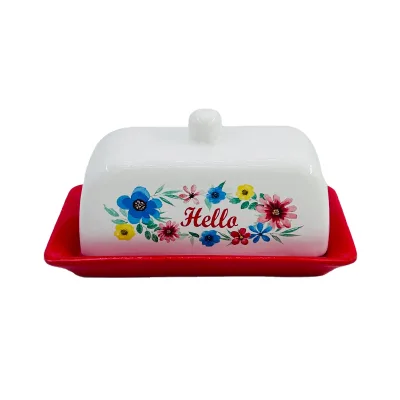
North America Hot Selling Kitchen Table Decoration Supplies Ceramic Butter Dish
$1.50 - $2.50
MOQ: 800
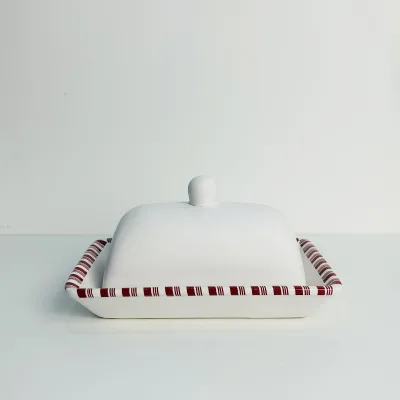
Chaozhou Qianyue Ceramics Co., Ltd.
- Manufacturer, Trading Company
- Lead time旺季: "1 - 10000":35,"> 10000":"To be negotiated", 淡季: "1 - 10000":35,"> 10000":"To be negotiated"
- Avg. response≤ 2h
Main productsCeramic Tableware






Comprehensive Sourcing Guide
Dark Gray Ceramic Butter Dish Supplier Concentration and Factory Types
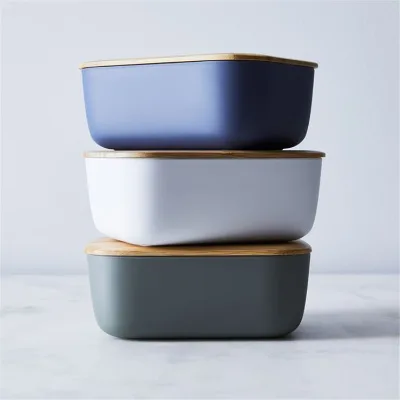
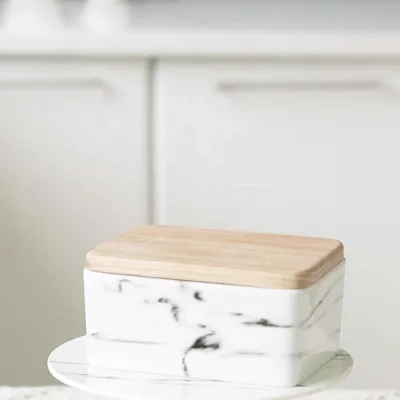
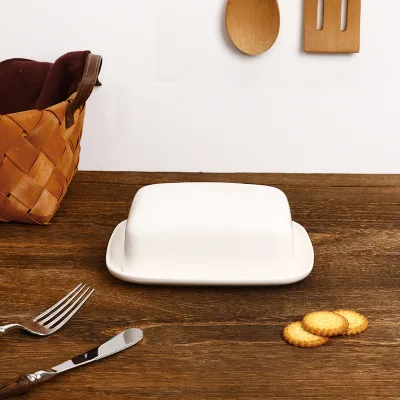
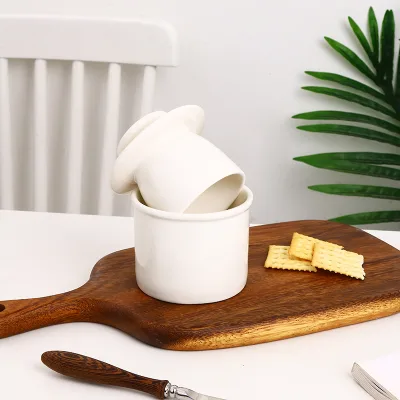
Current search results indicate a concentration of suppliers located in Fujian, China, specializing in ceramic products, polyresin items, and iron crafts. These entities operate primarily as trading companies or combined entities capable of offering both trading and manufacturing services. The observed product range includes various ceramic butter dishes, ranging from minimalist rectangle plates to covered containers with bamboo lids. This geographic clustering suggests a regional ecosystem where raw material sourcing and specialized kiln firing capabilities are concentrated, facilitating efficient production for export markets. Buyers should verify if a specific supplier operates a dedicated factory or functions solely as an intermediary, as this distinction impacts quality control and communication speed.
When evaluating factory types, note that some suppliers list capabilities such as ODM, OEM, and own brand development, while others focus on trading existing inventory. The presence of combined company types implies a hybrid model where the entity may manage design internally while outsourcing production or managing a network of workshops. For dark gray ceramic butter dishes, the distinction matters because a trading company might offer faster access to existing stock, whereas a factory with ODM capabilities can customize glazes and shapes. Buyers must confirm the actual production location, as some listings may originate from different provinces despite the primary cluster being in Fujian. Always request proof of facility ownership or long-term partnership agreements to validate the claimed manufacturing capacity.
How to Verify Dark Gray Ceramic Butter Dish Suppliers
Verification processes for these suppliers often involve checking third-party audit reports and platform-specific badges. Some observed suppliers hold TUVRHEINLAND or BV verification status, which indicates a baseline level of operational legitimacy and financial stability. However, verification badges alone do not guarantee product quality or adherence to specific safety standards for food contact items. Buyers should cross-reference these badges with the specific certifications listed for the Dark Gray Ceramic Butter Dish products, such as CE/EU, FDA, CIQ, LFGB, or SGS. These certifications are critical for ensuring the glaze and material composition are safe for food storage and meet international regulatory requirements.
Response time and communication efficiency serve as additional verification metrics for supplier reliability. The data shows response times varying between approximately 9 and 12 hours, which can indicate the availability of a dedicated sales team or the time zone differences involved. A supplier with a slower response time might be less agile in addressing urgent customization requests or resolving quality disputes. Buyers should also examine the detailed product attributes provided, such as the presence of specific firing temperatures or material compositions like ceramic and porcelain. If a supplier claims high customization capabilities but provides vague details on their production process, this warrants further inquiry. Always request recent test reports or factory audit videos to confirm that the claimed certifications are current and applicable to the specific Dark Gray Ceramic Butter Dish models.
What to Compare Across Dark Gray Ceramic Butter Dish Suppliers
Comparing suppliers requires a systematic evaluation of lead times, minimum order quantities, and pricing structures. Observed lead times range from 23 to 30 days for standard orders, with some suppliers indicating longer production windows of 35 to 50 working days for customized items. Minimum order quantities vary significantly, with some listings requiring 500 units while others set the bar at 1000 pieces. These differences directly impact inventory planning and cash flow, especially for buyers testing new product lines. Buyers must calculate the total landed cost, including the unit price which ranges from roughly $0.60 to $6.00 depending on the complexity and customization level of the Dark Gray Ceramic Butter Dish.
Beyond pricing and volume, the scope of customization and design support is a key differentiator. Some suppliers explicitly welcome OEM and ODM requests, offering custom logo printing, specific color glazes, and unique packaging solutions. Others may have limited customization options, restricting buyers to existing catalog items. The availability of sample times, which can range from 7 to 20 days, is another critical comparison point for accelerating the product development cycle. Buyers should also compare the specific certifications listed for each product, as some offer broader compliance like LFGB and PROP65, while others list only basic FDA or CE marks. A comprehensive comparison matrix should include these variables to identify the supplier that best aligns with the buyer's specific operational constraints and quality expectations.
Common Dark Gray Ceramic Butter Dish Sourcing Risks
One significant risk involves the discrepancy between claimed certifications and actual product compliance. While many listings display certifications like CE/EU, FDA, and CIQ, the specific application of these standards to the dark gray glaze and the ceramic body must be verified. Inconsistent firing temperatures or the use of non-compliant pigments can lead to lead leaching or other safety issues, rendering the product unsuitable for food contact. Buyers should not assume that a general company certification covers every product variant; specific test reports for the exact model number are essential. Relying solely on the supplier's word without independent verification can result in costly recalls or regulatory penalties in the destination market.
Another risk pertains to the reliability of lead times and the potential for production delays. Observed delivery times can extend to 50 working days for customized orders, which is significantly longer than the standard 30-day window. Delays often stem from supply chain bottlenecks, raw material shortages, or quality control failures that require rework. If a buyer has a tight deadline for a seasonal launch, relying on a supplier with a 40-50 day production window without a buffer is risky. Furthermore, the variability in minimum order quantities can lead to overstocking if the initial market response is weaker than anticipated. Buyers must negotiate clear penalty clauses for late deliveries and establish a robust quality inspection protocol before the final shipment leaves the factory to mitigate these operational risks.
Dark Gray Ceramic Butter Dish Regional Sourcing and Logistics
The primary sourcing hub identified in the results is Fujian, China, a region known for its extensive ceramic manufacturing infrastructure. This concentration offers logistical advantages, including established shipping routes and a mature ecosystem of packaging and freight forwarders specializing in fragile goods like ceramics. However, buyers must verify the exact factory location, as some suppliers may list a general province while operating out of a different city with different port access. The distance from the factory to the nearest seaport can significantly impact transit times and shipping costs, particularly for heavy ceramic items like butter dishes. Understanding the specific port of loading is crucial for accurate freight estimation and supply chain planning.
Logistics for ceramic products require specialized handling to prevent breakage during transit. The observed product packaging dimensions, such as 70x30x30 cm, suggest the need for robust inner and outer packaging solutions. Buyers should confirm that the supplier uses standard safe packing methods or customized boxes designed to withstand long-haul shipping. Additionally, the origin of the goods, consistently listed as China, means that import duties and tariffs will apply based on the destination country's trade agreements. Buyers should factor in these costs when calculating the final landed price. It is also advisable to discuss Incoterms clearly, ensuring that the supplier's responsibility ends at the agreed point, whether that is FOB, CIF, or DDP, to avoid unexpected charges upon arrival.
Dark Gray Ceramic Butter Dish Commercial Terms and Order Planning
Commercial terms for dark gray ceramic butter dishes often include specific requirements for customization and payment structures. Many suppliers indicate that customization is available, with options for custom logos, colors, and packaging. However, the lead time for these customizations can extend the production schedule to 35-50 working days, which must be factored into the overall order planning. Buyers should clarify the sample approval process, as sample times can vary from 7 to 20 days. Securing a pre-production sample is a critical step to ensure the dark gray glaze and final dimensions meet expectations before mass production begins. This step prevents costly errors and ensures the final product aligns with the brand's quality standards.
Payment terms and order volume flexibility are also central to successful procurement. While some suppliers accept standard orders with MOQs of 500 units, others require 1000 pieces, which may be a barrier for smaller buyers. Buyers should negotiate terms that allow for a mix of standard and customized items to optimize order volume. Additionally, the use of escrow services or secure payment platforms can provide protection against non-delivery or quality disputes. It is essential to confirm the supplier's ability to handle the specific order size and timeline before committing funds. Clear communication regarding the production timeline, from sample confirmation to final delivery, ensures that all parties are aligned and reduces the risk of misunderstandings that could delay the project.
FAQs
What certifications do ceramic butter dishes have?
Most listed ceramic butter dishes carry CE/EU, FDA, and CIQ certifications to ensure food safety standards. Some suppliers also provide LFGB and SGS approvals for specific markets. These credentials confirm the materials are safe for direct food contact and meet international regulatory requirements for kitchenware products.
What is the typical lead time for orders?
Standard lead times generally range from 23 to 30 days for production. Custom orders may require 35 to 50 working days depending on complexity. Sample creation typically takes 7 to 20 days before mass production begins. Buyers should confirm exact timelines with suppliers based on order volume and customization needs.
What is the minimum order quantity for these items?
Minimum order quantities vary significantly by supplier. Some manufacturers require a minimum of 500 pieces per design. Others set the threshold at 1000 pieces for custom ceramic or porcelain items. Buyers should verify specific MOQ requirements directly with suppliers to ensure alignment with their purchasing volume and budget constraints.
Are these butter dishes eco-friendly and reusable?
Yes, the majority of ceramic butter dishes are explicitly labeled as eco-friendly and non-disposable. They are designed for long-term reuse in kitchen settings. Materials like porcelain and stoneware are durable and dishwasher safe. This makes them sustainable alternatives to plastic or single-use containers for storing butter and cheese.
What is the price range for ceramic butter dishes?
Prices typically range from $0.60 to $6.00 per unit depending on material and design. Basic ceramic models often start around $0.60 to $0.80. Premium porcelain or complex designs may cost up to $6.00. Volume discounts and customization options can influence the final unit price offered by suppliers.
Can I customize the design and logo on the dish?
Customization is widely available for both design and branding. Suppliers offer OEM and ODM services to create unique shapes or colors. Custom logo printing is supported via decal or hand-painted techniques. Buyers can request specific sizes, multicolor options, and custom packaging to match their brand identity and market requirements.