Beach Sarong Suppliers and Manufacturers in China
Source 29 verified Beach Sarong suppliers from China Jiangsu and Guangdong. Compare response times, lead times, MOQs, and certifications like Oeko-Tex 100 and ISO 9001. Filter by price and customization options to find the right partner; review the available evidence before requesting comparable quotations from suitable candidates.
Suppliers List

Wujiang Bozi Textile Co., Ltd.
- Verified by TUVRHEINLAND
- Combined
- China Jiangsu
- Lead time15 days
- Avg. response≤ 7h
Main productsPolyester Fabric, Nylon Fabric, Gabardine, Suede, Microfiber, Pongee, Peach Skin Fabric, Taslon, PU Leather, Printed Fabric
Main marketsSouth America,Southeast Asia/ Mideast,Europe,Australia
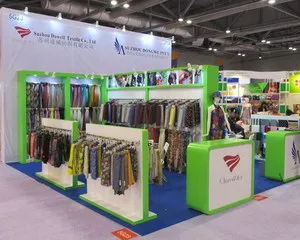
Suzhou Dowell Textile Co., Ltd.
- Trading Company
- Jiangsu, China
- Lead time35 days
- Avg. response≤ 5h
Main productsScarf,Hat,fouta,Pareo,barber cape
Main marketsDomestic Market(7.139999999999999%), South Asia(7.139999999999999%), Southern Europe(7.139999999999999%), Northern Europe(7.139999999999999%), Central America(7.139999999999999%), Western Europe(7.139999999999999%), Eastern Asia(7.139999999999999%), Mid East(7.139999999999999%), Oceania(7.139999999999999%), Africa(7.139999999999999%), Southeast Asia(7.139999999999999%), Eastern Europe(7.139999999999999%), South America(7.139999999999999%), North America(7.139999999999999%)
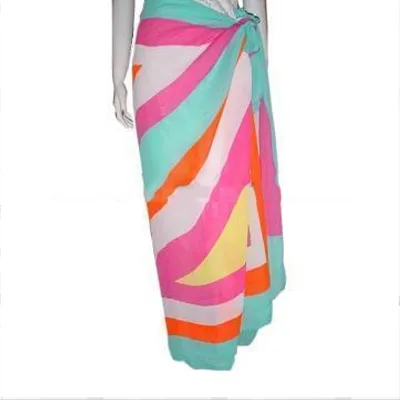
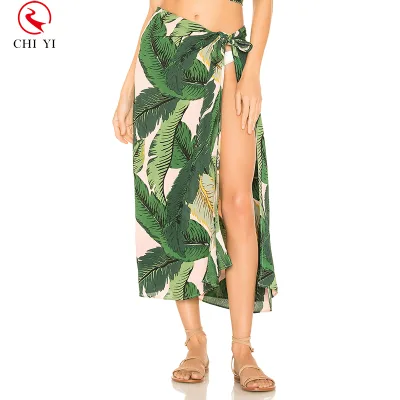
100% Recycled Polyester RPET Printed Beach Sarong
Contact supplier
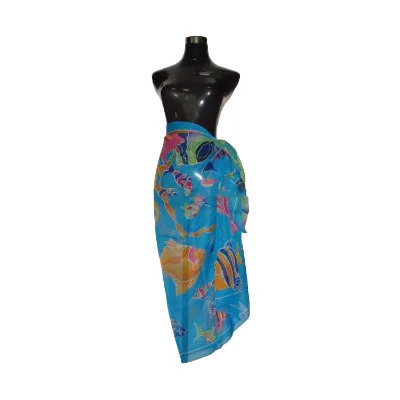
Printed Rayon 100% Cotton Beach Pareo Sarong
Contact supplier

- Verified by TUVRHEINLAND
- Trading Company,Manufacturer/Factory
- China Jiangsu
- Lead time23 days
- Avg. response≤ 4h
Main productsMedal, Coin, Lapel Pin, PVC Patch, Embroidery Patch, Keychain, Button Badge, Silicone Wristband, Lanyards, Gift
Main marketsSouth America,Eastern Europe,Mid East,North America,Oceania,Western Europe
Guangzhou Chiyi Industrial Co., Ltd.
- Verified by SGS Group
- Manufacturer, Trading Company
- Lead time20 days
- Avg. response≤ 5h
Main productsSwimwear, Board Shorts, Beach Dress, Fitness and Yoga Wear, Rash Guard
Main marketsNorth America(60%), Eastern Europe(20%), South America(10%)
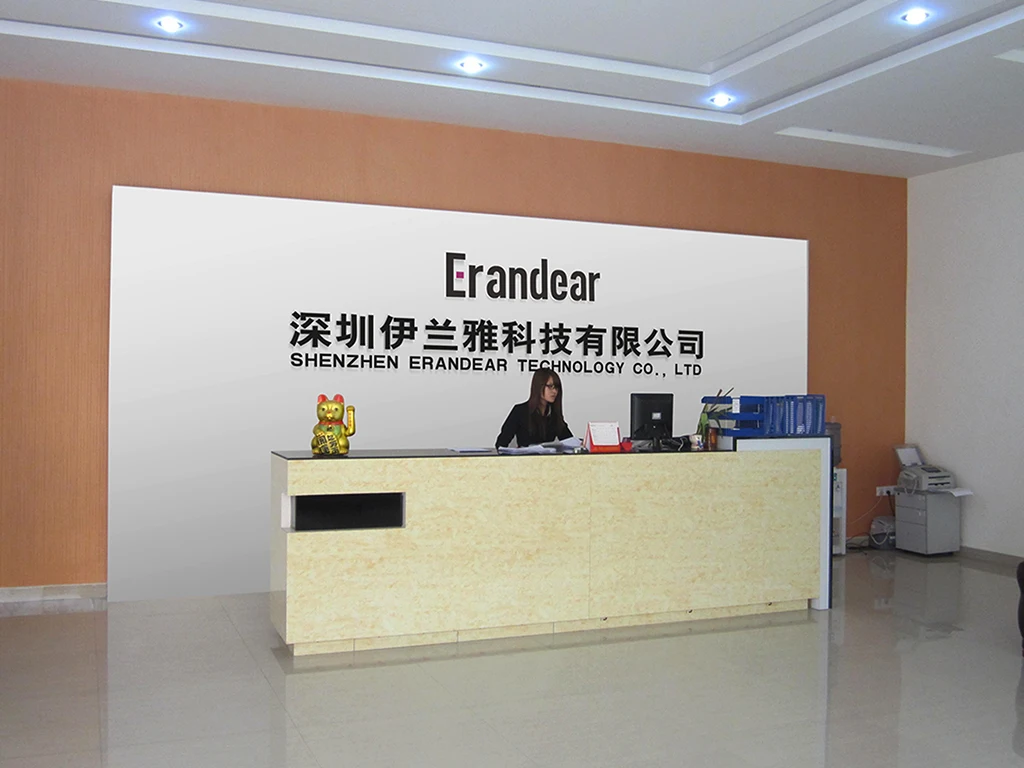
Shenzhen Yilanya Technology Co., Ltd.
- Manufacturer, Trading Company, Agent, Other
- Guangdong, China
- Lead time10 days
- Avg. response≤ 3h
Main productsApparel,women's sleepwear,women's clothing,women's set,carpet
Main marketsWestern Europe(20.0%), North America(18.0%), Eastern Europe(10.0%), Northern Europe(9.0%), Southeast Asia(8.0%), Southern Europe(8.0%), South America(5.0%), Central America(5.0%), Mid East(5.0%), Eastern Asia(4.0%), South Asia(3.0%), Domestic Market(2.0%), Africa(2.0%), Oceania(1.0%)

Hanzhou (Guangzhou) Garment Manufacturing Co., Ltd.
- Verified by SGS
- Combined
- China Guangdong
- Lead time15 days
- Avg. response≤ 4h
Main productsSoccer Jersey, Yoga, Gym Clothing, Swimming Wear, Sport Suit, Short, Football Jersey
Main marketsNorth America

$1.50 - $5.90
MOQ: 50 Pieces

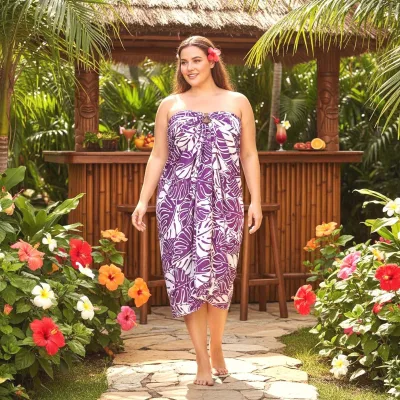
Beach Pareo Wholesale Hawaii Style Pattern Printed Sarongs Beach Towels Sarong Hawaiian Sarong
$1.50 - $5.90
MOQ: 50 Pieces

$1.50 - $5.90
MOQ: 50 Pieces

OEM Sarong Beach Pareo Wholesale Hawaii Style Pattern Printed Sarongs Beach Towels Plus Size Sarong
$1.50 - $5.90
MOQ: 50 Pieces


$1.50 - $5.90
MOQ: 50 Pieces
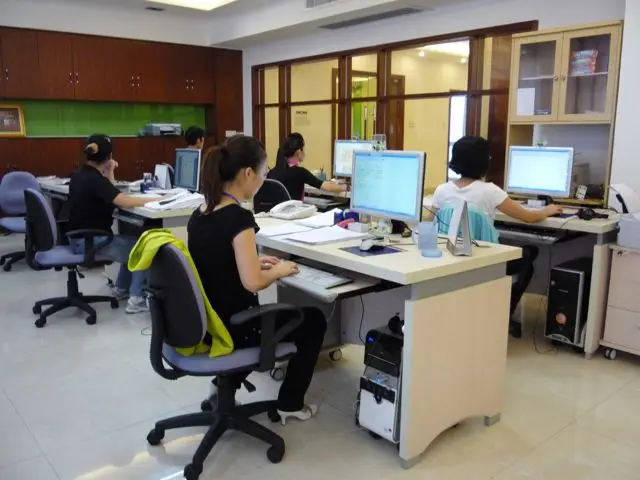
- Trading Company
- Hebei, China
- Lead time15 days
- Avg. response≤ 2h
Main productssnapback hat,beanies,baseball hat,tshirt,hoodies
Main marketsWestern Europe(12.01%), Southeast Asia(10.0%), Central America(9.29%), Southern Europe(9.09%), North America(9.09%), South Asia(8.9%), South America(2.35%)

- Verified by BV
- Combined
- China Zhejiang
- Lead time30 days
- Avg. response≤ 2h
Main productsMicro Fiber Fabric, Brushed Fabric, Peach Skin, Satin, Pongee, Micro Fiber Bedsheets, Pillow, Ultrasonic Quilt, Wax Fabric, 100% Polyester Fabric
Main marketsAfrica,Europe,North America

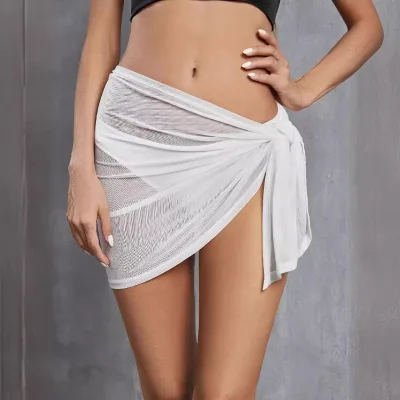
100% Polyester Sarong Wrap Women Sarong Batik Wrap Skirt Beach Wrap Sarong
$0.45 - $0.55
MOQ: 5000 Meters


Thai Traditional Fabric Sarong Batik Sarong Thailand Textile Indonesia Sarong
$0.45 - $0.55
MOQ: 5000 Meters


Hanzhou (Guangzhou) Clothing Industry Co., Ltd.
- Verified by SGS
- Combined
- China Guangdong
- Lead time15 days
- Avg. response≤ 3h
Main productsT Shirt, Polo Shirt, Sport Wear, Tank Top and Vest, Outdoor Jacket, Work Uniform and School Uniform, Shirt and Suit, Pants, Down Jacket, Medical Workwear
Main marketsNorth America

$3.00 - $4.00
MOQ: 200 Pieces

2026 Fashion Custom Sublimation Print Beach Sarong Pareo Custom Printed Pareo Sarong
$3.00 - $4.00
MOQ: 200 Pieces
CHANGXING WEITUO TEXTILE CO.,LTD
- Trading Company
- Zhejiang, China
- Lead time30 days
- Avg. response≤ 6h
Main productsFabric,wax print fabric,sarong
Main marketsAfrica(60.0%), Southeast Asia(20.0%), Eastern Asia(10.0%), South America(5.0%), North America(5.0%)

- Trading Company,Manufacturer/Factory
- China Zhejiang
- Lead time23 days
- Avg. response≤ 5h
Main products100% Polyester Fabric, Minimatt, Microfiber, Satin, Bed Sheet, Jacquard Fabric, Poly/Cotton, Polyester Staple Fiber, Towel Fabric, Taffeta
Main marketsSouth America,Eastern Europe,Africa
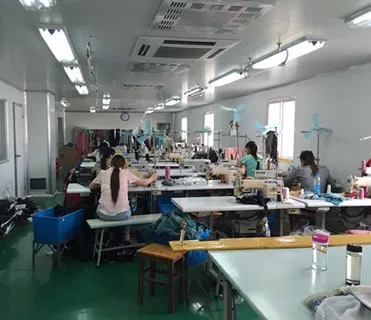
- Trading Company
- Jiangsu, China
- Lead time7 days
- Avg. response≤ 3h
Main productsSilk Scarf,Silk fabric,Silk Pillowcase,Silk eye mask,Silk Scrunchies
Main marketsNorthern Europe(15.0%), Western Europe(15.0%), Southern Europe(15.0%), North America(15.0%), Eastern Asia(10.0%), Southeast Asia(5.0%), Central America(5.0%), Eastern Europe(5.0%), South Asia(5.0%), South America(5.0%), Mid East(3.0%), Africa(2.0%)
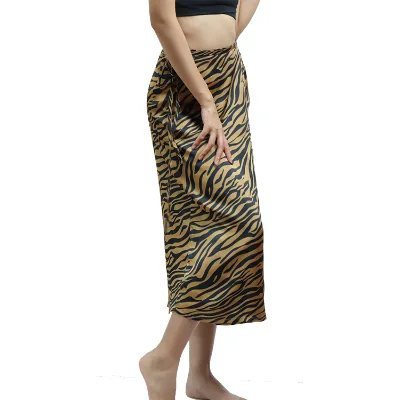
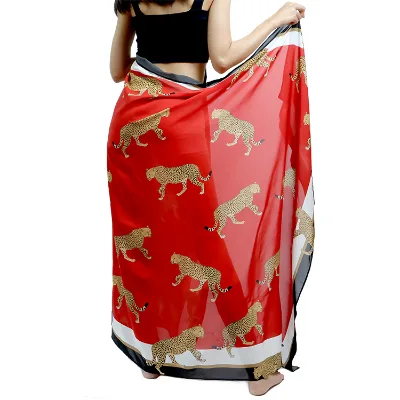
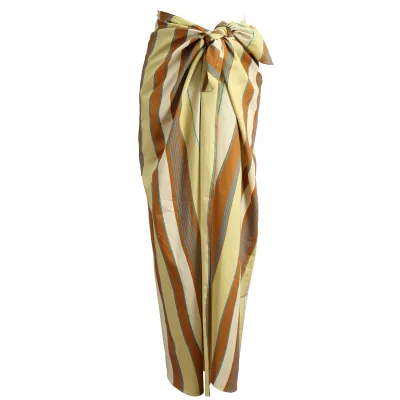
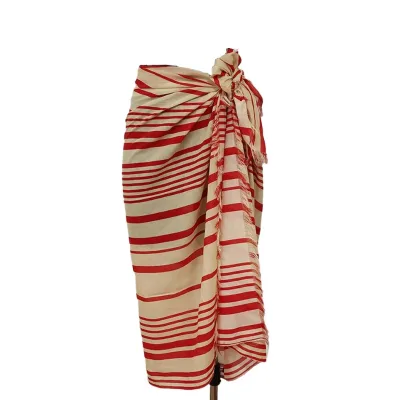
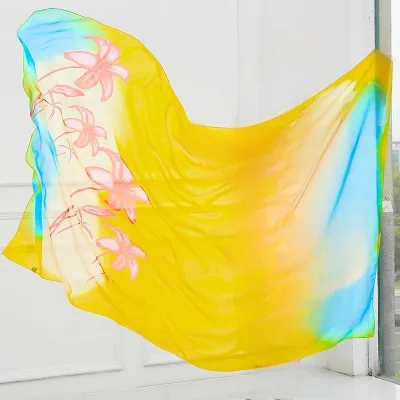
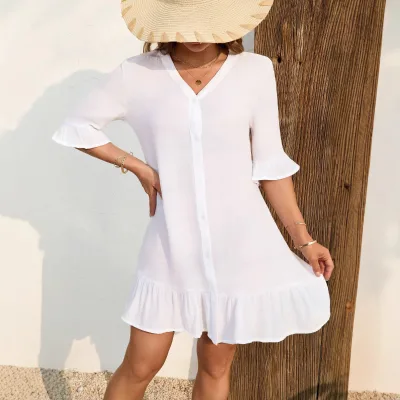
Zebra Print Fabric Sarong Women's Sarong Bikini Dress Cover up Swimwear Summer Wraps
$27.90
MOQ: 50 Minimum
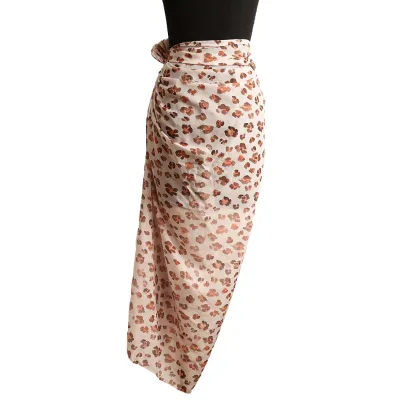

DongGuan Saivlon Sport Goods Co., Ltd.
- Verified by BV
- Combined
- China Guangdong
- Lead time23 days
- Avg. response≤ 4h
Main productsSwimsuit, Rash Guard, Horse Equipment, Sport Swear, Horse Products, Horse Rug, Horse Bell Boots, Horse Bits, Neoprene Bag, Horse Tack
Main marketsSouth America,East Asia(Japan/ South Korea),Europe,Australia,North America

- Verified by CTI
- Trading Company
- China Anhui
- Lead time23 days
- Avg. response≤ 1h
Main productsFurniture, Home Furniture
Main marketsSoutheast Asia/ Mideast

- Verified by TUVRHEINLAND
- Trading Company
- China Jiangsu
- Lead time30 days
- Avg. response≤ 5h
Main productsHat and Cap, Bandana, Wristband, Bag, Socks, Christmas Items, Knit Hat, Sweatband, Tool Bag, Knitted Hat
Main marketsEurope,North America
Hengshui Liou Import And Export Trade Co., Ltd.
- Verified by SGS Group
- Trading Company
- Lead time15 days
- Avg. response≤ 3h
Main productsClothing, Camping Cart, Wallet and bags, Watch, Sport Brace
Main marketsNorth America(50%), South America(10%), Oceania(10%)
- Verified by TüVRheinland
- Manufacturer, Trading Company
- Lead time30 days
- Avg. response≤ 5h
Main productsCasual Dresses, Women's Hoodies & Sweatshirts, T-shirt, Women's Sets, Women's Sweater Set
Main marketsNorth America(50%), Western Europe(30%), Oceania(20%)
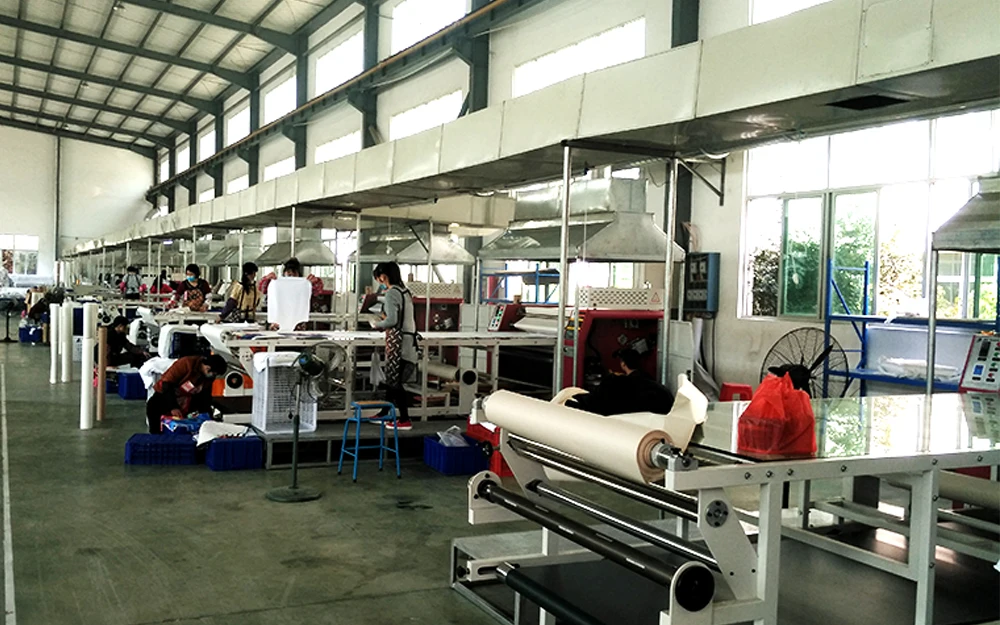
Quanzhou Jingpu Supply Chain Management Co., Ltd.
- Trading Company
- Fujian, China
- Lead time10 days
- Avg. response≤ 3h
Main productsClothing,Dress,Bags,Shoes,Home-decor
Main marketsNorth America(50.0%), Domestic Market(10.0%), Northern Europe(10.0%), Southeast Asia(10.0%), Eastern Europe(10.0%), South America(10.0%)
Guangzhou Fantastic Umbrellaco., Ltd.
- Manufacturer, Trading Company
- Guangdong, China
- Lead time30 days
- Avg. response≤ 2h
Main productsBeach Umbrella,Golf Umbrella,Beach Tent,Beach Towel,Folding Umbrella
Main marketsDomestic Market(40.0%), Oceania(20.0%), North America(15.0%), South America(5.0%), Southeast Asia(5.0%), Central America(4.0%), Eastern Asia(3.0%), Western Europe(2.0%), South Asia(1.0%), Southern Europe(1.0%), Africa(1.0%), Mid East(1.0%), Northern Europe(1.0%), Eastern Europe(1.0%)
Quanzhou Ran Orange Trading Co., Ltd.
- Trading Company
- Fujian, China
- Lead time0 days
- Avg. response≤ 1h
Main productsT-shirt,hoodies,handbags
Main marketsNorth America(50.0%), Domestic Market(15.0%), Northern Europe(15.0%), Oceania(10.0%), South America(10.0%)

Hangzhou Zhigeng Silk Co., Ltd.
- Verified by BV
- Trading Company,Manufacturer/Factory
- China Zhejiang
- Lead time45 days
- Avg. response≤ 12h
Main productsSilk Scarf, Silk Tie, Wool Scarf, Silk Sleepmask, Silk Pillowcase, Silk Scrunchies, Silk Sleepwear, Cotton Linen Tote Bag
Main marketsSouth America,Eastern Europe,North America,Western Europe

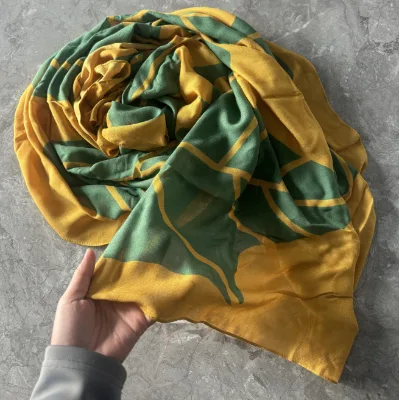
Customizedspring Mulberry Silk Silk Scarf Summer Beach Towel Travel Sunscreen Sarong
$5.00 - $15.00
MOQ: 10 Pieces

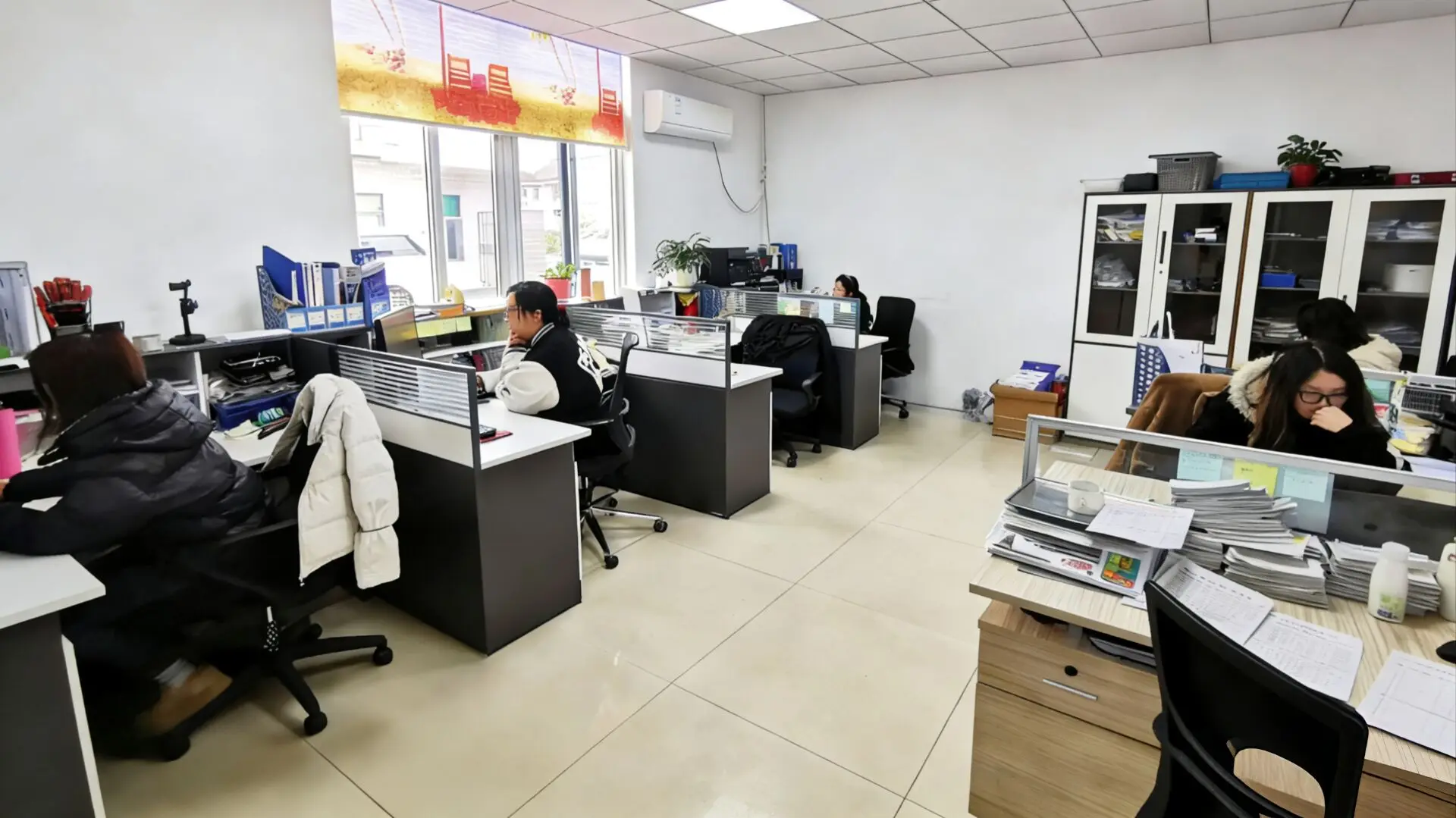
Hangzhou Sailing I/E Co., Ltd.
- Trading Company
- Zhejiang, China
- Lead time25 days
- Avg. response≤ 2h
Main productsGLOVES,HAT,TOWEL,BLANKET,SCARF
Main marketsNorth America(30.0%), Western Europe(20.0%), Oceania(15.0%), Eastern Asia(10.0%), South America(10.0%), Africa(10.0%), Mid East(5.0%)

JINAN MAY FLOWER HOUSEHOLD GOODS CO., LTD
- Verified by TUVRHEINLAND
- Trading Company
- China Shandong
- Lead time15 days
- Avg. response≤ 11h
Main productsTea Towel, Table Cloth, Scarf, Towel, Beach Towel, Tote Bag, Apron, Cushion
Main marketsOthers(foreignTradeCapacity.exportBusinessCapacityMarketOther)

100% Cotton Printing Thin Soft Red Sarong Pareos Beach Towel Beach Dress
$3.00 - $3.20
MOQ: 500 Pieces

100% Cotton Printing Thin Soft Orange Sarong Pareos Beach Towel Beach Dress
$3.00 - $3.20
MOQ: 500 Pieces
Guangzhou Chiyi Industrial Co., Ltd.
- Manufacturer, Trading Company
- Lead time旺季: "1 - 500":33,"> 500":"To be negotiated", 淡季: "1 - 500":33,"> 500":"To be negotiated"
- Avg. response≤ 2h
Main productsSwimwear, Board Shorts, Beach Dress, Fitness And Yoga Wear, Rash Guard
Yiwu Renhang Fashion Accessory Co., Ltd.
- Verified by Intertek
- Trading Company
- Lead time30 days
- Avg. response≤ 4h
Main productsJewelry, Garment, Bag, Craft
Main marketsNorth America(50%), Oceania(20%), Western Europe(20%)

Changxing Chenfei Textile Co., Ltd.
- Verified by BV
- Trading Company
- China Zhejiang
- Lead time15 days
- Avg. response≤ 10h
Main productsPolyester Printed Fabric, Printed Fabric, Polyester Fabric, Bedding Sets, Cotton/Polyester Mixed Fabric, Microfiber Bedsheet Fabric, Satin, Taffeta, Curtain Fabric, Minimatt
Main marketsSouth America


Thai Traditional Fabric Sarong Batik Sarong Thailand Textileindonesiasarong Dressfabric
$0.50 - $0.99
MOQ: 5000 Meters
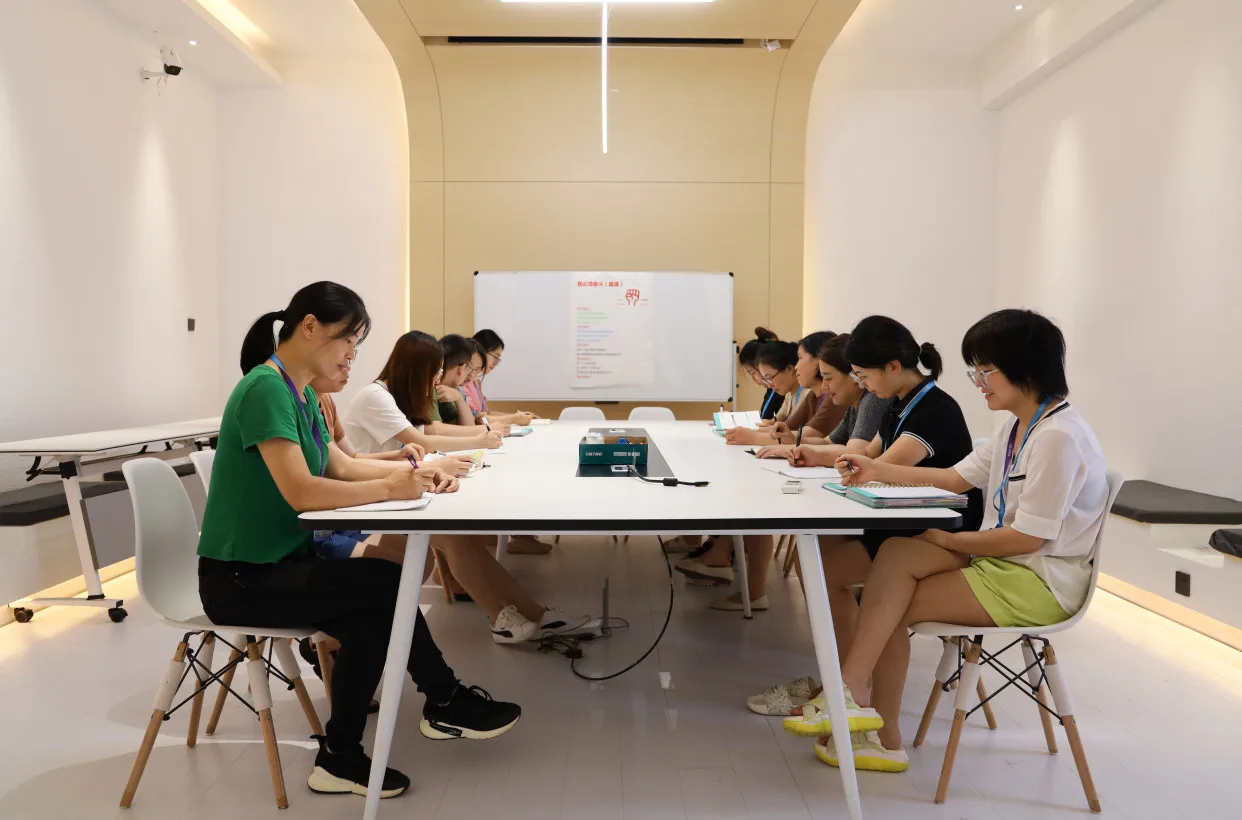
Shaoxing City Silversilk Garment Co., Ltd.
- Trading Company
- Zhejiang, China
- Lead time0 days
- Avg. response≤ 6h
Main productsMen Business Suit,Men Shirt,Men Pants,Boy Suit,Boy Shirt
Main marketsNorthern Europe(100.0%), Central America(100.0%), Western Europe(100.0%), Eastern Asia(100.0%), Mid East(100.0%), Africa(100.0%), Domestic Market(100.0%), Southeast Asia(100.0%), Eastern Europe(100.0%), South Asia(100.0%), Southern Europe(100.0%), North America(90.0%), Oceania(5.0%), South America(5.0%)

Hebei Aoruini Textile Trading Co., Ltd.
- Verified by TUVRHEINLAND
- Combined
- China Hebei
- Lead time15 days
- Avg. response≤ 4h
Main productsTowel, Beach Towel, Car Towel, Sport Towel, Kitchen Towel, Pet Towel
Main marketsSouth America,Southeast Asia/ Mideast,East Asia(Japan/ South Korea),Europe,Australia,North America

Shanghai J&D International Co., Ltd.
- Trading Company
- China Shanghai
- Lead time23 days
- Avg. response≤ 25h
Main productsShirts, Necktie, Ties, Scarves, Waistcoat, Cufflink, Neckwear, Accessories
Main marketsSoutheast Asia/ Mideast,Domestic,Europe,Australia,North America





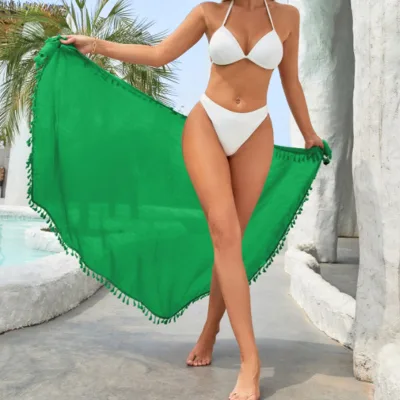
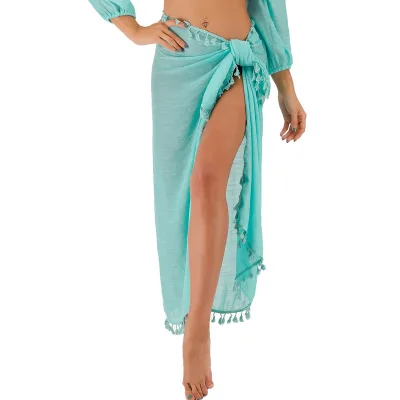
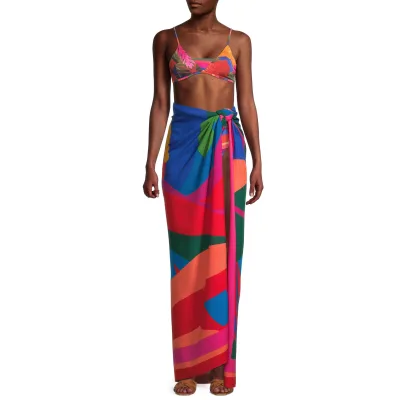
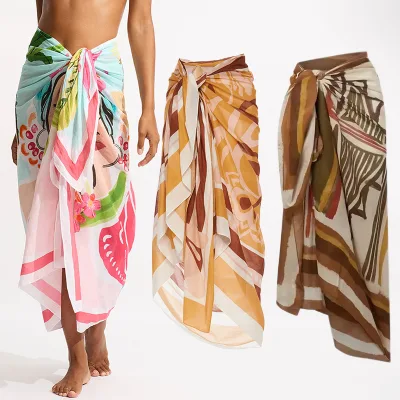
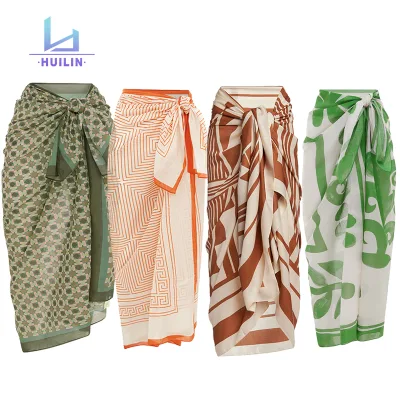
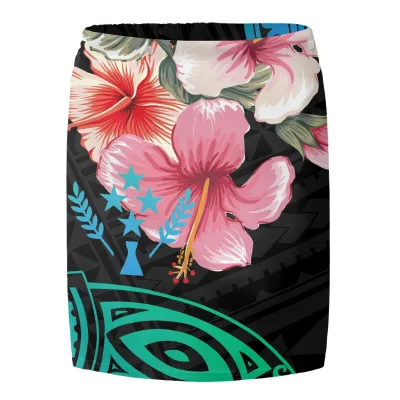
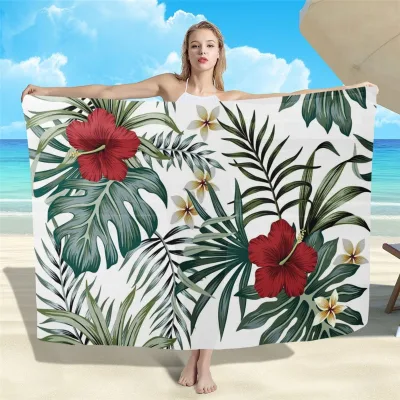
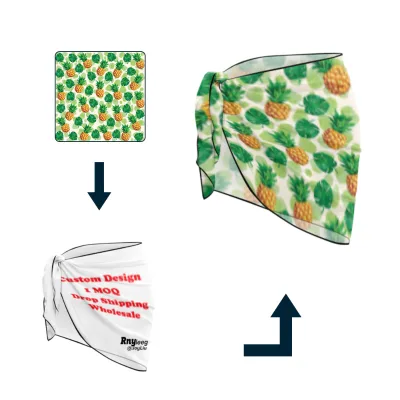
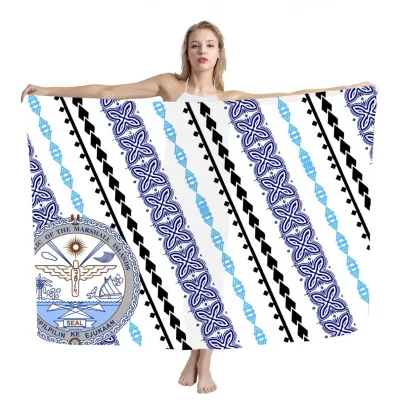
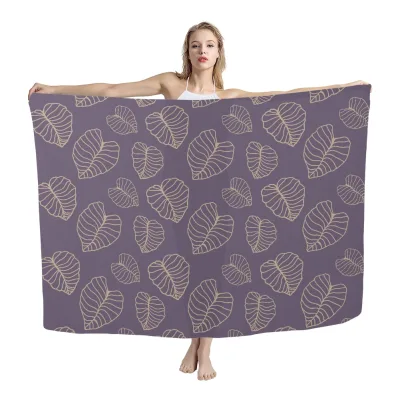
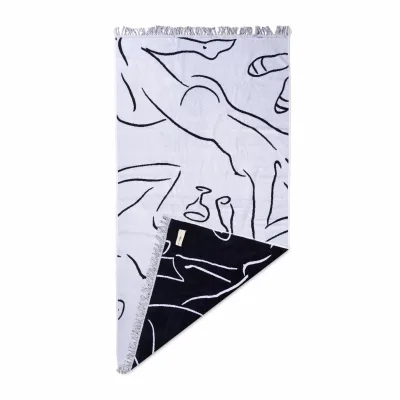
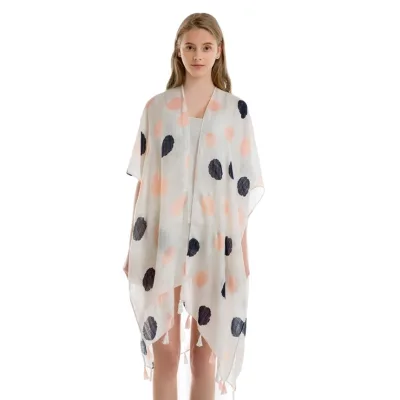
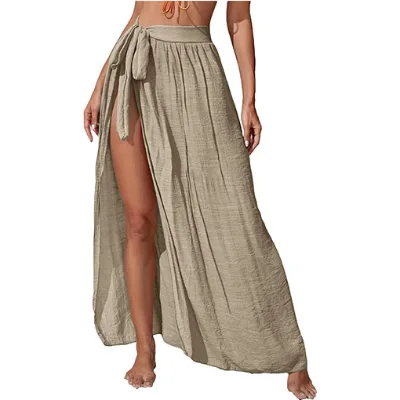
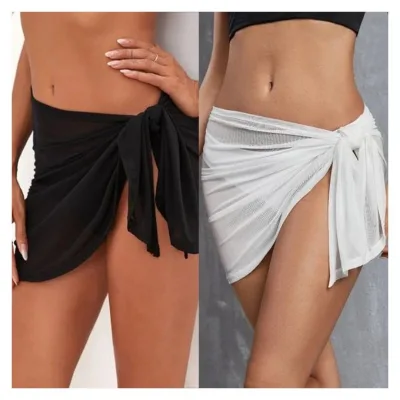
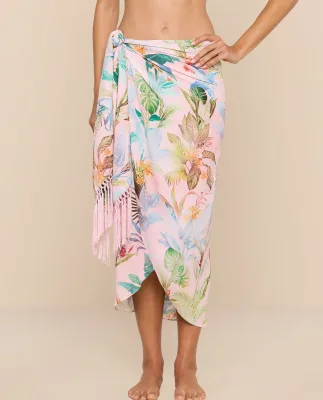
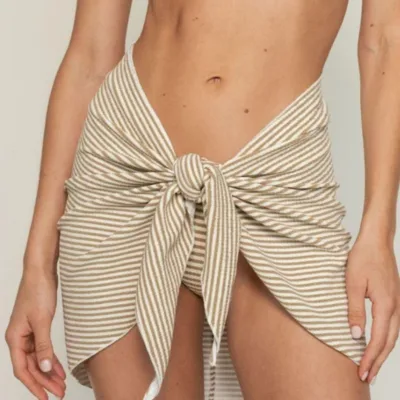
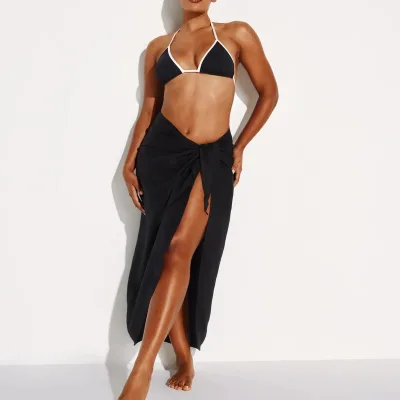
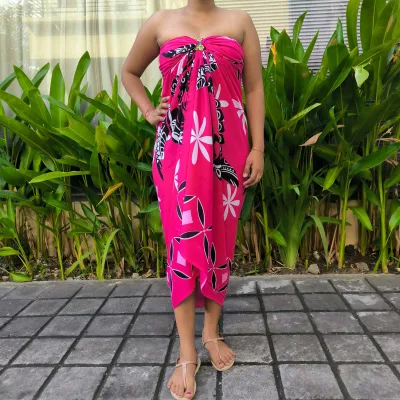
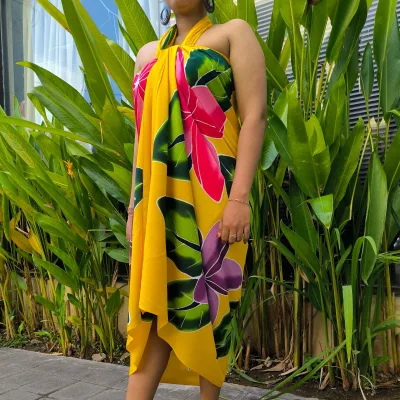
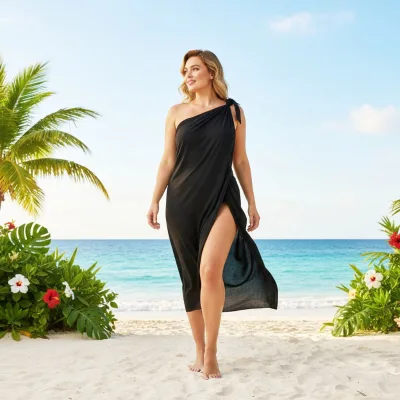
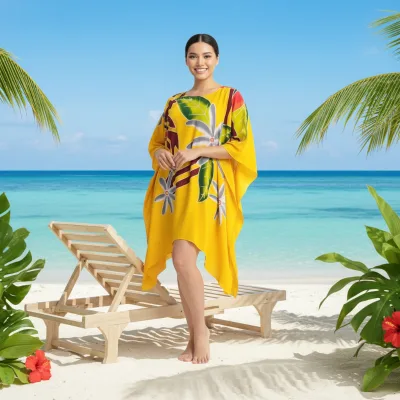
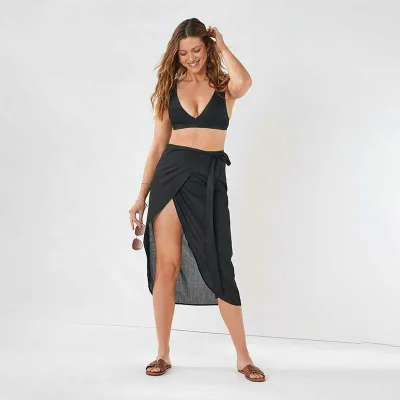
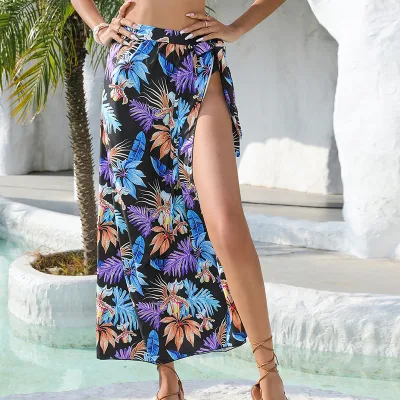
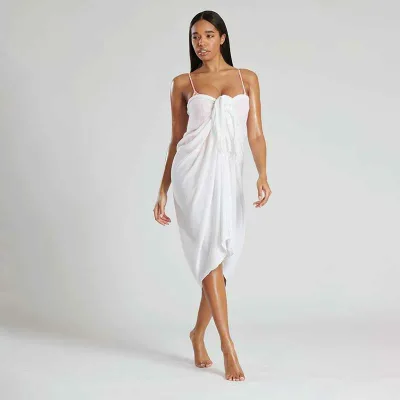
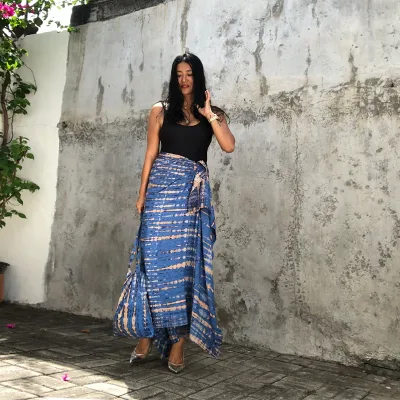


Comprehensive Sourcing Guide
Beach Sarong Supplier Concentration and Factory Types
Current data indicates a concentration of suppliers in Jiangsu, China, with specific product origins noted in Suzhou and Guangdong. These regions host a mix of combined entities and trading companies that manage the supply chain for items like polyester fabric, nylon fabric, and custom printed sarongs. Some manufacturers in these areas also produce related goods such as scarves, hats, and beach bags, suggesting a broader textile ecosystem. Buyers should verify if a supplier is a direct factory or a trading company, as this distinction affects control over production quality and lead times. The presence of combined company types suggests some entities may handle both manufacturing and sales, while others focus solely on sourcing.
When evaluating the factory type, look for explicit labels such as "Manufacturer/Factory" or "Trading Company" in the supplier profile. A manufacturer typically offers more direct control over customization, such as the specific GSM weight of 85GSM fabric or the inclusion of tassels. Trading companies may offer a wider variety of styles, including rayon, cotton, and recycled polyester options, but might have less direct oversight on the production floor. Buyers must confirm the actual production location, as some listings state "China" generally while others specify "Jiangsu" or "Guangdong." This verification is crucial for understanding the logistical capabilities and the specific expertise available for beachwear production.
How to Verify Beach Sarong Suppliers
Verification is a critical step when sourcing beach sarongs, as the market includes various entity types with different levels of accountability. Some suppliers display third-party verification badges from organizations like TÜV Rheinland or SGS Group, which serve as external validation of their business status. These certifications do not guarantee product quality but confirm the entity's existence and operational legitimacy. Buyers should prioritize suppliers with these visible verification marks to reduce the risk of dealing with unregistered intermediaries. The presence of such badges is a primary indicator of a supplier's commitment to transparency and compliance with international trade standards.
Beyond verification badges, buyers should examine the supplier's response time and communication history. Data shows response times ranging from approximately 3 to 7 hours, which can indicate the efficiency of the sales team. A faster response time often correlates with better customer service and quicker resolution of inquiries regarding sample availability or customization details. Additionally, check for specific product attributes like "Oem Service" or "Customization Available" to ensure the supplier can meet unique design requirements. If a supplier claims to offer ODM capabilities, verify this through their stated R&D capacity or previous project examples. Always cross-reference the claimed location with the product origin to ensure consistency in the supply chain.
What to Compare Across Beach Sarong Suppliers
When comparing suppliers, lead time is a primary differentiator that impacts inventory planning and market responsiveness. Available data shows lead times varying significantly, with some suppliers offering 15 days while others require up to 35 days for production. This variance often depends on the complexity of the design, the material used, and the current order volume. Buyers must align their order timeline with the supplier's stated lead time to avoid stockouts or delays. It is essential to confirm if the lead time includes sample approval or if it starts only after the final order is placed. Understanding this distinction helps in setting realistic delivery expectations for end customers.
Minimum Order Quantity (MOQ) and pricing are also critical factors in supplier selection. Some suppliers set an MOQ of 50 pieces, which is suitable for testing new designs or small boutique orders, while others may require 500 pieces for standard production runs. Pricing can range from approximately $3.50 to $8.00 per unit, depending on the material, such as 100% viscose, recycled polyester, or cotton blends. Buyers should compare the price per unit against the MOQ to determine the total investment required. Additionally, consider the supply ability, which some suppliers list as 300,000 pieces per month, indicating their capacity to handle large-scale orders. Balancing cost, volume, and speed is essential for optimizing the sourcing strategy.
Common Beach Sarong Sourcing Risks
One significant risk in sourcing beach sarongs is the inconsistency in material specifications and quality standards. While some products are listed as 100% polyester or 100% viscose, others may blend materials like rayon and cotton, affecting the final feel and durability. Buyers must verify the exact material composition and GSM weight, such as the 85GSM standard noted in some listings, to ensure the product meets their quality expectations. Without clear specifications, there is a risk of receiving goods that differ from the sample or the initial description. This discrepancy can lead to customer dissatisfaction and potential returns, especially if the fabric is too thin or the print quality is poor.
Another risk involves the lack of sample support and unclear customization capabilities. Some suppliers explicitly state they do not support 7-day sample orders, which can delay the product development process. If a supplier cannot provide a quick sample, it becomes difficult to validate the design, color accuracy, and stitching quality before committing to a large order. Furthermore, the absence of detailed certifications like Oeko-Tex 100 or BSCI for specific product lines can raise concerns about safety and ethical manufacturing practices. Buyers should request detailed product attributes and certification documents before proceeding. Relying solely on marketing keywords without verifying the actual product evidence can lead to costly mistakes in the supply chain.
Beach Sarong Regional Sourcing and Logistics
Logistics planning is heavily influenced by the supplier's location and the port of dispatch. Many suppliers are based in Jiangsu, China, with specific origins in Suzhou, while others are located in Guangdong. The port of dispatch is often listed as Shanghai, which is a major hub for international shipping. Buyers should confirm the specific port to calculate accurate freight costs and transit times. Shipping from Shanghai is generally efficient, but the distance from the factory to the port can vary, affecting the overall lead time. Understanding the logistics chain helps in estimating the total cost of goods and ensuring timely delivery to the destination market.
Regional sourcing also impacts the ability to manage inventory and respond to market trends. Suppliers in Jiangsu and Guangdong have established infrastructure for textile manufacturing, but the specific capabilities vary by region. Some areas may specialize in printed fabrics, while others focus on woven materials. Buyers should assess the supplier's proximity to raw material sources and their ability to handle custom orders efficiently. If a supplier is located far from the port, it may add extra days to the shipping process. Additionally, consider the time zone difference when coordinating with the supplier, as this can affect communication speed and issue resolution. Proper logistics planning ensures a smooth flow of goods from the factory to the final destination.
Beach Sarong Commercial Terms and Order Planning
Commercial terms such as payment methods and escrow services play a vital role in securing a safe transaction. While specific payment terms vary, using escrow services can protect the buyer's funds until the goods are delivered and verified. This is particularly important when dealing with new suppliers or large orders where the financial risk is higher. Buyers should inquire about the specific payment terms and ensure they are comfortable with the conditions before placing an order. The availability of escrow services adds a layer of security, ensuring that the supplier fulfills their obligations before receiving full payment. This practice is standard in international trade and helps mitigate the risk of fraud.
Order planning requires a clear understanding of the supplier's capacity and customization limits. Some suppliers offer light customization, sample processing, and graphic processing, which allows for tailored designs without excessive lead times. However, others may have stricter limits on customization, requiring bulk orders for any changes. Buyers should plan their orders based on the supplier's stated capacity, such as 300,000 pieces per month, to ensure they can meet demand. Additionally, consider the packaging details, such as 150 pieces per carton, to optimize shipping and storage. Effective order planning involves balancing the need for customization with the supplier's operational constraints to achieve the best results.
FAQs
What is the typical lead time for Beach Sarong orders?
Manufacturers generally require 15 to 35 days for production. Specific timelines depend on order volume and customization complexity. Some suppliers offer faster turnaround for standard items, while others need more time for complex printing or fabric sourcing. Buyers should confirm exact dates before placing orders.
What is the minimum order quantity for custom sarongs?
Minimum order quantities vary significantly by supplier. Some factories accept orders as low as 50 pieces, while others require 500 units. Buyers seeking small batches should look for suppliers with lower MOQs. Larger orders often unlock better pricing tiers and more flexible customization options.
Which materials are commonly used for beach sarongs?
Common materials include polyester, nylon, viscose, and cotton blends. Recycled polyester is also available for eco-conscious buyers. Fabric weight typically ranges around 85 GSM. Suppliers often offer various textures like microfiber or peach skin. Buyers should request samples to verify hand feel and durability.
Are suppliers verified for quality and safety standards?
Many suppliers hold certifications such as ISO 9001, Oeko-Tex 100, and BSCI. Verification services like SGS and TÜV Rheinland also audit facilities. These credentials ensure compliance with international safety and quality standards. Buyers should check specific certificates relevant to their target market requirements.
What is the average response time from suppliers?
Response times typically range from 3 to 7 hours. Faster responses indicate active sales teams and efficient communication channels. Buyers can expect quicker replies from suppliers with lower average response metrics. Prompt communication helps resolve queries about pricing, samples, and production schedules more effectively.
Where are most Beach Sarong manufacturers located?
Major manufacturing hubs are located in Jiangsu and Guangdong provinces in China. Cities like Suzhou are known for textile production. These regions offer established supply chains for fabrics and printing. Buyers can access a wide variety of styles and materials from these geographic clusters.
Can I get custom designs and logos on sarongs?
Most suppliers offer OEM and ODM services for custom designs. Buyers can request specific patterns, logos, and packaging. Customization options include printing techniques and fabric choices. Minimum order quantities may apply for fully customized items. Buyers should provide detailed artwork files for accurate quoting.