Bending Welded Coolant Tube Suppliers and Manufacturers
Source 21 verified suppliers for Bending Welded Coolant Tube components. Compare key dimensions including location, lead time, MOQ, and certifications like ISO 9001 and TS 16949. Review product specifications and request quotes directly from factories in China; review the available evidence before requesting comparable quotations from suitable candidates.
Updated
Suppliers List

Jinjiang Sidebo Technology Industrial Co., Ltd.
- Verified by CTI
- Trading Company,Manufacturer/Factory
- China Fujian
- Lead time23 days
- Avg. response≤ 4h
Main productsEngine Cylinder Block, Oil Pan Sump, Timing Cover, Oil Pickup Screen Connection Suction Strainer, Oil Dipstick and Lead Tube, Aluminum Oil Pan, Engine Oil Pump, Oil Pan and Cylinder Head Gasket, Expansion Freeze Plugs, Cylinder Head
Main marketsSouth America,North America,Western Europe


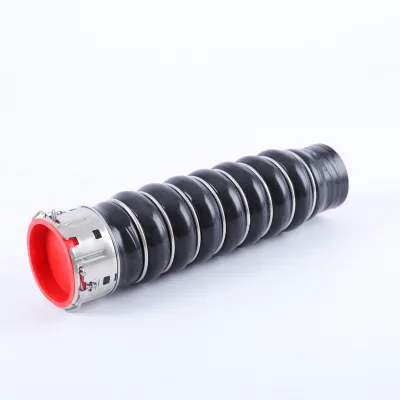
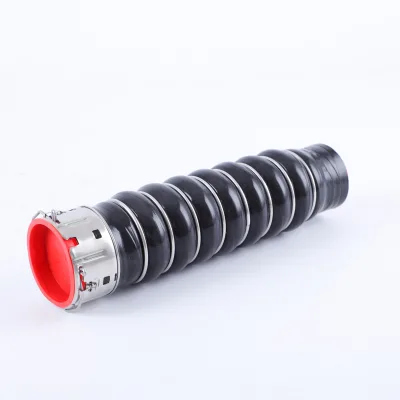
Auto Parts Cooling System Engine Coolant Radiator Water Hose Inlet Pipe Output Tube
$1.00 - $2.00
MOQ: 1000 Pieces

NANJING MAJESTIC AUTO PARTS CO., LTD.
- Manufacturer/Factory
- China Jiangsu
- Lead time23 days
- Avg. response≤ 10h
Main productsRadiator Tube, Radiator, Cooling System, Heat Exchanger System, Aluminum Tube, High Frequency Welded Tube, Intercooler Tube, Oil Cooler Tube, Intercooler, Oil Cooler
Main marketsSouth America,Eastern Europe,Mid East,North America,Southeast Asia,Eastern Asia


High Frequency Welded Radiator Tube, Inter Cooler Tube, Oil Cooler Tube, Condenser Tube
$1.00 - $2.00
MOQ: 1 Pieces


Zhenjiang Runfa Aluminium Co., Ltd.
- Verified by TUVRHEINLAND
- Manufacturer/Factory
- China Jiangsu
- Lead time30 days
- Avg. response≤ 11h
Main productsAluminum Coil, Aluminum Foil, Aluminum Strip / Tape, Aluminum Sheet, Aluminum Corrugated Sheet, Aluminum Checkered Sheet, Aluminum Fin Stock Foil for Air Conditioner, Aluminum Hydrophilic Foil, Aluminum Strip for Cable, Aluminum Narrow Strip
Main marketsSouth America,Eastern Europe,Mid East,North America,Southeast Asia,Eastern Asia,Oceania,Western Europe,Africa
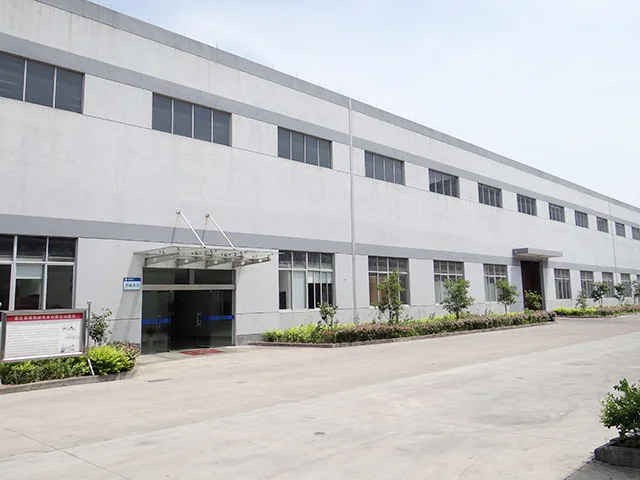
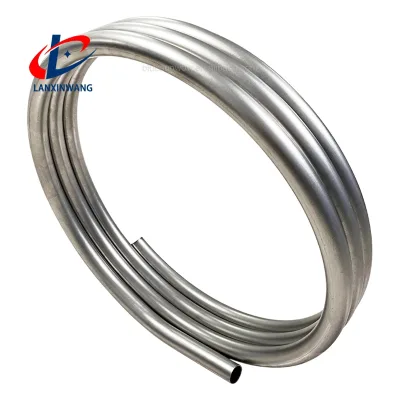
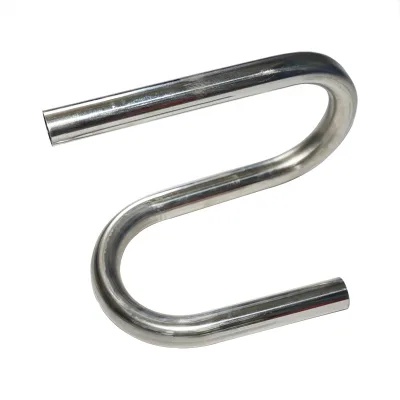
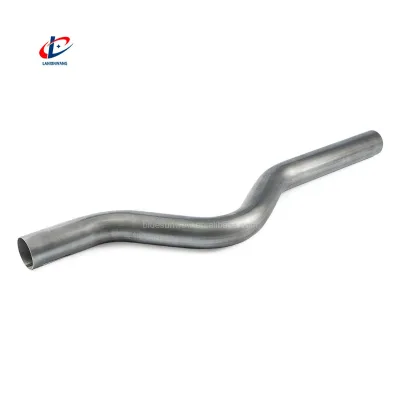
Guangzhou Lanxinwang Technology Co.,Ltd
- Manufacturer, Trading Company, Distributor/Wholesaler
- GuangDong, China
- Lead time20 days
- Avg. response≤ 3h
Main productsSheet Metal Fabrication,Metal Tube Bending Service,Metal Structure Fabrication,Custom Enclosures and Cabinets,Engineering Project
Main marketsNorth America(64.00%), Oceania(20.00%), Western Europe(5.00%), South America(3.00%), Mid East(2.00%), South Asia(1.00%), Northern Europe(1.00%), Central America(1.00%), Eastern Europe(1.00%), Africa(1.00%), Southeast Asia(1.00%)
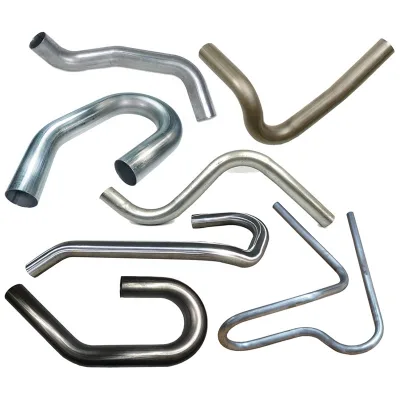
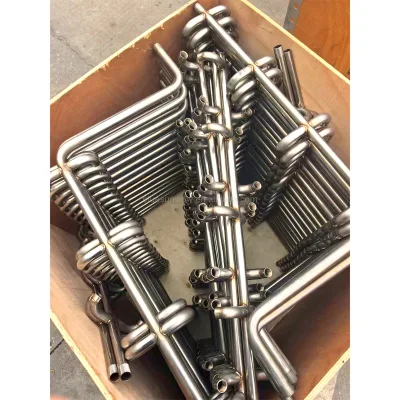
$2.3653 - $7.8151
MOQ: 50 Minimum
Hebei Spanning Import&export Trading Co., Ltd.
- Manufacturer, Trading Company
- Hebei, China
- Lead time0 days
- Avg. response≤ 3h
Main productsAuto silicone hoses,Radiator hoses,Intercooler hoses,Rubber fuel hoses,Air Intake hoses
Main marketsNorth America(40.00%), Southeast Asia(20.00%), South America(20.00%), Domestic Market(10.00%), Mid East(10.00%)

Qingdao Weilian Plastic & Rubber Co., LTD.
- Trading Company,Manufacturer/Factory
- China Shandong
- Lead time23 days
- Avg. response≤ 10h
Main productsRubber Sealing Strip, Rubber Metal Bonded Part, Rubber Hose, Rubber Grommet, Rubber Buffer, Rubber Bushing, Rubber Gasket Seal, Silicone Rubber Cap, Rubber Stopper
Main marketsSouth America,Eastern Europe,Mid East,North America,Southeast Asia,Eastern Asia,Western Europe
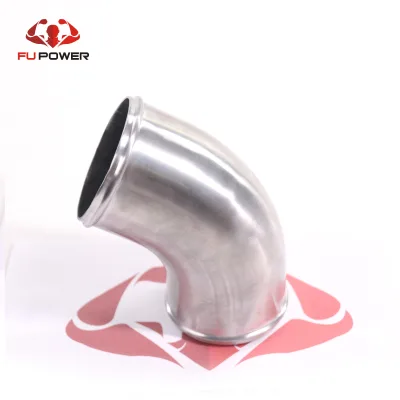
Shanghai Fupower Industry Co., Ltd.
- Manufacturer, Trading Company
- Lead time旺季: "1 - 100":30,"> 100":"To be negotiated", 淡季: "1 - 100":30,"> 100":"To be negotiated"
- Avg. response≤ 3h
Main productsAir intakes, Exhaust Pipes, Carbon fiber panels , Silicone hose, Air filter and prefilters
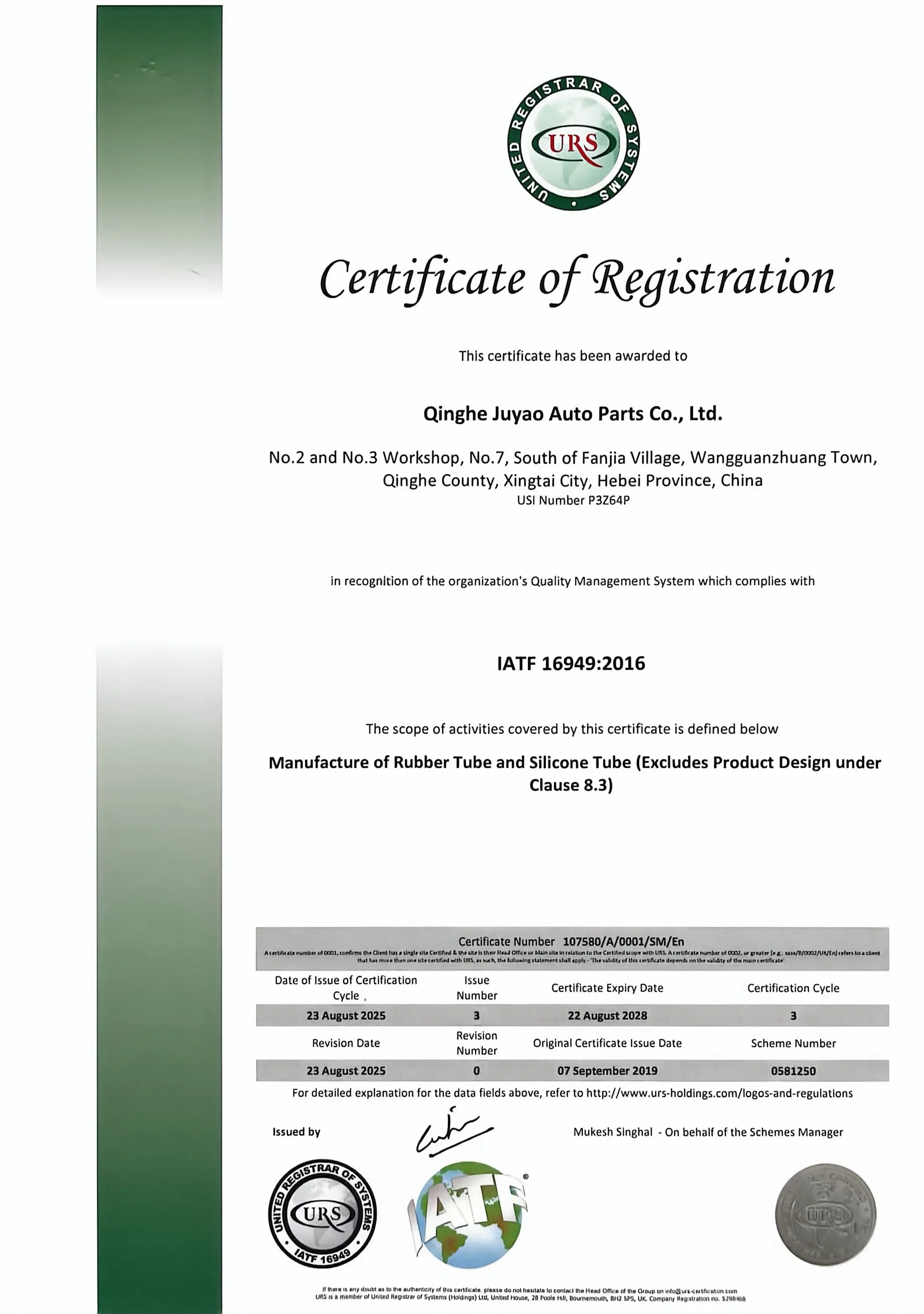
Qinghe County Juyao Auto Parts Co., Ltd.
- Manufacturer, Trading Company
- Hebei, China
- Lead time25 days
- Avg. response≤ 3h
Main productsSilica Gel Tube,EPDM Rubber Pipe,Nitrile Rubber Tube,Rubber Mouldings,Sealing Strip
Main marketsSouth America(30.00%), Western Europe(20.00%), North America(20.00%), Southeast Asia(20.00%), Domestic Market(10.00%)
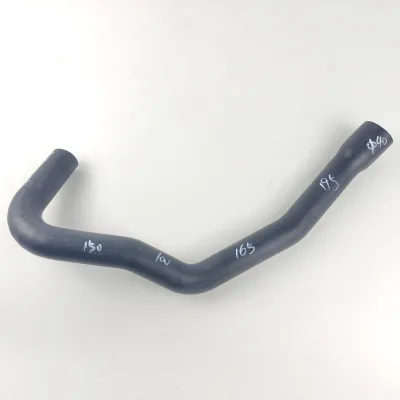
Auto Engine Coolant Pipe Tube Water Rubber Hoses for Vehicle Cooling System
$0.60 - $0.80
MOQ: 10 pieces
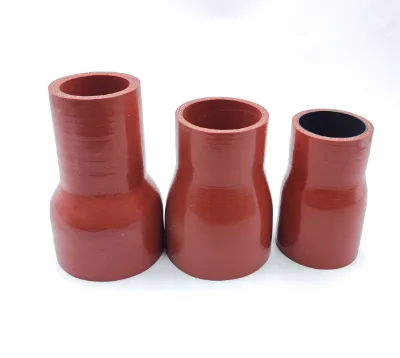
$0.6247 - $0.8314
MOQ: 50 pieces
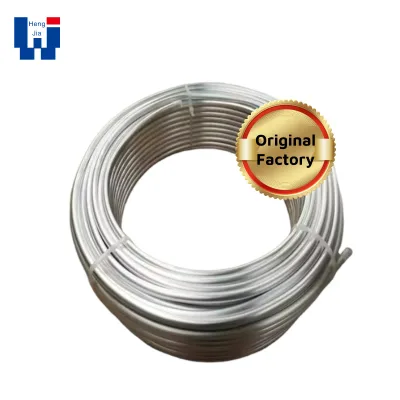
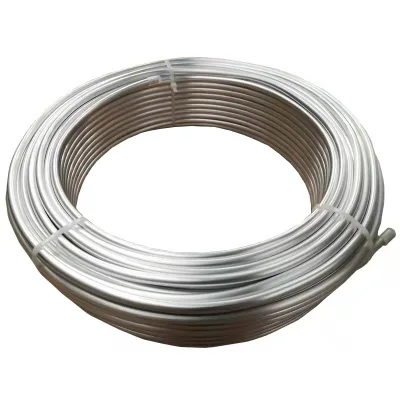
Hunan Hengjia New Material Science And Technology Co., Ltd.
- Manufacturer, Trading Company
- Hunan, China
- Lead time0 days
- Avg. response≤ 17h
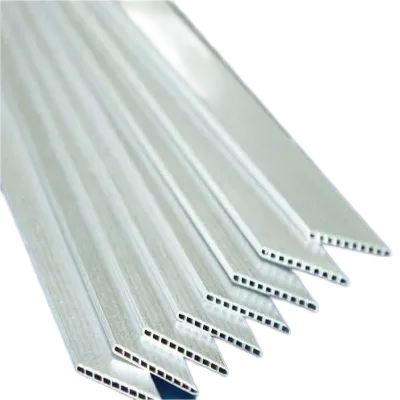
Main productsAluminum Sheet Plate Coil, High Precision Aluminum Sheet, Super Flat Aluminum Sheet, Aluminum Round Tube, Parallel Flow Aluminum Tube
Main marketsDomestic Market(70.00%), Southeast Asia(10.00%), Eastern Asia(5.00%), Eastern Europe(5.00%), Africa(3.00%), North America(2.00%), South Asia(1.00%), South America(1.00%), Western Europe(1.00%), Northern Europe(1.00%), Mid East(1.00%)
Jiangsu Jinmeicheng Metal Products Co., Ltd.
- Manufacturer
- Jiangsu, China
- Lead time30 days
- Avg. response≤ 2h
Main productsAluminum profile,Finned Tube,Aluminum Charging Room,Aluminum roller shutter door,Aluminum Flight Case
Main marketsDomestic Market(94.00%), North America(5.00%), Northern Europe(1.00%)

HENAN CHALCO ALUMINUM INDUSTRIAL CO.,LTD
- Verified by BV
- Trading Company,Manufacturer/Factory
- China Henan
- Lead time23 days
- Avg. response≤ 14h
Main productsAluminum Forgings, Industrial Aluminum Profile, Precision Aluminum Plate/Sheet, Aluminum Coil/Strip, Aluminum Flat Bar/Busbar, Aluminum Foil, Aluminum Wire, Aluminum Sublimation Sheet, Cladding/Brazing Aluminium Sheet Coil/Strip, Color Coated Aluminium Sheet/Strip/Coil
Main marketsSouth America,Eastern Europe,Mid East,North America,Southeast Asia,Eastern Asia,Oceania,Western Europe,Africa
Cangzhou Jinao Trading Co., Ltd.
- Verified by SGS Group
- Trading Company
- Lead time7 days
- Avg. response≤ 4h
Main productsPlastic Cable Drag Chain, Steel Cable Drag Chain, Telescopic Bellow Cover, Flexible Plastic Bellow Cover, Roll Up Cover
Main marketsNorth America(20%), Southeast Asia(20%), Eastern Europe(15%)
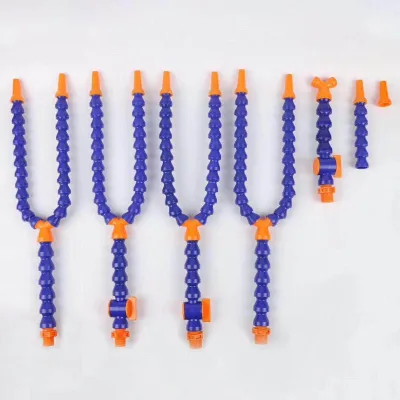
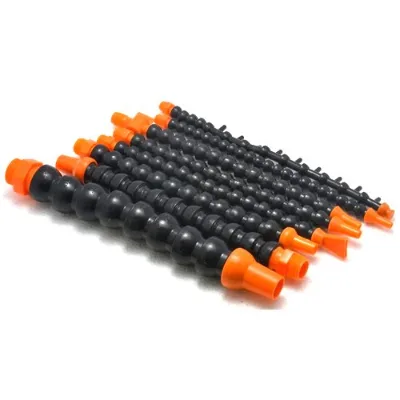
Corrosion - Resistant Dust - Resistant Oil - Resistant Cooling Tubes
$18.5962 - $20.6634
MOQ: 10 pieces
Cangzhou Datang Steel Pipe Co., Ltd.
- Verified by SGS Group
- Manufacturer, Trading Company
- Lead time20 days
- Avg. response≤ 2h
Main productsFin Tube, Heat Exchanger, Air Cooler, Economizer, Steel Pipe
Main marketsDomestic Market(28%), Mid East(25%), Southeast Asia(25%)
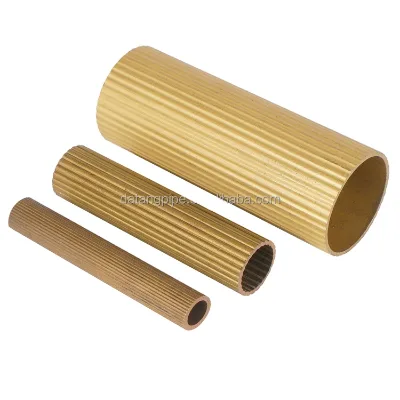
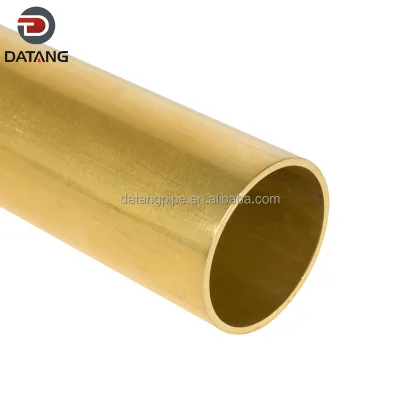
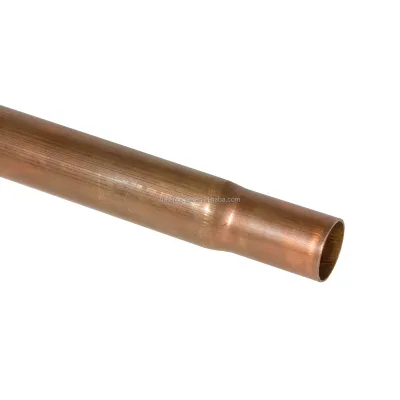
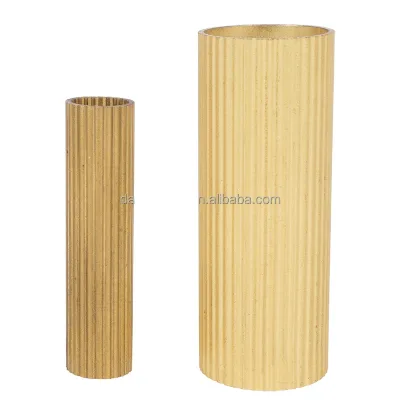
63 Brass Pipe Tube Bending Welding Price
$64.20 - $65.00

Linhai Qisheng Rubber&Plastic Co., Ltd.
- Manufacturer
- Zhejjiang, China
- Lead time30 days
- Avg. response≤ 1h
Main productsSilicone Hose,Rubber Hose,Silicon Hose,Radiator Hose,Fluoro Hose
Main marketsDomestic Market(50.00%), Western Europe(20.00%), North America(15.00%), Eastern Europe(10.00%), Northern Europe(3.00%), Eastern Asia(1.00%), South America(1.00%)
Jiangyin Yonghao Machinery Co., Ltd.
- Verified by TüVRheinland
- Manufacturer, Trading Company
- Lead time7 days
- Avg. response≤ 4h
Main productsMetal Stamping Parts, Metal Welding Parts, Metal CNC Machining Parts, Moulds
Main marketsDomestic Market(23%), North America(17%), Western Europe(10%)

Taixing Shenganlong Power Machinery Co., Ltd.
- Verified by SGS
- Combined
- China Jiangsu
- Lead time15 days
- Avg. response≤ 25h
Main productsPipe
Main marketsDomestic


Durable Stainless Steel Cooling Tube for High-Temperature Applications
$20.00 - $100000.00
MOQ: 1 Pieces


High-Performance Stainless Steel Cooling Tube for High-Temperature Applications
$20.00 - $100000.00
MOQ: 1 Pieces

Heavy-Duty Stainless Steel Cooling Tube for Reliable Heat Management
$20.00 - $100000.00
MOQ: 1 Pieces
Huahai Ship Equipment (hubei) Co., Ltd.
- Manufacturer, Trading Company
- Hubei, China
- Lead time0 days
- Avg. response≤ 3h
Main productsBellows,Flexible hose,EGR Pipes,Expansion Joints
Main marketsDomestic Market(50.00%), Eastern Asia(20.00%), South America(20.00%), North America(10.00%)

Suzhou Titan Silicon Rubber Technology Co., Ltd.
- Verified by CTI
- Combined
- China Jiangsu
- Lead time23 days
- Avg. response≤ 3h
Main productsSilicone Rubber Keypads, Silicone Extrusion Sealing Strips, Silicone Glass Lid, Molded Silicone Rubber Parts, Silicone Oven Mitts Pot Holder
Main marketsDomestic
Foshan Kaiya Aluminum Co., Ltd.
- Manufacturer
- Lead time旺季: "1 - 500":31,"501 - 5000":45,"5001 - 10000":60,"> 10000":"To be negotiated", 淡季: "1 - 500":31,"501 - 5000":45,"5001 - 10000":60,"> 10000":"To be negotiated"
- Avg. response≤ 5h
Main productsaluminium cnc,Aluminum punching process,Aluminum shelf machining parts,Aluminum die casting,ODM machining parts
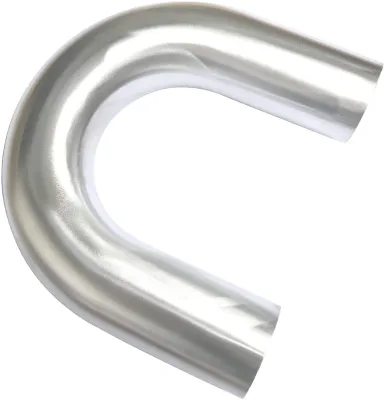
$2.1751 - $9.9257
MOQ: 200 pieces
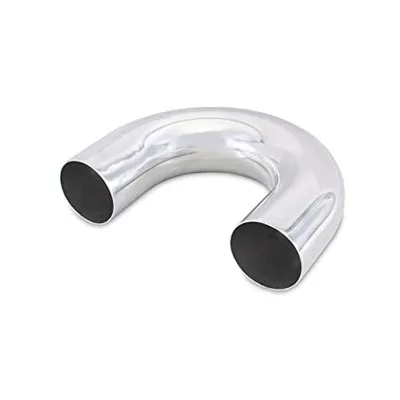
$1.2928 - $5.8242
MOQ: 200 pieces
SUZHOU 3V TECHNOLOGY CO., LTD.
- Trading Company
- Jiangsu, China
- Lead time15 days
- Avg. response≤ 3h
Main productswastegate,BOV,Aluminium pipe,V groove/fiber aray,glass ferrule
Main marketsNorth America(50.00%), Eastern Europe(30.00%), Southeast Asia(20.00%)
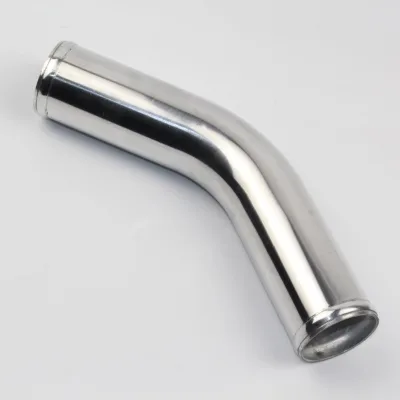
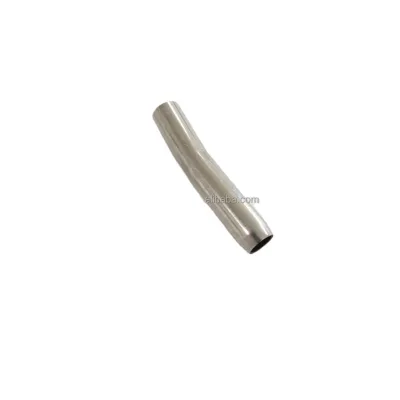
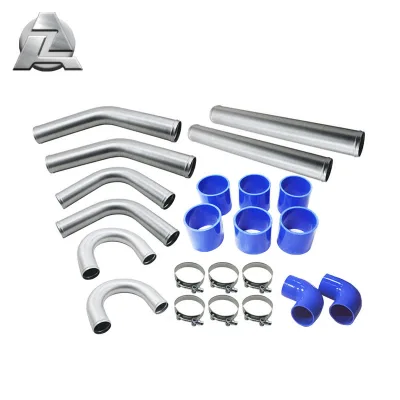
45 Degree Piping Tube L: 300MM OD 13mm Aluminum Turbo Intercooler Pipe
$3.6297 - $4.148
MOQ: 20 pieces
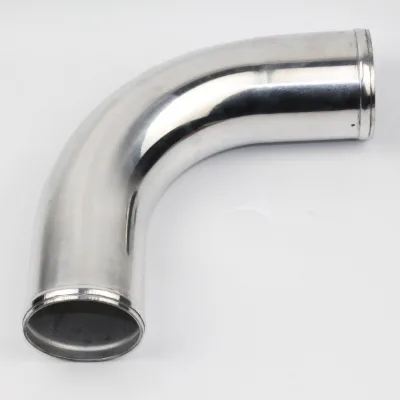
90 Degree Piping Tube L: 300MM OD 22mm Aluminum Turbo Intercooler Pipe Joiner Pipe
$5.1307 - $5.7463
MOQ: 10 pieces
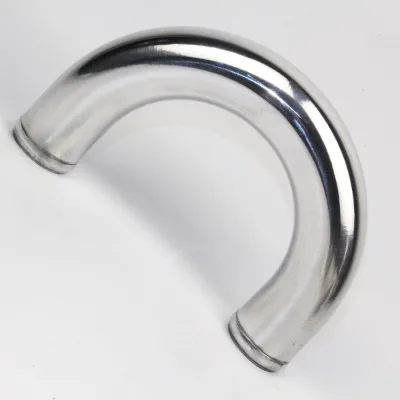
U Bend Length 300mm aluminum pipe turbo intercooler pipe air intake pipe
$8.00 - $15.00
MOQ: 20 pieces
Anshan Zhongjda Industry Co., Ltd.
- Verified by TüVRheinland
- Manufacturer, Trading Company
- Lead time30 days
- Avg. response≤ 1h
Main productsAluminum Extruding Parts, Aluminium Fabricating Parts, Linear Bearing Parts, Linear Guide, Hand Tool And Accessories
Main marketsNorth America(40%), Western Europe(30%), Southeast Asia(10%)


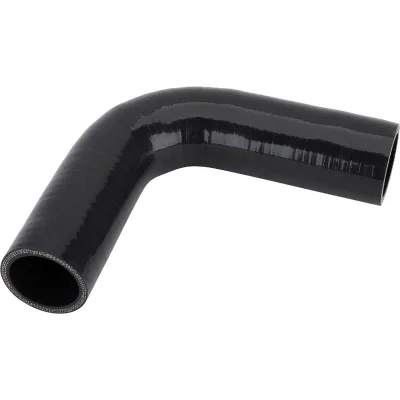
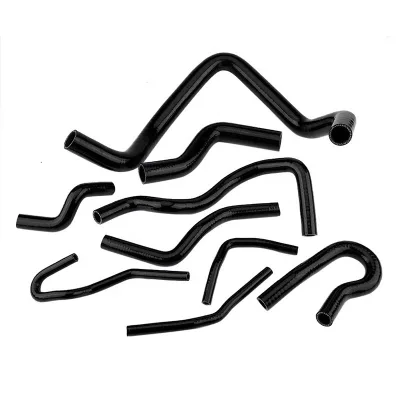


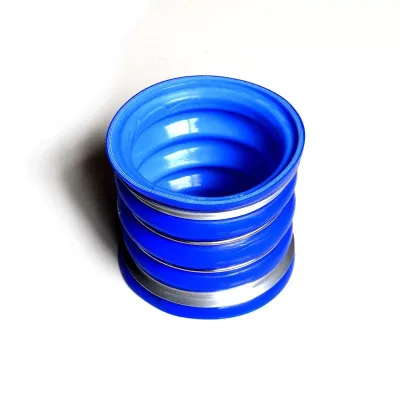


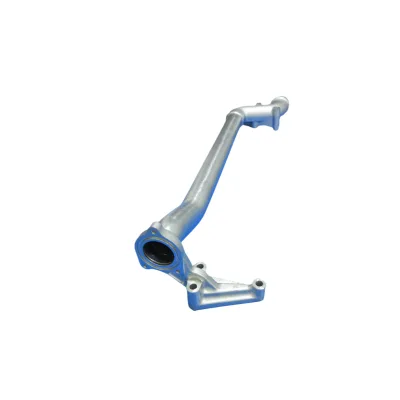
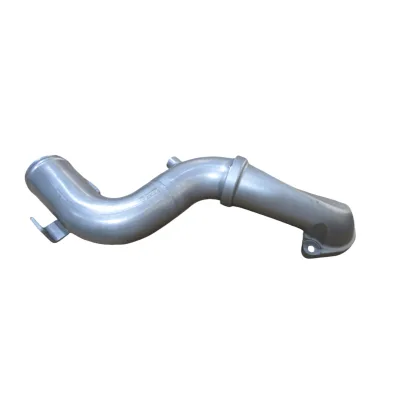
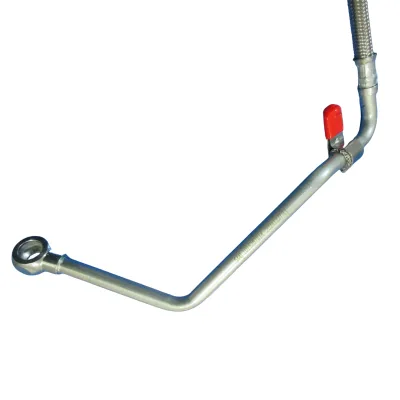


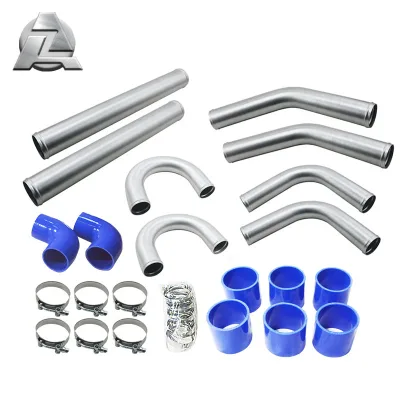
Comprehensive Sourcing Guide
Bending Welded Coolant Tube Supplier Concentration and Factory Types
The current supplier landscape for bending welded coolant tubes reveals a distinct concentration of manufacturing capabilities within specific Chinese provinces, primarily Fujian and Jiangsu. These regions host a mix of trading companies and direct manufacturers, offering buyers a diverse range of operational models to evaluate. In Fujian, suppliers often present themselves as both trading entities and factory operations, suggesting a hybrid approach where direct production capabilities are supported by broader sourcing networks. This dual identity can be advantageous for buyers seeking flexibility, as it may allow for consolidated shipping or access to a wider array of related components beyond just the coolant tubes themselves. The presence of established factories in these areas indicates a mature industrial ecosystem capable of handling complex metal fabrication tasks, including the precise bending and welding required for automotive cooling systems.
In contrast, suppliers located in Jiangsu appear to focus more heavily on pure manufacturing roles, specifically highlighting their capacity for high-frequency welding and aluminum tube production. These entities typically emphasize their status as manufacturer/factories rather than trading companies, which can simplify communication regarding technical specifications and production timelines. The main products listed by these Jiangsu-based suppliers often include radiator tubes, intercooler tubes, and oil cooler tubes, indicating a specialization in heat exchange components. This specialization suggests that these factories have invested in specialized equipment for aluminum processing and welding, which is critical for producing high-quality bending welded coolant tubes. Buyers should note that while Fujian suppliers may offer broader product ranges, Jiangsu suppliers might provide deeper technical expertise in specific aluminum alloy applications, such as the 3000 series alloys mentioned in product attributes.
How to Verify Bending Welded Coolant Tube Suppliers
Verification of Bending Welded Coolant Tube suppliers requires a careful examination of their stated certifications and third-party validation status. Many suppliers in the current results display system certifications such as ISO 9000, TS 16949, ISO 9001, and ISO 14001, which are critical for automotive-grade components. TS 16949, in particular, is a key indicator of quality management systems tailored for the automotive industry, ensuring that the manufacturing processes meet stringent international standards. Buyers should prioritize suppliers who explicitly list these certifications, as they provide a baseline assurance of consistent quality and process control. Additionally, some suppliers are marked as verified by CTI, a reputable third-party inspection agency. This verification status adds an extra layer of credibility, confirming that the supplier’s business license and operational capabilities have been independently assessed.
Beyond certifications, buyers must scrutinize the specific product attributes and technical details provided in the supplier listings. For instance, product evidence shows variations in materials, such as iron versus aluminum, and different production techniques like press bending versus high-frequency welding. It is essential to confirm that the supplier’s stated capabilities align with the buyer’s specific technical requirements. Some listings mention customizations such as zinc coating or specific raw materials like seamless tubes and steel sheet plates, which may be relevant for corrosion resistance or structural integrity. Buyers should also check for the presence of specific product models or standards, such as the 363225 packing standard or specific alloy grades like 3003mod/7072. By cross-referencing these technical details with the supplier’s certification claims, buyers can build a more accurate picture of the supplier’s actual manufacturing competence and reliability.
What to Compare Across Bending Welded Coolant Tube Suppliers
When evaluating multiple suppliers for bending welded coolant tubes, several key performance indicators should be compared to determine the best fit for your procurement needs. Response time is a critical metric, with some suppliers showing response times as low as 3.35 hours, while others may take significantly longer, such as 9.71 hours. Faster response times often indicate a more agile sales team and potentially quicker resolution of technical queries or order issues. Lead time is another vital factor, with one supplier indicating a lead time of 23 days. Buyers should compare these figures against their own production schedules to ensure timely delivery. Additionally, the minimum order quantity (MOQ) varies, with some suppliers requiring as few as 1 unit, while others may have higher thresholds, such as 1000 units. This flexibility can be crucial for prototyping or small-batch production runs.
Price ranges and customization options also play a significant role in supplier comparison. Product evidence shows price points ranging from $1.00 to $6.80 per unit, depending on the material, complexity, and order volume. Buyers should request detailed quotes to understand the cost breakdown, including any additional fees for customization or special packaging. Some suppliers offer ODM and OEM services, allowing for tailored solutions that meet specific design requirements. The availability of customization support, such as specific coatings or bending angles, should be verified for each supplier. Furthermore, the type of company, whether a trading company or a manufacturer, can influence pricing and communication efficiency. Manufacturers may offer more competitive pricing due to the absence of intermediary margins, while trading companies might provide better service flexibility. By systematically comparing these dimensions, buyers can identify suppliers that offer the best balance of cost, speed, and quality.
Common Bending Welded Coolant Tube Sourcing Risks
One of the primary risks in sourcing bending welded coolant tubes is the potential mismatch between stated capabilities and actual production quality. Suppliers may list extensive certifications and advanced machinery, but without on-site verification or third-party audits, it is difficult to confirm the consistency of their output. For example, while some suppliers claim ISO 9001 and TS 16949 certifications, the actual implementation of these standards in daily operations can vary. Buyers should be cautious of suppliers who provide vague product descriptions or lack detailed technical specifications. The variation in materials, such as the use of iron versus aluminum, can significantly impact the performance and durability of the coolant tubes. If a supplier does not clearly specify the alloy grade or welding technique, there is a risk of receiving components that do not meet the required engineering standards.
Another significant risk is the inconsistency in lead times and order fulfillment reliability. While some suppliers advertise short lead times, external factors such as raw material shortages or production bottlenecks can cause delays. Buyers should not rely solely on advertised lead times but should establish clear communication channels to monitor production progress. Additionally, the risk of intellectual property infringement exists when working with suppliers who offer extensive customization services. If a buyer provides proprietary designs or specifications, it is crucial to ensure that the supplier has robust confidentiality agreements in place. The lack of standardized packaging or labeling can also lead to logistical issues, as seen in the varied packing methods from cartons to wooden pallets. Buyers should specify packaging requirements clearly to avoid damage during transit and ensure efficient handling at the destination.
Bending Welded Coolant Tube Regional Sourcing and Logistics
Sourcing bending welded coolant tubes from China involves navigating the logistical advantages and challenges associated with different manufacturing regions. Suppliers in Fujian and Jiangsu offer distinct logistical profiles based on their proximity to major ports and industrial hubs. Fujian, being a coastal province, often benefits from efficient maritime shipping routes, which can reduce transit times and costs for international buyers. The concentration of both trading companies and manufacturers in this region allows for consolidated shipments, potentially lowering overall logistics expenses. Buyers should consider the impact of regional infrastructure on delivery schedules, as well as the availability of local freight forwarders who are familiar with the specific requirements of automotive components.
In Jiangsu, the focus on specialized manufacturing for aluminum tubes and heat exchangers may influence logistics planning due to the weight and dimensions of the products. Suppliers in this region often use wooden pallets or specific carton standards, which can affect container loading efficiency. Buyers should work closely with their suppliers to optimize packaging and loading plans to maximize container space and minimize shipping costs. Additionally, the choice of supplier location can impact customs clearance procedures, as different regions may have varying local regulations and documentation requirements. It is advisable to engage with suppliers who have experience in exporting to the buyer’s target market, as they can provide valuable insights into compliance and documentation processes. By understanding the logistical nuances of each region, buyers can streamline their supply chain and ensure timely delivery of bending welded coolant tubes.
Bending Welded Coolant Tube Commercial Terms and Order Planning
Effective order planning for bending welded coolant tubes requires a thorough understanding of the commercial terms offered by suppliers. Price ranges vary significantly, with some suppliers offering competitive rates for high-volume orders, while others may charge premium prices for customized or low-volume runs. Buyers should negotiate clear pricing structures that account for volume discounts, tooling fees, and any additional costs for special finishes or coatings. It is also important to clarify the payment terms, such as the use of escrow services or letters of credit, to mitigate financial risks. Some suppliers may require a deposit upfront, while others might offer more flexible payment schedules for established relationships. Understanding these terms helps in budgeting and cash flow management.
Lead time and production capacity are critical components of order planning, especially for just-in-time manufacturing environments. Buyers should confirm the supplier’s ability to meet peak demand periods and their policy for handling rush orders. The availability of OEM and ODM services can also impact order planning, as it may require additional time for design approval and prototype testing. Buyers should establish a clear timeline for each stage of the procurement process, from initial inquiry to final delivery. Additionally, after-sales service and warranty terms should be reviewed to ensure that any quality issues can be addressed promptly. Suppliers offering 12-month warranties or dedicated after-sales support can provide greater peace of mind. By carefully planning these commercial aspects, buyers can build a resilient supply chain that supports their operational needs and minimizes disruptions.
FAQs
What certifications do Bending Welded Coolant Tube suppliers hold?
Suppliers typically hold ISO 9001, TS 16949, and ISO 14001 certifications. These credentials ensure quality management and environmental standards are met. Some manufacturers also display CTI verification for added trust. Buyers should verify specific certificates for their target market requirements before placing orders.
What is the typical lead time for these tubes?
The observed lead time is approximately 23 days for production. This duration may vary based on order volume and customization needs. Buyers should confirm exact timelines with suppliers during the inquiry phase. Rush orders might incur additional costs or require alternative shipping methods.
What is the minimum order quantity for these products?
Minimum order quantities generally start at 1000 units for standard items. Some suppliers offer lower MOQs of just one unit for specific aluminum tubes. Buyers seeking bulk pricing should aim for higher volumes. Always check the specific MOQ listed for the desired product model and material type.
Where are these suppliers located?
Manufacturers are primarily located in China, specifically in Fujian and Jiangsu provinces. These regions are known for automotive parts and metal fabrication. Buyers can expect efficient logistics from these hubs. Location impacts shipping costs and delivery times, so consider regional advantages when selecting suppliers.
What is the price range for these tubes?
Prices typically range from $1.00 to $6.80 per unit. The cost depends on material, such as steel or aluminum, and customization options. Stainless steel and aluminum tubes may have different pricing tiers. Buyers should request detailed quotes to understand cost variations based on specific technical requirements and order volume.
Do suppliers offer customization services?
Yes, most suppliers support OEM and ODM customization. Services include bending, welding, and stamping to meet specific design needs. Customization is available for various materials and shapes. Buyers should provide detailed specifications to ensure the final product meets their engineering requirements and fits their assembly process.