Butterfly Bee Diamond Hair Clip Suppliers and Manufacturers
Explore 29 verified options for Butterfly Bee Diamond Hair Clip from Jiangxi, Yiwu, and Jinhua. Compare response times, lead times, MOQs, and material specs like PVC or acetate. Contact suppliers directly to request samples and confirm pricing; review the available evidence before requesting comparable quotations from suitable candidates.
Updated
Suppliers List
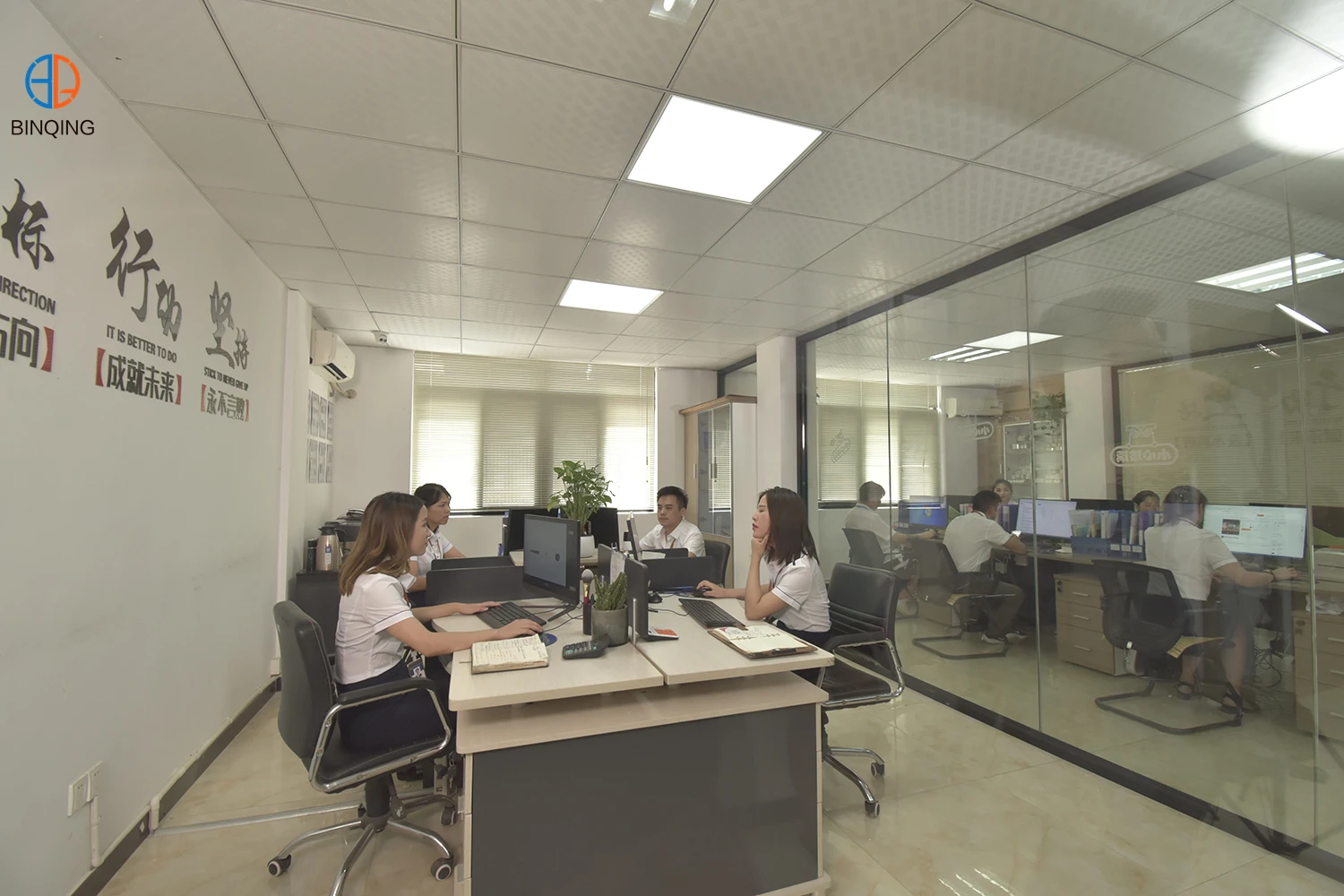
Jiangxi Binqing Import And Export Trading Co., Ltd.
- Trading Company
- Jiangxi, China
- Lead time0 days
- Avg. response≤ 3h
Main productsHair Accessories,Hair Claw,Hair Clip,Hairband,Hair scrunchies
Main marketsNorth America(45.00%), Mid East(15.00%), South America(10.00%), Southeast Asia(5.00%), Eastern Asia(3.00%), South Asia(3.00%), Northern Europe(3.00%), Africa(3.00%), Central America(2.00%), Domestic Market(2.00%), Western Europe(1.00%), Eastern Europe(1.00%), Southern Europe(1.00%), Oceania(1.00%)

- Verified by CTI
- Trading Company
- China Zhejiang
- Lead time15 days
- Avg. response≤ 6h
Main productsJewelry, Brooch, Belt, Necklace, Agent, Bracelet, China Trim, China Ring, China Hair Accessory, China Earring
Main marketsSouth America
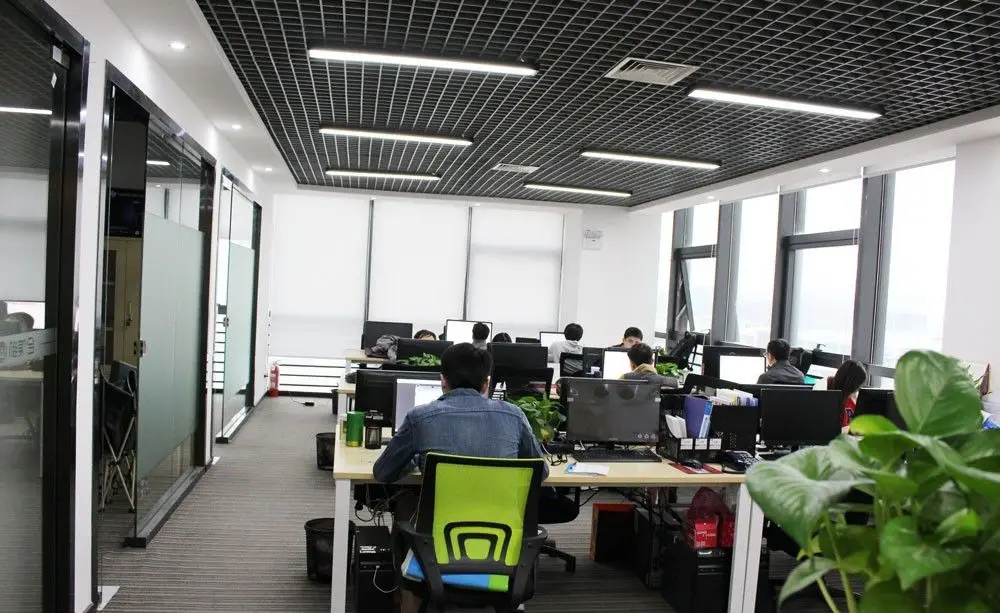
HuBei Honey Jewelry & Crafts Co., Ltd.
- Manufacturer, Trading Company
- Hubei, China
- Lead time15 days
- Avg. response≤ 4h
Main productsHair comb,Hair claws,Head band,Hair Clips,Fashion jewelry
Main marketsNorth America(35.00%), Oceania(15.00%), South America(15.00%), Central America(10.00%), Mid East(10.00%), South Asia(10.00%), Southeast Asia(5.00%)

YIWU JINYE IMPORT AND EXPORT CO., LTD
- Verified by SGS
- Trading Company
- China Zhejiang
- Lead time15 days
- Avg. response≤ 25h
Main productsBangle, Wrist Band, Bracelet, Fashion Jewelry
Main marketsNorth America

Fashion Hair Accessories Metal Full Pearl Diamond Bee Hair Clips Hair Rope
$0.50 - $3.50
MOQ: 20 Pieces

Fashion Hair Accessories Bride Headdress Wedding Dress Accessory Handmade Butterfly Hair Clip
$0.80 - $5.50
MOQ: 20 Pieces
- Trading Company
- Zhejiang, China
- Lead time15 days
- Avg. response≤ 4h
Main productshair accessories,headbands,hair claws,hair clips,jewelries
Main marketsEastern Asia(10.00%), Mid East(10.00%), Southeast Asia(10.00%), Eastern Europe(10.00%), South America(10.00%), North America(10.00%), Domestic Market(5.00%), South Asia(5.00%), Southern Europe(5.00%), Northern Europe(5.00%), Central America(5.00%), Western Europe(5.00%), Oceania(5.00%), Africa(5.00%)

Jinjiang Jiayi Supply Chain Management Co., Ltd.
- Verified by BV
- Trading Company
- China Fujian
- Lead time30 days
- Avg. response≤ 2h
Main productsGift, Shoe, Garment, Machine
Main marketsDomestic

Jiuya Huitong (Qingdao) International Trade Co., Ltd.
- Verified by SGS
- Trading Company,Manufacturer/Factory
- China Shandong
- Lead time90 days
- Avg. response≤ 5h
Main productsClothes, Abaya, Camping Tent, Camping Furniture, Solar Light
Main marketsSouth America,Eastern Europe,Mid East,North America,Southeast Asia,Eastern Asia,Oceania,Western Europe,Africa


Girl Hair Wiggle Claw Clip Butterfly Hair Clip with Dangle Beads Hairpins
$0.50 - $2.00
MOQ: 500 Pieces


Headdress Cute and Versatile Cartoon Hair Clip Simple Butterfly Bow Hair Grip
$0.50 - $2.00
MOQ: 500 Pieces

Anhui Prime Technology Co., Ltd.
- Trading Company
- Anhui, China
- Lead time7 days
- Avg. response≤ 3h
Main productsbracelet
Main marketsNorth America(30.00%), South America(10.00%), Domestic Market(5.00%), South Asia(5.00%), Southern Europe(5.00%), Northern Europe(5.00%), Central America(5.00%), Western Europe(5.00%), Eastern Asia(5.00%), Mid East(5.00%), Oceania(5.00%), Africa(5.00%), Southeast Asia(5.00%), Eastern Europe(5.00%)
Yiwu Glory Hair Accessories Co., Ltd.
- Verified by SGS Group
- Manufacturer, Trading Company
- Zhejiang, China
- Lead time30 days
- Avg. response≤ 2h
Main productsHair Clips, Headbands, Scrunchies, Hair Combs
Main marketsNorth America(23%), Western Europe(22%), Oceania(18%)

Foshan Youyan Clothing Co., Ltd.
- Combined
- China Guangdong
- Lead time30 days
- Avg. response≤ 7h
Main productsHeadband, Scrunchies, Hair Tie, Hair Clip, Hairband
Main marketsSouth America,Africa,Southeast Asia/ Mideast,East Asia(Japan/ South Korea),Domestic,Europe,Australia,North America

Women Hair Clip Girls Candy Colors Frosted Plastic Butterfly Hair Claw Clip
$0.80 - $0.89
MOQ: 20 pieces

Cute Translucent Butterfly Hair Clips for Girls Kids Party Hair Accessories
$0.50 - $0.70
MOQ: 100 Pairs

Spring Summer Women Hollow Design Gradient Plastic Butterfly Shark Hair Claw Clips
$0.29 - $0.41
MOQ: 50 pieces

Acrylic Hairpin Shark Clip Solid Sweet Women Mesh Butterfly Hair Claw Clips
$1.71 - $2.44
MOQ: 20 pieces

Yiwu Kaka Accessories Co., Ltd.
- Manufacturer, Trading Company
- Zhejiang, China
- Lead time7 days
- Avg. response≤ 4h
Main productsHair Clip,Jaw clip,necklace,earring,ring
Main marketsWestern Europe(30.00%), North America(25.00%), Eastern Asia(10.00%), Eastern Europe(10.00%), South America(5.00%), Southern Europe(5.00%), Northern Europe(5.00%), Southeast Asia(5.00%), Oceania(5.00%)
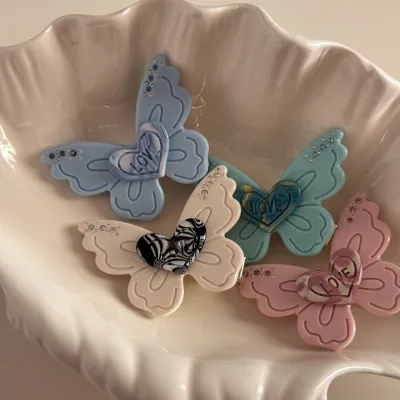
Love Letter Hair Clips With Diamond Duck Clip Sweet Butterfly Duckbill Clip Hairpins for Girls
$0.79 - $1.09
MOQ: 12 pieces
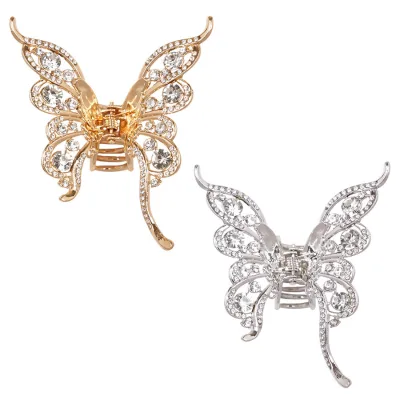
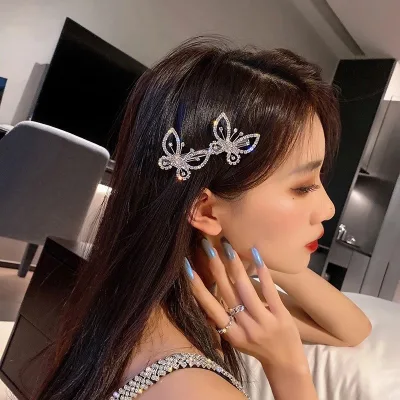
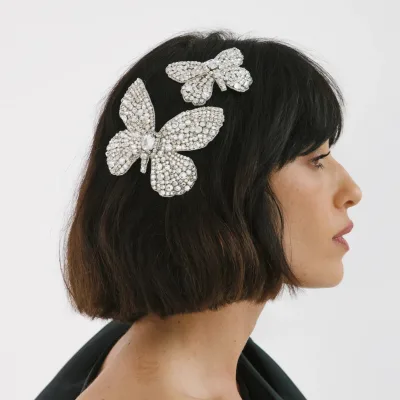
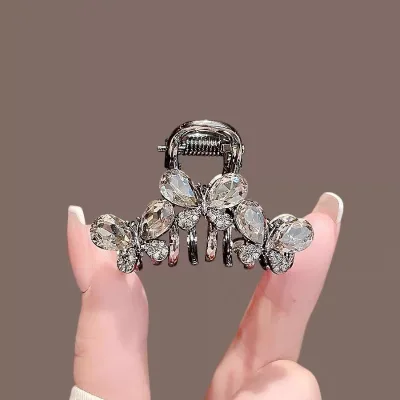
Diamond-Inlaid Butterfly Hair Clip with Geometric Design Metal Hair Accessory with Grip Clip
$1.3191 - $1.9337
MOQ: 12 pieces
Shenzhen Kingyard Int'l Trading Co., Ltd.
- Verified by SGS Group
- Trading Company
- Lead time30 days
- Avg. response≤ 4h
Main productsHair Accessories, Sport Accessories, Fashion Jewellery, Beauty Tools, Cosmetic Bag
Main marketsNorth America(40%), Western Europe(30%), Oceania(10%)
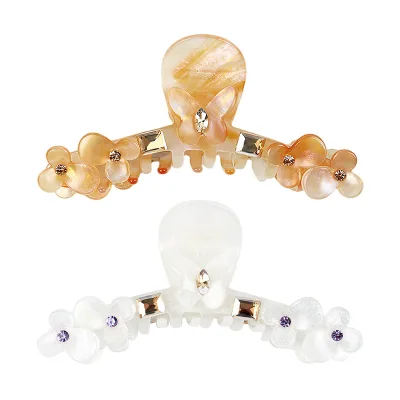
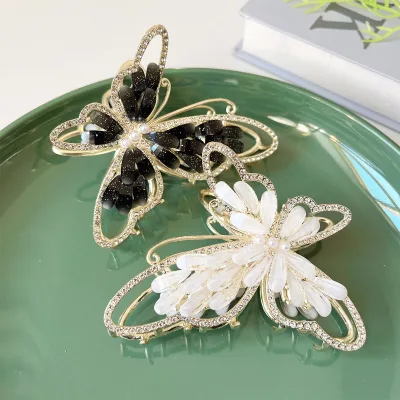
Fairy-style Flower and butterfly Diamond-studded Hair Clips Large Elegant Acetate Hair Clips
$6.1744 - $7.7169
MOQ: 100 pieces
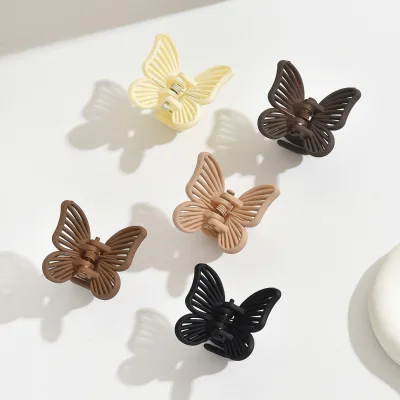

- Verified by SGS
- Manufacturer/Factory
- China Zhejiang
- Lead time30 days
- Avg. response≤ 2h
Main productsNecklace, Bracelets, Earring, Ring, Brooch, Phone Lanyard, Key Chain, Body Jewelry, Hair Clip, Hair Band
Main marketsSouth America,Eastern Europe,Mid East,North America,Southeast Asia,Eastern Asia,Oceania,Western Europe,Africa

- Verified by CTI
- Trading Company
- China Zhejiang
- Lead time23 days
- Avg. response≤ 15h
Main productsEarring, Vase, Scented Candles, Hair Ties, Bags
Main marketsSouth America,Europe,North America

Butterfly Hair Clip Hair Accessories Elegant Rhinestones Shark Clip Full Crystal Hairpin
$1.13 - $1.29
MOQ: 12 Pieces


Butterfly Hair Clip Hair Accessories Elegant Pearl Shark Clip Full Crystal Hairpin
$0.78 - $0.90
MOQ: 12 Pieces

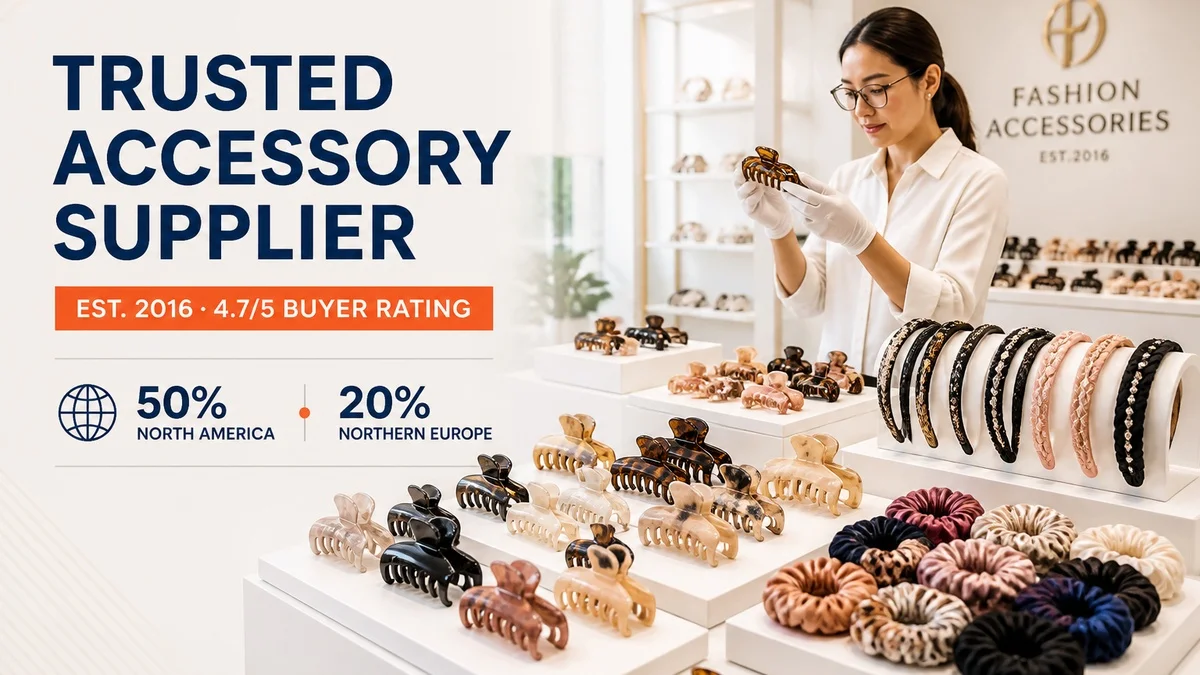
- Trading Company
- Zhejiang, China
- Lead time30 days
- Avg. response≤ 2h
Main productsHair Claws,hair clip,necklace,earring,elastic band
Main marketsNorth America(50.00%), Northern Europe(20.00%), South America(10.00%), Southern Europe(5.00%), Eastern Europe(5.00%), Western Europe(5.00%), Mid East(5.00%)
Xiamen Fancy Accessory Co., Ltd.
- Manufacturer, Trading Company, Distributor/Wholesaler
- Fujian, China
- Lead time0 days
- Avg. response≤ 3h
Main productshair scrunchies,headband,hair claw clip,hair bow,hair clip
Main marketsNorth America(60.00%), Eastern Europe(10.00%), Western Europe(10.00%), Domestic Market(5.00%), Southern Europe(5.00%), Northern Europe(3.00%), South America(2.00%), Africa(1.00%), Southeast Asia(1.00%), Oceania(1.00%), Mid East(1.00%), Eastern Asia(1.00%)
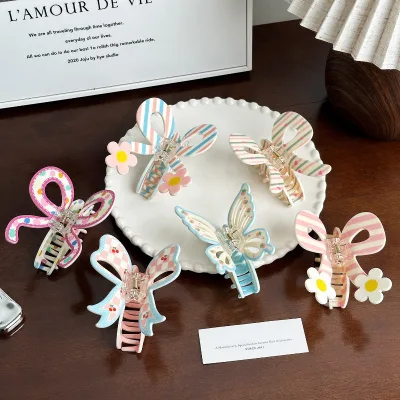
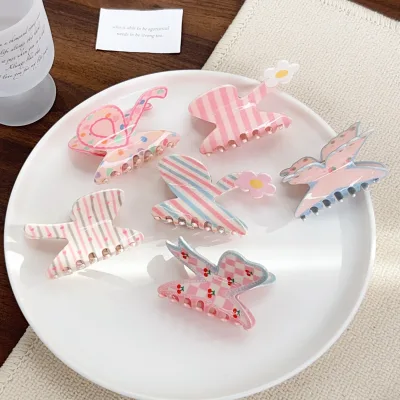
Flower Bow Clip Forest Style Girl Cherry butterfly Hair Clip Shark Clip Resin Head Wear
$0.89 - $1.15
MOQ: 10 pieces
Yiwu Lanmo E-Commerce Co., Ltd.
- Trading Company
- Zhejiang, China
- Lead time15 days
- Avg. response≤ 5h
Main productsFashion Beaded Bracelets,Fashion Pendant Necklaces,Fashion Rings,Stone Beads,Crowns Wreaths Tiaras
Main marketsNorth America(50.00%), South America(20.00%), Western Europe(10.00%), Southeast Asia(10.00%), Eastern Europe(10.00%)

Guangzhou Mackay Hair Tools Products Co., Ltd.
- Verified by SGS
- Manufacturer/Factory
- China Guangdong
- Lead time0 days
- Avg. response≤ 6h
Main productsHair Brush, Hair Combs, Hair Scissors, Hair Cape & Apron, Salon Jacket, Hair Color Brush with Bowl, Acetate Comb, Hair Clip, Hair Ring & Hair Band, Hair Salon Tools Accessories
Main marketsSouth America,Eastern Europe,Mid East,North America,Southeast Asia,Eastern Asia,Oceania,Western Europe,Africa


Professional Custom Korean Hair Clip Beautiful Salon Hair Clip Wholesale
$0.19 - $0.50
MOQ: 5000 Pieces


Professional Custom Hair Clips Cheap Price Plastic Hair Clip Private Label
$0.12 - $0.50
MOQ: 5000 Pieces
Yiwu Chun Surplus Jewelry & Accessories Co., Ltd.
- Manufacturer, Trading Company
- Zhejiang, China
- Lead time0 days
- Avg. response≤ 2h
Main productshair accessories,fashion jewelry,hair clips,earrings,hair claws
Main marketsNorth America(40.00%), Eastern Europe(20.00%), South America(15.00%), Domestic Market(10.00%), Western Europe(10.00%), Northern Europe(5.00%)

- Verified by SGS
- Trading Company
- China Zhejiang
- Lead time15 days
- Avg. response≤ 4h
Main productsYiwu Sourcing Agent, DIY Toys, DIY Jewelry, Travel Souvenirs, Stationery, School Furtiture, Outdoor Products, Caps & Shoes & Socks, Costumes & Props, Beauty Tools
Main marketsAfrica,East Asia(Japan/ South Korea),North America


New Style Broken Hair Clip at The Back of The Head, Retro and Fashionable PU Leather Bb Clip
$0.92 - $1.34
MOQ: 20 Pieces


Yangzhou Muhe Trading Co., Ltd.
- Trading Company
- China Jiangsu
- Lead time15 days
- Avg. response≤ 3h
Main productsHeadband, Bamboo Fiber Scrunchie, Bamboo Cotton Make up Removers Pads, Silk Scrunchie, Hair Claw Clip, Bow Hair Clip, Cellulose Acetate Hair Claw Clip, Fashion Hair Accessories, Flannel Wristband & Headband
Main marketsSoutheast Asia/ Mideast,Europe

Ningbo Qize Industry and Trade Co., Ltd
- Verified by BV
- Trading Company
- China Zhejiang
- Lead time30 days
- Avg. response≤ 4h
Main productsPdlc Smart Film, Filter Materials, Silicone Molds, Pet Products, Medical Supplies
Main marketsEurope

$0.39 - $0.60
MOQ: 1000 Pieces

Butterfly Hair Clips for Styling, Cutting, Coloring - PRO Salon Clamps and Claws Hair Accessories
$0.39 - $0.60
MOQ: 1000 Pieces

$0.39 - $0.60
MOQ: 1000 Pieces

- Verified by TüVRheinland
- Trading Company
- Lead time0 days
- Avg. response≤ 2h
Main productsTiaras, Hair Claws, Hair Clips, Key Chains, Mirrors
Main marketsNorth America(30%), Southeast Asia(20%), Northern Europe(20%)

- Manufacturer/Factory
- China Zhejiang
- Lead time30 days
- Avg. response≤ 17h
Main productsHomewares, Kitchenwares, Travel Gear, Outdoor, Sport
Main marketsSouth America,Eastern Europe,Mid East,North America,Southeast Asia,Eastern Asia,Oceania,Western Europe,Africa
- Trading Company
- Zhejiang, China
- Lead time0 days
- Avg. response≤ 2h
Main productshair clip,hair tie,charm&pendant,bracelet,jewelry accessories
Main marketsNorth America(35.00%), Western Europe(30.00%), Mid East(10.00%), Southern Europe(5.00%), Eastern Europe(5.00%), South America(5.00%), Africa(3.00%), Eastern Asia(2.00%)
Yiwu Jiayu Import and Export Co., Ltd.
- Verified by TüVRheinland
- Trading Company
- Lead time15 days
- Avg. response≤ 1h
Main productsHeadwear
Main marketsCentral America(50%), Eastern Europe(15%), Northern Europe(10%)
Yiwu Zelue Accessories Co., Ltd.
- Manufacturer, Trading Company
- Zhejiang, China
- Lead time30 days
- Avg. response≤ 5h
Main productsHair Accessories, Jewelry, Keychain, Hair Claw, Hair Clip
Main marketsNorth America(15.00%), Western Europe(15.00%), Northern Europe(15.00%), Southern Europe(12.00%), Eastern Europe(10.00%), South Asia(5.00%), Eastern Asia(5.00%), Central America(5.00%), Southeast Asia(5.00%), Domestic Market(4.00%), Mid East(3.00%), South America(2.00%), Oceania(2.00%), Africa(2.00%)

- Verified by SGS
- Trading Company
- China Guangdong
- Lead time15 days
- Avg. response≤ 10h
Main productsRespirator
Main marketsSouth America,Southeast Asia/ Mideast,Domestic,Europe,North America

10/12PCS Hair Clip Butterfly Hair Claw Hairdressing Clips Headwear Hairpins
$2.50 - $3.20
MOQ: 10 sets


Yiwu Ba Yuan Jewelry Co., Ltd.
- Verified by TUVRHEINLAND
- Trading Company,Manufacturer/Factory,Other
- China Zhejiang
- Lead time45 days
- Avg. response≤ 21h
Main productsBridal Jewelry and Hair Accessories, Wedding Jewelry, Tiara and Headpieces, CZ Jewelry, Tiara Crown, Zirconia Jewelry, CZ Necklace, Stretch Bracelet, Hip Hop Jewelry, Fashion Pendant
Main marketsSouth America,Eastern Europe,Mid East,North America,Southeast Asia,Eastern Asia,Oceania,Western Europe,Africa

Birdal Pearl Clay Hair Comb, Wedding Clay Pearl Hair Clip, Bridal Wedding Vintage Hair Accessories
$3.50 - $3.95
MOQ: 50 Pieces

Bridal Wedding Enamel Flower Hair Comb Hair Clip, Gold Pearl Hair Comb Hair Accessories
$5.50 - $5.95
MOQ: 50 Pieces

Bridal Wedding Clay Flower Hair Comb Hair Clip for Women, Bridal Pearl Hair Accessories
$3.95 - $4.50
MOQ: 50 Pieces

Bridal Pearl Hair Clip Hair Vines Hair Comb. Wedding Hair Clip Hair Comb Hair Accessories
$2.95 - $5.50
MOQ: 50 Pieces


Bridal Hair Clip Headpiece Hair Comb, Bridal Wedding Luxury Hair Vines Hair Comb Hair Clip Headpiece
$4.95 - $5.95
MOQ: 100 Pieces
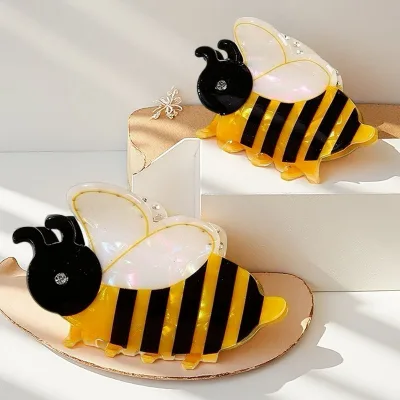
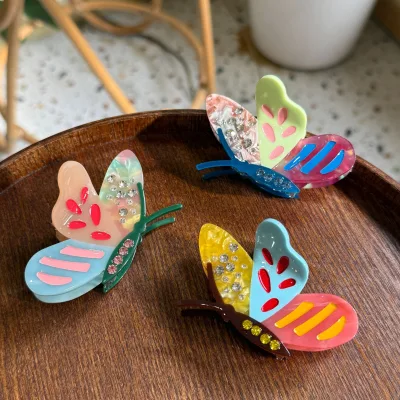
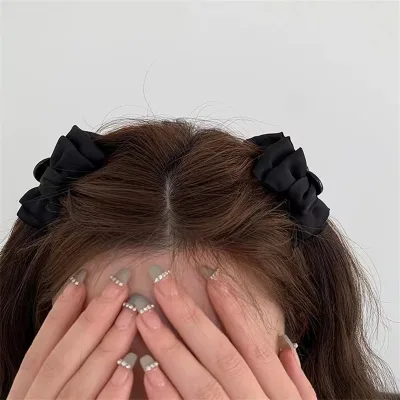
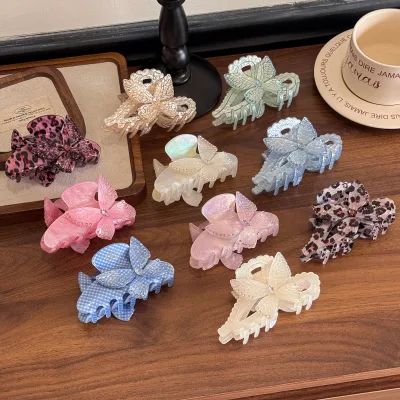


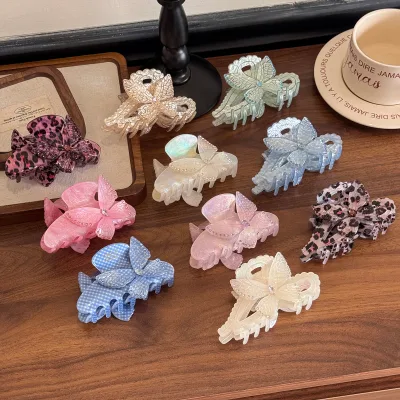
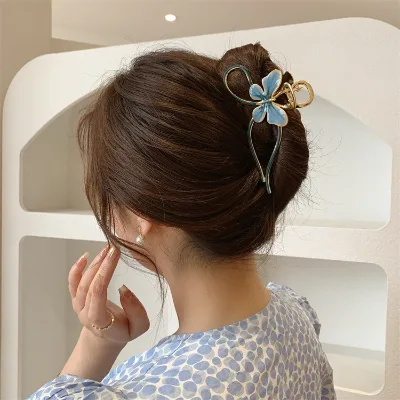
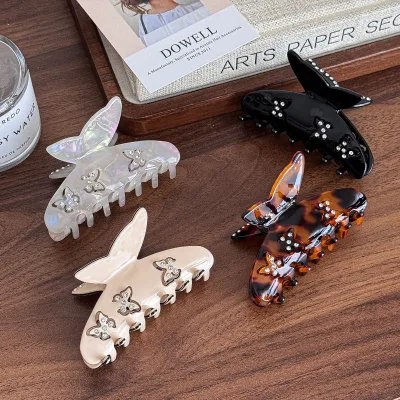
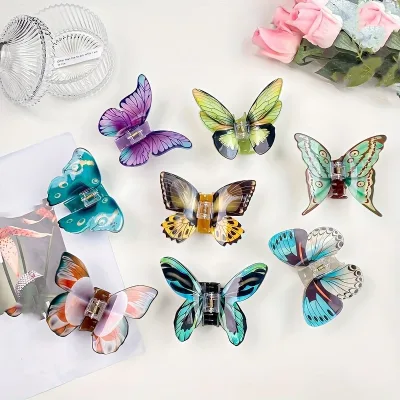


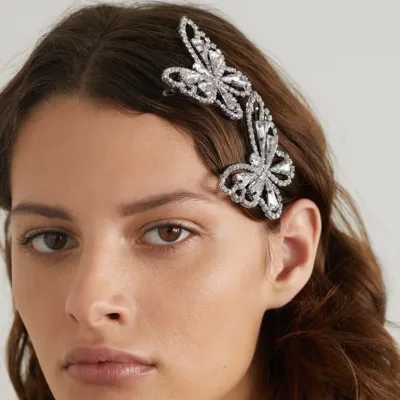
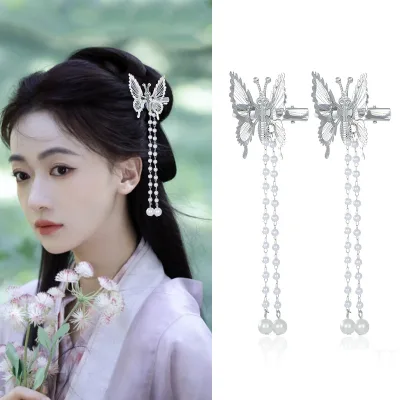
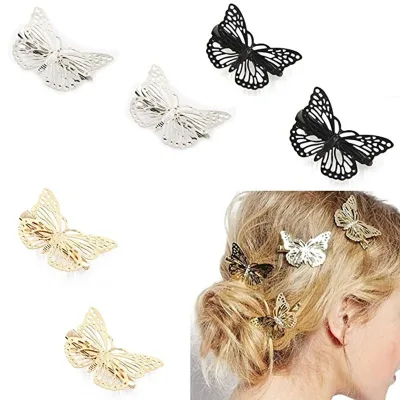
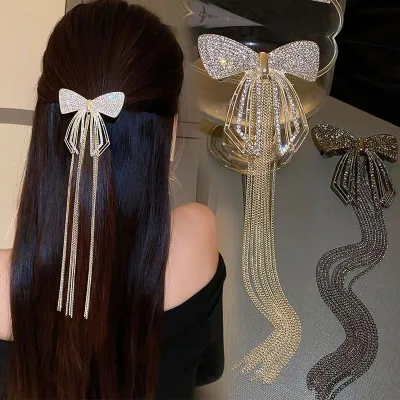
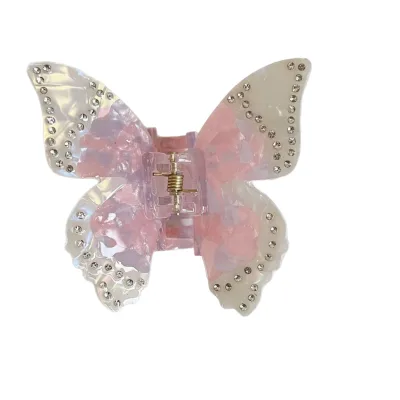
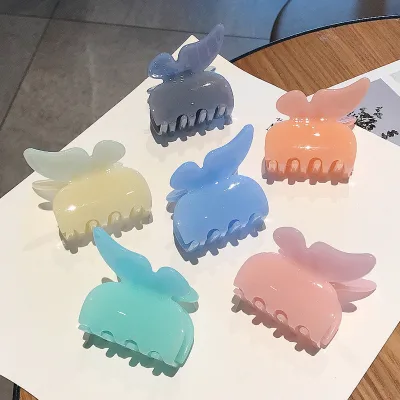


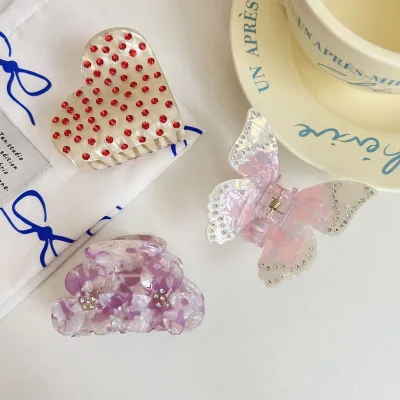
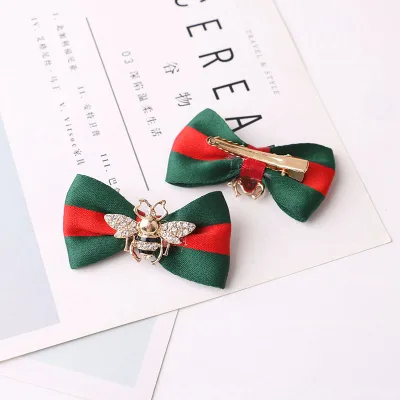
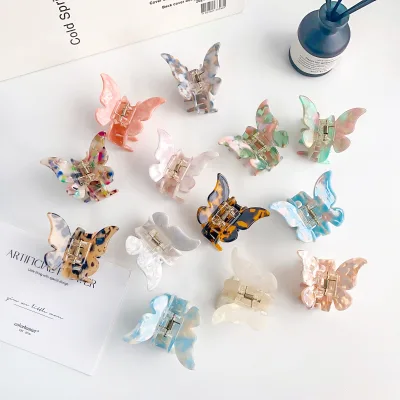
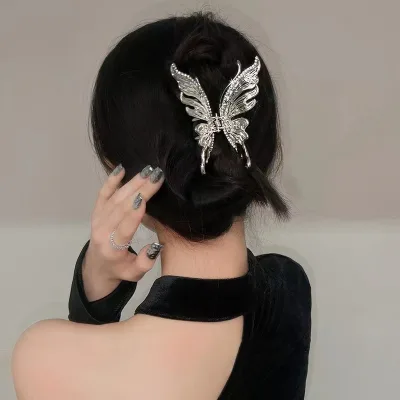
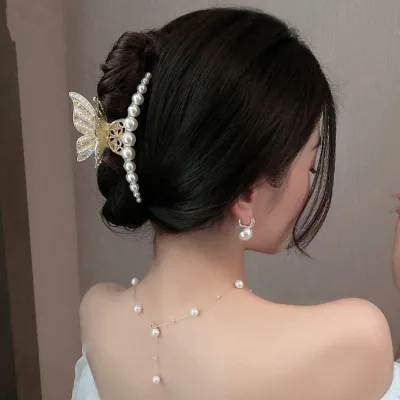
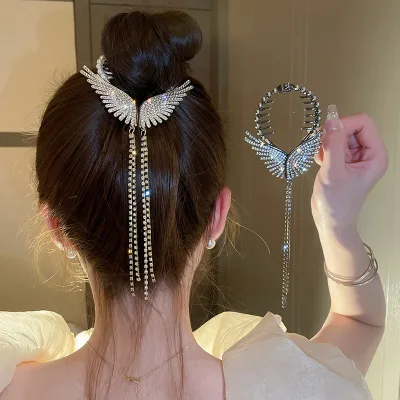
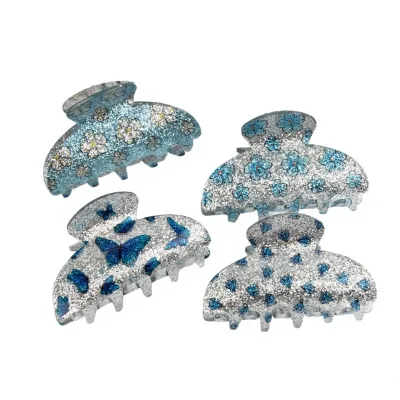


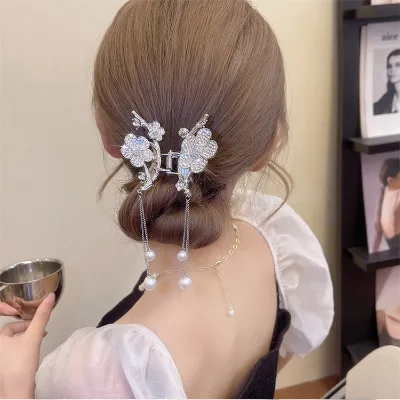
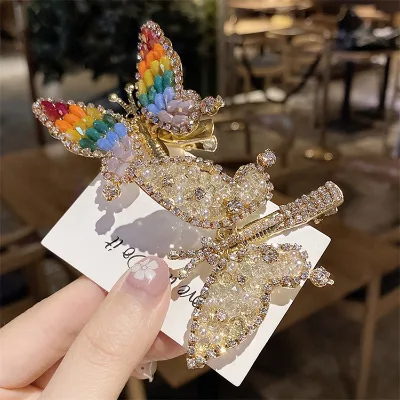
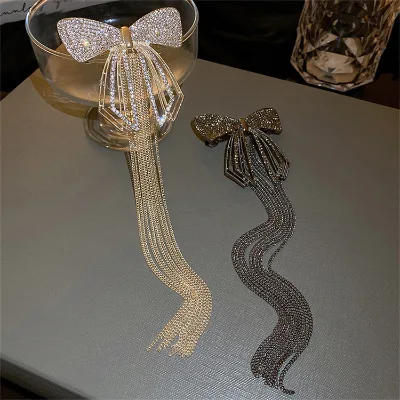


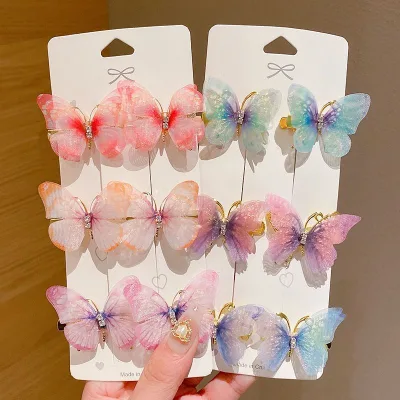
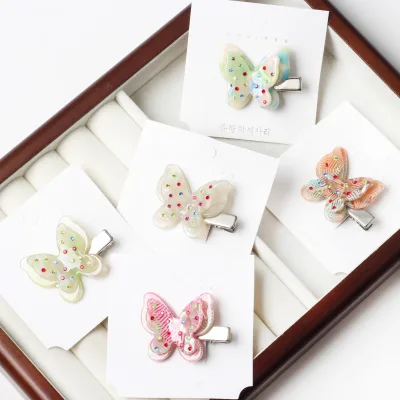
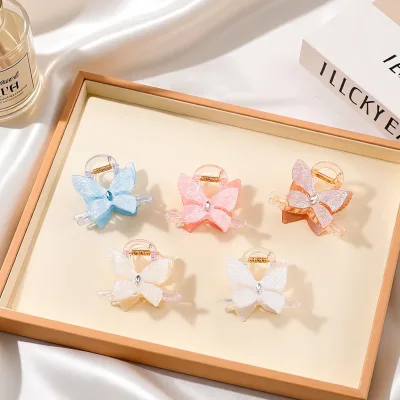
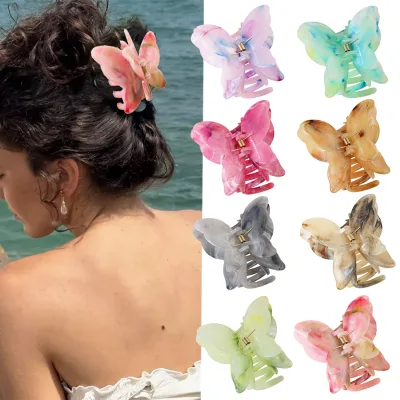
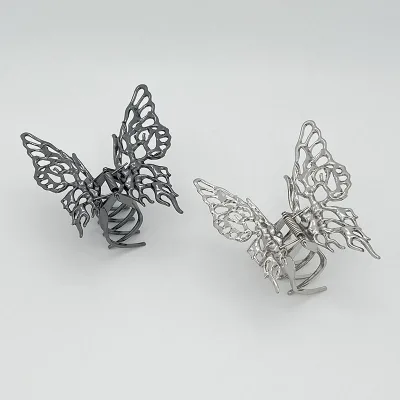
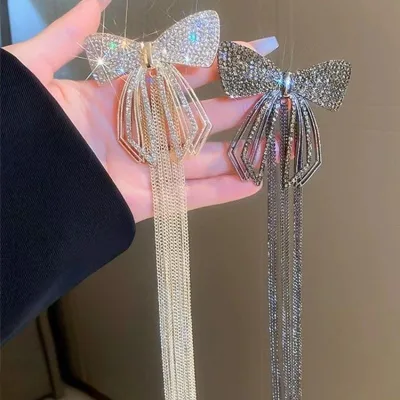
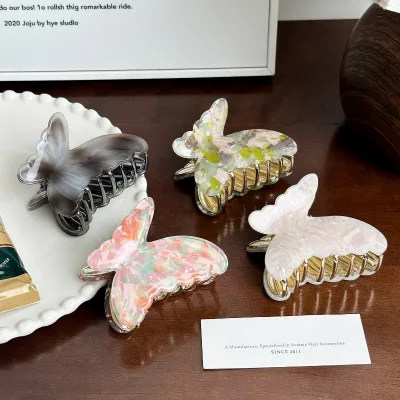
Comprehensive Sourcing Guide
Butterfly Bee Diamond Hair Clip Supplier Concentration and Factory Types
The current supplier landscape for butterfly bee diamond hair clips reveals a distinct mix of trading companies and direct manufacturers, primarily concentrated in specific Chinese manufacturing hubs. Evidence indicates that suppliers are located in regions such as Jiangxi and Zhejiang, with some products originating from Yiwu and Jinhua. This geographic distribution suggests that while some vendors operate as trading entities facilitating broader inventory access, others are embedded in established industrial clusters known for accessory production. Buyers must carefully distinguish between these entity types, as the operational model significantly impacts pricing structures, communication efficiency, and the ability to customize designs. Trading companies often provide a wider variety of styles, including the intricate butterfly and bee motifs with diamond embellishments, but may add a markup layer. Conversely, factories in these regions might offer more direct control over the production process, particularly for handmade elements like the acetate bows or PVC components seen in current listings. Understanding this concentration helps buyers anticipate the nature of their supplier relationship and the potential for scalability.
Furthermore, the product evidence highlights a strong emphasis on handmade techniques and specific materials such as PVC, satin, and acetate. Many listings feature attributes like "Handmade" and "Light Luxury," indicating that the manufacturing process often involves detailed labor rather than purely automated mass production. This is particularly relevant for items like the bee hair claw clips or the retro diamond acetate bow clips, where aesthetic precision is paramount. The presence of OEM and ODM acceptance in some product attributes suggests that certain suppliers are equipped to handle custom branding and design modifications, which is crucial for buyers seeking unique market differentiation. However, not all suppliers display these capabilities explicitly, so verifying the actual manufacturing capacity is essential. The concentration of these specific product types in regions like Jiangxi and Zhejiang points to a mature supply chain ecosystem where specialized skills in hair accessory fabrication are readily available. Buyers should leverage this information to target suppliers who align with their specific needs for either standardized wholesale items or customized luxury pieces, ensuring they engage with entities that have the proven capability to deliver the desired quality and design complexity.
How to Verify Butterfly Bee Diamond Hair Clip Suppliers
Verifying the legitimacy and capability of suppliers requires a multi-layered approach that goes beyond surface-level product listings. One critical step is to check for third-party verification badges, such as CTI, which can provide an additional layer of confidence regarding the supplier's business status and operational history. While not all suppliers may display such certifications, those that do offer a tangible metric for trustworthiness that buyers should prioritize during the initial screening phase. Additionally, examining the supplier's response time is a practical indicator of their operational efficiency and customer service commitment. For instance, some suppliers demonstrate rapid response capabilities, which can be vital for resolving queries about product specifications, material compositions, or shipping logistics in a timely manner. A quick response often correlates with a more organized internal process, reducing the risk of miscommunication during the order fulfillment stage. Buyers should actively test this responsiveness by sending detailed inquiries about the butterfly bee diamond hair clips, noting how quickly and thoroughly the supplier addresses questions regarding customization options or material safety.
Another essential verification tactic involves scrutinizing the product attributes and origin details provided in the listings. Buyers should cross-reference the stated place of origin, such as Yiwu, Jinhua, or Jiangxi, with the supplier's registered business address to ensure consistency and authenticity. Discrepancies between the claimed manufacturing location and the actual business registration can be a red flag indicating a potential trading company misrepresenting itself as a factory or vice versa. Furthermore, examining the detailed product properties, such as the specific model numbers, material compositions like PVC or satin, and packaging details, can reveal the supplier's attention to detail and transparency. Suppliers who provide comprehensive and accurate product information are generally more reliable partners. Buyers should also look for evidence of past performance, such as sample availability or specific shipping terms, to gauge the supplier's readiness to fulfill orders. By combining these verification methods, buyers can build a more accurate profile of each potential supplier, minimizing the risk of engaging with unreliable entities and ensuring a smoother sourcing process for their Butterfly Bee Diamond Hair Clip requirements.
What to Compare Across Butterfly Bee Diamond Hair Clip Suppliers
When evaluating multiple suppliers for butterfly bee diamond hair clips, buyers must systematically compare key operational metrics to identify the most suitable partner for their specific business needs. One of the most critical factors is the Minimum Order Quantity (MOQ), which can vary significantly across different vendors. For example, some suppliers may offer low MOQs of just 10 pieces, making them ideal for small businesses or those testing new product lines, while others might require larger volumes for cost-effective pricing. Comparing these MOQs helps buyers align their inventory strategy with supplier capabilities, ensuring they do not overcommit to stock or face restrictions on initial orders. Additionally, lead times are a crucial comparison point, as they directly impact the buyer's ability to meet market demand. Some suppliers may indicate lead times of 3-7 days for production, while others might have longer processing periods. Understanding these variations allows buyers to plan their supply chain more effectively, avoiding stockouts or delays that could affect customer satisfaction.
Price and payment terms also require careful comparison across different suppliers. While some listings provide clear price ranges, such as $0.43 to $0.50 for certain satin clips or $2.39 to $2.85 for diamond-accented items, buyers should request detailed quotations that include all associated costs, such as shipping and handling. Comparing these total landed costs provides a more accurate picture of profitability. Furthermore, examining the payment terms offered, such as PayPal, Western Union, or Telegraphic Transfer (TT), can influence cash flow management and risk exposure. Suppliers offering secure payment methods or escrow services may provide an added layer of protection for the buyer. Additionally, comparing the range of main products offered by each supplier can reveal their specialization and versatility. Some suppliers may focus exclusively on hair accessories, while others might offer a broader range of jewelry and accessories. This breadth can be advantageous for buyers looking to consolidate their sourcing efforts. By meticulously comparing these operational and commercial factors, buyers can make informed decisions that balance cost, quality, and reliability, ultimately selecting suppliers that best support their business objectives.
Common Butterfly Bee Diamond Hair Clip Sourcing Risks
Sourcing butterfly bee diamond hair clips involves several inherent risks that buyers must proactively manage to ensure a successful procurement process. One significant risk is the potential discrepancy between the product samples and the bulk order quality. Since many of these hair clips feature intricate designs, such as handmade diamond embellishments or specific color variations like purple-red-green-pink-dot patterns, maintaining consistency across large production runs can be challenging. Buyers should always request physical samples before committing to large orders to verify that the materials, such as PVC or acetate, meet their quality standards and that the craftsmanship is durable. Another risk is the miscommunication regarding customization requirements. If a buyer requests specific OEM or ODM services, such as custom packaging or unique design modifications, there is a risk that the supplier may not fully understand or execute these requests correctly. Clear and detailed communication, including visual references and written specifications, is essential to mitigate this risk and ensure that the final products align with the buyer's expectations.
Additionally, supply chain disruptions and logistical delays pose a considerable risk, especially when sourcing from international locations. Factors such as shipping carrier availability, customs clearance processes, and seasonal demand fluctuations can impact delivery times. Buyers should be aware that some suppliers may list ideal lead times that do not account for these external variables. For instance, while a supplier might claim a 3-7 day delivery time, actual transit times could be longer depending on the shipping method chosen, such as DHL, UPS, or sea freight. Furthermore, there is a risk of encountering suppliers who are not transparent about their production capacity or financial stability. This can lead to order cancellations or delays if the supplier faces internal challenges. To mitigate these risks, buyers should conduct thorough due diligence, including verifying supplier credentials and checking for third-party certifications. Establishing clear contractual terms regarding delivery schedules and quality standards can also provide legal recourse in case of non-performance. By anticipating and addressing these common risks, buyers can protect their investments and maintain a reliable supply chain for their Butterfly Bee Diamond Hair Clip products.
Butterfly Bee Diamond Hair Clip Regional Sourcing and Logistics
The regional sourcing of butterfly bee diamond hair clips is heavily influenced by the geographic concentration of manufacturing hubs in China, particularly in provinces like Jiangxi and Zhejiang. These regions are known for their robust accessory industries, offering buyers access to a wide variety of suppliers with specialized expertise in hair clip production. Sourcing from these areas can provide logistical advantages, such as proximity to major shipping ports and established supply chain networks, which can facilitate faster and more cost-effective transportation. However, buyers must also consider the specific logistics requirements associated with different product types. For example, items made from delicate materials like satin or featuring intricate diamond embellishments may require special packaging to prevent damage during transit. Suppliers in these regions often offer various shipping options, including express couriers like DHL and FedEx, as well as air and sea freight, allowing buyers to choose the most suitable method based on their urgency and budget.
Logistics planning also involves understanding the packaging specifications provided by suppliers, which can impact shipping costs and efficiency. Many listings indicate standard packaging sizes, such as 10x6x5 cm for bee hair claw clips or 4x4x2 cm for satin butterfly clips, which buyers can use to estimate container loads and freight charges. Additionally, buyers should be aware of the shipping terms offered by suppliers, such as FOB or CIF, which determine who is responsible for various aspects of the logistics process. Clear communication regarding shipping instructions and documentation requirements is essential to avoid delays at customs or additional fees. Furthermore, buyers should consider the environmental impact of their shipping choices, as some suppliers may offer more sustainable packaging or shipping options. By carefully planning their logistics strategy and leveraging the regional advantages of sourcing from established manufacturing hubs, buyers can optimize their supply chain efficiency and reduce overall costs. This proactive approach ensures that the butterfly bee diamond hair clips reach their destination in optimal condition and on time, supporting the buyer's business operations and customer satisfaction.
Butterfly Bee Diamond Hair Clip Commercial Terms and Order Planning
Effective order planning for butterfly bee diamond hair clips requires a thorough understanding of the commercial terms offered by suppliers, including pricing structures, payment methods, and after-sales support. Buyers should negotiate clear pricing agreements that account for volume discounts, especially when ordering larger quantities to benefit from economies of scale. It is also crucial to clarify any additional costs, such as mold fees for custom designs or sample charges, to avoid unexpected expenses later in the process. Payment terms should be aligned with the buyer's cash flow preferences and risk tolerance, with options like escrow services providing an added layer of security for transactions. Establishing a reliable payment schedule, such as a deposit upon order confirmation and the balance upon shipment, can help manage financial risk and ensure mutual commitment from both parties. Additionally, buyers should inquire about the supplier's return and refund policies in case of quality issues or shipping damages, ensuring that there is a clear mechanism for resolving disputes.
Furthermore, order planning should include a detailed timeline that accounts for production lead times, shipping durations, and customs clearance processes. Buyers should work closely with their suppliers to establish realistic delivery schedules and maintain regular communication throughout the order fulfillment process. This proactive approach helps identify and address potential delays early, allowing for timely adjustments to inventory management strategies. Buyers should also consider the supplier's capacity to handle repeat orders and scale production if demand increases, ensuring that the partnership can support long-term business growth. By carefully planning the commercial terms and order logistics, buyers can minimize risks and maximize the efficiency
FAQs
What is the minimum order quantity for butterfly hair clips?
The minimum order quantity is 10 pieces for the bee hair claw clip model. This low MOQ allows buyers to test market demand with minimal risk. Other styles may have different requirements, so checking specific product listings is recommended before placing an order.
How long does delivery take for these hair accessories?
Delivery times typically range from 3 to 7 days for standard items. Some suppliers list a lead time of 15 days for production or bulk orders. Buyers should confirm the exact timeline with the supplier to ensure it meets their project schedule.
What materials are used for butterfly diamond hair clips?
Common materials include PVC, satin, and acetate. The bee clip uses PVC, while the butterfly styles often feature acetate with diamond or rhinestone details. These materials provide durability and a light luxury feel suitable for daily wear or special occasions.
Where are these hair accessories manufactured?
Manufacturing locations include Jiangxi, Yiwu, Jinhua, and Zhejiang in China. These regions are known for producing hair accessories and jewelry. Buyers can filter suppliers by these specific locations to align with their logistical preferences or sourcing strategies.
What is the price range for butterfly hair clips?
Prices vary from $0.43 to $4.91 per piece depending on the design. Basic satin clips are lower cost, while handmade acetate styles with diamonds are higher priced. The range reflects differences in material quality, complexity, and decorative elements like rhinestones.
Do suppliers offer customization for these hair clips?
Yes, customization is available for many styles. Suppliers accept OEM and ODM orders, allowing for custom packaging or design changes. Some listings explicitly state that customization is available, enabling buyers to tailor products to their brand identity.