Fabric Floral Hair Clip Suppliers and Manufacturers in China
Compare 24 verified Fabric Floral Hair Clip suppliers by location, response time, and lead time. Review product specifications like material and MOQ before contacting factories in Guangdong or Zhejiang for quotes; review the available evidence before requesting comparable quotations from suitable candidates.
Updated
Suppliers List
Guangzhou Holdbeauty Garments Accessories Co., Ltd.
- Manufacturer, Trading Company
- Guangdong, China
- Lead time10 days
- Avg. response≤ 7h
Main productsclothing accessories,Headband,hair accessory,baby accessories,hair bow
Main marketsNorth America(70.00%), Western Europe(20.00%), Eastern Europe(10.00%)
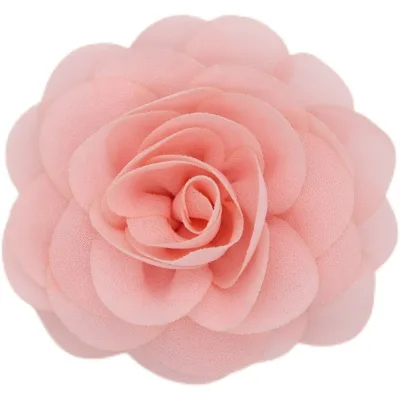
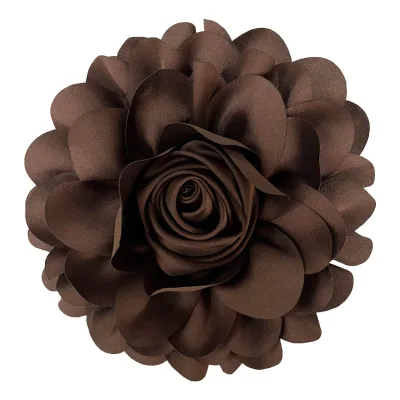
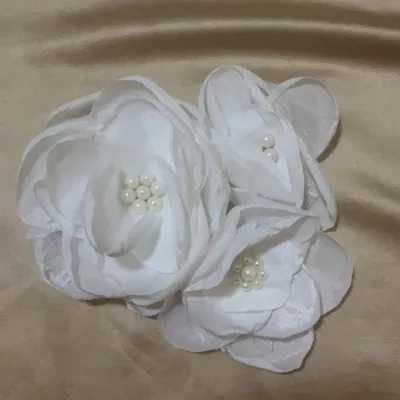
Wholesale Custom Silk Flowers Wedding Hair Clips Includes Flower Hair Pin and Hair Clip for Women
$0.8709 - $0.9639
MOQ: 50 pieces
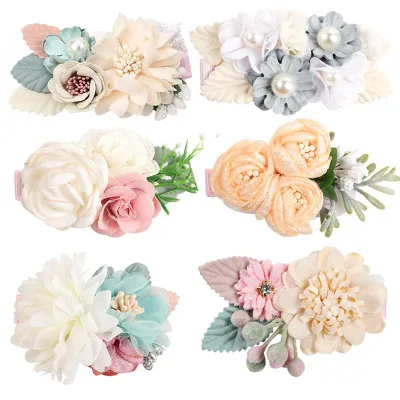
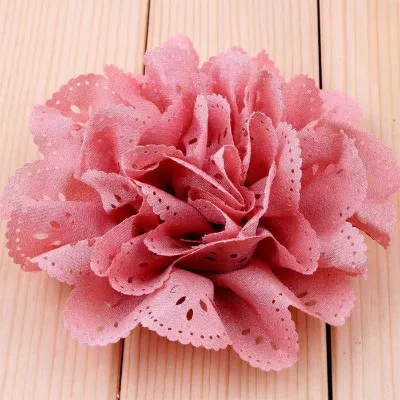
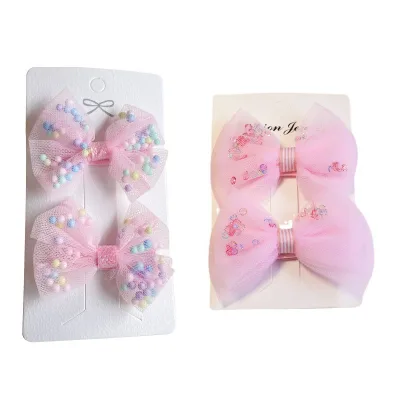
High Quality Handmade Flowers Hair Clips Fabric Flower for Girls Head Accessories
$0.2998 - $0.3613
MOQ: 100 pieces
Yiwu Chun Surplus Jewelry & Accessories Co., Ltd.
- Manufacturer, Trading Company
- Zhejiang, China
- Lead time0 days
- Avg. response≤ 2h
Main productshair accessories,fashion jewelry,hair clips,earrings,hair claws
Main marketsNorth America(40.00%), Eastern Europe(20.00%), South America(15.00%), Domestic Market(10.00%), Western Europe(10.00%), Northern Europe(5.00%)
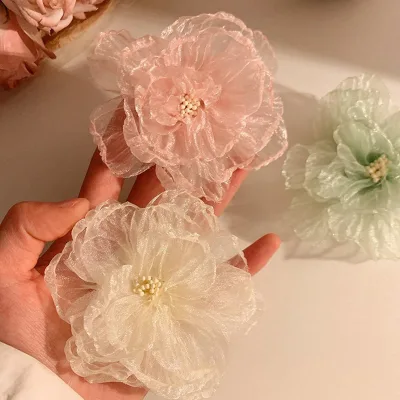
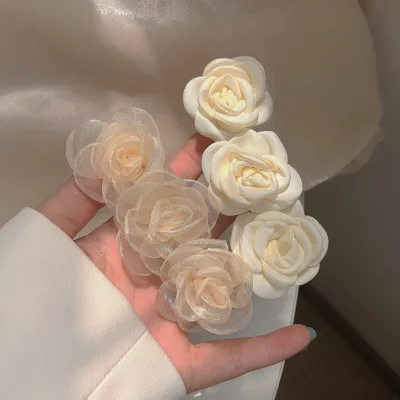
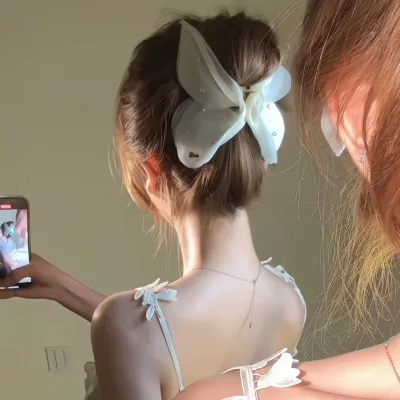
New Arrival White Gauze Chiffon Flower Hair Clip Floral Hair Clip Camellia for Women Girls
$0.60 - $0.95
MOQ: 12 pieces
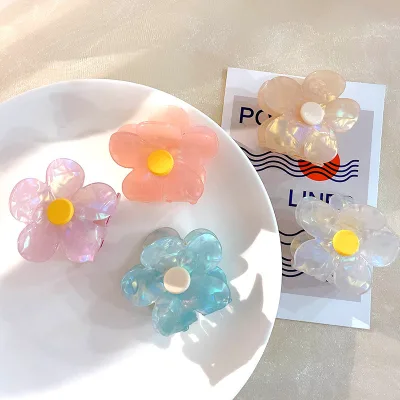
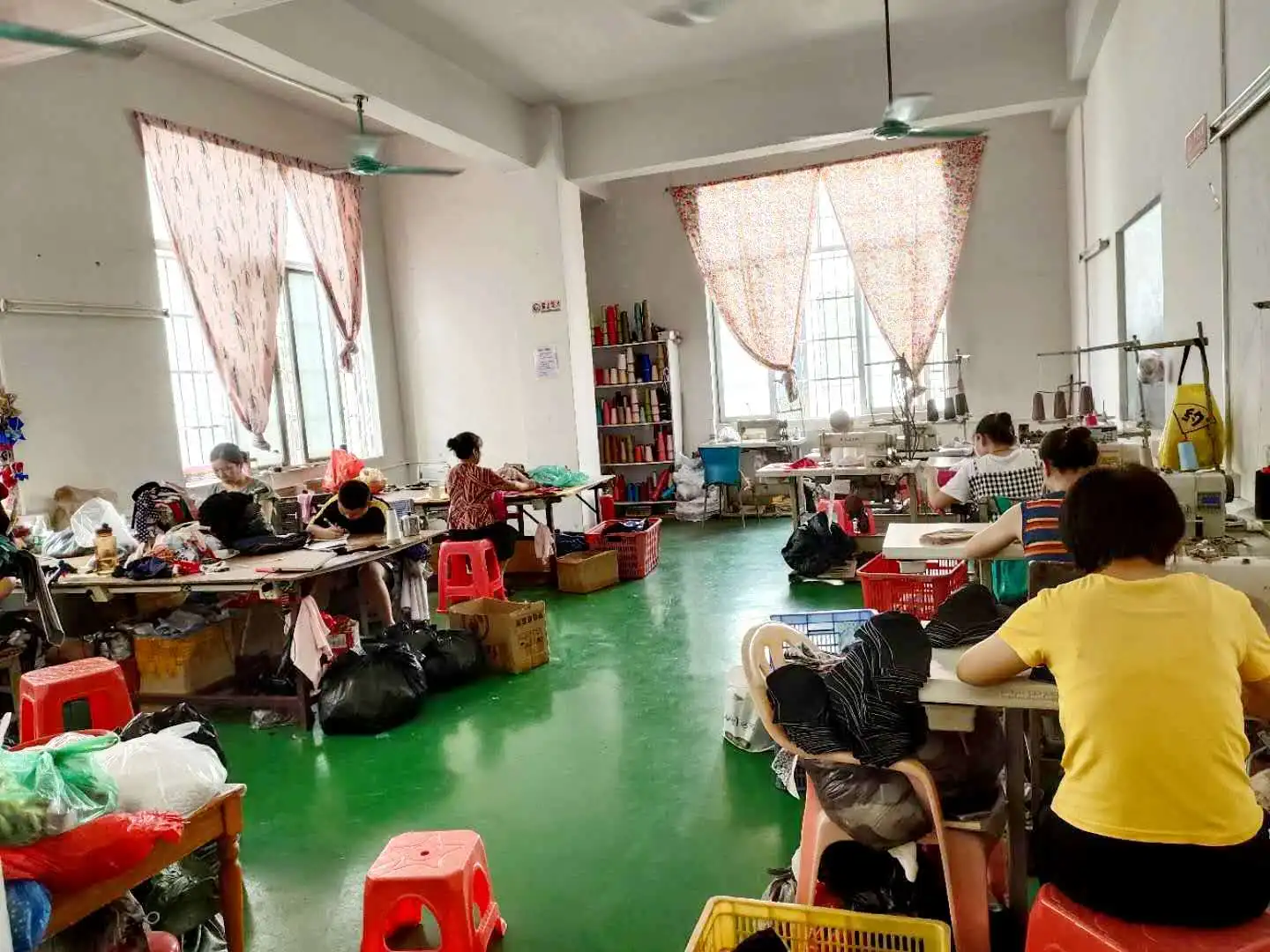
Guangzhou Haolilian Trading Co., Ltd.
- Trading Company, Distributor/Wholesaler
- Guangdong, China
- Lead time5 days
- Avg. response≤ 2h
Main productshair accessories,handmade flowers,clothing accessories,wedding accessories,rhinestone applique
Main marketsWestern Europe(30.00%), South America(30.00%), North America(30.00%), Mid East(3.00%), Eastern Europe(3.00%), Southeast Asia(3.00%), Africa(1.00%)

Ningbo Lanfon Homeware Co.,Ltd
- Verified by SGS
- Combined
- China Zhejiang
- Lead time30 days
- Avg. response≤ 3h
Main productsTable Top, Bath & SPA, Placemats, Kitchenware, Personal Care, Cleaning, Table Mat, Kitchen Organizer, Organizer
Main marketsEurope,North America
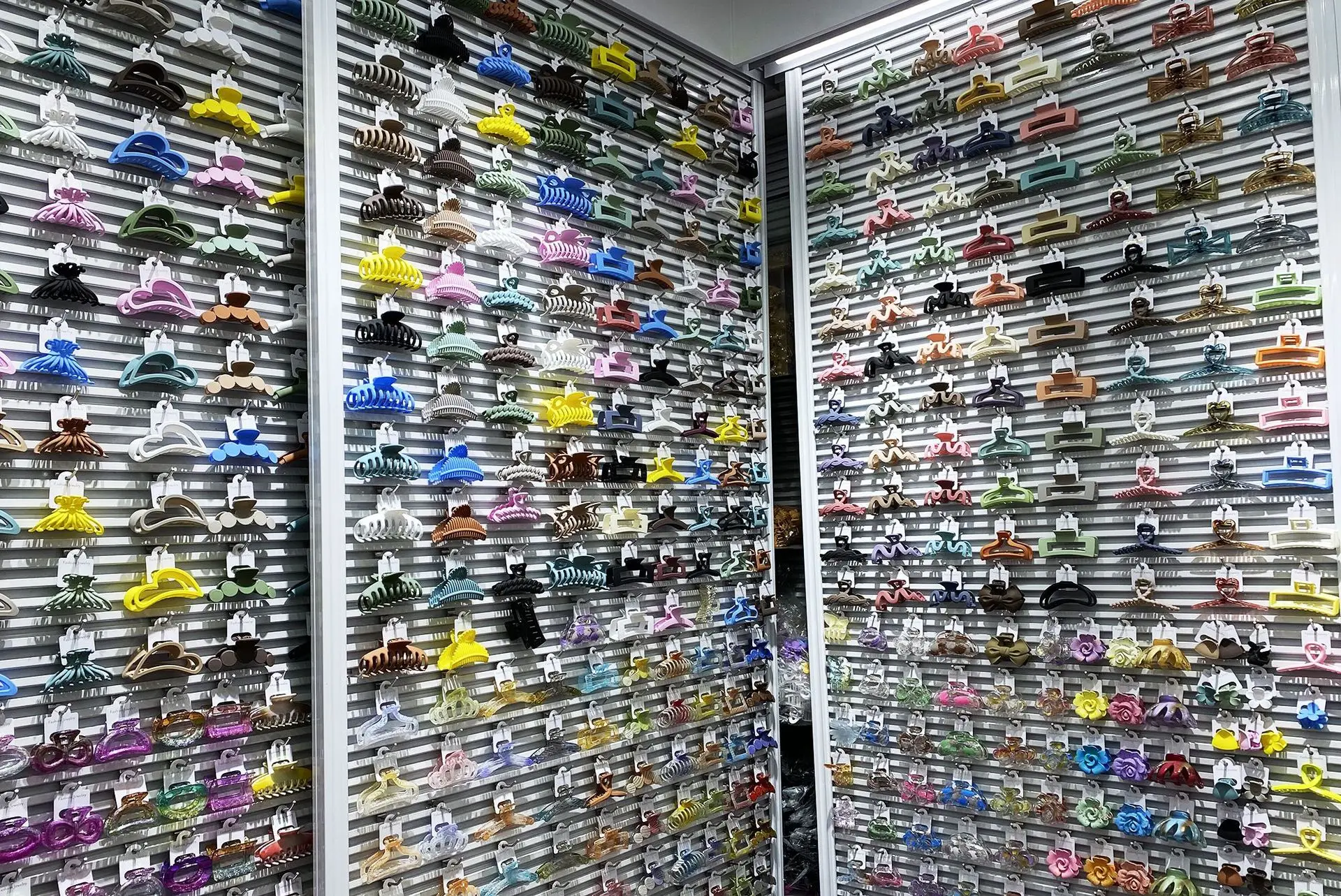
- Trading Company
- Zhejiang, China
- Lead time0 days
- Avg. response≤ 2h
Main productshair clip,hair tie,charm&pendant,bracelet,jewelry accessories
Main marketsNorth America(35.00%), Western Europe(30.00%), Mid East(10.00%), Southern Europe(5.00%), Eastern Europe(5.00%), South America(5.00%), Africa(3.00%), Eastern Asia(2.00%)
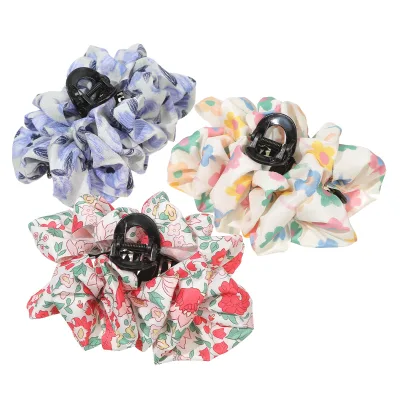
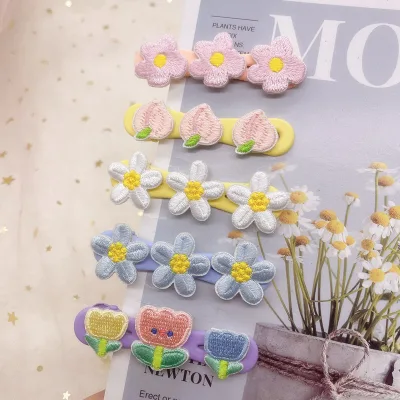
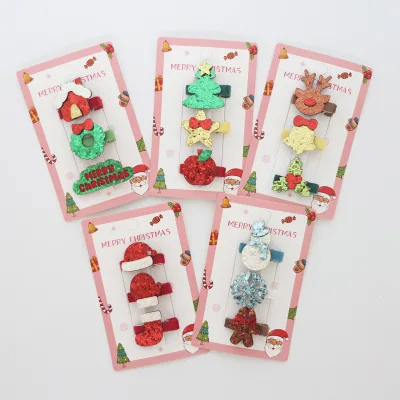
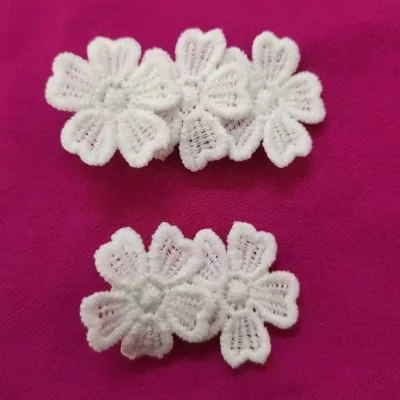
Girls Fashion Creative Design Colored Floral Embroidered Side Hair Clips for Decorative
$0.6161 - $0.718
MOQ: 12 bags
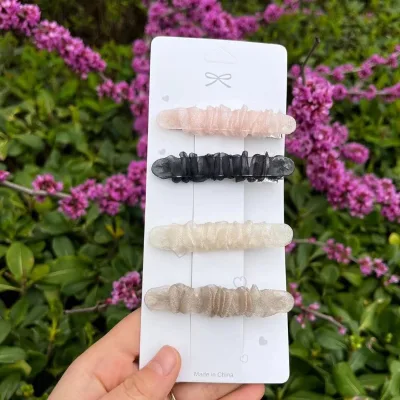
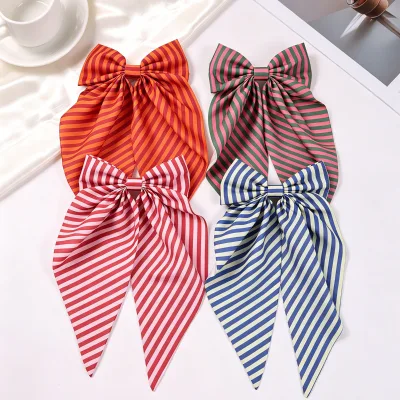
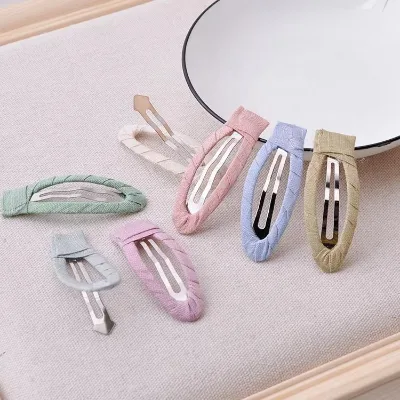
Women Trendy New Hairpin Fabric Cover Hair Alligator Clip for Decorative
$0.8739 - $0.9758
MOQ: 20 pieces

Yiwu Ba Yuan Jewelry Co., Ltd.
- Verified by TUVRHEINLAND
- Trading Company,Manufacturer/Factory,Other
- China Zhejiang
- Lead time45 days
- Avg. response≤ 21h
Main productsBridal Jewelry and Hair Accessories, Wedding Jewelry, Tiara and Headpieces, CZ Jewelry, Tiara Crown, Zirconia Jewelry, CZ Necklace, Stretch Bracelet, Hip Hop Jewelry, Fashion Pendant
Main marketsSouth America,Eastern Europe,Mid East,North America,Southeast Asia,Eastern Asia,Oceania,Western Europe,Africa


Wedding Crystal Hair Comb Hair Clip. Bridal Crystal Hair Comb Hair Clip Headpiece
$5.50 - $5.95
MOQ: 50 Pieces

Bridal Pearl Hair Clip Accessories. Bridal Wedding Hair Comb Hair Clip Headpiece
$7.95 - $8.50
MOQ: 100 Pieces

Wedding Pearl Hair Clip. Bridal Wedding Pearl Hair Accessories. Fashion Pearl Hair Clip
$1.85 - $1.95
MOQ: 50 Pieces

- Manufacturer/Factory
- China Zhejiang
- Lead time30 days
- Avg. response≤ 17h
Main productsHomewares, Kitchenwares, Travel Gear, Outdoor, Sport
Main marketsSouth America,Eastern Europe,Mid East,North America,Southeast Asia,Eastern Asia,Oceania,Western Europe,Africa

Foshan Youyan Clothing Co., Ltd.
- Combined
- China Guangdong
- Lead time30 days
- Avg. response≤ 7h
Main productsHeadband, Scrunchies, Hair Tie, Hair Clip, Hairband
Main marketsSouth America,Africa,Southeast Asia/ Mideast,East Asia(Japan/ South Korea),Domestic,Europe,Australia,North America


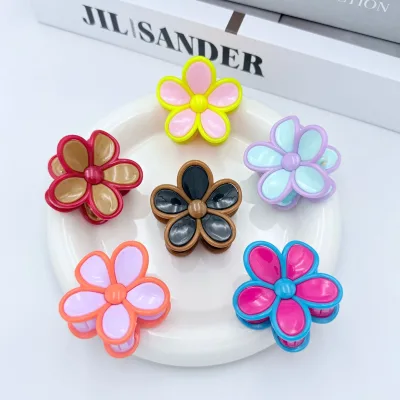
Spring Summer Girls Multicolor Fashion Sweet PVC Large Floral Hair Claw Clip
$0.71 - $1.01
MOQ: 50 pieces


Yiwu Kaka Accessories Co., Ltd.
- Manufacturer, Trading Company
- Zhejiang, China
- Lead time7 days
- Avg. response≤ 4h
Main productsHair Clip,Jaw clip,necklace,earring,ring
Main marketsWestern Europe(30.00%), North America(25.00%), Eastern Asia(10.00%), Eastern Europe(10.00%), South America(5.00%), Southern Europe(5.00%), Northern Europe(5.00%), Southeast Asia(5.00%), Oceania(5.00%)
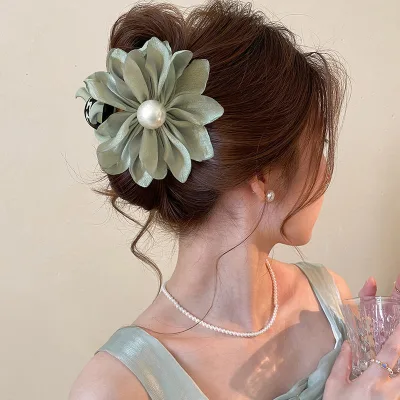
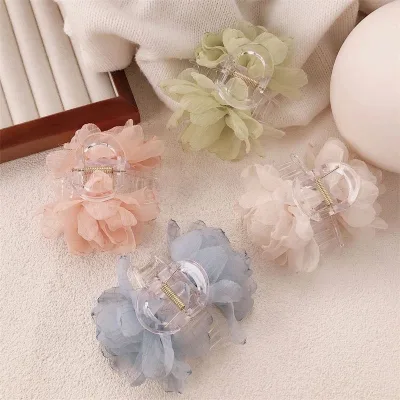
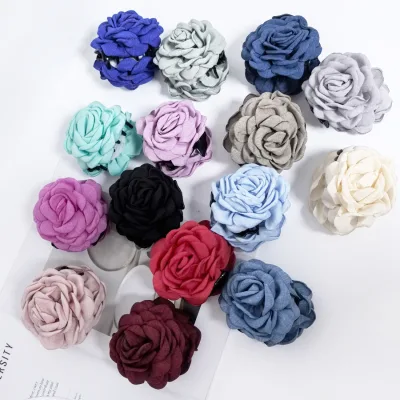
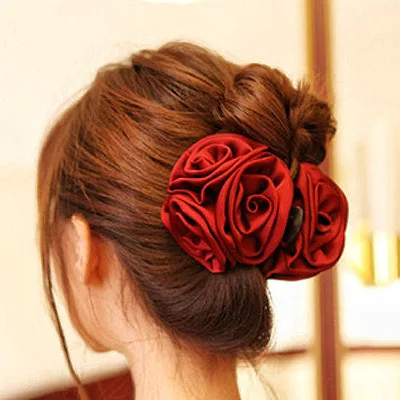
Elegant Big Saffron Rose Flower Hair Clip Nylon Fabric Claw Clip with Temperament Plate Shark Design
$0.706 - $0.9114
MOQ: 12 pieces

Shenzhen FF Industrial Co., Ltd
- Trading Company
- China Guangdong
- Lead time0 days
- Avg. response≤ 3h
Main productsIndustrial Spare Parts, Microchips, IC Chips, Heavy Machinery Parts, Computer Components, Production Consumables, Custom Sourcing, Electronic Components, CNC Parts, OEM Sourcing

Jinjiang Jiayi Supply Chain Management Co., Ltd.
- Verified by BV
- Trading Company
- China Fujian
- Lead time30 days
- Avg. response≤ 2h
Main productsGift, Shoe, Garment, Machine
Main marketsDomestic
Xuzhou Kylin Craft & Gifts Co., Ltd.
- Verified by SGS Group
- Manufacturer, Trading Company
- Lead time10 days
- Avg. response≤ 3h
Main productsArtificial Foam Flower, Artificial Flower lei, Artificial Flower Headband, Artificial Flower Hair Accessories, Graduation Ribbon Lei
Main marketsNorth America(25%), Domestic Market(20%), Oceania(18%)

Yangzhou Muhe Trading Co., Ltd.
- Trading Company
- China Jiangsu
- Lead time15 days
- Avg. response≤ 3h
Main productsHeadband, Bamboo Fiber Scrunchie, Bamboo Cotton Make up Removers Pads, Silk Scrunchie, Hair Claw Clip, Bow Hair Clip, Cellulose Acetate Hair Claw Clip, Fashion Hair Accessories, Flannel Wristband & Headband
Main marketsSoutheast Asia/ Mideast,Europe
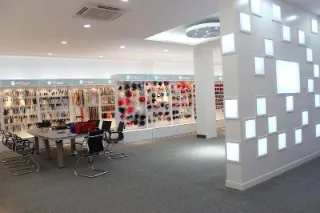
Yiwu B.phne Accessories Co.,Ltd
- Manufacturer, Trading Company
- Zhejiang, China
- Lead time25 days
- Avg. response≤ 9h
Main productsHair Clip, Headband, Hair Scrunchies, Jewelry, Hair Ties
Main marketsWestern Europe(25.00%), North America(20.00%), Eastern Europe(20.00%), Oceania(10.00%), Africa(10.00%), Mid East(10.00%), Southeast Asia(5.00%)
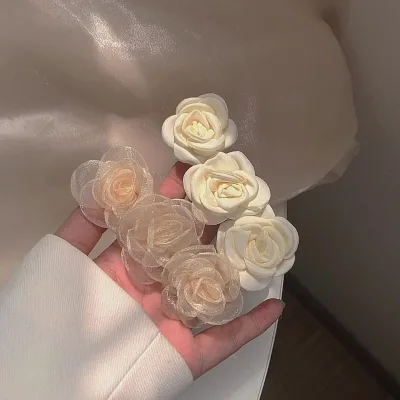
$0.7555 - $0.9339
MOQ: 12 pieces
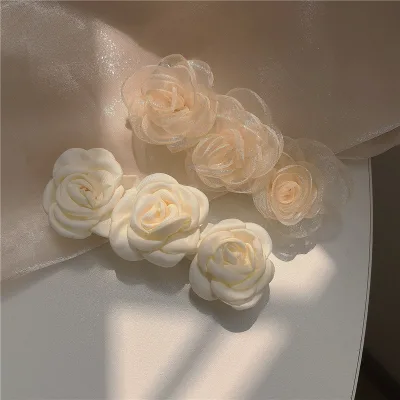
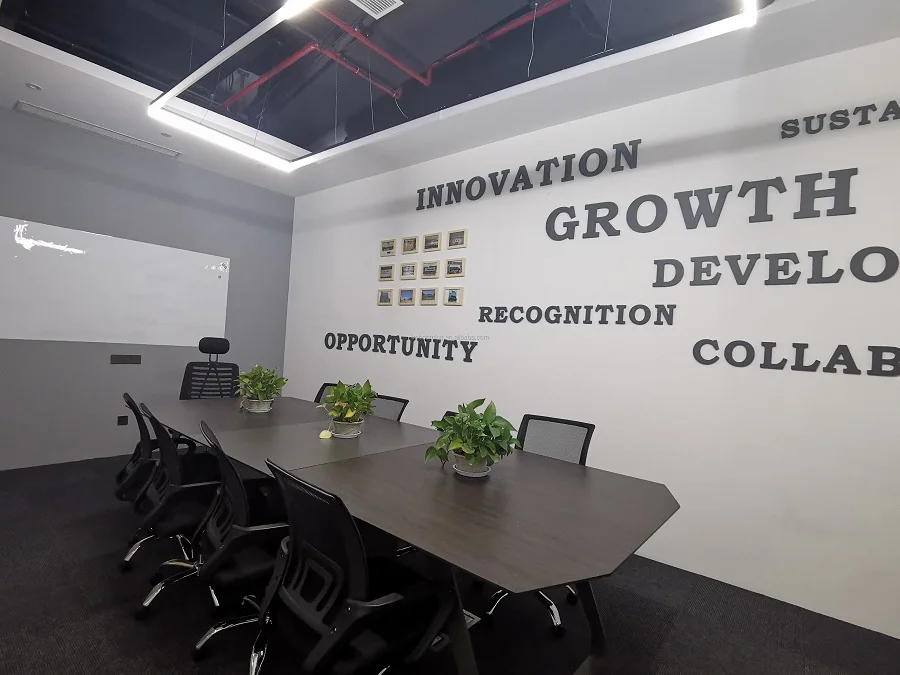
Hefei Kaining Trading Co., Ltd.
- Trading Company
- Anhui, China
- Lead time15 days
- Avg. response≤ 4h
Main productsNecklace,Ring,Bracelet,Hair Sticks,Earrings
Main marketsNorth America(25.00%), Africa(15.00%), Southeast Asia(15.00%), Eastern Europe(15.00%), South America(15.00%), Mid East(10.00%), Oceania(5.00%)

YIWU JINYE IMPORT AND EXPORT CO., LTD
- Verified by SGS
- Trading Company
- China Zhejiang
- Lead time15 days
- Avg. response≤ 25h
Main productsBangle, Wrist Band, Bracelet, Fashion Jewelry
Main marketsNorth America

- Verified by SGS
- Trading Company
- China Zhejiang
- Lead time15 days
- Avg. response≤ 4h
Main productsYiwu Sourcing Agent, DIY Toys, DIY Jewelry, Travel Souvenirs, Stationery, School Furtiture, Outdoor Products, Caps & Shoes & Socks, Costumes & Props, Beauty Tools
Main marketsAfrica,East Asia(Japan/ South Korea),North America


Bow Hair Clip with Ballet Style Ribbon Tied on The Side, Sweet Girl Headband Headband Hair Accessory
$1.33 - $1.86
MOQ: 20 Pieces


High End Hair Clip with a Low Ponytail and Spring Design at The Back of The Head
$1.11 - $1.55
MOQ: 20 Pieces

Black Straight Edge Clip with a Large Clip at The Back of The Head, Hair Clip Headband
$1.15 - $1.66
MOQ: 20 Pieces

- Verified by SGS
- Manufacturer/Factory
- China Zhejiang
- Lead time30 days
- Avg. response≤ 2h
Main productsNecklace, Bracelets, Earring, Ring, Brooch, Phone Lanyard, Key Chain, Body Jewelry, Hair Clip, Hair Band
Main marketsSouth America,Eastern Europe,Mid East,North America,Southeast Asia,Eastern Asia,Oceania,Western Europe,Africa
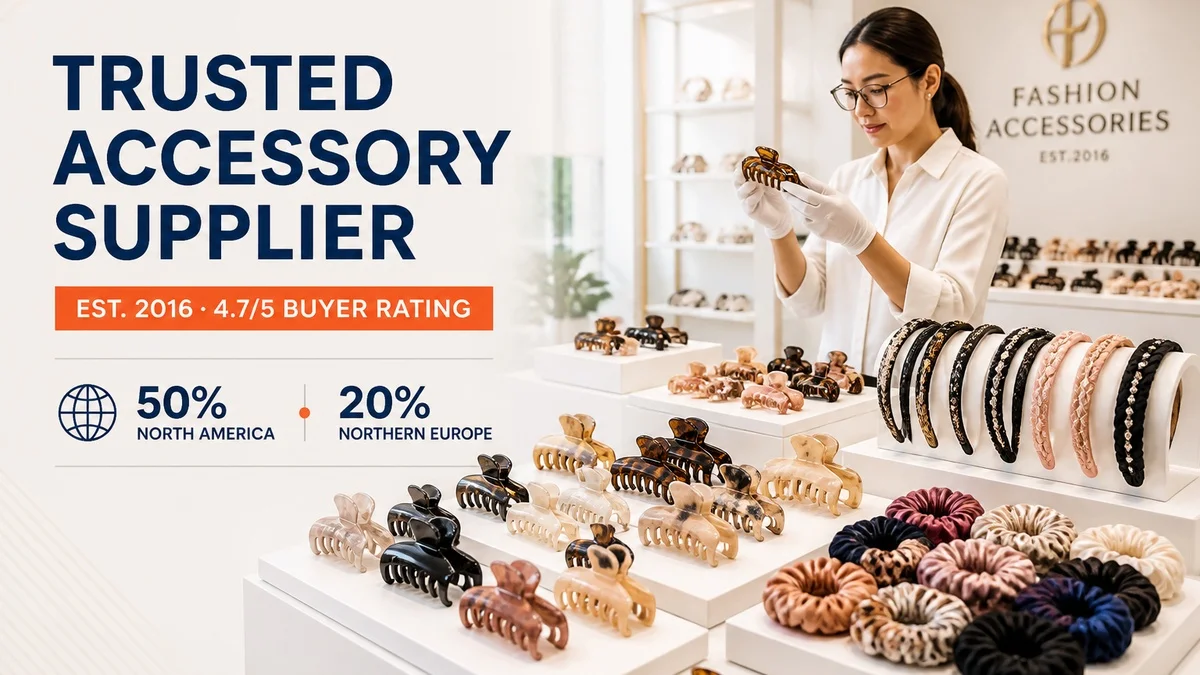
- Trading Company
- Zhejiang, China
- Lead time30 days
- Avg. response≤ 2h
Main productsHair Claws,hair clip,necklace,earring,elastic band
Main marketsNorth America(50.00%), Northern Europe(20.00%), South America(10.00%), Southern Europe(5.00%), Eastern Europe(5.00%), Western Europe(5.00%), Mid East(5.00%)
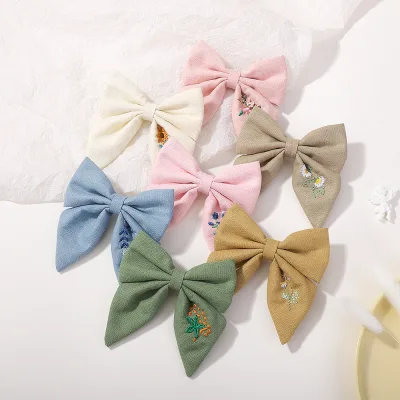
Cute Children's Linen Cotton Hair Clip with Embroidered Flower and Bowknot Made from Fabric
$0.49 - $0.64
MOQ: 12 pieces

- Verified by CTI
- Trading Company
- China Zhejiang
- Lead time15 days
- Avg. response≤ 6h
Main productsJewelry, Brooch, Belt, Necklace, Agent, Bracelet, China Trim, China Ring, China Hair Accessory, China Earring
Main marketsSouth America


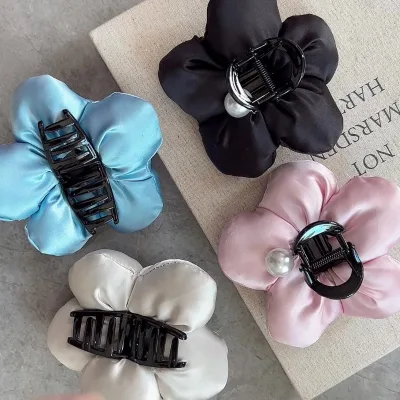
High Quality Flower Hairpin Clip Hair Products Fashion accessories Hot Selling
$0.80 - $0.89
MOQ: 100 Pieces


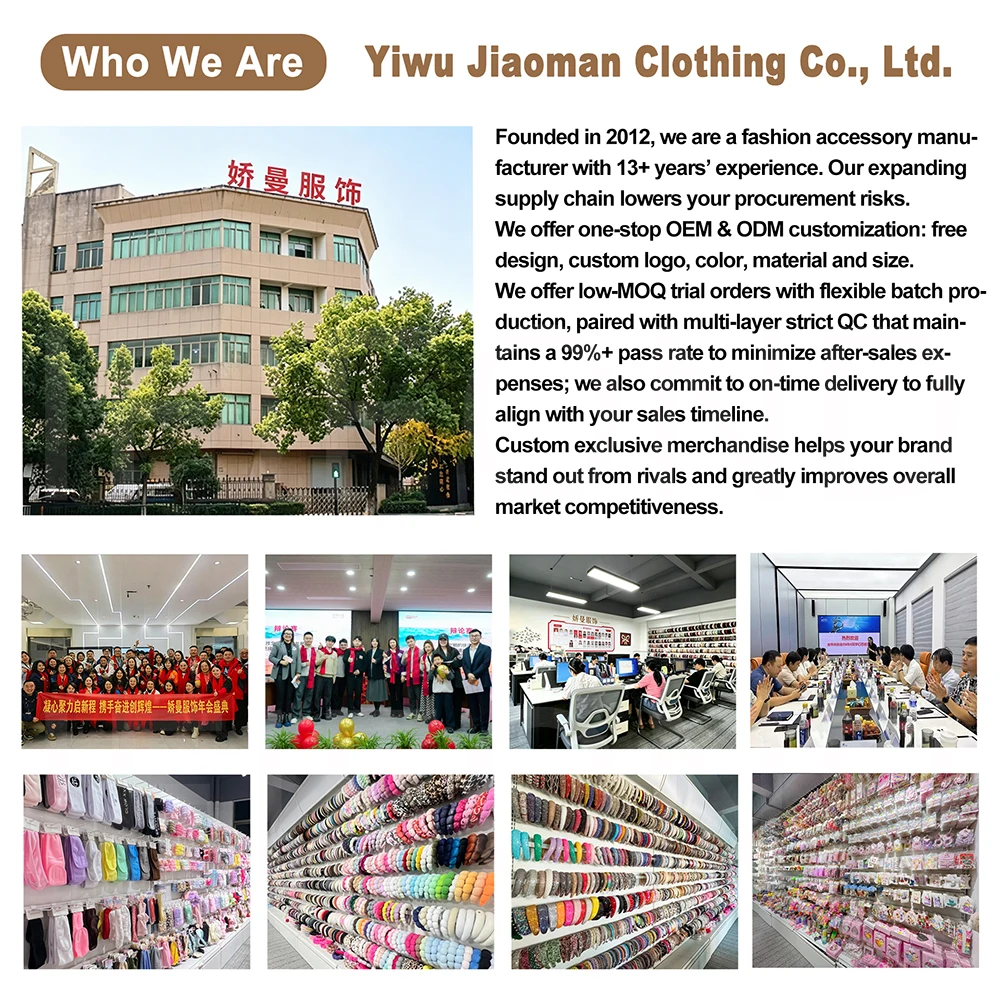
Yiwu Jiaoman Clothing Co., Ltd.
- Manufacturer, Trading Company
- Zhejiang, China
- Lead time35 days
- Avg. response≤ 2h
Main productsHair Scrunchies,Sports Headbands,Spa Headbands,Elastic Hair Ties,Hair Clips
Main marketsNorth America(63.00%), Western Europe(13.00%), Oceania(12.00%), Southern Europe(3.00%), Eastern Asia(2.00%), Mid East(2.00%), Northern Europe(2.00%), South Asia(2.00%), Eastern Europe(1.00%)
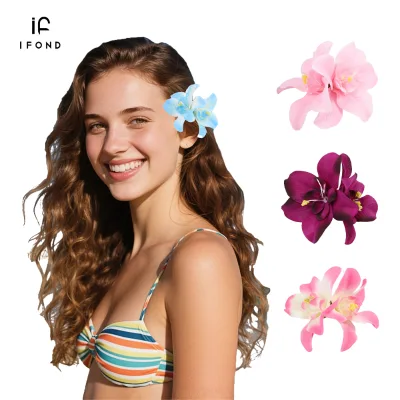
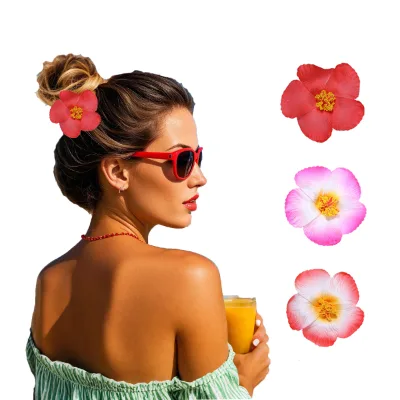
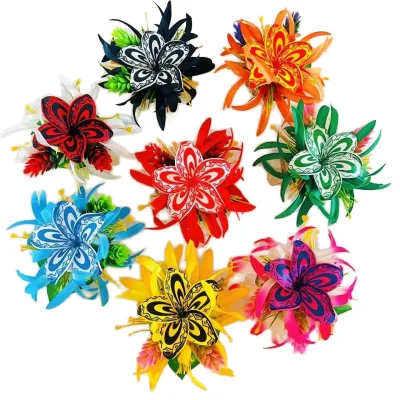
Wholesale Colorful Flower Hair Clips Fabric Vacation-Style Accessory for Festivals and Vacations
$0.25 - $0.30
MOQ: 12 pieces
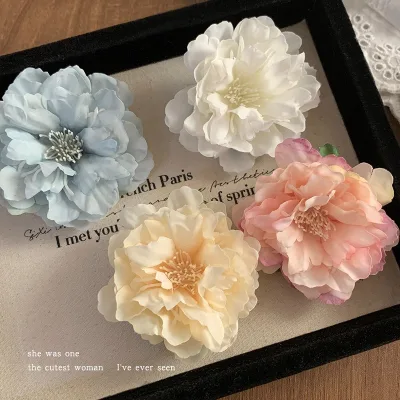
Elegant Simulation Flower Hair Accessories Fresh Flower Hair Clips for Girls Women
$0.21 - $0.27
MOQ: 12 pieces

- Verified by CTI
- Trading Company
- China Zhejiang
- Lead time23 days
- Avg. response≤ 15h
Main productsEarring, Vase, Scented Candles, Hair Ties, Bags
Main marketsSouth America,Europe,North America

Bowknot Hair Clip for Women Fabric Pearl Headwear Simple Hair Jewelry Gift
$1.29 - $1.49
MOQ: 12 Pieces


5PCS/Set Floral Rose Hair Clips for Women Girls Colorful Hair Accessories
$0.30 - $0.41
MOQ: 12 Pieces


Shenzhen Kingyard Int'l Trading Co., Ltd.
- Verified by SGS Group
- Trading Company
- Lead time30 days
- Avg. response≤ 4h
Main productsHair Accessories, Sport Accessories, Fashion Jewellery, Beauty Tools, Cosmetic Bag
Main marketsNorth America(40%), Western Europe(30%), Oceania(10%)
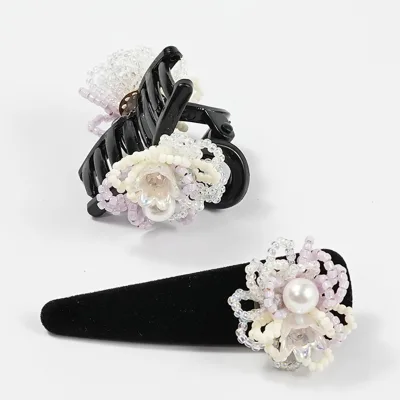
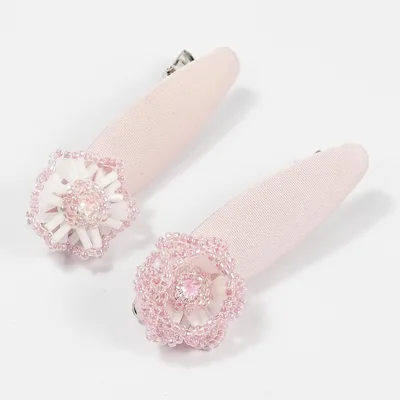
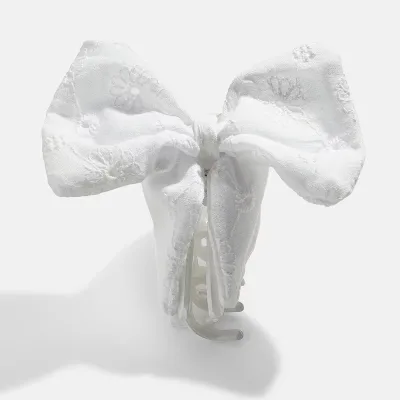
$0.62 - $0.70
MOQ: 500 pairs
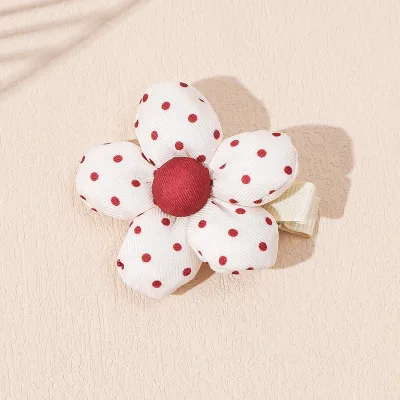
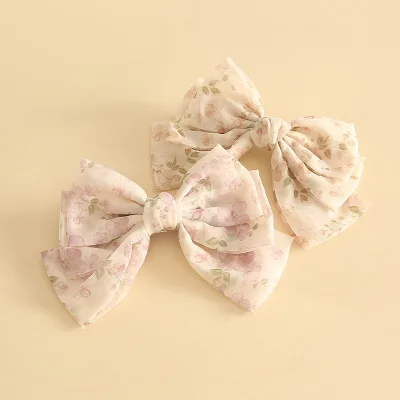

Dongguan Blue Queen Accessories Co., Limited
- Verified by SGS
- Manufacturer/Factory
- China Guangdong
- Lead time23 days
- Avg. response≤ 3h
Main productsHair Accessories, Apparel Accessories, Bag Charms, Bags
Main marketsSouth America,Eastern Europe,North America,Southeast Asia,Eastern Asia,Western Europe


Soft Feminine Women's Hair Accessory Light Pink Bow Hair Clip for Gentle Daily Styles
$0.10 - $1.10
MOQ: 300 Pieces

Fairy Colorful Delicate Small Lace Bow Hair Clips Daily Hair Accessories
$0.10 - $1.10
MOQ: 300 Pieces

Knitted Texture Multi-Color Bow Hair Clips 17 Colors Gentle Style Hair Accessories
$0.10 - $1.10
MOQ: 300 Pieces

Female Delicate Daily Styling Hair Clips Ornaments Pink Duckbill Hair Clips Set
$0.10 - $1.10
MOQ: 300 Pieces


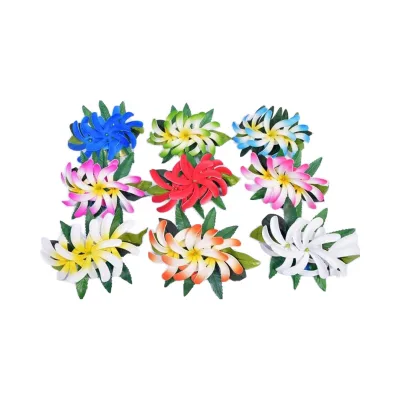


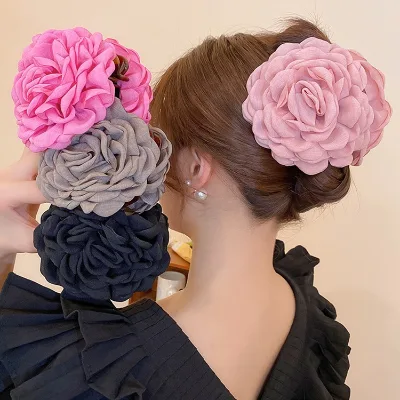
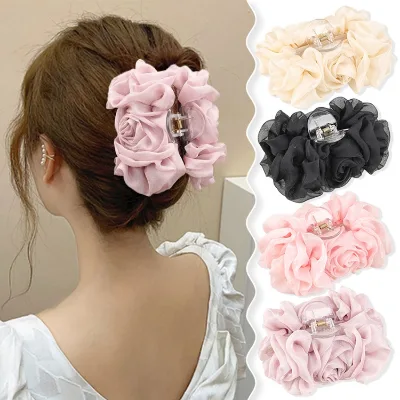


Comprehensive Sourcing Guide
Fabric Floral Hair Clip Supplier Concentration and Factory Types
The current supplier landscape for fabric floral hair clips reveals a distinct geographic concentration in Guangdong, China, which serves as a primary manufacturing hub for this specific accessory category. This region is well-established for producing a wide variety of hair accessories, including headbands, baby accessories, and intricate hair bows, indicating a mature supply chain ecosystem. Suppliers in this area often operate as both manufacturers and trading companies, offering buyers flexibility in engagement models. The presence of established production capabilities in Guangdong suggests that buyers can expect a high degree of specialization in textile-based hair decorations, where the integration of fabric, chiffon, and silk materials is routine. This concentration allows for efficient sourcing of raw materials and streamlined production processes, which is particularly beneficial for orders requiring complex fabric manipulations such as pleating, folding, and sewing for floral designs.
In contrast, some supplier results indicate a presence in Zhejiang, China, another significant industrial province known for fashion jewelry and hair clips. While the data shows a response time of two days for suppliers in this region, the lead time is listed as zero, which may indicate a drop-shipping model or a placeholder value rather than a standard manufacturing lead time. This distinction is crucial for buyers to understand when evaluating potential partners. The main products listed for Zhejiang-based suppliers include hair accessories, fashion jewelry, and hair claws, suggesting a broader product range that may include fabric floral clips as part of a larger catalog. Buyers should be aware that the factory type and operational focus can vary significantly between these regions, with Guangdong potentially offering more specialized textile expertise and Zhejiang providing a more generalized accessory supply. Understanding these regional differences helps in aligning supplier capabilities with specific product requirements and quality expectations.
How to Verify Fabric Floral Hair Clip Suppliers
Verifying the authenticity and reliability of suppliers requires a close examination of their response times and operational transparency. In the current results, response times vary, with some suppliers indicating a seven-day response window while others show a two-day response time. A faster response time often correlates with better customer service and more active account management, which is vital for resolving issues during the sourcing process. Buyers should prioritize suppliers who demonstrate prompt communication, as this can indicate a more professional and organized operation. Additionally, the company type, whether a manufacturer or a trading company, should be clearly stated. Manufacturers typically offer more control over production quality and customization, while trading companies may provide a wider variety of products from multiple factories. Buyers need to verify these claims by requesting detailed company profiles and checking for any available business licenses or certifications that confirm their legal standing and operational capacity.
Another critical aspect of verification is the consistency of product information and the clarity of their offerings. Suppliers should provide detailed product attributes, including material composition, model numbers, and specific usage instructions. For instance, some products are explicitly labeled for DIY hair flowers, while others are designed for daily decorative use. Buyers should look for suppliers who provide comprehensive product descriptions, including single package sizes, gross weights, and shipping methods. The presence of specific model numbers, such as HB0050 or HB2251, suggests a level of product standardization and traceability. Buyers should also inquire about the brand names associated with the products, as some suppliers may offer custom branding services. By cross-referencing these details with the supplier’s stated capabilities, buyers can gain a clearer picture of their operational maturity and reliability. It is essential to ensure that the information provided is accurate and up-to-date, as discrepancies can signal potential risks in the supply chain.
What to Compare Across Fabric Floral Hair Clip Suppliers
When comparing suppliers, the minimum order quantity (MOQ) is a significant factor that influences purchasing decisions. The current data shows a range of MOQs, with some suppliers requiring a minimum of 100 pieces per color, while others offer a lower threshold of 50 pieces per color. This variation allows buyers to select suppliers that align with their inventory needs and budget constraints. For smaller orders, suppliers with lower MOQs are preferable, as they reduce the financial risk associated with unsold stock. Conversely, larger orders may benefit from suppliers with higher MOQs, as they often come with more competitive pricing and established production lines. Buyers should also consider the price range, which varies from approximately $0.25 to $0.96 per unit depending on the material and design complexity. Comparing these costs against the MOQ helps in determining the overall value proposition of each supplier.
In addition to MOQ and pricing, buyers should evaluate the shipping methods and delivery times offered by different suppliers. The current results indicate various shipping options, including DHL, UPS, FedEx, and sea freight, each with different cost and time implications. Some suppliers specify a delivery time of 7-15 days, while others do not provide a clear lead time, which could be a red flag for buyers needing timely deliveries. The single gross weight and package size are also important for calculating shipping costs and storage requirements. For example, a product with a single gross weight of 0.026 kg and a package size of 9x9x5 cm will have different logistical considerations compared to a product weighing 0.010 kg with a package size of 30x15x2 cm. By comparing these logistical details, buyers can make more informed decisions about which supplier best fits their operational needs and budget.
Common Fabric Floral Hair Clip Sourcing Risks
One of the primary risks in sourcing fabric floral hair clips is the inconsistency in product quality and material specifications. The current data shows a variety of materials used, including chiffon, silk, and fabric, each with different durability and aesthetic properties. Buyers must ensure that the material specified in the product description matches the actual product received, as discrepancies can lead to customer dissatisfaction and returns. For instance, a product labeled as silk may actually be made of a synthetic blend, affecting its perceived value and performance. To mitigate this risk, buyers should request samples before placing large orders and verify the material composition through independent testing if necessary. Additionally, the color options listed, such as neon pink, coral, and ivory, should be carefully reviewed to ensure they meet the buyer’s design requirements, as color variations can be significant between different batches or suppliers.
Another risk is the potential for delays in production and shipping, which can disrupt supply chains and impact sales. While some suppliers provide clear lead times, others may have ambiguous or non-existent delivery schedules, as seen with the zero lead time listed for some Zhejiang-based suppliers. This ambiguity can make it difficult for buyers to plan their inventory and meet customer demand. Furthermore, the reliance on third-party shipping carriers like DHL, UPS, and FedEx introduces additional variables, such as customs clearance and transit times, which can vary by destination. Buyers should establish clear communication channels with their suppliers to monitor production progress and shipping status. It is also advisable to include penalty clauses in contracts for late deliveries to protect against potential disruptions. By proactively addressing these risks, buyers can build a more resilient and reliable supply chain for their Fabric Floral Hair Clip products.
Fabric Floral Hair Clip Regional Sourcing and Logistics
The geographic location of suppliers plays a crucial role in determining logistics costs and delivery efficiency. Guangdong, China, is a major manufacturing hub for hair accessories, offering a concentrated ecosystem of suppliers and raw material providers. This concentration can lead to lower production costs and faster turnaround times due to the proximity of suppliers to each other and to major shipping ports. Buyers sourcing from Guangdong can benefit from established logistics networks and competitive freight rates, particularly for sea freight, which is often used for larger, heavier shipments. The presence of multiple shipping methods, including DHL, UPS, and FedEx, provides flexibility for buyers who need expedited delivery for smaller orders. However, buyers should also consider the environmental and regulatory aspects of sourcing from this region, as local policies can impact production and shipping processes.
In contrast, sourcing from Zhejiang, China, may offer different logistical advantages, particularly for buyers looking for a broader range of fashion accessories. The two-day response time for some suppliers in this region suggests a high level of operational efficiency, which can be beneficial for quick order processing. However, the zero lead time listed for some suppliers raises questions about their actual production capabilities and inventory management. Buyers should investigate these discrepancies to ensure that they are not relying on drop-shipping models that may lack quality control. Additionally, the single package sizes and gross weights for products from Zhejiang should be carefully evaluated to determine the most cost-effective shipping method. By understanding the logistical implications of sourcing from different regions, buyers can optimize their supply chain and reduce overall costs while maintaining product quality and delivery reliability.
Fabric Floral Hair Clip Commercial Terms and Order Planning
Commercial terms, including payment methods and customization services, are essential considerations for buyers planning their orders. The current data shows that suppliers accept various payment methods, such as PayPal, T/T, and Western Union, providing flexibility for buyers with different financial preferences. Buyers should choose payment methods that offer the best balance of security and convenience, considering factors such as transaction fees and currency exchange rates. Additionally, some suppliers offer customization services, including mold making and sample making, which can be valuable for buyers looking to create unique products. These services allow for greater control over the final product design and quality, but they may also involve additional costs and longer lead times. Buyers should clearly communicate their customization requirements to suppliers and negotiate terms that align with their budget and timeline.
Order planning also involves managing inventory levels and forecasting demand based on the MOQ and price ranges of different suppliers. The varying MOQs, from 50 to 100 pieces per color, require buyers to carefully assess their sales projections and storage capacity. For buyers with limited storage space, suppliers with lower MOQs may be more suitable, allowing for more frequent, smaller orders. Conversely, buyers with ample storage and consistent demand may benefit from larger orders to take advantage of economies of scale. It is also important to consider the product lifecycle and seasonal trends when planning orders, as fabric floral hair clips may have peak demand periods. By aligning their order planning with supplier capabilities and market trends, buyers can optimize their inventory management and maximize profitability. Regularly reviewing and adjusting these plans based on sales data and supplier performance is crucial for long-term success in this competitive market.
FAQs
What is the typical MOQ for fabric floral hair clips?
Most suppliers require a minimum order of 100 pieces per color for standard fabric hair clips. Some manufacturers offer lower thresholds, such as 50 pieces per color, for custom silk or specific model numbers. Buyers should verify the exact quantity requirements with the supplier before placing an order to ensure production readiness.
How long does production take for these hair accessories?
Standard lead times for fabric floral hair clips range from 7 to 15 days after order confirmation. Some suppliers list a general lead time of 10 days, while others may have zero days for ready stock items. Delivery times vary based on shipping method, so buyers should confirm the exact schedule with the manufacturer.
Where are these hair clips manufactured?
The majority of fabric floral hair clips are manufactured in Guangdong, China. Some suppliers are also located in Zhejiang, China. These regions are known for their strong supply chains in hair accessories and fashion jewelry. Buyers can filter results by these specific locations to find suppliers with established manufacturing capabilities.
What materials are used for fabric floral hair clips?
Common materials include chiffon, silk, and general fabric. Some clips feature additional elements like beads, sequins, or mesh bows. The material choice affects the final look and durability. Buyers should check the product specifications for details on material composition, such as whether the flower is made of artificial silk or plain fabric.
What is the price range for these hair clips?
Prices for fabric floral hair clips typically range from $0.25 to $0.96 per piece. The cost depends on the material, complexity, and order quantity. Simple chiffon clips may start at $0.25, while custom silk or detailed designs can cost up to $0.96. Buyers should request quotes based on their specific design and volume requirements.
How quickly do suppliers respond to inquiries?
Response times vary among suppliers, with some responding within 2 hours and others taking up to 7 hours. Faster response times indicate active customer service teams. Buyers should prioritize suppliers with quick response times to ensure efficient communication during the sourcing process and to address any questions about customization or shipping promptly.