Carbon Fiber Racing SUP Paddle Suppliers and Manufacturers
Compare 25 verified suppliers offering Carbon Fiber Racing SUP Paddle with adjustable lengths, varying lead times, and distinct pricing tiers. Review response times and customization options to select the right partner for your order; review the available evidence before requesting comparable quotations from suitable candidates.
Suppliers List

Shenzhen Sunrise International Ltd.
- Trading Company
- China Guangdong
- Lead time23 days
- Avg. response≤ 12h
Main productsSurfboard, Sup Boards, Paddles, Traction Pad, Surfboard Leash, Surfboard Fin
Main marketsSouth America,Southeast Asia/ Mideast,East Asia(Japan/ South Korea),Domestic,Europe,Australia,North America


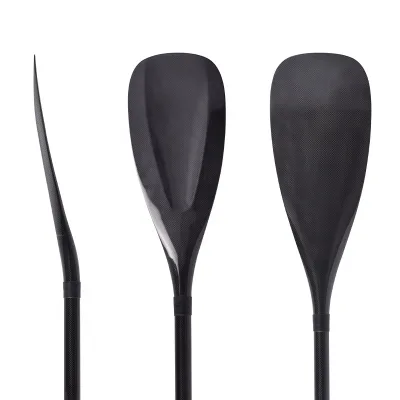
Wholesale Adjustable Stand-up Paddle Sup Carbon Fiber Paddle for Sup/Inflatable Board
$50.00 - $90.00
Moq: 50


Zibo Xinnuo International Trading Co., Ltd
- Verified by CTI
- Trading Company
- China Shandong
- Lead time15 days
- Avg. response≤ 3h
Main productsCarbon Fiber Tube, Carbon Fiber Plate, Carbon Fiber Telescopic Pole, Carbon Fiber Sheet, Custom Carbon Fiber Tubing, Fiberglass Tubes Plates, Carbon Fiber Window Cleaning Pole, Carbon Fiber Wate Fed Pole, Carbon Fiber Rescue Pole, Carbon Fiber Rod
Main marketsDomestic,Europe,Australia,North America
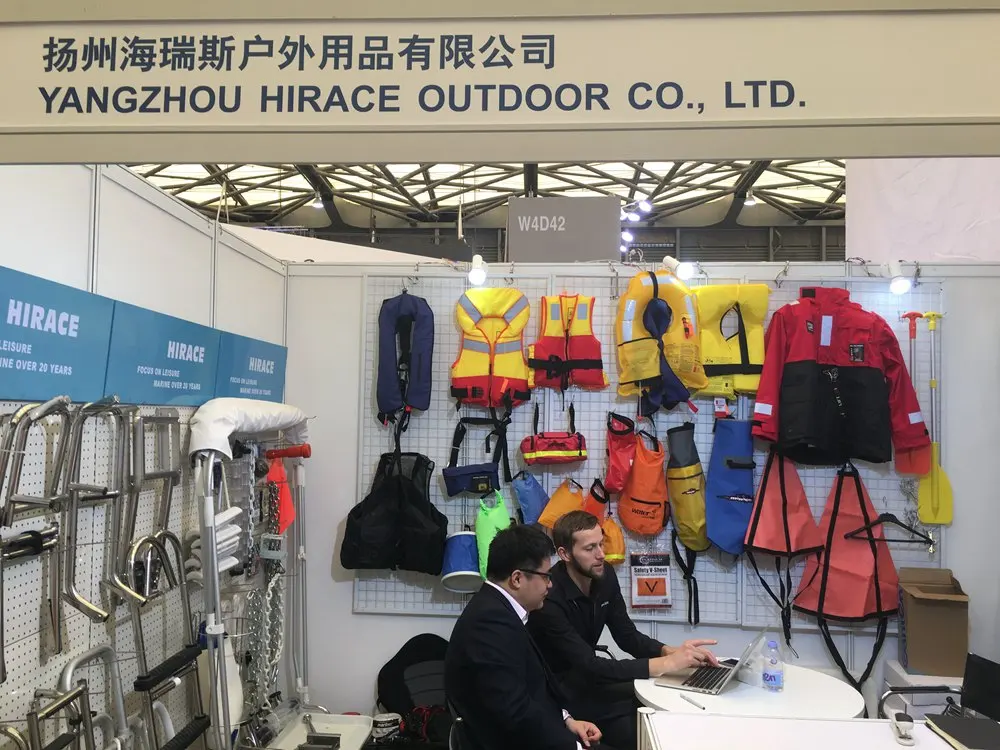
Yangzhou Hirace Outdoor Co., Ltd.
- Trading Company
- Jiangsu, China
- Lead time30 days
- Avg. response≤ 5h
Main productsOutdoor Products,Boat Accessories,Life Jacket,Hardware Fitting,Bimini Top
Main marketsNorth America(40.0%), Oceania(30.0%), Western Europe(10.0%), Eastern Europe(10.0%), Northern Europe(5.0%), Mid East(5.0%)
- Verified by Intertek
- Manufacturer, Trading Company
- Lead time30 days
Main productsSurfboard Leash, Surfboard Fins, Surfboard Pad
Main marketsNorth America(35%), Oceania(25%), Western Europe(25%)
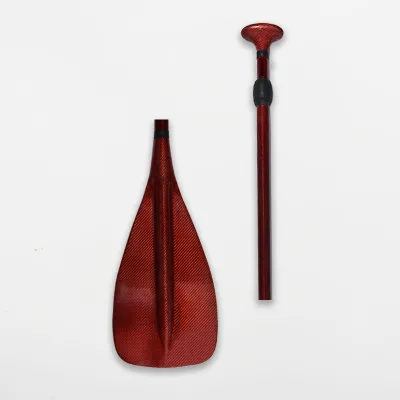
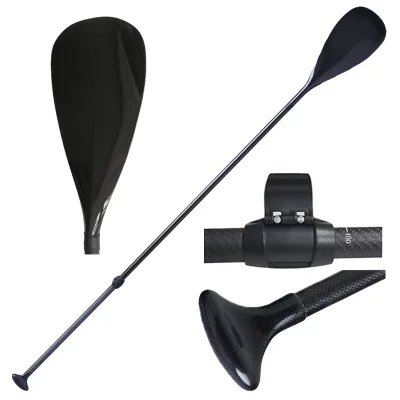
Latest Style OEM Welcome SUP Carbon Fiber or Fiber Glass Paddle Stand up Paddle for SUP
$15.30 - $18.80
Moq: 50
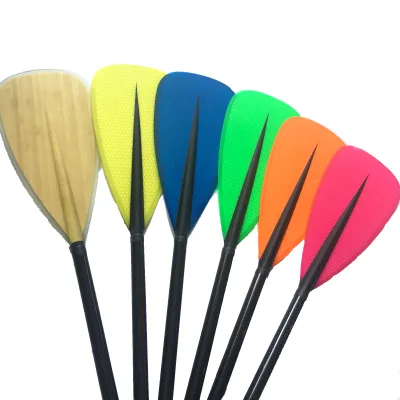
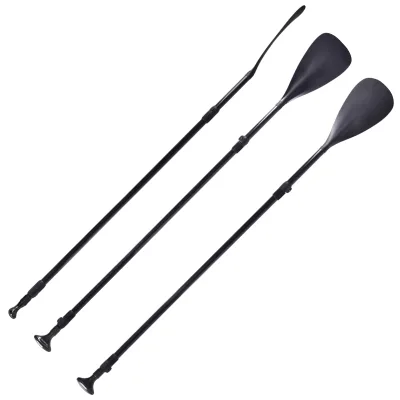
Sup Paddles Adjustable Carbon/Fiberglass Paddle Honeycomb Blade SUP-Paddle 3 Piece
$35.00 - $40.00
Moq: 50
Dongguan Juli Composite Technology Co., Ltd.
- Verified by TüVRheinland
- Manufacturer, Trading Company
- Lead time20 days
- Avg. response≤ 3h
Main productsCarbon Fiber Tube, Carbon Fiber Products, Carbon Fiber Golf Shaft, Carbon Fiber Sheet, New Energy Vehicle Parts
Main marketsNorth America(35%), Western Europe(15%), Domestic Market(15%)
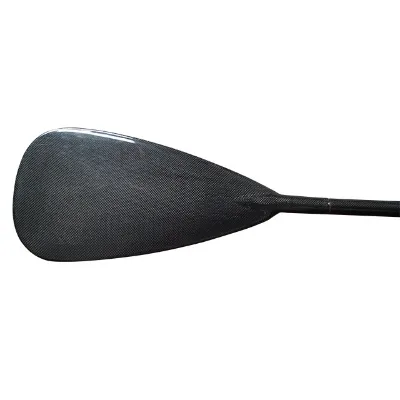
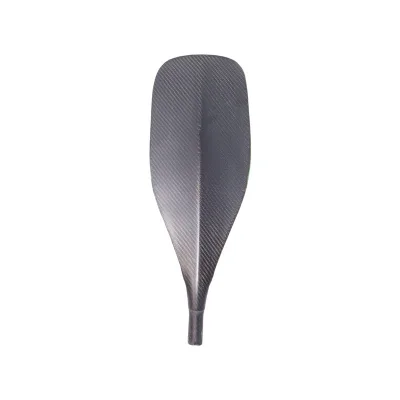
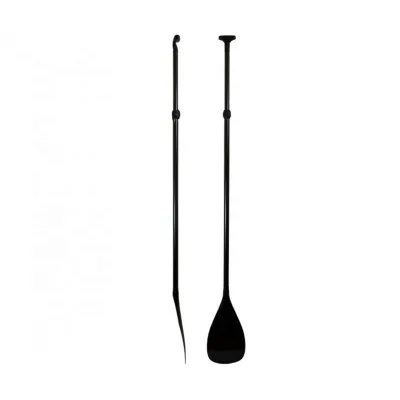
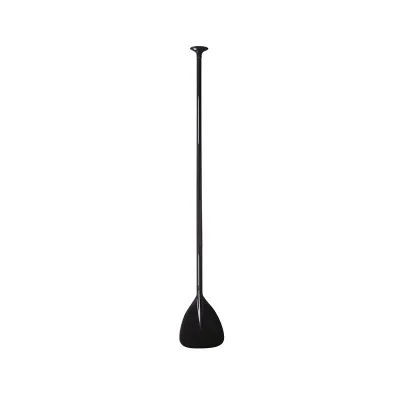
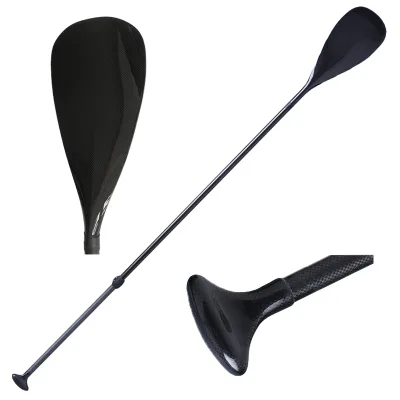
Customized High Quality Adjustable Carbon Fiber SUP Paddle
$20.00 - $85.00

Qingdao Joineasy International Trade Co., Ltd.
- Verified by TUVRHEINLAND
- Trading Company,Manufacturer/Factory
- China Shandong
- Lead time0 days
- Avg. response≤ 8h
Main productsInflate & Deflate Valves &, Oars & Accessories, Mooring Ropes, PVC Fabrics, Rubbing Strips, Outdoor Folding Series, Pumps & Accessories, Feeding Bucket, Boat The Accessories, Ice Bath Tub

Ningbo Nathan Machinery Co., Ltd.
- Trading Company,Manufacturer/Factory
- China Zhejiang
- Lead time45 days
- Avg. response≤ 14h
Main productsAluminum Casting, Investment Casting, Die Casting, Sand Casting, Iron Casting, Stainless Steel Casting
Main marketsEastern Europe,North America,Oceania,Western Europe


High Quality OEM ODM Customized Service Fiber Glass, Carbon Paddle for Sup, Kayak
$10.00 - $15.00
Moq: 10

Customized Service Water Transfer Printing Fiber Glass/Carbon Paddle for Sup, Kayak
$10.00 - $15.00
Moq: 10


Customized OEM Double Bladed Sup Combination Aluminum Paddle Two Headed Paddle
$12.00 - $14.00
Moq: 10


Hebei Jixingxin Composite Material Co., Ltd.
- Combined
- China Hebei
- Lead time15 days
- Avg. response≤ 1h
Main productsFRP Pultrusion Profile, Fiberglass Bars, FRP Grille, FRP Water Tank, Glass Reinforced Plastic Bridge, FRP Pipe
Main marketsAfrica,Southeast Asia/ Mideast,North America
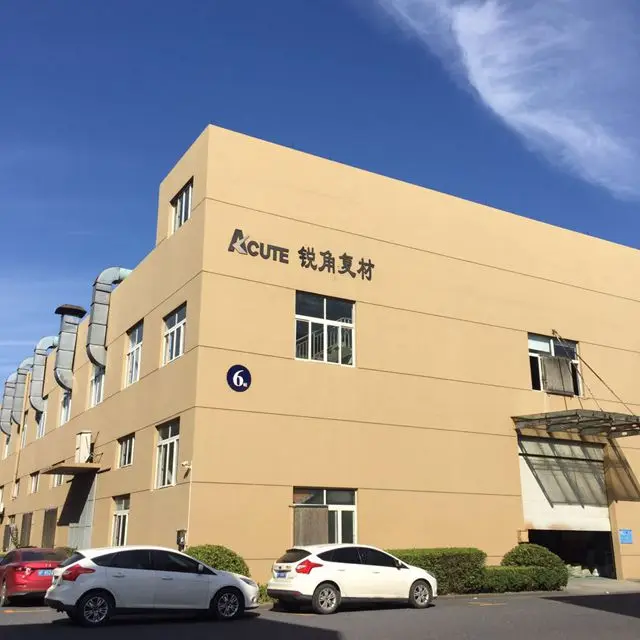
Jiaxing Acute Composites Technology Co., Ltd.
- Manufacturer
- Zhejiang, China
- Lead time30 days
- Avg. response≤ 16h
Main productscarbon fiber plate,carbon fiber tube,carbon fiber parts,carbon fiber insoles,carbon fiber components
Main marketsDomestic Market(35.0%), North America(35.0%), Western Europe(20.0%), Northern Europe(10.0%)
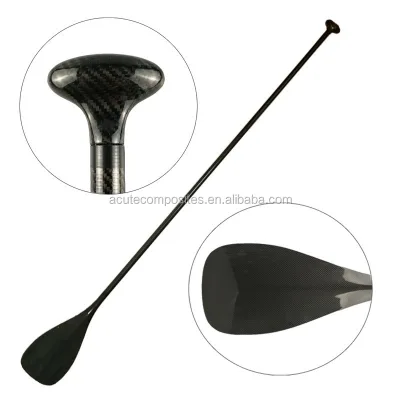
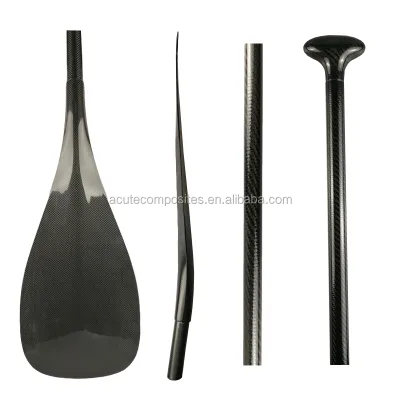
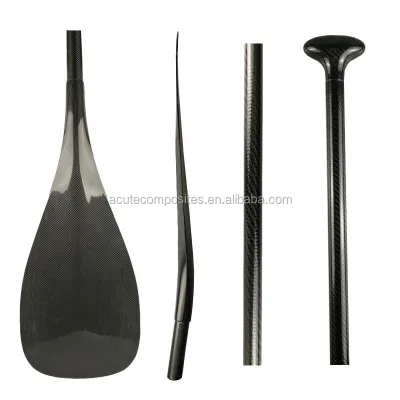
Custom Design 3K Carbon Fiber Stand-Up Paddle Blade
Contact supplier
Huizhou Guanyong Sports Equipment Co., Ltd.
- Verified by TüVRheinland
- Trading Company
- Lead time15 days
- Avg. response≤ 2h
Main productsHydrofoil, Hydrofoil Assist, Paddle, Foil Board
Main marketsNorth America(38%), Domestic Market(30%), Western Europe(12%)
Shandong Ifish Outdoors Co., Ltd.
- Verified by TüVRheinland
- Manufacturer, Trading Company
- Lead time0 days
Main productsFinishing Lures, Fishing Toolings
Main marketsNorth America(20%), South America(15%), Eastern Asia(15%)

Weihai Hi Wobang Yacht Co., Ltd.
- Verified by SGS
- Manufacturer/Factory
- China Shandong
- Lead time23 days
- Avg. response≤ 15h
Main productsInflatable Boat, Air Track, Inflatable Toy, Kayak, Surfboard, Sup, Air Bed, Inflatable Paddle Board, Inflatable Sup, Tent
Main marketsSouth America,Eastern Europe,Mid East,North America,Eastern Asia,Western Europe
- Trading Company
- Suzhou, China
- Lead time30 days
- Avg. response≤ 9h
Main productsInflatable Surfing Board,Air Track,Inflatable Boat,Wetsuit,Camping
Main marketsSouthern Europe(100.0%), Eastern Asia(100.0%), Mid East(100.0%), South Asia(100.0%), Africa(100.0%), Southeast Asia(100.0%), Eastern Europe(100.0%), South America(100.0%), Central America(100.0%), North America(40.0%), Western Europe(20.0%), Northern Europe(20.0%), Domestic Market(10.0%), Oceania(10.0%)
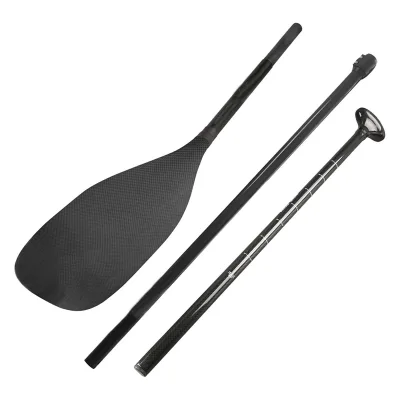
![[Carbon Fiber] High Quality Adjustable Paddle for SUP Board](https://file.focusaim.com/api/image/preview/4ae4f6a9e5e0257d60ff0e4611a28cfc.png?bi=true&local=true)
[Carbon Fiber] High Quality Adjustable Paddle for SUP Board
$69.00 - $89.00
![[Carbon Fiber] Professional Lightweight SUP Pad Adjustable Dragon Boat Paddle with Soft Protector](https://file.focusaim.com/api/image/preview/94ee94e8dc7f9a2630d9c07bdce5cdb2.png?bi=true&local=true)
Qingdao Joineasy International Trade Co., Ltd.
- Verified by SGS Group
- Trading Company
- Lead time20 days
- Avg. response≤ 2h
Main productsInflatable Tub, Inflatable Platform, SUP Board, Inflatable Tents, Inflatable Containers
Main marketsNorth America(40%), Western Europe(25%), Oceania(5%)
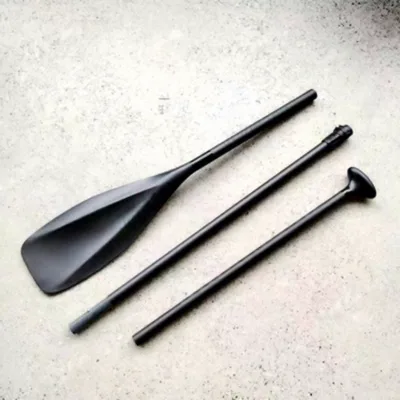
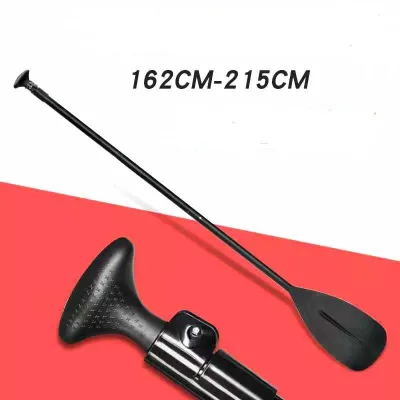
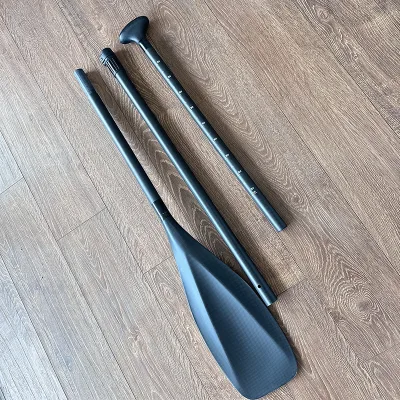
Wholesale SUP Carbon Fiber Paddle Stand up Paddle Carbon Grip for Sup Boat Marine Oar
$49.26 - $61.57
Moq: 10

Best Rise Technology Co., Ltd.
- Verified by SGS
- Trading Company
- China Guangdong
- Lead time30 days
- Avg. response≤ 8h
Main productsInflatable Paddle Board, Kayak, Inflatable Boats, Inflatable Ice Bath Tub, Inflatable Platform, Inflatable Pool
Main marketsAustralia

Ivory Tiger Technology (Shenzhen) Co., Ltd.
- Verified by SGS
- Trading Company
- China Guangdong
- Lead time30 days
- Avg. response≤ 18h
Main productsDrone, Scooter, Motor, ATV, UTV, Sport Products, Pool Table, Drift Go Kart - Mini Porsche
Main marketsDomestic

TIANCHANG ZHENGMU TECHNOLOGY CO., LTD.
- Verified by CTI
- Combined
- China Anhui
- Lead time30 days
- Avg. response≤ 1h
Main productsBaseball&Softball Bats, Baseball&Softballs, Laminated&Rubber Basketball, Machine-Stitched&Rubber Football, Machine-Stitched&Laminated Soccer, Multiple Rackets, Volleyball and Badminton Combo Set, Horsehoes Set, Volleyball Set, Bocce Set
Main marketsSouth America,Domestic,Europe,North America

Guangdong Guosheng Carbon Fiber Composites Co., Ltd.
- Verified by TUVRHEINLAND
- Manufacturer/Factory
- China Guangdong
- Lead time0 days
- Avg. response≤ 3h
Main productsPickleball Paddle, Padel Racket, Beach Tennis Racket, Racquet, Bicycle Parts
Main marketsSouth America,Eastern Europe,Mid East,North America,Southeast Asia,Eastern Asia,Oceania,Western Europe,Africa

Carbon Fiber Outdoor Carbon Fiber Board-Style Beach Paddle with Customizable Logo
$18.00 - $42.00
Moq: 300


Guangzhou Barry Industrial Co., Ltd.
- Verified by CTI
- Combined
- China Guangdong
- Lead time15 days
- Avg. response≤ 1h
Main productsInflatable Water Park, Inflatable Sport Game, Inflatable Water Slide, Swimming Pool, Bouncy Castle, Inflatable Dock, Air Track, Inflatable Theme Park, Inflatable Tent, Inflatable Obstacle Course
Main marketsSouth America,Southeast Asia/ Mideast,East Asia(Japan/ South Korea),Domestic,Europe,Australia,North America

Qingdao Colton Yacht Co., Ltd.
- Trading Company
- China Shandong
- Lead time30 days
- Avg. response≤ 23h
Main productsAluminum Rib, Fiberglass Rib, Inflatable Boat, Fiberglass Boat, Aluminum Boat, Boat Accessories
Main marketsEurope,Australia,North America

Weihai P.F. Outdoor Products Co., Ltd.
- Trading Company
- China Shandong
- Lead time0 days
- Avg. response≤ 7h
Main productsInflatable Paddle Board, Inflatable Boats, Air Tracks, Hard Lures, Soft Lures, Spinner Baits, Frog Lure, Metal Lures, Jigs, Kayak
Huizhou Jinfengsheng Technology Co., Ltd.
- Trading Company
- Guangdong Province, China
- Lead time7 days
- Avg. response≤ 1h
Main productsHydrofoil and accessories,Underwater Scooter,Foil Drive Booster,Efoil,Diving Suit
Main marketsSouth America(20.0%), Mid East(15.0%), North America(15.0%), Eastern Europe(10.0%), Southeast Asia(10.0%), Domestic Market(8.0%), Southern Europe(5.0%), Northern Europe(5.0%), Central America(5.0%), Eastern Asia(5.0%), Western Europe(2.0%)
Hangzhou Feixing Technology Co., Ltd.
- Trading Company
- Zhejiang, China
- Lead time30 days
- Avg. response≤ 2h
Main productsBilliard Cue Shafts,Ice Hockey Stick,carbon fiber tube,carbon fiber auto parts,Custom Parts
Main marketsSouthern Europe(20.0%), Central America(20.0%), North America(20.0%), South America(10.0%), Western Europe(10.0%), Mid East(5.0%), Northern Europe(5.0%)

Zhejiang Fenglang Mechanical and Electrical Equipment Co., Ltd.
- Verified by SGS
- Combined
- China Zhejiang
- Lead time15 days
- Avg. response≤ 25h
Main productsStand up Paddle Board, Aquabike, Inflatable Bathtub
Main marketsDomestic,Europe,North America

Lightweight Build Impact Resistant Stand up Paddle for Competitive Racing Board Sup
$77.00 - $82.00
Moq: 1

New Design Impact Resistant Stand up Paddle for River Floating Sup Paddle Board
$77.00 - $82.00
Moq: 1


High Quality Impact Resistant Stand up Paddle for Ocean Surfing Sup Paddle Board
$77.00 - $82.00
Moq: 1

Zhong Xing Da (Hangzhou) Import & Export Co., Ltd.
- Verified by SGS
- Manufacturer/Factory
- China Zhejiang
- Lead time45 days
- Avg. response≤ 5h
Main productsCooking, Cookware, Waterfun, Fishing, Camping, RV
Main marketsSouth America,Eastern Europe,North America,Western Europe








Comprehensive Sourcing Guide
Carbon Fiber Racing SUP Paddle Supplier Concentration and Factory Types
Current data indicates a concentration of suppliers in China, specifically within the Guangdong province, where trading companies dominate the surfboard and paddle market. These entities often list main products including surfboards, SUP boards, paddles, and traction pads, suggesting a specialized ecosystem for water sports equipment. The presence of a trading company type implies that some sellers may not own the manufacturing facility but rather source from local factories to fulfill orders. This structure can affect lead times and communication efficiency, as the trading company acts as an intermediary between the buyer and the production line.
In contrast, other results point to manufacturers in Shandong and Jiangsu provinces that focus on carbon fiber tubes, plates, and telescopic poles, indicating a broader industrial base for carbon fiber materials. These suppliers often list specific carbon fiber products like kayak paddles and rescue poles, which suggests a capability to produce high-performance racing SUP paddles. The distinction between trading companies and direct manufacturers is critical; trading companies may offer a wider variety of finished goods, while manufacturers in these regions might provide more control over raw material quality and production standards. Buyers must verify if the supplier is a direct factory or a trading entity to understand the supply chain depth.
How to Verify Carbon Fiber Racing SUP Paddle Suppliers
Verification begins with checking for specific system certifications and verification badges, such as CTI, which appear in supplier profiles. While some suppliers display "Others" for system certification, others may hold recognized third-party verification that confirms their business legitimacy and operational capacity. Buyers should prioritize suppliers who provide clear evidence of their verification status rather than relying on general claims. The response time is another critical metric; a supplier with a response time of 2.58 hours demonstrates higher engagement levels compared to those with slower reply rates, which can be crucial for resolving technical queries about carbon fiber specifications.
Beyond digital badges, buyers must scrutinize product attributes to ensure the supplier can meet racing standards. Evidence shows products with specific raw materials like polyacrylonitrile-based carbon fiber and mechanical properties labeled as high-performance or high-strength. These details confirm the supplier's ability to produce specialized racing gear rather than generic recreational paddles. Buyers should request documentation for these material claims and verify that the finished product attributes, such as sanded or polished finishes, match the requirements for competitive use. Without concrete evidence of these specific material properties, the supplier's capability to deliver high-end racing equipment remains unproven.
What to Compare Across Carbon Fiber Racing SUP Paddle Suppliers
When evaluating potential partners, lead time is a primary differentiator, with observed ranges spanning from 15 days to 30 days depending on the supplier's location and capacity. A supplier in Shandong might offer a 15-day lead time, while those in Jiangsu or Guangdong could require up to 30 days for production and shipping. This variance significantly impacts inventory planning and order fulfillment speed. Buyers must align their order timelines with these specific lead times to avoid stockouts, especially for racing events with fixed dates. Comparing these durations directly helps in selecting a supplier that matches the urgency of the procurement need.
Minimum Order Quantity (MOQ) and pricing structures also vary widely across the supplier base, requiring careful financial analysis. Some suppliers list an MOQ of 5 units with prices ranging from 60 to 75 dollars, while others require 10 or 50 units with prices starting as low as 10 dollars or as high as 168 dollars. This disparity suggests different target markets, from small boutique orders to large wholesale contracts. Buyers should compare the price per unit against the MOQ to determine the most cost-effective option for their volume. Additionally, response times ranging from 2.58 to 11.28 hours can influence the negotiation process, with faster responders potentially offering better service levels for custom orders.
Common Carbon Fiber Racing SUP Paddle Sourcing Risks
One significant risk involves the ambiguity of material composition, as some product listings mention "Carbon Fiberglass" or "Wood" alongside carbon fiber. For racing applications, the purity of the carbon fiber is paramount, and the presence of fiberglass or wood in the material mix can compromise the weight and stiffness required for high performance. Buyers must verify that the "Raw Materials" field explicitly states polyacrylonitrile-based carbon fiber without blending in lower-grade materials. Relying on generic terms like "Carbon Fiber" without specific chemical composition details can lead to receiving paddles that do not meet racing standards, resulting in product failure or safety issues.
Another risk stems from inconsistent packaging and shipping standards, which can damage delicate carbon fiber components during transit. Evidence shows varied packing methods, from bubble wrap and plastic sheets to simple cartons, with no standardized protection protocol listed for all suppliers. A supplier in Guangdong might pack items differently than one in Jiangsu, affecting the likelihood of damage upon arrival. Buyers should explicitly request detailed packing specifications that ensure the carbon fiber tubes are protected against impact and moisture. Without a verified packing standard, the risk of receiving damaged goods increases, leading to additional costs for replacements and delays in project timelines.
Carbon Fiber Racing SUP Paddle Regional Sourcing and Logistics
Geographic location plays a pivotal role in logistics planning, with suppliers concentrated in Guangdong, Shandong, and Jiangsu provinces. Each region offers different logistical advantages; Guangdong is a major hub for water sports equipment, while Shandong and Jiangsu provide strong industrial bases for carbon fiber manufacturing. Buyers should consider the proximity of the factory to major ports to minimize inland transportation costs and time. The origin of the product, whether listed as Shenzhen, Guangdong, or Jiangsu, directly influences the shipping route and potential transit delays. Understanding these regional clusters helps in estimating accurate delivery windows and selecting suppliers with efficient export capabilities.
Logistics efficiency is further determined by the supplier's ability to handle international shipping and customs documentation. Some suppliers list specific product origins like "China" or "Guangdong," which are essential for customs declarations. Buyers must ensure that the supplier provides clear documentation regarding the country of origin to avoid customs hold-ups. Additionally, the response time of the supplier can impact how quickly shipping issues are resolved. A supplier with a rapid response time can better coordinate with freight forwarders to expedite shipments. Buyers should verify the supplier's experience with international logistics to ensure a smooth delivery process from the factory gate to the final destination.
Carbon Fiber Racing SUP Paddle Commercial Terms and Order Planning
Commercial terms vary significantly, with payment methods often customized to the buyer's needs, such as "as Customized Like" arrangements. Buyers must clarify these terms early to avoid misunderstandings regarding deposit requirements and final payment schedules. The flexibility in payment terms can be a negotiating point, especially for large orders where cash flow is a concern. However, buyers should also be aware of the risks associated with non-standard payment methods and ensure that escrow services are utilized to protect funds until the goods are delivered as specified. Clear communication on payment terms is essential for maintaining a healthy business relationship.
Order planning must account for the specific customization options available, such as adjustable lengths and custom logos. Evidence shows that customization is available for many products, with options for different sizes ranging from 170cm to 220cm. Buyers should plan their orders well in advance to accommodate the production time required for custom features. The delivery time for customized items may differ from standard products, so it is crucial to confirm the timeline before placing an order. Additionally, buyers should verify the minimum order quantities for customized items, as these may be higher than standard stock items. Proper planning ensures that the final product meets the specific requirements of the racing team or event.
FAQs
What is the price range for carbon fiber SUP paddles?
Prices for carbon fiber SUP paddles range from 30 to 168 dollars depending on the specific model and customization options. Basic adjustable models start around 30 dollars, while high-performance competition paddles can reach up to 168 dollars. Buyers should verify exact pricing based on their required quantity and specific product features.
What are the typical lead times for these paddles?
Lead times for carbon fiber SUP paddles vary between 15 and 30 days based on the supplier location and order volume. Some suppliers in Guangdong offer faster delivery within 23 days, while others in Jiangsu may require up to 30 days. Buyers must confirm the specific timeline with the chosen manufacturer before placing an order.
Is customization available for carbon fiber SUP paddles?
Yes, customization is available for most carbon fiber SUP paddles listed in the current results. Suppliers offer options for adjustable lengths, custom logos, and specific material blends like wood or carbon fiberglass. Buyers should check the product attributes section to confirm the exact customization capabilities for their desired model.
What is the minimum order quantity for these paddles?
The minimum order quantity for carbon fiber SUP paddles ranges from 5 to 50 units depending on the supplier and product type. Some high-end models require a minimum of 50 units, while others allow orders as low as 5 or 10 units. Buyers need to verify the specific MOQ for the exact product they intend to purchase.
Where are these carbon fiber paddles manufactured?
These carbon fiber paddles are primarily manufactured in China, with specific production hubs in Guangdong, Shandong, and Jiangsu provinces. Suppliers in Guangdong often list Shenzhen as the origin, while others in Shandong and Jiangsu provide their respective regional details. Buyers should confirm the exact place of origin for shipping and quality assurance purposes.
What response times can buyers expect from suppliers?
Supplier response times for carbon fiber SUP paddles vary significantly, ranging from 2.58 hours to 11.28 hours. Some verified suppliers in Shandong respond very quickly within 2.58 hours, while others in Guangdong may take up to 11.28 hours. Buyers should check the specific response time metric for each supplier to ensure timely communication.
Are there certifications for these carbon fiber products?
Certifications for these carbon fiber products include CTI verification for some suppliers, while others list general system certifications under 'Others'. Buyers should verify the specific certification status of each supplier to ensure compliance with their quality standards. Not all suppliers provide detailed certification documents, so direct inquiry is recommended.
What materials are used in these SUP paddles?
Materials used include 100% carbon fiber, polyacrylonitrile-based carbon fiber, and blends with wood or carbon fiberglass. Some models also feature plastic components for specific parts like the blade or handle. Buyers should review the product attributes to confirm the exact material composition for their specific performance requirements.