Casting Dog Sculpture Suppliers and Manufacturers in China
Explore 23 verified options for Casting Dog Sculpture from Hebei, China, comparing lead times, MOQs, and certifications like CE and RoHS. Review product details such as material and packaging to select a suitable partner for your project; review the available evidence before requesting comparable quotations from suitable candidates.
Updated
Suppliers List
Hebei Flyer Import & Export Trading Co., Ltd.
- Trading Company
- Hebei, China
- Lead time25 days
- Avg. response≤ 3h
Main productsStone Statue,Bronze Statue,Stainless Steel Statue,Fiberglass Statue,tombstone
Main marketsOceania(25.00%), North America(19.00%), Western Europe(19.00%), Southern Europe(10.00%), Southeast Asia(9.00%), South America(5.00%), Northern Europe(5.00%), Mid East(5.00%), Domestic Market(1.00%), Africa(1.00%), Eastern Asia(1.00%)
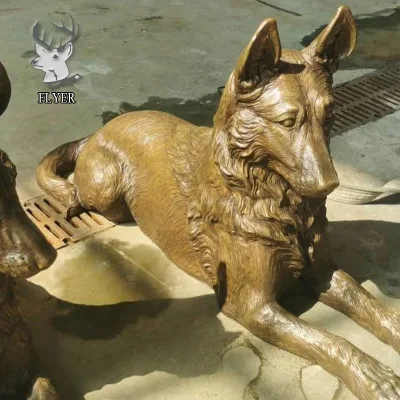
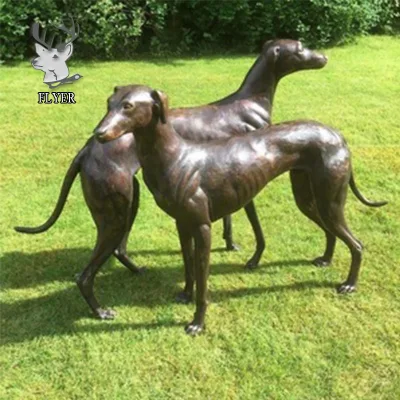
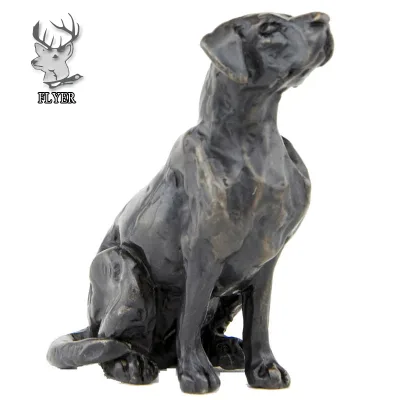
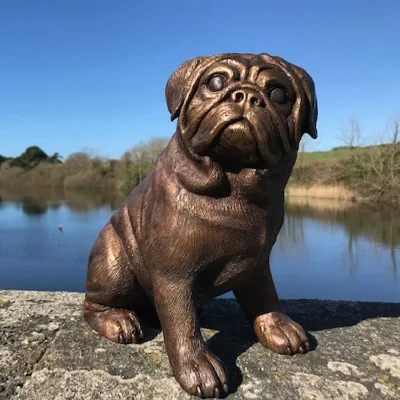
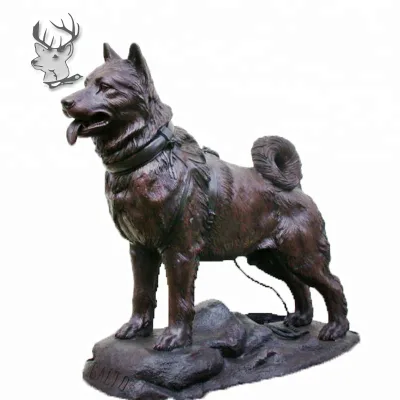
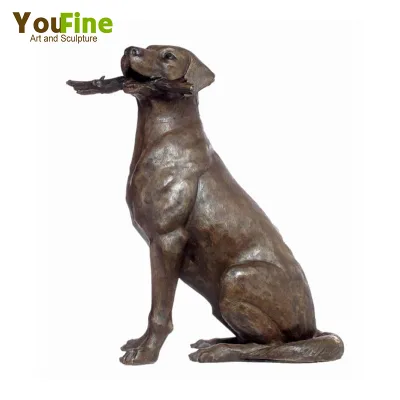
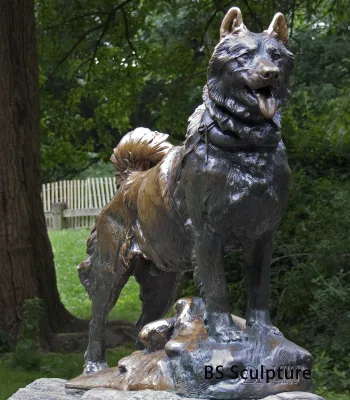
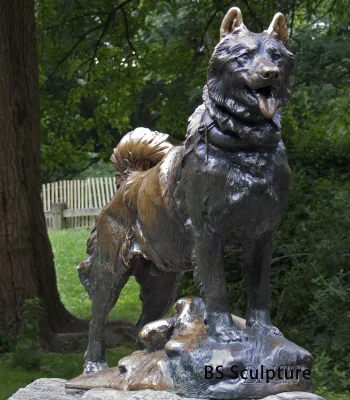
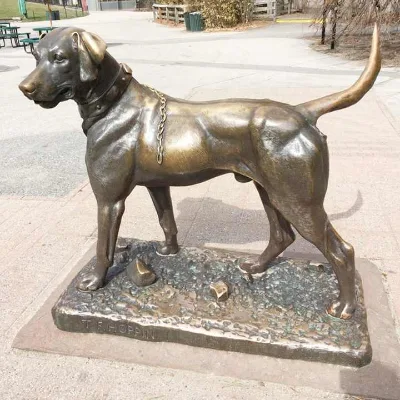
Home Decoration Life Size Bronze Balto Dog Sculpture for Sale
$800.00 - $2500.00
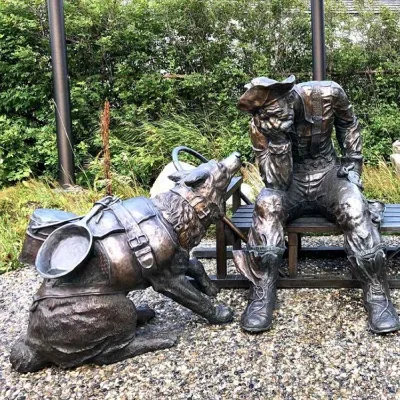
- Verified by TüVRheinland
- Manufacturer, Trading Company
- Lead time28 days
- Avg. response≤ 3h
Main productsMarble Sculpture, Bronze Sculpture, Stainless Steel Sculpture, Iron Products
Main marketsSouth America(11%), North America(10%), Domestic Market(10%)
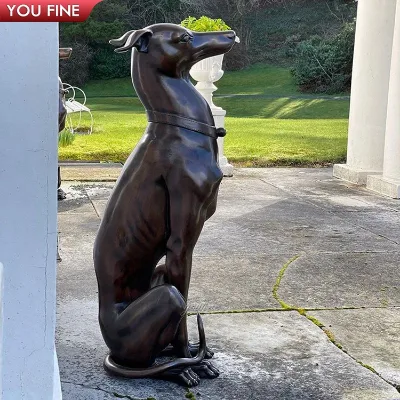
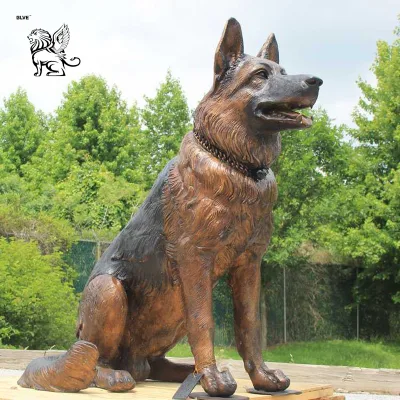
Loyal Garden Sitting Casting Brass Animals Bronze Dog Statue Greyhound Sculpture
$1244.8416 - $5809.2606
MOQ: 2 pieces
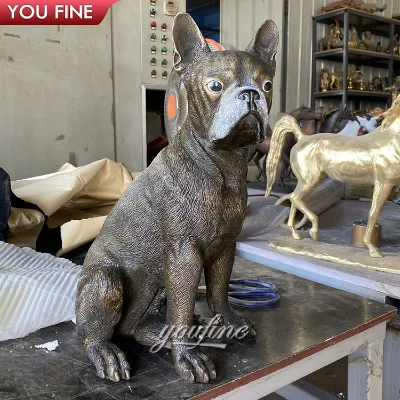
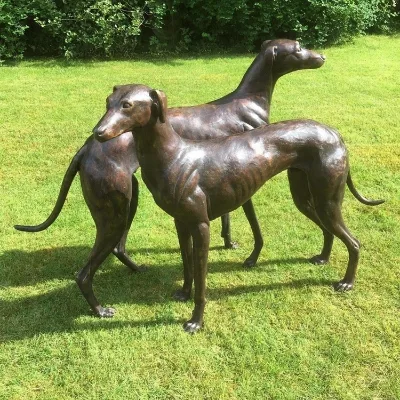
Life Size Outdoor Brasa Greyhound Sculpture Bronze Gree Dog Whibit Dog Statue
$513.355 - $5646.9054
MOQ: 1 Minimum
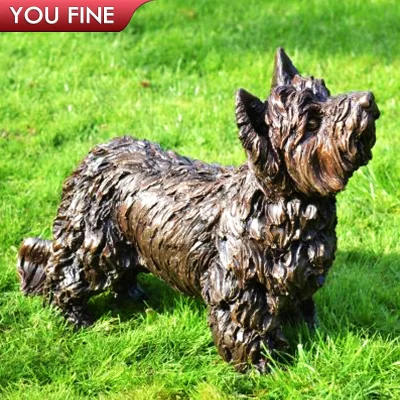
Lovely Long Haired Garden Brass Dog Statue British Bronze Cairn Terrier Sculpture
$1054.0099 - $7156.6022
MOQ: 1 Minimum
Haikou Piccadilly Sculpture Import And Export Trading Co., Ltd.
- Trading Company
- Hainan, China
- Lead time35 days
- Avg. response≤ 1h
Main productsFiberglass sculpture,stainless steel sculpture,bronze sculpture,cast aluminum sculpture,statue
Main marketsEastern Europe(30.00%), Domestic Market(10.00%), Northern Europe(10.00%), Southeast Asia(10.00%), North America(10.00%), Oceania(5.00%), Southern Europe(5.00%), Africa(5.00%), Western Europe(5.00%), Mid East(5.00%)
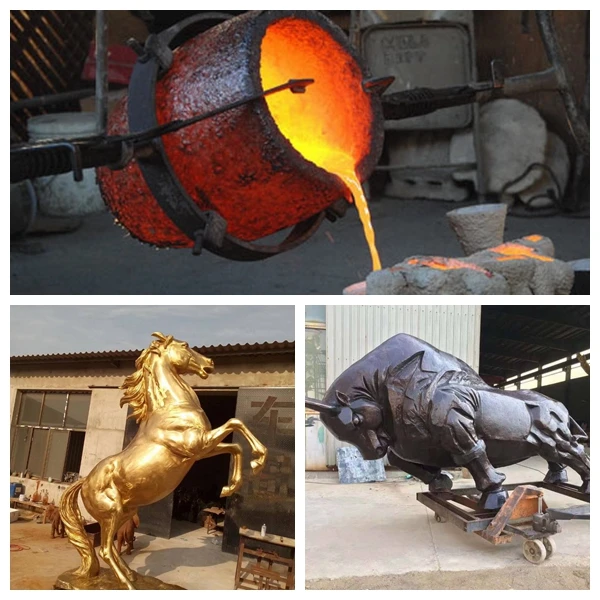
Zhengzhou You Fine Art Co., Ltd.
- Verified by SGS Group
- Manufacturer, Trading Company
- Lead time30 days
- Avg. response≤ 2h
Main productsBronze Sculpture, Stainless Steel Sculpture, Marble Sculpture, Iron Products
Main marketsNorth America(40%), Mid East(15%), Western Europe(15%)
Yantai Megbond International Trade Co., Ltd.
- Manufacturer, Trading Company
- Shandong, China
- Lead time70 days
- Avg. response≤ 5h
Main productsHome decor,Garden Decor,Cast iron handicraft,Cast aluminum items,Resin crafts
Main marketsNorth America(40.00%), Western Europe(20.00%), Domestic Market(10.00%), Northern Europe(10.00%), South America(10.00%), Eastern Europe(10.00%)
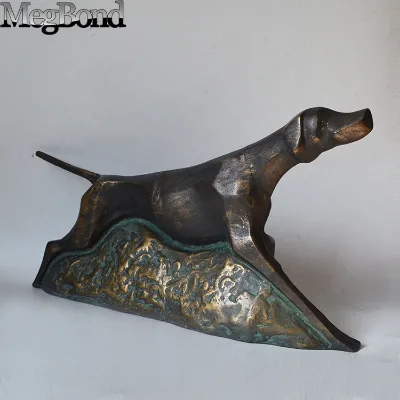
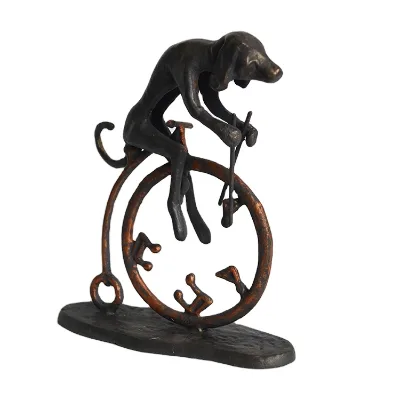
Cast Iron Dog Playing Drum Desktop Sculpture, Whimsical Metal Dog Bicyclist Table Decorative Statue
$7.1577 - $8.1815
MOQ: 100 pieces
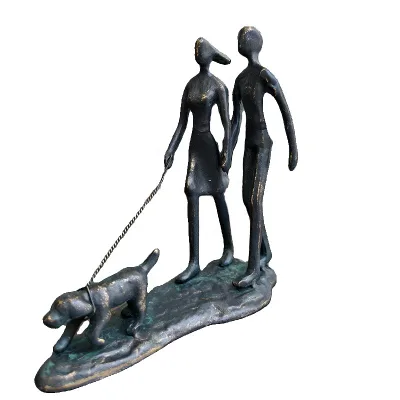
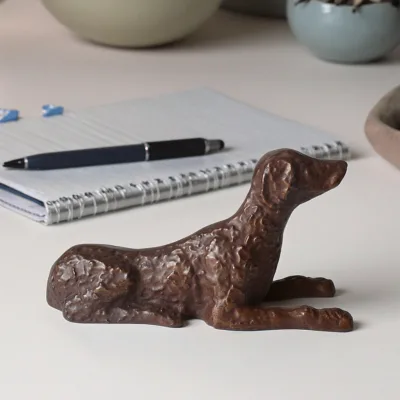
Small Abstract Cast Iron Dog Statue in Antique Bronze Hand Carved with UV Printing for Home Decor
$7.00 - $8.00
MOQ: 100 pieces
Quyang County Jinming Sculpture Co., Ltd.
- Verified by Intertek
- Manufacturer, Trading Company
- Hebei Province, China
- Lead time30 days
- Avg. response≤ 5h
Main productsStainless steel sculpture,Cast bronze sculpture,Fiberglass sculptures,Stone carvings,Forged bronze sculptures
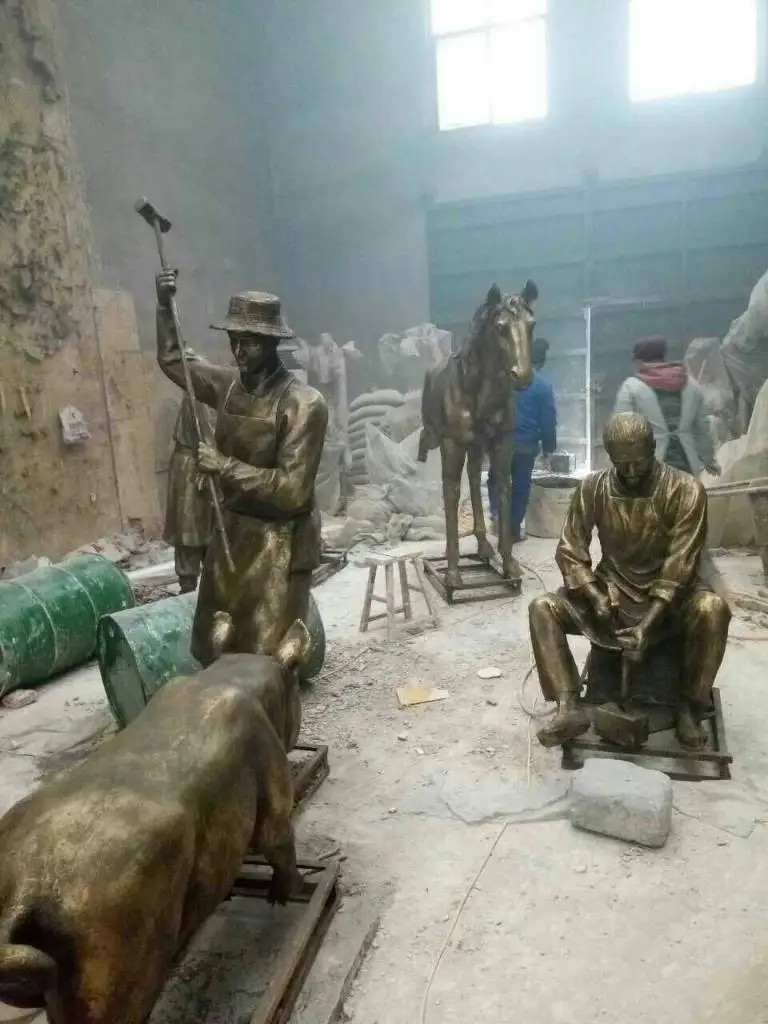
Quyang Best Sculpture Co., Ltd.
- Manufacturer, Trading Company
- Hebei, China
- Lead time30 days
- Avg. response≤ 1h
Main productsMarble Sculpture,Stainless Steel Sculpture,Fiberglass Sculpture,Bronze Sculpture,Stone Sculpture
Main marketsNorth America(40.00%), Western Europe(30.00%), South America(20.00%), Mid East(10.00%)
Quanzhou Huitai Optoelectronics Technology Co., Ltd.
- Manufacturer, Trading Company
- Fujian, China
- Lead time60 days
- Avg. response≤ 5h
Main productsPloyresin Crafts, Magnesia Crafts, Fabric Crafts, Metal Crafts
Main marketsNorthern Europe(50.00%), Eastern Asia(20.00%), North America(10.00%), South America(10.00%), Oceania(5.00%), Western Europe(5.00%)
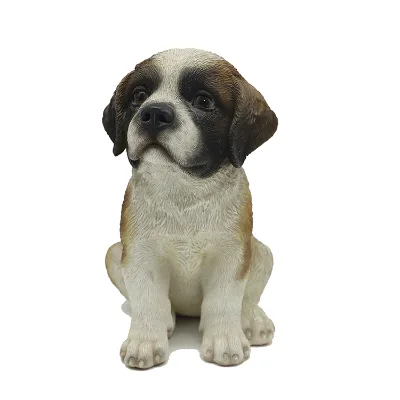
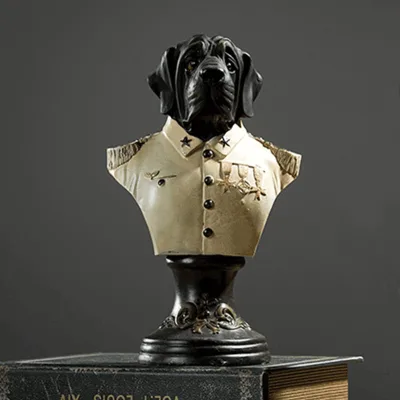
Customized Resin Figure Dog Statue, Realistic Sitting Saint Bernard Dog Sculpture
$5.20 - $6.30
MOQ: 300
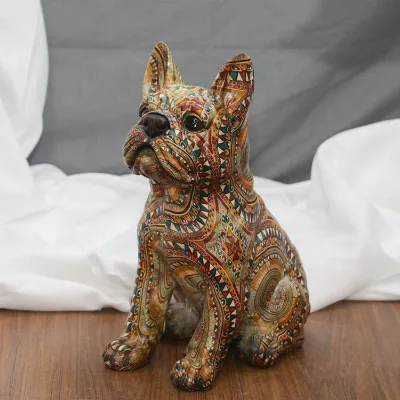
$9.80 - $28.80
MOQ: 300 pieces
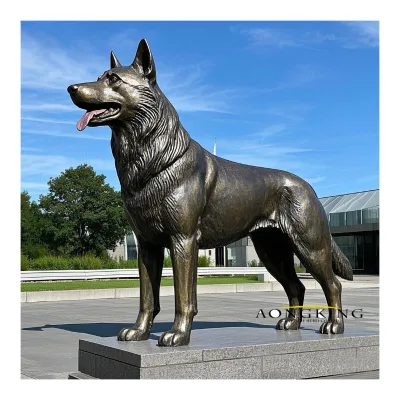
Aongking Technology Hebei Co., Ltd.
- Verified by SGS Group
- Manufacturer, Trading Company
- Lead time30 days
- Avg. response≤ 3h
Main productsStainless Steel Sculptures, Bronze Sculpture, Metal Sculptures, Fountain, Marble Statues
Main marketsNorth America(30%), Eastern Europe(10%), Southeast Asia(10%)
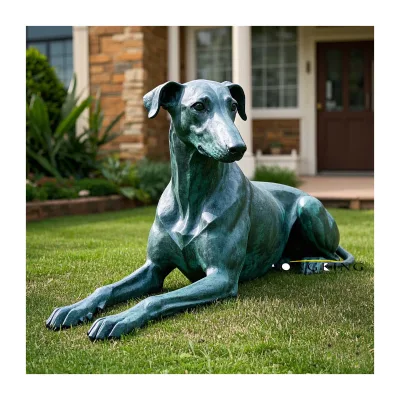
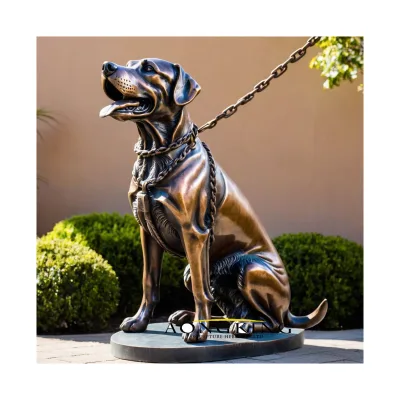
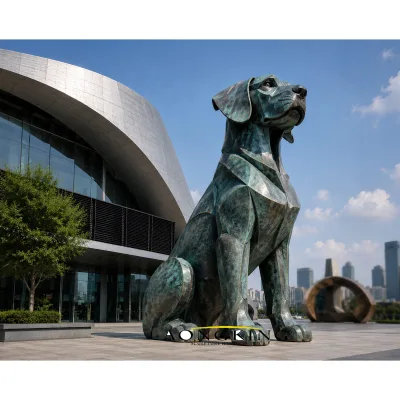
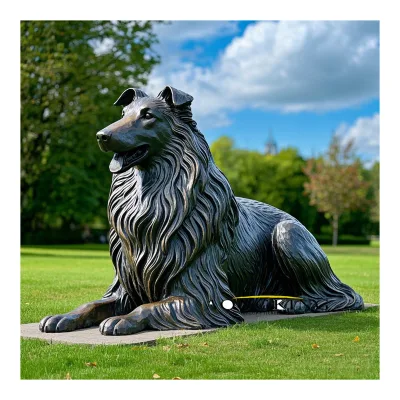
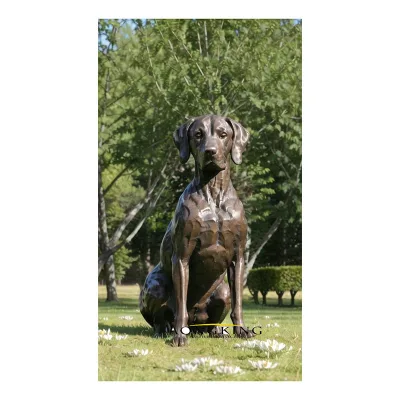
$3827.668 - $3931.1185
MOQ: 1 pieces
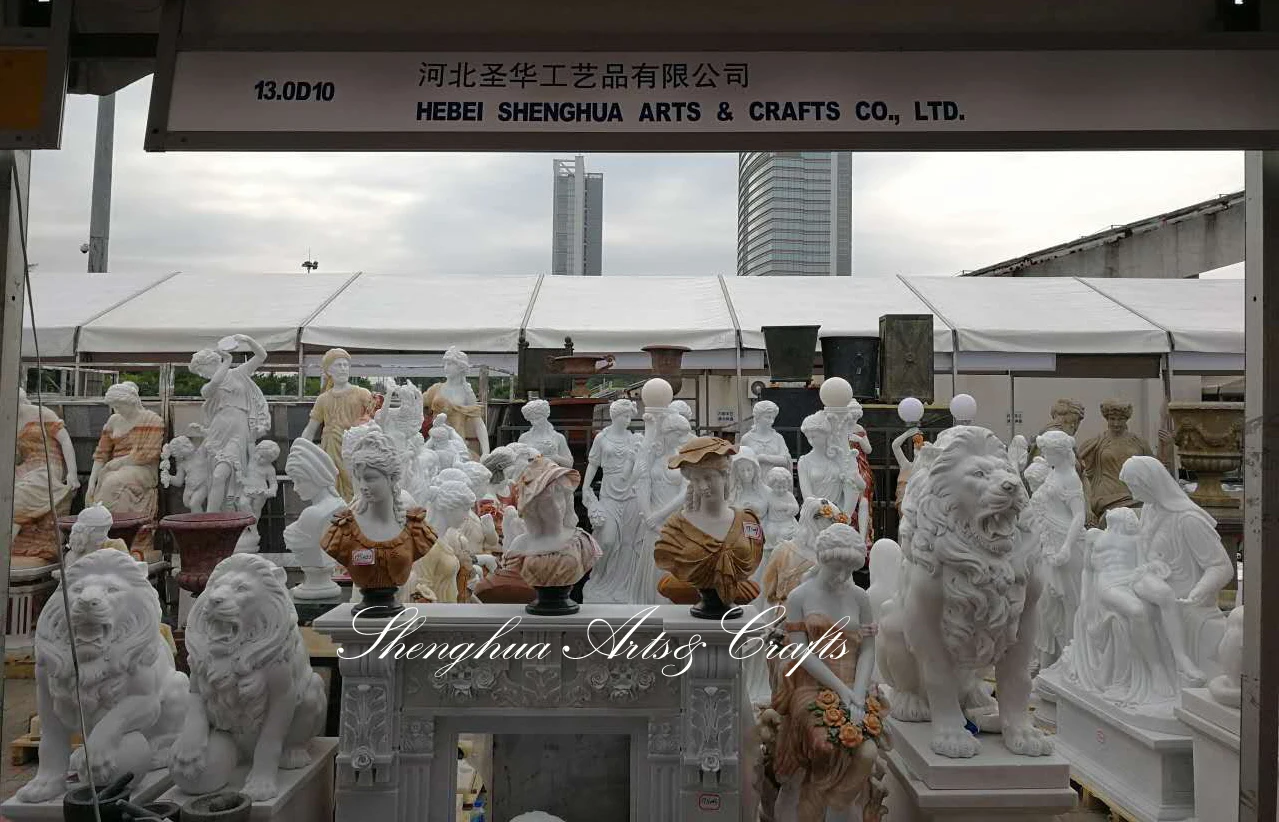
Hebei Shenghua Arts & Crafts Co., Ltd.
- Trading Company
- Hebei, China
- Lead time30 days
- Avg. response≤ 2h
Main productsMarble fountain,marble statue,marble gazebo,marble lights,marble fireplace
Main marketsNorth America(15.00%), Mid East(10.00%), Northern Europe(10.00%), South America(8.00%), Western Europe(8.00%), Eastern Europe(7.00%), Oceania(7.00%), Domestic Market(5.00%), South Asia(5.00%), Southern Europe(5.00%), Africa(5.00%), Central America(5.00%), Southeast Asia(5.00%), Eastern Asia(5.00%)
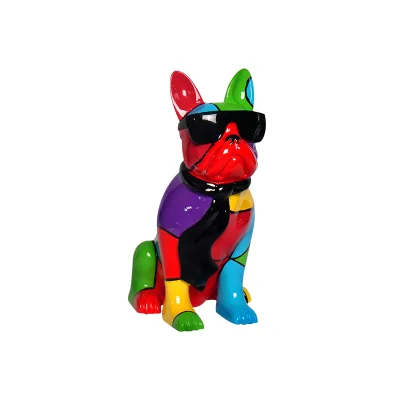
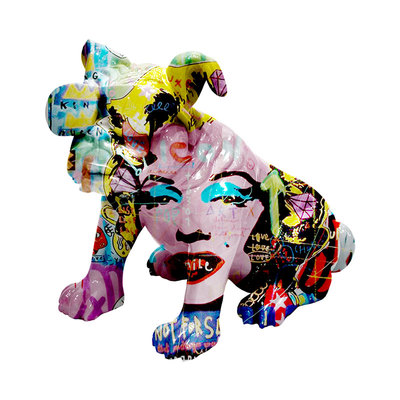
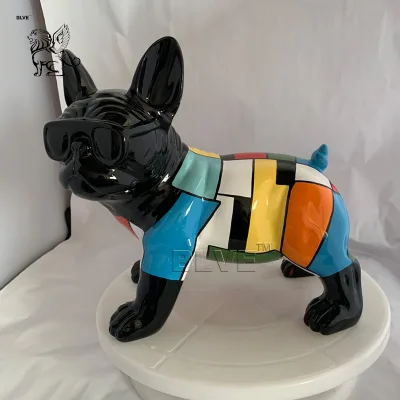
Custom Modern High Quality Handmade Resin Bulldog Sculpture Fiberglass Dog Statue
$80.00 - $100.00
MOQ: 1
Taizhou Chuanggeng Arts And Crafts Co., Ltd.
- Verified by TüVRheinland
- Manufacturer, Trading Company
- Lead time20 days
- Avg. response≤ 6h
Main productsFiber Glass Sculpture, Stainless Steel Sculpture
Main marketsDomestic Market(27%), North America(15%), Eastern Asia(10%)
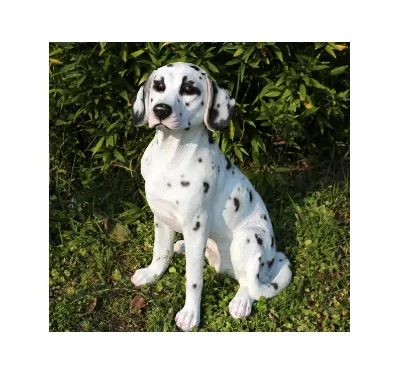
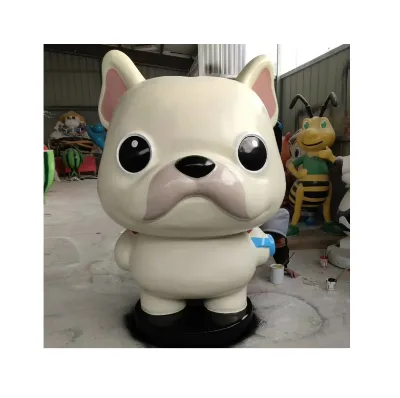
Shar Pei Animal Fiberglass Dog Sculpture Outdoor Statue for Mall Decoration
$679.9644 - $1019.9466
MOQ: 1 pieces
Hebei Blue Ville Technology Co., Ltd.
- Manufacturer, Trading Company
- Lead time旺季: "1 - 1":20,"> 1":"To be negotiated", 淡季: "1 - 1":20,"> 1":"To be negotiated"
- Avg. response≤ 2h
Main productsMarble Sculpture, Bronze sculpture, Stainless Steel Sculpture, Garden products, Greenhouse Sun Room
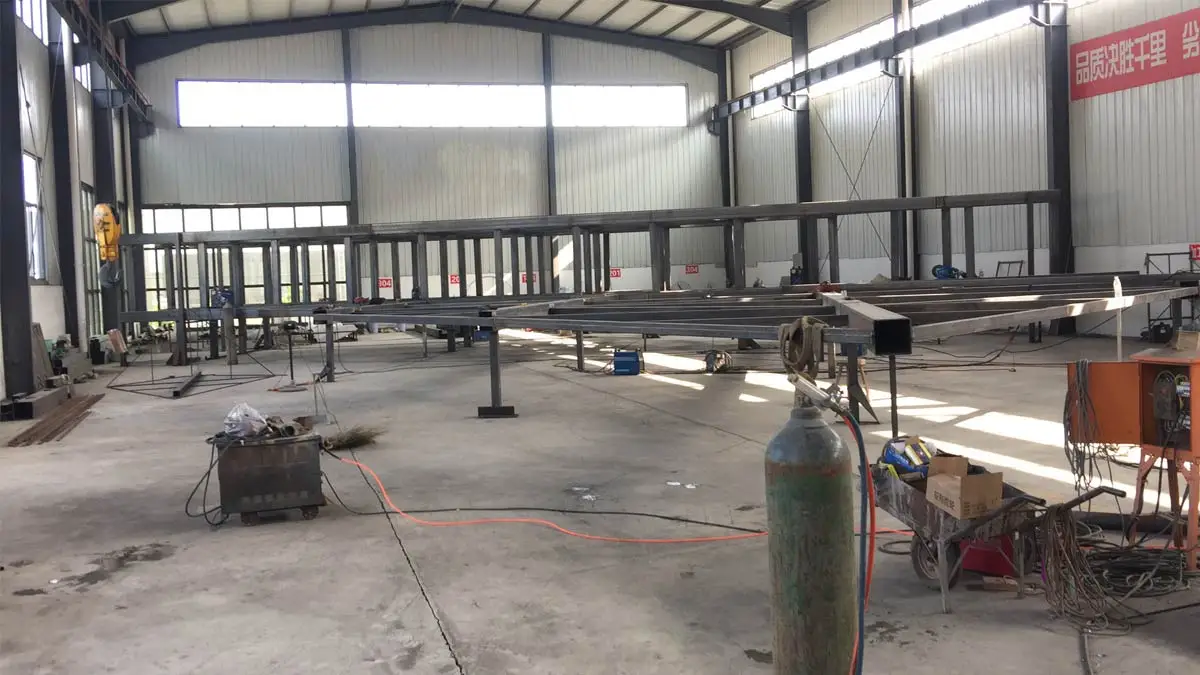
Hebei Lollipop Technology Co., Ltd.
- Trading Company
- Hebei, China
- Lead time0 days
- Avg. response≤ 6h
Main productsstainless steel sculpture,metal sculpture,bronze statue
Main marketsNorth America(30.00%), Mid East(20.00%), Western Europe(10.00%), Eastern Europe(10.00%), Northern Europe(5.00%), Central America(5.00%), Africa(5.00%), Eastern Asia(5.00%), South America(5.00%), Oceania(5.00%)

- Manufacturer/Factory
- China Guangdong
- Lead time23 days
- Avg. response≤ 11h
Main productsStatue, Resin Craft, Figruine, Metal Trophy, Figure, Resin Figure, Polyresin Figurine, Collective Statue, Polyresin Statue, Function Model
Main marketsEastern Europe,Mid East,North America,Southeast Asia,Oceania,Western Europe,Africa
Garden Sculpture(xiamen) Co., Ltd.
- Manufacturer, Trading Company, Business Service (Transportation, finance, travel, Ads, etc)
- Fujian, China
- Lead time0 days
- Avg. response≤ 24h
Main productsHair Straightener,Hair Dryer,hair curler,Hot Air Brush,heater
Main marketsNorth America(80.00%), Northern Europe(6.00%), South America(5.00%), Eastern Europe(4.00%), Western Europe(2.00%), Central America(2.00%), Southern Europe(1.00%)
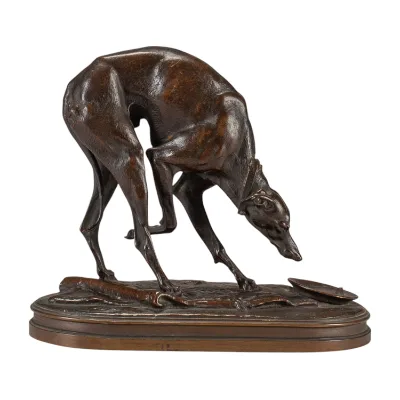
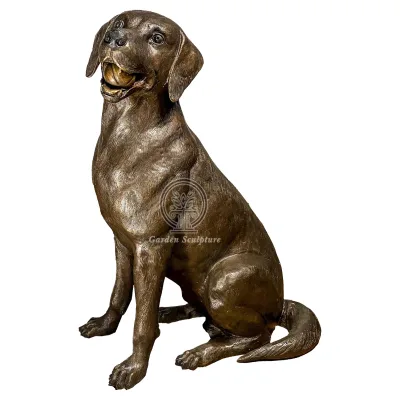
$1060.00 - $3240.00
MOQ: 1 Minimum
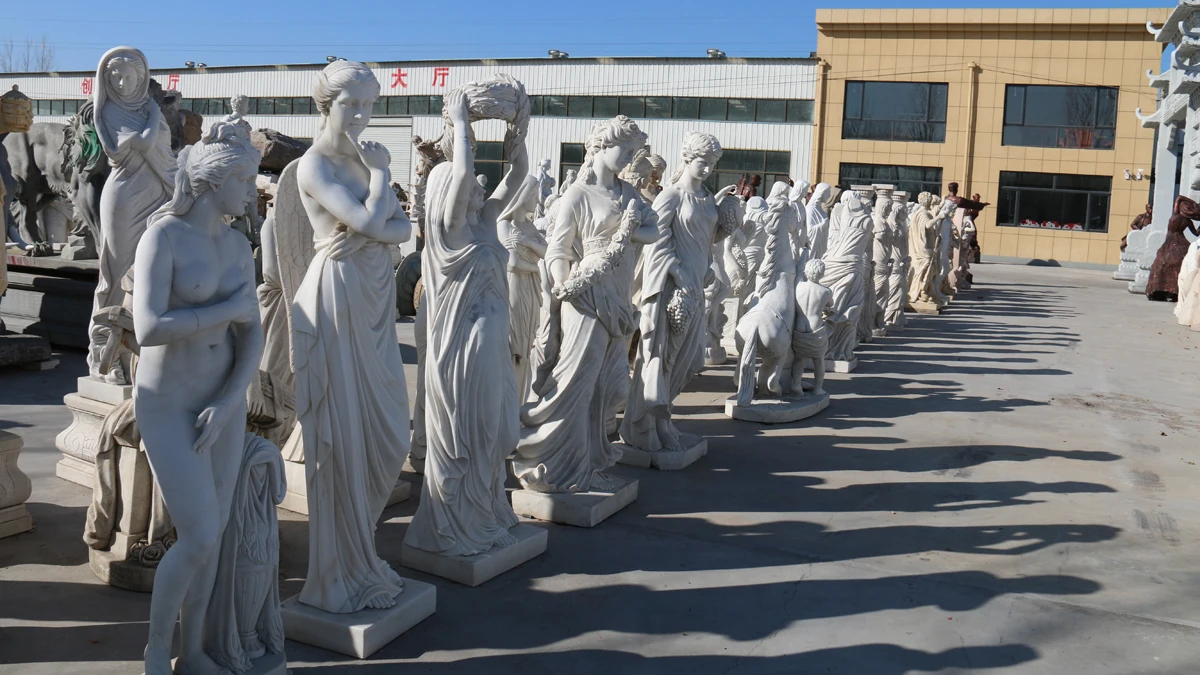
$800.00 - $1350.00
MOQ: 2 Minimum
Hebei Jingsu Import And Export Trade Co., Ltd.
- Trading Company
- Hebei, China
- Lead time30 days
- Avg. response≤ 3h
Main productsMarble Sculpture. Bronze Sculpture,Stainless Steel Sculpture,Fiberglass Sculpture,Resin Sculpture,Bronze Statue
Main marketsNorth America(35.00%), Western Europe(15.00%), South America(10.00%), Northern Europe(10.00%), Southeast Asia(8.00%), Central America(5.00%), Africa(5.00%), Eastern Europe(5.00%), Mid East(5.00%), Eastern Asia(2.00%)
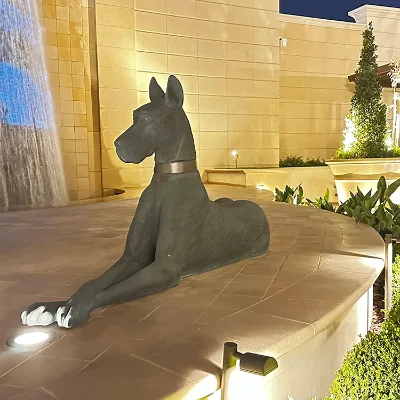
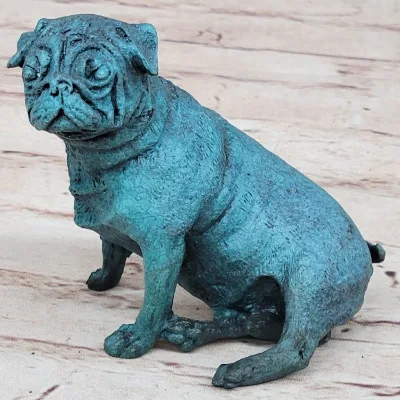
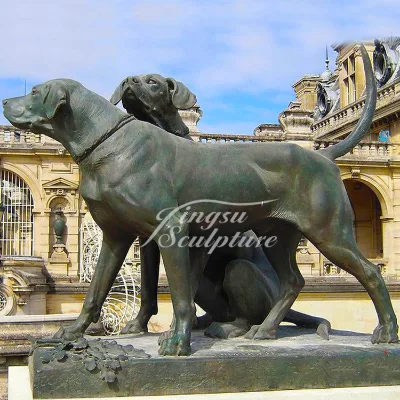
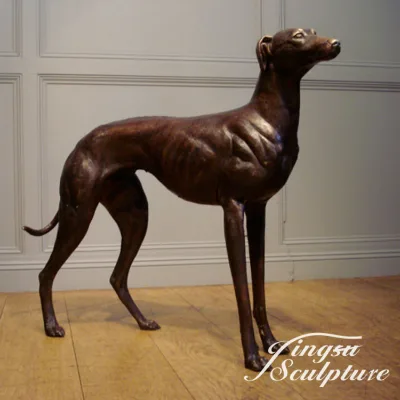
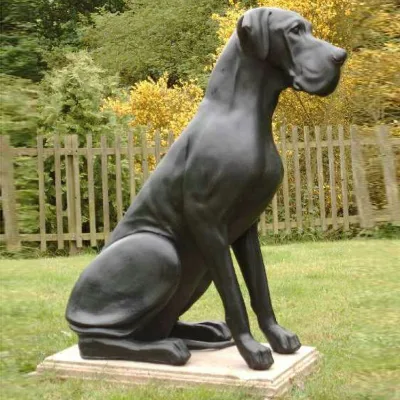
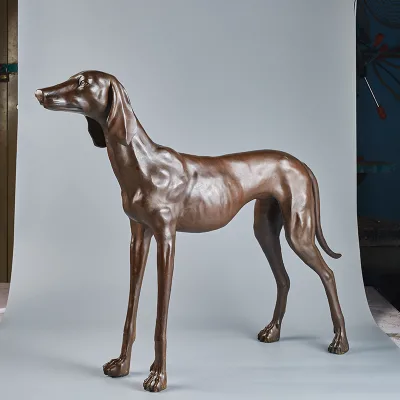
Indoor Home Yard Decoration Custom Size Brass Animal Bronze Greyhound Dog Statues
$1030.2477
MOQ: 2 Minimum

- Trading Company
- Hebei, China
- Lead time20 days
- Avg. response≤ 2h
Main productssculpture,stone panel,pebble stone,Monument,iron product
Main marketsNorth America(30.00%), Western Europe(20.00%), Northern Europe(10.00%), Mid East(10.00%), South Asia(5.00%), Southern Europe(5.00%), Oceania(5.00%), Central America(5.00%), South America(5.00%), Eastern Asia(5.00%), Eastern Europe(5.00%)
Jishui County Qingyufang Art And Culture Co., Ltd.
- Manufacturer, Trading Company
- Jiangxi, China
- Lead time7 days
- Avg. response≤ 3h
Main productsResin crafts,Home decoration,Garden decoration,Custom statues,Christmas ornaments
Main marketsNorth America(35.00%), Western Europe(20.00%), Northern Europe(20.00%), South America(15.00%), Eastern Asia(5.00%), Southeast Asia(3.00%), Domestic Market(1.00%), Africa(1.00%)
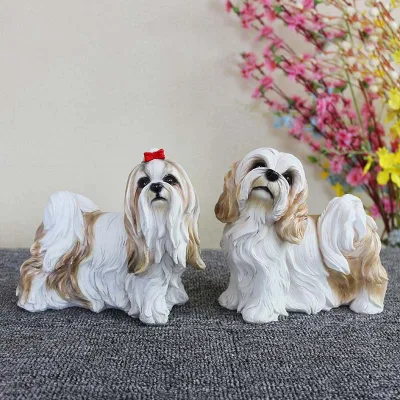
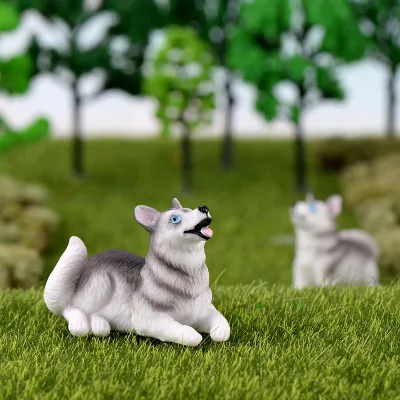
Hot Sale Africa Maltese Dogs Sculpture Ornaments for Living Room Decoration Dog Statue Sculpture
$17.50 - $18.50
MOQ: 50 pieces
Hebei Ideal Arts Import And Export Corp., Ltd.
- Trading Company
- Hebei, China
- Lead time30 days
- Avg. response≤ 7h
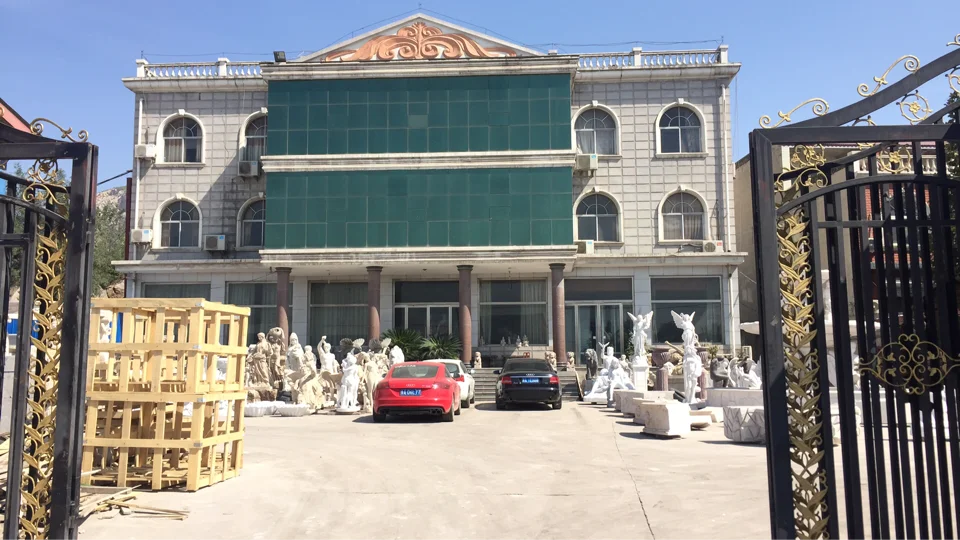
Main productsStone products,west and east figure statue,animals,sculptures,flower pots
Main marketsNorth America(40.00%), Eastern Asia(10.00%), Southeast Asia(10.00%), Eastern Europe(10.00%), Mid East(10.00%), South America(8.50%), Oceania(6.50%), Western Europe(5.00%)
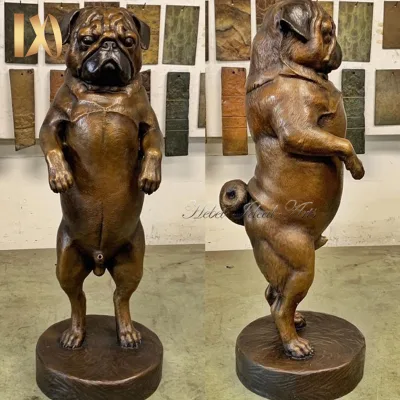
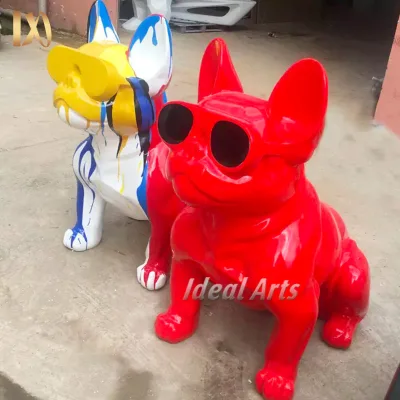
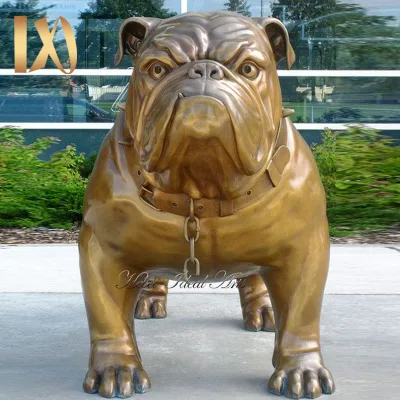
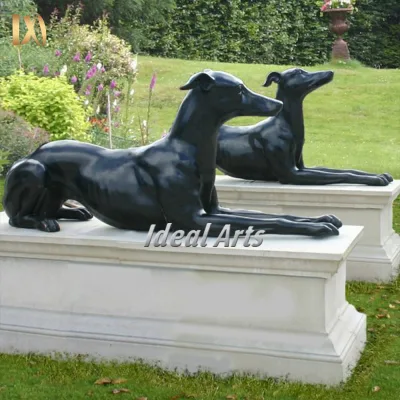
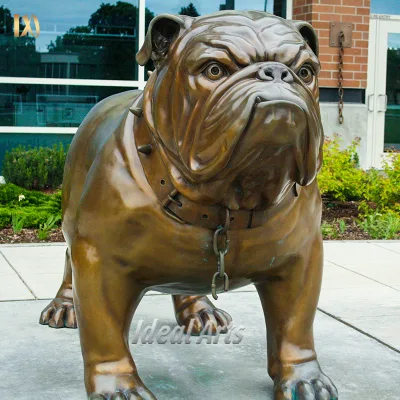
Ideal Arts Factory Direct Sale Bronze Chien Statue Custom Life Size Bronze Dog Statue
$899.00 - $5999.00
MOQ: 1 Minimum
Shijiazhuang D&Z Sculpture Co., Ltd.
- Verified by SGS Group
- Manufacturer, Trading Company
- Lead time30 days
- Avg. response≤ 3h
Main productsStainless Steel Sculpture, Bronze Sculpture, Marble Sculpture
Main marketsNorth America(30%), South America(30%), Eastern Europe(20%)

Quanzhou Wutongcrafts Co., Ltd.
- Verified by CTI
- Manufacturer/Factory
- China Fujian
- Lead time30 days
- Avg. response≤ 5h
Main productsResin Figurine, Snow Globe, Fridge Magnets, Tourist Souvenirs, Garden Ornaments, Holiday Decorations, Madonna Statue, Bobble Head, Polyresin Statue, Polyresin Flower Pot
Main marketsSouth America,Eastern Europe,North America,Oceania,Western Europe,Africa
Haifeng Meilong Gutongji Craft Factory
- Manufacturer, Trading Company
- Guangdong, China
- Lead time7 days
- Avg. response≤ 2h
Main productsmetal craft,key rings/chains,home furnishing,Lighters and smoking utensils,Brass statue
Main marketsSoutheast Asia(30.00%), Domestic Market(30.00%), Eastern Asia(10.00%), South Asia(10.00%), North America(5.00%), Mid East(5.00%), South America(2.00%), Central America(2.00%), Oceania(1.00%), Eastern Europe(1.00%), Southern Europe(1.00%), Northern Europe(1.00%), Africa(1.00%), Western Europe(1.00%)
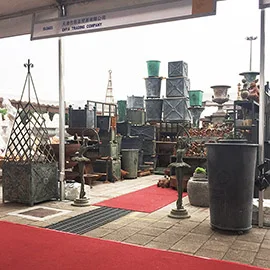
- Trading Company
- Tianjin, China
- Lead time45 days
- Avg. response≤ 5h
Main productsUrns&Planters,Fire Pits,Garden Structure,Sculpture Statues,arch/trellis
Main marketsWestern Europe(30.00%), North America(25.00%), Oceania(20.00%), Northern Europe(10.00%), Southern Europe(8.00%), Eastern Europe(3.00%), South America(2.00%), Southeast Asia(2.00%)
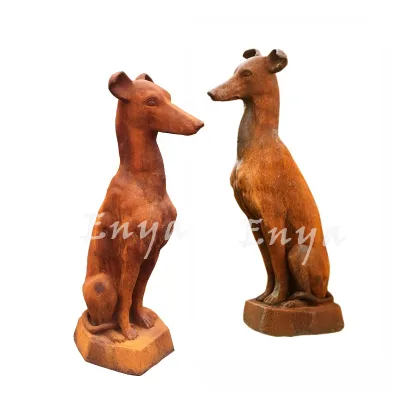
$248.6271 - $517.972
MOQ: 10 Minimum
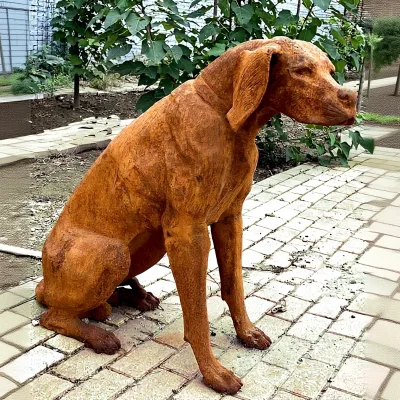
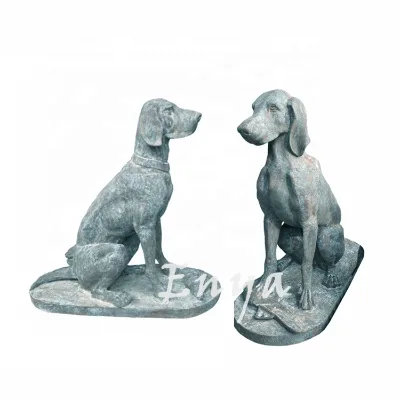
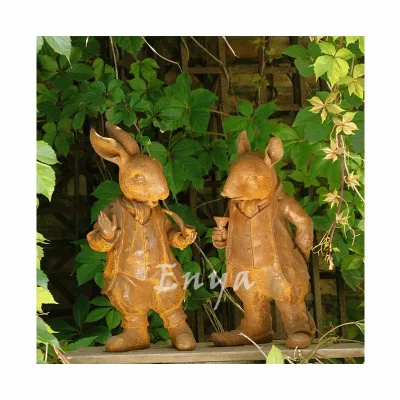
$30.8015 - $102.671
MOQ: 60 Minimum
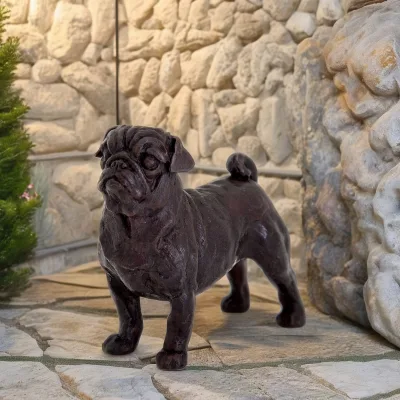
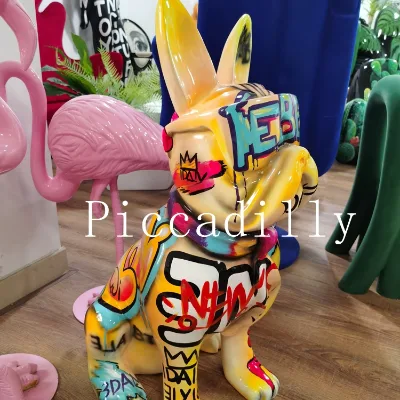



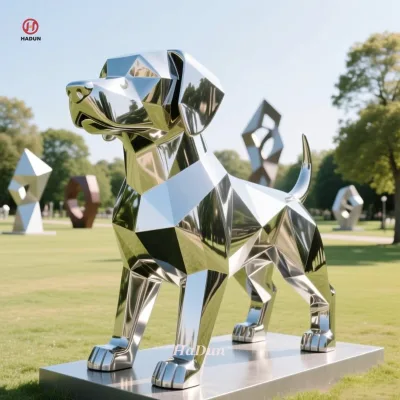
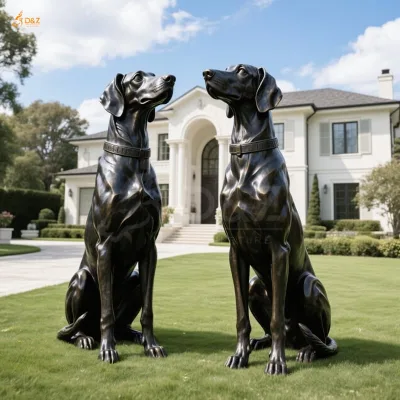



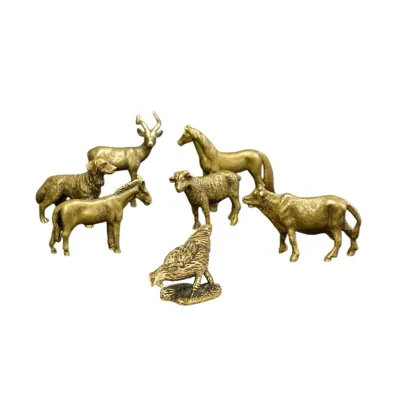
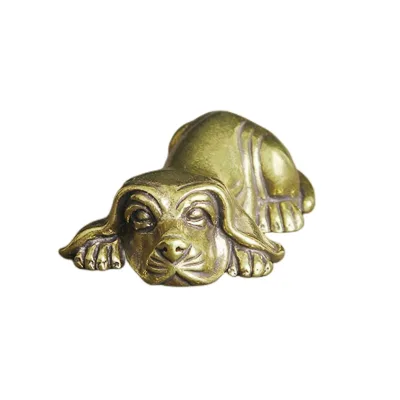
Comprehensive Sourcing Guide
Casting Dog Sculpture Supplier Concentration and Factory Types
When evaluating suppliers for casting dog sculptures, it is essential to understand the structural diversity of the manufacturing base. The available data indicates that suppliers in Hebei, China, operate as both trading companies and manufacturers. This dual classification suggests a hybrid market where some entities handle direct production while others facilitate trade. Buyers must distinguish between these types because their capabilities, pricing structures, and communication channels differ significantly. A trading company may offer a broader range of products, such as stone, bronze, stainless steel, and fiberglass statues, whereas a manufacturer might specialize in specific techniques like lost wax processing or welding. Understanding this distinction helps buyers align their sourcing strategy with their need for customization versus volume.
The concentration of suppliers in Hebei provides a specific geographic context for sourcing activities. This region appears to be a hub for metal crafts, including bronze and brass sculptures. Buyers should verify whether a supplier is a direct factory or a trading intermediary to ensure accurate lead times and quality control. Direct manufacturers often have more control over the casting process, which is critical for complex animal figures. Trading companies, on the other hand, might provide better service flexibility and access to diverse designs. By recognizing these operational models, buyers can make informed decisions about which supplier type best fits their project requirements, whether they need a single custom piece or a large batch of standardized statues.
How to Verify Casting Dog Sculpture Suppliers
Verification is a critical step in mitigating risk when sourcing casting dog sculptures. Buyers should prioritize suppliers that display third-party verification badges, such as TüV Rheinland, which indicates a level of external audit and reliability. Additionally, checking for system certifications like IEC 62321, CE, and RoHS can provide assurance regarding material safety and environmental standards, particularly if the sculptures are intended for indoor or residential use. These credentials serve as objective evidence of a supplier’s commitment to quality and compliance. Buyers should not rely solely on self-reported claims but should look for documented proof of these certifications in the supplier’s profile or product listings.
Response time and communication efficiency are also key indicators of supplier reliability. A quick response time, such as three days or less, suggests that the supplier is active and attentive to buyer inquiries. This responsiveness is crucial for negotiating custom details, such as logo placement or specific design modifications. Buyers should test the supplier’s communication by asking detailed questions about the casting process, material specifications, and packaging methods. A supplier that provides comprehensive and timely answers is more likely to deliver a high-quality product. Furthermore, verifying the supplier’s main products ensures they have relevant experience in casting dog sculptures rather than just general metal crafts.
What to Compare Across Casting Dog Sculpture Suppliers
Comparing suppliers requires a focus on key operational metrics such as lead time, minimum order quantity (MOQ), and pricing. The data shows that lead times can vary, with some suppliers offering twenty-five days and others twenty-eight days. Buyers should assess whether these timelines align with their project deadlines, especially for large or custom orders. MOQ is another critical factor; many suppliers offer an MOQ of one piece, which is ideal for buyers seeking custom or small-batch orders. However, buyers should also consider the cost implications of low MOQs, as unit prices may be higher for smaller quantities. Understanding these variables helps buyers select a supplier that balances cost efficiency with production speed.
Product attributes and customization options are also vital comparison points. Suppliers may offer different materials, such as bronze, brass, or stainless steel, and various finishing techniques like polishing, painting, or embossing. Buyers should compare the specific features of each product, including size, weight, and packaging details. For instance, some sculptures come in strong wooden crates, which is important for protecting delicate castings during transit. Additionally, buyers should evaluate the supplier’s ability to handle custom logos and shapes. By systematically comparing these attributes, buyers can identify the supplier that offers the best combination of quality, customization, and value for their specific needs.
Common Casting Dog Sculpture Sourcing Risks
One significant risk in sourcing casting dog sculptures is the potential for quality inconsistencies, particularly in complex animal figures. The casting process, whether through lost wax or welding, requires high skill levels to achieve accurate details and structural integrity. Buyers should be aware that variations in craftsmanship can lead to defects such as cracks, uneven surfaces, or inaccurate proportions. To mitigate this risk, buyers should request detailed product images or videos before placing an order. They should also inquire about the supplier’s quality control procedures and whether they conduct pre-shipment inspections. Understanding the supplier’s expertise in handling specific techniques, such as hand-carving and polishing, can help assess their ability to deliver high-quality results.
Another risk is the potential for delays in production and shipping. Lead times can be affected by factors such as material availability, production capacity, and logistical challenges. Buyers should confirm the exact lead time with the supplier and understand what factors might cause delays. Additionally, the weight and size of the sculptures can impact shipping costs and handling requirements. For example, a sculpture with a single gross weight of thirty kilograms or more may require special packaging and freight arrangements. Buyers should plan for these logistical considerations to avoid unexpected costs or delays. By anticipating these risks, buyers can take proactive steps to ensure a smooth sourcing process.
Casting Dog Sculpture Regional Sourcing and Logistics
Sourcing from Hebei, China, offers access to a concentrated cluster of metal craft suppliers. This region is known for its expertise in bronze and brass casting, making it a suitable location for sourcing dog sculptures. Buyers should consider the logistical advantages of sourcing from this area, including established supply chains and experienced manufacturers. However, they should also be aware of the potential challenges, such as distance from major ports and varying local regulations. Understanding the regional context helps buyers make informed decisions about shipping routes and customs clearance. Buyers should work with suppliers who have experience in international shipping to ensure smooth transit.
Logistics planning is crucial for transporting heavy and fragile items like casting dog sculptures. Buyers should evaluate the supplier’s packaging methods, such as the use of strong wooden crates, to protect the sculptures during transit. The single package size and weight of the product are important factors in determining shipping costs and handling requirements. For instance, a sculpture with a single package size of eighty by forty by fifty centimeters may require special freight arrangements. Buyers should also consider the destination and choose a shipping method that minimizes the risk of damage. By carefully planning logistics, buyers can ensure that their sculptures arrive in perfect condition.
Casting Dog Sculpture Commercial Terms and Order Planning
Commercial terms, including payment methods and pricing, are essential components of order planning. Suppliers may offer various payment options, such as T/T, Trade Assurance, PayPal, or credit card. Buyers should choose a payment method that provides security and flexibility, such as Trade Assurance, which offers protection against non-delivery or quality issues. Pricing can vary based on factors such as material, size, and customization. Buyers should request detailed quotes that include all costs, such as shipping and taxes, to avoid hidden fees. Understanding the commercial terms helps buyers budget accurately and manage their cash flow effectively.
Order planning involves coordinating production schedules, quality checks, and shipping arrangements. Buyers should establish clear communication with the supplier to ensure that all details are agreed upon before production begins. This includes confirming the design, material, size, and finishing options. Buyers should also plan for potential delays by building buffer time into their schedule. Additionally, they should consider the supplier’s capacity and lead time to ensure that the order can be completed within the desired timeframe. By carefully planning each step of the process, buyers can minimize risks and ensure a successful sourcing outcome. Effective order planning leads to better coordination and higher satisfaction with the final product.
FAQs
What is the minimum order quantity for bronze dog sculptures?
The minimum order quantity is one piece. This low threshold allows buyers to test quality before committing to larger orders. Suppliers typically accept small batches for custom metal statues. This flexibility supports both individual collectors and small-scale commercial projects seeking specific designs.
Where are these metal dog sculptures manufactured?
These sculptures are manufactured in Hebei, China. This region is known for its metalworking industry and casting capabilities. Buyers sourcing from this location benefit from established supply chains for bronze and stainless steel products. The origin ensures consistent material quality for outdoor and indoor statues.
How long does production take for custom statues?
Production lead times typically range from twenty-five to twenty-eight days. This duration covers casting, welding, and polishing processes. Buyers should account for this timeframe when planning installations. Custom designs may require additional time for mold creation and finishing touches to meet specific aesthetic requirements.
What payment methods are accepted for these orders?
Accepted payment methods include T/T, Trade Assurance, PayPal, and credit cards. Trade Assurance provides buyer protection for the transaction. These options offer flexibility for international buyers. Secure payment channels ensure that funds are protected until the goods are shipped and verified against the agreed specifications.
What is the price range for life-size bronze statues?
Prices for life-size bronze statues range from eight hundred to two thousand five hundred dollars. The cost depends on size, material thickness, and design complexity. Larger sculptures with intricate details command higher prices. Buyers should request quotes based on specific dimensions to get accurate pricing for their project.
Are these sculptures suitable for outdoor garden decoration?
Yes, these sculptures are designed for outdoor and garden decoration. They are made from durable materials like bronze and stainless steel. The casting process ensures weather resistance for long-term outdoor use. Buyers can place them in gardens, parks, or public spaces without immediate concern for rapid deterioration.