Enamelled Die Cut Fridge Magnet Suppliers and Manufacturers
Compare 30 suppliers offering Enamelled Die Cut Fridge Magnet with verified locations in Zhejiang and Fujian, China. Review response times, lead times, and pricing to select a partner and request samples for your promotional needs; review the available evidence before requesting comparable quotations from suitable candidates.
Updated
Suppliers List

Wenzhou Feila Technology Co., Ltd
- Trading Company
- Zhejiang, China
- Lead time10 days
- Avg. response≤ 1h
Main productsFridge magnet,hang tag,sticky notes,stickers,envelope
Main marketsNorth America(30.00%), Western Europe(20.00%), Southeast Asia(20.00%), South America(20.00%), Southern Europe(10.00%)
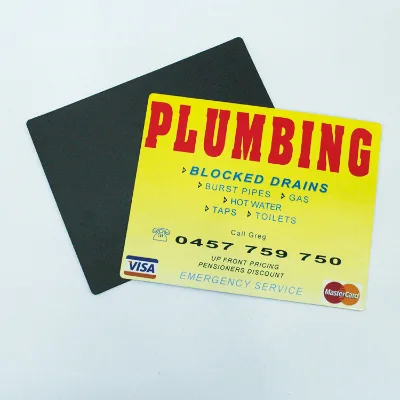
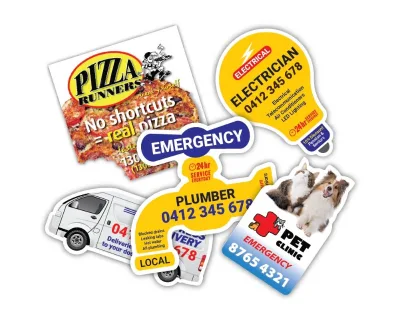
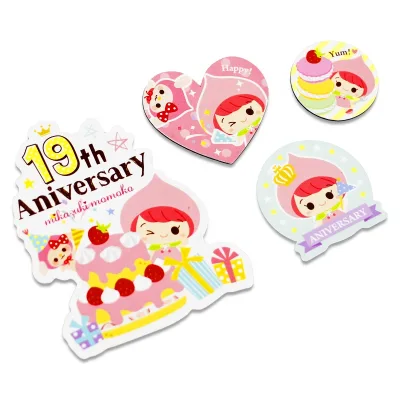
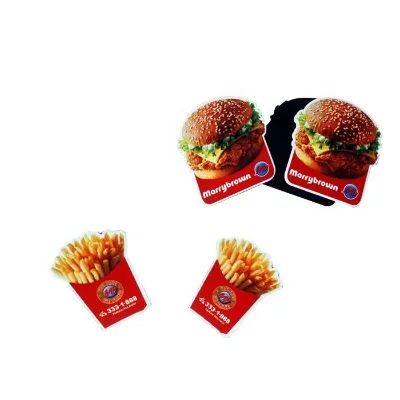
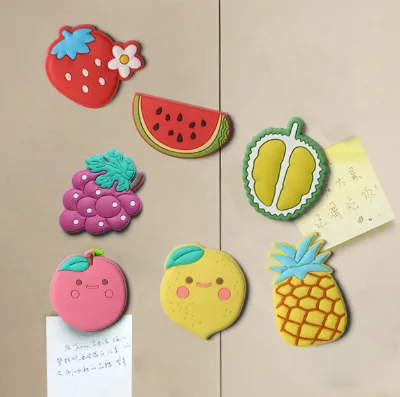
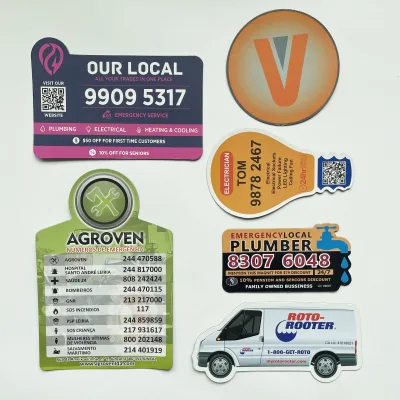
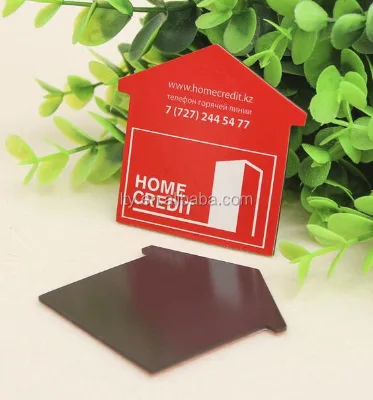
Private Custom Made Brand Logo Die Cut Shaped Thin Paper Fast Food Restaurant Fridge Magnet
$0.02 - $0.16
MOQ: 1 pieces

Xiamen Yuxiang Magnetic Materials Technology Co., Ltd.
- Trading Company
- China Fujian
- Lead time23 days
- Avg. response≤ 6h
Main productsNdFeB Magnet, SmCo Magnet, AlNiCo Magnet, Ferrite Magnet, Rubber Magnet, Fridge Magnet, Magnetic Powder, Magnetic Compound, Magnetic Core, Magnetic Materials
Main marketsSouth America,Africa,Southeast Asia/ Mideast,East Asia(Japan/ South Korea),Europe,Australia,North America

Jiuchuang International Limited
- Manufacturer, Trading Company
- Guangdong, China
- Lead time10 days
- Avg. response≤ 2h
Main productsmedal,keychain,silicone wristand,lanyard,embroidery patch
Main marketsNorth America(25.00%), South America(18.00%), Eastern Europe(15.00%), Southeast Asia(10.00%), Domestic Market(8.00%), Northern Europe(5.00%), Western Europe(3.00%), Oceania(3.00%), Central America(3.00%), Africa(2.00%), South Asia(2.00%), Southern Europe(2.00%), Eastern Asia(2.00%), Mid East(2.00%)
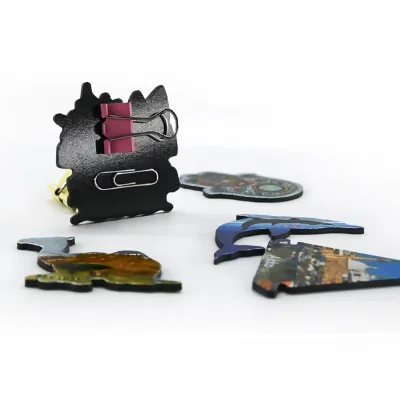
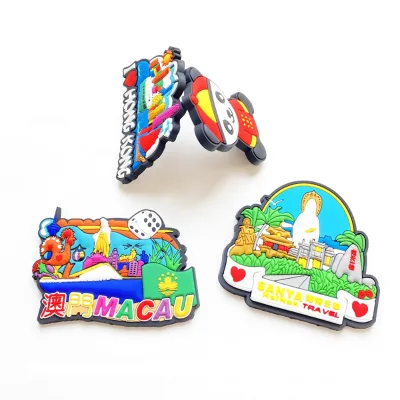
$0.5172 - $0.9294
MOQ: 50 pieces
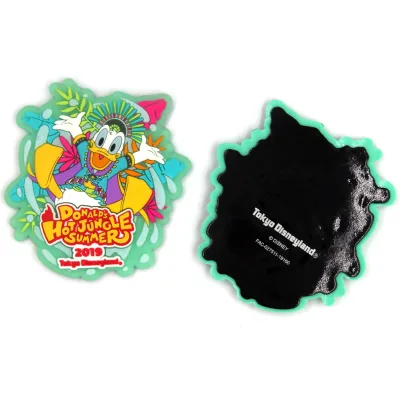
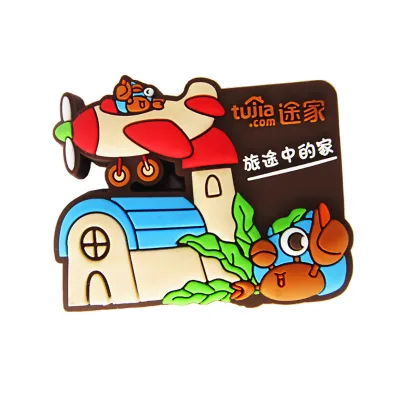
$0.50 - $0.90
MOQ: 50 pieces
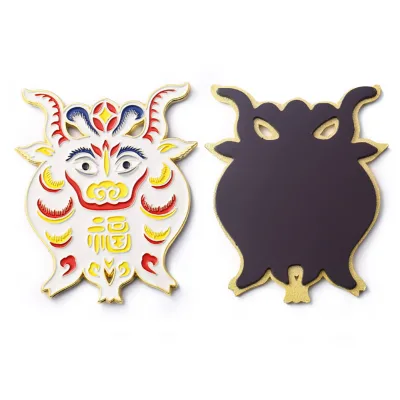
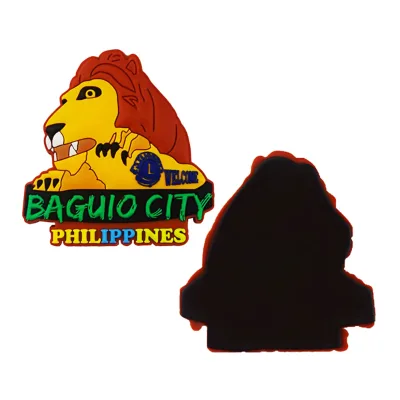
Cangnan Loyalty Craft&Gift Co., Ltd.
- Verified by Intertek
- Manufacturer, Trading Company
- Lead time10 days
- Avg. response≤ 5h
Main productsSticker, PVC Card, Bag
Main marketsNorth America(70%), Eastern Europe(10%), Western Europe(10%)
Shenzhen First Digital Display Supplies Co., Ltd.
- Manufacturer, Trading Company
- Guangdong, China
- Lead time15 days
- Avg. response≤ 7h
Main productsMagnetic Car Sticker,Roll Up Display Stand,PVC Plate Printing,Sticker,Banner
Main marketsDomestic Market(89.00%), North America(8.00%), South America(3.00%)

Nantong BeautyShow Textile Co., Ltd
- Verified by SGS
- Manufacturer/Factory
- China Jiangsu
- Lead time0 days
- Avg. response≤ 6h
Main productsBeach Towel, Yaga Wear, Bikini, Carpets

Custom Printed Fridge Magnets Die Cut Refrigerator Magnet for Souvenir
$0.32 - $0.71
MOQ: 10000 Pieces


Wenzhou Guda Technology Co., Ltd.
- Verified by BV
- Combined
- China Zhejiang
- Lead time30 days
- Avg. response≤ 4h
Main marketsEurope


$0.22 - $0.50
MOQ: 1000 Pieces


Champion Union Sticker Products Co., Ltd.
- Manufacturer, Trading Company
- Guangdong, China
- Lead time7 days
- Avg. response≤ 6h
Main productsStickers, Labels, Plastic Bags
Main marketsWestern Europe(30.00%), Domestic Market(30.00%), Northern Europe(15.00%), Eastern Europe(15.00%), South Asia(5.00%), North America(5.00%)

- Verified by TUVRHEINLAND
- Trading Company
- China Hunan
- Lead time15 days
- Avg. response≤ 4h
Main productsPlaying Cards, Game Card, Tarot Cards, Educational Cards, Flash Cards, Board Game, Affirmation Cards, Calendar Printing, Paper Bag Printing, Fridge Magnet
Main marketsAfrica,Southeast Asia/ Mideast,Europe,Australia,North America


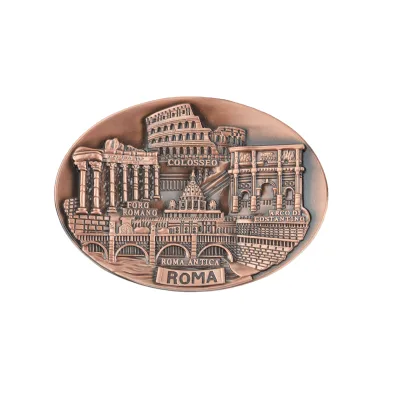
Factory Direct Custom Fridge Magnets Die Cut Metal Magnets for Fridge
$0.421 - $0.661
MOQ: 1200 Pieces


EVER GREATER IMP. & EXP. CO., LIMITED
- Verified by TUVRHEINLAND
- Trading Company
- China Zhejiang
- Lead time15 days
- Avg. response≤ 6h
Main productsDisposable Cup, Paper Cup, Pet Cup, PLA Cup, Sleeve, Coaster, Food Packag Box, Pizza Box, Cake Box, Paper Box
Main marketsSoutheast Asia/ Mideast,Europe,Australia,North America

Accurate Die Cut Shiny Dome Fridge Magnet with Over 25 Years Experience
$0.30 - $0.55
MOQ: 1000 Pieces


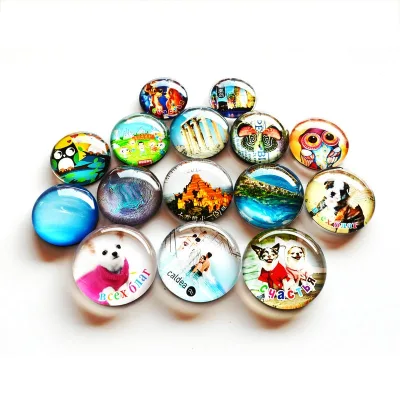
Personalized Customization Metal Enamel Refrigerator Magnet Colored Glass
$0.30 - $0.47
MOQ: 1000 Pieces
Pingyang Jiahong Crafts Factory
- Verified by Intertek
- Manufacturer, Trading Company
- Lead time15 days
- Avg. response≤ 3h
Main productsMedal, Badge, Key Chain, Coin, Trophy
Main marketsDomestic Market(18%), North America(14%), South America(10%)
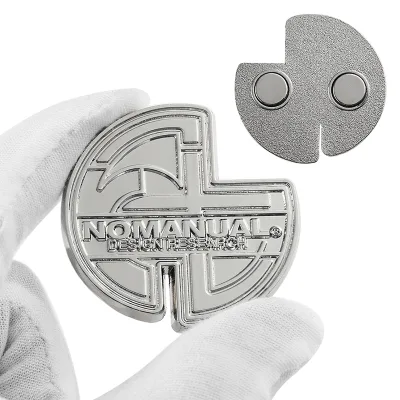
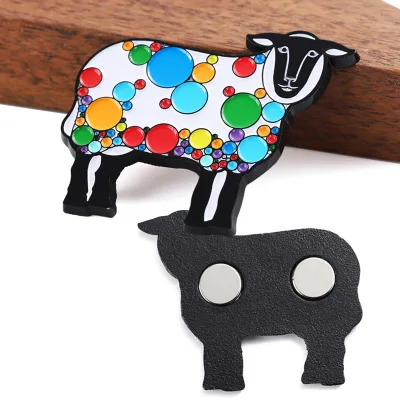
$0.1136 - $0.7135
MOQ: 50 pieces
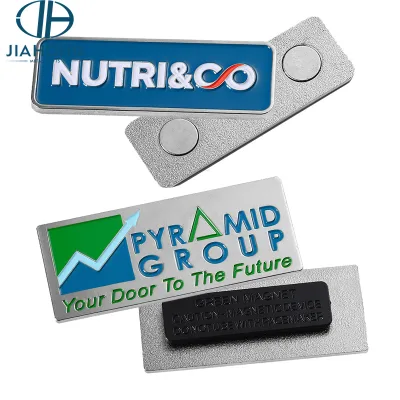
Longyan Chiyuan Industry And Trade Co., Ltd.
- Manufacturer, Trading Company
- Fujian Province, China
- Lead time15 days
- Avg. response≤ 1h
Main productsCards,Stickers,Promotional Collaterals,Carrier Bags,PVC Products
Main marketsNorth America(41.00%), Eastern Europe(18.00%), Mid East(15.00%), Domestic Market(8.00%), South America(7.00%), Northern Europe(3.00%), Southern Europe(3.00%), Southeast Asia(1.00%), Central America(1.00%), Western Europe(1.00%), Oceania(1.00%), Africa(0.50%), Eastern Asia(0.50%)

Safecare Electro Products Co., Ltd.
- Trading Company
- China Anhui
- Lead time30 days
- Avg. response≤ 8h
Main productsFlexible Rubber Magnet, Neodymium Magnet, Magnetic Tape, Magnetic Strip, Rubber Magnet Sheet, Rubber Magnet Rolls, Ferrite Magnet
Main marketsSouth America,Africa,Southeast Asia/ Mideast,Europe,Australia,North America


Refrigerator Magnet Customizable Memorial Fridge Magnet for Home Decoration
$0.10 - $0.50
MOQ: 1000 Sets

Fuzhou Chongkang Gifts Trade Co., Ltd.
- Verified by SGS
- Manufacturer/Factory
- China Fujian
- Lead time23 days
- Avg. response≤ 5h
Main productsPromotional Gifts, Baseball Cap, Beanies Hat, Gift Bags, Scarf, Microfiber Cleaning Cloth, Keychain, USB Charging Line, Luggage Tag, Mobile Phone Holder
Main marketsSouth America,Eastern Europe,Mid East,North America,Southeast Asia,Eastern Asia,Oceania,Western Europe,Africa

Custom Die Cut Printed Magnetic Refrigerator Rubber Fridge Magnets Sticker
$0.15 - $1.23
MOQ: 100 Pieces

Printed Die Cut Shape Refrigerator Customized Car Magnet Sticker Calendar Fridge
$0.20 - $0.85
MOQ: 100 pieces


Zhongshan Lixin Crafts Co.,Ltd.
- Verified by BV
- Combined
- China Guangdong
- Lead time15 days
- Avg. response≤ 1h
Main productsPatch, Sports Event Medal, Enamel Pin, Custom Keychain, Challenge Coin, Fridge Magnet
Main marketsDomestic

Custom Die Cut Shaped Fridge Magnet with Your Logo for Business Advertising
$0.40 - $0.90
MOQ: 100 Pieces

Laser Cut Hollow Design Custom Fridge Magnet with Vintage Style for Gift
$0.40 - $0.92
MOQ: 100 Pieces

Custom Fridge Magnet Animal Enamel Refrigerator Magnet Metal Aluminium Magnets
$0.20 - $0.80
MOQ: 100 Pieces
Changsha Besty Gifts Co., Ltd.
- Verified by SGS Group
- Trading Company
- Lead time30 days
- Avg. response≤ 3h
Main productsGame Card/Playing Card, Fridge Maganet, Silicone Bracelet, Coaster
Main marketsMid East(30%), North America(20%), Domestic Market(12%)
Pingyang Shuanghua Metal Products Co., Ltd.
- Verified by Intertek
- Manufacturer, Trading Company
- Lead time15 days
- Avg. response≤ 2h
Main productsMedal, Lapel Pin, Key Chain, Challenge Coin, Bottle Opener
Main marketsDomestic Market(18%), North America(14%), South America(10%)
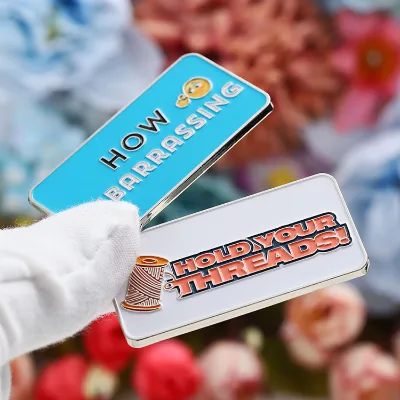
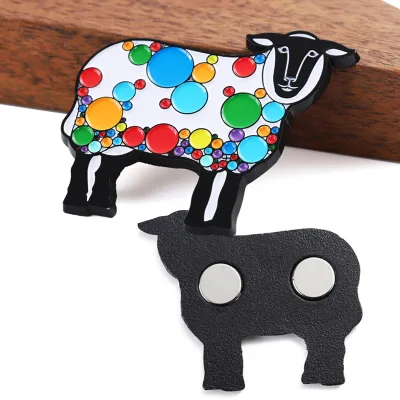
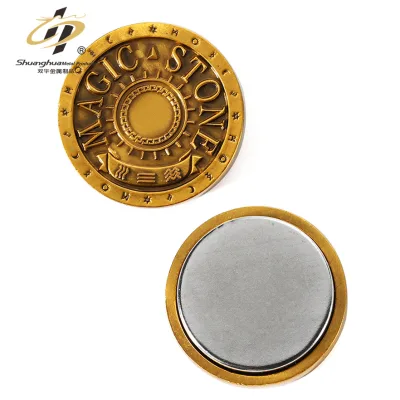
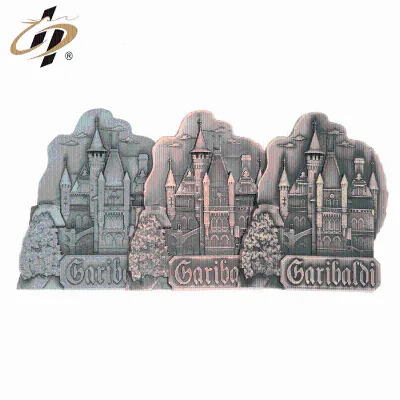
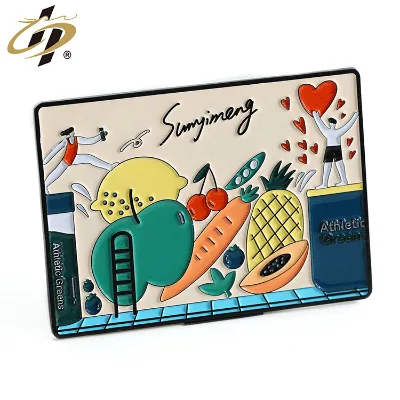
Shuanghua Factory Lovely Design Custom Dye Black Metal Soft Enamel Fridge Magnets for Refrigerator
$0.2069 - $0.4017
MOQ: 1 pieces

Zhongshan Xinyihong Metal Craft Products Factory
- Verified by TUVRHEINLAND
- Combined
- China Guangdong
- Lead time15 days
- Avg. response≤ 2h
Main productsBadge, Lape Pin, Coin, Medal, Key Chain, Cufflink, Tie Clip, Bottle Opener, Golf Divolt, Name Plate
Main marketsNorth America


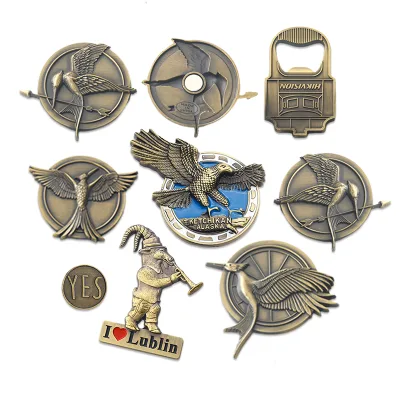
Custom Painted Color Casting Metal Fridge Magnets for Souvenir Collection
$0.26 - $0.69
MOQ: 100 Pieces


Shenzhen Yanlsle Cultural and Creative Technology Co., Ltd.
- Verified by SGS
- Trading Company
- China Guangdong
- Lead time15 days
- Avg. response≤ 8h
Main productsBrooch/Coin/Badge/Medal/Pin/Keychain
Main marketsDomestic


Customized Metal Zinc Alloy Enamel Fridge Magnets for Promotional Refrigerator Use
$0.29 - $0.52
MOQ: 500 Pieces

Foshan Heada Technology Co., Ltd.
- Manufacturer
- Guangdong, China
- Lead time5 days
- Avg. response≤ 4h
Main productsCustom pens,Notebooks,Sticky Notes,Promotional Gifts,Hot New Products
Main marketsNorth America(50.00%), Western Europe(18.00%), South America(10.00%), Eastern Europe(6.00%), Central America(3.00%), Southeast Asia(3.00%), Oceania(3.00%), Eastern Asia(2.00%), Southern Europe(2.00%), Domestic Market(1.00%), Mid East(1.00%), Northern Europe(1.00%)
$0.18 - $0.58
MOQ: 100 pieces

$0.1874 - $0.5996
MOQ: 100 pieces

- Trading Company
- China Guangdong
- Lead time0 days
- Avg. response≤ 2h
Main productsMetal Crafts, Ceramic Products, Plush Toys, Metal Badge, Metal Keychain, Metal Artwork, Ceramic Cup, Pin Badge, Medal, Trophy

Zhongshan Leon crafts and gifts Co., Ltd.
- Verified by SGS
- Trading Company,Manufacturer/Factory
- China Guangdong
- Lead time23 days
- Avg. response≤ 3h
Main productsMetal Pin Badge, Wallet Badge, Sports Medal, Honor Medal, Belt & Buckle, Challenge Coins, Fridge Magnet, Different Kind of Security Products, Keychain, Embroidery Patch
Main marketsSouth America,Eastern Europe,Mid East,North America,Southeast Asia,Eastern Asia,Oceania,Western Europe,Africa
Zhongshan City Dongfeng Town Lifelong Craft & Gifts Factory
- Manufacturer, Trading Company
- Guangdong, China
- Lead time1 days
- Avg. response≤ 1h
Main productsFridge Magnet, Coasters, Keychain, Bottle Opener, Luggage Tag
Main marketsSouthern Europe(20.00%), Eastern Europe(20.00%), Western Europe(20.00%), North America(20.00%), Southeast Asia(10.00%), South America(10.00%), Eastern Asia(10.00%), Northern Europe(10.00%), Oceania(10.00%), Central America(5.00%), Mid East(5.00%)
$0.05 - $0.25
MOQ: 100 pieces
Guilin Kangrui Culture Communication Co., Ltd.
- Verified by SGS Group
- Trading Company
- Lead time10 days
- Avg. response≤ 3h
Main productsDice, Coin, Medal, Embroidered patch, Pin
Main marketsNorth America(50%), Western Europe(30%), Eastern Europe(10%)

Dongguan Yingbaixi Technology Co., Ltd.
- Verified by SGS
- Trading Company,Manufacturer/Factory
- China Guangdong
- Lead time23 days
- Avg. response≤ 1h
Main productsTempered Phone Screen Protector, Hydrogel Film & Film Cutting Machine, Ceramic Screen Protector, POS Silicone Cover, Metal Craft, Landyard, Promotion Gifts
Main marketsSouth America,Eastern Europe,Mid East,North America,Southeast Asia,Western Europe,Africa

Customized Metal Zinc Alloy Enamel Fridge Magnets Promotional Refrigerator Use
$0.10 - $0.90
MOQ: 50 Pieces

Dongguan Meitian Technology Limited
- Verified by SGS Group
- Manufacturer, Trading Company
- Lead time10 days
- Avg. response≤ 3h
Main productsMagnet, Magnetic Materials, Neodymium Magnet, NdFeB Magnet, Permanent Magnet
Main marketsNorth America(25%), Mid East(15%), Northern Europe(10%)

- Verified by TUVRHEINLAND
- Manufacturer/Factory
- China Zhejiang
- Lead time15 days
- Avg. response≤ 9h
Main productsNeodymium Magnet, Ferrite Magnet, Rubber Magnet, AlNiCo Magnet, Fridget Magnet, Keyring, Keychain, Magnet Sticker, Wood Magnet, Magnet Toy
Main marketsSouth America,Mid East,North America,Eastern Asia,Western Europe
Zhongshan Artilanyard Industrial Co., Ltd.
- Verified by Intertek
- Manufacturer, Trading Company
- Lead time15 days
- Avg. response≤ 2h
Main productsLanyard, Medal, Pin Badge, Key Chain
Main marketsNorth America(30%), Eastern Europe(10%), Eastern Asia(10%)
Dongguan Maghard Flexible Magnet Co., Ltd.
- Verified by TüVRheinland
- Manufacturer, Trading Company
- Lead time15 days
- Avg. response≤ 6h
Main productsMagnetic Materials, Decorative Accents, Whiteboards, Magnetic Blocks, Other Educational Toys
Main marketsDomestic Market(20%), Eastern Europe(15%), Western Europe(15%)

Quanzhou Extraworld Imp And Exp Trading Co., Ltd.
- Trading Company
- Fujian, China
- Lead time50 days
- Avg. response≤ 6h
Main productsCeramic mugs,Souvenir gift,Snow globe,Fridge Magnet,Christmas tableware
Main marketsSouthern Europe(20.00%), Western Europe(20.00%), South America(15.00%), North America(15.00%), Mid East(10.00%), Eastern Europe(10.00%), Central America(5.00%), Northern Europe(5.00%)








Comprehensive Sourcing Guide
Enamelled Die Cut Fridge Magnet Supplier Concentration and Factory Types
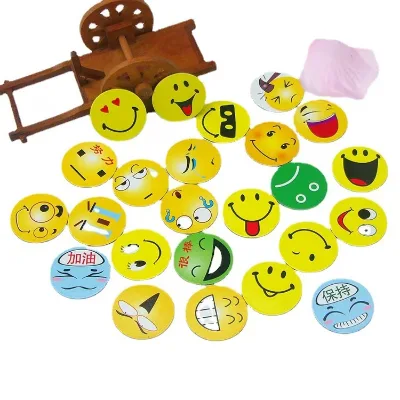
Suppliers listing enamelled die cut fridge magnets fall into two broad types: manufacturers that produce magnetic materials or finished magnets in-house, and trading companies that coordinate printing, die cutting and enamelling through partner workshops. The distinction matters for buyers because it affects pricing tiers, sample handling and who controls quality when a custom die cut shape drifts out of specification. Trading companies in this category often list a wide product spread beyond magnets, such as hang tags, sticky notes and stickers, which signals a promotional-gifts orientation rather than deep magnet engineering. Material-focused suppliers, by contrast, frequently list NdFeB, SmCo, AlNiCo, ferrite and rubber magnets alongside fridge magnets, indicating genuine magnet production capability.
Geographic concentration is evident in the current results: one trading company operates from Zhejiang, China, while a magnet-materials supplier is located in China's Fujian province. These provinces are both active in promotional magnets, but buyers should not assume every listing on a search page comes from a verified cluster. When a location is displayed on a supplier profile, treat it as a starting point for regional shortlisting; when it is missing, ask directly for the factory address and the producing workshop's city. Verifying whether the entity you contact owns the enamelling and die cutting equipment, or merely brokers it, should be done before any quotation is accepted, because it changes accountability for defects.
How to Verify Enamelled Die Cut Fridge Magnet Suppliers
Verification starts with the basics displayed on the supplier profile: legal business name, company type, years in operation and listed main products. A supplier whose main products centre on magnets and magnetic materials is more likely to control production than one whose catalogue is spread across unrelated gift categories. Confirm that the entity name on the profile matches the name that will appear on the invoice and the bank account; mismatches between a trading name and a registered company are a common early warning sign. Ask for a business licence and cross-check the registered scope covers manufacturing or export of promotional magnets.
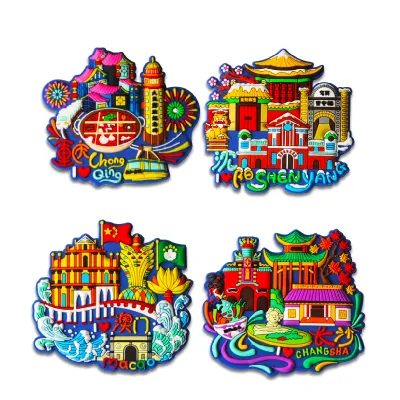
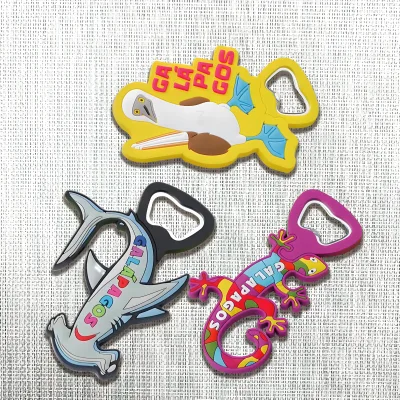
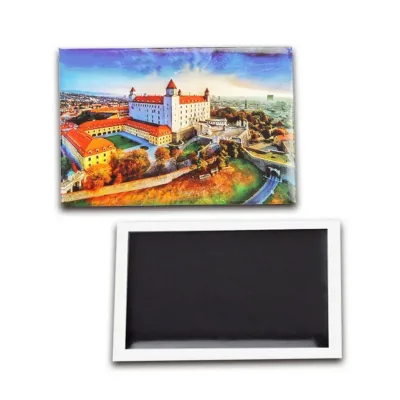
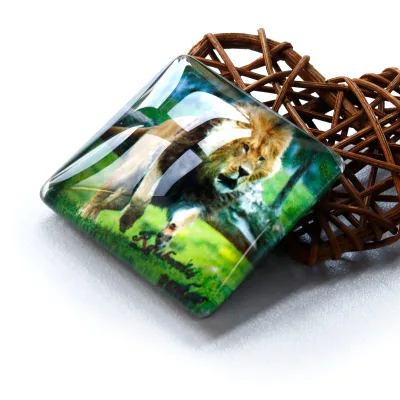
Product-level evidence is the second verification layer. For this category, useful listing details include stated materials such as rubber magnet with paper or PVC, customised die cut shapes, offset or digital printing, and model numbers that can be referenced in enquiries. One Zhejiang-based listing states that samples are freely provided, which lets buyers test enamel finish and die cut accuracy before committing. Request physical samples cut from the same tooling intended for production, not generic catalogue examples, and inspect edge quality, magnet strength and enamel coverage under bright light. If the supplier claims in-house production, ask which processes occur at their own facility versus subcontractors, and request photos or a video walk-through of the die cutting and enamelling stages. Suppliers unwilling to describe their production chain clearly should be treated as higher risk until proven otherwise.
What to Compare Across Enamelled Die Cut Fridge Magnet Suppliers
Build a comparison sheet using attributes suppliers actually display, while remembering that not every listing carries every field. Core dimensions include lead time, minimum order quantity, response speed, location, company type, years established and main products. The current results illustrate the spread buyers should expect: one supplier shows a response time around one hour with a ten-day lead time, while a Fujian magnet supplier shows roughly five hours response and a twenty-three-day lead time. Neither figure is inherently better; the faster responder may be a trading company relaying messages, while the slower one may be controlling material production that shortens your second order.
Price and MOQ comparisons should always be read together with specification differences. Displayed prices in this category range widely, from around two US cents for simple paper-faced die cut magnets to roughly sixty cents for three-dimensional PVC rubber versions, and MOQs range from a single piece with no minimum on some listings to one thousand pieces on others. A low quoted price at high MOQ is not comparable to a higher price at sample-friendly minimums; normalise by total landed cost at your realistic order volume. Also compare what each listing states about customisation: customised sizes, customised die cut shapes, packing format, and whether the sample offer applies to your specific design. Record response time empirically by timing replies to a technical question, since displayed figures may reflect sales-team staffing rather than engineering support quality.
Common Enamelled Die Cut Fridge Magnet Sourcing Risks
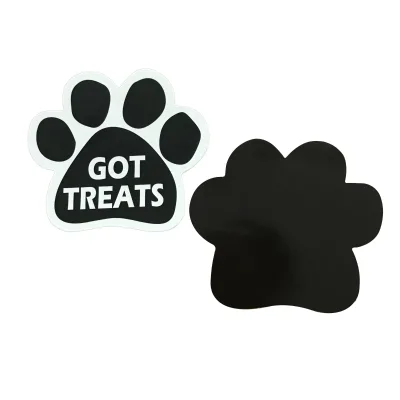
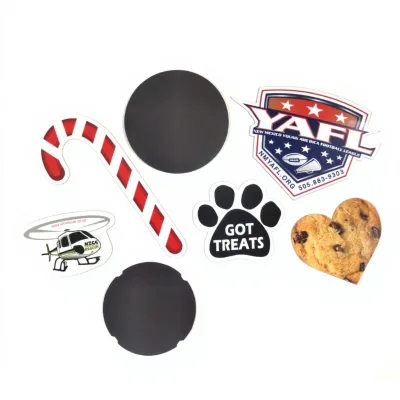
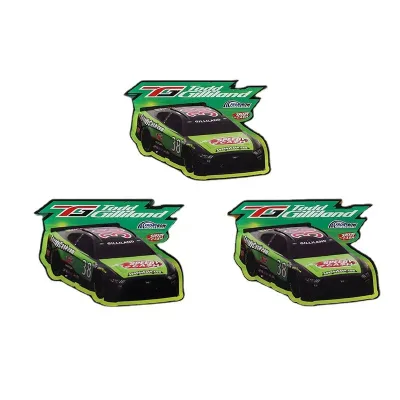
The most frequent risk in this category is specification drift on custom shapes. Die cut outlines are typically cut from printed sheets, and slight tooling offsets can shift the enamel border, clip text or misalign registration. Listings advertising customised die cut shapes and customised sizes are selling capability, not guaranteed precision, so agree a dimensional tolerance and an approved physical sample before mass production. Colour drift is a parallel risk: offset printing on paper-faced magnets and digital printing on PVC respond differently to the same artwork, so insist on a colour-matched proof.
Commercial risks cluster around minimums and samples. Some listings state one piece with no MOQ limit, which is convenient for testing but may hide higher unit pricing or tooling charges not shown in headline prices. Conversely, a one-thousand-piece MOQ on a low-cost paper magnet is a modest commitment, but the price band from roughly two to twenty-one cents on that same listing shows how much specification choices move cost. Sample policies also vary: a freely provided sample still usually means freight is payable by the buyer, and a free sample of a stock shape says little about your custom design. Finally, verify who bears defect liability for enamel peeling or weak magnetism, and whether replacement or credit terms are documented. Buyers who skip a written agreement on these points commonly discover that the supplier's production tolerance was assumed, never agreed.
Enamelled Die Cut Fridge Magnet Regional Sourcing and Logistics
The results place relevant suppliers in two Chinese provinces. A Zhejiang-based trading company lists fridge magnets alongside hang tags, sticky notes, stickers and envelopes, a profile typical of the promotional-gifts ecosystem in that province, with a displayed ten-day lead time. A Fujian-based supplier lists NdFeB, SmCo, AlNiCo, ferrite, rubber and fridge magnets among its main products, consistent with a province known for magnetic materials production, with a displayed twenty-three-day lead time. The longer lead time there may reflect material-grade production rather than simple promotional items, so match the supplier type to your product's magnetic strength needs before choosing on speed alone.
Logistics planning for this category is favourable: finished die cut magnets are light and flat, with displayed single-item gross weights in the range of one to three hundredths of a kilogram and small package dimensions, so air freight is viable for samples and rush quantities, and sea or rail freight is economical at carton volume. Packaging format affects cost more than weight; single-piece packages inflate carton counts. When comparing suppliers across regions, ask each for the producing city, the nearest major port, and their standard export packing description, since one listing specifies a standard export package while others specify single-piece packaging. Those details determine whether a quoted ex-works or FOB price is genuinely comparable across your shortlist.
Enamelled Die Cut Fridge Magnet Commercial Terms and Order Planning
Order planning should sequence commitments against verification milestones. A sensible pattern is: request quotations against one complete specification sheet; order paid or free samples from two or three shortlisted suppliers; approve a golden sample in writing; then place a trial order before scaling. Displayed MOQs in this category make that sequence affordable, since several listings advertise one piece with no minimum, while others start at one thousand pieces. Where escrow or secure payment options are shown on a supplier profile, note them as a comparison field, and confirm with the supplier directly how payment protection applies to custom tooling, because bespoke tooling is often excluded from standard buyer protection.
Financial terms to settle explicitly include unit price at your confirmed volume, tooling and setup charges, sample and freight costs, payment split, and who owns the die tool after the first order. The displayed price ranges in these results, spanning roughly two cents to sixty cents depending on material and construction, show why volume-tiered quotations matter: a price that is competitive at one thousand pieces may not hold at ten thousand, and vice versa. Reconcile the lead time each supplier displays, ten days in one case and twenty-three in another, with your launch calendar and add buffer for sample rounds and rework. Finally, document the agreed model number, material composition, size, printing method and packing format from the listing into your purchase order, so the specification you approved is the specification you receive.
FAQs
What is the typical lead time for custom die cut fridge magnets?
Manufacturers in Zhejiang, China typically require 10 days for production. Suppliers in Fujian may need up to 23 days. Buyers should confirm specific timelines with the supplier before placing orders to ensure timely delivery for promotional events.
What is the minimum order quantity for custom fridge magnets?
Some suppliers offer a minimum order quantity of just one piece with no limits. Others require a minimum of 1000 units for standard production. Buyers seeking small batches should look for suppliers listing no MOQ limits, while bulk buyers can access lower unit prices.
What materials are used for die cut fridge magnets?
Common materials include rubber magnet combined with paper or PVC. Some products use PVC alone for durability. The material choice affects the magnet's flexibility and print quality. Buyers should select rubber magnet for soft flexibility or PVC for a more rigid finish.
How much do custom die cut fridge magnets cost?
Prices range from approximately $0.02 to $0.60 per unit depending on material and quantity. Basic rubber magnet and paper options start near $0.02. More complex PVC or 3D designs can cost up to $0.60. Volume discounts usually apply to larger orders.
Can I get free samples for custom fridge magnets?
Many suppliers freely provide samples for custom designs. This allows buyers to verify print quality and material feel before committing to bulk orders. Buyers should contact the supplier directly to request samples, noting that shipping costs may apply depending on the supplier's policy.
What printing methods are available for custom fridge magnets?
Offset printing is commonly used for standard designs, offering high quality and color accuracy. Digital printing is available for more complex or colorful graphics. Buyers should specify their printing preference when requesting quotes to ensure the final product matches their brand requirements.