Egyptian Resin Cat Bookcase Suppliers and Manufacturers
Compare 12 suppliers offering Egyptian Resin Cat Bookcase options with varying lead times, response speeds, and locations in China. Review product specifications and certifications to select a vendor that meets your sourcing needs; review the available evidence before requesting comparable quotations from suitable candidates.
Updated
Suppliers List
WEIFANG HONOR FOREVER INDUSTRY CO., LTD.
- Trading Company
- Shandong, China
- Lead time25 days
- Avg. response≤ 16h
Main productsDressing table,Coffee table,TV Cabinet,Bookshelf,Nightstand
Main marketsNorth America(40.00%), Western Europe(18.00%), Southern Europe(10.00%), Northern Europe(10.00%), Oceania(8.00%), Mid East(5.00%), South America(5.00%), South Asia(4.00%)

Zhangzhou Zunci Trading Co., Ltd.
- Trading Company,Manufacturer/Factory,Group Corporation,Other
- China Fujian
- Lead time23 days
- Avg. response≤ 5h
Main productsFurniture, TV Cabinet, Shelving Unit, Shelf, Coffee Table, Pet Cage, Computer Desk, Lockers, Sofa, Chair
Main marketsSouth America,Eastern Europe,Mid East,North America,Southeast Asia,Eastern Asia,Oceania,Western Europe,Africa


Modern Household Bookshelf to Neatly Arrange Books and Small Ornaments Bookcase
$45.00 - $55.00
MOQ: 1 Pieces
Fuzhou Fanyige Home Furnishing Co., Ltd.
- Trading Company
- Fujian, China
- Lead time50 days
- Avg. response≤ 2h
Main productsPanel furniture,Wooden dresser,Wooden Sideboard,Wooden Xiffonier,PB MDF Cabinet
Main marketsWestern Europe(50.00%), North America(30.00%), Northern Europe(10.00%), Oceania(10.00%)

- Verified by SGS
- Combined
- China Zhejiang
- Lead time15 days
- Avg. response≤ 1h
Main productsPet Bed, Pet Furniture
Main marketsDomestic

Dongguan Webber Steel Furniture Co., Ltd.
- Verified by SGS
- Manufacturer
- China Guangdong
- Lead time15 days
- Avg. response≤ 6h
Main productsFurniture, Office Furniture, Morden Furniture, Chinese Furniture, Mobile Filing Cabinet, School Furniture, Server Racks, File Cabinet, Network Cabinet, Household Furniture
Main marketsEast Asia(Japan/ South Korea),Europe,North America

Foshan Ulink Furniture Limited
- Verified by TUVRHEINLAND
- Combined
- China Guangdong
- Lead time30 days
- Avg. response≤ 3h
Main productsOffice Furniture, Bedroom Furniture, Coffee Table and TV Stand, Living Room Furniture, Dining Furniture, Office Chair, Office Desk, Computer Desk
Main marketsAfrica,Others(foreignTradeCapacity.exportBusinessCapacityMarketOther),Domestic

Honsoar New Building Material Co., Ltd.
- Verified by TUVRHEINLAND
- Combined
- China Shandong
- Lead time30 days
- Avg. response≤ 13h
Main productsParticle Board, Plywood, MDF, Kitchen Cabinet
Main marketsSouth America,Africa,Southeast Asia/ Mideast,Europe,Australia,North America

LUOYANG SALOFER FURNITURE CO., LTD.
- Verified by CTI
- Trading Company,Manufacturer/Factory
- China Henan
- Lead time23 days
- Avg. response≤ 4h
Main productsBunk Bed Steel Bed Single Bed, Office Desk Office Table Computer Table, Tool Cabinet Workbench Tool Chest Tool Box, Monitoring Command Desk, Mobile Shelving Storage Rack, Filing Cabinet Drawer Filing Cabinet, Lateral Filing Cabinet Vertical Filing Cabinet, Storage Locker Folding Locker Cellphone Locker, Student Desk and Chair Book Shelf, Safe Box Electronic Locker
Main marketsSouth America,Eastern Europe,Mid East,North America,Southeast Asia,Eastern Asia,Oceania,Western Europe,Africa

Nanjing Silaiwei Home Co., Ltd.
- Verified by TUVRHEINLAND
- Combined
- China Jiangsu
- Lead time30 days
- Avg. response≤ 13h
Main productsKitchen Cabinet, Wardrobe, Interior Door, Wainscot Board, Kitchen Island Table, Wallboard, Wine Cabinet, Bathroom Vanity
Main marketsDomestic,Europe

Beijing Tianyuan Rongli Technology Co., Ltd.
- Verified by SGS
- Trading Company,Manufacturer/Factory
- China Beijing
- Lead time15 days
- Avg. response≤ 2h
Main productsMelamine Board, Chipboard, MDF, Solid Wood Pellet Board, Custom-Made Furniture, Dining Room Furniture, Living Room Furniture, Steel-Wood Furniture
Main marketsSouth America,Eastern Europe,Mid East,North America,Southeast Asia,Eastern Asia,Oceania,Western Europe,Africa

Foshan Angkelei Furniture Com., Ltd
- Verified by SGS
- Trading Company
- China Guangdong
- Lead time30 days
- Avg. response≤ 2h
Main productsSofa, Chair, Coffee Table, Trunk Case, Desk, Bed, Dining Chair, Dining Table, Ottoman, Bar Chair
Main marketsOthers(foreignTradeCapacity.exportBusinessCapacityMarketOther),Europe,North America

Elegant Brown Cowhide Leather Bookcase for Home Office and Living Room
$789.00 - $880.00
MOQ: 1 Pieces

Industrial Rattan Wooden Genuine Leather Bookcase for Living Room Home Office
$670.00 - $690.00
MOQ: 1 Pieces

Retro Leather Wooden Office Bookshelf Bookcase for Library Home Living Room
$1554.00 - $1755.00
MOQ: 1 Pieces

Shouguang Hongjiang Home Furnishing Co., Ltd
- Verified by SGS
- Combined
- China Shandong
- Lead time30 days
- Avg. response≤ 5h
Main productsKitchen Cabinet, Bathroom Cabinet, Wardrobe, Shoe Cabinet, Dresssing Table, Drawer Cabinet, Bookcase, TV Stand, Coffee Table, Computer Desk
Main marketsDomestic,Australia


Can Be Placed Either Vertically or Horizontally Black Stylish and Modern Bookcase
$1.00 - $111.99
MOQ: 1 Pieces


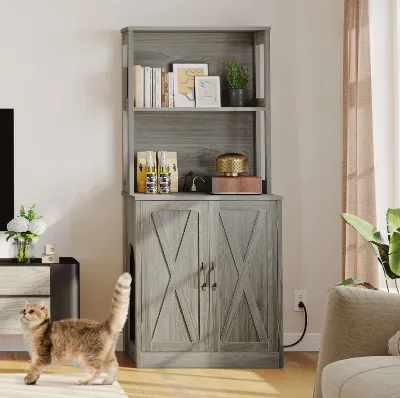
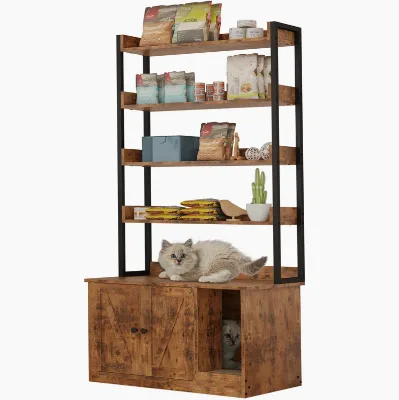
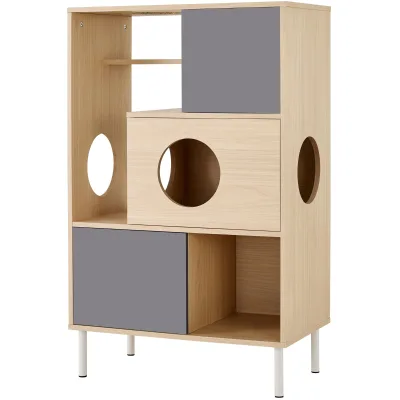
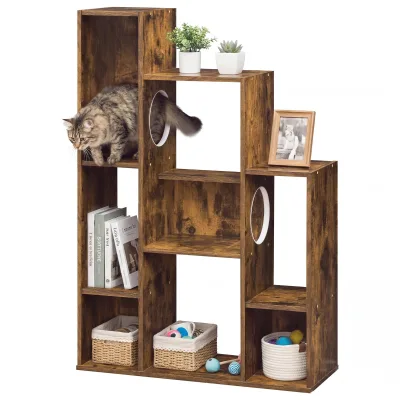


Comprehensive Sourcing Guide
Egyptian Resin Cat Bookcase Supplier Concentration and Factory Types
The current supplier landscape for furniture items, including bookcases and pet enclosures, is heavily concentrated in specific Chinese manufacturing hubs. Evidence indicates that suppliers are located in Shandong, Fujian, and Zhejiang provinces. These regions represent distinct industrial clusters with varying specializations. Shandong-based entities often operate as trading companies, focusing on a broad range of home furniture such as dressing tables, coffee tables, and TV cabinets. This suggests a market structure where trading companies aggregate products from various factories to offer diverse catalogs to international buyers. In contrast, suppliers in Fujian and Zhejiang may have different operational models, with some identified as combined entities or manufacturers. The presence of these geographic clusters allows buyers to source similar product categories from nearby industrial zones, potentially reducing logistical complexity. However, the specific keyword "Egyptian resin" does not appear in the provided product evidence. The observed products are primarily made of wood, particle board, or metal frames. Therefore, buyers must verify if any supplier in these regions actually manufactures Egyptian resin products or if they are offering alternative materials like wooden bookcases with cat features. The concentration in these provinces implies that sourcing from this region is viable, but the material composition requires careful validation against the specific "Egyptian resin" requirement.
Factory types vary significantly across these locations, influencing production capabilities and minimum order quantities. The data shows a mix of trading companies, manufacturers, and group corporations. Trading companies, prevalent in Shandong, may offer lower MOQs but less direct control over the manufacturing process. Manufacturer/Factory entities, potentially found in Fujian, might provide OEM and ODM services, as indicated by some suppliers listing these capabilities. This distinction is crucial for buyers seeking custom Egyptian resin bookcases. If a supplier is a trading company, they act as an intermediary, which might affect lead times and communication efficiency. Conversely, a direct manufacturer might offer more flexibility in material selection, such as incorporating Egyptian resin if they have the specific molding or casting expertise. The evidence also highlights suppliers with specific brand names, suggesting some have established market presence. Buyers should assess whether the supplier type aligns with their need for customization. For instance, if Egyptian resin requires specific curing or molding processes, a manufacturer with relevant experience is preferable. The geographic spread across Shandong, Fujian, and Zhejiang offers options, but the buyer must filter for suppliers who explicitly handle resin-based furniture or can source it reliably.
How to Verify Egyptian Resin Cat Bookcase Suppliers
Verification is critical when sourcing specialized furniture like Egyptian resin cat bookcases, especially when the exact material is not prominently featured in standard product listings. Buyers should start by examining the supplier's certification portfolio. The provided data lists an extensive array of certifications, including ISO 9001, ISO 14001, BSCI, and others. While these indicate general quality and social compliance management systems, they do not specifically verify the use of Egyptian resin. Buyers must request specific material safety data sheets or test reports for the resin component to ensure it meets international standards for durability and non-toxicity. Additionally, verification should include checking the supplier's business license and factory audit reports. Some suppliers are verified by third-party agencies like SGS, as seen in the Zhejiang-based supplier data. This verification status adds a layer of trust regarding the company's legitimacy and operational capacity. However, buyers should not rely solely on these general verifications. They must specifically ask for evidence of past projects involving Egyptian resin or similar composite materials. If the supplier only lists wooden or particle board products, they may need to confirm their ability to source or manufacture the specific resin material requested.
Response time and communication efficiency are also key indicators of supplier reliability. The data shows response times ranging from less than one hour to 16 hours. A supplier with a response time of 0.99 hours, as seen in the Zhejiang results, demonstrates high responsiveness, which is beneficial for complex sourcing inquiries. For a specialized product like an Egyptian resin bookcase, quick communication is essential to clarify technical specifications, such as resin formulation, curing times, and structural integrity. Buyers should test the supplier's responsiveness by asking detailed questions about the material's properties and production process. A slow response might indicate a lack of technical expertise or a trading company that needs to consult with a factory, potentially delaying the project. Furthermore, buyers should verify the supplier's ability to provide samples. Since Egyptian resin is a niche material, requesting a sample of the material itself or a prototype of the bookcase is a practical verification step. This allows the buyer to assess the quality, finish, and durability firsthand. If the supplier cannot provide a sample or refuses to discuss the material specifics, it may be a red flag. Buyers should also check for any negative feedback or disputes in the supplier's history, although this information is not provided in the current data. Thorough verification ensures that the supplier can meet the unique requirements of Egyptian resin furniture.
What to Compare Across Egyptian Resin Cat Bookcase Suppliers
When evaluating potential suppliers, buyers should compare key operational metrics such as lead time, minimum order quantity (MOQ), and price ranges. The data indicates lead times ranging from 23 to 50 days. A shorter lead time, such as 23 days, might be preferable for faster inventory turnover, but it must be balanced against the complexity of producing Egyptian resin products. Longer lead times, like 50 days, could reflect a more thorough production process or lower production capacity. Buyers should inquire if the lead time includes material sourcing for the resin, as this can be a bottleneck. MOQs also vary, with some suppliers offering an MOQ of 1, while others require 50 units. A low MOQ is advantageous for testing the market or for small-scale projects, but it may come with a higher unit price. Conversely, a higher MOQ might offer better economies of scale. Buyers should compare these metrics against their own volume requirements and budget constraints. It is important to note that the price ranges provided in the data are for wooden or particle board products, not Egyptian resin. Therefore, buyers must request specific quotes for Egyptian resin bookcases to get accurate pricing. Comparing quotes from multiple suppliers will help identify the market rate for this specialized material.
Another critical aspect to compare is the customization capabilities and product specifications. The data shows that many suppliers offer customization options, including color, size, and design style. For an Egyptian Resin Cat Bookcase, buyers should assess the supplier's ability to customize the resin formulation, color, and structural design. Some suppliers list specific attributes like "Customized" and "Customizable" for various features. Buyers should verify if the supplier can accommodate specific design requirements, such as integrated cat holes or shelves. Additionally, the main products listed by suppliers provide insight into their expertise. Suppliers focusing on pet furniture or bookcases may have more relevant experience. For example, a supplier listing "Large Cat Litter Box Enclosure" or "Hidden Litter Box Enclosure" demonstrates familiarity with pet-friendly furniture design. Buyers should compare these product portfolios to find suppliers with a proven track record in similar items. The presence of OEM and ODM capabilities, as seen in some supplier data, is also a significant advantage for buyers seeking unique designs. By comparing these factors, buyers can select a supplier that not only meets their logistical needs but also has the technical expertise to produce high-quality Egyptian resin cat bookcases.
Common Egyptian Resin Cat Bookcase Sourcing Risks
One significant risk in sourcing Egyptian resin cat bookcases is the potential mismatch between supplier capabilities and material requirements. The current data shows suppliers primarily dealing with wood, particle board, and metal frame products. If a supplier does not have experience with resin-based furniture, they may struggle with the specific manufacturing processes required, such as molding, casting, or curing. This could lead to quality issues, such as cracking, discoloration, or structural weakness in the final product. Buyers must be cautious of suppliers who claim to offer Egyptian resin but lack specific evidence or samples. Another risk is the variability in material quality. Egyptian resin may have different grades and formulations, affecting durability and appearance. Without clear specifications and quality control measures, buyers may receive products that do not meet their expectations. It is essential to establish clear quality standards and inspection protocols before placing an order. Buyers should also consider the risk of supply chain disruptions, especially if the resin material is sourced from a limited number of suppliers. Ensuring a stable supply of raw materials is crucial for consistent production.
Communication and cultural barriers can also pose risks, particularly when dealing with international suppliers. The data shows response times varying significantly, which may indicate differences in operational efficiency. Slow or unclear communication can lead to misunderstandings regarding product specifications, delivery schedules, and payment terms. Buyers should establish clear communication channels and regular check-ins to monitor progress. Additionally, there is a risk of intellectual property infringement if the buyer provides custom designs. It is important to have non-disclosure agreements (NDAs) in place to protect proprietary designs. Another risk is the potential for hidden costs, such as shipping, customs duties, and taxes. Buyers should obtain detailed quotes that include all costs to avoid unexpected expenses. The lead times provided in the data are estimates and may vary based on production volume and material availability. Buyers should build buffer time into their planning to account for potential delays. Finally, buyers should be aware of the risk of supplier insolvency or operational issues. Verifying the supplier's financial stability and reputation can help mitigate this risk. By identifying and addressing these common risks, buyers can improve their chances of a successful sourcing experience.
Egyptian Resin Cat Bookcase Regional Sourcing and Logistics
Sourcing from China offers access to established manufacturing clusters in Shandong, Fujian, and Zhejiang. These regions have developed expertise in furniture production, which can be leveraged for Egyptian resin bookcases. Shandong suppliers, often trading companies, may offer a wide range of products, making it easier to find complementary items. However, their focus on trading may mean less direct control over the manufacturing process. Fujian and Zhejiang suppliers, including manufacturers and combined entities, may offer more direct production capabilities. The geographic location of these suppliers can impact logistics costs and delivery times. Buyers should consider the proximity of the supplier to major ports, such as Qingdao in Shandong or Xiamen in Fujian, to optimize shipping routes. Additionally, the type of supplier can affect packaging and handling. Some suppliers list specific packing methods, such as brown cardboard boxes, which can influence the protection of the product during transit. For Egyptian resin bookcases, which may be heavy or fragile, proper packaging is crucial to prevent damage. Buyers should discuss packaging requirements with the supplier to ensure the product arrives in good condition.
Logistics planning should also account for the specific requirements of Egyptian resin products. These items may have special handling instructions due to their material properties. Buyers should verify if the supplier has experience in exporting similar products and can provide necessary documentation, such as certificates of origin and material safety data sheets. The lead times provided in the data, ranging from 23 to 50 days, should be factored into the logistics plan. Buyers should allow sufficient time for production, quality inspection, and shipping. Additionally, buyers should consider the impact of seasonal fluctuations on shipping costs and availability. Peak seasons, such as before major holidays, may result in higher shipping rates and longer lead times. Working with a reliable freight forwarder can help navigate these challenges. Buyers should also be aware of import regulations in their destination country, particularly regarding furniture materials. Ensuring compliance with local standards can prevent delays at customs. By carefully planning logistics and considering the regional strengths of Chinese suppliers, buyers can streamline the sourcing process for Egyptian resin cat bookcases.
Egyptian Resin Cat Bookcase Commercial Terms and Order Planning
FAQs
What is the typical lead time for these bookcases?
Lead times vary by supplier, with observed ranges from 23 to 50 days. Some manufacturers offer faster delivery options around 23 days, while others may require up to 50 days for production and shipping. Buyers should confirm specific timelines before placing orders.
Are there suppliers offering low minimum order quantities?
Yes, some suppliers accept orders as low as one unit for specific bookcase models. Other vendors may require a minimum of 50 units. Buyers seeking small batches should verify the MOQ directly with the supplier to ensure it meets their purchasing needs.
Which regions in China supply these furniture items?
Suppliers are located in Shandong, Fujian, and Zhejiang provinces. These regions host various trading companies and manufacturers specializing in wooden furniture and pet accessories. Buyers can filter results by these specific locations to find suppliers closest to their logistics preferences.
What materials are commonly used for these bookcases?
Common materials include particle board, solid wood, and metal frames. Some products feature wooden construction with customizable finishes. Buyers should check product specifications for material details like particle board or solid wood to ensure durability matches their requirements.
Do suppliers offer customization options for these items?
Many suppliers provide customization services for color, size, and design. Options often include customizable door handles and cortex finishes. Buyers can request specific dimensions or styles, but they must confirm availability and any additional costs with the supplier before finalizing the order.
What is the price range for these cat bookcases?
Prices observed range from approximately 21.88 to 55.00 per unit. Specific costs depend on the model, material, and customization level. Buyers should compare multiple listings to find the best value within their budget while considering shipping and potential bulk discounts.
How quickly do suppliers typically respond to inquiries?
Response times vary significantly, with some suppliers replying within under one hour and others taking up to 16 hours. Faster response times are often associated with suppliers in specific regions. Buyers should prioritize suppliers with quick reply rates for efficient communication.