Natural Raw Stone Ornaments Suppliers and Manufacturers
Find 29 verified suppliers offering Natural Raw Stone Ornaments from Zhejiang and Jingsu. Compare response times, lead times, certifications, and product features like eco-friendly status and carving techniques. Contact suppliers directly to request samples and confirm MOQs; review the available evidence before requesting comparable quotations from suitable candidates.
Updated
Suppliers List

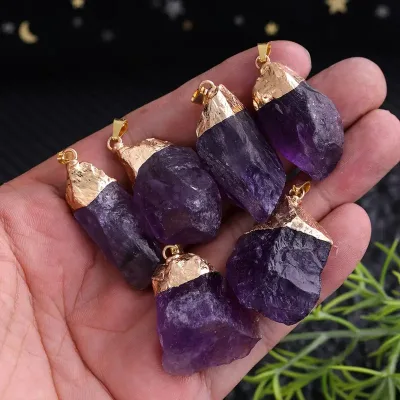
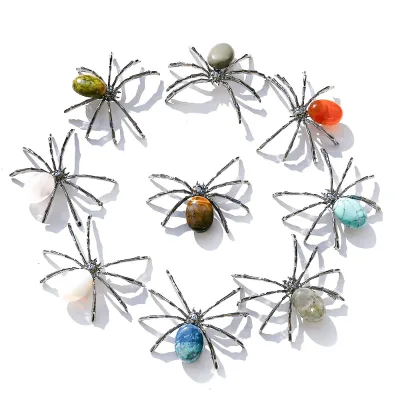
Yiwu Hongzhuo Art&crafts Factory
- Manufacturer, Trading Company
- Zhejiang, China
- Lead time30 days
- Avg. response≤ 6h
Main productsCrystal Crafts,Beauty Tools,Massage Tools,Gemstone Carving,Jewelry & Accessories
Main marketsDomestic Market(100.00%)
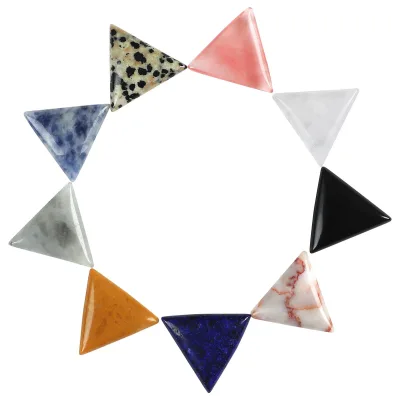
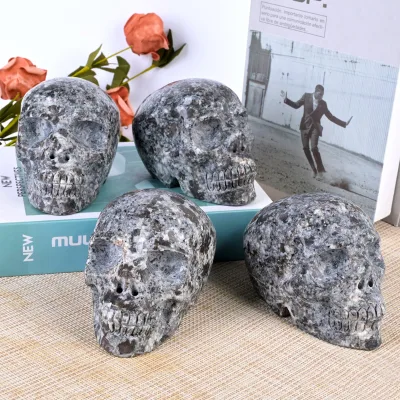
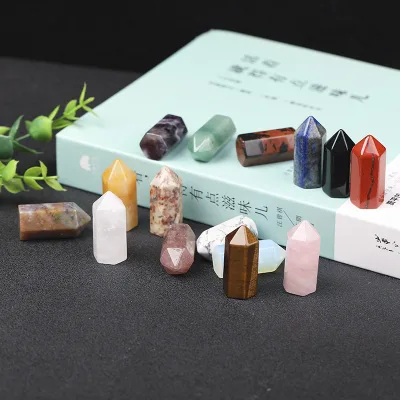
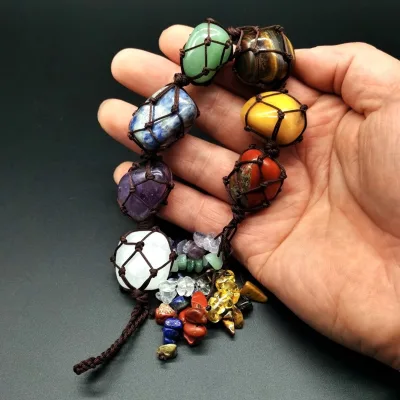
$3.99 - $9.99
MOQ: 100 Minimum
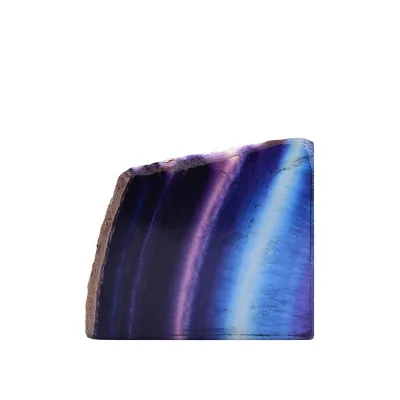
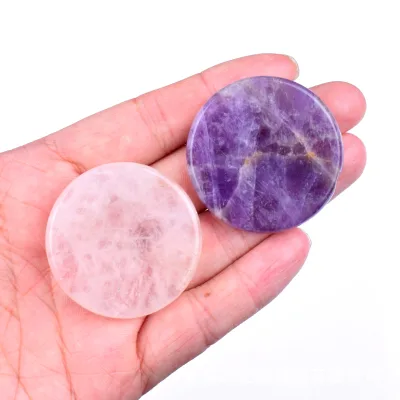
Donghai Shanhuiju Trading Co., Ltd.
- Verified by Intertek
- Manufacturer, Trading Company
- Jingsu, China
- Lead time15 days
- Avg. response≤ 1h
Main productsCrystal Points, Crystal Hearts, Crystal Spheres, Crystal Skulls, Crystal Carving
Main marketsNorth America(80%), Western Europe(11%), Oceania(8%)
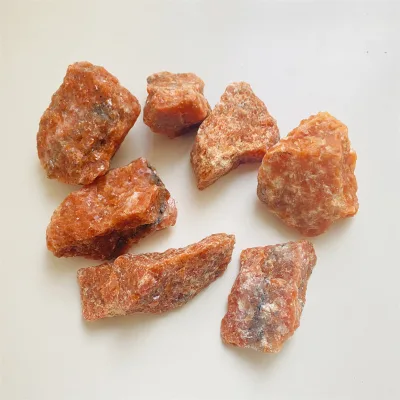
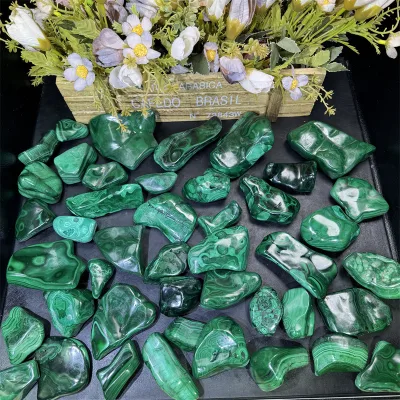
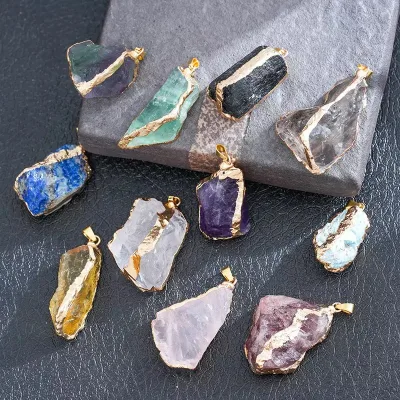
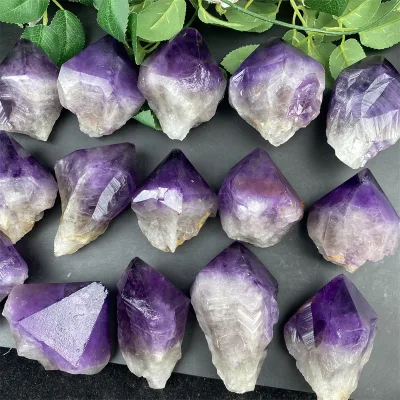
$23.6467 - $23.96
MOQ: 2 kilograms
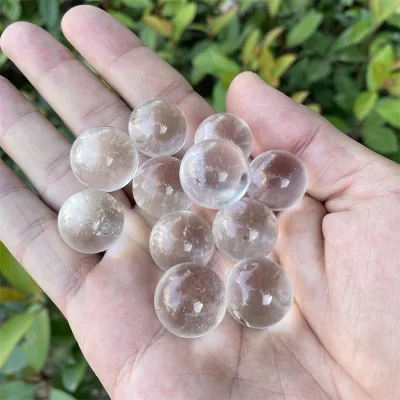
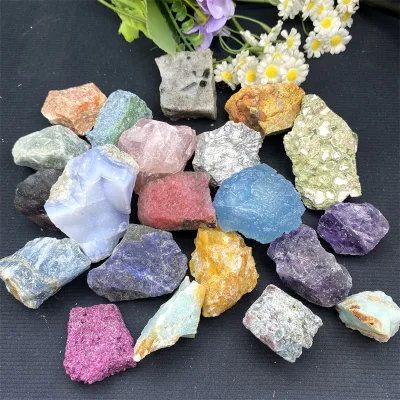
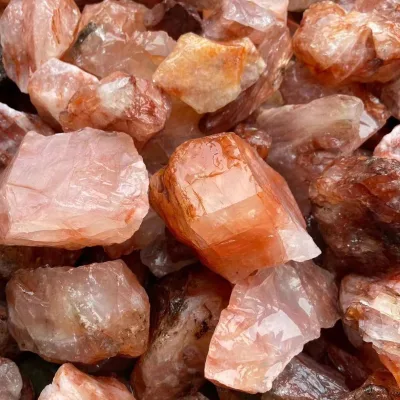
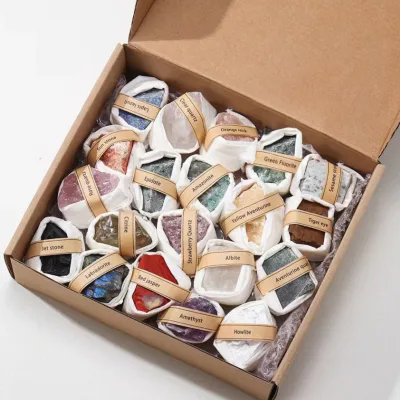
Hot Sale Spiritual Healing Natural Stones Crystal Quartz Rough Stone Crystal Raw Stone for Gift
$2.1885 - $86.0456
MOQ: 1 Minimum
Donghai Shama Jewelry Co., Ltd.
- Manufacturer
- Jiangsu, China
- Lead time0 days
- Avg. response≤ 2h
Main productsCrystal crafts,Jewelry & Accessories,Crystal items,Crystal key chain,Crystal mineral specimen
Main marketsSouth America(40.00%), North America(40.00%), Southeast Asia(10.00%), Eastern Europe(10.00%)
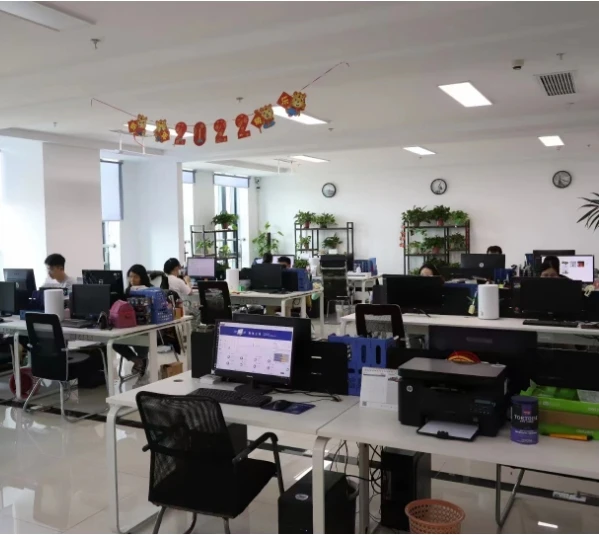
Lianyungang Fream Crystal Products Co., Ltd.
- Manufacturer, Trading Company
- Jiangsu, China
- Lead time12 days
- Avg. response≤ 1h
Main productsCrystal carvings,Crystal towers,Crystal tumbled stones,Crystal specimens,Healing crystal stones
Main marketsNorth America(27.00%), Western Europe(15.00%), Northern Europe(9.00%), Oceania(9.00%), Domestic Market(6.00%), Southeast Asia(5.00%), South Asia(5.00%), Southern Europe(5.00%), Eastern Europe(5.00%), Mid East(5.00%), South America(4.00%), Central America(3.00%), Eastern Asia(2.00%)
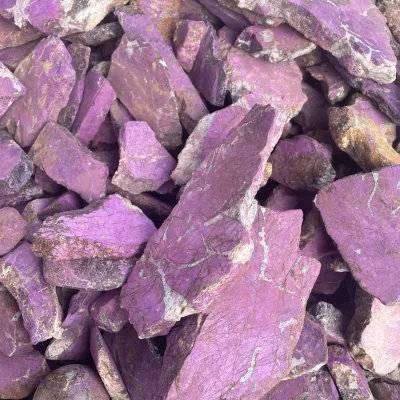
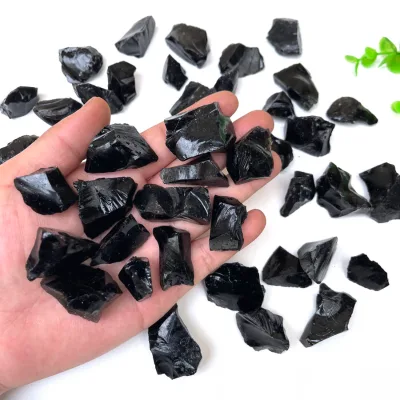
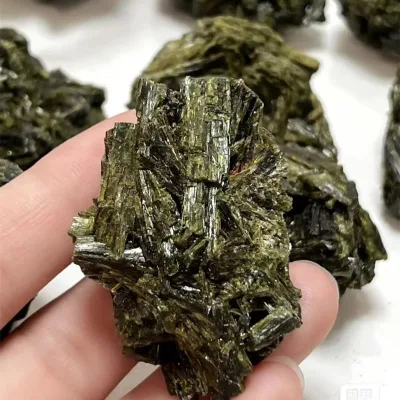
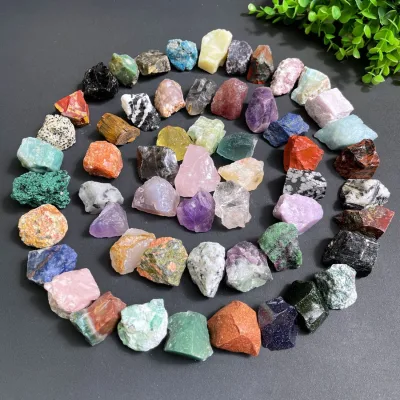
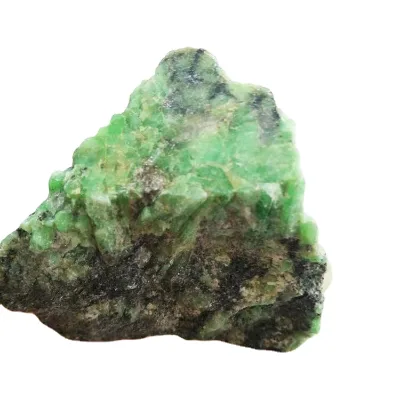
Natural Healing Crystals Stones Crystal Quartz Raw Green Tourmaline Rough Stone
$29.00 - $35.00
MOQ: 2
Lianyungang Nuoheng Crystal Jewelry Co., Ltd.
- Manufacturer, Trading Company
- Jiangsu, China
- Lead time0 days
- Avg. response≤ 8h
Main productsFluorite Tower/Moonstone Sphere/Moonstone/Sunstone/Crystal Skull,Augen pyramid/pyramid/Perfume bottle/crystal,healing crystal,Custom made crystal,crystal carving
Main marketsNorth America(80.00%), Southeast Asia(20.00%)
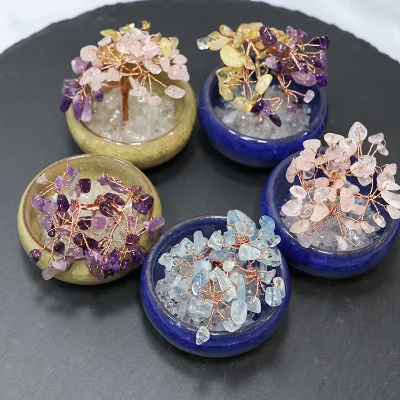
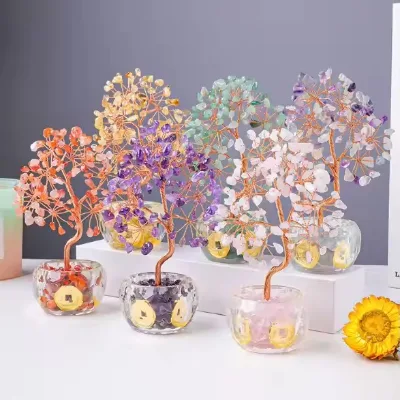
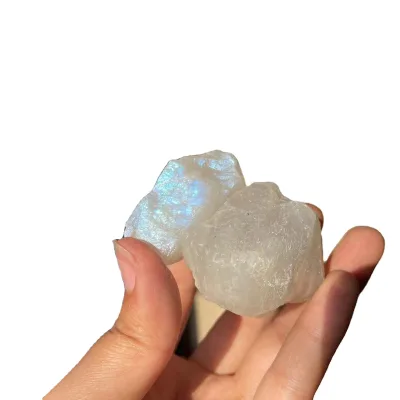
New Arrival Natural Healing Stones Healing Jewelry Raw Stone Gifts for Decor
$3.0849 - $3.2738
MOQ: 1 pieces

FOSHAN BESTONE ENTERPRISE CO., LTD.
- Trading Company,Manufacturer/Factory
- China Guangdong
- Lead time23 days
- Avg. response≤ 13h
Main productsQuartz Stone, Quartz Stone Slab, Quartz Stone Countertop, Artificial Stone, Silica Free Stone, Quartz Stone Vanity Top, Silica Free Benchtop, Prefab Countertop, Natural Stone
Main marketsSouth America,Eastern Europe,Mid East,North America,Southeast Asia,Eastern Asia,Oceania,Western Europe,Africa
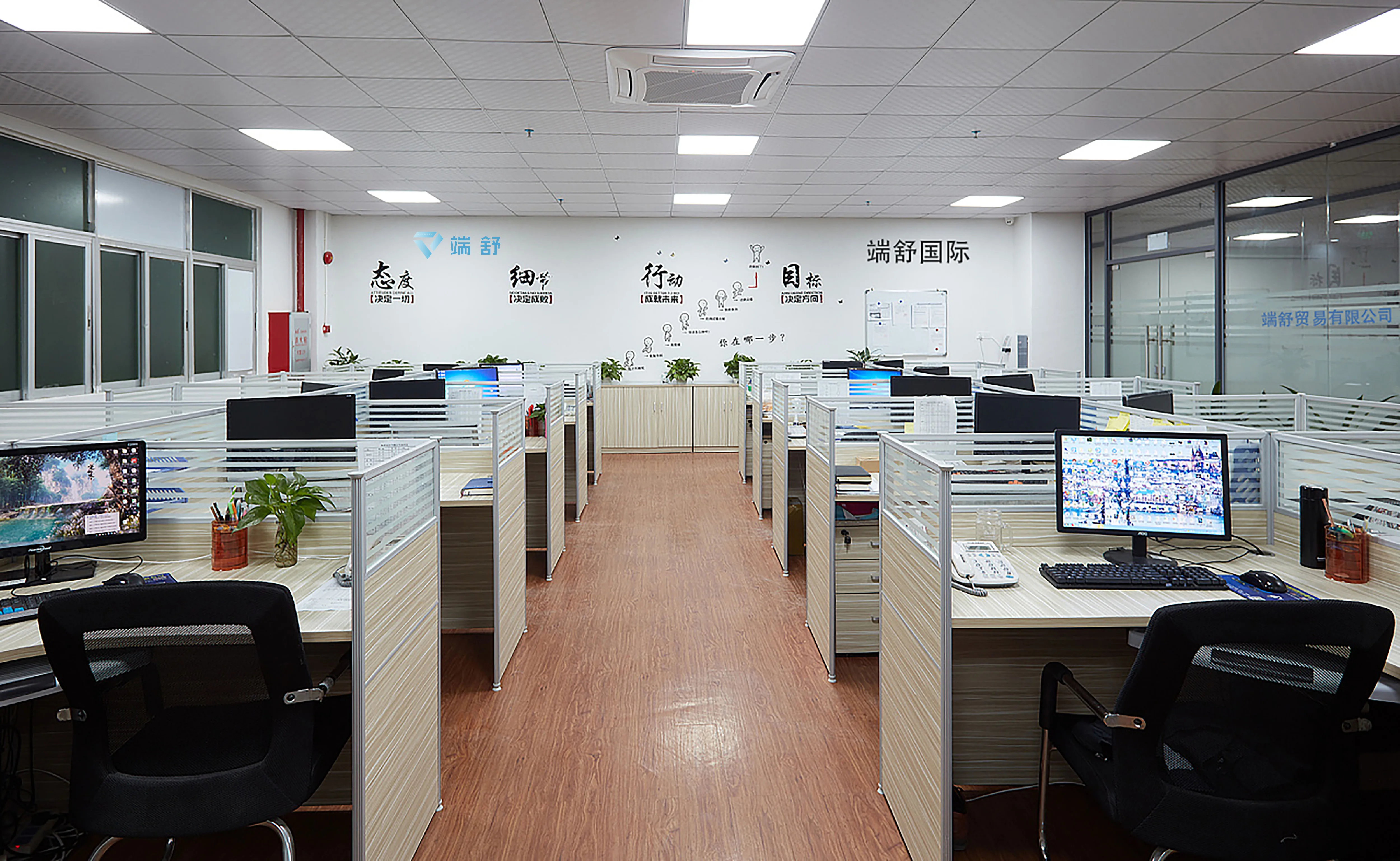
Lianyungang Duanshu Trading Co., Ltd.
- Trading Company
- Jiangsu, China
- Lead time3 days
- Avg. response≤ 2h
Main productsCrystal Bracelets,Crystal Raw Stone,Crystal Bangles,Crystal Healing Stone,Gravels/Chips
Main marketsNorth America(40.00%), Southeast Asia(20.00%), South America(10.00%), Oceania(10.00%), Western Europe(5.00%), Eastern Europe(5.00%), South Asia(5.00%), Northern Europe(3.00%), Africa(2.00%)
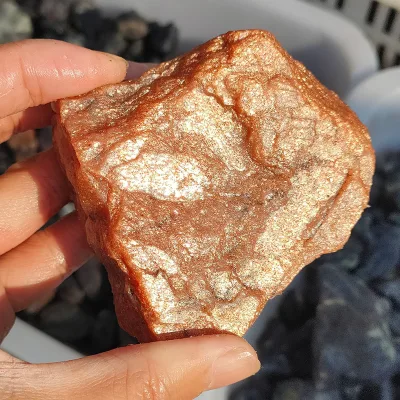
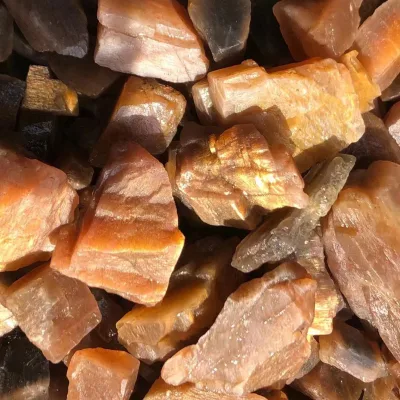
Natural High Quality Sunstone Natural Golden Sunstone Raw Stone for Decoration
$140.00 - $150.00
MOQ: 2
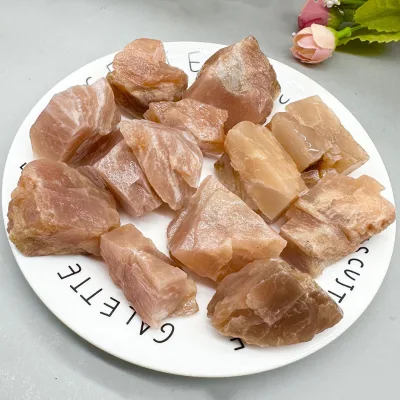
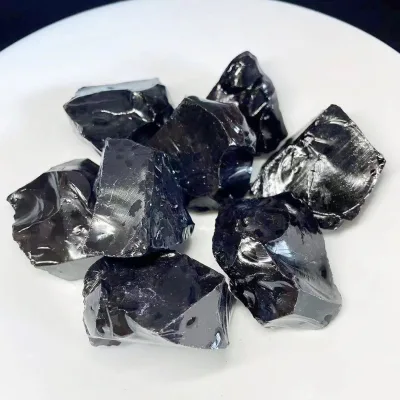
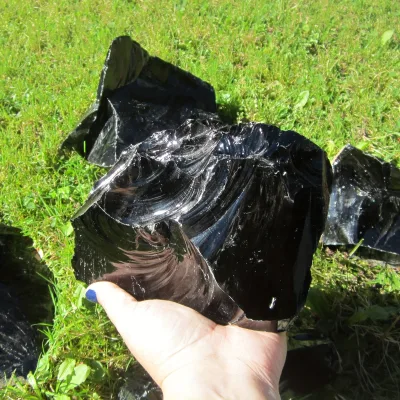
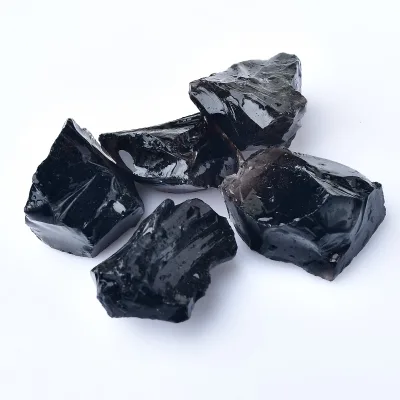
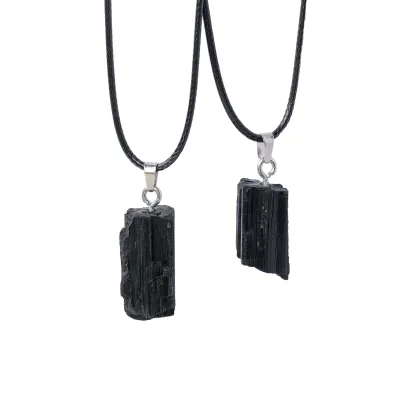
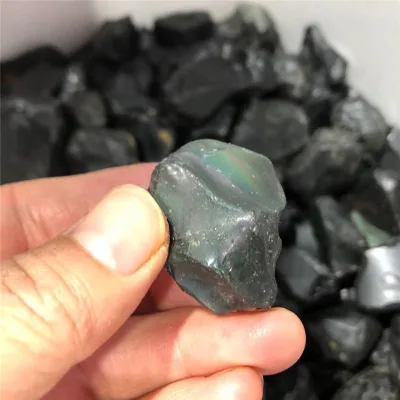
Wholesale Natural Rough Black Obsidian Crystal Raw Stone for Decoration
$5.1341 - $6.1609
MOQ: 2 kilograms
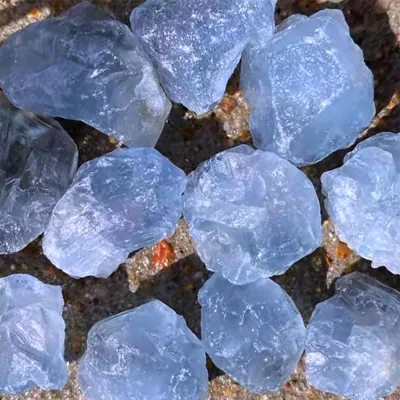
Wholesale Natural Celestite Stone Celestite Crystal for Decoratioan
$20.6202 - $25.7738
MOQ: 2 Minimum
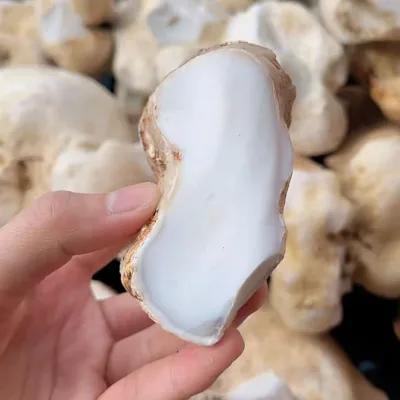
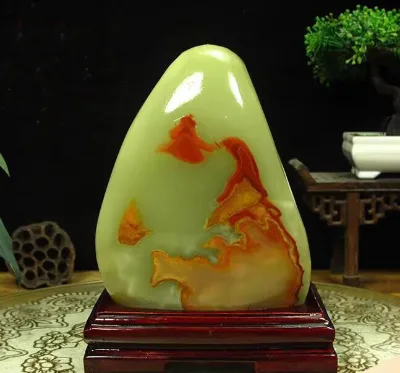
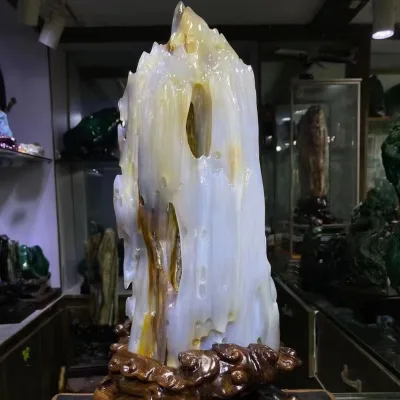
High Quality White Jade Raw Stone Natural Jade Crystal Rough Stone for Processing
$10.2682 - $15.4007
MOQ: 5 kilograms

Lianyungang Best International Trading Co., Ltd.
- Trading Company
- Jiangsu, China
- Lead time10 days
- Avg. response≤ 3h
Main productsCrystal Carvings,Crystal Chips,Crystal Spheres,Crystal Tumbled
Main marketsNorth America(30.00%), Oceania(15.00%), Domestic Market(7.00%), Southern Europe(5.00%), Northern Europe(5.00%), Central America(5.00%), Western Europe(5.00%), Eastern Asia(5.00%), South America(5.00%), Africa(5.00%), Eastern Europe(5.00%), South Asia(3.00%), Mid East(2.00%)

- Trading Company,Manufacturer/Factory
- China Guangdong
- Lead time23 days
- Avg. response≤ 7h
Main productsGemstone, Jewelry, Gemstone Jewelry, Loose Gemstone Beads, Jewelry Rings, Jewelry Set, Jewellery Earrings, Pendant, Created Emerald, Cubic Zirconia
Main marketsSouth America,Eastern Europe,North America,Western Europe
Donghai Liuxiuli Crystal Factory
- Verified by SGS Group
- Trading Company
- Lead time0 days
- Avg. response≤ 2h
Main productsHealing Crystal Spheres, Feng Shui Weath Crystal, Rose Quartz Tower, Amethyst Geode, Natural Crystal Obelisk
Main marketsDomestic Market(100%)
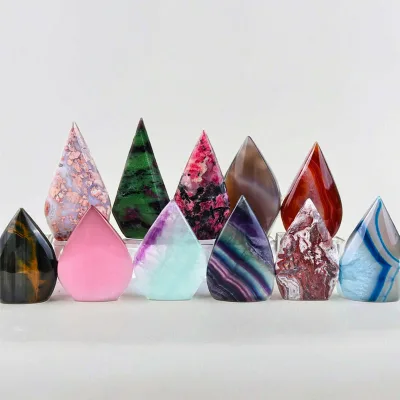
Wholesale Handcrafted Natural Crystal Spiritual Healing Stone Ornaments Other Crystal Crafts Gift
$15.4442 - $18.5321
MOQ: 1 pieces
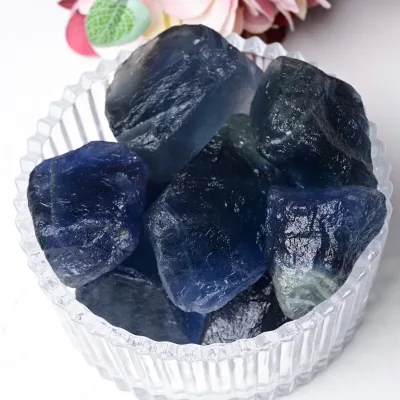

Quanzhou Tianyuan Stone Co., Ltd.
- Verified by BV
- Trading Company
- China Fujian
- Lead time15 days
- Avg. response≤ 3h
Main productsGranite Marble Tile and Slab, Countertop Vanity Table, Slate Sandstone Pebble Travertine, Pillar Column Fountain, Waterjet Medallion Mosaic Tile, Cobblestone Kerbstone Paving, Sculpture Statue, Construction Landscape Stone, Fireplace Bathtub, Floor and Wall Stone
Main marketsSouth America,Southeast Asia/ Mideast,Europe,North America
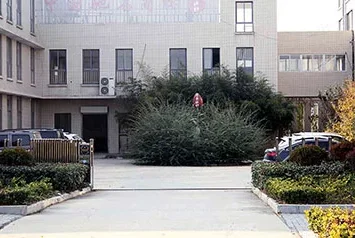
Donghai Crown Crystal Crafts Co., Ltd.
- Trading Company
- Jiangsu, China
- Lead time3 days
- Avg. response≤ 6h
Main productsCrystal Points/Crystal Carvings/Crystal Hearts/Crystal Skulls/Crystal Balls
Main marketsEastern Europe(26.00%), North America(18.00%), South America(15.00%), Central America(10.00%), Northern Europe(10.00%), Southeast Asia(10.00%), Southern Europe(6.00%), Western Europe(5.00%)

Guangxi Wuzhou Starsgem Co., Limited
- Manufacturer/Factory
- China Guangxi
- Lead time15 days
- Avg. response≤ 21h
Main productsCubic Zirconia, Star Cut, Synthetic Gemstone, Synthetic Ruby, Synthetic Sapphire, Glass Bead, CZ, Zircon, Semi-Precious Stone, Gemstone
Main marketsSouth America,Eastern Europe,Mid East,North America,Southeast Asia,Eastern Asia,Oceania,Western Europe,Africa

- Trading Company,Manufacturer/Factory
- China Hebei
- Lead time120 days
- Avg. response≤ 25h
Main productsStone Veneer, Cement Ledge Stone, Free Form Stone, Stone Column&Pillar, Mosaic, Paving Stone, Cobble&Pebbles, Stone Tiles, Mortar&Pestle, Stone Candle Holder
Main marketsSouth America,Eastern Europe,Mid East,North America,Southeast Asia,Eastern Asia,Oceania,Western Europe,Africa

Xiamen Amore Gift Solutions Co., Ltd.
- Verified by BV
- Trading Company
- China Fujian
- Lead time30 days
- Avg. response≤ 10h
Main productsCrystals, Gemstones, Crystal Skulls, Crystal Animals
Main marketsEast Asia(Japan/ South Korea),North America


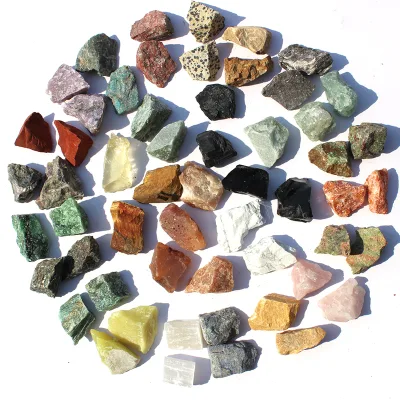
Manufacturer Wholesales Natural Stones of Various Colors Crushed Stone Landscape
$1.00 - $2.00
MOQ: 1 kg
Donghai Hengmei Crystal Co., Ltd.
- Verified by TüVRheinland
- Manufacturer, Trading Company
- Lead time25 days
- Avg. response≤ 4h
Main productsCrystal Crafts, Bulk Tumbled Stones, Black Tourmaline, Chakra Stones, Crystal Raw Stone
Main marketsNorth America(30%), Western Europe(15%), Eastern Europe(10%)
Guangzhou Gui Jing Crafts Co., Ltd
- Verified by TüVRheinland
- Trading Company
- Lead time60 days
- Avg. response≤ 10h
Main productsCrystal Gift Box, Crystal Animals Sphere Point Carving, Crystal Tumble Gravel Stone, Crystal Healing Chakra Pendant, Crystal Tower Tree
Main marketsNorth America(50%), Southeast Asia(20%), Domestic Market(15%)
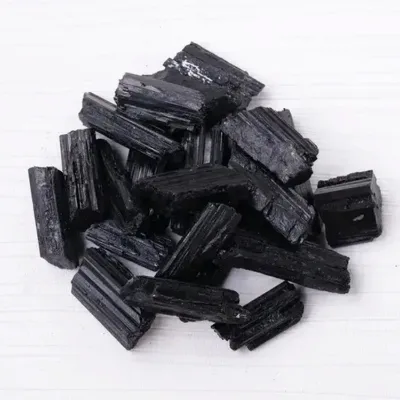
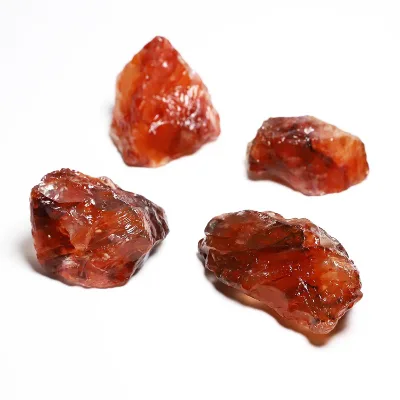
$3.50 - $9.99
MOQ: 5 Minimum
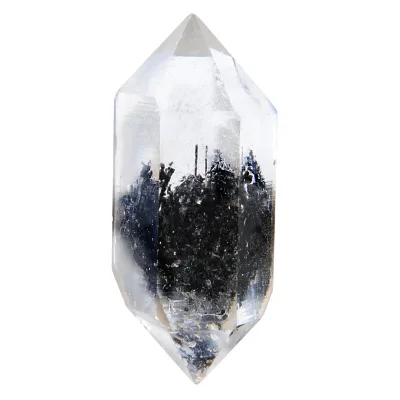

Lingshou Chuangwei Mineral Products Processing Factory
- Verified by SGS
- Combined
- China Hebei
- Lead time15 days
- Avg. response≤ 5h
Main productsGlass Beads, Garnet Sand, Washed Stone, Colored Sand, Rock Fragment, Diamond Sand, Brown Corundum, Quartz Sand, Kaolin, Silica
Main marketsAfrica,Southeast Asia/ Mideast,Europe


Beautiful Five Color Stone for Collection Interior Decoration and Gifts
$223.00 - $258.00
MOQ: 10 tons
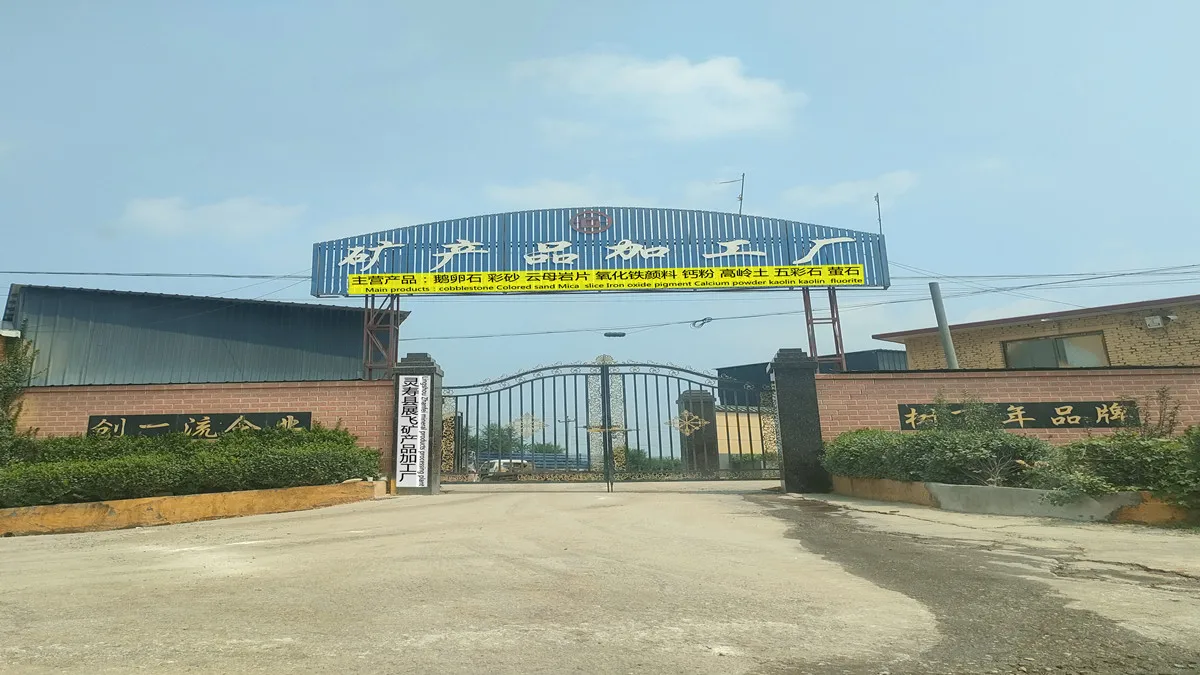
Lingshou Zhanfei Mineral Products Processing Plant
- Manufacturer
- Hebei, China
- Lead time30 days
- Avg. response≤ 8h
Main productsPainting stone,Iron oxide pigment,Crystal Fluorite,cobblestone,volcanic stone
Main marketsNorthern Europe(10.00%), Central America(10.00%), Western Europe(10.00%), Eastern Europe(10.00%), South America(10.00%), North America(10.00%), Domestic Market(5.00%), South Asia(5.00%), Southern Europe(5.00%), Oceania(5.00%), Africa(5.00%), Southeast Asia(5.00%), Eastern Asia(5.00%), Mid East(5.00%)
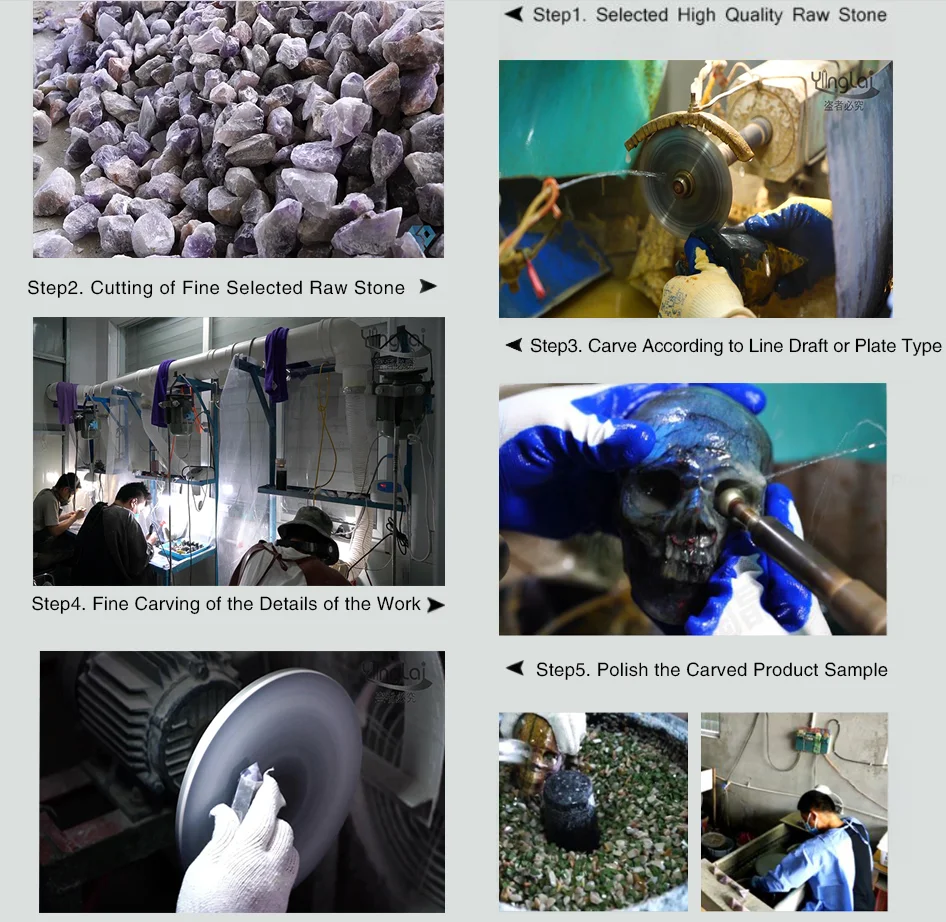
Donghai Xian Ying Lai Jewelry Co., Ltd.
- Manufacturer, Trading Company
- Jiangsu, China
- Lead time20 days
- Avg. response≤ 23h
Main productsCrystal Points; Crystal Spheres; Crystal Skulls; Crystal Carving Products; Crystal Tumble Stones
Main marketsNorth America(40.00%), Oceania(20.00%), Western Europe(10.00%), Southern Europe(10.00%), Eastern Europe(10.00%), South Asia(1.00%), Eastern Asia(1.00%), South America(1.00%), Central America(1.00%), Northern Europe(1.00%), Africa(1.00%), Mid East(1.00%), Southeast Asia(1.00%)
Donghai Kindfull Crystal Product Co., Ltd.
- Manufacturer, Trading Company
- Lead time旺季: "50 - 250000":7,"250050 - 1250000":30,"> 1250000":"To be negotiated", 淡季: "50 - 250000":7,"250050 - 1250000":30,"> 1250000":"To be negotiated"
- Avg. response≤ 2h
Main productsCarving/Crystal Points/Crystal Palm/Crystal Sphere/Beauty Tools
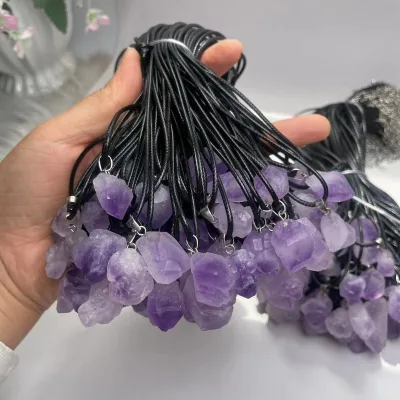
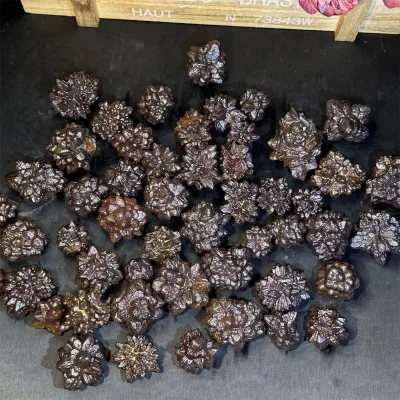
Wholesale Prophecy Stone Natural Crystal High Quality Polished Prophecy Raw Stone for Gift
$38.3969 - $39.9334
MOQ: 1 kilograms
Donghai County Boheng Crystal Jewelry Co., Ltd.
- Verified by SGS Group
- Manufacturer, Trading Company
- Lead time3 days
- Avg. response≤ 2h
Main productsCrystal Water Bottle; Crystal Smoking Pipes; Crystal Point/Crystal Gravel/Crystal Ball
Main marketsNorth America(60%), Oceania(15%), Southeast Asia(10%)

China Arts Building Material Group Co.,Limited
- Trading Company,Manufacturer/Factory
- China Fujian
- Lead time23 days
- Avg. response≤ 6h
Main productsStone/ Granite/ Marble, Kitchen Countertop and Vanity Tops, Slab and Tiles, Quartz and Artificial Stone, Composite Products, Mosaic and Medallion, Sink Basin Sculpture and Tomb, Sand Stone, Crafts and Arts, Paving Stone
Main marketsEastern Europe,Mid East,North America,Southeast Asia,Western Europe

Longyan Zhanling Industry and Trade Co., Ltd.
- Manufacturer/Factory
- China Fujian
- Lead time150 days
- Avg. response≤ 3h
Main productsStainless Steel Cup, Customized Cup, Stainless Steel Cup & Mug, Double Wall Stainless Steel Cup, Customized Stainless Steel Cup, Water Bottle, Tumbler, Stainless Steel Water Bottle, Stainless Steel Bottle, Whiskey Glass
Main marketsSouth America,Eastern Europe,Mid East,North America,Southeast Asia,Eastern Asia,Oceania,Western Europe,Africa
Donghai Vardy Crystal Company Limited
- Trading Company
- Jiangsu, China
- Lead time10 days
- Avg. response≤ 2h
Main productscrystal points and wands,crystal spheres,crystal clusters,gemstone carving,mineral specimens
Main marketsWestern Europe(30.00%), North America(25.00%), South America(12.00%), Eastern Europe(12.00%), Northern Europe(11.00%), Oceania(6.00%), Mid East(4.00%)
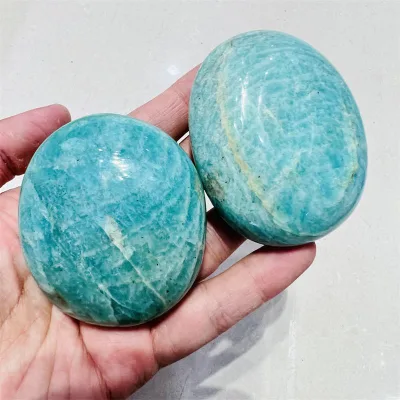
High quality natural green ohealing stones healing ammonite crystal palm stone for gifts decorations
$26.00 - $32.00
MOQ: 2 kilograms
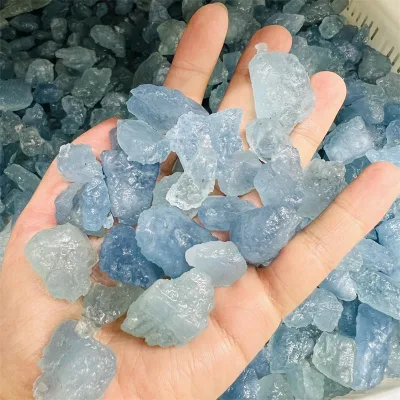
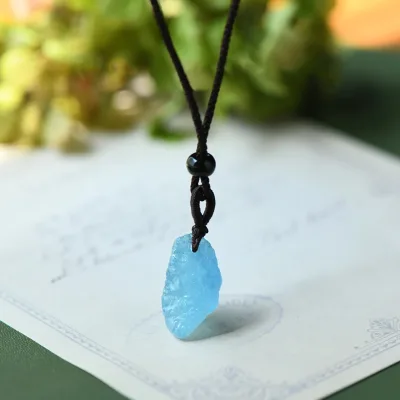
Wholesale Natural Good Quality Stones Healing Crystals Raw Aquamarine Crystal Stone for Gifts
$92.4044 - $121.1522
MOQ: 2 kilograms

Shenzhen Leeste Industry Co., Ltd.
- Trading Company
- China Guangdong
- Lead time15 days
- Avg. response≤ 7h
Main productsGranite, Marble, Sandstone, Slate, Travertine, Basalt, Granite Tiles, Countertops, Marble Tiles, Marble Slabs
Main marketsAustralia,North America

Shandong Liyin Intelligent Equipment Co., Ltd.
- Verified by SGS
- Manufacturer
- China Shandong
- Lead time15 days
- Avg. response≤ 5h
Main productsQuartz Stone
Main marketsSouth America,Africa,Southeast Asia/ Mideast,East Asia(Japan/ South Korea),Domestic,Europe,Australia,North America

Elegant Imitation Natural Marble Quartz Stone with Unique Cracks
$20.00 - $60.00
MOQ: 50 Square Meters


Artificial Quartz Stone for Decoration China Wholesale Blue Quartz Stone
$20.00 - $50.00
MOQ: 50 Square Meters

Hebei Jinheng New Material Technology Co., Ltd.
- Verified by SGS
- Manufacturer/Factory
- China Hebei
- Lead time23 days
- Avg. response≤ 7h
Main productsCenosphere, Melt Blown Fabric for Filter/Air Filter, Hollow Microsphere, Graphitized Petroleum Coke/GPC, Perlite Cenosphere, Hollow Glass Microsphere, Ceramic Fiber, Cellulose Fiber, Volcanic Stone, Mineral Fiber
Main marketsSouth America,Eastern Europe,Mid East,North America,Southeast Asia,Eastern Asia,Oceania,Western Europe,Africa

- Manufacturer/Factory
- China Guangdong
- Lead time0 days
- Avg. response≤ 9h
Main productsQuartz Stone, Quartz Countertop, Quartz Slab, Engineered Stone, Artificial Stone, Quartz Stone Flooring, Engineered Quartz Stone, Quartz Benchtops, Quartz Kitchen Tops, Quartz Vanity Top
Main marketsSouth America,Eastern Europe,Mid East,North America,Southeast Asia,Eastern Asia,Oceania,Western Europe,Africa






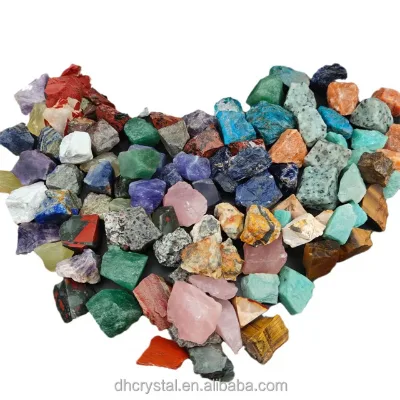
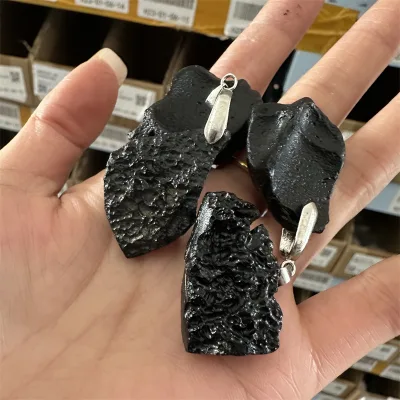
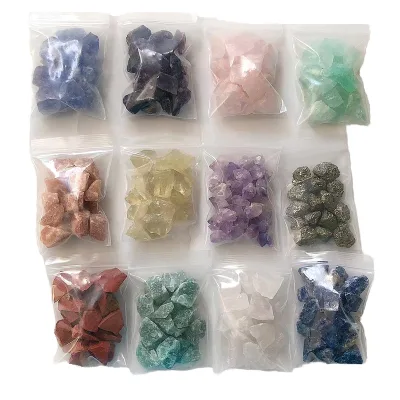
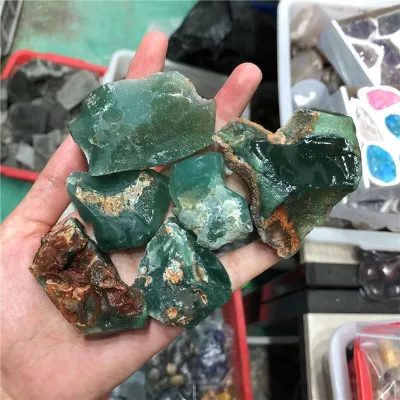
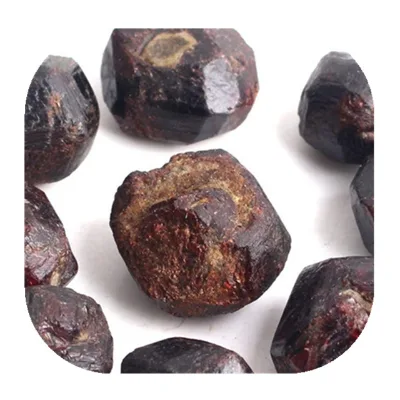
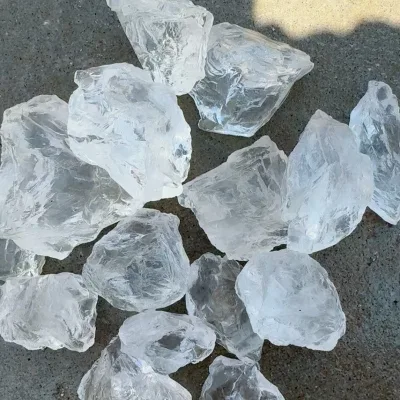
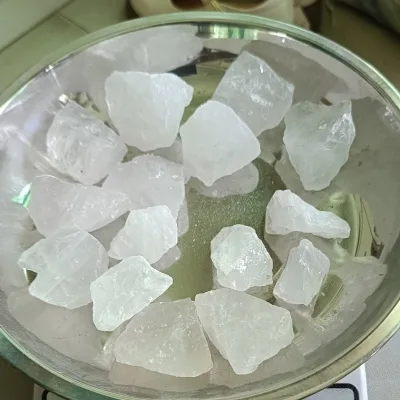
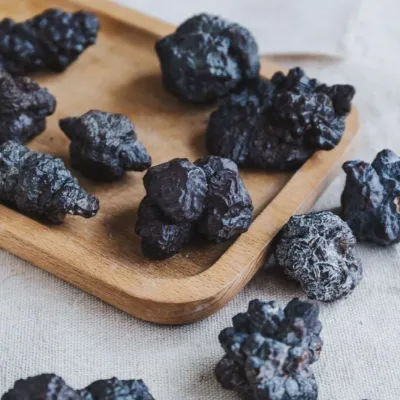


Comprehensive Sourcing Guide
Natural Raw Stone Ornaments Supplier Concentration and Factory Types
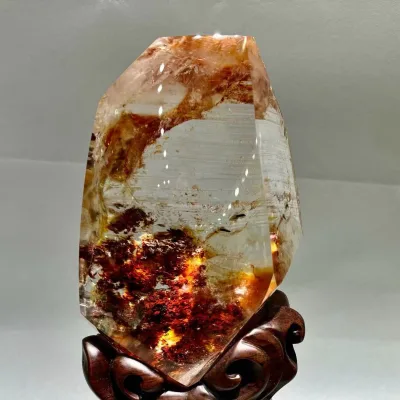
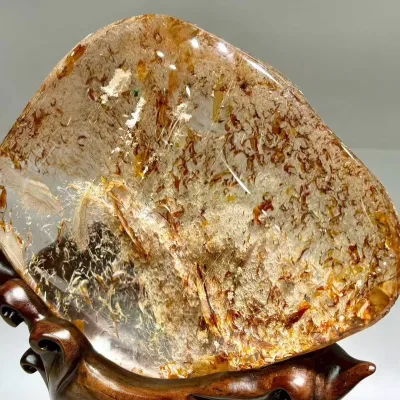
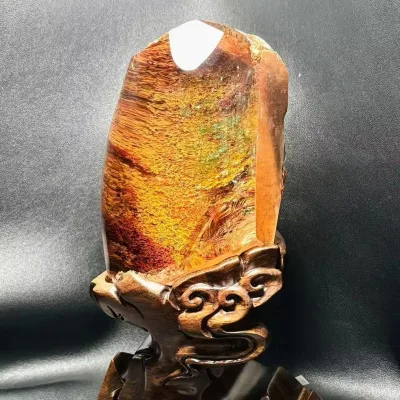
The sourcing landscape for Natural Raw Stone Ornaments reveals distinct manufacturing clusters, with Zhejiang, China, emerging as a primary hub for this specific category. Suppliers in this region are predominantly engaged in the production of semi-precious stone crafts, crystal ornaments, and gemstone carvings. The product evidence indicates a strong focus on items such as triangular jewelry ornaments, flame crystal gifts, and fluorite crystal columns, all originating from Zhejiang. This concentration suggests a mature supply chain ecosystem where raw material processing, carving techniques, and finishing are localized, allowing for efficient production cycles. Buyers evaluating suppliers in this cluster should note that the main products often include beauty tools and massage tools alongside stone crafts, indicating a broader capability in artisanal goods manufacturing. The presence of both manufacturers and trading companies in this region offers buyers flexibility in engagement models, whether they seek direct factory pricing or the logistical support of a trading entity. Understanding this geographic concentration helps in assessing the authenticity of the supply chain and the potential for consistent quality control across large orders.
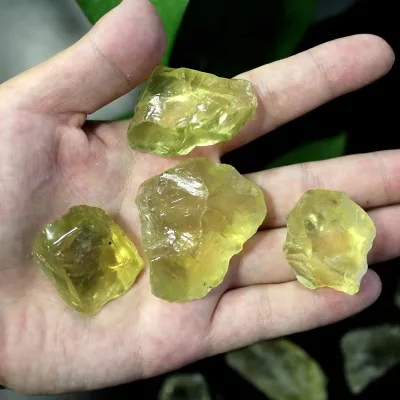
In contrast, other regions such as Jiangsu, China, present a different supplier profile focused on crystal points, spheres, and skulls. Suppliers here often emphasize light customization and sample processing capabilities, catering to buyers who require specific dimensional tolerances or unique shapes like raw sunstone crystals. The product attributes in this cluster highlight materials such as natural labradorite, with specific model numbers and shipping methods like DHL and UPS indicating a readiness for international logistics. While Zhejiang suppliers may lean towards carved sculptures and eco-friendly features, Jiangsu suppliers appear to prioritize the raw aesthetic of stones like sunstone and labradorite, often sold by weight or specific size ranges. This distinction allows buyers to segment their sourcing strategy based on the desired product style, whether it be intricate carvings or minimalist raw stone displays. Recognizing these factory types and their regional specializations enables more targeted supplier outreach and reduces the risk of mismatched expectations regarding production capabilities and product aesthetics.
How to Verify Natural Raw Stone Ornaments Suppliers
Verification of suppliers requires a multi-layered approach that goes beyond basic company registration checks. Buyers should prioritize suppliers who have undergone third-party verification processes, such as Intertek, which provides an additional layer of trust regarding the legitimacy of the business operations. In the current results, one supplier cluster is explicitly marked as verified by Intertek, signaling a commitment to transparent business practices. This verification status is a critical indicator for buyers concerned about fraud or non-delivery, as it implies that an independent agency has inspected the supplier’s facilities and business licenses. Additionally, buyers should look for suppliers who display specific system certifications, such as CE and RoHS, which are relevant for products that may come into contact with consumers or require compliance with international safety standards. While not all stone ornaments require these certifications, their presence indicates a higher level of operational rigor and adherence to regulatory frameworks, which can be crucial for entering regulated markets in Europe or North America.
Beyond certifications, buyers must verify the responsiveness and reliability of the supplier through direct interaction. The response time is a key metric, with some suppliers demonstrating a response time of just one day, while others may take up to six days. A faster response time often correlates with better customer service and more agile communication, which is essential for resolving issues during the production and shipping phases. Buyers should also examine the supplier’s main products to ensure alignment with their specific needs, checking if the supplier specializes in the exact type of raw stone ornament required, such as fluorite columns or sunstone rough stones. Furthermore, verifying the place of origin listed in the product attributes is crucial, as discrepancies between the claimed location and the actual manufacturing site can indicate misrepresentation. By combining third-party verification status, certification checks, and direct communication assessments, buyers can build a robust profile of supplier reliability, minimizing the risks associated with sourcing from unfamiliar entities in the natural stone industry.
What to Compare Across Natural Raw Stone Ornaments Suppliers
When evaluating multiple suppliers, buyers must compare key operational metrics to determine the best fit for their business needs. Lead time is a critical factor, with some suppliers offering a lead time of fifteen days, while others may require up to thirty days. This variance can significantly impact inventory planning and market launch schedules, making it essential for buyers to align their order timelines with the supplier’s production capacity. Similarly, the minimum order quantity (MOQ) varies across suppliers, with some requiring a MOQ of one hundred pieces, while others may accept orders based on weight, such as two kilograms. This difference is particularly relevant for buyers who are testing the market with small batches or those who require bulk quantities for large-scale distribution. Understanding these MOQ structures helps buyers optimize their initial investment and reduce the risk of excess inventory, especially for products like raw stone ornaments that may have limited shelf life or changing fashion trends.
Another vital aspect of comparison is the product attributes and customization capabilities. Buyers should examine the specific features of the ornaments, such as whether they are eco-friendly, carved, or polished, and whether they come with specific applications like Halloween or Christmas themes. The technique used, whether carving or polishing, also affects the final aesthetic and price point of the product. Additionally, buyers should compare the brand names and model numbers associated with the products, as these can indicate the supplier’s ability to provide private labeling or unique product designs. For instance, some suppliers offer products with specific brand names like "Hongzhuo Natural Crystal Raw Stone," while others may provide generic items. The ability to customize designs, such as engraving or specific shape requirements, is another differentiator that buyers should assess. By systematically comparing lead times, MOQs, product features, and customization options, buyers can make informed decisions that balance cost, speed, and product quality, ensuring that their sourcing strategy aligns with their overall business objectives.
Common Natural Raw Stone Ornaments Sourcing Risks
Sourcing Natural Raw Stone Ornaments involves several inherent risks that buyers must proactively manage to ensure a successful procurement process. One significant risk is the variability in product quality and consistency, as natural stones are unique and may exhibit differences in color, shape, and size even within the same batch. Buyers should be aware that products described as "raw stone" or "irregular shape" may not meet precise dimensional expectations, which can be problematic for applications requiring uniformity. Additionally, the risk of misrepresentation regarding the material composition is present, as some suppliers may use treated or synthetic stones while marketing them as natural. Buyers must verify the material attributes, such as whether the product is made from genuine gemstone, crystal, or fluorite, and request detailed product specifications to confirm authenticity. This is particularly important for high-value items like semi-precious stone crafts, where the perceived value is closely tied to the natural origin of the material.
Another common risk is the potential for delays in shipping and logistics, especially when dealing with suppliers in different regions. While some suppliers offer fast response times and short lead times, external factors such as customs clearance, carrier availability, and seasonal demand can impact delivery schedules. Buyers should also be cautious of suppliers who do not provide clear shipping methods or who rely on less reliable logistics partners. The risk of non-compliance with international standards is another concern, particularly if the products are intended for markets with strict regulatory requirements. Buyers must ensure that suppliers adhere to relevant safety and environmental standards, such as RoHS, to avoid potential legal issues or product recalls. Furthermore, the risk of intellectual property infringement exists if suppliers use unauthorized brand names or designs. By identifying and mitigating these risks through thorough due diligence, clear contract terms, and regular communication, buyers can protect their interests and ensure a smoother sourcing experience for Natural Raw Stone Ornaments.
Natural Raw Stone Ornaments Regional Sourcing and Logistics
Regional sourcing plays a pivotal role in determining the logistics and cost structure for Natural Raw Stone Ornaments. Suppliers located in Zhejiang, China, benefit from a well-established manufacturing ecosystem that supports the production of semi-precious stone crafts and crystal ornaments. This region’s infrastructure facilitates efficient raw material sourcing and processing, reducing lead times and enhancing production flexibility. Buyers sourcing from this cluster can leverage the local supply chain to access a wide variety of products, from carved sculptures to polished crystals. The proximity to major ports and logistics hubs in Zhejiang also simplifies export procedures, potentially reducing shipping costs and transit times. However, buyers should be mindful of the competitive nature of this market, which may require careful negotiation to secure favorable terms and ensure consistent quality. Understanding the regional advantages of Zhejiang allows buyers to optimize their sourcing strategy and capitalize on the efficiency of the local manufacturing network.
In contrast, suppliers in Jiangsu, China, offer a different logistical profile, often focusing on crystal points, spheres, and skulls with specific customization capabilities. The logistics for these products may involve different shipping methods, such as DHL, UPS, and FedEx, which are commonly used for smaller, higher-value items. Buyers sourcing from Jiangsu should consider the specific shipping requirements for fragile items like crystal spheres, ensuring that packaging and handling procedures are adequate to prevent damage during transit. The regional focus on light customization and sample processing in Jiangsu also implies a more flexible approach to order fulfillment, which can be beneficial for buyers requiring unique or bespoke products. By comparing the logistical advantages of different regions, buyers can make informed decisions about where to source their Natural Raw Stone Ornaments based on their specific needs for speed, cost, and product type. This regional analysis helps in building a resilient supply chain that can adapt to changing market conditions and customer demands.
Natural Raw Stone Ornaments Commercial Terms and Order Planning
Commercial terms and order planning are critical components of a successful sourcing strategy for Natural Raw Stone Ornaments. Buyers must carefully review the pricing structures, which can vary based on factors such as material type, craftsmanship, and order volume. For instance, some products may have a price range of $3.99 to $9.99 per unit, while others may be priced by weight or based on specific model numbers. Understanding these pricing dynamics helps buyers budget effectively and negotiate better terms with suppliers. Additionally, buyers should pay attention to the payment terms and escrow options, which provide security for both parties in the transaction. Using escrow services can mitigate the risk of non-payment or non-delivery, ensuring that funds are released only when the buyer is satisfied with the product quality and delivery. This financial protection is particularly important for new suppliers or large orders, where the stakes are higher.
Order planning also involves coordinating with suppliers to manage production schedules and inventory levels. Buyers should establish clear communication channels to discuss lead times, MOQs, and customization requirements, ensuring that all parties are aligned on expectations. Regular updates on production progress can help identify potential delays or issues early, allowing for timely adjustments to the order plan. Furthermore, buyers should consider the long-term relationship with suppliers, as consistent ordering can lead to better pricing, priority production, and improved service. By integrating commercial terms and order planning into their sourcing strategy, buyers can create a streamlined process that minimizes risks and maximizes efficiency. This holistic approach ensures that the procurement of Natural Raw Stone Ornaments is not only cost-effective but also reliable and sustainable, supporting the buyer’s overall business goals and market competitiveness.
FAQs
Where are Natural Raw Stone Ornaments typically manufactured?
Suppliers for these items are primarily located in Zhejiang and Jiangsu provinces in China. These regions specialize in crystal crafts and semi-precious stone carving. Buyers can expect a concentration of manufacturers and trading companies in these areas, ensuring access to a wide variety of raw stone products and established supply chains.
What is the typical response time for suppliers?
Response times vary significantly between suppliers, ranging from one to six days. Some manufacturers offer rapid replies within a single day, while others may take up to six days. Buyers should check individual supplier profiles to determine communication speed, as this impacts negotiation efficiency and order processing timelines.
What are the common lead times for production?
Production lead times generally range from fifteen to thirty days depending on the supplier and order complexity. Some manufacturers in Jiangsu offer faster turnaround times of fifteen days, while others in Zhejiang may require up to thirty days. Buyers should confirm specific schedules with suppliers before placing bulk orders to ensure timely delivery.
What certifications do these suppliers hold?
Some verified suppliers hold CE and RoHS system certifications, indicating compliance with specific safety and environmental standards. Verification by Intertek is also available for certain manufacturers. Buyers should request current certification documents directly from suppliers to ensure products meet their specific market requirements and regulatory standards.
What is the minimum order quantity for these items?
Minimum order quantities vary by product type, with some items requiring a minimum of one hundred units. Other raw stone products may have lower thresholds, such as two kilograms for bulk rough stones. Buyers should verify the specific MOQ for each product listing, as it depends on the supplier and item specifications.
What materials are used in these ornaments?
Common materials include natural gemstones, fluorite, labradorite, and semi-precious stones. Products are often carved, polished, or left in their raw irregular shapes. Features like eco-friendly processing and specific applications such as feng shui or holiday decorations are frequently highlighted in product descriptions, ensuring diverse material options for buyers.