polished eco-friendly opalite palm stone Suppliers and Manufacturers
Compare 18 verified suppliers offering polished eco-friendly opalite palm stone with details on response times, lead times, and customization capabilities. Review product attributes like material and origin to select the right partner for your needs; review the available evidence before requesting comparable quotations from suitable candidates.
Updated
Suppliers List
Donghai County Yuelu Jewelry Co., Ltd.
- Verified by SGS Group
- Trading Company
- Lead time5 days
- Avg. response≤ 4h
Main productsCrystal Sphere/Crystal Tower/Crystal Carving/Crystal Crafts
Main marketsNorth America(35%), Eastern Europe(10%), Oceania(10%)
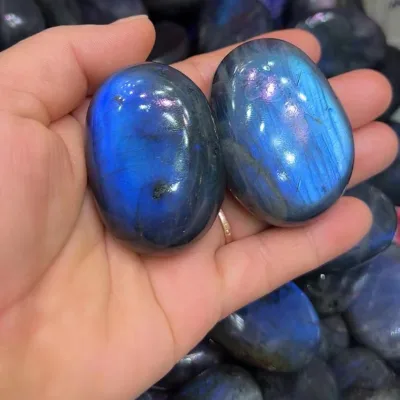
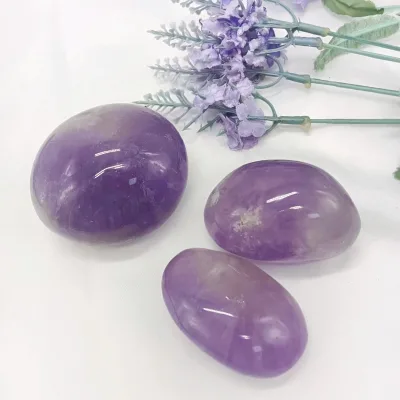
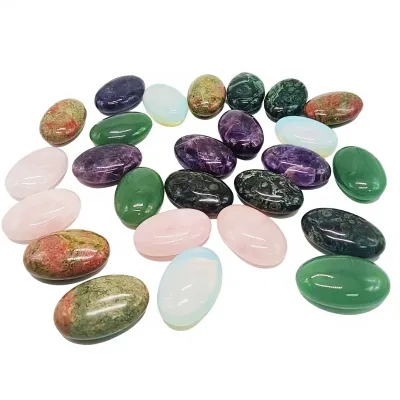
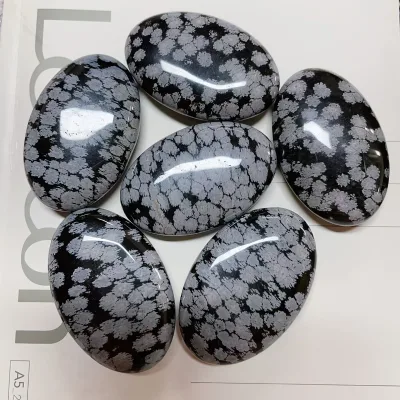
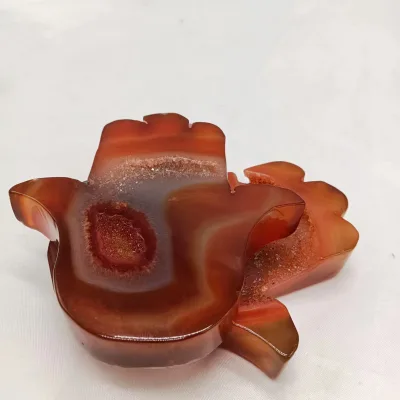
$41.2105 - $51.5131
MOQ: 1 pieces
Donghai Kindfull Crystal Product Co., Ltd.
- Manufacturer, Trading Company
- Lead time旺季: "1 - 20":9,"> 20":"To be negotiated", 淡季: "1 - 20":9,"> 20":"To be negotiated"
- Avg. response≤ 2h
Main productsCarving/Crystal Points/Crystal Palm/Crystal Sphere/Beauty Tools
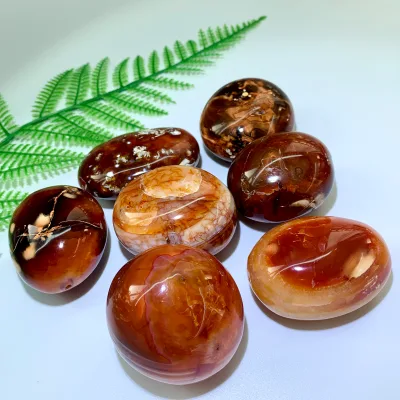
Natural Crystal Palm Red Agate Oval Stone Polished Carnelian Palm Tumbled Stone
$17.50 - $18.50
MOQ: 1
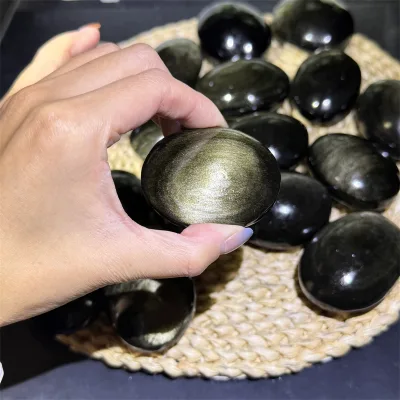
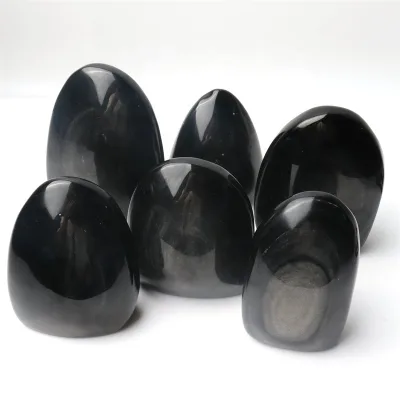
Whosale Natural Healing Stone Polished Gemstone Crystal Golden Obsidian Palm Stone for Sale
$41.50 - $42.50
MOQ: 3 kilograms
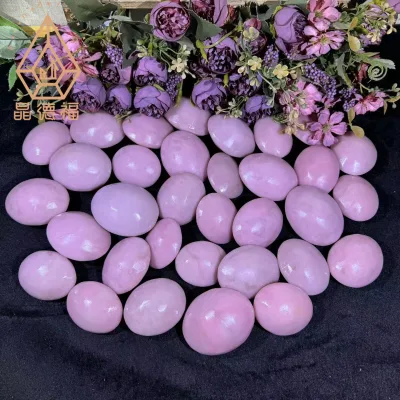
Kindfull Pink Opal Healing Stone Natural Crystal Pink Opal Palm Stone for Decoration
$21.00 - $22.00
MOQ: 1
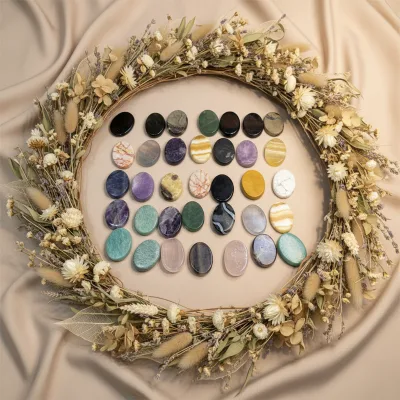
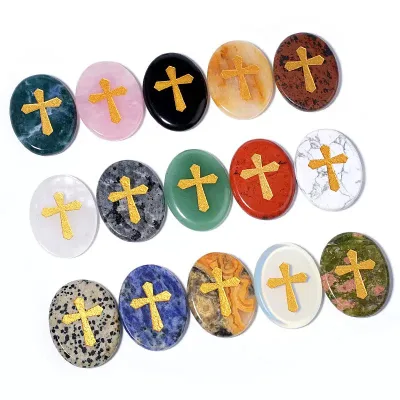
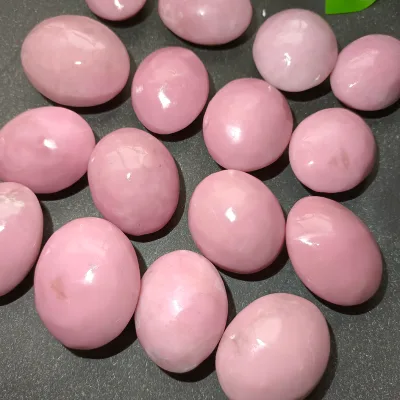
Donghai County Boheng Crystal Jewelry Co., Ltd.
- Verified by SGS Group
- Manufacturer, Trading Company
- Lead time3 days
- Avg. response≤ 2h
Main productsCrystal Water Bottle; Crystal Smoking Pipes; Crystal Point/Crystal Gravel/Crystal Ball
Main marketsNorth America(60%), Oceania(15%), Southeast Asia(10%)
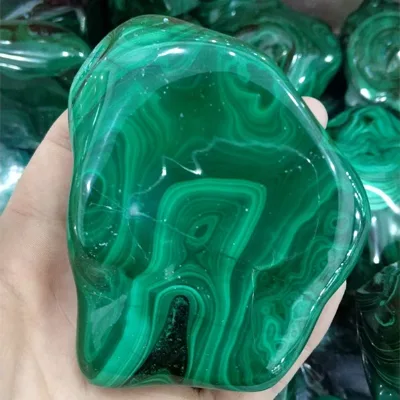
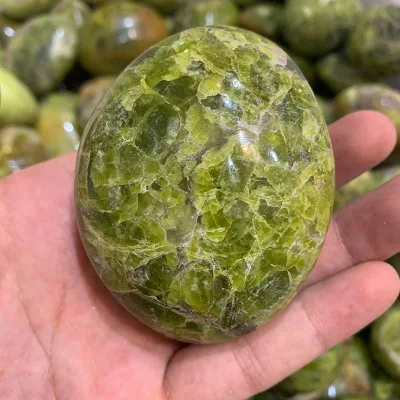
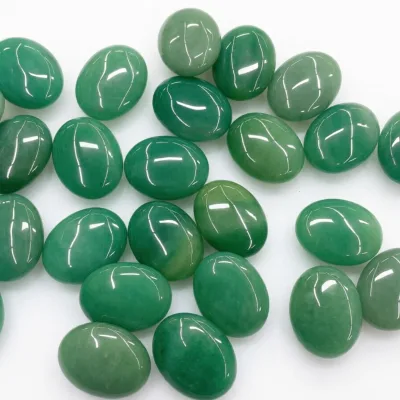
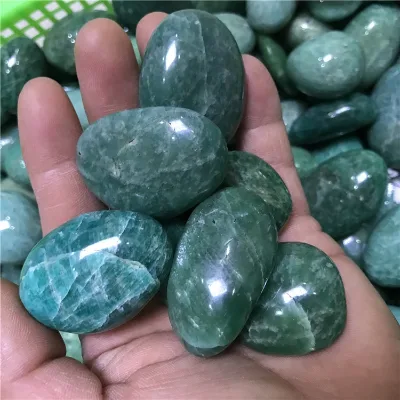
High Quality Natural Freeform Crystal Green Opal Polished Palm Stones for Sale
$25.6689 - $30.8015
MOQ: 1 kilograms
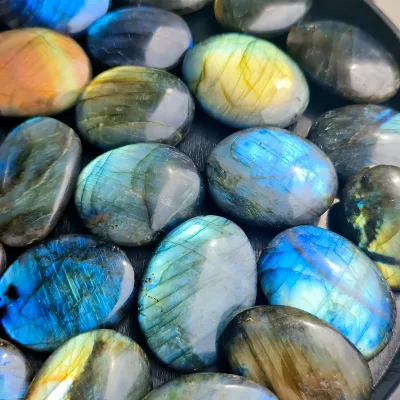
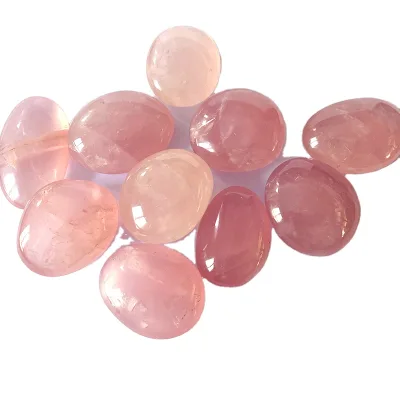
$25.6689 - $30.8015
MOQ: 5 kilograms
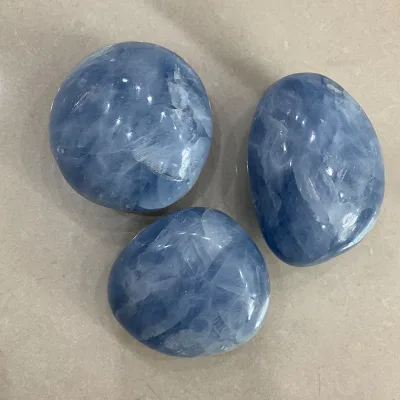
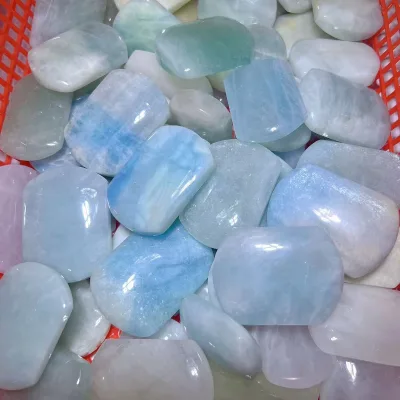
Polished Celestite Crystal Palm Healing Stones Natural Blue Celestite Crystal Stones for Healing
$20.5483 - $25.6854
MOQ: 1 kilograms
Donghai Kindfull Crystal Product Co., Ltd.
- Manufacturer, Trading Company
- Lead time旺季: "1 - 5":31,"6 - 10":40,"> 10":"To be negotiated", 淡季: "1 - 5":31,"6 - 10":40,"> 10":"To be negotiated"
- Avg. response≤ 2h
Main productsCarving/Crystal Points/Crystal Palm/Crystal Sphere/Beauty Tools
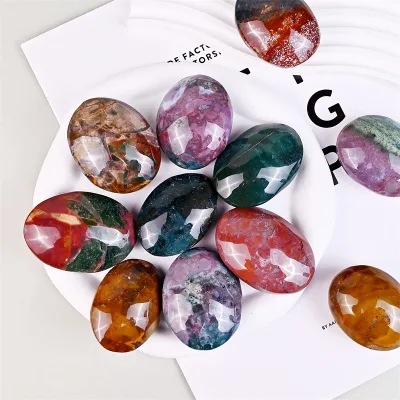
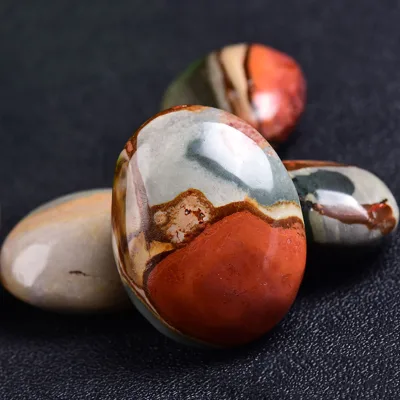
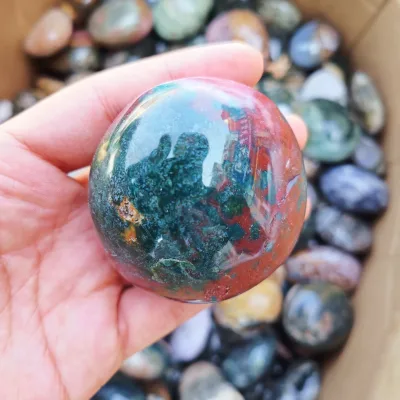
Natural Gemstone Healing Oval Polished Crystal Ocean Jasper Palm Stone for Energy
$31.00 - $32.00
MOQ: 2 kilograms
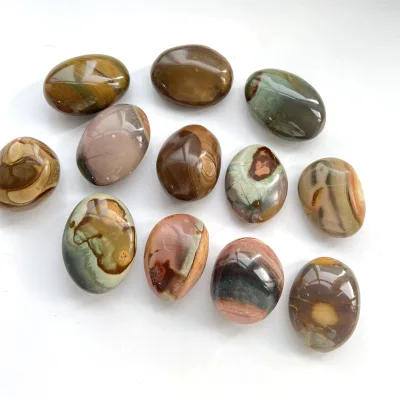
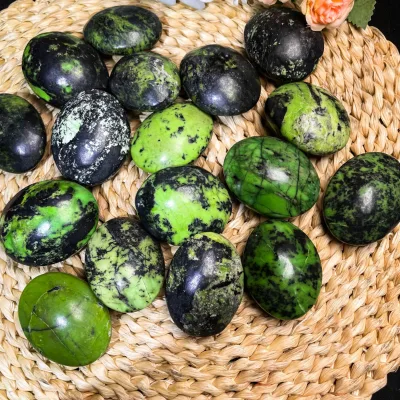
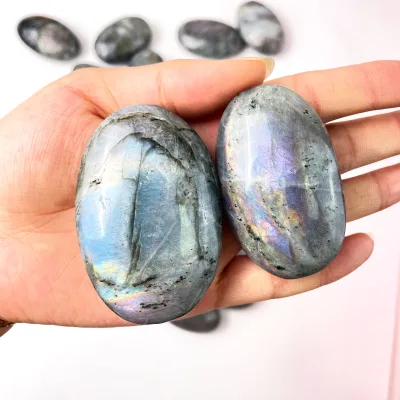
Hot Selling Rare High Quality Healing Stone Oval Green Opal Palm Stone for Home Decoration Gift
$62.00 - $63.00
MOQ: 1 kilograms
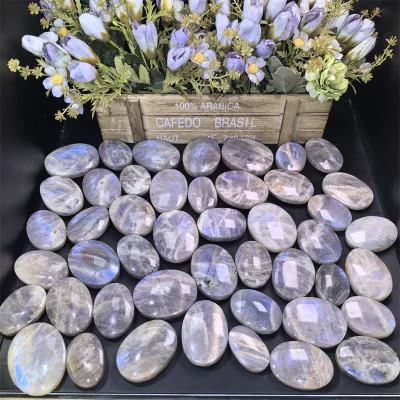
Donghai Mingtian Jewelry Co., Ltd.
- Verified by Intertek
- Manufacturer, Trading Company
- Lead time20 days
- Avg. response≤ 5h
Main productsCrystal Ball, Crystal Pillar, Crystal Skull
Main marketsNorth America(50%), South America(30%), Eastern Europe(20%)
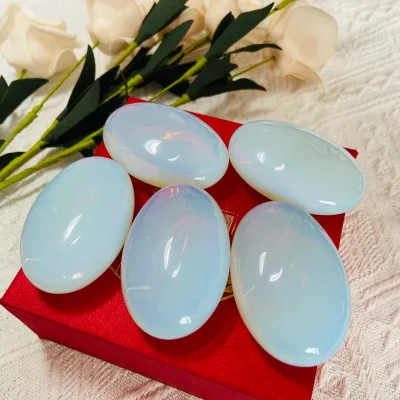
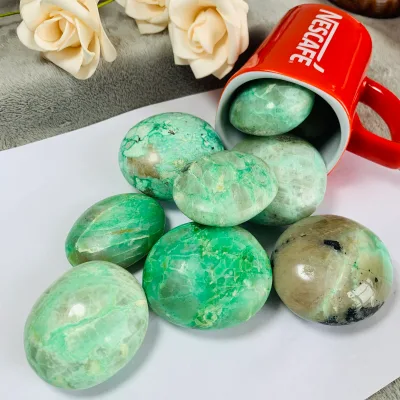
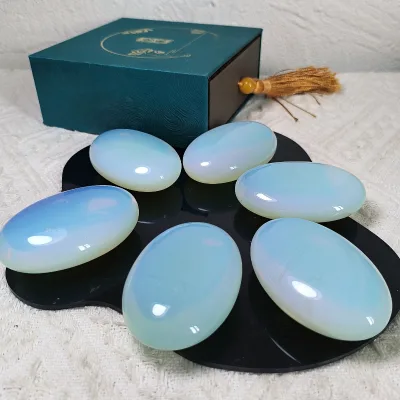
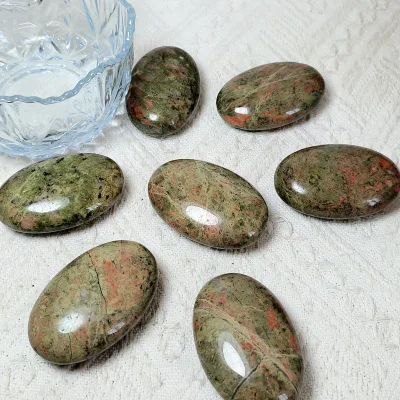
Wholesale High Quality Natural Unakite Polished Palm Stone for Collection & Gifting
$20.00 - $25.00
MOQ: 1
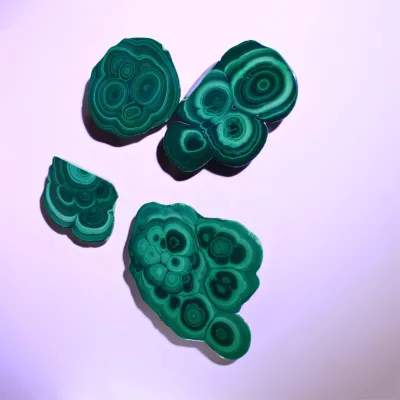
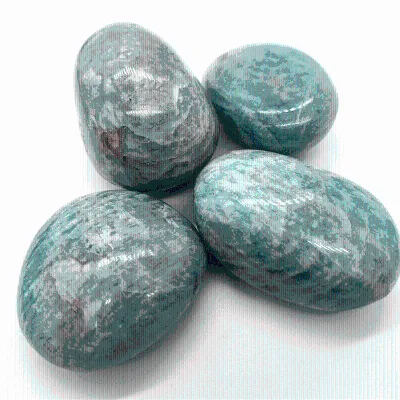
Hot Selling Natural Amazonite Crystal Palm Tumbled Stones for Decoration
$12.4057 - $16.5415
MOQ: 1 kilograms
Donghai Liuxiuli Crystal Factory
- Verified by SGS Group
- Trading Company
- Lead time0 days
- Avg. response≤ 2h
Main productsHealing Crystal Spheres, Feng Shui Weath Crystal, Rose Quartz Tower, Amethyst Geode, Natural Crystal Obelisk
Main marketsDomestic Market(100%)
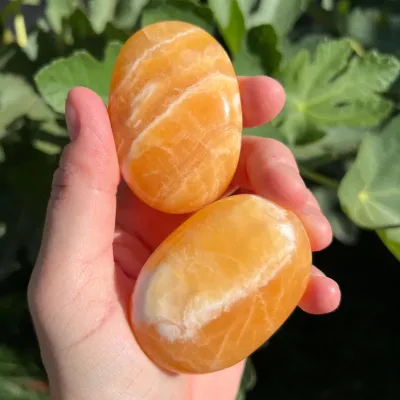
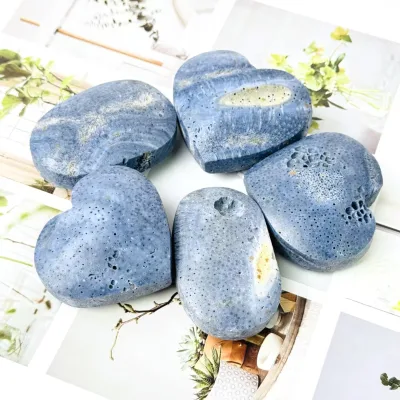
$28.9472 - $36.1844
MOQ: 1 kilograms
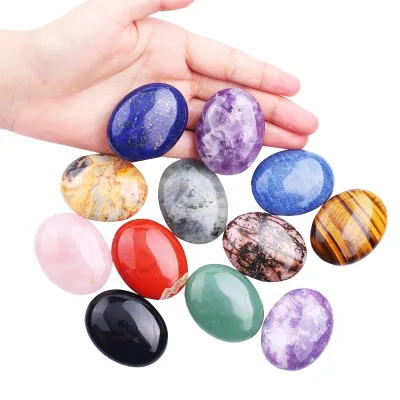
$1.5455 - $4.6334
MOQ: 1 Minimum
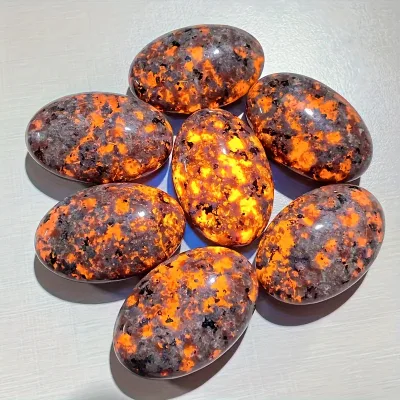
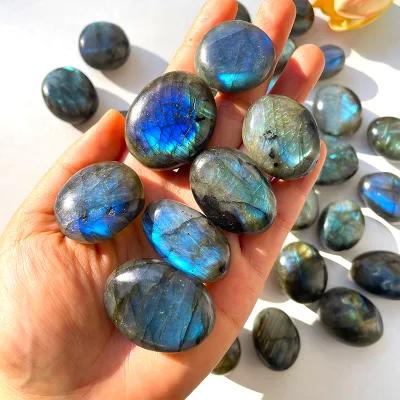
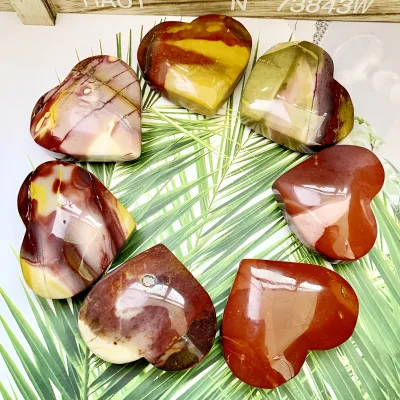
$37.2172 - $46.5215
MOQ: 1 kilograms
Donghai County Cangjingjue Jewelry Store
- Trading Company
- Jiangsu, China
- Lead time24 days
- Avg. response≤ 1h
Main productsCrystal Ball, Crystal Tower, Crystal Palms, Crystal Tumble, Crystal Crafts
Main marketsNorth America(40.00%), Eastern Europe(15.00%), South America(10.00%), Southeast Asia(10.00%), Western Europe(5.00%), Southern Europe(5.00%), Northern Europe(5.00%), Africa(5.00%), Mid East(5.00%)
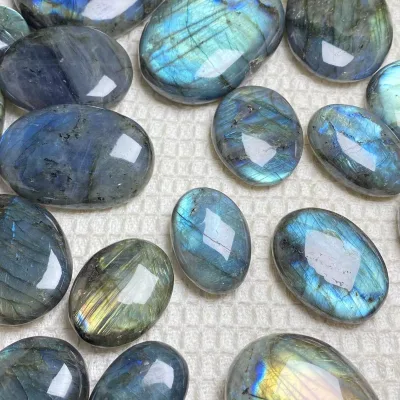
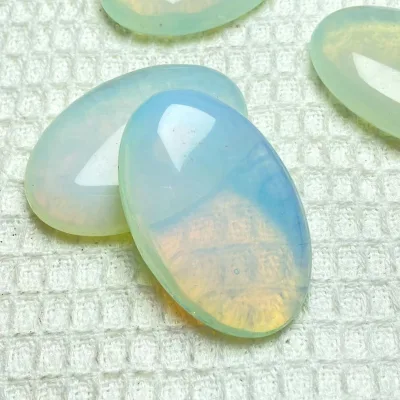
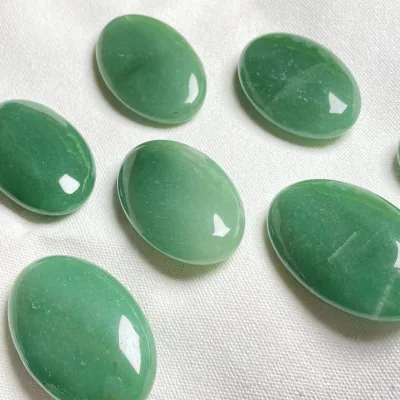
$3.3907 - $4.1118
MOQ: 2 pieces
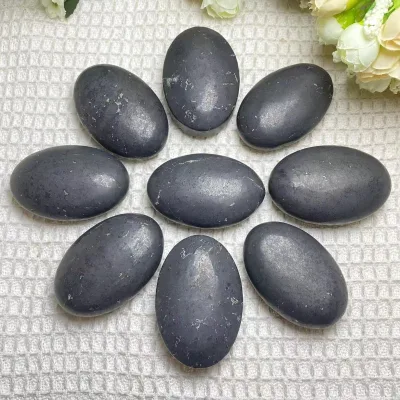
High Quality Standard Size Real Shungite Crystal Palm Stone Good for Meditation Healing Home Decor
$4.1118 - $6.1609
MOQ: 2 pieces

Yiwu Hongzhuo Art&crafts Factory
- Manufacturer, Trading Company
- Zhejiang, China
- Lead time30 days
- Avg. response≤ 6h
Main productsCrystal Crafts,Beauty Tools,Massage Tools,Gemstone Carving,Jewelry & Accessories
Main marketsDomestic Market(100.00%)
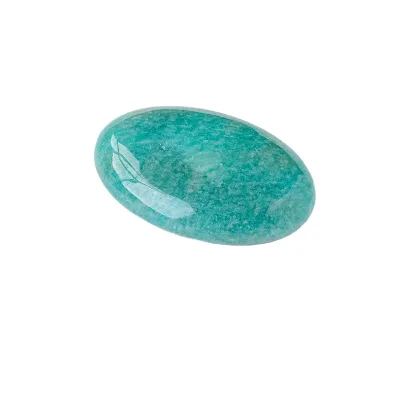
$1.0373 - $9.3238
MOQ: 100 Minimum
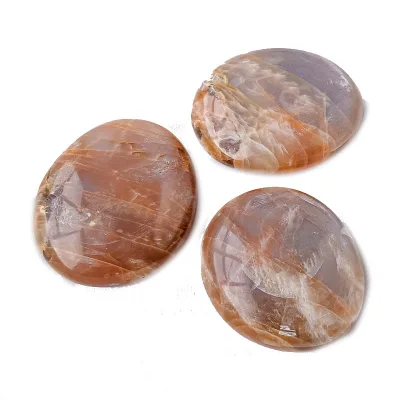
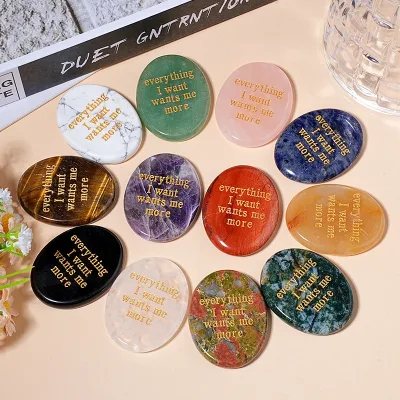
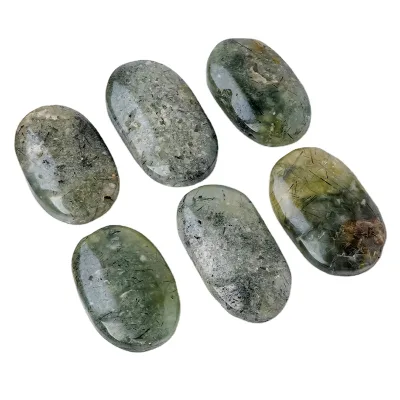
DIY Bulk Wholesale Polished Natural Crystal Tumbled Stones Grapevine Palm Stone for Sale
$1.0373 - $9.3238
MOQ: 100 Minimum

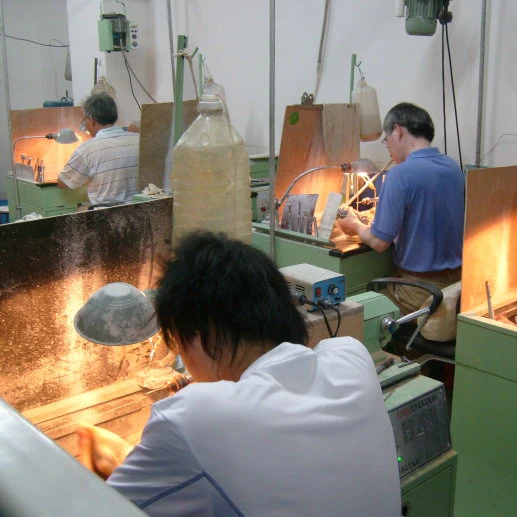
Donghai Crown Crystal Crafts Co., Ltd.
- Trading Company
- Jiangsu, China
- Lead time3 days
- Avg. response≤ 6h
Main productsCrystal Points/Crystal Carvings/Crystal Hearts/Crystal Skulls/Crystal Balls
Main marketsEastern Europe(26.00%), North America(18.00%), South America(15.00%), Central America(10.00%), Northern Europe(10.00%), Southeast Asia(10.00%), Southern Europe(6.00%), Western Europe(5.00%)
Donghai Yiqi Crystal Products Co., Ltd.
- Manufacturer, Trading Company
- Jiangsu, China
- Lead time10 days
- Avg. response≤ 3h
Main productsCrystal Crafts,gemstone carving,gemstone necklace,gemstone rings,gemstone bracelet
Main marketsAfrica(100.00%), North America(50.00%), Oceania(22.00%), Southeast Asia(7.00%), Domestic Market(4.00%), South America(3.00%), Eastern Europe(3.00%), Mid East(2.00%), Central America(2.00%), Western Europe(2.00%), South Asia(2.00%), Northern Europe(1.00%), Eastern Asia(1.00%), Southern Europe(1.00%)
Donghai Jingfa Jewelry Co., Ltd.
- Trading Company
- Jiangsu, China
- Lead time30 days
- Avg. response≤ 3h
Main productscrystal craft,jewelry,gemstone,crystal stone,miner
Main marketsNorth America(30.00%), South America(20.00%), Domestic Market(10.00%), Southern Europe(10.00%), Western Europe(10.00%), Oceania(10.00%), Eastern Europe(10.00%)

Donghai Vardy Crystal Company Limited
- Trading Company
- Jiangsu, China
- Lead time10 days
- Avg. response≤ 2h
Main productscrystal points and wands,crystal spheres,crystal clusters,gemstone carving,mineral specimens
Main marketsWestern Europe(30.00%), North America(25.00%), South America(12.00%), Eastern Europe(12.00%), Northern Europe(11.00%), Oceania(6.00%), Mid East(4.00%)
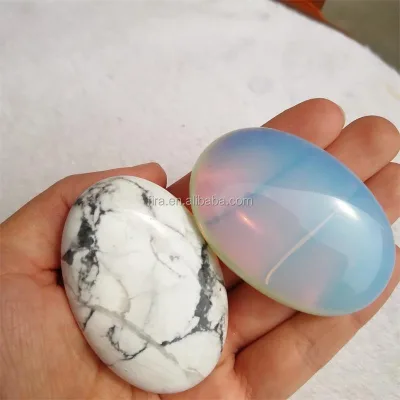
wholesale Natural Polished Semi-precious Amethyst polished crystal palm stone For Gifts
$4.1223 - $7.0063
MOQ: 1 pieces
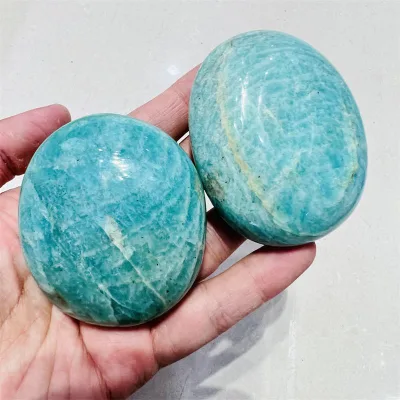
High quality natural green ohealing stones healing ammonite crystal palm stone for gifts decorations
$26.00 - $32.00
MOQ: 2 kilograms
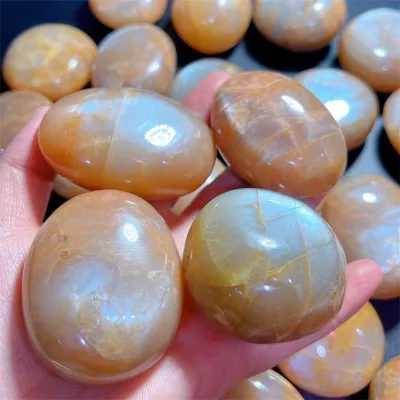
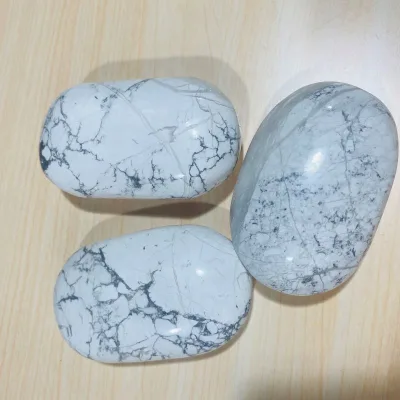
$20.7192 - $33.1504
MOQ: 1 kilograms

Xiamen Amore Gift Solutions Co., Ltd.
- Verified by BV
- Trading Company
- China Fujian
- Lead time30 days
- Avg. response≤ 10h
Main productsCrystals, Gemstones, Crystal Skulls, Crystal Animals
Main marketsEast Asia(Japan/ South Korea),North America
Donghai County Dongqing Crystal Products Co., Ltd.
- Manufacturer, Trading Company
- Jiangsu, China
- Lead time15 days
- Avg. response≤ 2h
Main productsCrystal Crafts,crystal ball,crystaltower,skull,agate
Main marketsNorth America(50.00%), Oceania(22.00%), Southeast Asia(7.00%), Domestic Market(4.00%), Eastern Europe(3.00%), South America(3.00%), Central America(2.00%), Western Europe(2.00%), South Asia(2.00%), Mid East(2.00%), Northern Europe(1.00%), Eastern Asia(1.00%), Southern Europe(1.00%)
$30.8659 - $36.009
MOQ: 1 kilograms
Donghai County Bozhiluan Jewelry Co., Ltd.
- Trading Company
- JiangSu, China
- Lead time0 days
- Avg. response≤ 2h
Main productscrystal point,crystal sphere,crystal carving,minerals,rough
Main marketsSouth America(30.00%), Northern Europe(30.00%), South Asia(20.00%), North America(20.00%)
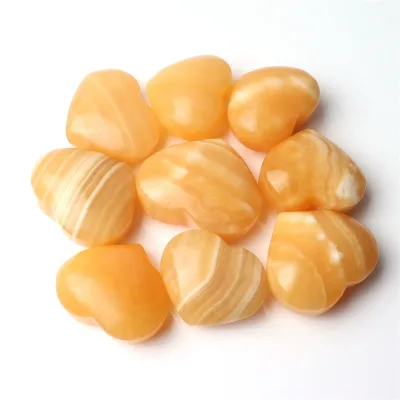
Wholesale natural crystal heart yellow calcite banded heart palm stone for decor
$16.00 - $22.00
MOQ: 1

Donghai Jinuo Crystal Co., Ltd.
- Trading Company
- Jiangsu, China
- Lead time15 days
- Avg. response≤ 7h
Main productsCrystal Point, Crystal Ball, Crystal Massage Wand, Crystal Carving, Crystal Gravel
Main marketsNorth America(59.00%), Western Europe(10.00%), Northern Europe(10.00%), South America(5.00%), Oceania(5.00%), Southeast Asia(3.00%), Southern Europe(2.00%), Eastern Asia(2.00%), Eastern Europe(2.00%), South Asia(1.00%), Mid East(1.00%)
Lianyungang Duanshu Trading Co., Ltd.
- Trading Company
- Jiangsu, China
- Lead time3 days
- Avg. response≤ 2h
Main productsCrystal Bracelets,Crystal Raw Stone,Crystal Bangles,Crystal Healing Stone,Gravels/Chips
Main marketsNorth America(40.00%), Southeast Asia(20.00%), South America(10.00%), Oceania(10.00%), Western Europe(5.00%), Eastern Europe(5.00%), South Asia(5.00%), Northern Europe(3.00%), Africa(2.00%)
Donghai Pao Pao Mouse Jewelry Co., Ltd.
- Manufacturer, Trading Company
- Jiangsu, China
- Lead time15 days
- Avg. response≤ 1h
Main productsCrystal Jewelry Design, Crystal Carving, Crystal Sphere Tower, Crystal Chips Tumbled, Crystal Raw Specimen
Main marketsNorth America(34.00%), Eastern Europe(20.00%), Southeast Asia(14.00%), Africa(11.00%), South America(8.00%), Mid East(8.00%), Oceania(5.00%)
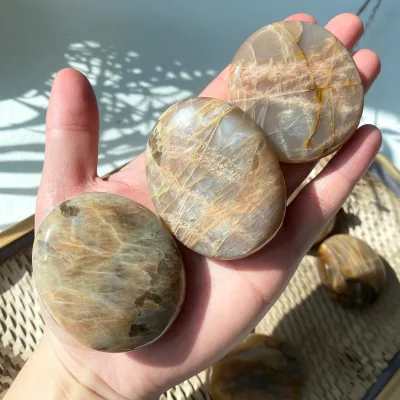
$16.0138 - $20.1466
MOQ: 1 kilograms
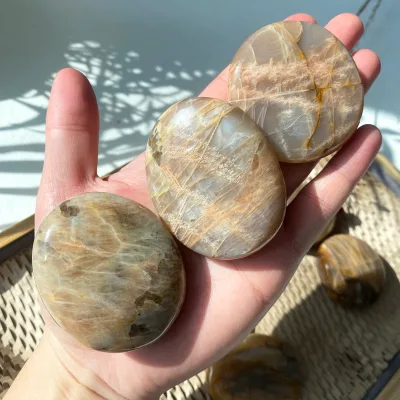
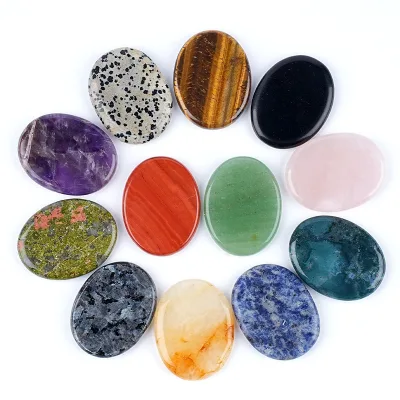
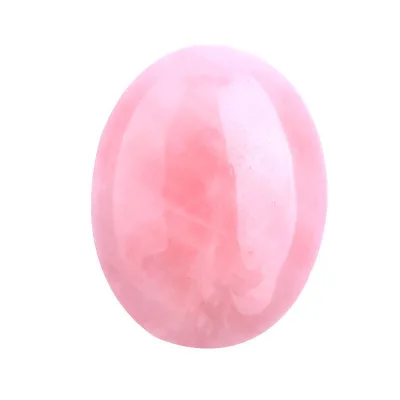
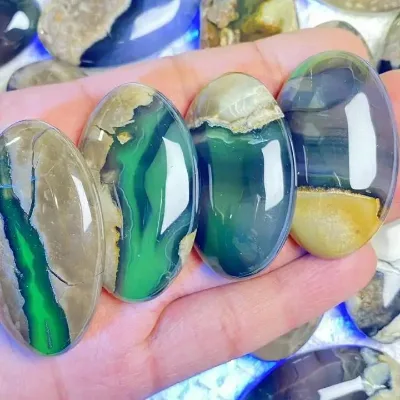
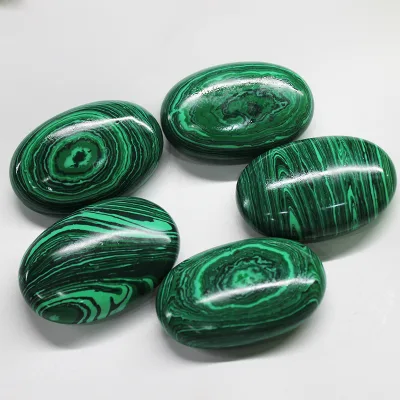
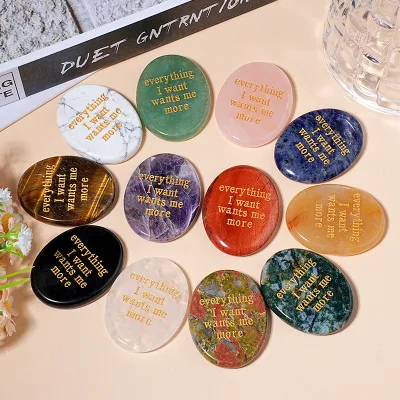
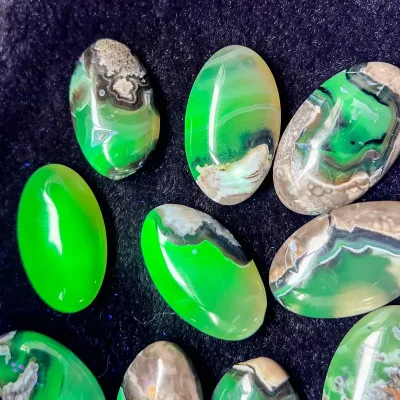
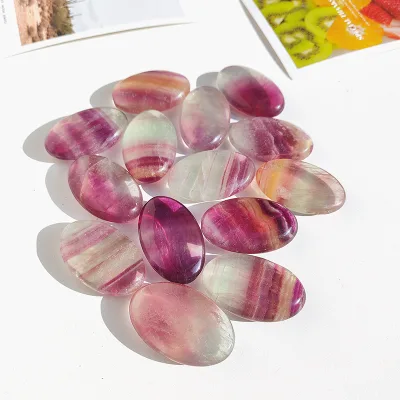
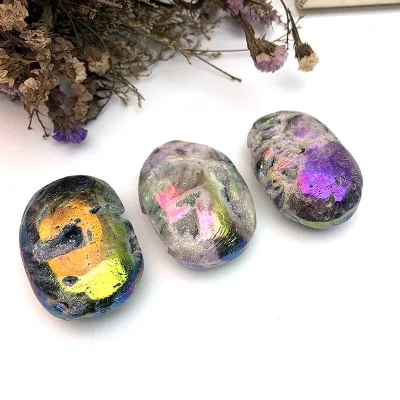
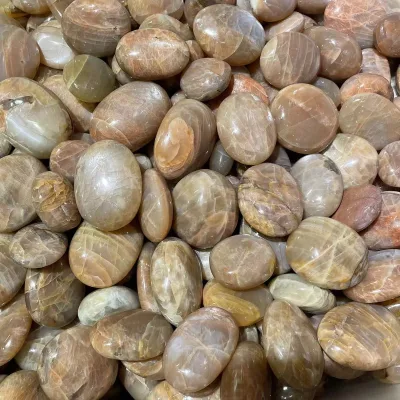


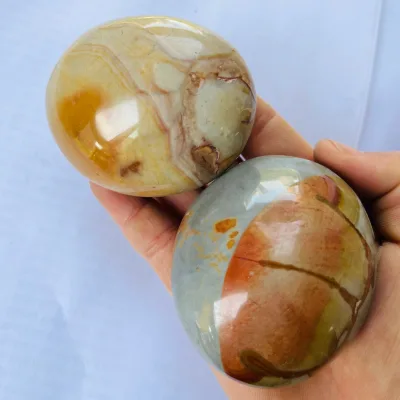
Comprehensive Sourcing Guide
Polished Eco-Friendly Opalite Palm Stone Supplier Concentration and Factory Types
The current supplier landscape for polished eco-friendly opalite palm stones is dominated by trading companies rather than direct manufacturing factories. This structural characteristic significantly influences how buyers approach sourcing, as trading entities often aggregate inventory from multiple smaller workshops or factories. These intermediaries provide a consolidated catalog that includes various crystal crafts, such as spheres, towers, and carvings, alongside palm stones. For buyers seeking specific eco-friendly or opalite variants, this concentration means that product availability may fluctuate based on the trading company’s supply chain relationships rather than their own production capacity. Understanding this dynamic is crucial for setting realistic expectations regarding customization capabilities and inventory stability.
Manufacturing clusters for these items are primarily located in regions known for crystal processing, such as Jiangsu and Donghai in China. These areas have developed specialized infrastructure for polishing, carving, and packaging crystal products. When evaluating suppliers, buyers should look for indications of whether a company operates within these established hubs, as proximity to raw material sources and processing facilities can impact quality control and lead times. However, since many listed entities are trading companies, the actual manufacturing location might differ from the supplier’s registered address. Buyers must verify if the supplier has direct access to these manufacturing clusters or if they rely on third-party logistics, which can add layers of complexity to the sourcing process.
How to Verify Polished Eco-Friendly Opalite Palm Stone Suppliers
Verification is a critical step when sourcing from trading companies that may not have direct control over the manufacturing process. Buyers should prioritize suppliers who have undergone third-party verification, such as SGS Group certification, which provides an additional layer of trust regarding the company’s legitimacy and operational standards. This verification helps mitigate the risk of dealing with fraudulent entities or those lacking the necessary infrastructure to fulfill orders. It is essential to review the verification details to understand the scope of the audit, ensuring it covers relevant aspects of the business, such as financial stability and production capabilities, rather than just basic registration.
Beyond verification badges, buyers should assess the supplier’s response time and communication efficiency. A quick response time, such as four hours, indicates a responsive team that can address queries and resolve issues promptly. This is particularly important for custom orders or when dealing with potential quality discrepancies. Additionally, buyers should examine the supplier’s main product focus to ensure they specialize in crystal crafts rather than general merchandise. Suppliers with a dedicated focus on items like crystal spheres, towers, and palm stones are more likely to have the expertise and inventory depth required for high-quality sourcing. Cross-referencing these factors helps build a comprehensive profile of the supplier’s reliability and capability.
What to Compare Across Polished Eco-Friendly Opalite Palm Stone Suppliers
When comparing suppliers, buyers should focus on key operational metrics such as minimum order quantities (MOQ), lead times, and pricing structures. Many suppliers offer flexible MOQs, such as 1kg or 1kg lots, which can be advantageous for small to medium-sized buyers testing the market. Lead times vary, with some suppliers indicating a standard five-day turnaround, while others may have longer delivery windows depending on the complexity of the order. Understanding these timelines is crucial for inventory planning and ensuring timely delivery to end customers. Buyers should also compare the range of customization options available, including logo printing, packaging, and specific stone selections, to find a supplier that aligns with their brand requirements.
Pricing is another critical factor, with costs ranging from approximately $17 to over $50 per unit depending on the material and complexity. For instance, basic polished palm stones may be priced lower, while more intricate designs or rare materials like opalite or druzy agate command higher prices. Buyers should request detailed quotes that include shipping costs and any additional fees for customization. It is also important to compare the packaging details, as safe and secure packaging is essential to prevent damage during transit. Suppliers offering carton packing or specialized protective measures can reduce the risk of product loss, adding value to the overall purchase. Evaluating these dimensions holistically helps buyers identify the best balance of cost, quality, and service.
Common Polished Eco-Friendly Opalite Palm Stone Sourcing Risks
One significant risk in sourcing polished eco-friendly opalite palm stones is the inconsistency in product quality and material authenticity. Since many suppliers are trading companies, they may source from multiple manufacturers, leading to variations in stone quality, color, and finish. Buyers must be vigilant in verifying the material specifications, such as ensuring the stones are genuine opalite or other specified crystals, rather than synthetic substitutes. This is particularly important for eco-friendly claims, as buyers need to confirm that the sourcing and processing methods align with their sustainability standards. Requesting samples before placing bulk orders can help mitigate this risk by allowing buyers to assess the actual product quality firsthand.
Another risk is the potential for delays in delivery due to supply chain disruptions or inadequate logistics planning. Trading companies may face challenges in coordinating with multiple factories, leading to longer lead times than initially quoted. Buyers should establish clear communication channels and request regular updates on order status to stay informed of any potential delays. Additionally, there is a risk of miscommunication regarding customization requirements, such as logo placement or packaging specifications. To avoid this, buyers should provide detailed written instructions and confirm all details with the supplier before production begins. Understanding these risks and implementing proactive measures can help ensure a smoother sourcing experience and reduce the likelihood of costly errors.
Polished Eco-Friendly Opalite Palm Stone Regional Sourcing and Logistics
Sourcing from regions like Jiangsu and Donghai offers access to established crystal processing hubs, but it also introduces logistical considerations that buyers must manage. These regions are known for their expertise in crystal carving and polishing, but the distance from international markets can impact shipping costs and delivery times. Buyers should evaluate the supplier’s shipping options, which may include express, sea, or air freight, to determine the most cost-effective and timely solution for their needs. Express shipping is suitable for urgent orders, while sea freight may be more economical for larger volumes. Understanding the logistics landscape helps buyers plan their inventory and cash flow more effectively.
Additionally, buyers should consider the impact of regional trade policies and tariffs on their sourcing strategy. Different regions may have varying export regulations and documentation requirements, which can affect the smoothness of the shipping process. Suppliers familiar with international trade practices can help navigate these complexities, ensuring that all necessary paperwork is in order. Buyers should also assess the supplier’s ability to handle customs clearance and provide accurate documentation, such as commercial invoices and packing lists. By understanding the regional logistics landscape, buyers can make informed decisions that minimize delays and reduce overall sourcing costs, ensuring a more efficient supply chain.
Polished Eco-Friendly Opalite Palm Stone Commercial Terms and Order Planning
Commercial terms play a vital role in the success of any sourcing transaction, and buyers should carefully review payment terms, return policies, and warranty conditions. Many suppliers offer flexible payment options, such as escrow services, which provide security for both parties by holding funds until the order is confirmed as satisfactory. This is particularly important for new buyers who may not have an established relationship with the supplier. Buyers should also inquire about the supplier’s return and refund policies in case of quality issues or discrepancies. Clear commercial terms help protect the buyer’s interests and ensure a fair transaction process.
Order planning is equally important, as buyers need to align their purchasing decisions with market demand and inventory requirements. Given the varying lead times and MOQs, buyers should plan their orders well in advance to avoid stockouts or excess inventory. It is advisable to start with smaller test orders to evaluate the supplier’s performance before committing to larger volumes. Buyers should also consider the lifecycle of the products, as trends in crystal crafts can shift rapidly. By maintaining a flexible and informed approach to order planning, buyers can optimize their inventory levels and maximize profitability, ensuring long-term success in the market.
FAQs
What is an opalite palm stone and how is it polished?
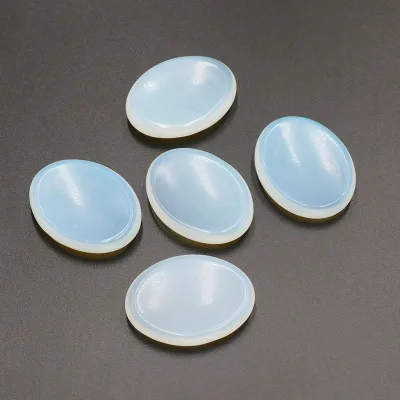
An opalite palm stone is a smooth, rounded piece of opalite glass shaped to fit in the palm and finished by polishing. Suppliers typically tumble and buff each stone to a glossy surface, similar to the polished finish used on listed labradorite and amethyst palm stones. Eco-friendly variants focus on low-waste polishing and minimal packaging, so ask each seller about their process.
What is the typical MOQ for polished opalite palm stones?
Listed palm stone products in this category commonly show a minimum order of 1 kilogram or a single piece, so small trial orders are realistic. Exact MOQ varies by material, size, and finishing work. Before ordering, confirm the MOQ in writing, whether mixed materials count toward one minimum, and how many stones one kilogram typically contains for the size you select.
How much do polished opalite palm stones cost per unit?
Comparable polished palm stones on this page list unit prices ranging from roughly 17 to 35 dollars, with some carved varieties priced higher. Opalite pricing depends on stone size, polish quality, and order volume. Request quotes for your exact size and quantity, and compare several suppliers because pricing for visually similar stones can differ significantly between listings.
What lead time should I expect for palm stone orders?
A supplier on this page lists a 5-day lead time, and another palm stone listing states delivery within 7 to 15 days. Actual timing depends on order size, customization, and shipping method, with express, sea, and air options commonly available. Confirm production time separately from transit time, and ask whether stock items ship faster than made-to-order quantities.
Can suppliers add a custom logo or packaging to palm stones?
Yes, customization is commonly offered. Listings in this category mention customized logos, light customization, sample processing, graphic processing, and made-to-order work, with OEM and ODM requests welcomed on several products. Scope and cost vary by supplier, so describe your logo, packaging, and quantity needs upfront, then request a sample to verify finish and print quality before full production.
How can I verify a palm stone supplier before ordering?
Start with verification signals such as third-party inspection; at least one supplier on this page is SGS verified. Check that the supplier's main products match palm stones and crystal crafts, review response speed, and compare listed prices against your target. Then request product photos, material confirmation for opalite, and references, and use secure payment protection for initial orders.