CE Kids Sunglasses Suppliers and Manufacturers
Compare 28 suppliers of CE Kids Sunglasses across certification, lead time, MOQ, response time, and customization options such as custom logo and packaging. Review product specifications including PC frames and UV400 lenses, then contact verified manufacturers to request quotes and samples for your market.
Suppliers List

Wenzhou Dilicn Optical Co., Ltd
- Verified by TUVRHEINLAND
- Trading Company
- China Zhejiang
- Lead time15 days
- Avg. response≤ 6h
Main productssports sunglasses, reading glasses, optical frames
Main marketsSouth America,Europe,North America

Colorful Fashion Kids Boys Girls Shades Baby Glasses Sun Glasses Children Sunglasses
$0.49 - $0.69
MOQ: 12 Pieces

Children's Foldable Sunglasses Boy Girls Fashion Fold Kids Baby Sun Glasses
$0.69 - $0.89
MOQ: 12 Pieces

Colorful Baby Shades Retro Round Kids Sunglasses Boys Girls Vintage Children Sunglasses
$0.29 - $0.49
MOQ: 12 Pieces

Girls Cute Flip Children′ S Heart Sunglasses Boys Girls Baby Sunglasses Child Fashion Glasses
$0.69 - $0.89
MOQ: 12 Pieces

Wholesale Promotion Classic Child Sunglasses Colorful Cute Girls Boys Children Glasses
$0.69 - $0.89
MOQ: 12 Pieces

New Baby Fashion Kids Cartoon Sunglasses Children Cute Boys and Girls Glasses
$0.72 - $0.89
MOQ: 12 Pieces

Guangzhou USOM Glasses Co., Ltd.
- Verified by SGS
- Trading Company,Manufacturer/Factory
- China Guangdong
- Lead time23 days
- Avg. response≤ 12h
Main productsSunglasses, Sport Sunglasses, Military Goggles, Anti-Blue Eyeswear, Ski Goggles, Motorcycle Goggles, Safety Goggles, Metal Fashion Sunglasses, Snow Board Goggles, Fishing Sunglasses
Main marketsSouth America,Eastern Europe,Mid East,North America,Southeast Asia,Eastern Asia,Oceania,Western Europe,Africa

Children's Sunglasses Fashion Kids Boys Girls Shades Glasses Sun Glasses
$1.38 - $3.88
MOQ: 100 Pieces

Fashion Baby Custom Retro Boys Girls Kids Shades Sunglasses Sun Glasses for Kids Children
$1.38 - $3.88
MOQ: 100 Pieces

Yiwu Conchen Glasses Co., Ltd.
- Verified by SGS Group
- Manufacturer, Trading Company
- Lead time20 days
- Avg. response≤ 4h
Main productsSunglasses, Eyeglasses frame, Bamboo Wood Sunglasses, Eyewear accessories, Sports sunglasses
Main marketsWestern Europe(25%), North America(20%), Northern Europe(15%)
Taizhou Baolai Glasses Manufacture Co., Ltd.
- Verified by TüVRheinland
- Manufacturer, Trading Company
- Lead time3 days
- Avg. response≤ 5h
Main productsEyewear
Main marketsDomestic Market(50%), South America(30%), North America(20%)

- Verified by BV
- Trading Company
- China Zhejiang
- Lead time30 days
- Avg. response≤ 6h
Main productsSunglass, Optical Frame, Sports Sunglasses, Kid's Optical Frames, Reading Glasses, Polarized Sunglasses, Eyeglasses Frame, Sun Glasses, Eyewear Frame, Sunglasses Case
Main marketsEurope,North America


Kids Sunglasses Children′ S Fashion Polarized Sunglasses 2020 for Boys & Girls
$3.35 - $3.95
MOQ: 5 Pieces


Wenzhou Sunray Technology Co., Ltd.
- Verified by SGS
- Manufacturer/Factory
- China Zhejiang
- Lead time23 days
- Avg. response≤ 4h
Main productsSunglasses, Custom Sunglasses, Polarized Sunglass, Reading Glasses, Jewelry Boxes, Paper Boxes, Gift Boxes, Packaging Box, Custom Packaging Box, Packing Box
Main marketsSouth America,Eastern Europe,Mid East,North America,Southeast Asia,Eastern Asia,Oceania,Western Europe,Africa
Guangzhou Excellence Optical Technology Co., Ltd.
- Verified by TüVRheinland
- Trading Company
- Lead time30 days
- Avg. response≤ 2h
Main productsOEM & ODM Eyewear, Acetate & Metal Optical Frames, Sunglasses, Clip On Glasses, Blue Light Glasses
Main marketsNorth America(15%), Mid East(15%), South America(10%)

- Trading Company
- China Zhejiang
- Lead time0 days
- Avg. response≤ 3h
Main productsOptical Glasses, Reading Glasses, Sunglasses, Blue Light Blocking Glasses, Eyeglasses Frames, Kid's Sunglasses, Titanium Optical Frame, Women Reading Glasses, Mens Spectacles Frames, Fashion Sunglasses


Kids Children Girl Plastic Baby Round Party Sun Glasses Fashion Child Sunglasses
$1.45
MOQ: 300 Pieces


New Cat Eye out Sun Shade Glasses Children Fashion Sun Glasses Oversized Kids Sunglasses
$1.29 - $1.32
MOQ: 300 Pieces

Pilot Optics International Corp.Ltd.Wenzhou
- Trading Company,Manufacturer/Factory
- China Zhejiang
- Lead time45 days
- Avg. response≤ 22h
Main productsReading Glasses, Optical Frames, Sunglasses, Glasses Pouch, Glasses Case, Glasses Cord, Glasses Display
Main marketsSouth America,Eastern Europe,Mid East,North America,Southeast Asia,Oceania,Western Europe

Pilot Optics Kids Girls Baby Girl Children Shades Sun Glasses Metal Sunglasses
$0.50 - $2.00
MOQ: 1200 Pieces

Pilot Optics Fashion Brand Kids Retro UV Protection Baby Sun Glasses Girls Boys Sunglasses
$0.50 - $2.00
MOQ: 1200 Pieces
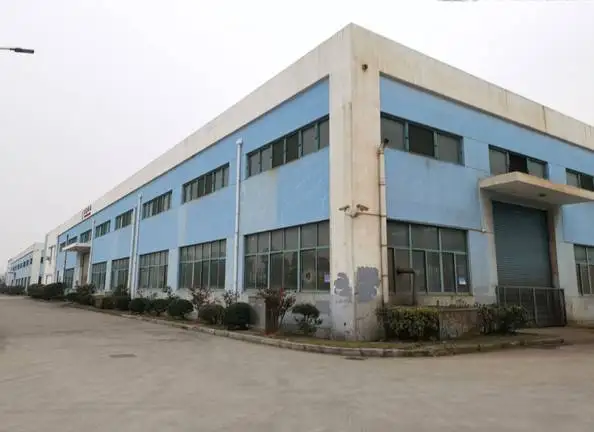
Huizhou Mairuidi Trade Co., Ltd.
- Trading Company
- Guangdong, China
- Lead time0 days
- Avg. response≤ 8h
Main productsdiy jewelry,earring,necklace,sunglasses
Main marketsNorth America(70.00%), Domestic Market(5.00%), Southern Europe(5.00%), Northern Europe(5.00%), Western Europe(5.00%), Eastern Europe(5.00%), South America(5.00%)
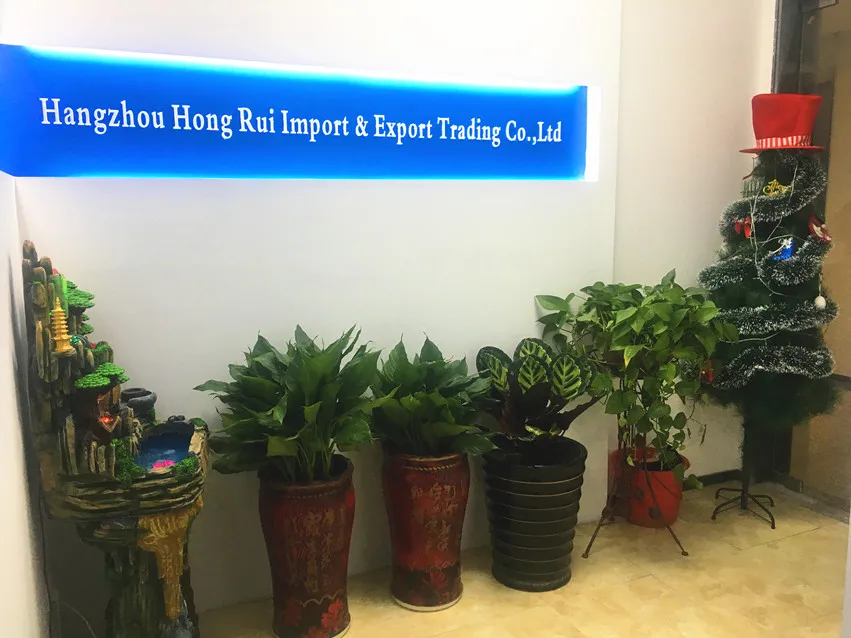
Hangzhou Hongrui Import & Export Trading Co., Ltd.
- Trading Company
- Zhejiang, China
- Lead time7 days
- Avg. response≤ 3h
Main productsFestival product,Christmas product,Halloween product,daily necessities,storage supplies
Main marketsNorth America(32.00%), South America(25.00%), Western Europe(12.00%), Domestic Market(10.00%), Eastern Europe(8.00%), Eastern Asia(8.00%), Mid East(3.00%), Central America(2.00%)

Sky & Sea Optical MFY Co., Ltd.
- Verified by SGS
- Combined
- China Zhejiang
- Lead time60 days
- Avg. response≤ 3h
Main productsOptical Frame, Sunglasses, Reading Glasses, 3D Glasses, Blocking Pad, Eyeglasses, Optical Frames, Glasses Case, Safety Glasses, Lens Cleaner
Main marketsSouth America,Europe,North America

$0.70 - $1.50
MOQ: 12 Pieces

Unisex Vintage Child Sun Glasses 1 to 8 Years The Young Kids Sunglasses 2023
$0.70 - $1.50
MOQ: 12 Pieces

High Quality 2023 Customised Children Sun Glasses Manufacturer Kids Sunglasses for Boys Girls
$0.70 - $1.50
MOQ: 12 Pieces

Factory Fashion New Color Plastic Frame Children Children Sunglasses for Kid
$0.90 - $1.70
MOQ: 12 Pieces

Hot Selling Europe and The United States Fashion Designer Kids Sun Glasses Sunglasses
$0.80 - $1.50
MOQ: 20 Pieces

Unisex 2023 Hot Sale Factory Wholesale Colorful Cute Anti UV400 Girls Boys Baby Kids Sunglasses
$0.70 - $1.50
MOQ: 12 Pieces
- Verified by SGS Group
- Trading Company
- Lead time15 days
- Avg. response≤ 2h
Main productsSunglasses, Optical Frames, Eyeglasses Frames, Sports Sunglasses, Polarized Sunglasses
Main marketsNorth America(55%), Western Europe(40%), Southeast Asia(5%)
Wenzhou Goodrise Trading Co., Ltd.
- Verified by SGS Group
- Trading Company
- Lead time0 days
- Avg. response≤ 3h
Main productsSunglasses, Reading Glasses
Main marketsNorth America(32%), South America(25%), Eastern Europe(20%)
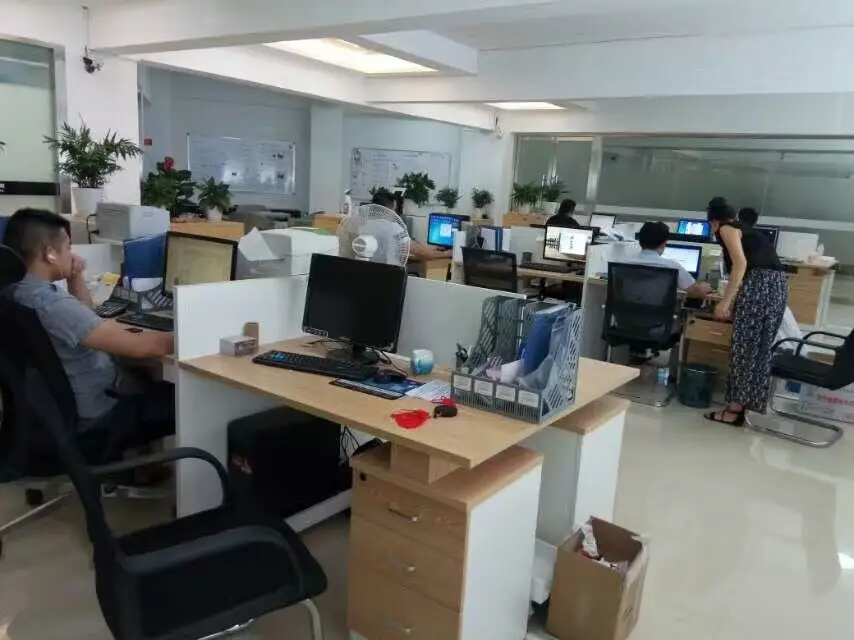
Yiwu Feiling Jewelry Co., Ltd.
- Trading Company
- Zhejiang, China
- Lead time15 days
- Avg. response≤ 3h
Main productsbracelet,necklace,earring,rings,sunglasses
Main marketsNorth America(30.00%), South America(15.00%), Central America(10.00%), Western Europe(8.00%), Eastern Europe(7.00%), Southern Europe(6.00%), Northern Europe(5.00%), Africa(5.00%), Southeast Asia(5.00%), Mid East(5.00%), South Asia(2.00%), Eastern Asia(2.00%)
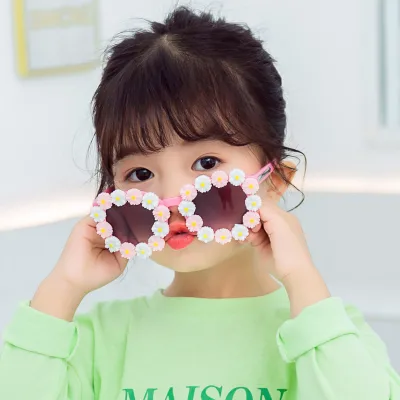
Fashion Style Flower Sunglasses Children Luxury Design Eyewear Small Size Kids Sunglasses for Girl
$2.12 - $2.32
MOQ: 2 pieces
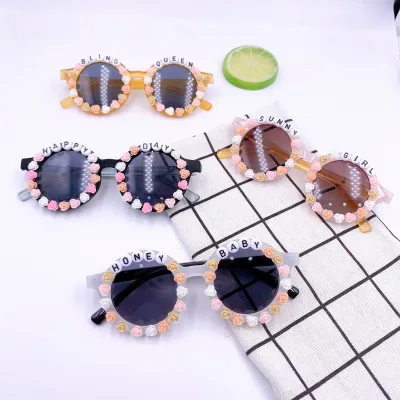
Children'S Sunglasses New Sticky Flower Letters Cute Personality Kids Sunglasses Boys Girls
$1.95 - $2.08
MOQ: 2 pieces

2024 Cute Fancy Trendy Little Girls Sunglasses Kids Bunny Sunglasses Uv400 Shades
$0.65 - $0.75
MOQ: 12 pieces
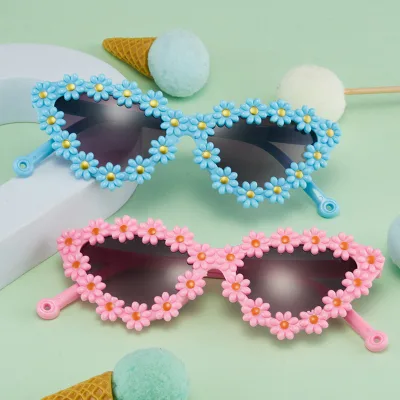
$0.35 - $0.38
MOQ: 12 pieces
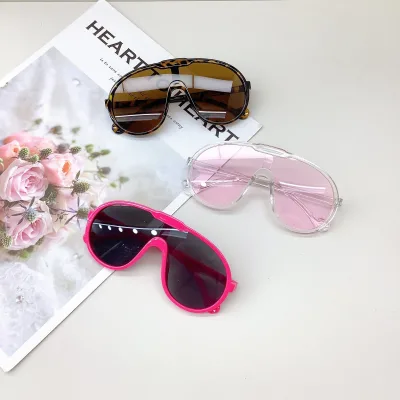
Fashion Oversized One Piece Sunglasses Kids Yellow Glasses Trendy Children'S Sunglasses 2024
$1.18 - $1.38
MOQ: 2 pieces
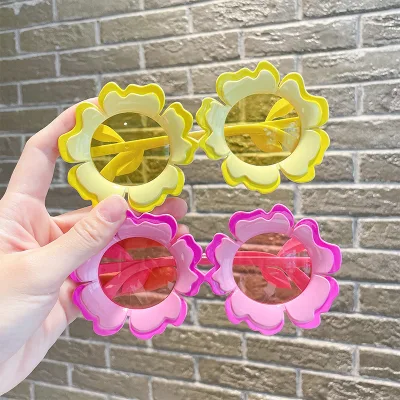
$0.69 - $0.75
MOQ: 12 pieces
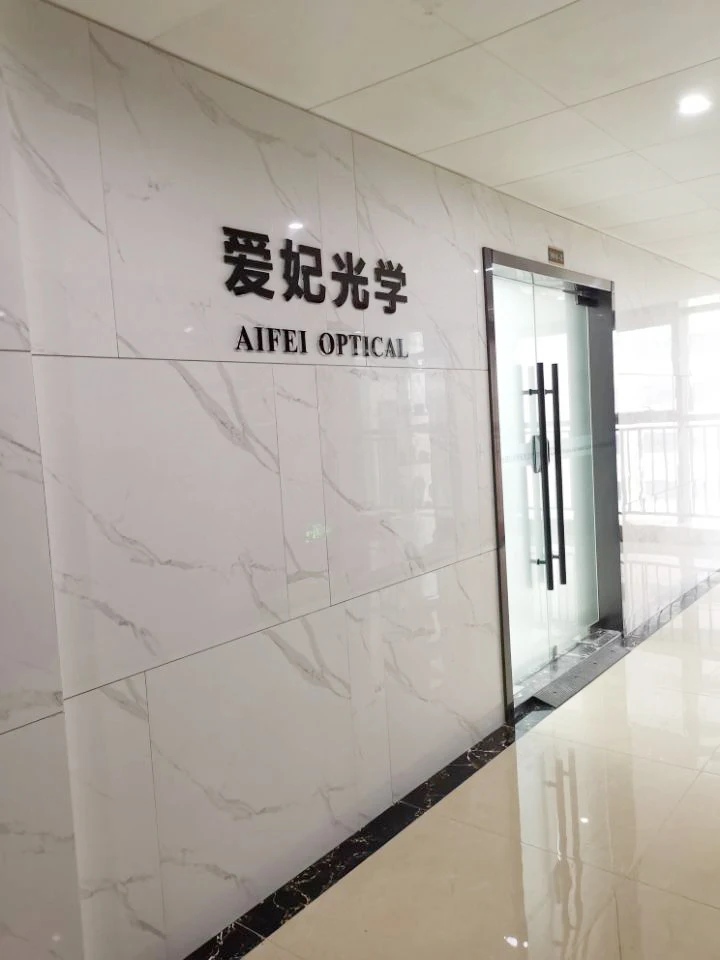
Wenzhou Aifei Optical Co., Ltd.
- Trading Company
- Zhejiang, China
- Lead time45 days
- Avg. response≤ 4h
Main productsSunglasses,Reading Glasses,Optical Frame,Anti blue glasses,Sports eyewear
Main marketsNorth America(40.00%), Eastern Europe(20.00%), South America(10.00%), Southern Europe(5.00%), Northern Europe(5.00%), Central America(5.00%), Western Europe(5.00%), Mid East(5.00%), Southeast Asia(5.00%)
Yiwu Beiyuan Glasses Co., Ltd.
- Verified by Intertek
- Manufacturer, Trading Company
- Lead time12 days
- Avg. response≤ 4h
Main productsSunglasses, Glasses Frame, Anti Blue Light Glasses, Optical Glasses, Glasses Accessory
Main marketsNorth America(60%), Oceania(10%), Domestic Market(10%)

Wenzhou Readsun Optical Co., Ltd.
- Trading Company,Manufacturer/Factory
- China Zhejiang
- Lead time60 days
- Avg. response≤ 6h
Main productsSunglasses, Reading Glasses, Optical Frame, Plastic Sunglasses, Kid's Sunglasses, Metal Sunglasses, Sport Sunglasses, Titanium Optical Frame, LED Reading Glasses, Promotion Sunglasses
Main marketsSouth America,Eastern Europe,Mid East,North America,Southeast Asia,Eastern Asia,Oceania,Western Europe,Africa

Kids Eyewear Boys Girls Small Size Square UV400 Kids Shades Sunglasses for Children
$0.89 - $1.39
MOQ: 10 Pieces

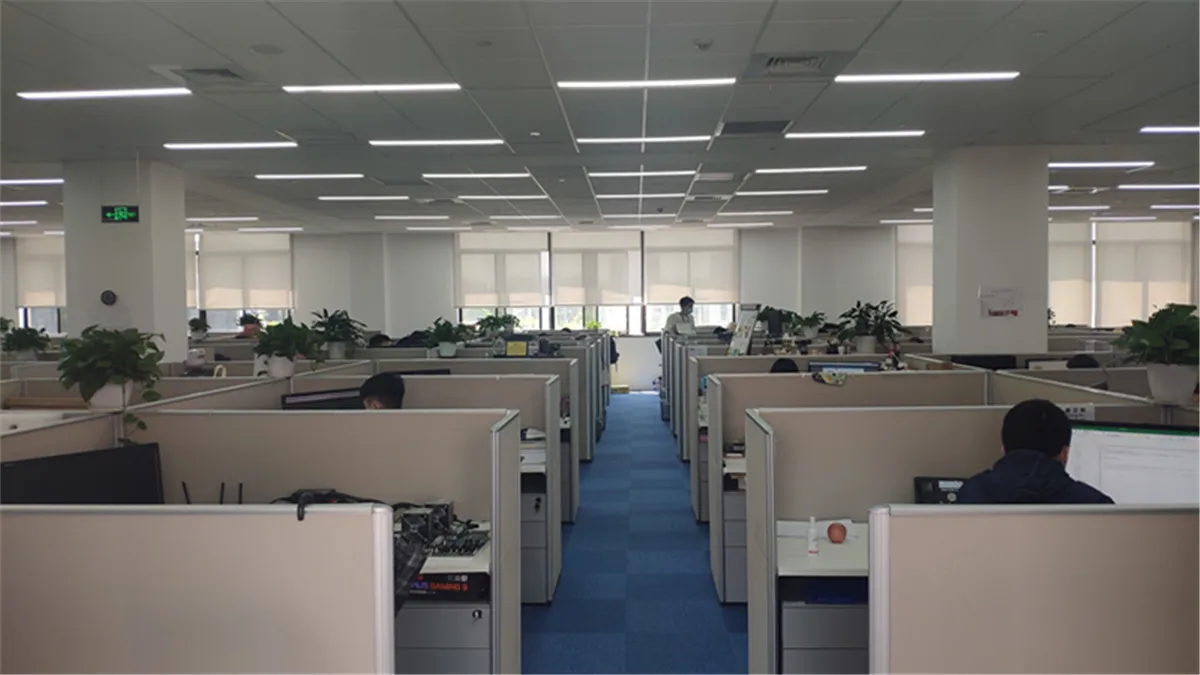
- Trading Company
- Zhejiang, China
- Lead time5 days
- Avg. response≤ 5h
Main productsdesigner sunglasses,designer jewellery,designer hats,designer shoes,designer handbag
Main marketsNorth America(59.00%), Eastern Europe(10.00%), Oceania(7.00%), Southern Europe(6.00%), Western Europe(6.00%), Northern Europe(5.00%), Eastern Asia(3.00%), Africa(2.00%), Southeast Asia(1.00%), South America(0.50%), Mid East(0.30%), South Asia(0.10%), Central America(0.10%)
Wenzhou Youge Eyewear Co., Ltd.
- Verified by SGS
- Trading Company
- China Zhejiang
- Lead time15 days
- Avg. response≤ 4h
Main productsOptical Frame, Sunglasses, Reading Glasses, Sports Sunglasses, Kids Eyewear, Anti Blue Light Glasses, Safety Protection Glasses, Packaging Accessories, Eyeglasses Cases & Boxes, Cleaning Cloth
Main marketsEurope


Comfortable UV Protection Colorful Plastic Custom Fashion Kids Sunglasses for Girls Child
$0.60 - $1.20
MOQ: 12 Pieces

New Stylish Wholesale UV400 Kids Shades Sun Glasses Fashion Custom Logo Kids Sunglasses
$0.60 - $1.20
MOQ: 12 Pieces

Wholesale Custom Design UV Protection Fashion Kids Sunglasses for 3-10 Years Old Kids
$0.70 - $1.40
MOQ: 12 Pieces

$0.60 - $1.30
MOQ: 12 Pieces

Fuzhou Whole Line Trading Co., Ltd.
- Verified by BV
- Trading Company,Manufacturer/Factory
- China Fujian
- Lead time23 days
- Avg. response≤ 6h
Main productsCustomized Products, Lanyard Short Strap, Lanyard, Bandana, Pen, Bags, T-Shirt, Pillow Case, Socks, Promotional Gifts
Main marketsSouth America,Eastern Europe,Mid East,North America,Southeast Asia,Eastern Asia,Oceania,Western Europe,Africa

Cute Round Handmade Little Girls Toddler Sunglasses Girl Children Shades Kids Fashion Sunglasses
$0.56 - $0.97
MOQ: 500 Pieces


Kid Round Sunglasses Cute Retro Circle Frame Sunglasses Children Round Colorful Eyes Protect Eyewear
$0.56 - $0.97
MOQ: 500 Pieces

- Verified by CTI
- Trading Company
- China Zhejiang
- Lead time15 days
- Avg. response≤ 7h
Main productsJewelry, Brooch, Belt, Necklace, Agent, Bracelet, China Trim, China Ring, China Hair Accessory, China Earring
Main marketsSouth America

Wenzhou Yangming Eyewear Accessories Co., Ltd
- Verified by SGS
- Combined
- China Zhejiang
- Lead time30 days
- Avg. response≤ 3h
Main marketsDomestic


New Fashion Kids Sunglasses UV Protection Unisex Children's Polarized Silicone Foldable Sunglasses
$2.00 - $2.40
MOQ: 12 Pieces

New Thick-Frame Children's Sunglasses for Boys and Girls, Baby UV-Protection Trendy Sunglasses
$0.90 - $1.30
MOQ: 12 Pieces


New Stylish Unisex Kids' Cycling Sunglasses with UV Protection for Outdoor Sports
$0.85 - $1.20
MOQ: 12 Pieces
JINZHAI COUNTY BLOSSOM IMPORT&EXPORT TRADING CO.,LTD
- Trading Company
- Zhejiang, China
- Lead time7 days
- Avg. response≤ 3h
Main productsBaby Clothes,Leotards,Headbands,Rompers,leggings
Main marketsDomestic Market(10.00%), Central America(10.00%), Western Europe(10.00%), Eastern Asia(10.00%), Mid East(10.00%), Africa(10.00%), Southeast Asia(10.00%), Eastern Europe(10.00%), South America(10.00%), North America(10.00%)
Yiwu Fashion Zone Eyewear Co., Ltd.
- Verified by TüVRheinland
- Trading Company
- Lead time20 days
- Avg. response≤ 6h
Main productsSunglasses, Reading Glasses, Optical Frame, Promotional Gifts
Main marketsNorth America(50%), South America(25%), Eastern Asia(20%)
Hengshui Liou Import And Export Trade Co., Ltd.
- Verified by SGS Group
- Trading Company
- Lead time15 days
- Avg. response≤ 3h
Main productsClothing, Camping Cart, Wallet and bags, Watch, Sport Brace
Main marketsNorth America(50%), South America(10%), Oceania(10%)

Wenzhou Higo Optical Co., Ltd.
- Combined
- China Zhejiang
- Lead time45 days
- Avg. response≤ 13h
Main productsEyeglass, Optical Frames, Eyewear, Optical Frame, Spectacle Frame
Main marketsDomestic,Europe

- Verified by TUVRHEINLAND
- Combined
- China Guangdong
- Lead time23 days
- Avg. response≤ 10h
Main productsSunglasses, Ski Goggles, Sports Sunglasses, Tactical Goggles, Cycling Helmet
Main marketsNorth America

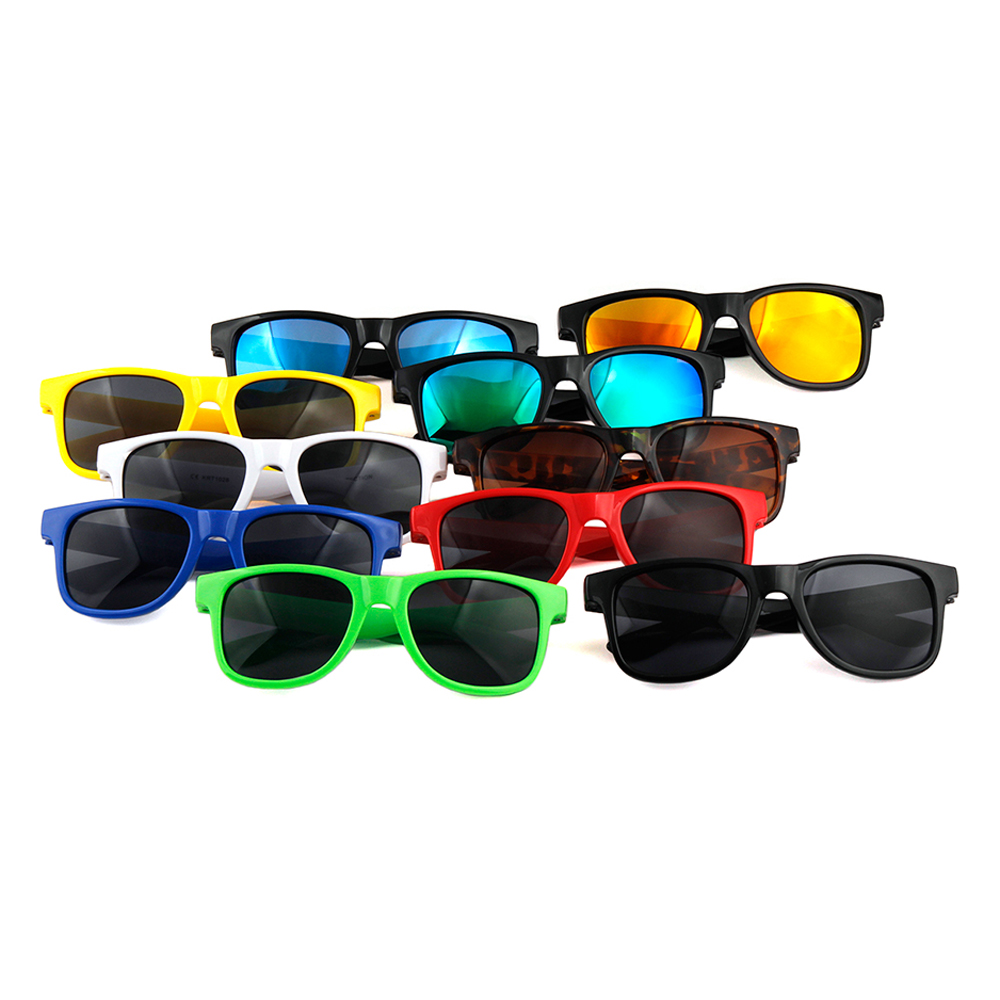
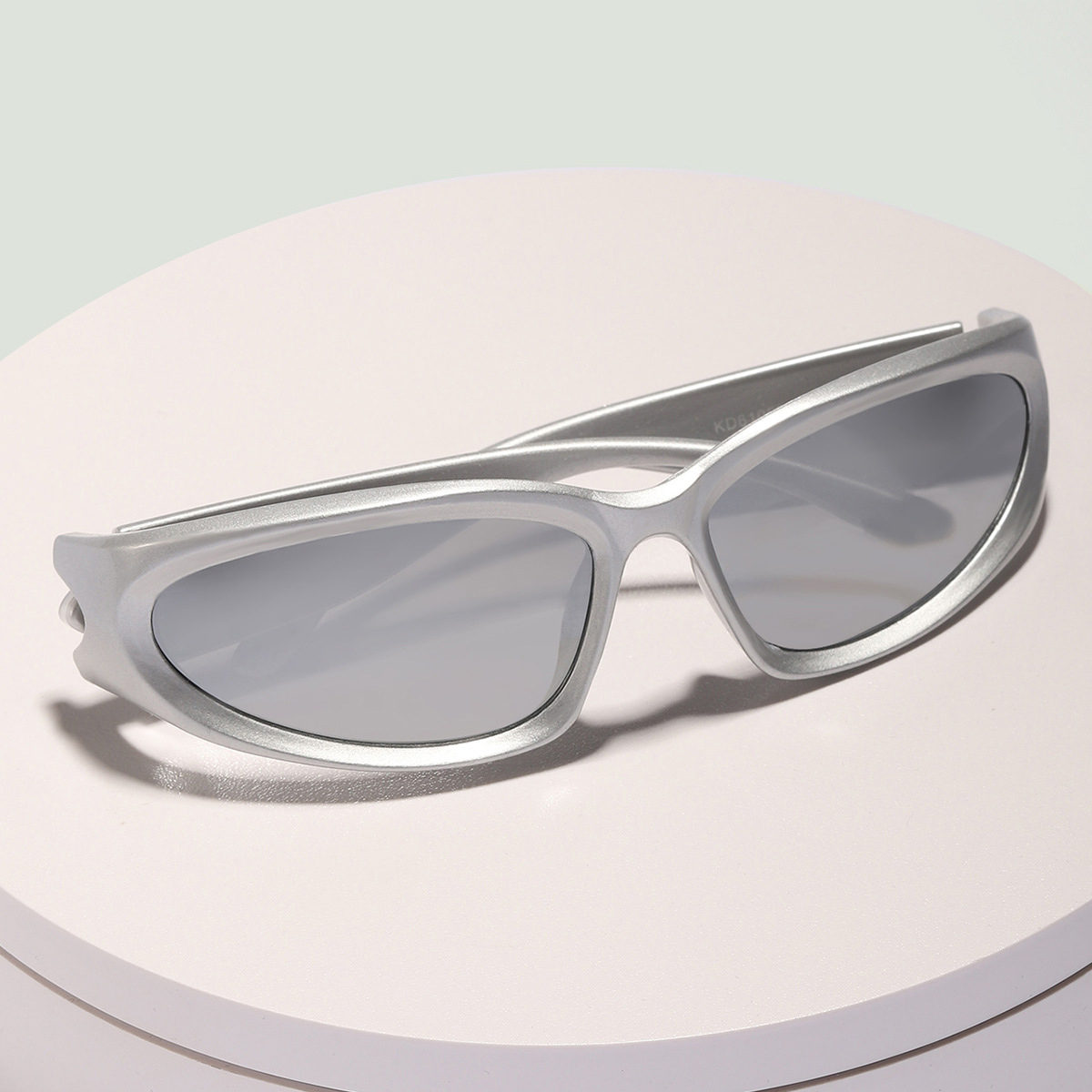
Light Weight Custom Logo Fashion Shades Kids Anti Glare Mirrored Lens Sunglasses
$1.72 - $3.10
MOQ: 50 pairs

Factory Direct Sale Fashion Design Sun Shades UV400 Protection Sunglasses for Kids
$1.72 - $3.10
MOQ: 50 pairs
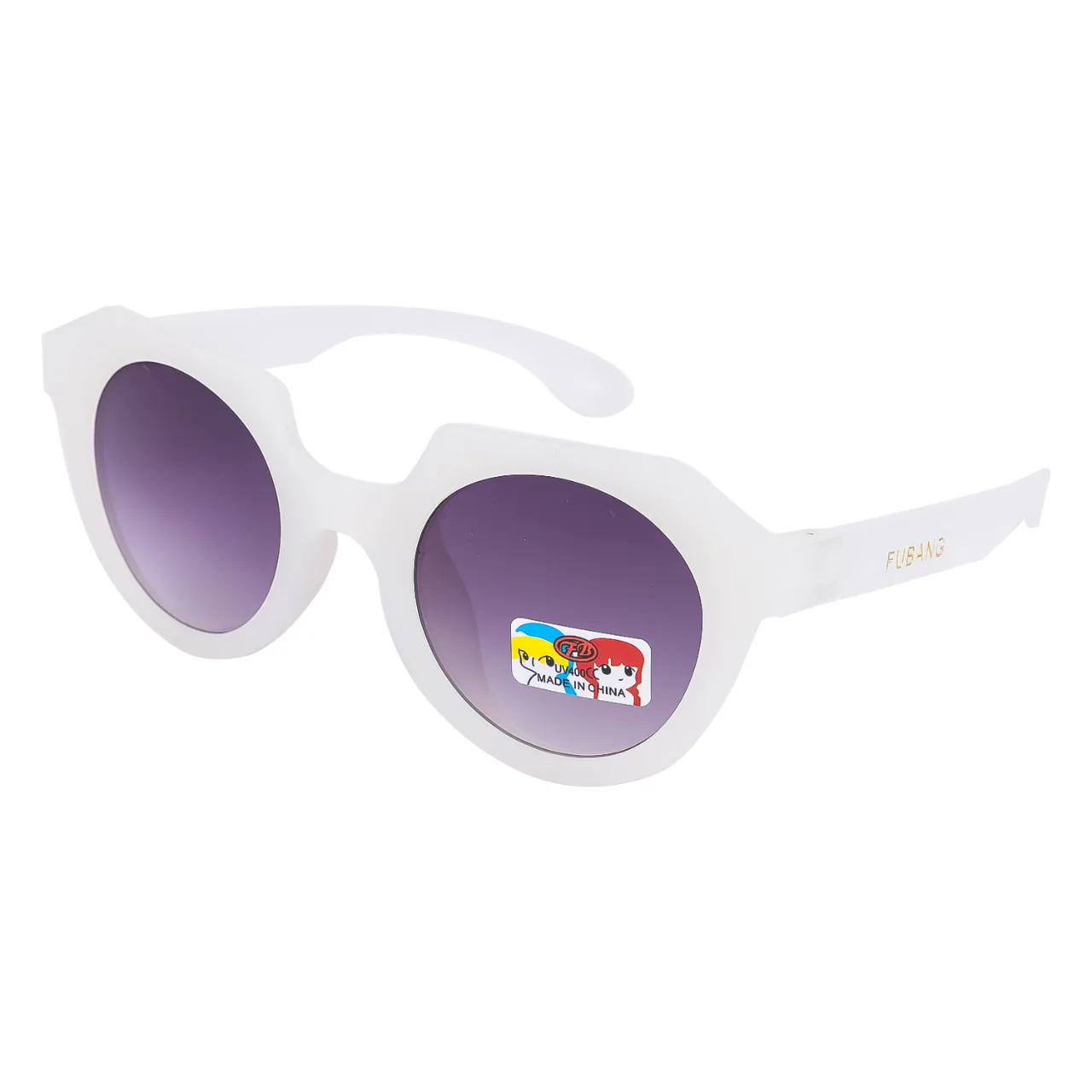
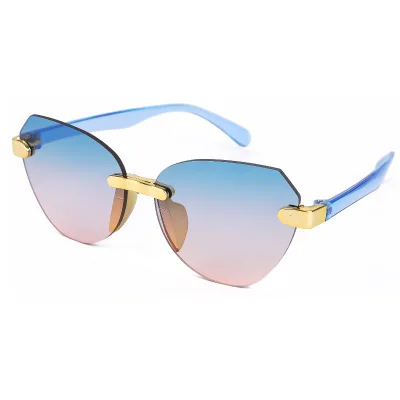
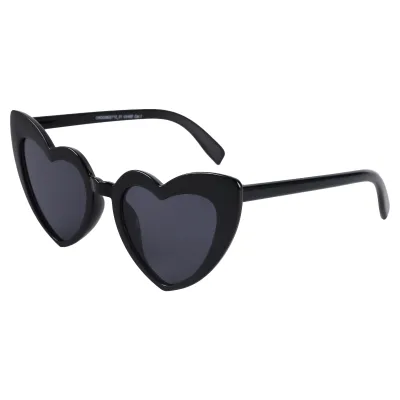
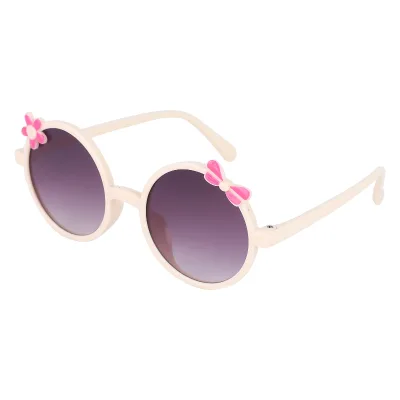
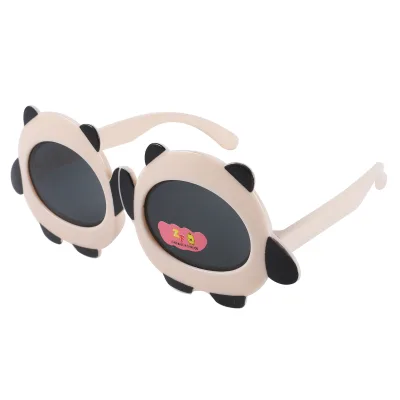
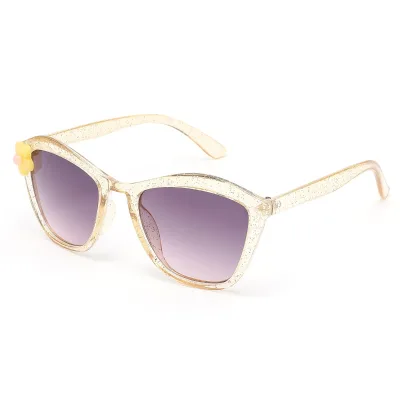


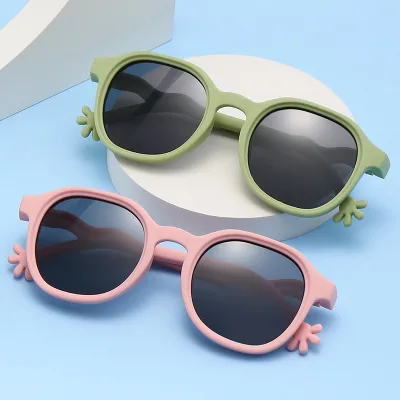
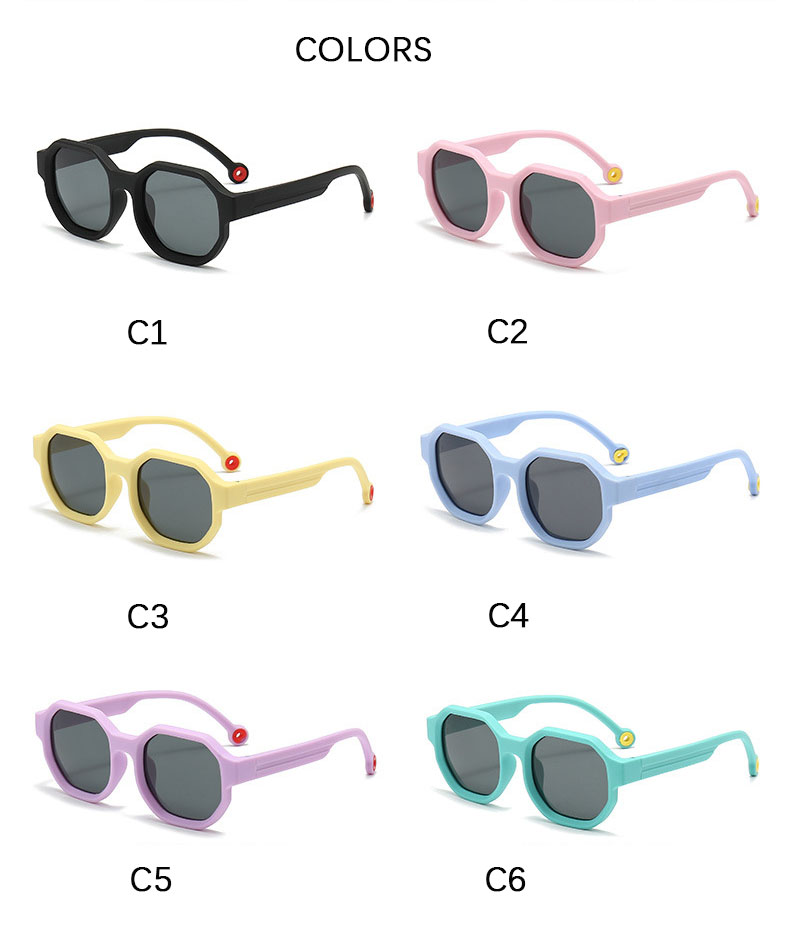
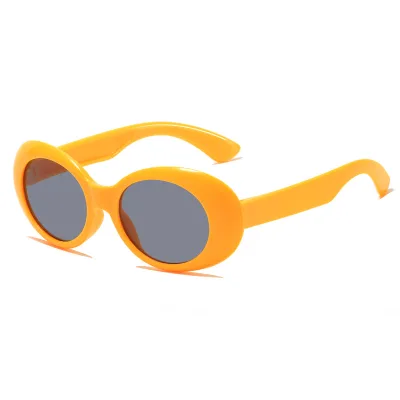
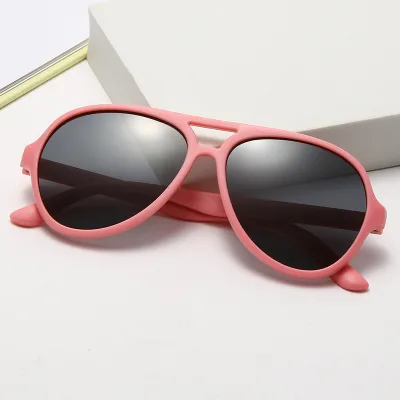
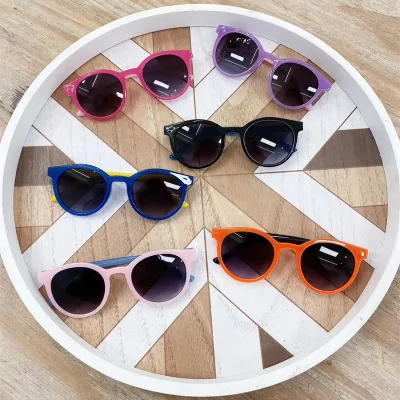
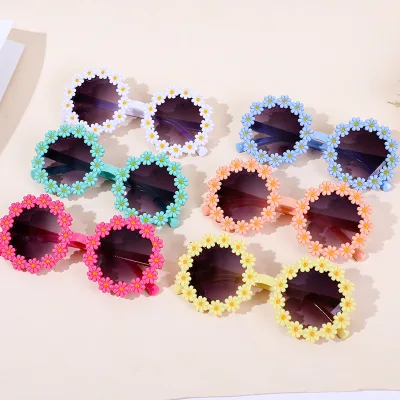




Comprehensive Sourcing Guide
CE Kids Sunglasses Supplier Concentration and Factory Types
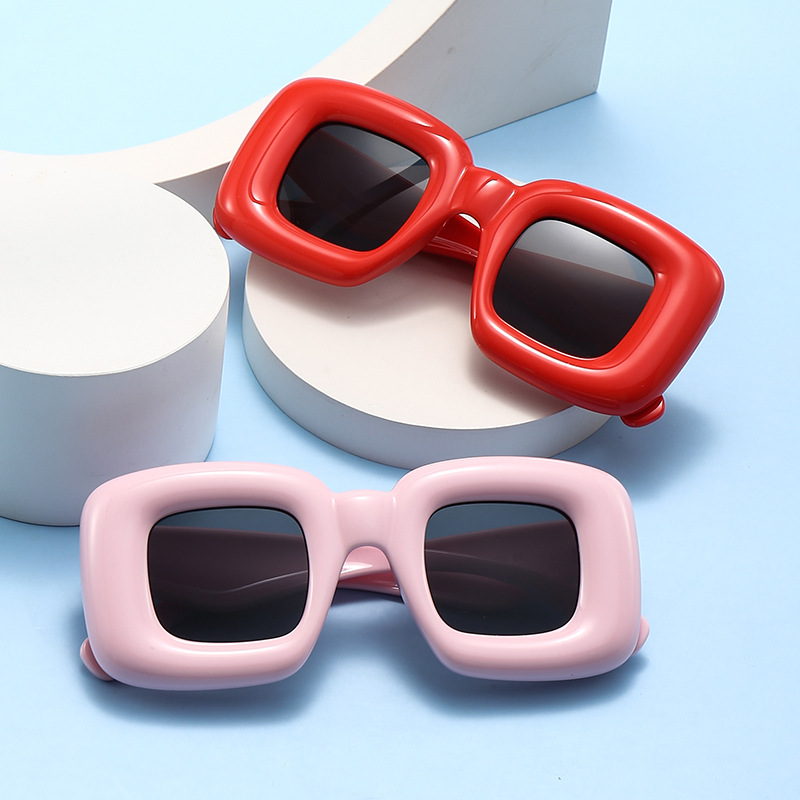
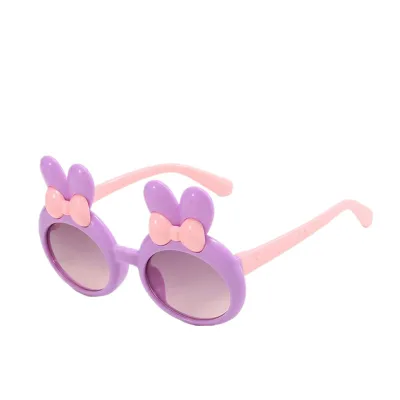
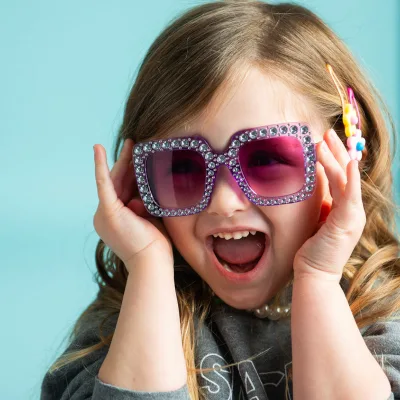
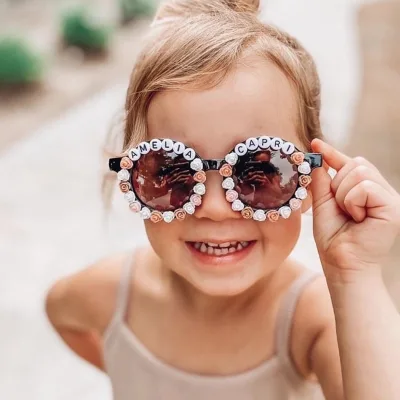
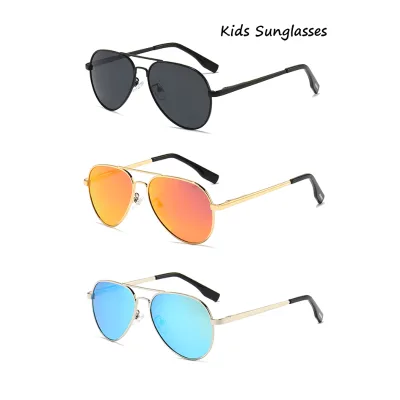
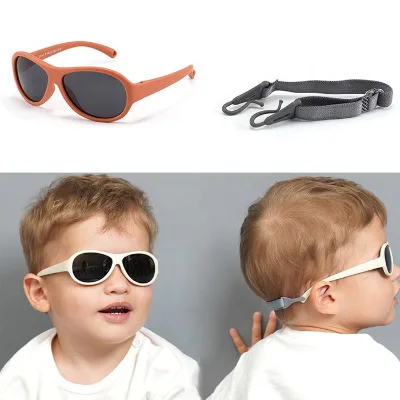
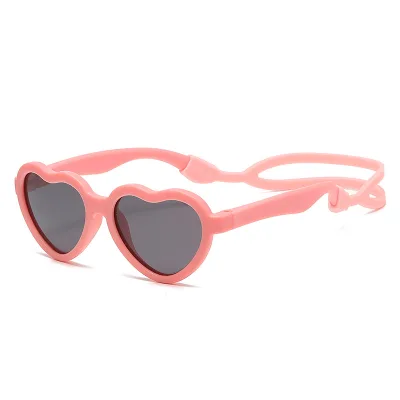
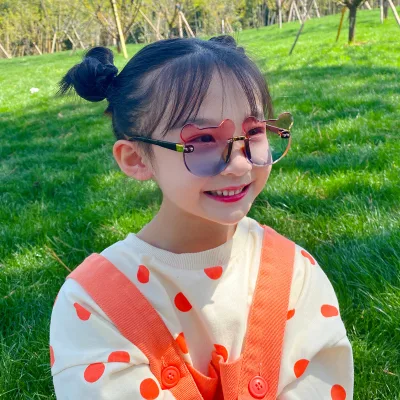
Sourcing for CE Kids Sunglasses starts with understanding which supplier types dominate the category. The supplier results show three common profiles: pure trading companies, combined manufacturer-and-trading operations, and manufacturers with trading arms. One Zhejiang-based trading company lists children's sunglasses as a main product line alongside sports sunglasses, reading glasses, and optical frames, with colorful kids shades priced in a low per-unit band and a very small listed MOQ of 12 pieces. A Guangdong entry combines trading company and manufacturer/factory labels, covering sunglasses, sport sunglasses, goggles, and anti-blue eyewear, and advertises OEM, ODM, and its own brand. A third profile is a manufacturer and trading company focused on sunglasses, eyeglass frames, and bamboo wood sunglasses, listing classic-style polarized kids sunglasses with a 60-piece MOQ and UV400 lenses.
These profiles matter because they shape what you can expect on customization, pricing, and order flexibility. Trading companies at the lowest price points often serve promotional and wholesale buyers, with single-piece OPP bag packing and small trial quantities. Factory-and-trading hybrids typically support more engineering input, such as mould making and sample making services mentioned in one listing. When you scan supplier results, sort candidates by company type first, then by main products that include children's eyewear specifically rather than adult fashion sunglasses, since kids' frames involve different sizing, materials, and safety expectations. Concentration by cluster should be confirmed from each supplier's stated location field rather than assumed.
How to Verify CE Kids Sunglasses Suppliers
Verification for CE Kids Sunglasses should begin with the credentials displayed on each supplier profile, then move to documentation you request directly. In the current results, one supplier shows TÜV Rheinland verification with no system certification listed, another shows SGS verification with ANSI/ESD and ISO 9001 system certifications, and a third shows SGS Group verification with CE and UKCA marks. These labels are not interchangeable: third-party verification of a company is different from a management-system certification, and both differ from product-level marks such as CE, which is a product conformity claim for the European market. Treat the product listing's certification field, which in several cases states CE FDA, as a claim to be confirmed with certificates bearing matching model numbers.
Second, verify the entity behind the profile. Ask for a business license, confirm the registered company name matches the account, and check whether the listed location, such as Zhejiang or Guangdong, matches the factory address on invoices and test reports. Request recent third-party test reports for the specific kids' models you intend to order, including lens UV protection claims like UV400, since a report for an adult model does not cover children's variants. For factories, ask for photos or a live video walkthrough showing kids' frame production and packing lines. Finally, place a sample order before committing: examine hinge durability, lens clarity, and packaging against the specification sheet, and confirm the certificates reference the exact model number you sampled, not a related design.
What to Compare Across CE Kids Sunglasses Suppliers
Build a comparison table using the attributes actually displayed on supplier pages, because not every supplier publishes every field. Useful dimensions in the current results include lead time, which ranges from 15 days on one Zhejiang trading listing to 20 and 23 days on two other profiles; response time, where one supplier reports roughly 4 hours and another roughly 11 hours; listed MOQ, spanning 12 pieces, 60 pieces, and 100 pieces across different entries; and verification and system-certification labels. Location matters too, with entries in Zhejiang and Guangdong, and main-product breadth signals specialization, from children's sunglasses and optical frames to goggles and sports eyewear.
Beyond headline numbers, compare product-level evidence. One listing quotes per-unit prices from $0.49 to $0.69 with PC frame and PC lens construction and custom logo and packaging options; another quotes $0.69 to $0.89 for foldable kids' models; a third spans $1.38 to $3.88 with TAC lenses and UV attributes and a 500-piece carton packing structure. Compare what the price includes: OPP bag versus engineered packaging, single-focal PC lenses versus polarized UV400 lenses, and whether customization is stated as available. Also weigh capacity signals such as OEM, ODM, own-brand ownership, sample making, and mould-making services, since these determine whether a supplier can grow with your range rather than only fulfilling a first order. Record every field as "not displayed" when absent.
Common CE Kids Sunglasses Sourcing Risks
The most frequent risk in this category is a mismatch between claimed certification and delivered product. A listing may state CE FDA in its attribute field while the actual shipment carries lenses that fail UV transmission testing or frames using materials not covered by the certificate. Because children's eyewear is a safety-sensitive product, always pair a certificate copy with a fresh test on received samples, and check that certificate model numbers match your order, since suppliers often certify one variant of a family and produce many. A second risk is price-driven quality drift: quotes as low as $0.29 to $0.49 per unit on some listings leave minimal margin, so confirm lens coating, hinge quality, and frame finish before assuming the sample represents bulk production.
Other risks include order-quantity traps and lead-time surprises. A 12-piece MOQ suits market testing, but per-unit costs and packing quality may not hold at larger volumes, while a 100-piece MOQ with a 23-day lead time requires planning around retail seasons; verify whether lead time excludes production of customized logo packaging. Communication lag is another practical risk, with response times ranging from about 4 to over 11 hours in the current results, which stretches revision cycles during sampling. Finally, verify packing specifications such as 1PC/OPP bag or 50PCS per case against actual carton counts on arrival, since substitutions damage retail-ready goods. Document agreed specifications in writing before any deposit changes hands.
CE Kids Sunglasses Regional Sourcing and Logistics
The current supplier results identify two provinces: Zhejiang and Guangdong, both in China. Zhejiang appears in a supplier's location field and again as the stated place of origin on a kids' sunglasses listing, suggesting an established eyewear production base there; Guangdong appears as another supplier location with a combined factory-and-trading operation covering sunglasses and protective eyewear. One supplier explicitly lists mold-making and sample-making services, which is relevant if you plan custom frame shapes rather than selecting from existing molds. When the results do not state a cluster location, identify concentration yourself by filtering suppliers by province, noting which provinces recur across children's eyewear listings, and confirming factory addresses through business licenses and video audits rather than relying on the profile city alone.
Logistically, plan around the stated lead times and packing structures. Lead times in the current results run 15, 20, and 23 days, so sequence sample approval before mass production and add buffer for inspection before shipment. Packing details matter for freight: one listing specifies 1PC/OPP bag with 500PCS per carton and a small single-package size, which keeps volumetric weight low, while another notes a single gross weight of 0.070 kg per unit. Confirm carton dimensions and gross weights in writing so freight forwarders can quote accurately, and decide between air freight for small trial quantities and sea freight for bulk, using the MOQ, carton count, and your delivery deadline to choose.
CE Kids Sunglasses Commercial Terms and Order Planning
Commercial planning for CE Kids Sunglasses should start from the observed price and MOQ ranges. Current listings quote roughly $0.29 to $0.49, $0.49 to $0.69, $0.69 to $0.89, and $1.38 to $3.88 per unit depending on model, lens type, and customization, with MOQs of 12, 60, and 100 pieces. Structure a first order as a small MOQ trial of an existing model, then negotiate pricing and customization on repeat orders once quality is proven. Confirm what customization includes: several listings state custom logo and custom packaging are available, and one advertises OEM and ODM acceptance, so clarify tooling costs, artwork approval steps, and whether customized goods shorten or extend the stated lead time.
Payment and risk terms deserve equal attention. Verify whether the platform offers escrow-style protection on your chosen channel and prefer terms that release funds against inspection or shipment milestones rather than full prepayment, especially for a first order. Check establishment-year and verification labels where displayed, since tenure and third-party verification are weak but useful signals when combined with sample results. Build an order calendar backwards from your selling season: allow time for sampling, a certification check on the exact model, mass production within the quoted 15 to 23 day window, and inspection. Finally, agree on packing specs, carton quantities, and replacement terms for defective units in the purchase contract, and keep price validity periods explicit since low-cost quotes often expire quickly.
FAQs
What CE requirements should kids sunglasses meet before import?
Kids sunglasses for the EU generally need CE conformity under the applicable eyewear standards, and many listings also state CE and FDA for the United States. Ask each supplier to provide the actual test certificates and lens reports, because a certification claim on a product page is not proof. Verify which standard the CE marking refers to before ordering samples.
What is the typical MOQ for CE Kids Sunglasses?
MOQs vary widely by supplier and model. Some suppliers list wholesale children's sunglasses starting at very small quantities, such as 12 or 60 pieces, while factory-style sellers more commonly ask for around 100 pieces per style. Always confirm the MOQ per model, per color, and for customized logo orders, since custom packaging usually carries a higher minimum than stock designs.
How long do kids sunglasses take to produce and ship?
Lead times reported by suppliers on this page range from about 15 to 23 days, so two to three weeks is a realistic planning window for standard orders. Customized designs, logo printing, or certification testing can extend production. Add sea or air freight time on top, and confirm the quoted lead time applies to your chosen model and quantity before paying a deposit.
Which materials are commonly used for children's sunglasses frames and lenses?
Most kids sunglasses listed here use PC (polycarbonate) for both frames and lenses, with some lens options in TAC. PC is lightweight, impact-resistant, and inexpensive, which suits children's products. For CE compliance, ask whether the lenses carry UV400 protection and request the optical test data. Also confirm whether materials are suitable for the target age group and free of restricted substances.
Where are the main sourcing hubs for kids sunglasses in China?
The suppliers represented on this page are located in Zhejiang and Guangdong, which are both established eyewear sourcing regions. Zhejiang suppliers commonly list children's fashion sunglasses, reading glasses, and optical frames, while Guangdong suppliers often combine factory production with goggles and sport eyewear. Location affects freight cost and factory visit options, so compare quotes from both regions before deciding.
Can kids sunglasses be customized with my logo and packaging?
Yes, customization is widely offered. Many product listings explicitly state that custom logos and custom packaging are available, and some suppliers accept OEM and ODM projects. Provide your artwork early, confirm the minimum quantity for customized orders, and request a pre-production sample. Note that adding a logo may change unit pricing and lead time compared with stock wholesale orders.
How fast do kids sunglasses suppliers usually respond to inquiries?
Average response times among suppliers on this page range from roughly 4 to 11 hours, so most replies arrive within one business day. Response speed can vary with time zones and inquiry volume. Send a detailed first message covering your target quantity, certification needs, and customization to get a complete quote in the first reply rather than a short acknowledgment.
How do I verify a kids sunglasses supplier before ordering?
Check whether the supplier is independently verified by a third party such as TUV Rheinland or SGS, and review whether they hold system certifications like ISO 9001. Some trading companies list no system certification, which is common but worth noting. Request business licenses, product test reports, and references, and place a trial order or use secure payment terms before committing to large volumes.