Chevrolet Sail 3 Car Key Suppliers and Manufacturers
Find 13 verified suppliers offering Chevrolet Sail 3 Car Key with options for remote control, chip types, and button counts. Compare response times, lead times, certifications, and prices to source the right factory for your needs today; review the available evidence before requesting comparable quotations from suitable candidates.
Updated
Suppliers List
- Verified by Intertek
- Trading Company
- Lead time5 days
- Avg. response≤ 2h
Main productsKey Blanks, Locks, Locksmith's Tools, Key Cutting Machine, Diagnostic Tools

Zhongshan Xinyu Technology Co., Ltd
- Verified by BV
- Manufacturer/Factory
- China Guangdong
- Lead time23 days
- Avg. response≤ 3h
Main productsLED Headlight, LED Car Light, Pke Push Button Engine Start Stop, Auto Security System, Car Remote Control
Main marketsSouth America,Eastern Europe,Mid East,North America,Southeast Asia,Eastern Asia,Oceania,Western Europe,Africa

Chevrolet Auto 433MHz Wireless Remote Control Door Opener Clone Car Key Remote for Chevy
$7.30 - $8.30
MOQ: 500 Pieces

South American Chevrolet Car Key 4 Buttons for Original Chevrolet Car Alarms
$5.99 - $7.99
MOQ: 100 Pieces

Colombia Control RF 433 Car Key Fix Code 4 Buttons Remote Control for Chevrolet Equinox Key
$5.99 - $7.99
MOQ: 100 Pieces

433MHz RF Remote Key for Chevy Cruze Equinox Camaro Malibu Sonic Impala Remote Control
$7.29 - $10.29
MOQ: 100 Pieces
Shenzhen Cnautokey Technology Limited
- Manufacturer, Trading Company, Buying Office
- Guangdong, China
- Lead time3 days
- Avg. response≤ 6h
Main productsAuto keys,Auto key chips,Auto Key Programmer,LockSmith Tools,Auto Key Shell
Main marketsMid East(20.00%), Southern Europe(10.00%), Northern Europe(10.00%), Western Europe(10.00%), North America(10.00%), Africa(10.00%), Southeast Asia(10.00%), Eastern Europe(10.00%), South America(10.00%)
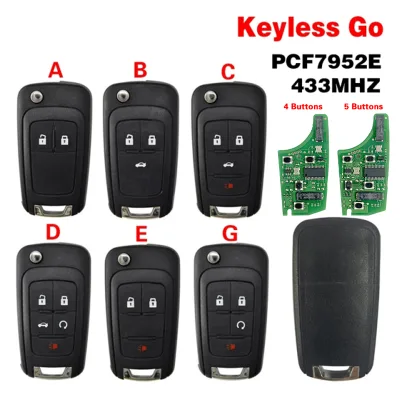
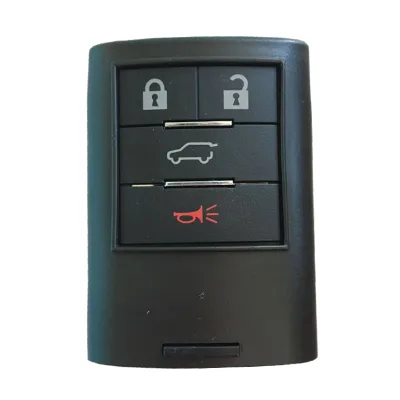
$52.0881 - $61.4638
MOQ: 1 pieces
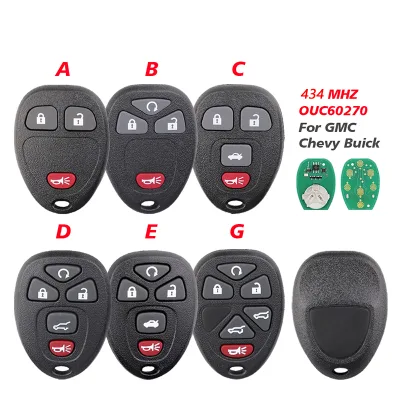
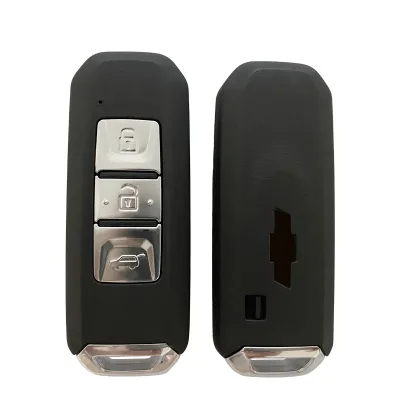
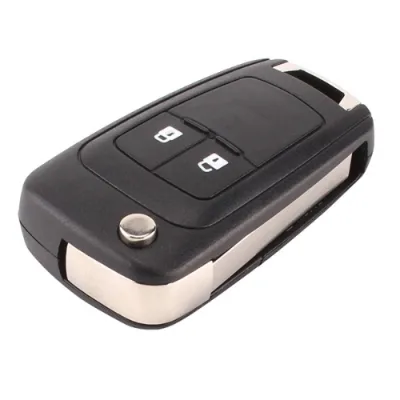
CN014005 Top Quality Remote Key for Aveo Cruze Orlando Uncut 2 Button 433MHz ID46
$1.00 - $99.00
MOQ: 1 Minimum
Hangzhou Xinyu Technology Co., Ltd.
- Trading Company
- Zhejiang, China
- Lead time0 days
- Avg. response≤ 11h
Main productsCar Key,Motorcycle key,Remote Key,Locksmith Tools,Key Cutting Machine
Main marketsMid East(25.00%), North America(20.00%), South America(20.00%), Western Europe(10.00%), Eastern Europe(10.00%), Africa(10.00%)
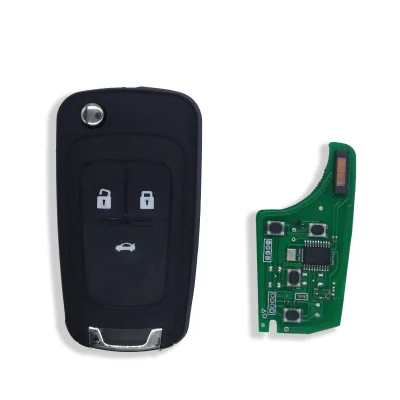
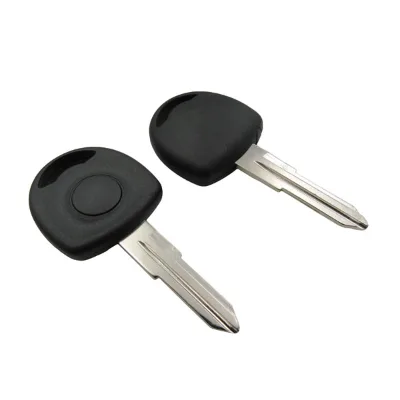
Chevrolet Transponder Key Shell With Left Blade
$0.60 - $0.70
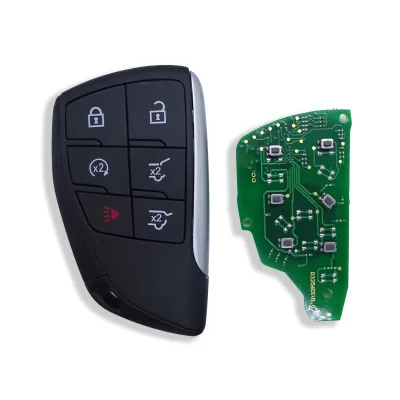
- Manufacturer, Trading Company
- Guangdong, China
- Lead time5 days
- Avg. response≤ 7h
Main productscar key shell,locksmith tool,car key programmer,key cutting machines,car accessories
Main marketsWestern Europe(30.00%), North America(30.00%), Eastern Europe(25.00%), South America(10.00%), Africa(5.00%)

QINGDAO EVERISE INT'L CO., LTD.
- Verified by SGS
- Trading Company
- China Shandong
- Lead time15 days
- Avg. response≤ 11h
Main productsDoor Hardware, Furniture Hardware, MDF, Filmfaced Plywood
Main marketsSouth America,Others(foreignTradeCapacity.exportBusinessCapacityMarketOther),Europe,Australia,North America


Good Selling Car Key Patrol Remote Key High Quality Auto Remote Car Key Blank
$1.50 - $4.00
MOQ: 5000 Pieces

Good Selling Car Key Patrol Remote Key High Quality Auto Remote Car Key Blank
$1.50 - $4.00
MOQ: 5000 Pieces


Shenzhen Huloda Technology Co., Ltd.
- Manufacturer, Trading Company, Distributor/Wholesaler
- Guangdong, China
- Lead time7 days
- Avg. response≤ 9h
Main productsAuto and motorcycle parts,car inspection equipment,locksmith tools,chips,Car keys
Main marketsWestern Europe(50.00%), Africa(50.00%), Northern Europe(35.00%), Eastern Europe(35.00%), Mid East(34.00%), Eastern Asia(30.00%), Southern Europe(27.00%), Central America(25.00%), South America(25.00%), Southeast Asia(25.00%), North America(22.00%), Domestic Market(20.00%), Oceania(18.00%), South Asia(15.00%)
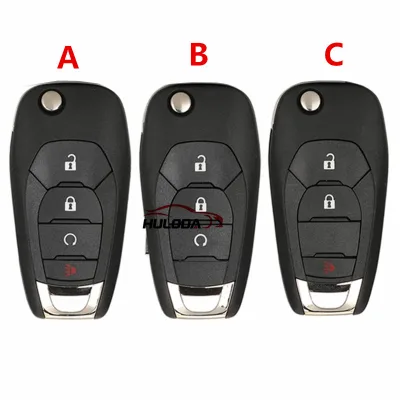
For Chevrolet 3/4 Button Flip Remote Key Blank for Chevrolet Cruze Aveo 2014-2018
$2.5464 - $2.5674
MOQ: 1 pieces
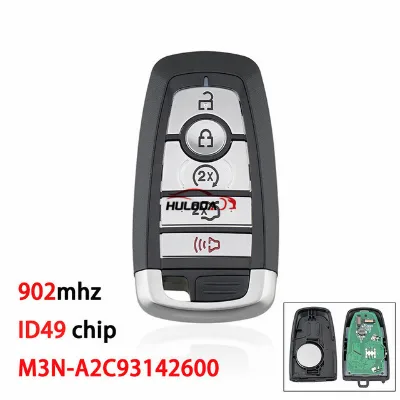
$32.80 - $33.00
MOQ: 1 pieces
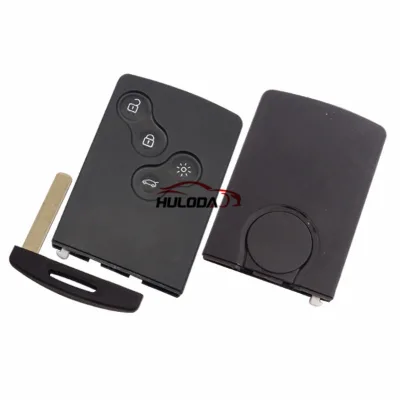
$12.33 - $25.00
MOQ: 1 pieces
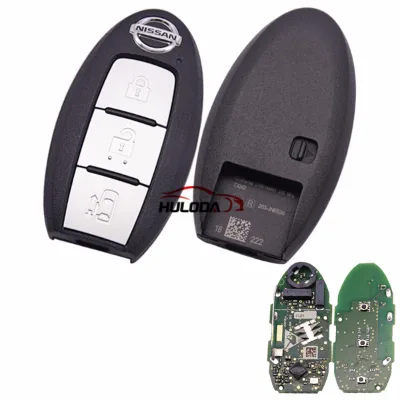
For Niss 3 Button Remote Key With 315mhz for After 2016 Car AES Chip Continental :S180144601
$31.7274 - $41.0702
MOQ: 1 pieces
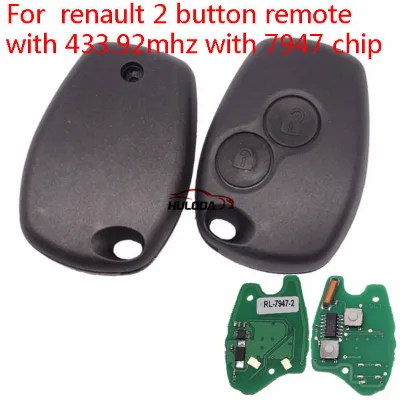
$4.0239 - $7.0164
MOQ: 1 pieces
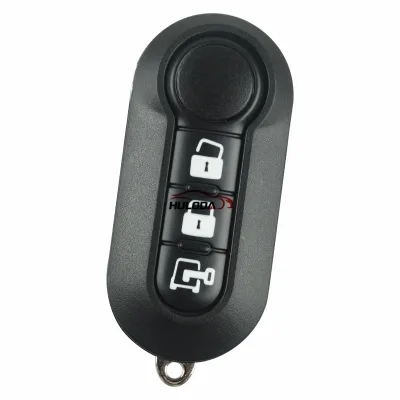
$10.3577 - $10.3892
MOQ: 1 pieces
Dongguan Chuangjiang Electronics Co., Ltd.
- Manufacturer, Trading Company
- Guangdong, China
- Lead time15 days
- Avg. response≤ 9h
Main productsWireless Remote Control, Wireless Remote Controller, Wireless Remote Receiver, Wireless Remote Switch, Gate Door Remote
Main marketsNorth America(30.00%), Western Europe(20.00%), South America(10.00%), Southern Europe(10.00%), Eastern Europe(10.00%), South Asia(5.00%), Northern Europe(5.00%), Domestic Market(5.00%), Mid East(5.00%)
Zhongshan Eagle Electronic Technology Co., Ltd.
- Verified by SGS Group
- Manufacturer, Trading Company
- Lead time15 days
- Avg. response≤ 4h
Main productsLED Headlight, Car Alarm System, Keyless Entry System, PKE Engine Start Stop System, Remote Controls
Main marketsSouth America(30%), North America(20%), Eastern Europe(9%)
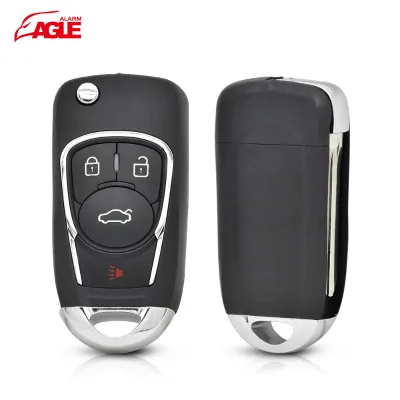
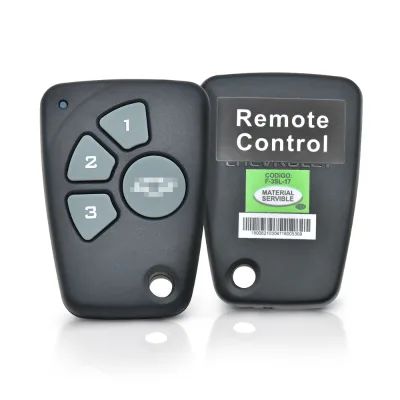
Colombian Market 3/4 Buttons Original Control chevrolet Remote Key FOB 433MHz for Vehicle Keys
$2.5569 - $3.0689
MOQ: 1000 sets

Guangzhou Xuanhua Hardware Products Co., Ltd.
- Manufacturer
- China Guangdong
- Lead time0 days
- Avg. response≤ 13h
Main productsToken, Coin, Redemption Tickets, Medal
Shenzhen Dalos Electronics Co., Ltd.
- Manufacturer, Trading Company
- Lead time旺季: "1 - 100":7,"101 - 1000":10,"> 1000":"To be negotiated", 淡季: "1 - 100":7,"101 - 1000":10,"> 1000":"To be negotiated"
- Avg. response≤ 2h
Main productsCar Alarm,Immobilizer,Central lock,Power window kit,Led Headlilght
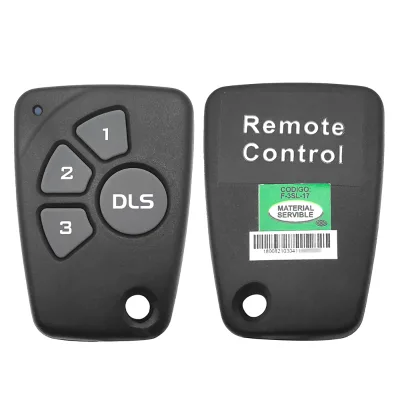
Orginal Chevy 433MHz 4 Buttons Keyless Remote Control Key Fob for C-hevrolet
$4.0913 - $5.1167
MOQ: 1 sets

Qingxin Tech (Guangzhou) Co., Ltd.
- Manufacturer, Trading Company
- guangdong, China
- Lead time3 days
- Avg. response≤ 3h
Main productsauto diagnostic tools,ECU Chip Tuning Tools,Auto Transponder Chips,auto key programmer,locksmith tools
Main marketsNorth America(20.00%), Western Europe(20.00%), Eastern Europe(11.00%), South America(10.00%), Mid East(10.00%), Domestic Market(10.00%), Africa(5.00%), South Asia(5.00%), Southeast Asia(5.00%), Southern Europe(2.00%), Northern Europe(2.00%)

Shenzhen Yilida Technology Co., Ltd.
- Verified by CTI
- Manufacturer/Factory
- China Shandong
- Lead time0 days
- Avg. response≤ 23h
Main productsAutomotive Maitenance Equipment, Car Repair Tool, Automobile Collision Repair Equipment, Car Workshop Equipment, Chassis Straigntener
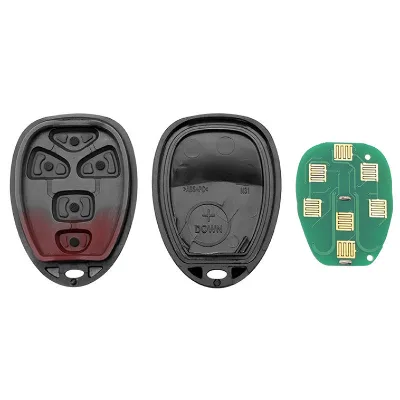
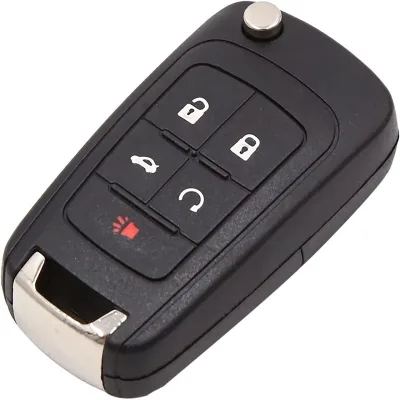
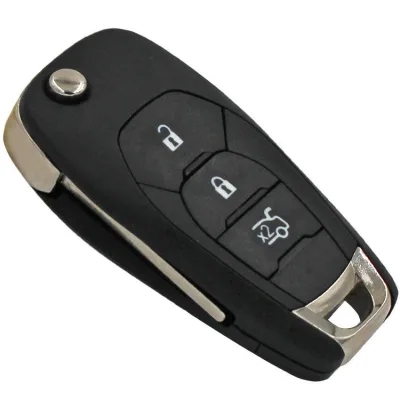
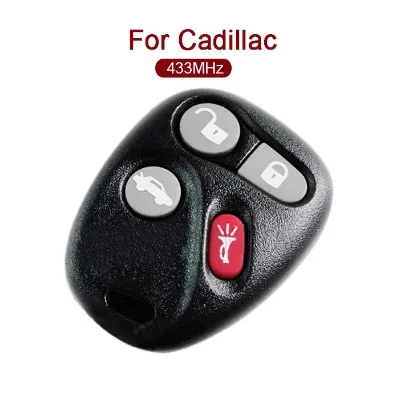




Comprehensive Sourcing Guide
Chevrolet Sail 3 Car Key Supplier Concentration and Factory Types
Suppliers offering Chevrolet Sail 3 compatible car keys and remote controls concentrate heavily in southern China, with Guangdong listed as the location for suppliers on this page. One trading-company profile also records Henan, China as a product place of origin, which shows that sourcing for this category is not limited to a single province. Because automotive remotes depend on RF components, chip sourcing and assembly, the realistic first step for a buyer is to shortlist suppliers whose profiles place them in established electronics and vehicle-accessory regions, then confirm whether the factory itself or an intermediary actually handles the key shells, transponder chips and remote boards you need.
The supplier mix here spans two structures with different implications. Trading companies list main products such as key blanks, locks, locksmith's tools, key cutting machines and diagnostic tools, and they typically aggregate several factories, which can widen model coverage for a niche vehicle line but adds a layer between you and production. Manufacturer/factory profiles instead list main products like LED car lights, push-button engine start-stop systems, auto security systems and car remote controls, meaning the remote key business sits alongside alarm and security electronics they control directly. Factories advertise OEM and ODM capability, own brands and sample or graphic processing, so they suit customized button layouts or housing molds, while traders suit mixed, small and fast consolidation orders.
How to Verify Chevrolet Sail 3 Car Key Suppliers
Verification for this category must go deeper than profile badges, because remote keys are functionally matched to a specific vehicle's frequency and transponder platform. Start with third-party verification status: supplier profiles on this page show verification by Intertek for one company and by BV for another, both independent inspection bodies, so confirm which auditor verified the account and request the underlying report. Check system certifications as displayed, which include RoHS for the trading company and ISO 9000/9001, ISO 14000/14001 and ISO 29001 plus BSCI for the manufacturer; ask for certificate numbers and validity dates rather than accepting listing text. For product-level claims, one listing itself cites RoHS, FCC, CE and ISO references, so verify those documents apply to the exact key model you order.
Functional verification matters more than paperwork for this product. A supplier can be fully audited yet ship keys that do not trigger a Sail 3's immobilizer, so request samples and test frequency (listings show 315MHz and 433MHz variants), chip type (an ID46 chip appears in product attributes), button count, and remote range before committing. Ask the supplier to state which vehicles their listings are confirmed for, since some products are explicitly marked "not universal" and one factory listing targets South American Chevrolet alarm systems rather than original-equipment blades. Confirm whether the sample shipped is the same tooling as bulk production, and photograph serials or internal board markings so later shipments can be checked against the approved reference.
What to Compare Across Chevrolet Sail 3 Car Key Suppliers
Build a comparison sheet using the attributes actually displayed on supplier profiles, without assuming every supplier shows every value. Response time is one usable dimension: profiles on this page record average response figures of roughly two to two and a half hours, so message several suppliers with the same technical question and measure who answers precisely rather than generically. Lead time differs sharply between company types here, with one supplier showing around five days and another around twenty-three days, likely reflecting stocked aftermarket remotes versus made-to-order or consolidated production; map quoted lead times against your launch calendar. Main products, company type and R&D capacity (sample processing, graphic processing, customized on demand, own brand, OEM, ODM) tell you whether customization is realistic.
Compare commercial and compliance dimensions side by side. Record each supplier's location, whether trading company or factory, and verification body, then compare displayed MOQs on comparable products: listings on this page show figures such as 100 pieces and 500 pieces for remote controls, which materially changes your sampling-to-volume path. Compare quoted price ranges against specification, since one remote listing spans a low single-digit band while another alarm-type remote sits higher, and confirm what chip, battery, frequency and blade that price includes. Establishment year, escrow availability and warranty terms (one listing mentions a twelve-month warranty) should also be captured. Weight the sheet by what your order needs: speed favors short lead times, customization favors factory R&D, and trial orders favor low MOQs.
Common Chevrolet Sail 3 Car Key Sourcing Risks
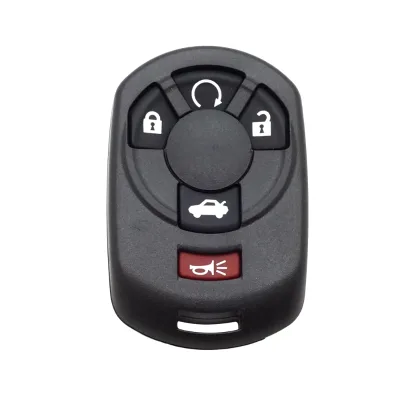
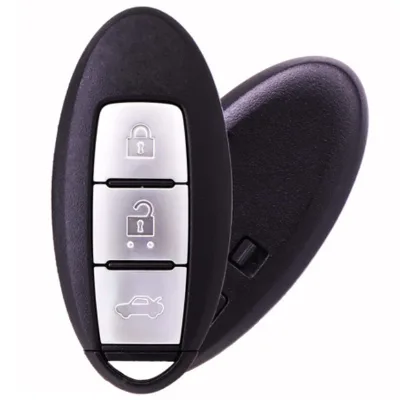
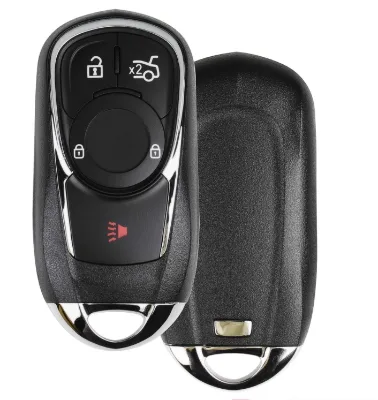
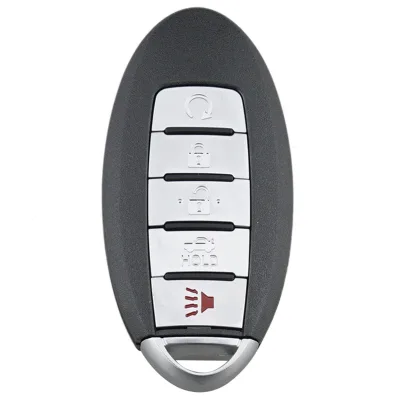
The dominant risk in this category is functional mismatch. Listings on this page cover 315MHz and 433MHz variants, ID46 chip types, learning-code remotes and fixed-code designs, and one product is explicitly marked not universal, so ordering a well-made key for the wrong frequency, chip platform or blade profile yields unsellable stock. Related to this is market-targeting risk: several products here are described for South American or Colombian Chevrolet applications and for specific models like the Cruze, Captiva or Equinox rather than the Sail 3, so a visually similar five-button remote is not evidence of compatibility. Always tie payment to tested samples of the exact SKU, not to a sibling model.
Compliance and consistency risks follow. Certification claims vary across listings — RoHS, FCC, CE, ISO and BSCI appear in different combinations — and a listing-level claim does not prove the shipped batch meets it, so request scoped certificates and test reports for the ordered model. Battery quality is a recurring weak point: button-cell batteries are included in these products, and counterfeit or aged cells cause high return rates even when the remote electronics are sound. Other risks include MOQ pressure pushing you into larger first runs than testing justifies, trading-company opacity hiding the real factory, and small order drift where later batches use different boards or shells. Mitigate with golden samples, batch inspection before shipment and written specification sheets covering frequency, chip, buttons and battery.
Chevrolet Sail 3 Car Key Regional Sourcing and Logistics
Regional structure should be read from evidence rather than assumption. The supplier data on this page places companies in Guangdong, with one product origin additionally recorded as Henan, China, so treat southern China as the concentration area for vehicle-key and alarm-remote sourcing while checking whether specific tooling or chip assembly sits in another province. Guangdong's electronics supply chain matters practically: it shortens the path from RF board and button-cell battery to assembled remote, which is one reason lead times differ so much between suppliers. When a factory lists its origin at city level, ask which operations occur there versus at partner sites, because assembly, printing and packaging are sometimes split across locations.
Logistics planning for this category is dominated by size, weight and battery rules. Product data on this page shows single-package dimensions around ten by ten by one centimeter and single gross weight around half a kilogram for a remote key, with color-box retail packing available, so carton-level dimensional weight is easy to calculate for air or sea freight. Button-cell batteries inside the remotes may restrict air-routing options under dangerous-goods rules, so confirm carrier acceptance and documentation before quoting freight. Match shipping mode to urgency: a five-day production lead time can still be consumed by air transit and battery-compliance checks, while a twenty-three-day lead time suits consolidated sea shipments. Confirm who handles export declarations and whether retail-ready packaging adds volume.
Chevrolet Sail 3 Car Key Commercial Terms and Order Planning
Plan orders around the commercial parameters actually displayed, and negotiate the rest explicitly. MOQs on comparable remote products here range from 100 to 500 pieces, so structure a first order at the low end of that band for your tested SKU and reserve larger volumes for the variant that proves itself in your market. Quoted price ranges — from a low single-digit band on one remote to a higher band on another — should be normalized against included content: chip type, frequency, battery, blade and packaging all move cost. Confirm payment protection; profile-level escrow availability is a displayed attribute on some accounts but not all, so verify the exact transaction will be covered before transferring funds.
Sequence your plan from validation to volume. Start with samples from two or three shortlisted suppliers, testing each against a live Sail 3 or a confirmed reference remote for frequency, chip behavior, range and button durability; one listing advertises a twelve-month warranty, so negotiate warranty terms and defective-unit handling into the contract rather than relying on listing text. Set reordering rules tied to lead time: a supplier with a five-day lead time can replenish quickly for fast-moving button and blade variants, while a twenty-three-day cycle needs safety stock sized to your sales rate. Lock specifications in writing — model, frequency, chip, buttons, battery and packing — and require pre-shipment inspection against the golden sample for every repeat order.
Word count check: each section ~229; total ≈ 1385. Good.
FAQs
What is the price range for Chevrolet remote keys?
Prices for Chevrolet remote keys typically range from $2.60 to $8.30 per unit. Costs vary based on button count, chip type, and customization needs. Buyers should verify specific pricing for their required quantity and model compatibility before placing orders.
What certifications do these suppliers hold?
Suppliers offer various certifications including RoHS, ISO 9001, ISO 14001, BSCI, FCC, and CE. These standards ensure product safety and quality management. Buyers should request specific certification documents to verify compliance with their regional regulatory requirements.
What is the typical lead time for orders?
Lead times generally range from 5 to 23 days depending on the supplier and order volume. Some suppliers offer faster processing for samples or small batches. Buyers should confirm exact delivery schedules with the supplier before finalizing purchase agreements.
What is the minimum order quantity (MOQ)?
Minimum order quantities vary, with some suppliers requiring as few as 100 units and others setting MOQs at 500 units. Buyers should check specific product listings for exact MOQ requirements to ensure they meet the supplier's production thresholds.
Where are these suppliers located?
Suppliers are primarily located in China, specifically in Guangdong and Henan provinces. These regions are known for manufacturing automotive electronics and accessories. Buyers can verify specific supplier addresses and logistics options during the sourcing process.
What response times can buyers expect?
Supplier response times are typically around 2 to 2.42 hours. Fast responses indicate active customer service teams ready to assist with inquiries. Buyers should expect prompt replies when contacting suppliers for quotes or technical support regarding key blanks and remote controls.