Class I Dental Impression Instrument Suppliers and Manufacturers
Compare 23 verified suppliers offering Class I Dental Impression Instrument products with varying lead times, certifications, and prices. Review response times and MOQs to select the right factory for your dental equipment needs; review the available evidence before requesting comparable quotations from suitable candidates.
Suppliers List

Tianjin Spider Impex Co., Ltd.
- Manufacturer/Factory
- China Tianjin
- Lead time23 days
- Avg. response≤ 2h
Main productsDental Materials, Dental Lab Materials, Dental Consumbles, Dental Laboratory Equipment, Orthodontic Consumbles, Orthodontic Brush Kits, Dental Retainer Case, Dental Equipment, Screws, Fasteners
Main marketsSouth America,Eastern Europe,Mid East,North America,Southeast Asia,Eastern Asia,Oceania,Western Europe,Africa

Anqing Topeak Medical Co., Ltd.
- Trading Company
- China Anhui
- Lead time15 days
- Avg. response≤ 7h
Main productsDental Bibs, Non Woven SMS, Mirco Applicator, Face Mask, Saliva Ejector, Dental Needle, Sterilization Pouch, Sterilization Reel, Isolation Gown, Coverall
Main marketsSouth America,Others(foreignTradeCapacity.exportBusinessCapacityMarketOther),Southeast Asia/ Mideast,East Asia(Japan/ South Korea),Europe

Shanghai Alwings Medical Instrument Co., Ltd.
- Manufacturer/Factory
- China Shanghai
- Lead time23 days
- Avg. response≤ 2h
Main productsSterilization Pouch, Saliva Ejector, Isolation Gowns, Face Mask, Face Shields, Bouffant Cap, Shoe Covers, Dental Needles, Non-Woven Sponge, Disposable Impression Tray
Main marketsSouth America,Eastern Europe,Mid East,North America,Southeast Asia,Eastern Asia,Oceania,Western Europe,Africa

Tangshan UMG Medical Instrument Co., Ltd.
- Verified by BV
- Combined
- China Hebei
- Lead time23 days
- Avg. response≤ 3h
Main productsDental Handpiece, Dental Material, Dental Equipment, Dental Disposable Instrument, Dental Orthodontic, Dental Teach Simulation, Dental Prophy Angles, Latex Free Disposable Prophy Cups, Disposable Prophy Brush, Dental Unit
Main marketsSouth America,Africa,Southeast Asia/ Mideast,East Asia(Japan/ South Korea),Domestic,Europe,Australia,North America


Hot Sale Impression with Cheap Price Impression Orthoprint Dental Impression Material
$2.29 - $2.34
Moq: 1080


- Verified by TUVRHEINLAND
- Combined
- China Hebei
- Lead time15 days
- Avg. response≤ 7h
Main productsEndodontic Instruments, Orthodontic, Dental Photography, Denture Box, Dental Micro Applicator, Dental Instrument Container, Hygiene and Protection, Cheek Retractor Mouth Prop, Dental Impressions, Acrylic
Main marketsNorth America

- Verified by TUVRHEINLAND
- Trading Company,Manufacturer/Factory
- China Hubei
- Lead time23 days
- Avg. response≤ 18h
Main productsDental Equipment, Dental Supply, Dental Instrument, Dental Material, Dental, Dental Consumable, Dental Products, Dental Orthodontic, Dental Burs, Medical Supply
Main marketsSouth America,Eastern Europe,North America,Southeast Asia,Eastern Asia,Oceania,Western Europe
Guangzhou E-Luck Medical Technology Co., Ltd.
- Trading Company
- Guangdong, China
- Lead time10 days
- Avg. response≤ 9h
Main productsDental unit,Dental High Speed Handpiece,Dental Orthodontic,Dental Endomotor,Diamond Burs
Main marketsSoutheast Asia(40.0%), Mid East(30.0%), Domestic Market(5.0%), South America(5.0%), Africa(5.0%), North America(5.0%)

Anhui Mingde Medical Care Products Co., Ltd.
- Trading Company
- China Anhui
- Lead time15 days
- Avg. response≤ 4h
Main productsSterilization Pouch, Dental Bibs, Examination Paper Couch Roll, Protective Bed Sheet, Dental Accessories, Disposable Underpad, Sterilized Packaging, Dental Appliance, Disposable Medical Consumables, Disposable Beauty Items
Main marketsSouth America,Africa,Southeast Asia/ Mideast,East Asia(Japan/ South Korea),Europe,Australia,North America

Foshan Duoyimei Medical Instrument Co., Ltd.
- Combined
- China Guangdong
- Lead time15 days
- Avg. response≤ 8h
Main productsDental Equipment, Dental Chair Equipment, Dental Chair, Dental Comprehensive Chair, Dental Trocar Needle, Diamond Dental Needle, Intraoral Camera System
Main marketsSouth America,Africa,Southeast Asia/ Mideast

- Verified by SGS
- Trading Company
- China Guangdong
- Lead time15 days
- Avg. response≤ 8h
Main productsDental Equipment, Dental Materials, Dental Intrument, Dental Files/Burs, Dental Unit, Dental Camera, Dental Disposable Products, Auticlace System
Main marketsOthers(foreignTradeCapacity.exportBusinessCapacityMarketOther),Southeast Asia/ Mideast,North America

Shanghai Even Medical Instruments Co., Ltd.
- Verified by BV
- Manufacturer/Factory
- China Shanghai
- Lead time45 days
- Avg. response≤ 5h
Main productsSurgical Suture, Alcohol Pad, Blood Lancet, Spinal Needle, Medicine Envelope, Urine Container, Surgical Blade, Face Mask 3ply, Isolation Gown, Sterile Swab Stick
Main marketsSouth America,Mid East,North America,Western Europe,Africa
Chengdu Hongfeng Borui Technology Co., Ltd.
- Verified by TüVRheinland
- Trading Company
- Sichuan, China
- Lead time15 days
- Avg. response≤ 3h
Main productsDental Chair, Hydraulic DentalChair, Electric Dental Chair, Dental Chair Package, \tDental Unit
Main marketsNorth America(30%), Southeast Asia(20%), Western Europe(18%)

Yangzhou Goldenwell Import&Export Co., Ltd.
- Verified by BV
- Trading Company,Manufacturer/Factory
- China Jiangsu
- Lead time23 days
- Avg. response≤ 5h
Main productsMedical Devices, Syringe, Medical Tape, Medical Bandage
Main marketsSouth America,Eastern Europe,Mid East,North America,Southeast Asia,Eastern Asia,Oceania,Western Europe,Africa

NINGBO CAREST MEDICAL INSTRUMENT CO., LTD.
- Trading Company,Manufacturer/Factory
- China Zhejiang
- Lead time15 days
- Avg. response≤ 24h
Main productsMicro Applicator, Dental Bib, Saliva Ejector, Prophy Brush, Barrier Film, Dental Burs, Gutta Percha Points, Dental Irrigation Needle, Dental Needle, Dental Impression Material
Main marketsSouth America,Eastern Europe,Mid East,North America,Southeast Asia,Eastern Asia,Oceania,Western Europe,Africa
Zhengzhou Smile Medical Technology Co., Ltd.
- Verified by SGS Group
- Trading Company
- Lead time3 days
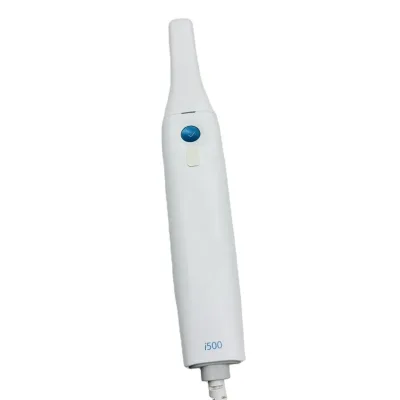
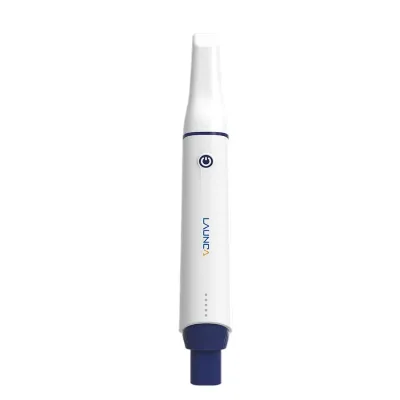
Main productsintraoral scanner, dental scanner, dental x ray, Dental Implant , dental sensor
Main marketsMid East(25%), North America(20%), Southeast Asia(20%)

Shanghai Goldenwell Medical Technology Co., Ltd.
- Verified by CTI
- Trading Company
- China Shanghai
- Lead time15 days
- Avg. response≤ 5h
Main productsMedical Devices, Sports Support, Medical Dressings
Main marketsSoutheast Asia/ Mideast,Europe

Foshan SCS Medical Instrument Co., Ltd.
- Verified by BV
- Manufacturer/Factory
- China Guangdong
- Lead time15 days
- Avg. response≤ 6h
Main productsDental Unit / Dental Chair, Ent Unit, Dental Handpiece, Curing Light, Autoclave, Air Compressor, Scaler, Oral Camera / Monitor, X-ray Equipment, Diamond Burs / Files
Main marketsSouth America,Eastern Europe,Mid East,North America,Southeast Asia,Eastern Asia,Oceania,Western Europe,Africa
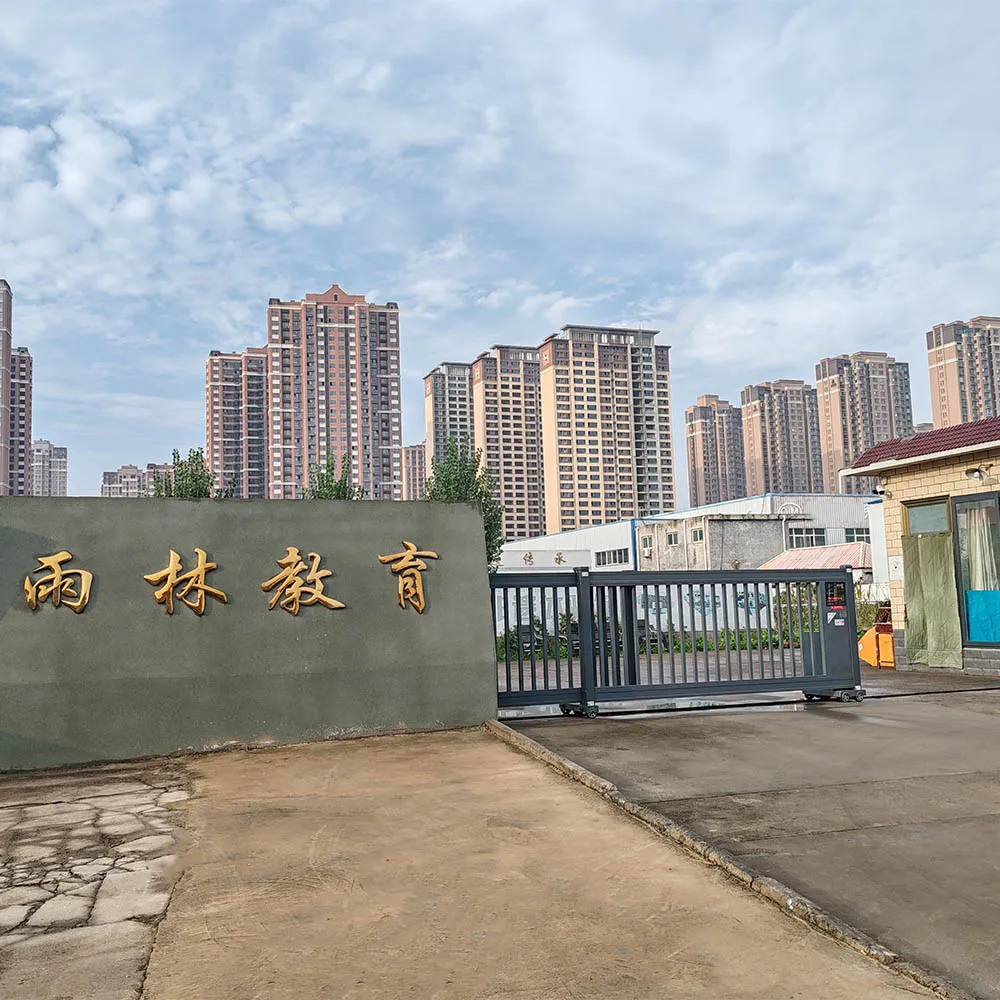
Henan Yulin Edu. Project Co., Ltd.
- Manufacturer, Trading Company
- Henan, China
- Lead time7 days
- Avg. response≤ 1h
Main productsTongue coating brush,Dental consumables,Personal care,Dental model,Whitening braces
Main marketsSouth America(15.0%), Mid East(15.0%), Africa(10.0%), Eastern Europe(10.0%), Domestic Market(5.0%), South Asia(5.0%), Southern Europe(5.0%), Northern Europe(5.0%), Central America(5.0%), Western Europe(5.0%), Eastern Asia(5.0%), North America(5.0%), Oceania(5.0%), Southeast Asia(5.0%)

Changzhou Toolmed Medical Instruments Co., Ltd.
- Verified by TUVRHEINLAND
- Combined
- China Jiangsu
- Lead time15 days
- Avg. response≤ 5h
Main productsOrthopedic Implants, Orthopedic Instruments, Veterinary Orthopedics, Intramedullary Nail, Orthopedic Power Tools, Arthroscopy System, Spinal System, Kyphoplasty Balloon, Hip & Knee Prosthesis, Locking Screws and Locking Plates
Main marketsSouth America,Africa,Others(foreignTradeCapacity.exportBusinessCapacityMarketOther),Southeast Asia/ Mideast,East Asia(Japan/ South Korea),Domestic,Europe,North America

NINGBO VITAL INTERNATIONAL TRADING CO., LTD.
- Verified by BV
- Trading Company
- China Zhejiang
- Lead time0 days
- Avg. response≤ 11h
Main productsPVC Tube, Medical Dressing, Cotton Ball, Gauze Pad, Nonwoven Pad, Wound Plaster, Wipe, Bandage, Face Mask, Disposable Cap
- Verified by SGS
- Trading Company
- China Jiangsu
- Lead time15 days
- Avg. response≤ 8h
Main productsorthopedic instrument
Main marketsSouth America,Others(foreignTradeCapacity.exportBusinessCapacityMarketOther)

Veterinary Orthopedic Dental Instrument Medical Surgical Instruments Veterinary Instrument
$290.00 - $299.00
Moq: 1


Henan Yuenai Trading Co., Ltd.
- Trading Company
- Henan, China
- Lead time5 days
- Avg. response≤ 2h
Main productsMedical consumables,safety butterfly needle,Vacuum blood collection,wheelchair,Medical equipment
Main marketsEastern Asia(30.0%), Southeast Asia(20.0%), Western Europe(20.0%), Africa(20.0%), Mid East(10.0%)
- Trading Company
- Hong Kong S.A.R.
- Lead time0 days
- Avg. response≤ 6h
Main productsdental equipment,dental instrument,dental material,dental chair,resin teeth
Main marketsNorthern Europe(10.0%), Central America(10.0%), Western Europe(10.0%), Mid East(10.0%), Oceania(10.0%), Africa(10.0%), Southeast Asia(10.0%), Eastern Europe(10.0%), South America(10.0%), North America(10.0%)










Comprehensive Sourcing Guide
Class I Dental Impression Instrument Supplier Concentration and Factory Types
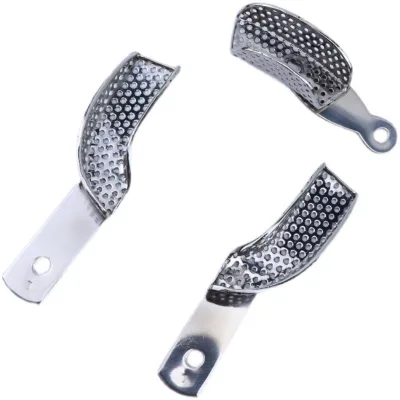
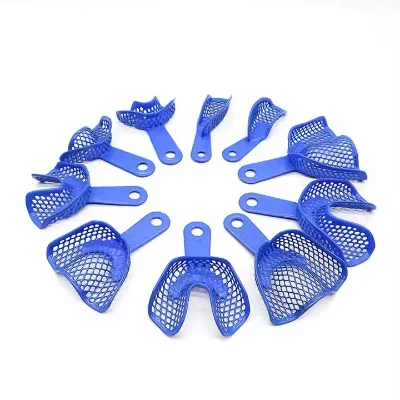
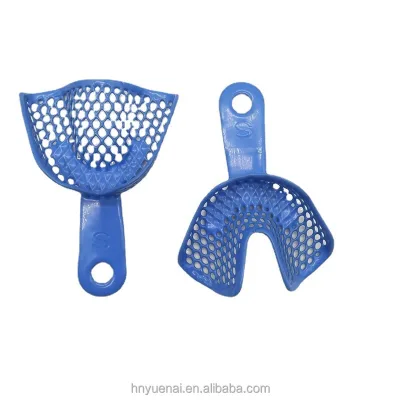
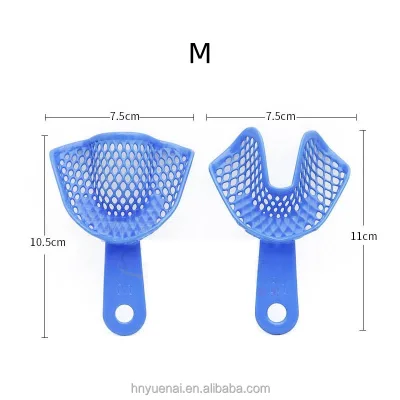
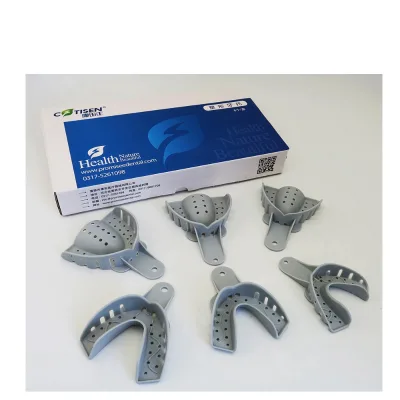
Current data indicates a concentration of manufacturing activity in specific Chinese regions, with Tianjin and Anqing appearing as documented locations for suppliers offering dental impression trays and related instruments. These facilities are categorized primarily as manufacturers or factories, suggesting direct production capabilities for items like disposable impression trays, metal trays, and porcelain teeth instruments. Some entities in the Shanghai region also appear, though their classification as trading companies or manufacturers with own-brand capabilities varies. The presence of ISO 9001 certification among these entities provides a baseline for quality management systems, while specific product attributes like CE certification confirm compliance with safety standards for medical devices.
Buyers should verify the specific factory type for each potential partner, as the distinction between a manufacturer and a trading company significantly impacts supply chain control. Manufacturers in Tianjin and Anqing often list OEM capabilities, allowing for customization of tray models and packaging standards. In contrast, trading companies may aggregate products from various sources, potentially offering a wider range of non-woven materials or sterilization pouches alongside the core impression instruments. It is essential to confirm whether the supplier holds the actual production capacity for the specific Class I instrument required, rather than relying on a reseller network that might obscure lead times or quality control processes.
How to Verify Class I Dental Impression Instrument Suppliers
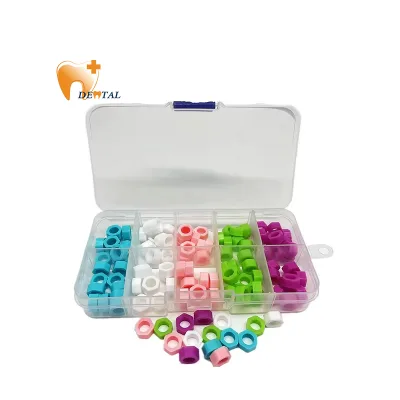
Verification begins with confirming the physical location and operational history of the supplier, as documented facts show origins in Tianjin, Anqing, and Shanghai. Buyers must request proof of the stated ISO 9001 system certification and CE product certification, ensuring these documents are current and match the specific product models listed, such as the dental impression tray or instrument code rings. The response time metrics provided, ranging from 1.10 to 6.57, serve as an initial indicator of communication efficiency, but direct verification through sample requests is necessary to validate the actual speed and quality of the supplier's service.
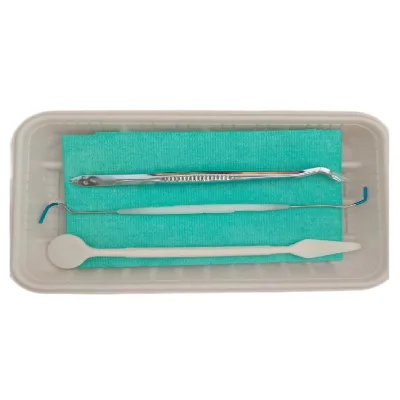
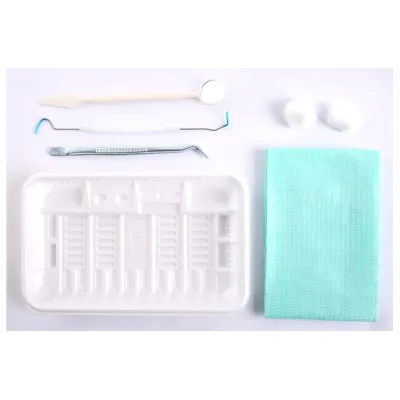
Assessing the supplier's capacity for customization and production volume is critical for Class I instruments. Evidence shows that customization is available for many products, with specific attributes like color, size, and packing standards being adjustable. Buyers should verify the stated Minimum Order Quantities (MOQ), which vary significantly from 20 pieces for mouth mirrors to 5000 pieces for ABS impression trays, to ensure the supplier can meet the buyer's volume requirements without excessive inventory costs. Additionally, checking the stated lead times, which range from 15 to 23 days, against the supplier's actual production schedule helps confirm their ability to deliver on time, especially for urgent orders requiring specific sterilization or packaging standards.
What to Compare Across Class I Dental Impression Instrument Suppliers
When evaluating potential partners, buyers must compare key operational dimensions such as lead time, response speed, and pricing structures to determine the best fit for their specific needs. The data reveals a wide variance in lead times, with some suppliers offering 15-day turnaround while others require 23 days, directly impacting inventory planning and order fulfillment speed. Response times also differ, with some entities responding in under 1.24 hours and others taking over 6 hours, which can affect the efficiency of negotiations and problem resolution during the sourcing process.
Price and Minimum Order Quantity (MOQ) are equally critical factors in the comparison process, as they define the financial feasibility of the partnership. Product prices for dental impression instruments range from as low as $0.05 to over $5.00 depending on the material, complexity, and packaging, while MOQs span from 20 units to 5000 units. Buyers should analyze whether the lower price points align with the required quality standards, such as CE certification and disposable or non-disposable usage times. Comparing the specific product attributes, such as the availability of color options or specific model numbers like SD-B-106, ensures that the selected supplier can meet the precise technical specifications required for the Class I Dental Impression Instrument application.
Common Class I Dental Impression Instrument Sourcing Risks
One significant risk involves the variability in product specifications and certification claims across different suppliers. While many products list CE certification and ISO 9001 compliance, buyers must verify that these certifications apply to the specific batch and model being ordered, as discrepancies can lead to regulatory non-compliance in the destination market. The distinction between disposable and non-disposable usage times is another area of potential confusion, where a supplier might list a product as disposable when it is intended for single-use only, or vice versa, affecting infection control protocols in dental practices.
Logistical and supply chain risks are also prevalent, particularly regarding lead time consistency and shipping reliability. The documented lead times of 15 to 23 days may fluctuate based on raw material availability or production capacity, potentially delaying critical orders. Furthermore, the variation in packaging standards, such as 10PCS/BOX versus 12PCS/Bag, can complicate inventory management and shipping calculations. Buyers must also be cautious of suppliers claiming "Free Samples" without clear terms, as this may mask underlying costs or quality issues that only become apparent after the initial order is placed.
Class I Dental Impression Instrument Regional Sourcing and Logistics
Sourcing from the documented regions of Tianjin, Anqing, and Shanghai offers distinct logistical advantages and challenges that buyers must navigate. Tianjin-based manufacturers often provide direct factory access with established OEM capabilities, potentially reducing transit times for heavy or bulk orders. Anqing suppliers, while also offering competitive pricing, may have different shipping routes and customs procedures that could impact the overall delivery timeline. Shanghai-based entities, often operating as trading companies or having own-brand capabilities, might offer more flexible logistics solutions but could introduce additional layers of coordination between the buyer and the actual production facility.
Buyers should assess the shipping time estimates provided by suppliers, which range from 7 to 60 days, to plan their inventory replenishment cycles effectively. The origin location, whether Tianjin or Anqing, influences the customs clearance process and the final landed cost of the Class I dental impression instruments. It is crucial to verify the specific packing standards, such as carton sizes and bag quantities, to optimize container loading and reduce shipping costs. Additionally, understanding the local infrastructure and export capabilities of the region helps in anticipating potential delays or disruptions that could affect the timely delivery of medical devices to the buyer's location.
Class I Dental Impression Instrument Commercial Terms and Order Planning
Commercial terms for Class I dental impression instruments vary significantly based on the supplier's capacity and the specific product requirements. Buyers must carefully review the stated Minimum Order Quantities (MOQ), which can range from 20 pieces for specialized instruments to 5000 pieces for standard disposable trays, to ensure alignment with their procurement budget and storage capabilities. Pricing structures also differ, with unit costs ranging from $0.05 to $5.00, necessitating a detailed cost-benefit analysis that considers not only the unit price but also the total cost of ownership, including shipping, customs duties, and potential rework costs.
Order planning should account for the lead times and response times documented in the supplier data, which can impact the overall supply chain efficiency. With lead times ranging from 15 to 23 days and response times varying from 1.10 to 6.57 hours, buyers need to establish clear communication protocols and contingency plans to manage potential delays. It is essential to confirm the availability of customization options, such as specific colors or packaging standards, and to verify the supplier's ability to meet these requests within the agreed timeframe. By aligning commercial terms with operational realities, buyers can mitigate risks and ensure a smooth procurement process for Class I dental impression instruments.
FAQs
What is the price range for Class I dental impression instruments?
Prices for dental impression trays typically range from $0.05 to $0.43 per unit depending on material and customization. Disposable ABS trays offer the lowest cost starting at $0.05, while specialized metal or porcelain options may reach $0.43. Buyers should verify specific model pricing as costs vary by order volume and supplier location.
What certifications are standard for dental impression instruments?
Most dental impression instruments carry CE certification, ensuring compliance with European safety standards. Some suppliers also provide UL certification for specific models. These certifications confirm the products meet essential medical device requirements. Buyers should request valid certificates to verify compliance before placing bulk orders for clinical use.
What is the minimum order quantity for dental impression trays?
Minimum order quantities vary significantly by supplier and product type. Disposable ABS trays often require a minimum of 5,000 units, while specialized metal trays may start at 100 units. Some suppliers offer lower MOQs of 20 units for specific instrument sets. Buyers should check individual product listings for exact minimum requirements.
Where are dental impression instruments typically manufactured?
Manufacturers are primarily located in China, with key production hubs in Tianjin, Anhui, and Shanghai. These regions offer established supply chains for dental materials and equipment. Buyers can source from these locations to access competitive pricing and reliable manufacturing capabilities for various dental instrument needs.
How quickly can suppliers respond to inquiries?
Supplier response times vary, with some manufacturers responding within 1.10 hours and others taking up to 6.57 hours. Faster response times often indicate higher operational efficiency. Buyers should prioritize suppliers with quicker response rates to ensure timely communication and efficient order processing for urgent dental supply needs.
What customization options are available for dental impression trays?
Many suppliers offer customization services for dental impression trays, including color options and specific sizing. Buyers can request custom packaging, branding, or specialized tray designs to meet clinical requirements. Customization availability should be confirmed with the supplier, as options may vary based on order volume and production capabilities.