Classic Design Mortise Lock Cylinder Suppliers and Manufacturers
Source Classic Design Mortise Lock Cylinder from 28 verified suppliers in China. Compare ISO 9001 certified factories with response times under 25 hours, lead times of 30 days, and MOQs starting at 1 unit. Request quotes to evaluate pricing and customization options.
Updated
Suppliers List

- Verified by TUVRHEINLAND
- Manufacturer/Factory
- China Zhejiang
- Lead time30 days
- Avg. response≤ 25h
Main productsLock Cylinder, Door Lock, Key Cylinder, Key Sets, Cylinder, Lock Body, Brass Lock Cylinder, Iron Lock Cylinder, Aluminum Lock Cylinder, Zinc Lock Cylinder
Main marketsSouth America,Eastern Europe,Mid East,North America,Southeast Asia,Eastern Asia,Oceania,Western Europe,Africa

Zhaoqing kessy hardware co., ltd
- Combined
- China Guangdong
- Lead time30 days
- Avg. response≤ 4h
Main productsFriction Stay, Lock Cylinder, Door Handle, Lock Body, Window Handle, Hinge
Main marketsDomestic


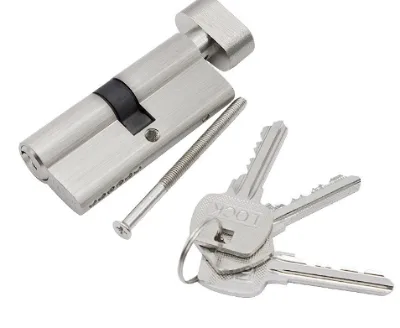
Euro Profile Lock Cylinder for Doors Customized Mortise Lock Cylinder Sx60A
$0.98 - $1.08
MOQ: 1000 PCS

TOPUNION HARDWARE AND PLASTIC CO., LIMITED
- Verified by BV
- Manufacturer
- China Guangdong
- Lead time15 days
- Avg. response≤ 7h
Main productsDoor Hardware, Door Lock, Door Handle, Sliding Door Hardware, Door Accessories, Euro Profile Cylinder, Pull Handle, Sliding Door Roller, Lever Handle, Panic Exit Device Bar
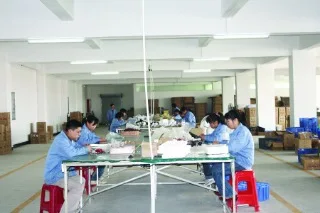
Shaoguan Innovate Technology Equipment Co., Ltd.
- Manufacturer
- Guangdong, China
- Lead time10 days
- Avg. response≤ 6h
Main productsElectronic Lock,Energy Saving Switch,Hotel Lock,QR LOCK,Cabinet Lock
Main marketsMid East(50.00%), Southeast Asia(15.00%), Western Europe(10.00%), Eastern Europe(5.00%), Eastern Asia(5.00%), North America(5.00%), Africa(5.00%), South America(5.00%)
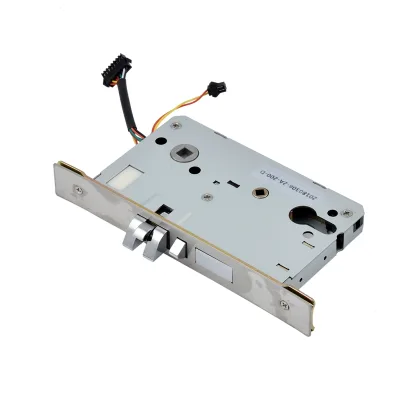
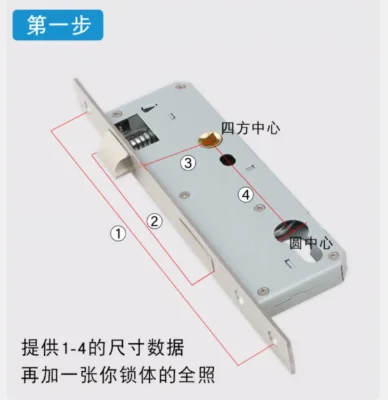
3585 Keyless Zinc Alloy Mortise Lock Cylinder for Narrow Wooden Door 85mm Center Distance
$12.00 - $13.00
MOQ: 100

Guangzhou Lockvel Security Technologies Co., Ltd.
- Verified by TUVRHEINLAND
- Trading Company,Manufacturer/Factory
- China Guangdong
- Lead time45 days
- Avg. response≤ 12h
Main productsDoor Closer, Smart Lock, Fire Rated Euro Door Lock, Door Hardware Accessories, Door Hinge, Sliding Door Hardware, Panic Device
Main marketsSouth America,Eastern Europe,Mid East,North America,Southeast Asia,Eastern Asia,Oceania,Western Europe,Africa
- Verified by Intertek
- Trading Company
- Lead time5 days
- Avg. response≤ 2h
Main productsKey Blanks, Locks, Locksmith's Tools, Key Cutting Machine, Diagnostic Tools
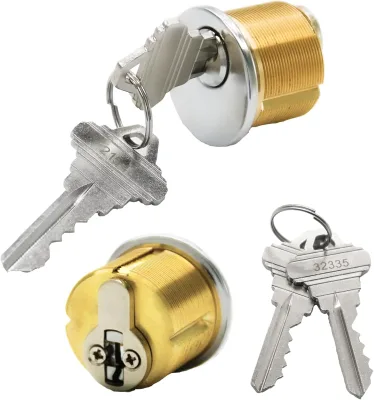
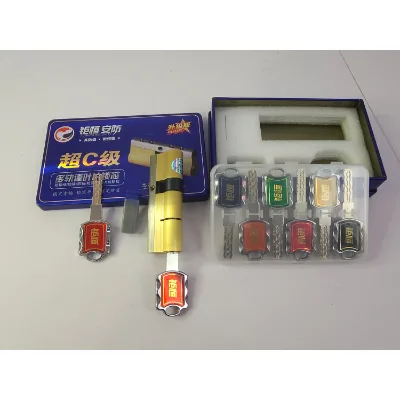
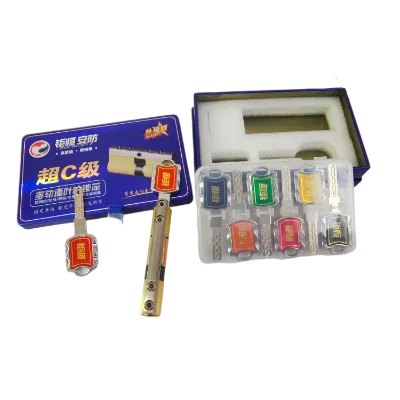
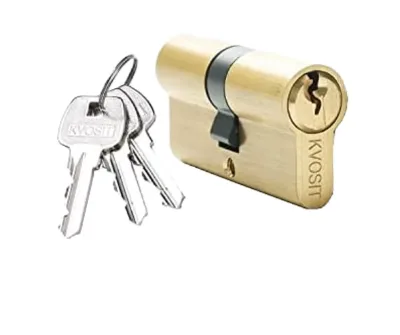
Durable Door Lock Cylinder Lock Cylinder Accessories for Wooden and Aluminum Doors
$1.50 - $3.50
MOQ: 2 pieces
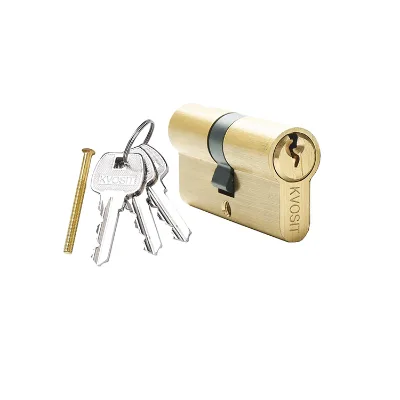
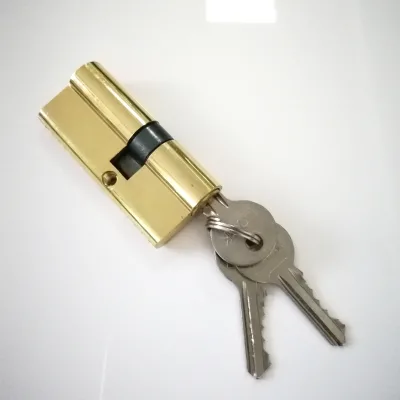
Europe Profile Antique Brass Finish Solid Brass Cylinder Mortise Door Lock Cylinder
$1.49 - $1.8999
MOQ: 200 pieces

Goldtech Hardware Corporation Limited
- Verified by TUVRHEINLAND
- Combined
- China Guangdong
- Lead time30 days
- Avg. response≤ 3h
Main productsHandle, Pull Handle, Hardware, Door Hardware, Glass Door Lock, Shower Hinge, Glass Hinge, Glass Canopy, Sliding Door Fitting, Patch Fitting
Main marketsAustralia,North America
- Verified by Intertek
- Manufacturer, Trading Company
- Lead time20 days
- Avg. response≤ 5h
Main productsShower Room Fittings, Glass Door Fittings, Architectural Hardware, Handrail Fittings
Main marketsNorth America(32%), Western Europe(18%), Oceania(10%)
Jiangmen S.R.I Hardware Co., Ltd.
- Manufacturer
- Guangdong, China
- Lead time30 days
- Avg. response≤ 4h
Main productsDoors and Windows Accessories - Door Handle,Door Stopper,Door Bolt,Door Hinge and Door Viewer
Main marketsEastern Europe(14.30%), North America(12.20%), Oceania(10.20%), South Asia(8.20%), Southern Europe(8.20%), Central America(8.20%), Western Europe(6.10%), Northern Europe(6.10%), Domestic Market(6.10%), Mid East(6.10%), Africa(4.10%), Southeast Asia(4.10%), Eastern Asia(4.10%), South America(2.00%)
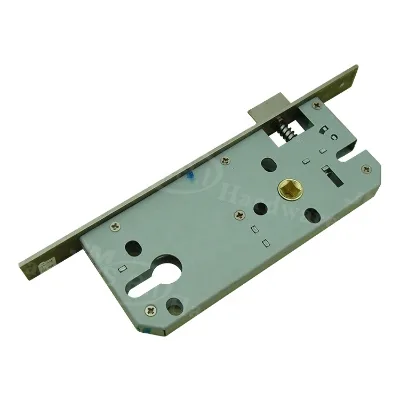
China Wholesales Price Customized Modern Steel Durable Mortise Lock Cylinder for Door
$4.3459 - $5.1732
MOQ: 500 pieces

Wenzhou Hanglu Hardware Co., Ltd.
- Verified by SGS
- Trading Company
- China Zhejiang
- Lead time45 days
- Avg. response≤ 7h
Main productsDoor Handle
Main marketsSoutheast Asia/ Mideast,Europe
Guangdong New Keyi Hardware Precision Manufacturing Co., Ltd.
- Verified by Intertek
- Manufacturer, Trading Company
- Lead time25 days
- Avg. response≤ 5h
Main productsDoor and Window Hardware
Main marketsAfrica(35%), South America(20%), Southeast Asia(20%)
ZhongShan Gladiator Hardware Co., Ltd.
- Manufacturer, Trading Company
- Guangdong, China
- Lead time30 days
- Avg. response≤ 2h
Main productsDoor Lock,padlock,door handle,WPC door,door hardware
Main marketsSoutheast Asia(30.00%), North America(15.00%), South America(15.00%), Southern Europe(10.00%), Central America(10.00%), Domestic Market(5.00%), Western Europe(5.00%), Northern Europe(5.00%), Mid East(5.00%)
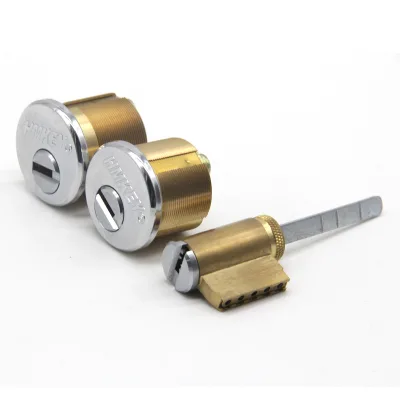
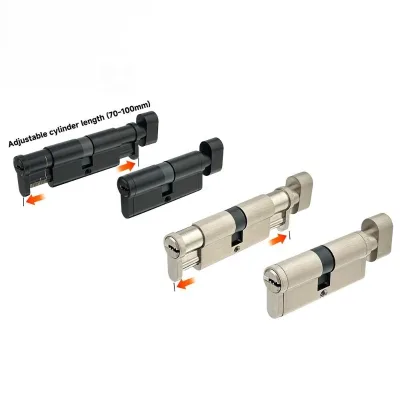
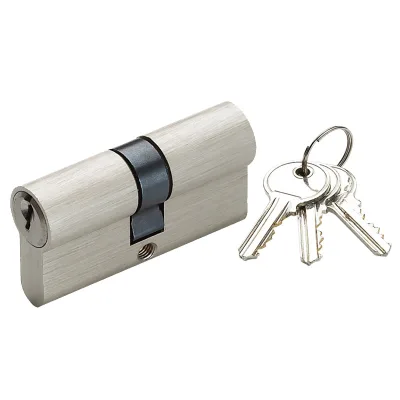
$2.5776 - $3.0937
MOQ: 300 pieces

Changshu Chang Yee Imp & Exp Co., Ltd.
- Trading Company
- Jiangsu, China
- Lead time30 days
- Avg. response≤ 4h
Main productsDoor Handle/Locks/Cylinder/Hinge/Bend Tube
Main marketsSoutheast Asia(39.00%), North America(25.00%), Africa(15.00%), South America(5.00%), Oceania(5.00%), Western Europe(5.00%), Northern Europe(2.00%), Domestic Market(1.00%), Mid East(1.00%), Eastern Europe(1.00%), Southern Europe(1.00%)
- Verified by SGS Group
- Trading Company
- Lead time10 days
- Avg. response≤ 3h
Main productsHydraulic Soft-Close Hinges , Heavy-Duty Door Hinges , Concealed Cabinet Hinges, Stainless Steel Hinges, Damping Hinges
Main marketsSoutheast Asia(40%), North America(20%), South America(10%)

Jiangmen Yako Hardware Manufacturer Co.,Ltd
- Verified by TUVRHEINLAND
- Manufacturer/Factory
- China Guangdong
- Lead time45 days
- Avg. response≤ 3h
Main productsDoor Hinge, Door Handle, Door Stopper, Door Lock, Shower Door Hinge, Glass Clamp, Furniture Handle, Mailbox, Railing Bracket, Pull Handle
Main marketsSouth America,Eastern Europe,Mid East,North America,Southeast Asia,Eastern Asia,Oceania,Western Europe,Africa
Suzhou Reter Hardware Technology Co., Ltd.
- Trading Company
- Jiangsu, China
- Lead time45 days
- Avg. response≤ 4h
Main productsLOCK,DOOR LOCK,MORTISE LOCK,LOCK CYLINDER,DOOR HANDLE
Main marketsSouth America(30.00%), Eastern Europe(15.00%), North America(10.00%), South Asia(5.00%), Southern Europe(5.00%), Northern Europe(5.00%), Central America(5.00%), Western Europe(5.00%), Eastern Asia(5.00%), Mid East(5.00%), Africa(5.00%), Southeast Asia(5.00%)
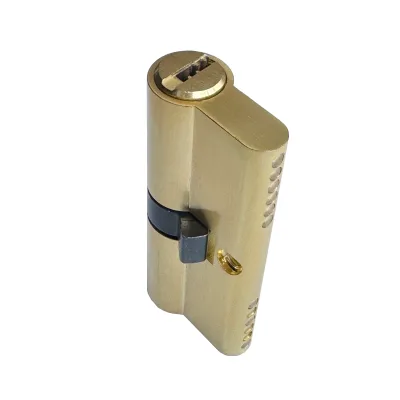
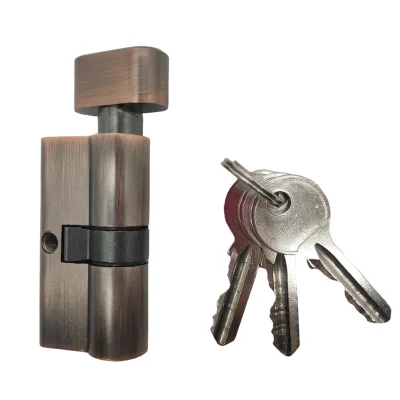
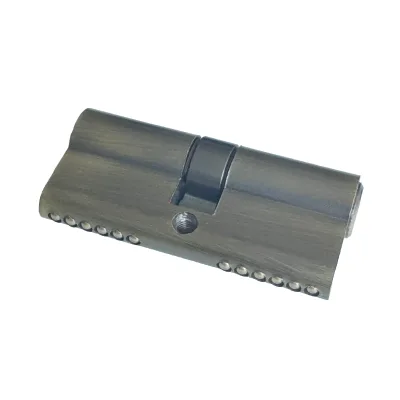
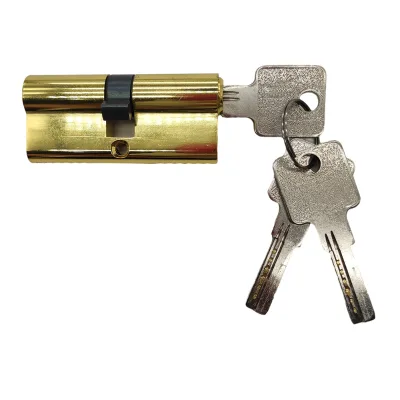
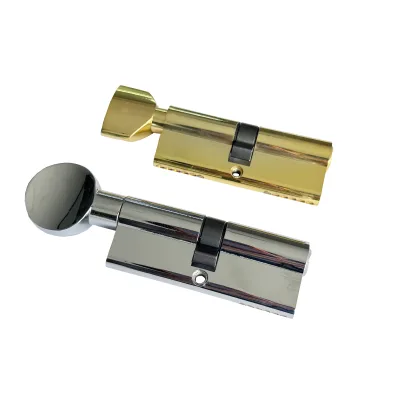
80mm Brass Competitive Price High Rank Door Lock Cylinder for Door Lock Body Sets Manufacturer
$2.60 - $3.00
MOQ: 1000 pieces

- Verified by BV
- Combined
- China Zhejiang
- Lead time30 days
- Avg. response≤ 25h
Main productsLock, Hardware
Main marketsEurope,North America
Beijing Ares-Lock Industry Co., Ltd.
- Verified by Intertek
- Manufacturer, Trading Company
- Lead time30 days
- Avg. response≤ 3h
Main productsLock Body, Lock Cylinder, Handle, Hinge, Architectural Small Hardwares
Main marketsDomestic Market(40%), Mid East(20%), Southeast Asia(10%)

- Combined
- China Guangdong
- Lead time45 days
- Avg. response≤ 3h
Main productsDoor Handle, Door Lock, Door Hinge, Door Bolt, Cabinet Handle, Cabinet Hinge, Door Closer, Barn Door Hardware, Door Stopper, Glass Hardware
Main marketsSouth America,Southeast Asia/ Mideast,East Asia(Japan/ South Korea),Domestic,Europe,North America
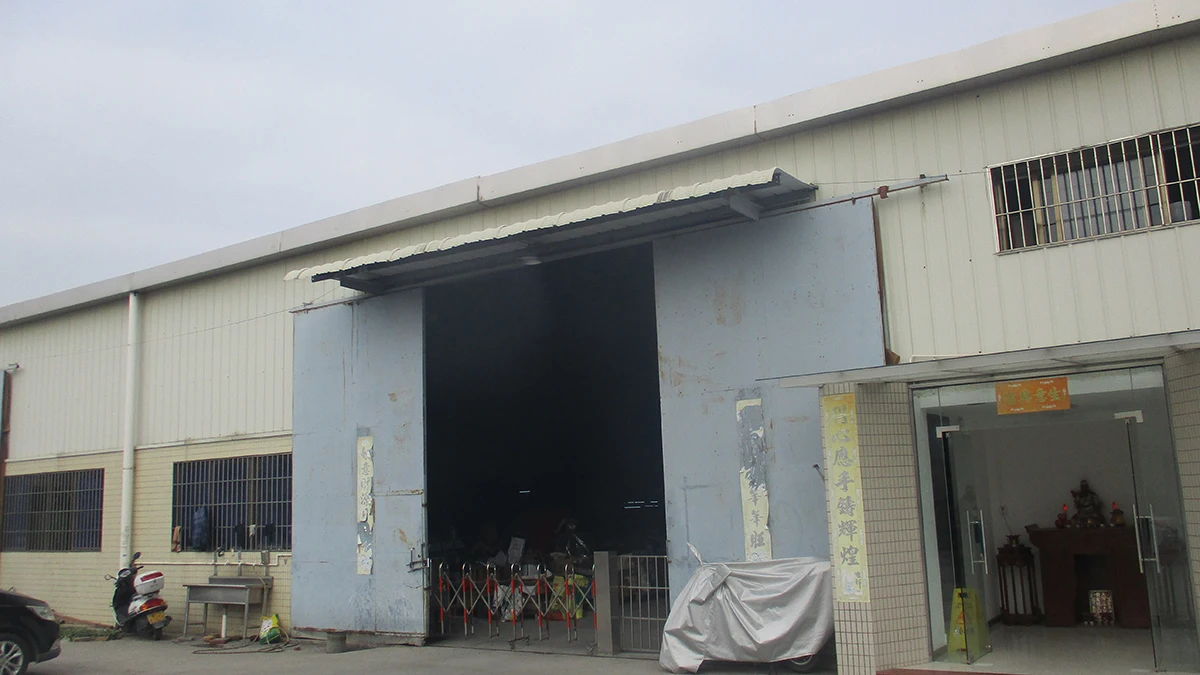
Jiangmen EC Hardware Co., Ltd.
- Manufacturer, Trading Company
- Guangdong, China
- Lead time45 days
- Avg. response≤ 3h
Main productsDoor Hardware,Glass Hardware,Furniture Hardware,Bathroom Hardware,Window Hardware
Main marketsNorth America(30.00%), Western Europe(20.00%), South America(15.00%), Mid East(10.00%), Africa(10.00%), Eastern Europe(10.00%), Southeast Asia(5.00%)
Jiangmen Degol Hardware Co., Ltd.
- Verified by SGS Group
- Manufacturer, Trading Company
- Lead time35 days
- Avg. response≤ 3h
Main productsHandles, Hinges, Door Closers, Locks
Main marketsNorth America(20%), South America(20%), Mid East(12%)
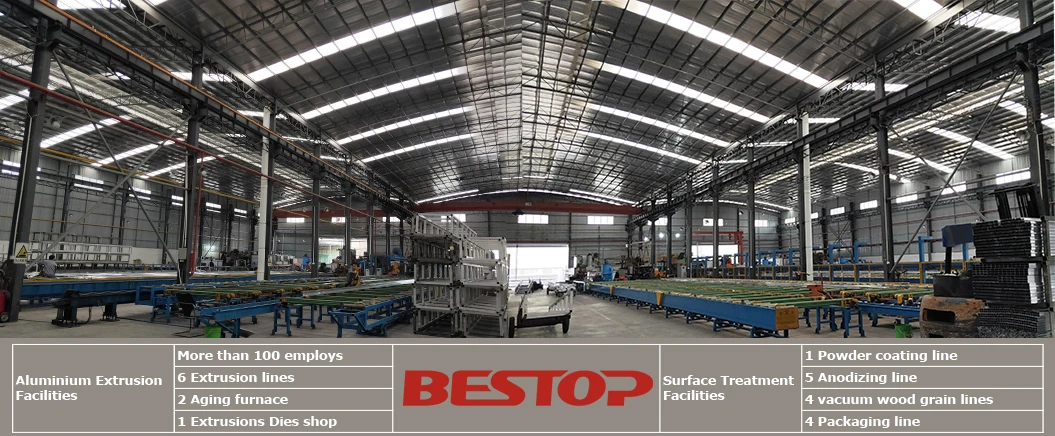
Bestop Aluminium Industry Co., Limited
- Manufacturer, Trading Company
- Guangdong, China
- Lead time14 days
- Avg. response≤ 3h
Main productsALUMINIUM DOOR AND WINDOW ACCESSORIES,FRICTION STAY,WINDOW HINGE,WINDOW HANDLE,DOOR LOCK
Main marketsAfrica(35.00%), Mid East(20.00%), South Asia(10.00%), Eastern Asia(10.00%), North America(5.00%), Northern Europe(5.00%), Western Europe(5.00%), Eastern Europe(5.00%), South America(5.00%)

Nanjing Toutru Trading Co., Ltd.
- Trading Company,Manufacturer/Factory
- China Jiangsu
- Lead time45 days
- Avg. response≤ 18h
Main productsHand Tool
Main marketsSouth America,Eastern Europe,Western Europe,Africa

Wuyi Hongwei Lock Accessories Factory
- Manufacturer, Trading Company
- zhejiang, China
- Lead time15 days
- Avg. response≤ 4h
Main productsDoor locks,Lock accessories,digital locks
Main marketsSoutheast Asia(50.00%), Africa(30.00%), Southern Europe(10.00%), Western Europe(10.00%)

Jiangyin Orient Gangsheng Metal Products Co., Ltd.
- Combined
- China Jiangsu
- Lead time45 days
- Avg. response≤ 4h
Main productsCylinder, Lock, Mortice Lock, Lockbody, Bolt Lock, Dead Lock, Rim Lock, En1303, One Star, Euro Cylinder
Main marketsDomestic,Europe,North America

- Combined
- China Guangdong
- Lead time45 days
- Avg. response≤ 2h
Main productsDoor Lock, Smart Lock, Lock, Door Handle, Security Door Lock, Digital Door Lock, Intelligent Door Lock, Hinge, Door Hardware, Hardware
Main marketsSouth America,Southeast Asia/ Mideast,East Asia(Japan/ South Korea),Domestic,Europe,North America
Yangzhou Jingwei Lock Industry Co., Ltd.
- Verified by TüVRheinland
- Manufacturer, Trading Company
- Lead time35 days
- Avg. response≤ 14h
Main productsDoor Locks, Rim Lock, Pull Handles, Cylinder, Smart Lock
Main marketsNorth America(20%), Africa(20%), Mid East(15%)

- Verified by BV
- Combined
- China Jiangsu
- Lead time15 days
- Avg. response≤ 6h
Main productsSpring, Lock, Lock Cylinder, Cylinder Lock
Main marketsDomestic


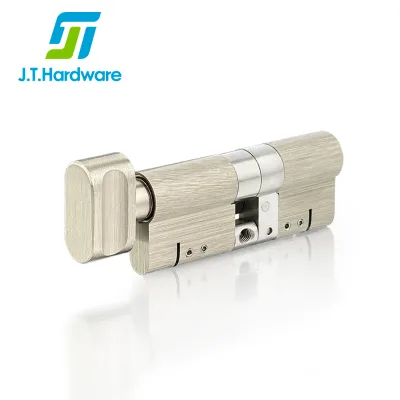
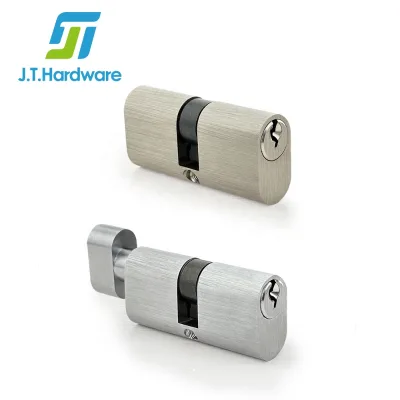
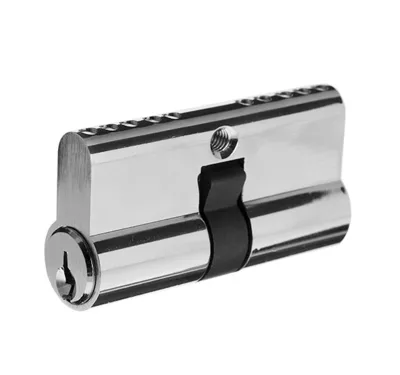
European Standard Brass Lock Cylinder for Versatile Use Applications High Quality
$1.50 - $3.00
MOQ: 100 Pieces




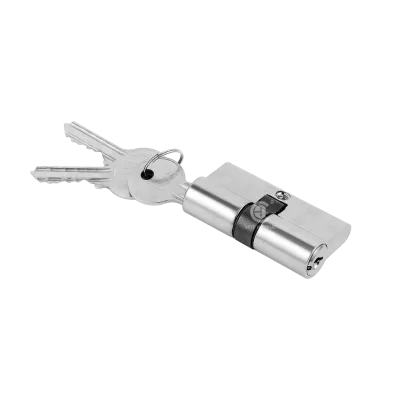
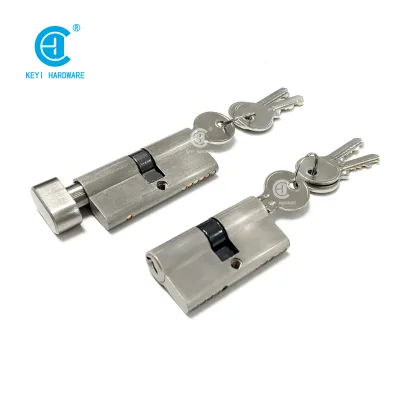
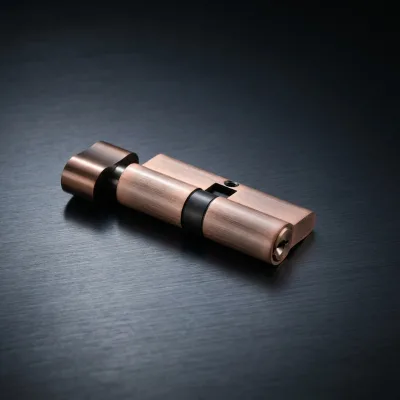
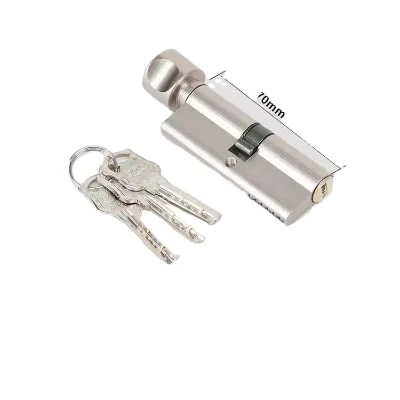
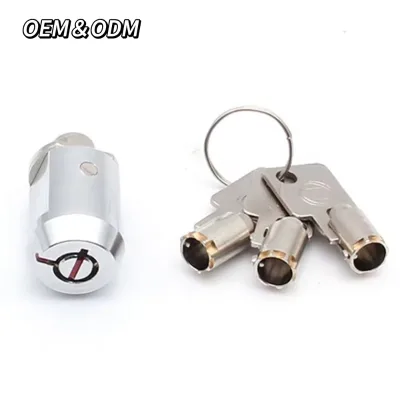


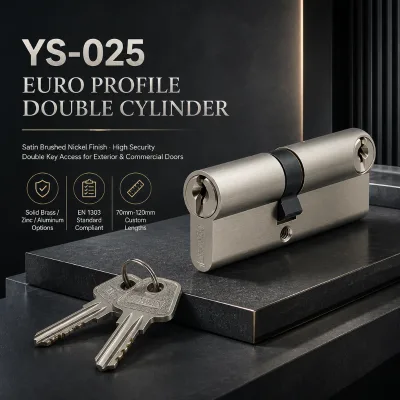
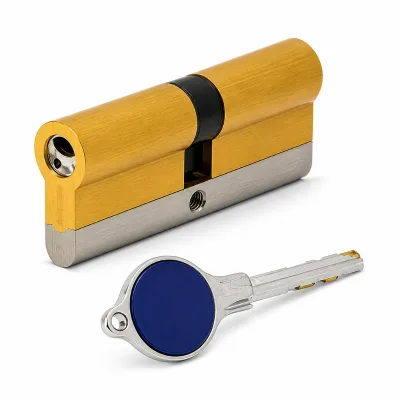
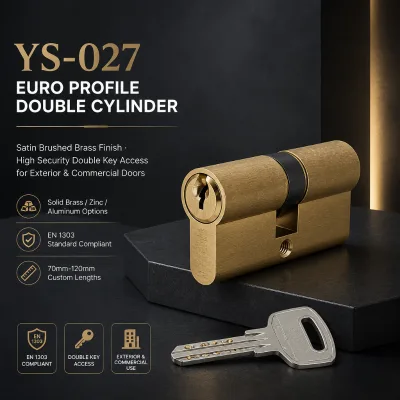
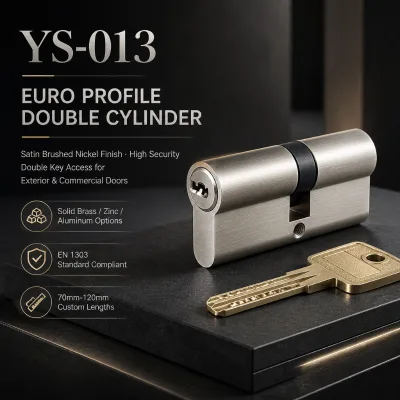
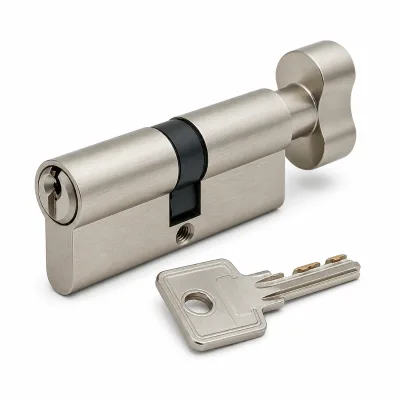
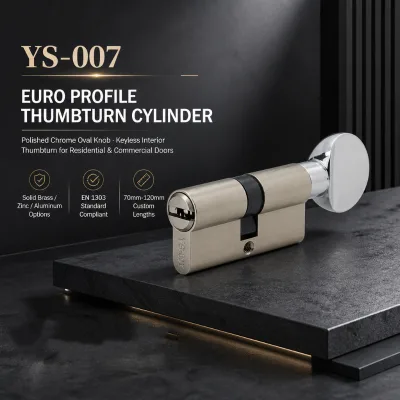


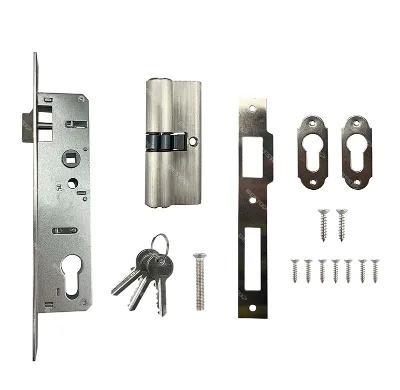
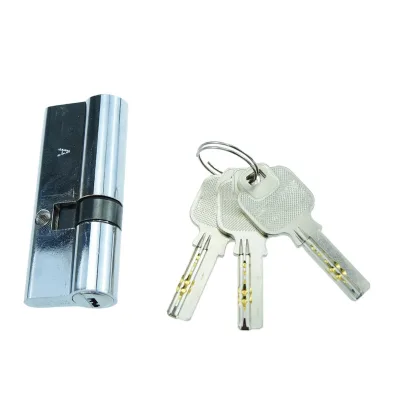


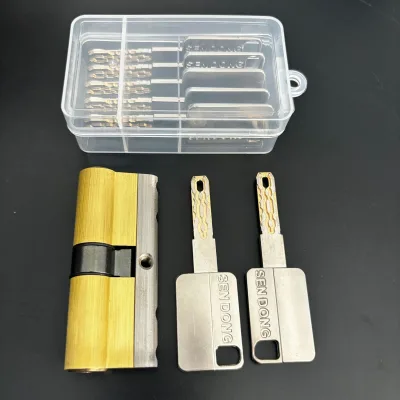
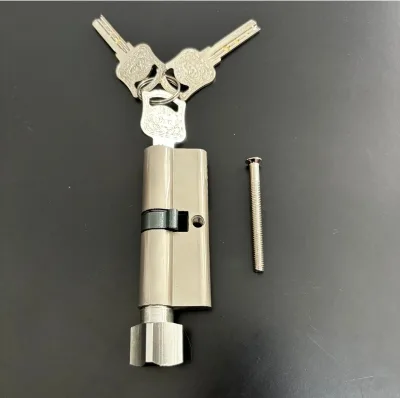


Comprehensive Sourcing Guide
Classic Design Mortise Lock Cylinder Supplier Concentration and Factory Types
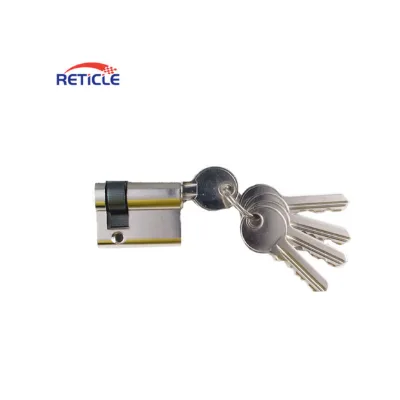
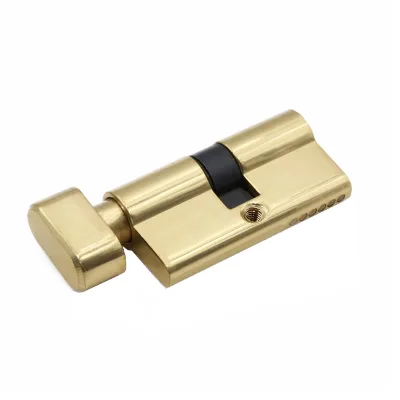
Suppliers of the Classic Design Mortise Lock Cylinder cluster strongly in China, and the current supplier results confirm two active provinces: Zhejiang and Guangdong. Zhejiang-based entries in the results identify as Manufacturer/Factory entities, listing lock cylinders, door locks, key cylinders, key sets, lock bodies, and brass, iron, aluminum, and zinc cylinder variants among their main products. Guangdong entries are labeled Combined, meaning a mix of manufacturing and trading activity, and their main products span friction stays, lock cylinders, door handles, lock bodies, window handles, and hinges. That product spread is a useful signal when you infer cluster identity: a pure hardware-security catalog points toward a specialized lock factory, while a broad door-and-window accessories catalog points toward a building-hardware supplier that carries cylinders alongside many other items.
When results do not show a location, do not assume one. Instead, verify the cluster claim yourself by checking the prod_origin attribute on individual product listings, which in the observed results names Wenzhou and Guangdong on specific items. Also read the company_type label carefully: Manufacturer/Factory, Combined, and trading-only profiles carry different pricing and quality-control implications. A factory listing with its own brand plus OEM capability, as some Zhejiang entries show, suggests direct production control, while a combined or trading profile may consolidate several factories under one export operation. Neither structure is inherently better; what matters is matching the structure to your order size, customization depth, and inspection requirements.
How to Verify Classic Design Mortise Lock Cylinder Suppliers
Verification starts with the credentials displayed in supplier results, but you must distinguish what is shown from what still needs proof. The observed results include ISO 9000 and ISO 9001 system certifications on one Zhejiang manufacturer, and TUVRHEINLAND third-party verification as a platform-level trust marker. These are meaningful starting points, but system certifications speak to management processes, not to the security grade of a specific cylinder. Some Guangdong product listings display CE, ISO, and RoHS certification claims at the product level; treat those as claims to confirm by requesting the actual certificate documents and checking scope, issuing body, and expiry dates before you rely on them.
Beyond documents, verify functional capability with samples and direct questions. Product attributes in the results describe key levels, cylinder levels, lock body structures, and key types; ask each supplier to confirm which attributes apply to the exact model you would receive, since one supplier's results show multiple product lines with different levels. Request a sample of the Classic Design Mortise Lock Cylinder you intend to order and test key duplication resistance, finish quality, and dimensional fit against your door preparation. Confirm customization terms in writing: the results repeatedly list Customization as Available, but you should verify whether that covers logo marking, packing per customer requirement, or engineering changes to the cylinder itself. Finally, cross-check the verified badge against the business license, registered capital, and export history, and ask for factory photos or a video audit if an on-site visit is not feasible.
What to Compare Across Classic Design Mortise Lock Cylinder Suppliers
Build a comparison table from the supplier-label dimensions visible in the results, then fill gaps with your own questions. Useful displayed dimensions include supplier location, company type, main products, system certification, verification status, response time, and lead time. The observed results illustrate real spread: one Zhejiang manufacturer shows an average response time of roughly 24 hours, while a Guangdong combined supplier responds in about three hours. One listing shows a 30-day lead time. Do not assume every supplier displays every attribute; where a value is missing, contact the supplier and record the answer as supplier-provided rather than platform-verified.
Product-level comparisons matter just as much as company-level ones. The results show cylinders ranging from entry-level A-grade key and cylinder ratings to B-level cylinders with C-level keys, multiple-row crescent quantum keys, anti-theft electronic key functions, and triple or quad multiple-bolt lock bodies. Price floors also differ sharply: one Guangdong listing shows a unit price around half a dollar with a 3,000-piece minimum, while other listings show minimums as low as a single piece and price bands from two to eight dollars. Compare on total landed value, not list price: factor in the anti-theft standard, finish (chrome or electroplating appear in the results), size range such as 40 mm to 60-100 mm, and packing format. Weigh main-product breadth too, since a specialist cylinder maker may respond faster to engineering questions than a general hardware house.
Common Classic Design Mortise Lock Cylinder Sourcing Risks
The most common risk in this category is over-reading product attributes without model-level confirmation. The observed results show one supplier carrying multiple cylinder lines with materially different specifications: one model at 60 mm with an anti-theft electronic key function, another at 70 mm, and a third with a quad lock body and brass material. If you source from a catalog rather than a written specification sheet, you may receive an adjacent model that still fits the door but fails your security requirement. Counter this by pinning the exact prod_model, key level, cylinder level, material, and surface treatment on your purchase order and pre-shipment sample.
A second risk cluster involves quantity, price, and compliance assumptions. Minimum order quantities in the results range from a single piece to 3,000 pieces, so a supplier who is friendly at sample volume may impose terms that break a small trial order; confirm MOQ before negotiating price, and note that the lowest displayed price also carries the highest displayed MOQ. Certification risk is equally real: product-level CE, ISO, and RoHS claims must be documented per shipment or they may not support your destination-market compliance. Third risk: trading-versus-factory ambiguity, especially with combined-type suppliers, can blur responsibility when a defect spans the cylinder and the lock body supplied by different makers. Finally, watch for lead-time drift; a 30-day production window can stretch during peak season, so build buffer into your schedule and define delay remedies in the contract rather than relying on verbal reassurances.
Classic Design Mortise Lock Cylinder Regional Sourcing and Logistics
Within the confirmed geography, Zhejiang and Guangdong offer different sourcing dynamics. Zhejiang entries in the results are Manufacturer/Factory companies whose main products concentrate on lock cylinders and complete door locks, including brass, iron, aluminum, and zinc body options; the prod_origin attribute on several listings names Wenzhou specifically. That concentration suggests direct access to machining, electroplating, and key-bitting services in one region, which can shorten internal lead times for customized cylinders. Guangdong entries are combined suppliers whose catalogs span friction stays, handles, hinges, and window hardware alongside cylinders, which suits buyers consolidating full door-set shipments from one source.
Logistics planning should follow product characteristics rather than generic freight rules. Cylinders are compact, dense, and usually carton-packed; the observed results mention cartons at 100 pieces per carton on one listing, which makes container loading straightforward but weight-bearing palletizing worth checking with cheaper brass or zinc bodies. If your supplier offers customization, expect the 30-day lead time shown in one listing to apply only after sample approval, so sequence sample confirmation, mass production, and booking accordingly. When regional origin is not displayed for a candidate supplier, identify the cluster by requesting the factory address, checking prod_origin on the specific model, and confirming which port the factory ships from, since inland origins add trucking cost and days. Ask each supplier to state FOB port and consolidation options in writing before comparing quotes, because freight differentials between regions can outweigh small unit-price gaps.
Classic Design Mortise Lock Cylinder Commercial Terms and Order Planning
Commercial planning for this category should mirror the spread visible in supplier results. On price, observed listings range from roughly half a dollar to eight dollars depending on grade, material, and quantity, so anchor negotiations to your confirmed specification rather than the cheapest displayed figure. On minimums, plan around the full range: a 3,000-piece MOQ on one Guangdong listing, a 1,000-piece MOQ on a Wenzhou-origin model, and single-piece minimums on Zhejiang listings mean you can likely find a supplier matching your trial volume, but you should confirm whether sample-quality units and mass-production units come from the same line. Record payment terms, escrow availability, and refund conditions in the contract; the results show verification badges but not escrow status for every supplier, so ask directly and treat escrow as one risk-mitigation layer among several.
Structure your first order to de-risk the relationship: a modest quantity of the confirmed prod_model, a pre-shipment inspection keyed to the agreed key and cylinder levels, and packaging produced per your stated packing requirement, which the results show suppliers accept as customer's requirement. Align reorder timing with the 30-day lead-time figure, adding slack for electroplating batches and key-system setup on customized orders. Negotiate tooling and key-control ownership explicitly, since master-key and quantum-key systems create ongoing dependency. Finally, request the response-time and communication expectations in the contract so the fast responses some suppliers display become a documented service commitment rather than a first-impression effect.
(Word count check: Section 1 ≈ 232; Section 2 ≈ 231; Section 3 ≈ 230; Section 4 ≈ 233; Section 5 ≈ 229; Section 6 ≈ 226; total ≈ 1381 words.)
FAQs
What is the price range for classic design mortise lock cylinders?
Prices for these cylinders typically range from $0.50 to $8.00 per unit depending on specifications. Basic models start at the lower end, while high-security brass versions with custom features cost more. Buyers should check specific product listings for exact pricing tiers and volume discounts.
What is the minimum order quantity for these lock cylinders?
Minimum order quantities vary significantly by supplier and product type. Some manufacturers accept orders as low as one unit for samples, while others require bulk purchases of 3,000 pieces. Buyers must verify the specific MOQ for their chosen model before placing an order to avoid fulfillment issues.
How long does production take for custom mortise lock cylinders?
Standard lead times are approximately 30 days for production. This duration applies to most standard and custom specifications offered by verified manufacturers. Buyers requiring faster turnaround should contact suppliers directly to discuss expedited options, as standard timelines may not accommodate urgent project deadlines or rush orders.
Are these lock cylinders customizable for specific door requirements?
Yes, customization is widely available for key levels, cylinder styles, and packaging. Manufacturers offer options for European style cylinders, specific key types, and tailored packing requirements. Buyers can request custom branding or specific dimensions to ensure the lock cylinders fit their particular door hardware and security standards.
What certifications do these lock cylinder suppliers hold?
Many suppliers hold ISO 9001 and ISO 9000 system certifications for quality management. Additional product certifications may include CE, RoHS, and TÜV Rheinland verification. Buyers should request current certification documents to ensure compliance with international safety and quality standards before finalizing any procurement agreements.
Where are these lock cylinder manufacturers located?
Manufacturers are primarily located in China, specifically in Zhejiang and Guangdong provinces. Wenzhou is a common origin point for these products. Buyers can filter suppliers by these regions to find factories with established supply chains and logistical advantages for international shipping and export compliance.