Source Classic Design Mortise Lock Cylinder for Residential, Commercial, and Hotel
Explore 30 options for the Classic Design Mortise Lock Cylinder suitable for residential, commercial, and hotel applications. Buyers can compare specifications like key levels, cylinder styles, and customization features to find the right fit; compare the available evidence and request quotations based on your requirements.
Updated
Key considerations
Products List


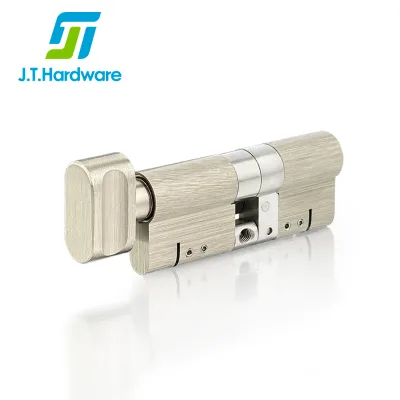
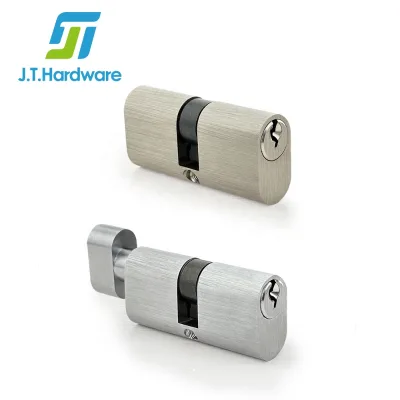
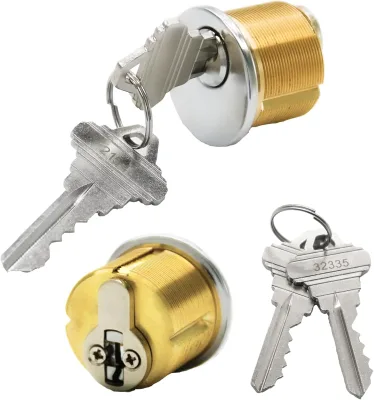
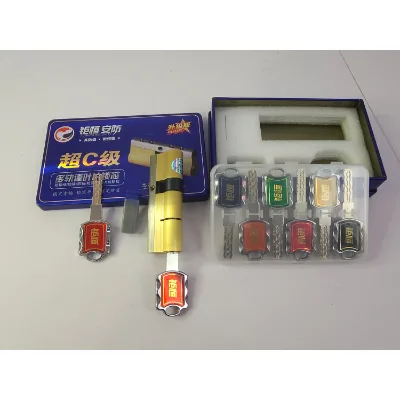
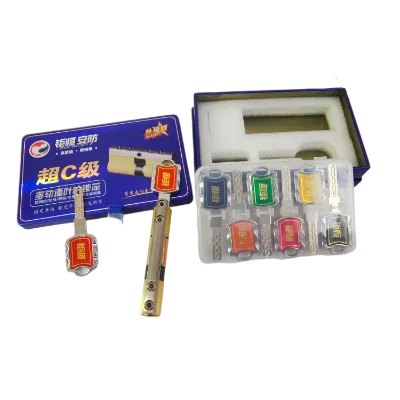
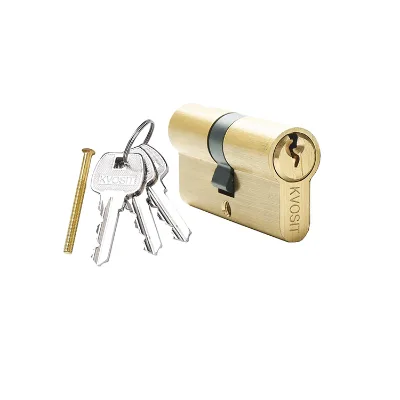
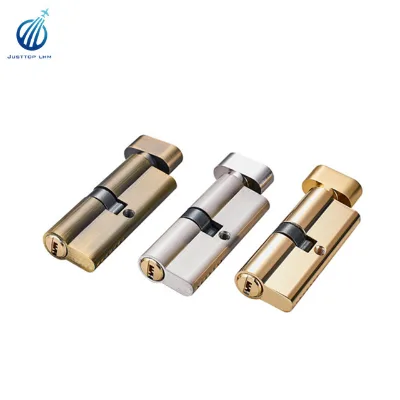
Europe Profile Antique Brass Finish Solid Brass Cylinder Mortise Door Lock Cylinder
$1.49 - $1.8999
MOQ: 200 pieces
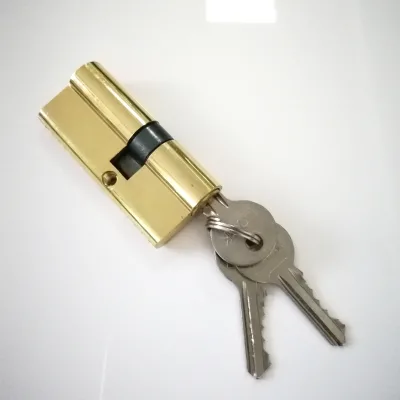
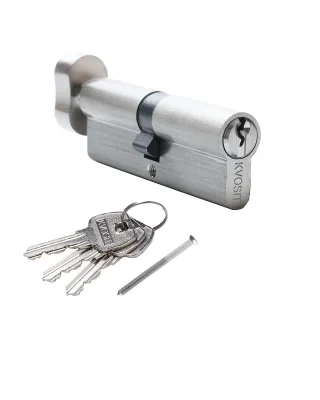


Safe Open Door Lock Cylinder Aluminum Door Lock Cylinder with Master Key
$0.50 - $1.00
MOQ: 1000 Pieces




Comprehensive Sourcing Guide
Classic Design Mortise Lock Cylinder Sourcing Guide
Sourcing classic design mortise lock cylinders requires a disciplined approach to aligning aesthetic preferences with rigorous security performance metrics. Buyers must navigate a market where visual appeal often masks underlying mechanical variances, making it essential to prioritize verified technical attributes over superficial descriptions. The observed product landscape indicates a strong presence of European-style configurations, which typically demand specific dimensional tolerances and keyway compatibility standards. Procurement teams should focus on identifying suppliers who provide transparent data regarding lock body structures, such as triple or multiple bolt mechanisms, to ensure the selected hardware meets the intended security level for residential or commercial applications.
This guide emphasizes the importance of verifying core material compositions and surface treatments to guarantee long-term durability and resistance to environmental wear. Brass remains a prevalent material for the cylinder core, often paired with zinc housings and iron cams, providing a balance of strength and machinability. However, buyers must confirm that these material specifications are explicitly stated in product documentation rather than assumed. The integration of electroplating surface treatments further influences both the aesthetic finish and the corrosion resistance of the lock, necessitating clear communication with suppliers regarding coating thickness and quality control protocols to prevent premature degradation in high-traffic environments.
Product Scope and Observed Listing Signals
The current market for classic design mortise lock cylinders presents a diverse array of models, with observed listings ranging from basic pin tumbler mechanisms to more complex quantum key systems. Buyers will encounter various model identifiers, such as CL074, CL101, and CL003, each potentially representing distinct internal configurations or aesthetic variations. The observed price range of 0.5 to 75 USD suggests significant variability in quality, keyway complexity, and included accessories, requiring careful evaluation of what is included in each price point. Minimum order quantities (MOQs) vary widely from 1 to 3000 units, indicating that suppliers cater to both small-scale replacement projects and large-scale construction contracts, allowing for flexible procurement strategies based on project scale.
Key functions and customization options are prominent features in the observed listings, with many suppliers offering anti-theft electronic key capabilities alongside traditional mechanical designs. The availability of customized logos and keyways, including options like Schlage or computer keys, allows for greater brand integration and access control specificity. However, buyers must verify that these customization options do not compromise the structural integrity of the lock body. The presence of both triple and quad lock body types in the market highlights the need for precise specification matching, as the internal bolt configuration directly impacts the lock’s resistance to forced entry and its compatibility with existing door frames.
Technical Specifications to Verify
Verifying the technical specifications of classic design mortise lock cylinders is critical to ensuring compatibility with existing door hardware and meeting security requirements. Buyers should prioritize the verification of lock cylinder levels and key levels, as these metrics directly correlate with the lock’s resistance to picking and drilling. In the observed market, products are categorized with key levels such as C and lock body levels like B, providing a baseline for security assessment. Additionally, the door thickness fit and backset dimensions, such as the observed 60mm backset, must be confirmed to ensure proper installation. Misalignment in these dimensions can lead to operational failures or compromised security, making precise measurement and specification matching essential during the sourcing process.
The internal structure of the lock cylinder, including the number of pins and cam angles, significantly influences its performance and durability. Options for 5, 6, 7, 10, or 12-pin configurations, along with cam start angles of 0 or 30 degrees, offer varying degrees of security and operational smoothness. Buyers must evaluate these specifications against their specific security needs, recognizing that higher pin counts generally provide greater key control and resistance to manipulation. Furthermore, the type of key, such as multiple row crescent quantum keys, should be assessed for its uniqueness and difficulty to duplicate, ensuring that the chosen lock cylinder provides the intended level of protection for residential or commercial buildings.
Compliance and Safety Documentation
Compliance with recognized industry standards is a fundamental requirement for sourcing classic design mortise lock cylinders, particularly for commercial applications where safety regulations are stringent. Buyers should verify that suppliers adhere to established standards such as ANSI A156 or BS EN1303, which define performance criteria for durability, security, and operational reliability. The observed listings mention various standard references, including "as customer's requirement" or "refer to actual products," which necessitates proactive engagement with suppliers to obtain concrete certification documents. Without explicit confirmation of compliance with these standards, buyers risk procuring hardware that may not meet legal or insurance requirements, potentially leading to liability issues in the event of a security breach or failure.
Anti-theft standards and security ratings provide additional layers of verification for the lock cylinder’s performance under stress. Products labeled with anti-theft standards such as "A" offer a quantifiable measure of their resistance to forced entry techniques. Buyers must ensure that these ratings are supported by independent test results or manufacturer guarantees, rather than relying solely on marketing claims. The documentation should also include details on the lock’s function, such as normal, bathroom, or emergency modes, to ensure it meets the specific operational needs of the installation site. Clear and verifiable compliance documentation is essential for maintaining trust with end-users and ensuring that the installed hardware performs as expected in critical situations.
Cost Drivers and Commercial Terms
Understanding the cost drivers associated with classic design mortise lock cylinders enables buyers to negotiate more effectively and budget accurately for procurement projects. Key factors influencing price include the complexity of the keyway, the quality of materials used, and the level of customization required. Products featuring advanced key systems, such as quantum keys or computer keys, typically command higher prices due to the increased manufacturing precision and security features involved. Additionally, the choice of surface treatment, such as electroplating, and the packaging requirements, whether standard plastic bag and white box or custom packaging, can impact the final unit cost. Buyers should request detailed breakdowns of these costs to identify areas where savings can be achieved without compromising quality.
Commercial terms, including minimum order quantities and lead times, play a significant role in the overall procurement strategy and cash flow management. The observed MOQ range of 1 to 3000 units allows for flexibility, but larger orders may offer better unit pricing and more favorable payment terms. Buyers should negotiate clear delivery schedules and penalties for delays to mitigate supply chain risks. Furthermore, the availability of customization services, such as logo printing or specific keyway configurations, may incur additional setup fees or extended lead times. It is crucial to establish these terms upfront in the purchase agreement to avoid unexpected costs or delays that could disrupt project timelines and operational continuity.
Supplier Qualification and Quality Control
Qualifying suppliers of classic design mortise lock cylinders requires a thorough assessment of their manufacturing capabilities, quality control processes, and track record. Buyers should prioritize suppliers who demonstrate transparency in their production processes and provide detailed information about their material sourcing and assembly procedures. The origin of the products, often noted as Wenzhou, China, indicates a concentration of manufacturing expertise in this region, but buyers must verify that specific suppliers maintain consistent quality standards across all batches. Requesting samples for physical inspection and functional testing is a critical step in evaluating the lock cylinder’s build quality, keyway smoothness, and overall durability before committing to large orders.
Quality control measures should include rigorous testing for key duplication resistance, cylinder durability, and resistance to environmental factors such as corrosion and temperature fluctuations. Buyers should inquire about the supplier’s internal testing protocols and whether they conduct third-party audits or certifications to validate their quality management systems. The ability to provide traceability for materials, such as brass cores and zinc housings, is also an important indicator of a supplier’s commitment to quality. Establishing a clear communication channel for addressing defects or inconsistencies is essential for maintaining long-term supplier relationships and ensuring that the procured lock cylinders meet the specified performance criteria consistently.
Long-Term Procurement Checks
Implementing long-term procurement checks for classic design mortise lock cylinders ensures sustained performance and minimizes the risk of future security vulnerabilities. Buyers should establish a periodic review process to assess the ongoing reliability of the installed hardware and the continued compliance of the supplier with agreed-upon standards. This includes monitoring for any changes in material composition, keyway design, or manufacturing processes that could affect the lock’s performance. Regular feedback from end-users regarding the lock’s operation and durability can provide valuable insights into potential issues that may not have been apparent during the initial sourcing phase, allowing for proactive adjustments to the procurement strategy.
Maintaining a diversified supplier base can mitigate risks associated with supply chain disruptions or changes in supplier capabilities. Buyers should periodically evaluate alternative suppliers to ensure competitive pricing and access to the latest security technologies. Additionally, staying informed about evolving industry standards and security best practices is crucial for ensuring that the procured lock cylinders remain relevant and effective over time. By fostering strong relationships with suppliers and maintaining open lines of communication, buyers can collaborate on continuous improvement initiatives, such as enhanced key control systems or improved material formulations, to enhance the overall security posture of their residential or commercial buildings.
FAQs
What materials are used in classic design mortise lock cylinders?
The lock cylinders primarily utilize brass for the core and housing, with zinc alloy components for the body and iron for the cam. This combination ensures durability and resistance to corrosion. Some models feature electroplating on the surface for enhanced aesthetic appeal and protection against wear in residential or commercial settings.
Can the logo and keyway be customized for these mortise locks?
Yes, both the logo and keyway options are fully customizable to meet specific buyer requirements. Suppliers offer various keyway choices, including Schlage and computer keys, allowing for tailored security levels. Custom branding is available upon request, ensuring the product aligns with your brand identity while maintaining high anti-theft standards.
Which standards do these classic mortise locks comply with?
These locks comply with recognized international standards such as ANSI A156 and BS EN1303. The anti-theft standard is rated at level A, providing robust security for household doors. Compliance ensures that the products meet rigorous quality and safety benchmarks, making them suitable for both residential and commercial building applications globally.
What is the typical MOQ for ordering these mortise lock cylinders?
The minimum order quantity typically ranges from 1 to 3000 pieces, depending on the specific model and customization requirements. Standard items may have lower MOQs, while customized versions with specific keyways or packaging may require higher volumes. Buyers should confirm the exact MOQ with suppliers based on their production capacity and order size.
How is the door thickness accommodated for these mortise locks?
Door thickness is customized to fit specific requirements, ensuring a secure fit for various door types. The lock body structure supports multiple bolt configurations, adapting to different door thicknesses. Buyers can specify their exact door thickness needs, and manufacturers will adjust the product specifications accordingly to ensure proper installation and functionality.
What packaging options are available for these classic mortise locks?
Packaging options include plastic bags, white boxes, and cartons, tailored to customer requirements. Some models come in white box packing for retail readiness, while bulk orders may use standard cartons. Custom packaging solutions are available to meet specific branding or logistical needs, ensuring the products are protected during transit and ready for distribution.