Class II Wireless Tens Machine Suppliers and Manufacturers
Source Class II Wireless Tens Machine from 21 verified suppliers. Compare lead times, MOQs, and response rates to find the right partner. Review product specs and request quotes today; review the available evidence before requesting comparable quotations from suitable candidates.
Updated
Suppliers List
Chongqing Aibid Technology Co., Ltd.
- Trading Company
- Chongqing, China
- Lead time10 days
- Avg. response≤ 2h
Main productsOphthalmic Equipment,Optometry equipment,Surgical instruments,Hospital equipment,Ultrasonic equipment
Main marketsNorth America(25.00%), South Asia(12.00%), Africa(12.00%), South America(10.00%), Southeast Asia(10.00%), Mid East(8.00%), Eastern Asia(8.00%), Northern Europe(4.00%), Eastern Europe(3.00%), Southern Europe(2.00%), Western Europe(2.00%), Central America(2.00%), Domestic Market(1.00%), Oceania(1.00%)
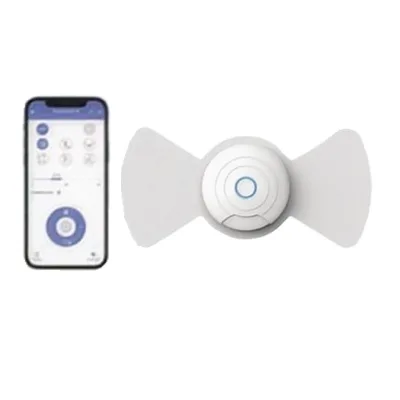
App Operation Muscle Simulator Tens and Ems Pain Relief Wireless China Tens Machine
$10.282 - $19.0216
MOQ: 20 Minimum
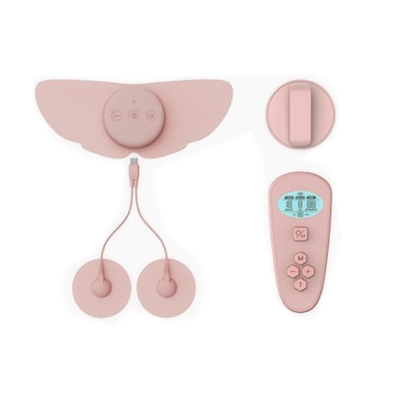
Abdominal Tensing Machine Ens Tens Unit Rechargeable Wireless Tens Machine From China
$6.1695 - $16.9661
MOQ: 20 Minimum
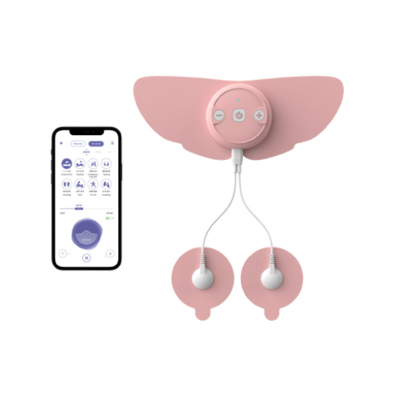
26 Mode 4 in 1 Wireless Tens Machine Unit for From China for Physical Therapy Equipment
$10.2057 - $21.4302
MOQ: 20 Minimum
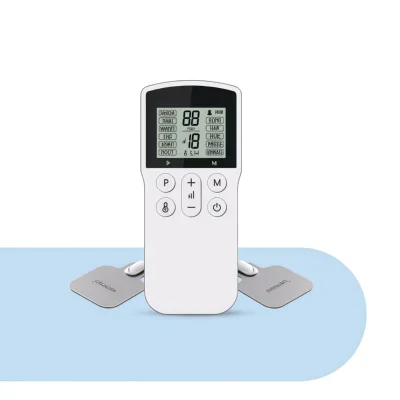
$6.6841 - $26.7335
MOQ: 10 Minimum
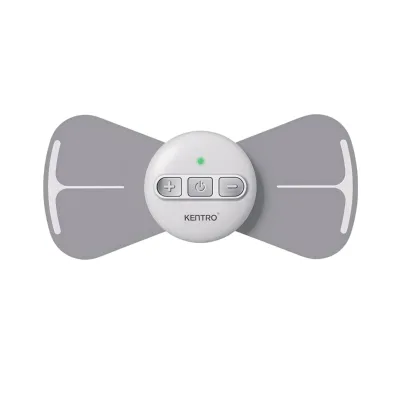
$7.0312 - $25.8479
MOQ: 1 Minimum
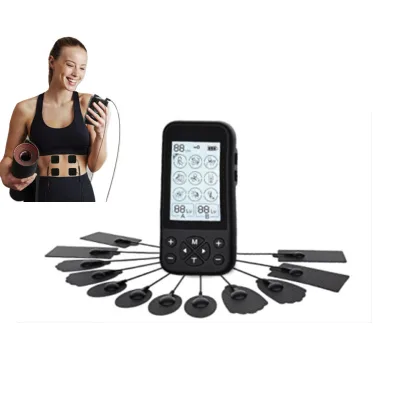
$12.339 - $16.4515
MOQ: 10 Minimum
Shenzhen L-Domas Technology Ltd.
- Verified by SGS Group
- Manufacturer, Trading Company
- Lead time10 days
- Avg. response≤ 3h
Main productsTENS Unit, EMS Product, Beauty Device, Massager Product
Main marketsNorth America(61%), South America(12%), Oceania(4%)
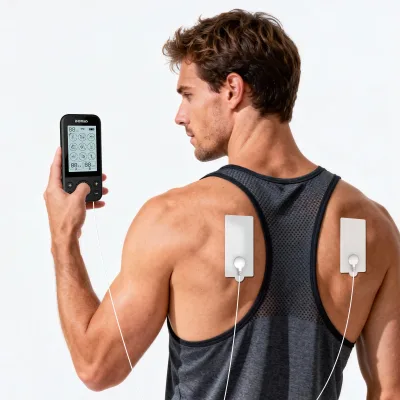
Mini Digital TENS Machine Physical Therapy Equipments Tens Machine Easy Use
$12.2971 - $13.3219
MOQ: 1 pieces
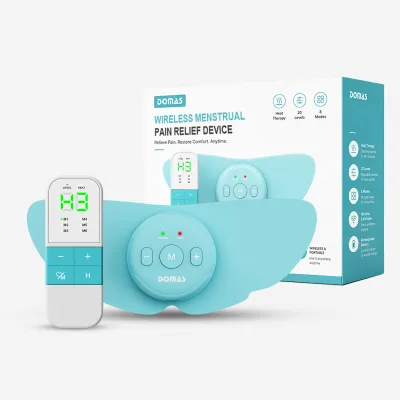
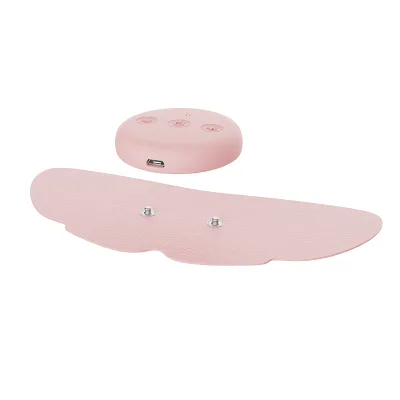
Women's Wireless TENS Machine Body Application for Calming Pain Convenient and Effective Therapy
$13.4131 - $30.9522
MOQ: 2 pieces
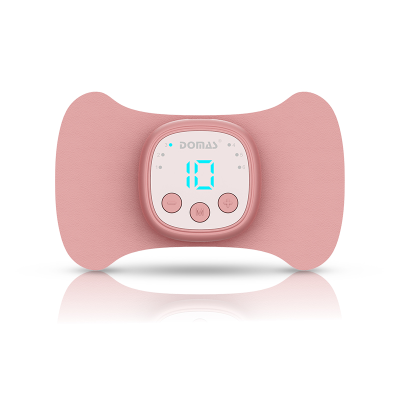
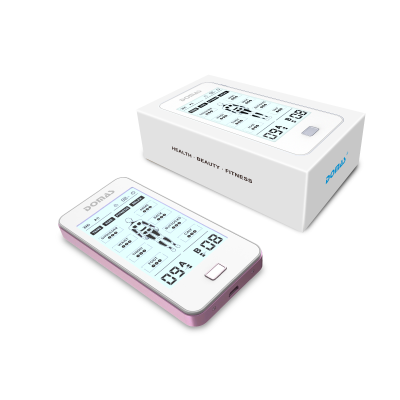
Customizable Hospital Grade TENS Therapy Device Home Clinic tens Machine for Body Application
$15.50 - $25.00
MOQ: 1 pieces
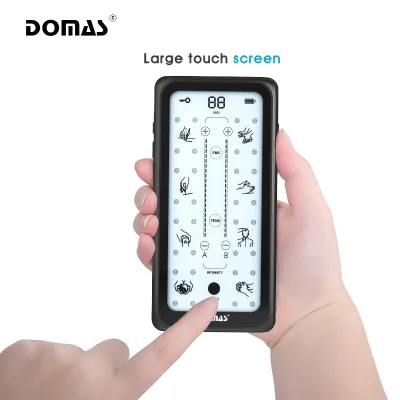
Hospital Tens Machine Large Touch Screen Tens Unit Waterproof TENS Electrodes Easy Use
$18.4442 - $19.4689
MOQ: 2 pieces
Shenzhen Foyoga Technology Co., Ltd.
- Manufacturer, Trading Company, Distributor/Wholesaler
- Guangdong, China
- Lead time15 days
- Avg. response≤ 3h
Main productsMassager,Tens unit,Therapy product,Muscle stimulator,Health care product
Main marketsDomestic Market(16.00%), North America(10.00%), Eastern Europe(10.00%), Northern Europe(10.00%), South America(8.00%), Eastern Asia(7.00%), South Asia(6.00%), Africa(6.00%), Southeast Asia(5.00%), Southern Europe(5.00%), Mid East(5.00%), Central America(5.00%), Western Europe(5.00%), Oceania(2.00%)
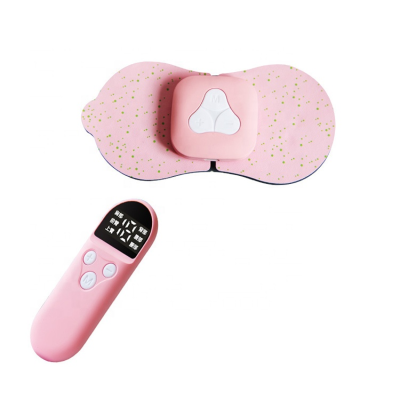
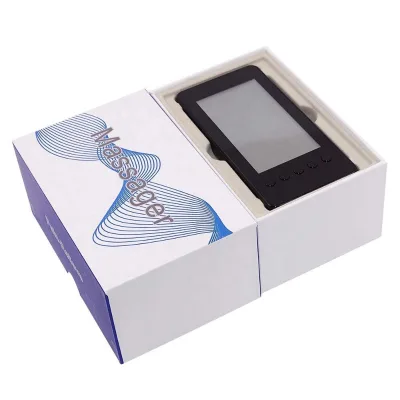
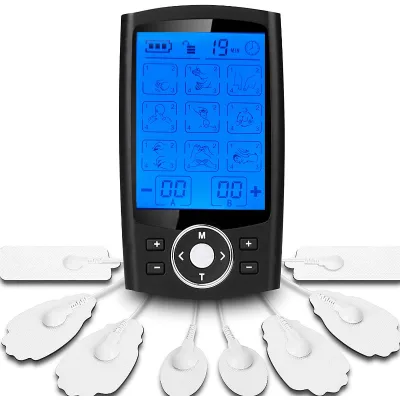
Portable Wireless Digital Therapy Massager Tens Machine for Body Application
$3.00 - $6.00
MOQ: 1 Minimum
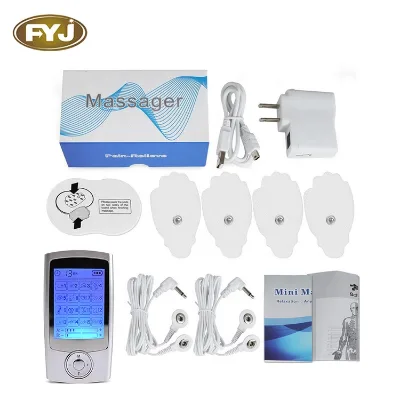
$8.2205 - $15.4133
MOQ: 2 sets
Hong Qiangxing (Shenzhen) Electronics Limited
- Verified by SGS Group
- Manufacturer, Trading Company
- Lead time25 days
- Avg. response≤ 2h
Main productsTENS & EMS Products, Fitness Belt, Beauty Products, Vibration Massager, Infrared Massager
Main marketsNorth America(63%), South America(14%), Oceania(5%)
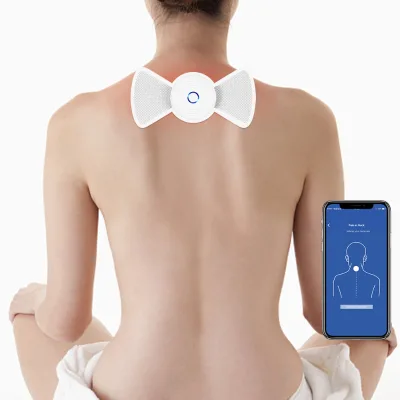
$10.2611 - $15.3923
MOQ: 1 Minimum
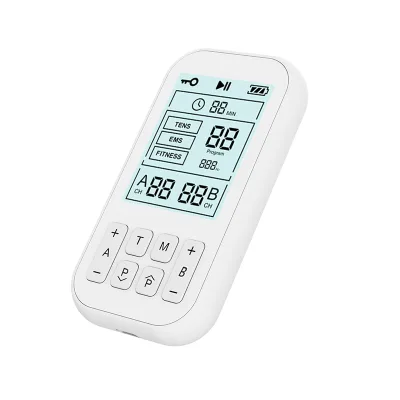
$15.00 - $35.00
MOQ: 1000 Minimum
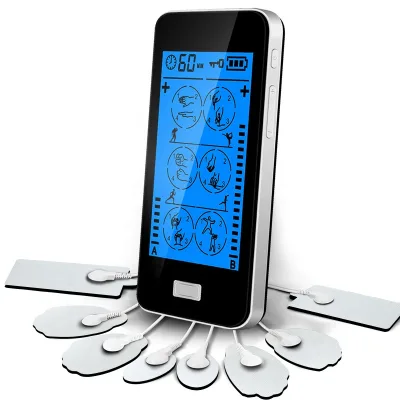
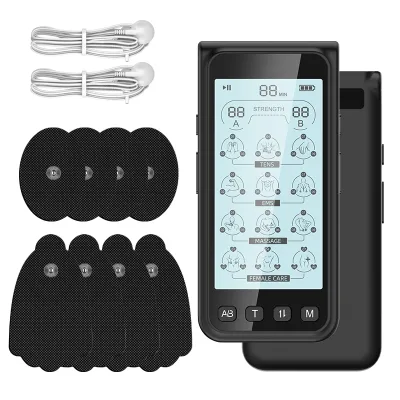
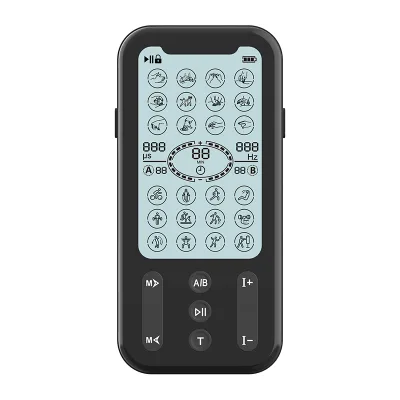
Dual Channel Tens Electronic Pulse Massager Machine Physical Small Therapy Tens Massager
$19.00 - $35.00
MOQ: 1000 Minimum
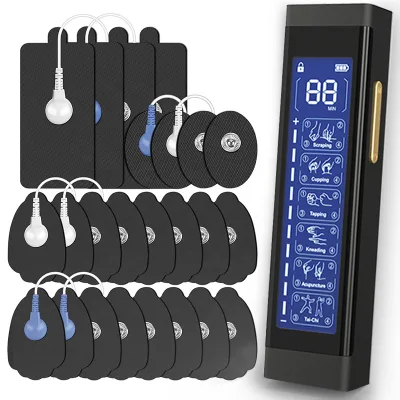
$9.2094 - $10.2326
MOQ: 1 pieces
$10.00 - $15.00
MOQ: 1000 pieces
Shenzhen Lig Technology Co., Ltd.
- Manufacturer
- Guangdong, China
- Lead time0 days
- Avg. response≤ 3h
Main productsEMS muscle,tens unit,therapy machine,tens electrodes,facial massager
Main marketsNorth America(50.00%), Western Europe(20.00%), Southern Europe(20.00%), Africa(5.00%)
Shenzhen As-Tec Technology Co., Ltd.
- Manufacturer, Trading Company
- Guangdong, China
- Lead time30 days
- Avg. response≤ 5h
Main productsTENS,TENS Unit,muscle stimualtor Massage Gun,Tens Massager,massage gun
Main marketsNorth America(50.00%), Eastern Europe(10.00%), Western Europe(10.00%), Domestic Market(5.00%), Africa(5.00%), Southern Europe(5.00%), Mid East(3.00%), Oceania(2.00%), South Asia(2.00%), Southeast Asia(2.00%), Central America(2.00%), South America(2.00%), Eastern Asia(2.00%)
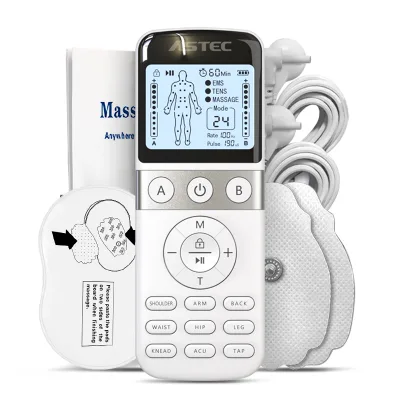
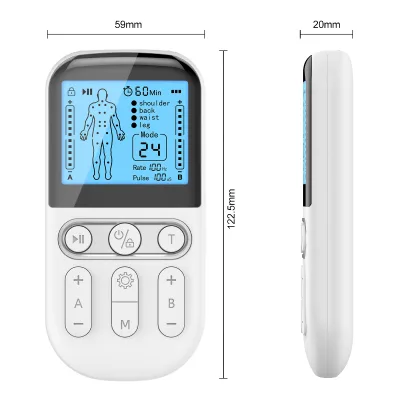
$9.365 - $9.8631
MOQ: 1000 sets

Guangzhou T&B Beauty Equipment Co., Ltd.
- Verified by BV
- Trading Company
- China Guangdong
- Lead time15 days
- Avg. response≤ 3h
Main productsTecar RF Physio Machine, Magneto Emtt Physio Machine, Shockwave Pain Relief Machine, Pressotherapy Slim Massage Machine, Hifu Face Lifting Machine, Fat Remove Machine, Endospheres Slim Machine, Trusculpt Flex ID Machine, RF Slim Machine
Main marketsSouth America,Southeast Asia/ Mideast,East Asia(Japan/ South Korea),Europe,Australia,North America

$2799.00 - $2899.00
MOQ: 1 Pieces

$2799.00 - $2899.00
MOQ: 1 Pieces

Professional 3-in-1 Shockwave Ultrasound Ift Tens Therapy Machine for Pain Relief & Muscle Recovery
$2799.00 - $2899.00
MOQ: 1 Pieces

$2799.00 - $2899.00
MOQ: 1 Pieces

Ifc Tens EMS Electrotherapy Electromagnetic Shockwave Therapy Ultrasound Machine Physiotherapy
$2799.00 - $2899.00
MOQ: 1 Pieces

$2799.00 - $2899.00
MOQ: 1 Pieces
- Verified by TüVRheinland
- Manufacturer, Trading Company
- Lead time0 days
- Avg. response≤ 6h
Main productsInfrared Thermometer, Blood Pressure Monitor, Tens, Ems, Oxygen Concentrator
Main marketsNorth America(25%), Oceania(18%), Mid East(15%)

Guangzhou Medisys Technology Co., Ltd.
- Verified by SGS
- Trading Company
- China Guangdong
- Lead time15 days
- Avg. response≤ 5h
Main productsMedical Supply, Surgical Instrument, Lab Equipment, Digital Slide Scanner & Digital Pathology, EEG Machine & Emg Machine, Rehabilitation Equipment, Ivd, Dpcr, Mass Spectrometer, Consumables
Main marketsDomestic

Suzhou Thriving Medical Equipment Corp.
- Verified by SGS
- Trading Company,Manufacturer/Factory
- China Jiangsu
- Lead time23 days
- Avg. response≤ 9h
Main productsHospital Bed, Medical Equipment, Autoclave, Stretcher, Bed Head Unit, Electric Bed, Funeral Products, Ultrasound Scanner, Nurse Call System, Operating Light
Main marketsSouth America,Eastern Europe,Mid East,North America,Southeast Asia,Eastern Asia,Oceania,Western Europe,Africa

16 Modes Tens Therapy Machine Body Massage Neck Tens EMS Mini Massager for Body Pain Relief
$8.00 - $15.00
MOQ: 10 Pieces

Massager Products Neck Massage Acupuncture Therapy Machine Tens (THR-UF109)
$9.00 - $15.00
MOQ: 1 Pieces
Dongguan Changan Judu Leather Goods Hardware Ornament Factory
- Manufacturer, Trading Company
- Guangdong Province, China
- Lead time2 days
- Avg. response≤ 2h
Main productsSlimming Machine,Beauty Equipment,Disinfection Equipment,Beauty Furniture,Skin and Hair Treatment
Main marketsCentral America(18.00%), Western Europe(13.00%), Northern Europe(12.00%), North America(12.00%), Southeast Asia(11.00%), Southern Europe(10.00%), Eastern Europe(10.00%), South America(9.00%), Domestic Market(5.00%)
Chongqing Rob Linka Science And Technology Co., Ltd.
- Verified by SGS Group
- Trading Company
- Lead time10 days
- Avg. response≤ 3h
Main productsTens, Ems, Beauty Device
Main marketsNorth America(73%), Oceania(15%), Western Europe(4%)
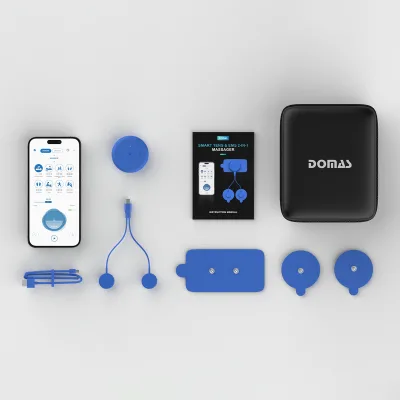
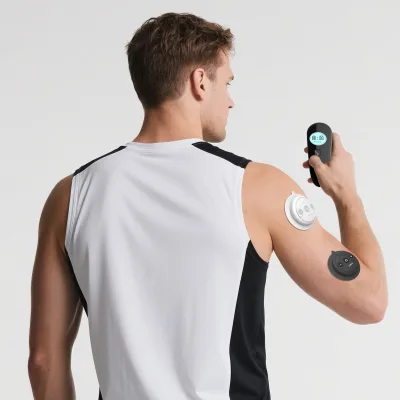
$21.00 - $22.00
MOQ: 1000 pieces
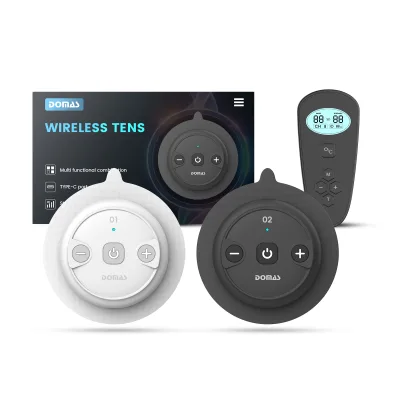
$21.5484 - $22.5746
MOQ: 1 pieces
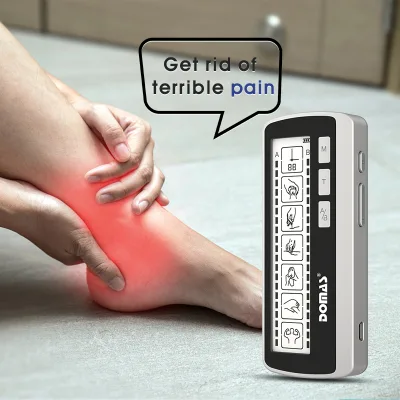

Guangzhou Kapha Electronic Technology Co., Ltd.
- Verified by TUVRHEINLAND
- Combined
- China Guangdong
- Lead time15 days
- Avg. response≤ 2h
Main productsShockwave Therapy, Magneto Therapy, Radio Frequency, Laser Therapy, Ultrasound Therapy, Ifc Therapy, Infrared Therapy
Main marketsOthers(foreignTradeCapacity.exportBusinessCapacityMarketOther),Europe,North America


Shockwave Tissue Repair Ultrasound Therapy Tens Machine Physiotherapy Intelect Puls 100
$2200.00 - $2599.00
MOQ: 1 Pieces

CE Approved Shockwave Therapy Medical Device Tens Machine Physiotherapy Intelect Puls 100
$2200.00 - $2599.00
MOQ: 1 Pieces

Shockwave Therapy Medical Device Tens Machine Physiotherapy with CE Intelect Puls 100
$2200.00 - $2599.00
MOQ: 1 Pieces

Shenzhen Guangyang Zhongkang Technology Co., Ltd.
- Verified by BV
- Combined
- China Guangdong
- Lead time23 days
- Avg. response≤ 7h
Main productsUltrasound Therapy Machine, Brain Photobiomodulation Helmet, Red Light Therapy Bed, Laser Therapy Watch, Red Light Therapy Panel, Hydrogen Inhalation Machine, Hydrogen Rich Water Bottle, Hydrogen Water Bath Generator, Hyperbaric Oxygen Chamber, Terahertz Therapy Machine
Main marketsSouth America,Africa,Southeast Asia/ Mideast,East Asia(Japan/ South Korea),Europe,Australia,North America


Suyzeko New Tech Therapeutic Tens 1MHz Ultrasound Therapy Pain Relief Machine Home Use
$118.00 - $399.00
MOQ: 1 Pieces

Suyzeko Electronic Muscle Stimulation Tens 1MHz Ultrasound Therapy Machine
$118.00 - $399.00
MOQ: 1 Pieces

- Verified by CTI
- Individuals/Soho,Manufacturer/Factory,Other
- China Guangdong
- Lead time60 days
- Avg. response≤ 2h
Main productsAlkaline Water Ionizer, Water Ionizer, Water Dispenser, Jade Massage Bed, Warm Jade Physiotherapy Device, Electric Potential Therapy Device, High Potential Therapy Device, Electrostatic Field Therapy Device, Far Infrared Jade Mattress., Memory Foam Pillow
Main marketsSouth America,Eastern Europe,Mid East,North America,Southeast Asia,Eastern Asia,Oceania,Western Europe,Africa

- Verified by SGS
- Trading Company
- China Beijing
- Lead time15 days
- Avg. response≤ 13h
Main productsPmst Physical Therapy Equipment, Shockwave Therapy Pain Relief, 980nm 1470nm Laser Physiotherapy Machine, 810nm 980nm 1064nm Laser Physical Therapy Device, Cryolipolysis EMS Ultrasound Lipolysis, Pets Animals Pain Remove Devices, Hifu Face Antiage Beauty Machine, IPL Laser Hair Removal Machine Dpl, Picosecond Laser Tattoo Removal Beauty Equipment, Pressotherapy Pain Relief Devices
Main marketsSoutheast Asia/ Mideast,East Asia(Japan/ South Korea),Europe,Australia,North America

$2380.00 - $3080.00
MOQ: 1 Pieces

$2399.00 - $2999.00
MOQ: 1 Pieces
EVERYWAY MEDICAL INSTRUMENTS CO., LTD.
- Verified by SGS Group
- Manufacturer, Trading Company
- Lead time20 days
- Avg. response≤ 12h
Main productsTENS, Electrodes Pads, Probes, Conductive Garments, Treatment Tables
Main marketsNorth America(50%), Western Europe(24%), Oceania(13%)
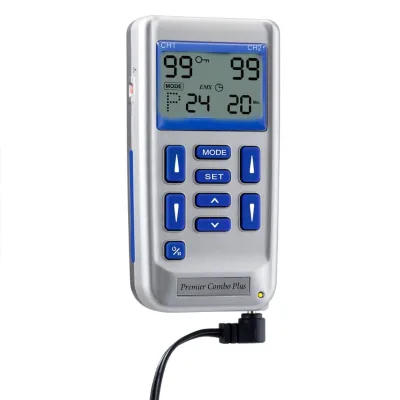
Taiwan EM-6300 Portable electrical ems machine for home use tens ems tens unit ems unit tens 7000
$27.0432 - $41.33
MOQ: 32 sets
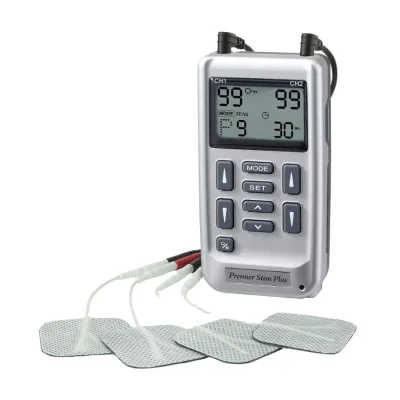
$36.00 - $40.50
MOQ: 32 sets

Hubei YJT Intelligent Technology Group Co., Ltd.
- Verified by BV
- Combined
- China Hubei
- Lead time15 days
- Avg. response≤ 1h
Main productsLaser Treatment Instrument, Physiotherapy Rehabilitation, Medical Laser Physical Therapy, Rehabilitation Therapy Equipment, Low Level Laser Therapy, Home Healthcare, Laser Acupuncture, Cold Laser Treatment Instrument, Health Care, Health Care Cold Laser Therapeutic
Main marketsSoutheast Asia/ Mideast,Europe,North America

Electric Pulse Massager Pain Relief Tens Machine High Potential Therapy Machine
$2000.00 - $2999.00
MOQ: 10 Pieces


Guangzhou Mejinlay Technology Co., Ltd.
- Manufacturer, Trading Company
- Guangdong, China
- Lead time7 days
- Avg. response≤ 2h
Main productsfoot massage,laser beauty device,RF face lifting and body slimming,physiotherapy,multifunctional beauty equipments
Main marketsEastern Europe(16.00%), North America(15.00%), Northern Europe(15.00%), Central America(13.00%), Western Europe(10.00%), Southern Europe(10.00%), South America(9.00%), Southeast Asia(3.00%), South Asia(3.00%), Mid East(2.00%), Africa(2.00%), Eastern Asia(2.00%)
Jiangsu Xinhou International Trading Co., Ltd.
- Trading Company
- Jiangsu, China
- Lead time14 days
- Avg. response≤ 24h
Main productsSquare Combined Training Frame and Background Protection, Hip joint Training Device, Quadriceps training chair
Main marketsNorth America(40.00%), Western Europe(20.00%), Eastern Europe(20.00%), Oceania(10.00%), Southeast Asia(10.00%)
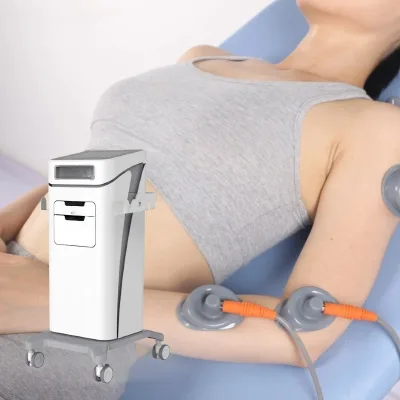
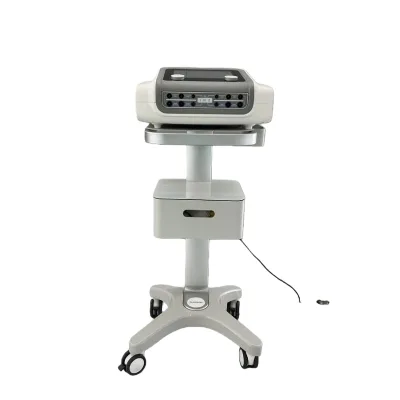
$1042.0747 - $2084.1494
MOQ: 1 sets
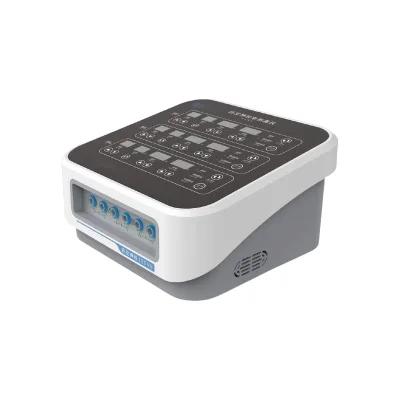
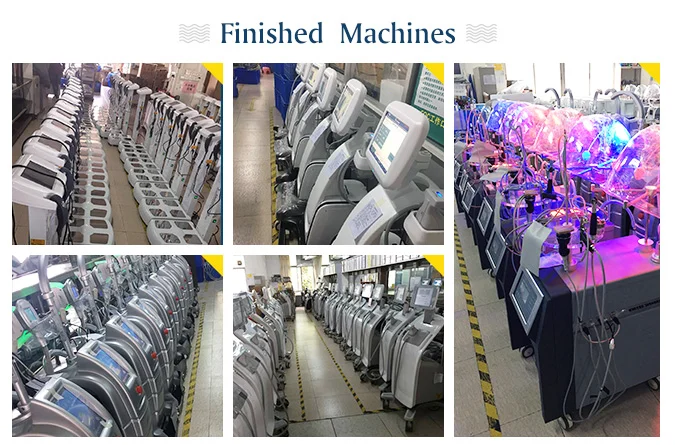
Guangzhou Meiyi Electronic Technology Co., Ltd.
- Manufacturer, Trading Company, Buying Office
- Guangdong, China
- Lead time10 days
- Avg. response≤ 6h
Main productsshock wave therapy,Magnetic therapy machine,EMS Training Machine,Home EMS Training Suits,Antifreeze film
Main marketsEastern Europe(15.00%), Northern Europe(15.00%), North America(15.00%), South Asia(10.00%), South America(10.00%), Domestic Market(5.00%), Eastern Asia(5.00%), Central America(5.00%), Oceania(5.00%), Southeast Asia(4.00%), Mid East(4.00%), Western Europe(3.00%), Southern Europe(2.00%), Africa(2.00%)
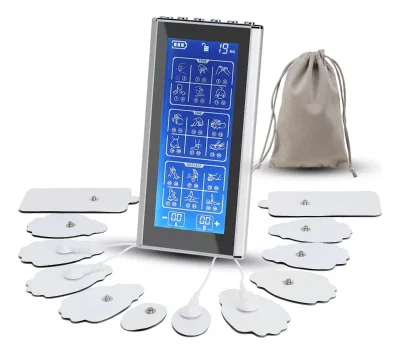
$12.00 - $14.90
MOQ: 1 pieces
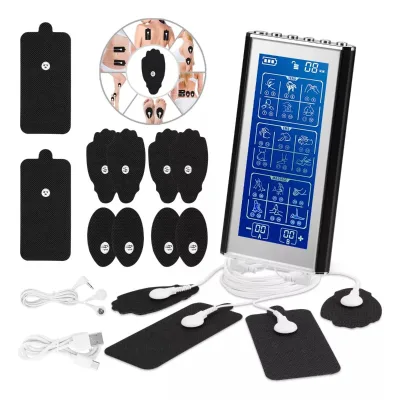
Wire Device with Electrode Pad Massager Transcutaneous Electrical Nerve Stimulator TENS Unit
$12.2971 - $15.2682
MOQ: 1 pieces
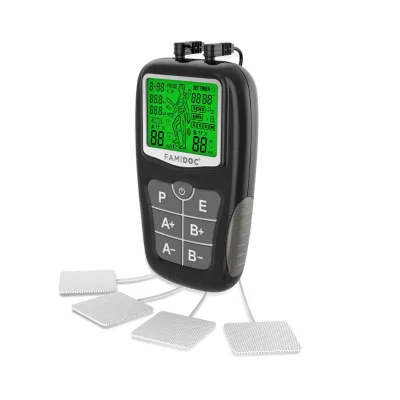


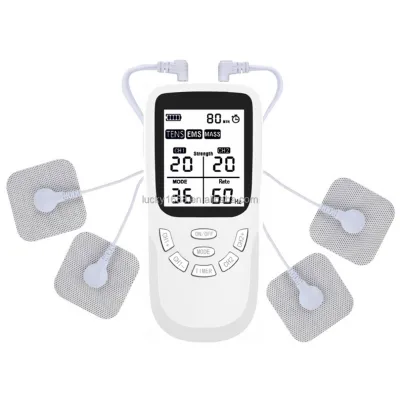
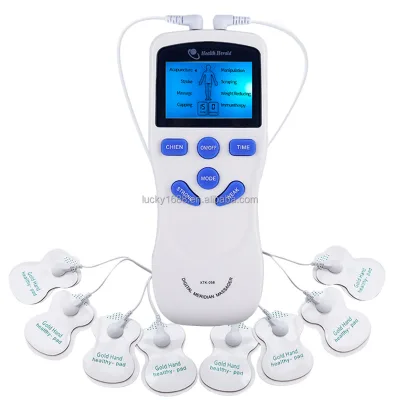


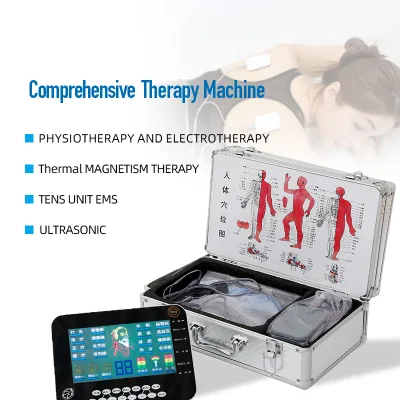
Comprehensive Sourcing Guide
Class II Wireless Tens Machine Supplier Concentration and Factory Types
The current supplier landscape for Class II wireless TENS machines reveals a distinct concentration of manufacturing and trading entities within specific Chinese industrial hubs. Data indicates that the primary location for these suppliers is Chongqing, China, which serves as a notable hub for this category of medical devices. However, product origin data further specifies that the actual manufacturing place of origin for many of these units is Guangdong, China. This distinction is critical for buyers, as it suggests a supply chain where components or final assembly may occur in Guangdong, while the trading or corporate headquarters are based in Chongqing. Understanding this geographic split helps buyers assess the logistical complexity and the nature of the supplier relationship. The presence of suppliers in Chongqing does not necessarily imply that the factory floor is located there, but rather that the business entity managing the export is situated in this municipality. Buyers should recognize that the concentration in Chongqing may offer centralized communication and administrative support, while the Guangdong origin points to a mature electronics manufacturing ecosystem. This dual-location dynamic is common in the medical device sector, where trading companies leverage the manufacturing capabilities of coastal provinces while maintaining operational bases in inland cities. The concentration of suppliers in these regions indicates a robust local supply chain for ABS materials, lithium batteries, and electronic components essential for Class II devices. Buyers evaluating suppliers should consider how this geographic distribution impacts their ability to conduct factory audits or verify production capabilities. If a supplier lists Chongqing as their location but Guangdong as the place of origin, it is highly probable that the supplier is a trading company or a brand owner rather than the direct manufacturer. This structural insight allows buyers to tailor their verification strategies, focusing on the trading company’s supply chain management capabilities rather than just their direct manufacturing capacity. The clustering of these entities in China also suggests competitive pricing and rapid iteration of product models, such as the various wireless TENS units currently available. Buyers can leverage this concentration to compare multiple options within a short timeframe, knowing that the logistical infrastructure supports efficient export from these regions. The specific focus on Chongqing and Guangdong provides a clear geographic framework for sourcing, allowing buyers to anticipate shipping routes and potential transit times. This geographic clarity is the first step in narrowing down the supplier pool to those who can reliably meet the specific Class II regulatory and quality standards required for wireless TENS machines.
How to Verify Class II Wireless Tens Machine Suppliers
Verifying suppliers of Class II wireless TENS machines requires a rigorous approach to confirming their legal status, product classification, and operational reliability. Since these devices are classified as Class II instruments, buyers must ensure that suppliers possess the necessary regulatory approvals for their target markets. The product evidence shows that many units are explicitly labeled with an "Instrument classification" of Class II, which is a critical data point for compliance. Buyers should request documentation that proves this classification, such as local medical device registration certificates or equivalent regulatory clearances. It is not sufficient to rely solely on the product description; buyers must verify that the supplier can provide valid certificates that match the specific model numbers, such as 9187, 9116B, or KRT2610. Additionally, the company type is a vital verification metric. Many suppliers in this category are identified as Trading Companies rather than manufacturers. Buyers should assess whether a trading company is suitable for their needs, considering factors like communication efficiency versus direct factory control. If a factory audit is required, buyers must confirm that the trading company has a verifiable partnership with a legitimate manufacturing facility. Response time is another key indicator of supplier reliability. Data shows that some suppliers have a response time of 2, which suggests a high level of engagement and readiness to communicate. Buyers should test this responsiveness by sending detailed technical inquiries about battery specifications, such as the 180mAh Li-battery capacity found in several models, or voltage requirements like 3.7V. A quick and accurate response to these technical questions indicates a knowledgeable supplier who can handle complex Class II device inquiries. Furthermore, buyers should verify the after-sale service capabilities, as many suppliers offer online technical support. This support is crucial for Class II devices that may require software updates or troubleshooting. Buyers should ask for specific examples of how technical support is delivered and whether it includes remote diagnostics or video guidance. The presence of OEM/ODM services, as seen in some product attributes, also indicates a supplier’s flexibility and manufacturing capability. Buyers should verify if the supplier has experience in customizing Class II devices, including branding and packaging, while maintaining regulatory compliance. This verification process ensures that the supplier is not only a viable business partner but also a compliant and reliable source for Class II wireless TENS machines.
What to Compare Across Class II Wireless Tens Machine Suppliers
When evaluating multiple suppliers for Class II wireless TENS machines, buyers must systematically compare key operational and commercial metrics to identify the most suitable partner. One of the primary dimensions for comparison is the Minimum Order Quantity, or MOQ. The data reveals a range of MOQs, with some suppliers requiring 20 units, others 10 pieces, and some accepting just 1 set. This variation allows buyers to align orders with their inventory needs and cash flow constraints. For instance, a supplier with an MOQ of 20 units may offer better economies of scale, while a supplier accepting 1 set provides greater flexibility for testing the market. Buyers should compare these MOQs alongside the unit prices to determine the total cost of entry. Another critical metric is the lead time, which indicates how quickly an order can be fulfilled. While specific lead times vary, buyers should compare the stated delivery windows, such as the 3-10 days mentioned for some products, against the general lead time of 10 days observed in supplier profiles. A shorter lead time can be advantageous for meeting urgent demand or reducing inventory holding costs. Buyers should also compare the main products offered by each supplier. Some suppliers specialize in a narrow range of TENS devices, while others offer a broader portfolio including ophthalmic equipment, surgical instruments, and ultrasonic equipment. A supplier with a focused product line may offer deeper expertise and better quality control for Class II TENS machines, whereas a diversified supplier might provide one-stop sourcing convenience. Price is another essential comparison point. The price range for these devices spans from approximately $6.17 to $26.73, depending on the model and features. Buyers should compare prices not just on the unit cost but also on the value proposition, including features like the number of modes (e.g., 24, 26, or 36 modes) and intensity levels. Additionally, buyers should compare the battery specifications, such as the 180mAh Li-battery capacity, and the warranty terms, which are often listed as 1 year. Comparing these technical specifications alongside commercial terms ensures a holistic evaluation. Buyers should also consider the response time, as faster responses can indicate better customer service and problem-solving capabilities. By systematically comparing these dimensions, buyers can make informed decisions that balance cost, quality, and service.
Common Class II Wireless Tens Machine Sourcing Risks
Sourcing Class II wireless TENS machines involves several inherent risks that buyers must proactively manage to ensure a successful procurement process. One significant risk is the potential mismatch between the supplier’s claimed capabilities and their actual manufacturing or regulatory status. Since many suppliers are trading companies, there is a risk that they may not have direct control over the production quality or the supply chain. This lack of direct oversight can lead to inconsistencies in product quality, particularly regarding the Class II classification and safety standards. Buyers must mitigate this risk by conducting thorough due diligence, including verifying the supplier’s business license and their relationship with the actual manufacturer. Another risk is the variability in product specifications. The data shows a wide range of features, from 3 modes to 36 modes, and varying battery capacities. If a buyer does not clearly specify their requirements, they may receive a product that does not meet their clinical or commercial needs. For example, a device with only 3 modes may not be suitable for professional use, while one with 36 modes might be overly complex for home users. Buyers must ensure that the product attributes, such as the instrument classification and battery type, match their specific use case. Regulatory compliance is another major risk area. Class II devices are subject to strict regulations, and non-compliance can lead to product recalls or legal issues. Buyers must verify that the supplier has the necessary certifications and that the products meet the standards of their target market. The risk of intellectual property infringement is also present, especially when dealing with OEM/ODM services. Buyers must ensure that their branding and designs are protected and that the supplier does not share their designs with competitors. Additionally, the risk of delayed shipments or poor after-sales support can impact business operations. Suppliers offering online technical support may not provide adequate assistance for complex issues. Buyers should establish clear service level agreements and contingency plans for potential disruptions. By identifying and addressing these risks early in the sourcing process, buyers can protect their interests and ensure a smooth procurement experience.
Class II Wireless Tens Machine Regional Sourcing and Logistics
The regional sourcing of Class II wireless TENS machines from China involves specific logistical considerations that impact cost and delivery efficiency. The primary sourcing regions identified are Chongqing and Guangdong, each offering distinct advantages for international buyers. Chongqing, as a major inland hub, provides access to a growing manufacturing base and potentially lower labor costs. However, its inland location may result in longer transit times to coastal ports compared to suppliers based directly in Guangdong. Guangdong, on the other hand, is a well-established electronics manufacturing cluster with mature logistics infrastructure. Suppliers with a place of origin in Guangdong may benefit from faster access to international shipping routes, reducing lead times for export. Buyers should consider the trade-off between the supplier’s location and the logistical efficiency. If a supplier is based in Chongqing but manufactures in Guangdong, the logistics may be optimized, but communication and coordination might be more complex. Buyers should also consider the packaging and shipping requirements for Class II devices. The product data indicates that items are often packaged in cartons, with specific quantities per carton, such as 48 pieces. This packaging efficiency can reduce shipping costs and minimize damage during transit. Buyers should verify the packaging standards with their supplier to ensure that the devices are protected during shipping. Additionally, the weight of the devices, such as the 25g weight noted for some models, is a factor in calculating shipping costs. Lighter devices may allow for higher volumes per shipment, reducing the per-unit shipping cost. Buyers should also consider the import regulations of their destination country, as Class II devices may require specific documentation for customs clearance. Understanding the regional logistics landscape helps buyers optimize their supply chain and reduce overall procurement costs. By leveraging the strengths of both Chongqing and Guangdong, buyers can find suppliers that offer the best balance of cost, quality, and delivery speed.
Class II Wireless Tens Machine Commercial Terms and Order Planning
Effective order planning for Class II wireless TENS machines requires careful attention to commercial terms, including pricing, payment conditions, and warranty policies. The price range for these devices is broad, from approximately $6.17 to $26.73, reflecting variations in features, quality, and supplier positioning. Buyers should negotiate prices based on volume, as higher quantities may qualify for discounts. It is also important to consider the total landed cost, including shipping, insurance, and import duties, when evaluating the final price. Payment terms are another critical aspect of commercial planning. Buyers should seek favorable payment conditions, such as partial upfront payment and the balance upon shipment, to mitigate financial risk. Using secure payment methods, such as escrow services,
FAQs
What is the price range for Class II wireless TENS machines?
Prices for Class II wireless TENS machines typically range from approximately $6.17 to $26.73 per unit. The final cost depends on specific features like mode count, battery capacity, and included accessories. Buyers should verify exact pricing based on order volume and customization requirements with suppliers.
What is the minimum order quantity for these devices?
The minimum order quantity varies by supplier, generally starting at 1 unit for sample testing up to 20 units for standard wholesale orders. Some suppliers require a minimum of 10 pieces. Buyers should confirm the specific MOQ with the supplier before placing an order to ensure alignment with their needs.
How long does delivery take for these orders?
Delivery times typically range from 3 to 10 days for standard orders. Some suppliers indicate a lead time of around 10 days. Buyers should confirm the exact delivery schedule with the supplier, as transit times and production capacity can affect the final arrival date of the goods.
Are these machines suitable for pain relief and muscle conditioning?
Yes, these Class II devices are designed for pain relief, muscle conditioning, and body relaxing. They offer multiple intensity levels and modes to target specific areas. Buyers should verify the specific application claims and intensity settings with the supplier to ensure the device meets their therapeutic requirements.
What after-sales support is provided for these TENS units?
Most suppliers provide online technical support for after-sales service. Buyers should verify the specific support details, such as warranty periods and troubleshooting assistance, with the supplier. Some suppliers may offer additional support options depending on the order size and specific product model selected.
Can I customize the branding on these wireless TENS machines?
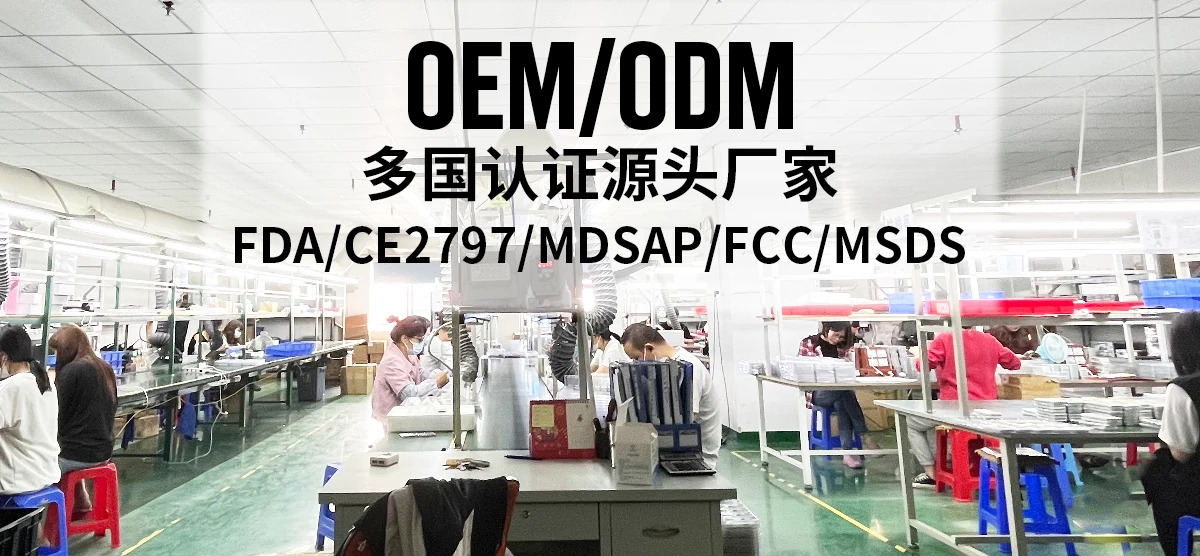
Many suppliers offer OEM and ODM services for branding customization. Buyers should confirm the specific customization options, such as logo printing or packaging design, with the supplier. Minimum order quantities may apply for customized orders, so buyers should discuss these details directly with the supplier.