Clay Poker Chip Set Suppliers and Manufacturers in China
Compare 25 verified Clay Poker Chip Set suppliers by location, response time, lead time, and customization options. Review product specifications and pricing to select a partner for your order; review the available evidence before requesting comparable quotations from suitable candidates.
Updated
Suppliers List

Taizhou Goddess Playingcards Co., Ltd.
- Verified by CTI
- Combined
- China Jiangsu
- Lead time30 days
- Avg. response≤ 13h
Main productsPlaying Card, Playing Cards, Plastic Playingcards, Jumbo Playingcards, Giant Playingcards, Tarot, Skat, Jeu De Cartes, Paper Playing Card, OEM Playing Card
Main marketsEast Asia(Japan/ South Korea),Domestic,Europe,North America

Guangzhou Yangming Entertainment Products Co., LTD
- Verified by SGS
- Trading Company
- China Guangdong
- Lead time15 days
- Avg. response≤ 2h
Main productsCasino Table, Poker Chip, Gambling Table, Casino Playing Cards, Card Shuffler, Dealer Shoe, Casino Table Layout, RFID Casino Chips, Casino System Software, Chips Tray
Main marketsSoutheast Asia/ Mideast,Australia,North America


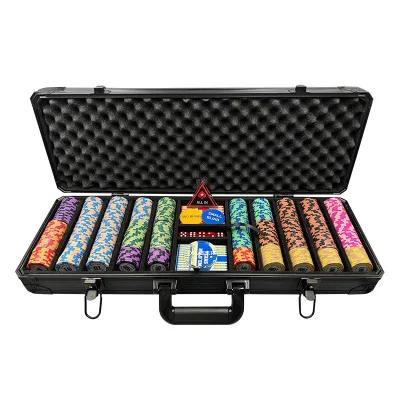
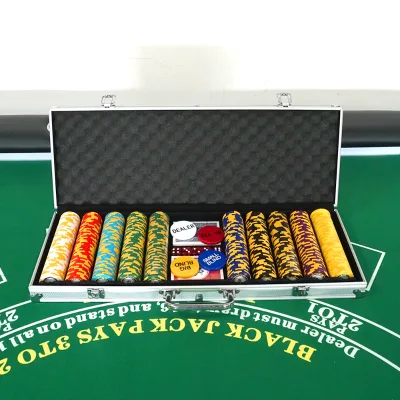
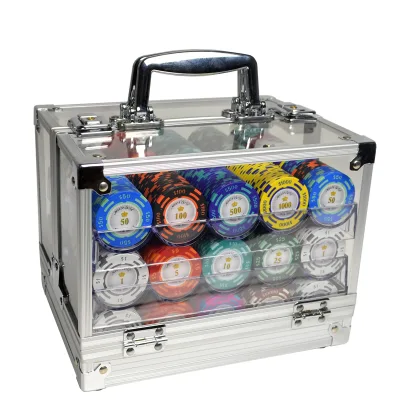
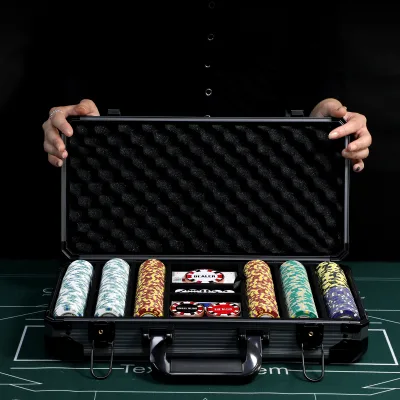
760PCS Gambling Poker Clay Chip Set Clay Casino Chips with Aluminum Case
$405.00 - $425.00
MOQ: 1 Sets


Guangzhou Yinghang Electronic Technology Co., Ltd.
- Verified by SGS Group
- Trading Company
- Lead time15 days
- Avg. response≤ 4h
Main productsCasino Poker Table and Chair, Casino Shuffler Machine, Poker Chips/Poker Shoes, Casino Roulette Wheel
Main marketsNorth America(18%), Southeast Asia(11%), South America(10%)

Cixi Saiturn Leisure Products Co., Ltd.
- Verified by SGS
- Trading Company,Manufacturer/Factory
- China Zhejiang
- Lead time60 days
- Avg. response≤ 2h
Main productsBaby Car Seat, Casino Products, Poker Chip, Poker Table, Bath Tub, Baby Feeding Chair, Poker Chip Set, Baby High Chair, Game Table, Game Set
Main marketsSouth America,Eastern Europe,Mid East,Southeast Asia,Eastern Asia,Western Europe,Africa

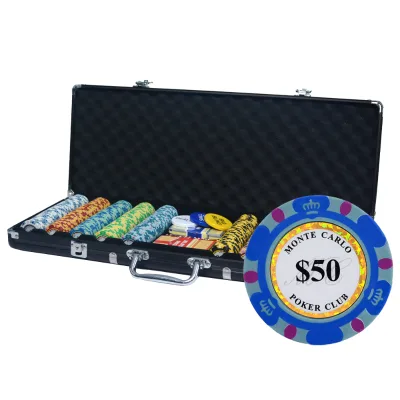
500 Chips Poker Set Poker Chip Set Custom Clay Chips Set with Aluminum Case
$23.00 - $23.50
MOQ: 100 Boxes


Factory Directly Supply 500 Poker Chips ABS Case Carry Ceramic Chips Set for Gambling Game
$95.00 - $98.00
MOQ: 100 Pieces
Shengzhou Kaile Recreation Co., Ltd.
- Verified by Intertek
- Manufacturer, Trading Company
- Lead time30 days
- Avg. response≤ 3h
Main productsDomino, Rummy, Poker Chips, Casino Table, Dice
Main marketsDomestic Market(69%), North America(14%), South America(8%)
Jiaxing EBM Import & Export Co., Ltd.
- Verified by TüVRheinland
- Manufacturer, Trading Company
- Lead time30 days
- Avg. response≤ 5h
Main productsCornhole Game, Chess Game, Puzzle, Wooden Toys, Aluminum Case
Main marketsNorth America(40%), South America(20%), Western Europe(15%)
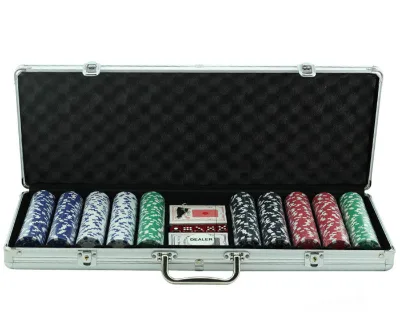
Custom Poker Chips 500pcs 11.5g Dice Poker Chip Set / 14g Clay Poker Chips
$17.6392 - $23.8682
MOQ: 50 sets
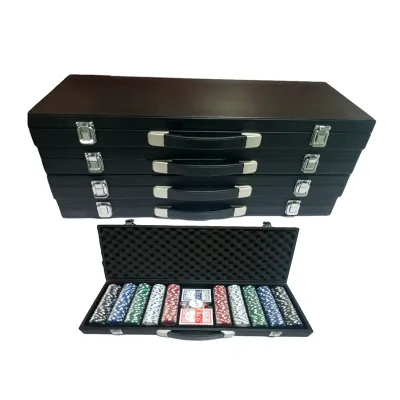
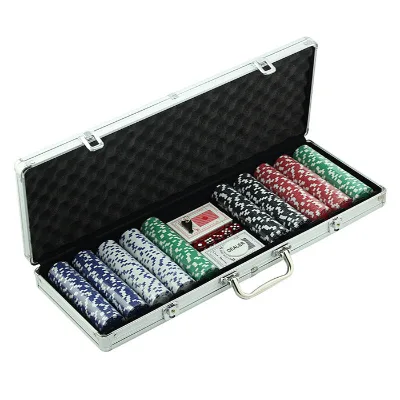
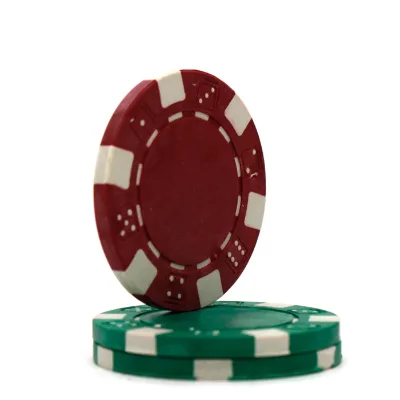
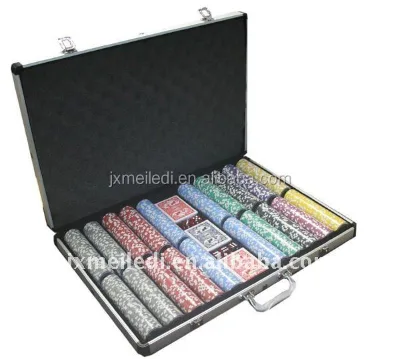
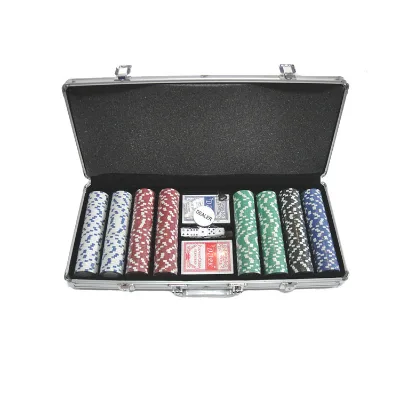
Gambling Paraphernalia 1000sets Custom Casino Poker Chips Clay 14g Poker Chips Box
$47.99 - $55.99
MOQ: 100

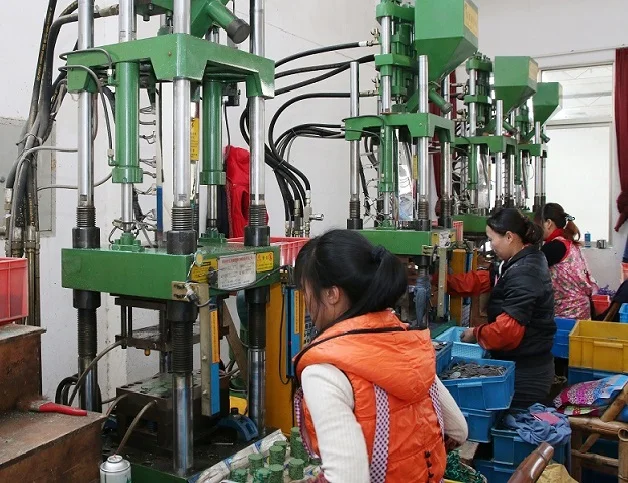
Guangzhou Aobo Technology Industry Co., Ltd.
- Trading Company
- Guangdong, China
- Lead time10 days
- Avg. response≤ 1h
Main productsPoker Card/Casino Table /Poker Chip/Card Shoe/ Casino Chair
Main marketsNorth America(50.00%), Southeast Asia(35.00%), Mid East(10.00%), Africa(5.00%)
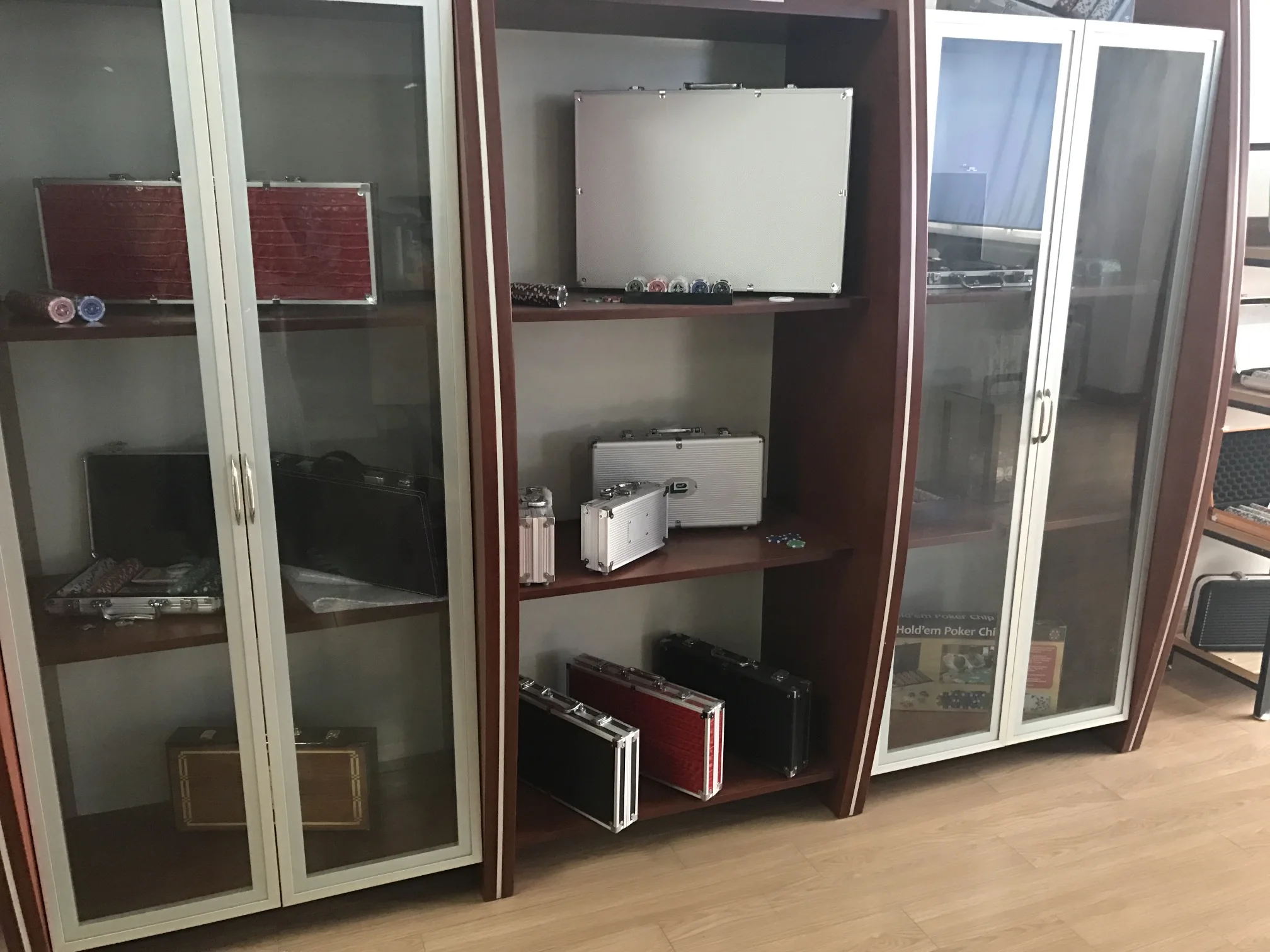
Ningbo Enjoy Casino Imp & Exp Co., Ltd.
- Trading Company
- Zhejiang, China
- Lead time30 days
- Avg. response≤ 13h
Main productsgame poker chips,game poker chips set,game poker table,game poker table top,game poker accessory
Main marketsNorth America(40.00%), Western Europe(20.00%), South America(10.00%), Domestic Market(10.00%), Eastern Europe(10.00%), Oceania(5.00%), Central America(5.00%)
Ningbo Shunlong International Trade Co., Ltd.
- Manufacturer, Trading Company
- Zhejiang, China
- Lead time25 days
- Avg. response≤ 1h
Main productspoker,Entertainment,Indoor Games,Outdoor Games,Gambling
Main marketsWestern Europe(40.00%), North America(20.00%), South America(10.00%), Northern Europe(10.00%), Eastern Europe(10.00%), Domestic Market(5.00%), Eastern Asia(5.00%)
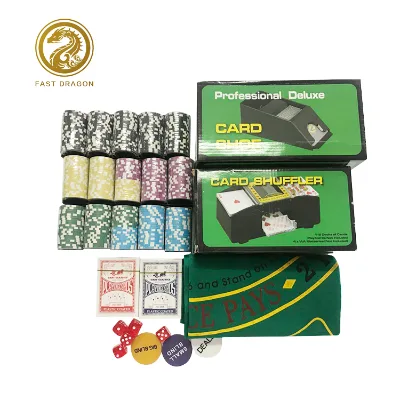
$28.7978 - $79.6509
MOQ: 100 Minimum
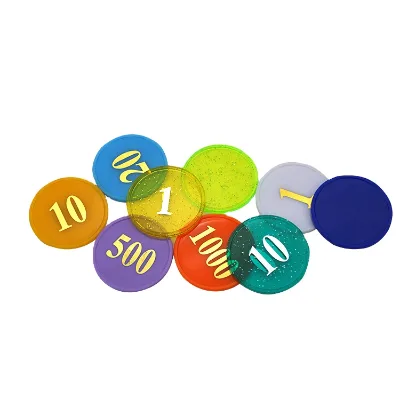
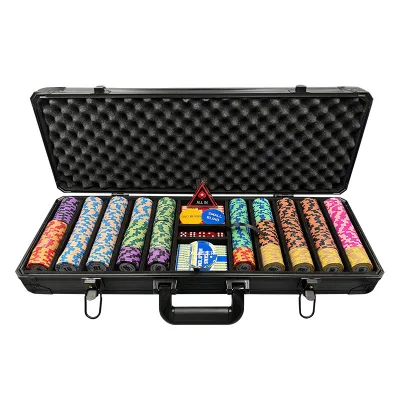
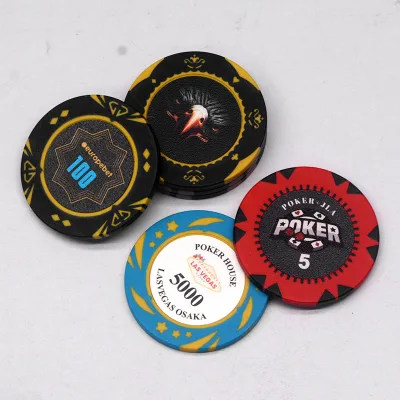
Promotional Colored Oversized Poker Chips Clay Poker Chips With Custom Denominations
$2.30 - $2.50
MOQ: 50 sets
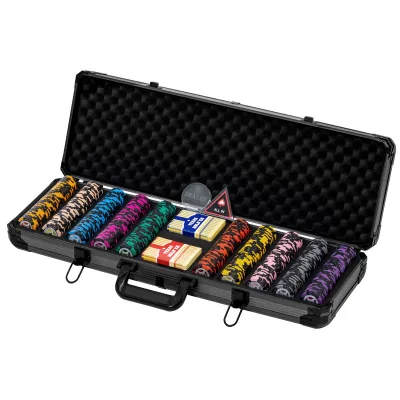
$51.0582 - $81.6928
MOQ: 100 Minimum
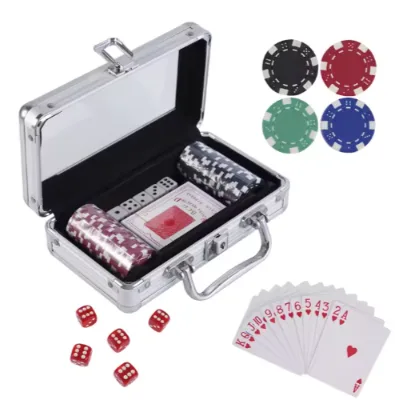
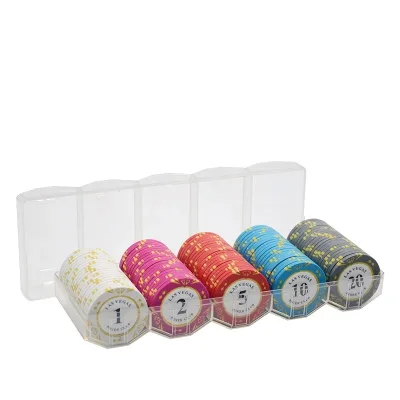
11 Grams Texas Poker Chips Set with Premium Acrylic Case and Tray High Quality Poker Chips
$13.00 - $15.00
MOQ: 100
- Manufacturer, Trading Company
- Guangdong, China
- Lead time20 days
- Avg. response≤ 3h
Main productsBoard Game,Playing Cards,poker accssories,dices,pub games
Main marketsNorth America(35.00%), Domestic Market(20.00%), Mid East(10.00%), Northern Europe(8.00%), Western Europe(5.00%), Eastern Europe(5.00%), Southern Europe(5.00%), Southeast Asia(4.00%), Central America(2.00%), South America(2.00%), Oceania(1.00%), South Asia(1.00%), Africa(1.00%), Eastern Asia(1.00%)

Xiamen Top Packing Industry Co., Ltd.
- Trading Company,Manufacturer/Factory
- China Fujian
- Lead time23 days
- Avg. response≤ 3h
Main productsPackaging Box, Kids Toy, Puzzle, Bag, Casino Supplies, Books/Magazine, Board Game/Playing Card, Office Supply, Photo Frame, Daily Supplies
Main marketsSouth America,Eastern Europe,Mid East,North America,Southeast Asia,Eastern Asia,Oceania,Western Europe,Africa
Guangzhou Ynuo Technology Co., Ltd.
- Manufacturer, Trading Company, Distributor/Wholesaler
- Guangdong, China
- Lead time15 days
- Avg. response≤ 2h
Main productsstorage baskets,kitchen accessories,Baby products,Pet products,Cake Tools
Main marketsSouth America(25.00%), North America(25.00%), Southern Europe(10.00%), Northern Europe(10.00%), Western Europe(10.00%), Eastern Europe(10.00%)

Guangzhou Yinghang Electronic Technology Co., Ltd.
- Verified by TUVRHEINLAND
- Trading Company
- China Guangdong
- Lead time15 days
- Avg. response≤ 24h
Main productsPoker Table, Poker Chip, Casino Table, Gambing Layout, Casino Shuffler Machine, Casino Roulette Wheel, Poker Shoes, Casion Chair
Main marketsOthers(foreignTradeCapacity.exportBusinessCapacityMarketOther),East Asia(Japan/ South Korea),Europe,North America

14G Free Design Gambling Casino Clay Star Poker Chips Set Custom Texas Poker Chips Set
$0.21 - $0.24
MOQ: 1000 Pieces

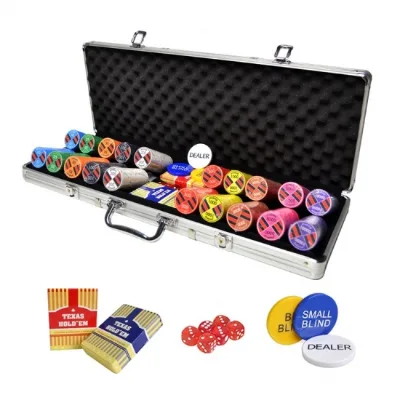
Casino Texas Poker Chips Poker Cards Game Set with Aluminum Case Poker Chips Set
$418.00 - $437.00
MOQ: 1 Sets

Ningbo Fashion Scholar Cultural Commodity Co., Ltd.
- Manufacturer, Trading Company
- Zhejiang, China
- Lead time30 days
- Avg. response≤ 13h
Main productsCORNHOLE GAME,CLIMBING TOYS,PIANO BENCH,LIVING ROOM TABLE,FIREPLACE
Main marketsNorthern Europe(40.00%), North America(40.00%), Southeast Asia(10.00%), Mid East(10.00%)

Shenzhen Jiayi Entertainment Products Co., Ltd.
- Manufacturer
- Guangdong, China
- Lead time10 days
- Avg. response≤ 8h
Main productsGambling,Fitness & Body Building,Other Sports & Entertainment Products,Indoor Sports
Main marketsNorth America(50.00%), Eastern Europe(20.00%), South America(20.00%), Southeast Asia(10.00%)
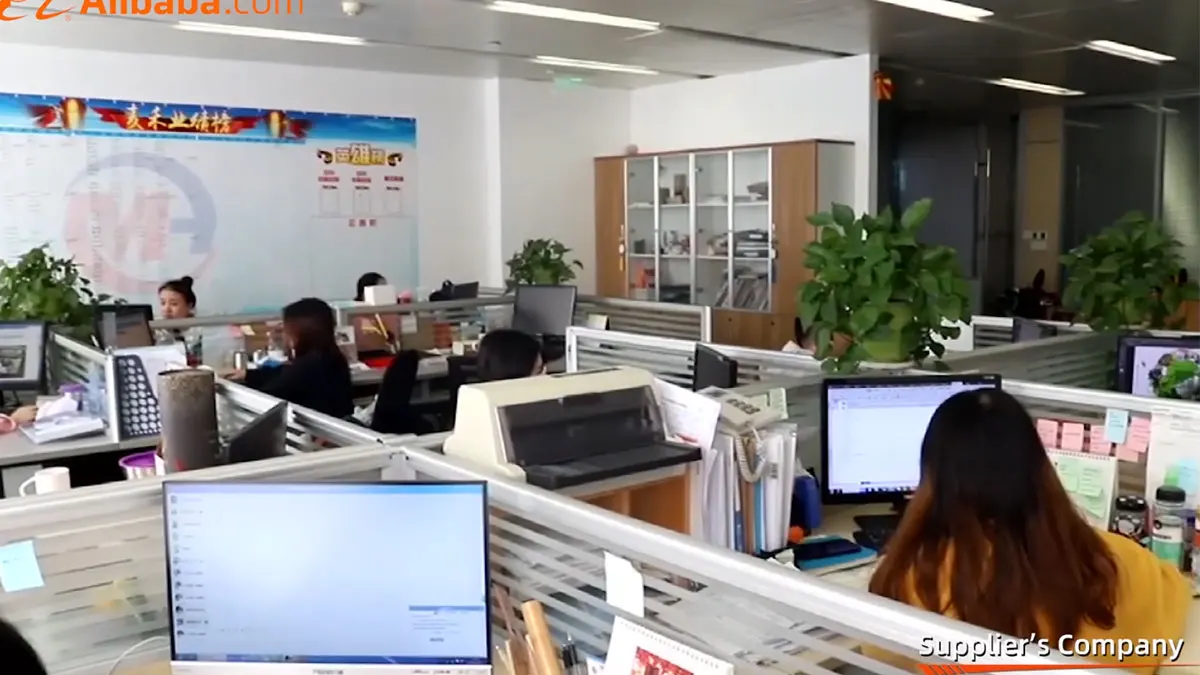
Ningbo Mahoo International Trading Co., Ltd.
- Trading Company
- Zhejiang, China
- Lead time25 days
- Avg. response≤ 10h
Main productsHome&Garden
Main marketsNorth America(60.00%), Northern Europe(4.00%), Central America(4.00%), South Asia(3.00%), Southern Europe(3.00%), Eastern Europe(3.00%), South America(3.00%), Western Europe(3.00%), Eastern Asia(3.00%), Mid East(3.00%), Oceania(3.00%), Africa(3.00%), Southeast Asia(3.00%), Domestic Market(2.00%)
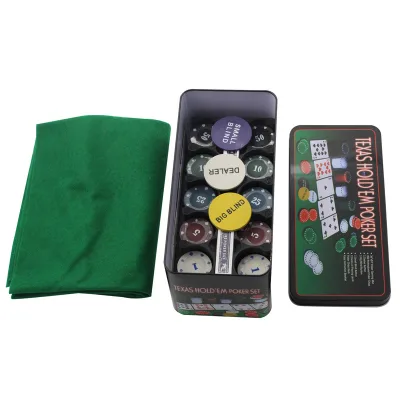
Custom Casino Poker Chips Set Table Entertainment Games Gambling Playing Cards With Chip Case
$2.9745 - $5.6407
MOQ: 100 Minimum
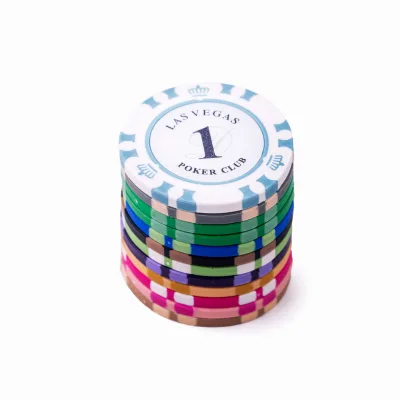
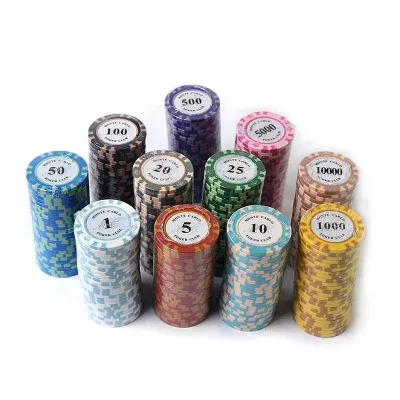
Professional Texas Hold Em Ceramic 500 Gaming Poker Set Chips with a Hard Durable case
$5.50 - $6.90
MOQ: 1000 Minimum
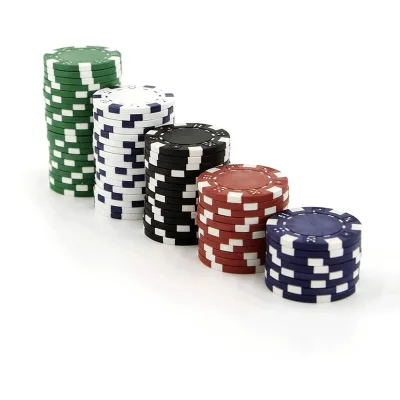
Premium Poker 300 Chips Poker Suitable Texas Hold'em Blackjack Casino Chips
$5.6407 - $7.0763
MOQ: 1000 Minimum

- Trading Company,Manufacturer/Factory
- Hongkong_China Hongkong
- Lead time23 days
- Avg. response≤ 8h
Main productsCustom Paper Puzzle, Packaging Box, Books/Magazine, PU Album, Plastic Ziplock Bag, Paper Bag, Photo Frame, Board Game
Main marketsSouth America,Eastern Europe,North America,Southeast Asia,Eastern Asia,Oceania,Western Europe,Africa

$1.00 - $8.00
MOQ: 1000 set


200 300 500 Piece Texas Poker Chips Set with Leather Case Casino Poker Chip Set
$4.50 - $6.50
MOQ: 30 Pieces
Changsha Xinchuangle Electronic Commerce Co., Ltd.
- Manufacturer, Trading Company
- Hunan, China
- Lead time7 days
- Avg. response≤ 7h
Main productsMahjong,Dice,Domino,Chess,Poker chips
Main marketsNorth America(45.00%), South America(15.00%), Southern Europe(10.00%), Northern Europe(10.00%), Western Europe(10.00%), Oceania(10.00%)
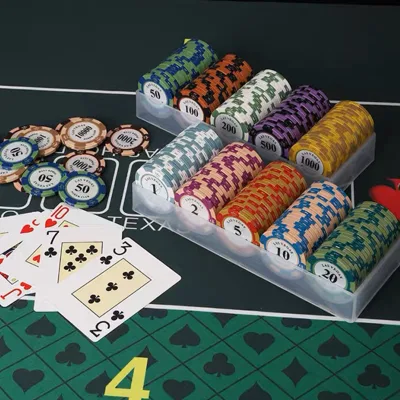
$0.0513 - $0.0615
MOQ: 1 pieces
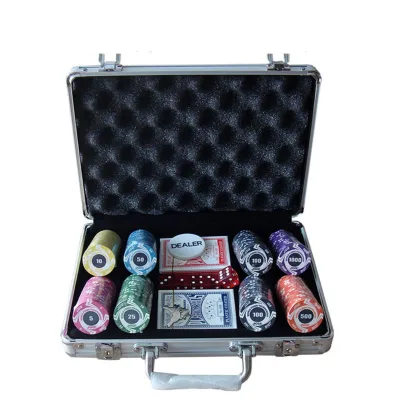
$81.80 - $246.14
MOQ: 2 Minimum
Dongguan Chensheng Printing Co., Ltd.
- Verified by TüVRheinland
- Manufacturer, Trading Company
- Lead time10 days
- Avg. response≤ 3h
Main productsPlaying Card, Card Game, Tarot Card, TCG Card, Flash Card
Main marketsDomestic Market(26%), North America(15%), South America(14%)
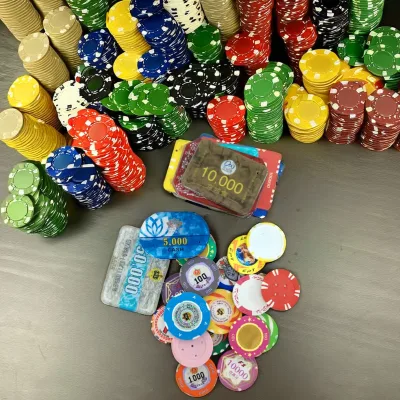
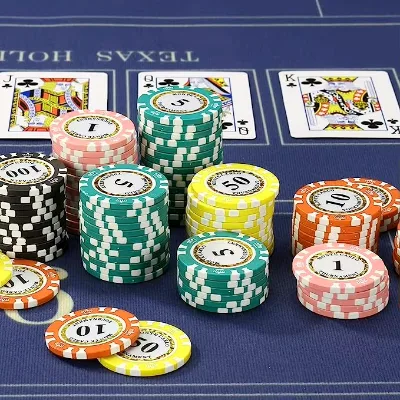
$0.1871 - $0.3623
MOQ: 500 pieces
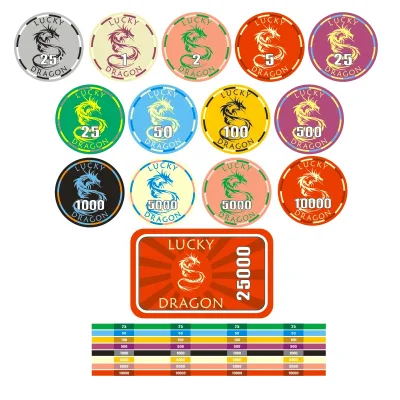
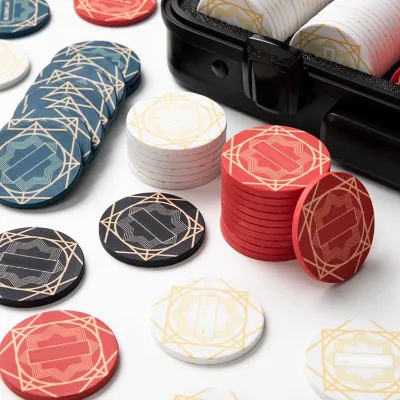
$0.1542 - $0.4326
MOQ: 500 pieces
Guangzhou Beibeiying Technology Co., Ltd.
- Verified by Intertek
- Manufacturer, Trading Company
- Lead time0 days
- Avg. response≤ 2h
Main productsClaw Machine, Game Console, Clipper Machine, Vending Machine, Pinball Machine
Main marketsSoutheast Asia(20%), South America(20%), Eastern Europe(10%)

Cixi Shuangyuan Electric Co., Ltd.
- Verified by BV
- Combined
- China Zhejiang
- Lead time30 days
- Avg. response≤ 25h
Main productsPoker Chip, Poker Chip Set, Poker, Chip, Casino Poker Chip, Sticker Chip, Poker Chips, Casino Chip Set, High Quality Poker Chip, Clay Poker Chip
Main marketsSouth America,Southeast Asia/ Mideast,East Asia(Japan/ South Korea),Domestic,Europe,Australia,North America

Dongguan Glory Plastic Products Co., Ltd.
- Verified by SGS
- Combined
- China Guangdong
- Lead time30 days
- Avg. response≤ 10h
Main productsBoardgame Accessories, Plastic Injection PVC Miniature, Plastic Dice, Products Design & Mould, Game Components, Print and Painting and Packing, Plastic Products Custom Packing, Poly Resin Craft Gift and Toy, Freight and Shipping, Creative Consultation
Main marketsEast Asia(Japan/ South Korea),Domestic

HUIZHOU STX IMPORT AND EXPORT CO., LTD.
- Verified by BV
- Combined
- China Guangdong
- Lead time23 days
- Avg. response≤ 3h
Main productsBilliad Table
Main marketsSouth America,Africa,Southeast Asia/ Mideast,East Asia(Japan/ South Korea),Europe,Australia,North America

Factory Custom Printed Casino Poker Chips for High-End Set Poker Gambling Chip Box
$28.00 - $45.00
MOQ: 200 Sets

Factory Custom Printed Casino Poker Chips for High-End Set Poker Gambling Chip Box. 1
$17.82 - $19.11
MOQ: 200 Sets
Dongguan Chensheng Poker Printing Co., Ltd.
- Verified by SGS Group
- Manufacturer, Trading Company
- Lead time10 days
- Avg. response≤ 2h
Main productsPlaying Card, Card Game, TCG Card, Tarot Card, Flash Card

Dongguan Xinhan Crafts Co., Ltd.
- Verified by BV
- Manufacturer
- China Guangdong
- Lead time23 days
- Avg. response≤ 4h
Main productsCasino Chips, Casino Gaming Tables, Table Cloth


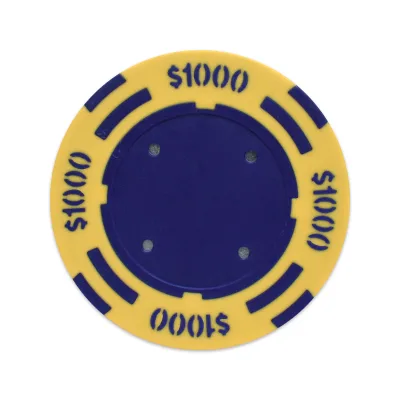
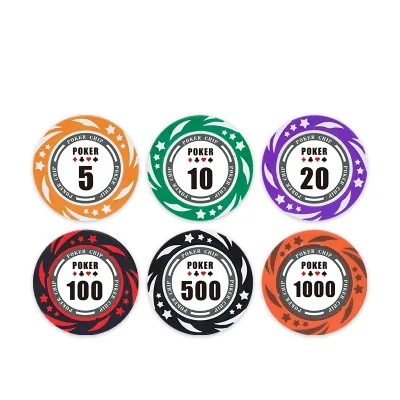
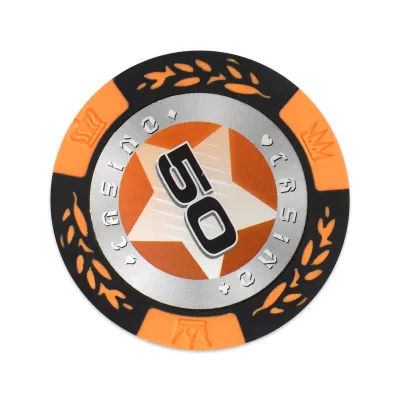
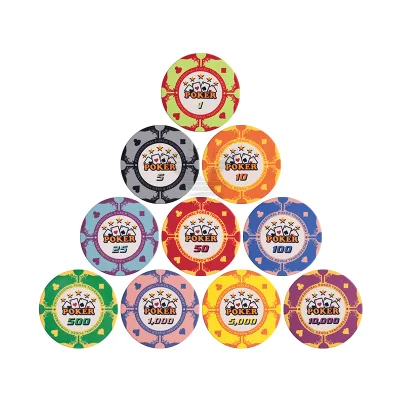



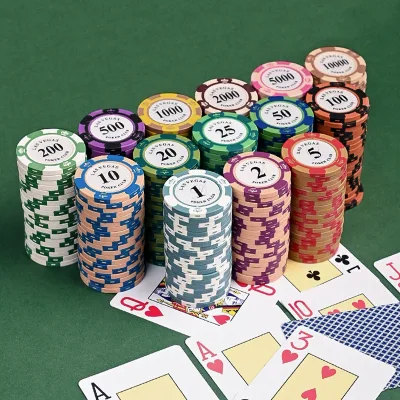
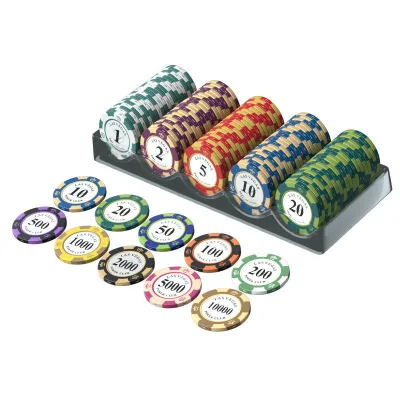
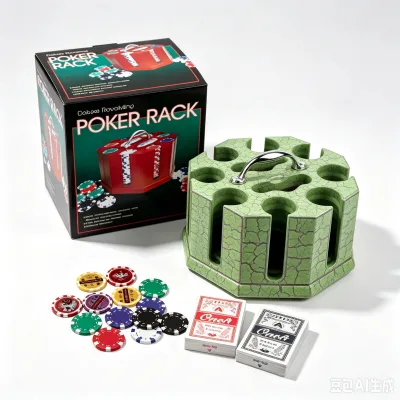
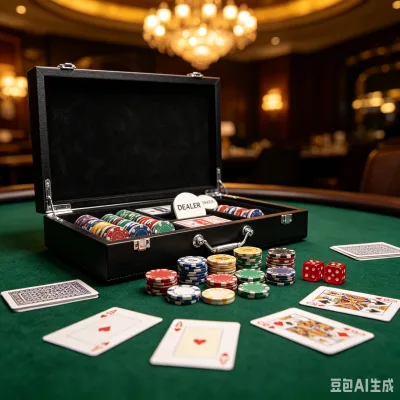




Comprehensive Sourcing Guide
Clay Poker Chip Set Supplier Concentration and Factory Types
Clay Poker Chip Set sourcing currently shows suppliers concentrated in two Chinese provinces in the visible results: Jiangsu and Guangdong. Jiangsu-based listings emphasize playing cards alongside poker chips, tarot decks, and OEM card production, which suggests an integrated paper-goods capability useful if your chip sets include decks of cards. Guangdong suppliers position themselves around casino equipment more broadly—casino tables, gambling tables, card shufflers, dealer shoes, chip trays, RFID casino chips, and casino system software—making them relevant if you plan to source a full gaming environment rather than chips alone. Note that this picture reflects the current page of results; concentration can shift, so treat it as a starting map rather than a permanent fact.
Supplier types also differ in ways that matter. One visible supplier is labeled "Combined," typically indicating both manufacturing and trading capability, while others are labeled "Trading Company," meaning they broker production from factories. Combined-type suppliers in this category advertise ODM and OEM capacity, which matters if you need custom edge spots, denominations, or inlay artwork. Trading companies may offer a wider catalog and faster communication but add a margin layer between you and the actual factory. When evaluating listings, check whether the supplier's main products align with chips specifically or with adjacent categories, verify whether customization is explicitly offered in the product attributes, and decide early whether a manufacturer-direct relationship or a trading intermediary better fits your volume and quality-control needs.
How to Verify Clay Poker Chip Set Suppliers
Verification on this page takes two concrete forms visible in the supplier results. One Jiangsu supplier carries a CTI verification label, and a Guangdong supplier carries an SGS verification label. Both CTI and SGS are recognized testing and inspection organizations, so a verification badge signals that a third party has assessed some aspect of the company—but the badge alone does not tell you what was tested, when, or against which standard. Before relying on it, ask the supplier to specify the scope of the verification and request the underlying report or certificate number so you can confirm it independently. Never assume the badge covers product-level safety or material compliance for the chips themselves.
Beyond the displayed labels, verification should follow the standard diligence path adapted to this category. Request the supplier's business license and cross-check the registered scope against poker chip or gaming products. Ask for factory photos or a live video walkthrough showing chip injection, clay pressing, or stamping equipment, since production method directly affects chip feel and durability. Order a pre-production sample and inspect weight consistency, edge-spot alignment, and print durability under friction. Check whether the supplier states OEM or ODM capacity explicitly, as the visible results do, and confirm who owns the tooling for custom designs. Finally, confirm the legal entity name on quotations matches the entity on the business license, because discrepancies between listing names and registered names are a common warning sign in trading-company arrangements.
What to Compare Across Clay Poker Chip Set Suppliers
Build a comparison table using the attributes actually displayed on supplier pages, but never assume every supplier shows every field. Useful dimensions in the current results include location (Jiangsu versus Guangdong), company type (Combined versus Trading Company), third-party verification (CTI versus SGS), response time, lead time, and main-product lines. Response times vary dramatically here—one supplier reports roughly 12.5 hours and another under 2 hours—so if your project involves rapid design iteration, response speed is a genuine differentiator worth weighting heavily in your shortlist.
Lead times in the visible results range from 15 to 30 days, which affects how you plan launches or restocks. Compare MOQ carefully because it spans an enormous range in this category: one chip-set listing shows an MOQ of just 1 unit, while individual custom chip listings show 2,000 pieces. A low set-level MOQ lets you test a market cheaply, whereas chip-level MOQs of thousands apply when ordering loose custom chips. Price bands also differ by product format—individual chips listed around $0.10–$0.50 each versus complete sets listed from roughly $130 to $425—so normalize comparisons to the same unit type before judging value. Also compare chip specifications in the attributes: visible listings cite 40mm and 42/46/49mm diameters, chip weights of 12g and 14g, ABS versus ceramic materials, and packaging formats such as aluminum cases or wooden cases. Rank suppliers on the fields they actually disclose and flag gaps as questions to ask.
Common Clay Poker Chip Set Sourcing Risks
The largest risk in this category is material substitution. Listings use overlapping labels—clay, ceramic, ABS, composite—that describe very different products, and some visible listings are explicitly plastic despite appearing under clay-related keywords. A "clay chip" quoted far below market expectations may actually be ABS with a clay-like texture. Protect yourself by requesting written material specifications, weight tolerances per chip, and a sample you can physically test before committing. Compare the sample against a chip of known quality, checking edge-spot adhesion, print durability, and the sound chips make when stacked and dropped.
Several other risks deserve attention. Custom artwork ownership is one: when a supplier produces your inlay design or rolling-edge pattern, confirm in writing that tooling and artwork remain yours, especially with ODM arrangements. Set-composition ambiguity is another—listings here describe sets ranging from 600 to 760 pieces with varying case types, so lock the exact chip count, denomination breakdown, case material, and any included playing cards into the purchase contract. Sample-versus-production drift occurs when the approved sample uses different tooling or print settings than mass production; require golden samples to be signed and retained by both parties. Shipping damage is real for sets in aluminum or wooden cases, so specify carton packing and interior cushioning—visible listings note carton packing, but you should confirm internal protection. Finally, treat verification badges as a filter, not a guarantee, and budget time for independent confirmation of any credential before wiring deposits.
Clay Poker Chip Set Regional Sourcing and Logistics
The two visible sourcing provinces offer different logistical profiles. Guangdong hosts major export ports and a deep industrial base in gaming and entertainment equipment, which favors consolidated shipments mixing chips with tables, trays, or shufflers. Jiangsu similarly benefits from proximity to Yangtze Delta export infrastructure and, based on the visible listings, offers combined chip-and-playing-card production, letting one factory supply complete set contents including card decks. Both provinces can ship via full container, less-than-container load, or express for samples, so the practical difference lies in supplier capability and inland freight to port rather than ocean transit.
Plan logistics around the physical weight of the category. Poker chips are dense—a set of hundreds of chips with an aluminum or wooden case can weigh tens of kilograms, and visible listings cite a 19kg set—so freight costs scale quickly and shipping terms materially affect landed cost. Confirm whether quoted prices are ex-works, FOB, or include inland freight, and calculate duty classification for gaming or entertainment articles in your destination market before ordering. For sample stages, express couriers are viable even for heavier sets, but production volumes usually justify sea freight with proper palletization. Lead times of 15 to 30 days in the visible results exclude ocean transit, so add sailing time and customs clearance to your calendar. If you source chips and cases from different suppliers, decide whether consolidated packing happens at the factory or a freight forwarder's warehouse, and confirm who is responsible for final set integrity.
Clay Poker Chip Set Commercial Terms and Order Planning
Structure commercial terms around the deposit-and-balance pattern common in Chinese manufacturing, with the exact split negotiated per supplier. Because customization is explicitly available across most visible listings—logos, custom prints, and ODM/OEM work—tie a meaningful portion of the balance to approval of a golden sample and, for larger orders, to a passing pre-shipment inspection. Clarify what the quote includes: visible listings note that sample shipping costs are borne by the buyer in at least one case, and price bands vary widely, from sub-dollar-per-chip pricing to several-hundred-dollar sets, so normalize every quote to the same specification before comparing.
Order planning should respect the MOQ structure visible on this page. Custom chip orders carry piece-level minimums around 2,000 pieces in the current results, while some complete sets list an MOQ of 1—useful for sampling, retail testing, or small wholesale programs. A practical sequence is to order a low-MOQ set first, validate market demand and quality, then commit to custom-printed chip volumes once designs are final. Budget lead time realistically: 15 to 30 days of production plus transit means a restock decision point roughly two to three months before stock-out. Plan denomination splits carefully, because custom denominations multiply tooling and printing variations. Finally, confirm payment currency, whether escrow or trade assurance is available through your chosen channel, and what happens to tooling costs if you reorder—reorder pricing should exclude repeat tooling fees once molds or print plates already exist.
FAQs
What is the price range for clay poker chip sets?
Prices for poker chip sets vary significantly based on quantity and customization. Basic ceramic chips start around $0.10 per unit with a minimum order of 2000 pieces. Premium casino-grade sets with cases range from $130 to $425 per set, depending on the included quantity and packaging materials.
What are the typical lead times for manufacturing?
Manufacturing lead times generally range from 15 to 30 days depending on the supplier location and order complexity. Suppliers in Guangdong often offer faster turnaround times of approximately 15 days, while those in Jiangsu may require up to 30 days to complete production and quality checks.
Is customization available for poker chip designs?
Yes, customization is widely available for poker chips, including custom logos, colors, and edge inserts. Most suppliers offer OEM and ODM services, allowing buyers to specify unique designs, weights, and materials. Customized options typically require meeting minimum order quantities to justify the production setup costs.
What is the minimum order quantity for these products?
Minimum order quantities vary by product type and supplier. Some suppliers accept orders as low as one set for ready-made inventory, while others require a minimum of 2000 pieces for customized ceramic chips. Buyers should verify specific MOQ requirements with individual suppliers before placing bulk orders.
How quickly do suppliers typically respond to inquiries?
Response times vary among suppliers, with some responding within 1.66 hours and others taking up to 12.55 hours. Faster response times are often associated with trading companies in Guangdong, while combined suppliers in Jiangsu may have slightly longer average response windows for initial inquiries.
What certifications do these suppliers hold?
Suppliers in this category typically hold verification certifications such as CTI and SGS. These verifications indicate that the companies have undergone specific audits regarding their business operations and product quality standards. Buyers should request current certification documents to ensure compliance with their specific sourcing requirements.