Compostable PBAT PLA Stretch Film Suppliers and Manufacturers
Compare 14 verified suppliers of Compostable PBAT PLA Stretch Film by location, response time, lead time, and certifications. Review product specs like elongation and hardness, then request samples to verify quality before placing orders; review the available evidence before requesting comparable quotations from suitable candidates.
Updated
Suppliers List

Fuzhou Yankang Industrial Co., Ltd.
- Verified by SGS
- Trading Company
- China Fujian
- Lead time15 days
- Avg. response≤ 3h
Main productsSparassis Crispa Beta-Glucan, Tremella Polysaccharide
Main marketsDomestic

Anhui Jumei Biological Technology Co., Ltd.
- Verified by SGS
- Combined
- China Anhui
- Lead time15 days
- Avg. response≤ 9h
Main productsCompostable Cling Film, PLA Straw, Cpla Lid, Compostable Bags, Compostable Raw Material, Paper Cutlery, PLA Gloves
Main marketsSouth America,Africa,Southeast Asia/ Mideast,East Asia(Japan/ South Korea),Europe,Australia,North America


Biodegradable Clear Pallet Wrap Non Plastic PLA/Pbat Compostable Stretch Film
$13.50 - $15.20
MOQ: 5000 Rolls

Sustainable Packaging Film Solutions Pbat PLA Compostable Stretch Film Pallet Wrapping Film
$2.43 - $3.56
MOQ: 500 kg

Compostable Packaging Material PLA/Pbat Pallet Protective Stretch Film
$13.50 - $15.20
MOQ: 5000 Rolls


Jiangsu Torise Biomaterials Co., Ltd.
- Verified by TüVRheinland
- Manufacturer, Trading Company
- Lead time25 days
- Avg. response≤ 2h
Main productsCompostable Bags, Bio Material, Compostable Biodegradable Products, Biodegradable Garbage Shopping Bag
Main marketsWestern Europe(32%), Oceania(28%), North America(22%)
$2.259 - $2.5671
MOQ: 1 kilograms
$11.389 - $11.9276
MOQ: 100 rolls

Shandong Top Leader Plastic Packing Co., Ltd.
- Manufacturer/Factory
- China Shandong
- Lead time15 days
- Avg. response≤ 8h
Main productsRigid PVC Film, Pet Film /Sheet, PP Film/Sheet Roll, PS Film /Sheet, PC Film/Sheet, HIPS, Polyvinyl Chloride Film Roll, Pet, PVC, PLA
Main marketsSouth America,Eastern Europe,Mid East,North America,Southeast Asia,Eastern Asia,Oceania,Western Europe,Africa

Food Grade PLA Compostable Food Wrap Cling Film Roll Pbat Biodegradable Clear Cling Film
$3.01 - $3.21
MOQ: 1000 kg


Dongguan Xinhai Environment-Friendly Materials Co., Ltd.
- Verified by TüVRheinland
- Manufacturer, Trading Company
- Lead time15 days
- Avg. response≤ 2h
Main productsBiodegradable Bags, Compostable Bag, Dog Poop Bag, Garbage Bag, Disposable Gloves
Main marketsNorth America(30%), Southeast Asia(25%), Western Europe(15%)
$0.1571 - $0.5206
MOQ: 5000 pieces
PBAT Packaging Stretch Film Roll Pallet Wrap Agriculture Lldpe Stretch Film
$0.1541 - $0.5116
MOQ: 50000 pieces
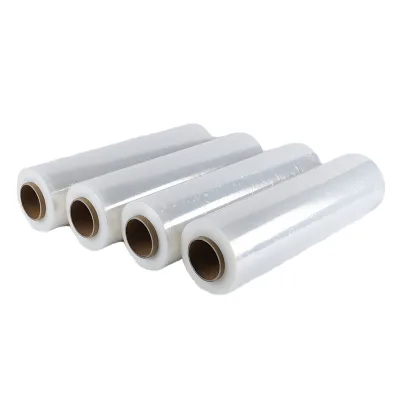
Hot Sale 50CM Packing Film Pallet Stretch Film Factory Transparent PBAT Clear Stretch Film Roll
$0.1571 - $0.5206
MOQ: 50000 pieces
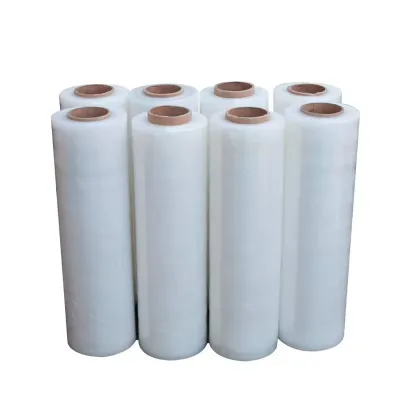
$0.1586 - $0.5251
MOQ: 5000 grams
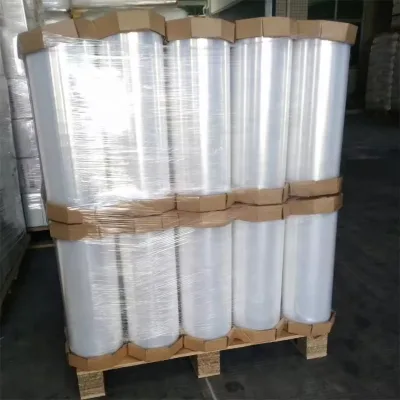
$0.1556 - $0.5176
MOQ: 5000 pieces

Yuanxian High Tech Materials Trading (Tianjin) Co., Ltd.
- Verified by BV
- Trading Company,Manufacturer/Factory
- China Tianjin
- Lead time15 days
- Avg. response≤ 3h
Main productsUltrafiltration Membrane, RO Membrane, Water Treatment Equipment, PC Strand, PC Wire, Anchorages
Main marketsSouth America,Eastern Europe,Mid East,North America,Southeast Asia,Eastern Asia,Oceania,Western Europe,Africa

PLA Pbat Biodegradable Packaging Stretch Film 100% Compostable Plastic-Free Film
$0.03
MOQ: 100000 Pieces


Eco Friendly Biodegradable Stretch Wrap Film PLA Pbat for Logistics Packaging
$0.03
MOQ: 100000 Pieces

Eco Friendly Biodegradable PLA Pbat Pallet Wrapping Stretch Film for Wholesale
$0.03
MOQ: 100000 Pieces

100% Biodegradable and Compostable Film for Industry Packing Custom Dimension Stretch Film
$0.03
MOQ: 100000 Pieces
Shanghai Huiang Industrial Co., Ltd.
- Manufacturer, Trading Company
- Shanghai, China
- Lead time0 days
- Avg. response≤ 2h
Main productsbiodegradable straw,biodegradable product,Technology development in the field of biotechnology,repast product,disposable product
Main marketsNorth America(10.00%), South America(9.00%), Northern Europe(8.00%), Domestic Market(7.00%), Eastern Europe(7.00%), South Asia(7.00%), Central America(7.00%), Eastern Asia(7.00%), Mid East(7.00%), Oceania(7.00%), Africa(7.00%), Southeast Asia(7.00%), Southern Europe(5.00%), Western Europe(5.00%)

Anhui Konghai Environmental protection Technology Co., LTD
- Verified by BV
- Trading Company,Manufacturer/Factory
- China Anhui
- Lead time15 days
- Avg. response≤ 18h
Main productsDisposable Biodegradable Tableware, Disposable Compostable Tableware, Disposable Paper Tableware, Sugarcane Bagasses Tableware, PLA Pet Biodegradable Cup, RPET Shopping Bag, Compost & Biodegradable Takeaway Box, Biodegradable Food Packaging Box, Eco-Friendly Disposable Dinnerware, Disposable Take-out Tableware
Main marketsSouth America,Eastern Europe,Mid East,North America,Southeast Asia,Eastern Asia,Oceania,Western Europe,Africa

Eco-Friendly Compostable Biodegradable Pbat Stretch Film for Sustainable Packaging
$0.001 - $0.009
MOQ: 50000 Pieces

Custom Disposable Biodegradable Compostable Pbat/PLA Stretch Film for Pallet Wrap
$0.001 - $0.009
MOQ: 50000 Pieces

Wholesale Price Biodegradable Compostable Pbat/PLA Stretch Film for Commercial Use
$0.001 - $0.009
MOQ: 50000 Pieces
Anhui Jumei Biological Technology Co., Ltd.
- Manufacturer
- Anhui, China
- Lead time25 days
- Avg. response≤ 4h
Main productsCompostable material,Compostable garbage bag,Compostable shopping bag,Compostable dog poop bag,CPLA lids
Main marketsNorth America(45.00%), Western Europe(12.00%), Northern Europe(11.00%), Southern Europe(8.00%), Oceania(8.00%), Eastern Europe(5.00%), Southeast Asia(4.00%), South Asia(2.00%), Domestic Market(2.00%), Central America(2.00%), South America(1.00%)
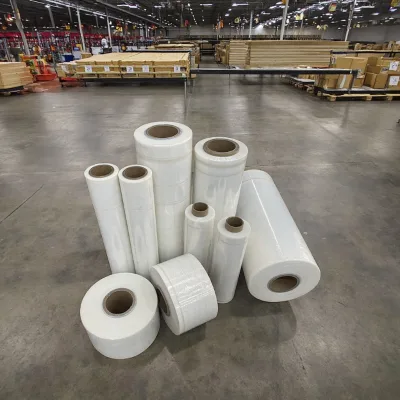
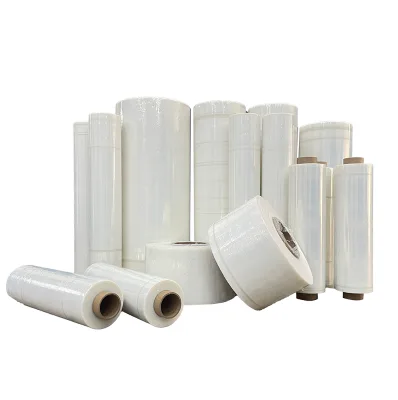
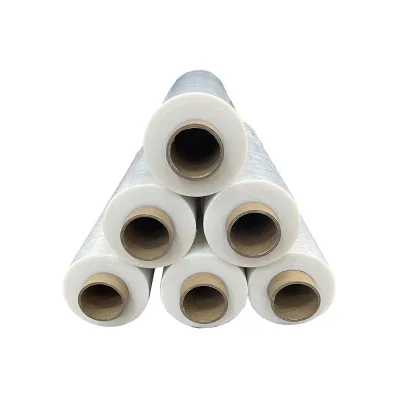
Compostable Transparent PBAT Stretch Film for Hand Use and Eco-Friendly Wrapping
$2.9322
MOQ: 500 Minimum

Shanghai Huiang Industrial Co., Ltd.
- Manufacturer, Trading Company
- Lead time旺季: "1 - 100":15,"101 - 1000":25,"> 1000":"To be negotiated", 淡季: "1 - 100":15,"101 - 1000":25,"> 1000":"To be negotiated"
- Avg. response≤ 3h
Main productsPLA Cup, PLA Straw, PLA Cutlery, PLA Resin, Biodegradable Bags
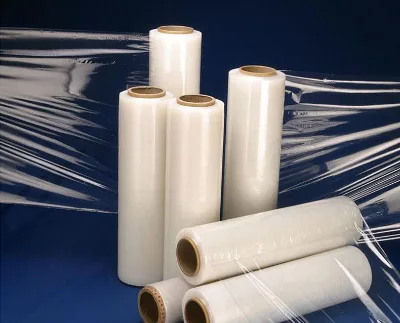
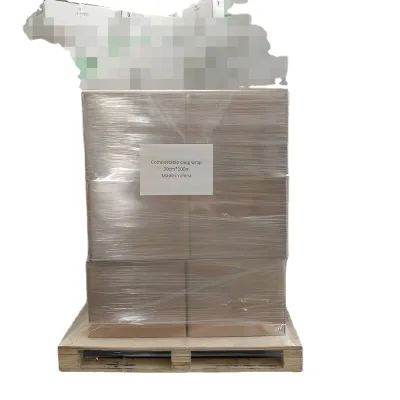
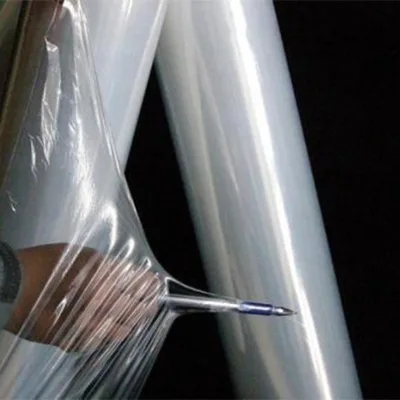
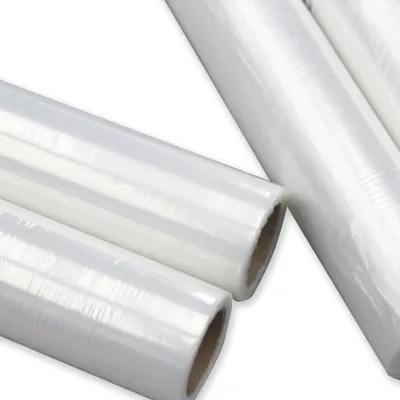
30cm 30m PLA Stretch Film 10mic Household Soft Food Grade Clear Cling Film With Box for Supermarket
$5.80 - $6.76
MOQ: 300 kilograms
Anhui Jumei Biological Technology Co., Ltd.
- Manufacturer, Trading Company
- Lead time旺季: "1 - 5000":16,"> 5000":"To be negotiated", 淡季: "1 - 5000":16,"> 5000":"To be negotiated"
- Avg. response≤ 6h
Main productsCompostable resin,PLA straw,Compostable bagS,Compostable cling wrap,CPLA lids
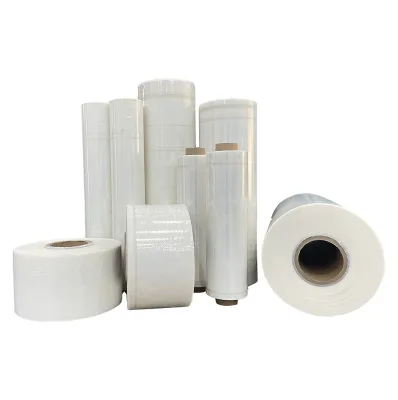
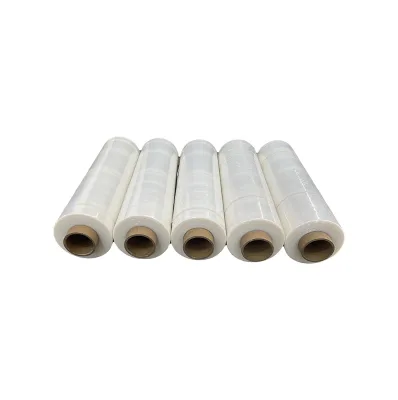
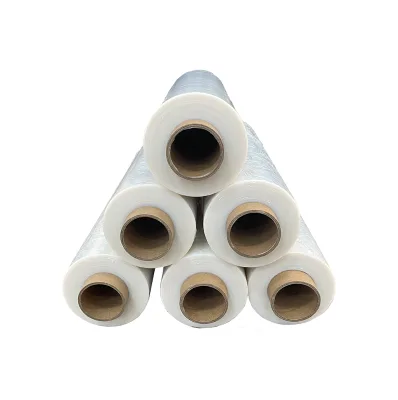
$2.57 - $2.86
MOQ: 500 kilograms

Nanjing Jinhuigu Industrial Trade Co., Ltd.
- Verified by SGS
- Trading Company,Manufacturer/Factory
- China Jiangsu
- Lead time23 days
- Avg. response≤ 4h
Main productsShrink Packing Machine, Stretch Film, Shrink Film, Cling Film, Barrier Shrink Film, POF Shrink Film, Film Blowing Machine, Bag Making Machine, Wrapping Machine, Packing Machine
Main marketsSouth America,Eastern Europe,Mid East,North America,Southeast Asia,Eastern Asia,Oceania,Western Europe,Africa


Customized Pbat+PLA 100% Biodegradable Compostable Food Grade Cling Wrap Film
$6.20 - $6.50
MOQ: 3000 kg

Xiamen Ameson New Material Inc.
- Verified by Intertek
- Manufacturer, Trading Company
- Lead time7 days
- Avg. response≤ 3h
Main productsAir Cushion Machine, Water Activated Tape Dispenser, Paper Cushion Packaging, Foam in Place, Protective Packaging
Main marketsDomestic Market(40%), Eastern Asia(12%), Eastern Europe(10%)
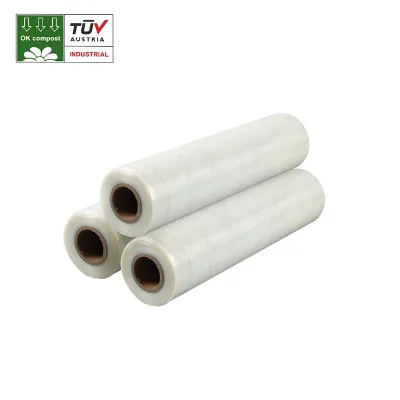
Ameson Eco Friendly Biodegradable Stretch Film Pallet Shrink Wrap Packing
$6.0094 - $7.1494
MOQ: 100 kilograms

Shandong Jinghe New Materials Co., Ltd
- Verified by SGS
- Trading Company
- China Shandong
- Lead time15 days
- Avg. response≤ 3h
Main marketsAfrica

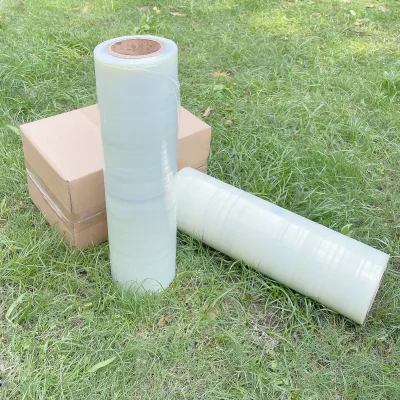
Compostable Stretch Film Pbat+PLA 25μm Ok Compost for EU Industrial Supply Chain
$0.98 - $1.98
MOQ: 1000 Rolls

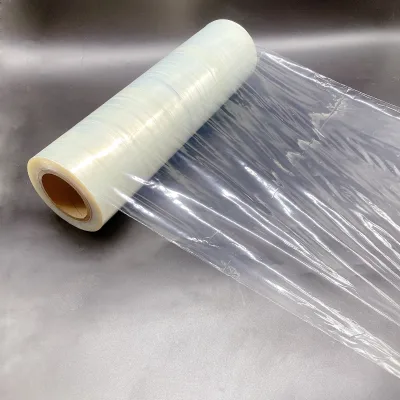
Biodegradable Stretch Film Pbat+PLA 20μm En13432 Certified for Eco-Friendly Logistics Europe
$1.30 - $1.90
MOQ: 1000 Rolls


Comprehensive Sourcing Guide
Compostable PBAT PLA Stretch Film Supplier Concentration and Factory Types
The current supplier landscape for Compostable PBAT PLA Stretch Film reveals a distinct geographic concentration in China, with specific manufacturing hubs identified in Fujian and Anhui provinces. Suppliers located in Fujian often operate as trading companies, which may influence the directness of factory communication and the flexibility of production scheduling. In contrast, suppliers based in Anhui are frequently categorized as combined entities or manufacturers, potentially offering more direct access to production lines and raw material sourcing capabilities. This regional distinction is critical for buyers evaluating the supply chain structure, as trading companies might add a layer of markup or logistical complexity compared to direct factory sources. The presence of these specific locations suggests that buyers should prioritize suppliers with verified physical addresses in these regions to ensure authenticity and reduce the risk of intermediary markups. Understanding the factory type is equally important; trading companies may offer a broader range of products but less control over specific manufacturing processes, whereas combined or manufacturer entities often provide better customization options for film thickness, width, and biodegradability certifications. Buyers must carefully assess whether their priority lies in product variety or manufacturing control, as this will dictate whether they engage with a trading company or a direct producer. The concentration in these two provinces indicates a mature ecosystem for biodegradable plastic production, but it also requires due diligence to distinguish between genuine manufacturers and resellers.
Beyond geography, the type of company significantly impacts the sourcing experience and product quality assurance. Suppliers identified as trading companies may have less direct oversight over the blow molding or casting processes used to create the stretch film, potentially leading to inconsistencies in material properties like elongation and clingness. On the other hand, combined or manufacturer-type suppliers often possess in-house R&D capabilities, allowing for OEM and ODM services that are crucial for brands seeking custom logos, sizes, or specific biodegradable standards. The main products listed by these suppliers, such as PLA straws, compostable bags, and raw materials, suggest a diversified portfolio that can offer synergies in sourcing multiple eco-friendly packaging solutions from a single partner. However, buyers should verify if the supplier’s primary focus is stretch film or if it is a secondary product line, as this affects their expertise and inventory depth. The verification status, such as SGS certification for some suppliers, provides an additional layer of trust, indicating that third-party audits have confirmed their business legitimacy and operational standards. This verification is particularly important when dealing with trading companies, where the risk of misrepresentation is higher. By aligning the supplier type with their specific needs for customization, quality control, and direct communication, buyers can make more informed decisions that align with their long-term sourcing strategies and brand integrity goals.
How to Verify Compostable PBAT PLA Stretch Film Suppliers
Verifying the authenticity and capability of Compostable PBAT PLA Stretch Film suppliers requires a multi-layered approach that goes beyond basic profile reviews. Buyers should prioritize suppliers who hold recognized third-party verifications, such as SGS, which confirms the legitimacy of the business entity and its operational practices. This verification is a critical first step in establishing trust, especially when dealing with trading companies that may not have direct manufacturing facilities. Additionally, checking for system certifications like ISO9001:2015 is essential, as it indicates that the supplier adheres to international quality management standards. For biodegradable products, specific product certifications such as Bpi&DIN Certco are vital to ensure that the film meets actual compostability standards rather than just being marketed as such. Buyers must request and validate these certificates directly with the issuing bodies to avoid fraudulent documentation. The presence of these certifications is a strong indicator of a supplier’s commitment to quality and regulatory compliance, which is crucial for maintaining brand reputation in the eco-friendly packaging sector. Without these verifications, buyers risk sourcing products that do not meet their sustainability claims, leading to potential legal and reputational damages.
Beyond certifications, buyers should actively engage with suppliers to assess their responsiveness and technical expertise. The response time is a key metric for evaluating supplier reliability; for instance, a response time of 2.62 hours suggests a highly responsive team, while 8.23 hours may indicate slower communication that could delay critical decisions. Buyers should test this responsiveness by asking detailed technical questions about the film’s properties, such as elongation rates, hardness, and processing types like blow molding or casting. Suppliers who provide prompt, detailed, and accurate answers are more likely to be reliable partners. Furthermore, buyers should inquire about sample availability, as many suppliers offer free samples or low-cost trial rolls to allow for physical testing. Evaluating the sample’s quality, including its transparency, moisture proofing, and actual biodegradability, is the most effective way to verify product claims. Buyers should also check if the supplier offers OEM/ODM services, such as custom logos or sizes, which indicates a higher level of manufacturing flexibility. By combining verification of credentials with direct interaction and sample testing, buyers can build a robust assessment framework that minimizes risk and ensures they partner with suppliers who can deliver on their promises.
What to Compare Across Compostable PBAT PLA Stretch Film Suppliers
When evaluating multiple suppliers for Compostable PBAT PLA Stretch Film, buyers must compare a range of operational and commercial metrics to identify the best fit for their needs. Lead time is a critical factor, with some suppliers offering 15-day turnaround times while others may require 20-25 days. This difference can significantly impact inventory management and order fulfillment, especially for time-sensitive projects. Buyers should also compare the Minimum Order Quantity (MOQ), which varies from 500 units to 1000 units or even 100kgs for samples. Lower MOQs are beneficial for testing new markets or small batch production, while higher MOQs may offer better unit economics for large-scale operations. Price is another key comparison point, with costs ranging from approximately $2.43 to $15.20 per unit, depending on specifications, quantity, and supplier type. Buyers should analyze these prices in the context of the MOQ and lead time to determine the true total cost of ownership. Additionally, comparing the main products offered by each supplier can reveal their specialization; some may focus exclusively on stretch film, while others offer a broader range of biodegradable packaging solutions. This diversification can be advantageous for buyers seeking a one-stop-shop for their packaging needs.
Beyond basic metrics, buyers should compare the technical specifications and customization options available from each supplier. The processing type, whether blow molding or casting, affects the film’s final properties, such as clarity and strength. Buyers should also compare the available widths, thicknesses, and elongation rates, which typically range from 500% to 800%. Suppliers offering custom sizes, such as 35cm to 70cm widths, provide greater flexibility for different packaging applications. The hardness of the film, described as rigid or soft, is another important differentiator that impacts usability in hand versus machine applications. Buyers should also compare the packaging options, such as carton boxes or pallet wraps, which can affect shipping costs and storage efficiency. Furthermore, the availability of features like moisture proofing, water solubility, and strong clingness should be evaluated against specific product requirements. By systematically comparing these technical and commercial attributes, buyers can create a weighted scoring model to objectively rank suppliers. This data-driven approach ensures that the final selection is based on comprehensive criteria rather than superficial impressions, leading to more successful and sustainable sourcing outcomes.
Common Compostable PBAT PLA Stretch Film Sourcing Risks
Sourcing Compostable PBAT PLA Stretch Film carries inherent risks related to product authenticity and supply chain transparency. One major risk is the misrepresentation of biodegradability claims; not all films labeled as compostable meet international standards like EN13432 or Bpi&DIN Certco. Buyers who fail to verify these certifications may end up with products that do not decompose as promised, leading to greenwashing accusations and regulatory penalties. Another significant risk is the discrepancy between sample quality and bulk production. Suppliers may provide high-quality samples that do not reflect the consistency of mass-produced batches, particularly if the supplier is a trading company with limited control over manufacturing. This inconsistency can result in production delays or product failures for the buyer. Additionally, the use of mixed materials, such as PLA and Pbat blends, requires careful verification to ensure that the final product is truly compostable and not just biodegradable in specific conditions. Buyers must be vigilant in requesting detailed material composition data and third-party test reports to mitigate these risks.
Logistical and communication risks are also prevalent in this sourcing category. Delays in lead times, such as the difference between 15-day and 25-day production windows, can disrupt supply chains and increase inventory holding costs. Slow response times, indicated by metrics like 8.23 hours, can hinder effective problem-solving and negotiation. Furthermore, trading companies may introduce additional layers of complexity, such as unclear ownership of intellectual property or inconsistent quality control standards. Buyers should also be aware of the risk of hidden costs, such as high shipping fees for bulky film rolls or unexpected customs duties. The variability in MOQs, from 500 to 1000 units, can also pose a risk if the buyer’s demand does not align with the supplier’s minimums, leading to excess inventory or stockouts. To mitigate these risks, buyers should establish clear communication protocols, conduct regular quality audits, and diversify their supplier base. By proactively identifying and addressing these potential pitfalls, buyers can build a more resilient and reliable sourcing strategy for compostable stretch film.
Compostable PBAT PLA Stretch Film Regional Sourcing and Logistics
The geographic concentration of suppliers in Fujian and Anhui provinces in China presents both opportunities and challenges for international buyers. Sourcing from these regions allows buyers to benefit from established manufacturing clusters that specialize in biodegradable plastics, offering competitive pricing and a wide range of product options. However, buyers must carefully consider the logistical implications of shipping from these specific locations. Fujian, being a coastal province, may offer more direct access to major shipping ports, potentially reducing transit times and costs for ocean freight. In contrast, Anhui, located inland, may require additional land transportation to reach coastal ports, which could increase lead times and logistics complexity. Buyers should evaluate the supplier’s location in the context of their own distribution network to optimize shipping routes and costs. Additionally, the type of supplier, whether trading company or manufacturer, can impact the efficiency of logistics. Manufacturers may have more direct control over packaging and shipping arrangements, while trading companies may rely on third-party logistics providers, introducing potential variability in service quality.
Beyond logistics, buyers should consider the regional expertise and infrastructure available in these sourcing hubs. Suppliers in Fujian and Anhui are likely to have extensive experience in exporting biodegradable products, which can facilitate smoother customs clearance and compliance with international regulations. However, buyers must still verify that the suppliers are familiar with the specific import requirements of their target markets, such as the EU or North America. The availability of local support services, such as quality inspection agencies and freight forwarders, can also enhance the sourcing experience. Buyers should inquire about the supplier’s experience with international shipping and their ability to handle documentation, such as certificates of origin and biodegradability certificates. Furthermore, the regional concentration of suppliers may lead to increased competition, which can drive down prices and improve service levels. However, buyers should also be aware of the potential for capacity constraints during peak seasons, which could affect lead times. By understanding the regional dynamics and logistical nuances, buyers can make more informed decisions that balance cost, speed, and reliability in their sourcing strategy.
Compostable P
FAQs
What is the typical lead time for compostable PLA PBAT stretch film orders?
Manufacturers in China generally require 15 to 25 days to produce and ship compostable stretch film orders. Specific timelines depend on order volume and customization needs, with some suppliers offering faster turnaround for standard sizes. Buyers should confirm exact delivery windows during negotiation to ensure supply chain alignment.
What are the minimum order quantities for biodegradable pallet wrap?
Minimum order quantities vary significantly by supplier, ranging from 500 kilograms to 1000 kilograms for bulk purchases. Some vendors accept smaller sample orders of 100 kilograms or even a single roll for evaluation. Buyers must verify the specific MOQ with each manufacturer before placing a commitment to avoid excess inventory costs.
Which certifications verify the compostability of PLA PBAT stretch film?
Reputable suppliers provide certifications such as Bpi and DIN Certco to verify the compostability of their PLA PBAT stretch film. Additionally, some products meet En13432 standards for biodegradable pallet wrap. Buyers should request these specific certificates to ensure the material meets international composting requirements and regulatory compliance for sustainable packaging.
What is the price range for compostable stretch wrapping film?
Prices for compostable stretch film typically range from 2.43 to 15.20 per unit, depending on specifications and volume. Some standard products are priced around 0.10 per unit, while specialized industrial films may cost up to 10.00 per unit. Buyers should compare quotes based on thickness, width, and total quantity to find the best value.
Where are the primary manufacturing locations for these biodegradable films?
Major manufacturing hubs for compostable PLA PBAT stretch film are located in Fujian and Anhui provinces in China. These regions host both trading companies and combined manufacturing entities specializing in biodegradable packaging solutions. Buyers can source directly from these locations to benefit from established supply chains and specialized production capabilities for eco-friendly films.
What processing methods are used to make biodegradable stretch film?
Biodegradable stretch film is primarily manufactured using blow molding and casting processing methods. These techniques allow for the production of films with varying hardness, transparency, and elongation properties suitable for packaging and agriculture. Buyers can choose between rigid or soft film options based on their specific application requirements for pallet wrapping or industrial use.