Cooling Car Radiator Fan Suppliers and Manufacturers
Find 18 verified Cooling Car Radiator Fan suppliers offering products with 12V or 24V voltage and 80W to 180W power options. Compare response times, lead times, and warranty terms before requesting quotes for universal or specific car models; review the available evidence before requesting comparable quotations from suitable candidates.
Updated
Suppliers List
- Verified by TüVRheinland
- Trading Company
- Lead time20 days
- Avg. response≤ 3h
Main productsAuto AC Compressor, Auto AC Condenser, Auto AC Evaporator, Condenser Fan, Auto AC Parts
Main marketsSouth America(30%), Mid East(25%), North America(10%)
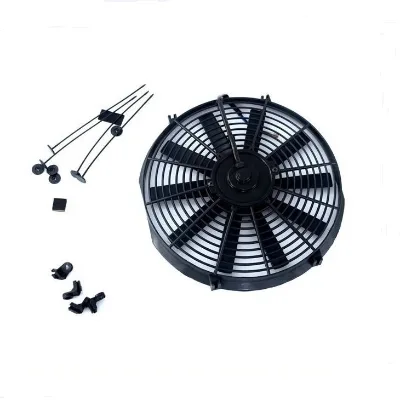
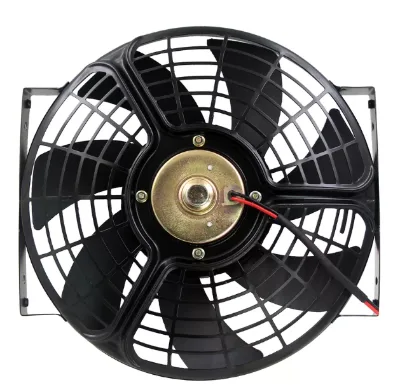
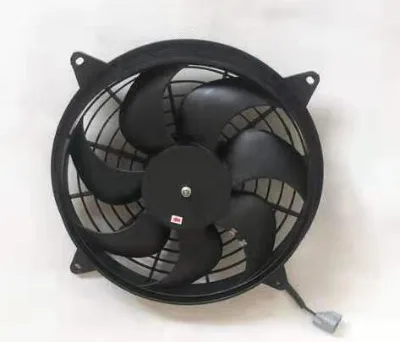
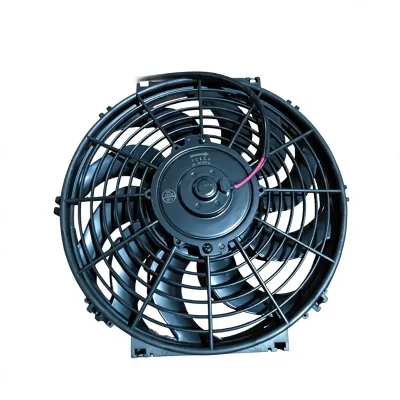
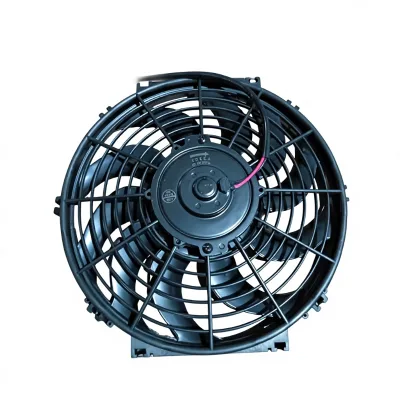
12'' Curve Blade Auto Radiator Cooling Fan
$20.00 - $30.00
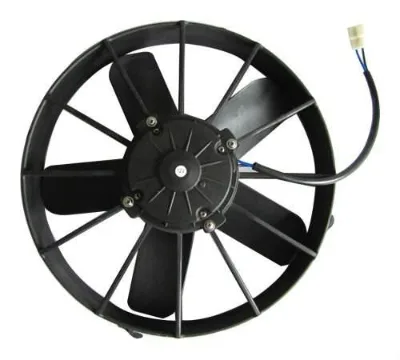
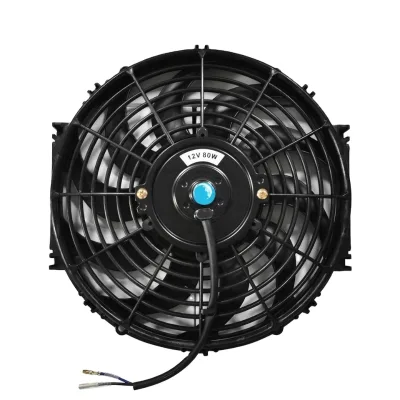
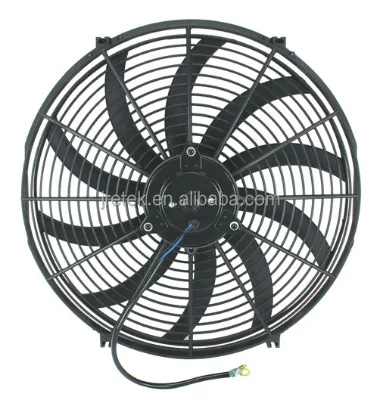
Ningbo Mandy Auto Parts Co., Ltd.
- Trading Company
- Zhejiang, China
- Lead time15 days
- Avg. response≤ 4h
Main productsAuto Parts, Hardware Products, Plastic Parts, Sealing Element, Tools
Main marketsEastern Europe(40.00%), Western Europe(20.00%), North America(10.00%), South America(10.00%), Mid East(10.00%), Southeast Asia(10.00%)
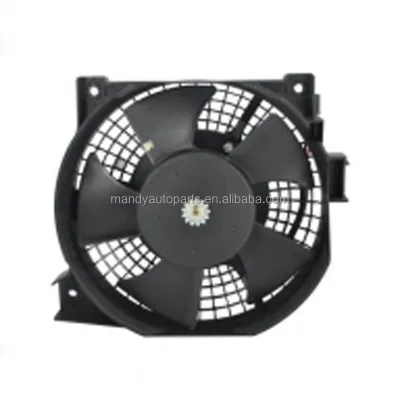
High Quality Car Radiator Electronic Fan for SUZUKI SUV the Other Auto Parts
$28.7883 - $30.8449
MOQ: 20 pieces
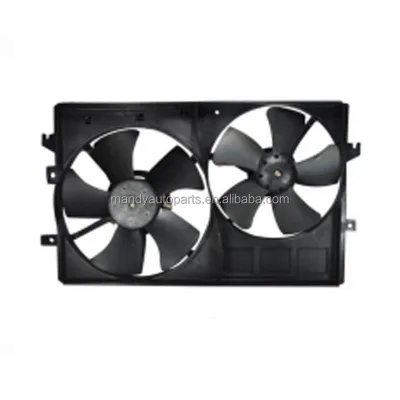
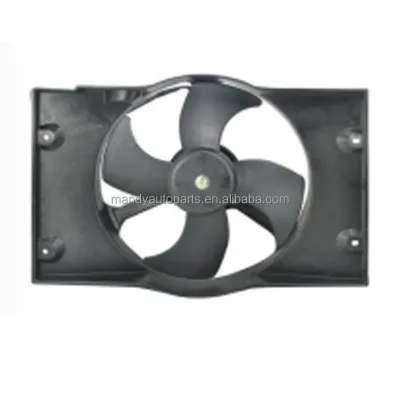
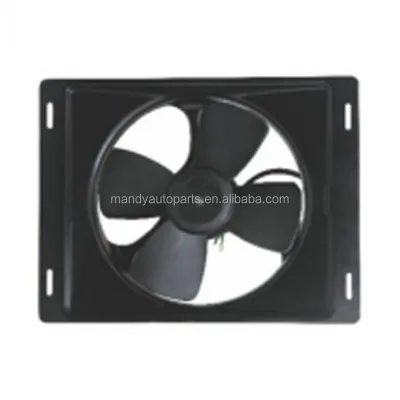
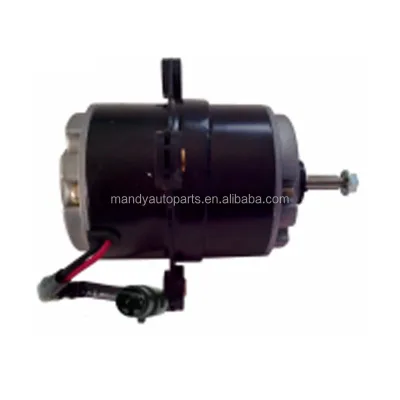
Guangzhou Kingan Auto Parts Co., Limited
- Verified by Intertek
- Trading Company
- Lead time10 days
- Avg. response≤ 3h
Main productsEddy Current Brake Retarder, Condenser Fan, Evaporator Blower, Retarder Relay Box, Car Parking Heater
Main marketsSoutheast Asia(23%), North America(13%), Eastern Europe(10%)
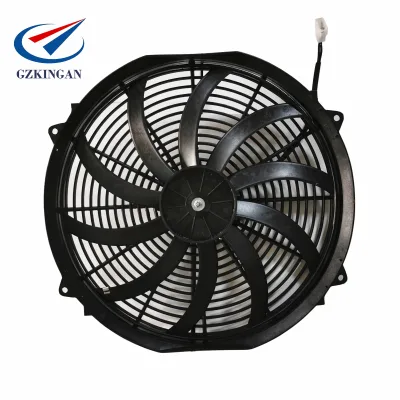
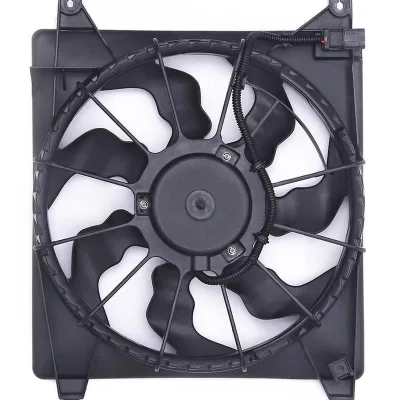
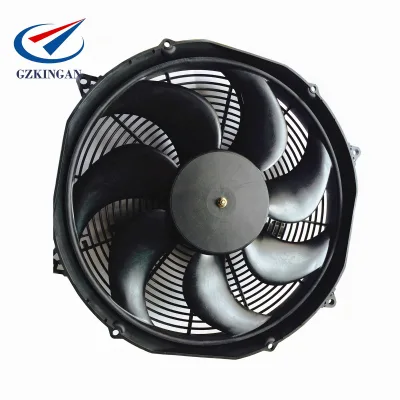
16 Inches Engine Cooler Fan Big Flow Volume Radiator Fan
$56.50 - $57.50
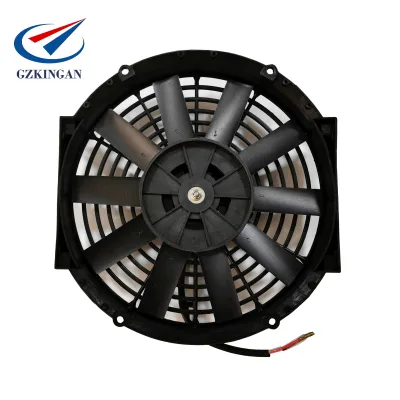

- Trading Company
- China Shandong
- Lead time30 days
- Avg. response≤ 8h
Main productsTemperature Sensor
Main marketsSouth America,Europe,North America

Henan Young Flying Elephant International Trade Co. Ltd
- Trading Company
- Henan, China
- Lead time15 days
- Avg. response≤ 3h
Main productsAuto parts,New energy auto parts,Automotive sheet metal parts,Automobile exterior parts,Automobile chassis
Main marketsDomestic Market(28.00%), Mid East(9.00%), Southeast Asia(8.00%), Northern Europe(7.00%), South America(6.00%), North America(6.00%), Western Europe(6.00%), Eastern Europe(5.00%), Central America(5.00%), Africa(5.00%), Southern Europe(5.00%), South Asia(4.00%), Oceania(3.00%), Eastern Asia(3.00%)
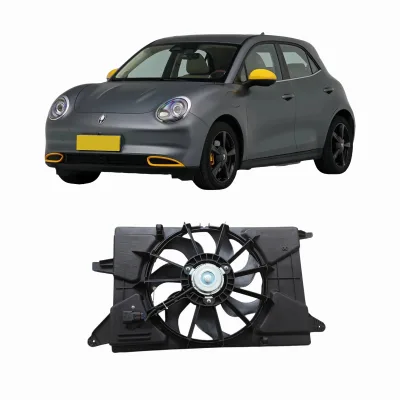
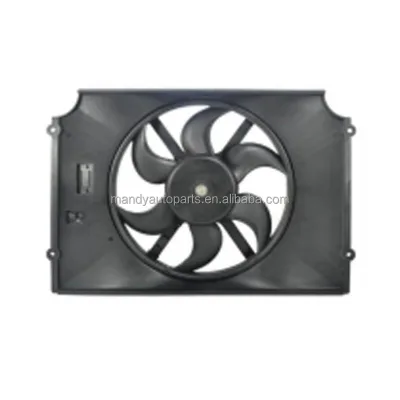
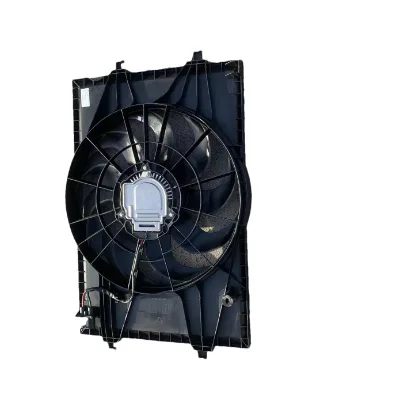
Car Cooling System Radiator Fan Electrical Fan for Ora Funky Cat Ora Cat Car GT
$36.0599
MOQ: 5 Minimum

Hangzhou Yuqi Industrial Technology Co., Ltd.
- Verified by CTI
- Trading Company
- China Zhejiang
- Lead time15 days
- Avg. response≤ 10h
- Verified by Intertek
- Trading Company
- Lead time20 days
- Avg. response≤ 2h
Main productsWire Tube Condenser, Roll Bond Evaporator, Compressor, Temperature Controller, Pipe Insulation
Main marketsSouth America(30%), Southeast Asia(20%), South Asia(20%)
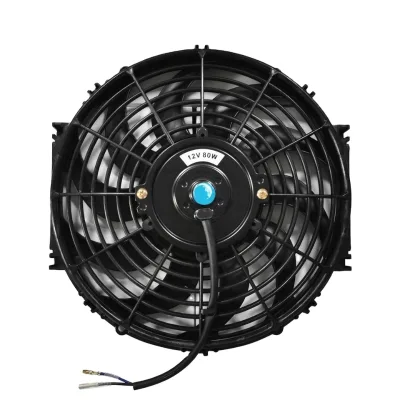
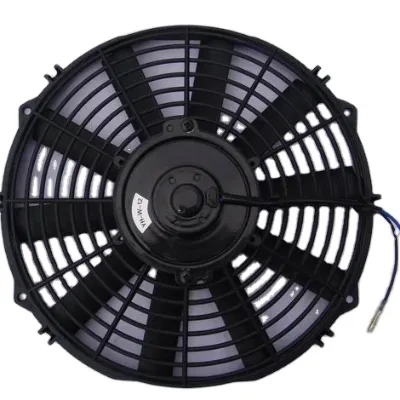
12v/24v Car Electric Cooling Condenser Fan for Refrigerator Spare Parts
$6.50 - $10.00
MOQ: 500 pieces

Anhui Aljieao Auto Parts Co., Ltd
- Verified by CTI
- Trading Company
- China Anhui
- Lead time23 days
- Avg. response≤ 1h
Main productsUrea Pump, Nox Sensor, Truck Lamp
Main marketsSouth America,Africa,Southeast Asia/ Mideast,East Asia(Japan/ South Korea),Europe,Australia,North America


$12.00 - $16.00
MOQ: 5 Pieces


$12.00 - $16.00
MOQ: 5 Pieces

Qingdao D&E International Trade Co., Ltd.
- Verified by BV
- Trading Company,Manufacturer/Factory
- China Shandong
- Lead time23 days
- Avg. response≤ 5h
Main productsAuto Spare Parts, Truck Sparts Parts, Diesel Heaters, Truck Air Conditioner, Heater Spare Parts for Eberspacher/Webasto
Main marketsSouth America,Eastern Europe,Mid East,North America,Southeast Asia,Eastern Asia,Oceania,Western Europe,Africa

Shanghai Anma Industry Co., Ltd.
- Trading Company
- China Shanghai
- Lead time30 days
- Avg. response≤ 6h
Main productsCar Accessories, Car Spare Parts, Car Tools, Car Interior Accessories, Car Exterior Accessories, Car Electrical Accessories, Car Lights, Car Mirror, Car Emergency Kits, Car Care Products
Main marketsSouth America,Others(foreignTradeCapacity.exportBusinessCapacityMarketOther),Southeast Asia/ Mideast,Europe,North America

Guangzhou Yilaisi Import And Export Co., Ltd.
- Trading Company, Buying Office, Agent, Distributor/Wholesaler, Other
- Guangdong, China
- Lead time10 days
- Avg. response≤ 7h
Main productsMechanical equipment,Auto parts,Pet Products,Agriculture products,Adult products
Main marketsWestern Europe(30.00%), Mid East(15.00%), North America(10.00%), Africa(10.00%), Eastern Asia(5.00%), Northern Europe(5.00%), Oceania(5.00%), Eastern Europe(5.00%), South Asia(4.00%), Southeast Asia(3.00%), Southern Europe(3.00%), South America(2.00%), Domestic Market(2.00%), Central America(1.00%)

- Verified by BV
- Trading Company
- China Shandong
- Lead time15 days
- Avg. response≤ 11h
Main productsCompressor, Condenser, Evaporator, Auto AC Parts, Refrigeration Part, Sensor, Insulation Tube, Motors, Unit Cooler, Thermostat
Main marketsSouth America,Southeast Asia/ Mideast,East Asia(Japan/ South Korea),Domestic,Europe

Ningbo Kejie International Trade Co., Ltd.
- Manufacturer
- China Zhejiang
- Lead time30 days
- Avg. response≤ 17h
Main productsWater Filtration, Filter, Filter Cartridge, RO Water Machine, PP Filter, Carbon Block
Main marketsAfrica,Australia,North America
Ningbo Anchor Auto Parts Co., Ltd.
- Trading Company
- Lead time旺季: , 淡季:
- Avg. response≤ 3h
Main productsAuto AC Compressor & Parts, Auto Parking Conditioner, Bus Air Conditioner, Refrigeration Unit, Radiator Fans
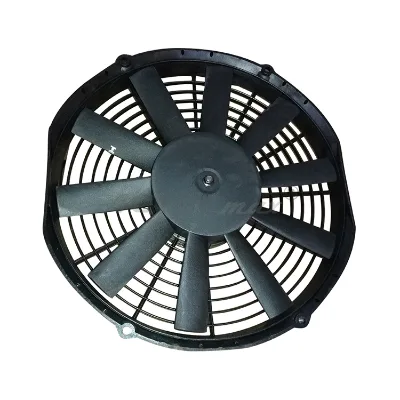
Professional Automobile Auto Parts Radiator Cooling Fan 12v Ac Auto Fan
$5.188 - $15.5611
MOQ: 100 Minimum
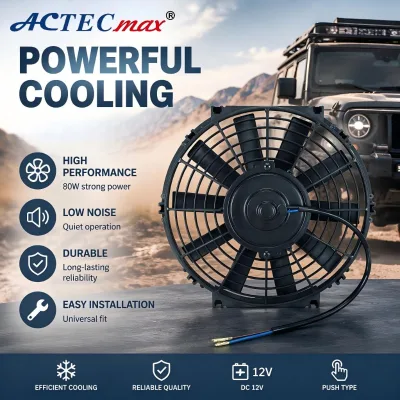
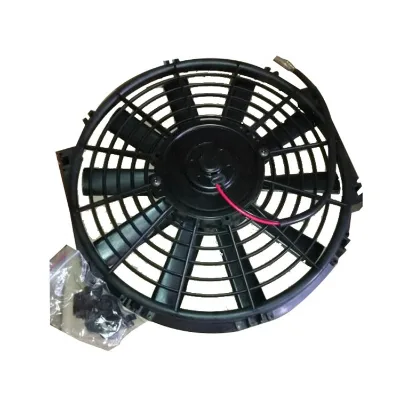
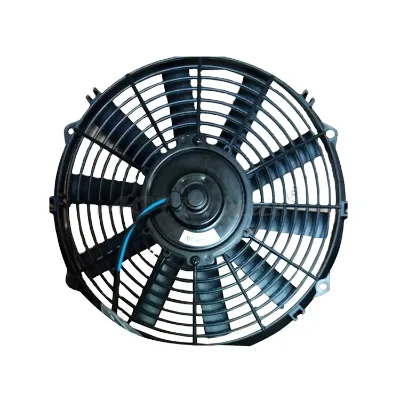

Guangzhou Tianhe District Zhuji Baijia Machinery Parts Firm
- Manufacturer, Trading Company
- Guangdong, China
- Lead time30 days
- Avg. response≤ 2h
Main productsac compressor,Air conditioning panel,Condenser,Solenoid Valve,Throttle motor
Main marketsEastern Asia(30.00%), North America(30.00%), Domestic Market(20.00%), Western Europe(10.00%), Central America(10.00%)

- Verified by TUVRHEINLAND
- Trading Company,Manufacturer/Factory
- China Shandong
- Lead time23 days
- Avg. response≤ 6h
Main productsRefrigeration Part, Evaporator, Compressor, Condenser, Refrigerator Condenser, Filter Drier, Access Valve, Accumulator, Refrigeration, Refrigerator Part
Main marketsSouth America,Eastern Europe,Mid East,North America,Southeast Asia,Eastern Asia,Oceania,Western Europe,Africa

Krubo Motor (Tianjin) Co., Ltd
- Trading Company,Manufacturer/Factory
- China Tianjin
- Lead time23 days
- Avg. response≤ 2h
Main productsCooling Fan, Motor, Centrifugal Fan, Axial Flow Fan, Refrigeration Equipment, Cross Flow Fan, Compact Axail Fan, AC Fan, Ec Fan, Gas Blower
Main marketsSouth America,Eastern Europe,Mid East,North America,Southeast Asia,Eastern Asia,Oceania,Western Europe,Africa
Ningbo Bowente Auto Parts Co., Ltd.
- Verified by Intertek
- Trading Company
- Lead time30 days
- Avg. response≤ 6h
Main productsAuto AC Compressor, Parking Air Conditioner, Parking Heater, AC Tools, Auto Fan
Main marketsEastern Europe(40%), South America(36%), Northern Europe(7%)
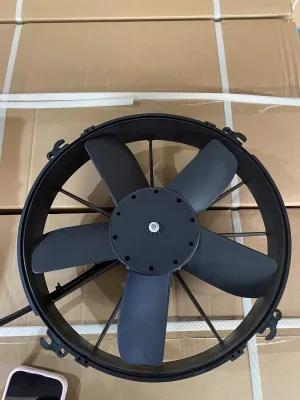
Hot-sale Car air Conditioning Fan VA01-BP70/LL 36A 24V
$13.50 - $16.50






Comprehensive Sourcing Guide
Cooling Car Radiator Fan Supplier Concentration and Factory Types
The current supplier landscape for cooling car radiator fans is dominated by trading companies rather than direct manufacturing entities. This structural characteristic significantly influences how buyers approach sourcing, as trading companies often aggregate products from multiple factories or maintain broader inventories of automotive components. The primary product categories observed include auto AC compressors, condensers, evaporators, and various cooling fans, indicating that many suppliers operate as generalist auto parts traders. This specialization in a wide range of vehicle parts suggests that buyers may find convenient one-stop sourcing for related components, but it also implies that the specific manufacturing expertise for radiator fans might be outsourced or sourced from a broader network. Understanding this factory type is crucial for setting expectations regarding direct communication with production lines, quality control processes, and the ability to customize specific engineering details of the fan blades or motor assemblies.
Suppliers in this sector often list main products that extend beyond just fans to include hardware products, plastic parts, and sealing elements. This diversification suggests a business model focused on volume and variety rather than deep vertical integration in fan manufacturing alone. For buyers, this means that while the supplier can provide a complete solution for an assembly line or repair shop inventory, the core competency in thermal management technology might vary. The presence of trading companies also affects the supply chain dynamics, as these intermediaries add a layer of coordination between the buyer and the actual production facilities. Buyers should recognize that the "factory" they are dealing with may be a sales office rather than the physical site where the plastic blades are molded or the copper coils are wound. This distinction is vital for negotiations regarding pricing structures, as trading companies must cover their operational margins, which can impact the final landed cost compared to dealing directly with a specialized manufacturer.
How to Verify Cooling Car Radiator Fan Suppliers
Verification is a critical step when engaging with suppliers who primarily operate as trading companies. The current data indicates that some suppliers hold TüVRheinland verification, which provides a baseline level of confidence regarding the company's legal existence and business scope. However, verification status alone does not guarantee the quality of the cooling car radiator fans or the reliability of the supply chain. Buyers must look beyond the basic verification badge and assess the supplier's ability to provide detailed product specifications and consistent communication. The response time metric is a key indicator of operational efficiency; a response time of three hours suggests a responsive sales team, which is essential for resolving technical queries about voltage compatibility, blade design, or installation requirements. Slow response times can indicate a lack of dedicated support for international buyers, potentially leading to delays in order processing and after-sales service.
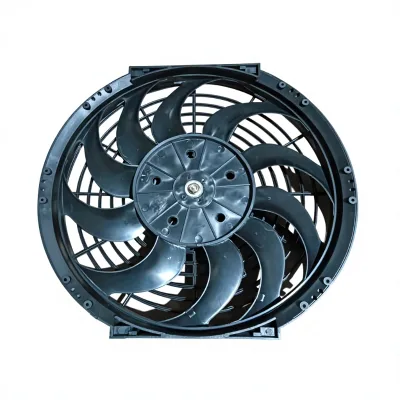
Beyond verification and response speed, buyers should scrutinize the product evidence provided to ensure it aligns with their specific technical requirements. The product listings show a variety of specifications, including different voltages such as 12V and 24V, and various power outputs like 80W, 120W, and 180W. Buyers must verify that the supplier can consistently provide the exact specifications needed for their target market, whether it is for passenger cars or larger commercial vehicles. Additionally, the condition of the products is listed as "New," but buyers should request samples to verify the build quality, including the material of the blades and the durability of the motor. It is also important to check if the supplier offers warranty terms, as some listings mention warranties of one or two years, while others offer free spare parts. These terms can vary significantly between suppliers and should be clearly documented in the purchase agreement to protect against defective units.
What to Compare Across Cooling Car Radiator Fan Suppliers
When evaluating multiple suppliers, buyers should compare key operational metrics such as lead time, minimum order quantity (MOQ), and pricing structures. The observed lead time of 20 days provides a benchmark for production and shipping schedules, but buyers must confirm if this is a standard timeframe or subject to change based on order volume. MOQs vary significantly across different product listings, with some requiring as few as one unit for testing purposes, while others mandate orders of 100 or 200 units. This variation allows buyers to choose suppliers that align with their inventory strategy, whether they are looking for small batch testing or large-scale distribution. Comparing these thresholds helps in assessing the supplier's flexibility and willingness to accommodate different business sizes, from small repair shops to large automotive distributors.
Pricing is another critical dimension for comparison, with observed price ranges varying from as low as $2.50 to as high as $80.00 depending on the product specifications and size. For instance, smaller 6-inch fans may be priced around $2.50, while larger 12-inch or 14-inch models with higher wattage can cost between $75.00 and $80.00. Buyers should analyze these price points in the context of the product's features, such as blade type (straight or curved), voltage compatibility, and warranty terms. Additionally, the main products offered by each supplier should be compared to ensure they have a comprehensive range of cooling solutions. Suppliers that offer a wide array of auto AC parts may provide better bundle pricing or logistical efficiencies. By systematically comparing these factors, buyers can identify suppliers that offer the best balance of cost, quality, and service reliability for their specific sourcing needs.
Common Cooling Car Radiator Fan Sourcing Risks
One of the primary risks in sourcing cooling car radiator fans is the potential mismatch between product specifications and actual performance. The product listings show a wide variety of options, including different blade designs, voltages, and power outputs, which can lead to confusion if not carefully managed. Buyers must ensure that the selected fan is compatible with their specific vehicle models or application requirements. For example, a fan designed for a 12V system may not function correctly in a 24V environment, and vice versa. Additionally, the material quality of the blades and motor can vary, affecting the fan's durability and noise levels. Without proper verification, buyers may receive products that do not meet their quality standards, leading to customer complaints and returns. It is essential to request detailed technical data sheets and conduct thorough testing before committing to large orders.
Another significant risk is the variability in after-sales support and warranty claims. While some suppliers offer warranties of one or two years, others provide only free spare parts or no warranty at all. This inconsistency can create challenges in managing defective products and maintaining customer satisfaction. Buyers need to clearly understand the warranty terms and the process for claiming replacements or repairs. Furthermore, the reliance on trading companies can complicate communication regarding technical issues, as the intermediary may not have the technical expertise to resolve complex problems. Buyers should establish clear lines of communication and ensure that the supplier has a robust support system in place. By identifying and mitigating these risks through careful due diligence and clear contractual terms, buyers can protect their interests and ensure a smoother sourcing experience.
Cooling Car Radiator Fan Regional Sourcing and Logistics
The geographical origin of cooling car radiator fans plays a significant role in logistics and supply chain management. The current data indicates that products originate from regions such as Shandong and Zhejiang in China. These regions are known for their manufacturing capabilities in automotive parts and plastics, which can influence the quality and cost of the fans. Buyers should consider the logistical implications of sourcing from these locations, including shipping times, customs procedures, and potential tariffs. Understanding the regional strengths can help buyers make informed decisions about which suppliers to engage with. For instance, suppliers in Zhejiang may have different logistical advantages compared to those in Shandong, depending on the proximity to major ports and transportation networks.
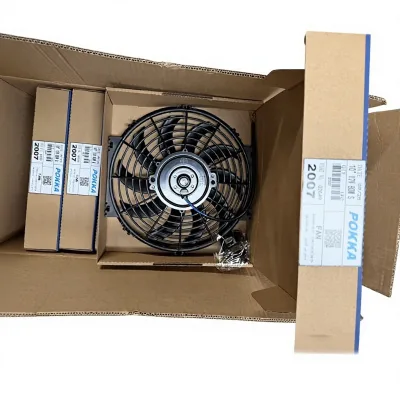
Logistics planning is crucial for ensuring timely delivery and minimizing costs. Buyers should work with suppliers to determine the most efficient shipping methods, whether by sea, air, or express courier, based on the order volume and urgency. The lead time of 20 days observed in some listings should be factored into the overall delivery schedule, including production, packaging, and transit times. Additionally, buyers should consider the packaging standards, as proper packaging is essential to prevent damage during transit. The product listings mention standard carton packages and corrugated boxes, which provide a baseline for protection. However, buyers may need to request additional packaging solutions for fragile components or high-value items. By carefully planning the logistics and considering the regional origins, buyers can optimize their supply chain and ensure the reliable delivery of cooling car radiator fans.
Cooling Car Radiator Fan Commercial Terms and Order Planning
Commercial terms and order planning are essential components of a successful sourcing strategy for cooling car radiator fans. Buyers should negotiate clear payment terms, delivery schedules, and quality assurance protocols to protect their interests. The observed MOQs and price ranges provide a framework for planning orders, but buyers must also consider the total cost of ownership, including shipping, taxes, and potential returns. Establishing a long-term relationship with a reliable supplier can lead to better pricing and priority service, but this requires consistent communication and mutual trust. Buyers should document all agreed-upon terms in a formal contract to avoid misunderstandings and ensure accountability.
Order planning should also account for seasonal demand fluctuations and inventory management. Cooling car radiator fans may experience higher demand during specific times of the year, such as summer months, requiring buyers to plan their orders accordingly. By forecasting demand and maintaining a buffer stock, buyers can avoid stockouts and ensure continuous supply to their customers. Additionally, buyers should consider the customization options available, such as logo printing or specific blade designs, which can add value to their products. However, customization may increase lead times and costs, so buyers must weigh these benefits against their operational constraints. By carefully planning their orders and negotiating favorable commercial terms, buyers can optimize their sourcing strategy and achieve their business objectives.
FAQs
What is the price range for universal radiator fans?
Prices for universal radiator fans typically range from $2.50 to $80.00 depending on specifications. Smaller 6-inch models start around $2.50, while larger 12-inch units cost between $20.00 and $80.00. Buyers should verify exact pricing based on voltage, wattage, and order quantity with suppliers.
What are the minimum order quantities for these fans?
Minimum order quantities vary significantly by supplier and product size. Some suppliers require a minimum of 100 units, while others accept orders as low as 1 unit. Buyers must check specific product listings to confirm the exact MOQ applicable to their desired fan size and configuration.
What voltage options are available for these cooling fans?
Most universal radiator fans support both 12V and 24V electrical systems. This dual-voltage compatibility ensures suitability for various car models, including light trucks and buses. Buyers should confirm the specific voltage requirement for their vehicle before purchasing to ensure proper installation and operation.
What is the typical lead time for these orders?
The typical lead time for these auto parts is approximately 20 days. This duration allows for production and quality checks before shipment. Buyers should contact suppliers directly to confirm current production schedules and potential variations based on order volume or customization requirements.
Are these suppliers verified by third-party agencies?
Yes, the trading companies listed are verified by TüVRheinland. This verification adds a layer of trust regarding their business legitimacy and operational capabilities. Buyers can rely on this certification as an indicator of supplier reliability when sourcing auto AC parts and cooling fans.
What warranty periods are offered for these fans?
Warranty periods generally range from one year to two years. Some suppliers offer free spare parts as part of their after-sales service instead of a standard warranty. Buyers should review the specific warranty terms provided by each supplier to understand their coverage and support options.