Source For Hyundai Kia AC Compressor for cars, SUVs, and Sedans
Find 30 verified listings for the For Hyundai Kia AC Compressor suitable for various vehicle models. Buyers can compare specifications like voltage, packing, and warranty to select the right unit for their needs; compare the available evidence and request quotations based on your requirements.
Updated
Key considerations
Products List


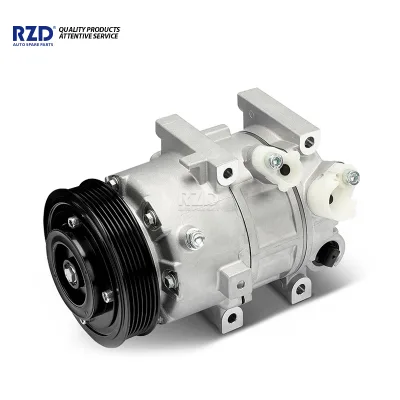
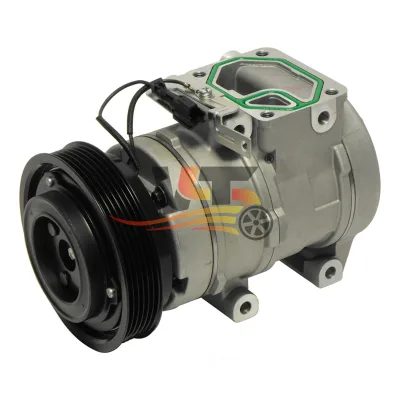
OEM Quality Car AC Compressor for Hyundai KIA Auto Air Conditioner Compressor
$73.50 - $125.00
MOQ: 2 Pieces


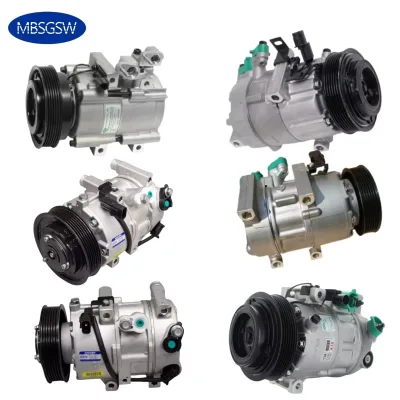
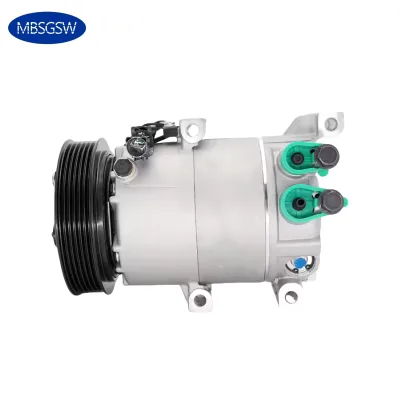
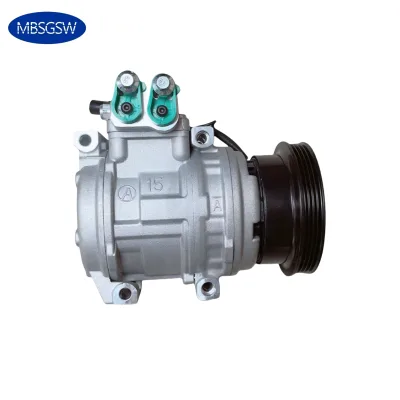
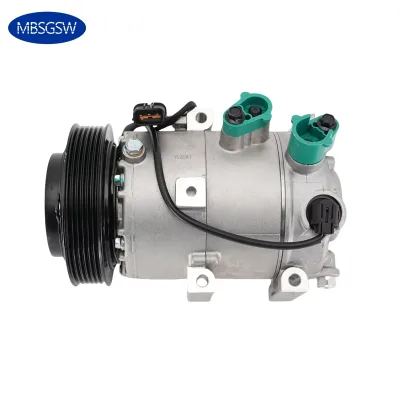

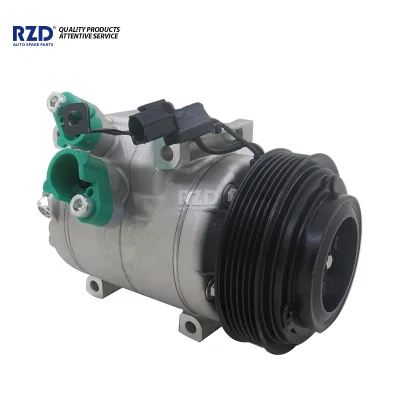
Auto Parts AC Compressor Air Conditioning Compressor for Hyundai Accent KIA Rio
$85.00 - $90.00
MOQ: 10 Pieces


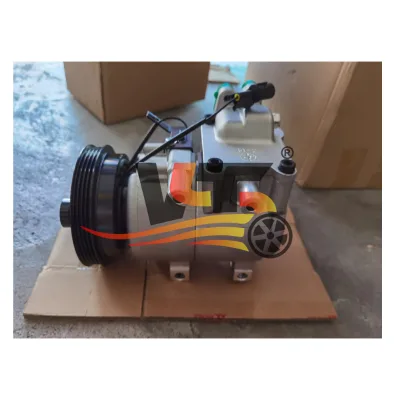
Auto Parts Air Conditioning AC Compressor for KIA Rio Car Auto Air Conditioner
$85.00 - $90.00
MOQ: 5 Pieces



Comprehensive Sourcing Guide
For Hyundai Kia AC Compressor Sourcing Guide
Procurement professionals targeting the Hyundai and Kia automotive sectors must first distinguish between industrial reciprocating units and specific automotive air conditioning compressors. The available market data indicates a clear split in product classification, where some listings describe heavy-duty variable capacity units with internal-combustion engine transmission, while others explicitly identify as auto AC compressors designed for specific vehicle models like the Sorento. Buyers must carefully parse these distinctions to ensure they are sourcing the correct component type for their intended assembly line or aftermarket repair needs.
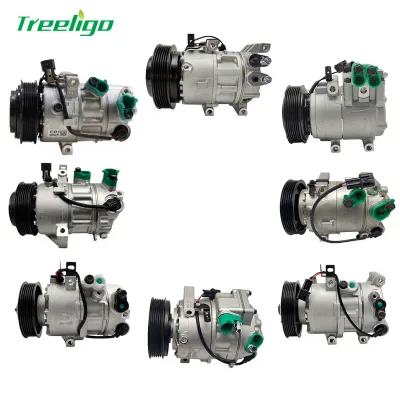
Verification of the specific vehicle application is critical before initiating any purchase order, as the product attributes explicitly link certain models to "Occident/Asian Car" applications and specific make-and-model pairings. The observed listings include references to "Hyundai KIA Auto Air Conditioner Compressor" alongside generic descriptions of "Different numbers correspond to different models," suggesting a high degree of model-specific variation. Sourcing strategies must therefore prioritize confirming the exact vehicle compatibility to avoid mismatches in mounting points, belt drive configurations, or electrical voltage requirements.
Product Scope and Observed Listing Signals
The observed product scope reveals a diverse range of compressor types, from double-stage reciprocating units with crankshaft and connecting rod transmission to compact 12V automotive compressors. Listings indicate that some units operate at rotation speeds between 450 and 1000r/min with displacement exceeding 100m³, while others are designed for specific car air conditioning systems with a single package size of 35x30x27 cm. This variance necessitates a rigorous filtering process to isolate components that match the specific mechanical and electrical constraints of the target Hyundai or Kia vehicle platform.
Buyers should note that packaging and shipping methods vary significantly across the observed listings, ranging from plate and pallet configurations to neutral packing in cartons. The presence of "OEM/ODM: Yes" and logo support suggests that many suppliers offer customization capabilities, yet the physical dimensions and weight, such as a single gross weight of 8.000 kg, remain fixed attributes that impact logistics planning. Understanding these physical constraints is essential for calculating accurate freight costs and determining the feasibility of air or sea shipping options like DHL, FedEx, or EMS.
Technical Specifications to Verify
Technical verification must begin with the electrical and mechanical interface, specifically confirming the voltage rating and rotation speed compatibility with the vehicle's engine. The data confirms the existence of 12V units, which is standard for automotive applications, but buyers must ensure the specific model number, such as VS-16E or 97701-, aligns with the vehicle's electrical system. Additionally, the displacement and cylinder arrangement modes, including side-by-side configurations, must be cross-referenced with the engine bay space and cooling system capacity to prevent installation failures.
Cooling methods and pressure ratings are equally critical parameters that define the operational envelope of the compressor. While some industrial-grade units boast pressure after air exhaust exceeding 1000 gauge pressure, automotive compressors operate under different thermal and pressure constraints. Buyers must verify that the air-cooled method specified in the listings is sufficient for the intended operating environment and that the double-stage or single-stage cylinder configuration matches the required cooling efficiency for the specific car model.
Compliance and Safety Documentation
Documentation requirements for automotive components often extend beyond basic product specifications to include rigorous quality assurance records and safety certifications. Although the provided context mentions a CE certification in a low-confidence background section, buyers should not assume this status applies to all listed items without explicit verification from the supplier. It is imperative to request detailed test reports confirming that the unit has undergone 100% testing, as stated in the product attributes, to ensure reliability and safety compliance for automotive use.
Safety and compliance also involve verifying the origin and manufacturing standards of the component to ensure it meets regional automotive regulations. The observed listings indicate a place of origin in Shandong, China, which requires buyers to confirm that the manufacturing facility adheres to international quality management systems. Buyers should demand evidence of compliance with relevant automotive industry standards, ensuring that the product meets the necessary safety thresholds for air conditioning systems in both domestic and international markets.
Cost Drivers and Commercial Terms
Cost structures for these compressors are influenced by a combination of customization options, packaging requirements, and the specific model complexity. The observed price range of 39 to 200 USD reflects the variance between basic replacement units and those with advanced features or OEM branding. Buyers must analyze whether the lower price points correspond to neutral packing or generic models, while higher prices may include custom logos, specific packaging like plates or pallets, and extended warranty coverage.
Commercial terms such as minimum order quantity (MOQ) and payment methods significantly impact the total cost of ownership and cash flow management. The data shows MOQs ranging from 1 piece to 5 units, offering flexibility for small-scale procurement, while payment options include TT, PayPal, Western Union, and Trade Assurance. Procurement teams should negotiate terms that balance the risk of single-item purchases against the volume discounts available for larger orders, ensuring that the payment method aligns with the company's financial policies and risk tolerance.
Supplier Qualification and Quality Control
Supplier qualification should focus on verifying the manufacturer's ability to provide consistent quality and responsive customer service. The observed listings highlight a "24 Hours Customer Service" feature and a "1 Year Warranty," which are strong indicators of a supplier's commitment to post-sales support. Buyers must validate these claims by checking the supplier's track record for handling warranty claims and their responsiveness to technical inquiries, ensuring that the support infrastructure is robust enough to handle potential issues during the product lifecycle.
Quality control processes must be scrutinized to ensure that every unit meets the specified performance criteria before shipment. The attribute "100% Tested" suggests a comprehensive inspection regime, but buyers should request detailed quality control protocols and inspection reports to confirm the consistency of these tests. Additionally, verifying the supplier's capability for OEM/ODM customization is essential, as this indicates a mature production process capable of adapting to specific design requirements and maintaining high standards across different product batches.
Long-Term Procurement Checks
Establishing a long-term procurement strategy requires regular audits of supplier performance and product consistency over time. Buyers should implement a system for tracking warranty claims and return rates to identify any recurring quality issues that might indicate a degradation in manufacturing standards. Continuous monitoring of the supplier's ability to meet delivery schedules and maintain the specified product attributes, such as voltage and displacement, is crucial for maintaining supply chain stability.
Future procurement decisions should also account for potential changes in vehicle models and the obsolescence of specific compressor parts. Given that the product attributes mention "Different numbers correspond to different models," buyers must maintain a dynamic inventory strategy that can adapt to new vehicle releases and the discontinuation of older models. Regular communication with the supplier regarding upcoming product updates and the availability of alternative models will help mitigate the risk of supply disruptions and ensure a steady flow of compatible components.
FAQs
What models are available for Hyundai Kia AC compressors?
Available models include VS-16, DV16, 10PA15C, VS-14, PXE16, VS16, and Hyundai KIA Auto Air Conditioner Compressor. Specific part numbers like 97701- correspond to different vehicle models. The product range covers a full spectrum of car models, ensuring compatibility with various Hyundai and Kia vehicles for air conditioning systems.
Can I customize the logo and packaging for these compressors?
Yes, customization is available for both logo and packaging. The supplier supports OEM and ODM services, allowing buyers to add their specific branding. Packaging options include plate, pallet, or carton formats. This flexibility ensures that the products meet specific branding requirements and logistical needs for international distribution.
What is the minimum order quantity for these auto parts?
The minimum order quantity varies by product type. For general reciprocating compressors, the MOQ is typically 5 units. However, for specific auto AC compressors, the MOQ can be as low as 1 piece. This flexible ordering structure accommodates both bulk industrial buyers and individual automotive repair shops seeking single replacements.
How is the quality of these compressors ensured before shipping?
Quality is ensured through a 100% testing process before dispatch. All products are new condition and undergo rigorous checks to guarantee performance. The manufacturer provides a 1-year warranty for added assurance. This commitment to quality control helps minimize defects and ensures reliable operation within car air conditioning systems for end-users.
Where are these Hyundai Kia AC compressors manufactured?
These compressors are manufactured in Shandong, China. The production facilities adhere to specific standards, such as GAC101, to maintain quality consistency. The origin location allows for efficient shipping via sea, air, DHL, FedEx, or EMS, ensuring timely delivery to global markets while maintaining competitive pricing structures for international buyers.
What payment methods are accepted for these compressor orders?
Accepted payment methods include TT, PayPal, Western Union, and Trade Assurance. These options provide flexibility for both small and large transactions. Trade Assurance offers additional security for buyers, ensuring that payments are protected until the goods are received and verified. This variety of payment channels facilitates smooth transactions for global sourcing.