Cooling Bamboo Woven Quilt Suppliers and Manufacturers
Source 24 verified suppliers for Cooling Bamboo Woven Quilt products. Compare key dimensions including location, lead times, MOQ, response times, and pricing to identify suitable partners. Review detailed product specifications and request quotes directly from the platform; review the available evidence before requesting comparable quotations from suitable candidates.
Updated
Suppliers List
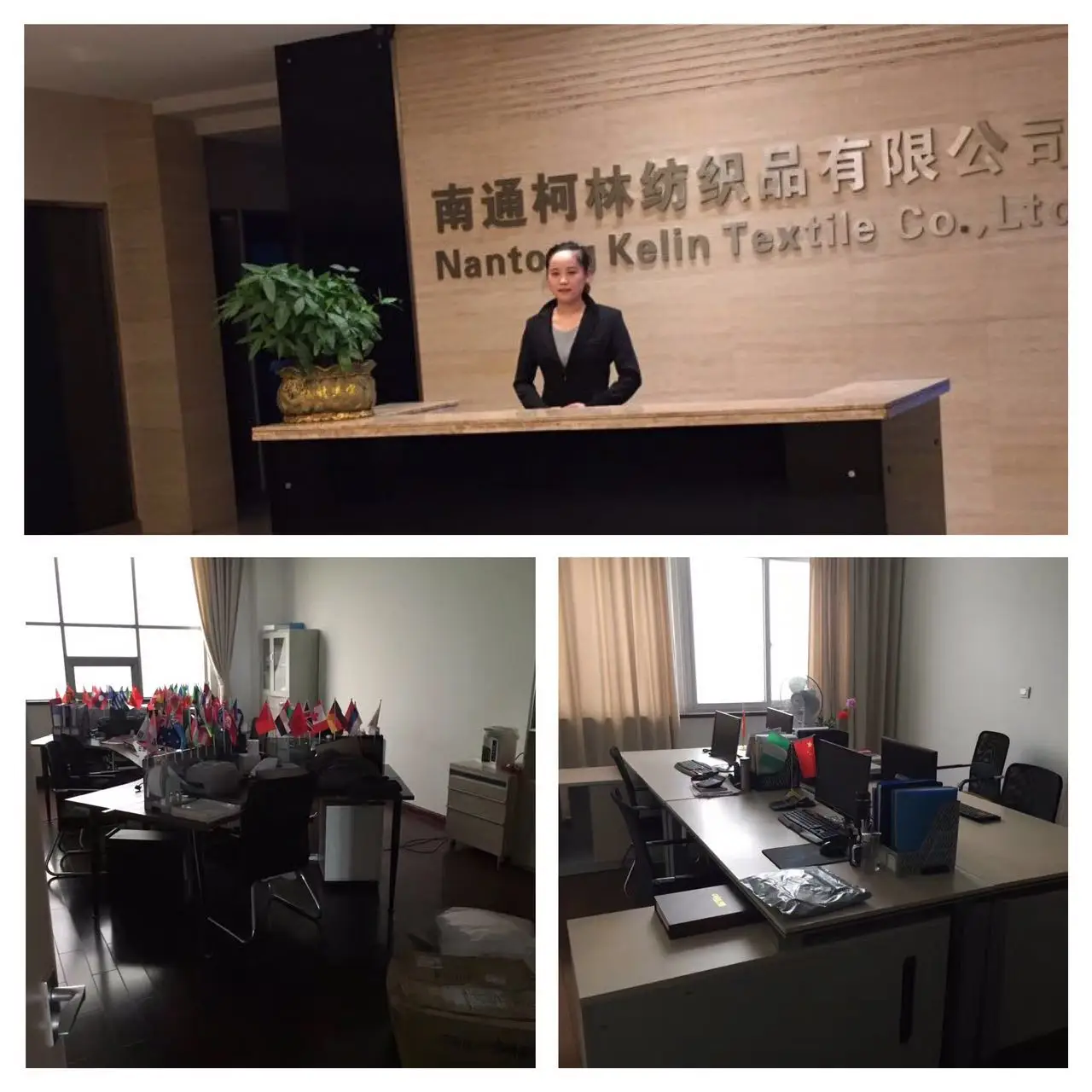
Nantong Kelin Textile Co., Ltd.
- Manufacturer, Trading Company
- Jiangsu, China
- Lead time30 days
- Avg. response≤ 5h
Main productsBed Linen; Bath Linen; Fabric
Main marketsDomestic Market(44.00%), Mid East(20.00%), Southeast Asia(20.00%), North America(10.00%), Oceania(3.00%), Eastern Asia(2.00%), Africa(1.00%)
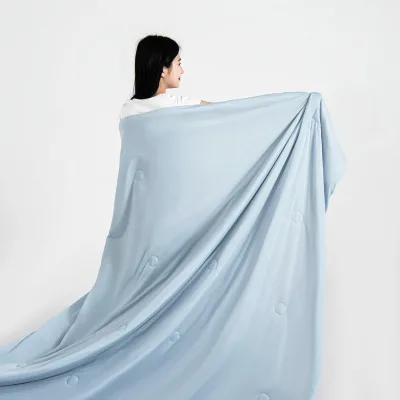
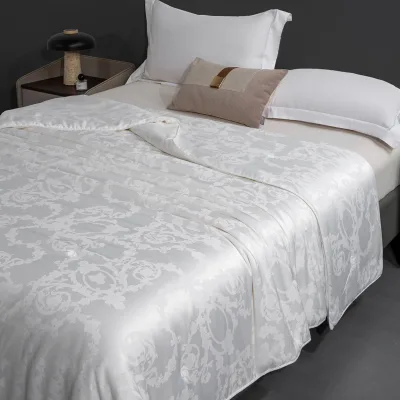
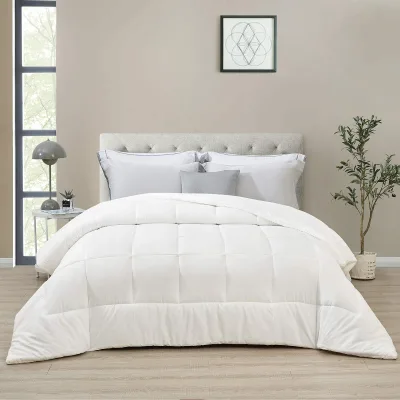
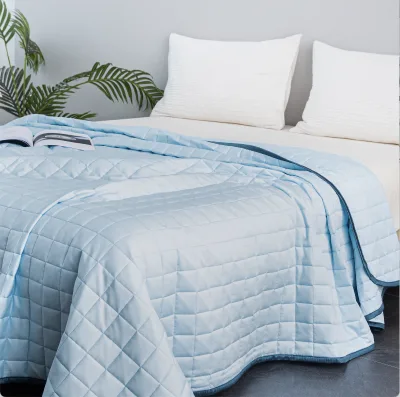
Refreshing Sleep Collection Silk Cooling Quilt with Cooling Bedding Quilt
$18.86 - $28.80
MOQ: 10 pieces
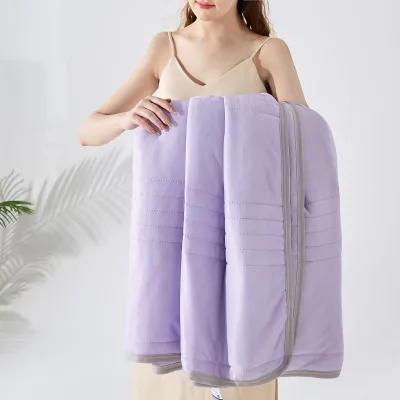
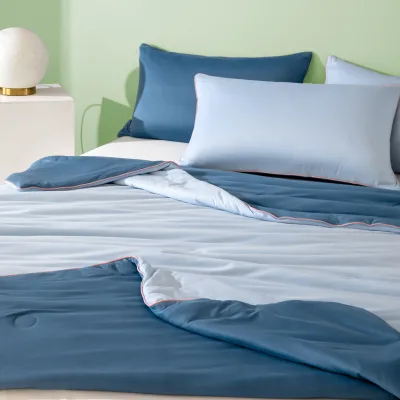
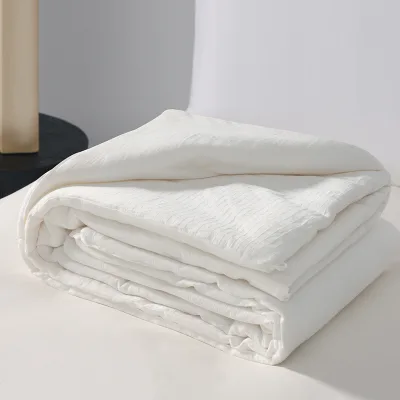
Lightweight Soft Breathable Silky Smooth Lightweight Cooling Comforter Quilt Cooling Quilt
$19.498 - $29.7742
MOQ: 10 pieces
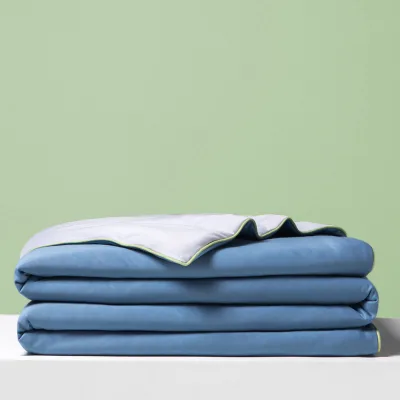
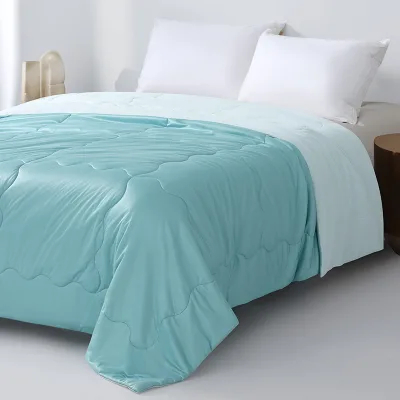
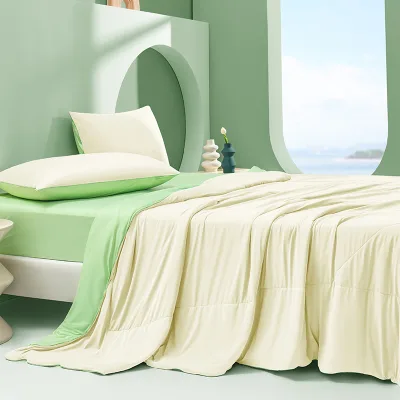
Double Sided Soft Fluffy Cooling Quilt Plain Summer Comforter for Hot Sleepers Cooling Quilt
$19.5938 - $29.9196
MOQ: 10 pieces
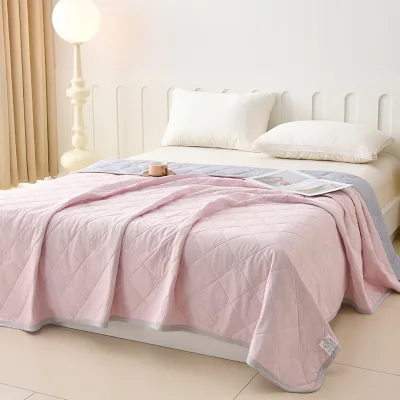
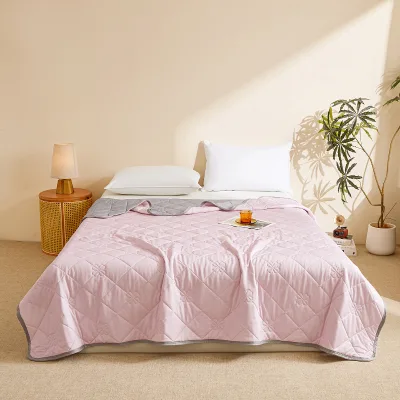
Cooling Summer Quilt Style Solid Color Machine Washable Home Use Sleep Summer Quilt
$4.464 - $8.7214
MOQ: 10 pieces
- Manufacturer, Trading Company
- Lead time旺季: "1 - 1000":35,"> 1000":"To be negotiated", 淡季: "1 - 1000":35,"> 1000":"To be negotiated"
- Avg. response≤ 4h
Main productsPillows, Mattress Pads & Toppers, Quilts, Weighted Blanket, Bedding Set

Nantong Guanzhihai Trading Co., Ltd.
- Trading Company
- China Jiangsu
- Lead time23 days
- Avg. response≤ 7h
Main productsBedding Set, Quilt, Blanket, Pillow, Curtain, Carpet, Comforter, Fitted Sheet, Mattress Cover, Bed Skirt
Main marketsSouth America,Eastern Europe,Mid East,North America,Southeast Asia,Eastern Asia,Oceania,Western Europe,Africa

Bamboo Fiber Quilt Cooling Quilt Summer Quilt Breathable Lightweight Printed Bed Quilt
$2.50 - $9.00
MOQ: 200 Pieces

Summer Quilt Cooling Quilt Bamboo Fiber Quilt Double Sided Lightweight Bedding for Hot Weather
$2.50 - $9.00
MOQ: 200 Pieces

Cooling Quilt Bamboo Fiber Quilt Summer Bedding Double Sided Printed Lightweight Quilt OEM ODM
$2.50 - $9.00
MOQ: 200 Pieces

Cooling Quilt Summer Quilt Bamboo Fiber Quilt Lightweight Breathable Printed Bedding for Summer
$2.50 - $9.00
MOQ: 200 Pieces

Cooling Quilt Bamboo Fiber Summer Quilt Custom Printed Lightweight Bedding Factory Wholesale OEM
$2.50 - $9.00
MOQ: 200 Pieces


Hangzhou Yiying Trade Co., Ltd.
- Verified by CTI
- Trading Company,Manufacturer/Factory
- China Zhejiang
- Lead time23 days
- Avg. response≤ 24h
Main productsComforter, Bed Lines, Pillow, Mattress Topper, Mattress Protector, Blankets, Raw Material of Polyester Down Feather, Pet Bed, Down Products, Fabric
Main marketsSouth America,Eastern Europe,Mid East,North America,Southeast Asia,Eastern Asia,Oceania,Western Europe,Africa


Home Textile Bedding Sleep Bamboo Cooling Thin Blanket for Hot Sleepers
$11.00 - $12.00
MOQ: 200 Pieces

Lightweight Cooling Blanket Chill Blanket with Rayon Derived From Bamboo
$12.70 - $13.60
MOQ: 200 Pieces
Ningbo Jemo Textile Tech Co., Ltd.
- Trading Company
- Zhejiang, China
- Lead time0 days
- Avg. response≤ 1h
Main productsWeighted Blanket, Knitted Blanket, Outdoor Blanket, Bed Sheet Sets, Comforter And Duvet
Main marketsSouth America(30.00%), North America(20.00%), Oceania(10.00%), Western Europe(10.00%), Southern Europe(10.00%), Northern Europe(10.00%), Eastern Europe(10.00%)
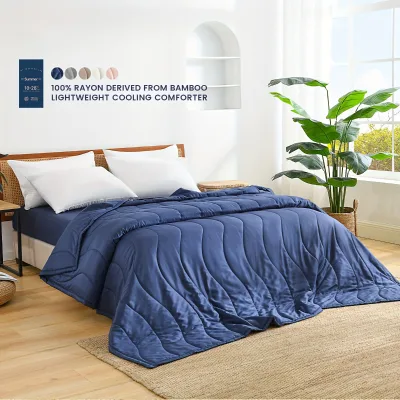
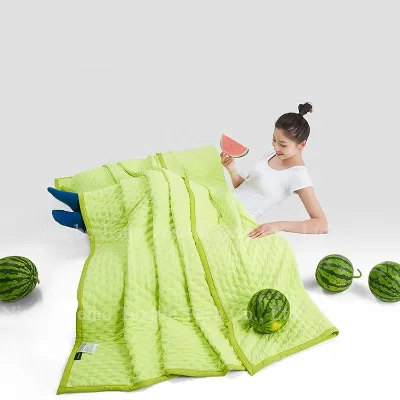
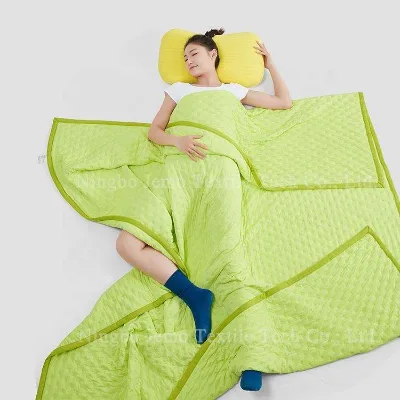
Multi-purpose Soft Comfortable Eco-Friendly Summer Cooling Quilt Soft Quilts Summer Blankets
$6.60 - $12.50
MOQ: 10 pieces
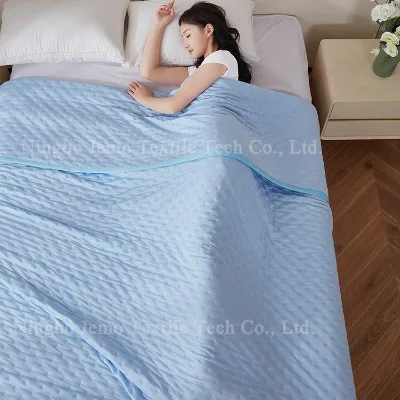
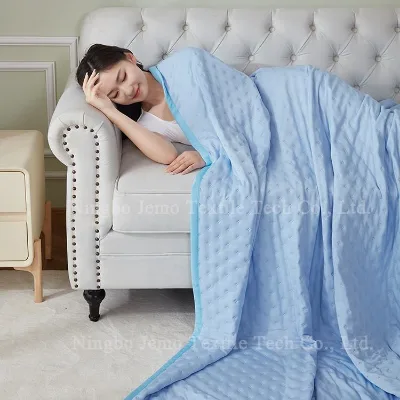
$6.60 - $12.50
MOQ: 10 pieces
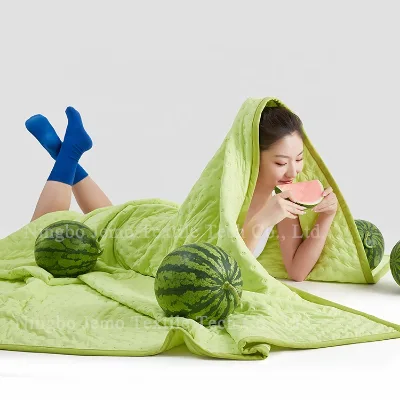
$6.60 - $12.50
MOQ: 10 pieces
$6.60 - $12.50
MOQ: 10 pieces
Anhui Sunrise Home Textiles Co., Ltd
- Verified by TüVRheinland
- Manufacturer, Trading Company
- Lead time60 days
- Avg. response≤ 3h
Main productsDown Duvet, Polyester Quilt, Pillow, Mattress Topper, Japanese Futon Mattress
$21.5772 - $26.0982
MOQ: 300 pieces
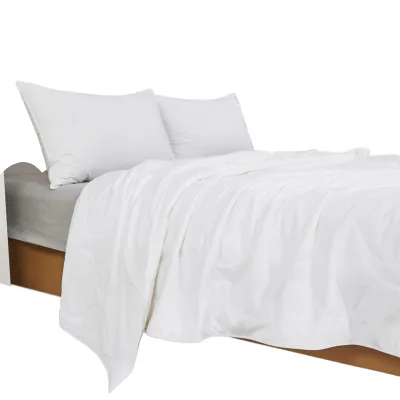
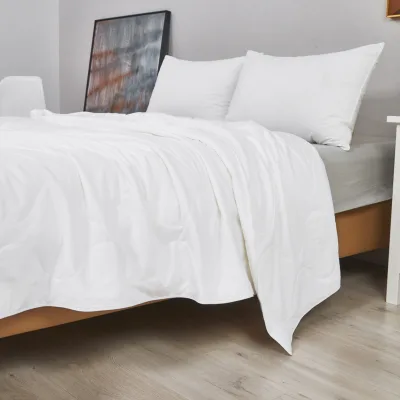
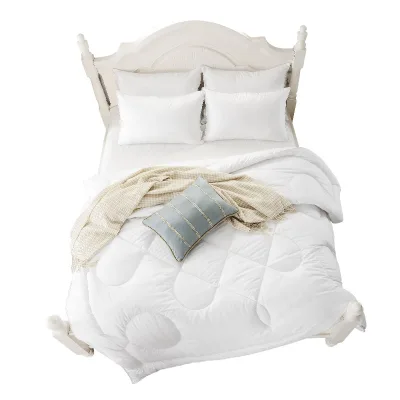
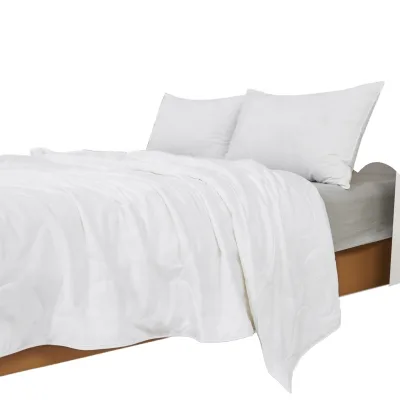
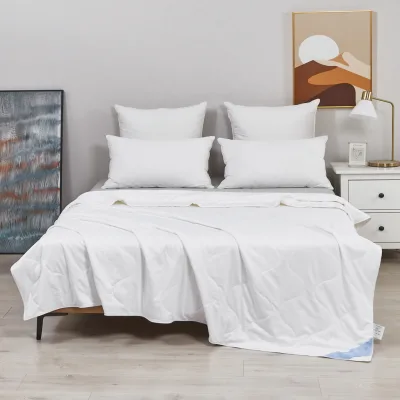
Hypoallergenic Solid Color Down Alternative Mix Fiber Blanket Bamboo Cotton Quilt
$27.8358 - $29.9705
MOQ: 300

Hangzhou Mosheng Textiles Co., Ltd.
- Verified by BV
- Trading Company,Manufacturer/Factory
- China Zhejiang
- Lead time45 days
- Avg. response≤ 6h
Main productsWeighted Blanket, Comforter, Bed Sheet Set, Pillow, Mattress Topper, Mattress Pad, Mattress Protector, Fabric, Reading Pillow, Cushion
Main marketsSouth America,Eastern Europe,Mid East,North America,Southeast Asia,Eastern Asia,Oceania,Western Europe,Africa


5 Star Hotel Quilts Factory China Bamboo White Summer Bedding Quilt Comforters
$15.80 - $38.90
MOQ: 200 Pieces

Liahren (Beijing) Tech Co., Limited
- Verified by Intertek
- Trading Company
- Lead time30 days
- Avg. response≤ 4h
Main productsOrganic Sustainable Fabrics, Bamboo Towel, Bamboo Hooded Towel, Bamboo Muslin Swaddle, Bamboo Clothing
Main marketsNorth America(30%), Domestic Market(30%), Africa(20%)

Shanghai Easun Group Imp & Exp Co., Ltd.
- Verified by TUVRHEINLAND
- Trading Company
- China Shanghai
- Lead time15 days
- Avg. response≤ 19h
Main productsBlankets, Home Slippers, Bedding Sets, Towel, Amenity Kits, Airline Supply, Hospital Supply, Hotel Supply, Railway Supply, Pillow&Case
Main marketsAfrica,Southeast Asia/ Mideast,Europe


Hotel Quilt Bamboo Bedsheet Coral Quilt Satin Quilt Quilted Fleece Blanket
$7.98 - $19.65
MOQ: 500 set


Hotel Blanket Bed Linen Cotton Bamboo Duvet Sleeping Quilts Cotton Quilt Full
$7.98 - $19.65
MOQ: 500 set


Multi Color Quilts Bamboo Duvet Cotton Lightweight Bedspread Bed Sheet Design
$15.00 - $35.00
MOQ: 300 Pieces

- Verified by TUVRHEINLAND
- Combined
- China Shanghai
- Lead time15 days
- Avg. response≤ 3h
Main productsInfant Clothes, Baby Clothes, Kids Wear, Underwear, Sock, Pajama, Night Dress, Sleep Bag, Yoga Clothes, Nursing Tee
Main marketsEurope,Australia,North America

$9.80 - $20.00
MOQ: 300 Pieces

Factory Custom Bamboo 4 Layers Gauze Breathable Cool Baby Quilt Cover Blanket
$6.99 - $8.99
MOQ: 300 Pieces
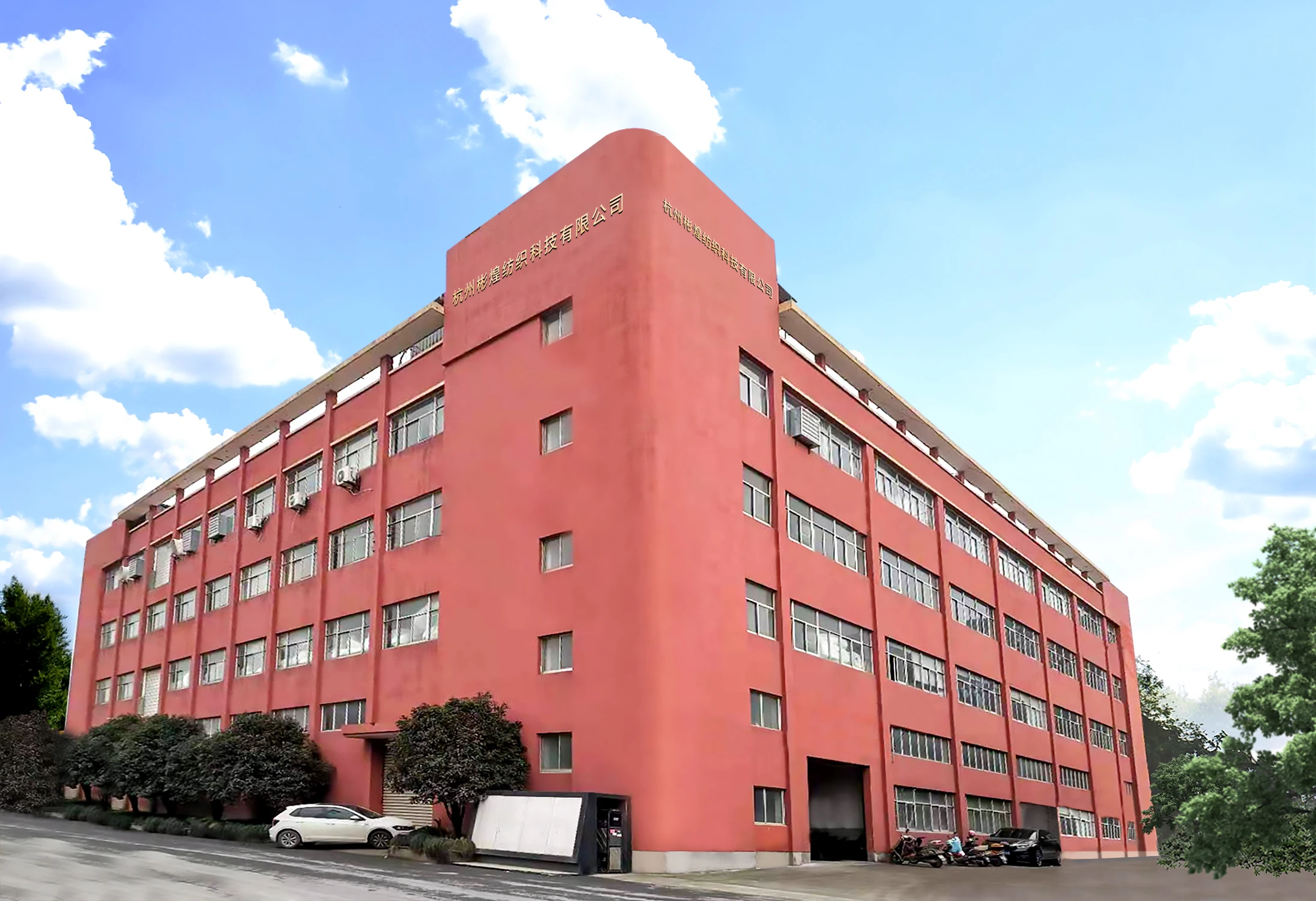
Hangzhou Binhuang Textile Technology Co.,Ltd
- Manufacturer, Trading Company
- Zhejiang, China
- Lead time25 days
- Avg. response≤ 13h
Main productsPillow,Duvet,Bedding Set,Mattress Topper,Mattress Protector
Main marketsNorth America(55.00%), Domestic Market(45.00%)
Hangzhou Saint Glory Hometextile Co., Ltd.
- Verified by Intertek
- Manufacturer, Trading Company
- Lead time45 days
- Avg. response≤ 8h
Main productsDuvet, Pillow, Sheet Set, Mattress Topper Protector, Cooling Blanket
Main marketsNorth America(50%), Western Europe(14%), South America(10%)

Hangzhou D&H Textile Co., Ltd.
- Verified by SGS
- Combined
- China Zhejiang
- Lead time15 days
- Avg. response≤ 12h
Main productsHome Textiles, Clothing Products
Main marketsSoutheast Asia/ Mideast,Europe,North America

$6.00 - $10.35
MOQ: 1 Pieces

Luan East West International Trade Co., Ltd.
- Verified by SGS Group
- Trading Company
- Lead time30 days
- Avg. response≤ 4h
Main productsFunctional Duvet & Blankets, Functional Pillows, Functional Bedding Sets, Functional Eye Masks, Functional Baby Sleepwear
Main marketsNorth America(60%), Oceania(20%), Western Europe(20%)
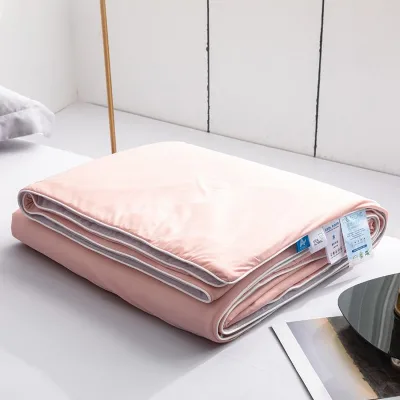
$8.1057 - $9.5423
MOQ: 300 pieces
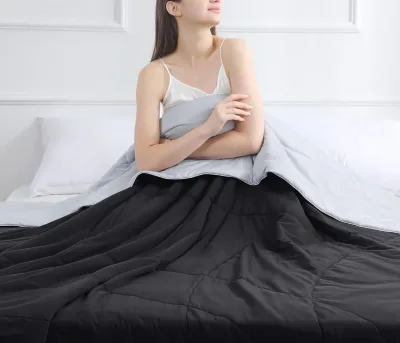
$15.3905 - $20.5211
MOQ: 100 pieces
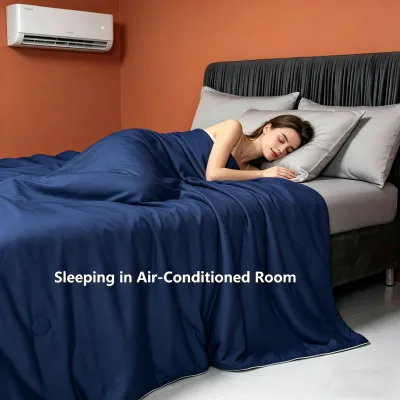

Ningbo V.k. Industry And Trading Co., Ltd.
- Verified by SGS
- Combined
- China Zhejiang
- Lead time60 days
- Avg. response≤ 4h
Main productsFlannel Fleece Blanket, Sherpa Throw Blanket, Dog Waterproof Blanket, Fleece Bathrobe, PVC Leather, TV Blanket, Down Coat, PV Fleece Blanket, Bazin Riche, Ice Bath Tub
Main marketsSouth America,Africa,Southeast Asia/ Mideast,East Asia(Japan/ South Korea),Domestic,Europe,Australia,North America


All Season Lightweight Cozy Soft Cold Cool Rayon From Bamboo Blanket for Couch Bed Cooling Blanket
$9.50 - $18.50
MOQ: 200 Pieces


Hangzhou Grand Home Textile Co., Ltd.
- Combined
- China Zhejiang
- Lead time30 days
- Avg. response≤ 10h
Main productsPillow, Quilt, Blanket, Mattress, Cushion, Mattress Top, Quilt Cover Set, Down Duvet
Main marketsSouth America,Southeast Asia/ Mideast,East Asia(Japan/ South Korea),Europe,Australia,North America


Hot Selling100% Bamboo Bedding Set Quilt Bedding Set for Spring and Summer
$6.50 - $18.50
MOQ: 300 Sets


Hangzhou Kuangs Textile Co., Ltd.
- Verified by TüVRheinland
- Manufacturer, Trading Company
- Lead time30 days
- Avg. response≤ 3h
Main productsPet Mats, Pet Beds, Heated Pet Beds, Pet Clothing, Pet Toys
Main marketsNorth America(40%), Western Europe(30%), South America(15%)
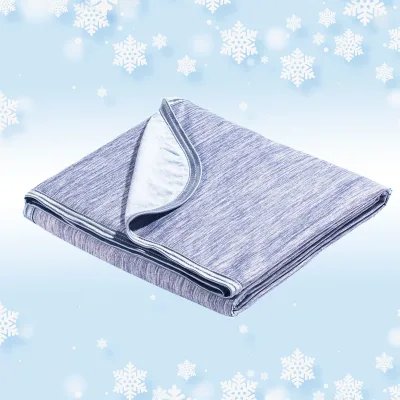
Absorbs Heat 100% Natural Bamboo Lightweight Cooling Blanket for Hot Sleepers
$4.80 - $6.00
MOQ: 200 pieces
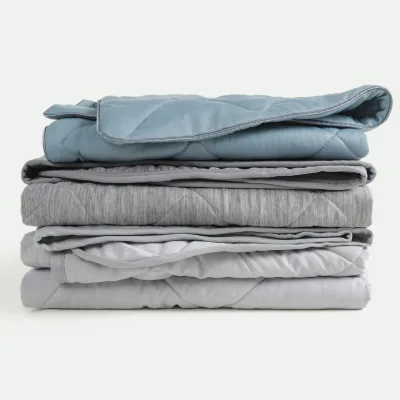
$6.50 - $8.89
MOQ: 2 pieces

ANHUI KINGSON HOUSEHOLD PRODUCTS CO., LTD.
- Trading Company
- China Anhui
- Lead time30 days
- Avg. response≤ 13h
Main productsWeighted Blanket, Knit Weighted Blanket, Down Comforter, Camping Blanket, Pillows, Bedding Set, Camping Mat, Sandy Blanket
Main marketsSoutheast Asia/ Mideast,East Asia(Japan/ South Korea),Europe,Australia,North America

Cooling Comforter Cold Fabric Double-Sided Cool Design Soft Fluffy Cooling Blanket Quilts
$7.85 - $9.36
MOQ: 200 Pieces


Seersucker Cooling Comforter Reversible Lightweight Cooling Blanket Bedding Quilt
$12.10 - $15.20
MOQ: 200 Pieces

Summer Cooling Quilts Lightweight Comforter Breathable Blanket for Hot Sleeper
$8.35 - $9.65
MOQ: 500 Pieces

Hangzhou Winde Home Furnishing Co., Ltd.
- China Jiangsu
- Lead time0 days
- Avg. response≤ 5h
Main productsBedding, Bedding Set, Duvet Cover Set, Bed Sheet Set, Hotel Bedding, Crib Bedding, Baby Bedding, Blanket, Bedspread, Towel
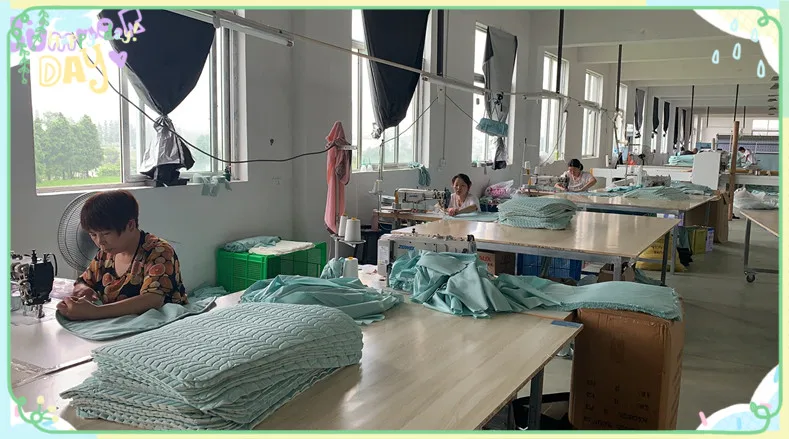
Wenzhou Mumeng Home Textiles Co., Ltd.
- Manufacturer
- Zhejiang, China
- Lead time15 days
- Avg. response≤ 2h
Main productspillow,latex mattress,latex slipper,pillow case,quilt
Main marketsDomestic Market(42.00%), North America(10.00%), South America(8.00%), Northern Europe(8.00%), Central America(8.00%), Western Europe(8.00%), Mid East(8.00%), Eastern Europe(8.00%)
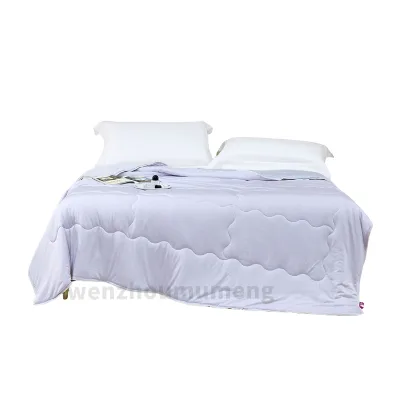
$23.6804 - $46.3316
MOQ: 1 pieces
$23.5995 - $46.1714
MOQ: 1 pieces

Shanghai Jspeed Industry Co., Ltd.
- Verified by BV
- Trading Company
- China Shanghai
- Lead time60 days
- Avg. response≤ 7h
Main productsMen/Women Swimwear, Underwear, Bra, Socks, Men/Women Pants, Men/Women Jackets, Dress, Sportwear, Skirt, Shirt
Main marketsEurope
- Verified by Intertek
- Manufacturer, Trading Company
- Lead time20 days
- Avg. response≤ 3h
Main productsDown Duvet Pillow, Downalternative Comforter Pillow, Silk Bedding Sets, Waterproof Mattress Protector, Weighted Blanket
Main marketsWestern Europe(35%), Eastern Asia(30%), North America(20%)
Ningbo Beyond Home Textile Group Co., Ltd.
- Verified by TüVRheinland
- Manufacturer, Trading Company
- Lead time30 days
Main productsBedding Set, Duvet, Pillow, Quilt, Comforter
Main marketsDomestic Market(75%), North America(6%), Oceania(5%)
Nantong Sufang Textile Co., Ltd.
- Verified by Intertek
- Manufacturer, Trading Company
- Lead time15 days
- Avg. response≤ 3h
Main productsBedding Set, Mattress, Quilt, Pillow, Towel
Main marketsOceania(50%), Southeast Asia(25%), Mid East(20%)
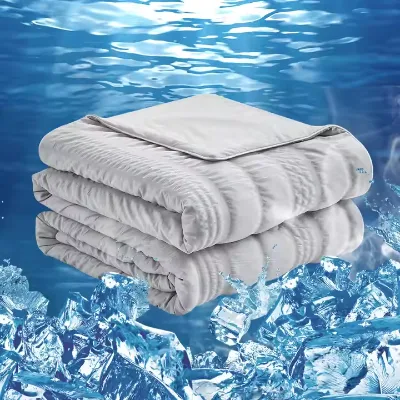
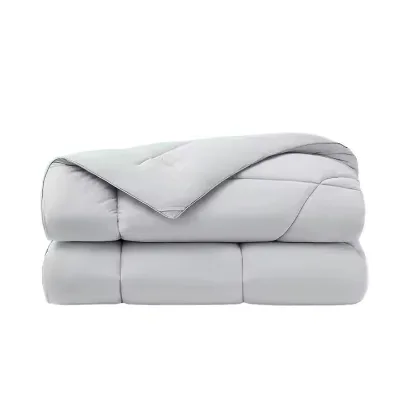
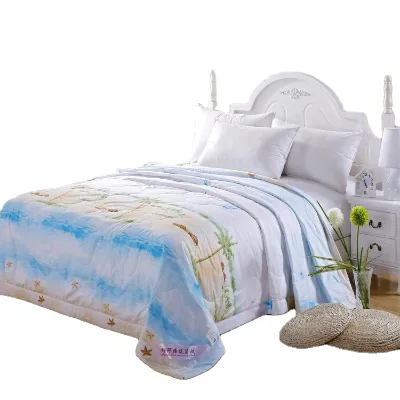
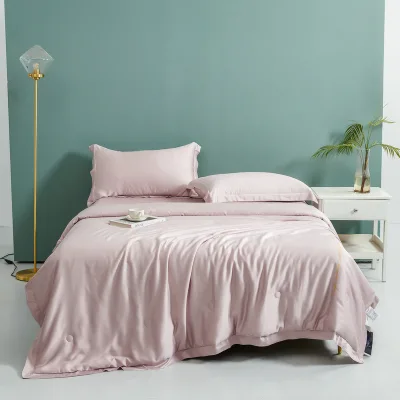


Comprehensive Sourcing Guide
Cooling Bamboo Woven Quilt Supplier Concentration and Factory Types
The current supplier landscape for cooling bamboo woven quilts reveals a distinct concentration of manufacturing and trading entities within specific Chinese provinces, with Jiangsu emerging as a primary hub for these textile operations. Factories located in this region often specialize in home textiles, offering a diverse range of products that include bed linen, bath linen, and various fabric types, which suggests a mature supply chain capable of handling complex textile requirements. Buyers evaluating potential partners should note that many of these entities operate as both manufacturers and trading companies, a dual structure that can offer flexibility in order sizes and customization options while maintaining direct control over production quality. This hybrid model is particularly relevant for buyers seeking the balance of factory-direct pricing with the service-oriented approach of a trading firm, allowing for easier communication and potentially faster resolution of logistical issues during the sourcing process.
In addition to the Jiangsu cluster, other regions such as Zhejiang also host suppliers who produce similar cooling comforters, indicating that the sourcing base is not monolithic but rather distributed across multiple textile manufacturing centers. The presence of brands like Kelin and Yintex in the product listings highlights that established manufacturers are actively participating in the B2B marketplace, often providing products with specific features such as hypoallergenic properties, eco-friendly certifications, and reversible designs. These manufacturers typically cater to a wide array of applications, including home use, hotels, hospitals, and motels, which implies that their production lines are equipped to meet varying quality standards and volume demands. Buyers should recognize that while the core keyword focuses on bamboo woven quilts, the actual product offerings often include variations such as silk cooling quilts or cotton-filled comforters, requiring careful verification of material composition to ensure the bamboo content meets specific expectations.
How to Verify Cooling Bamboo Woven Quilt Suppliers
Verifying the authenticity and capability of suppliers requires a meticulous examination of their response times, lead times, and established operational history, as these metrics serve as reliable indicators of their reliability and efficiency. Suppliers in this category often display response times ranging from four to five days, which, while not instantaneous, suggests a structured communication process that buyers should factor into their project timelines. It is crucial to distinguish between the stated response time and the actual production lead time, which can vary significantly based on order volume and seasonality; for instance, some suppliers indicate lead times of thirty days for standard orders, while others may negotiate timelines for larger quantities exceeding one thousand units. Buyers must actively inquire about these variations to avoid delays, especially when planning for peak seasons where production capacity may be constrained, and should request clear written confirmation of delivery schedules before committing to any purchase agreements.
Beyond temporal metrics, verifying supplier credentials involves checking for specific product attributes and certifications that align with international standards, although explicit certification details are not always prominently displayed in initial search results. Buyers should request documentation for eco-friendly claims, such as OEKO-TEX or GOTS certifications, particularly when the product is marketed as bamboo-based or hypoallergenic, as these labels provide tangible proof of material safety and environmental compliance. Additionally, examining the product evidence for details such as filling materials, fabric types, and weight specifications can help assess the supplier's attention to detail and consistency in product descriptions. For example, some listings specify a weight of 2.5kg and a quilted pattern, while others mention silk or cotton fillings, so buyers must ensure that the supplier's actual product matches the described specifications to prevent discrepancies upon delivery. Engaging in direct communication to request samples and verify these details is an essential step in the verification process.
What to Compare Across Cooling Bamboo Woven Quilt Suppliers
When comparing suppliers, buyers should prioritize key commercial dimensions such as minimum order quantities (MOQ), pricing structures, and main product offerings to determine which partner best aligns with their business model and volume requirements. Many suppliers in this category set an MOQ of ten sets, which is relatively accessible for small to medium-sized buyers, allowing for lower initial risk and easier inventory management. However, pricing can vary significantly based on material composition and design complexity; for instance, basic cooling quilts may start at prices around 4.35 USD, while more premium options featuring silk or advanced cooling technologies can range up to 29.92 USD. Buyers must carefully analyze these price points in conjunction with the MOQ to calculate the total landed cost, ensuring that the selected supplier offers a competitive advantage without compromising on quality or reliability.
In addition to price and volume, comparing the specific features and applications of the products is essential for identifying suppliers who can meet niche market demands. Some suppliers offer quilts with specific features such as reversible designs, anti-pilling properties, and machine-washable fabrics, which are highly valued by end consumers in the home and hospitality sectors. Buyers should also consider the supplier's ability to customize products, as indicated by options for customized logos and various color choices, which can be crucial for branding purposes. Furthermore, evaluating the supplier's main product range, which may include pillows, mattress pads, and weighted blankets, can provide insights into their broader capabilities and potential for future collaboration. By systematically comparing these attributes, buyers can create a shortlist of suppliers who not only offer competitive pricing but also possess the technical expertise and flexibility to support their specific sourcing needs.
Common Cooling Bamboo Woven Quilt Sourcing Risks
One of the primary risks in sourcing cooling bamboo woven quilts is the potential discrepancy between the advertised material composition and the actual product received, particularly regarding the percentage of bamboo fiber versus other synthetic or natural blends. Suppliers may use terms like "bamboo fabric" or "ice silk" which can sometimes refer to regenerated cellulose fibers that are not purely bamboo, leading to confusion about the product's true nature and performance characteristics. Buyers must insist on detailed material breakdowns and, if possible, third-party lab tests to verify the fiber content, as this directly impacts the product's breathability, moisture-wicking capabilities, and overall customer satisfaction. Additionally, the risk of inconsistent quality across batches is heightened when dealing with suppliers who operate as both manufacturers and trading companies, as the latter may source from multiple factories with varying quality control standards, making it essential for buyers to establish clear quality assurance protocols and conduct regular inspections.
Another significant risk involves the reliability of lead times and the potential for hidden costs associated with logistics and customs clearance, especially when sourcing from regions with complex supply chain dynamics. Suppliers may quote attractive lead times that do not account for peak season delays or unexpected production bottlenecks, leading to missed deadlines and potential penalties for buyers. Furthermore, the lack of standardized packaging or labeling requirements can result in additional costs for buyers who need to comply with local regulations in their target markets. Buyers should also be cautious of suppliers who do not offer escrow services or secure payment terms, as this increases the financial risk in case of non-delivery or substandard products. To mitigate these risks, buyers should conduct thorough due diligence, including background checks on supplier history and financial stability, and establish clear contractual terms that outline responsibilities for delays, quality issues, and dispute resolution.
Cooling Bamboo Woven Quilt Regional Sourcing and Logistics
Sourcing cooling bamboo woven quilts from China involves navigating a complex logistics network that is heavily influenced by the geographic concentration of suppliers in provinces like Jiangsu and Zhejiang. These regions benefit from well-developed infrastructure, including proximity to major ports such as Shanghai and Ningbo, which facilitates efficient export operations and reduces transit times to global markets. Buyers should consider the logistical advantages of sourcing from these hubs, as they often have a higher density of suppliers and supporting services, such as freight forwarders and quality inspection agencies, which can streamline the procurement process. However, the concentration of suppliers in specific areas also means that buyers may face increased competition for production capacity during peak seasons, necessitating early engagement and flexible order planning to secure timely deliveries.
Logistics planning must also account for the specific requirements of textile products, such as the need for moisture-resistant packaging to prevent damage during transit, especially for quilts made from natural fibers like bamboo or cotton. Buyers should work closely with their suppliers to ensure that packaging standards meet international shipping requirements, including proper labeling and documentation for customs clearance. Additionally, the choice of shipping method, whether by sea or air, will significantly impact the overall cost and delivery timeline, with sea freight being more cost-effective for large volumes but slower, while air freight offers speed at a higher price. Buyers should evaluate these options based on their inventory needs and cash flow constraints, and consider using freight forwarders with experience in textile shipments to optimize logistics costs and ensure the safe arrival of goods. Understanding these regional and logistical nuances is crucial for building a resilient and efficient supply chain.
Cooling Bamboo Woven Quilt Commercial Terms and Order Planning
Effective order planning for cooling bamboo woven quilts requires a strategic approach to commercial terms, including payment structures, warranty policies, and after-sales support, which are critical for maintaining a healthy business relationship with suppliers. Buyers should negotiate clear payment terms, such as a deposit followed by balance payment upon shipment, to balance risk and cash flow, and consider using escrow services to protect their interests until the goods are received and inspected. It is also important to establish clear expectations regarding product warranties and return policies, particularly for defects in material or workmanship, to ensure that any issues are resolved promptly and fairly. Buyers should document these terms in a formal contract to avoid misunderstandings and provide a legal basis for dispute resolution if necessary, ensuring that both parties are aligned on their responsibilities and obligations.
Furthermore, order planning should incorporate a robust system for tracking production progress and managing inventory levels to prevent stockouts or overstock situations. Buyers should request regular updates from suppliers on production status, including milestones for material sourcing, manufacturing, and quality control, to maintain visibility and address any potential delays proactively. Additionally, buyers should consider the seasonal nature of the product, as demand for cooling quilts may fluctuate throughout the year, requiring flexible order quantities and delivery schedules to align with market trends. By integrating these commercial and logistical considerations into their sourcing strategy, buyers can optimize their operations, reduce risks, and build a sustainable supply chain that supports long-term growth and profitability in the competitive home textiles market.
FAQs
What is the price range for cooling bamboo woven quilts?
Prices for cooling bamboo woven quilts typically range from $4.35 to $8.72 per unit. This range reflects variations in fabric weight, pattern complexity, and order volume. Buyers should expect lower costs for standard summer designs and higher prices for specialized all-season or luxury options.
What is the minimum order quantity for these quilts?
The minimum order quantity is generally set at 10 sets. This low threshold allows buyers to test market demand without significant inventory risk. Suppliers often maintain this baseline to accommodate small business orders while ensuring production efficiency for larger wholesale transactions.
How long does production take for cooling quilts?
Standard lead times are approximately 30 days for most orders. During peak seasons, production may extend to 35 days for quantities under 1,000 units. Larger orders exceeding 1,000 units require negotiation to determine specific delivery schedules based on factory capacity.
Where are these cooling quilts manufactured?
Most cooling quilts are manufactured in Jiangsu, China, with some production also occurring in Zhejiang. These regions are known for their textile expertise and efficient supply chains. Buyers should verify the specific place of origin for each product to ensure alignment with their sourcing preferences.
What features do bamboo cooling quilts offer?
Bamboo cooling quilts offer features such as moisture wicking, breathability, and eco-friendly materials. They are often reversible, hypoallergenic, and machine washable. These characteristics make them suitable for home, hotel, and hospital use, providing comfort for hot sleepers during summer or all-season use.
How quickly do suppliers respond to inquiries?
Suppliers typically respond to inquiries within 4 to 5 hours. This rapid response time ensures that buyers can quickly clarify product details, pricing, and customization options. Efficient communication helps streamline the sourcing process and reduces delays in order placement and production scheduling.