Cooling Bamboo Fiber Summer Quilt Suppliers and Manufacturers
Compare 26 verified suppliers offering Cooling Bamboo Fiber Summer Quilt products with varying lead times, MOQs, and certifications. Review response times and factory capabilities to select the right partner for your sourcing needs today; review the available evidence before requesting comparable quotations from suitable candidates.
Updated
Suppliers List

Nantong Guanzhihai Trading Co., Ltd.
- Trading Company
- China Jiangsu
- Lead time23 days
- Avg. response≤ 7h
Main productsBedding Set, Quilt, Blanket, Pillow, Curtain, Carpet, Comforter, Fitted Sheet, Mattress Cover, Bed Skirt
Main marketsSouth America,Eastern Europe,Mid East,North America,Southeast Asia,Eastern Asia,Oceania,Western Europe,Africa

Bamboo Fiber Quilt Cooling Quilt Summer Quilt Breathable Lightweight Printed Bed Quilt
$2.50 - $9.00
MOQ: 200 Pieces

Summer Quilt Cooling Quilt Bamboo Fiber Quilt Double Sided Lightweight Bedding for Hot Weather
$2.50 - $9.00
MOQ: 200 Pieces

Cooling Quilt Summer Quilt Bamboo Fiber Quilt Lightweight Breathable Printed Bedding for Summer
$2.50 - $9.00
MOQ: 200 Pieces

Cooling Quilt Bamboo Fiber Quilt Summer Bedding Double Sided Printed Lightweight Quilt OEM ODM
$2.50 - $9.00
MOQ: 200 Pieces

Cooling Quilt Bamboo Fiber Summer Quilt Custom Printed Lightweight Bedding Factory Wholesale OEM
$2.50 - $9.00
MOQ: 200 Pieces

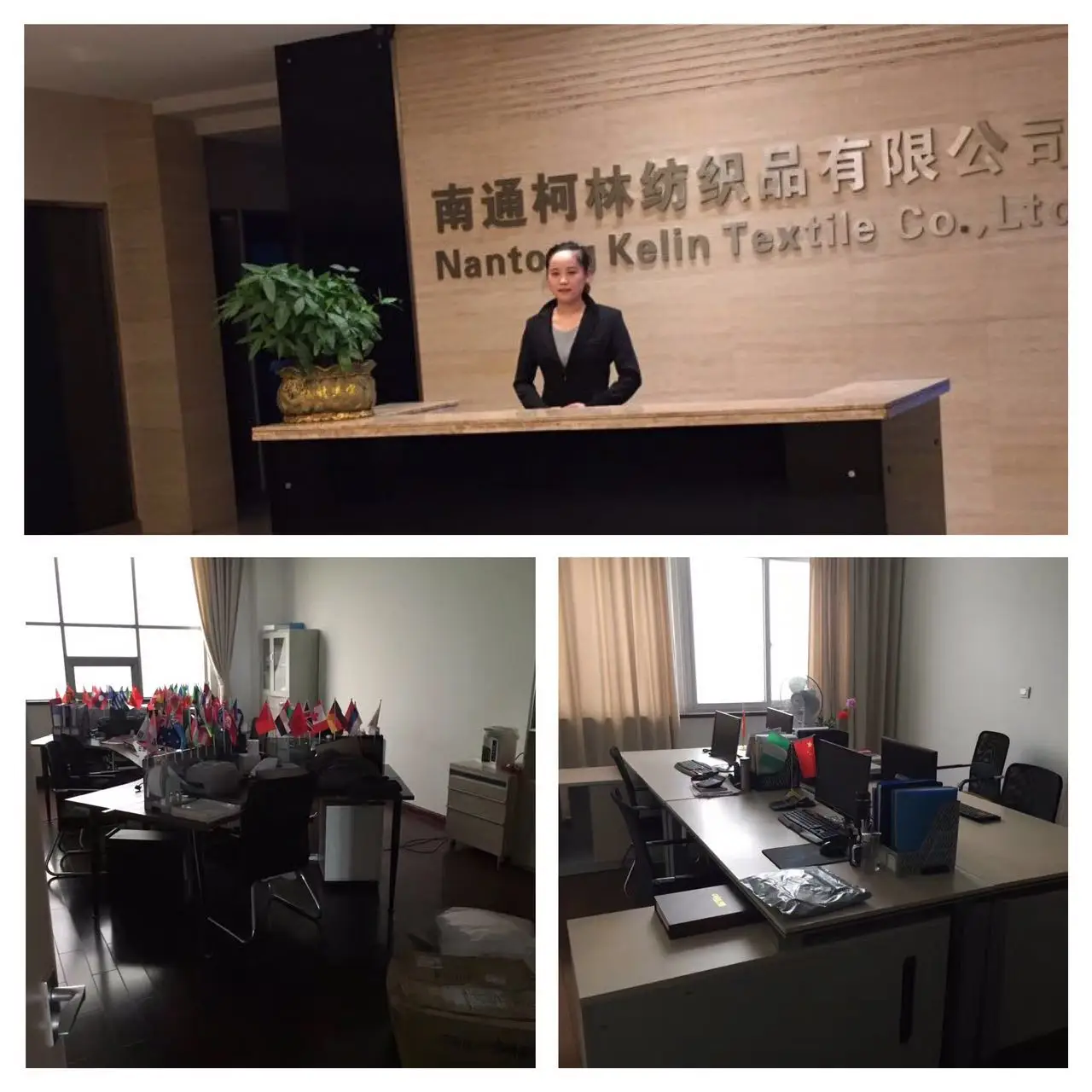
Nantong Kelin Textile Co., Ltd.
- Manufacturer, Trading Company
- Jiangsu, China
- Lead time30 days
- Avg. response≤ 5h
Main productsBed Linen; Bath Linen; Fabric
Main marketsDomestic Market(44.00%), Mid East(20.00%), Southeast Asia(20.00%), North America(10.00%), Oceania(3.00%), Eastern Asia(2.00%), Africa(1.00%)
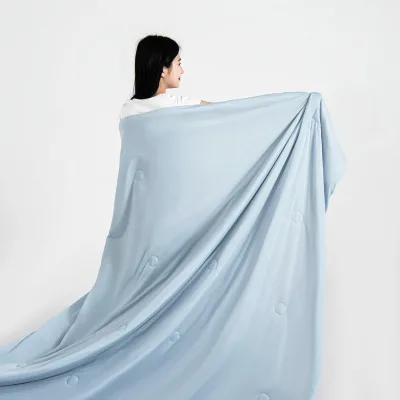
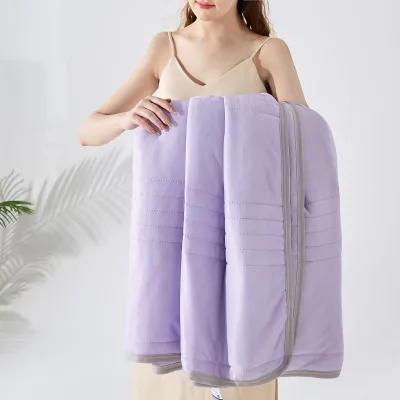
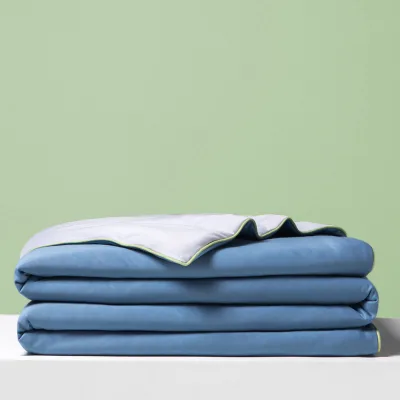
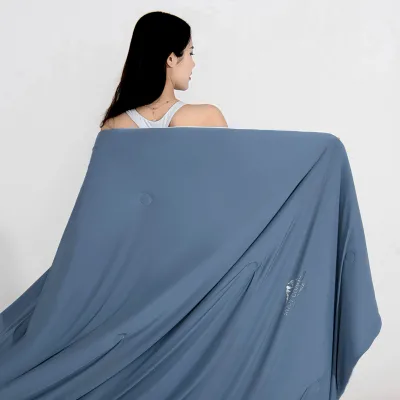
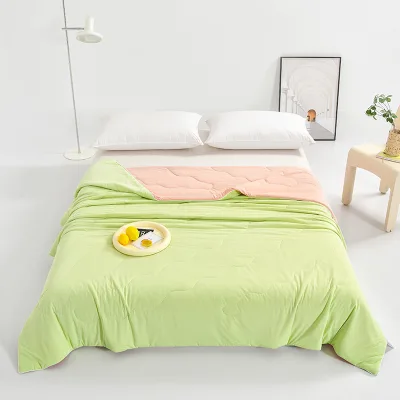
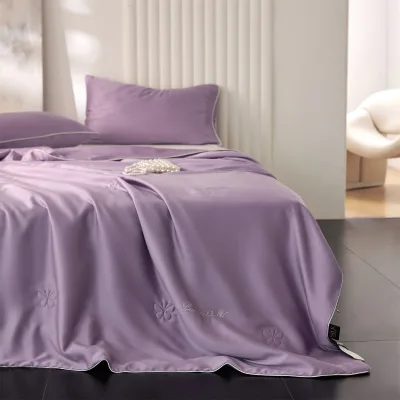
Double Sided Soft Fluffy Cooling Quilt Plain Summer Comforter for Hot Sleepers Cooling Quilt
$19.6069 - $29.9395
MOQ: 10 pieces
$19.5694 - $27.8739
MOQ: 10 pieces
Ningbo Jemo Textile Tech Co., Ltd.
- Trading Company
- Zhejiang, China
- Lead time0 days
- Avg. response≤ 1h
Main productsWeighted Blanket, Knitted Blanket, Outdoor Blanket, Bed Sheet Sets, Comforter And Duvet
Main marketsSouth America(30.00%), North America(20.00%), Oceania(10.00%), Western Europe(10.00%), Southern Europe(10.00%), Northern Europe(10.00%), Eastern Europe(10.00%)
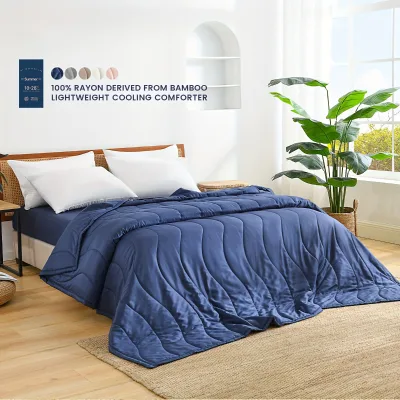
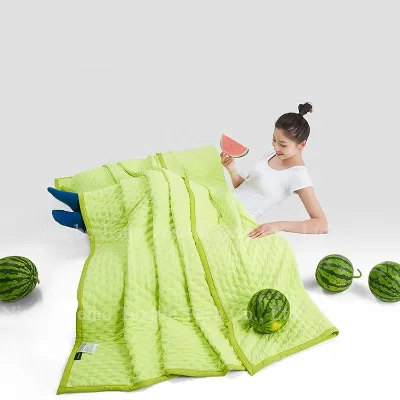
Multi-purpose Soft Comfortable Eco-Friendly Summer Cooling Quilt Soft Quilts Summer Blankets
$6.60 - $12.50
MOQ: 10 pieces
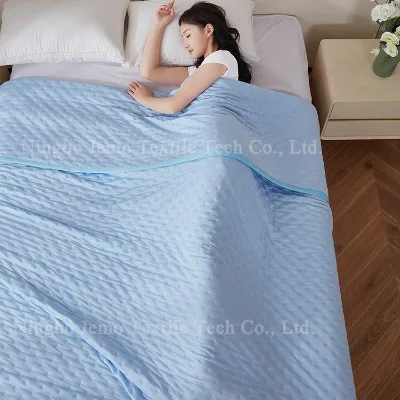
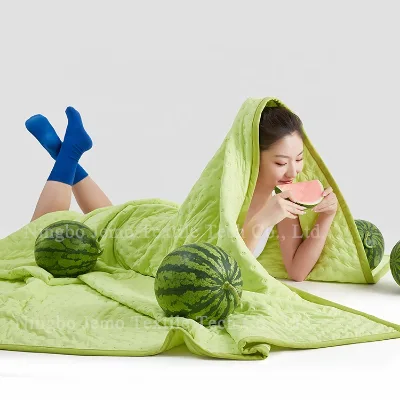
$6.60 - $12.50
MOQ: 10 pieces
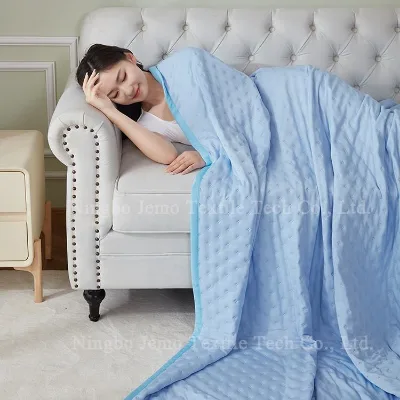
$6.60 - $12.50
MOQ: 10 pieces
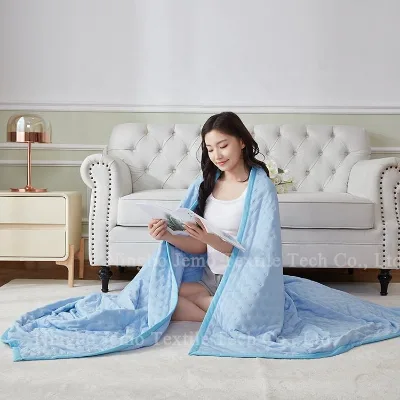
Multi-purpose Luxury Double Sided Soft Fluffy Cooling Summer Quilt for Night Sweats Hot Sleeper
$6.75 - $15.3378
MOQ: 10 pieces
Ningbo Beyond Home Textile Group Co., Ltd.
- Verified by TüVRheinland
- Manufacturer, Trading Company
- Lead time30 days
Main productsBedding Set, Duvet, Pillow, Quilt, Comforter
Main marketsDomestic Market(75%), North America(6%), Oceania(5%)
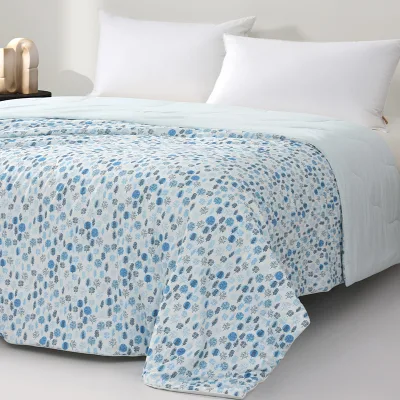
$12.99 - $15.99
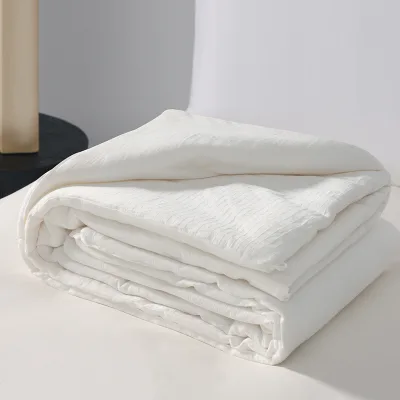
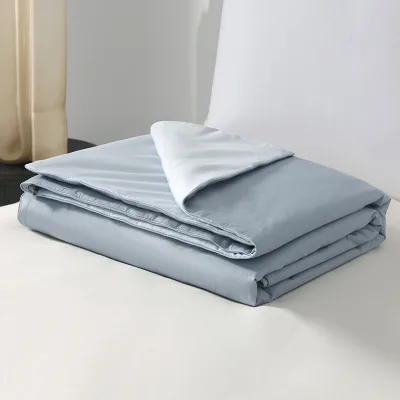
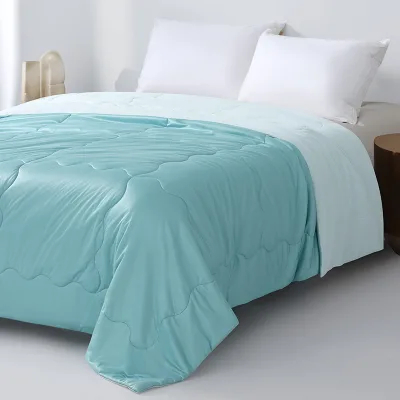
Luxury Cooling Quilt with Cool Touch Fabric Double-Sided for Hotel Use Breathable Polyester Filling
$12.99 - $15.99
MOQ: 50 units
Anhui Sunrise Home Textiles Co., Ltd
- Verified by TüVRheinland
- Manufacturer, Trading Company
- Lead time60 days
- Avg. response≤ 3h
Main productsDown Duvet, Polyester Quilt, Pillow, Mattress Topper, Japanese Futon Mattress
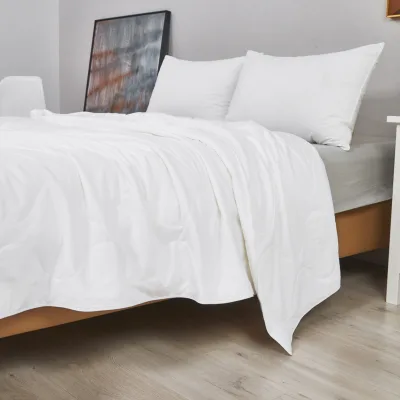
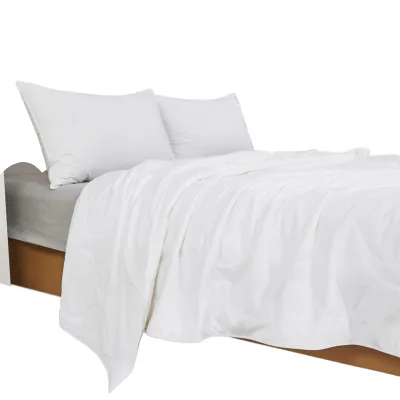
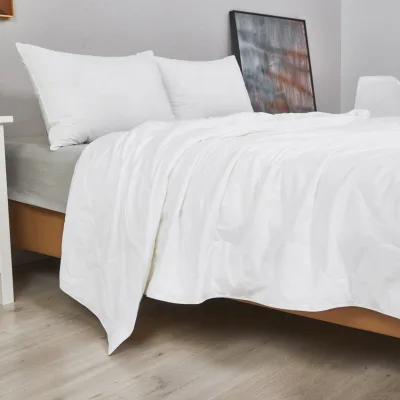
$20.7477 - $25.6239
MOQ: 300 pieces
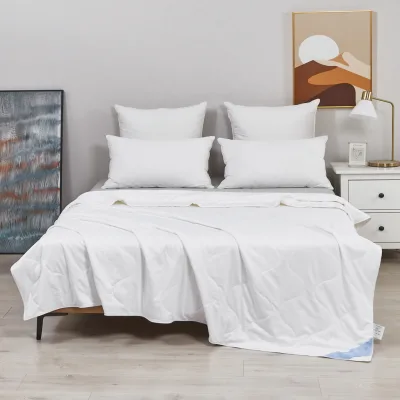
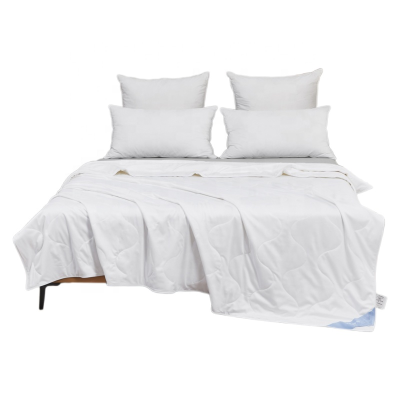
$21.5916 - $26.1156
MOQ: 300 pieces
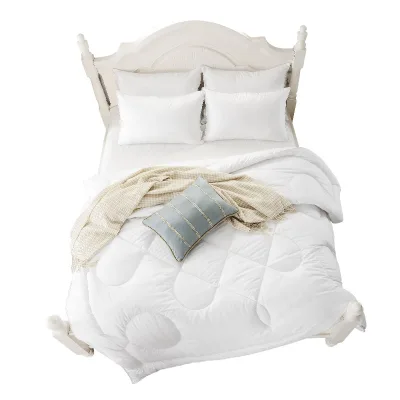
Hypoallergenic Solid Color Down Alternative Mix Fiber Blanket Bamboo Cotton Quilt
$27.8544 - $29.9905
MOQ: 300
- Verified by SGS Group
- Manufacturer, Trading Company
- Lead time30 days
- Avg. response≤ 5h
Main productsComforter, Blanket, Pillows, Waterproof Mattress Protector, Sheet Set
Main marketsNorth America(80%), South America(5%), Western Europe(5%)

- Verified by SGS
- Trading Company,Manufacturer/Factory
- China Jiangsu
- Lead time45 days
- Avg. response≤ 8h
Main productsKnitting Sheet Set, Performance Sheet Set, Cooling Sheet Set, Mattress Protector, Mattress Cover, Mattress Pad, Mattress Topper, Waterproof Duvet Cover, Pram Liner, Trolley Liner
Main marketsMid East,North America,Southeast Asia,Oceania,Western Europe

Premium Bamboo Fiber Cool Feeling Summer Soft Breathable Lightweight Cooling Quilt
$25.00 - $40.00
MOQ: 300 Sets

Moisture Wicking Cool Touch Summer Durable Comfortable High Quality Cooling Quilt
$25.00 - $40.00
MOQ: 300 Sets

Breathable Moisture Wicking Cool Feeling Summer Soft High Quality Cooling Quilt
$25.00 - $40.00
MOQ: 300 Sets

Moisture Wicking Soft Cool Feeling Summer Comfortable Premium Cotton Cooling Quilt
$25.00 - $40.00
MOQ: 300 Sets

Comfortable Cool Touch Summer Skin Friendly Breathable High Quality Cooling Quilt
$25.00 - $40.00
MOQ: 300 Sets

Moisture Wicking Durable Cool Touch Summer Skin Friendly Premium Cooling Quilt
$25.00 - $40.00
MOQ: 300 Sets
Liahren (Beijing) Tech Co., Limited
- Verified by Intertek
- Trading Company
- Lead time30 days
- Avg. response≤ 4h
Main productsOrganic Sustainable Fabrics, Bamboo Towel, Bamboo Hooded Towel, Bamboo Muslin Swaddle, Bamboo Clothing
Main marketsNorth America(30%), Domestic Market(30%), Africa(20%)

ANHUI KINGSON HOUSEHOLD PRODUCTS CO., LTD.
- Trading Company
- China Anhui
- Lead time30 days
- Avg. response≤ 14h
Main productsWeighted Blanket, Knit Weighted Blanket, Down Comforter, Camping Blanket, Pillows, Bedding Set, Camping Mat, Sandy Blanket
Main marketsSoutheast Asia/ Mideast,East Asia(Japan/ South Korea),Europe,Australia,North America

$24.50 - $26.50
MOQ: 100 Pieces


Summer Cooling Quilts Lightweight Comforter Breathable Blanket for Hot Sleeper
$8.35 - $9.65
MOQ: 500 Pieces

Cooling Comforter Cold Fabric Double-Sided Cool Design Soft Fluffy Cooling Blanket Quilts
$7.85 - $9.36
MOQ: 200 Pieces

Hangzhou Grand Home Textile Co., Ltd.
- Combined
- China Zhejiang
- Lead time30 days
- Avg. response≤ 10h
Main productsPillow, Quilt, Blanket, Mattress, Cushion, Mattress Top, Quilt Cover Set, Down Duvet
Main marketsSouth America,Southeast Asia/ Mideast,East Asia(Japan/ South Korea),Europe,Australia,North America

Hangzhou Binhuang Textile Technology Co.,Ltd
- Manufacturer, Trading Company
- Zhejiang, China
- Lead time25 days
- Avg. response≤ 13h
Main productsPillow,Duvet,Bedding Set,Mattress Topper,Mattress Protector
Main marketsNorth America(55.00%), Domestic Market(45.00%)
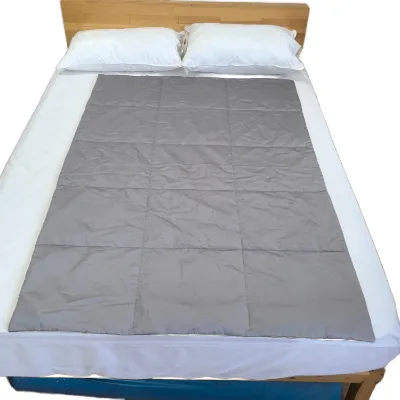
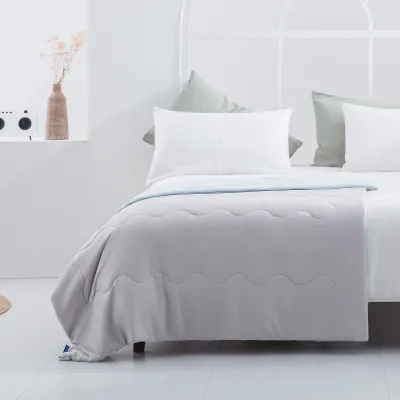
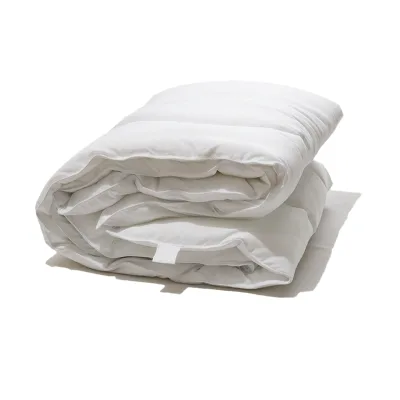
Quilted Comforter Siliconized Polyester Hollow Fiber Microfiber Duvet Insert Summer Winter Quilt
$7.00 - $8.00
MOQ: 300 pieces
Beijing Jiayi Import And Export Trading Co., Ltd.
- Trading Company
- Beijing, China
- Lead time0 days
- Avg. response≤ 6h
Main productsblanket,carpet,hug pillow
Main marketsNorth America(20.00%), South America(20.00%), Eastern Europe(20.00%), Southeast Asia(20.00%), Eastern Asia(20.00%)

Hangzhou D&H Textile Co., Ltd.
- Verified by SGS
- Combined
- China Zhejiang
- Lead time15 days
- Avg. response≤ 13h
Main productsHome Textiles, Clothing Products
Main marketsSoutheast Asia/ Mideast,Europe,North America

$6.00 - $10.35
MOQ: 1 Pieces

High Quality Double Side Cool Feeling Quilt Feeling Summer Cooling Blanket
$5.80 - $7.90
MOQ: 1000 Pieces


Hangzhou Mosheng Textiles Co., Ltd.
- Verified by BV
- Trading Company,Manufacturer/Factory
- China Zhejiang
- Lead time45 days
- Avg. response≤ 6h
Main productsWeighted Blanket, Comforter, Bed Sheet Set, Pillow, Mattress Topper, Mattress Pad, Mattress Protector, Fabric, Reading Pillow, Cushion
Main marketsSouth America,Eastern Europe,Mid East,North America,Southeast Asia,Eastern Asia,Oceania,Western Europe,Africa

5 Star Hotel Quilts Factory China Bamboo White Summer Bedding Quilt Comforters
$15.80 - $38.90
MOQ: 200 Pieces


Nantong Sufang Textile Co., Ltd.
- Verified by Intertek
- Manufacturer, Trading Company
- Lead time15 days
- Avg. response≤ 3h
Main productsBedding Set, Mattress, Quilt, Pillow, Towel
Main marketsOceania(50%), Southeast Asia(25%), Mid East(20%)
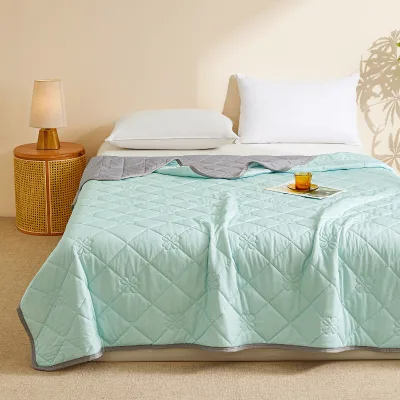
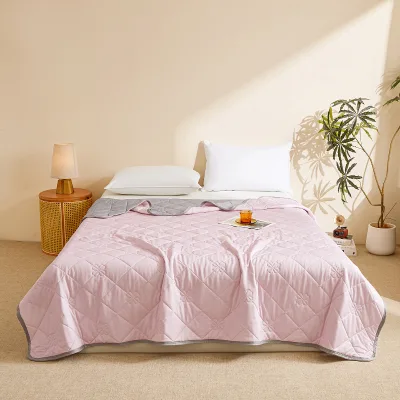
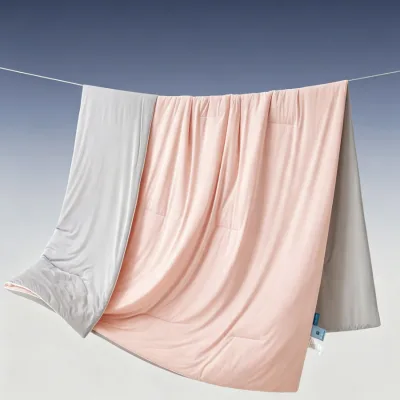
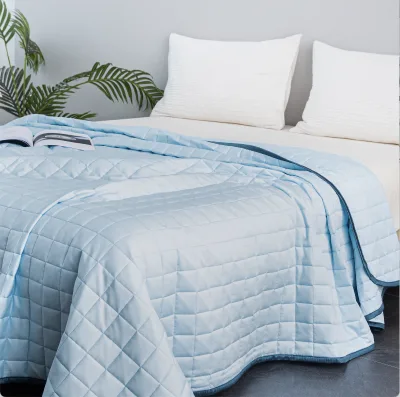
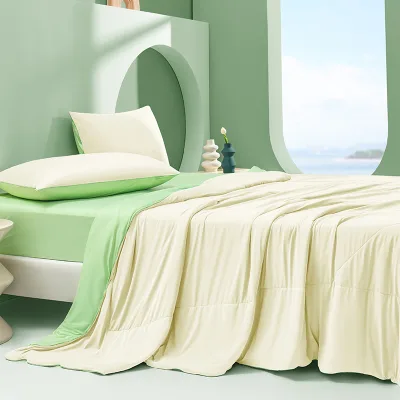
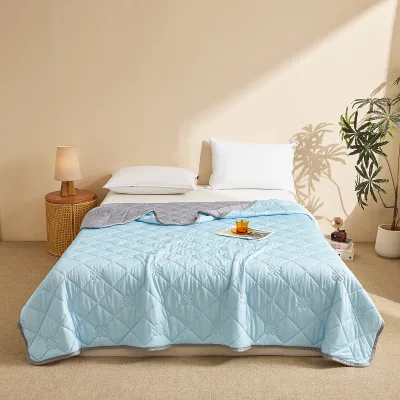
Double Use Cooling Material Summer Quilt
$5.50 - $6.00

Ningbo V.k. Industry And Trading Co., Ltd.
- Verified by SGS
- Combined
- China Zhejiang
- Lead time60 days
- Avg. response≤ 4h
Main productsFlannel Fleece Blanket, Sherpa Throw Blanket, Dog Waterproof Blanket, Fleece Bathrobe, PVC Leather, TV Blanket, Down Coat, PV Fleece Blanket, Bazin Riche, Ice Bath Tub
Main marketsSouth America,Africa,Southeast Asia/ Mideast,East Asia(Japan/ South Korea),Domestic,Europe,Australia,North America
Hangzhou Kuangs Textile Co., Ltd.
- Verified by TüVRheinland
- Manufacturer, Trading Company
- Lead time30 days
- Avg. response≤ 3h
Main productsPet Mats, Pet Beds, Heated Pet Beds, Pet Clothing, Pet Toys
Main marketsNorth America(40%), Western Europe(30%), South America(15%)
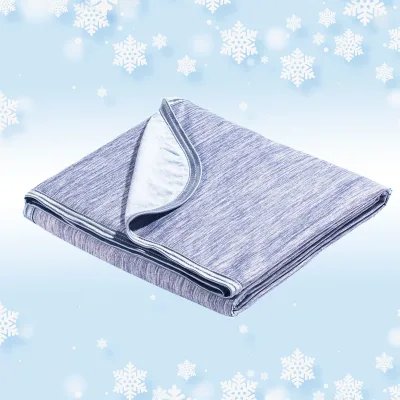
Absorbs Heat 100% Natural Bamboo Lightweight Cooling Blanket for Hot Sleepers
$4.80 - $6.00
MOQ: 200 pieces
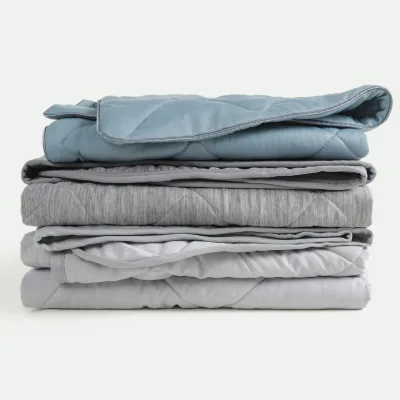
$6.50 - $8.89
MOQ: 2 pieces
- Manufacturer, Trading Company
- Lead time旺季: "1 - 500":40,"> 500":"To be negotiated", 淡季: "1 - 500":40,"> 500":"To be negotiated"
- Avg. response≤ 4h
Main productsDuvet, Pillow, Mattress Topper, Weighted Blanket, Bedding Set
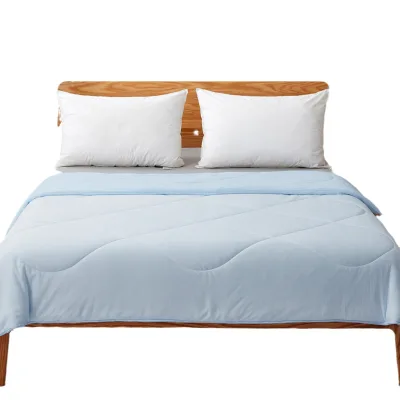
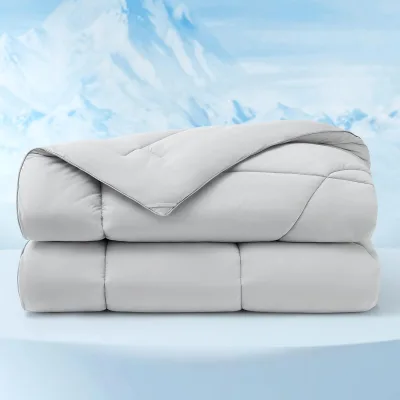
Cooling Blanket Lightweight Summer Comforter Breathable Cold Quilt for Hot Sleepers
$11.50 - $14.50
MOQ: 500
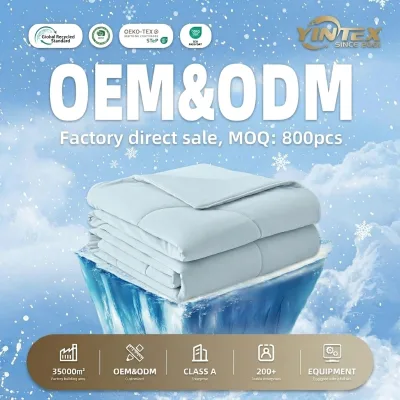

Shanghai Jspeed Industry Co., Ltd.
- Verified by BV
- Trading Company
- China Shanghai
- Lead time60 days
- Avg. response≤ 7h
Main productsMen/Women Swimwear, Underwear, Bra, Socks, Men/Women Pants, Men/Women Jackets, Dress, Sportwear, Skirt, Shirt
Main marketsEurope
Hangzhou Saint Glory Hometextile Co., Ltd.
- Verified by Intertek
- Manufacturer, Trading Company
- Lead time45 days
- Avg. response≤ 8h
Main productsDuvet, Pillow, Sheet Set, Mattress Topper Protector, Cooling Blanket
Main marketsNorth America(50%), Western Europe(14%), South America(10%)

Hangzhou Winde Home Furnishing Co., Ltd.
- China Jiangsu
- Lead time0 days
- Avg. response≤ 5h
Main productsBedding, Bedding Set, Duvet Cover Set, Bed Sheet Set, Hotel Bedding, Crib Bedding, Baby Bedding, Blanket, Bedspread, Towel
- Verified by Intertek
- Manufacturer, Trading Company
- Lead time20 days
- Avg. response≤ 4h
Main productsDown Duvet Pillow, Downalternative Comforter Pillow, Silk Bedding Sets, Waterproof Mattress Protector, Weighted Blanket
Main marketsWestern Europe(35%), Eastern Asia(30%), North America(20%)
Luan East West International Trade Co., Ltd.
- Verified by SGS Group
- Trading Company
- Lead time30 days
- Avg. response≤ 4h
Main productsFunctional Duvet & Blankets, Functional Pillows, Functional Bedding Sets, Functional Eye Masks, Functional Baby Sleepwear
Main marketsNorth America(60%), Oceania(20%), Western Europe(20%)
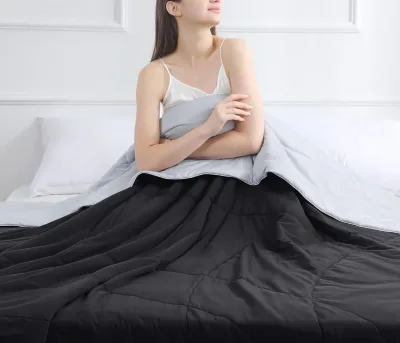
$15.4007 - $20.5348
MOQ: 100 pieces
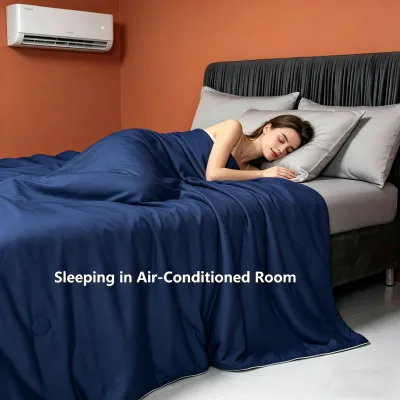
Guangzhou Shining Textile Co., Ltd.
- Verified by TüVRheinland
- Manufacturer, Trading Company
- Lead time45 days
- Avg. response≤ 3h
Main productsBedding Set, Home Textile, Pillow & Quilt, Bed Sheet, Towel
Main marketsNorth America(60%), Eastern Europe(10%), Oceania(10%)
Yiwu Cabin Houseware Co., Ltd.
- Verified by TüVRheinland
- Manufacturer, Trading Company
- Lead time7 days
- Avg. response≤ 1h
Main productsHome Textile
Main marketsCentral America(25%), South Asia(25%), Mid East(20%)
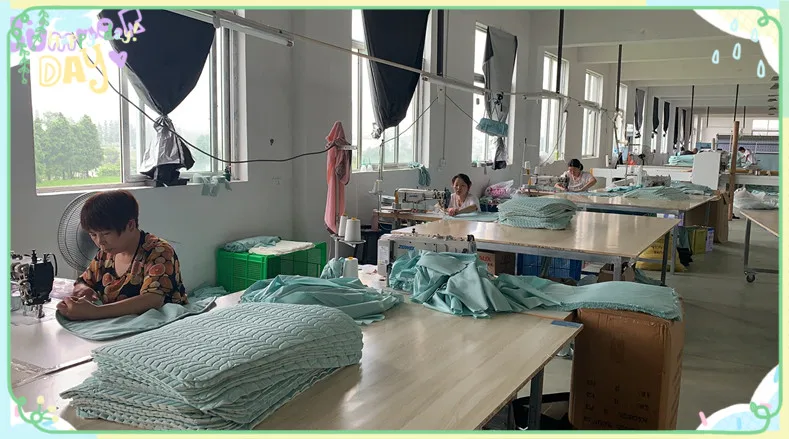
Wenzhou Mumeng Home Textiles Co., Ltd.
- Manufacturer
- Zhejiang, China
- Lead time15 days
- Avg. response≤ 2h
Main productspillow,latex mattress,latex slipper,pillow case,quilt
Main marketsDomestic Market(42.00%), North America(10.00%), South America(8.00%), Northern Europe(8.00%), Central America(8.00%), Western Europe(8.00%), Mid East(8.00%), Eastern Europe(8.00%)
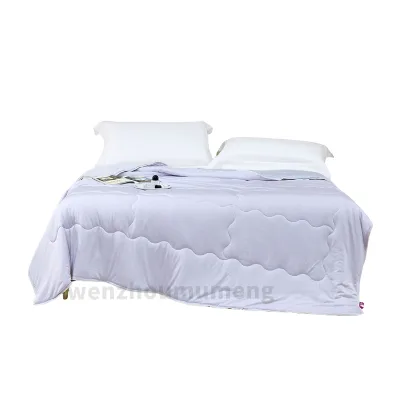
$23.6962 - $46.3626
MOQ: 1 pieces
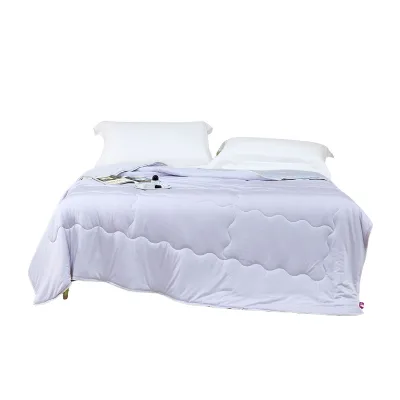
$23.6152 - $46.2022
MOQ: 1 pieces
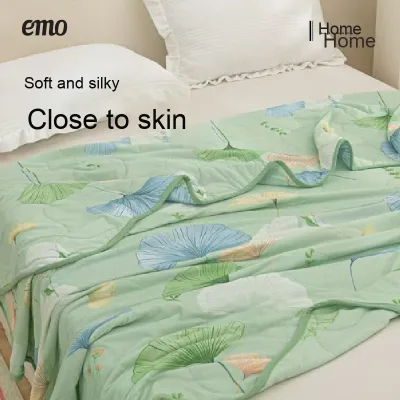






Comprehensive Sourcing Guide
Cooling Bamboo Fiber Summer Quilt Supplier Concentration and Factory Types
The sourcing landscape for cooling bamboo fiber summer quilts reveals a distinct concentration of manufacturing and trading entities within specific industrial regions in China. Current supplier data indicates a notable presence of companies located in Jiangsu, a province known for its robust textile infrastructure. This geographic clustering suggests that buyers seeking these specific bedding products will likely encounter a high density of potential partners in this area. The concentration is not random; it reflects established supply chains for home textiles, where raw material processing, fabric weaving, and final product assembly are often integrated or closely linked within the same regional ecosystem. For buyers, this means that while the pool of suppliers is substantial, the quality and operational focus can vary significantly even among neighbors. Understanding this geographic reality is the first step in narrowing down the search, as it allows for more targeted logistics planning and potentially more efficient communication due to shared time zones and cultural business norms.
Within this concentrated region, the supplier base is composed of a mix of manufacturer and trading company types. Some entities operate as dual-role organizations, functioning as both manufacturers and trading companies, which can offer a hybrid advantage in terms of direct factory pricing and flexible order handling. Others are strictly trading companies, acting as intermediaries that aggregate products from various factories. The distinction is critical because it affects pricing structures, communication layers, and quality control responsibilities. Trading companies may offer a broader range of complementary products, such as bed linen or bath linen, but might add a margin to the base cost. Conversely, pure manufacturers might have stricter minimum order quantities but offer greater transparency in the production process. Buyers must carefully assess the company type listed in supplier profiles to determine if they are dealing with the source of production or a reseller, as this impacts negotiation leverage and the ability to request custom modifications to the bamboo fiber quilt designs.
How to Verify Cooling Bamboo Fiber Summer Quilt Suppliers
Verifying the legitimacy and capability of suppliers requires a multi-layered approach that goes beyond simple profile reading. One of the primary verification steps is to check for recognized system certifications, such as ISO 9000 or ISO 9001. These certifications indicate that the supplier has implemented a quality management system that meets international standards, which is particularly important for textile products where consistency in weight, stitching, and material composition is vital. Buyers should request copies of these certificates and verify their validity through the issuing body. Additionally, the presence of specific product attributes, such as the use of microfiber or bamboo fiber blends, should be cross-referenced with the supplier’s stated main products. If a supplier claims to specialize in cooling quilts but their profile lists unrelated items as primary offerings, this discrepancy warrants further investigation. Consistency between claimed expertise and documented product history is a strong indicator of a reliable partner.
Another crucial verification method involves assessing the supplier’s responsiveness and operational transparency. The response time metric provides a quantitative measure of how quickly a supplier engages with inquiries. A faster response time, such as those observed in the range of five to six hours, often correlates with a more active sales team and better customer service infrastructure. Buyers should also look for evidence of customization capabilities, such as accepted OEM or ODM services. This indicates that the supplier is not just a passive reseller but has the technical capacity to adapt products to specific buyer requirements, such as custom printing or specific weight adjustments. Furthermore, verifying the place of origin and specific factory details can help confirm that the supplier is not merely a virtual entity. Requesting video tours of the production facility or recent photos of the manufacturing line can provide tangible proof of operational capacity. These verification steps collectively build a profile of the supplier’s reliability, ensuring that the partnership is built on verified facts rather than marketing claims.
What to Compare Across Cooling Bamboo Fiber Summer Quilt Suppliers
When evaluating multiple suppliers, buyers must systematically compare key operational metrics to identify the best fit for their specific business needs. One of the most critical factors is the minimum order quantity, or MOQ. The data shows a wide variance in MOQs, ranging from as low as ten sets to as high as two hundred units. This disparity is significant for buyers with different inventory strategies. Small businesses or those testing new markets may prefer suppliers with lower MOQs to minimize risk and capital tie-up, while larger retailers might leverage higher volumes to negotiate better unit prices. Comparing MOQs alongside the unit price range is essential, as lower MOQs often come with higher per-unit costs. Buyers should calculate the total landed cost, including shipping and duties, to determine the true economic impact of the MOQ choice. This holistic view prevents superficial comparisons that might favor a low MOQ but result in higher overall expenses.
Lead time and response speed are other vital dimensions for comparison. The observed lead times vary, with some suppliers offering twenty-three days and others requiring thirty days. For seasonal products like summer quilts, lead time is a critical factor in ensuring timely delivery before the peak selling season. A supplier with a shorter lead time may offer a competitive advantage in responsiveness to market trends or last-minute orders. Similarly, response time impacts the efficiency of the negotiation and sampling process. Suppliers with faster response times can accelerate the timeline from inquiry to production start. Buyers should also compare the main products listed by each supplier to ensure alignment with their broader sourcing strategy. A supplier offering a comprehensive range of home textiles, such as bedding sets and curtains, may offer bundling opportunities or simplified logistics. By systematically comparing these metrics, buyers can create a weighted scorecard that objectively ranks suppliers based on their specific operational strengths and weaknesses.
Common Cooling Bamboo Fiber Summer Quilt Sourcing Risks
Sourcing cooling bamboo fiber summer quilts involves several inherent risks that buyers must proactively manage to ensure a successful procurement process. One significant risk is the discrepancy between claimed material composition and actual product content. While suppliers may advertise bamboo fiber, the actual material might be a microfiber blend or contain a lower percentage of bamboo than stated. This can affect the cooling properties, breathability, and overall quality of the quilt. Buyers must request detailed material specifications and, if possible, third-party lab test results to verify the fiber content. Relying solely on supplier descriptions without independent verification can lead to customer dissatisfaction and returns. Additionally, the term "cooling" is not strictly regulated, and different suppliers may use various technologies or fabric treatments to achieve this effect. Understanding the specific mechanism, such as moisture-wicking properties or thermal conductivity, is crucial for setting accurate product expectations.
Another common risk is the variability in quality control standards across different suppliers. Even within the same region, quality can fluctuate based on production batches, machine calibration, and worker skill levels. Buyers should be aware that some suppliers may have lower MOQs but inconsistent quality, while others with higher MOQs may offer more stable production runs. The risk of defects, such as uneven stitching, fading prints, or inconsistent weight, is higher when working with less established suppliers. To mitigate this, buyers should implement a robust sampling process, requesting pre-production samples that are representative of the final batch. It is also important to verify the supplier’s ability to handle customizations, such as specific logos or packaging, without compromising quality. Miscommunication regarding custom requirements can lead to costly rework or rejected shipments. By identifying these risks early and establishing clear quality benchmarks, buyers can protect their brand reputation and ensure customer satisfaction.
Cooling Bamboo Fiber Summer Quilt Regional Sourcing and Logistics
The geographic location of suppliers plays a pivotal role in determining logistics costs and delivery efficiency. With a significant concentration of suppliers in Jiangsu, China, buyers can benefit from established logistics corridors that connect this textile hub to major international ports. Jiangsu’s proximity to Shanghai and other key shipping centers often results in more competitive freight rates and faster transit times compared to suppliers located in more remote regions. Understanding this geographic advantage allows buyers to optimize their supply chain by prioritizing suppliers in this cluster, provided that other factors like price and quality are comparable. However, buyers must also consider the specific port of loading and the final destination of their goods. Shipping from Jiangsu to North America or Europe involves different transit times and costs, which should be factored into the overall sourcing strategy.
Logistics planning should also account for the packaging specifications provided by suppliers. The data indicates that quilts are typically packed in bags, which is a standard and efficient method for protecting the product during transit. Buyers should verify the dimensions and weight of the packaged units to calculate accurate shipping volumes and costs. Overpacking can lead to unnecessary freight charges, while underpacking may result in product damage. Additionally, buyers should be aware of any specific labeling or marking requirements for their target markets, which the supplier must accommodate. Coordinating with the supplier on packaging details early in the process can prevent delays at customs or distribution centers. By leveraging the regional advantages of Jiangsu and carefully planning logistics parameters, buyers can streamline their supply chain and reduce overall procurement costs.
Cooling Bamboo Fiber Summer Quilt Commercial Terms and Order Planning
Commercial terms and order planning are the final pillars of a successful sourcing strategy for cooling bamboo fiber summer quilts. Buyers must carefully review the pricing structures, which can vary significantly based on order volume and customization requirements. The observed price ranges, from as low as $2.50 to over $12.00 per unit, highlight the importance of volume negotiation. Buyers should aim to consolidate orders to reach higher volume tiers, thereby securing better unit prices. However, this must be balanced against inventory holding costs and market demand forecasts. Overordering can lead to dead stock, while underordering may result in missed sales opportunities or higher per-unit costs. Developing a clear demand forecast and sharing it with the supplier can facilitate better production planning and potentially more favorable pricing terms.
Payment terms and escrow services are also critical components of order planning. Using secure payment methods, such as escrow, can protect buyers from fraud and ensure that funds are only released upon satisfactory delivery of the goods. Buyers should verify if the supplier offers escrow services and understand the associated fees and procedures. Additionally, clear communication regarding delivery schedules and penalties for late shipments is essential. Establishing a formal agreement that outlines these terms can prevent disputes and ensure accountability. Buyers should also consider the supplier’s capacity for ongoing support, including after-sales service and handling of defective items. By meticulously planning commercial terms and leveraging secure payment methods, buyers can minimize financial risk and build a sustainable, long-term sourcing relationship.
FAQs
What is the typical lead time for cooling bamboo fiber summer quilts?
The typical lead time for these quilts is 23 days, though some suppliers may require up to 30 days for production. This duration covers manufacturing and initial packaging before shipment. Buyers should confirm specific timelines with their chosen vendor to ensure timely delivery for their orders.
What is the minimum order quantity for bamboo fiber cooling quilts?
Minimum order quantities vary significantly among suppliers, ranging from 10 sets to 200 units depending on the specific product model. Some manufacturers accept small orders of 10 sets, while others require a minimum of 200 pieces. Always verify the MOQ with the supplier before placing an order.
Are these quilts available for customization with custom logos or designs?
Yes, customization is available for many cooling bamboo fiber summer quilts, including custom logos and printed designs. Suppliers accept OEM and ODM requests, allowing buyers to tailor products to their brand needs. The specific customization options and associated costs should be confirmed directly with the manufacturer.
What certifications do suppliers of these quilts typically hold?
Many suppliers hold ISO 9000 and ISO 9001 system certifications, indicating adherence to quality management standards. These certifications ensure consistent product quality and reliable manufacturing processes. Buyers should request proof of these certifications to verify the supplier's compliance with international quality standards before finalizing any purchase.
Where are the manufacturers of these quilts located?
The manufacturers are primarily located in Jiangsu, China, a major hub for textile production. This region offers access to raw materials and established supply chains for bedding products. Buyers sourcing from this location can expect efficient logistics and a wide variety of product options from local factories.
What is the price range for wholesale cooling bamboo fiber summer quilts?
The price range for these quilts typically spans from 2.50 to 12.80 per unit, depending on material and features. Basic models may start at 2.50, while premium options with specific features can reach 12.80. Final pricing depends on order volume, customization requirements, and the specific supplier selected.
How quickly do suppliers typically respond to inquiries about these quilts?
Suppliers typically respond to inquiries within 5 to 6.27 hours, ensuring prompt communication for potential buyers. This quick response time helps facilitate efficient negotiation and order processing. Buyers should expect timely updates regarding product availability, pricing, and shipping details from responsive vendors.