Countersink Step Drill for Metal Suppliers and Manufacturers
Find 31 Countersink Step Drill for Metal suppliers offering OEM customization, ISO certifications, and varied lead times. Compare locations in Jiangsu and Heilongjiang, response times, and material specs like HSS or cobalt before requesting quotes; review the available evidence before requesting comparable quotations from suitable candidates.
Updated
Suppliers List

Zhenjiang Scharp Machinery Tools Co., Ltd.
- Manufacturer/Factory,Group Corporation,Other
- China Jiangsu
- Lead time60 days
- Avg. response≤ 13h
Main productsMetal Cutting Tools, Thread Tools, End Mills, Reamer, Milling Cutters, Machine Taps, Thread Die, Countersink, Drill Bits, Slitting Saw
Main marketsSouth America,Eastern Europe,Mid East,North America,Southeast Asia,Eastern Asia,Oceania,Western Europe,Africa
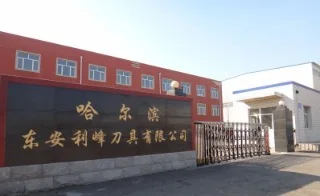
Harbin Dongan Lifeng Cutter Co., Ltd.
- Manufacturer, Trading Company
- Heilongjiang, China
- Lead time30 days
- Avg. response≤ 10h
Main productsTurning Tools,Milling Cutters,Drill Bits,Reamers,Profile Cutters
Main marketsDomestic Market(80.00%), Southeast Asia(10.00%), Mid East(5.00%), Eastern Europe(2.00%), Northern Europe(2.00%), Africa(1.00%)

Jiangsu Goldmoon Industry Co., Ltd.
- Verified by SGS
- Combined
- China Jiangsu
- Lead time15 days
- Avg. response≤ 4h
Main productsDrill Bit, Hole Saw, Saw Blade, Router Bit, Taps & Dies, End Mill, Grinding Tool, Work Gloves, Safety Helmet & Safety Shoes, Artificial Flowers
Main marketsEurope
- Manufacturer, Trading Company
- Lead time旺季: "1 - 500":45,"> 500":"To be negotiated", 淡季: "1 - 500":45,"> 500":"To be negotiated"
- Avg. response≤ 14h
Main productsmedium and high-end CNC precision cutting tool,profile fixture,brazing fixtures,wear-resistant parts,high-precision accessories

DANYANG DAMING TOOLS CO., LTD.
- Trading Company
- China Jiangsu
- Lead time30 days
- Avg. response≤ 16h
Main productsHSS Twist Drill Bits, Diamond Saw Blade, Hole Saw, Tct Saw Blade, Grinding Wheel, Diamond Core Bit, Masonry Drill Bits, SDS Drill Bits, Screw Bits, Screw Extractor
Main marketsSouth America,Africa,Southeast Asia/ Mideast,East Asia(Japan/ South Korea),Domestic,Europe,Australia,North America


High Speed Steel Metal Drilling Countersink Various Sizes Low Price for Plastic Drilling Tools
$0.50 - $5.00
MOQ: 1 Pieces

Zhejiang Xinxing Tools Co., Ltd.
- Combined
- China Zhejiang
- Lead time30 days
- Avg. response≤ 2h
Main productsAnnular Cutter, Hole Saw, Spade Drill, Magnetic Drill Machine, Rail Cutter, Step Drill, Countersink, Deep Hole Drill, Core Drill, Broach Cutter
Main marketsSouth America,Southeast Asia/ Mideast,Europe,North America
Guangzhou Diaoke Automation Equipment Co., Ltd.
- Manufacturer, Distributor/Wholesaler
- Guangdong, China
- Lead time0 days
- Avg. response≤ 13h
Main productsmilling cutter,CNC accessories
Main marketsNorth America(25.00%), Western Europe(15.00%), Eastern Europe(10.00%)

Huizhou Feisite Precision Tools Co., Ltd.
- Verified by SGS
- Manufacturer
- China Guangdong
- Lead time15 days
- Avg. response≤ 3h
Main marketsDomestic

Solid Carbide Countersink Drill Bit with Tungsten Steel Chamfered Step Drills for Metal & Aluminum
$4.05 - $4.50
MOQ: 10 pieces


Zhejiang ZhengCheng lmport & Export Co.,LTD
- Verified by CTI
- Trading Company,Manufacturer/Factory
- China Zhejiang
- Lead time23 days
- Avg. response≤ 5h
Main productsHSS Steel Raw Material, Semi-Finished or Finished Cutting Tools, Martensitic Stainless Steel Raw Materials, Rotary Cutter Blade, Engineering Plastic, Steel Raw Material
Main marketsEastern Europe,Mid East,North America,Southeast Asia,Eastern Asia,Western Europe


High-Speed Steel Tapered Countersink Drill Bit for Precision Metal Drilling
$0.19 - $1.25
MOQ: 50 Piece


High-Speed Steel Wood Countersink Drill Bit 3mm-10mm for Accurate Drilling
$0.19 - $1.25
MOQ: 50 Piece


Chengdu Yibai Technology Co., Ltd.
- Verified by TUVRHEINLAND
- Combined
- China Sichuan
- Lead time60 days
- Avg. response≤ 3h
Main productsTct Saw Blades, PCD Saw Blades, Planer Knives, Router Bits, Finger-Joint Cutters, Drill Bits, Circular Sawblades, Helical Cutter with Indexable Inserts, Edge Banding Cutters, Revisable Carbide Inserts
Main marketsOthers(foreignTradeCapacity.exportBusinessCapacityMarketOther),Europe,North America
Shenzhen Donglin Precision Cutting Tools Co., Ltd.
- Verified by SGS Group
- Manufacturer, Trading Company
- Lead time14 days
- Avg. response≤ 1h
Main productsDeep Hole Drill, Step Drill, Center Drill, Taper Shank Twist Drill, Internal Cooling Aiguille Drill
- Manufacturer, Trading Company
- Jiangsu, China
- Lead time30 days
- Avg. response≤ 8h
Main productsTwist Drill Bits,Saw Blade,Taps,Hole Saw,Tool Accessories
Main marketsNorth America(28.00%), Western Europe(25.00%), Domestic Market(20.00%), Southeast Asia(15.00%), South America(2.00%), Eastern Europe(2.00%), Mid East(2.00%), Southern Europe(1.00%), Central America(1.00%), Oceania(1.00%), South Asia(1.00%), Eastern Asia(1.00%), Africa(1.00%)

Yueqing Hengda Tools Co., Ltd.
- Verified by TUVRHEINLAND
- Combined
- China Zhejiang
- Lead time15 days
- Avg. response≤ 13h
Main productsDrill Bits, Hole Saw, Chisel
Main marketsDomestic
Hedong District Sanhong Hardware Tools Factory
- Verified by Intertek
- Trading Company
- Lead time7 days
- Avg. response≤ 1h
Main productsWire Cutters, Wrenches, Socket Combination set, Hammer, Tape Measures
Main marketsDomestic Market(50%), North America(20%), Africa(10%)
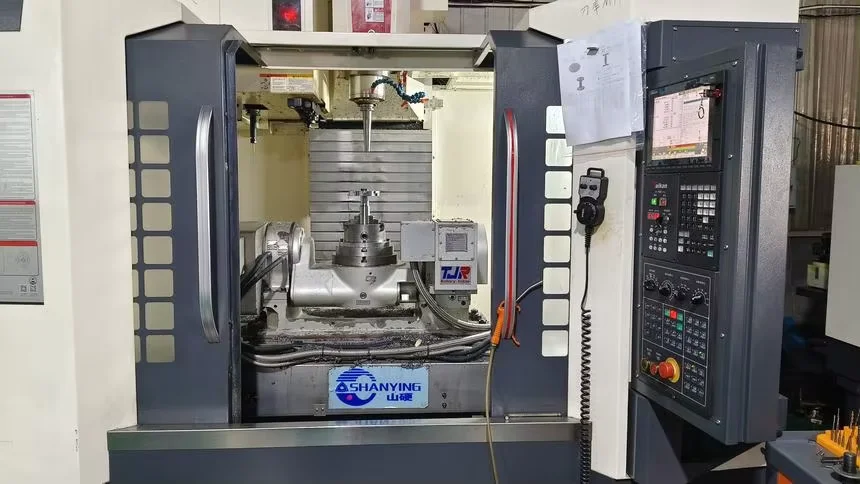
Shandong Denso Precision Tools Co., Ltd.
- Manufacturer, Trading Company
- Shandong, China
- Lead time10 days
- Avg. response≤ 4h
Main productsCNC Tools, CNC Milling Tool Holder, CNC Face Milling Cutter, CNC Turning Tool Holder, CNC Equipment
Main marketsDomestic Market(70.00%), Southeast Asia(8.00%), Eastern Europe(6.00%), Oceania(5.00%), North America(4.00%), South America(2.00%), Mid East(2.00%), South Asia(1.00%), Western Europe(1.00%), Northern Europe(1.00%)

SHUIFU HANYANG MACHINERY TECHNOLOGY CO., LTD
- Verified by TUVRHEINLAND
- Trading Company
- China Yunnan
- Lead time30 days
- Avg. response≤ 3h
Main productsManufacturing Processing Machinery, Sheet Metal Stamping, Springs, Stud Bolt, Clamp, Washer, Nut, Screw, Rivets, Stainless Steel
Main marketsSoutheast Asia/ Mideast,Europe,North America
Wenling Shanwei E-Commerce Co., Ltd.
- Verified by SGS Group
- Manufacturer, Trading Company
- Lead time0 days
- Avg. response≤ 2h
Main productsTools and Hardware, Measuring Tools
Main marketsSouth America(50%), Eastern Europe(30%), Southeast Asia(20%)

BeHappy Crafts(SUZHOU) Co., Ltd.
- Manufacturer, Trading Company
- Jiangsu, China
- Lead time45 days
- Avg. response≤ 3h
Main productsDrill Bit, Hole Saw, Measure Tape, Saw Blade, Power Tools
Main marketsNorth America(24.00%), Western Europe(18.00%), South America(17.00%), Southern Europe(10.00%), Eastern Asia(7.00%), Eastern Europe(5.00%), Domestic Market(5.00%), Southeast Asia(5.00%), Northern Europe(3.00%), Mid East(3.00%), Oceania(2.00%), South Asia(1.00%)

Zhuzhou Century Tool Co., Ltd.
- Manufacturer
- Hunan, China
- Lead time60 days
- Avg. response≤ 3h
Main productsrotary burrs,machine knives,paper cutting knives,carbide blades,pulverizer machine parts
Main marketsNorth America(10.00%), Southeast Asia(5.00%), Mid East(5.00%), Eastern Asia(5.00%), Western Europe(3.00%), South Asia(3.00%), Northern Europe(3.00%), Central America(2.00%), Eastern Europe(2.00%), Southern Europe(2.00%), Domestic Market(1.00%), Oceania(1.00%), South America(1.00%), Africa(1.00%)

Chengdu Rise Win International Trade Co., Ltd.
- Trading Company
- Sichuan, China
- Lead time35 days
- Avg. response≤ 7h
Main productsTools,Machinery,Hardware,Power tool accessories,Machine tools
Main marketsWestern Europe(30.00%), Oceania(20.00%), North America(20.00%), Northern Europe(10.00%), Eastern Europe(10.00%), Eastern Asia(10.00%)
Zhejiang Xinxing Tools Co., Ltd.
- Verified by Intertek
- Manufacturer, Trading Company
- Lead time20 days
- Avg. response≤ 3h
Main productsSpade drill, Speed drill, BTA deep hole drill, Solid carbide drill, Tap
Main marketsEastern Asia(22%), North America(20%), South Asia(14%)
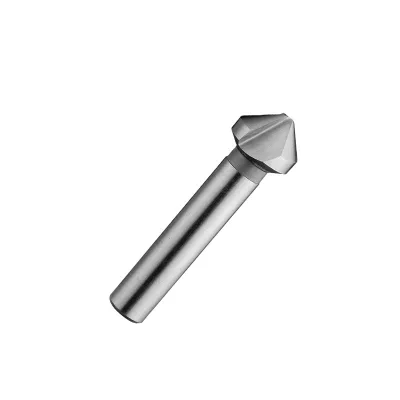
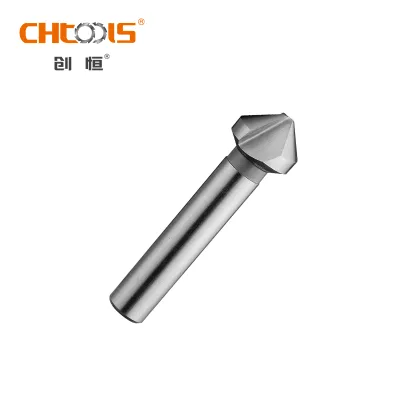
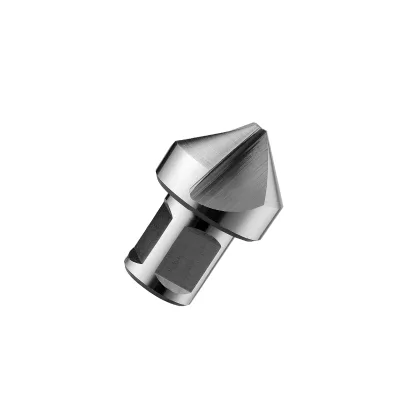
$25.6699 - $30.8041
MOQ: 1 pieces
Langfang Dongwang Superhard Tools Co., Ltd.
- Verified by TüVRheinland
- Manufacturer, Trading Company
- Lead time0 days
- Avg. response≤ 5h
Main productsSaw Blade, Drill Bits, Miling Cutter
Main marketsDomestic Market(47%), North America(20%), South America(5%)
- Verified by Intertek
- Manufacturer, Trading Company
- Lead time0 days
- Avg. response≤ 16h
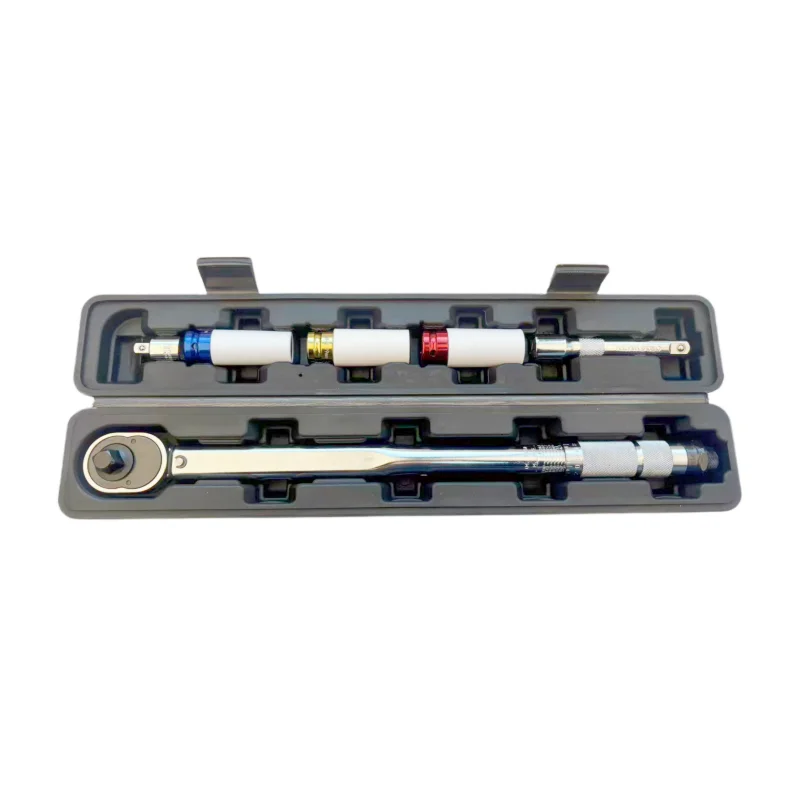
Main productsProfile Twist Drills, Milling Cutters for Bank Cards & SIM Card, Inserts and Holders for Seal Rings, High Precision Torque Wrenches, Carbide Ball-Fluted & Ball-Diamond
Main marketsDomestic Market(33%), Eastern Europe(26%), Eastern Asia(11%)
HANGZHOU JUCHUANG TRADING CO., LTD.
- Manufacturer, Trading Company
- Zhejiang, China
- Lead time30 days
- Avg. response≤ 4h
Main productsAutomotive Repair Tools,Mechanic Tools,Fastening Tools,Measuring Tools,Cutting tools
Main marketsNorth America(150.00%), Western Europe(20.00%), Eastern Asia(20.00%), Southern Europe(10.00%), Eastern Europe(10.00%), South America(10.00%), Southeast Asia(5.00%), Northern Europe(5.00%), Central America(5.00%)

Qingdao Tide Machine Tool Supply Co., Ltd.
- Trading Company
- China Shandong
- Lead time60 days
- Avg. response≤ 21h
Main productsCutting Tools, Measuring Tools, Hand Tools, Machinery and Machine Accessories, Lifting Equipment, Work Protecting Products
Main marketsSouth America,East Asia(Japan/ South Korea),Europe

Shanghai Ostar Tools Int'l Co., Ltd.
- Trading Company,Manufacturer/Factory
- China Shanghai
- Lead time45 days
- Avg. response≤ 15h
Main productsOscillating Multi Tool Blades, Hole Saws, Jigsaw Blade, Reciprocating Saw Blade, Tct Saw Blade, Diamond Saw Blade, SDS Drill Bits, HSS Drill Bits, Cutting Disc, Cutting Tools
Main marketsSouth America,Eastern Europe,North America,Western Europe
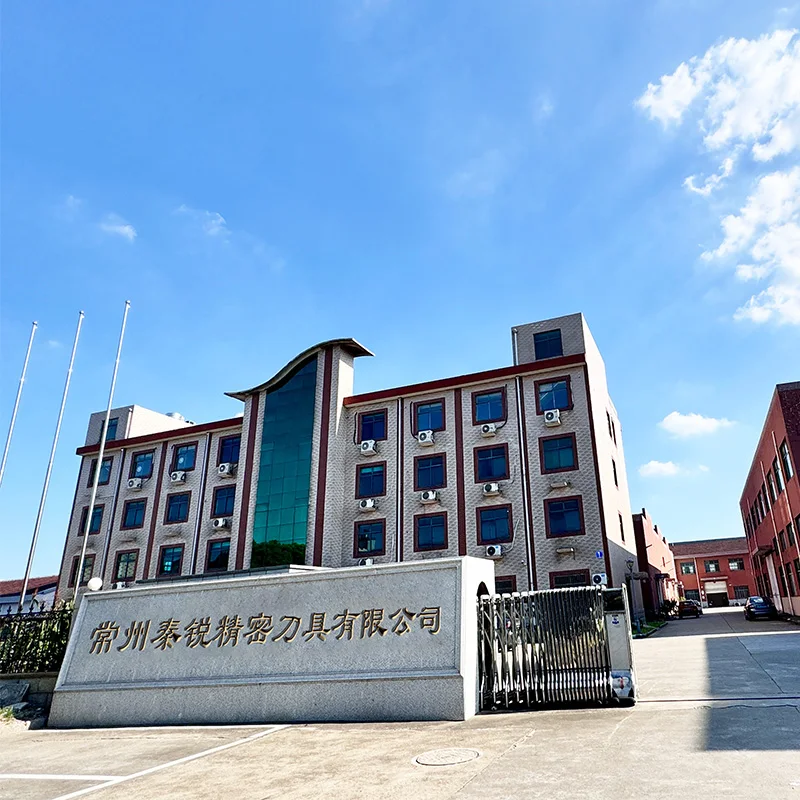
Changzhou Qinrui Precision Cutting Tools Co., Ltd.
- Manufacturer, Trading Company
- Jiangsu, China
- Lead time30 days
- Avg. response≤ 1h
Main productsCNC milling cutter,drill bits,reamer,formingl cutters,Various specifications customised
Main marketsDomestic Market(90.00%), Northern Europe(7.56%), North America(0.78%), South America(0.33%), Mid East(0.26%), South Asia(0.24%), Western Europe(0.23%), Eastern Europe(0.21%), Southern Europe(0.15%), Oceania(0.09%), Southeast Asia(0.08%), Central America(0.06%), Africa(0.01%)
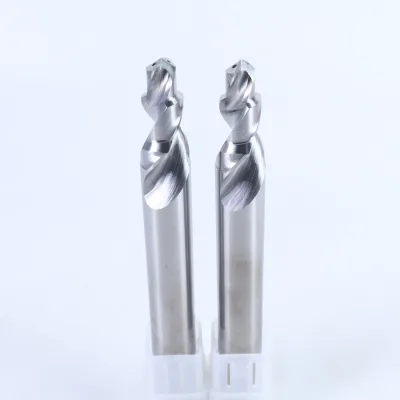
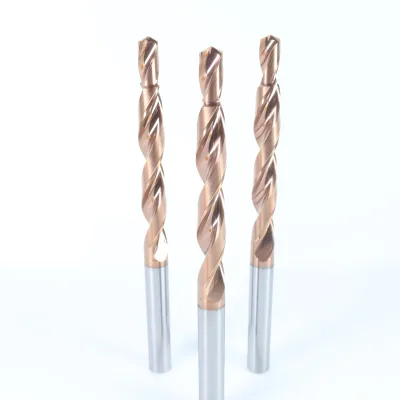
Tungsten Carbide Step Drill Bronze Coating Wear Resistant Multi Stage Drilling
$5.8658 - $6.174
MOQ: 5 pieces

Xuzhou Perfect Tools Co., Ltd.
- Trading Company
- China Jiangsu
- Lead time23 days
- Avg. response≤ 21h
Main productsHSS Drill Bit, Saw Blade, Hole Saw, Screw Taps, End Mill, Drill Bits, Screwdriver, Wrench, Air Tools, Plier
Main marketsSouth America,Africa,Southeast Asia/ Mideast,East Asia(Japan/ South Korea),Europe,Australia,North America

Qingdao Preco Imp. & Exp. Co., Ltd.
- Trading Company,Manufacturer/Factory
- China Shandong
- Lead time23 days
- Avg. response≤ 25h
Main productsMachine Tools, Measuring Tools, Cutting Tools, Hand Tools, Machine Accessories, Machine Toolings, Carbide Inserts, Solid Carbide Tools, Measuring Instruments, Lifting Equipments
Main marketsSouth America,Eastern Europe,Mid East,North America,Southeast Asia,Eastern Asia,Oceania,Western Europe,Africa
Zhejiang Xinxing Tools Co., Ltd.
- Manufacturer, Trading Company
- Lead time旺季: "1 - 100":5,"> 100":"To be negotiated", 淡季: "1 - 100":5,"> 100":"To be negotiated"
- Avg. response≤ 4h
Main productsAnnular Cutter, Magnetic Drill Machine, Step Drill, Hole Saw, Countersink

- Verified by SGS
- Trading Company
- China Shandong
- Lead time15 days
- Avg. response≤ 2h
Main productsBolt, Nut, Screw, Threaded Inserts, Washers, Threaded Rods & Studs, Lifting & Clamping, Pins & Rivets, Nails
Main marketsEurope


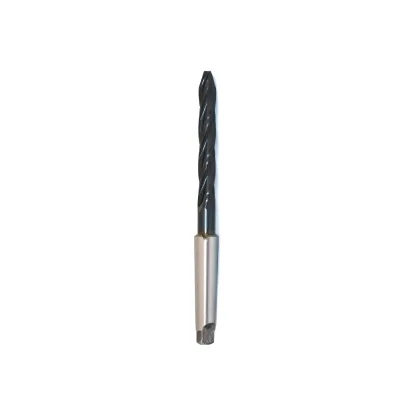
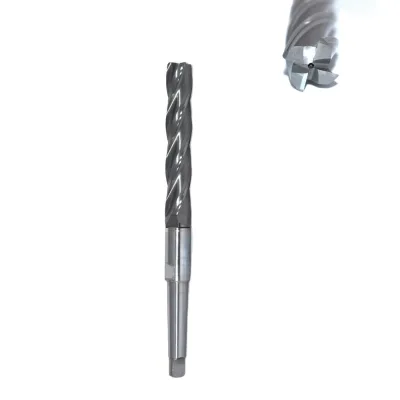
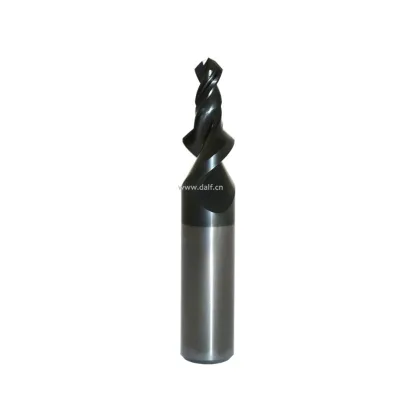
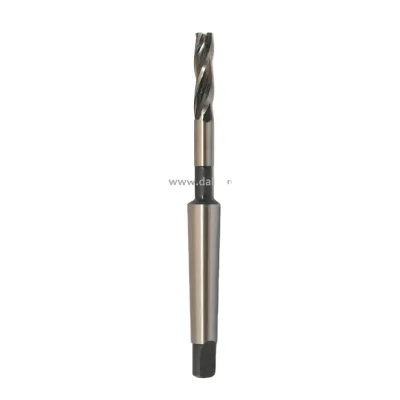
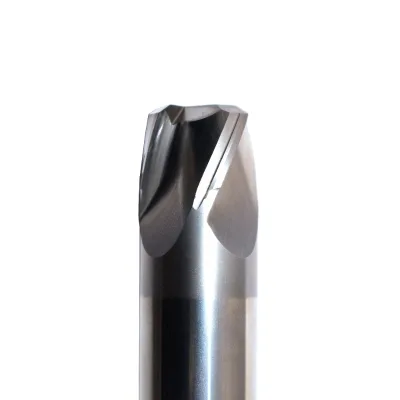


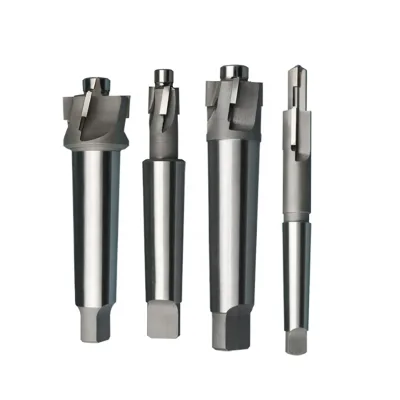




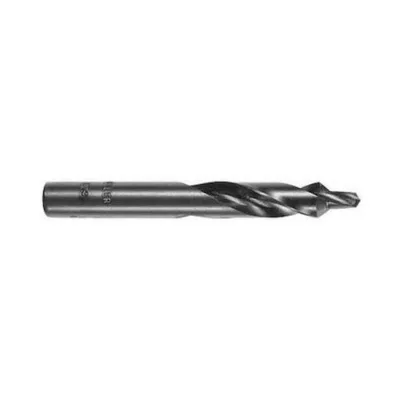
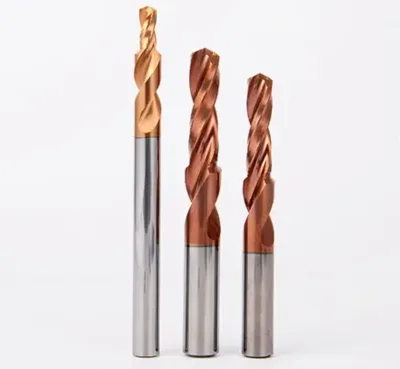
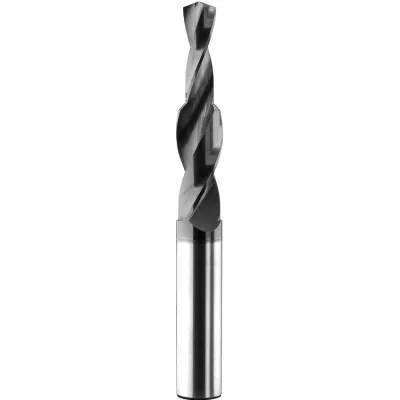
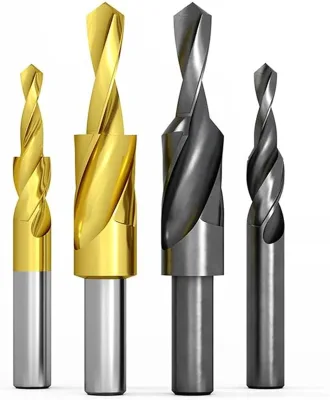
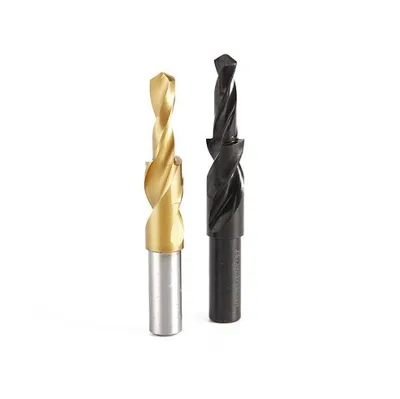
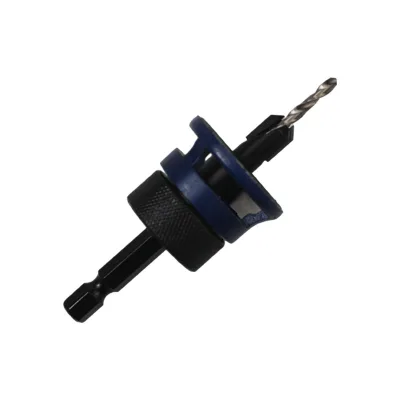
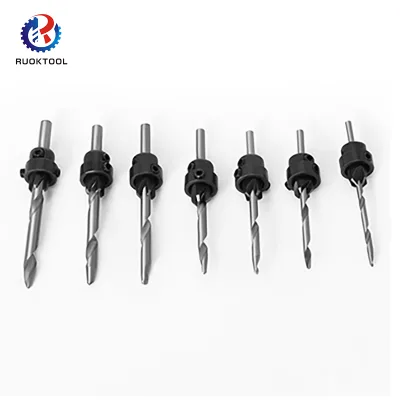


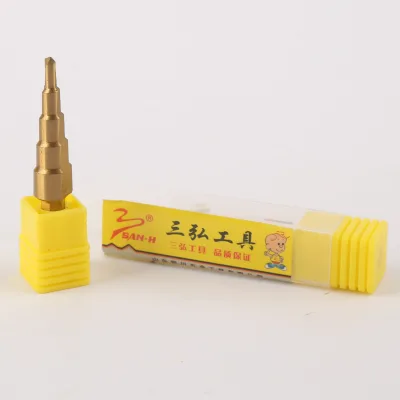
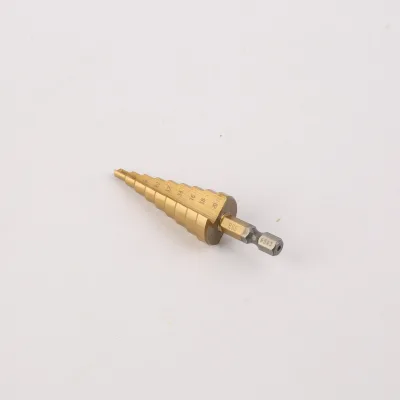
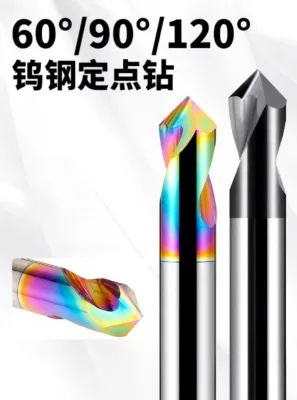
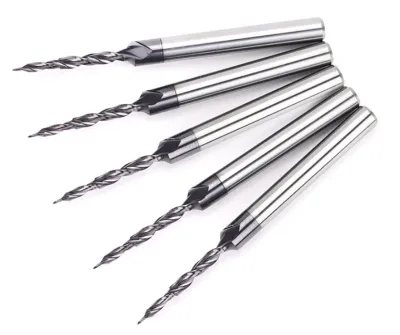


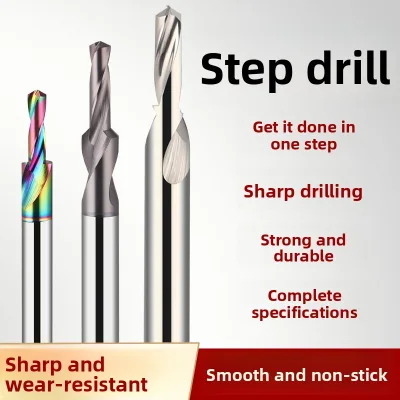
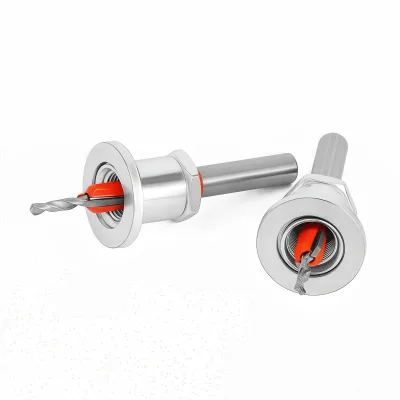
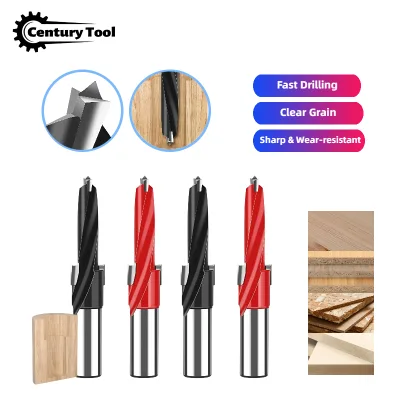
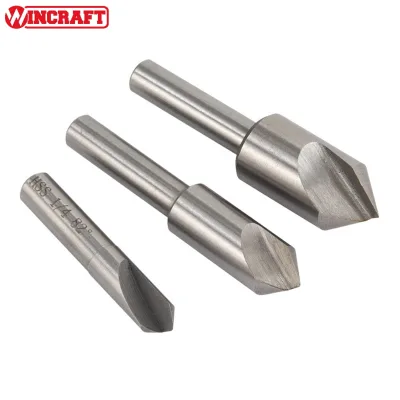
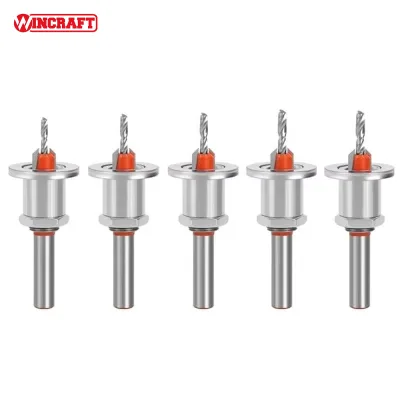
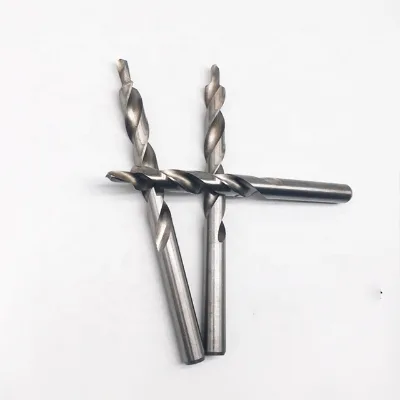
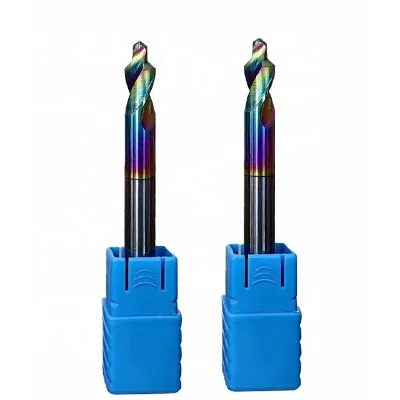
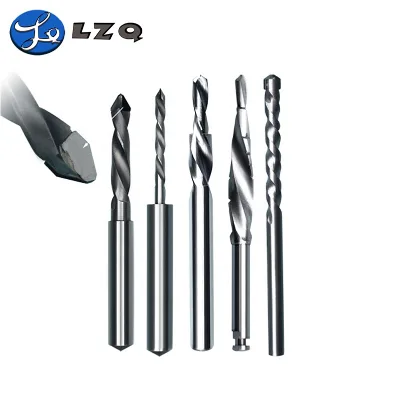
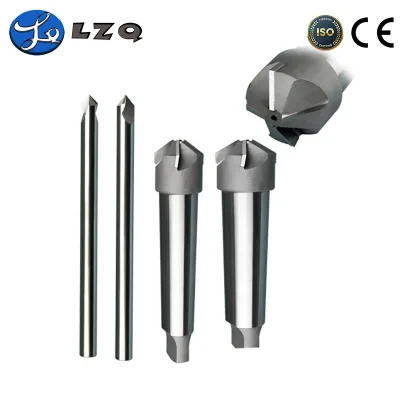
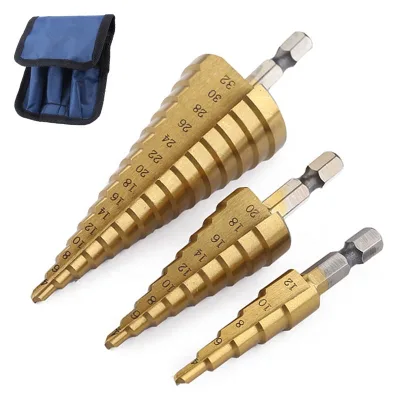
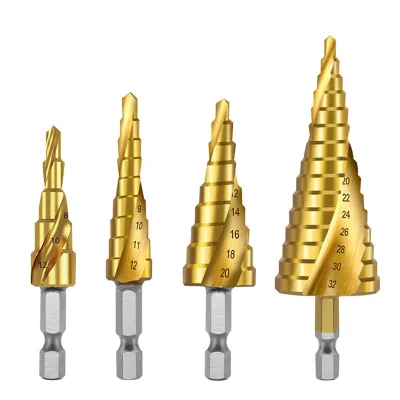


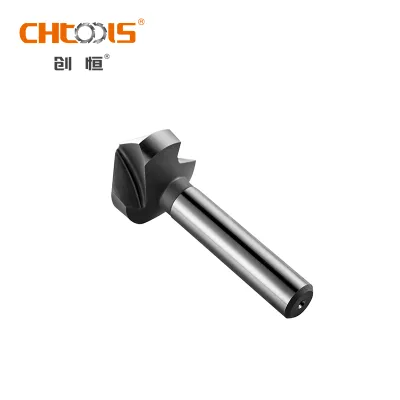
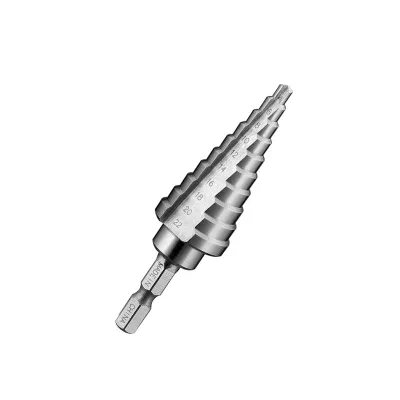


Comprehensive Sourcing Guide
Countersink Step Drill for Metal Supplier Concentration and Factory Types
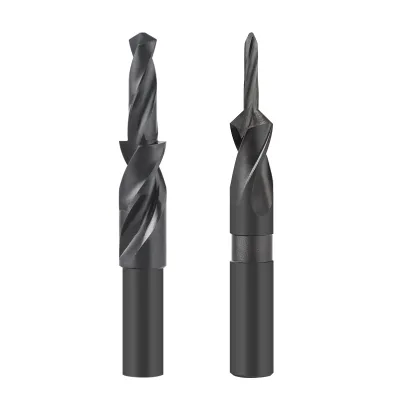
The current supplier landscape for countersink step drills reveals a distinct geographic concentration in China, with specific manufacturing hubs identified in Jiangsu and Heilongjiang provinces. Suppliers in Jiangsu are primarily structured as manufacturers, factories, or group corporations, indicating a strong industrial base dedicated to producing metal cutting tools, thread tools, and end mills. This region hosts companies that offer extensive product lines including HSS countersinks, drill bits, and milling cutters, often supporting both OEM and own brand strategies. The presence of established factories in this area suggests a mature supply chain capable of handling high-volume production runs for standard metric and inch sizes. Buyers looking for consistent quality in high-speed steel tools may find these Jiangsu-based entities particularly relevant due to their focus on standardized products like DIN 335 countersinks and jobber-length drill bits.
In contrast, suppliers located in Heilongjiang, China, present a different operational profile, often operating as a mix of manufacturers and trading companies. These entities frequently emphasize customization and specialized tooling, such as custom-made metal cutting step drills and non-standard HSS or carbide countersinks. The Heilongjiang suppliers listed demonstrate capabilities in producing tools with specific material compositions, including cobalt steel alloys and tungsten carbide, catering to more demanding metal drilling applications. This segment of the market appears to cater to buyers requiring tailored solutions, such as specific point angles or customized coatings like TiAlN. The dual nature of these suppliers as both manufacturers and traders allows for flexibility in sourcing, potentially offering a broader range of niche products that may not be available from large-scale standard tool factories.
How to Verify Countersink Step Drill for Metal Suppliers
Verifying the legitimacy and capability of suppliers requires a close examination of their stated certifications and response metrics. For instance, some Heilongjiang-based suppliers explicitly list ISO 9001 and TUV certifications, which serve as critical indicators of quality management systems and manufacturing standards. Buyers should prioritize suppliers who provide these verifiable credentials, as they suggest a commitment to consistent production quality and adherence to international norms. Additionally, the response time is a key metric for assessing supplier reliability; observed response times vary, with some suppliers indicating a response window of approximately 10 to 12.5 hours. A faster response time often correlates with better communication channels and more agile customer service, which is essential when negotiating custom specifications or resolving technical queries regarding tool geometry and material grades.
Beyond certifications and speed, buyers must scrutinize the specific product attributes and customization options provided in the supplier listings. Detailed product properties, such as the availability of OEM services, specific material compositions like high-speed steel or cobalt alloys, and precise size ranges from 4.3mm to 100mm, offer insight into the supplier’s technical depth. Suppliers that clearly define their customization capabilities, such as offering customized coatings or specific flute counts, are likely more equipped to handle complex orders. It is also important to verify the origin of the products, ensuring that the place of origin matches the supplier’s stated location, such as Zhenjiang in Jiangsu or Heilongjiang. This verification process helps prevent discrepancies between marketing claims and actual manufacturing capabilities, ensuring that the buyer is engaging with a genuine source of the specified metal cutting tools.
What to Compare Across Countersink Step Drill for Metal Suppliers
When evaluating multiple suppliers, lead time and minimum order quantity (MOQ) are pivotal factors that influence inventory planning and cash flow. The observed data indicates a significant variance in lead times, with some suppliers offering a lead time of 30 days, while others may require up to 60 days for production. This difference is crucial for buyers with tight delivery schedules, as a 30-day lead time allows for faster replenishment of stock compared to a 60-day cycle. Similarly, MOQs vary considerably, with some suppliers requiring a minimum of 10 units, which is ideal for small-scale testing or low-volume production, while others set the MOQ at 100 units. Buyers should align these thresholds with their projected demand to avoid excessive inventory costs or production delays, ensuring that the chosen supplier’s operational parameters match their business volume requirements.
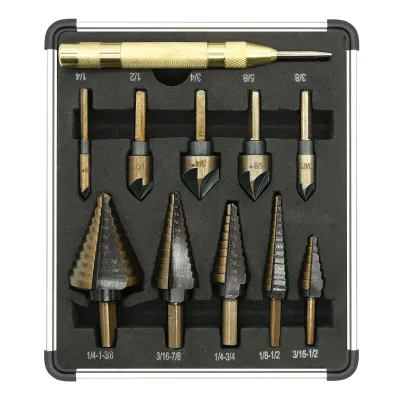
Price and product specifications also play a central role in comparative analysis, as they directly impact the total cost of ownership. The price points for countersink step drills range from approximately $1.00 to $28.00 per unit, depending on the material, complexity, and customization level. Standard HSS countersinks may be available at lower price points, whereas specialized carbide or cobalt tools with custom coatings command higher prices. Buyers should compare not just the unit price but also the value proposition, including features like jobber-length designs, specific standard compliance (API, AISI, JIS, DIN), and packaging options such as plastic boxes or wood cases. Additionally, the availability of different shank types, such as straight shank or Morse taper shank, should be considered to ensure compatibility with existing machinery. A comprehensive comparison of these attributes helps buyers identify the most cost-effective and technically suitable supplier for their specific metalworking needs.
Common Countersink Step Drill for Metal Sourcing Risks
One significant risk in sourcing countersink step drills is the potential mismatch between advertised specifications and actual product performance, particularly regarding material hardness and coating durability. Suppliers may list tools as high-speed steel or cobalt alloys, but without rigorous testing or third-party verification, buyers cannot be certain of the exact metallurgical properties. For example, while some suppliers claim a hardness of 64 HRC, this specification must be validated through independent testing to ensure the tools can withstand the intended metal drilling applications without premature wear. Additionally, the variety of finishes, such as uncoated, XPRO-Si, or TiAlN, introduces complexity, as the effectiveness of these coatings depends heavily on the application environment. Buyers who do not verify these technical details may end up with tools that fail under high-stress conditions, leading to increased downtime and replacement costs.
Another risk involves the reliability of supply chain logistics and the consistency of product quality across different production batches. Suppliers located in different regions, such as Jiangsu and Heilongjiang, may have varying quality control standards and production capacities. A supplier with a longer lead time might struggle to maintain consistent quality during peak production periods, leading to defects or delays. Furthermore, the distinction between manufacturers and trading companies can obscure the true source of the product, making it difficult to trace quality issues back to the production line. Buyers who rely on trading companies without verifying the underlying manufacturing capabilities may face challenges in resolving quality disputes or obtaining custom modifications. To mitigate these risks, buyers should conduct thorough due diligence, including requesting samples and verifying the supplier’s manufacturing processes, to ensure that the countersink step drills meet their exacting standards for metal cutting applications.
Countersink Step Drill for Metal Regional Sourcing and Logistics
Sourcing from specific regions in China, such as Jiangsu and Heilongjiang, offers distinct logistical advantages and challenges that buyers must consider. Jiangsu, being a major industrial hub, likely benefits from well-developed infrastructure and proximity to major ports, facilitating efficient export logistics for standard tooling products. Suppliers in this region, often operating as large factories or group corporations, may have established relationships with freight forwarders, enabling faster and more cost-effective shipping for bulk orders. The concentration of metal cutting tool manufacturers in Jiangsu also suggests a robust local supply chain for raw materials, which can contribute to stable pricing and consistent production schedules. Buyers sourcing from this region can expect a high degree of logistical reliability, particularly for standard items like HSS countersinks and drill bits that are produced in large volumes.
In contrast, sourcing from Heilongjiang may present different logistical dynamics, given its location in the northeastern part of China. While this region hosts suppliers capable of producing specialized and customized tools, the distance from major coastal ports might result in longer transit times or higher shipping costs for international orders. However, the presence of both manufacturers and trading companies in Heilongjiang can offer flexibility in handling smaller, customized orders that may not be economically viable for large-scale factories. Buyers should evaluate the total landed cost, including shipping and handling, when comparing suppliers from different regions. Additionally, the lead times observed, ranging from 30 to 60 days, must be factored into the logistics planning to ensure timely delivery. Understanding these regional nuances helps buyers make informed decisions about where to source their countersink step drills based on their specific logistical constraints and delivery requirements.
Countersink Step Drill for Metal Commercial Terms and Order Planning
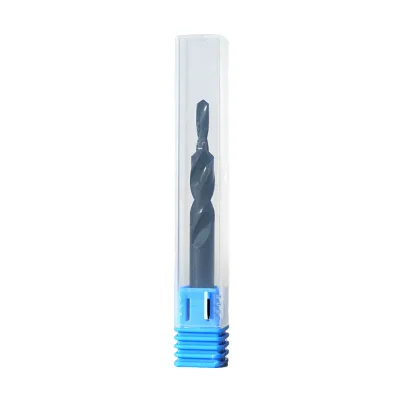
Effective order planning for countersink step drills requires a careful analysis of commercial terms, including payment structures, warranty policies, and after-sales support. While specific payment terms are not detailed in the current data, buyers should negotiate clear agreements regarding deposit percentages and balance payments upon shipment. Given the variance in MOQs, from 10 to 100 units, buyers can structure their orders to optimize cash flow, perhaps starting with smaller MOQs for initial testing before committing to larger volumes. It is also important to clarify the packaging details, as suppliers offer options ranging from plastic boxes to wood cases, which can affect the protection of the tools during transit and the overall packaging costs. Buyers should ensure that the packaging meets their storage and handling requirements to prevent damage to the precision cutting edges.
Furthermore, buyers should establish clear communication channels for handling custom orders and potential quality issues. Suppliers that offer OEM services and customized coatings provide valuable flexibility, but this requires precise specification documentation to avoid misunderstandings. Buyers should request detailed product datasheets and technical drawings to ensure that the custom countersink step drills meet their exact requirements. Additionally, understanding the supplier’s response time, which ranges from 10 to 12.5 hours, is crucial for maintaining efficient communication throughout the order process. Buyers should also inquire about the availability of samples, as some suppliers indicate that samples can be provided, allowing for pre-production validation. By carefully planning these commercial aspects, buyers can minimize risks and ensure a smooth procurement process for their metal cutting tool needs.
FAQs
What is the typical lead time for countersink step drills?
Manufacturers in China generally require 30 to 60 days to produce and ship these tools. The specific duration depends on the order volume and whether the items are standard or custom-made. Buyers should confirm the exact timeline with the supplier before placing the order to ensure production schedules align with project needs.
What materials are used for metal countersink drill bits?
These tools are primarily manufactured from High Speed Steel, Cobalt Steel Alloys, and Tungsten Carbide. High Speed Steel is common for general metal drilling, while Cobalt and Carbide offer higher durability for harder materials. The material choice directly impacts the tool's lifespan and cutting efficiency for specific metal types.
What is the minimum order quantity for these tools?
Suppliers typically set the minimum order quantity at 10 units for standard items. Some manufacturers may require a minimum of 100 units for specific custom configurations or bulk pricing tiers. Buyers should verify the exact MOQ with the supplier to understand the initial investment required for their specific order size.
Are custom countersink drills available from these suppliers?
Yes, customization is available for many of these metal cutting tools. Suppliers offer OEM services and can produce bits with specific sizes, flutes, and coatings. Buyers can request custom dimensions ranging from small metric sizes to larger inch-based specifications to meet precise machining requirements for their specific industrial applications.
What certifications do these tool manufacturers hold?
Many manufacturers hold ISO 9001 certification to ensure quality management standards. Some suppliers also possess TUV certification for additional product safety and quality assurance. Buyers should request valid certification documents to verify that the manufacturing processes meet international standards for consistency and reliability in industrial tool production.
What is the price range for HSS countersink drill bits?
Prices for these tools typically range from $1.00 to $28.00 per unit. The cost varies significantly based on the material, such as High Speed Steel versus Tungsten Carbide, and the complexity of the design. Buyers should compare quotes from multiple suppliers to find the best value for their specific quality and quantity requirements.