Custom Chenille Iron on Patch Suppliers and Manufacturers
Explore 20 verified options for Custom Chenille Iron on Patch from manufacturers and trading companies in China. Compare response times, lead times, certifications like Oeko-Tex 100, and pricing ranges starting at $0.10. Review product attributes and request samples to finalize your order.
Updated
Suppliers List
- Verified by Intertek
- Manufacturer, Trading Company
- Lead time15 days
- Avg. response≤ 3h
Main productsWoven Label, Leather Label, Hang Tag, RFID Label, Silicone products
Main marketsNorth America(31%), Western Europe(20%), Oceania(15%)

Dongguan FengSuer Textile Co., Ltd
- Verified by TUVRHEINLAND
- Trading Company
- China Guangdong
- Lead time23 days
- Avg. response≤ 4h
Main productsWoven Patches, Woven Labels, Embroidery Patch, Keychians, Hantags, Printing Labels, Printing Patches, Woven Tape, Ribbon
Main marketsEurope


Chenille Embroidered Iron on Backing Sew on Cloth Custom Embroidery Patch
$0.30 - $1.00
MOQ: 50 Pieces


- Verified by TUVRHEINLAND
- Combined
- China Jiangsu
- Lead time15 days
- Avg. response≤ 4h
Main productsMetal Crafts, Embroidery Crafts, PVC Crafts, Acrylic Crafts, Key Chains, Promotional Gifts, Canvas Bag/Shopping Bag/Drawstring Bag, Baseball Cap/Bucket Hat/Other Caps, Ceramic Mug/PVC Mug/Stainless Steel Cup, Gift Boxes
Main marketsNorth America


Letter Patches Custom Chenille Patches Wholesale Iron on Patch for Clothes
$0.10 - $0.50
MOQ: 50 Pieces

Chenille Iron on Patches Custom Wholesale Chenille Patches Embroidery Patch
$0.10 - $0.50
MOQ: 50 Pieces

Custom Quality Chenille Patches Personalized Iron on Chenille Patches for Hat
$0.10 - $0.50
MOQ: 50 Pieces
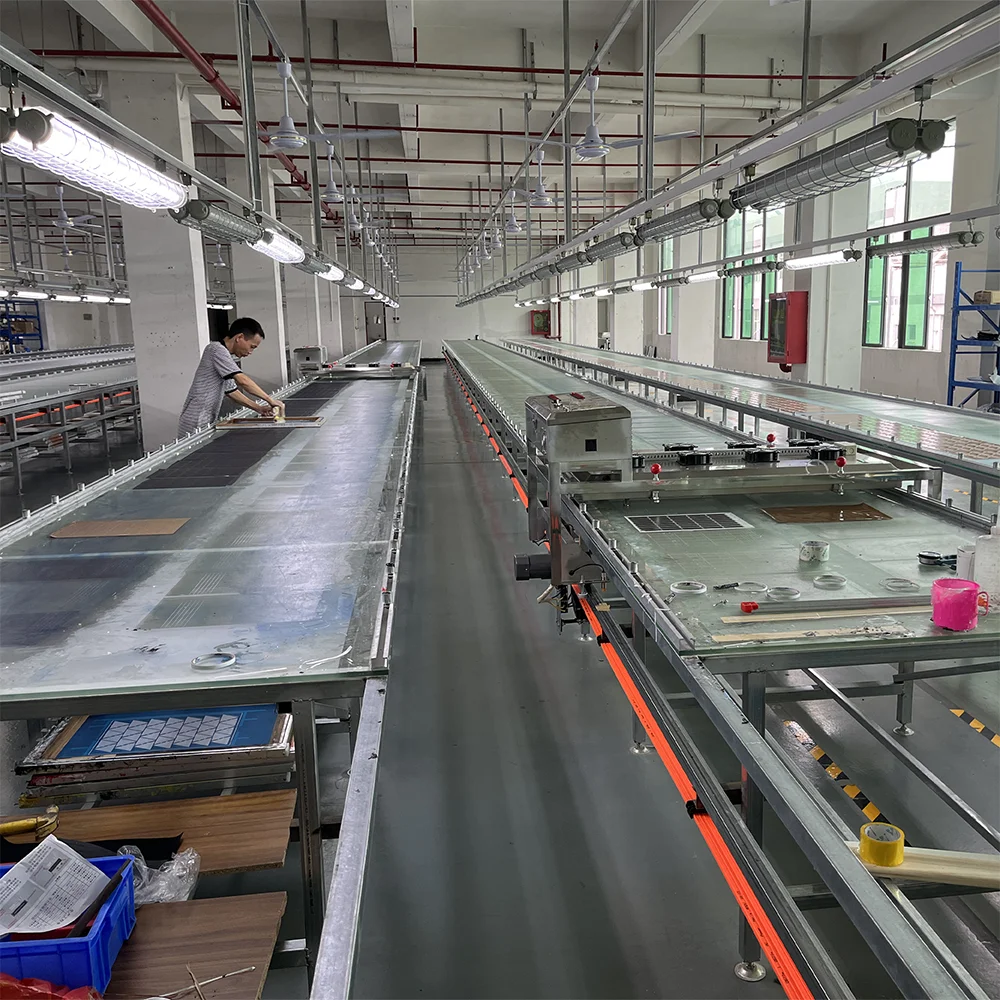
Dongguan Jia Dian Clothing Accessories Co., Ltd.
- Manufacturer, Trading Company
- Guangdong, China
- Lead time7 days
- Avg. response≤ 2h
Main productsSilicone patch,Luggage hanging decorations,silicone bracelet,Craft gift decorations,TPU patch
Main marketsEastern Europe(15.00%), Mid East(10.00%), Africa(10.00%), Southeast Asia(10.00%), North America(10.00%), South America(10.00%), Domestic Market(5.00%), South Asia(5.00%), Southern Europe(5.00%), Northern Europe(5.00%), Central America(5.00%), Western Europe(5.00%), Eastern Asia(5.00%), Oceania(5.00%)
Guangzhou Jingmao Garment Accessories Co., Ltd.
- Manufacturer, Trading Company, Distributor/Wholesaler
- Guangdong, China
- Lead time7 days
- Avg. response≤ 3h
Main productsrhinestone,rhinestone transfer,rhinestone trimming,rhinestone sheets,chenille embroidery patches
Main marketsSouth America(30.00%), North America(30.00%), Eastern Europe(20.00%), Africa(10.00%), Southeast Asia(10.00%)
- Verified by SGS Group
- Trading Company
- Lead time20 days
- Avg. response≤ 12h
Main productsPins & Badges, Medals, Challenge Coins, Leather Product , Promotional Products
Main marketsNorth America(47%), Western Europe(22%), Northern Europe(9%)
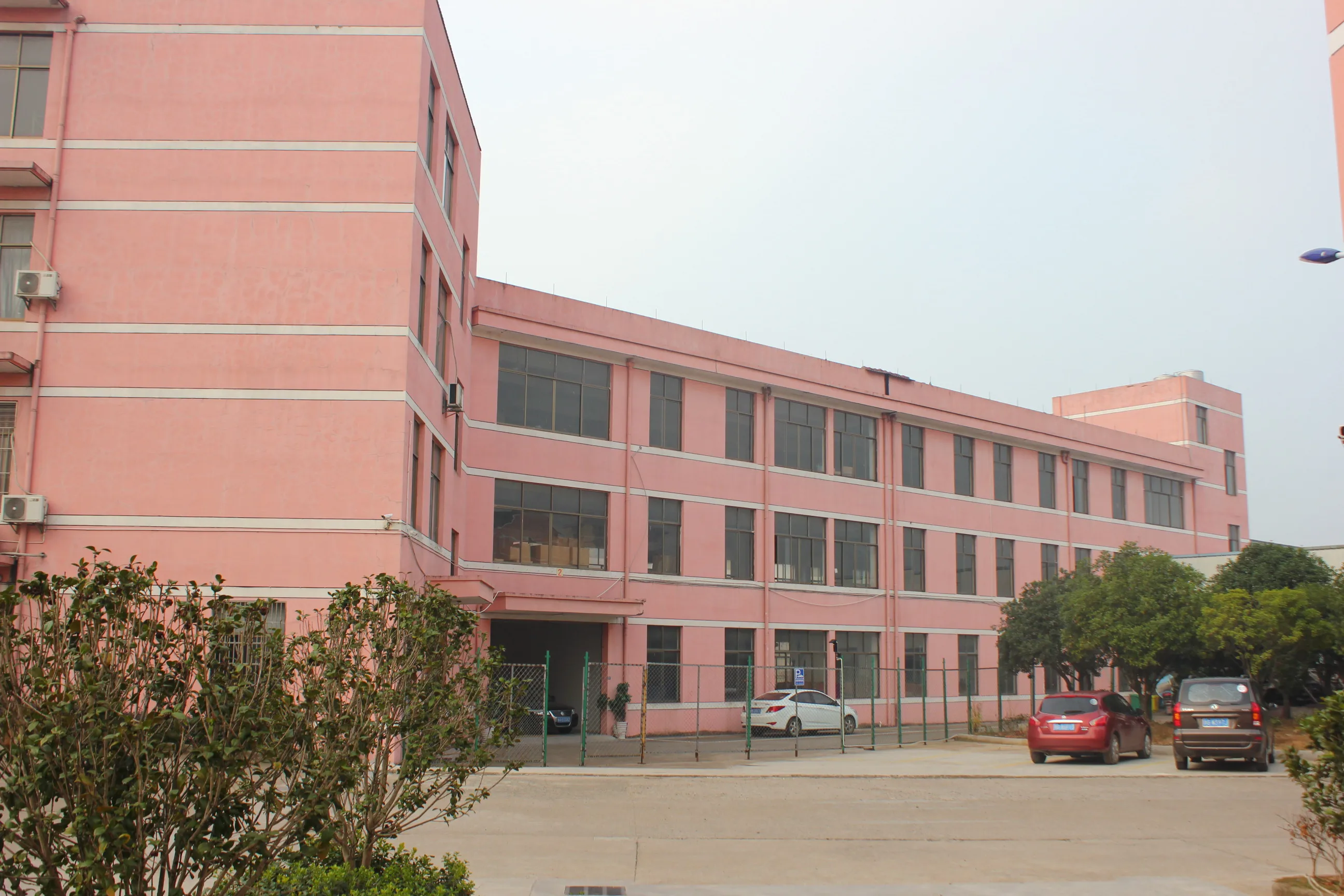
Hangzhou Baiyeban Dress Co., Ltd.
- Manufacturer
- Zhengjiang, China
- Lead time15 days
- Avg. response≤ 5h
Main productsCloth sticker,Embroidery patches,sequin embroidery,chenille embroidery,sequin embroidery
Main marketsNorth America(10.00%), South America(10.00%), Eastern Europe(10.00%), Southeast Asia(10.00%), Africa(10.00%), Oceania(10.00%), Mid East(10.00%), Eastern Asia(10.00%), Western Europe(10.00%), Central America(10.00%), Northern Europe(10.00%)

Zhongshan Yingying Textile Co., Ltd.
- Verified by SGS
- Manufacturer
- China Guangdong
- Lead time15 days
- Avg. response≤ 2h
Main productsPatch, Keychain, Sequin Patch, Towel Embroidery Patch, Embroidery Patch, Embroidery Keychain, Woven Label Patch, Woven Patch, Woven Keychain, Lanyard


Custom Embroidery Fabric Woven Cloth Patch Iron on Badge Embroidered Patches
$0.07 - $0.11
MOQ: 100 Pieces


Low Minimum Custom Letters Patches Iron on Patch Custom Embroidery Patch
$0.07 - $0.11
MOQ: 100 Pieces
Changsha Smurfs Import And Export Trade Co., Ltd.
- Trading Company
- Hunan, China
- Lead time15 days
- Avg. response≤ 5h
Main productspatches,Zipper,button,lace fabric,coconut bowl
Main marketsEastern Europe(20.00%), North America(20.00%), Southern Europe(10.00%), Western Europe(10.00%), South America(10.00%), Northern Europe(5.00%), Mid East(5.00%), Southeast Asia(5.00%), Central America(3.00%)
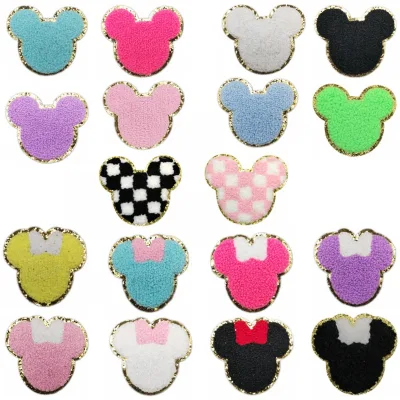
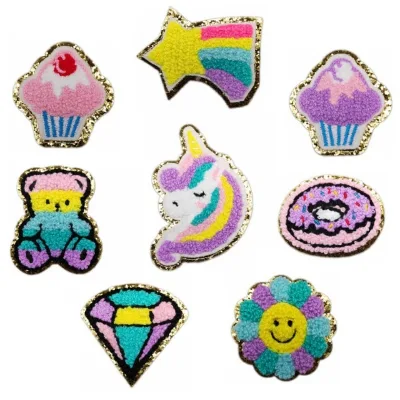
Wholesale High Quality Purple Chenille Cute Ice Cream Doughnut Iron on Patches
$0.20 - $0.30
MOQ: 100 pieces
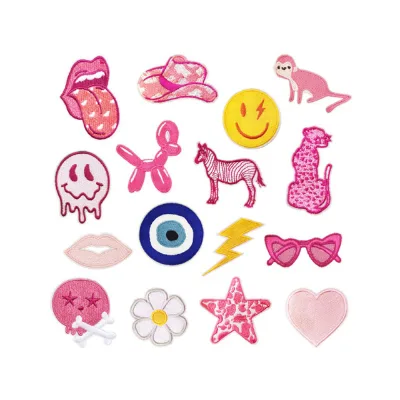


Wholesale High Quality Cute Red pink Iron-on Embroidery Patches for Clothing
$0.1544 - $0.3298
MOQ: 50 Minimum

XIAMEN POPTRIMS TEXTILE CO.,LTD.
- Verified by BV
- Trading Company
- China Fujian
- Lead time15 days
- Avg. response≤ 8h
Main productsElastic Webbing, Elastic Suspender, Custom Lanyard, Garment Label, Rubber Patch, Shoelace, Strings & Drawcords, Fancy Satin Grosgrain Ribbon, Jacquard Ribbon, Custom Print Ribbon
Main marketsSouth America,Africa,Southeast Asia/ Mideast,East Asia(Japan/ South Korea),Europe,Australia,North America

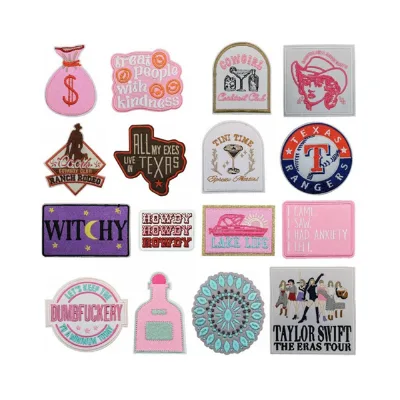
Customized Design Iron-on Felt Embroidery or Woven Patch Embroidery Chenille Patch
$0.08 - $0.13
MOQ: 500 Pieces


Yiwu Yifeng Clothing Accessories Co., Ltd.
- Trading Company
- Zhejiang, China
- Lead time7 days
- Avg. response≤ 6h
Main productsembroidery patch,heat transfer,stickers,iron on patch,sewing thread
Main marketsNorth America(30.00%), Western Europe(10.00%), Northern Europe(10.00%), Southern Europe(10.00%), Southeast Asia(10.00%), Eastern Europe(10.00%), South America(10.00%), Mid East(5.00%), South Asia(2.50%), Oceania(2.50%)
Ele-Badge Gifts (zhongshan) Co., Limited
- Manufacturer, Trading Company
- Lead time旺季: "1 - 3000":14,"> 3000":"To be negotiated", 淡季: "1 - 3000":14,"> 3000":"To be negotiated"
- Avg. response≤ 2h
Main productsPVC Patch, Embroidery Patch, Chenille Patch, Embroidery Keychain, PVC Keychain
Dongguan Lin Wang Garment Accessory Co., Ltd.
- Verified by SGS Group
- Trading Company
- Lead time8 days
- Avg. response≤ 2h
Main productsEmbroidery Patch, Silicone Heat Transfer, Soft PVC Patch, Scout Neckerchief, Keychain
Main marketsNorth America(77%), Western Europe(10%), Eastern Europe(5%)
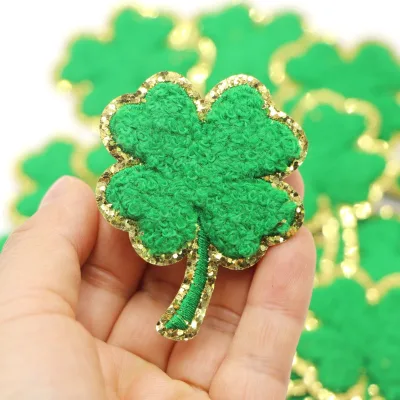
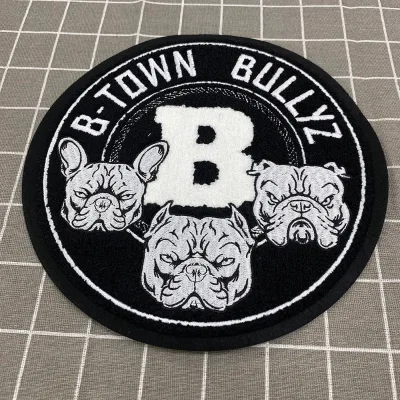
Manufacture Custom Logo Four Iron on Glitter Patch 4 Leaf Clover Chenille Patches
$0.1345 - $0.3733
MOQ: 50 pieces
Guangzhou fulfill garment accessories ltd
- Verified by Intertek
- Trading Company
- Guangdong, China
- Lead time15 days
- Avg. response≤ 2h
Main productsApparel & Garments, Knitted & Woven Fabric, Lace Trim Fabric, Garment Packaging Kit, Embroidered Patch
Main marketsMid East(46%), North America(20%), Africa(9%)
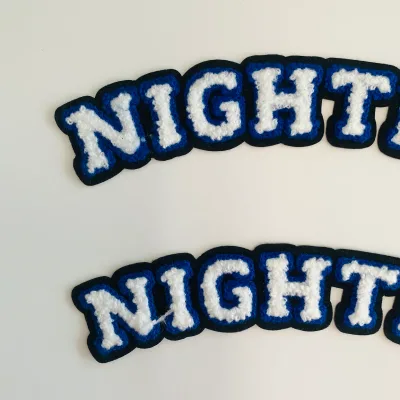

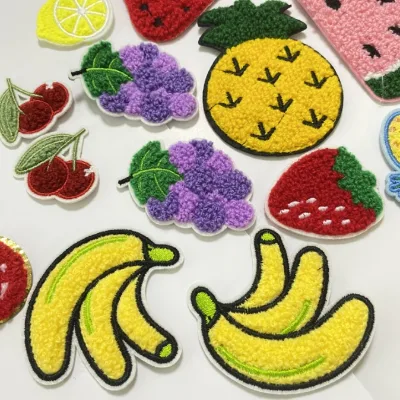
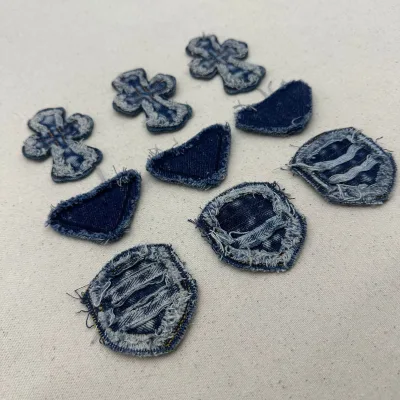
High Quality Wholesale Denim Label Hand-sewn Custom Embroidered Patches Clothing Tshirt
$1.0073 - $1.3251
MOQ: 100 pieces
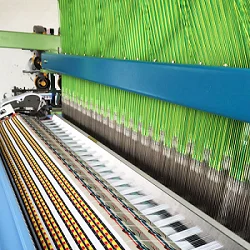
Quanzhou Maihang Garment Accessories Co., Ltd.
- Trading Company
- Fujian, China
- Lead time10 days
- Avg. response≤ 3h
Main productsGarment Label,Embroidery Patch,Wrapping Paper,Sticker,Button
Main marketsNorth America(30.00%), Western Europe(15.00%), South America(10.00%), Africa(10.00%), Southeast Asia(5.00%), Northern Europe(5.00%), Central America(5.00%), South Asia(5.00%), Eastern Europe(5.00%), Mid East(4.00%), Eastern Asia(3.00%), Oceania(2.00%), Southern Europe(1.00%)
Haiyan Lesheng Embroidery Co., Ltd.
- Manufacturer, Trading Company
- Zhejiang, China
- Lead time10 days
- Avg. response≤ 5h
Main productsEmbroidery Patches,Woven label,PVC Patches,Leather Patches,Digital Patches
Main marketsNorth America(40.00%), Domestic Market(15.00%), Western Europe(10.00%), Eastern Europe(10.00%), Southern Europe(5.00%), Oceania(5.00%), Northern Europe(5.00%), Eastern Asia(5.00%), South America(5.00%)
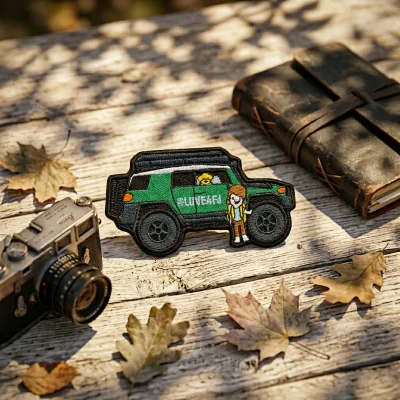
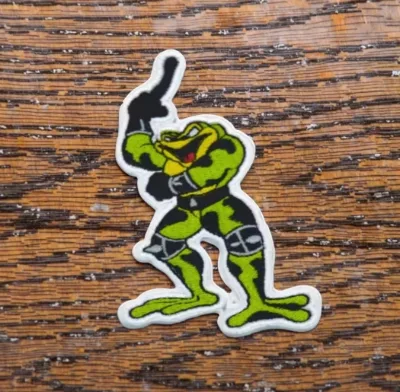
Chenille Twill Iron Custom Patch Frog Pattern Cartoon Patch Clothing Accessories
$0.10 - $0.45
MOQ: 50 pieces
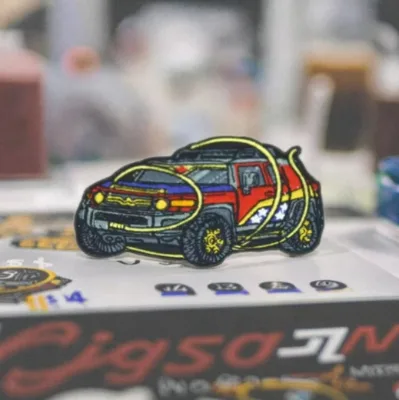
The Factory Is Selling Self-adhesive Chenille Patches and Customizing Chenille
$0.10 - $0.45
MOQ: 50 pieces
$0.25 - $0.55
MOQ: 50 pieces
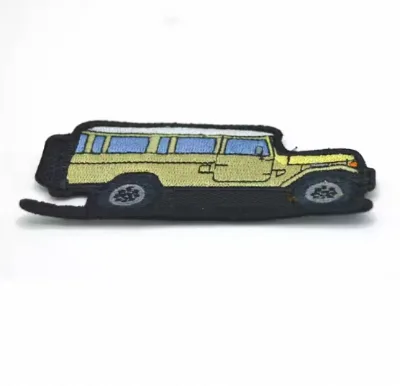
Dongguan Saiming Garment Accessories Co., Ltd.
- Verified by TüVRheinland
- Manufacturer, Trading Company
- Lead time7 days
- Avg. response≤ 2h
Main productsWoven Label, Woven Patch, Care Label, Printing Label, Embroidery Patch
Main marketsNorth America(10%), South America(10%), Eastern Europe(10%)
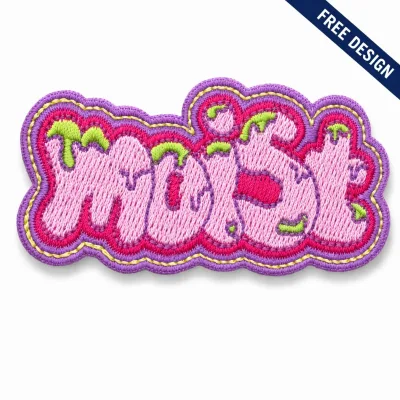
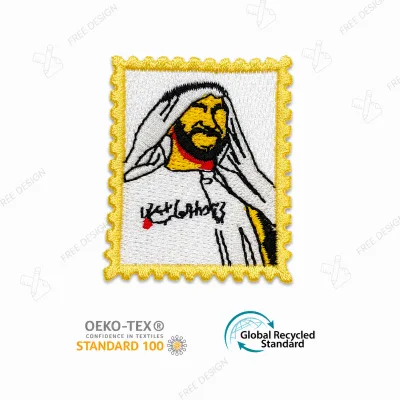
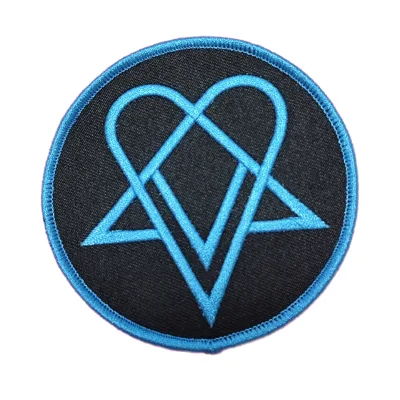
Cheap Custom Personalized Iron on Woven Patch Wholesale Colorful Woven Badges With a Puffy Foam Edge
$0.25 - $0.50
MOQ: 50 pieces
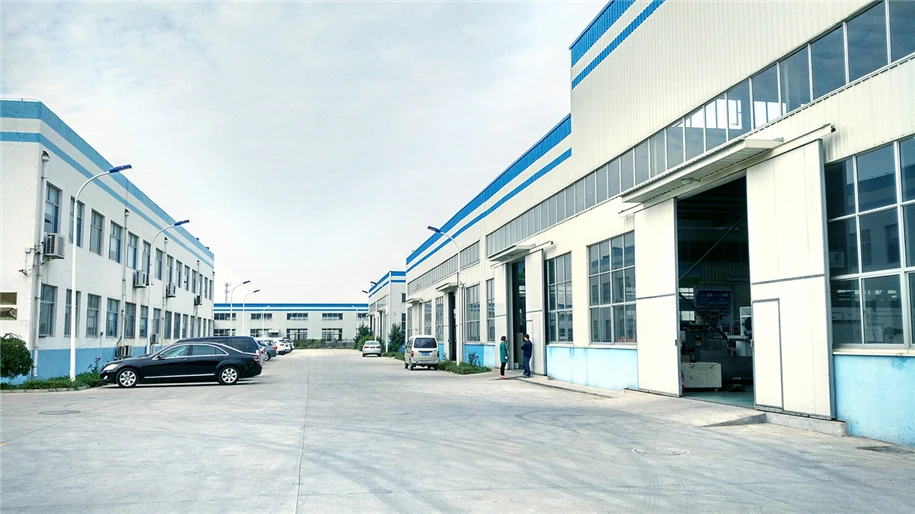
Zhanjiang Letong Arts & Crafts Co., Ltd.
- Trading Company
- Guangdong, China
- Lead time0 days
- Avg. response≤ 14h
Main productsEmbrpidered Patch,PVC patch and keychains,Metal pins and coins,Gifts,Medal
Main marketsNorth America(40.00%), Northern Europe(15.00%), Western Europe(15.00%), Southern Europe(5.00%), Eastern Europe(5.00%), South America(5.00%), Eastern Asia(5.00%), Mid East(5.00%), Southeast Asia(5.00%)
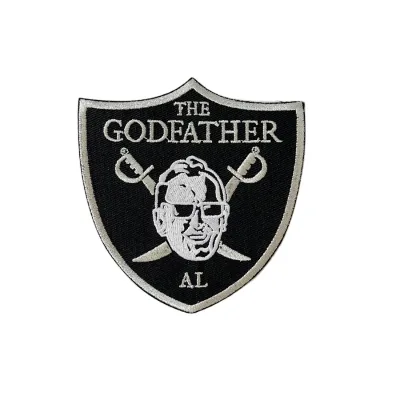
Hot Sale Factory Price Custom Embroidery Patch Iron on Embroidery Brand Patch
$0.8409 - $1.454
MOQ: 30 pieces
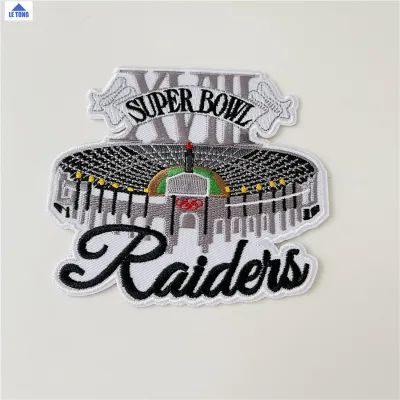
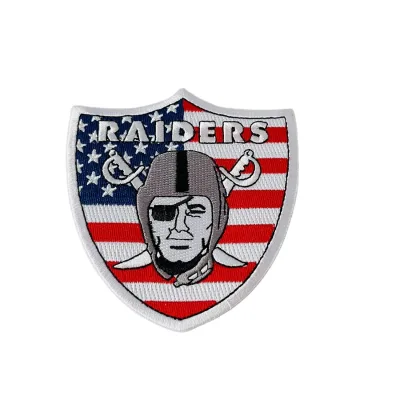
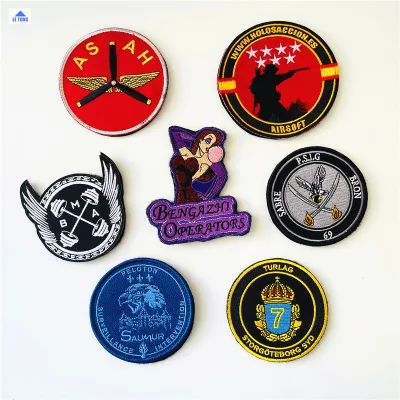

$0.65 - $1.35
MOQ: 30 pieces
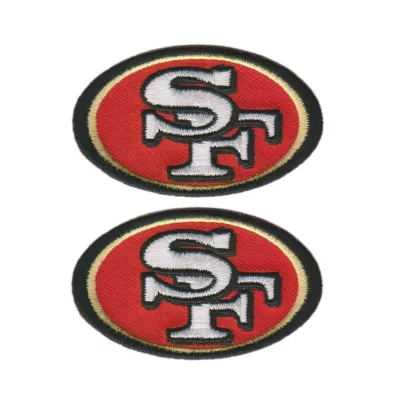
Foshan Chengyi Computer Embroidery Co., Ltd.
- Verified by SGS Group
- Manufacturer, Trading Company
- Lead time0 days
- Avg. response≤ 2h
Main productsEmbroidery Patch, Sequin Embroidery Patch, Chenille Embroidery Patch, Toothbrush Embroidery Patch, Beaded Embroidery Patch
Main marketsNorth America(90%), Domestic Market(2%), South America(1%)
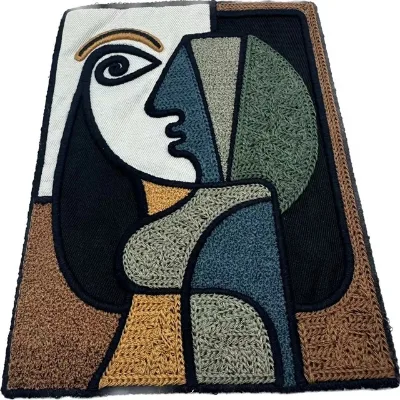
$0.9249 - $2.0521
MOQ: 50 pieces
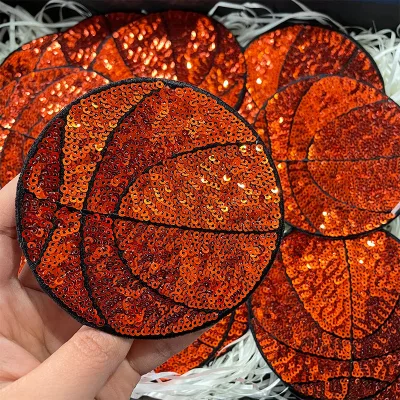
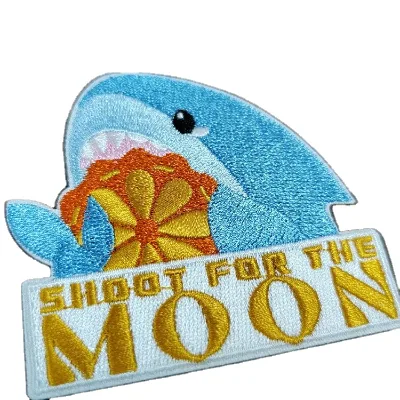
Huizhou Hongjie Garment Accessories Co., Ltd.
- Verified by TüVRheinland
- Manufacturer, Trading Company
- Lead time0 days
- Avg. response≤ 1h
Main productsEmbroidery Patch, Woven Label, Badge, Printed Label
Main marketsNorth America(18%), Domestic Market(16%), Western Europe(11%)



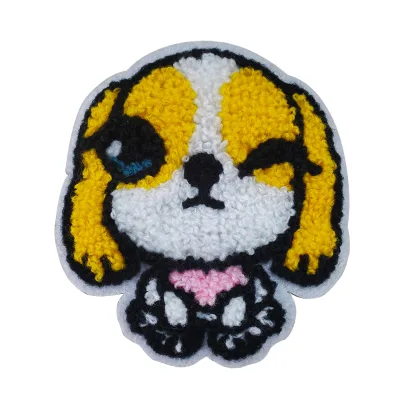
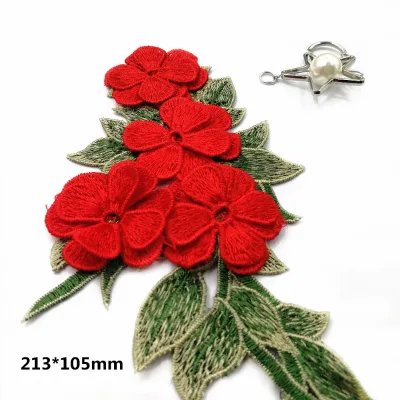
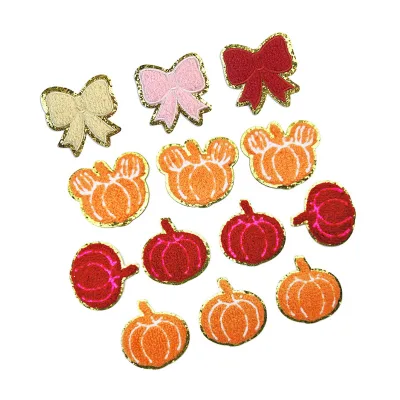
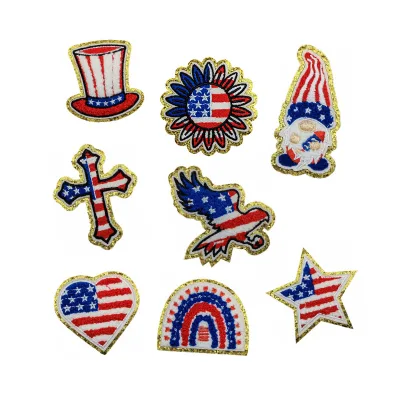
Comprehensive Sourcing Guide
Custom Chenille Iron on Patch Supplier Concentration and Factory Types
The landscape for sourcing custom chenille iron on patches is defined by a mix of manufacturing capabilities and trading structures, requiring buyers to distinguish between direct production sources and intermediary facilitators. Current data indicates that the available supplier base includes both manufacturers and trading companies, each offering distinct advantages depending on the complexity of the order and the buyer’s logistical needs. Manufacturers typically provide deeper control over the production process, particularly for specialized techniques like embroidery and 3D chenille work, while trading companies may offer broader product ranges, including woven labels, hang tags, and silicone products, which can simplify consolidated sourcing for apparel brands. Understanding this distinction is crucial for evaluating who holds the actual production capacity and who manages the supply chain coordination.
Geographic concentration plays a significant role in the efficiency and cost structure of these orders. Evidence points to specific regional hubs, such as Jiangsu and Guangdong in China, where clusters of suppliers operate. Jiangsu is notably associated with products like chenille patches with specific model numbers and bulk times, suggesting a localized ecosystem for textile accessories. Guangdong, another identified location, hosts suppliers with different verification profiles and response metrics. Buyers should leverage these geographic facts to assess shipping logistics and potential lead time variations. When evaluating suppliers, checking the stated place of origin helps in predicting transit times and understanding the local industrial strengths, whether it is specialized embroidery in one province or broader garment accessory production in another.
How to Verify Custom Chenille Iron on Patch Suppliers
Verification is the critical first step in mitigating risk when engaging with suppliers for custom chenille iron on patches. Buyers must prioritize suppliers who have undergone third-party inspections to ensure operational legitimacy and quality control standards. The current results highlight specific verification bodies, such as Intertek and TÜV Rheinland, which serve as objective indicators of a supplier’s commitment to compliance and transparency. An Intertek verification suggests a rigorous assessment of the supplier’s facilities and processes, while TÜV Rheinland certification often implies adherence to international quality and safety standards. These credentials are not merely badges but represent a baseline level of trustworthiness that reduces the likelihood of fraud or significant operational failures during the production of custom patches.
Beyond verification badges, buyers should scrutinize the system certifications held by the supplier, which reflect their environmental and social governance practices. Available data shows that some suppliers hold Sedex, Oeko-Tex 100, and FSC certifications. Sedex indicates a focus on ethical supply chain practices, which is increasingly important for global apparel brands. Oeko-Tex 100 certification is particularly relevant for chenille patches, as it ensures that the materials, such as polyester or twill, and the dyes used are free from harmful substances, ensuring safety for end-users, especially in children’s clothing. FSC certification suggests responsible sourcing of any paper-based components, like hang tags, if bundled. Buyers should request copies of these certificates and verify their validity, as these documents provide concrete evidence of the supplier’s operational standards and compliance with international regulations.
What to Compare Across Custom Chenille Iron on Patch Suppliers
When comparing suppliers, buyers must evaluate a range of operational metrics that directly impact project timelines and costs. Response time is a key indicator of supplier reliability and communication efficiency. Data shows response times varying, with some suppliers responding within three days and others taking longer, such as 3.76 days. Faster response times often correlate with better project management and quicker resolution of design queries, which is vital for custom orders requiring multiple iterations. Additionally, the lead time for bulk production is a critical differentiator. Some suppliers offer bulk times of five to seven working days, while others may have longer lead times, such as twenty-three days. Buyers should align these lead times with their inventory planning and seasonal launch schedules to avoid stockouts or rushed shipping costs.
Another vital dimension for comparison is the minimum order quantity (MOQ) and pricing structure. MOQs can vary significantly, with some suppliers requiring as few as fifty pieces, while others may demand one hundred or more. This flexibility is crucial for startups or brands testing new designs. Pricing also varies, with ranges observed from as low as $0.10 to over $1.00 per piece, depending on complexity, material, and order volume. Buyers should compare these prices against the specified features, such as 3D embroidery, custom shapes, or specific backing types like iron-on or sew-on. Furthermore, the scope of customization services, including free artwork design and sample processing, should be weighed against the total cost. Suppliers offering light customization and graphic processing capabilities may provide better value for complex designs, reducing the need for external design agencies.
Common Custom Chenille Iron on Patch Sourcing Risks
One of the primary risks in sourcing custom chenille iron on patches is the discrepancy between sample approval and bulk production quality. Chenille patches involve intricate embroidery and specific material handling, such as polyester or twill fabrics, which can behave differently at scale. Buyers must ensure that the supplier has robust quality control processes to maintain consistency in stitch density, color accuracy, and the durability of the iron-on or sew-on backing. The risk of defects, such as loose threads, uneven chenille texture, or peeling adhesive, is heightened when working with lower-cost suppliers or those with less stringent verification. To mitigate this, buyers should insist on pre-production samples and clearly define quality standards in the purchase agreement, referencing specific product attributes like model numbers and material compositions.
Another significant risk is the misalignment of communication and design interpretation. Custom orders rely heavily on accurate translation of artwork into physical products. Suppliers offering free artwork design services may introduce errors if the initial brief is unclear. Additionally, the use of different terminologies for styles, such as "Iron-On" versus "Sew-On," or features like "3D" and "Nickel-Free," can lead to misunderstandings. Buyers must verify that the supplier understands the specific requirements for each patch, including border types like merrow borders and shape specifications. The risk of receiving non-compliant products is also tied to the supplier’s ability to handle customizations, such as specific logos or colors. Clear, documented specifications and regular communication checkpoints are essential to prevent costly rework and delays, ensuring that the final product matches the approved sample and design intent.
Custom Chenille Iron on Patch Regional Sourcing and Logistics
Logistics planning for custom chenille iron on patches must account for the geographic origins of the suppliers, which influence shipping costs and transit times. Suppliers located in Jiangsu and Guangdong, China, offer different logistical advantages based on their proximity to major ports and manufacturing hubs. Jiangsu-based suppliers, often associated with specific chenille patch models, may benefit from established textile supply chains, potentially reducing material lead times. Guangdong, another key location, is known for its robust export infrastructure, which can facilitate faster shipping arrangements. Buyers should consider these regional factors when selecting suppliers, as the location can impact the overall delivery timeline and the cost of freight, especially for larger orders requiring sea shipping.
Shipping methods and packaging also play a crucial role in the logistics of custom patches. Suppliers typically offer shipping via express or sea freight, with express options being suitable for urgent, smaller orders and sea freight for bulk shipments. The packaging specifications, such as poly bags and outer boxes, are designed to protect the patches during transit, preventing damage to the delicate chenille texture and embroidery. Buyers should verify the packaging standards with their supplier to ensure that the products arrive in pristine condition. Additionally, the single package size and weight, such as 8x6x0.5 cm and 0.01 kg for individual items, help in calculating volumetric weight and shipping costs. Understanding these logistical details allows buyers to optimize their supply chain, balancing speed and cost effectively while ensuring that the custom patches reach their destination safely and on time.
Custom Chenille Iron on Patch Commercial Terms and Order Planning
Commercial terms for custom chenille iron on patches encompass a variety of factors that influence the total cost and operational flexibility of the order. Buyers should carefully review the pricing structures, which can range from $0.10 to $1.00 per piece, depending on the complexity of the design, material quality, and order volume. It is essential to clarify whether the quoted price includes design fees, sample costs, and shipping. Some suppliers offer free artwork design services, which can reduce upfront costs, but buyers should confirm if these services are included in the bulk price or charged separately. Additionally, the availability of sample orders with a lead time of two to five working days allows buyers to validate quality before committing to large production runs, reducing financial risk.
Order planning must also consider the customization options and production capabilities of the supplier. Suppliers offering light customization, sample processing, and graphic processing provide greater flexibility for brands with unique design requirements. The ability to produce patches with specific features, such as 3D embroidery, custom shapes, and various backing types, is a key commercial advantage. Buyers should align their order quantities with the supplier’s MOQ, which can range from fifty to one hundred pieces, to optimize cost efficiency. Furthermore, understanding the bulk production time, typically five to seven working days, helps in scheduling production and shipping to meet launch deadlines. By integrating these commercial terms into their order planning, buyers can ensure a smooth procurement process, minimizing delays and maximizing the value of their Custom Chenille Iron on Patch orders.
FAQs
What is the price range for custom chenille patches?
Prices typically range from $0.10 to $1.00 per piece depending on complexity and quantity. Basic designs start around $0.10, while intricate 3D embroidery or larger sizes may cost up to $1.00. Bulk orders often secure lower unit rates, making it essential to request quotes for specific volume tiers to determine final costs.
How long does production take for bulk orders?
Bulk production generally requires 5 to 7 working days for standard items. Some suppliers offer faster turnaround times, while others with longer lead times of up to 23 days may handle larger volumes or complex customizations. Always confirm the specific bulk time with your chosen manufacturer before placing an order to ensure timely delivery.
What is the minimum order quantity for these patches?
Minimum order quantities usually start at 50 pieces for many suppliers. Some manufacturers may require a minimum of 100 pieces for certain custom designs or specific material types. Checking the specific MOQ requirements early helps in planning inventory and budgeting effectively, ensuring you meet the supplier's threshold for production to begin.
Can I get a sample before placing a bulk order?
Yes, most suppliers support sample orders with lead times of 2 to 5 working days. This allows you to verify the quality, color accuracy, and attachment style before committing to a large production run. Samples are crucial for ensuring the final product meets your brand standards and design expectations.
What certifications do these patch suppliers hold?
Reputable suppliers often hold certifications such as Sedex, Oeko-Tex 100, and FSC. These verify ethical manufacturing practices, material safety, and sustainable sourcing. Verification by agencies like Intertek or TÜV Rheinland further ensures product quality and compliance with international standards, providing confidence in the reliability and safety of the supplied patches.
Where are these custom patches typically manufactured?
Manufacturing locations primarily include regions like Guangdong and Jiangsu in China. These areas are known for their robust textile and embroidery industries, offering efficient supply chains and skilled labor. Knowing the origin helps in assessing logistics costs and lead times, as proximity to shipping hubs can impact overall delivery speed.
What materials are used for chenille patches?
Common materials include polyester, twill, and woven fabric. Chenille patches specifically use chenille yarn for a soft, textured appearance. The backing is often designed for iron-on or sew-on application. Selecting the right material ensures durability and the desired aesthetic, whether for garments, bags, or accessories.