Source Custom Chenille Iron on Patch for Garment Shoes Bag
Compare 30 listings for Custom Chenille Iron on Patch options with varying sizes, materials, and lead times. Buyers can evaluate embroidered and woven styles from Jiangsu manufacturers offering free design services and eco-friendly features; compare the available evidence and request quotations based on your requirements.
Updated
Key considerations
Products List
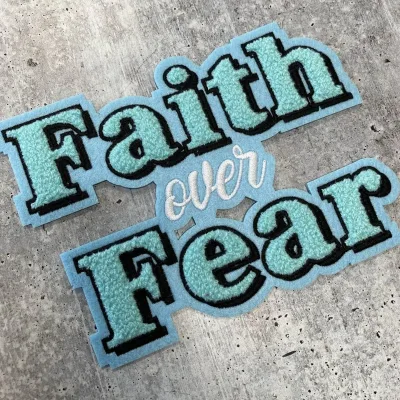


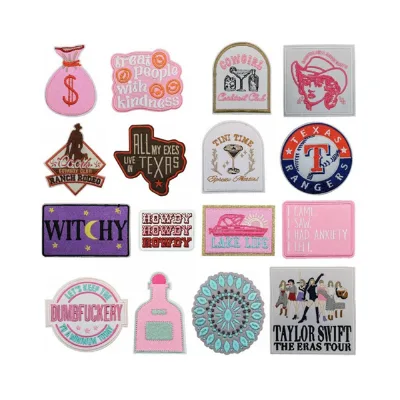
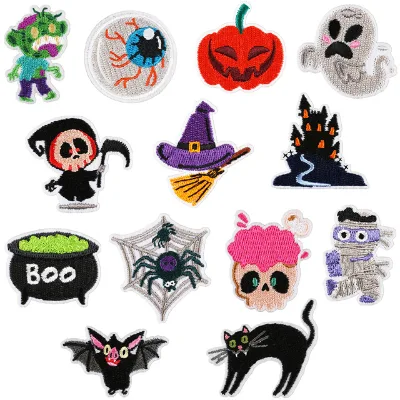
Manufacturer Personalized Clothing Patches Iron Embroidery Patch Iron on Custom
$0.15 - $0.80
MOQ: 50 Pieces


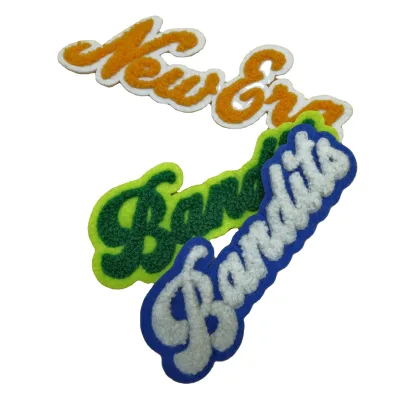
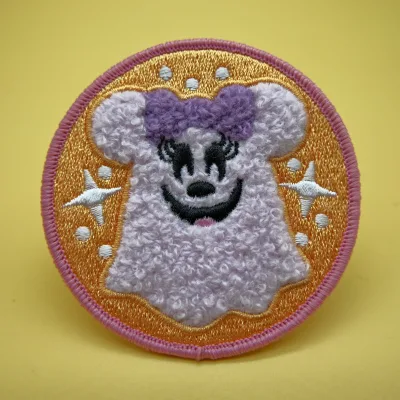
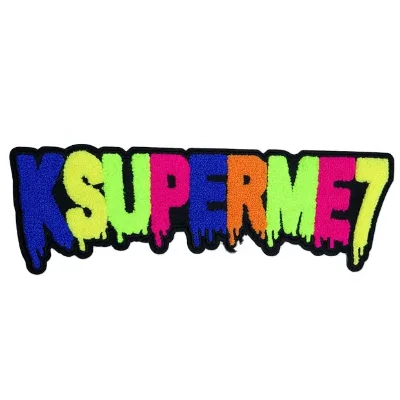
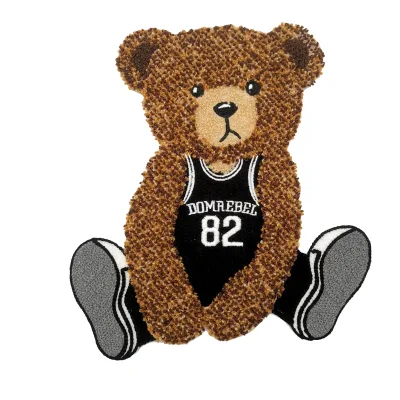
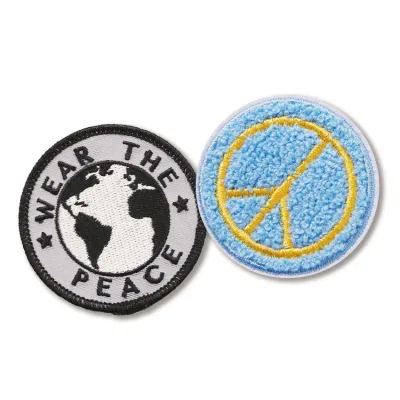
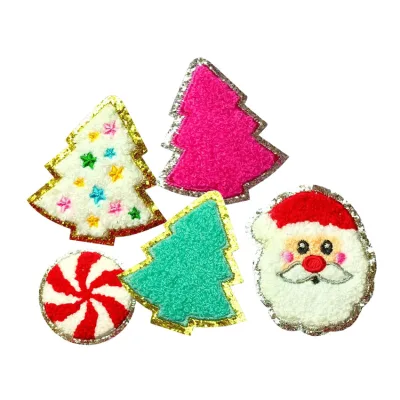
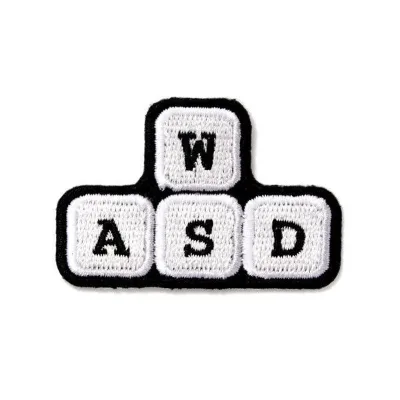
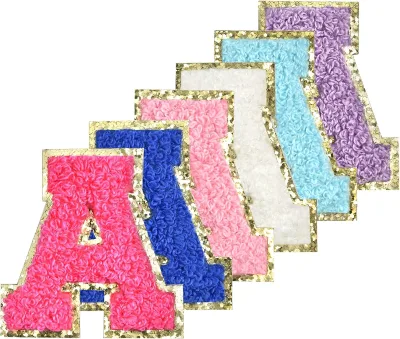
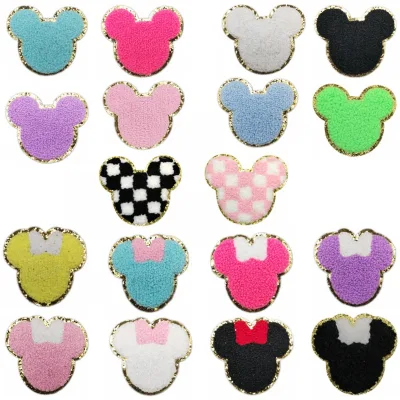
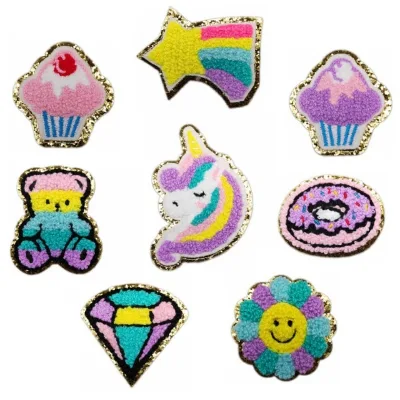

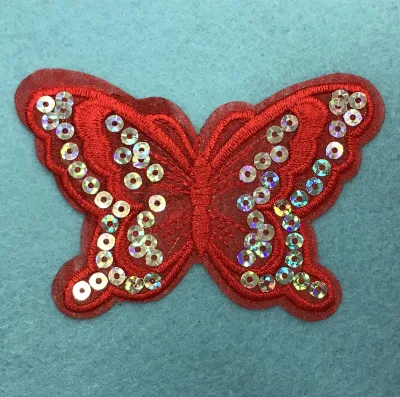
Wholesale High Quality Cute Red pink Iron-on Embroidery Patches for Clothing
$0.1544 - $0.3298
MOQ: 50 Minimum



Comprehensive Sourcing Guide
Custom Chenille Iron on Patch Sourcing Guide
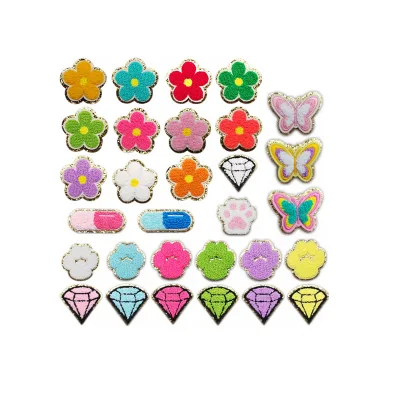
Procuring custom chenille iron-on patches requires a clear understanding of the material composition and manufacturing techniques that define this specific embroidery style. These patches are primarily constructed from polyester twill, a fabric choice that provides the necessary durability and texture for high-quality embroidered designs. The core characteristic of chenille patches is their distinct, soft, and raised appearance, achieved through a specialized embroidery process that creates a looped yarn effect. Buyers must verify that the supplier explicitly states the use of twill fabric, as this is the standard base material for authentic chenille patches. Understanding this material foundation is critical for ensuring the final product meets aesthetic expectations and withstands the rigors of application on various garments and accessories.
The customization process for these patches allows for significant flexibility in design, shape, and application method. Suppliers typically offer free artwork design services, enabling buyers to submit their own logos or concepts for production. The patches can be customized in size and shape, with common options including rectangles or specific shapes as per the buyer’s artwork request. It is essential to confirm whether the final product will feature a sew-on or iron-on style, as this determines the backing material and attachment method. The iron-on variant usually includes a paper backing or adhesive stick, which facilitates easy application using heat. Buyers should ensure that the customization options align with their brand’s visual identity and functional requirements for the target products.
Product Scope and Observed Listing Signals
The current market landscape for custom chenille patches shows a wide range of listing prices, typically observed between 0.07 and 1.42 USD per unit. This price variance often reflects differences in design complexity, color count, and order volume. Minimum order quantities (MOQ) generally range from 10 to 1000 pieces, with some suppliers setting a standard MOQ of 50 pieces. Buyers should note that lower MOQs may result in higher per-unit costs, while larger orders can leverage economies of scale. Understanding these commercial signals helps in budgeting and determining the feasibility of small-batch prototyping versus large-scale production runs. It is advisable to request detailed quotes that break down costs based on specific design parameters and order quantities.
Shipping and lead times are significant factors in the procurement timeline for these patches. Bulk production typically takes 5-7 working days, while sample orders can be completed within 2-5 working days. The general delivery period for bulk orders is estimated at 3-15 days, depending on the quantity and chosen shipping method. Suppliers offer shipping via express courier or by sea, allowing buyers to choose based on urgency and cost considerations. Single package dimensions are often around 8x6x0.5 cm, with a gross weight of approximately 0.01 kg per item. Buyers should plan their procurement schedule to account for these lead times, especially when coordinating with product launches or seasonal inventory needs.
Technical Specifications to Verify
Verifying the technical specifications of chenille patches is crucial for ensuring quality and consistency. The primary technic used is embroidery, which creates the characteristic 3D effect of chenille patches. Buyers should confirm that the patches feature a merrow border, which provides a clean and durable edge finish. Alternative border options may include heat cut or laser cut, depending on the design complexity and desired aesthetic. The patches are often described as having a 3D feature, which adds texture and visual appeal. It is important to verify that the embroidery is dense and well-executed to prevent fraying or distortion during use. Clear communication of these technical details with the supplier ensures that the final product matches the intended design specifications.
The attachment method and backing material are key technical aspects that affect the usability of the patches. Iron-on patches typically come with a paper backing or adhesive stick, which melts under heat to secure the patch to the fabric. Sew-on patches may include accessories such as pins, clips, or button loops for alternative attachment methods. Buyers should specify the preferred style, whether iron-on or sew-on, to avoid confusion during production. The patches are designed for use on various items, including clothes, bags, shoes, and suitcases. Ensuring that the backing material is compatible with the target fabric is essential for a secure and long-lasting attachment. Clear specification of these details helps in selecting the right product for the intended application.
Compliance and Safety Documentation
While specific certification statuses may not be universally guaranteed, buyers should inquire about compliance with relevant safety standards. Some suppliers may reference OEKO-TEX or BSCI certifications, indicating adherence to environmental and social responsibility standards. It is important to verify if these certifications are current and applicable to the specific products being ordered. Buyers should request documentation to confirm that the materials used, such as polyester twill and adhesive backings, are free from harmful substances. This is particularly important for products intended for children or sensitive skin applications. Ensuring compliance with safety standards helps mitigate risks and enhances the brand’s reputation for responsible sourcing.
Environmental and ethical considerations are increasingly important in the procurement of textile accessories. Buyers should ask suppliers about their manufacturing practices, including waste management and energy usage. Some patches are marketed as eco-friendly, which may involve the use of sustainable materials or processes. It is advisable to clarify what specific eco-friendly claims are supported by evidence. Additionally, verifying that the production process is nickel-free can be important for buyers concerned about metal allergies, although this is more relevant for patches with metal accessories. Clear communication about compliance and safety expectations helps in selecting suppliers who align with the buyer’s corporate social responsibility goals.
Cost Drivers and Commercial Terms
Several factors influence the cost of custom chenille patches, including design complexity, color count, and order volume. More intricate designs with multiple colors and detailed embroidery will generally cost more than simple, single-color patches. The choice of border type, such as merrow versus laser cut, can also impact pricing. Buyers should consider the trade-off between design detail and cost, especially for large orders. Understanding these cost drivers helps in making informed decisions about design choices and budget allocation. It is advisable to request a detailed cost breakdown from suppliers to identify areas where savings can be achieved without compromising quality.
Commercial terms such as payment methods, shipping costs, and return policies are critical components of the procurement agreement. Buyers should clarify the payment terms, including any deposits required for sample or bulk orders. Shipping costs vary depending on the chosen method, whether express or sea freight, and the destination. It is important to factor these costs into the total procurement budget. Additionally, buyers should inquire about the supplier’s return or refund policy in case of quality issues or production errors. Clear understanding of these commercial terms helps in avoiding unexpected costs and ensures a smooth transaction process. Establishing a clear agreement on these details protects both parties and facilitates a successful partnership.
Supplier Qualification and Quality Control
Selecting a reliable supplier is essential for obtaining high-quality custom chenille patches. Buyers should verify the supplier’s business type, ensuring they are a direct factory or manufacturer rather than a trading company. This can help in achieving better pricing and more direct communication. It is also important to check the supplier’s experience and reputation in the industry. Requesting references or case studies can provide insights into their past performance and reliability. Buyers should assess the supplier’s capability to handle custom orders, including their design services and production capacity. A qualified supplier will have the necessary equipment and expertise to produce consistent and high-quality patches.
Quality control measures are vital to ensure that the final products meet the specified standards. Buyers should inquire about the supplier’s quality control processes, including inspection stages during production and before shipment. It is advisable to request samples before placing a bulk order to evaluate the quality of embroidery, border finish, and attachment method. Clear communication of quality expectations and providing detailed artwork files can help in minimizing errors. Buyers should also establish a protocol for handling defects or discrepancies in the delivered goods. Implementing robust quality control practices helps in maintaining product consistency and customer satisfaction. Regular communication with the supplier during the production process can also help in identifying and addressing issues early.
Long-Term Procurement Checks
Establishing a long-term procurement strategy for custom chenille patches involves regular evaluation of supplier performance and product quality. Buyers should conduct periodic audits or reviews to assess the supplier’s adherence to agreed-upon standards and timelines. This includes monitoring lead times, quality consistency, and responsiveness to issues. Maintaining open communication with the supplier can help in addressing any emerging challenges and fostering a collaborative relationship. Buyers should also stay updated on industry trends and technological advancements that may impact the production of chenille patches. This proactive approach helps in identifying opportunities for improvement and innovation in the procurement process.
Continuous improvement in the procurement process is essential for maintaining competitiveness and efficiency. Buyers should regularly review their sourcing strategies and consider alternative suppliers or materials if necessary. It is important to balance cost, quality, and sustainability in decision-making. Buyers should also invest in building strong relationships with suppliers, as this can lead to better terms and priority service. Regular feedback and performance evaluations can help in identifying areas for improvement and recognizing supplier strengths. By focusing on long-term partnerships and continuous improvement, buyers can ensure a stable and reliable supply of high-quality custom chenille patches. This strategic approach supports business growth and enhances overall supply chain resilience.
FAQs
What materials are used for custom chenille iron on patches?
These patches are primarily made from polyester twill fabric to ensure durability and a soft texture. The chenille decoration provides a distinct 3D appearance suitable for various applications. This material choice supports eco-friendly production standards while maintaining the structural integrity required for garment and accessory branding.
Can I get free artwork design services for my patches?
Yes, free artwork design services are available to help you create the perfect logo or design. You can submit your own artwork, and the manufacturer will assist in preparing it for production. This service ensures that your Custom Chenille Iron on Patch meets your specific visual requirements before manufacturing begins.
What is the sample order lead time for these patches?
The sample order lead time is supported within 2-5 working days. This allows you to quickly review the quality, size, and chenille texture before committing to a bulk order. Bulk production typically takes 5-7 working days, with a general delivery period of 3-15 days depending on quantity.
What are the available border and attachment options?
Available borders include merrow, heat cut, and laser cut styles to suit your design needs. Attachment options feature sew-on or iron-on styles with paper backing or stick adhesive. Additional accessories like pins, clips, or button loops can also be added to enhance the functionality of your custom patches.
What is the minimum order quantity for custom patches?
The minimum order quantity varies, with some listings supporting orders as low as 10 pieces, while others require 50 or 1000 pieces. This flexibility allows businesses of different sizes to order custom chenille iron on patches. You should confirm the specific MOQ with the supplier based on your production volume and design complexity.
Where are these chenille patches manufactured?
These patches are manufactured in Jiangsu, China, by a direct factory and manufacturer. The production takes place in a facility that specializes in embroidered and woven patch techniques. This location ensures efficient supply chain management and consistent quality control for all Custom Chenille Iron on Patch orders.