China Mainland Ribbons Suppliers and Manufacturers
Explore 29 verified suppliers of China Mainland Ribbons in Zhejiang and Fujian. Compare response times, lead times, certifications like TUVRHEINLAND and BV, and product specs such as material and MOQ. Contact suppliers directly to request samples; review the available evidence before requesting comparable quotations from suitable candidates.
Updated
Suppliers List

Ningbo DH Textile Industry&Trade Co., Ltd.
- Verified by TUVRHEINLAND
- Trading Company
- China Zhejiang
- Lead time15 days
- Avg. response≤ 8h
Main productsLace, Interlining, Embroidery Thread, Poplin, Hook and Loop, Satin Ribbon, Sewing Thread, Button, Zipper, Lace Fabric
Main marketsAfrica,Southeast Asia/ Mideast,North America


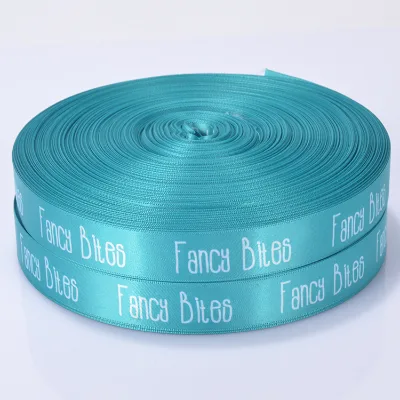
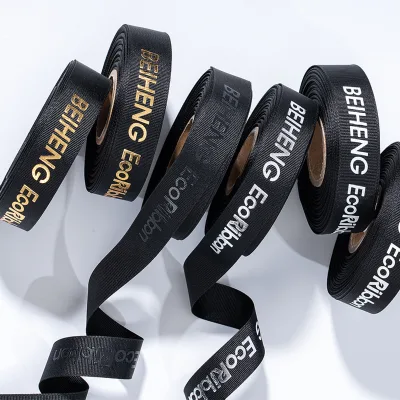
Beautiful and Fancy Printed Ribbon for Decoration From China Manufacturer
$0.025 - $0.085
MOQ: 10000 Yards

100% High Quality Hot Sale Paper Ribbon for Gift/Decoration/Flower From China Factory
$0.025 - $0.05
MOQ: 5000 Yards


XIAMEN POPTRIMS TEXTILE CO.,LTD.
- Verified by BV
- Trading Company
- China Fujian
- Lead time15 days
- Avg. response≤ 8h
Main productsElastic Webbing, Elastic Suspender, Custom Lanyard, Garment Label, Rubber Patch, Shoelace, Strings & Drawcords, Fancy Satin Grosgrain Ribbon, Jacquard Ribbon, Custom Print Ribbon
Main marketsSouth America,Africa,Southeast Asia/ Mideast,East Asia(Japan/ South Korea),Europe,Australia,North America


$0.02 - $0.10
MOQ: 1000 Yards

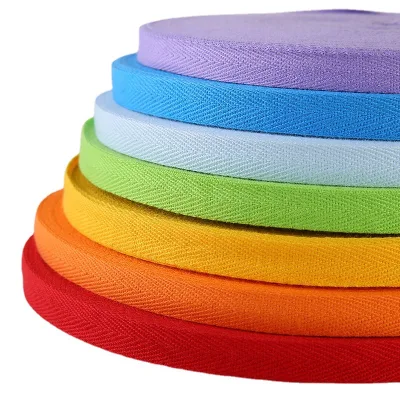
Wholesale Polyester Woven Striped Ribbon with Multi Colors of Gift Rainbow Ribbon
$0.02 - $0.08
MOQ: 1000 Yards
Hangzhou Daya Textile Co., Ltd.
- Trading Company
- Zhejiang, China
- Lead time20 days
- Avg. response≤ 5h
Main productsZipper&slider,Tape&Webbing,Thread&yarn,Garment accessory,Tailoring Material
Main marketsSouth America(60.00%), Domestic Market(10.00%), South Asia(10.00%), Mid East(10.00%), North America(10.00%)
Guangzhou Lovecolour Ribbon & Lanyards Co., Ltd.
- Manufacturer
- Guangdong, China
- Lead time15 days
- Avg. response≤ 3h
Main productswristbands,lanyards,keychain,stubby holder,card holder
Main marketsNorth America(32.00%), Eastern Europe(20.00%), Mid East(12.00%), South America(10.00%), Africa(8.00%), Western Europe(5.00%), Eastern Asia(5.00%), Southeast Asia(5.00%), Southern Europe(3.00%)
Weifang Enping Ribbon Co., Ltd.
- Verified by SGS Group
- Manufacturer, Trading Company
- Lead time7 days
- Avg. response≤ 4h
Main productsRibbon, Satin Ribbon, Bow, Packaging Printing Ribbon, Ribbon Grosgrain
Main marketsDomestic Market(100%)
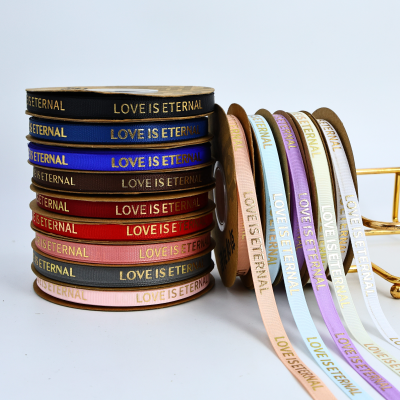
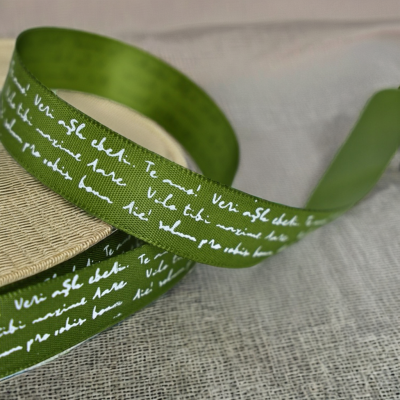

Premium Ribbon for Floral Wreaths - Custom Printed, High Quality, Fast Shipment
$2.20 - $2.70
MOQ: 100
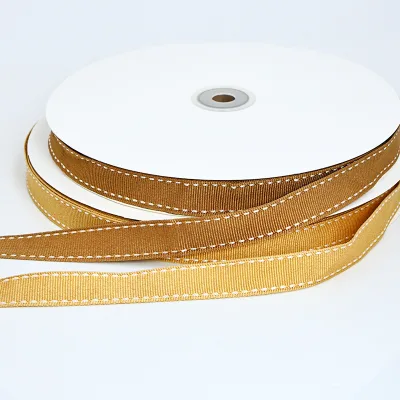
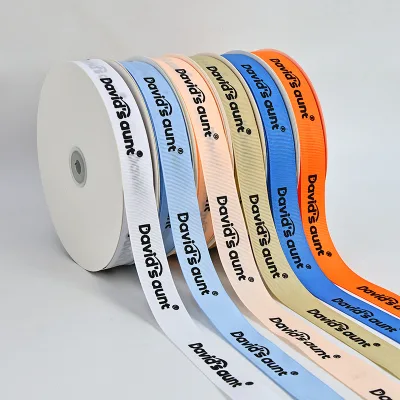
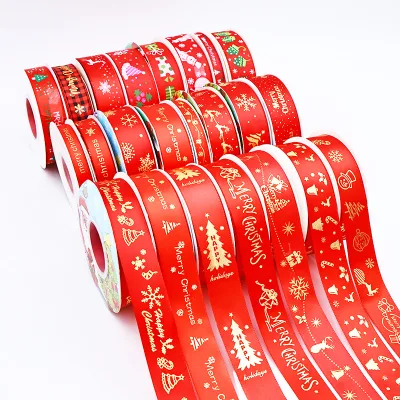
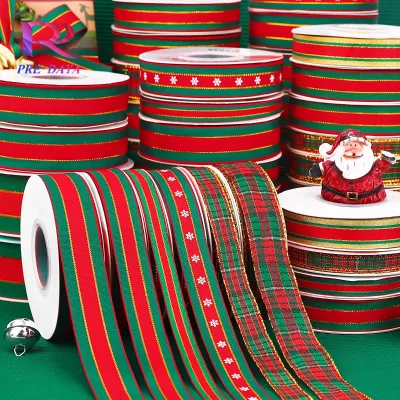
Ribbed Christmas ribbons Christmas Snowman Christmas tree decoration ribbons
$0.05 - $0.06
MOQ: 1 yards

Dongyang Gaoqiang Weaving And Washing Co., Ltd.
- Manufacturer, Trading Company
- Zhejiang, China
- Lead time15 days
- Avg. response≤ 2h
Main productsWebbing,Yarn,Belt,Webbing Processing,Ribbon
Main marketsEastern Europe(30.00%), South America(30.00%), North America(30.00%), Southeast Asia(10.00%)

Wenzhou Yigou Trading Co., Ltd
- Verified by CTI
- Trading Company
- China Zhejiang
- Lead time30 days
- Avg. response≤ 4h
Main productsClothing Accessories, Label Printing Material, Polyester Satin, Seal Tag, Rubber Label, Plastic Seal Tag, Woven Label, Label Ribbon TTR Ribbon, Cotton Tape, Woven Edge Satin Ribbon
Main marketsSoutheast Asia/ Mideast,Europe
Huzhou Beiheng Textile Co., Ltd.
- Verified by SGS Group
- Manufacturer, Trading Company
- Lead time10 days
- Avg. response≤ 2h
Main productsRibbon, Webbing, Ribbon Bows
Main marketsSoutheast Asia(30%), Western Europe(30%), Domestic Market(20%)
Weifang Byron Art&Crafts Co., Ltd.
- Verified by SGS Group
- Manufacturer, Trading Company
- Lead time7 days
- Avg. response≤ 2h
Main productsRibbon
Main marketsDomestic Market(23%), South America(20%), Western Europe(15%)
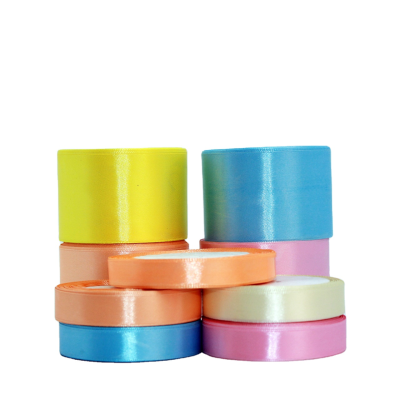
$0.02 - $0.03
MOQ: 5000 yards
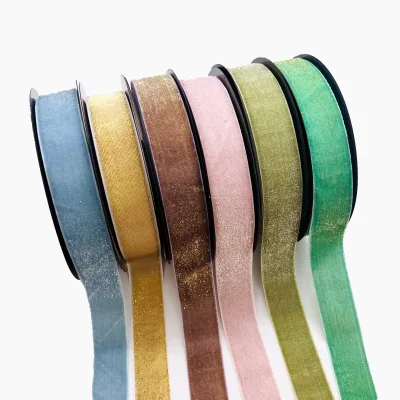
$0.1029 - $0.1235
MOQ: 1000 yards
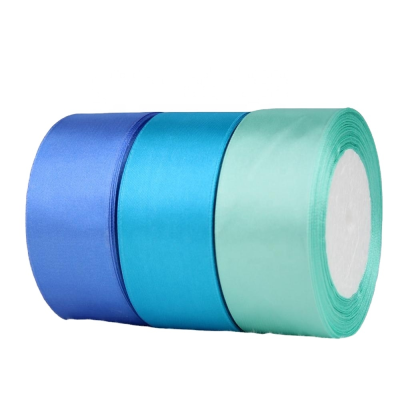

Ningbo Yue Na Import & Export Co., Ltd.
- Verified by TUVRHEINLAND
- Trading Company
- China Zhejiang
- Lead time23 days
- Avg. response≤ 3h
Main productsLace, Thread, Button, Ribbon, Zipper, Tailors Materials, Fabric, Reflective Materials, Sewing Machine Part, Bra Parts
Main marketsSouth America,Africa,Southeast Asia/ Mideast,Europe,North America


Factory Direct Sale Polyester Printing Grosgrain Ribbons with Custom Logo
$0.01 - $0.03
MOQ: 50000 Yards


Jinjiang Xinhong Trading Co., Ltd.
- Manufacturer, Trading Company
- Fujian, China
- Lead time15 days
- Avg. response≤ 1h
Main productsRope,Ribbon,yarn
Main marketsNorth America(30.00%), Mid East(20.00%), Domestic Market(20.00%), Eastern Europe(15.00%), Western Europe(15.00%)
Xiamen Gordon Ribbons & Trimmings Co., Ltd.
- Verified by TüVRheinland
- Manufacturer, Trading Company
- Lead time15 days
- Avg. response≤ 3h
Main productsRibbons, Pre-tie Bow, Hair Bow, Printed Ribbon, Retail Packaging
Main marketsWestern Europe(72%), North America(10%), Northern Europe(4%)
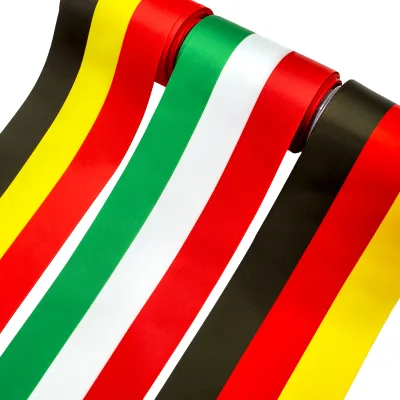
$0.09 - $0.10
MOQ: 100 yards
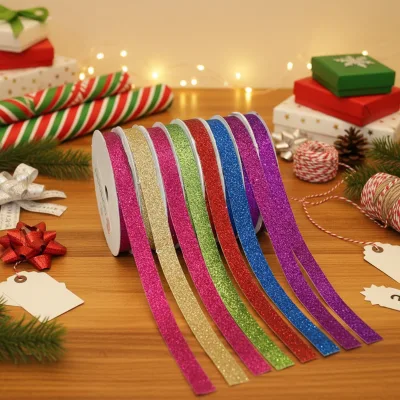
China Supplier Eco-Friendly 100% Polyester Multi Color Glitter Ribbon Decoration
$0.01 - $0.02
MOQ: 2000

Guangdong Hongxing New Materials Co., Ltd.
- Verified by TUVRHEINLAND
- Combined
- China Guangdong
- Lead time15 days
- Avg. response≤ 5h
Main productsPull Bow Ribbon, Ribbon Bow, Plastic Ribbon, Curling Ribbon, Car Bow, Butterfly Bow, Curly Bow, Star Bow, Ribbon Egg, Raffia Ribbon
Main marketsDomestic
Ningbo New Swell Import&Export Co., Ltd.
- Verified by Intertek
- Trading Company
- Lead time7 days
- Avg. response≤ 4h
Main productsLace Trim, Ribbon, Sewing Accessories, Sewing Thread, Zipper
Main marketsMid East(50%), South America(20%), Southeast Asia(20%)
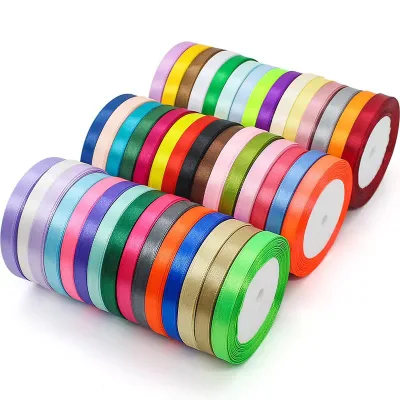
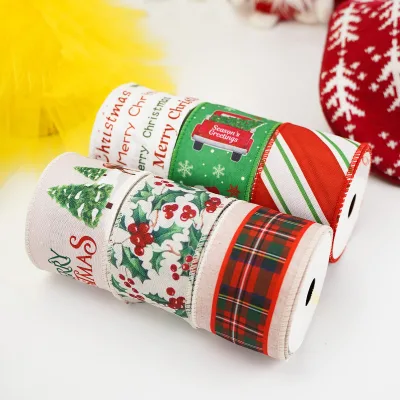
Good Material Good Elasticity Support Customization Christmas Gift Merry Christmas Ribbon for Sale
$0.15 - $0.23
MOQ: 1000 yards
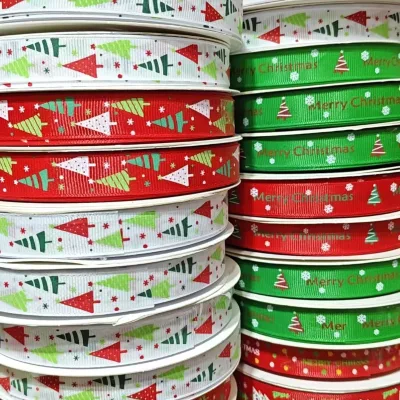
$0.05 - $0.10
MOQ: 10000 yards

Wenzhou Quanfeng Garment Accessories Co., Ltd.
- Trading Company,Manufacturer/Factory
- China Zhejiang
- Lead time23 days
- Avg. response≤ 8h
Main productsLabel Printing Material, Polyester Satin, Seal Tag, Rubber Label, Plastic Seal Tag, Woven Label, Label Ribbon, TTR Ribbon, Woven Edge Satin Ribbon, Cotton Tape
Main marketsSouth America,Eastern Europe,Mid East,North America,Southeast Asia,Eastern Asia,Oceania,Western Europe,Africa


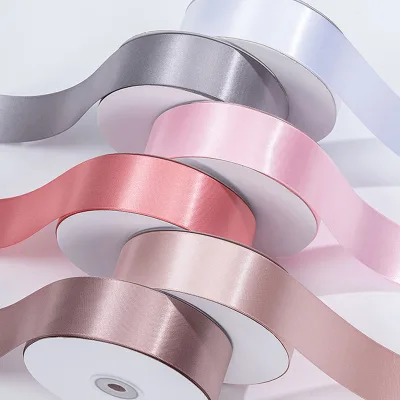
Wholesale High Quality Custom Logo Printed Polyester Satin Ribbon
$0.50 - $1.90
MOQ: 500 Square Meters

- Verified by BV
- Combined
- China Guangdong
- Lead time15 days
- Avg. response≤ 6h
Main productsSouvenir Badge, Lanyard, Keychain, Medal, Challenge Coin, Silicone Wristband, Fabric Bracelet, Dog Tag, Trolley Token Coin, Tin Button
Main marketsSouth America,Africa,Southeast Asia/ Mideast,East Asia(Japan/ South Korea),Europe,Australia,North America

$0.19 - $0.27
MOQ: 200 Pieces


Yiwu Zhengmiao Trading Co., Ltd.
- Verified by TüVRheinland
- Trading Company
- Lead time15 days
- Avg. response≤ 3h
Main productsPillow Cover, Table Cloth, Apron, Placemat, Table Flag
Main marketsNorth America(30%), Western Europe(30%), Mid East(20%)

Hangzhou Sinoco Industry Co., Ltd
- Verified by BV
- Trading Company
- China Zhejiang
- Lead time15 days
- Avg. response≤ 7h
Main productsThermal Transfer Ribbon
Main marketsSouth America,Africa,Others(foreignTradeCapacity.exportBusinessCapacityMarketOther),Europe,North America
Yiwu Changyuan Trade Co., Ltd.
- Verified by TüVRheinland
- Trading Company
- Lead time7 days
- Avg. response≤ 3h
Main productsRibbon, Ribbon Bow, Handle Bope, Label, Hang Tag
Main marketsNorth America(40%), Western Europe(15%), Oceania(10%)
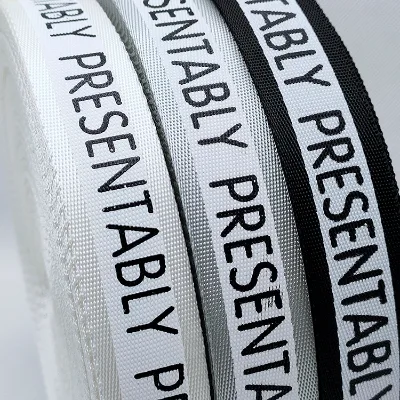
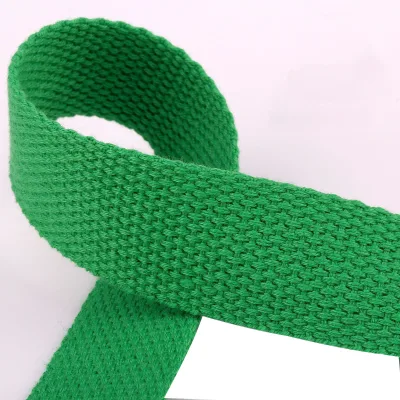
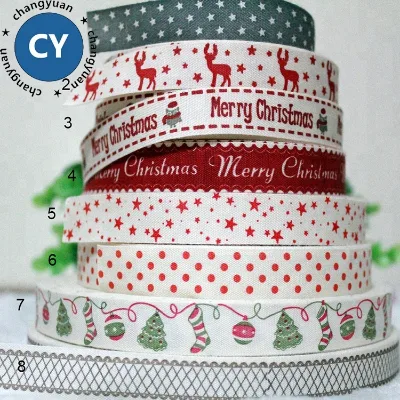
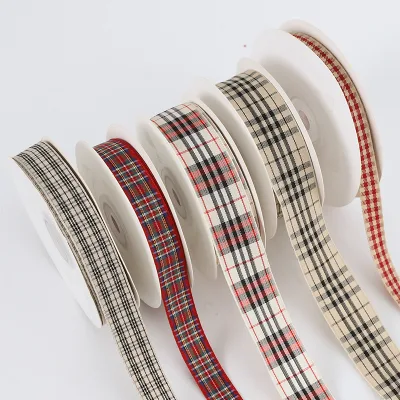
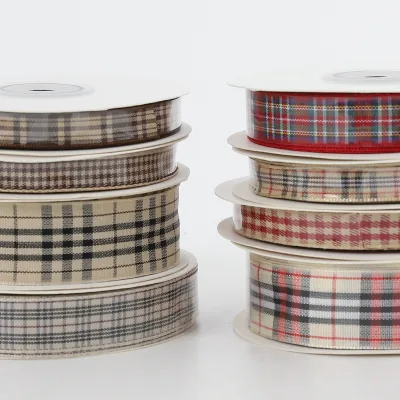
Cotton Ribbon Wholesale Custom 1 cm 2 cm 3 cm Pattern Printed Christmas Plain Cotton Ribbon
$5.00 - $7.00
MOQ: 2000 rolls
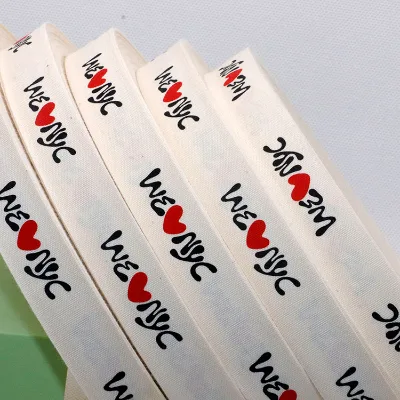
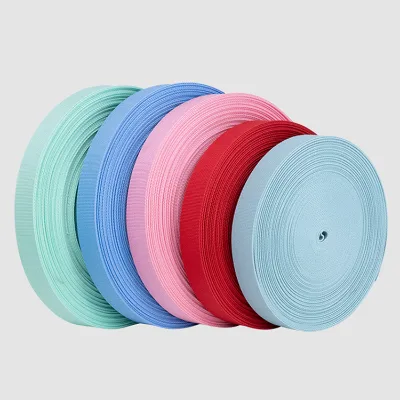
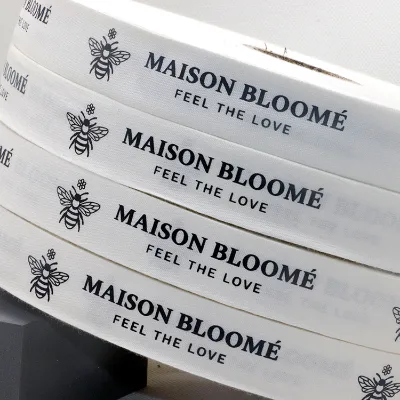
REUNERS ENTERPRISES (HONG KONG) LIMITED
- Verified by SGS Group
- Manufacturer, Trading Company
- Lead time5 days
- Avg. response≤ 2h
Main productsWoven Label, Woven Patches, Embroidery Patches, Hang Tags, Plastic Seal Tags
Main marketsDomestic Market(50%), North America(23%), Eastern Europe(10%)

Guangzhou Shangpin Clothing Accessories Co., Ltd.
- Trading Company
- China Guangdong
- Lead time15 days
- Avg. response≤ 16h
Main productsWoven Label, Hang Tag, Printing Label, Woven Patch, Printing Ribbon, Embroidery Patch, Leather Patch, Silicone Patch, Zipper, Button
Main marketsSouth America,Africa,Southeast Asia/ Mideast,Domestic,Europe,Australia,North America

Manufacturers Direct Customization Logo Polyester Ribbon, Printing Ribbon
$0.05 - $0.10
MOQ: 500 Yards

Changshu Xingyan Interlining Co., Ltd.
- Verified by SGS Group
- Manufacturer, Trading Company
- Lead time7 days
- Avg. response≤ 4h
Main productsInterlining, Non Woven Fabric, Bra Cup, Shoulder Pad
Main marketsDomestic Market(46%), North America(40%), Oceania(5%)

- Trading Company,Manufacturer/Factory
- China Guangdong
- Lead time15 days
- Avg. response≤ 7h
Main productsCoin, Lapel Pin, Keychain, Lanyard, Medal, Promotional Items, Golf Marker Divot Tool, Badge, Embroidery, Police Badge
Main marketsSouth America,Eastern Europe,Mid East,North America,Southeast Asia,Eastern Asia,Oceania,Western Europe,Africa
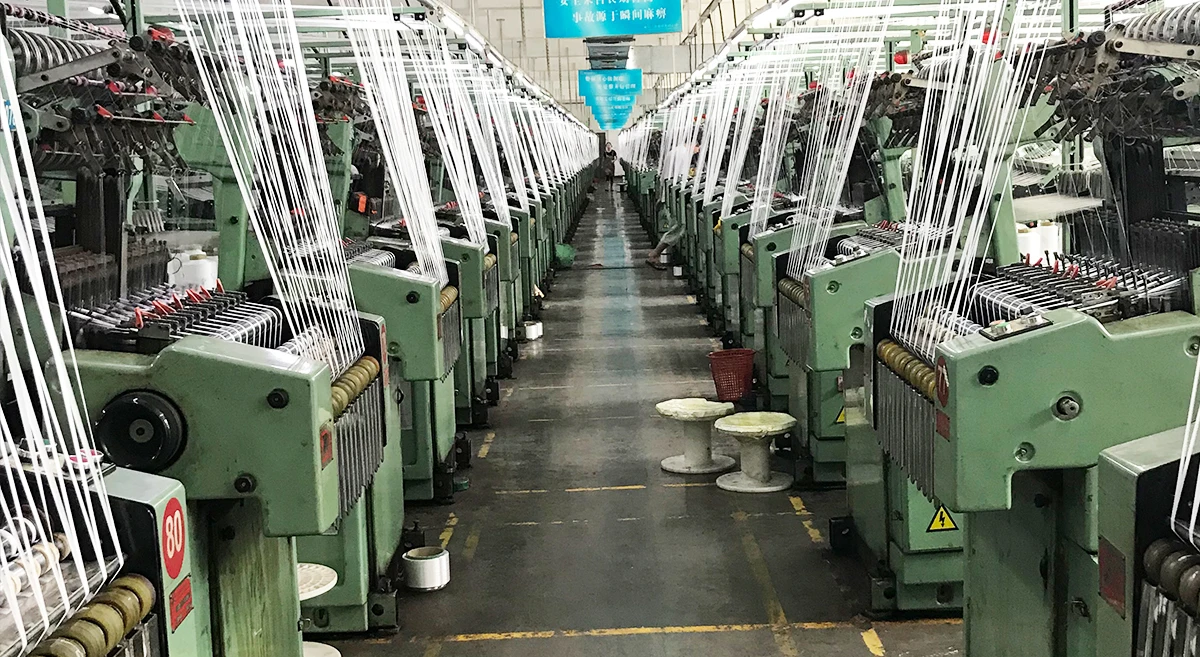
Guangzhou Mafolen Ribbons & Bows Co., Ltd.
- Trading Company
- Guangdong, China
- Lead time8 days
- Avg. response≤ 7h
Main productsCustom Ribbon/Printed Ribbon/Ribbon Bow/Satin Ribbon/Grosgrain Ribbon,Ribbons,Printed ribbon,Ribbon bows
Main marketsNorth America(19.00%), Domestic Market(15.00%), Oceania(10.00%), South America(10.00%), Southeast Asia(10.00%), Eastern Europe(10.00%), Central America(5.00%), Western Europe(5.00%), Southern Europe(5.00%), Northern Europe(5.00%), Eastern Asia(2.00%), South Asia(2.00%), Mid East(1.00%), Africa(1.00%)
Dongguan Anker Garment Accessories Limited
- Trading Company
- Guangdong, China
- Lead time35 days
- Avg. response≤ 24h
Main productswoven label,paper hangtag,webbing,rubber label,printing label
Main marketsNorthern Europe(70.00%), North America(20.00%), Southeast Asia(10.00%)
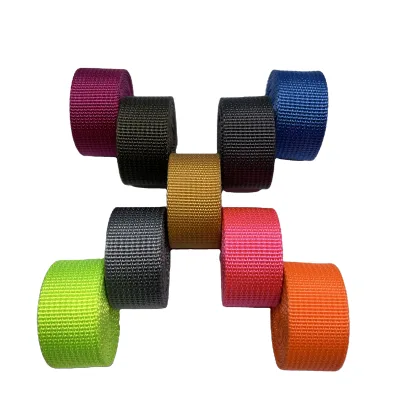
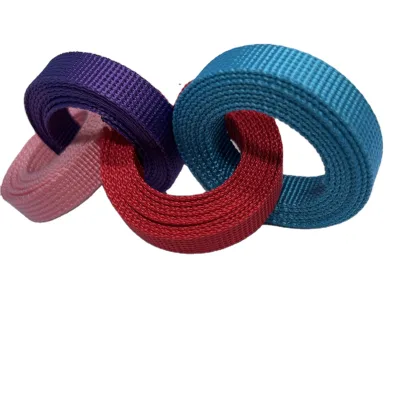
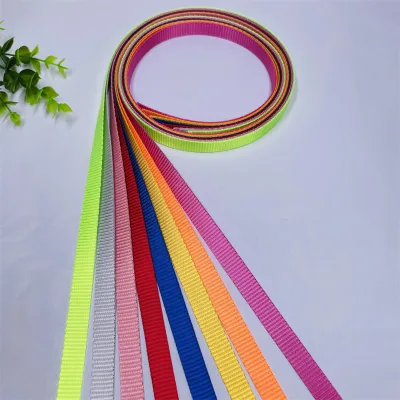
Customized No Minimum Order High Fashion Woven Ribbon for Crafts Color Packaging Ribbon
$0.09 - $0.39
MOQ: 500 pieces
HUZHOU GREAT STAR TEXTILE CO.,LTD
- Manufacturer, Trading Company
- Zhejiang, China
- Lead time20 days
- Avg. response≤ 5h
Main productsNylon Taffeta Label Roll,Satin Ribbon,Wax Resin Ribbon,Polyester Satin,Cotton Ribbon
Main marketsNorth America(32.00%), South America(29.00%), Southeast Asia(18.00%), Southern Europe(7.00%), Eastern Europe(6.00%), Western Europe(4.00%), Northern Europe(4.00%)
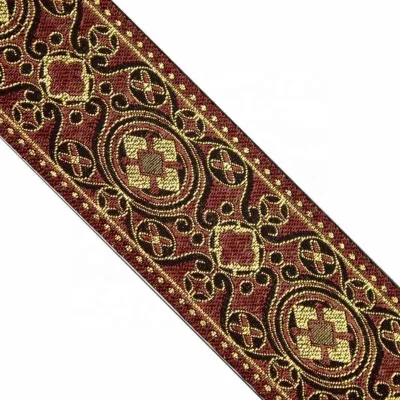
Custom Woven Ribbon Jacquard Ribbon 5cm Jacquard Ribbon Embroidered for Garment
$0.0823 - $0.2578
MOQ: 10 yards
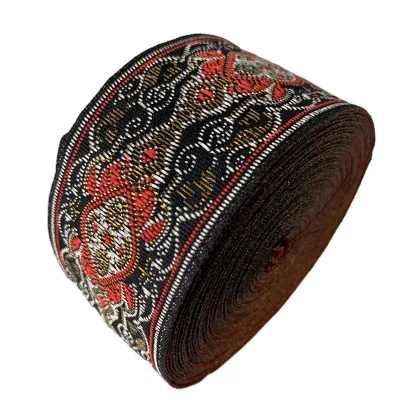

Dongguan FengSuer Textile Co., Ltd
- Verified by TUVRHEINLAND
- Trading Company
- China Guangdong
- Lead time23 days
- Avg. response≤ 4h
Main productsWoven Patches, Woven Labels, Embroidery Patch, Keychians, Hantags, Printing Labels, Printing Patches, Woven Tape, Ribbon
Main marketsEurope

Personalised 100% Polyester Woven Ribbon Decorative Custom Jacquard Ribbon
$0.10 - $0.60
MOQ: 100 Meters


Yichanglong Garment Accessories Limited
- Verified by SGS
- Manufacturer/Factory
- China Guangdong
- Lead time15 days
- Avg. response≤ 6h
Main productsHang Tag String, Elastic Tape, Perfume Metal Label, Nail File, Backpack, Lanyard, Lvds Screen Cable, Paper Tag, Drawcord, Silk Scarf
Main marketsSouth America,Eastern Europe,Mid East,North America,Southeast Asia,Eastern Asia,Oceania,Western Europe,Africa
Henan Great Long Textile Co., Ltd.
- Verified by Intertek
- Manufacturer, Trading Company
- Lead time0 days
- Avg. response≤ 4h
Main productsBungee Elastic Cord, Knitted Elastic Band, Jacquard Elastic Band, Fold Over Elastic Band





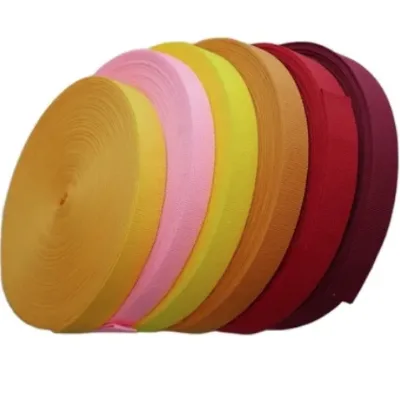
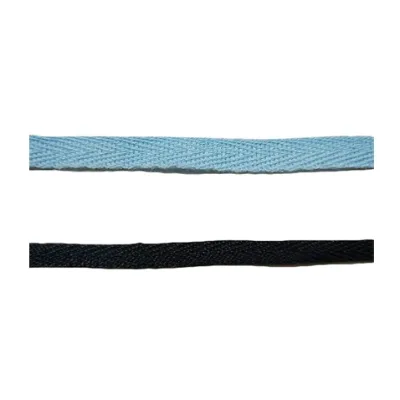


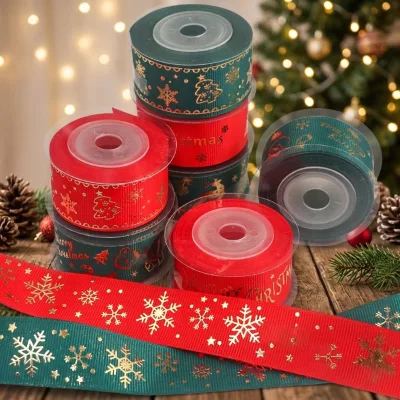
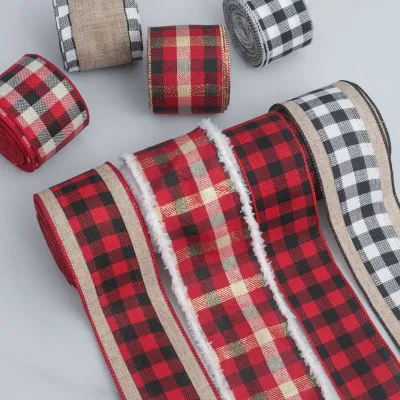




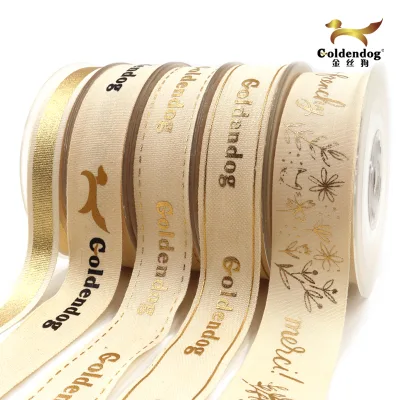
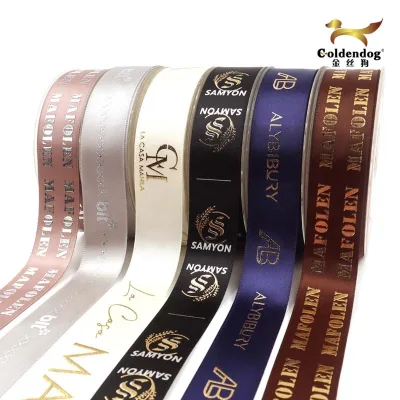


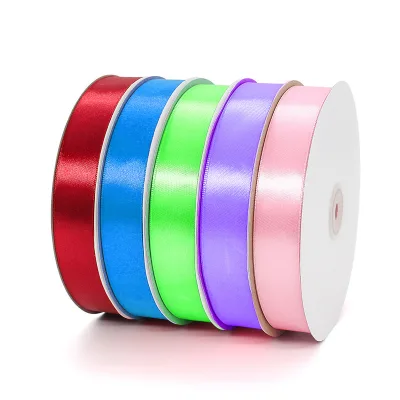
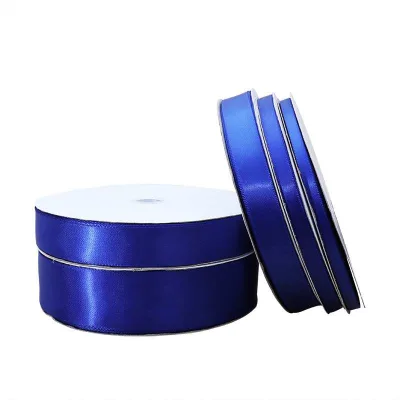
Comprehensive Sourcing Guide
China Mainland Ribbons Supplier Concentration and Factory Types
The sourcing landscape for ribbons in China is characterized by distinct regional specializations and varied business models that influence production capabilities and cost structures. Current data indicates a concentration of suppliers in Zhejiang province, where companies often operate as trading entities rather than direct manufacturers. These trading companies typically aggregate products from various factories, offering a broad catalog that includes lace, interlining, embroidery thread, poplin, hook and loop, satin ribbon, sewing thread, buttons, and zippers. This diversification allows buyers to consolidate orders for multiple garment accessories from a single point of contact, which can simplify logistics and communication. The presence of such comprehensive product lines suggests that these suppliers serve as one-stop shops for apparel and accessory manufacturers who require a wide array of trimmings. Understanding this trading company model is crucial for buyers, as it implies that while the supplier manages the order, the actual manufacturing may occur in different facilities, potentially affecting quality control consistency and lead time management.
In contrast, other sourcing hubs like Fujian province feature suppliers with different operational profiles, often emphasizing custom manufacturing capabilities. These entities frequently highlight their ability to handle Original Design Manufacturing (ODM) and Original Equipment Manufacturing (OEM) requests, alongside maintaining their own brands. This suggests a stronger focus on bespoke production rather than just trading existing stock. Suppliers in this region may specialize in specific ribbon types such as elastic webbing, custom lanyards, garment labels, rubber patches, shoelaces, strings, drawcords, fancy satin grosgrain ribbons, jacquard ribbons, and custom print ribbons. The distinction between a trading company and a manufacturer with ODM/OEM capacity is significant for buyers seeking unique designs or specific material compositions. Buyers must discern whether a supplier’s primary value lies in breadth of inventory or depth of customization, as this will dictate the negotiation strategy and the level of involvement required in the product development phase.
How to Verify China Mainland Ribbons Suppliers
Verification is a critical step in mitigating risk when sourcing ribbons from China, as the market contains a mix of verified and unverified entities. Buyers should prioritize suppliers who have undergone third-party verification processes, as these provide an additional layer of assurance regarding the company’s legitimacy and operational capacity. For instance, some suppliers display verification badges from recognized international bodies such as TÜV Rheinland, which indicates that the company has met specific standards for business operations and quality management systems. Other suppliers may hold verification from Bureau Veritas (BV), another reputable inspection and certification company. These badges are not merely decorative; they signal that an independent auditor has reviewed the supplier’s business license, factory conditions, and sometimes production capabilities. However, buyers should not rely solely on the presence of a badge but should also review the scope of the verification to ensure it covers the specific products they intend to purchase.
Beyond verification badges, buyers should assess the supplier’s responsiveness and transparency as indicators of reliability. Response time metrics can provide insight into the supplier’s operational efficiency and customer service quality. A supplier with a rapid response time, such as under eight hours, is likely more attentive to buyer inquiries and better equipped to handle urgent requests or changes in order specifications. Additionally, buyers should look for clear communication regarding product attributes, such as material composition, technics, and customization options. For example, detailed product listings that specify whether a ribbon is made of polyester, cotton, or paper, and whether it is printed, woven, or handmade, demonstrate a higher level of professionalism. Buyers should also verify if the supplier offers free samples, as this allows for physical quality assessment before committing to a large order. Ensuring that the supplier provides accurate and detailed product information is a key indicator of their commitment to transparency and quality control.
What to Compare Across China Mainland Ribbons Suppliers
When evaluating multiple suppliers, buyers must compare key operational metrics to determine the best fit for their specific needs. One of the most critical factors is the minimum order quantity (MOQ), which varies significantly across different suppliers and product types. For instance, some suppliers may require an MOQ of 10,000 units for certain printed ribbons, while others might accept orders as low as 500 units for custom woven ribbons. This disparity is crucial for buyers with varying production volumes; small batch orders may be more feasible with suppliers offering lower MOQs, whereas large-scale production runs might benefit from suppliers with higher capacity and potentially lower per-unit costs. Buyers should also compare price ranges, which can fluctuate based on material, complexity, and order volume. Prices for printed polyester ribbons might range from $0.02 to $0.08 per unit, while custom woven cotton ribbons could cost between $0.11 and $0.20 per unit. Understanding these price variations helps buyers budget accurately and negotiate effectively.
Lead time and response speed are equally important comparative factors that impact supply chain efficiency. Suppliers may have different lead times for production, ranging from 15 to 20 days, depending on their current workload and production capacity. A shorter lead time can be advantageous for buyers with tight deadlines or those needing to respond quickly to market trends. Additionally, the supplier’s response time to inquiries can indicate their level of engagement and potential for smooth communication throughout the order process. Buyers should also compare the main products offered by each supplier to ensure alignment with their specific requirements. For example, a supplier specializing in ribbons and garment accessories might be more suitable for a buyer focused on apparel, while a supplier with a broader range of packaging materials might be better for gift wrapping needs. By systematically comparing these metrics, buyers can identify suppliers that offer the best balance of cost, speed, and quality for their specific sourcing needs.
Common China Mainland Ribbons Sourcing Risks
Sourcing ribbons from China involves several potential risks that buyers must proactively manage to ensure a smooth procurement process. One significant risk is the discrepancy between sample quality and bulk production quality. Suppliers may provide high-quality samples that do not reflect the standards of mass-produced items, leading to dissatisfaction upon delivery. This risk is particularly prevalent with custom products where materials or techniques might be substituted to reduce costs. Buyers should mitigate this by clearly specifying material compositions, such as 100% cotton or polyester, and technics, such as woven or printed, in their contracts. Additionally, requesting pre-shipment inspections or third-party quality control services can help verify that the bulk order meets the agreed-upon standards before it leaves the factory. This step is crucial for avoiding costly returns or production delays due to substandard materials.
Another common risk is the lack of transparency regarding production capacity and lead times. Some suppliers may overpromise on their ability to deliver orders within a specific timeframe, leading to delays that disrupt the buyer’s supply chain. This is especially risky for buyers who rely on just-in-time inventory systems or have strict delivery deadlines for their customers. Buyers should verify the supplier’s actual production capacity by reviewing their company profile, asking for references, or conducting factory audits if possible. Furthermore, buyers should be cautious of suppliers who do not provide clear information about their customization capabilities or who are vague about their production processes. Ensuring that the supplier has the necessary equipment and expertise to handle specific requests, such as custom printing or weaving, is essential for maintaining quality and meeting deadlines. By identifying and addressing these risks early in the sourcing process, buyers can build more resilient and reliable supply chains.
China Mainland Ribbons Regional Sourcing and Logistics
The geographic location of suppliers plays a significant role in logistics planning and cost management for ribbon sourcing. Suppliers located in Zhejiang province, a major manufacturing hub in China, often benefit from well-developed infrastructure and proximity to major ports, which can facilitate efficient export processes. This region is known for its concentration of trading companies and factories that produce a wide variety of textile accessories, including ribbons, lace, and threads. Buyers sourcing from this area may find it easier to consolidate shipments with other products, reducing overall logistics costs. However, buyers should also consider suppliers in other regions, such as Fujian province, which may offer different advantages in terms of specialized manufacturing capabilities or cost structures. Understanding the regional strengths of different sourcing hubs allows buyers to make informed decisions based on their specific logistical needs and supply chain strategies.
Logistics considerations also extend to the packaging and handling of ribbon products, which can vary based on the supplier’s location and operational practices. For instance, some suppliers may pack ribbons in rolls of specific lengths, such as 50 yards or 500 yards, while others might offer custom packaging options. Buyers should ensure that the packaging meets their storage and handling requirements to prevent damage during transit. Additionally, buyers should be aware of any specific export regulations or documentation requirements that may apply to textile products, such as certificates of origin or material safety data sheets. Working with suppliers who are experienced in international shipping can help streamline the logistics process and reduce the risk of delays or customs issues. By carefully planning logistics and selecting suppliers with strong export capabilities, buyers can ensure that their ribbon orders arrive on time and in good condition.
China Mainland Ribbons Commercial Terms and Order Planning
Effective order planning and clear commercial terms are essential for successful sourcing of ribbons from China. Buyers should establish clear agreements on payment terms, delivery schedules, and quality standards to minimize disputes and ensure smooth transactions. Common payment terms may include a deposit followed by the balance upon shipment, or letters of credit for larger orders. Buyers should also negotiate clear lead times and penalties for delays to protect their supply chain integrity. Additionally, buyers should specify the exact product specifications, including material, color, width, and packaging, in the purchase order to avoid misunderstandings. For custom products, providing detailed design files or samples can help ensure that the final product meets expectations. Buyers should also consider the supplier’s return and refund policies in case of quality issues, as this provides an additional layer of protection.
Order planning should also account for the supplier’s production capacity and inventory status. Some suppliers may offer stock items with immediate availability, while others may require production time for custom orders. Buyers should communicate their volume requirements and delivery deadlines early in the process to allow the supplier to plan accordingly. For example, if a buyer needs a large quantity of printed polyester ribbons, they should confirm the supplier’s ability to meet the MOQ and lead time requirements. Additionally, buyers should consider the potential for price fluctuations based on raw material costs and order volume. Negotiating fixed prices for a specific period or volume can help stabilize costs and budgeting. By carefully planning orders and establishing clear commercial terms, buyers can build strong, long-term relationships with their suppliers and ensure a steady supply of high-quality ribbons for their business needs.
FAQs
What is the typical lead time for ribbon orders from China?
Manufacturers in Zhejiang and Fujian generally require 15 to 20 days for production. This timeframe allows for material sourcing and quality checks. Buyers should confirm specific schedules with suppliers before placing bulk orders to ensure timely delivery for seasonal events.
What are the common minimum order quantities for printed ribbons?
MOQs vary by material and customization needs. Polyester printed ribbons often require 10,000 units, while custom woven cotton options may start at 1,000 units. Some suppliers offer lower MOQs of 500 units for specific woven styles, so buyers should verify requirements per product.
Which materials are most commonly used for decorative ribbons?
Polyester and cotton are the primary materials for decorative and garment ribbons. Polyester options are often printed or woven with metallic styles, while cotton ribbons are available in natural white or custom colors. Paper ribbons are also used for gift packaging and flower decoration.
How quickly do suppliers typically respond to inquiries?
Response times for verified suppliers in China average between 5 and 7.41 hours. Trading companies and factories with TUVRHEINLAND or BV verification often provide faster communication. Buyers can expect prompt replies when contacting suppliers with established response metrics on their profiles.
Are customization options available for ribbon orders?
Yes, most suppliers offer customization for printed and woven ribbons. Buyers can request specific patterns, colors, and logos. Custom woven cotton and polyester ribbons allow for tailored designs. Suppliers typically support OEM and ODM services for branded packaging accessories and garment trims.
What is the price range for wholesale printed ribbons?
Prices for printed polyester ribbons typically range from $0.02 to $0.085 per unit. Custom woven cotton ribbons may cost between $0.05 and $0.20. Paper ribbons for gifts are priced up to $0.05. Costs depend on material, width, and order volume.