Source Point Back Rose Rhinestone Stones for Bags, Garment, Nail Art
Compare 29 listings of Point Back Rose Rhinestone Stones from verified suppliers offering various sizes and materials. Explore options for bags, garment, and nail art applications with different shapes and styles to find the perfect embellishments for your projects today.
Updated
Key considerations
Products List
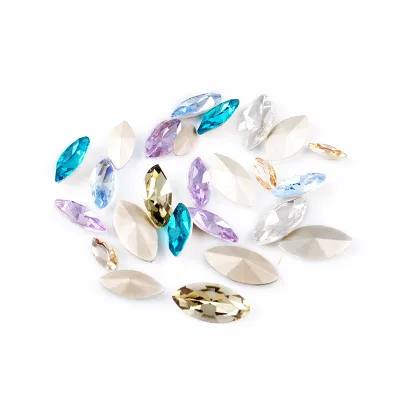
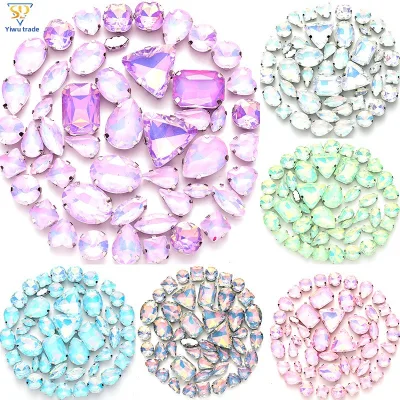
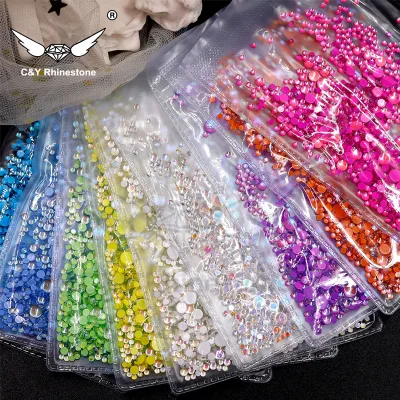
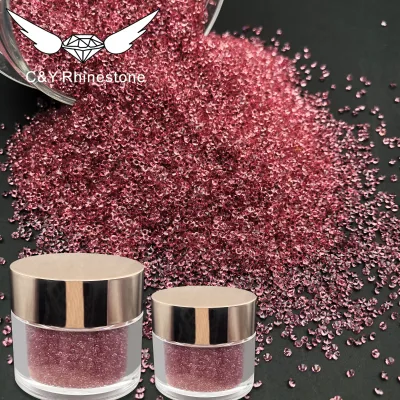


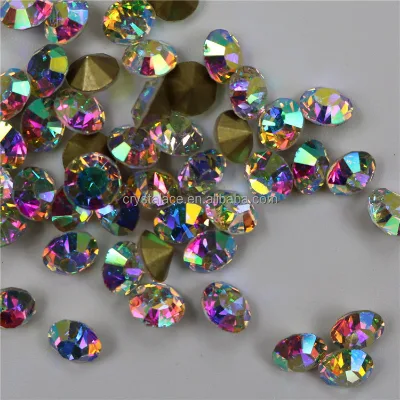
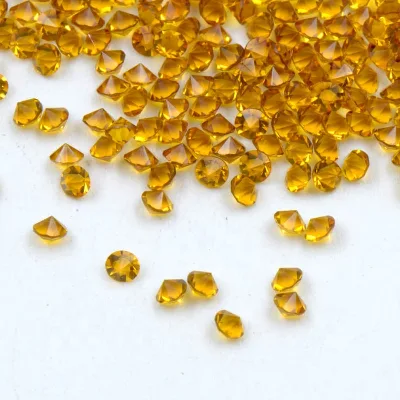
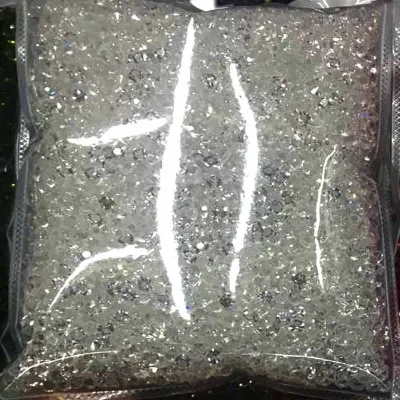
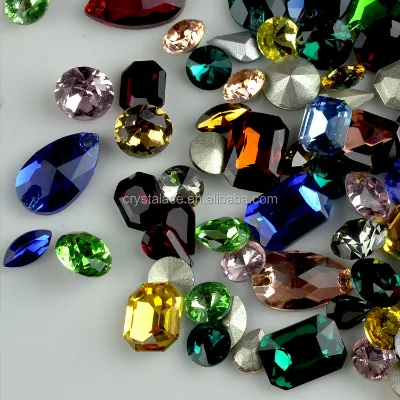
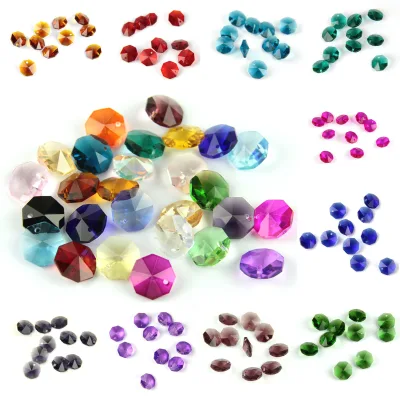
Fancy Glass Stone, Point Back Crystal Colorful Stones, Crystal Rhinestone in China
$0.0517 - $0.2908
MOQ: 1 Minimum
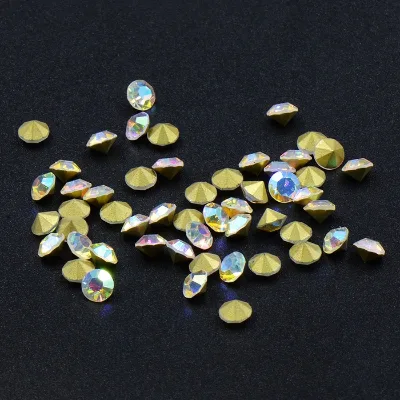
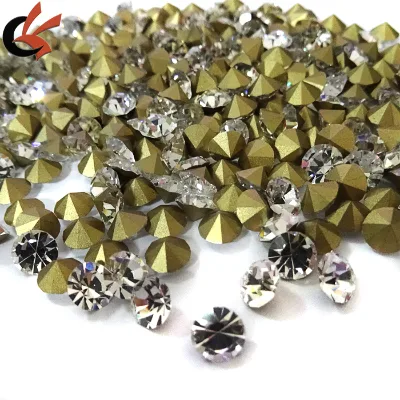
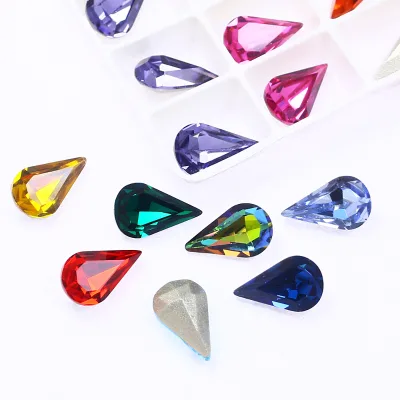
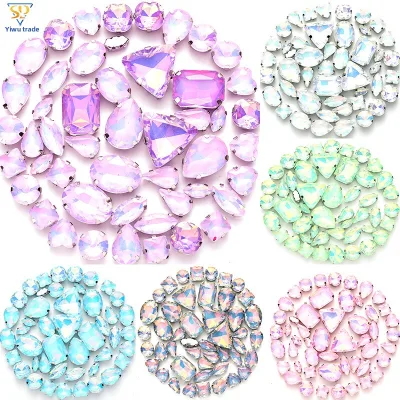
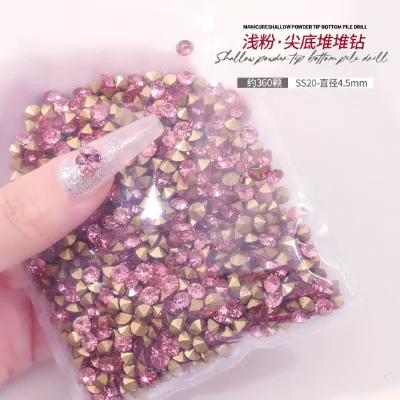
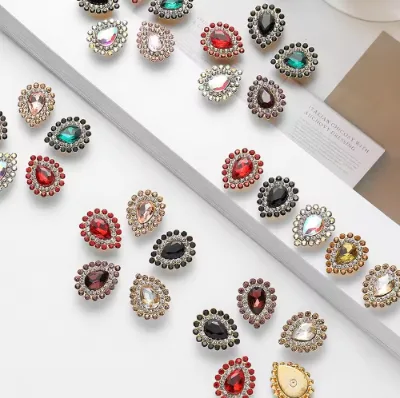
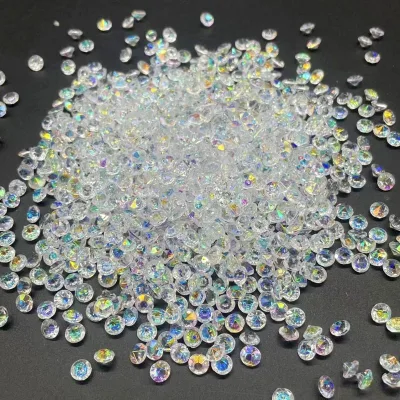
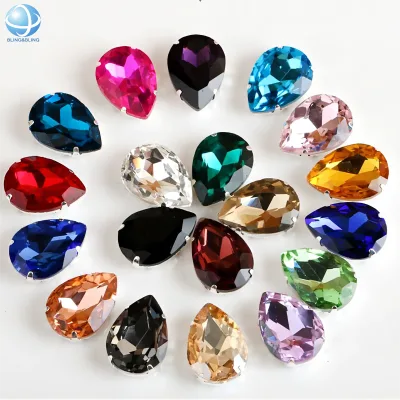
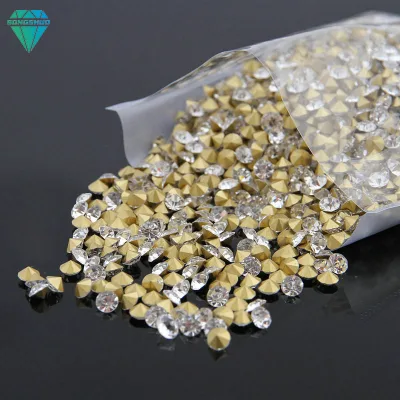
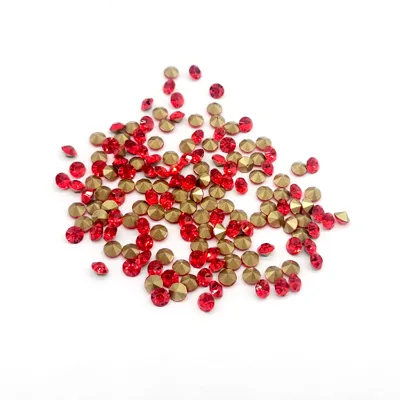
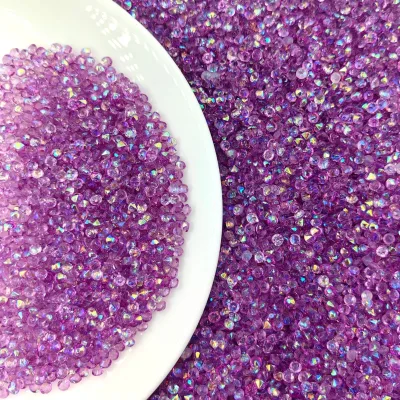
DIY Nail Loose Glass Point Back Rhinestones High Quantity Hot-Fix for Nail Art
$0.1245 - $0.1559
MOQ: 100 Minimum
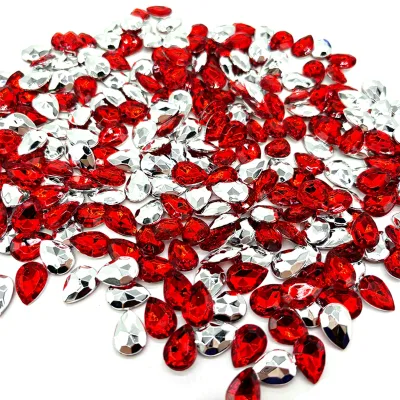

Comprehensive Sourcing Guide
Point Back Rose Rhinestone Stones Sourcing Guide
Procurement professionals seeking Point Back Rose Rhinestone Stones must first distinguish between loose stones and specialized DIY sets, as the supply chain offers distinct product categories. The available market data indicates a primary focus on crystal glass rhinestones with point-back styles, specifically designed for garment, shoe, and bag embellishment. Buyers should verify that the "rose" color attribute aligns with specific protein or golden claw descriptions found in listings, rather than assuming a standard hue exists across all SKUs.
When evaluating suppliers, it is critical to confirm the physical dimensions and shape consistency, as observed listings range from 4x6mm to 13x18mm in oblong drop shapes. The material composition is predominantly crystal or glass crystal, often finished with polished or electroplated techniques to achieve the desired aesthetic. Sourcing teams must ensure the selected vendor provides the exact shape and size specifications required for their specific application, whether it involves nail art or heavy-duty garment decoration.
Product Scope and Observed Listing Signals
The product scope for Point Back Rose Rhinestone Stones encompasses both loose rhinestones and mixed-pack DIY jewelry sets, each serving different manufacturing needs. Loose stones are typically sold in single items with specific model numbers, while mixed packs may include various shapes like circles, triangles, and ellipses. Buyers must carefully review the product type designation to ensure they are purchasing the correct format, as some listings specify "DIY jewelry set" while others focus strictly on "loose rhinestones" for industrial application.
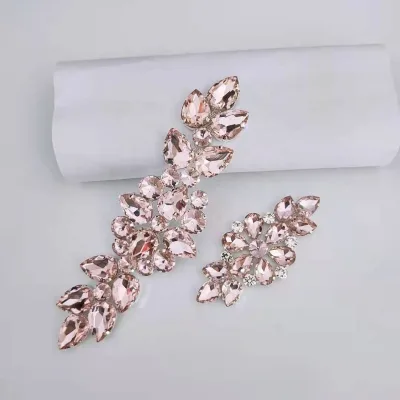
Listing signals reveal that color variations are often described using specific chemical or protein-based terminology, such as albumin golden claw or lake blue protein gold claw. This suggests that the "rose" designation may be part of a broader palette of protein-based golden claws rather than a single uniform color. Procurement teams should request physical samples to confirm the exact shade and finish, as the textual descriptions in listings may not fully capture the visual nuances required for high-end fashion or accessory production.
Technical Specifications to Verify
Technical verification begins with the model number and size specifications, which vary significantly between suppliers and product lines. Observed data shows model numbers ranging from 19CJ09012102 to 838067960738, with sizes explicitly listed as 4x6mm, 6x8mm, 7x10mm, 10x14mm, and 13x18mm. Buyers must cross-reference these dimensions against their design requirements, as the oblong drop shape and point-back style are not universal across all crystal glass products in the market.
The technical finish and application method are equally critical, with listings indicating polished, electroplated, or glue-on techniques. While some products are explicitly marked as non-hot fix, others may require specific adhesive application methods depending on the substrate. Procurement specialists should verify the single package size and gross weight to ensure logistics compatibility, as these factors directly impact shipping costs and storage requirements for bulk orders of crystal glass stones.
Compliance and Safety Documentation
Compliance documentation for Point Back Rose Rhinestone Stones often lacks explicit certification details in standard listings, requiring buyers to request specific safety data sheets. The material composition is identified as crystal or glass crystal, which generally implies low toxicity, but the presence of electroplating or protein-based coatings necessitates verification of heavy metal content. Buyers should demand proof that the finished stones meet international safety standards for jewelry and textile accessories, particularly regarding lead and cadmium limits.
Safety verification must also extend to the packaging and handling processes, as the single gross weight and package dimensions suggest potential hazards during transport. While some listings mention high-quality standards, this is an observation rather than a certified guarantee. Procurement teams should ensure that suppliers provide documentation confirming the absence of hazardous substances in the glue-on or polished finishes, especially for products intended for direct skin contact or children's clothing applications.
Cost Drivers and Commercial Terms
Cost drivers for these stones include the material quality, finishing techniques, and the complexity of the color variations described in the listings. The observed price range of 0.01 to 20 USD suggests significant variance based on the specific model number, size, and quantity ordered. Buyers must analyze the relationship between the MOQ and unit price, as the minimum order quantities observed range from 1 to 20,000 pieces, directly influencing the per-unit cost structure.
Commercial terms are heavily influenced by the payment structure and lead time requirements, with common terms including a 30% deposit and 70% balance before shipping. Sample order lead times are noted as 7 days, which can impact the overall project timeline for new product development. Procurement managers should negotiate clear terms regarding the balance payment and shipping logistics, ensuring that the single item selling units and mixed pack configurations align with the financial constraints of the purchase order.
Supplier Qualification and Quality Control
Supplier qualification requires a rigorous assessment of the place of origin and production capabilities, with observed locations including Zhejiang, Yiwu, and Guangdong. These regions are known for glass and crystal manufacturing, but the specific factory capabilities must be verified to ensure consistent quality control. Buyers should request evidence of the supplier's ability to maintain the "High" quality standard mentioned in listings, particularly regarding the polished and electroplated finishes.
Quality control protocols must address the consistency of the point-back style and the accuracy of the color descriptions. Since the listings mention specific color names like "rose red protein with golden claws," visual inspection of samples is essential to confirm that the final product matches the intended aesthetic. Procurement teams should implement a sampling strategy that tests the durability of the glue-on or polished surfaces, ensuring the stones remain secure during the intended application on garments, shoes, or bags.
Long-Term Procurement Checks
Long-term procurement checks should focus on the stability of the supply chain and the consistency of the product specifications over time. Given the variation in model numbers and sizes, buyers must establish a standardized specification sheet that locks in the required dimensions and finishes for future orders. This prevents drift in product quality and ensures that the Point Back Rose Rhinestone Stones remain compatible with existing design templates and manufacturing processes.
Sustainability and supply continuity are also critical factors, as the reliance on specific raw materials like crystal and glass requires a stable upstream supply. Buyers should monitor the supplier's ability to maintain the 7-day sample lead time and the 30% deposit payment structure during peak seasons. Regular audits of the supplier's quality control processes and adherence to the observed technical specifications will help mitigate risks associated with material shortages or production delays in the long term.
FAQs
What materials are used for Point Back Rose Rhinestone Stones?
These stones are primarily crafted from high-quality crystal glass. The material ensures excellent clarity and brilliance, making them ideal for decorative applications. Some variations may utilize glass glaze or other glass crystal compositions to achieve specific aesthetic effects and durability for various crafting needs.
Which sizes are available for these rhinestones?
Standard sizes include 4x6mm, 6x8mm, 7x10mm, 10x14mm, and 13x18mm. These oblong point-back dimensions allow for versatile design options. Buyers can select specific measurements to match their project requirements, ensuring precise fit for jewelry, garments, or nail art applications.
Can I order samples before bulk production?
Yes, sample orders are supported with a lead time of 7 days. This allows buyers to verify quality and specifications before committing to larger quantities. The supplier accommodates small initial requests to ensure the product meets your specific aesthetic and functional expectations for your project.
What is the minimum order quantity for these stones?
The minimum order quantity is typically 1000 pieces. This threshold ensures efficient production and shipping processes. Buyers should plan their procurement accordingly to meet this baseline requirement, which is standard for loose rhinestone suppliers to maintain cost-effectiveness and inventory management.
Where are these rhinestones manufactured?
These products originate from Zhejiang and Guangdong provinces in China. Yiwu is also noted as a place of origin for some items. These regions are known for their robust manufacturing capabilities in jewelry accessories and decorative stones, ensuring consistent quality and supply chain efficiency.
What payment terms are required for purchase?
Payment requires a 30% deposit with the remaining 70% balance paid before shipping. This standard term protects both parties and ensures order confirmation. Buyers must arrange the final payment prior to dispatch to facilitate smooth logistics and timely delivery of the ordered rhinestone materials.