ABS Nylon Buttons Suppliers and Manufacturers in China
Compare 21 verified suppliers of ABS Nylon Buttons across locations like Guangdong and Zhejiang, response times, lead times, and certifications. Review product specs and request samples to finalize your sourcing decision today; review the available evidence before requesting comparable quotations from suitable candidates.
Updated
Suppliers List

Dongguan Hingye Button Products Co., Ltd.
- Verified by CTI
- Combined
- China Guangdong
- Lead time15 days
- Avg. response≤ 12h
Main productsMetal Button, ABS Button, Metal Buckle, Metal Snap Button, Metal Jeans Button, Metal Rivet, Rubber Button, Nylon Button, Plastic Button, Metal Popper Snap Button
Main marketsSouth America,Domestic,Europe,North America

Button Plastic Button Anchor Logo Nylon Button ABS Button for Clothing Trimming Accessories
$0.02 - $0.15
MOQ: 5000 Pieces


Plastic ABS Button with Foot for Coats ABS Button for Shirts Clothes Accessories
$0.02 - $0.15
MOQ: 5000 Pieces

ABS Button Two Parts Combined Plastic ABS Shank Button for Garment Clothes Accessories
$0.02 - $0.15
MOQ: 5000 Pieces


- Verified by TUVRHEINLAND
- Trading Company,Manufacturer/Factory
- China Zhejiang
- Lead time23 days
- Avg. response≤ 9h
Main productsGarment Accessories, Zipper, Button, Lace Trim, Metal Zipper, Nylon Zipper, Plastic Zipper, Metal Button, Snap Button, Cotton Lace
Main marketsNorth America,Africa

- Verified by BV
- Combined
- China Guangdong
- Lead time15 days
- Avg. response≤ 9h
Main productsTouch Screen, LCD Panel, Ideck Monitor, Gaming Button, PCB Board, Touch Controller Board, 3m Gaming Capacitive Touch Screen, Other
Main marketsSouth America,Southeast Asia/ Mideast,East Asia(Japan/ South Korea),Europe,Australia,North America
Shenzhen Hexingzhengye Technology Co., Ltd.
- Verified by Intertek
- Manufacturer, Trading Company
- Lead time20 days
- Avg. response≤ 3h
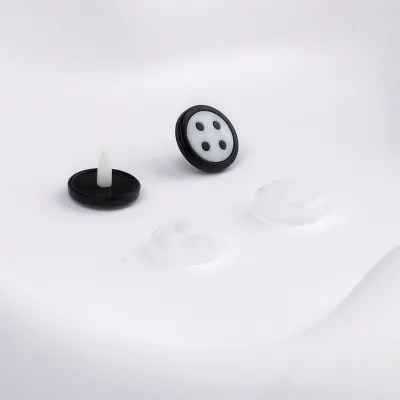
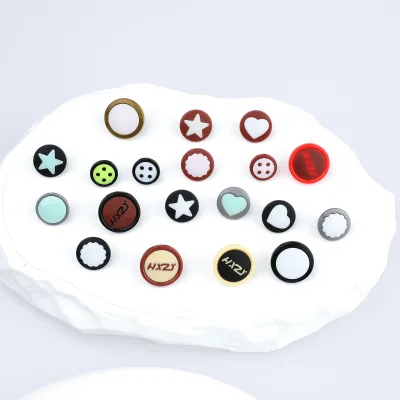
Main products4-in-1 plastic snap button, Adjustable clasp, One Time Use Festival Wristband Barrel Lock, One-way sliding clasp
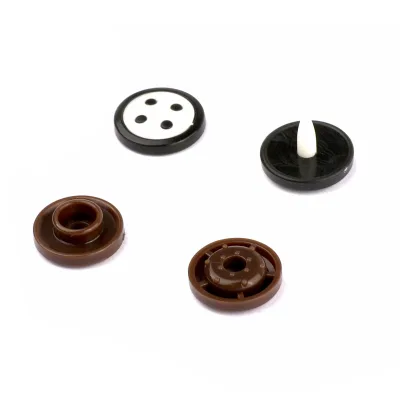
$0.01 - $0.02
MOQ: 10000 pieces

GUANGZHOU SAKES GARMENTS ACCESSORIES CO., LTD.
- Verified by TUVRHEINLAND
- Trading Company
- China Guangdong
- Lead time15 days
- Avg. response≤ 11h
Main productsMetal Button, Rivet, Belt, Zipper, Lace, Leather Patch, Metal Buckle, Plastic Button, Metal Eyelet, Keychain
Main marketsSouth America

NINGBO NCJN IMPORT AND EXPORT CO., LTD.
- Verified by TUVRHEINLAND
- Trading Company
- China Zhejiang
- Lead time15 days
- Avg. response≤ 13h
Main productsGarment Accessories, Zipper, Button, Lace, Tape, Velcro Tape, Hook and Eye Tape, Ring and Slider, Bra Cup
Main marketsSouth America,Africa,Southeast Asia/ Mideast,East Asia(Japan/ South Korea),Europe,Australia,North America
Quanzhou Maihang Garment Accessories Co., Ltd.
- Trading Company
- Fujian, China
- Lead time10 days
- Avg. response≤ 3h
Main productsGarment Label,Embroidery Patch,Wrapping Paper,Sticker,Button
Main marketsNorth America(30.00%), Western Europe(15.00%), South America(10.00%), Africa(10.00%), Southeast Asia(5.00%), Northern Europe(5.00%), Central America(5.00%), South Asia(5.00%), Eastern Europe(5.00%), Mid East(4.00%), Eastern Asia(3.00%), Oceania(2.00%), Southern Europe(1.00%)
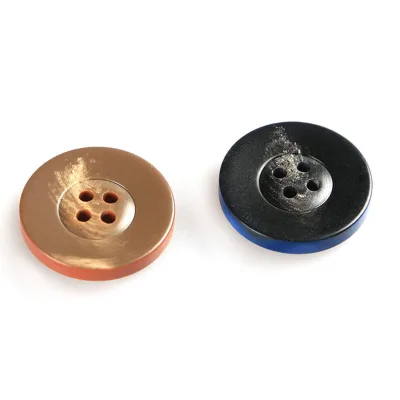
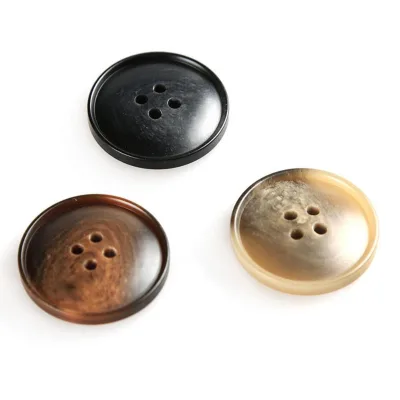
Excellent Design Garment Jacket Buttons Plastic Buttons for Shirt Clothes
$0.0514 - $0.1649
MOQ: 400 pieces
Quanzhou Jilingyang Garment Accessories Co., Ltd.
- Verified by Intertek
- Trading Company
- Lead time10 days
- Avg. response≤ 3h
Main productsMagnetic Buckle, POM Fastener Series, Rope buckle POM, Metal Keychain, Button
Main marketsSoutheast Asia(40%), Western Europe(15%), Southern Europe(15%)
Ningbo New Swell Import&Export Co., Ltd.
- Verified by Intertek
- Trading Company
- Lead time7 days
- Avg. response≤ 4h
Main productsLace Trim, Ribbon, Sewing Accessories, Sewing Thread, Zipper
Main marketsMid East(50%), South America(20%), Southeast Asia(20%)
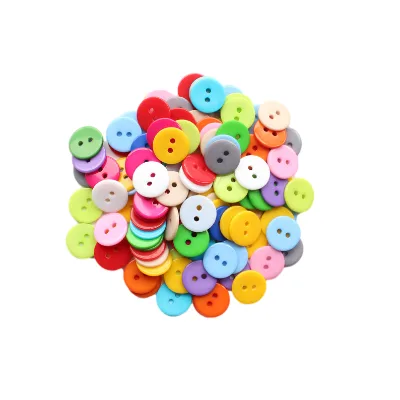
Regular Design Buttons Color Customized Style Broadside Plastic Button for Clothes
$0.0414 - $0.0621
MOQ: 500 pieces
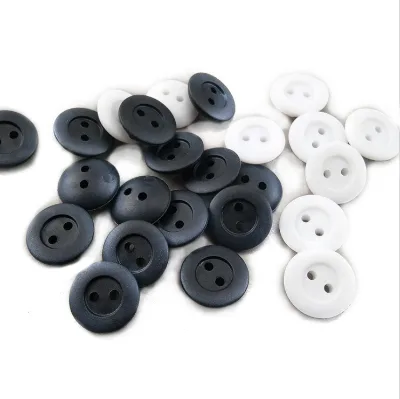
Plastic Rubber Buttons Soft Button With 2 Holes for Shirt Clothes Garments Factory Price
$0.02 - $0.05
MOQ: 1000
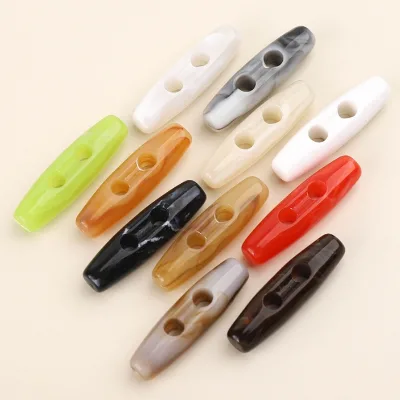
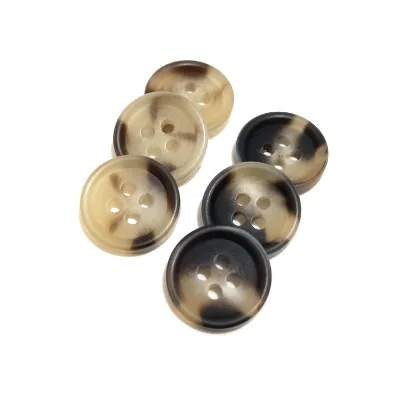
Hight Quality Men and Women's Fashion Sewing Plastic Polyester Rod Resin Buttons for Clothes
$0.0206 - $0.0308
MOQ: 1000 pieces
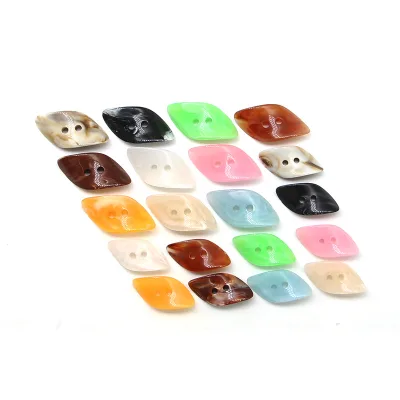
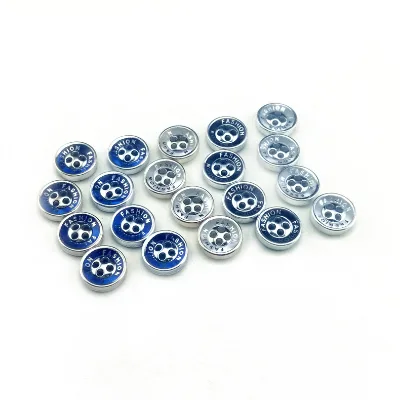
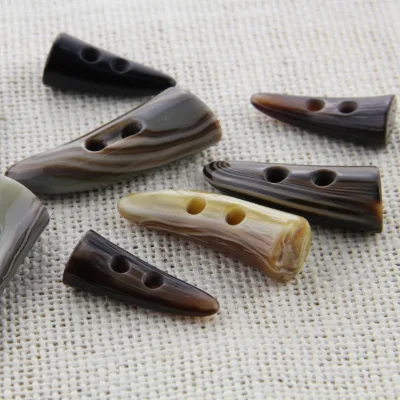
High Quality Volume Supply Simple Tailor Made Washable Toggle Buttons for Textile
$0.0514 - $0.0925
MOQ: 1000 pieces
Yongjia Bolai Clothing Accessories Co., Ltd.
- Verified by Intertek
- Trading Company
- Lead time0 days
- Avg. response≤ 2h
Main productsButtons, Stoppers, Hook & Loop Tapes, Webbing, Zippers Accessories
Main marketsNorth America(30%), Southeast Asia(30%), Western Europe(20%)
- Trading Company
- Zhejiang, China
- Lead time30 days
- Avg. response≤ 11h
Main productsgarment trimming,bra&underwear accessories,lace trim collection,bag parts and hardware,fabric and lining
Main marketsSoutheast Asia(40.00%), North America(15.00%), South America(15.00%), Western Europe(10.00%), Eastern Europe(10.00%), Domestic Market(5.00%), Mid East(5.00%)
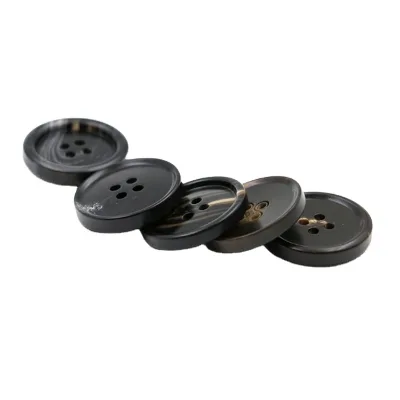
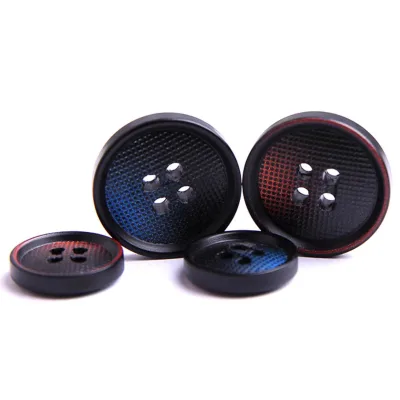
Buttons Black Round Suit Resin Pattern Buttons of Wind Coat Plastic Buttons for Clothes Wholesale
$0.05 - $0.12
MOQ: 20000 Minimum
Ningbo L&B Import & Export Co., Ltd.
- Verified by SGS Group
- Trading Company
- Lead time10 days
- Avg. response≤ 4h
Main productsButton, Lace, Blouse, Patch
Main marketsNorth America(30%), South America(30%), Eastern Europe(20%)
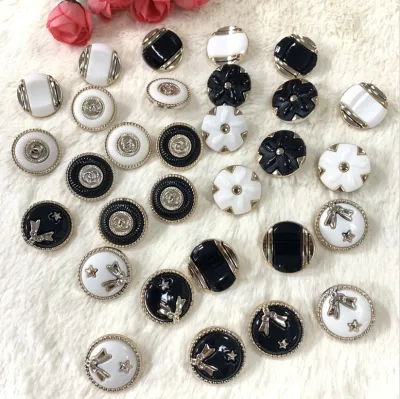
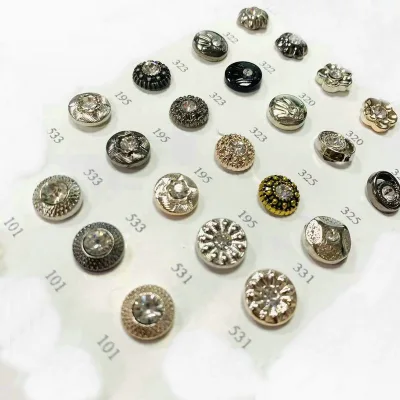
Wholesale ABS Button With Diamond
$0.01 - $0.03
- Verified by SGS Group
- Manufacturer, Trading Company
- Lead time0 days
- Avg. response≤ 4h
Main productsGarment Hardware, Curtain Ring, Curtain Hardware
Main marketsCentral America(75%), Central America(20%), North America(5%)

Wyse Industrial (shenzhen) Co., Ltd.
- Manufacturer, Trading Company
- Guangdong, China
- Lead time30 days
- Avg. response≤ 4h
Main productsMetal button,Zippers,custom metal badge,stopper &cord end&cord lock,Garment accessories
Main marketsWestern Europe(20.00%), South America(20.00%), North America(20.00%), Eastern Europe(10.00%), Central America(10.00%), Northern Europe(10.00%), South Asia(4.00%), Mid East(2.00%), Southern Europe(2.00%), Southeast Asia(2.00%)
Guangzhou Ruiyuelai Trading Co., Ltd.
- Manufacturer, Trading Company
- Guangdong, China
- Lead time0 days
- Avg. response≤ 1h
Main productsiron on patch,beaded patch,embrodery patch,lace,fabric
Main marketsSouthern Europe(20.00%), Western Europe(20.00%), South Asia(10.00%), Eastern Asia(10.00%), Northern Europe(10.00%), Mid East(10.00%)
KAM WAH INDUSTRIAL COMPANY LIMITED
- Trading Company
- Hong Kong S.A.R.
- Lead time30 days
- Avg. response≤ 6h
Main productsPLASTIC SNAP,SNAP FASTENER,SNAP TAPE,BAG BUCKLE,SHOES BUCKLE
Main marketsDomestic Market(38.00%), Western Europe(20.00%), North America(18.00%), Northern Europe(5.00%), South America(5.00%), Southeast Asia(5.00%), South Asia(2.00%), Southern Europe(2.00%), Eastern Europe(2.00%), Africa(2.00%), Mid East(1.00%)
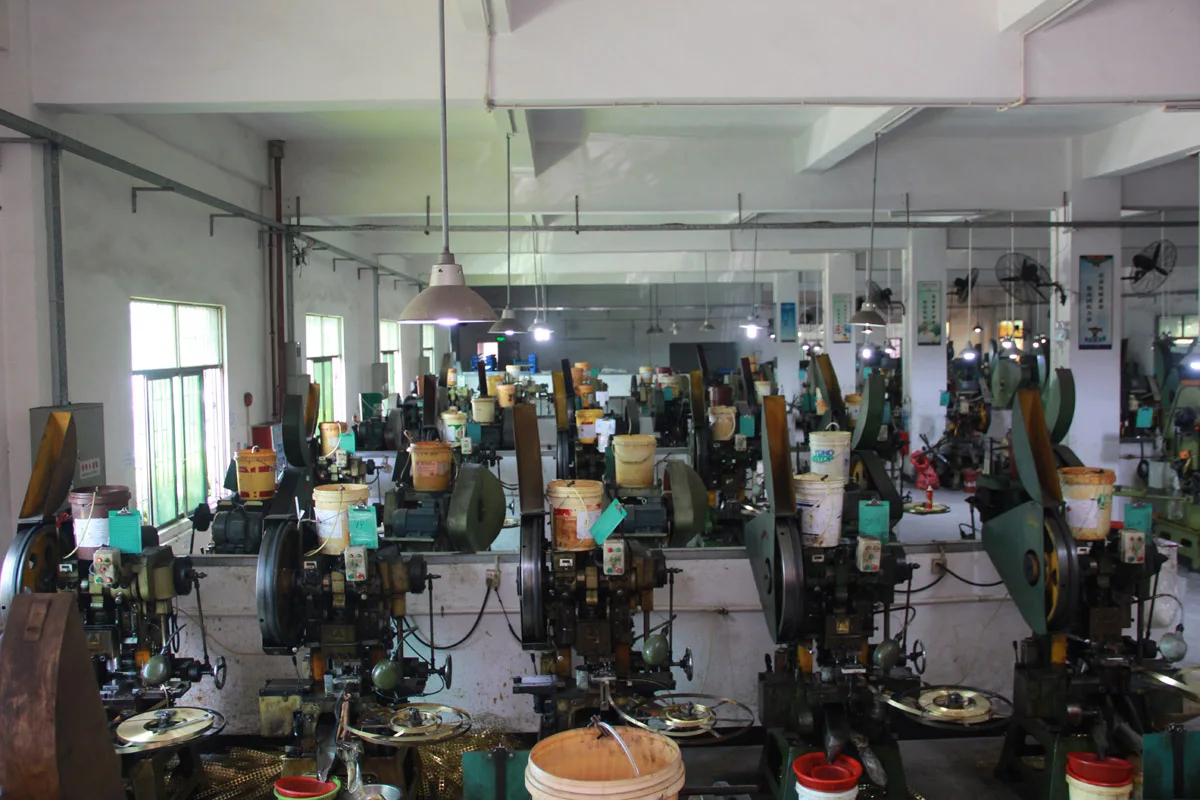
Dongguan Niuniu Industrial Co., Ltd.
- Manufacturer, Trading Company
- Guangdong, China
- Lead time10 days
- Avg. response≤ 1h
Main productsKeychain,Bottle opener,Magnet,Crafts,Badge
Main marketsNorth America(30.00%), South Asia(25.00%), Domestic Market(15.00%), Southeast Asia(12.00%), South America(8.00%), Western Europe(5.00%), Southern Europe(3.00%), Northern Europe(2.00%)
Wenzhou Merit Garment Co., Ltd.
- Verified by Intertek
- Trading Company
- Lead time7 days
- Avg. response≤ 2h
Main productsButton, Zipper, Buckle, Cord Stopper, Eyelet
Main marketsNorth America(25%), South America(20%), Eastern Europe(10%)
Guangzhou fulfill garment accessories ltd
- Verified by Intertek
- Trading Company
- Guangdong, China
- Lead time15 days
- Avg. response≤ 2h
Main productsApparel & Garments, Knitted & Woven Fabric, Lace Trim Fabric, Garment Packaging Kit, Embroidered Patch
Main marketsMid East(46%), North America(20%), Africa(9%)
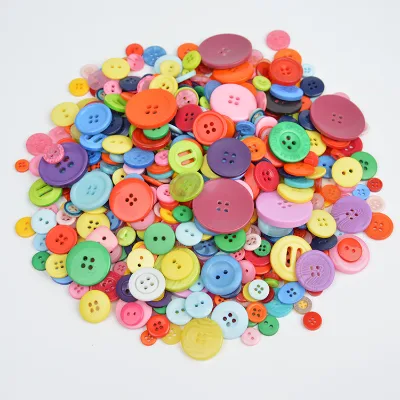
$0.0105 - $0.021
MOQ: 100 Minimum
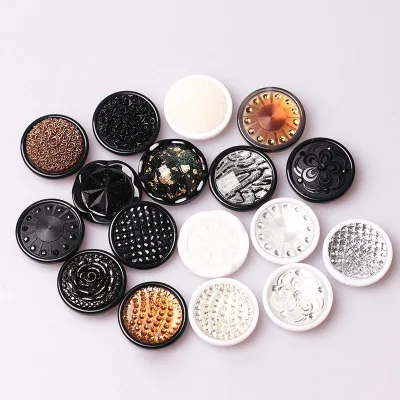
White Resin Button Sew on Buttons for Garment Coat Accessories Embellishment
$0.1544 - $0.3088
MOQ: 100 pieces
Jiashan Modern International Trade Co., Ltd.
- Trading Company
- Zhejiang, China
- Lead time0 days
- Avg. response≤ 3h
Main productsResin button,Plastic ABS,metal button,Zinc alloy diamond buckle,Horn button
Main marketsNorth America(50.00%), Southeast Asia(30.00%), Domestic Market(10.00%), Mid East(10.00%)
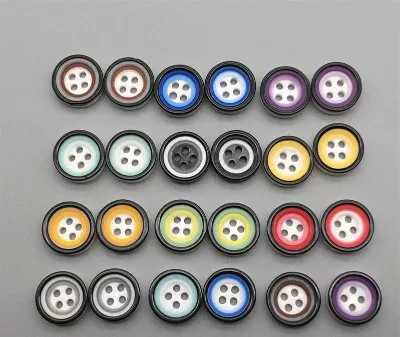
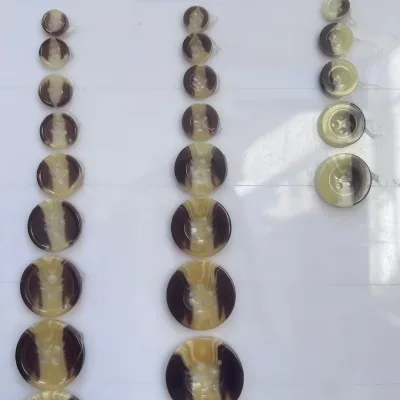
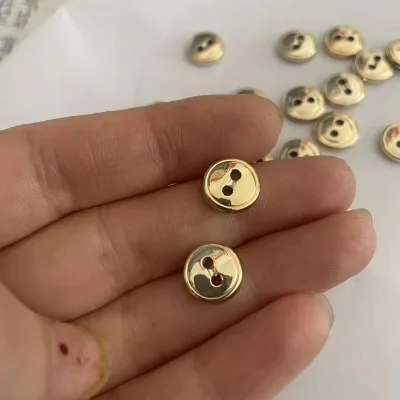
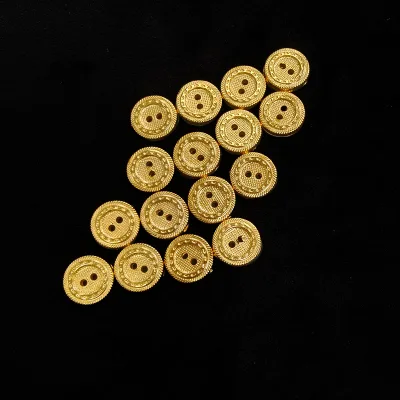
Golden clothing accessory buttons
$0.03 - $0.05

Ningbo Yinzhou Xindew Textile Co., Ltd.
- Trading Company
- China Zhejiang
- Lead time15 days
- Avg. response≤ 10h
Main productsKnitting Needles, Knitting Looms, Knitting Crochet Hook Set, Acrylic Yarn, Elastic Tape, Zipper, Thread, Hook and Loop, Baby Blankets, Baby Bibs
Main marketsSouth America,Africa,Southeast Asia/ Mideast,East Asia(Japan/ South Korea),Domestic,Europe,Australia,North America


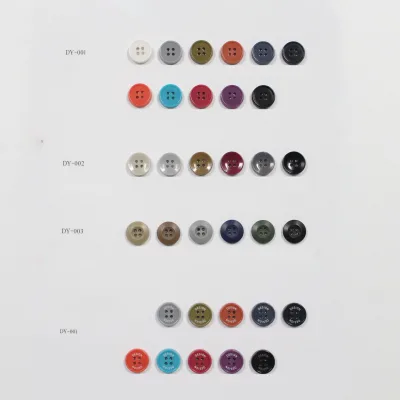
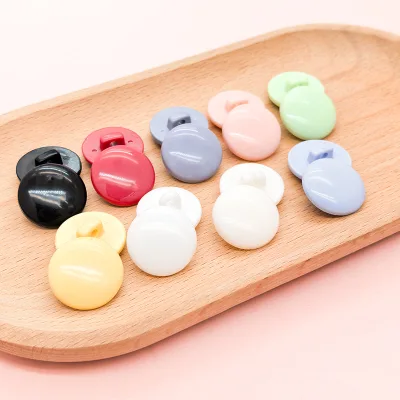
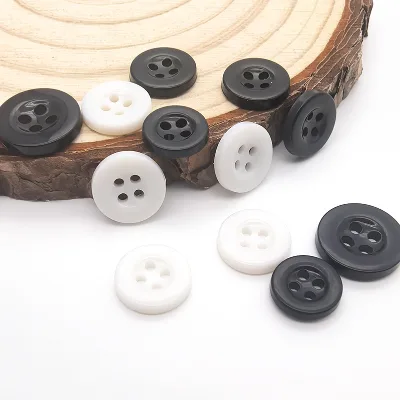
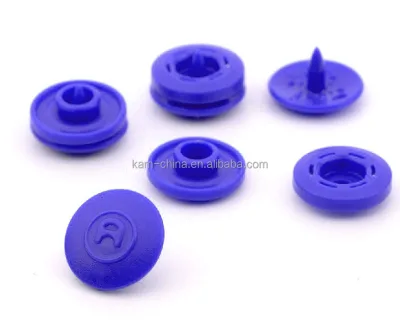
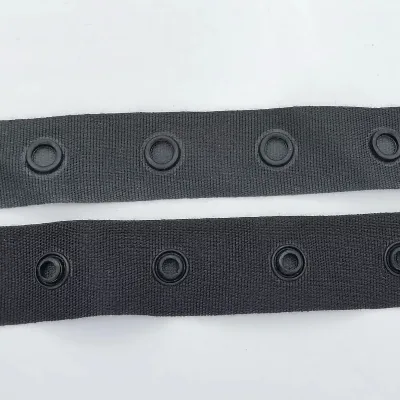


Comprehensive Sourcing Guide
ABS Nylon Buttons Supplier Concentration and Factory Types
The current supplier landscape for ABS Nylon Buttons reveals a distinct geographic concentration within China, specifically highlighting Guangdong and Zhejiang as primary manufacturing hubs. These regions are not merely random locations but established industrial clusters where the supply chain for garment accessories is deeply integrated. Guangdong suppliers often present as combined entities, meaning they may operate with both manufacturing capabilities and trading functions, allowing for greater flexibility in order sizes and product variety. This dual nature can be advantageous for buyers seeking a single point of contact for diverse needs, such as metal buttons, plastic buttons, and abs nylon variants. The presence of these combined companies suggests a mature ecosystem where production lines are optimized for rapid turnover and customization, catering to the fast-paced nature of the fashion and apparel industries.
In contrast, suppliers located in Zhejiang often operate as either trading companies or manufacturer/factories, indicating a slightly different structural approach to the market. This distinction is crucial for buyers to understand when evaluating potential partners, as the operational model directly impacts communication flow, quality control processes, and pricing structures. While Guangdong might offer a broader range of combined services, Zhejiang suppliers may provide specialized focus on specific accessory types like zippers, lace trims, and various button materials including metal and resin. Understanding these factory types helps buyers align their sourcing strategy with their specific operational requirements, whether they prioritize direct factory engagement for cost efficiency or trading company flexibility for consolidated shipping and diverse product sourcing.
How to Verify ABS Nylon Buttons Suppliers
Verification is a critical step in mitigating risk when sourcing ABS Nylon Buttons, and buyers should prioritize suppliers with recognized third-party verification badges. Current data indicates that some suppliers hold CTI verification, while others are verified by TÜV Rheinland, signaling different levels of audit rigor and compliance standards. These verifications provide a baseline of trust regarding the supplier’s business legitimacy and operational stability. Buyers should actively look for these badges on supplier profiles, as they serve as an initial filter for reliability. However, verification alone is not a guarantee of product quality or delivery performance, so it must be combined with other due diligence measures. Understanding the specific scope of these verifications can help buyers assess whether the supplier’s claims about their capabilities align with their actual operational reality.
Beyond verification badges, buyers should scrutinize the supplier’s certification portfolio, particularly ISO standards which are frequently displayed. Some suppliers hold ISO9001:2015 certificates, while others may list ISO 9000 or ISO 9001, indicating adherence to quality management systems. These certifications are essential for ensuring consistent product quality, especially for ABS Nylon Buttons where material consistency and dimensional accuracy are vital for garment assembly. Buyers should request copies of these certificates and verify their validity through the issuing bodies. Additionally, checking for other system certifications or specific product standards can provide further insight into the supplier’s commitment to quality. This thorough verification process helps build a foundation of trust and reduces the likelihood of encountering suppliers who may not meet international quality benchmarks.
What to Compare Across ABS Nylon Buttons Suppliers
When evaluating multiple suppliers for ABS Nylon Buttons, buyers must compare key operational metrics to determine the best fit for their specific needs. Response time is a significant indicator of supplier efficiency and communication quality, with some suppliers demonstrating response times around 8.98 hours, while others may take up to 11.54 hours. Faster response times often correlate with better customer service and quicker resolution of inquiries, which is crucial for maintaining project timelines. Lead time is another critical factor, ranging from 15 days to 23 days or more, depending on the supplier’s production capacity and current order volume. Buyers should align these lead times with their production schedules to avoid delays. Comparing these metrics across suppliers helps identify those who can meet urgent deadlines without compromising on quality or service.
Minimum Order Quantity (MOQ) and pricing structures also vary significantly among suppliers, influencing the overall cost-effectiveness of the sourcing decision. Some suppliers may have an MOQ of 3,000 units, while others require 5,000 or even 20,000 units, catering to different order sizes. Price ranges can also differ, with some suppliers offering lower price points for standard items and others charging premiums for customized or high-quality ABS Nylon Buttons. Buyers should compare these financial terms alongside product attributes such as material composition, shape, and customization options. Additionally, considering the supplier’s main products and capacity for OEM or ODM services can provide insight into their flexibility and ability to handle custom requests. This comprehensive comparison ensures that buyers select suppliers who offer the best balance of cost, quality, and service.
Common ABS Nylon Buttons Sourcing Risks
One of the primary risks in sourcing ABS Nylon Buttons is the potential for inconsistency in material quality and product specifications. Since ABS Nylon Buttons are often used in various garments, variations in material density, color fastness, or dimensional accuracy can lead to significant issues during the manufacturing process. Buyers must be vigilant in verifying that the suppliers’ claims about material composition and quality standards are accurate. This risk is exacerbated when dealing with suppliers who offer a wide range of products, as their focus may be diluted across different categories. To mitigate this, buyers should request detailed product specifications and samples before placing large orders. Conducting independent quality checks or hiring third-party inspection services can also help ensure that the received goods meet the agreed-upon standards, reducing the risk of production delays or customer complaints.
Another significant risk is the potential for miscommunication regarding customization requirements and delivery timelines. Suppliers may have different interpretations of customization requests, leading to products that do not meet the buyer’s expectations. This risk is heightened when working with suppliers who have slower response times or less experienced communication teams. Additionally, lead time discrepancies can occur due to unforeseen production issues or supply chain disruptions, causing delays in the buyer’s production schedule. To address these risks, buyers should establish clear and detailed communication protocols, including written confirmations of all customization details and delivery schedules. Regular follow-ups and progress updates from the supplier can help identify potential issues early, allowing for timely adjustments and minimizing the impact on the overall project timeline.
ABS Nylon Buttons Regional Sourcing and Logistics
Sourcing ABS Nylon Buttons from specific regions in China, such as Guangdong and Zhejiang, offers distinct logistical advantages and challenges. Guangdong, being a major manufacturing hub, often provides access to a wide variety of suppliers and established logistics networks, facilitating efficient shipping and distribution. The concentration of suppliers in this region can lead to competitive pricing and faster production times due to the availability of raw materials and skilled labor. However, buyers must also consider the potential for higher competition, which may result in shorter lead times but also require careful selection to avoid quality compromises. Understanding the logistical infrastructure of Guangdong can help buyers plan their supply chain more effectively, ensuring timely delivery and cost efficiency.
In contrast, sourcing from Zhejiang may offer different logistical benefits, particularly for buyers looking for specialized suppliers or those who prefer a more focused supply chain. Zhejiang’s reputation for manufacturing quality accessories, including zippers and lace trims, can complement the sourcing of ABS Nylon Buttons, allowing for consolidated shipping and reduced logistics costs. Buyers should evaluate the proximity of suppliers to major ports and transportation hubs to minimize shipping times and costs. Additionally, considering the regional differences in labor costs and operational efficiencies can help buyers make informed decisions about where to source their ABS Nylon Buttons. By understanding the logistical landscape of these regions, buyers can optimize their supply chain for both cost and efficiency, ensuring a smooth and reliable sourcing process.
ABS Nylon Buttons Commercial Terms and Order Planning
Effective order planning for ABS Nylon Buttons requires a thorough understanding of commercial terms, including payment conditions, shipping methods, and return policies. Buyers should negotiate clear terms that protect their interests, such as escrow services or secure payment platforms, to ensure financial safety. Some suppliers may offer flexible payment terms, such as partial upfront payments and balance upon shipment, which can help manage cash flow. Additionally, understanding the supplier’s shipping options, such as air, sea, or train freight, is crucial for planning delivery timelines and costs. Buyers should compare these options to find the most cost-effective and timely solution for their needs. Clear communication of these commercial terms helps prevent misunderstandings and ensures a smooth transaction process.
Customization and packaging requirements also play a significant role in order planning, as they can impact production costs and delivery times. Buyers should specify their packaging preferences, such as the number of units per bag or carton, to ensure efficient handling and storage. Some suppliers may offer standard packaging, while others may accommodate custom packaging requests for an additional fee. Understanding these details helps buyers plan their inventory management and distribution strategies more effectively. Additionally, considering the supplier’s capacity for handling large orders and their ability to meet peak demand periods is essential for maintaining a stable supply chain. By carefully planning these commercial and logistical aspects, buyers can minimize risks and ensure a successful sourcing experience for ABS Nylon Buttons.
FAQs
What is the price range for ABS and nylon buttons?
Prices for ABS and nylon buttons typically range from $0.001 to $0.29 per unit. The lowest costs apply to basic resin or plastic styles with high minimum order quantities. Premium metal or fashion designs cost more. Buyers should check specific product listings for exact pricing based on material and customization needs.
What are the minimum order quantities for these buttons?
Minimum order quantities vary significantly by supplier and product type. Some manufacturers require as few as 1,000 pieces for specific resin styles, while others set the bar at 5,000 or even 20,000 units for standard plastic buttons. Buyers must verify the MOQ on individual product pages to ensure it aligns with their production volume.
How long does production take for custom buttons?
Production lead times generally span 15 to 30 days depending on the supplier and order complexity. Some factories in Guangdong offer faster turnaround times around 15 days, while Zhejiang-based suppliers may require up to 23 days or longer for standard production. Custom logo printing or specific color matching can extend these timelines further.
Are these suppliers verified for quality assurance?
Yes, many suppliers hold ISO 9001 or ISO 9000 certifications to ensure quality management standards. Verification services like CTI and TÜV Rheinland also confirm supplier reliability. Buyers should look for these specific certification badges and verification marks on supplier profiles to ensure the manufacturer meets international quality and safety standards for garment accessories.
Where are these button manufacturers located?
Manufacturers are primarily located in China, specifically in the Guangdong and Zhejiang provinces. Guangdong suppliers often specialize in combined metal and plastic button production, while Zhejiang factories focus on garment accessories like zippers and lace. These regions are known for their robust supply chains and efficient manufacturing capabilities for fashion accessories.
Can I get free samples before placing an order?
Some suppliers offer free samples to help buyers evaluate quality before committing to bulk orders. This option is often available for standard styles or when the buyer covers shipping costs. Buyers should contact suppliers directly to inquire about sample availability, as policies vary by manufacturer and specific product type.