eco-friendly durable metal name plate Suppliers and Manufacturers
Compare 26 verified suppliers offering eco-friendly durable metal name plate options with varying lead times, certifications, and customization capabilities. Review response times and MOQs to select the right partner for your business needs today; review the available evidence before requesting comparable quotations from suitable candidates.
Updated
Suppliers List

Qingdao Risheng Sign Co., Ltd.
- Combined
- China Shandong
- Lead time23 days
- Avg. response≤ 3h
Main productsNameplate
Main marketsDomestic

Label Metal Plate Engraved Plate Metal Nameplate Stainless Steel Nameplate
$0.01 - $0.90
MOQ: 1 Pieces


Stainless Steel Nameplate Logo Nameplate Metal Nameplates Auto Logo Nameplate
$0.01 - $0.90
MOQ: 1 Pieces

Nameplate Custom Stainless Steel Metal Brand Logo Stainless Steel Nameplate
$0.01 - $0.90
MOQ: 1 Pieces
Wonder Tech (Xiamen) Co., Ltd.
- Manufacturer, Trading Company, Distributor/Wholesaler
- Fujian, China
- Lead time10 days
- Avg. response≤ 2h
Main productsGarment Accessories,Belt,Metal nameplate,Metal Badge,Button
Main marketsNorth America(35.00%), Western Europe(15.00%), Oceania(10.00%), Mid East(10.00%), Southeast Asia(10.00%), South Asia(5.00%), Africa(5.00%), Northern Europe(4.00%), Eastern Asia(2.00%), Southern Europe(2.00%), Eastern Europe(2.00%)

- Verified by CTI
- Trading Company
- China Zhejiang
- Lead time23 days
- Avg. response≤ 3h
Main marketsSouth America,Europe,Australia,North America


Mass Production Capacity Sustainable Green Manufacturing Tailored Size Metal Nameplate
$0.09 - $0.85
MOQ: 200 Pieces

High-Yield Factory Environmentally Friendly Production Mode Bespoke Size Metal Nameplate
$0.09 - $0.85
MOQ: 200 Pieces


SHENZHEN YANMING PLATE PROCESS CO., LTD.
- Manufacturer
- China Guangdong
- Lead time15 days
- Avg. response≤ 6h
Main productsMetal Etching, Speaker Grill, Chemical Netching, Metal Nameplate, Stainless Steel Etching, Ceiling Speaker, Graphic Overlay, Photo Etching
Main marketsEast Asia(Japan/ South Korea),Europe,North America

Xiamen Mingcai Electronic Technology Co., Ltd.
- Combined
- China Fujian
- Lead time15 days
- Avg. response≤ 2h
Main productsMembrane Switch, Membrane Keyboards, Industrial Nameplate, Metal Badge, Screen Printing Graphic Overlays, Touch Panel
Main marketsSouth America,Africa,Southeast Asia/ Mideast,East Asia(Japan/ South Korea),Europe,Australia,North America
- Manufacturer
- Taiwan, China
- Lead time30 days
- Avg. response≤ 5h
Main productsFaceplate,Overlays,Souveniors,Stickers,Nameplates
Main marketsSoutheast Asia(10.00%), North America(8.00%)
Dongguan Jinghui Hardware Co., Ltd.
- Verified by SGS Group
- Manufacturer, Trading Company
- Lead time15 days
- Avg. response≤ 8h
Main productsEtching Metal Ornaments , Tea Filter, Coffee Maker Filter, Metal Logo
Main marketsNorth America(30%), Domestic Market(20%), Western Europe(10%)
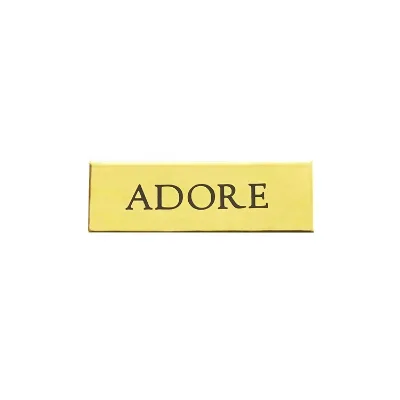
Custom Brand Logo Brushed Name Plate Brass Self Adhesive Metal Nameplate
$0.60 - $0.80
MOQ: 500 pieces
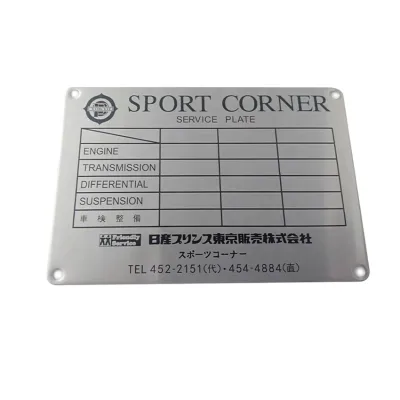
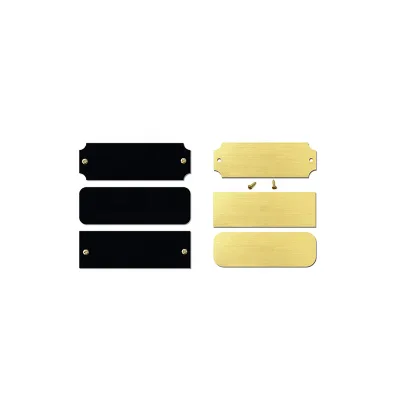
Customized Blank Nameplate Machine/Motorcycle/Furniture Nameplate Metal Nameplates Engraved
$0.30 - $1.20
MOQ: 100 pieces
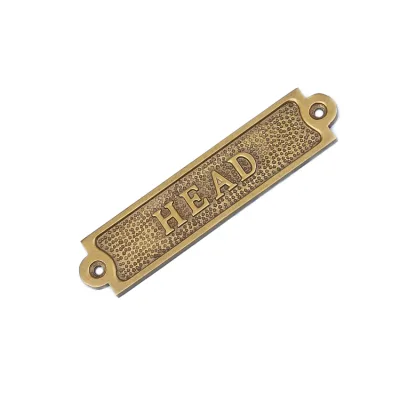
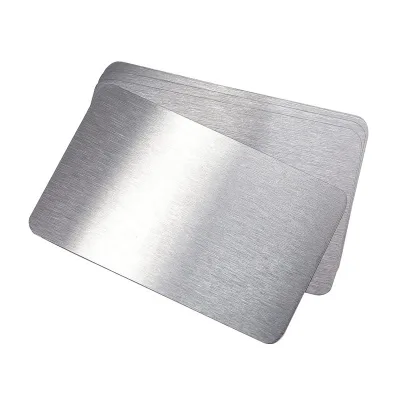
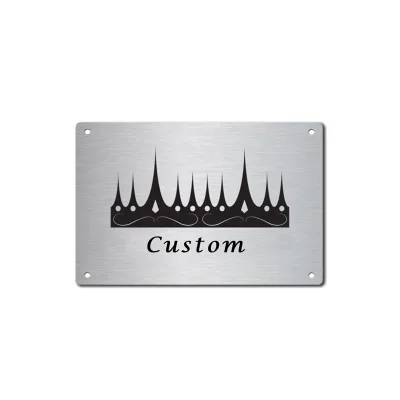
$0.70 - $1.00
MOQ: 200 pieces
Shenyang Blue Sky Signage Ltd.
- Verified by SGS Group
- Manufacturer, Trading Company
- Lead time10 days
- Avg. response≤ 1h
Main productsChannel Letters, Light Box, Acrylic Sign, Engrave Plaque, Metal Letters
Main marketsNorth America(39%), Eastern Europe(21%), Oceania(5%)
- Manufacturer, Trading Company
- Zhejiang, China
- Lead time7 days
- Avg. response≤ 7h
Main productsName badge,Medal,Keychain,Badge,Sign
Main marketsWestern Europe(20.00%), North America(20.00%), South America(15.00%), Eastern Europe(10.00%), Central America(5.00%), Southern Europe(5.00%), Northern Europe(5.00%), Domestic Market(5.00%), Oceania(5.00%), South Asia(4.00%), Southeast Asia(3.00%), Eastern Asia(2.00%), Mid East(1.00%)
Cangnan Jiahe Craft & Gift Factory
- Manufacturer, Trading Company
- Zhejiang, China
- Lead time10 days
- Avg. response≤ 2h
Main productslicense plate,metal nameplate,aluminum nameplate,certificate holder,metal logo nameplate
Main marketsEastern Europe(18.00%), North America(18.00%), Southeast Asia(16.00%), South America(15.00%), Africa(8.00%), Northern Europe(7.00%), Oceania(6.00%), Western Europe(3.00%), Eastern Asia(3.00%), Mid East(2.00%), Central America(2.00%), South Asia(1.00%), Southern Europe(1.00%)
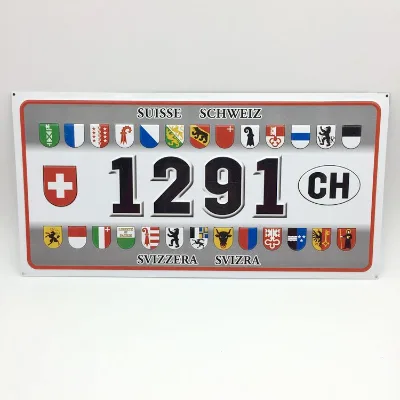
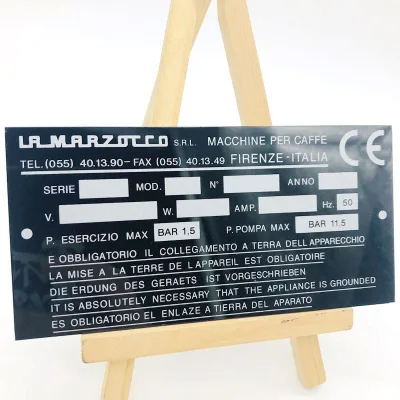
Metal License Plate Nameplate Custom Aluminum Antique Metal Nameplates Car Plate
$0.10 - $0.30
MOQ: 500 pieces

Hangzhou Ruijia Technology Co., Ltd.
- Verified by BV
- Trading Company
- China Zhejiang
- Lead time30 days
- Avg. response≤ 3h
Main marketsSouth America,Southeast Asia/ Mideast,Europe,Australia,North America

Custom Engraved Stainless Steel Metal Nameplate for Home Office Metal Nameplate
$0.10 - $0.80
MOQ: 500 Pieces


$0.10 - $0.80
MOQ: 500 Pieces


- Manufacturer, Trading Company
- Lead time旺季: "1 - 100":7,"101 - 500":14,"501 - 1000000":20,"> 1000000":"To be negotiated", 淡季: "1 - 100":7,"101 - 500":14,"501 - 1000000":20,"> 1000000":"To be negotiated"
- Avg. response≤ 1h
Main productsMedal, Keychain, Nameplate, Pin Badge, Bottle Opener
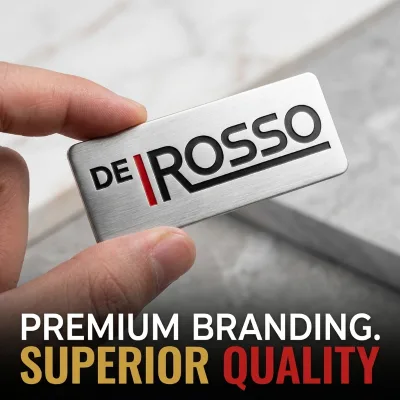
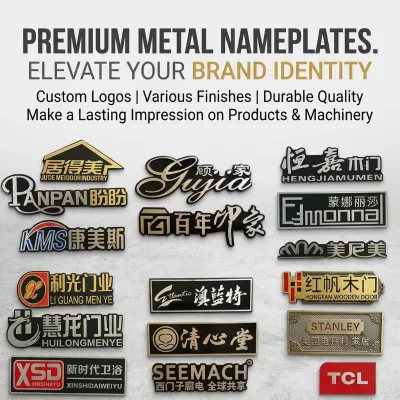
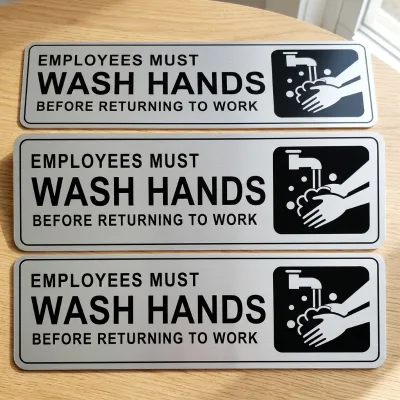
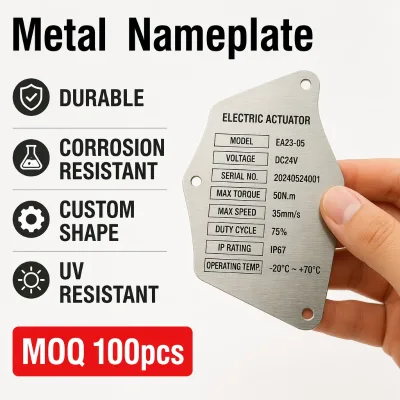
Custom Metal Name Plate for Furniture & Equipment Brushed Stainless Steel nameplates
$0.50 - $0.60
MOQ: 100

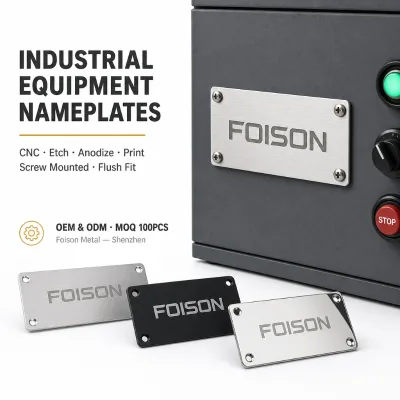
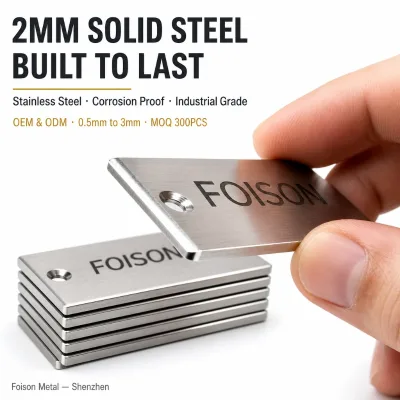
Shenzhen Foison Metal Co., Ltd.
- Manufacturer
- Guangdong, China
- Lead time15 days
- Avg. response≤ 8h
Main productsMetal Cards,Metal Labels,Aluminum Nameplate,Metal asset tag,metal badge&medal
Main marketsNorth America(35.00%), Domestic Market(30.00%), Southeast Asia(15.00%), Mid East(5.00%), Southern Europe(5.00%), Northern Europe(5.00%), Western Europe(5.00%)
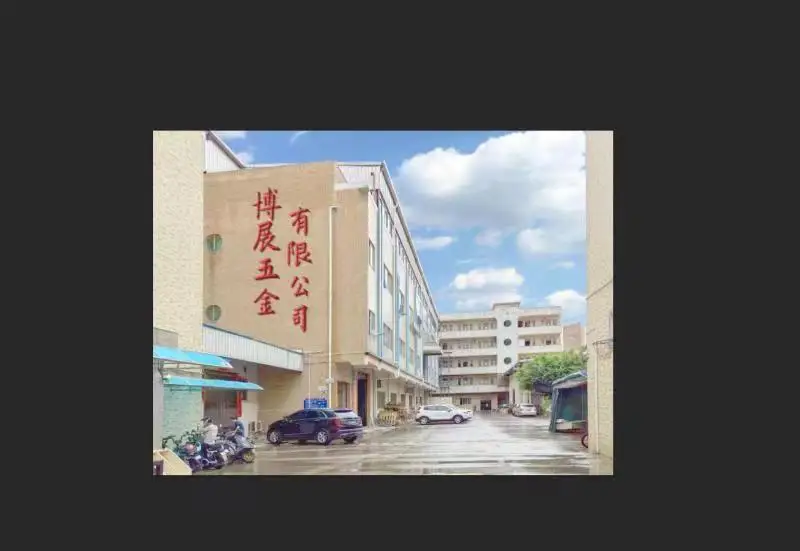
Dongguan Bozhan Hardware Products Co., Ltd.
- Manufacturer, Trading Company
- Guangdong, China
- Lead time15 days
- Avg. response≤ 4h
Main productsCNC machining parts,Sheet metal processing parts,Mold Manufacturing,Die-casting Manufacturing,Metal nameplates Metal bookmarks
Main marketsNorth America(30.00%), Domestic Market(10.00%), Eastern Asia(10.00%), Northern Europe(10.00%), Southeast Asia(10.00%), Eastern Europe(10.00%), South America(10.00%), Mid East(5.00%), South Asia(3.00%), Central America(2.00%)
- Verified by Intertek
- Trading Company
- Lead time14 days
- Avg. response≤ 2h
Main productsLapel Pin, Key Chain, Medal, Coin, Metal Plates
Main marketsNorth America(40%), Mid East(30%), Oceania(5%)
- Manufacturer, Trading Company
- Zhejiang, China
- Lead time15 days
- Avg. response≤ 9h
Main productswine label,car badge,metal label,bottle cap,medal badge
Main marketsEastern Europe(28.00%), Western Europe(20.00%), North America(18.00%), Oceania(8.00%), Central America(8.00%), Domestic Market(5.00%), Southeast Asia(5.00%), Mid East(5.00%), Africa(2.00%), South Asia(1.00%)
- Verified by Intertek
- Trading Company
- Lead time12 days
- Avg. response≤ 3h
Main productsLapel Pin, Keychain, Medal, Coin, Magnet Fridge
Main marketsNorth America(30%), Mid East(30%), Western Europe(16%)
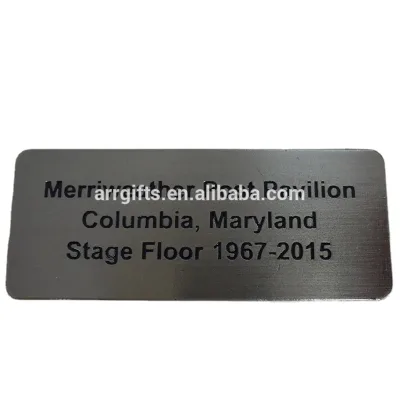
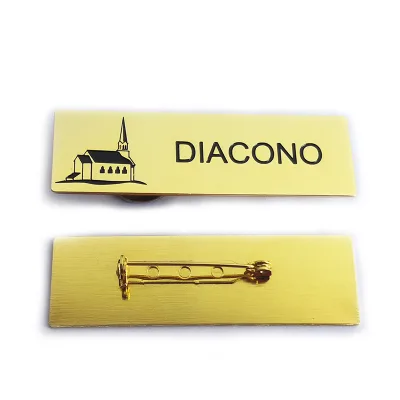
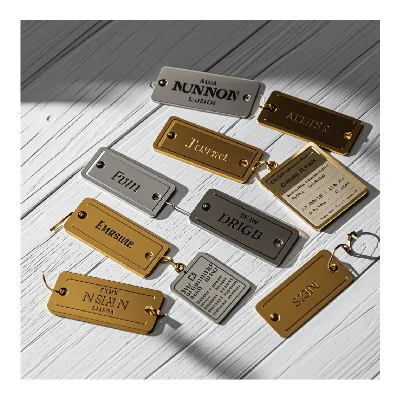
Etched Brass Black Enamel Staff Name Badge, Make Your Own Company logo Name Plate
$1.00 - $1.20
MOQ: 300
Dongguan Jinghong Metal Zipper Co., Ltd.
- Manufacturer, Trading Company
- Guangdong, China
- Lead time15 days
- Avg. response≤ 9h
Main productsKeychain,metal label,snap hook,bottle opener,badge
Main marketsNorth America(30.00%), Western Europe(15.00%), South America(10.00%), Eastern Asia(10.00%), Eastern Europe(10.00%), South Asia(5.00%), Northern Europe(5.00%), Central America(5.00%), Mid East(5.00%), Africa(5.00%)
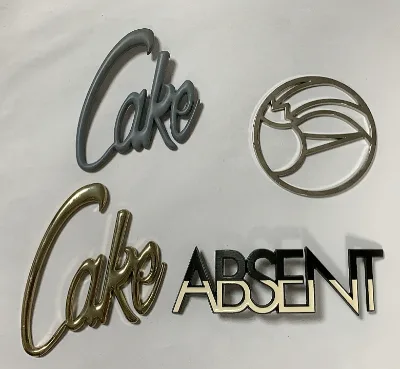
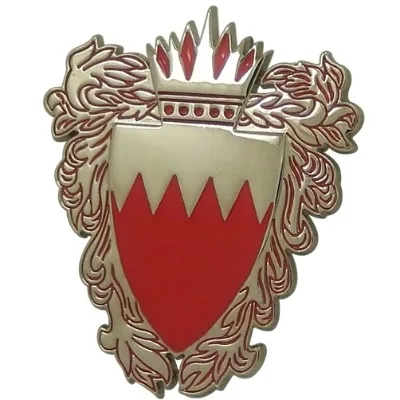
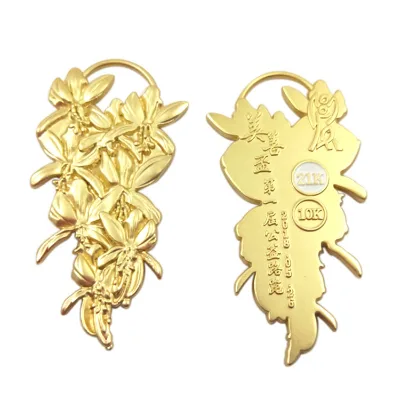
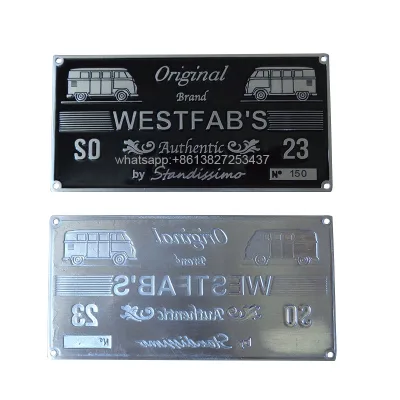
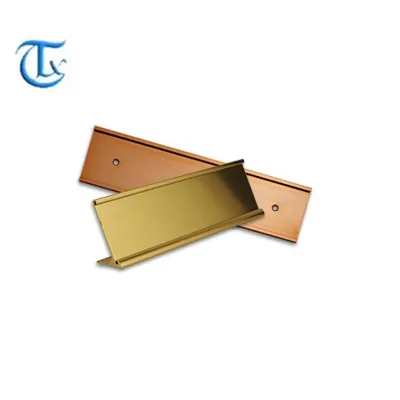
Matte gold customized souvenir metal logo plate for public benefit activities
$0.25 - $0.45
MOQ: 2000 Minimum
Foshan Altaixing Advertising Materials Co., Ltd.
- Manufacturer, Distributor/Wholesaler
- Guangdong, China
- Lead time20 days
- Avg. response≤ 3h
Main productswrobroble customized,kitchen cabinets,all kinds of furniture,windows,doors
Main marketsOceania(10.00%), South Asia(10.00%), Central America(10.00%), Eastern Europe(10.00%), South America(10.00%), North America(10.00%), Domestic Market(5.00%), Africa(5.00%), Southern Europe(5.00%), Northern Europe(5.00%), Southeast Asia(5.00%), Western Europe(5.00%), Eastern Asia(5.00%), Mid East(5.00%)
Shenzhen Haixinda Nameplate Co., Ltd.
- Verified by SGS Group
- Manufacturer, Trading Company
- Lead time10 days
- Avg. response≤ 4h
Main productsAluminum Nameplate, Metal Sticker, Stainless Steel Nameplate, Plastic label, Panel
Main marketsDomestic Market(45%), Southeast Asia(13%), Eastern Europe(11%)
Shenzhen Elefine Technology Co., Ltd.
- Verified by SGS Group
- Manufacturer, Trading Company
- Lead time3 days
- Avg. response≤ 6h
Main productsBoom Barrier and Mechanism/, Turnstile and Mechanism/, Camera/Security Locks/, Transportation Facility/, EAS System
Main marketsWestern Europe(22%), South Asia(20%), North America(18%)
Taizhou Nachang Cnc Equipment Co., Ltd.
- Verified by TüVRheinland
- Manufacturer, Trading Company
- Lead time10 days
- Avg. response≤ 4h
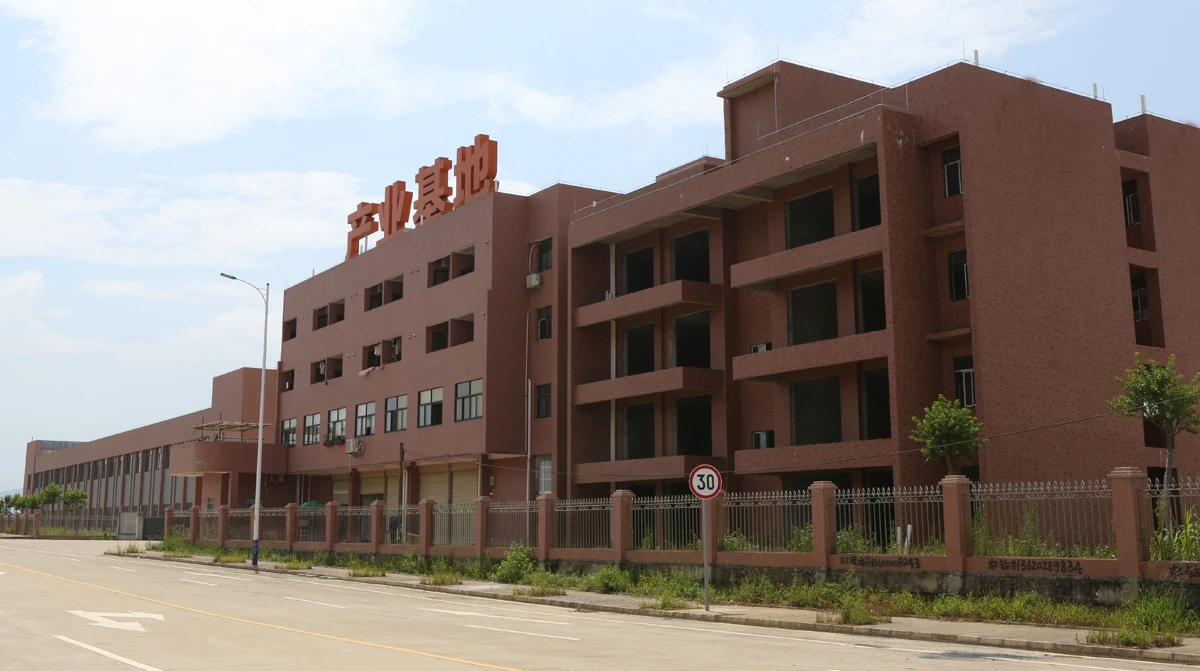
Main productsMetal Nameplate, Laser Marking Machine, Laser Welding Machine, Pneumatic Marking Machine
Main marketsNorth America(50%), Western Europe(20%), Southeast Asia(15%)
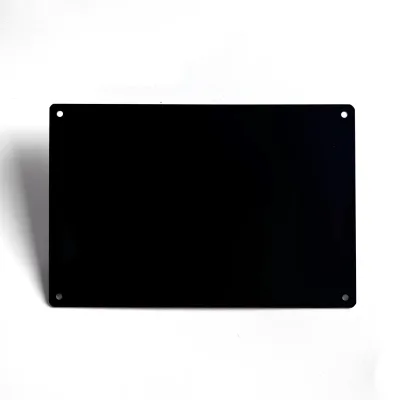
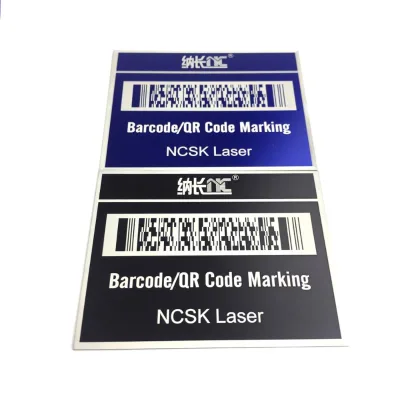
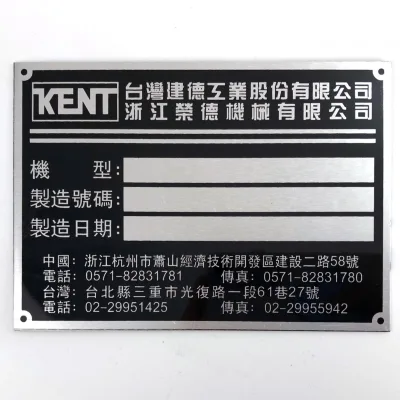
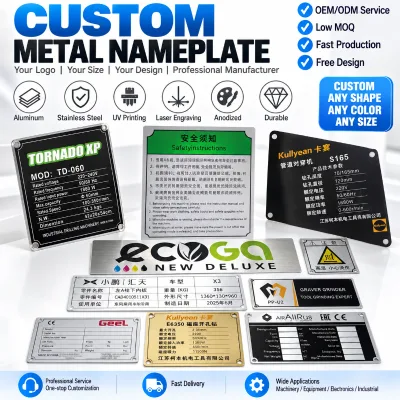
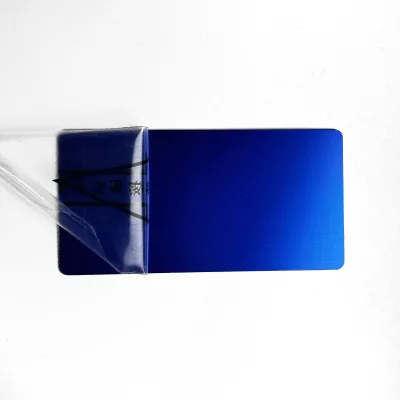
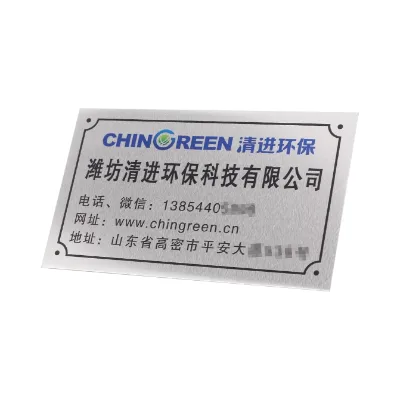
Printed Metal Name Plates Permanent Adhesive Aluminium Nameplates With Rounded Corners
$0.3613
MOQ: 200 Minimum
Shenzhen Changsheng Sign Co., Ltd.
- Verified by Intertek
- Manufacturer, Trading Company
- Lead time7 days
- Avg. response≤ 1h
Main productsMetal Sticker, Metal Nameplate, Metal Label, UV Sticker, Enamel Pin
Main marketsNorthern Europe(28%), Mid East(23%), North America(17%)

Dongguan Haixinda Nameplate Technology Co., Ltd.
- Manufacturer
- China Guangdong
- Lead time15 days
- Avg. response≤ 6h
Main productsNameplate, Label, Sticker, Badge, Epoxy Dome Label, Car Logo Badge, Headphone Logo
Main marketsSouth America,Europe,Australia,North America


China Metal Nameplate Supplier Wholesale Custom Printing or Etching Stainless Steel Name Plate
$0.20 - $0.80
MOQ: 500 Pieces

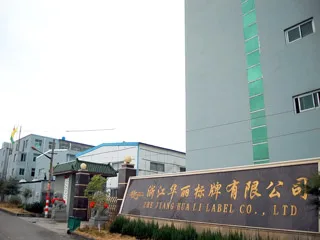
Zhejiang Huali Label Co., Ltd.
- Manufacturer, Trading Company
- Zhejiang, China
- Lead time15 days
- Avg. response≤ 4h
Main productsAluminum Label,Logo,Nameplate,Label,Badge
Main marketsDomestic Market(65.00%), Southeast Asia(8.00%), Eastern Europe(7.00%), Mid East(6.00%), North America(3.00%), Oceania(3.00%), Southern Europe(3.00%), Western Europe(2.00%), South America(1.00%), Africa(1.00%), Northern Europe(1.00%)
$0.0514 - $1.0298
MOQ: 1000 Minimum
$0.15 - $1.00
MOQ: 1000 pieces
Wenzhou Xinyue Crafts Co., LTD
- Manufacturer
- zhejiang, China
- Lead time15 days
- Avg. response≤ 1h
Main productsMetal Business Cards,Metal Tags,Pins & Badges,Bookmarks,Souvenir Coins
Main marketsEastern Europe(15.00%), North America(15.00%), Mid East(10.00%), Northern Europe(10.00%), Eastern Asia(9.00%), Western Europe(8.00%), Southern Europe(7.00%), South Asia(7.00%), South America(7.00%), Domestic Market(5.00%), Central America(3.00%), Oceania(2.00%), Africa(1.00%), Southeast Asia(1.00%)


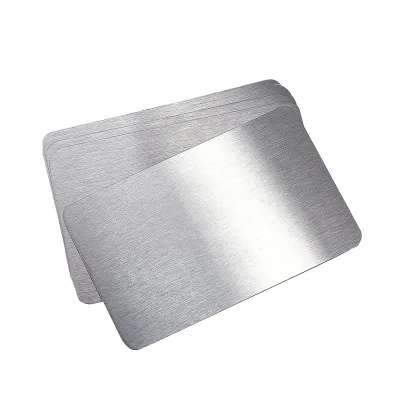
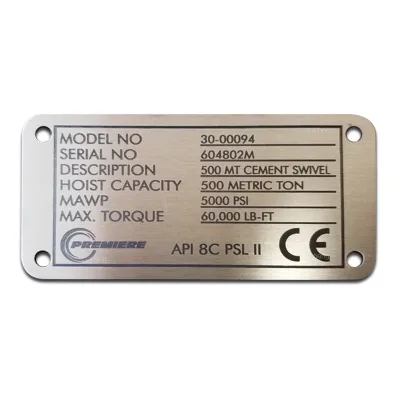
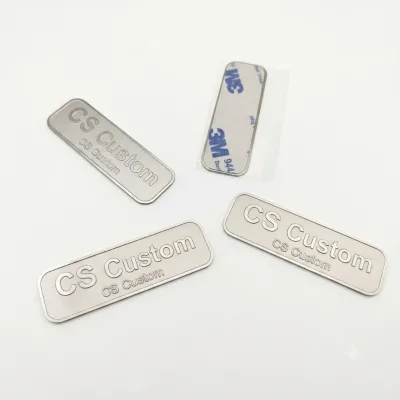
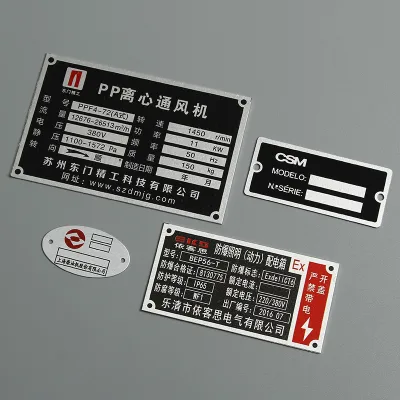
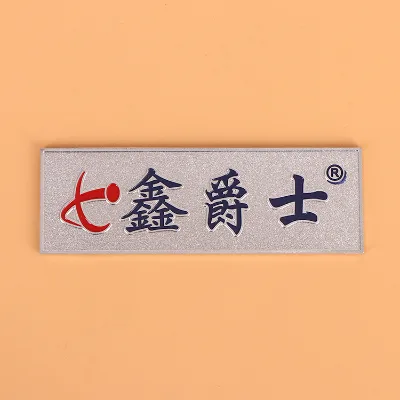
Comprehensive Sourcing Guide
Eco-Friendly Durable Metal Name Plate Supplier Concentration and Factory Types
The current supplier landscape for metal nameplates reveals a diverse mix of manufacturing capabilities concentrated in specific Chinese provinces. Results indicate that suppliers are located in regions such as Shandong, Fujian, and Zhejiang, each offering distinct advantages for sourcing durable metal products. In Shandong, the available data points to combined company types that handle both manufacturing and trading functions, suggesting a robust local ecosystem for metal fabrication. These suppliers often list main products that include nameplates alongside other metal crafts, indicating a specialized focus on metalworking techniques. The presence of ODM and OEM capabilities in this region highlights the ability to produce custom designs rather than just standard off-the-shelf items. Buyers looking for high-volume production or specialized engraving services may find these combined entities particularly useful due to their integrated supply chains. The concentration of suppliers in Shandong suggests that this area has developed a cluster of expertise in metal plate engraving and stainless steel processing, which are critical for producing durable nameplates.
In contrast, suppliers in Fujian and Zhejiang present different operational models that cater to varied buyer needs. Fujian-based suppliers are identified as manufacturers, trading companies, and distributors, offering a broader range of services including garment accessories and metal badges alongside nameplates. This diversity suggests that some factories in this region have diversified their product lines to maximize production efficiency. The Zhejiang suppliers, identified primarily as trading companies, often focus on verification and quality assurance, with some holding CTI verification status. This distinction is crucial for buyers who prioritize third-party validation of supplier claims. The trading company model in Zhejiang may offer more flexibility in sourcing materials from multiple factories, potentially providing better price competitiveness or faster access to a wider variety of metal types. Understanding these regional and structural differences allows buyers to align their sourcing strategy with their specific requirements for customization, volume, and verification.
How to Verify Eco-Friendly Durable Metal Name Plate Suppliers
Verifying the legitimacy and capability of metal nameplate suppliers requires a multi-layered approach that goes beyond basic company profiles. One of the most critical steps is to check for system certifications, although the current data shows significant variation in this area. Some suppliers list ISO certification, which is a standard indicator of quality management systems, while others display "Others" or "NIL" for certifications. Buyers must not assume that a lack of displayed certification implies a lack of quality, but rather that they need to request specific documentation. For suppliers with "NIL" certification listings, it is essential to ask for copies of their quality control reports or environmental compliance certificates directly. The presence of CTI verification for some trading companies in Zhejiang provides an additional layer of trust, as it indicates that a third-party inspection agency has validated the supplier's business credentials. Buyers should prioritize suppliers who can provide clear, verifiable proof of their operational standards, especially when dealing with complex metal fabrication processes.
Beyond certifications, verifying the supplier's response time and production capacity is vital for assessing reliability. The data indicates response times ranging from 2 to 2.44 hours, which suggests a generally responsive market. However, buyers should test this responsiveness by sending detailed inquiries about specific eco-friendly material options or durability standards. A quick response does not guarantee quality, but a slow response may indicate poor communication channels that could lead to issues during production. Additionally, buyers should verify the supplier's main products to ensure they have specific expertise in metal nameplates rather than general metal goods. Suppliers listing nameplates as a primary product are more likely to have the specialized equipment and skilled labor required for high-quality engraving and finishing. It is also important to confirm the origin of the materials, as some suppliers list products as originating from China, but the specific alloy sources may vary. Requesting material test reports for the aluminum or stainless steel used can help ensure the durability and eco-friendly claims are substantiated by actual product specifications.
What to Compare Across Eco-Friendly Durable Metal Name Plate Suppliers
When evaluating multiple suppliers, buyers should focus on comparing key operational metrics such as lead time, minimum order quantity (MOQ), and pricing structures. The available data shows lead times varying significantly, with some suppliers offering a 10-day lead time while others indicate 23 days. This difference can be critical for buyers with tight deadlines or those managing complex supply chains. A shorter lead time may come at a premium, so buyers should weigh the cost against the urgency of their orders. Similarly, MOQs can range from as low as 1 unit to higher volumes, depending on the supplier's production model. Suppliers with lower MOQs are ideal for prototyping or small-batch custom orders, while those with higher MOQs may offer better unit economics for large-scale production. Buyers should also compare the price ranges, which in the current data span from very low entry points to higher tiers, reflecting differences in material quality, customization complexity, and finishing techniques.
Another crucial aspect of comparison is the level of customization and technical specifications offered. Suppliers differ in their ability to support personalized customization of shape, size, and logo, with some explicitly stating support for these features while others list them as available. Buyers should compare the specific materials offered, such as aluminum alloy versus stainless steel, and the associated durability characteristics. The data indicates that some products are described as having high-end metallic textures and being wear-resistant, which are key factors for durable nameplates. Additionally, buyers should compare the packaging and shipping options, as some suppliers offer shockproof packages or specific shipping methods like air freight or sea shipment. The availability of samples is another differentiator, with some suppliers explicitly stating that samples are available, which allows buyers to physically assess the quality before committing to a large order. By systematically comparing these dimensions, buyers can identify the supplier that best balances cost, speed, and quality for their specific needs.
Common Eco-Friendly Durable Metal Name Plate Sourcing Risks
One of the primary risks in sourcing metal nameplates is the discrepancy between claimed eco-friendly attributes and actual material composition. While some suppliers may market their products as eco-friendly, the data shows materials listed as aluminum alloy or stainless steel without explicit environmental certifications. Buyers must be cautious of vague claims and should request detailed information about the sourcing of raw materials and the manufacturing process. The risk of receiving products that do not meet specific environmental standards can be mitigated by asking for third-party environmental test reports or certifications that verify the absence of harmful substances. Additionally, the customization process itself can introduce risks if the supplier lacks the technical capability to execute complex designs accurately. Some suppliers list "custom" as a standard, but the actual quality of the engraving or printing may vary. Buyers should review sample products or request digital proofs to ensure that the final product will meet their aesthetic and functional requirements.
Another significant risk is the variability in product durability and finish quality. The data indicates that products are described with attributes like "durable," "wear-resistant," and "corrosion-resistant," but these are self-reported claims. Without standardized testing or independent verification, buyers cannot be certain that the nameplates will withstand the intended application environment, whether indoor or outdoor. The risk of premature degradation or failure can lead to costly replacements and damage to the buyer's brand reputation. Furthermore, the use of different printing techniques, such as letterpress, gravure, or digital printing, can affect the longevity of the logo and text. Buyers should inquire about the specific techniques used and their expected lifespan under various conditions. There is also a risk related to communication and order fulfillment, as indicated by varying response times and lead times. Miscommunication about specifications can lead to production errors, so establishing clear and detailed communication channels is essential to minimize this risk.
Eco-Friendly Durable Metal Name Plate Regional Sourcing and Logistics
Sourcing metal nameplates from different regions in China involves distinct logistical considerations that can impact cost and delivery speed. Suppliers in Shandong, Fujian, and Zhejiang each have their own logistical advantages based on their proximity to ports and industrial hubs. Shandong, being a major industrial province, may offer efficient access to raw materials and manufacturing resources, potentially reducing production costs. However, buyers should verify the specific shipping routes and transit times from Shandong to their destination. Fujian, located in the southeast, is close to major ports like Xiamen and Fuzhou, which can facilitate faster sea freight to international destinations. This geographic advantage may result in shorter transit times and lower shipping costs for buyers in Asia or the Americas. The presence of trading companies in Zhejiang, particularly those with CTI verification, may also offer streamlined logistics services, as these entities often have established relationships with freight forwarders.
Logistics planning should also account for the packaging requirements of metal nameplates to prevent damage during transit. The data indicates that some suppliers use carton packaging, while others offer shockproof packages, which is crucial for protecting the delicate engraved surfaces. Buyers should discuss packaging options with their chosen supplier to ensure that the products are adequately protected. Additionally, the choice between air freight and sea shipment will depend on the urgency of the order and the total volume. Air freight is faster but more expensive, making it suitable for samples or urgent small orders, while sea freight is more cost-effective for bulk shipments. Buyers should also consider the impact of customs regulations and import duties in their destination country, as these can affect the total landed cost. Working with suppliers who have experience in international shipping can help navigate these complexities and ensure a smooth delivery process.
Eco-Friendly Durable Metal Name Plate Commercial Terms and Order Planning
Commercial terms and order planning are critical components of a successful sourcing strategy for metal nameplates. Buyers should carefully review the payment terms, delivery conditions, and warranty policies offered by each supplier. The data shows a wide range of prices, from as low as $0.01 to $0.90 per unit, which reflects the variability in material quality and customization levels. Buyers should request detailed quotations that break down the costs of materials, labor, and customization to ensure transparency. It is also important to clarify the lead times for both sample production and bulk orders, as these can vary significantly between suppliers. Some suppliers offer a 10-day lead time, while others take 23 days, which can impact production scheduling. Buyers should plan their orders well in advance to accommodate these lead times and avoid delays.
Order planning should also include strategies for managing customization and quality control. Given the high degree of customization available, buyers should establish clear specifications and approval processes to ensure that the final product meets their expectations. Requesting pre-production samples is a best practice to verify the quality of materials, engraving, and finishing before committing to a large order. Buyers should also consider the scalability of the supplier's production capacity, especially if they plan to place repeat orders. Suppliers with ODM and OEM capabilities are better suited for long-term partnerships, as they can adapt to changing design requirements and volume fluctuations. Finally, buyers should negotiate favorable commercial terms, such as discounts for bulk orders or flexible payment schedules, to optimize their overall sourcing costs. By carefully planning these commercial aspects, buyers can build a reliable and cost-effective supply chain for their metal nameplate needs.
FAQs
What materials are used for durable metal name plates?
Suppliers offer name plates made from aluminum, aluminum alloy, and stainless steel. These materials ensure durability for both indoor and outdoor business applications. Customization is available to meet specific shape and size requirements for public or commercial use.
What is the minimum order quantity for metal name plates?
The minimum order quantity starts at one piece for many suppliers. This low threshold allows buyers to test product quality before placing larger orders. Some suppliers also support custom orders with flexible packaging options like cartons for small batches.
How long does it take to receive custom metal name plates?
Lead times vary between 10 and 23 days depending on the supplier and order complexity. Suppliers in Fujian often report faster turnaround times around 10 days. Those in Shandong may require up to 23 days for production and shipping preparation.
Are eco-friendly metal name plates available with certifications?
Some products list ISO certification and are marked as new condition. While specific eco-standards are not explicitly detailed, materials like stainless steel and aluminum are inherently durable and recyclable. Buyers should verify specific environmental claims with the supplier directly.
What is the price range for custom metal name plates?
Prices typically range from 0.01 to 0.90 per unit for standard aluminum or stainless steel options. Higher-end custom designs with specific printing techniques may cost between 0.10 and 0.50 per unit. Bulk orders often reduce the per-unit cost significantly.
Can suppliers provide samples before bulk production?
Yes, many suppliers indicate that samples are available for verification. This allows buyers to check the finish, thickness, and engraving quality before committing to a large order. Customization support includes personalized shapes, sizes, and logos for sample approval.
How quickly do suppliers respond to inquiries?
Response times are generally fast, averaging around 2 to 2.44 hours. This ensures efficient communication regarding custom requirements and order status. Buyers can expect prompt updates on production progress and shipping details from verified trading companies and manufacturers.