Plated Metal Shank Button Suppliers and Manufacturers
Explore 27 verified options for Plated Metal Shank Button suppliers and manufacturers in China. Compare locations, response times, certifications, and pricing to find the right partner. Contact suppliers directly to request samples or custom designs; review the available evidence before requesting comparable quotations from suitable candidates.
Updated
Suppliers List

Dongguan New Coo Garment Accessories Co., Ltd
- Manufacturer/Factory
- China Guangdong
- Lead time15 days
- Avg. response≤ 5h
Main productsPolyester Button, Plastic Button, Metal Button, Buckle, Metal Label, Leather Label, Hang Tag, Woven Label, Shell Button
Main marketsSouth America,Eastern Europe,Mid East,North America,Southeast Asia,Western Europe

NINGBO NCJN IMPORT AND EXPORT CO., LTD.
- Verified by TUVRHEINLAND
- Trading Company
- China Zhejiang
- Lead time15 days
- Avg. response≤ 13h
Main productsGarment Accessories, Zipper, Button, Lace, Tape, Velcro Tape, Hook and Eye Tape, Ring and Slider, Bra Cup
Main marketsSouth America,Africa,Southeast Asia/ Mideast,East Asia(Japan/ South Korea),Europe,Australia,North America
Guangzhou Kunshuo Garment Accessories Co., Ltd.
- Verified by SGS Group
- Manufacturer, Trading Company
- Lead time15 days
- Avg. response≤ 3h
Main productsGarment Accessories
Main marketsNorth America(20%), Southeast Asia(20%), Mid East(20%)
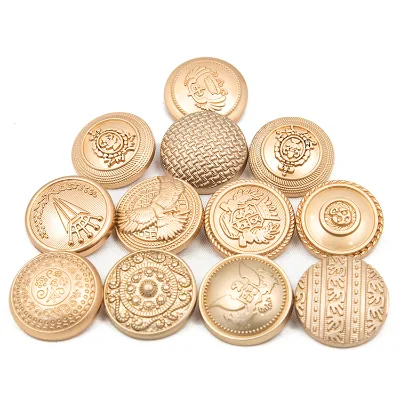
Custom logo Metal Shank Button 22mm Copper Clip Button Zinc Alloy Metal Shank Button
$0.02 - $0.08
MOQ: 2000
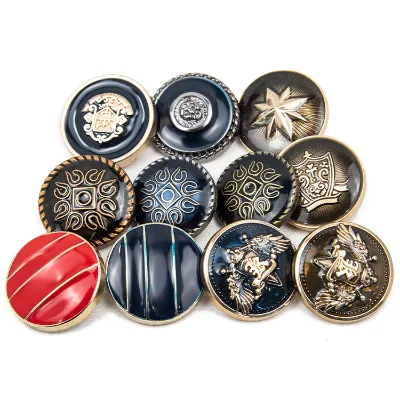
Enamel Metal Shank Buttons Brass Wire Shank Back Button Zinc Alloy Shank Buttons
$0.02 - $0.08
MOQ: 2000 pieces

GUANGZHOU SAKES GARMENTS ACCESSORIES CO., LTD.
- Verified by TUVRHEINLAND
- Trading Company
- China Guangdong
- Lead time15 days
- Avg. response≤ 11h
Main productsMetal Button, Rivet, Belt, Zipper, Lace, Leather Patch, Metal Buckle, Plastic Button, Metal Eyelet, Keychain
Main marketsSouth America


Fashionable Oval Shape Good Plated Metal Shank Sewing Button for Garments
$0.03 - $0.06
MOQ: 10000 Pieces

Grade a Plated Fashion Metal Shank Button Alloy Sewing Button for Garments
$0.068 - $0.072
MOQ: 500 GROSS


Various Styles Are Available High Qualtiy Metal Zinc Alloy Shank Buttons
$0.04 - $0.06
MOQ: 2000 Pieces
Shenzhen Guanhua Button Co., Ltd.
- Verified by TüVRheinland
- Manufacturer, Trading Company
- Lead time15 days
- Avg. response≤ 5h
Main productsProng Snap Button, Spring Snap Button, Jeans Button, Metal Plate, Eyelets
Main marketsSouth Asia(22%), Eastern Asia(20%), North America(15%)

Dongguan Hingye Button Products Co., Ltd.
- Verified by CTI
- Combined
- China Guangdong
- Lead time15 days
- Avg. response≤ 12h
Main productsMetal Button, ABS Button, Metal Buckle, Metal Snap Button, Metal Jeans Button, Metal Rivet, Rubber Button, Nylon Button, Plastic Button, Metal Popper Snap Button
Main marketsSouth America,Domestic,Europe,North America

Antique Silver Color Metal Button Alloy Metal Jeans Shank Button for Clothes
$0.03 - $0.15
MOQ: 5000 Pieces

Metal Button Zinc Alloy Metal Foot Shank Button for Garment Accessories
$0.035 - $0.25
MOQ: 5000 Pieces

$0.035 - $0.25
MOQ: 5000 Pieces

Metal Button Zinc Alloy Metal Sew on Shank Button for Coat Garments Accessories
$0.03 - $0.15
MOQ: 5000 Pieces


Metal Button Brass Metal Foot Shank Button for Garment Clothing Trimming Accessories
$0.035 - $0.25
MOQ: 5000 Pieces
Guangzhou Cimao Technology Co., Ltd.
- Manufacturer, Trading Company, Distributor/Wholesaler
- Guangdong, China
- Lead time0 days
- Avg. response≤ 4h
Main productslace,rhinestone,sequins,buttons,patches
Main marketsNorth America(35.00%), Western Europe(10.00%), Eastern Europe(10.00%), Southern Europe(10.00%), Northern Europe(9.00%), Southeast Asia(5.00%), South America(5.00%), South Asia(5.00%), Eastern Asia(3.00%), Mid East(3.00%), Central America(3.00%), Africa(2.00%)
Yongjia County Chengjun Hardware Accessories Online Store
- Trading Company
- Zhejiang, China
- Lead time0 days
- Avg. response≤ 5h
Main productsMetal Tag,Buttons,Grommet eyelets,Shoe Buckle,Buckle
Main marketsNorthern Europe(9.00%), Southeast Asia(8.00%), Central America(8.00%), North America(8.00%), Eastern Europe(7.00%), Eastern Asia(6.00%), Western Europe(6.00%), South America(3.00%)
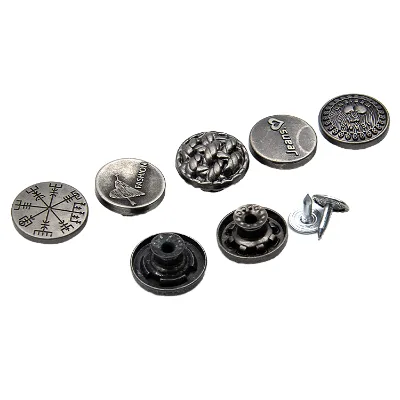
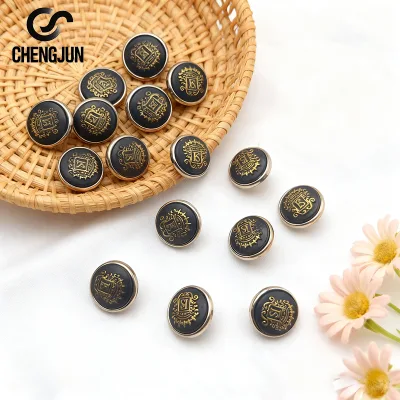
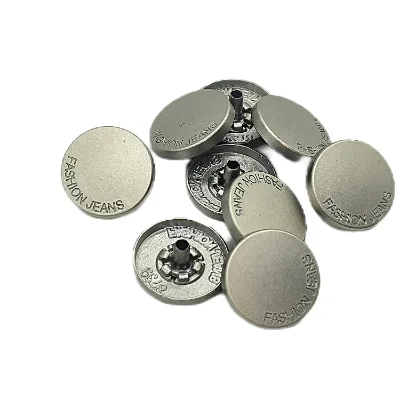
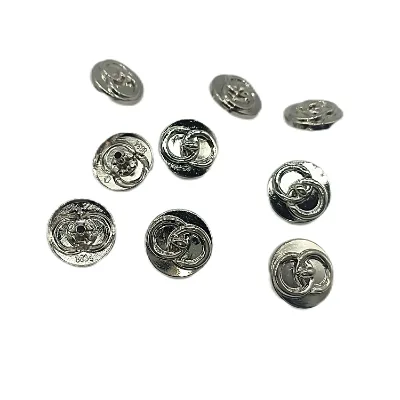
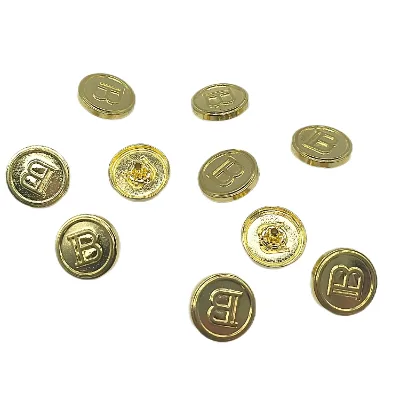
Metal Electroplated Custom Engraved 14mm Shank Style Denim Buttons for Clothing
$0.0821 - $0.1027
MOQ: 3 pieces
Foshan Nanhai Danzao Jianyao Hardware Factory
- Manufacturer
- Guangdong, China
- Lead time25 days
- Avg. response≤ 9h
Main productsButton,Buckle,Metal Chain,Rhineston,Mold
Main marketsEastern Asia(30.00%), North America(20.00%), Eastern Europe(20.00%), Domestic Market(10.00%), South Asia(10.00%), Mid East(10.00%)
Hangzhou Daya Textile Co., Ltd.
- Trading Company
- Zhejiang, China
- Lead time20 days
- Avg. response≤ 5h
Main productsZipper&slider,Tape&Webbing,Thread&yarn,Garment accessory,Tailoring Material
Main marketsSouth America(60.00%), Domestic Market(10.00%), South Asia(10.00%), Mid East(10.00%), North America(10.00%)
Suzhou Xingsheng Weiye Garment Accessories Co., Ltd.
- Verified by Intertek
- Manufacturer, Trading Company
- Lead time20 days
- Avg. response≤ 4h
Main productsPatch, Webbing, Button, Rope, Tag
Main marketsSoutheast Asia(30%), Oceania(20%), North America(5%)
Yongjia Bolai Clothing Accessories Co., Ltd.
- Verified by Intertek
- Trading Company
- Lead time0 days
- Avg. response≤ 2h
Main productsButtons, Stoppers, Hook & Loop Tapes, Webbing, Zippers Accessories
Main marketsNorth America(30%), Southeast Asia(30%), Western Europe(20%)

Dongguang D&G Industrial Co., Ltd.
- Verified by SGS
- Combined
- China Guangdong
- Lead time15 days
- Avg. response≤ 1h
Main productsJeans Buttons, Jeans Rivets, Snap Fasteners, Pronged Snap Fasterners, Eyelets, Metal Plates, Dress Hooks, Metal Buckles, Snap Button, Sew-on Buttons
Main marketsEurope
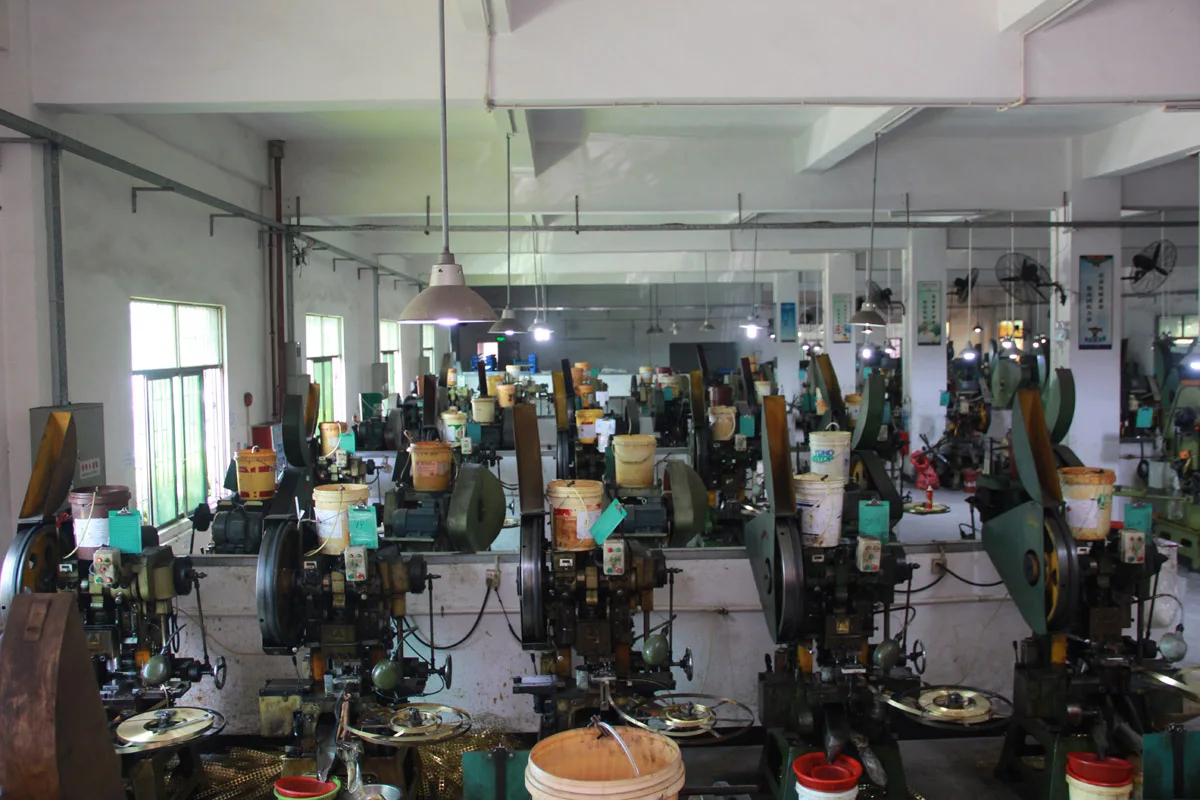
Dongguan Niuniu Industrial Co., Ltd.
- Manufacturer, Trading Company
- Guangdong, China
- Lead time10 days
- Avg. response≤ 1h
Main productsKeychain,Bottle opener,Magnet,Crafts,Badge
Main marketsNorth America(30.00%), South Asia(25.00%), Domestic Market(15.00%), Southeast Asia(12.00%), South America(8.00%), Western Europe(5.00%), Southern Europe(3.00%), Northern Europe(2.00%)
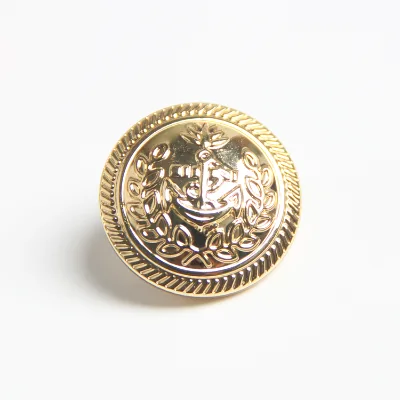
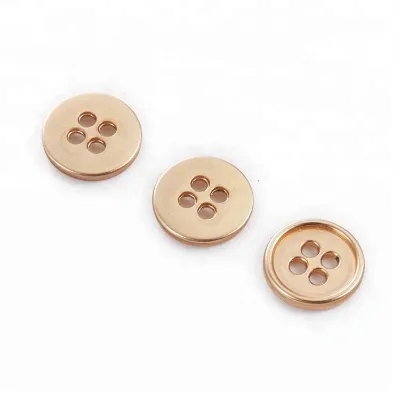

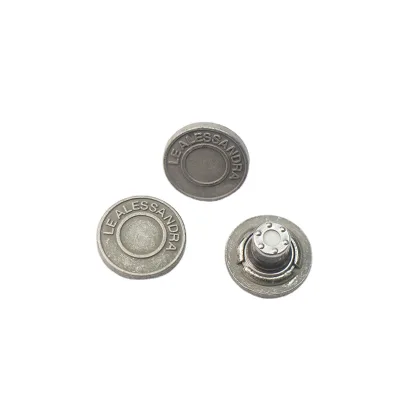
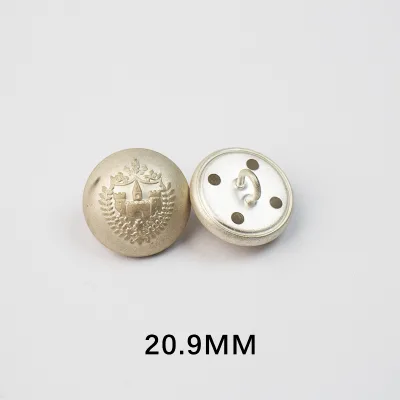
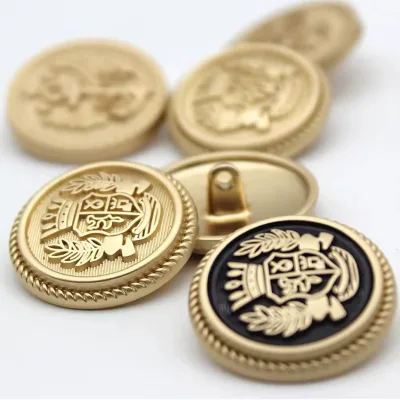
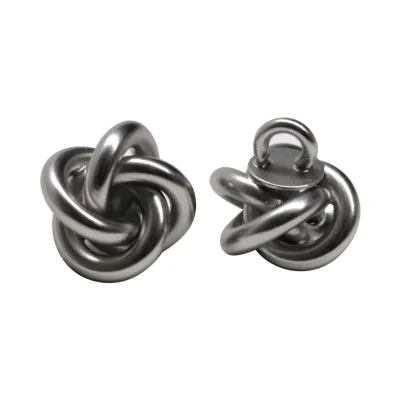
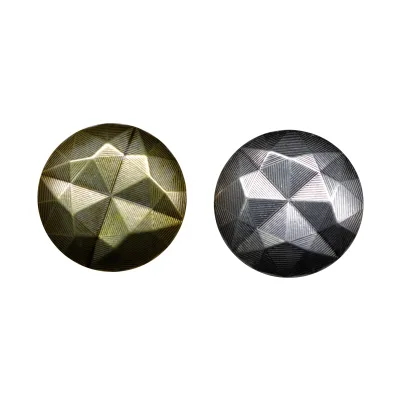
High Quality Fancy Metal Buttons High Quality Custom Designer Coat Buttons for Men
$0.05 - $0.15
MOQ: 1000
Jiaxing Qianxun Trading Co., Ltd.
- Trading Company
- Zhejiang, China
- Lead time0 days
- Avg. response≤ 1h
Main productsButton,Buckle,Label,Eyelet,Bag Accessories
Main marketsDomestic Market(95.00%), Southeast Asia(5.00%)
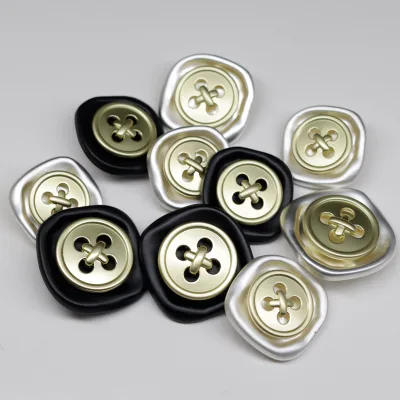
$0.2084 - $0.2593
MOQ: 1000 Minimum
Darson Prime (Hangzhou) International Trade Co., LTD.
- Verified by Intertek
- Manufacturer, Trading Company
- Lead time15 days
- Avg. response≤ 3h
Main productsGarment Accessories
Main marketsMid East(39%), North America(39%), Northern Europe(6%)
Dongguan Xinhemao Button Co., Ltd.
- Verified by Intertek
- Manufacturer, Trading Company
- Lead time12 days
- Avg. response≤ 2h
Main productsRecycled Jeans Button, Recycled Jeans Rivets, Recycled Snap Button, Recycled Eyelet and Washers, Recycled Hook and Eyes
Main marketsDomestic Market(36%), South America(35%), Western Europe(11%)
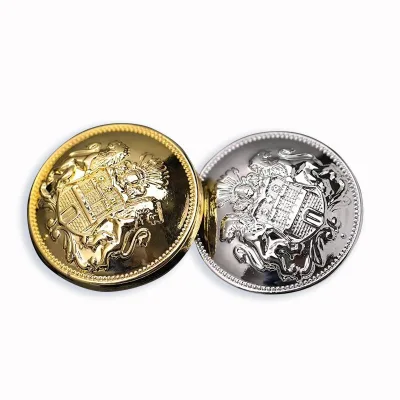
Factory Cheap Embossed logo Sewing Shank Buttons Custom Button With Own logo
$0.10 - $0.18
MOQ: 100 pieces
Jiashan Budun Garment Accessories Co., Ltd.
- Manufacturer, Trading Company
- Zhejiang, China
- Lead time15 days
- Avg. response≤ 5h
Main productsResin buttons,shell buttons,metals buttons,snap buttons,bamboo / wood buttons
Main marketsNorth America(10.00%), South America(10.00%), Eastern Europe(10.00%), Southeast Asia(10.00%), Africa(10.00%), Oceania(10.00%), Mid East(10.00%), Eastern Asia(10.00%), Western Europe(10.00%), South Asia(10.00%)

Hangzhou Yuming Garment Accessories Co., Ltd.
- Verified by BV
- Trading Company
- China Zhejiang
- Lead time30 days
- Avg. response≤ 3h
Main productsButton, Patch, Rivet, Eyelet, Zipper, Zipper Puller, Resin Buckle, Underwear Accessories, Snap Hook, Garment Hook
Main marketsSouth America,Southeast Asia/ Mideast,Europe,North America


High End 18mm 21mm 25mm Round Fabric Cover Shank Metal Buttons for Clothing
$0.29 - $0.38
MOQ: 1000 Pieces
Foshan Nanhai Gola Hardware Co., Ltd.
- Manufacturer, Trading Company
- Guangdong, China
- Lead time7 days
- Avg. response≤ 10h
Main productsbutton,buckle,Badge,Customized,eyelet
Main marketsDomestic Market(30.00%), Southeast Asia(12.00%), Eastern Asia(10.00%), Mid East(10.00%), Western Europe(10.00%), North America(10.00%), South Asia(5.00%), Northern Europe(5.00%), Africa(5.00%), Eastern Europe(3.00%)
Xiamen Fengyuanji Trading Co., Ltd.
- Manufacturer, Trading Company
- Fujian Province, China
- Lead time15 days
- Avg. response≤ 4h
Main productsBelt Buckle, Button, Metal Label
Main marketsNorthern Europe(46.00%), North America(26.00%), Southeast Asia(8.00%), South America(6.00%), Eastern Europe(6.00%), South Asia(4.00%), Southern Europe(4.00%)
Wenzhou Merit Garment Co., Ltd.
- Verified by Intertek
- Trading Company
- Lead time7 days
- Avg. response≤ 2h
Main productsButton, Zipper, Buckle, Cord Stopper, Eyelet
Main marketsNorth America(25%), South America(20%), Eastern Europe(10%)
Guangzhou Diandian Jewelry Co., Ltd.
- Verified by TüVRheinland
- Trading Company
- Lead time15 days
- Avg. response≤ 2h
Main products3D Three-dimensional Flowers, Lace, Zhangzi Embroidery, Lace Barcode, Heat Transfer Printing
Main marketsNorth America(15%), Mid East(15%), Eastern Asia(15%)

Xiamen Neostar Trade Co., Ltd.
- Verified by SGS
- Trading Company
- China Fujian
- Lead time23 days
- Avg. response≤ 7h
Main productsMetal Button, Clothing Metal Label, Bag Metal Tag, Zipper Puller, Pin Badge, Leather Patch, Rubbert Patch, Heat Transfer Label, Metal Buckle, Clothing Label
Main marketsSoutheast Asia/ Mideast,Europe,North America
Hangzhou Yijinhui Network Technology Co., Ltd.
- Trading Company
- Zhejiang, China
- Lead time0 days
- Avg. response≤ 3h
Main productsButtons, Zippers, Metal Jewelry, Rhinestones, Fabrics
Main marketsNorth America(50.00%)
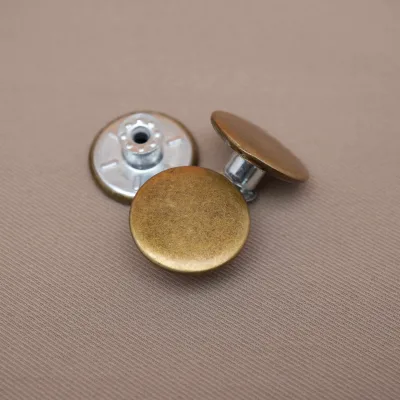
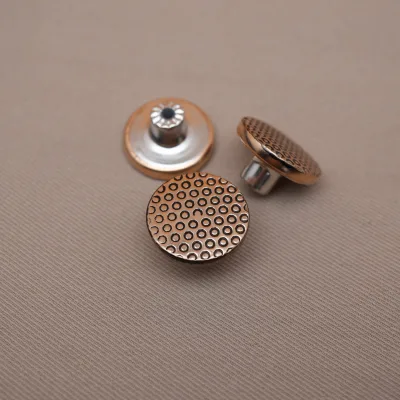
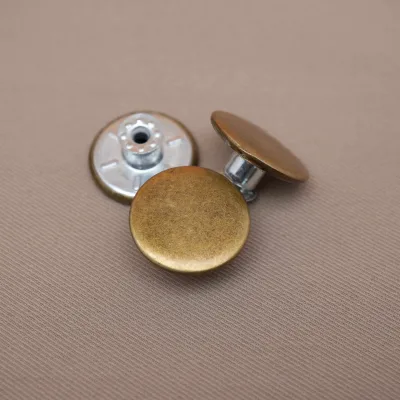
$0.08 - $0.22
MOQ: 1000 grains
Yiwu Jerl Accessories Co., Limited
- Trading Company
- Zhejiang, China
- Lead time7 days
- Avg. response≤ 6h
Main productsRhinestone Trimmings,Zinc alloy button,metal butto,Claw drill chain,Alloy chain
Main marketsWestern Europe(40.00%), South America(30.00%), North America(20.00%), Domestic Market(10.00%)
Jiashan Modern International Trade Co., Ltd.
- Trading Company
- Zhejiang, China
- Lead time0 days
- Avg. response≤ 3h
Main productsResin button,Plastic ABS,metal button,Zinc alloy diamond buckle,Horn button
Main marketsNorth America(50.00%), Southeast Asia(30.00%), Domestic Market(10.00%), Mid East(10.00%)


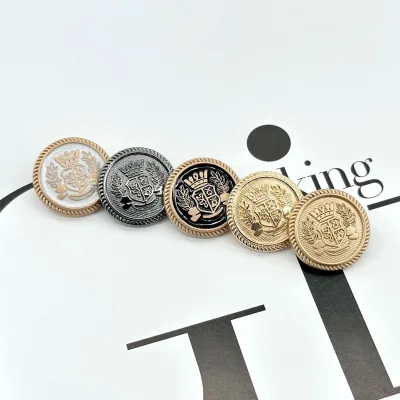
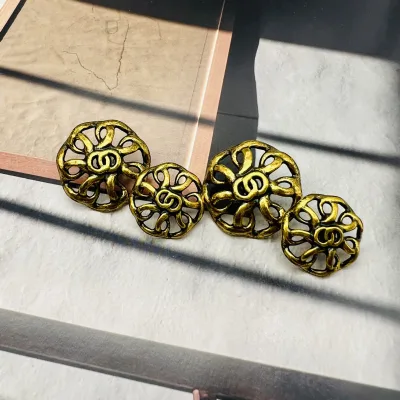
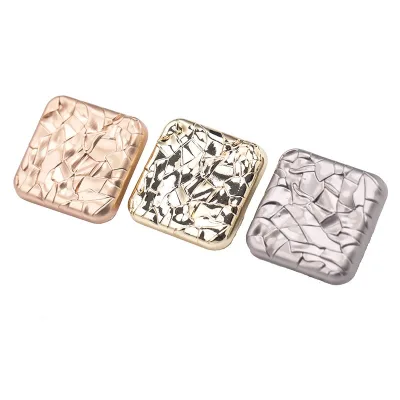
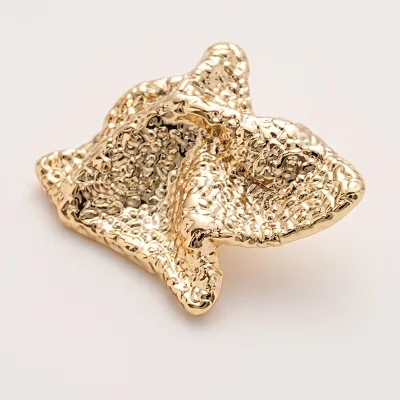


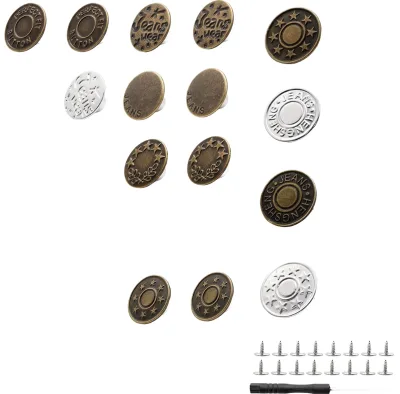
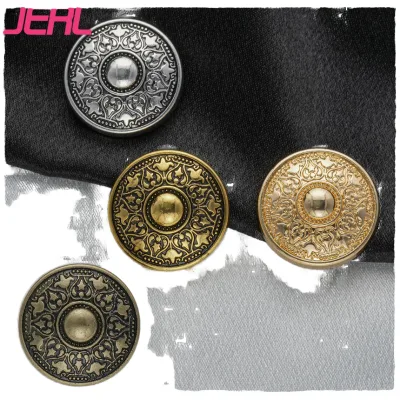
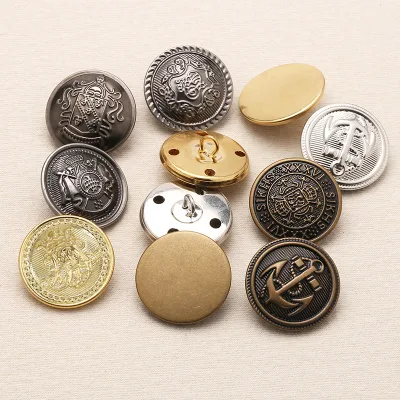
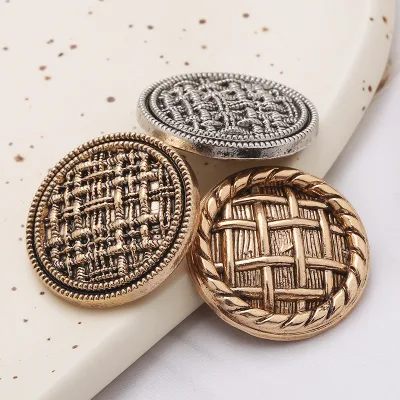


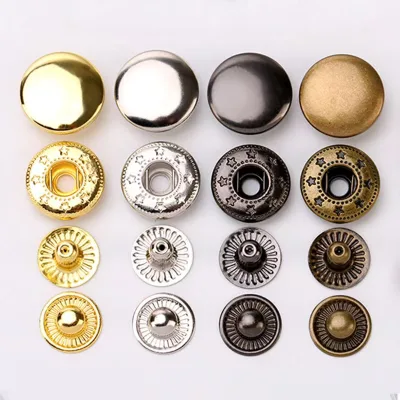
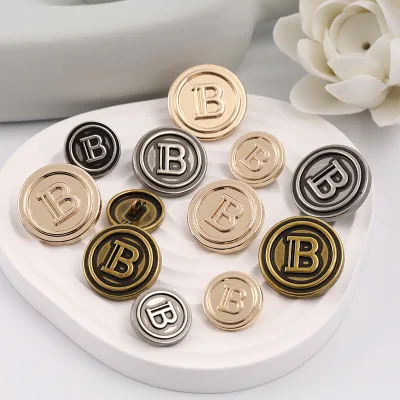
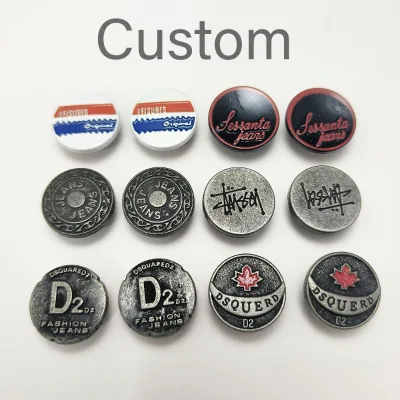
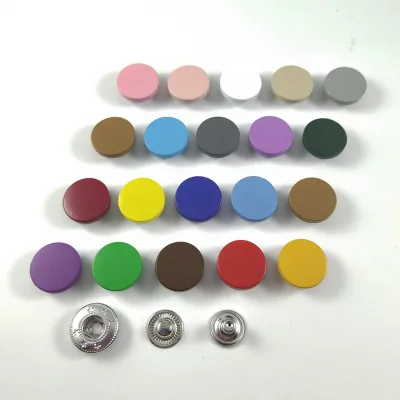
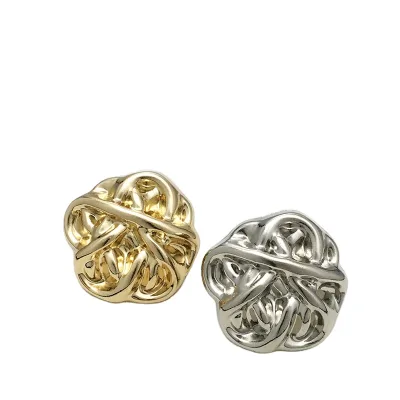
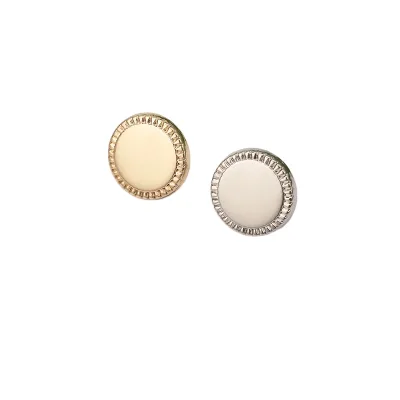


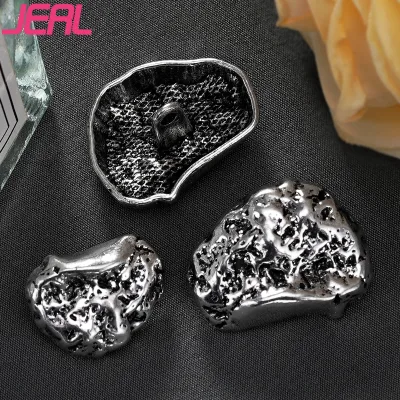
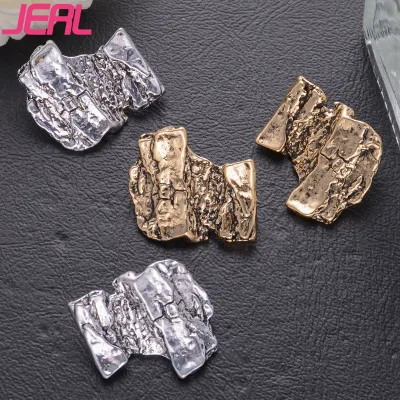
Comprehensive Sourcing Guide
Plated Metal Shank Button Supplier Concentration and Factory Types
The current supplier landscape for plated metal shank buttons reveals a distinct geographic and structural diversity that buyers must navigate carefully. Evidence indicates that manufacturing capabilities are concentrated in specific regions, with Guangdong identified as a primary location for production facilities. This region hosts companies classified explicitly as manufacturers or factories, suggesting a direct link to production lines where OEM and ODM services are available. These entities often possess the technical capacity for light customization, sample processing, and graphic processing, allowing for tailored solutions such as customized logos and specific plating finishes. The presence of ISO 9001 certification among some Guangdong-based suppliers further signals a baseline commitment to quality management systems, which is critical when sourcing components that require consistent aesthetic and functional performance.
In contrast, other segments of the market are dominated by trading companies located in regions like Zhejiang. These entities often act as intermediaries, aggregating products from various sources to offer a broader catalog that may include garment accessories, zippers, and lace alongside buttons. While they may not operate the factories directly, their verification status, such as TÜV Rheinland or SGS Group, provides an additional layer of trust regarding their business legitimacy and operational standards. The distinction between a direct manufacturer and a trading company is crucial for buyers, as it impacts communication efficiency, pricing structures, and the ability to implement rapid design changes. Understanding this split helps buyers decide whether they need the direct factory access for large-scale OEM projects or the curated selection and logistical support often provided by verified trading firms.
How to Verify Plated Metal Shank Button Suppliers
Verifying the credibility of a Plated Metal Shank Button supplier requires a multi-layered approach that goes beyond surface-level product listings. Buyers should prioritize suppliers who display third-party verification badges, such as TÜV Rheinland or SGS Group, as these indicate that an independent body has assessed the company’s business operations and legal standing. Additionally, system certifications like ISO 9001 or compliance with standards such as (EC) 1907/2006 provide concrete evidence of adherence to international quality and safety regulations. These credentials are not merely decorative; they serve as a proxy for the supplier’s internal processes, ensuring that the plating quality, material composition, and dimensional accuracy of the buttons meet specified industry requirements. Buyers must actively check for these badges rather than assuming they are present, as their absence may indicate a lack of formalized quality control.
Beyond certifications, the responsiveness and transparency of the supplier are key indicators of reliability. Response times vary significantly across the market, with some suppliers demonstrating rapid engagement while others take considerably longer to reply. A quick response time often correlates with a well-organized sales team that is ready to handle inquiries and provide samples efficiently. Buyers should also examine the supplier’s capacity for customization, looking for explicit mentions of OEM/ODM availability and specific technical capabilities like plating techniques or logo engraving. It is essential to verify that the supplier can meet specific technical demands, such as producing snap buttons with custom sizes or flat pearl resin components, rather than relying on generic stock items. This due diligence ensures that the supplier has the actual infrastructure to support the buyer’s unique product requirements.
What to Compare Across Plated Metal Shank Button Suppliers
When evaluating multiple suppliers, buyers must compare a range of operational and commercial metrics to identify the best fit for their specific needs. One of the most critical factors is the minimum order quantity (MOQ), which can vary widely from 2,000 pieces to 10,000 pieces or more. Suppliers with lower MOQs, such as those offering 2,000-piece thresholds, are often more suitable for smaller batches or initial market testing, while higher MOQs may indicate a focus on large-scale production runs. Pricing is another vital dimension, with costs ranging from as low as $0.02 to over $0.10 per unit depending on the complexity of the design, the type of metal used, and the plating finish. Buyers should request detailed quotes that break down costs based on volume tiers to understand the economic implications of their order size.
Lead times and response speeds also play a significant role in the comparison process. Some suppliers offer rapid sample processing with lead times as short as seven days, which is invaluable for accelerating product development cycles. In contrast, production lead times can extend to fifteen days or more, depending on the order volume and customization requirements. Buyers should also consider the supplier’s main product focus; those specializing in garment accessories may offer better integration and compatibility with other components like zippers and tapes. Additionally, the availability of stock versus made-to-order items affects delivery schedules. Suppliers that do not hold stock for custom designs require longer planning horizons, whereas those with pre-existing standard models may offer faster turnaround for basic needs.
Common Plated Metal Shank Button Sourcing Risks
Sourcing plated metal shank buttons involves several inherent risks that buyers must proactively manage to avoid supply chain disruptions. One significant risk is the variability in plating quality and durability, which can lead to issues like tarnishing or chipping after repeated use or exposure to moisture. Without proper verification of the supplier’s plating processes and material standards, buyers may receive products that fail to meet aesthetic or functional expectations. This is particularly relevant for fashion garments where the visual appeal of the button is paramount. Buyers should insist on detailed product specifications, including the type of metal alloy used and the specific plating technique, to mitigate the risk of receiving substandard materials.
Another common risk is the misalignment between sample approval and mass production quality. Suppliers may provide high-quality samples that do not reflect the consistency of the final batch, especially when dealing with complex customizations like engraved logos or specific color matching. This discrepancy can be exacerbated by suppliers who lack robust quality control systems or clear communication channels. Additionally, the reliance on non-stock items means that any delays in raw material sourcing or production scheduling can impact the overall delivery timeline. Buyers should establish clear quality assurance protocols and request pre-shipment inspections to ensure that the final products match the approved samples. Understanding these risks allows buyers to implement stricter contractual terms and more frequent communication checkpoints.
Plated Metal Shank Button Regional Sourcing and Logistics
The geographic location of suppliers significantly influences logistics strategies and overall sourcing costs. Suppliers located in Guangdong, China, are often positioned within major manufacturing hubs, providing access to efficient supply chains and established export infrastructure. This proximity to industrial clusters can facilitate faster production cycles and easier coordination for OEM projects. Buyers sourcing from this region should consider the logistical advantages of having suppliers integrated into a broader network of garment accessory manufacturers, which can streamline the procurement of complementary items. However, buyers must also account for the specific shipping requirements and packaging standards, such as the use of polybags or international express services, to ensure that the buttons arrive in pristine condition.
In contrast, suppliers in Zhejiang, China, may offer different logistical profiles, often associated with trading companies that aggregate products from various sources. These suppliers may have different packing standards, such as 2,000 pieces per polybag, which can affect shipping density and handling. Buyers should evaluate the origin of the products, as items originating from different provinces may have varying transit times and customs clearance requirements. The choice of shipping method, whether by airfreight, sea freight, or international express, will depend on the urgency of the order and the total volume. Understanding the regional logistics landscape helps buyers optimize their supply chain, balancing cost efficiency with delivery speed and reliability.
Plated Metal Shank Button Commercial Terms and Order Planning
Effective order planning for plated metal shank buttons requires a thorough understanding of commercial terms and payment structures. Buyers should negotiate clear terms regarding pricing, including any discounts for larger volumes or repeat orders. The price range for these components can vary significantly, so it is essential to secure competitive rates that align with the project budget. Additionally, buyers must clarify the payment terms, such as the use of escrow services or other secure payment methods, to protect their financial interests. Suppliers that offer flexible payment options or support for sample orders can provide greater flexibility during the initial stages of the sourcing process.
Lead time management is another critical aspect of commercial planning. Buyers should establish realistic timelines based on the supplier’s stated production capabilities, accounting for both sample approval and mass production phases. Suppliers with a response time of under five days may offer more agile support, but buyers must also consider the actual production lead time, which can be around fifteen days. It is advisable to build buffer time into the schedule to accommodate any potential delays or quality checks. Furthermore, buyers should confirm the supplier’s capacity for handling their order volume, ensuring that the supplier can meet the required delivery date without compromising on quality. Clear communication of these commercial terms helps prevent misunderstandings and ensures a smooth transaction from order placement to final delivery.
FAQs
What is the price range for plated metal shank buttons?
Prices typically range from $0.02 to $0.10 per unit depending on material and customization. Specific models like zinc alloy options start around $0.03, while plated variants may reach $0.08. Buyers should verify exact costs based on order volume and design complexity before finalizing procurement.
What is the minimum order quantity for these buttons?
MOQs generally range from 2,000 to 10,000 pieces. Some suppliers accept orders as low as 2,000 units for custom designs, while others require 5,000 or 10,000 for standard plated items. Buyers must check specific product listings to confirm the exact threshold applicable to their order size.
How long does production take for custom orders?
Standard lead times are approximately 15 days for production. Sample orders may be supported within 7 days for quick evaluation. Buyers should confirm specific timelines with suppliers, as complex customizations or high-volume orders might extend the delivery schedule beyond the standard production window.
Are these buttons suitable for jackets and trousers?
Yes, these buttons are explicitly designed for use on jackets, trousers, sweaters, and bags. They feature fashion-oriented styles and are available in round shapes with monocolor or color-matching options. The materials ensure durability for heavy-duty garment applications while maintaining aesthetic appeal.
What certifications do these suppliers hold?
Suppliers hold various certifications including ISO 9001, SGS Group verification, and TÜV Rheinland validation. Some also comply with (EC) 1907/2006 standards. Buyers should request specific certification documents to ensure compliance with their regional regulatory requirements and quality assurance protocols.
Where are these manufacturers located?
Manufacturers are primarily located in China, specifically in Guangdong and Zhejiang provinces. These regions are known for strong garment accessory supply chains. Buyers can filter suppliers by these locations to assess logistics costs and shipping times for international orders effectively.