Source embroidered eco-friendly underwear lace for lingerie, garments, home textile
Compare 30 listings of embroidered eco-friendly underwear lace from suppliers in China. Buyers can evaluate options for lingerie, garments, and home textile applications with features like breathable and custom colors; compare the available evidence and request quotations based on your requirements.
Updated
Key considerations
Products List
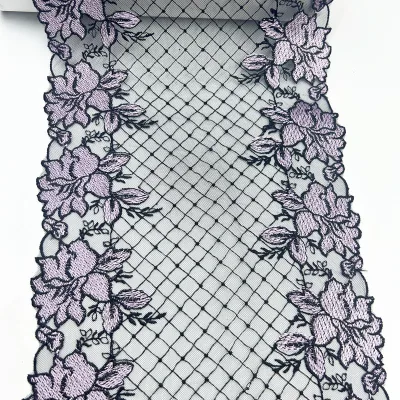
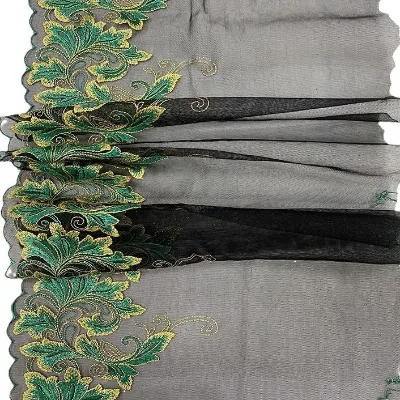


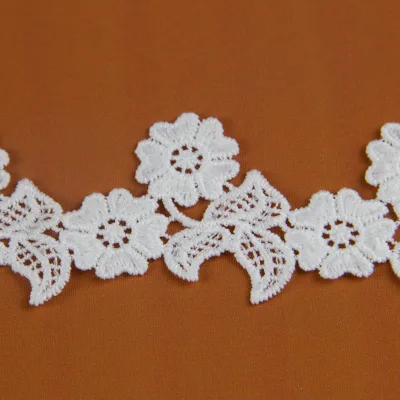
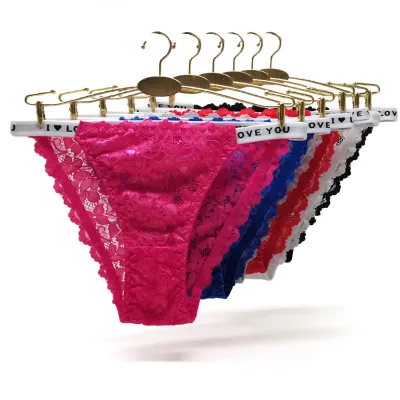
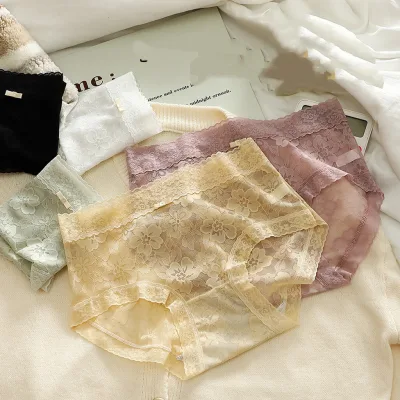
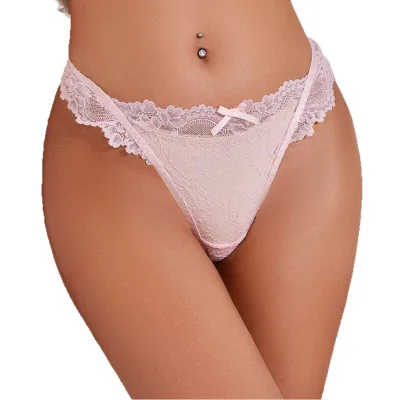
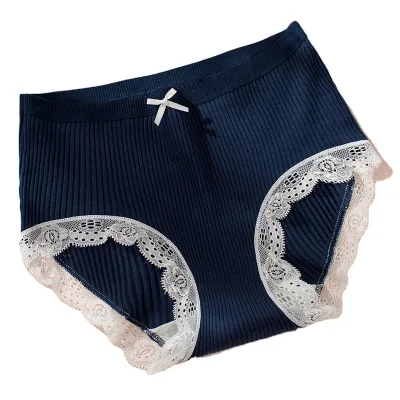
China High Quality Panty Cotton Women Embroidered Bridal Underwear Lace
$0.134 - $0.2069
MOQ: 500 yards



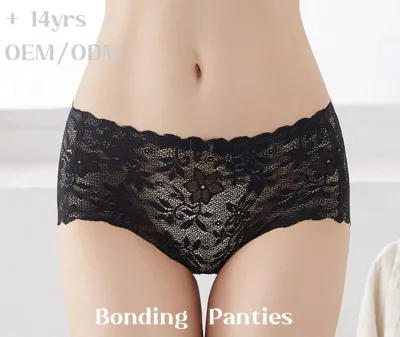
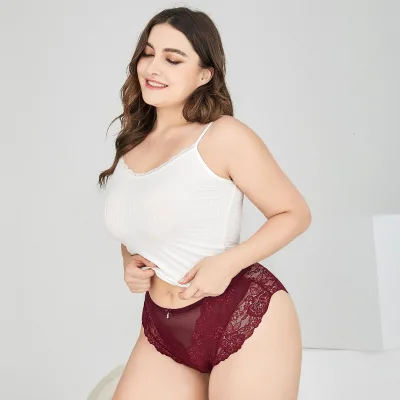

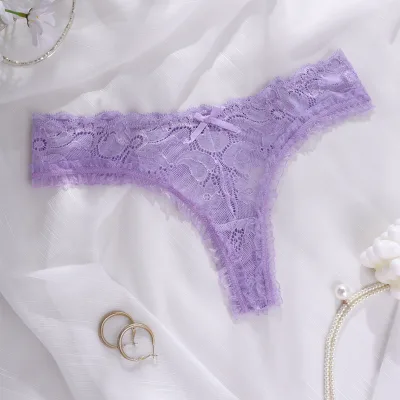



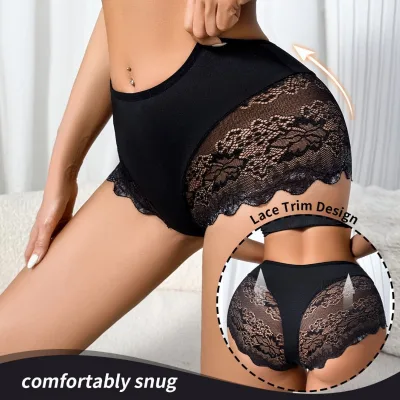
Comprehensive Sourcing Guide
Embroidered Eco-Friendly Underwear Lace Sourcing Guide
Sourcing high-quality embroidered lace for intimate apparel requires a nuanced understanding of material composition, aesthetic finish, and supply chain transparency. Buyers must navigate a market where "eco-friendly" claims often lack standardized verification, making direct supplier engagement and sample evaluation critical. The following guide outlines the essential steps for identifying reliable suppliers, verifying technical specifications, and ensuring compliance with safety standards. By focusing on observable product attributes and documented supplier capabilities, procurement teams can mitigate risks associated with inconsistent quality and unverified sustainability claims. This approach ensures that the final lace products meet both functional requirements for underwear construction and ethical sourcing expectations.
Product Scope and Observed Listing Signals
The current market landscape for embroidered lace features a diverse range of product types, primarily categorized under general textile trims and specialized lingerie applications. Observed listings indicate a strong presence of products originating from Zhejiang and Ningbo in China, with model numbers such as XST20240829, CWS372C, and SK-489 representing various design iterations. These items are frequently described with attributes like "breathable," "comfortable," and "light texture," which are crucial for undergarment comfort. The color palette ranges from standard black to customized options, including specific codes like 2356 and 2571, allowing for precise brand matching. Buyers should note that while many listings highlight customization availability, the actual eco-friendly status of the materials is not uniformly declared in standard product titles, requiring deeper inquiry.
Technical attributes observed in listings include materials such as cotton/polyester blends and polyester/spandex mixes, which offer varying degrees of stretch and durability. The lace crafts identified are predominantly embroidered, with some variations in braided or jacquard techniques, indicating a versatility in design complexity. Applications are consistently listed for underwear, lingerie, garments, and home textiles, suggesting a broad utility for these trims. The single package sizes and gross weights, such as 20x15x2 cm and 0.200 kg, provide logistical insights for inventory planning. However, the term "eco-friendly" is not explicitly confirmed in the core product data, meaning buyers must treat this as a potential feature rather than a guaranteed specification, necessitating direct verification of dyeing processes and fiber origins.
Technical Specifications to Verify
When evaluating embroidered lace for underwear, the primary technical focus should be on material composition and structural integrity. Buyers must verify whether the cotton/polyester or polyester/spandex blends meet specific stretch recovery and durability standards, as these properties directly impact the longevity of the final garment. The presence of spandex suggests elasticity, which is essential for fit, but the percentage of elastane must be confirmed to ensure it aligns with comfort and performance requirements. Additionally, the embroidery technique, whether floral or coded patterns, should be assessed for density and thread quality to prevent snagging or unraveling during wear and washing. Understanding the specific model numbers, such as JS-F015 or CWS375, allows for precise reordering and consistency checks across production batches.
Packaging and standardization details are equally critical for operational efficiency. Listings indicate standards such as 20 yards per roll or custom requirements, which influence inventory management and cutting efficiency. Buyers should confirm the packing methods, whether by air, ship, or train, and the use of polybags or cartons, to ensure product protection during transit. The availability of sample orders with a seven-day lead time is a valuable indicator of supplier responsiveness and flexibility. Furthermore, the ability to match customer color swatches is a key differentiator for brand consistency. Procurement teams should request detailed technical sheets that specify thread counts, lace width, and shrinkage rates to prevent discrepancies between the initial sample and mass production.
Compliance and Safety Documentation
Safety and regulatory compliance are non-negotiable for intimate apparel components, given the direct skin contact involved. Buyers must insist on documentation that verifies the absence of harmful substances, such as azo dyes, formaldehyde, and heavy metals, in both the base fabric and the embroidery threads. While OEKO-TEX is mentioned in background contexts, its specific certification status for each product batch must be explicitly confirmed by the supplier. This certification ensures that the lace meets rigorous human-ecological standards, providing assurance that the materials are safe for sensitive skin. Without this verification, the "eco-friendly" label may be misleading, potentially exposing brands to reputational damage and regulatory penalties in key markets like the European Union and North America.
Beyond chemical safety, buyers should inquire about the environmental impact of the dyeing and finishing processes. The listings mention "dyeing" and "dyed" techniques, which can involve significant water and energy consumption. Suppliers should be asked to provide data on wastewater treatment and energy efficiency in their manufacturing facilities. Additionally, the source of the raw materials, particularly the cotton and polyester, should be traced to ensure they are not sourced from regions with poor labor practices or environmental degradation. Requesting a material safety data sheet (MSDS) and a declaration of conformity helps establish a baseline of trust. These documents serve as legal safeguards and demonstrate the supplier's commitment to transparency and responsible manufacturing practices.
Cost Drivers and Commercial Terms
The cost of embroidered lace is influenced by several factors, including material quality, design complexity, and order volume. Observed price ranges vary significantly, reflecting differences in thread quality, embroidery density, and customization levels. Buyers should understand that lower prices may correlate with reduced durability or less stringent quality control, while higher prices often reflect superior materials and more intricate designs. The minimum order quantity (MOQ) ranges from 1 to 2000 units, offering flexibility for small batches but potentially increasing per-unit costs for larger orders. Understanding these dynamics allows buyers to negotiate effectively, balancing cost efficiency with quality requirements. It is also important to consider the total landed cost, including shipping, duties, and insurance, rather than just the unit price.
Commercial terms such as payment methods, lead times, and return policies play a crucial role in the procurement process. The support for sample orders with a seven-day lead time indicates a supplier's readiness to engage in quick-turnaround projects. However, mass production lead times should be clearly defined to avoid delays in product launches. Buyers should also clarify the customization process, including any additional costs for color matching or design changes. The availability of different packing options, such as polybag plus carton, can affect storage and handling costs. Establishing clear agreements on quality acceptance criteria and dispute resolution mechanisms protects both parties and ensures a smooth transaction. Transparent communication about these terms helps build a sustainable and reliable supply chain partnership.
Supplier Qualification and Quality Control
Selecting the right supplier requires a thorough evaluation of their manufacturing capabilities and quality assurance systems. Buyers should verify the supplier's production capacity, equipment modernity, and workforce expertise, particularly in embroidery and lace weaving. The presence of multiple model numbers and customization options suggests a versatile manufacturing base, but this should be corroborated with site audits or third-party inspections. Quality control processes, including in-line inspections and final random inspections, are essential to ensure consistency. Buyers should ask for detailed quality control plans that outline testing procedures for tensile strength, color fastness, and dimensional stability. These measures help identify potential defects early in the production process, reducing the risk of receiving substandard goods.
Building a long-term relationship with a supplier involves assessing their responsiveness, communication skills, and problem-solving abilities. Suppliers who provide timely updates and proactive solutions to challenges are more likely to deliver reliable service. Buyers should also evaluate the supplier's commitment to continuous improvement and innovation in lace design and technology. The ability to adapt to changing market trends and customer preferences is a valuable asset. Additionally, suppliers who offer technical support and guidance on material selection can enhance the buyer's product development process. By focusing on these qualitative aspects, buyers can identify partners who are not just transactional vendors but strategic allies in achieving business goals. This holistic approach to supplier qualification minimizes risks and maximizes value.
Long-Term Procurement Checks
Sustainable procurement practices require ongoing monitoring and evaluation of supplier performance and product quality. Buyers should establish key performance indicators (KPIs) to track metrics such as on-time delivery, defect rates, and responsiveness to issues. Regular audits and reviews help ensure that suppliers maintain their quality standards and compliance commitments over time. The dynamic nature of the textile industry means that regulations and consumer expectations evolve, requiring continuous adaptation. Buyers should stay informed about emerging trends in eco-friendly materials and manufacturing processes, such as recycled fibers or waterless dyeing technologies. Engaging in regular dialogue with suppliers about these trends can drive innovation and improve the sustainability profile of the products.
Furthermore, diversifying the supplier base can mitigate risks associated with single-source dependencies. Maintaining relationships with multiple suppliers provides flexibility in case of disruptions or capacity constraints. Buyers should also consider the environmental and social impact of their supply chain, seeking opportunities to reduce waste and improve labor conditions. Collaborating with suppliers on sustainability initiatives can lead to mutual benefits, such as cost savings through efficiency improvements and enhanced brand reputation. By implementing a robust long-term procurement strategy, buyers can ensure the resilience and competitiveness of their supply chain. This proactive approach fosters a culture of continuous improvement and responsible sourcing, aligning business operations with broader societal and environmental goals.
FAQs
Can I get custom colors for this embroidered lace?
Yes, customization is available with any color matching customer swatches. The product supports dyeing processes and offers flexible color production options to meet specific design requirements for lingerie applications.
What is the lead time for sample orders?
Sample orders are supported with a seven-day lead time. This allows buyers to verify quality and specifications quickly before committing to larger production runs for their garment or home textile projects.
Which materials are used for this lace product?
The material composition includes cotton and polyester blends. Some variants also utilize polyester and spandex to ensure elasticity and comfort, making them suitable for underwear and clothing applications.
How is the lace crafted and finished?
The lace features embroidered techniques with specific crafts like embroidered lace and braided lace. Manual processes include flower and code designs, ensuring detailed textures for garment trimming and home textile uses.
What are the standard packaging options available?
Packaging options include polybags with cartons or individual air, ship, and train shipments. Standard roll lengths are 20 yards, though customer requirements can be accommodated for specific bulk orders.
Can I find suppliers with specific model numbers?
Yes, specific model numbers like CWS372C, CWS375, and SK-489 are available. Buyers can identify products by these codes to ensure they source the exact specifications required for their manufacturing needs.