Source Foldable Automatic Panoramic Sunroof for SUVs
Source the Foldable Automatic Panoramic Sunroof from 23 verified listings. Compare OEM-standard electric models with tempered glass and metal frames. Options include universal fit for pickup trucks, sedans, and RVs, featuring ventilation and safe escape functions with 1-year warranties; compare the available evidence and request quotations based on your requirements.
Updated
Key considerations
Products List
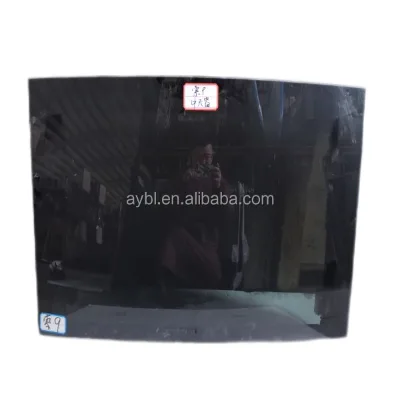
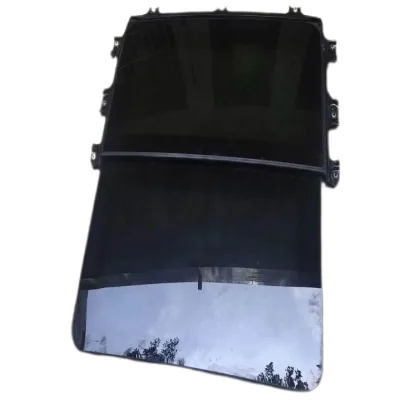
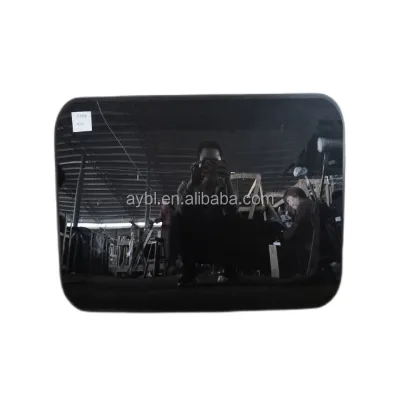
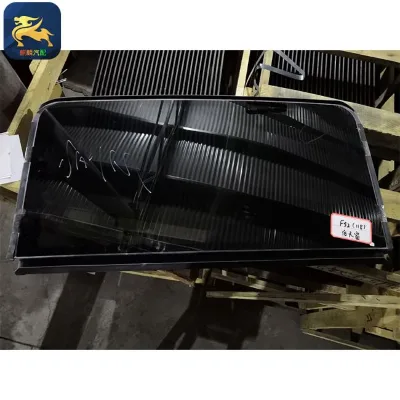
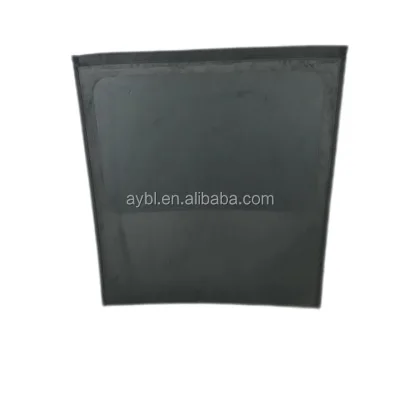
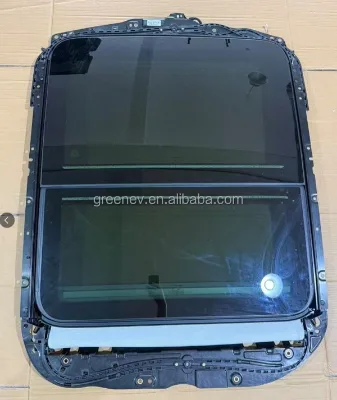
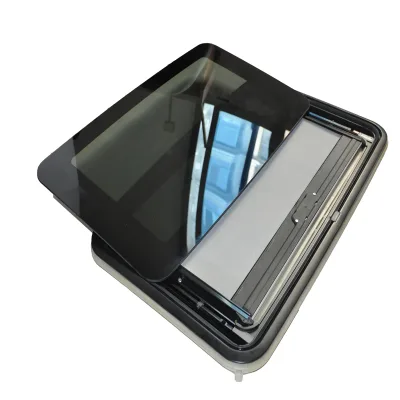
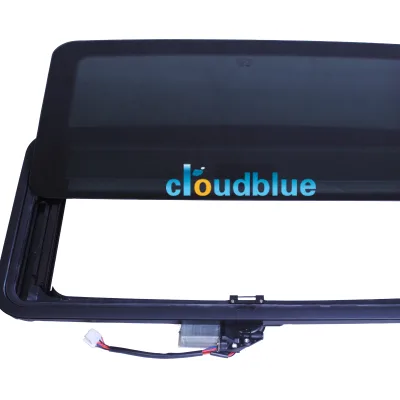
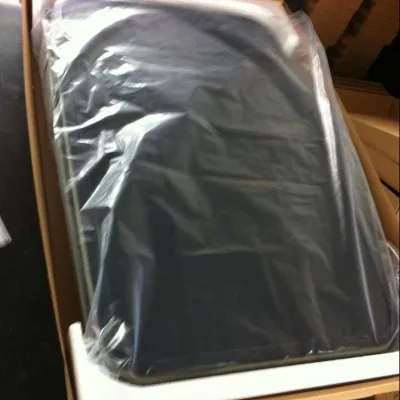
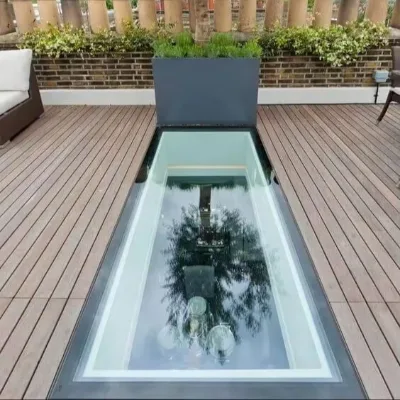


Hot Sale OEM Vehicle Roof Waterproof Panoramic Auto Sunroof with Motor Control
$290.00 - $300.00
MOQ: 100 Pieces

Hot Sale Universal OEM Electric Auto Sunroof for SUV and Sedan Vehicle
$90.00 - $100.00
MOQ: 30 Pieces

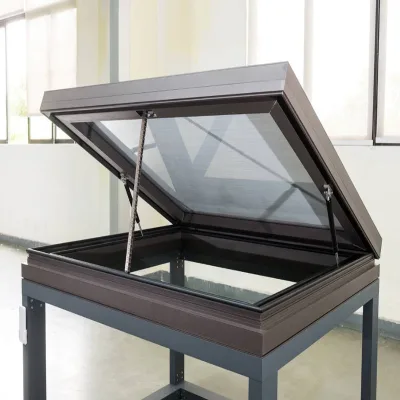
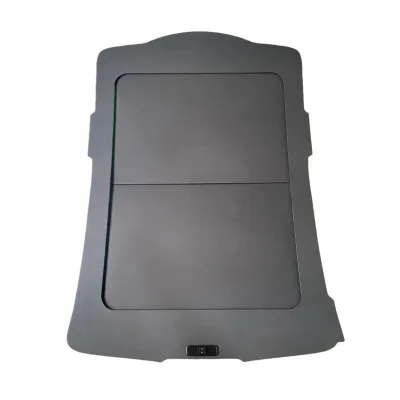
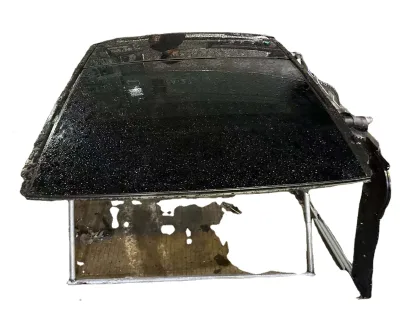
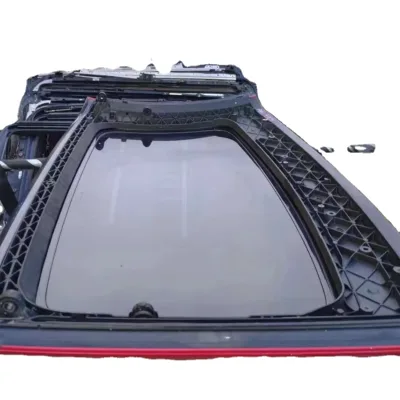

Premium Customized Automatic Sunroof with Water Activation Feature
$150.00 - $200.00
MOQ: 10 Square Meters
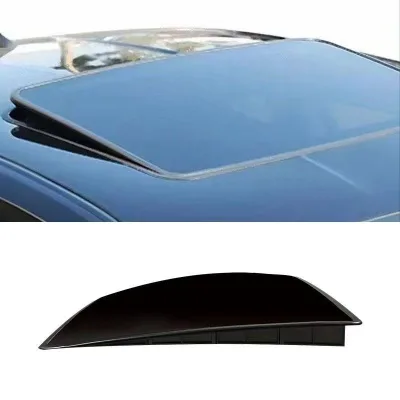
Comprehensive Sourcing Guide
Foldable Automatic Panoramic Sunroof Sourcing Guide
Sourcing a Foldable Automatic Panoramic Sunroof requires careful evaluation of mechanical complexity and material integrity. Buyers must distinguish between fixed panoramic glass and active systems that offer ventilation and emergency escape functions. The observed market includes universal motor sunroofs designed for retrofitting into pickup trucks, SUVs, and MPVs, as well as specialized units for sedans and RVs. Understanding the specific mechanical action—whether it is a sliding, tilting, or fully retractable design—is critical before initiating supplier negotiations.
Procurement teams should prioritize suppliers who provide clear documentation on the sunroof’s operational mechanism and structural durability. Since the product serves both aesthetic enhancement and functional purposes like ventilation, verifying the motor’s reliability and the glass’s tempering quality is essential. Buyers need to confirm if the unit is intended for direct replacement or for upgrading existing vehicle roofs, as this distinction affects installation requirements and compatibility checks with the target vehicle’s roof structure.
Product Scope and Observed Listing Signals
The current market landscape for panoramic sunroofs reveals a diverse range of product types, from basic manual units to complex electric systems. Observed listings indicate a price range between $5.50 and $900 USD, reflecting significant variation in material quality, motor sophistication, and brand positioning. Minimum order quantities (MOQ) vary widely, starting from single units for sample testing up to 100 pieces for bulk procurement, allowing buyers to scale their initial orders based on demand forecasts and risk tolerance.
Product attributes observed in the market include tempered glass construction, metal frames, and various model numbers such as CloudblueP1 and CL860. Some suppliers offer universal fitment for multiple car brands, while others provide OEM-standard sizes for specific applications. The presence of custom logo acceptance and various payment methods like TT, PayPal, and Western Union suggests a mature supply chain capable of handling both branded and white-label procurement strategies. Buyers should carefully cross-reference these signals with their specific technical requirements.
Technical Specifications to Verify
Technical verification must begin with precise dimensional compatibility, as observed specifications include sizes like 123790460mm and 750*450mm. Buyers must ensure the sunroof’s physical dimensions align with the vehicle’s roof opening to prevent installation failures or structural compromises. Additionally, the material composition, typically tempered glass combined with a metal frame, must be verified for impact resistance and thermal stability. The single package size and gross weight, ranging from 23kg to 68kg, also impact logistics planning and handling requirements at the destination port.
The operational mechanism is another critical technical parameter, with options including automatic opening, ventilation, and safe escape functions. Buyers should verify the motor type, whether it is a universal motor or a specialized electric unit, and confirm its power requirements. The model number, such as 750 or CL860, often dictates the specific feature set and compatibility. It is essential to request detailed technical drawings and wiring diagrams to ensure seamless integration with the vehicle’s electrical system and control interfaces.
Compliance and Safety Documentation
Safety compliance is paramount for automotive glass components, particularly those that serve as emergency escape routes. Buyers should request documentation verifying that the tempered glass meets relevant safety standards for impact resistance and fragmentation behavior. Although specific standards like EN 71-2 or ASTM D4329 were observed in background contexts, buyers must confirm which automotive-specific regulations apply to their target markets. Ensuring the product complies with local vehicle safety regulations is crucial to avoid legal liabilities and ensure occupant protection in the event of an accident.
Environmental and chemical compliance is also a key consideration, with some suppliers mentioning REACH certification. Buyers should verify that the materials used in the sunroof, including adhesives, seals, and metal components, do not contain hazardous substances prohibited in their destination markets. Requesting material safety data sheets (MSDS) and certificates of conformity helps ensure that the product meets environmental standards. This due diligence protects the buyer from regulatory penalties and enhances the brand’s reputation for safety and sustainability.
Cost Drivers and Commercial Terms
Cost structures for panoramic sunroofs are influenced by material quality, motor complexity, and order volume. The observed price range of $5.50 to $900 USD highlights the impact of these factors, with higher-priced units typically offering superior durability, advanced automation, and better warranty terms. Buyers should analyze the cost breakdown to understand the value proposition of each supplier, considering not just the unit price but also the total cost of ownership, including shipping, tariffs, and potential installation costs.
Commercial terms such as MOQ, payment methods, and delivery times significantly affect procurement strategy. Suppliers may offer flexible MOQs starting from 10 pieces, facilitating smaller initial orders, while others require higher volumes. Payment options like Trade Assurance provide security for international transactions, while delivery times can vary from immediate stock to custom production periods. Buyers should negotiate clear terms regarding packaging, such as wooden box protection, to minimize damage during transit and ensure the product arrives in optimal condition.
Supplier Qualification and Quality Control
Supplier qualification involves assessing manufacturing capabilities, quality control processes, and after-sales support. Buyers should verify the supplier’s production capacity, with some offering up to 10,000 pieces per quarter, to ensure they can meet demand fluctuations. Checking the supplier’s location, such as Henan, Anhui, or Chongqing in China, helps assess logistical advantages and supply chain resilience. Requesting factory audits or third-party quality reports provides insight into the supplier’s commitment to consistent product quality and adherence to manufacturing standards.
Quality control measures should include rigorous testing of the sunroof’s mechanical components, glass integrity, and electrical systems. Buyers should inquire about the supplier’s defect rate and warranty policies, with many offering a one-year warranty. Establishing clear communication channels for technical support and spare parts availability is essential for long-term partnership success. Implementing incoming quality inspections upon receipt of goods helps identify any defects early, allowing for timely resolution and minimizing operational disruptions.
Long-Term Procurement Checks
Long-term procurement success depends on continuous monitoring of supplier performance and product reliability. Buyers should establish key performance indicators (KPIs) such as on-time delivery rates, defect rates, and responsiveness to technical queries. Regularly reviewing these metrics helps identify potential issues early and fosters a collaborative relationship with the supplier. Additionally, staying updated on industry trends and technological advancements ensures that the procured sunroofs remain competitive and meet evolving customer expectations.
Feedback loops with end-users and installation partners are crucial for identifying any recurring issues or improvement opportunities. Buyers should encourage suppliers to provide regular updates on product enhancements and new models. Maintaining a diversified supplier base can mitigate risks associated with single-source dependencies. By prioritizing transparency, quality, and continuous improvement, buyers can build a resilient supply chain that supports sustainable growth and customer satisfaction in the automotive aftermarket sector.
FAQs
What material is used for the sunroof glass?
The sunroof glass is made of tempered material to ensure safety and durability during use. This construction supports both replacement and retrofit applications across various vehicle types including SUVs and trucks.
Can I get a custom logo on the product?
Yes, the supplier accepts custom logo requests for branding purposes. This customization option allows buyers to personalize the product while maintaining the standard quality and specifications required for automotive sunroof installations.
What is the minimum order quantity for this item?
The minimum order quantity varies by supplier but typically starts at 10 pieces for specific models. Some listings indicate a standard MOQ of 20 pieces for general orders of these automotive sunroof units.
How long does delivery take after placing an order?
Delivery time can be as fast as five days for certain suppliers depending on stock availability. Most vendors dispatch goods from ports like Qingdao or Dalian within the specified lead time after payment confirmation.
Which car models are compatible with this sunroof?
This sunroof fits a wide range of vehicles including pickups, sedans, trucks, and RVs. It is designed as a universal fit for various car types and can be used for both repair and upgrade purposes.
What warranty is provided for the sunroof unit?
A one-year warranty is provided to cover potential defects or issues with the product. This warranty ensures buyer protection and confidence in the quality of the new sunroof units supplied by the manufacturer.