Heavy Duty Citrus Press Juicer Suppliers and Manufacturers
Source 21 verified suppliers for Heavy Duty Citrus Press Juicer options. Compare grounded dimensions including location, lead time, MOQ, response time, certifications, and pricing. Review product specifications and request quotes to identify the right manufacturing partner; review the available evidence before requesting comparable quotations from suitable candidates.
Suppliers List
Cixi Lotek Electrical Appliance Co., Ltd.
- Verified by SGS
- Manufacturer/Factory
- China Zhejiang
- Lead time30 days
- Avg. response≤ 9h
Main productsBlender, Hand Blender, Smoothie Blender, Hand Mixer, Food Processor, Portable Blender, Mini Chopper, Immersion Blender, Food Chopper, Coffee Grinder
Main marketsSouth America,Eastern Europe,Mid East,North America,Southeast Asia,Oceania,Western Europe,Africa

Hangzhou Creato Machinery Co., Ltd.
- Verified by BV
- Trading Company
- China Zhejiang
- Lead time30 days
- Avg. response≤ 6h
Main productsFood Mixer, Vegetable Cutter, Drywall Sanders, Chocolate Fountain, Airless Paint Sprayer, Constructions Tool, Ice Cream Machine, Paint Remover, Meat Mincer, Bone Saw Machine
Main marketsSouth America,Africa,Southeast Asia/ Mideast,Europe,Australia,North America

Heavy Duty Hand Press Juicer Manual Citrus Juicer for Orange, Lemon, Pomegranate
$21.00 - $26.00
MOQ: 1 Pieces


Premium Manual Citrus Orange Juicer Juicer Hand Press Juicer for Fresh Juice Extraction
$4.48 - $6.88
MOQ: 1000 Pieces
Changzhou Jinkun Food Machinery Co., Ltd.
- Verified by SGS
- Combined
- China Jiangsu
- Lead time15 days
- Avg. response≤ 3h
Main productsMeat Slicer, Bone Saw, Hamburger Press, Meat Mincer, Vegetable Cutter, Juicer Series, Meat Grinder, Sausage Machine, Machine Accessories
Main marketsSouth America,Europe

Heavy Duty Commercial Bar Citrus Press Orange Lemon Fruit Manual Squeezer Juicer
$25.00 - $35.00
MOQ: 1 Pieces

Manual Orange Juicer and Professional Citrus Juicer for Hand Press Juicer
$20.00 - $30.00
MOQ: 1 Pieces


ZHE JIANG HORUS APPLIANCE CO., LTD.
- Verified by TUVRHEINLAND
- Manufacturer/Factory
- China Zhejiang
- Lead time0 days
- Avg. response≤ 9h
Main productsSausage Filler, Meat Grinder, Bone Saw Machine, Meat Slicer, Kebab Slicer, Spice Grinder, Flour Mill Machine, Juicer Machine, Planetray Mixer, Dough Mixer

Heavy Duty Commercial Bar Citrus Press Orange Lemon Fruit Manual Squeezer Juicer
$17.00 - $17.60
MOQ: 50 Pieces


- Verified by BV
- Trading Company,Manufacturer/Factory
- China Henan
- Lead time15 days
- Avg. response≤ 5h
Main productsOil Expeller, Oil Press Machine, Oil Refinery, Pellet Machine, Food Processing Machine, Animal Feed Machine, Packing Machine, Filling Machine, Briquette Machine, Brick Machine
Main marketsSouth America,Eastern Europe,Mid East,North America,Southeast Asia,Eastern Asia,Oceania,Western Europe,Africa

Yangjiang C&B Consumer Product Limited
- Verified by CTI
- Trading Company
- China Guangdong
- Lead time15 days
- Avg. response≤ 7h
Main productsBarbecue Tongs, Grilling Brushes, Outdoor Shovel, Grilling Tools, Kitchen Ware, Outdoor Products, Pizza Tools, Knife Set
Main marketsSouth America,Africa,Southeast Asia/ Mideast,Europe,Australia,North America

Luohe Quality Mechanical Equipment Co., Ltd.
- Verified by SGS
- Manufacturer/Factory
- China Henan
- Lead time23 days
- Avg. response≤ 7h
Main productsJuice Extractor, Sausage Making Machine, Pita Bread Machine, Biscuit Making Machine
Main marketsSouth America,Eastern Europe,North America,Eastern Asia,Western Europe


High Quality Berry Juice Extractor/Professional Juice Extractor/Fruit Press Juicer
$1000.00 - $1500.00
MOQ: 1 Pieces


Taizhou Shangyi Plastic Co., Ltd.
- Verified by TUVRHEINLAND
- Trading Company
- China Zhejiang
- Lead time23 days
- Avg. response≤ 17h
Main productsFood Container, Storage Container, Lunch Box, Bento Box, Plastic Laundry Basket, Plastic Storage Container, Plastic Cutting Board
Main marketsSouth America,Southeast Asia/ Mideast


Citrus Lemon Orange Grapefuit Juicer Manual Squeezer Hand Juicer Rotation Press with Strainer
$0.38 - $0.40
MOQ: 5000 Pieces


Ningbo Flow Technology Co., Ltd.
- Verified by SGS
- Trading Company,Manufacturer/Factory
- China Zhejiang
- Lead time15 days
- Avg. response≤ 2h
Main productsAroma Diffuser, Essential Oil Diffuser, Scent Diffuser, Air Humidifier, Electric Incense Burner, Car Incense Burner, Fragrance Diffuser, Car Aroma Diffuser, Light Industry Daily Necessities, Air Purifier
Main marketsSouth America,Eastern Europe,Mid East,North America,Western Europe,Africa


Classic Design Fast Speed Handle Orange Juicer Machine for Electric Press Citrus Juicer with Handle
$3.92 - $5.68
MOQ: 12 Pieces
Shandong Minan Machinery Equipment Co., Ltd.
- Manufacturer
- Shandong, China
- Lead time7 days
- Avg. response≤ 6h
Main productsFood and beverage machinery,Industrial Juicer,Screw Juicer,Commercial Juicer
Main marketsSoutheast Asia(40.00%), Africa(30.00%), Eastern Asia(10.00%), South America(10.00%), Mid East(10.00%)
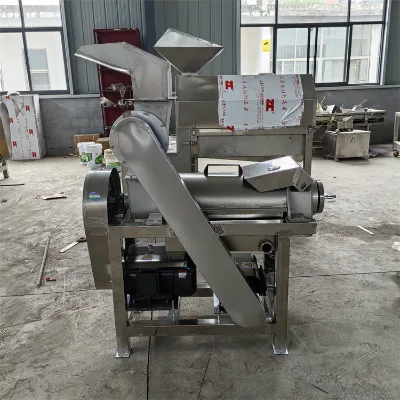
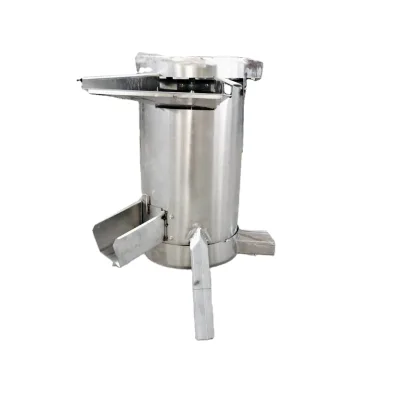
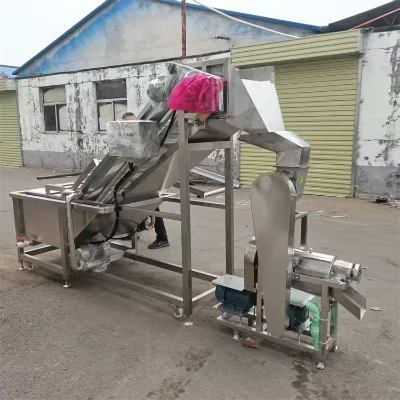
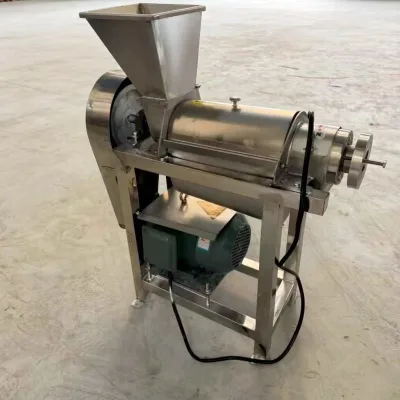
Commercial 1-ton grape juicer, large industrial stainless steel pear press
$1459.00 - $1478.00

Ningbo Sinolink Appliance Co., Ltd.
- Trading Company
- China Zhejiang
- Lead time0 days
- Avg. response≤ 21h
Main productsBlender, Juicer, Food Processor, Chopper
Jiangsu Kuwai Machinery Co., Ltd.
- Verified by Intertek
- Manufacturer, Trading Company
- Lead time20 days
- Avg. response≤ 4h
Main productsFruit Pulping Machine , Fruit Jam Production Line, Fruit Juice Production Line, Spiral Juicing Machine, Belt Press Juicing Machine
Main marketsDomestic Market(60%), North America(5%), South America(5%)
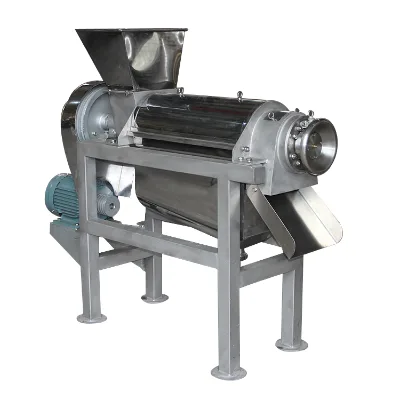
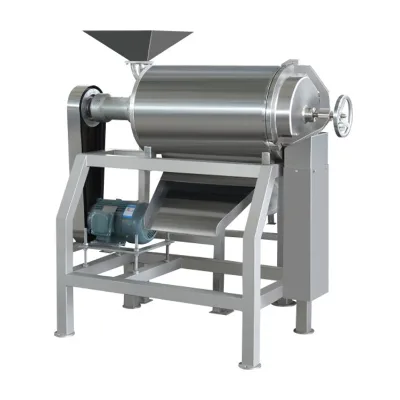
Fruit Juicer Citrus Press/double Screw Fruit Press Machine
$11720.00 - $12720.00

Henan Topp Machinery Co., Ltd.
- Verified by BV
- Trading Company,Manufacturer/Factory
- China Henan
- Lead time23 days
- Avg. response≤ 2h
Main productsFruit Juicing Machine, Fruit Stone Extractor, Fruit and Vegetable Peeling Machine, Fruit Sorting Machine, Snack Machinery, Soft Ice Cream Machine, Peanut Brittle Machine, Donut Making Machine, Candy Cane Production Line, Cookies Making Machine
Main marketsSouth America,Eastern Europe,Mid East,North America,Southeast Asia,Eastern Asia,Oceania,Western Europe,Africa

Zhengzhou Sunshine Machinery Co., Ltd.
- Trading Company,Manufacturer/Factory
- China Henan
- Lead time15 days
- Avg. response≤ 1h
Main productsOil Processing Machine, Grain Processing Machine, Nut Processing Machine, Fruit/Vegetable Processing Machine, Food Machine, Briquette Making Machine, Moisture Meter, Dewatering Machine, Food Machinery, Food Processor
Main marketsSouth America,Eastern Europe,Mid East,North America,Southeast Asia,Eastern Asia,Oceania,Western Europe,Africa


Industrial Juicer Machine Orange Lemon Apple Industrial Cold Press Juicer
$2500.00 - $9800.00
MOQ: 1 Pieces

Ginger Juicer Machine Cold Pressed Juicer Machine Fruit Juicer Extractor
$2500.00 - $10000.00
MOQ: 1 Pieces
Henan Efficient Machinery CO., LTD
- Verified by BV
- Trading Company
- China Henan
- Lead time15 days
- Avg. response≤ 5h
Main productsPlastic Recycling Machinery, Woodworking Machinery, Charcoal Machinery, Food Machinery, Agricultural Machinery, Packaging Machinery, Metal Baler, Egg Tray Making Machinery
Main marketsAfrica
Xingtai Xiangwei Commercial Co., Ltd.
- Trading Company
- Hebei, China
- Lead time7 days
- Avg. response≤ 2h
Main productsDumpling Making Machine,Vegetable Cutting Machine,Meat Cutting Machine,Baozi Making machine,Vegetable Washing Machine
Main marketsNorthern Europe(12.00%), Oceania(11.00%), Eastern Asia(10.00%), North America(10.00%), South Asia(8.00%), Southern Europe(8.00%), Central America(8.00%), Western Europe(8.00%), Mid East(5.00%), Eastern Europe(5.00%), South America(5.00%), Domestic Market(5.00%), Southeast Asia(4.00%), Africa(1.00%)

Wenzhou Cathylin International Trade Co., Ltd.
- Verified by TUVRHEINLAND
- Trading Company
- China Zhejiang
- Lead time15 days
- Avg. response≤ 13h
Main productsFlatware, Cutlery, Kitchen Tools, Tableware, Cookware, Bakeware, Drinkware
Main marketsNorth America

HE NAN PENG HUI MACHINERY AND EQUIPMENT CO., LTD.
- Verified by CTI
- Manufacturer/Factory
- China Henan
- Lead time15 days
- Avg. response≤ 3h
Main productsMeat Processing Machine, Fruit Processing Machine, Vegetable Processing Machine, Seafood Processing Machine, Grain Product Processing Machine, Snack Machine, Nuts Processing Machine, Quilting Machine, Textile Machine, Paper Product Processing Machine
Main marketsSouth America,Eastern Europe,Mid East,North America,Southeast Asia,Eastern Asia,Oceania,Western Europe,Africa

Electric Small Fruit Juicer Juice Maker Orange Juicer Press Lemon Squeezer Machine
$700.00 - $1200.00
MOQ: 1 Pieces

Large Capacity Cold Press Fruit Juicer Extractor Orange Grape Crushing Juicing Machine
$4800.00 - $5200.00
MOQ: 1 Pieces
Islow Electric (Zhongshan) Co., Ltd
- Verified by SGS
- Combined
- China Guangdong
- Lead time30 days
- Avg. response≤ 7h
Main productsSlow Juicer, Coffee Grinder
Main marketsEurope

$29.90 - $32.50
MOQ: 500 Pieces

$27.50 - $29.50
MOQ: 500 pieces
Changzhou Jinkun Food Machinery Co., Ltd.
- Verified by TüVRheinland
- Manufacturer, Trading Company
- Lead time20 days
- Avg. response≤ 2h
Main productsMeat Slicer, Bone Saw Machine, Hamburger Press, Vegetable Cutter, Food Shredder
Main marketsEastern Europe(25%), North America(20%), Southeast Asia(20%)

Shandong Hede Food Machinery Co., Ltd.
- Verified by SGS
- Combined
- China Shandong
- Lead time15 days
- Avg. response≤ 1h
Main productsFrench Fries and Potato Chips Production Line, Vegetable Processing Production Line, Frying Machine, Vacuum Freeze Dryer, Crate Washer
Main marketsSoutheast Asia/ Mideast,Europe,North America

Heavy-Duty Screw Juicer Press with High-Quality Stainless Steel Blades
$2070.00 - $2100.00
MOQ: 1 Pieces

Easy-to-Use Screw Juicer Press with Stainless Steel Blades for Citrus
$2070.00 - $2100.00
MOQ: 1 Pieces




Comprehensive Sourcing Guide
Heavy Duty Citrus Press Juicer Supplier Concentration and Factory Types
The available data indicates that manufacturers of heavy duty citrus press juicers are concentrated in specific regions of China, with Zhejiang and Jiangsu provinces appearing as primary hubs for production. Factories in these locations often list main products that include a wide range of kitchen appliances, from blenders to food processors, alongside specialized juicing equipment. Some suppliers operate as manufacturers or factories, while others function as trading companies or combined entities, offering different levels of direct control over the production process. The presence of ODM and OEM capabilities suggests that many of these facilities can customize designs, materials, and branding to meet specific buyer requirements for heavy duty models.
When evaluating the type of supplier, buyers should distinguish between those who manufacture the goods and those who trade them. Manufacturer-type suppliers often provide direct access to production lines, which can facilitate better communication regarding technical specifications like motor power or housing material. In contrast, trading companies may offer a broader portfolio of products, such as meat slicers or vegetable cutters, alongside juicers, potentially simplifying the sourcing of complementary items. The verification status of these entities, such as SGS or BV checks, provides an additional layer of confidence regarding their operational legitimacy and capacity to fulfill large orders for commercial-grade equipment.
How to Verify Heavy Duty Citrus Press Juicer Suppliers
Verification of suppliers for heavy duty citrus press juicers relies on checking specific third-party credentials and response metrics provided in the search results. Several suppliers display verification badges from recognized agencies like SGS or BV, which serve as initial indicators of a company's operational stability and compliance with basic business standards. Buyers should prioritize suppliers who have undergone these external audits, as these verifications often confirm the existence of the factory and the accuracy of their reported capabilities. Additionally, the response time metric, which ranges from 2.50 to 8.25 in the observed data, offers a practical gauge of how quickly a supplier can address inquiries, a critical factor when negotiating complex orders for industrial-grade machinery.
Beyond verification badges, buyers must scrutinize the specific certifications listed for the products themselves to ensure they meet international safety and quality standards. Product evidence shows that heavy duty juicers often carry certifications such as CE, RoHS, EMC, LFGB, and GS, which are essential for selling in various global markets. The presence of these certifications on the product attributes, rather than just the company profile, confirms that the specific unit being sourced has passed relevant testing procedures. It is also important to check if the supplier claims ISO 9001 or BSCI system certifications, as these indicate a commitment to quality management and social responsibility within their manufacturing facilities.
What to Compare Across Heavy Duty Citrus Press Juicer Suppliers
Comparing suppliers requires a detailed analysis of key operational metrics such as lead time, minimum order quantity, and pricing structures found in the product listings. Lead times for heavy duty citrus press juicers vary significantly, with some suppliers indicating a standard 30-day production window while others offer faster turnaround times of 15 days. These differences often correlate with the supplier's capacity and current order volume, so buyers must align their project timelines with the specific lead time commitments provided. Minimum order quantities also differ, ranging from as low as 1 unit for some manual models to 1000 units for electric variants, which directly impacts the feasibility of small-scale testing versus large-scale commercial deployment.
Pricing and customization options form another critical dimension for comparison across the supplier base. The observed price ranges for heavy duty juicers span from approximately $4.48 to $35.00, depending on the model, material, and power specifications. Buyers should evaluate whether the lower price points correspond to basic manual units or if they reflect competitive pricing for electric models with features like DC motors and quiet operation. Furthermore, the availability of customization, such as specific housing materials like stainless steel or plastic, and the ability to modify product standards, allows buyers to tailor the heavy duty juicer to their specific market needs. Comparing these variables helps identify suppliers who offer the best balance of cost, speed, and flexibility for the intended application.
Common Heavy Duty Citrus Press Juicer Sourcing Risks
One significant risk in sourcing heavy duty citrus press juicers involves the discrepancy between product descriptions and actual manufacturing capabilities, particularly regarding material quality and power ratings. While product attributes may list stainless steel housing or high-power motors, buyers must verify that the final product matches these claims, especially for commercial-grade equipment that undergoes rigorous daily use. The variation in product keywords, such as "hand press" versus "electric," can lead to confusion if the supplier does not clearly distinguish between manual and automated models. This ambiguity can result in receiving equipment that lacks the necessary durability or power for heavy-duty commercial environments, leading to operational failures and potential safety hazards.
Another risk pertains to the reliability of delivery timelines and the consistency of quality control across different production batches. Although some suppliers list a lead time of 30 days, actual delivery may be delayed due to unforeseen production issues or supply chain disruptions. The requirement for a deposit before production begins, as noted in some product attributes, introduces financial risk if the supplier fails to deliver on time or if the product quality does not meet the agreed-upon standards. Additionally, the lack of standardized packaging descriptions, with some listing "Gift Box" and others "Carton," can lead to damage during transit if the packaging is not robust enough for heavy industrial equipment. Buyers must mitigate these risks by establishing clear contractual terms and verifying the supplier's track record for on-time delivery and quality assurance.
Heavy Duty Citrus Press Juicer Regional Sourcing and Logistics
Sourcing heavy duty citrus press juicers from China involves navigating logistics from specific manufacturing clusters in Zhejiang and Jiangsu provinces. These regions are known for their dense concentration of appliance manufacturers and suppliers who specialize in small kitchen appliances and commercial food processing equipment. The proximity of these factories to major shipping ports facilitates efficient export logistics, reducing transit times and costs for international buyers. However, buyers should be aware that the specific origin of the product, whether from Changzhou or other cities within these provinces, can influence the shipping route and the associated freight charges. Understanding the regional logistics network helps in planning the supply chain more effectively and anticipating potential delays.
Logistics planning also requires attention to the packaging specifications provided by the supplier, as these directly impact shipping costs and product safety. Product evidence indicates that heavy duty juicers are often packed in color gift boxes combined with cartons, or simply in cartons, depending on the model and order volume. For heavy duty commercial units, the packaging must be robust enough to withstand long-distance shipping and handling, especially given the weight of stainless steel components. Buyers should verify the net and gross weight of the products, which can range from 600g to 9kg, to calculate accurate freight costs and ensure that the shipping method chosen can accommodate the weight and dimensions of the cargo. Proper logistics planning ensures that the heavy duty juicers arrive in pristine condition and on schedule.
Heavy Duty Citrus Press Juicer Commercial Terms and Order Planning
Commercial terms for heavy duty citrus press juicers often include specific requirements regarding deposits, payment methods, and delivery conditions that buyers must carefully review before placing an order. Product attributes frequently mention a delivery time calculated as "35 Days After Receiving The Deposit," highlighting the importance of securing the initial payment to trigger production. Buyers should clarify the exact payment terms, such as the percentage of the deposit required and the timeline for the balance payment, to avoid cash flow issues or production delays. Additionally, understanding the customization options available, such as specific certifications or material choices, is crucial for ensuring that the final product meets the buyer's regulatory and operational requirements.
Order planning for heavy duty citrus press juicers must account for the minimum order quantities and the scalability of the supplier's production capacity. While some suppliers offer low MOQs of 1 unit, others require orders of 100 or 1000 units, which can significantly impact the initial investment and inventory management strategy. Buyers should assess their market demand and production needs to determine the optimal order size that balances cost efficiency with inventory risk. Furthermore, the availability of ODM and OEM services allows buyers to scale their orders and customize products as their business grows, ensuring a long-term partnership with the supplier. Careful planning of these commercial terms and order volumes is essential for a successful sourcing strategy in the Heavy Duty Citrus Press Juicer market.
FAQs
What is the price range for heavy duty citrus press juicers?
Prices for heavy duty citrus press juicers typically range from $4.48 to $35.00 per unit. The cost varies based on material, such as stainless steel or plastic housing, and certification levels like CE or RoHS. Buyers should check specific product listings for exact pricing tiers and volume discounts.
What is the minimum order quantity for these juicers?
Minimum order quantities vary significantly by supplier type. Some manufacturers require an MOQ of 1000 units for electric models, while others accept orders as low as 1 piece for manual hand press juicers. Buyers must verify the specific MOQ for each product model before placing an order.
How long does delivery take for these juicers?
Lead times generally range from 15 to 35 days after receiving the deposit. Electric citrus juicers often have a 30-day lead time, while heavy duty commercial models may take 15 days. Buyers should confirm the exact delivery schedule with the supplier to ensure timely inventory replenishment.
What certifications are available for these juicers?
Common certifications include CE, RoHS, EMC, LFGB, and GS. System certifications like ISO 9001 and BSCI are also available for manufacturers. Buyers should request valid certification documents to ensure compliance with local safety and quality standards in their target markets.
Where are these juicers manufactured?
These juicers are primarily manufactured in China, specifically in Zhejiang and Jiangsu provinces. Zhejiang suppliers often produce electric and manual models, while Jiangsu manufacturers focus on heavy duty commercial equipment. Buyers can verify the exact origin on the product listing to assess logistics and shipping costs.
What is the response time for supplier inquiries?
Supplier response times typically range from 2.50 to 8.25 hours. Faster response times are often associated with trading companies or combined suppliers, while manufacturers may take slightly longer. Buyers should prioritize suppliers with quick response times to ensure efficient communication during the sourcing process.